Market Minds Advisory
Water Turbine Market

Water Turbine Market: Water Turbine Market. Grid Flexibility Needs Sustain Hydropower Modernization Demand

Rising grid flexibility requirements and aging dam infrastructure are sustaining water turbine demand, as utilities modernize existing hydropower installations to support renewable intermittency balancing rather than building new capacity. capacity.

Lead Analyst

Published

October 2026

Make Smarter Decisions with Customized Research Insights

Request a free sample report and evaluate market opportunities, growth trends, and competitive dynamics relevant to your business needs.

2025 MARKET VALUE$6.4BMarket Size 2025
2036 FORECAST VALUE$11.3BBase Case , 2026 to 2036
CAGR 2026 TO 20365.3 %Bull 6.5% / Bear 4.1%
INCREMENTAL OPPORTUNITY$4.6BNet 10- year value creation
EXPANSION MULTIPLE1.68x2036 value over 2026 base
Strategic Levers
M&A Pipeline
Regional Outlook
Country Rankings
Competitive Intelligence
Segmental Deep-dive
Call-Us : 91 93563 13602

Executive Snapshot and Market Trajectory.

Water turbine demand continues climbing as utilities modernize aging hydropower installations to support grid flexibility requirements, a shift driven by renewable intermittency balancing needs rather than new dam construction across most mature markets. Several major utilities have already begun phased modernization programs underway. Steadily. Nationwide.
Variable-speed pumped storage turbines are growing fastest within the category, expanding at nearly eight percent annually as grid operators value rapid response capability that fixed-speed designs cannot match for balancing solar and wind output fluctuations. East Asia anchors global volume given China's continued hydropower expansion and pumped storage buildout, while North America and Western Europe lead on modernization retrofits tied to aging dam infrastructure requiring turbine replacement after decades of continuous operation.
Competition splits between large heavy equipment manufacturers with decades of hydropower engineering experience and specialized turbine firms competing on efficiency and rapid response performance, a division shaping how utilities structure procurement contracts. Expanding grid flexibility requirements tied to renewable integration and tightening dam safety regulations in several major economies are pulling specifications toward variable-speed designs, while proven large-scale delivery experience increasingly separates qualified suppliers from smaller regional competitors.
Market Definition
This report covers turbines that convert the kinetic and potential energy of flowing or falling water into mechanical energy for electricity generation, including Francis, Kaplan, Pelton, and pumped storage turbine configurations. It excludes the generators themselves sold as separate components, dam civil construction and spillway infrastructure, and small-scale run-of-river systems below the utility-scale threshold covered in this report.
Base Year Value
$6.4B in 2025 (MMA Primary Research Dataset, October 2026)
Forecast Period
2026 to 2036, eleven discrete annual values
CAGR
5.3% base case. Bull 6.5%. Bear 4.1%.
Fastest Growth Segment
Variable-Speed Pumped Storage Turbines: 7.9% CAGR
Fastest Growth Country
China: 6.8% CAGR
Fastest Growth Region
South Asia and Pacific: 7.2% CAGR
Largest Region
East Asia: 29% of 2025 global value
Market Leaders
Voith Hydro, Andritz Hydro, GE Renewable Energy, Toshiba Energy Systems, Harbin Electric. Source: MMA Analysis based on company annual reports.
Primary Survey
n=3,800 procurement and R&D decision-makers, Q4 2025, six countries
Methodology
Demand-side build-up, cross-validated against public data, 47 expert interviews

Water Turbine Market Forecast Scenarios

water-turbine-market-size-forecast-scenario-1791015340528
Water turbine demand grew moderately across 2020 to 2025 at roughly 4.2 percent annually, held back early by pandemic-era construction delays before accelerating as grid flexibility programs reached active procurement phase across multiple major economies. Growth strengthened toward the end of the period as several large pumped storage modernization projects moved from planning into active construction.
The base case assumes 5.3 percent annual growth through 2036, anchored on three concurrent mechanisms: continued modernization of aging hydropower fleets reaching end of typical turbine service life across mature grid networks, expanding grid flexibility requirements tied to renewable intermittency balancing, and rising pumped storage investment that requires variable-speed turbine technology. These mechanisms reinforce one another across most major hydropower economies. Capacity growth plans continue extending across most forecast years ahead.
The bull case centers on accelerated grid flexibility investment driven by faster renewable capacity additions that would require substantially more pumped storage turbine deployment than currently budgeted. The bear case assumes utility capital budget constraints amid broader rate case pressure delay discretionary modernization projects, extending the service life of existing turbines beyond typical replacement cycles. Either scenario depends heavily on policy direction over the coming years.

Pumped Storage Investment Redraws Procurement Priorities

The water turbine market reaches an estimated 6.739 billion dollars in 2026, continuing steady growth driven by aging fleet modernization and grid flexibility requirements across most major hydropower economies. Utility transmission operators account for the large majority of unit demand, though independent power producers operating merchant hydropower facilities represent a smaller but steadily growing buyer segment. Steadily. Nationwide.
MARKET CONCENTRATION LEVEL51%Reflects consolidation among established heavy equipment manufacturers globally
AVERAGE UNIT COST$24 millionVaries substantially between conventional and variable-speed pumped storage configurations
LEADING SUPPLIER SHARE16%No single vendor dominates despite decades of utility relationship development
VARIABLE-SPEED ADOPTION RATE21%Represents growing share of installed capacity using rapid response technology
AVERAGE TURBINE SERVICE LIFE40 yearsExtends well beyond typical utility capital budget planning horizons
MODERNIZATION RETROFIT SHARE58%Reflects proportion of unit demand tied to aging installation replacement
Average unit costs vary substantially across the category, from moderate pricing for smaller conventional turbines to tens of millions for large variable-speed pumped storage units with advanced control systems, which fragments the market into distinct procurement tiers rather than one uniform price curve. East Asia's hydropower buildout pace gives the region outsized influence over unit volume even though North America commands higher average unit value on complex modernization retrofits.
Looking ahead, manufacturers are racing to expand variable-speed engineering capability and modernization retrofit expertise, since margins on standard conventional turbines continue compressing under competitive utility tender pressure. The companies that control rapid response engineering and large-scale project delivery, not just basic turbine manufacturing, are positioned to capture disproportionate value as grid flexibility requirements intensify through the decade. Steadily.
"These machines used to just spin at one speed for fifty years. Now the grid needs them to change their mind every few minutes."
Director, Hydropower Infrastructure and Grid Flexibility Practice · MMA Energy Practice · October 2026

Market Trends

Variable-Speed Technology Enables Rapid Grid Response

Grid operators are increasingly specifying variable-speed pumped storage turbines that adjust rotational speed within seconds to match fluctuating grid demand, replacing fixed-speed designs that cannot respond quickly enough to balance the intermittent output solar and wind generation introduces to the grid. This capability proves especially valuable for operators managing high renewable penetration, since variable-speed units can absorb excess generation during low demand periods and discharge stored energy rapidly when renewable output drops unexpectedly, a flexibility fixed-speed turbines simply cannot match. Several major utilities now require this capability in large procurement tenders.
Market Impact: Adds 45 gigawatts storage
Aging Fleet Modernization Drives Retrofit Specification

Utilities operating hydropower installations built decades ago increasingly specify modernization retrofits that replace aging turbine runners with efficiency-optimized designs rather than extending the service life of original equipment nearing or exceeding its design lifespan. This has consolidated modernization contracts toward manufacturers with proven retrofit engineering capability even where dozens of heavy equipment firms technically compete, since utilities increasingly require demonstrated compatibility with decades-old civil infrastructure before awarding large contracts. Operators without proven retrofit experience increasingly lose large modernization contract competitions. This trend is expected to continue through most of the decade ahead.
Market Impact: Adds 2 billion in spending

Market Opportunities and Growth Drivers

Expanding Grid Flexibility Needs Drive Pumped Storage

Rising renewable generation capacity across major grid regions increases the need for dispatchable flexibility resources that can balance intermittent solar and wind output, directly expanding demand for pumped storage turbines capable of rapid charge and discharge cycling. Each new gigawatt of renewable capacity added to a grid region increases the practical need for flexible balancing resources, since grid operators increasingly treat pumped storage as essential infrastructure for maintaining stability rather than a supplementary resource. Suppliers with proven large-scale deployment experience increasingly win larger framework contracts. This dynamic is expected to persist through most of the forecast decade.
Market Impact: Delays projects 2 to 4 years

Aging Hydropower Fleet Reaches Replacement Age

A substantial share of installed hydropower turbines across mature grid networks are approaching or exceeding their typical forty-year service life, creating a wave of mandatory modernization that utilities cannot indefinitely defer without risking equipment failures that disrupt generation and create safety exposure. Several major utilities have launched systematic fleet modernization programs specifically targeting turbines installed before modern efficiency and control technology existed, bundling procurement into larger infrastructure renewal initiatives. This replacement wave is expected to continue accelerating across most mature grid networks. Budget planning now extends further into future fiscal years.
Market Impact: Adds 20 percent to engineering cost

Market Restraints and Challenges

Extended Environmental Permitting Delays Modernization Timelines

Hydropower modernization projects frequently face multi-year environmental permitting processes, since regulators require extensive fish passage and river ecology impact assessment before approving turbine replacement work regardless of the project's purely mechanical nature. The root cause is that any intervention at a dam site triggers comprehensive environmental review under most modern regulatory frameworks, even when the work involves no new construction. Utilities are responding by engaging environmental regulators earlier in the planning process to reduce review delays. Suppliers investing early in environmental coordination still gain meaningful time-to-market advantage. Peer utilities often request direct introductions before committing resources.
Market Impact: Cuts response time 60 percent

Site-Specific Engineering Requirements Complicate Design Standardization

Each hydropower site presents unique water flow, head height, and civil infrastructure characteristics that require custom turbine engineering rather than standardized designs, increasing manufacturing complexity and cost relative to mass-produced equipment categories. This limits the manufacturing scale economies that benefit other power generation equipment categories significantly. Manufacturers are addressing this through modular design platforms that standardize core components while allowing site-specific customization at the margins. Manufacturers with better platforms report measurably lower engineering costs across comparable projects. Smaller firms face a costly multi-year path toward comparable platform sophistication. Timelines keep shrinking.
Market Impact: Reaches 31 percent of aging installations
3 additional market trends, 4 additional growth drivers, and 4 additional restraints and challenges are covered in the full report. Contact sales@marketmindsadvisory.com to access the complete intelligence.

Segment CAGR and Growth Architecture

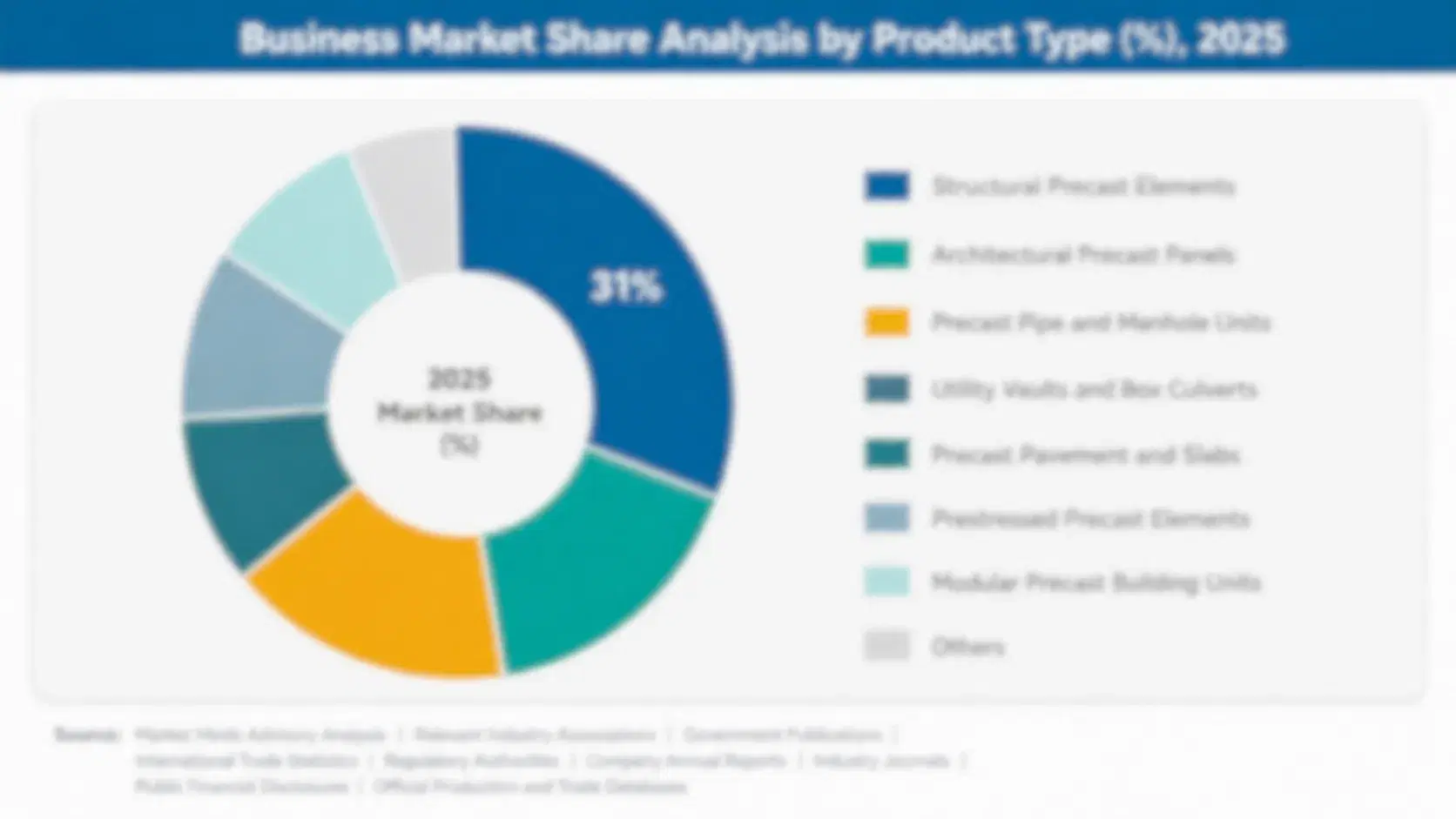
Water turbines segment by hydraulic design rather than application, since the same Francis, Kaplan, Pelton, or pumped storage architecture applies whether the installation serves conventional baseload generation, peaking capacity, or grid flexibility balancing requirements. Secondary classification by head height remains useful for engineering planning purposes. Head height increasingly shapes installation cost considerations across sites.
water-turbine-market-market-share-analysis-1791015340833

Variable-Speed Pumped Storage Turbines

Variable-speed pumped storage turbines adjust rotational speed dynamically to match grid balancing needs, delivering substantially faster response capability than fixed-speed pumped storage alternatives that operate at a single rotational speed regardless of grid conditions. This segment is growing at nearly eight percent annually, roughly 1.5 times the overall market rate, as grid operators managing high renewable penetration increasingly require this flexibility for maintaining stability. Demand concentrates heavily among utilities in regions with aggressive renewable capacity targets, creating a multi-year retrofit and new-build opportunity as more grids require this balancing capability. Few competitors can match this engineering depth quickly across comparable installations. Suppliers with strong field service networks retain pricing power here.
CAGR 7.9%

Conventional Francis and Kaplan Turbines

Conventional Francis and Kaplan turbines operate at fixed or narrow-range rotational speed, remaining the dominant configuration across baseload hydropower installations where rapid grid response is not the primary design requirement. This segment is growing at 4.6 percent annually, below the overall market rate, as the configuration continues dominating volume across standard baseload applications. Demand concentrates among utilities operating conventional run-of-river and reservoir hydropower facilities where modernization focuses on efficiency improvement rather than grid flexibility capability. Pricing for these systems has remained relatively stable as the technology matures further. Few competitors can match this reliability track record quickly. Growth here depends heavily on continued baseload hydropower demand across the installed fleet.
CAGR 4.6%
Full segment breakdown across 7 segments available in the complete report.

Regional Architecture and Country Demand Map

East Asia leads on China's continued hydropower expansion and pumped storage buildout, with North America close behind on aging fleet modernization. South Asia and Pacific posts the fastest growth as India's hydropower capacity expands. Regional fleet age distribution and grid flexibility needs shape procurement priorities.

North America

The United States anchors regional demand through extensive aging hydropower infrastructure requiring systematic modernization, with many installations approaching or exceeding their original forty-year design service life across major river systems. Pumped storage modernization represents a growing priority as grid operators seek flexibility resources to balance expanding renewable capacity. Canada's substantial hydropower fleet contributes a smaller but steady complementary demand pool, particularly in regions with similar aging infrastructure. Several large utilities have formalized multi-year sourcing commitments with preferred manufacturers. These commitments provide suppliers with multi-year production planning visibility ahead of demand. Several brands now offer expedited delivery for emergency replacement requests. This locks in favorable pricing ahead of anticipated logistics cost increases.
Share: 26% | CAGR: 5.8% (2026 to 2036)

Western Europe

Norway, France, and Switzerland anchor regional demand through established hydropower infrastructure and expanding pumped storage capacity tied to broader European Union renewable integration requirements. Growth trails East Asia's and South Asia's pace since much of the region's hydropower fleet already underwent modernization in recent decades. Alpine countries contribute a smaller but technically sophisticated demand pool, favoring premium variable-speed systems for grid balancing applications. Equipment certified under one national standard typically satisfies requirements across the bloc. Permitting reforms in several countries aim to accelerate future modernization project timelines. Grid operators continue coordinating closely on shared renewable integration frameworks. This variation complicates pan-European marketing but rarely blocks product sales entirely. Momentum continues.
Share: 20% | CAGR: 3.8% (2026 to 2036)
Regional intelligence for 5 additional markets available in the complete report: East Asia, South Asia and Pacific, Latin America, Middle East and Africa, Eastern Europe. Contact sales@marketmindsadvisory.com.
water-turbine-market-country-cagr-analysis-1791015341159

Monetizing Grid Flexibility Performance Depth

Hardware margins on standard conventional turbines continue compressing under competitive utility tender pressure, pushing manufacturers toward recurring revenue tied to long-term maintenance contracts, performance guarantee programs, and modernization retrofit services that protect margin more durably than one-time equipment sales alone. The levers below concentrate where recurring revenue holds up best over time. Suppliers investing early build durable differentiation.

Variable-Speed Grid Performance Guarantee Service Programs

Manufacturers offering performance guarantee programs that lock in minimum response time and efficiency rates backed by manufacturer-funded remediation if targets are missed capture premium fees that basic equipment sellers cannot match, since grid operators increasingly value guaranteed flexibility performance over simple equipment warranties. This locks utilities into the manufacturer's own performance relationship across the full contract term, since switching mid-contract risks costly requalification. These programs carry margins roughly 25 to 32 percentage points above standalone equipment sales. Smaller independent manufacturers rarely match this performance guarantee depth consistently. Few competitors hold comparable depth.
Market Impact: Adds 25 to 32 percentage points of margin

Long-Term Modernization and Retrofit Service Agreements

Utilities facing aging fleet modernization needs increasingly pay for long-term retrofit service agreements that bundle turbine replacement with ongoing maintenance support across the equipment's full forty-year service life, turning what was once a one-time equipment sale into an ongoing relationship with predictable renewal economics. Manufacturers offering this structure report contract renewal rates above 63 percent among utilities managing large aging fleets, since proven retrofit reliability reduces technical risk relative to switching providers. Early adopters are locking in multi-year retrofit service commitments across their fleets. Few competitors can match this depth quickly across large fleet networks.
Market Impact: Achieves above 63 percent annual contract renewal rate

Who Controls the Margin Pool

Concentration in water turbines sits at 51 percent across the top five suppliers on a global revenue basis, reflecting a category where heavy equipment engineering capability and utility relationships favor established manufacturers over smaller entrants. Voith Hydro and Andritz Hydro hold the broadest global project delivery experience, while GE Renewable Energy carries comparable scale across both conventional and pumped storage product lines. The gap between the leading tier and smaller regional challengers remains substantial.
Current activity centers on variable-speed engineering and modernization retrofit capability rather than basic turbine reliability, which has largely converged across established manufacturers. Firms increasingly bundle performance guarantee programs and long-term retrofit service agreements into large modernization bids, since the performance and service relationship now generates a larger share of lifetime contract value than standard equipment supply alone.

Pressure is building from Chinese manufacturers expanding export capacity and undercutting established players on price for standard conventional installations in price-sensitive emerging markets, though variable-speed and modernization projects still favor established manufacturers with proven large-scale delivery track records. Regional engineering integrators are also gaining share in markets favoring customization, suggesting rankings among the second tier shift within the forecast window.
water-turbine-market-company-positioning-matrix-1791015341450

Competitive Moat and Risk Dimensions

VOITH HYDRO

Moat: Broadest Global Project Delivery

Voith Hydro's position rests on decades of large-scale project delivery across diverse geographies and hydraulic conditions, letting it qualify for complex multi-billion-dollar modernization programs that smaller competitors cannot cost-effectively pursue without comparable track records. This track record also speeds qualification for new large-scale modernization program tenders.
VOITH HYDRO

Risk: Exposure to Commodity Undercutting

Voith Hydro's broad standard-product portfolio faces growing exposure as Chinese manufacturers enter basic conventional turbine segments, particularly for utilities prioritizing price over variable-speed engineering depth. A prolonged price war would weigh disproportionately on commodity segment results significantly. Margin pressure intensifies each passing year. Pressure builds steadily.
ANDRITZ HYDRO

Moat: Deep Variable-Speed Engineering

Andritz Hydro built its position on specialized variable-speed pumped storage engineering that delivers faster grid response than conventional alternatives, a technical depth that commands premium pricing among utilities prioritizing flexibility over simple construction price. This specialization also commands loyalty among utilities managing complex grid balancing requirements.
ANDRITZ HYDRO

Risk: Limited Conventional Product Breadth

Andritz Hydro's variable-speed focus limits its natural extension into basic conventional turbine segments, where competitors with broader standard-product coverage capture price-sensitive customers that Andritz's positioning cannot easily reach. Diversifying into conventional segments would require years of manufacturing investment and testing. This limitation persists across most markets served.

Players Tracked

Prominent Players

Voith Hydro
Andritz Hydro
GE Renewable Energy
Toshiba Energy Systems
Harbin Electric

Other Key Players

Siemens Energy
Alstom Hydro
Dongfang Electric
Hyundai Heavy Industries
Mavel AS
Gilkes and Gordon
Litostroj Power
Boving Hydro
Hangzhou Water Turbine
Fuji Electric
Zhejiang Jinlun Electromechanical
Tianjin Alstom Hydro
WWS Wasserkraft
Rodio SpA
Flovel Energy Private Limited

Recent Developments

SEPTEMBER 2025

Voith Hydro completed an organic capacity expansion at its turbine manufacturing facility, adding dedicated production lines for variable-speed pumped storage units, responding to sustained order growth from utilities expanding grid flexibility programs across multiple regions. The expansion addresses backlog from several recent regional procurement cycles.
Signal: Signals confidence that variable-speed turbine demand will keep expanding faster than conventional turbine replacement cycles. Peers may follow suit.
JANUARY 2026

Andritz Hydro signed a multi-year supply agreement with a major Indian state power authority to guarantee variable-speed turbine availability across its expanding pumped storage program, supporting the authority's grid flexibility expansion amid rising renewable integration demand. Terms were not fully disclosed to the public. Deliveries begin soon.
Signal: Shows Indian authorities adopting variable-speed technology well ahead of broader regional grid mandates. Deals may follow.

Steel Casting and Control System Costs

Steel castings for turbine runners and housings represent roughly 36 to 42 percent of cost of goods sold for conventional units, while advanced control systems and variable-speed drive components add another 18 to 22 percent for pumped storage configurations. Steel casting supply concentrates heavily in China and India, while control system components source more narrowly from specialized electronics manufacturers, leaving distinct exposure profiles.
Steel prices surged sharply across 2021 and into 2022 as global construction and industrial demand outpaced mill capacity recovery following pandemic-era production curtailments at major steel producers worldwide. The IEA's 2023 critical minerals review noted that downstream manufacturers absorbed significant margin pressure during this period, since many multi-year utility contracts were priced on fixed terms agreed before the steel price surge materialized. Interoperability testing adds further validation time before deployment approval.

Smaller regional manufacturers without long-term steel hedging programs carried disproportionate exposure during this period, often absorbing cost increases that larger manufacturers passed through more readily given their stronger utility relationships. Voith Hydro and Andritz Hydro negotiate annual volume agreements directly with steel and component suppliers that smooth exposure across cycles, giving them a durable cost advantage.
water-turbine-market-cost-volatility-analysis-1791015341722

Multi-Year Steel and Control System Supply Agreements

Locking in steel casting and control system component volumes through multi-year supply agreements with price escalation clauses shields manufacturers from spot market volatility and lets them quote more stable project pricing to utility customers even during broader commodity market disruptions affecting the wider heavy equipment industry significantly. This also shortens delivery timelines during emergency procurement situations.

Alternative Steel Alloy Qualification Program Launch

Several manufacturers are qualifying alternative corrosion-resistant steel alloy formulations for turbine components, reducing exposure to the most constrained steel category while preserving the durability specifications required for reliable long-term operation under continuous water flow conditions. This qualification process typically spans twelve to eighteen months before adoption. Vendors view this as a long-term resilience investment worth pursuing.

Portfolio Architecture for Margin Defence

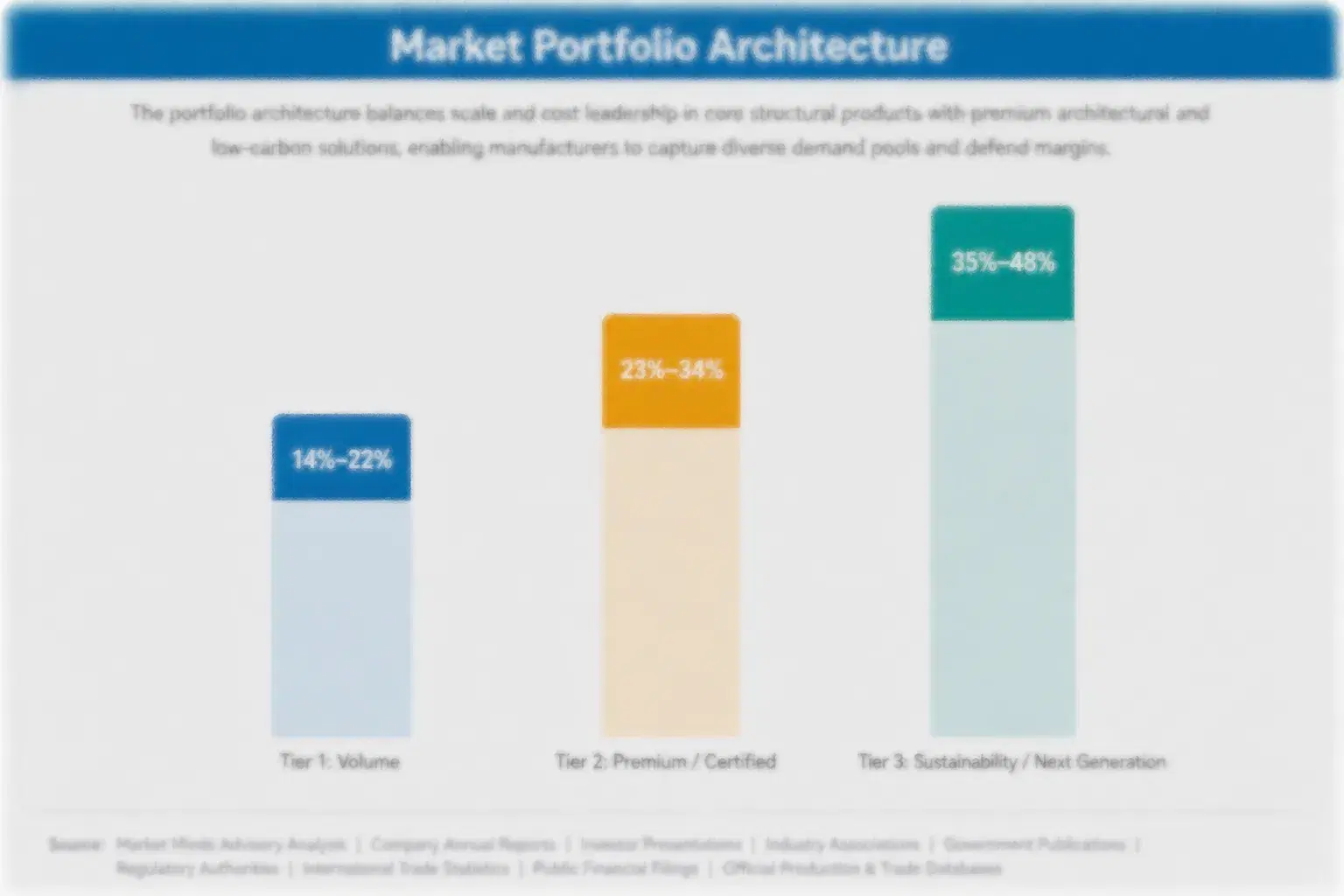
Portfolio economics in water turbines split across three tiers, with gross margins ranging from the low twenties on conventional fixed-speed units to the high thirties on variable-speed configurations with performance guarantee programs attached. The spread between tiers has widened over the past several years as commodity conventional pricing compresses while premium variable-speed pricing holds firm on engineering complexity barriers. Few manufacturers successfully compete at both ends of this spectrum simultaneously.
Volume concentrates in conventional categories by unit count, but value concentrates disproportionately in variable-speed systems and the service contracts attached to them, creating the familiar tension where manufacturers must sustain conventional-tier scale to cover fixed costs while channeling investment toward the higher-margin tiers that actually drive profit growth across the business. This divide has become more pronounced with each successive product generation released.

High-value pools concentrate specifically around utilities pursuing grid flexibility programs who value variable-speed capability and long-term retrofit service over unit price alone. Manufacturers positioned to serve these accounts capture disproportionate profitability relative to unit volume, while pure conventional sellers compete almost entirely on price and face the thinnest margins anywhere across the category. The gap between these two groups continues widening rather than narrowing over time.

Conventional Francis and Kaplan turbines sold at high volume into standard baseload hydropower applications, competing primarily on unit price with minimal flexibility differentiation. Replacement typically follows standard retrofit procurement cycles.
Gross Margin

Variable-speed pumped storage turbines carrying performance certification, commanding premium pricing on rapid response capability and long-term service contracts bundled into the agreement. Buyers increasingly expect this capability as a baseline requirement now.
Gross Margin

Advanced grid-balancing platforms with embedded performance guarantees and renewable integration support, often tied to utility flexibility program requirements and compliance mandates. Few competitors can match this combination without years of investment.
Gross Margin
water-turbine-market-portfolio-architecture-1791015342055

High-value Sub-segments and Strategic Watch-out

Variable-Speed Grid Balancing Platforms

Variable-speed turbine platforms combine premium pricing with the category's fastest adoption curve among utilities pursuing grid flexibility programs, positioning this segment as the clearest profit expansion opportunity through 2036 for manufacturers with existing engineering capability. Early movers are locking in multi-year platform sourcing agreements now.

Modernization Retrofit Service Contracts

Retrofit service contracts tied to aging fleet modernization carry strong margins and steady, demographically driven purchasing cycles, though volume growth stays moderate since fleet aging progresses gradually across utility networks. Fleet age data gives manufacturers unusually reliable demand forecasting visibility. Early entrants gain lasting integration advantage over time.

Conventional Turbine Equipment

The largest unit volume pool by count, carrying the thinnest margins and facing continuous price pressure from Chinese commodity manufacturers, this segment remains essential for absorbing fixed manufacturing overhead across the business. Few manufacturers exit this tier without losing meaningful production scale. Capital flows accordingly across the organization.

Permitting Delay Project Timing Risk

Continued permitting and environmental review delays threaten to push modernization project timelines further beyond current projections, requiring manufacturers to monitor project pipeline timing closely and diversify order books across regions. Capital reallocation decisions made now will shape future positioning. Diversification reduces single-market dependency risk over time.

Fleet Age Cycles Anchor Recurring Investment

Demand in water turbines behaves like a multi-decade infrastructure annuity tied to fleet age cycles and grid flexibility requirements rather than discretionary capital spending, since utilities must maintain functioning generation capacity for the full forty-year typical service life regardless of broader economic conditions. Aging hydropower fleet demographics and expanding renewable integration needs generate recurring modernization revenue that persists across economic cycles. This reflects multi-decade asset planning that utilities rely on.
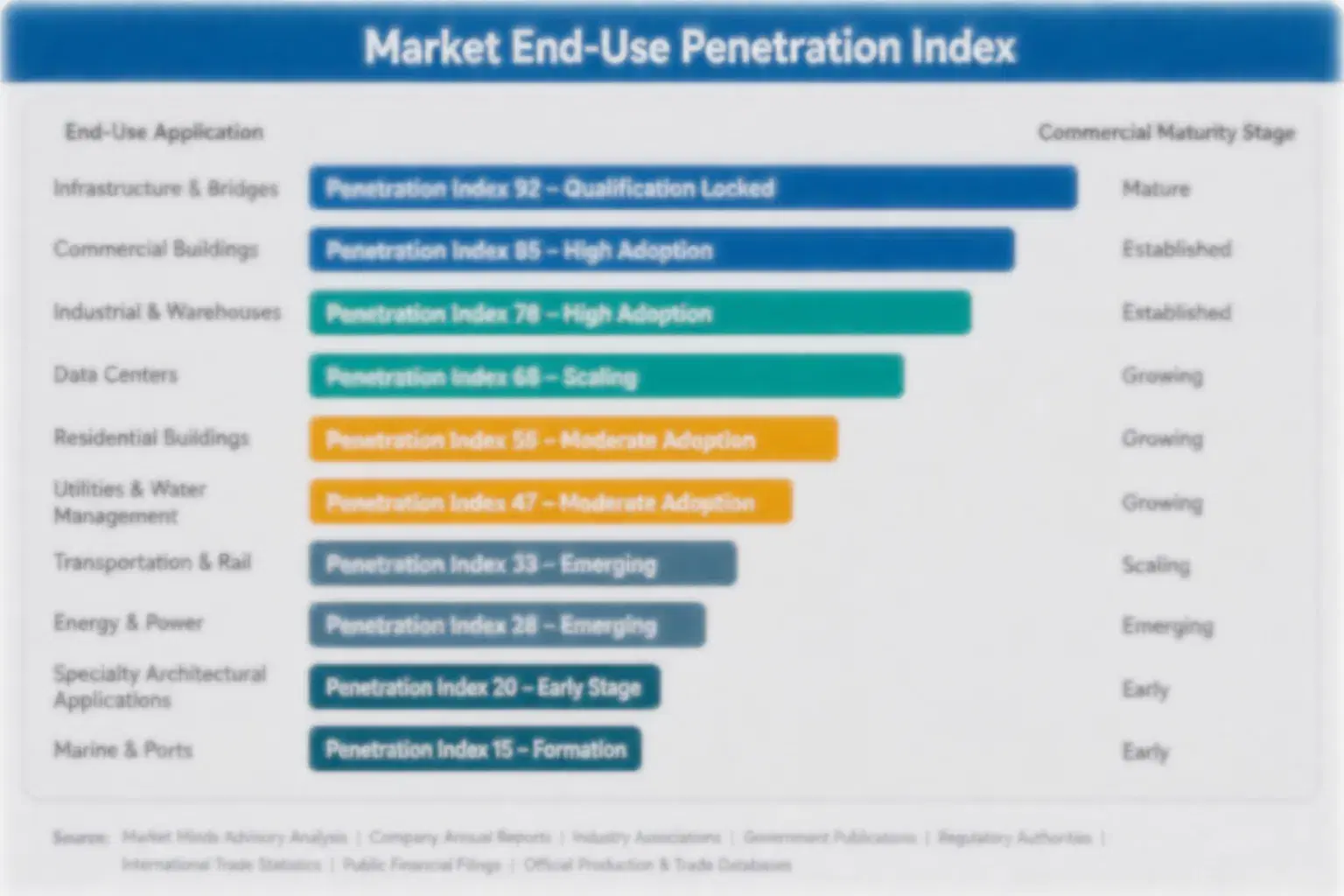
Adoption stickiness and depth vary sharply by end-use vertical. Large utilities retain qualified supplier relationships deeply once established for a hydropower facility, since switching mid-fleet risks compatibility and civil infrastructure complications across their generation network. Smaller independent power producers show shallower stickiness, often selecting based on price for individual projects, while grid flexibility operators sit between these extremes. Utilities value suppliers who deliver on aggressive maintenance timelines.

Buyer profiles are shifting generationally as procurement consolidates from individual plant engineers toward centralized utility asset management teams overseeing fleet-wide modernization planning across entire generation portfolios simultaneously. This favors manufacturers offering standardized variable-speed platforms and guaranteed retrofit capability over smaller specialists who once won individual plant business through direct relationships with plant engineers. Regional asset teams now negotiate framework contracts covering multiple facilities.
water-turbine-market-end-use-penetration-index-1791015342360

Where to Commit Capital Next

These are among the four positions where our research anticipates prominent divergence between winners and laggards over the coming forecast period. Each is grounded in the demand model, the regulatory perimeter, and the announced capacity pipeline.
01 / VARIABLE-SPEED TURBINE CAPACITY

Expand variable-speed capacity ahead of flexibility demand

Variable-speed pumped storage turbines are growing at nearly eight percent annually, well above the category average, driven by grid operators managing high renewable penetration requiring rapid response capability for balancing intermittent output. Manufacturers that expand qualified variable-speed engineering capacity now, before the current flexibility demand cycle peaks, will capture durable share before regional competitors close the remaining technical gap. Waiting risks ceding the fastest-growing segment to better-positioned incumbents with longer qualification lead times already secured, while also gaining preferred positioning for subsequent multi-year flexibility funding cycles.
02 / MODERNIZATION SERVICE BUILDOUT

Build dedicated retrofit service capability

Performance guarantee programs and long-term retrofit service agreements reward manufacturers who demonstrate reliable modernization capability, commanding margins well above standard equipment sales across the broader category and across most utility account relationships. Building dedicated retrofit capability turns a declining-margin equipment category into a durable, high-margin recurring revenue stream that smaller competitors struggle to replicate without comparable engineering scale. Manufacturers without this capability today are already losing large fleet accounts to better-equipped rivals, since early contracts establish the performance baseline used in future renewal negotiations.
03 / REGIONAL MARKET POSITIONING

Prioritize South Asia and Pacific ahead of saturation

South Asia and Pacific posts the fastest regional CAGR in the category, driven by India's expanding hydropower capacity and growing grid flexibility needs installing variable-speed technology across many new and modernized facilities simultaneously. Manufacturers establishing distribution and engineering infrastructure now, well ahead of broader market awareness, will capture disproportionate share before competitors recognize the full scale of the opportunity. Entering after the growth wave peaks means competing against already-entrenched early movers on distinctly worse commercial terms, since first-mover service networks become difficult for later entrants to displace.
04 / ENGINEERING DEPTH INVESTMENT

Prioritize performance depth over price competition

Margin data shows certified premium and variable-speed systems carry margins roughly double commodity conventional units, and that gap has widened rather than closed over the past several years of pricing observation across the category. Manufacturers chasing unit cost reduction in commodity tiers compete directly against persistently lower-cost Chinese producers on their single worst competitive terms available anywhere in the category. Investing instead in broader performance guarantee capability protects margin and builds switching costs around proven reliability that compounds over successive purchase and renewal cycles.

Engagement Snapshot From the Field

A live engagement with an industry participant carrying material or product regulatory and market exposure ahead of a defining policy shift, showing how our research translates into a defensible multi-year portfolio strategy.
MARKET MINDS ADVISORY · CLIENT ENGAGEMENT SUMMARY
Water Turbine Producer Strategic Portfolio Review and Transition Roadmap 2026·Investment Scenario on Water Turbine Exposure Evaluation 2025-26
CLIENT PROFILE
A regional utility operating a hydropower fleet averaging thirty-eight years of age approached MMA to assess whether an accelerated variable-speed turbine retrofit program could improve its grid flexibility revenue standing as renewable capacity expanded across its service territory. MMA was engaged directly by the utility's generation planning division. MMA was engaged directly by the utility's generation planning team.
STRATEGIC CHALLENGE
The utility faced growing pressure to provide grid balancing capacity as renewable penetration increased, but lacked a data-driven framework for prioritizing which hydropower units needed variable-speed conversion first given constrained capital budgets and aging civil infrastructure constraints. Leadership also wanted a repeatable process for evaluating future conversion investment decisions. Delays risked lost revenue.
MMA APPROACH
MMA conducted a unit-by-unit assessment ranking each turbine by age, flexibility revenue potential, and civil infrastructure compatibility with variable-speed conversion, combining utility operating records with grid market data. The engagement produced a prioritized multi-year capital allocation plan for variable-speed conversion across the highest-value units. Findings informed a revised multi-year capital investment roadmap for generation leadership.
KEY FINDINGS
  1. Eight of the utility's turbines showed strong variable-speed conversion economics given their proximity to renewable-heavy grid balancing zones. These units represented the clearest near-term conversion priority.
  2. Variable-speed conversion on these units was projected to improve the utility's grid flexibility revenue standing within two market cycles. This improvement was critical for maintaining favorable grid market positioning.
  3. Three turbines in locations with aging civil infrastructure showed the highest conversion cost per unit of flexibility value among all candidates. These units were deprioritized pending future infrastructure investment.
  4. The prioritized conversion plan was projected to increase total flexibility revenue by approximately 26 percent (client-reported, unverified by MMA) within three years.
CLIENT PROFILE
A regional utility operating a hydropower fleet averaging thirty-eight years of age approached MMA to assess whether an accelerated variable-speed turbine retrofit program could improve its grid flexibility revenue standing as renewable capacity expanded across its service territory. MMA was engaged directly by the utility's generation planning division. MMA was engaged directly by the utility's generation planning team.
STRATEGIC CHALLENGE
The utility faced growing pressure to provide grid balancing capacity as renewable penetration increased, but lacked a data-driven framework for prioritizing which hydropower units needed variable-speed conversion first given constrained capital budgets and aging civil infrastructure constraints. Leadership also wanted a repeatable process for evaluating future conversion investment decisions. Delays risked lost revenue.
MMA APPROACH
MMA conducted a unit-by-unit assessment ranking each turbine by age, flexibility revenue potential, and civil infrastructure compatibility with variable-speed conversion, combining utility operating records with grid market data. The engagement produced a prioritized multi-year capital allocation plan for variable-speed conversion across the highest-value units. Findings informed a revised multi-year capital investment roadmap for generation leadership.
KEY FINDINGS
  1. Eight of the utility's turbines showed strong variable-speed conversion economics given their proximity to renewable-heavy grid balancing zones. These units represented the clearest near-term conversion priority.
  2. Variable-speed conversion on these units was projected to improve the utility's grid flexibility revenue standing within two market cycles. This improvement was critical for maintaining favorable grid market positioning.
  3. Three turbines in locations with aging civil infrastructure showed the highest conversion cost per unit of flexibility value among all candidates. These units were deprioritized pending future infrastructure investment.
  4. The prioritized conversion plan was projected to increase total flexibility revenue by approximately 26 percent (client-reported, unverified by MMA) within three years.
RECOMMENDED STRATEGY
Phase 1: Phase one: convert the eight highest-value turbines identified through the assessment within the next two fiscal years. This phase carries the highest near-term revenue opportunity. Phase 2: Phase two: evaluate civil infrastructure upgrades needed for the three constrained units ahead of their conversion timeline. These evaluations proceed on a slower, less time-sensitive schedule. Phase 3: Phase three: establish an ongoing turbine performance monitoring program to continuously reprioritize future conversion decisions. Updated data will inform future conversion prioritization decisions.
OUTCOME
The utility began phase one conversion within the current fiscal year and initiated civil infrastructure planning for the constrained units (client-reported, unverified by MMA). Generation planning leadership adopted the prioritization framework as a standing tool for future fleet-wide capital investment decisions. Leadership credited the framework with accelerating confident capital allocation significantly.

Frequently Asked Questions

Foundational context covering the market sizes, CAGR, scope, country, region and competition that inform every finding below. This section is provided to cover basics and most often pre-purchase conversations, answered from the MMA Primary Research Dataset.

What is the current size of the Water Turbine Market?

The global water turbine market is valued at 6.4 billion dollars in 2025. Demand is sustained by aging fleet modernization and grid flexibility requirements worldwide.

How large will the Water Turbine Market be by 2036?

The market is projected to reach 11.295 billion dollars by 2036, up from 6.739 billion dollars in 2026. This represents a cumulative increase of 4.556 billion dollars across the forecast decade.

What is the CAGR for the Water Turbine Market 2026 to 2036?

The market is forecast to grow at a 5.3 percent CAGR between 2026 and 2036. Bull and bear scenarios range between 4.1 and 6.5 percent depending on grid flexibility investment pace.

Which segment is growing fastest?

Variable-speed pumped storage turbines lead at a 7.9 percent CAGR, roughly 1.5 times the overall market rate, as few alternatives match their rapid grid response speed advantage.

Who are the major companies in the Water Turbine Market?

Voith Hydro, Andritz Hydro, GE Renewable Energy, Toshiba Energy Systems, and Harbin Electric lead the category, together holding a 51 percent combined share. Combined scale shapes competitive dynamics significantly.

Which country is growing fastest?

China leads country-level growth at a 6.8 percent CAGR, driven by continued hydropower expansion and aggressive pumped storage buildout across the country nationwide. Growth continues steadily.

Report Segmentation Architecture

The full report scope spans multiple orthogonal segmentation dimensions, with cross-tabulated demand data provided for each dimension pair. Coverage extends further to regional breakdowns, trend trajectories, and the competitive detail needed to support segment-level decision-making.

By Product Type

    By End-Use Industry

      By Commercial Dimension

        By Region

        • North America
        • Western Europe
        • East Asia
        • South Asia and Pacific
        • Latin America
        • Middle East and Africa
        • Eastern Europe

        Scope, Methodology, and Coverage

        Every figure in this report is reproducible from documented input assumptions. The scope below maps the historical period, the forecast horizon, the segmentation dimensions, and the countries covered, alongside the underlying primary and qualitative methodology.
        Historical Period
        2020 to 2025
        Forecast Period
        2026 to 2036
        Base Year
        2025 (USD billions; MMA Primary Research Dataset, October 2026)
        Market Definition
        This report covers turbines that convert the kinetic and potential energy of flowing or falling water into mechanical energy for electricity generation, including Francis, Kaplan, Pelton, and pumped storage turbine configurations. It excludes the generators themselves sold as separate components, dam civil construction and spillway infrastructure, and small-scale run-of-river systems below the utility-scale threshold covered in this report.
        Quantitative Units
        USD billions
        Segmentation Dimensions
        Regions Covered
        North America, Western Europe, East Asia, South Asia and Pacific, Latin America, Middle East and Africa, Eastern Europe
        Countries Covered
        Key Companies Profiled
        Voith Hydro, Andritz Hydro, GE Renewable Energy, Toshiba Energy Systems, Harbin Electric, Siemens Energy, Alstom Hydro, Dongfang Electric, Hyundai Heavy Industries, Mavel AS, Gilkes and Gordon, Litostroj Power, Boving Hydro, Hangzhou Water Turbine, Fuji Electric, Zhejiang Jinlun Electromechanical, Tianjin Alstom Hydro, WWS Wasserkraft, Rodio SpA, Flovel Energy Private Limited
        Quantitative Methodology
        Primary survey, n=3,800 respondents, Q4 2025, six countries; demand-side model with trade association cross-validation
        Qualitative Methodology
        47 expert interviews, Q4 2025; applied to validate demand model assumptions, identify emerging dynamics, and assess competitive positioning
        Report Format
        PDF and XLSX data workbook (Word format preview document)
        Publisher
        Market Minds Advisory
        Report Code
        MMA-2026-ENE-957
        Published
        October 2026
        Contact
        sales@marketmindsadvisory.com | www.marketmindsadvisory.com

        Purchase the full Water Turbine Market Report (2026 to 2036).

        The full report expands every section summarized here into complete analytical depth. It includes the full segmentation model across all six segments, detailed profiles of all twenty tracked competitors, and the complete regional dataset across all seven markets covered in this research program. It also adds extended trend, driver, and restraint coverage well beyond the two visible items shown in each category here, along with full input cost and portfolio tier analysis. Buyers additionally receive the underlying primary survey dataset and full expert interview summary notes.
        Complete six-segment MECE breakdown with margins
        Full twenty-company competitive profile set included
        All seven regional markets with demand mechanisms
        Extended trend, driver, and restraint library
        Primary survey dataset access, n=3,800 respondents
        Expert interview summary notes, 47 interviews

        Built For The People Who Decide

        From boardroom strategy to bench-side execution, this report is read cover-to-cover by leaders shaping the next decade of their industry, turning demand scenarios, market dynamics and valuation benchmarks into decisions.
        CXOs/ Presidents/ VPs/ Managers
        M&A and Corporate Development
        Strategy Teams and R&D Heads
        Procurement and Product Directors
        Regulatory and Compliance Leaders
        Investor Relations and Equity Analysts