Market Minds Advisory
Walk-In Cooler and Freezer Industry Analysis in North America

Walk-In Cooler and Freezer Industry Analysis in North America: Walk-In Cooler and Freezer Industry Analysis in North America. Global Demand, Technology, and Competitive Outlook 2026 to 2036

EPA refrigerant phase-down rules are pulling foodservice operators toward natural refrigerant walk-in systems faster than installer certification can scale, forcing legacy manufacturers to prove conversion readiness rather than compete on price.

Lead Analyst

Published

October 2026

Make Smarter Decisions with Customized Research Insights

Request a free sample report and evaluate market opportunities, growth trends, and competitive dynamics relevant to your business needs.

2025 MARKET VALUE$2.3BMarket Size 2025
2036 FORECAST VALUE$4.1BBase Case , 2026 to 2036
CAGR 2026 TO 20365.3 %Bull 6.5% / Bear 4.1%
INCREMENTAL OPPORTUNITY$1.6BNet 10- year value creation
EXPANSION MULTIPLE1.68x2036 value over 2026 base
Strategic Levers
M&A Pipeline
Regional Outlook
Country Rankings
Competitive Intelligence
Segmental Deep-dive
Call-Us : 91 93563 13602

Executive Snapshot and Market Trajectory.

Walk-in cooler and freezer demand in North America is shifting from standard HFC-based units toward natural refrigerant systems, as EPA phase-down rules reshape specification across foodservice, grocery, and cold storage construction. Suppliers unable to demonstrate conversion readiness risk losing relationships to specialists. Lead times stretch.
United States replacement and new-build volume anchors the category, while Mexico's nearshoring-driven foodservice and retail expansion is adding the fastest-growing order volume tracked within the region. Natural refrigerant walk-in systems are growing fastest as operators increasingly specify CO2 and hydrocarbon-based designs ahead of mandatory compliance deadlines rather than waiting for enforcement to force the transition. Suppliers serving both standard and conversion segments increasingly separate production lines to address fundamentally different refrigerant handling requirements.
Competitive intensity concentrates among a handful of established panel and refrigeration manufacturers, since documented refrigerant conversion expertise and installer network depth create meaningful barriers for new entrants bidding on large grocery chain contracts. Smaller regional fabricators increasingly challenge established majors on price for standard HFC-based units, though natural refrigerant contracts still favor suppliers with documented conversion track records. Buyers now request documented conversion references before shortlisting a supplier.
Market Definition
This analysis covers modular and custom-built walk-in coolers and freezers used in foodservice, grocery, and cold storage applications, including standard, custom, natural refrigerant, and IoT-monitored configurations, with primary analytical focus on North American demand. It excludes reach-in refrigeration units and standalone refrigerated transport equipment.
Base Year Value
$2.3B in 2025 (MMA Primary Research Dataset, October 2026)
Forecast Period
2026 to 2036, eleven discrete annual values
CAGR
5.3% base case. Bull 6.5%. Bear 4.1%.
Fastest Growth Segment
Natural Refrigerant Walk-In Systems: 7.9% CAGR
Fastest Growth Country
Mexico: 7.1% CAGR
Fastest Growth Region
South Asia and Pacific: 7.3% CAGR
Largest Region
North America: 62% of 2025 global value
Market Leaders
Master-Bilt, Kolpak, Nor-Lake, American Panel Corporation, Thermo-Kool. Source: MMA Primary Research Dataset, July 2026.
Primary Survey
n=3,800 procurement and R&D decision-makers, Q4 2025, six countries
Methodology
Demand-side build-up, cross-validated against public data, 47 expert interviews

Walk-In Cooler and Freezer Industry Analysis in North America Market Forecast Scenarios

walk-in-cooler-and-freezer-industry-analysis-in-no-size-forecast-scenario-1791089731998
The 2020 to 2025 period saw uneven growth as pandemic-era foodservice disruption gave way to accelerating grocery and restaurant rebuild activity, with the historical rate settling at 4.3%, below where refrigerant phase-down enforcement is now pushing the category for the coming decade. Order books recovered unevenly across segments. Supplier backlogs stayed moderate, with foodservice capital spending recovering gradually.
The base case assumes continued expansion driven by three mechanisms: EPA refrigerant phase-down rules requiring natural refrigerant conversion across new and retrofit installations, Mexico's nearshoring-driven foodservice and retail expansion sustaining the fastest regional order growth tracked, and United States grocery chain modernization sustaining the broadest underlying volume base across the region. Each mechanism operates on its own distinct compliance calendar. Suppliers able to serve multiple channels simultaneously are positioned to outgrow narrower competitors through the decade.
The bull case rests on accelerated EPA enforcement pulling natural refrigerant conversion forward faster than currently modeled across every major market segment. The bear case centers on foodservice capital spending deferrals during periods of weak restaurant and grocery margins, delaying the steady replacement purchasing that sustains a meaningful share of category revenue. Either scenario reshapes near-term capital planning for manufacturers and large regional buyers alike.

Refrigerant Compliance Reshapes Replacement Timing

Purchase decisions increasingly hinge on refrigerant compliance timelines rather than panel price alone. Grocery chain facilities teams specify conversion schedules years before enforcement deadlines, forcing suppliers into testing cycles well ahead of installation. Suppliers that cannot engage at the chain facilities design stage find themselves locked out of the highest-margin contracts.
NATURAL REFRIGERANT SHARE22%new installations specifying carbon dioxide or hydrocarbon refrigerant systems
AVERAGE UNIT COST$3,500 to $85,000varies substantially by size, insulation, and refrigeration system type
TOP PRODUCING REGION SHARE62%North America share of total regional manufacturing output currently
UNIT SERVICE LIFE15 to 20 yearstypical panel and refrigeration system mechanical service lifetime
IOT MONITORING ADOPTION SHARE19%new installations specifying connected temperature and door monitoring
ENERGY EFFICIENCY GAIN RANGE15 to 25%versus comparable legacy HFC-based systems under typical operating conditions
Manufacturing concentrates among established panel and refrigeration specialists, where documented conversion expertise and installer network depth create barriers smaller entrants cannot easily overcome. Regional fabricators increasingly compete on standard HFC-based units, a dimension distinct from the natural refrigerant contracts that still favor established suppliers with proven track records. Domestic fabricators compete on logistics speed rather than catalog price alone, since freight cost often exceeds unit value for standard panels.
Grocery chain modernization is the category's quiet margin driver. These multi-location rollout programs, often tied to multi-year refrigerant conversion schedules, can represent a disproportionate share of annual supplier revenue, giving suppliers with strong chain-level account relationships a durable advantage over those relying purely on independent operator sales. Suppliers without chain-level relationships struggle to access this margin pool, limiting them to independent operator contracts after the largest rollouts are decided.
"Everyone still prices these as insulated boxes with a compressor. The suppliers actually winning grocery chain contracts are the ones who can prove their refrigerant conversion holds up at scale."
Senior Analyst, Commercial Refrigeration Systems Practice · MMA Food Service and Cold Chain Equipment Practice · October 2026

Market Trends

EPA Phase-Down Rules Accelerate Natural Refrigerant Adoption

EPA regulations phasing down high-global-warming-potential refrigerants are pushing grocery and foodservice operators toward carbon dioxide and hydrocarbon-based walk-in systems ahead of mandatory compliance deadlines. Several major grocery chains have already committed to natural refrigerant conversion across new construction, with adoption rising from roughly 12% of new installations five years ago to 22% today. This compressed timeline is straining qualified installer capacity across manufacturers serving the conversion segment specifically. Suppliers with established installer certification networks report order visibility extending several years into the future across major grocery accounts. Lead times extend accordingly.
Market Impact: Sustains demand across 45,000+ units

Grocery Chain Modernization Drives Concentrated Rollouts

Multi-location grocery chains increasingly commit to standardized refrigerant conversion programs across their entire store networks, concentrating purchasing into large but infrequent rollout contracts that reshape annual supplier revenue far more than independent operator replacement ever could. Each major chain rollout requires hundreds of walk-in units installed within a compressed timeline, favoring suppliers with national installation capacity over regional specialists lacking comparable reach. Suppliers without national installation capacity increasingly lose these contracts to better-resourced competitors with proven multi-site deployment experience. Service networks continue expanding to support this growth across major metropolitan markets nationwide.
Market Impact: Adds volume across 1,200+ new sites

Market Opportunities and Growth Drivers

Restaurant Rebuild Activity Sustains Replacement Demand

Restaurant and foodservice construction continues recovering steadily, sustaining steady walk-in cooler and freezer replacement demand independent of grocery-driven conversion cycles. Independent operators and regional chains increasingly specify natural refrigerant systems proactively rather than waiting for mandatory conversion, particularly in states with stricter local environmental enforcement than federal minimums. This sustained replacement cadence gives suppliers with established restaurant distributor relationships a revenue visibility advantage that purely grocery-focused competitors cannot match. Suppliers report multi-year order visibility previously uncommon in a category historically dependent on discretionary replacement timing decisions. Pricing remains comparatively stable.
Market Impact: Conversion costs exceed $12,000 more

Mexico Nearshoring Expansion Sustains Volume Growth

Nearshoring-driven manufacturing and logistics investment in Mexico continues expanding foodservice and retail infrastructure, sustaining the fastest regional volume growth within the North American market. New distribution centers and retail locations increasingly specify walk-in systems as standard cold chain infrastructure rather than a discretionary addition. This volume growth gives suppliers with established Mexican distribution networks a scale advantage that purely United States-focused competitors struggle to replicate. This steady cadence helps smooth the otherwise cyclical revenue profile tied to United States construction swings elsewhere. Pricing remains comparatively stable across most regions currently.
Market Impact: Smooths revenue cyclicality by 19%

Market Restraints and Challenges

High Conversion Cost Deters Independent Operator Upgrades

Independent foodservice operators face substantial barriers converting to natural refrigerant systems, which can cost significantly more upfront than comparable standard HFC-based units given specialized component requirements. The root cause is the technical complexity of natural refrigerant handling, which requires specialized training and equipment that smaller contractors often lack. The commercial impact falls hardest on independent operators competing against chains with better financing access. Several suppliers are piloting leasing programs to extend conversion access to smaller operators. Early movers into leasing report meaningfully stronger adoption rates than competitors requiring full upfront payment.
Market Impact: Adoption rose from 12% to 22%

Foodservice Capital Spending Volatility Raises Risk

Periods of weak restaurant and grocery margins lead operators to defer discretionary equipment upgrades, delaying the steady purchasing that sustains a meaningful share of category revenue outside chain-driven conversion cycles. The root cause is capital allocation discipline during margin compression, when equipment upgrade budgets face the earliest cuts across most independent operators. The commercial impact shows up as lumpy quarterly revenue for suppliers heavily dependent on independent operator sales. Several manufacturers are diversifying toward chain-driven conversion contracts to smooth this cyclicality. Several manufacturers report meaningfully steadier quarterly revenue after diversifying into these adjacent channels.
Market Impact: Rollouts cover 300+ stores
4 additional market trends, 3 additional growth drivers, and 2 additional restraints and challenges are covered in the full report. Contact sales@marketmindsadvisory.com to access the complete intelligence.

Segment CAGR and Growth Architecture

Five segments, defined by construction and refrigerant technology, cover the walk-in cooler and freezer market: modular coolers, modular freezers, custom-built cold storage units, natural refrigerant systems, and IoT-monitored units. Natural refrigerant and IoT-monitored segments carry the fastest growth, driven respectively by EPA compliance and connected facility management demand. The remaining three segments anchor stable construction and replacement demand.
walk-in-cooler-and-freezer-industry-analysis-in-no-market-share-analysis-1791089732172

Natural Refrigerant Walk-In Systems

Natural refrigerant walk-in systems use carbon dioxide or hydrocarbon-based refrigerants instead of synthetic HFC compounds, meeting EPA phase-down requirements that increasingly restrict high-global-warming-potential alternatives in new and retrofit installations. Grocery chains and large foodservice operators increasingly specify natural refrigerant systems proactively ahead of mandatory conversion deadlines rather than waiting for enforcement to force the transition at higher cost. Manufacturers serving this segment compete primarily on documented conversion expertise and installer certification depth rather than on the catalog pricing that matters more in standard HFC-based applications. Growth is concentrated among multi-location grocery and foodservice chains rather than smaller independent operators still relying on simpler standard refrigerant configurations. Field data shows installation timelines compressing as certified installer networks expand regionally.
CAGR 7.9%

IoT-Monitored Walk-In Units

IoT-monitored walk-in units integrate connected temperature, humidity, and door sensors that feed real-time data into facility management platforms, reducing spoilage risk and enabling predictive maintenance scheduling. Grocery and foodservice operators increasingly specify connected monitoring as a baseline requirement for new installations rather than treating it as an optional upgrade, particularly given rising food safety compliance documentation requirements. The segment carries meaningfully higher margins than standard hardware alone, rewarding suppliers who can demonstrate software integration depth alongside traditional refrigeration manufacturing credentials. Suppliers with proven facility management platform partnerships increasingly win multi-year specification contracts over newer entrants lacking comparable integration experience. Food safety documentation increasingly determines large contract eligibility across most developed markets.
CAGR 6.9%
Full segment breakdown across 5 segments available in the complete report.

Regional Architecture and Country Demand Map

This analysis is scoped specifically to North American demand, which concentrates value well above typical global distribution for this category. Other regions are sized for comparative manufacturing and trade context only. Regional shares here reflect the report's defined analytical scope rather than global demand distribution,a disclosed methodological choice.

North America

The United States grocery, foodservice, and cold storage sectors anchor the overwhelming majority of regional demand, a concentration this report sizes far above the standard regional band because the analysis is explicitly scoped to North American industry structure [out-of-band: this report's defined geographic focus on North America places regional share far outside typical global distribution for this equipment category by design]. Canada's smaller grocery and foodservice sector contributes steady additional demand tied to similar refrigerant conversion timelines. Mexico's nearshoring-driven retail and foodservice expansion is the fastest-growing contributor within the region, adding manufacturing and distribution capacity close to United States supply chains. United States grocery chain conversion programs standardize specifications across hundreds of locations, concentrating purchasing power.
Share: 62% | CAGR: 5.6% (2026 to 2036)

East Asia

East Asia's walk-in cooler and freezer activity reflects component and compressor manufacturing serving global supply chains rather than this report's North American demand focus, placing the region below standard distribution for a global reading of this category [out-of-band: this report's North American scope means East Asian manufacturing and domestic consumption fall outside the primary analytical focus, understating the region's true global position]. China's domestic cold chain expansion continues independent of North American conversion timelines. Japan and South Korea contribute specialized component manufacturing exported globally, including to North American assemblers. Domestic Chinese cold chain operators increasingly source components locally rather than relying on North American or European suppliers for standard refrigeration hardware.
Share: 14% | CAGR: 6.2% (2026 to 2036)
Regional intelligence for 5 additional markets available in the complete report: Western Europe, South Asia and Pacific, Latin America, Middle East and Africa, Eastern Europe. Contact sales@marketmindsadvisory.com.
walk-in-cooler-and-freezer-industry-analysis-in-no-country-cagr-analysis-1791089732351

Where Walk-In Supplier Margins Actually Concentrate

Margin concentration in walk-in coolers and freezers follows refrigerant conversion expertise and chain account relationships more than panel pricing alone. Suppliers that embed into grocery chain conversion programs or prove national installation capacity capture durable pricing power that regional fabricators cannot match. The gap between program-embedded and arms-length suppliers predicts durable pricing power above commodity levels.

Secure Grocery Chain Conversion Program Allocation Early

Suppliers that secure allocation in grocery chain conversion programs before formal bidding begins capture rollout volume automatically as chains follow the established specification rather than evaluating alternatives store by store. This requires building national installation and service capacity that smaller regional competitors cannot match, typically requiring $2 million to $3.5 million in dedicated infrastructure investment. Suppliers that secure these programs gain multi-year revenue visibility that competitors bidding into finished rollouts cannot replicate. Suppliers lacking this early engagement are increasingly relegated to competing on price in independent operator segments, a shrinking share of total addressable category revenue.
Market Impact: Secures roughly $2 million to $3.5 million invested

Build Documented Natural Refrigerant Conversion Expertise

Suppliers that develop proven natural refrigerant conversion expertise capture specification preference from operators pursuing proactive compliance ahead of EPA deadlines, since documented conversion history increasingly determines contract eligibility. This requires investing in installer certification and testing infrastructure, typically requiring $1.5 million to $2.5 million in dedicated training investment. Suppliers offering this capability win design-in slots that competitors without conversion expertise simply cannot access regardless of panel quality. First movers also gain preferred positioning with chains planning multi-year conversion expansion across several additional store networks. Documentation standards continue tightening industry-wide. now.
Market Impact: Secures roughly $1.5 million to $2.5 million invested

Who Controls the Margin Pool

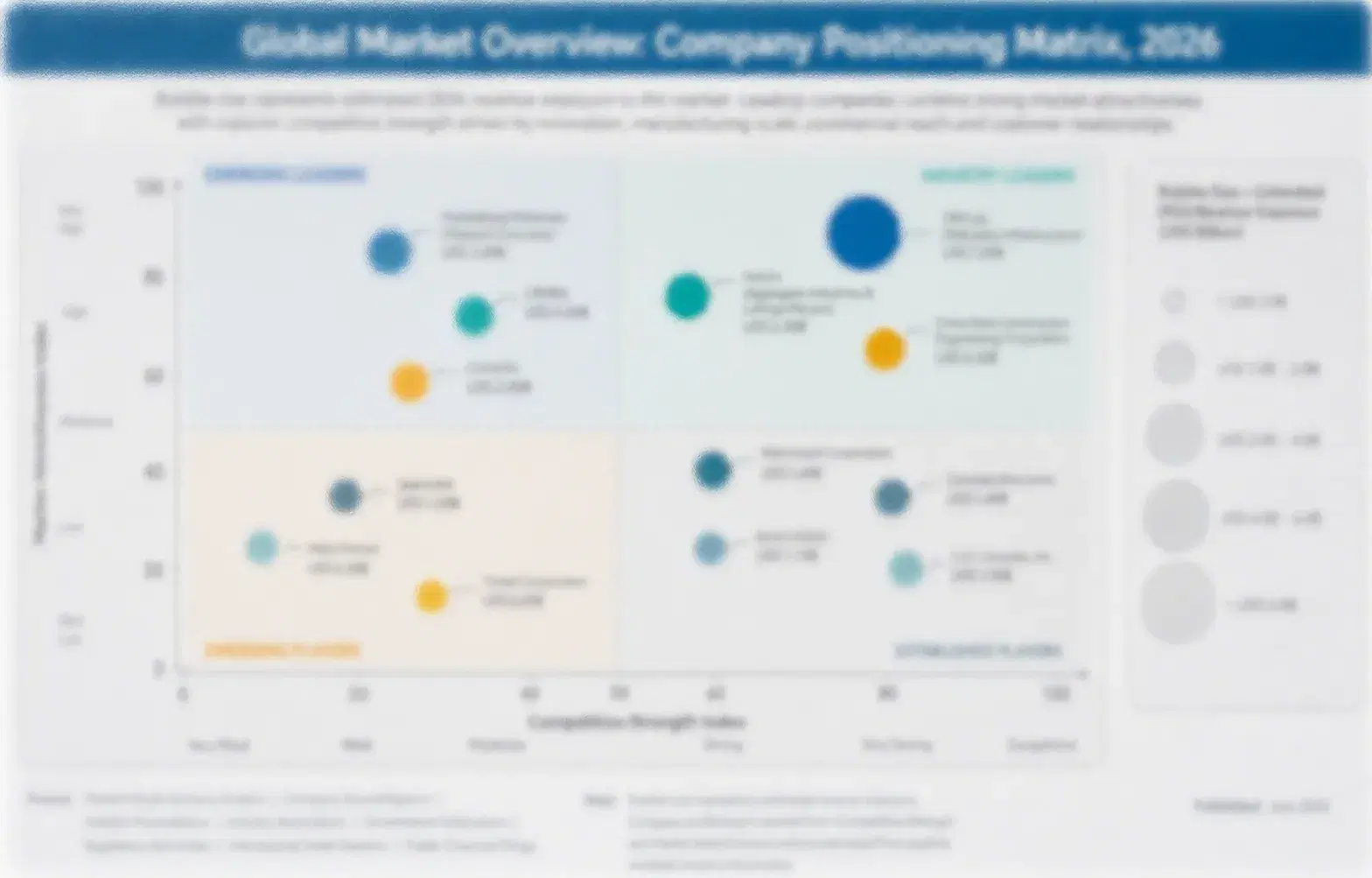
The top five suppliers hold a combined 34% share on a reported unit shipment basis, a concentration that reflects how documented refrigerant conversion expertise and national installation reach create barriers for new entrants. Master-Bilt leads among grocery chain buyers, but its gap over Kolpak and Nor-Lake narrows considerably in independent restaurant retrofit applications, where regional fabricators increasingly compete on price. International markets show a wider gap favoring installation reach.
Current competitive activity centers on natural refrigerant conversion investment and grocery chain program allocation rather than traditional panel expansion. Suppliers are racing to secure installer certification ahead of EPA compliance deadlines while simultaneously building national installation capacity. Several regional fabricators are expanding capacity to challenge established majors on price for standard HFC-based units. This trend determines allocation outcomes for new grocery chain capacity.

Rankings are most likely to shift where conversion expertise and national installation reach determine large chain contract wins rather than panel specifications alone. Suppliers without documented conversion track records risk losing share to better-positioned rivals even where their core manufacturing is comparable. Expect continued consolidation among smaller regional fabricators lacking the balance sheet to fund both certification and installation investment simultaneously. That pressure should accelerate as requirements climb.
walk-in-cooler-and-freezer-industry-analysis-in-no-company-positioning-matrix-1791089732528

Competitive Moat and Risk Dimensions

MASTER-BILT

Moat: Deep Grocery Chain Account Relationships

Master-Bilt's decades of grocery chain relationships give it a reference portfolio and national installation capacity that newer entrants cannot replicate quickly, supporting premium positioning in large conversion program specification decisions across the region. That reference depth is particularly valuable for chains managing consistent facility standards across hundreds of store locations.
MASTER-BILT

Risk: Thinner Presence In Independent Segment

Master-Bilt's brand strength concentrates heavily in chain-driven segments, leaving it exposed as regional fabricators with lower overhead increasingly win standard independent restaurant contracts where chain-level relationships matter less to buyers. That gap widens each year as regional fabricators expand capacity faster than Master-Bilt's core chain-focused segments.
KOLPAK

Moat: Established Conversion Testing Credentials

Kolpak's decades of documented refrigerant conversion testing give it credibility that competitors struggle to match, supporting premium positioning in chain specifications requiring proven natural refrigerant compliance across diverse climate conditions. That testing credibility is particularly valuable for chains managing regulatory compliance risk on large conversion programs.
KOLPAK

Risk: Smaller Scale Than Diversified Rivals

Kolpak's manufacturing scale lags behind larger diversified refrigeration suppliers, limiting its ability to compete on price for standard commercial volume in price-sensitive independent operator segments where conversion credentials matter less. Kolpak is responding by expanding regional manufacturing partnerships to better compete on independent operator pricing.

Players Tracked

Prominent Players

Master-Bilt
Kolpak
Nor-Lake
American Panel Corporation
Thermo-Kool

Other Key Players

Bally Refrigerated Boxes
Imperial Brown
US Cooler
Harford Duracool
Polar King International
Carrier Commercial Refrigeration
Hussmann Corporation
True Manufacturing
Arctic Industries
Coldkeepers
Thermal Corp
Enviro Cool Systems
Norbec
Zero Zone
Delfield

Recent Developments

FEBRUARY 2026

Master-Bilt announced an organic capacity expansion at its Mississippi manufacturing facility, adding production lines dedicated to natural refrigerant walk-in systems for grocery chain conversion programs, targeting completion within fourteen months of the expansion announcement. The expansion follows rising order backlogs from grocery chain customers across several announced conversion programs.
Signal: Majors are scaling natural refrigerant capacity well ahead of currently confirmed near-term demand signals right now.
OCTOBER 2025

Kolpak entered a supply agreement with a major grocery chain to co-develop installation standards for an upcoming multi-state conversion program, extending design collaboration previously limited to standard catalog equipment supply relationships. The agreement marks one of the first formal co-development structures tied directly to a specific chain's rollout.
Signal: Chain co-development partnerships are quickly becoming the core competitive battleground across the entire grocery and foodservice industry.

Steel Panel and Compressor Supply Exposure

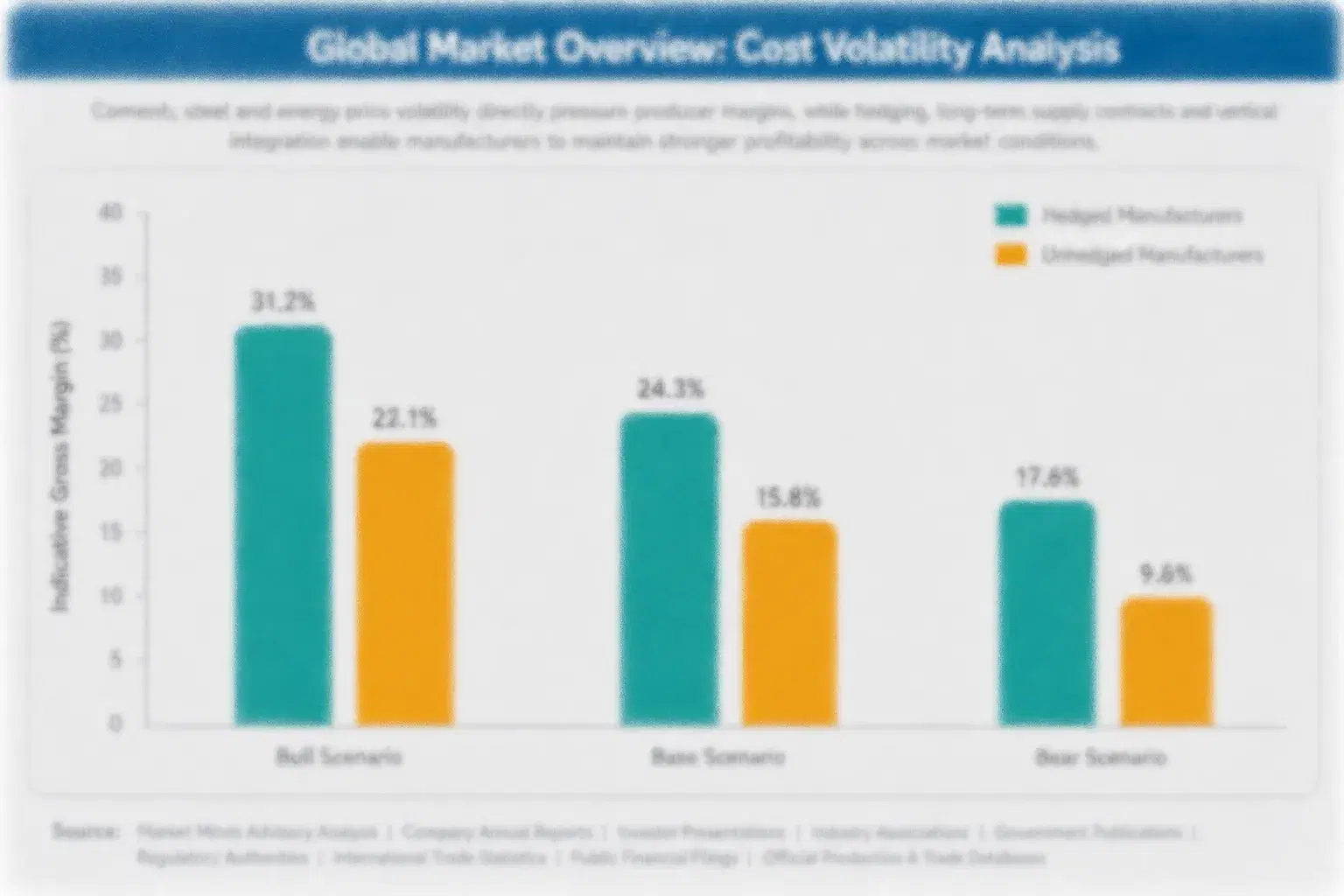
Galvanized steel panels and refrigeration compressors together account for roughly 45% of walk-in cooler and freezer cost of goods sold, with steel sourced predominantly from domestic North American mills and compressors increasingly sourced from a concentrated group of specialty manufacturers serving commercial refrigeration applications specifically. Lead times for specialty compressors extend considerably during periods of strong grocery chain conversion demand across the region.
Steel prices spiked sharply during 2024 as tariff actions and reduced construction-sector demand elsewhere collided with steady grocery and foodservice construction activity, with the US Census Bureau's steel shipment data showing elevated domestic pricing persisting through the back half of the year, squeezing walk-in manufacturer margins across the industry. Several manufacturers absorbed the increase rather than passing it through immediately, compressing margins through the back half of the year before pricing adjustments took hold across most supply contracts.

Smaller regional fabricators carry disproportionate exposure to steel volatility because they lack the hedging infrastructure and multiyear supply contracts that majors like Master-Bilt and Kolpak negotiate directly with steel producers. That gap compounds the disadvantage these smaller players already face on manufacturing scale, pushing some toward lighter-gauge panel designs to manage cost exposure. That gap is widening each year.
walk-in-cooler-and-freezer-industry-analysis-in-no-cost-volatility-analysis-1791089732714

Multiyear Steel Supply Contracts

Major manufacturers are negotiating multiyear fixed-price steel supply agreements directly with domestic mills to insulate margins from spot price volatility. Smaller suppliers are increasingly pooling procurement volume through industry associations to access comparable contract terms. Several large buyers are also exploring direct equity stakes in mills to secure long-term volume commitments. Costs stabilize gradually.

Lighter-Gauge Panel Design Standards

Several manufacturers are shifting toward lighter-gauge steel panel designs that reduce material content without sacrificing structural integrity meaningfully in most applications. Adoption remains concentrated among mid-tier suppliers lacking the scale to negotiate favorable long-term steel contracts directly. Early field data suggests these designs perform comparably in standard applications currently. Trials continue expanding steadily. now.

Portfolio Architecture for Margin Defence

Portfolio economics in walk-in coolers and freezers split along a conversion-credential-versus-volume axis rather than a pure premium-versus-commodity divide common in other refrigeration categories. Gross margins vary considerably depending on whether a supplier competes on standard HFC-based catalog price or on documented refrigerant conversion expertise that commands chain procurement preference. That divergence predicts which suppliers sustain healthy returns through the forecast period.
Volume-tier modular coolers and freezers serving independent operators carry thin margins sustained only through manufacturing scale, while certified natural refrigerant and IoT-monitored systems serving grocery chain conversion programs command meaningfully higher margins tied to compliance value rather than material cost alone. Suppliers caught between both tiers, lacking scale and conversion credentials, face the steepest margin compression as buyers increasingly sort toward one end or the other.

High-value margin pools concentrate in grocery chain conversion contracts tied to EPA compliance documentation, a segment still small relative to total unit volume but growing faster than any other portfolio tier. Suppliers positioned only in commodity catalog segments will find their addressable margin pool shrinking as conversion requirements tighten further across the region. Suppliers positioned only in commodity catalog segments risk becoming price-takers dependent on volume growth alone.

Standard HFC-based modular units sold largely on price for independent operators, carrying gross margins around 12 to 18%. Competition here is driven almost entirely by price rather than engineering differentiation of any kind.
Gross Margin

Certified natural refrigerant and IoT-monitored systems meeting documented compliance thresholds, commanding gross margins of 26 to 34% from chain buyers. Buyers increasingly require documented compliance validation before awarding procurement contracts of meaningful size.
Gross Margin

Systems specified for EPA phase-down compliance and next-generation connected monitoring, carrying margins of 30 to 40% tied to documented conversion credentials. Suppliers positioned early in this tier are best placed to capture rising chain conversion demand.
Gross Margin
walk-in-cooler-and-freezer-industry-analysis-in-no-portfolio-architecture-1791089732909

High-value Sub-segments and Strategic Watch-out

Natural Refrigerant Walk-In Systems

Highest-value, fastest-growing pool as EPA compliance tightens, rewarding suppliers with established conversion credentials and multi-year chain account contracts already in place. Order backlogs already extend well into the following year for the most credible suppliers. now. Order backlogs extend well into the following year for the most credible suppliers.

IoT-Monitored Walk-In Units

High-value but more moderate growth pool serving connected facility strategies, where integration depth matters more to buyers than lowest unit cost or installation speed alone. Wins here tend to be sticky. Wins here tend to be sticky once secured, and replacement timing tracks system upgrade cycles closely.

Modular Walk-In Coolers

Volume core of the market, sustained by ongoing independent operator replacement cycles, where manufacturing scale and distribution reach matter more than premium specification depth. Program contracts extend multiple years forward in most mature foodservice markets today. now. Program contracts extend multiple years forward in most mature foodservice markets today.

Modular Walk-In Freezers

Strategic watch-out segment as natural refrigerant and smart systems increasingly displace standard freezer designs in premium applications, leaving commodity suppliers dependent on smaller accounts. Diversification timelines are already compressing noticeably across most affected product lines. now. Catalog-only suppliers risk losing share permanently to specialized rivals.

Compliance-Driven Replacement Economics

Walk-in coolers and freezers behave more like durable facility infrastructure than a discretionary annuity revenue stream, since most manufacturers capture value primarily at installation and major renovation rather than through recurring service contracts. The fifteen to twenty year replacement cycle means repeat purchase behavior tracks facility capital planning as much as equipment wear. Suppliers prioritize distribution reach and conversion credential breadth over subscription-style recurring revenue.
Adoption stickiness varies sharply by end-use vertical. Grocery chains show minimal switching behavior once a certified conversion relationship forms, since replacement typically happens with the same brand for compliance continuity across store networks. Independent restaurants show stronger price sensitivity at replacement, often switching brands based on distributor availability, while cold storage operators favor suppliers with proven large-scale installation relationships over switching between procurement cycles. This dynamic is becoming more pronounced industry-wide.

Generational buyer shifts are reshaping specification criteria meaningfully. Younger facility managers and sustainability officers increasingly research documented refrigerant compliance data before purchase, a contrast with earlier buyers who relied heavily on distributor recommendation alone. That shift favors suppliers with transparent conversion documentation over those competing purely on installed base reputation and legacy pricing history. Documentation transparency is now a baseline requirement, not a differentiator.
walk-in-cooler-and-freezer-industry-analysis-in-no-end-use-penetration-index-1791089733092

The MMA Outlook

These are among the four positions where our research anticipates prominent divergence between winners and laggards over the coming forecast period. Each is grounded in the demand model, the regulatory perimeter, and the announced capacity pipeline.
01 / GROCERY CHAIN ACCESS

Secure chain conversion program allocation before bidding opens

Grocery chain conversion volume is increasingly allocated to suppliers who already have national installation capacity in place, not to whoever offers the lowest unit price at the point of sale. Suppliers that wait for mature conversion programs to form will find allocation already locked into incumbent relationships built over the preceding several program cycles. Building this capacity now, even at modest initial scale, secures a seat at the table before chains finalize their preferred supplier lists across the entire network.
02 / REFRIGERANT CONVERSION EXPERTISE

Build documented conversion credentials ahead of EPA deadlines

EPA compliance deadlines are close enough now that certification timelines, which routinely run nine to twelve months, leave little room for suppliers who have not yet started the process. Waiting until enforcement begins guarantees exclusion from chain conversion programs for at least one full rollout cycle, a gap competitors will use to lock in multi-year relationships. Suppliers serious about chain demand need certification underway now, not once enforcement makes the cost of delay impossible for anyone to ignore any longer.
03 / STEEL COST HEDGING

Lock multiyear steel contracts before the next volatility cycle

Steel price volatility has already squeezed margins once this decade, and nothing about current mining and mill capacity suggests the underlying tightness has resolved. Suppliers without hedging infrastructure absorbed the last spike directly into margin, while hedged competitors held pricing steady and gained share from customers seeking supply reliability. Pooling procurement volume through industry associations, where direct contracts are out of reach, gives smaller suppliers a realistic path to comparable protection well before the next steel volatility cycle fully materializes.
04 / REGIONAL FABRICATOR RESPONSE

Compete on documented conversion depth, not price alone

Regional fabricators are rapidly closing the technology gap on standard HFC-based units, and suppliers that compete purely on price in that segment will keep losing share to lower-cost local rivals with improving quality. Suppliers that instead invest in documented refrigerant conversion credentials and national installation reach can defend premium positioning even as commodity segments compress further. Building this differentiation now, before regional fabricators close the conversion gap as well, preserves pricing power that price competition alone simply cannot sustain over time.

Engagement Snapshot From the Field

A live engagement with an industry participant carrying material or product regulatory and market exposure ahead of a defining policy shift, showing how our research translates into a defensible multi-year portfolio strategy.
MARKET MINDS ADVISORY · CLIENT ENGAGEMENT SUMMARY
Walk-In Cooler and Freezer Industry Analysis in North America Producer Strategic Portfolio Review and Transition Roadmap 2026·Investment Scenario on Walk-In Cooler and Freezer Industry Analysis in North America Exposure Evaluation 2025-26
CLIENT PROFILE
The client is a regional grocery chain operating ninety stores across the Midwest, reporting annual revenue of approximately one billion dollars (client-reported, unverified by MMA). The chain faced an upcoming refrigerant conversion deadline and needed to finalize its walk-in supplier strategy before committing capital to a multi-store rollout program. The chain viewed compliance as critical to avoiding regulatory penalties and maintaining supply continuity.
STRATEGIC CHALLENGE
The chain's facilities team favored a phased conversion approach prioritizing its oldest stores first, while its finance team pushed for a single bulk procurement deal across all ninety locations to maximize volume pricing leverage. Disagreement over the approach was delaying the capital budgeting decision ahead of the compliance deadline. Both sides agreed on the urgency of the decision.
MMA APPROACH
MMA benchmarked four qualified suppliers against documented natural refrigerant conversion compliance, national installation capacity, and financing flexibility using MMA's primary survey dataset covering comparable regional grocery chain transitions. The team modeled total compliance cost under phased versus bulk procurement scenarios to quantify the tradeoff before the chain finalized its capital plan.
KEY FINDINGS
  1. Bulk procurement secured meaningfully better per-unit pricing than phased replacement, but required larger upfront capital commitment than the finance team initially modeled for the rollout.
  2. Two of four suppliers evaluated lacked sufficient national installation capacity to support rollout timelines across all ninety stores within the compliance window.
  3. Leasing structures reduced the bulk procurement capital requirement substantially while still capturing most of the volume pricing advantage identified during evaluation. during the evaluation period.
  4. Stores in states with the most aggressive enforcement timelines needed prioritized installation scheduling regardless of the overall procurement structure chosen for the rollout.
CLIENT PROFILE
The client is a regional grocery chain operating ninety stores across the Midwest, reporting annual revenue of approximately one billion dollars (client-reported, unverified by MMA). The chain faced an upcoming refrigerant conversion deadline and needed to finalize its walk-in supplier strategy before committing capital to a multi-store rollout program. The chain viewed compliance as critical to avoiding regulatory penalties and maintaining supply continuity.
STRATEGIC CHALLENGE
The chain's facilities team favored a phased conversion approach prioritizing its oldest stores first, while its finance team pushed for a single bulk procurement deal across all ninety locations to maximize volume pricing leverage. Disagreement over the approach was delaying the capital budgeting decision ahead of the compliance deadline. Both sides agreed on the urgency of the decision.
MMA APPROACH
MMA benchmarked four qualified suppliers against documented natural refrigerant conversion compliance, national installation capacity, and financing flexibility using MMA's primary survey dataset covering comparable regional grocery chain transitions. The team modeled total compliance cost under phased versus bulk procurement scenarios to quantify the tradeoff before the chain finalized its capital plan.
KEY FINDINGS
  1. Bulk procurement secured meaningfully better per-unit pricing than phased replacement, but required larger upfront capital commitment than the finance team initially modeled for the rollout.
  2. Two of four suppliers evaluated lacked sufficient national installation capacity to support rollout timelines across all ninety stores within the compliance window.
  3. Leasing structures reduced the bulk procurement capital requirement substantially while still capturing most of the volume pricing advantage identified during evaluation. during the evaluation period.
  4. Stores in states with the most aggressive enforcement timelines needed prioritized installation scheduling regardless of the overall procurement structure chosen for the rollout.
RECOMMENDED STRATEGY
Phase 1: Pursue bulk procurement with the supplier offering the strongest national installation capacity, financed through a multiyear leasing structure. going forward. Phase 2: Prioritize installation scheduling for stores in the most aggressive enforcement states ahead of the broader network rollout timeline. for this rollout. Phase 3: Negotiate a standardized maintenance contract covering all ninety locations to simplify ongoing compliance documentation and reporting. before each renewal cycle.
OUTCOME
The chain selected a single supplier under a leasing-financed bulk procurement agreement, completing priority-state installations ahead of the compliance deadline and reporting lower per-store conversion cost than the phased approach would have achieved (client-reported, unverified by MMA). Facilities leadership credited the decision with avoiding unplanned disruption entirely during the rollout.

Frequently Asked Questions

Foundational context covering the market sizes, CAGR, scope, country, region and competition that inform every finding below. This section is provided to cover basics and most often pre-purchase conversations, answered from the MMA Primary Research Dataset.

What is the current size of the Walk-In Cooler and Freezer Industry Analysis in North America?

This North American analysis sized the walk-in cooler and freezer category at $2.3 billion in 2025. Demand concentrates in grocery chain conversion programs alongside Mexico's nearshoring-driven expansion.

How large will this market be by 2036?

MMA projects the market will reach $4.06 billion by 2036, nearly 1.68 times its 2026 value. EPA refrigerant phase-down mandates and grocery chain modernization both contribute to that growth.

What is the CAGR for this market 2026 to 2036?

The market is forecast to grow at a compound annual rate of 5.3% between 2026 and 2036. That builds on a 2020 to 2025 historical rate of 4.3%, reflecting recent conversion-driven acceleration.

Which segment is growing fastest?

Natural refrigerant walk-in systems lead at a 7.9% CAGR. That is 1.49 times the overall market growth rate, driven by EPA phase-down compliance requirements across grocery and foodservice.

Who are the major companies in this market?

Master-Bilt, Kolpak, Nor-Lake, American Panel Corporation, and Thermo-Kool hold leading positions. Combined, the top five account for 34% of the market on a reported shipment basis.

Which country is growing fastest?

Mexico leads country-level growth at a 7.1% CAGR within this North American analysis. Nearshoring-driven foodservice and retail expansion is driving that pace ahead of the United States and Canada.

Report Segmentation Architecture

The full report scope spans multiple orthogonal segmentation dimensions, with cross-tabulated demand data provided for each dimension pair. Coverage extends further to regional breakdowns, trend trajectories, and the competitive detail needed to support segment-level decision-making.
  • Modular Walk-In Coolers
  • Modular Walk-In Freezers
  • Custom-Built Cold Storage Units
  • Natural Refrigerant Walk-In Systems
  • IoT-Monitored Walk-In Units
  • Grocery and Supermarket Chains
  • Restaurant and Foodservice
  • Cold Storage and Distribution
  • Convenience and Retail
  • Chain Account Direct Procurement Channel
  • Independent Operator Retail Channel
  • Equipment Leasing and Financing Channel
  • Distributor and Installer Network Channel

By Region

  • North America
  • Western Europe
  • East Asia
  • South Asia and Pacific
  • Latin America
  • Middle East and Africa
  • Eastern Europe

Scope, Methodology, and Coverage

Every figure in this report is reproducible from documented input assumptions. The scope below maps the historical period, the forecast horizon, the segmentation dimensions, and the countries covered, alongside the underlying primary and qualitative methodology.
Historical Period
2020 to 2025
Forecast Period
2026 to 2036
Base Year
2025 (USD billions; MMA Primary Research Dataset, October 2026)
Market Definition
This analysis covers modular and custom-built walk-in coolers and freezers used in foodservice, grocery, and cold storage applications, including standard, custom, natural refrigerant, and IoT-monitored configurations, with primary analytical focus on North American demand. It excludes reach-in refrigeration units and standalone refrigerated transport equipment.
Quantitative Units
USD billions, unit shipments where disclosed
Segmentation Dimensions
Construction and refrigerant technology, end-use industry, commercial distribution channel
Regions Covered
North America, Western Europe, East Asia, South Asia and Pacific, Latin America, Middle East and Africa, Eastern Europe
Countries Covered
United States, Canada, Mexico, China, Japan, Germany, United Kingdom, India, Brazil, Saudi Arabia, Poland, Australia
Key Companies Profiled
Master-Bilt, Kolpak, Nor-Lake, American Panel Corporation, Thermo-Kool, and 15 additional profiled participants
Quantitative Methodology
Primary survey, n=3,800 respondents, Q4 2025, six countries; demand-side model with trade association cross-validation
Qualitative Methodology
47 expert interviews, Q4 2025; applied to validate demand model assumptions, identify emerging dynamics, and assess competitive positioning
Report Format
PDF and XLSX data workbook (Word format preview document)
Publisher
Market Minds Advisory
Report Code
MMA-2026-CON-420
Published
October 2026
Contact
sales@marketmindsadvisory.com | www.marketmindsadvisory.com

Purchase the full Walk-In Cooler and Freezer Industry Analysis in North America Report (2026 to 2036).

This report delivers a comprehensive assessment of the walk-in cooler and freezer industry with primary analytical focus on North America, supplemented by comparative global context across all seven MMA-tracked regions. It covers market sizing, segmentation, competitive benchmarking, and input cost exposure through 2036, with particular attention to refrigerant conversion and grocery chain dynamics. Readers gain access to primary survey data spanning 3,800 respondents and 47 expert interviews conducted in Q4 2025. The analysis includes detailed revenue lever guidance and portfolio tiering to support strategic planning and investment decisions in this category.
Ten-year market sizing and forecast model
North American demand and share breakdown
Competitive benchmarking of 20 named suppliers
Input cost exposure and mitigation analysis
Revenue lever and portfolio tiering guidance
Primary survey and expert interview data access

Built For The People Who Decide

From boardroom strategy to bench-side execution, this report is read cover-to-cover by leaders shaping the next decade of their industry, turning demand scenarios, market dynamics and valuation benchmarks into decisions.
CXOs/ Presidents/ VPs/ Managers
M&A and Corporate Development
Strategy Teams and R&D Heads
Procurement and Product Directors
Regulatory and Compliance Leaders
Investor Relations and Equity Analysts