Market Minds Advisory
Vulvovaginal Candidiasis (VVC) Treatment Market

Vulvovaginal Candidiasis (VVC) Treatment Market: Most Of It Treats The Wrong Condition

Around 71% of episodes are treated without any consultation, and roughly a third of women self-treating actually have the condition they bought the product for, which shapes every commercial decision in the category.

Lead Analyst

Published

September 2026

Make Smarter Decisions with Customized Research Insights

Request a free sample report and evaluate market opportunities, growth trends, and competitive dynamics relevant to your business needs.

2025 MARKET VALUE$1.8BMarket Size 2025
2036 FORECAST VALUE$4.6BBase Case , 2026 to 2036
CAGR 2026 TO 20369.0 %Bull 10.2% / Bear 7.8%
INCREMENTAL OPPORTUNITY$2.7BNet 10- year value creation
EXPANSION MULTIPLE2.37x2036 value over 2026 base
Strategic Levers
M&A Pipeline
Regional Outlook
Country Rankings
Competitive Intelligence
Segmental Deep-dive
Call-Us : 91 93563 13602

Executive Snapshot and Market Trajectory

The largest part of this market treats something other than the condition on the packet. Roughly 71% of episodes are handled over the counter with no consultation, and only about 34% of women self-diagnosing actually have candidiasis rather than something else entirely.
North America takes 30% of value on branded over-the-counter pricing and novel agent launches together, with East Asia at 25% behind it. Novel antifungal agents grow at 13.5%, half again the market rate of 9.0%, entering the one segment where value genuinely concentrates. A complete generic oral course costs around four dollars, which tells you why acute prescription treatment is worth so little. Acute prescription treatment therefore generates almost nothing at all for anybody involved.
Concentration sits at 38%, low because generic oral therapy and consumer topicals both sit in crowded fields. The commercial weight is in recurrent disease, affecting roughly 8% of women, and in the 22% of isolates that are non-albicans species with reduced azole susceptibility. Those two facts explain why every development programme of the past decade aimed there rather than at acute infection, where a four dollar generic already works.
Market Definition
The market covers therapies used to treat vulvovaginal candidiasis, spanning over-the-counter topical azole antifungals, prescription oral azoles, novel antifungal agents including next-generation triazoles and glucan synthase inhibitors, boric acid and non-azole topicals, combination and adjunct therapies, and probiotic and microbiome-directed products. Diagnostic testing products, treatments for bacterial vaginosis and trichomoniasis, systemic invasive candidiasis therapies, general feminine hygiene products, and hormonal treatments are excluded from scope.
Base Year Value
$1.8B in 2025 (MMA Primary Research Dataset, August 2026)
Forecast Period
2026 to 2036, eleven discrete annual values
CAGR
9.0% base case. Bull 10.2%. Bear 7.8%.
Fastest Growth Segment
Novel Antifungal Agents: 13.5% CAGR
Fastest Growth Country
India: 11.0% CAGR
Fastest Growth Region
South Asia and Pacific: 11.2% CAGR
Largest Region
North America: 30% of 2025 global value
Market Leaders
Bayer, Prestige Consumer Healthcare, Perrigo, Organon, Viatris. Source: MMA Analysis based on disclosed antifungal and intimate health product revenue, company annual reports 2025.
Primary Survey
n=3,800 procurement and R&D decision-makers, Q4 2025, six countries
Methodology
Demand-side build-up, cross-validated against public data, 47 expert interviews

Vulvovaginal Candidiasis (VVC) Treatment Market Forecast Scenarios

vulvovaginal-candidiasis-vvc-treatment-market-size-forecast-scenario-1787712298060
Growth from 2020 to 2025 ran at 7.6% and almost none of it came from the volume segments. Over-the-counter topicals and generic fluconazole both grew roughly with population while pricing went nowhere at all. What moved the number was the first new antifungal classes to reach this indication in decades, launched into recurrent disease at prices no generic azole approaches, alongside steadily rising use of boric acid for resistant infections.
The 9.0% base case rests on three mechanisms. Novel agents keep taking recurrent disease share as prescribers encounter azole failure more often. Non-albicans species, now roughly 22% of isolates, keep pushing treatment toward boric acid and newer classes. And over-the-counter access keeps widening across Asian and Latin American markets where topical azoles are moving from pharmacy-only to open shelf, expanding volume considerably. Acute infection contributes nothing to any of it.
The bull case at 10.2% assumes point-of-care diagnostic testing spreads enough to redirect misdirected self-treatment toward correct therapy, which would grow the properly treated population. The bear case at 7.8% is novel agent uptake staying confined by labelling restrictions and payer resistance, leaving the category dependent on generic azoles that generate almost nothing per episode treated.

Treating What Nobody Confirmed

Start with the uncomfortable number. Around 71% of episodes are treated over the counter with no examination, no swab and no confirmation, and repeated studies find that only about 34% of women self-diagnosing candidiasis actually have it. The rest have bacterial vaginosis, trichomoniasis, contact dermatitis or something else that an antifungal will not touch. The largest segment is therefore substantially treating conditions it cannot treat.
FIVE-FIRM CONCENTRATION38%Share of category revenue held by the largest suppliers
SELF-DIAGNOSIS ACCURACY34%Women self-treating who actually have the condition assumed
RECURRENT DISEASE PREVALENCE8%Women experiencing four or more episodes each year
GENERIC ORAL COURSE COST$4Typical generic price for one complete oral course
NON-ALBICANS ISOLATE SHARE22%Infections caused by species less susceptible to azoles
OVER-THE-COUNTER ROUTE SHARE71%Episodes treated without any clinical consultation at all
The prescription acute segment barely exists as a commercial proposition. A single generic oral dose costs around four dollars, works well in uncomplicated infection and has been off patent for decades. Nobody builds a business on that. Which is why development aims at recurrent disease, affecting roughly 8% of women, where episodes repeat four or more times a year and patients accept costlier therapy that holds.
Resistance is what finally moved the science. Non-albicans species now account for roughly 22% of isolates and are intrinsically less susceptible to azoles, so the standard treatment fails more often than it used to. That produced the first genuinely new antifungal classes to reach this indication in decades, and it revived boric acid, a compounded preparation with no patent, no marketing and a guideline place in resistant cases.
"Two thirds of the people buying the biggest selling product in this category do not have the infection it treats. Everyone in the trade knows the studies. Almost nobody wants to build a diagnostic strategy around admitting it."
Director, Women's Health Therapeutics Practice · MMA Pharmaceuticals and Consumer Health Practice · August 2026

Market Trends

Novel Classes Reach An Indication Untouched For Decades

Next-generation triazoles and glucan synthase inhibitors are the first genuinely new antifungal mechanisms to reach this indication in a very long time, and they grow at 13.5% by targeting recurrent disease where azoles increasingly fail. Pricing sits at multiples of generic therapy, which payers scrutinise closely. Labelling restrictions on reproductive potential constrain one agent considerably in a condition that predominantly affects women of reproductive age, which is an awkward commercial position to hold. Payers compare that pricing directly against a four dollar generic in every single assessment they run anywhere.
Market Impact: Reaches 22% non-albicans isolates
Boric Acid Returns Through Resistance And Guidelines

Compounded boric acid vaginal preparations have re-entered routine practice for azole-refractory and non-albicans infections, supported by treatment guidelines rather than by any commercial promotion at all. Growth at 8.1% comes from compounding pharmacies and specialty channels rather than from pharmaceutical manufacturers. There is no patent, no brand and no field force behind it, which makes it the clearest evidence that clinical need rather than marketing drives prescribing patterns in resistant disease here. Nothing else in this category grows purely because the clinical evidence happens to point that way and nothing more.
Market Impact: Grows India fastest at 11.0%

Market Opportunities and Growth Drivers

Azole Resistance Rises With Non-Albicans Species

Species other than Candida albicans now represent roughly 22% of isolates and are intrinsically less susceptible to azoles, so the standard first-line therapy fails at rates clinicians notice and remember. Repeated over-the-counter azole exposure without confirmation almost certainly contributes to the shift. Commercially this is the whole reason new classes were developed at all, and it is why boric acid returned to guidelines after decades of being regarded as an obsolete preparation. Species-level identification is uncommon outside reference laboratories, so much of that shift goes unmeasured in ordinary clinical practice.
Market Impact: Misdirects 66% of self-treatment

Over-The-Counter Access Widens Across Asian Markets

Topical azoles are moving from pharmacist-controlled to open shelf across several Asian and Latin American markets, and India grows fastest of any country at 11.0% as retail pharmacy reach extends and stigma around seeking treatment slowly reduces. Volume expands considerably at low unit value. It also widens the misdirected self-treatment problem, since access grows faster than any diagnostic capability accompanying it does in these markets. Brands present at the moment of reclassification capture shelf position and purchasing habit that later entrants find genuinely expensive to displace at any point afterwards.
Market Impact: Excludes most of 8% population

Market Restraints and Challenges

Two Thirds Of Self-Treatment Targets The Wrong Condition

Only about 34% of women self-diagnosing candidiasis actually have it, with the remainder experiencing bacterial vaginosis, trichomoniasis or dermatitis that an antifungal cannot help. Root cause is symptom overlap that no packaging instruction resolves. Commercial impact is a large segment built on product that frequently fails, generating repeat purchase for the wrong reason and eroding category trust. Mitigation runs through point-of-care testing and pharmacist consultation protocols, which several markets have begun requiring. Repeat purchase within weeks is common, and it usually signals failure rather than any genuine recurrence at all.
Market Impact: Grows novel agents at 13.5%

Labelling Restricts The Newest Agent's Own Population

One of the novel agents carries labelling that restricts use in women of reproductive potential, in a condition overwhelmingly affecting exactly that group, which limits the addressable population sharply regardless of clinical performance. Root cause is a reproductive toxicity signal combined with a very long half-life. Commercial impact is a launch confined to a narrow post-menopausal and surgically sterile group. Mitigation depends on further clinical data, which takes years to generate properly. A treatment for a condition of reproductive age that excludes women of reproductive age is a difficult brief.
Market Impact: Grows boric acid at 8.1%
3 additional market trends, 2 additional growth drivers, and 4 additional restraints and challenges are covered in the full report. Contact sales@marketmindsadvisory.com to access the complete intelligence.

Segment CAGR and Growth Architecture

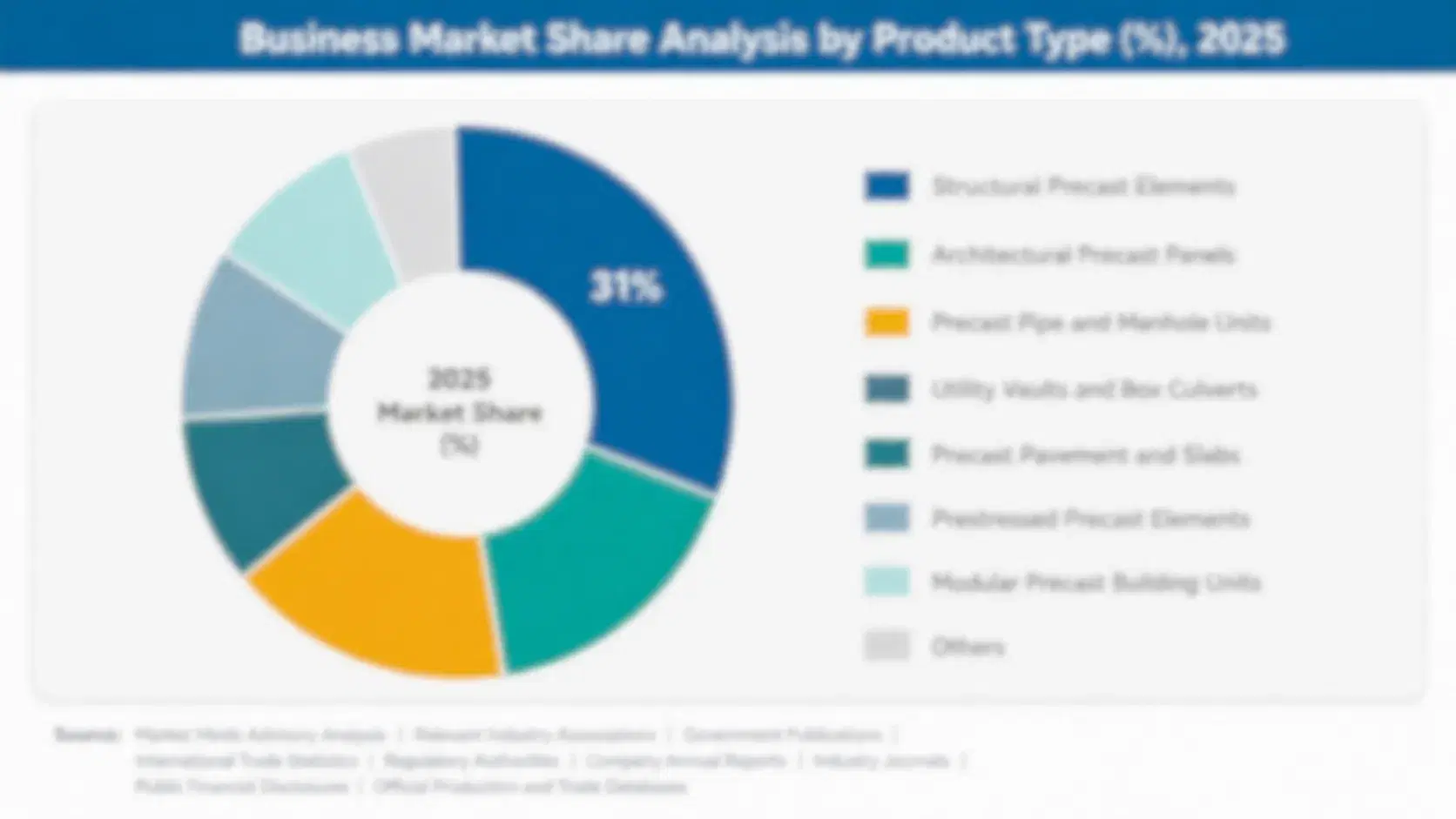
Segmentation follows therapeutic class and product type: what the active agent is and how it reaches the patient. Six categories cover the market without overlap. Disease severity, treatment setting and purchase route are treated as separate commercial dimensions throughout this report rather than as segmentation logic in their own right, since each cuts across all six classes.
vulvovaginal-candidiasis-vvc-treatment-market-market-share-analysis-1787712298392

Novel Antifungal Agents

Next-generation triazoles and glucan synthase inhibitors grow at 13.5%, half again the market rate of 9.0%, as the first new mechanisms to reach this indication in decades and the only products in the category priced at genuine specialty levels. They target recurrent disease affecting roughly 8% of women, where azole failure is common and patients accept a costlier therapy that holds. Payer scrutiny is intense given a four dollar generic alternative, and labelling restrictions on one agent confine it to a narrow slice of the very population it was developed for. That combination leaves a genuinely valuable therapy addressing only a small fraction of the population it was originally developed for.
CAGR 13.5%

Boric Acid and Non-Azole Topicals

Compounded boric acid vaginal preparations grow at 8.1% on guideline support for azole-refractory and non-albicans infections, which now represent roughly 22% of isolates. There is no patent, no brand and no promotional spend behind any of it, so growth reflects clinical need alone in a way almost nothing else in this category does. Supply runs through compounding pharmacies and specialty channels rather than pharmaceutical manufacturers. Regulatory status varies considerably between markets, and safety messaging around oral ingestion remains an ongoing concern for pharmacists dispensing it. Compounding pharmacies rather than manufacturers hold the relationships here, which means that no conventional commercial strategy reaches this particular segment at all easily. Nobody markets it.
CAGR 8.1%
Full segment breakdown across 6 segments available in the complete report.

Regional Architecture and Country Demand Map

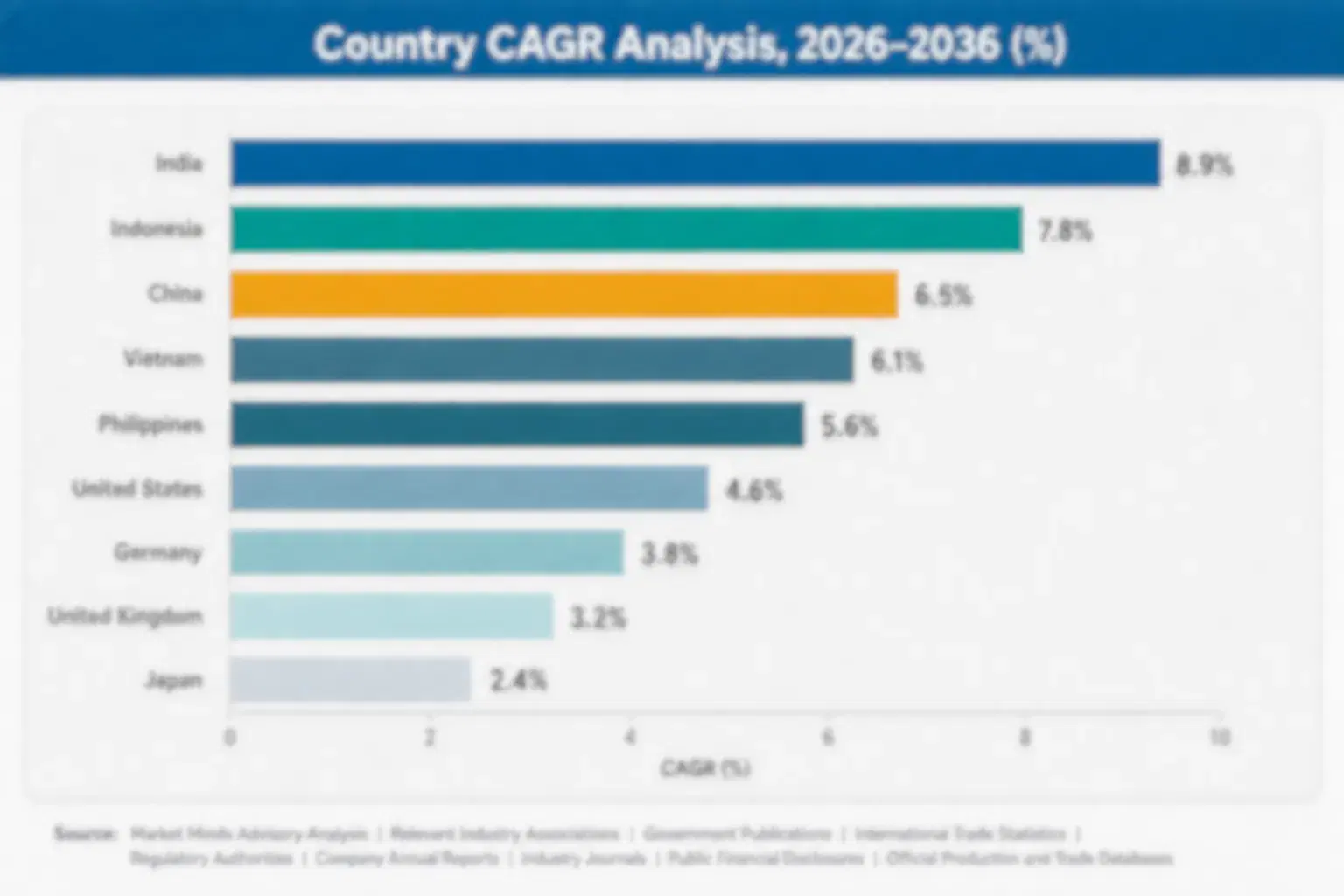
Geography follows over-the-counter access rules, branded pricing and novel agent launch sequence rather than prevalence, which varies far less between regions than commercial value does. North America leads, East Asia follows on volume. Prevalence on its own tells you almost nothing about where the money is.

North America

Branded over-the-counter topicals command pricing no other region sustains, supported by decades of consumer advertising that established category awareness and, in doing so, established the self-diagnosis habit that misdirects most of the volume. Novel antifungal agents launched here first and carry specialty pricing against a four dollar generic alternative, which makes payer negotiation the central commercial problem. Recurrent disease management is concentrated in gynaecology rather than primary care, and boric acid compounding is well established in specialty pharmacies. Repeat purchase within short windows runs well above what clinical recurrence rates would predict, which points to initial treatment failure rather than genuine recurrence and is a pattern nobody in the trade discusses openly.
Share: 30% | CAGR: 8.2% (2026 to 2036)

Western Europe

Pharmacist-mediated supply is more common than open shelf across much of the region, which introduces a consultation step that improves treatment direction measurably compared with pure self-selection. Reimbursement for prescription therapy is broad but constrains novel agent pricing severely, since a four dollar generic sets the reference point in every health technology assessment. Recurrent disease pathways are well defined in Britain, Germany and the Nordic countries. Boric acid availability varies considerably by national compounding regulation. Pharmacy consultation protocols have begun spreading in response to evidence that most self-diagnoses are incorrect, which redirects volume away from brands whose whole position was built on entirely unaided shelf selection alone in the first place.
Share: 21% | CAGR: 7.4% (2026 to 2036)
Regional intelligence for 5 additional markets available in the complete report: East Asia, South Asia and Pacific, Latin America, Middle East and Africa, Eastern Europe. Contact sales@marketmindsadvisory.com.
vulvovaginal-candidiasis-vvc-treatment-market-country-cagr-analysis-1787712298716

Finding Value Above Four Dollars

Roughly 71% of episodes bypass any consultation, only about 34% of self-diagnoses are correct, a generic oral course costs four dollars, and 22% of isolates resist azoles. Four levers work on diagnostic direction, recurrent disease focus, resistance positioning and access expansion rather than on price, which almost nothing at all in this category ever survives.

Pair Every Product With Point-Of-Care Confirmation

Only about 34% of women self-treating have candidiasis, so two thirds of the largest segment buys a product that cannot work for them. Pairing treatment with pharmacy-based or home testing directs those women toward correct therapy and builds category trust that repeated failure steadily erodes. It reduces unit sales of the antifungal in the short term, which is exactly why nobody has done it properly, and it is the only route to a category that works as advertised. Category trust is the asset being spent here, and it is not renewable.
Market Impact: Corrects roughly 66% of misdirected treatment episodes today

Concentrate Development On Recurrent Disease Only

Acute uncomplicated infection is treated by a four dollar generic that works well, and no development programme should target it under any circumstances. Recurrent disease affects roughly 8% of women, repeats four or more times a year, frequently fails azole therapy and produces patients who will accept specialty pricing for something that finally holds. That is the entire commercial opportunity in this category, and every successful launch of the past decade recognised it early. No amount of reformulation work will ever make acute infection commercially interesting again for anybody at all.
Market Impact: Targets the 8% of women with recurrent disease

Position Explicitly Against Non-Albicans Resistance Instead

Non-albicans species now represent roughly 22% of isolates and respond poorly to azoles, which is the clinical gap that justifies both new classes and boric acid returning to guidelines. Products positioned explicitly against that gap avoid competing with a generic that works fine in albicans infection. It requires species-level diagnostic support to identify the right patients, which most settings lack entirely and which suppliers therefore have to help build. Suppliers who fund species-level testing alongside their therapy find the patients; those who wait for the laboratories to do it are still waiting.
Market Impact: Addresses roughly 22% of isolates resisting azole therapy

Follow Over-The-Counter Reclassification Into Asian Markets

Topical azoles are moving from pharmacist-controlled to open shelf across several Asian and Latin American markets, which expands accessible volume substantially at low unit value. Brands present at reclassification capture shelf position and consumer habit that later entrants find genuinely expensive to displace. It grows a low-margin segment and it also grows the misdirection problem, which a responsible supplier should address with pharmacist guidance at the same time. Shelf position taken at reclassification typically holds for 5 years or more before a challenger meaningfully erodes it, which is a long time in consumer health.
Market Impact: Opens the 71% self-treatment supply route considerably wider

Who Controls the Margin Pool

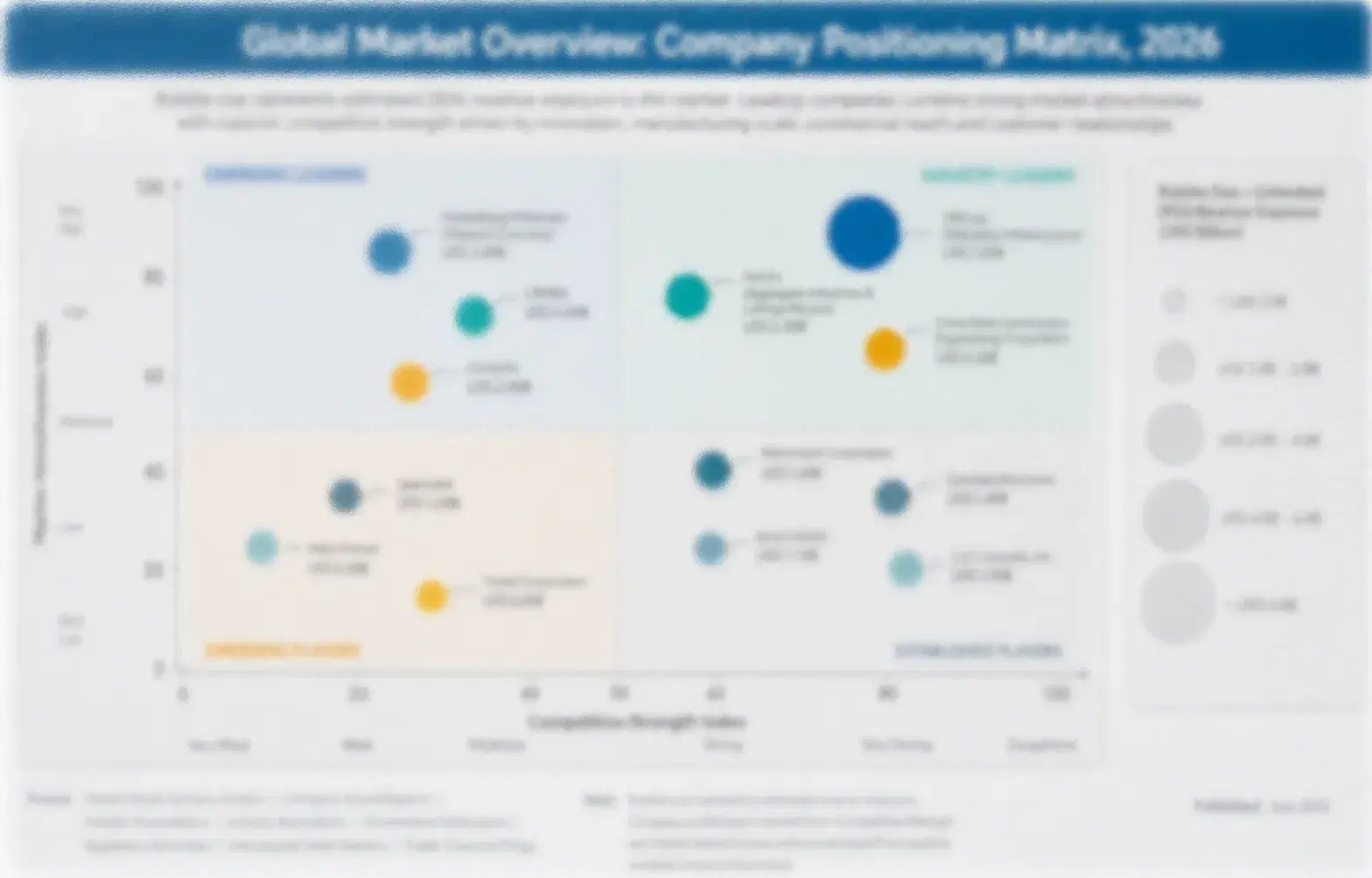
Measured on disclosed antifungal and intimate health product revenue, the five largest suppliers hold a CR5 of 38%, which is low because two of the three volume segments are commodity generics with no meaningful differentiation available to anybody. Bayer and Prestige hold the strongest consumer brand positions in over-the-counter topicals, Perrigo supplies substantial private label volume, Organon carries a novel agent position, and Viatris holds broad generic oral antifungal supply across many markets.
Three contests define activity. Over-the-counter topicals compete on brand recognition and shelf position, since the products themselves are barely distinguishable. Novel agents compete on recurrent disease evidence against payers holding a four dollar comparator. And boric acid competes on nothing at all, since no manufacturer promotes it and guidelines drive its use directly. Probiotic adjuncts compete on consumer positioning rather than clinical evidence.

Pressure builds from private label eroding branded topical pricing, and from payers refusing specialty pricing where a cheap generic exists. Rankings shift toward whoever holds recurrent disease evidence, since acute treatment generates almost no value for anybody. Recurrent disease is where the value is and where almost nobody has built anything yet.
vulvovaginal-candidiasis-vvc-treatment-market-company-positioning-matrix-1787712299017

Competitive Moat and Risk Dimensions

BAYER

Moat: Consumer Brand And Shelf Position

Bayer holds decades of accumulated consumer brand recognition in intimate health antifungals, in a category where women choose from a shelf under discomfort and rarely compare active ingredients. That recognition took enormous sustained advertising to build. A private label product with identical chemistry sells at a discount and still does not displace the brand for a substantial share of purchasers.
BAYER

Risk: Brand Rests On Misdirected Purchase

A brand position built on self-selection depends on a purchase route where only about 34% of buyers actually have the condition, so much of the volume comes from women the product cannot help. Any move toward pharmacy consultation protocols or point-of-care testing redirects that volume elsewhere. The strongest asset in the category sits on the least defensible clinical foundation.
ORGANON

Moat: Novel Agent Recurrent Disease Position

Organon carries a novel antifungal into recurrent disease, an indication where azole failure is common and where no new mechanism had reached patients for decades before this. Patent protection and clinical evidence together defend pricing that no generic azole can approach. Women's health commercial infrastructure gives it prescriber access that a smaller developer would find very difficult to assemble.
ORGANON

Risk: Labelling Excludes The Core Population

Restrictions on use in women of reproductive potential confine the agent to a narrow post-menopausal and surgically sterile group, in a condition that overwhelmingly affects women of reproductive age. The addressable population is therefore a fraction of the recurrent disease burden. Payers also compare specialty pricing directly against a four dollar generic in every assessment.

Players Tracked

Prominent Players

Bayer
Prestige Consumer Healthcare
Perrigo
Organon
Viatris

Other Key Players

Teva Pharmaceutical Industries
Sun Pharmaceutical Industries
Cipla
Dr Reddys Laboratories
Sandoz
Zydus Lifesciences
Glenmark Pharmaceuticals
Scynexis
Mycovia Pharmaceuticals
Reckitt Benckiser
Church & Dwight
Amneal Pharmaceuticals
Hikma Pharmaceuticals
Torrent Pharmaceuticals
Aurobindo Pharma

Recent Developments

FEBRUARY 2025

Pharmacy body introduces consultation protocol before antifungal supply

A national pharmacy body introduced a structured consultation protocol before supplying over-the-counter vaginal antifungals, a professional practice standard rather than any regulatory change or commercial arrangement. Evidence that most self-diagnoses are incorrect had accumulated for years without prompting any change in how the products were actually supplied.
Signal: Consultation requirements redirect volume away from brands built entirely on unaided consumer self-selection at the shelf.
JUNE 2025

Guideline update strengthens boric acid recommendation for resistant infection

A clinical guideline update strengthened its recommendation for compounded boric acid in azole-refractory and non-albicans infections, a professional evidence review rather than any commercial development. No manufacturer promotes the preparation, and the recommendation rests entirely on comparative clinical outcome data in genuinely resistant disease presentations.
Signal: Guideline-driven demand grows a segment with no brand, no patent and no promotional spending behind it.
OCTOBER 2025

Payer restricts novel antifungal reimbursement to documented azole failure

A national payer restricted reimbursement for a novel antifungal to patients with documented azole treatment failure and species confirmation, a coverage policy decision rather than any negotiation outcome with the manufacturer. A generic oral alternative costing a few dollars had anchored the comparison throughout the assessment process.
Signal: Cheap generic comparators now set the reference price for every novel agent entering this particular indication.

Commodity API And Applicators

Cost structure splits sharply between the generic and novel halves of the category. For topicals and generic orals, active pharmaceutical ingredient including clotrimazole, miconazole and fluconazole, cream and ovule excipients, applicators and packaging together account for 33 to 42% of product cost. Almost all of that active ingredient originates in India and China, from producers supplying many finished dose manufacturers with little differentiation.
The volatility that mattered was Indian active ingredient export restriction in early 2020, when the Ministry of Commerce India restricted export of a list of active ingredients and formulations to protect domestic supply, and finished dose manufacturers elsewhere discovered how completely they depended on it. Prices moved sharply and allocation replaced ordering for several months. DPIIT production-linked incentive schemes have since supported Indian capacity expansion in fermentation and synthesis.

Exposure divides by where a supplier sits in the category. Generic and private label manufacturers carry full active ingredient exposure with no pricing power to pass it on, since retailers hold the negotiating position. Branded consumer suppliers absorb it inside a much larger gross margin. Novel agent manufacturers face complex multi-step synthesis at small volumes, where cost per gram is high and almost irrelevant beside the price achieved.
vulvovaginal-candidiasis-vvc-treatment-market-cost-volatility-analysis-1787712299311

Qualify active ingredient sources across two countries

Almost all azole active ingredient originates in India and China, and export restriction in one of them removed supply for finished dose manufacturers with no warning and no alternative. Qualifying producers across both countries costs regulatory variation filings that take months per market. It converts a supply shock into a sourcing decision, which several manufacturers learned was worth doing beforehand.

Move branded volume toward differentiated delivery formats

Cream and pessary formats with identical active ingredients invite private label duplication at a discount that retailers actively encourage everywhere. Differentiated applicators, single-dose ovules and combination presentations resist that duplication for longer. Development costs are modest and the protection is temporary rather than permanent, which makes continuous format renewal part of the cost base rather than a one-time project.

Accept synthesis cost on novel agents entirely

Multi-step synthesis at recurrent disease volumes produces a high cost per gram that would be alarming in any generic context and is irrelevant against specialty pricing. Optimising it consumes development resource better spent on clinical evidence for payers. The discipline is recognising which half of this category a product sits in, since the two operate on entirely incompatible cost logic.

Portfolio Architecture for Margin Defence

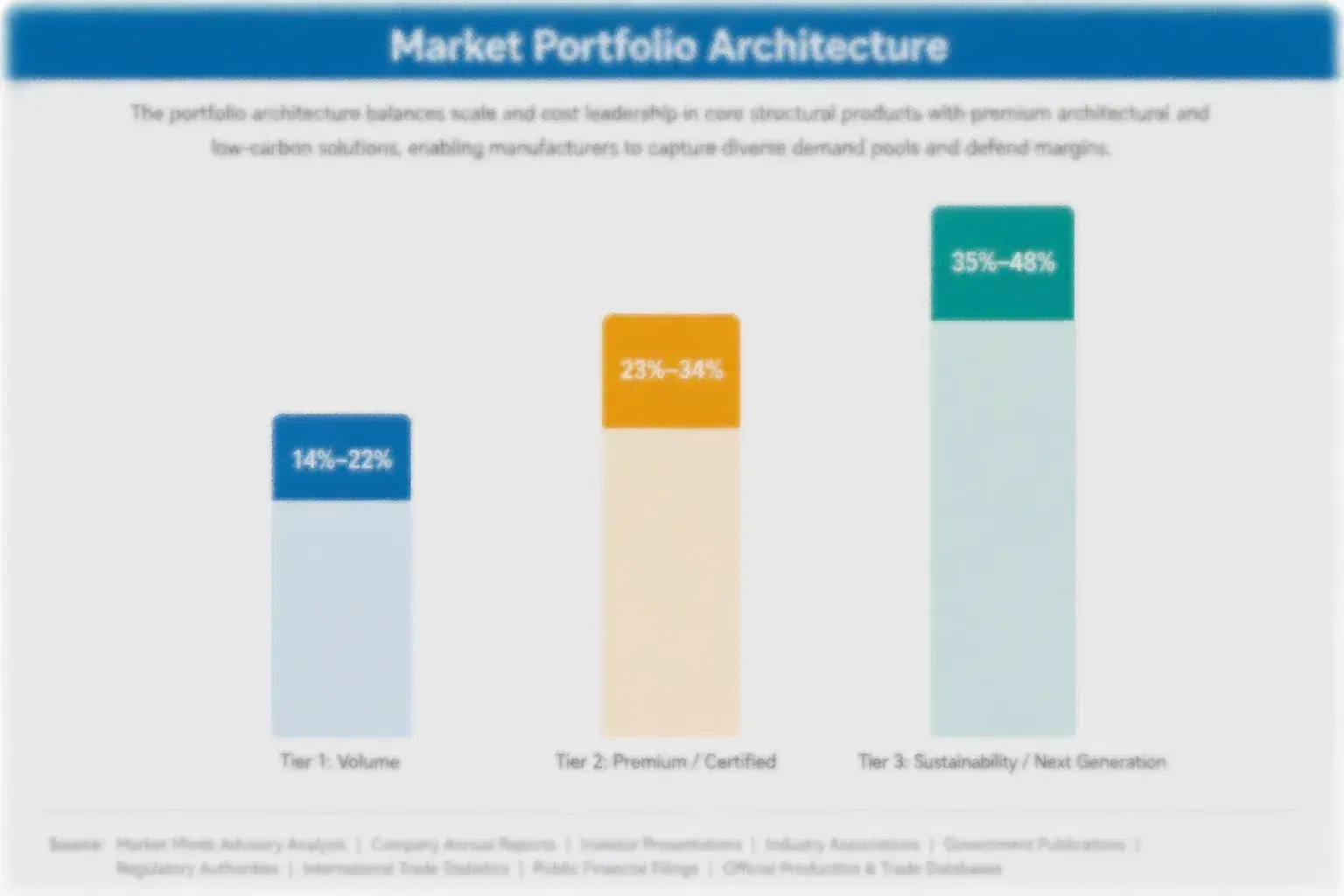
Margin follows whether a product escapes generic comparison, and almost nothing here does. Prescription generic oral azoles earn almost nothing on a four dollar course. Private label topicals earn thinly by design. Probiotic and adjunct products earn moderately on consumer positioning rather than clinical evidence. Branded over-the-counter topicals earn well on shelf recognition. Novel antifungal agents earn best by a wide margin, because patent protection removes the comparison entirely for as long as it lasts.
The tension is that the best margin sits in the smallest addressable population and the worst margin sits in nearly all the volume. Recurrent disease affects roughly 8% of women and one novel agent's labelling excludes most of even that group. Meanwhile 71% of episodes flow through an over-the-counter route where two thirds of purchasers do not have the condition, which is enormous volume resting on a genuinely uncomfortable clinical foundation.

High-value pools sit in three places. Novel agents in recurrent disease, where patent protection defends specialty pricing against a cheap comparator. Branded consumer shelf position, which decades of advertising built and private label has not displaced. And species-level diagnostic partnership, which determines which patients ever reach products that would work for them.

Volume / Commodity-Adjacent

Generic oral azoles and private label topicals competing purely on price into retail and reimbursement channels. The 10-point range separates vertically integrated manufacturers with their own active ingredient supply from those buying it on the open market.
Gross Margin: 18-28%

Premium / Certified

Branded over-the-counter topicals and probiotic adjunct products sold on consumer recognition and format differentiation. The 14-point spread reflects how differently established heritage brands and newer positioning-led entrants sustain shelf pricing over time.
Gross Margin: 46-60%

Sustainability / Regulatory / Next-Generation

Novel antifungal agents protected by patent and clinical evidence in recurrent and resistant disease. The 18-point range is wide because payer-restricted and openly reimbursed novel agents achieve entirely different realised pricing from identical list positions.
Gross Margin: 68-86%
vulvovaginal-candidiasis-vvc-treatment-market-portfolio-architecture-1787712299651

High-value Sub-segments and Strategic Watch-out

Novel Agents In Recurrent Disease

Highest margin and fastest growth at 13.5%, protected by patent in the one segment where patients accept specialty pricing. The risk is labelling that excludes most of the reproductive-age population the condition actually affects most often. Payers also hold a four dollar comparator throughout every assessment.
Gross Margin: 78-86%

Branded Consumer Topicals

Strong margin built on decades of shelf recognition that private label has repeatedly failed to displace at a discount. The risk is that pharmacy consultation protocols redirect exactly the unaided self-selection the brand position depends on entirely. The strongest asset rests on the weakest foundation.
Gross Margin: 52-62%

Generic Oral Azole Volume

The volume core, treating most confirmed acute infection at around four dollars a course with no differentiation available to anybody. Suppliers hold it for tender presence and portfolio completeness rather than for any margin it contributes. Nobody has ever made money here and nobody expects to.
Gross Margin: 18-26%

Misdirected Self-Treatment Exposure

The strategic watch-out. Roughly two thirds of over-the-counter purchasers do not have candidiasis, and any move toward confirmation redirects that volume away. The risk is a large revenue base resting on diagnostic error nobody wants to correct. Correcting it shrinks the very revenue it produces.
Gross Margin: 40-50%

Episodes, Then Recurrence

Most demand arrives as isolated episodes with no relationship attached at all. A woman experiences symptoms, buys a topical, treats for three to seven days and does not think about the category again for a year or more. That produces a market of single transactions rather than any annuity, and brand loyalty forms only because the same box is recognised next time, not through any evaluation of what worked.
Recurrent disease behaves completely differently and is the only genuinely sticky part of the category. A patient experiencing four or more episodes a year enters a maintenance regimen lasting months, sees a gynaecologist repeatedly, and generates predictable revenue across an extended period. Roughly 8% of women fall into this group, and they account for a share of value far above their share of episodes. Suppliers who understood that built their development strategy around it.

The purchase decision has moved partly to the pharmacist and partly online. Unaided shelf selection built the branded topical market and still carries most volume, but consultation protocols are spreading in response. Online purchasing has grown separately, which removes even the pharmacist and makes misdirection more likely rather than less. Those shifts pull in opposite directions.
vulvovaginal-candidiasis-vvc-treatment-market-end-use-penetration-index-1787712299943

Where Generic Comparison Ends

These are among the four positions where our research anticipates prominent divergence between winners and laggards over the coming forecast period. Each is grounded in the demand model, the regulatory perimeter, and the announced capacity pipeline.
01 / DIAGNOSTIC DIRECTION BUILDING

Two thirds of buyers cannot be helped

Only about 34% of women self-treating vulvovaginal candidiasis actually have it, so roughly two thirds of the largest segment in this whole category are buying a product that cannot possibly work for them. Pairing treatment with pharmacy or home confirmation directs those women toward the correct therapy and rebuilds the category trust that repeated failure quietly erodes. It reduces short-term unit sales, which is precisely why nobody in the trade has yet done it properly anywhere at all so far.
02 / RECURRENT DISEASE CONCENTRATION

Acute infection is a four dollar problem

A single generic oral dose costing around four dollars treats uncomplicated infection well and has been off patent for decades, which leaves no commercial space whatsoever in acute disease for anybody at all. Recurrent disease affects roughly 8% of women, repeats four or more times annually, fails azole therapy frequently and produces patients who will accept specialty pricing. Every successful development programme of the past decade recognised that division early on and committed itself to it fully from the start.
03 / RESISTANCE GAP POSITIONING

Compete where azoles genuinely stop working

Species other than Candida albicans now account for roughly 22% of isolates and respond poorly to azole therapy, which is the clinical gap that justified the new classes and returned boric acid to treatment guidelines after decades of neglect. Products positioned explicitly against that gap avoid competing directly against a cheap generic that works perfectly well in ordinary albicans infection. Doing that properly requires species-level diagnostic support that most treatment settings outside reference laboratories simply do not have at all.
04 / RECLASSIFICATION TIMING DISCIPLINE

Be on the shelf when rules change

Topical azoles are steadily moving from pharmacist-controlled supply to open shelf across several Asian and Latin American markets, which expands the accessible volume substantially even at a low unit value per pack. Brands present at the moment of reclassification capture the shelf position and consumer habit that later entrants find genuinely expensive to displace afterwards. The responsible version of this pairs that expansion with proper pharmacist guidance, since access across these markets is growing considerably faster than diagnosis ever is.

Engagement Snapshot From the Field

A live engagement with an industry participant carrying material or product regulatory and market exposure ahead of a defining policy shift, showing how our research translates into a defensible multi-year portfolio strategy.
MARKET MINDS ADVISORY · CLIENT ENGAGEMENT SUMMARY
Vulvovaginal Candidiasis (VVC) Treatment Producer Strategic Portfolio Review and Transition Roadmap 2026·Investment Scenario on Vulvovaginal Candidiasis (VVC) Treatment Exposure Evaluation 2025-26
CLIENT PROFILE
A consumer health group supplying branded over-the-counter vaginal antifungals across European and Latin American markets, with reported category revenue of 210 million dollars (client-reported, unverified by MMA). Roughly 84% came from branded topical creams and pessaries. The group held no recurrent disease product and no diagnostic partnership of any kind at all when work began.
STRATEGIC CHALLENGE
Private label had taken meaningful share in two markets and a pharmacy body in a third had introduced consultation requirements before supply. Management was planning increased consumer advertising and a price reduction. Neither addressed the finding that most purchasers did not have the condition, which was what the consultation protocols had been introduced to correct.
MMA APPROACH
MMA analysed volume and margin by market against supply route and consultation requirements, a comparison the group had never assembled. Twenty-three expert interviews with pharmacists, gynaecologists, payers and women who had self-treated established how purchase decisions and treatment outcomes actually diverged. The analysis treated diagnostic direction and recurrent disease absence rather than advertising weight as the real issues.
KEY FINDINGS
  1. Consultation protocols in the third market had reduced the group's volume measurably, and the redirected patients were largely being treated for entirely different conditions.
  2. Repeat purchase within a short window was substantially higher than clinical recurrence rates would predict, which strongly suggested initial treatment failure rather than genuine recurrence.
  3. Gynaecologists interviewed described recurrent disease as an unmet need, and the group held no product, no evidence and no presence in that setting.
  4. Private label duplicated the standard cream format exactly, while differentiated single-dose and applicator formats had held their pricing considerably better across both regions.
CLIENT PROFILE
A consumer health group supplying branded over-the-counter vaginal antifungals across European and Latin American markets, with reported category revenue of 210 million dollars (client-reported, unverified by MMA). Roughly 84% came from branded topical creams and pessaries. The group held no recurrent disease product and no diagnostic partnership of any kind at all when work began.
STRATEGIC CHALLENGE
Private label had taken meaningful share in two markets and a pharmacy body in a third had introduced consultation requirements before supply. Management was planning increased consumer advertising and a price reduction. Neither addressed the finding that most purchasers did not have the condition, which was what the consultation protocols had been introduced to correct.
MMA APPROACH
MMA analysed volume and margin by market against supply route and consultation requirements, a comparison the group had never assembled. Twenty-three expert interviews with pharmacists, gynaecologists, payers and women who had self-treated established how purchase decisions and treatment outcomes actually diverged. The analysis treated diagnostic direction and recurrent disease absence rather than advertising weight as the real issues.
KEY FINDINGS
  1. Consultation protocols in the third market had reduced the group's volume measurably, and the redirected patients were largely being treated for entirely different conditions.
  2. Repeat purchase within a short window was substantially higher than clinical recurrence rates would predict, which strongly suggested initial treatment failure rather than genuine recurrence.
  3. Gynaecologists interviewed described recurrent disease as an unmet need, and the group held no product, no evidence and no presence in that setting.
  4. Private label duplicated the standard cream format exactly, while differentiated single-dose and applicator formats had held their pricing considerably better across both regions.
RECOMMENDED STRATEGY
Phase 1: Phase one: partner on pharmacy point-of-care confirmation, directing misdiagnosed women appropriately rather than waiting for pharmacy protocols to do it for them. Phase 2: Phase two: acquire or license a recurrent disease therapy, entering the only segment where pricing escapes any generic comparison entirely at all. Phase 3: Phase three: renew branded formats continuously toward differentiated presentations that private label manufacturers cannot easily duplicate anywhere near as quickly.
OUTCOME
A pharmacy confirmation pilot ran in two markets and reduced misdirected supply materially while lifting correctly directed treatment. Format renewal held branded pricing where private label had been advancing (client-reported, unverified by MMA). A recurrent disease licensing discussion opened during the period. Total unit volume fell slightly, which management had accepted in advance as the cost of a defensible position.

Frequently Asked Questions

Foundational context covering the market sizes, CAGR, scope, country, region and competition that inform every finding below. This section is provided to cover basics and most often pre-purchase conversations, answered from the MMA Primary Research Dataset.

What is the current size of the Vulvovaginal Candidiasis (VVC) Treatment Market?

The market was worth 1.8 billion dollars in 2025, covering over-the-counter topicals, generic orals, novel agents, boric acid, combinations and probiotics. It reaches 1.96 billion dollars in 2026.

How large will the Vulvovaginal Candidiasis (VVC) Treatment Market be by 2036?

MMA forecasts 4.64 billion dollars by 2036, an increase of 2.68 billion dollars over the 2026 base. That represents an expansion multiple of 2.37 times across the forecast period.

What is the CAGR for the Vulvovaginal Candidiasis (VVC) Treatment Market 2026 to 2036?

The base case compounds at 9.0% annually. The bull case reaches 10.2% if point-of-care confirmation spreads, while the bear case sits at 7.8% on labelling and payer restriction limiting novel agents.

Which segment is growing fastest?

Novel antifungal agents, at 13.5%, half again the market rate of 9.0%. They are the first new mechanisms to reach this indication in decades and target recurrent disease.

Who are the major companies in the Vulvovaginal Candidiasis (VVC) Treatment Market?

Bayer, Prestige Consumer Healthcare, Perrigo, Organon and Viatris lead on disclosed antifungal and intimate health revenue. Scynexis, Mycovia and several Indian generic manufacturers hold notable positions.

Which country is growing fastest?

India at 11.0%, as retail pharmacy reach extends into smaller cities and over-the-counter availability widens considerably. Diagnostic confirmation there remains rare across almost all episodes.

Report Segmentation Architecture

The full report scope spans multiple orthogonal segmentation dimensions, with cross-tabulated demand data provided for each dimension pair. Coverage extends further to regional breakdowns, trend trajectories, and the competitive detail needed to support segment-level decision-making.

By Therapeutic Class

  • Over-the-Counter Topical Azole Antifungals
  • Prescription Oral Azoles
  • Novel Antifungal Agents
  • Boric Acid and Non-Azole Topicals
  • Combination and Adjunct Therapies
  • Probiotic and Microbiome-Directed Products

By End-Use Industry

  • Retail Pharmacy and Grocery
  • Primary Care Practice
  • Gynaecology and Specialist Clinics
  • Compounding Pharmacies
  • Online and Direct-to-Consumer Retail
  • Public Health and Aid Programmes

By Commercial Dimension

  • Unaided Consumer Self-Selection
  • Pharmacist-Mediated Supply
  • Prescription and Reimbursed Supply
  • Private Label Retail Supply
  • Specialty Payer Negotiated Access
  • Tender and Institutional Procurement

By Region

  • North America
  • Western Europe
  • East Asia
  • South Asia and Pacific
  • Latin America
  • Middle East and Africa
  • Eastern Europe

Scope, Methodology, and Coverage

Every figure in this report is reproducible from documented input assumptions. The scope below maps the historical period, the forecast horizon, the segmentation dimensions, and the countries covered, alongside the underlying primary and qualitative methodology.
Historical Period
2020 to 2025
Forecast Period
2026 to 2036
Base Year
2025 (USD billions; MMA Primary Research Dataset, August 2026)
Market Definition
Scope covers pharmaceutical and consumer health products indicated for the treatment of vulvovaginal candidiasis in acute, complicated and recurrent presentations, spanning over-the-counter topical azole antifungals, prescription oral azoles, novel antifungal agents including next-generation triazoles and glucan synthase inhibitors, boric acid and non-azole topical preparations, combination and adjunct therapies, and probiotic and microbiome-directed products indicated for this condition. Diagnostic tests and point-of-care confirmation devices, treatments indicated for bacterial vaginosis or trichomoniasis, systemic invasive candidiasis therapies, general feminine hygiene and cleansing products, hormonal and menopausal therapies, and antifungals supplied for other body sites are excluded from the market size and all derived figures.
Quantitative Units
USD billions (current prices); treatment courses supplied; cost per course; episodes treated; recurrent disease patients under management
Segmentation Dimensions
By Therapeutic Class; By End-Use Industry; By Commercial Dimension; By Region
Regions Covered
North America, Western Europe, East Asia, South Asia and Pacific, Latin America, Middle East and Africa, Eastern Europe
Countries Covered
USA, China, Germany, India, Japan, Brazil, UK, France, Italy, Canada, Mexico, Spain, Australia, Poland, South Korea
Key Companies Profiled
Bayer, Prestige Consumer Healthcare, Perrigo, Organon, Viatris, Teva Pharmaceutical Industries, Sun Pharmaceutical Industries, Cipla, Dr Reddys Laboratories, Sandoz, Zydus Lifesciences, Glenmark Pharmaceuticals, Scynexis, Mycovia Pharmaceuticals, Reckitt Benckiser, Church & Dwight, Amneal Pharmaceuticals, Hikma Pharmaceuticals, Torrent Pharmaceuticals, Aurobindo Pharma
Quantitative Methodology
Primary survey, n=3,800 respondents, Q4 2025, six countries; demand-side model with trade association cross-validation
Qualitative Methodology
47 expert interviews, Q4 2025; applied to validate demand model assumptions, identify emerging dynamics, and assess competitive positioning
Report Format
PDF and XLSX data workbook (Word format preview document)
Publisher
Market Minds Advisory
Report Code
MMA-2026-HLT-143
Published
August 2026
Contact
sales@marketmindsadvisory.com | www.marketmindsadvisory.com

Purchase the full Vulvovaginal Candidiasis (VVC) Treatment Market Report (2026 to 2036).

The full report runs to 160 pages and covers all six therapeutic class segments, seven regions and 20 profiled companies in detail. It includes the complete segment CAGR set, regional supply route and reclassification comparison, and analysis of self-diagnosis accuracy against treatment outcome across purchase routes. Company profiles carry evaluation on disclosed antifungal and intimate health product revenue, with moat and risk assessment for the top five suppliers. The competitive section extends to 14 tracked guideline, payer and pharmacy practice developments across 2024 and 2025. Primary research inputs include a quantitative survey of 3,800 respondents and 47 expert interviews conducted in Q4 2025.
Six therapeutic class segments with individual CAGR forecasts
Seven regional markets with supply route and access comparison
Twenty company profiles on consistent revenue evaluation basis
Fourteen tracked guideline and payer developments with commercial interpretation
Self-diagnosis accuracy modelled against treatment outcome by route
Non-albicans resistance assessed as the driver of new classes

Built For The People Who Decide

From boardroom strategy to bench-side execution, this report is read cover-to-cover by leaders shaping the next decade of their industry, turning demand scenarios, market dynamics and valuation benchmarks into decisions.
CXOs/ Presidents/ VPs/ Managers
M&A and Corporate Development
Strategy Teams and R&D Heads
Procurement and Product Directors
Regulatory and Compliance Leaders
Investor Relations and Equity Analysts