Market Minds Advisory
Vitamin Patches Market

Vitamin Patches Market: Vitamin Patches Market. Skin Barrier Limits, Regulatory Status and Direct-to-Consumer Economics

Vitamin patches promise needle-free, pill-free nutrient delivery through the skin, but limited absorption evidence, unsettled regulatory status and heavy direct-to-consumer marketing make proof of delivery and honest claims the deciding factors.

Lead Analyst

Published

September 2026

Make Smarter Decisions with Customized Research Insights

Request a free sample report and evaluate market opportunities, growth trends, and competitive dynamics relevant to your business needs.

2025 MARKET VALUE$0.3BMarket Size 2025
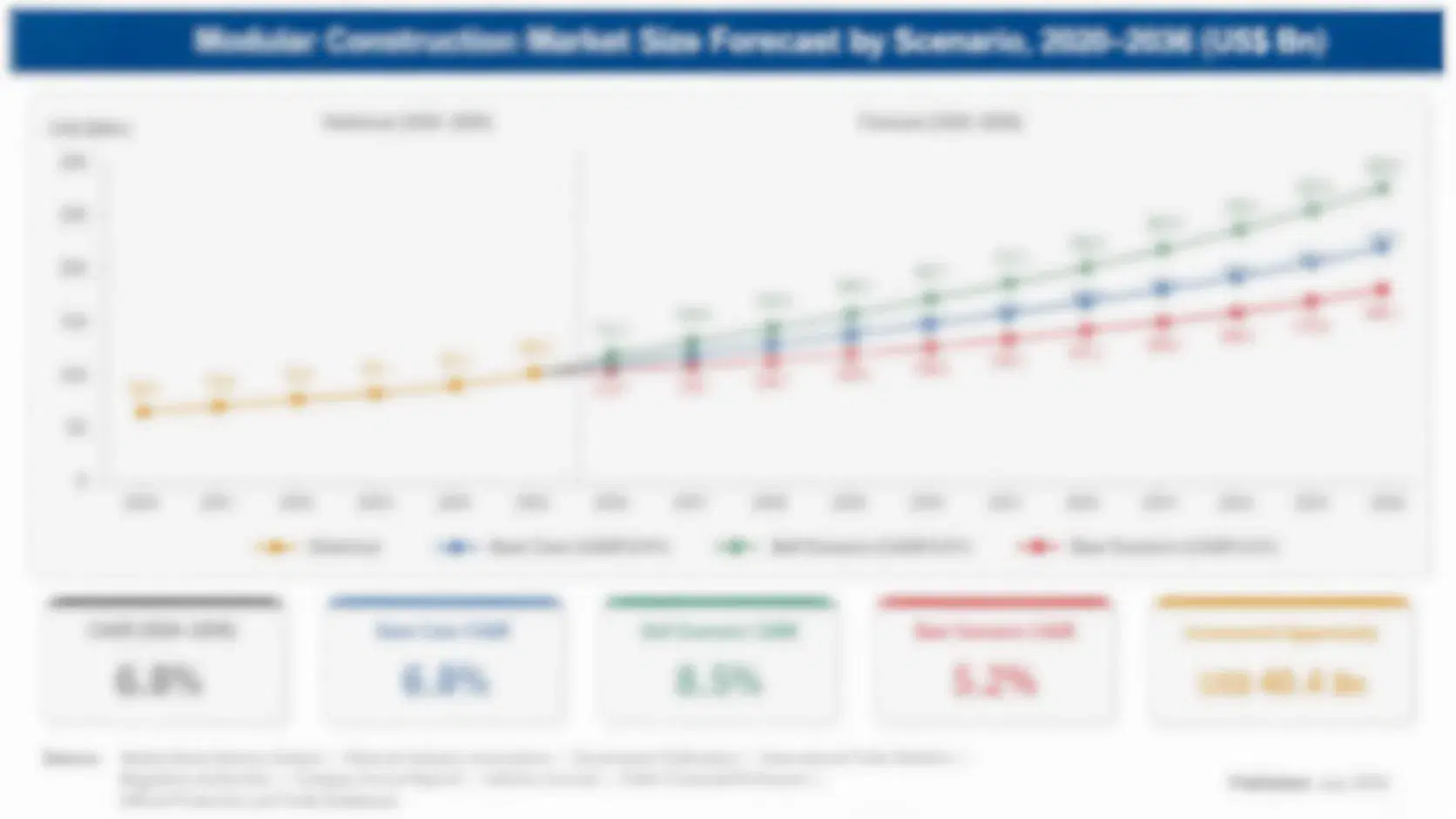
2036 FORECAST VALUE$1.0BBase Case , 2026 to 2036
CAGR 2026 TO 203610.0 %Bull 11.3% / Bear 8.7%
INCREMENTAL OPPORTUNITY$0.6BNet 10- year value creation
EXPANSION MULTIPLE2.59x2036 value over 2026 base
Strategic Levers
M&A Pipeline
Regional Outlook
Country Rankings
Competitive Intelligence
Segmental Deep-dive
Call-Us : 91 93563 13602

Executive Snapshot and Market Trajectory.

Vitamin patches stick to the skin and claim to release nutrients through it, an appealing idea for people who dislike pills. The skin is a strong barrier, so evidence for delivery is thin, and brands sell on convenience, routine and social media stories. Buyers ask for proof. Skin comfort matters.
Sleep and Relaxation Patches grow fastest as brands add melatonin, magnesium and botanicals to overnight formats, while energy and vitamin B12 patches still carry the largest volume. North America holds the largest share because American direct-to-consumer brands and online marketplaces built the category, with East Asia close behind on Japanese patch traditions and Chinese and Korean wellness patch demand. Regulatory status shapes claims. Sleep formats lead launches.
Competition is fragmented, with online-first brands, contract patch manufacturers and a few pharmaceutical adhesive groups competing on formula story, patch quality and marketing reach. Rules that keep patches outside the dietary supplement category, claim limits on nutrient delivery and marketplace restrictions on health statements shape entry, and buyers audit ingredient dose, adhesive safety and stability before they approve any patch for wide online sales. Compliance cost favours larger brands. Reviews take months.
Market Definition
The market covers global sales of topical patches containing vitamins, minerals, amino acids or botanical actives and marketed for energy, sleep, immune, beauty and general wellness support, sold as finished products, private labels and contract manufactured patches. It excludes prescription transdermal drug patches, nicotine patches, pain relief patches sold as medicines, cosmetic sheet masks and oral supplements.
Base Year Value
$0.3B in 2025 (MMA Primary Research Dataset, September 2026)
Forecast Period
2026 to 2036, eleven discrete annual values
CAGR
10.0% base case. Bull 11.3%. Bear 8.7%.
Fastest Growth Segment
Sleep and Relaxation Patches: 14.0% CAGR
Fastest Growth Country
India: 12.5% CAGR
Fastest Growth Region
South Asia and Pacific: 12.1% CAGR
Largest Region
North America: 38% of 2025 global value
Market Leaders
LifeWave, Patch MD, Nitto Denko, LTS Lohmann Therapie-Systeme, Hisamitsu Pharmaceutical. Source: MMA Analysis, company annual reports.
Primary Survey
n=3,800 procurement and R&D decision-makers, Q4 2025, six countries
Methodology
Demand-side build-up, cross-validated against public data, 47 expert interviews

Vitamin Patches Market Forecast Scenarios

vitamin-patches-market-size-forecast-scenario-1789966741728
Between 2020 and 2025 the market grew at about 9.0% a year from a small base, helped by pill fatigue, social media marketing of patches and online marketplaces that let new brands reach shoppers quickly. Growth slowed in 2023 when marketplaces removed unsupported health claims and advertising costs rose. Sleep and immune formats gained share from general multivitamin patches.
The base case rests on three commercial mechanisms. First, consumers who dislike pills, older adults with absorption problems and people after bariatric surgery look for alternative routes, giving patches a niche. Second, better patch technology, including thinner adhesives and microneedle and iontophoresis formats, improves delivery for suitable molecules. Third, contract manufacturers lower entry barriers for new brands. Producers plan formulas, adhesives and compliance files around these drivers, and buyers reward honest claims and consistent quality.
The bull case reaches 11.3% if controlled studies show meaningful absorption of specific vitamins, microneedle patches reach consumer markets and regulators clarify a lawful wellness category. The bear case falls to 8.7% if enforcement widens, marketplaces tighten claim rules and consumers see no benefit. Both cases assume stable adhesive supply and no new tariffs, and neither assumes a ban on nutrient patches.

Delivery Proof, Regulatory Status and Adhesive Quality Set Vitamin Patch Returns

Vitamin patches borrow the format of nicotine and pain patches and apply it to nutrition. The appeal is easy to grasp. A patch avoids swallowing pills, avoids the stomach and can be worn overnight or during the day. The science is harder, because skin allows only small, fat-soluble molecules to pass easily, and many vitamins are too large or too water-loving to cross without help.
MARKET CONCENTRATION28% CR5Top five brands hold under a third of category sales
ONLINE SALES SHARE64%Portion of sales made through websites and marketplaces
TYPICAL WEAR TIME8-24 hoursCommon period a patch stays on the skin per use
MOLECULE SIZE LIMIT500 DaApproximate upper size for passive skin permeation of actives
ADHESIVE BACKING COST SHARE26% of COGSAdhesive, backing and liners within total product cost
REPEAT RATE38%Portion of buyers purchasing again within three months
Value pools sit in three places. Energy and vitamin B12 patches carry the largest volume, sold to shoppers who want a routine boost. Sleep and relaxation patches carry the fastest growth, with melatonin, magnesium and herbal blends that suit overnight wear. Immune, beauty and recovery patches add smaller pools that depend on trend cycles.
Supply is layered and lightly regulated. Adhesive and backing materials come from medical and industrial converters, contract manufacturers in the United States, Europe, Japan and China coat and cut patches, and brands own the formula story. Ingredient dose per patch is small, and quality problems include uneven loading, skin irritation and poor adhesion. Buyers hold two to three months of stock, and qualification of a new manufacturer takes many months.
"Vitamin patches sell the feeling of doing something without swallowing anything, which is an excellent marketing idea and a hard pharmacology problem. The brands that last will stop promising delivery they cannot prove. They will sell routine, comfort and honest wear-time instead."
Senior Analyst, Consumer Wellness Delivery Formats Practice · MMA Vitamin Patches Practice · September 2026

Market Trends

Overnight Sleep and Relaxation Patches Lead Wellness Format Growth

Brands now sell overnight patches with melatonin, magnesium, lavender and other botanicals, positioned as easy alternatives to gummies and pills for people who want a nightly routine. Sleep and Relaxation Patches grow about 14.0% a year, and gross margins run 55% to 70%. The trend needs clear wear-time instructions, skin safety data and cautious wording that avoids treating insomnia, and it rewards brands that publish ingredient rationales, offer sensitive-skin formulas and partner with sleep coaches, while marketplaces and regulators watch claims closely and remove products that promise medical outcomes. Subscription programmes support repeat purchase.
Market Impact: online channels carry 64% of sales

Microneedle and Iontophoresis Technologies Widen the Range of Deliverable Nutrients

Microneedle patches create tiny channels in the outer skin layer, and iontophoresis uses a mild current, so both can deliver larger or charged molecules such as vitamin B12 and vitamin C that passive patches cannot. Immune Support Patches grow about 12.0% a year, and gross margins run 48% to 65%. The trend needs safety data, sterile manufacturing and clear regulation, since these formats may fall under medical device or drug rules, and it favours suppliers with pharmaceutical-grade manufacturing and clinical evidence, while consumer versions remain early and costly. Research groups and drug delivery companies lead development.
Market Impact: minimum runs start near 5,000 patches

Market Opportunities and Growth Drivers

Pill Fatigue and Absorption Problems Create a Delivery Niche

Many adults dislike swallowing several pills a day, and groups such as older adults, people after bariatric surgery and some patients with digestive disease struggle to absorb nutrients from food and supplements. Patches offer an appealing alternative, even where evidence is early. The driver sustains trial and repeat purchase among routine-focused buyers and rewards brands with honest wear instructions, simple subscription plans and sensitive-skin options, while clinicians and dietitians remain cautious and advise that people with deficiencies should use proven oral or injected treatments prescribed by doctors. Trial is easy online.
Market Impact: controlled studies cost $0.5-2 million each

Contract Manufacturing and Marketplaces Lower Barriers for New Patch Brands

Contract manufacturers in the United States, Europe, Japan and China coat, die-cut and pack patches at small minimum runs, and online marketplaces and social platforms let new brands reach shoppers quickly with little capital. The driver sustains a steady flow of launches, faster formula experiments and low entry cost, and it rewards suppliers that offer private-label services, stability testing and regulatory guidance, while crowded markets push brands to differentiate through evidence, adhesion quality and community, and marketplaces tighten claim rules that remove weaker products quickly. Private-label offers enter the market within weeks.
Market Impact: legal review costs $50,000-200,000 per line

Market Restraints and Challenges

Weak Absorption Evidence and Skin Barrier Physics Limit Nutrient Claims

The outer skin layer allows only small, fat-soluble molecules of roughly 500 daltons or less to pass easily, and many vitamins, including vitamin B12 at about 1,355 daltons, are too large. Few controlled studies show that vitamin patches raise blood nutrient levels. The root cause is basic skin physiology and limited investment in clinical testing. Brands face scepticism from clinicians and consumers, and each properly controlled study can cost $0.5 million to $2 million. Brands respond with pilot studies, honest wording and focus on suitable molecules, though claims remain contested.
Market Impact: sleep patches grow 14.0% yearly

Unsettled Regulatory Status and Marketplace Rules Restrict Health Claims

Dietary supplement law covers products intended for ingestion, so patches sit outside it, and regulators may treat nutrient claims as drug or cosmetic claims depending on wording. The root cause is that the category does not fit existing definitions. Brands face warning letters, marketplace removals and lost listings, and advertising platforms restrict health statements. Brands respond with cosmetic-style wording, clear disclaimers and legal review, though these steps cut claim strength, cost $50,000 to $200,000 per product line in review and slow launches in several markets. Retail partners ask for legal opinions before listing.
Market Impact: immune patches grow 12.0% yearly
3 additional market trends, 2 additional growth drivers, and 4 additional restraints and challenges are covered in the full report. Contact sales@marketmindsadvisory.com to access the complete intelligence.

Segment CAGR and Growth Architecture

The global vitamin patches market is segmented by wellness purpose, which shows where routine appeal, delivery science and claim limits create pricing power. Five segments cover sleep and relaxation, immune support, energy and vitamin B12, beauty, hair and skin, and recovery and hydration. Sleep and immune patches grow fastest, while energy patches carry the largest volume.
vitamin-patches-market-market-share-analysis-1789966741990

Sleep and Relaxation Patches

Sleep and Relaxation Patches is the fastest-growing segment at 14.0% a year, about 1.40 times the overall market rate, from a modest base. Overnight wear fits patch formats well, and brands add melatonin, magnesium, lavender and other botanicals, charging gross margins of 55% to 70%. Buyers include adults with irregular schedules, shift workers and travellers who prefer a nightly routine to pills or gummies. Claims must avoid treating insomnia, and skin irritation from adhesives is a risk, so brands with sensitive-skin formulas, honest wording and clear instructions hold the strongest positions. Subscriptions and social media reviews drive repeat purchase, while competition from sleep gummies and drinks keeps price pressure high.
CAGR 14.0%

Immune Support Patches

Immune Support Patches grows at 12.0% a year, about 1.20 times the overall market rate, because vitamin C, vitamin D, zinc and botanical blends appeal to buyers who want winter routines without pills, and brands accept gross margins of 48% to 65%. Vitamin D3 is lipophilic and small enough to suit skin delivery better than many others, which gives some formulas a credible base. Marketplace rules limit immune claims, so brands use general wording and focus on convenience. Suppliers with stability data, skin safety tests and clear labels hold customers, while seasonal demand peaks in autumn and winter. Pharmacies and health stores add a small but growing route to market.
CAGR 12.0%
Full segment breakdown across 5 segments available in the complete report.

Regional Architecture and Country Demand Map

North America leads at 38% because American direct-to-consumer brands and online marketplaces built the category, with East Asia at 22% on Japanese patch traditions and wellness demand. South Asia and Pacific grows fastest. Western Europe trails its band on strict claim and device rules. Growth is steady.

North America

North America holds 38% share, above its band, which justifies the out-of-band share: the United States has the world's largest online wellness market, American direct-to-consumer brands built the category through social media and marketplaces, and contract manufacturers in the United States supply small-run patches. Growth runs at the global rate of 10.0%. Dietary supplement law does not cover patches, so brands use cosmetic wording and disclaimers, and FTC and FDA enforcement risk limits claims. Marketplaces restrict health statements, advertising costs are high and private labels copy successful patches quickly. Canada adds online sales, and subscription channels drive repeat orders while retailers such as pharmacies test small ranges in wellness aisles.
Share: 38% | CAGR: 10.0% (2026 to 2036)

Western Europe

Western Europe holds 16% share, below its band, which is justified because European rules treat patches with nutrient claims as cosmetics or borderline products, health claims are tightly controlled and marketplaces enforce strict advertising standards, so brands sell less than in North America. Growth trails the global rate at 8.4%. Germany, the United Kingdom, France and the Netherlands lead through online stores, pharmacies and beauty retailers, and contract manufacturers such as LTS Lohmann supply high-quality patches. Sustainability rules on plastics and adhesives add cost, price sensitivity limits premiums, and clinicians remain sceptical. Nordic and German buyers prefer patches with clear safety testing and honest wording. Belgium and Austria add pharmacy sales.
Share: 16% | CAGR: 8.4% (2026 to 2036)
Regional intelligence for 5 additional markets available in the complete report: East Asia, South Asia and Pacific, Latin America, Middle East and Africa, Eastern Europe. Contact sales@marketmindsadvisory.com.
vitamin-patches-market-country-cagr-analysis-1789966742269

Four Margin Routes for Vitamin Patch Brands

Margin in vitamin patches comes from delivery evidence, sleep and immune positioning, skin safety and subscription retention rather than trend-driven discounting. The routes below apply to brands, contract makers and adhesive suppliers, and each can start inside one planning cycle, with clear measures in gross margin points, repeat rate and return rate. Payback runs 12 to 24 months.

Funding Controlled Absorption Studies That Support Honest Delivery Claims

Clinicians and marketplaces distrust unproven claims, so brands that fund controlled studies of 40 to 100 participants on blood levels for suitable nutrients such as vitamin D3, publish results and use honest wording support price premiums of 12% to 22% and win listings worth 8% to 12% of sales. Studies cost $0.5 million to $2 million each. Brands should register protocols publicly, use independent laboratories and focus on molecules that suit skin delivery, since one credible result does more for pricing than many marketing claims. Results also arm sales teams with documents that shorten qualification.
Market Impact: controlled absorption studies support price premiums of 12-22%

Building Sleep Ranges With Sensitive-Skin Formulas and Clear Instructions

Overnight patches suit the sleep routine, so brands that launch sleep ranges with sensitive-skin adhesives, clear wear-time guidance and cautious wording lift blended margin by four to seven points when 20% of sales move into the range and cut returns and irritation complaints by 30% to 50%. Programmes cost $0.6 million to $2.5 million. Brands should test adhesives on 100 to 200 wearers, publish skin safety results and avoid disease claims, since reviews and marketplaces punish irritation and overstatement quickly and reward products that feel gentle and honest across many nights of use.
Market Impact: sleep ranges lift blended gross margin by 4-7 points

Launching Subscription Programmes Timed to Nightly and Seasonal Routines

Patches are used as routines, so brands that offer subscriptions timed to monthly use, seasonal immune programmes and flexible skip options lift retention by 10 to 18 points and cut acquisition cost per retained customer by 20% to 30%. Programmes cost $0.4 million to $1.5 million. Brands should test timing with 500 to 1,000 subscribers first, share results with customer service teams and avoid discount-led sales that attract one-time buyers, since repeat purchase reaches only about 38% and lifetime value depends on keeping buyers through the first three months. Email reminders help.
Market Impact: routine subscriptions lift customer retention by 10-18 points

Qualifying Contract Manufacturers and Adhesive Suppliers for Quality Security

Uneven loading, weak adhesion and skin irritation damage reputations, so brands that audit contract manufacturers, qualify two adhesive and backing suppliers and test every batch for dose, adhesion and stability cut complaints and recalls and protect margin against petrochemical price spikes of 25% to 40%. Programmes cost $0.5 million to $2 million. Brands should begin with flagship products, share specifications with partners and hold two months of stock, since suppliers that deliver consistent quality allow brands to grow without quality crises and reduce dependence on a single factory in one country.
Market Impact: dual sourcing protects margin against 25-40% adhesive spikes

Who Controls the Margin Pool

The global market is fragmented, with a CR5 of 28%, because contract manufacturing and online sales let many brands compete. This assessment measures participants on estimated vitamin patch ingredient, contract manufacturing and finished product sales value, held constant across all players. LifeWave and Patch MD lead through brand reach, while Nitto Denko, LTS Lohmann Therapie-Systeme and Hisamitsu Pharmaceutical follow through patch manufacturing and consumer wellness reach, and the gap between the leader and the fifth player is modest.
Competition runs on four dimensions today: delivery evidence, patch quality and adhesion, brand voice and regulatory discipline. Online-first brands win on marketing and community, pharmaceutical adhesive groups win on quality and manufacturing, and contract makers win on speed and cost. Buyers compare reviews, price per week and skin safety, and repeat rate decides which brands earn profit once acquisition costs are paid.

Emerging pressure comes from large consumer health groups launching patch lines, from pharmacies building private labels and from microneedle developers targeting consumer markets. Rankings shift where a brand publishes credible studies, wins retail listings or survives marketplace claim reviews, and consolidation among small brands continues as advertising costs rise.
vitamin-patches-market-company-positioning-matrix-1789966742525

Competitive Moat and Risk Dimensions

LIFEWAVE

Moat: Patch Technology and Community Sales

LifeWave, a US wellness patch company, sells non-transdermal and nutrient-positioned patches through a large network of independent distributors and online channels. Its patch technology story, distributor network and brand recognition give it an advantage in reaching loyal buyers, and its position supports recurring sales and community events that reduce dependence on paid advertising.
LIFEWAVE

Risk: Claims and Network Model Risk

LifeWave depends on distributor sales and marketing claims, so regulatory scrutiny or negative press about evidence could hurt sales. Network models face reputational challenges, and online-first competitors can reach shoppers at lower cost with simpler messages. Retailers and marketplaces may also remove products that make unsupported claims, and reduced distributor recruitment would slow growth.
PATCH MD

Moat: Direct-to-Consumer Brand Reach

Patch MD, a US vitamin patch brand, sells a range of nutrient patches through websites, marketplaces and retail partners with a strong focus on social media and subscriptions. Its brand recognition, range breadth and direct customer relationships give it an advantage in category awareness, and its position supports fast launches and data on repeat purchase.
PATCH MD

Risk: Marketplace and Evidence Dependence

Patch MD depends on online marketplaces and advertising platforms that restrict health claims, so account or claim changes can hurt sales quickly. Evidence for delivery is thin, private labels copy formats, and consumer disappointment could weaken repeat purchase. Regulators could also reclassify nutrient patches as drugs or cosmetics.

Players Tracked

Prominent Players

LifeWave
Patch MD
Nitto Denko
LTS Lohmann Therapie-Systeme
Hisamitsu Pharmaceutical

Other Key Players

3M
Avery Dennison Medical
Luye Pharma
Kindeva Drug Delivery
Corium
Adhex Technologies
Scapa Healthcare
Tapemark
GNC
Nature's Bounty
CVS Health
Walgreens Boots Alliance
Church & Dwight
Bayer Consumer Health
Pharmavite

Recent Developments

JANUARY 2026

Patch MD Launches Sleep and Relaxation Patch Range With Sensitive-Skin Adhesive and Published Test Results

Patch MD launched a sleep and relaxation patch range with sensitive-skin adhesive and published test results, according to company communications. It is a product launch, not an acquisition, and it tests overnight positioning. The range includes wear-time guidance and skin safety data. Sales terms were not disclosed.
Signal: Confirms leading brands are targeting sleep with skin safety data because irritation and overstated claims damage repeat purchase.
FEBRUARY 2026

LTS Lohmann Therapie-Systeme Expands Consumer Wellness Patch Contract Manufacturing Capacity in Germany

LTS Lohmann Therapie-Systeme expanded consumer wellness patch contract manufacturing capacity in Germany, according to company communications. It is an organic capacity expansion, not an acquisition, and it tests brand demand for quality manufacturing. The added line supports small-run coating and pouching. Investment terms were not disclosed.
Signal: Shows pharmaceutical patch makers are serving wellness brands because quality and consistency matter as marketplaces raise standards.
MARCH 2026

Hisamitsu Pharmaceutical Introduces Vitamin D3 Wellness Patch in Japanese Pharmacies

Hisamitsu Pharmaceutical introduced a vitamin D3 wellness patch in Japanese pharmacies, according to company communications. It is a product launch, not an acquisition, and it tests pharmacy demand for nutrient patches. The patch uses a lipophilic active and includes wear-time instructions. Commercial terms were not disclosed.
Signal: Indicates established patch makers are choosing suitable molecules because vitamin D3 fits skin delivery better than large vitamins.

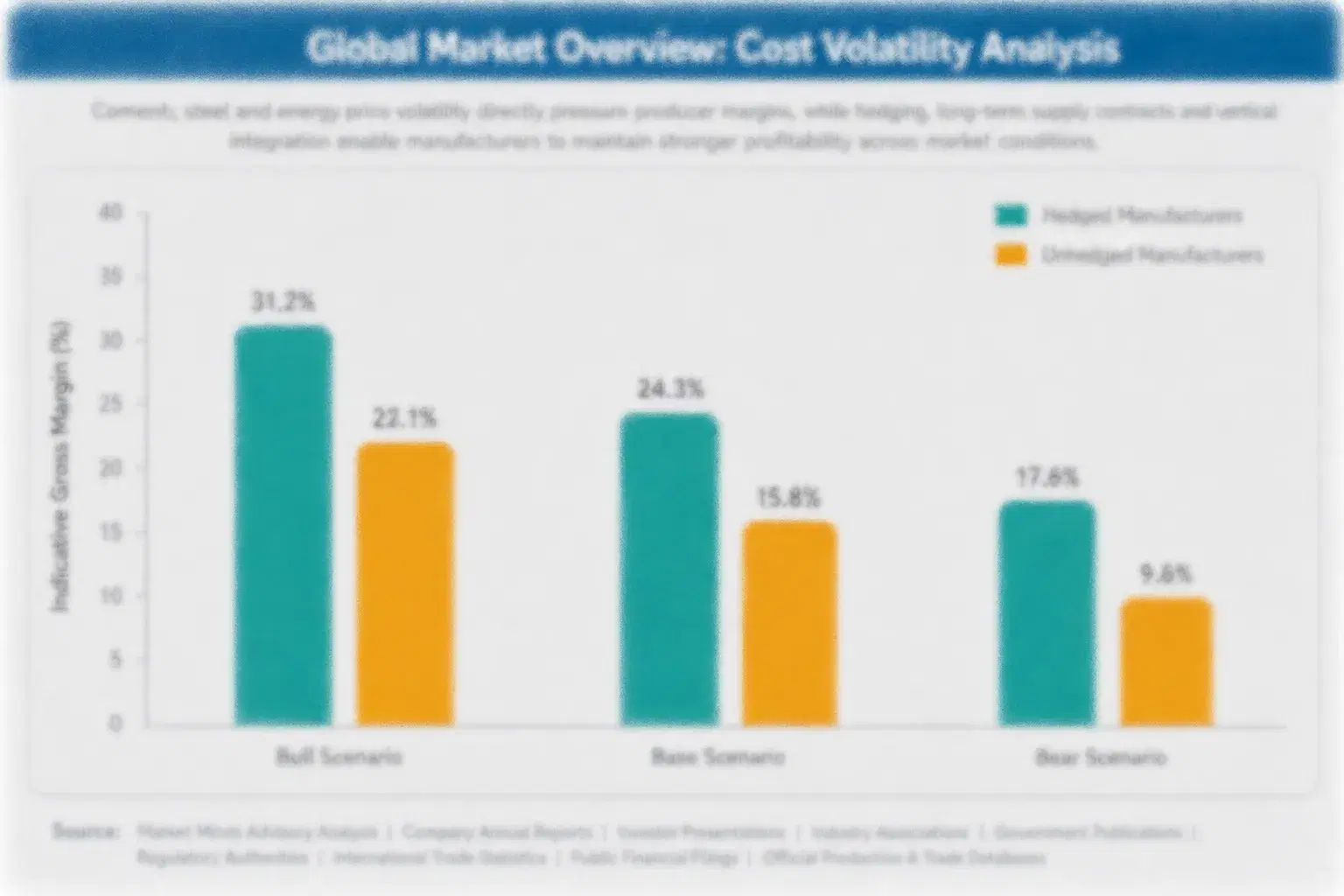
What Drives Vitamin Patch Costs

Adhesives, backing fabrics and release liners account for roughly 26% of product cost, active ingredients about 10%, converting and individual packaging about 18%, testing and quality control about 6%, and marketing, platform fees and distribution about 40%. Adhesive polymers come from chemical groups in Asia, Europe and the United States, backing from nonwoven and film converters, and contract manufacturers sit mainly in the United States, Germany, Japan and China.
The clearest recent shock came in 2021 and 2022. Eurostat producer price indices and IEA oil market reports show sharp rises in petrochemical prices, and MMA Estimate from expert interviews indicates that acrylic adhesive, film and packaging costs rose 25% to 40% while freight also rose. Brands absorbed part of the increase, cut promotions and adjusted pack sizes, and price rises reached shelves only after several months.

The disadvantage falls on small brands without contract terms, multiple manufacturers or pricing power, because they cannot pass through swings on marketplace prices that shoppers compare daily. Large groups negotiate materials and run several plants. Exposure also varies by geography: American brands face import duties and advertising cost, while European brands face sustainability rules and stricter claim reviews that add cost.
vitamin-patches-market-cost-volatility-analysis-1789966742827

Multi-Year Adhesive and Backing Contracts

Brands and manufacturers sign multi-year contracts for adhesives, backing and liners and hold two months of key inputs. These agreements cut exposure to input spikes of 25% to 40%. The main challenge is volume commitment when sales slow, so larger brands lead, while smaller brands buy through contract manufacturers and accept less price control.

Material Redesign and Thinner Patch Formats

Brands redesign patches with thinner adhesives, smaller sizes and simpler packaging to cut material cost by 8% to 15% without harming adhesion. The main challenge is skin comfort and stability testing, so brands run wear panels and shelf-life tests before scaling, while smaller brands rely on contract manufacturers that offer tested constructions and technical support for launches.

Dual Sourcing and Regional Manufacturing

Brands qualify a second contract manufacturer in another country and hold safety stock of finished patches for flagship products. Dual sourcing cuts stock-out and freight risk by about half. The main challenge is duplicate validation cost and quality differences, so brands audit both sites, share specifications and keep reference samples for every batch shipped.

Portfolio Architecture for Margin Defence

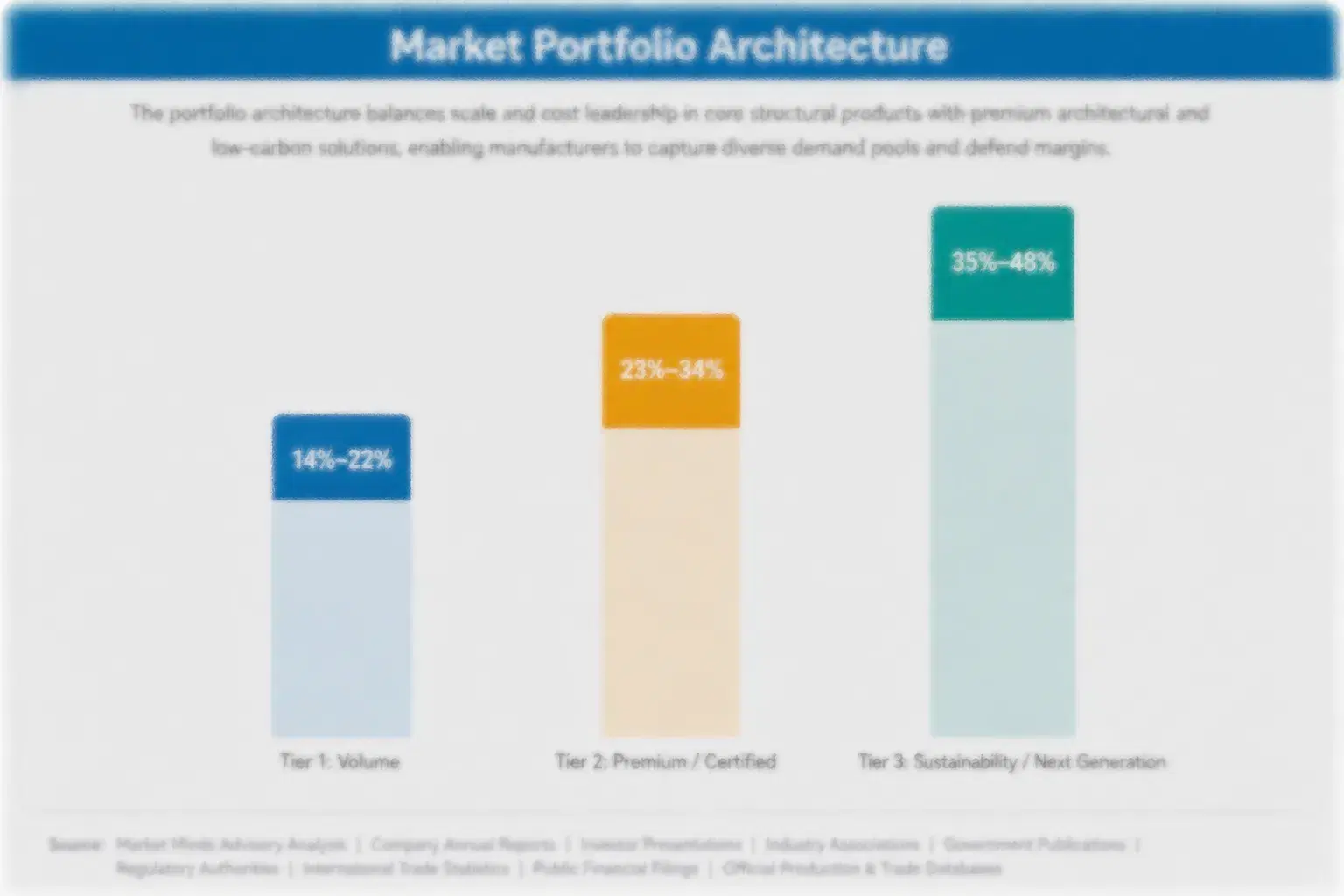
Margins run from moderate returns on general multivitamin and energy patches sold in volume through marketplaces to strong returns on sleep, immune and clinically tested formats sold with skin safety data and subscriptions. Three tiers separate volume products, premium certified lines and next-generation solutions, and each tier draws on different patch quality, brand voice and evidence in a fragmented market with limited price transparency below the leading brands.
The tension between volume and premium is sharp. General patches fill marketplace listings and private labels at low prices but face constant competition and claim scrutiny, while sleep, immune and tested formats earn higher margins on smaller volumes and depend on trust, skin safety and retention. Brands that run only volume struggle when advertising costs rise, while premium-only brands lose reach. Mix management decides which risk dominates each year.

High-value pools concentrate in sleep and relaxation patches sold through subscriptions and in immune patches with suitable lipophilic actives and skin safety data. They gather where buyers pay for comfort, honesty and repeat routine, not for the vitamin name alone. Beauty and recovery patches add a smaller pool, and strong brands hold all three, though each needs different claim wording and retailer skills.

Volume / Commodity-Adjacent

General multivitamin and energy patches sold in volume through marketplaces and private labels to price-conscious shoppers. Buyers focus on price per patch, repeat rates are modest, and claim strength is limited.
Gross Margin: 45%-58%

Premium / Certified

Immune and beauty patches with certified dose, third-party testing and skin safety data, sold through online stores, pharmacies and beauty retailers. Buyers value transparent labels, gentle adhesives and customer service, and retailers list a few trusted brands.
Gross Margin: 50%-65%

Sustainability / Regulatory / Next-Generation

Sleep and relaxation patches and microneedle or iontophoresis formats with clinical or pilot data, sensitive-skin adhesives and subscription programmes. Repeat purchase is strong, and success depends on honest claims, safety documentation and quality manufacturing.
Gross Margin: 55%-72%
vitamin-patches-market-portfolio-architecture-1789966743104

High-value Sub-segments and Strategic Watch-out

Sleep and Relaxation Patches

Sleep and relaxation patches combine the fastest growth with strong pricing, since overnight wear suits the format and buyers pay gross margins of 55% to 70% for gentle, tested formulas. Skin safety, honest claims and subscription programmes limit competition, and brands with sensitive-skin adhesives win repeat orders.
Gross Margin: 55%-70%

Immune Support Patches

Immune support patches deliver firm growth and pricing, since buyers want winter routines without pills and accept gross margins of 48% to 65% for tested formulas with suitable actives. Vitamin D3 fit, stability data and clear labels form the entry barrier, and marketplace claim rules decide which brands keep listings.
Gross Margin: 48%-65%

Energy and Vitamin B12 Patches

Energy and vitamin B12 patches are the volume core for marketplaces and private labels. Value grows about 9.0% a year, and adhesive cost, advertising cost and repeat rate decide profit. Brands anchor sales on social media communities and subscriptions, and customers switch for a better price or story.
Gross Margin: 45%-58%

Recovery and Hydration Patches

Recovery and hydration patches are the strategic watch-out, since growth of about 7.0% a year trails the leaders, evidence is thin and demand follows trends. Brands should manage these lines selectively and steer investment toward sleep and immune patches with clearer buyers and stronger repeat rates.
Gross Margin: 40%-52%

Why Shoppers Keep Reordering Wellness Patches

Vitamin patch demand behaves like a short annuity attached to nightly routines, subscriptions and trusted brand relationships. Once a shopper finds a patch that sticks well, feels gentle and fits a routine, reorders follow every month, and switching means new trial risk, price comparison and lost habit. Buyers use recent reviews and skin comfort to decide renewals, so brands with clear records earn steadier volume. Trust, once earned, is slow to lose.
Adoption stickiness differs by end-use vertical. Sleep patch buyers are the deepest, since nightly use builds habit and comfort matters more than claims. Immune and energy patch buyers are moderately sticky, driven by seasons and social media. Beauty and recovery buyers are more fluid, responding to trends and promotions, though well-reviewed products with gentle adhesives hold customers for several months.

Buyer profiles are shifting between generations. Older buyers chose supplements on doctor advice and pill habits, while younger shoppers ask for format convenience, ingredient transparency and community reviews. Marketplaces and regulators add a third group that sets claim and safety expectations. Brands that publish skin safety data and honest limits win newer buyers.
vitamin-patches-market-end-use-penetration-index-1789966743384

MMA Verdict on Vitamin Patch Strategy

These are among the four positions where our research anticipates prominent divergence between winners and laggards over the coming forecast period. Each is grounded in the demand model, the regulatory perimeter, and the announced capacity pipeline.
01 / DELIVERY EVIDENCE STRATEGY

Fund Controlled Absorption Studies Before Marketplaces and Clinicians Discount Patch Delivery Claims

Few controlled studies show that vitamin patches raise blood nutrient levels, and skin physiology limits many molecules. Brands should invest $0.5 million to $2 million per study of 40 to 100 participants, focus on suitable molecules such as vitamin D3 and publish results to support price premiums of 12% to 22%. Those that delay will lose listings to better documented rivals over the next two years, while prepared brands hold pricing, marketplace access and clinician credibility across every marketplace review cycle.
02 / SLEEP RANGE STRATEGY

Build Sleep Ranges With Gentle Adhesives Before Gummy Rivals Capture the Routine

Sleep and Relaxation Patches grows at 14.0% a year, about 1.40 times the overall market rate, and overnight wear suits the format. Brands should invest $0.6 million to $2.5 million in sensitive-skin adhesives, clear instructions and wearer testing, move 20% of sales into the range to lift blended margin by four to seven points and cut irritation complaints by 30% to 50%. Those that delay will lose the routine over the next two years, while early movers hold repeat orders, trust and pricing.
03 / RETENTION PROGRAMME STRATEGY

Launch Routine Subscriptions Before Acquisition Costs Consume Patch Margins Completely

Immune Support Patches grows at 12.0% a year, about 1.20 times the overall market rate, yet repeat purchase reaches only about 38%, so retention decides profit once acquisition costs are paid. Brands should invest $0.4 million to $1.5 million in timed subscriptions, reminders and flexible skip options, and lift retention by 10 to 18 points. Those that rely on discounts will lose margin over the next two years, while prepared brands hold lifetime value, customer trust and lower acquisition cost.
04 / SUPPLY QUALITY STRATEGY

Qualify Manufacturers and Suppliers Before Quality Failures and Cost Spikes Damage Brands

Uneven loading, weak adhesion and irritation damage reputations, and petrochemical costs rose 25% to 40% in 2021 and 2022. Brands should invest $0.5 million to $2 million in audits, two qualified adhesive and backing suppliers and batch testing for dose and adhesion, and hold two months of stock. Those that delay will lose customers and margin over the next two years, while prepared brands hold quality, cost stability and marketplace standing across every supply cycle, marketplace review and annual price negotiation.

Engagement Snapshot From the Field

A live engagement with an industry participant carrying material or product regulatory and market exposure ahead of a defining policy shift, showing how our research translates into a defensible multi-year portfolio strategy.
MARKET MINDS ADVISORY · CLIENT ENGAGEMENT SUMMARY
Vitamin Patches Producer Strategic Portfolio Review and Transition Roadmap 2026·Investment Scenario on Vitamin Patches Exposure Evaluation 2025-26
CLIENT PROFILE
The client is a mid-sized American wellness patch brand with annual sales near $18 million (client-reported, unverified by MMA), selling energy, immune and general vitamin patches through its website, marketplaces and a few pharmacies. About 85% of sales were general multivitamin and energy patches, repeat purchase was weak, and shoppers had asked for sleep patches with gentler adhesives and honest claims. Management wanted a plan to raise margin and retention.
STRATEGIC CHALLENGE
Gross margin sat near 50% (client-reported, unverified by MMA), acquisition cost had risen 40% in two years, and marketplaces had removed two product listings for claim wording. Management had to decide whether to launch sleep patches, fund an absorption study or build subscriptions, with limited capital and one contract manufacturer. Key marketplaces wanted revised claims within six months.
MMA APPROACH
MMA analysed sales, cohort and cost data across 20 products, interviewed 12 dermatologists, formulators and retail buyers, and ran a buyer survey on skin comfort, claims and price across three regions. It modelled margin by product and scenario, compared launch, study and subscription options by payback and execution risk, and tested each against enforcement and cost scenarios.
KEY FINDINGS
  1. A sleep range with sensitive-skin adhesive would cost about $1.4 million and lift gross margin on converted sales from about 50% to about 64% (client-reported, unverified by MMA).
  2. A vitamin D3 absorption study of 60 participants would cost about $1.2 million and support price premiums near 14% (client-reported, unverified by MMA).
  3. Routine subscriptions would cost about $0.6 million and lift retention by about 13 points and cut acquisition cost per retained customer (client-reported, unverified by MMA).
  4. A second contract manufacturer and adhesive supplier would cost about $0.8 million and cut stock-out risk by about half (client-reported, unverified by MMA).
CLIENT PROFILE
The client is a mid-sized American wellness patch brand with annual sales near $18 million (client-reported, unverified by MMA), selling energy, immune and general vitamin patches through its website, marketplaces and a few pharmacies. About 85% of sales were general multivitamin and energy patches, repeat purchase was weak, and shoppers had asked for sleep patches with gentler adhesives and honest claims. Management wanted a plan to raise margin and retention.
STRATEGIC CHALLENGE
Gross margin sat near 50% (client-reported, unverified by MMA), acquisition cost had risen 40% in two years, and marketplaces had removed two product listings for claim wording. Management had to decide whether to launch sleep patches, fund an absorption study or build subscriptions, with limited capital and one contract manufacturer. Key marketplaces wanted revised claims within six months.
MMA APPROACH
MMA analysed sales, cohort and cost data across 20 products, interviewed 12 dermatologists, formulators and retail buyers, and ran a buyer survey on skin comfort, claims and price across three regions. It modelled margin by product and scenario, compared launch, study and subscription options by payback and execution risk, and tested each against enforcement and cost scenarios.
KEY FINDINGS
  1. A sleep range with sensitive-skin adhesive would cost about $1.4 million and lift gross margin on converted sales from about 50% to about 64% (client-reported, unverified by MMA).
  2. A vitamin D3 absorption study of 60 participants would cost about $1.2 million and support price premiums near 14% (client-reported, unverified by MMA).
  3. Routine subscriptions would cost about $0.6 million and lift retention by about 13 points and cut acquisition cost per retained customer (client-reported, unverified by MMA).
  4. A second contract manufacturer and adhesive supplier would cost about $0.8 million and cut stock-out risk by about half (client-reported, unverified by MMA).
RECOMMENDED STRATEGY
Phase 1: Phase 1 (Months 1-9): Revise claims, launch the sleep range with sensitive-skin adhesive and qualify a second contract manufacturer for flagship products. Phase 2: Phase 2 (Months 10-24): Run the vitamin D3 absorption study, roll out routine subscriptions and test pharmacy listings with two retailers. Phase 3: Phase 3 (Months 25-42): Publish study results, expand sleep and immune ranges and review adhesive and manufacturing terms yearly as cost data develop.
OUTCOME
Within 42 months, sleep and immune patches reached 40% of sales, blended gross margin rose from about 50% to about 60%, and retention rose by about 13 points (client-reported, unverified by MMA). Study results supported cautious claims, marketplace listings were restored, and two pharmacy chains listed the sleep range.

Frequently Asked Questions

Foundational context covering the market sizes, CAGR, scope, country, region and competition that inform every finding below. This section is provided to cover basics and most often pre-purchase conversations, answered from the MMA Primary Research Dataset.

What is the current size of the Vitamin Patches Market?

The global vitamin patches market was valued at $0.35 billion in 2025 on a brand-level sales basis. Growth reflects pill fatigue and online marketing, offset by weak absorption evidence and unsettled regulatory status.

How large will the Vitamin Patches Market be by 2036?

The market is projected to reach $1.00 billion by 2036, up from $0.39 billion in 2026. The increase of $0.61 billion reflects sleep patches, immune formats and Asian growth.

What is the CAGR for the Vitamin Patches Market 2026 to 2036?

The market is forecast to grow at a 10.0% CAGR from 2026 to 2036. The bull case reaches 11.3% and the bear case 8.7%, depending on absorption evidence, enforcement and marketplace rules.

Which segment is growing fastest?

Sleep and Relaxation Patches is the fastest-growing segment at 14.0% CAGR, roughly 1.40 times the overall market rate. Immune Support Patches follows at 12.0% CAGR each year.

Who are the major companies in the Vitamin Patches Market?

Major companies include LifeWave, Patch MD, Nitto Denko, LTS Lohmann Therapie-Systeme and Hisamitsu Pharmaceutical. 3M, Avery Dennison Medical, Kindeva, GNC and Nature's Bounty also hold positions in patches and wellness.

Which country is growing fastest?

India is growing fastest at about 12.5% CAGR, because rising wellness spending, online marketplaces and quick commerce support new volumes. Australia and Vietnam follow as patch brands expand.

Report Segmentation Architecture

The full report scope spans multiple orthogonal segmentation dimensions, with cross-tabulated demand data provided for each dimension pair. Coverage extends further to regional breakdowns, trend trajectories, and the competitive detail needed to support segment-level decision-making.

By Primary Market Dimension

  • Sleep and Relaxation Patches
  • Immune Support Patches
  • Energy and Vitamin B12 Patches
  • Beauty, Hair and Skin Patches
  • Recovery and Hydration Patches

By End-Use Industry

  • Sleep and Relaxation
  • Immune and Seasonal Wellness
  • Energy and Fatigue Support
  • Beauty and Personal Care

By Commercial Dimension

  • Online and Subscription Sales
  • Marketplaces
  • Pharmacies and Drugstores
  • Beauty and Wellness Retail
  • Private-Label Contract Supply

By Region

  • North America
  • Western Europe
  • East Asia
  • South Asia and Pacific
  • Latin America
  • Middle East and Africa
  • Eastern Europe

Scope, Methodology, and Coverage

Every figure in this report is reproducible from documented input assumptions. The scope below maps the historical period, the forecast horizon, the segmentation dimensions, and the countries covered, alongside the underlying primary and qualitative methodology.
Historical Period
2020 to 2025
Forecast Period
2026 to 2036
Base Year
2025 (USD billions; MMA Primary Research Dataset, September 2026)
Market Definition
The market covers global sales of topical patches containing vitamins, minerals, amino acids or botanical actives and marketed for energy, sleep, immune, beauty and general wellness support, sold as finished products, private labels and contract manufactured patches. It excludes prescription transdermal drug patches, nicotine patches, pain relief patches sold as medicines, cosmetic sheet masks and oral supplements.
Quantitative Units
USD billions (brand-level sales); units of patches for volume references
Segmentation Dimensions
By Wellness Purpose; By End-Use Industry; By Commercial Dimension; By Region
Regions Covered
North America, Western Europe, East Asia, South Asia and Pacific, Latin America, Middle East and Africa, Eastern Europe
Countries Covered
United States, Canada, United Kingdom, Germany, France, Netherlands, Japan, China, South Korea, India, Australia, Vietnam, Brazil, Mexico, Argentina, United Arab Emirates, South Africa, Poland, and additional markets relevant to this sector
Key Companies Profiled
LifeWave, Patch MD, Nitto Denko, LTS Lohmann Therapie-Systeme, Hisamitsu Pharmaceutical, 3M, Avery Dennison Medical, Luye Pharma, Kindeva Drug Delivery, Corium, Adhex Technologies, Scapa Healthcare, Tapemark, GNC, Nature's Bounty, CVS Health, Walgreens Boots Alliance, Church & Dwight, Bayer Consumer Health, Pharmavite
Quantitative Methodology
Primary survey, n=3,800 respondents, Q4 2025, six countries; demand-side model with trade association cross-validation
Qualitative Methodology
47 expert interviews, Q4 2025; applied to validate demand model assumptions, identify emerging dynamics, and assess competitive positioning
Report Format
PDF and XLSX data workbook (Word format preview document)
Publisher
Market Minds Advisory
Report Code
MMA-2026-HLT-185
Published
September 2026
Contact
sales@marketmindsadvisory.com | www.marketmindsadvisory.com

Purchase the full Vitamin Patches Market Report (2026 to 2036).

The full report delivers a detailed assessment of the vitamin patches market through 2036, covering wellness purpose, end-use and regional forecasts, competitive benchmarking of leading brands, contract makers and adhesive groups, and input cost analysis. It combines MMA primary research, including a six-country survey of 3,800 respondents and 47 expert interviews, with public statistical and company data. Analysts also model enforcement scenarios, microneedle technology timelines and petrochemical price paths. Clients receive segment margin ranges, channel maps and a case study on growth strategy. Brand programme and supplier frameworks are also included.
Ten-year wellness purpose demand forecasts by region
Adhesive, backing, and packaging cost tracking
Competitive benchmarking of leading vitamin patch brands
Patch regulation and marketplace claim tracker
Regional market comparative analysis and forecasts included
Quarterly primary survey data update access

Built For The People Who Decide

From boardroom strategy to bench-side execution, this report is read cover-to-cover by leaders shaping the next decade of their industry, turning demand scenarios, market dynamics and valuation benchmarks into decisions.
CXOs/ Presidents/ VPs/ Managers
M&A and Corporate Development
Strategy Teams and R&D Heads
Procurement and Product Directors
Regulatory and Compliance Leaders
Investor Relations and Equity Analysts