Market Minds Advisory
Viral RNA Extraction Kit Market

Viral RNA Extraction Kit Market: Viral RNA Extraction Kit Market: The Step Everyone Is Trying To Delete

Pandemic manufacturing capacity runs near 38% utilisation while assay developers actively engineer the extraction step out of their own workflows, leaving automation compatibility and new sample types as the only defensible ground.

Lead Analyst

Published

August 2026

Make Smarter Decisions with Customized Research Insights

Request a free sample report and evaluate market opportunities, growth trends, and competitive dynamics relevant to your business needs.

2025 MARKET VALUE$1.4BMarket Size 2025
2036 FORECAST VALUE$3.0BBase Case , 2026 to 2036
CAGR 2026 TO 20367.0 %Bull 8.2% / Bear 5.8%
INCREMENTAL OPPORTUNITY$1.4BNet 10- year value creation
EXPANSION MULTIPLE1.97x2036 value over 2026 base
Strategic Levers
M&A Pipeline
Regional Outlook
Country Rankings
Competitive Intelligence
Segmental Deep-dive
Call-Us : 91 93563 13602

Executive Snapshot and Market Trajectory.

The customers of this category are actively working to remove it. Extraction-free protocols and integrated cartridges that hide sample preparation inside a sealed consumable both delete the standalone kit, and roughly 14% of assays already run without a separate extraction step at all.
East Asia takes 29% of value on domestic diagnostics manufacturing scale and clinical testing volume together, ahead of North America at 26%. Automated instrument cartridge sets grow at 10.5%, half again the market rate of 7.0%, because the format follows the liquid handler rather than the chemistry, and centrifugation has never automated well. Magnetic bead formats now carry most volume. Silica spin columns are now in genuine decline as a direct result of that shift.
Concentration reaches 51% while pandemic-built manufacturing capacity runs near 38% utilisation, which is the awkward fact underneath every pricing conversation in the trade. Wastewater surveillance is the genuinely new application, and it needs chemistry built for 40 millilitre inhibitor-rich samples rather than clinical swabs. Every validated direct lysis protocol removes volume permanently rather than moving it between competing suppliers, which is a different problem from ordinary share loss entirely.
Market Definition
The market covers reagent kits and consumable sets used to isolate viral RNA from biological and environmental samples, spanning magnetic bead-based kits, silica spin column kits, automated instrument cartridge sets, direct lysis and extraction-free reagents, phenol-chloroform and organic reagent kits, and large-volume environmental concentration kits. Extraction instruments and liquid handling hardware, amplification and detection reagents, sequencing library preparation kits, sample collection devices, and DNA-specific extraction products are excluded from scope.
Base Year Value
$1.4B in 2025 (MMA Primary Research Dataset, August 2026)
Forecast Period
2026 to 2036, eleven discrete annual values
CAGR
7.0% base case. Bull 8.2%. Bear 5.8%.
Fastest Growth Segment
Automated Instrument Cartridge Sets: 10.5% CAGR
Fastest Growth Country
India: 9.0% CAGR
Fastest Growth Region
South Asia and Pacific: 9.2% CAGR
Largest Region
East Asia: 29% of 2025 global value
Market Leaders
Qiagen, Thermo Fisher Scientific, Roche, Promega, Sansure Biotech. Source: MMA Analysis based on disclosed nucleic acid sample preparation revenue, company annual reports 2025.
Primary Survey
n=3,800 procurement and R&D decision-makers, Q4 2025, six countries
Methodology
Demand-side build-up, cross-validated against public data, 47 expert interviews

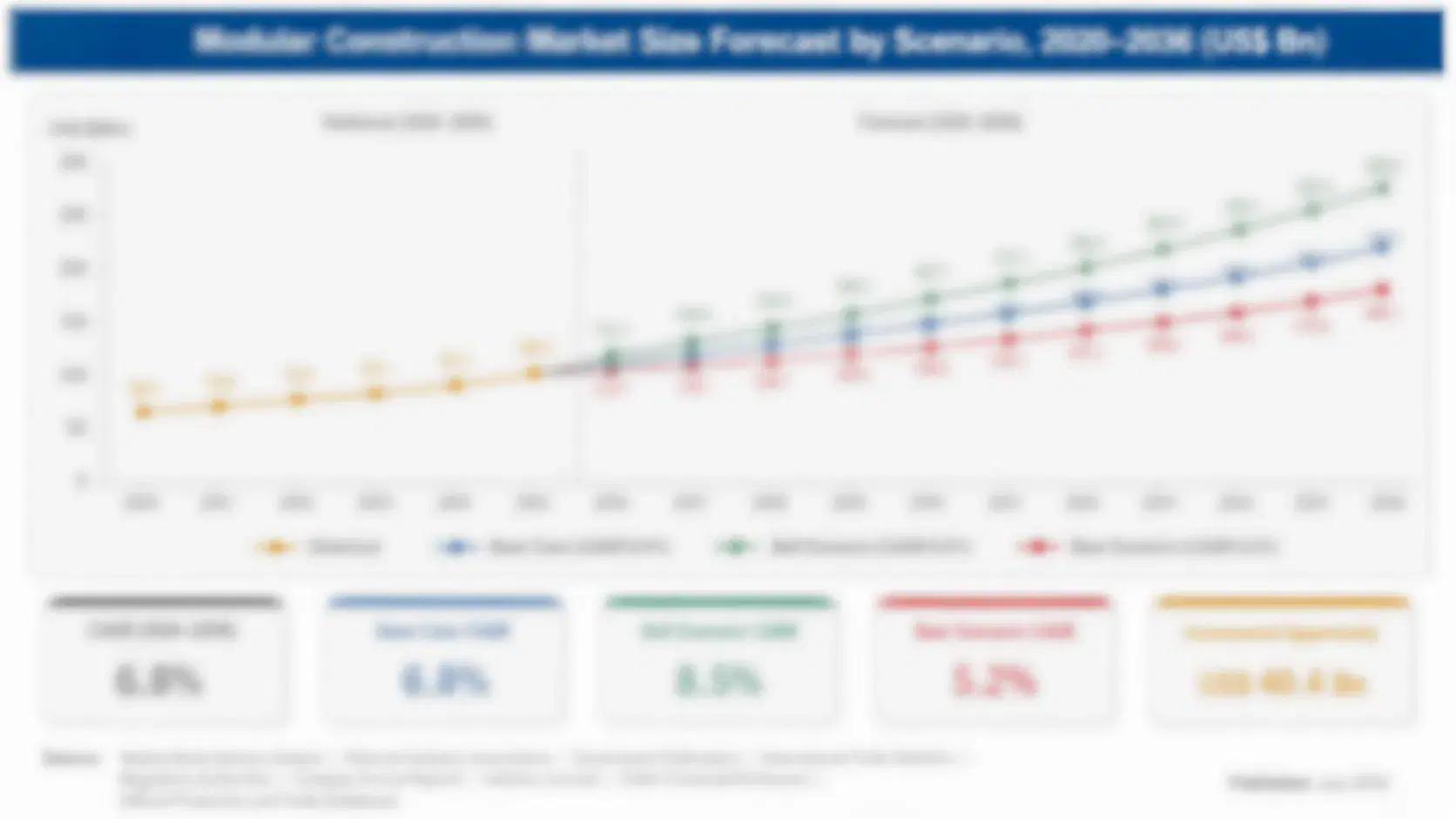
Viral RNA Extraction Kit Market Forecast Scenarios

viral-rna-extraction-kit-market-size-forecast-scenario-1787712288219
The 5.8% recorded across 2020 to 2025 conceals two entirely different markets stitched together. Testing volume in 2020 and 2021 pulled extraction kit demand to levels the industry had never approached, manufacturers built capacity accordingly, and then clinical volume collapsed as pandemic testing wound down. Revenue fell hard through 2022 and 2023. What compounds to a modest historical rate was in fact a spike followed by a slump.
The 7.0% base case rests on three mechanisms. Automated cartridge formats keep displacing manual columns wherever laboratories consolidate onto liquid handling platforms, since centrifugation does not automate and never has. Wastewater and environmental surveillance keeps expanding as public health agencies fund it as standing infrastructure. And Asian clinical virology testing volume keeps rising as molecular capability spreads well beyond tertiary hospital laboratories into routine practice. None of the three restores pandemic volumes.
The bull case at 8.2% assumes environmental and wastewater surveillance becomes permanently funded rather than episodic, which would add a sample type nobody was running in 2019. The bear case at 5.8% is extraction-free protocols spreading beyond the 14% of assays already using them, since every assay that deletes the step deletes a kit sale permanently with it.

Overbuilt, And Being Designed Out

Very few categories face a customer base engineering them out of existence, and this one does. Direct lysis protocols that take a swab straight into amplification, and integrated cartridges that seal sample preparation inside a consumable priced as a test rather than a kit, both eliminate the standalone extraction purchase. Around 14% of assays already run without a separate step. Assay developers regard extraction as cost and contamination risk.
FIVE-FIRM CONCENTRATION51%Share of category revenue held by the largest reagent suppliers
PANDEMIC CAPACITY UTILISATION38%Share of pandemic-era manufacturing capacity currently in productive use
REAGENT COST PER EXTRACTION$2.85Typical reagent cost for a single sample preparation
AUTOMATED FORMAT SHARE64%Extractions performed on automated liquid handling platforms today
ENVIRONMENTAL SAMPLE VOLUME40 mLTypical input volume for a wastewater surveillance sample
EXTRACTION-FREE ASSAY SHARE14%Assays now running without any separate extraction step
The pandemic left the industry with an inheritance it cannot use. Manufacturing capacity built for 2021 testing volumes now runs near 38% utilisation, magnetic bead production lines sit idle, and every supplier is carrying fixed cost against a market that shrank back toward its pre-pandemic shape. Pricing conversations happen against that backdrop whether anybody names it or not, and consolidation has been slower than the overcapacity would suggest.
What survives does so on automation and on sample types. Magnetic bead chemistry displaced silica spin columns primarily because columns need centrifugation and centrifugation does not automate, which is a workflow argument rather than a chemistry one. Wastewater surveillance requires handling 40 millilitre samples loaded with inhibitors that clinical kits were never designed for. Both defend the category, and neither concerns extraction performance.
"The most successful product development in this space over the last five years was somebody else's protocol that skips extraction entirely. That is an uncomfortable thing to put in a strategy document, so nobody does."
Director, Molecular Diagnostics Reagents Practice · MMA Life Science Reagents and Diagnostics Practice · August 2026

Market Trends

Extraction-Free Protocols Delete The Purchase Entirely

Direct lysis approaches take a swab or a lysate straight into amplification, removing the extraction step and with it the kit sale. Roughly 14% of assays already run this way, mostly high-volume respiratory panels where sample quality is predictable and throughput matters more than yield. Sensitivity is genuinely lower on difficult samples, which limits how far it spreads. Assay developers pursue it anyway, because every deleted step removes cost, hands-on time and one more contamination opportunity. Every protocol that validates removes that volume permanently rather than moving it elsewhere entirely.
Market Impact: Handles 40 mL environmental samples
Cartridge Formats Follow The Liquid Handler

Automated cartridge sets grow at 10.5% not because their chemistry is superior but because they suit platforms that laboratories have already bought. Silica spin columns require centrifugation, which no liquid handler performs, so a laboratory consolidating onto automation abandons columns regardless of how well they work. Magnetic beads separate under a magnet, which robots manage easily. Format share here tracks instrument installed base far more closely than it tracks any extraction performance data. Third-party cartridges exist and face validation friction most laboratories simply decline to absorb on their own account.
Market Impact: Grows India fastest at 9.0%

Market Opportunities and Growth Drivers

Wastewater Surveillance Creates An Entirely New Sample

Public health agencies across North America, Europe and increasingly Asia now fund wastewater viral surveillance as standing infrastructure rather than as pandemic response. The samples are nothing like clinical specimens: 40 millilitre volumes carrying humic acids, detergents and particulates that inhibit amplification badly. Kits built for a nasal swab fail on them. That mismatch created a segment with genuinely different chemistry requirements, better pricing and customers who buy on programme budgets rather than per test. Programme funding also arrives annually rather than fluctuating with any outbreak curve at all here.
Market Impact: Leaves 62% of capacity idle

Asian Molecular Testing Spreads Beyond Tertiary Hospitals

Clinical virology testing in China, India and Southeast Asia is moving out of tertiary reference laboratories into provincial hospitals and private laboratory chains, which multiplies the number of sites running extraction rather than the volume at existing ones. India grows fastest of any country at 9.0%. Domestic manufacturers supply most of that expansion at prices international suppliers cannot approach, so the volume growth and the revenue growth land in quite different places. Reagent unit volume and reagent revenue have therefore stopped tracking one another across the whole region at all.
Market Impact: Converts kits into 1 test price

Market Restraints and Challenges

Pandemic Capacity Sits At Thirty-Eight Percent

Manufacturing capacity built for 2021 testing volumes now runs near 38% utilisation, leaving every established supplier carrying fixed cost against a market that returned toward its pre-pandemic shape. Root cause is that capacity decisions were made during a demand spike nobody could model. Commercial impact is persistent pricing pressure, since idle lines make marginal volume look attractive. Mitigation runs through repurposing lines toward adjacent sample preparation chemistries rather than waiting for volume to return. Consolidation across the industry has been slower than the overcapacity alone would ordinarily suggest so far.
Market Impact: Removes 14% of assay workflows

Integrated Cartridges Hide The Kit Inside A Test

Sample-to-answer platforms seal extraction inside a sealed cartridge sold as a test price, which removes the extraction kit as a separately purchased item even though the chemistry still happens. Root cause is that laboratories buy simplicity and traceability over component pricing. Commercial impact is that reagent suppliers become component vendors to instrument manufacturers rather than suppliers to laboratories. Mitigation involves supplying that cartridge chemistry under contract, which trades margin for volume deliberately. Refusing that supply role on principle has already cost several manufacturers a meaningful share of the workflow itself.
Market Impact: Shifts 64% onto automated platforms
3 additional market trends, 2 additional growth drivers, and 4 additional restraints and challenges are covered in the full report. Contact sales@marketmindsadvisory.com to access the complete intelligence.

Segment CAGR and Growth Architecture

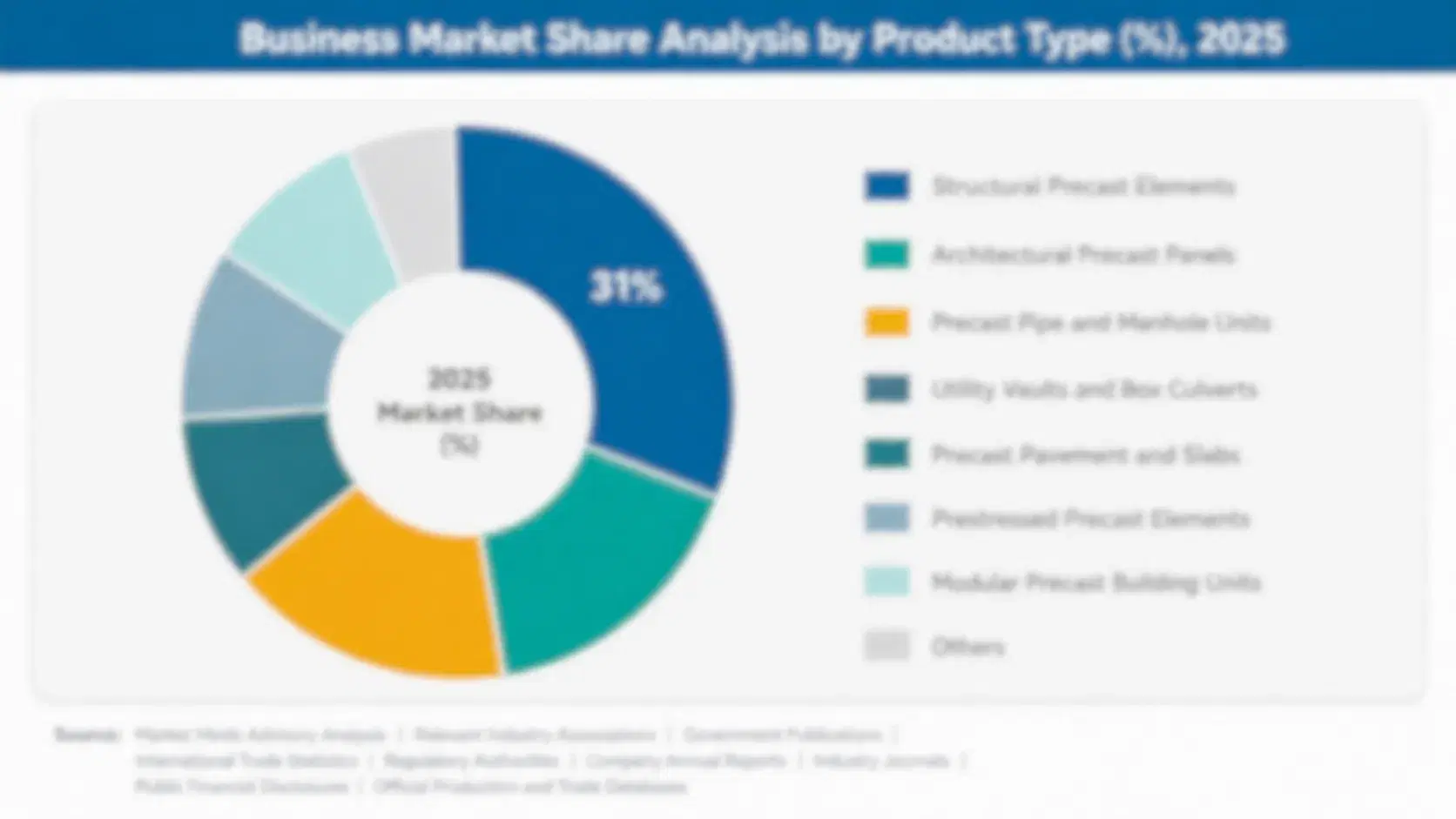
Segmentation follows extraction chemistry and delivery format: what separates the nucleic acid, and how the reagents reach the sample. Six categories cover the market without overlap. Application, sample type and end-user setting are treated as separate commercial dimensions throughout this report rather than as segmentation logic in their own right, since each cuts across every format.
viral-rna-extraction-kit-market-market-share-analysis-1787712288393

Automated Instrument Cartridge Sets

Prefilled cartridges and reagent racks configured for specific extraction instruments grow at 10.5%, half again the market rate of 7.0%, because laboratories consolidating onto automated platforms buy whatever that platform accepts. The chemistry is usually magnetic bead based and rarely differentiated in any meaningful way. What matters commercially is instrument compatibility, which turns the segment into an installed base contest decided years earlier when the laboratory chose its hardware. Third-party cartridge supply exists but faces validation friction that most laboratories decline to absorb. The commercial contest is therefore decided at platform launch rather than in any laboratory evaluation, which is an uncomfortable timeline for anybody arriving afterwards with better chemistry.
CAGR 10.5%

Direct Lysis and Extraction-Free Reagents

Direct lysis buffers take a swab or crude sample straight into amplification without any purification step, and they grow at 9.0% precisely because they eliminate work that laboratories resent performing. Roughly 14% of assays now run this way. Sensitivity on inhibitor-rich or low-titre samples is genuinely worse, which caps adoption in clinical settings where a missed positive matters. The commercial oddity is that this segment grows by cannibalising the rest of the category, so suppliers hold it defensively as much as strategically. A customer determined to skip extraction will find a buffer somewhere, so the choice is whether that buffer carries your label or a competitor's on the invoice instead.
CAGR 9.0%
Full segment breakdown across 6 segments available in the complete report.

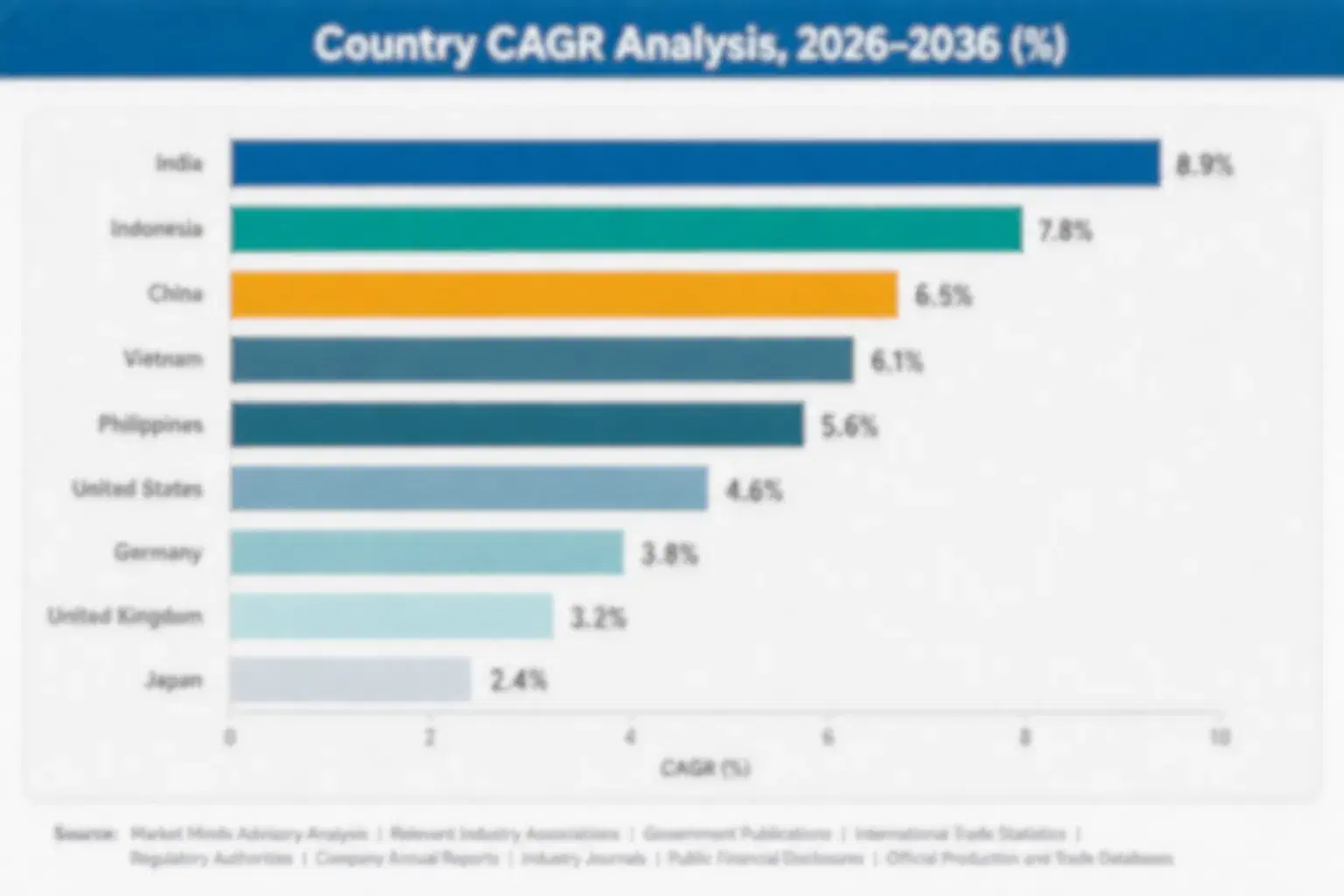
Regional Architecture and Country Demand Map

Geography follows domestic diagnostics manufacturing scale alongside clinical molecular testing volume rather than population. East Asia leads on both, North America follows on surveillance programme funding, and India grows fastest from a broad base. Population and test counts alone explain very little about where value lands.

North America

Wastewater surveillance is funded here more comprehensively than anywhere, running as standing public health infrastructure across hundreds of treatment sites rather than as episodic outbreak response. Clinical laboratory consolidation has pushed automated cartridge formats hard, since large reference laboratories run liquid handling platforms almost exclusively. Pandemic capacity overhang is felt sharply because most of the expansion happened here. Academic and biopharmaceutical research demand adds a steady base that clinical volume swings do not disturb much at all. Extraction-free protocol adoption is also furthest advanced here, since high-throughput reference laboratories chase hands-on time savings harder than anybody and have the validation resource to prove a shortened workflow properly to a regulator.
Share: 26% | CAGR: 6.2% (2026 to 2036)

Western Europe

Public health agencies across the Netherlands, Germany and the Nordic countries operate wastewater surveillance programmes with genuine analytical depth, and European Commission health security funding has kept several running past their pandemic origins. Clinical molecular testing is consolidated into large laboratory networks that buy on platform compatibility. Regulatory documentation requirements under in-vitro diagnostic rules raise the cost of switching reagent suppliers considerably, which favours incumbents and slows the price competition seen elsewhere. Wastewater programmes here often report at higher analytical resolution than elsewhere, tracking variant proportions rather than simple presence, which demands cleaner extraction from difficult samples. Research and biopharmaceutical demand across Britain, Switzerland and Germany adds a stable base.
Share: 21% | CAGR: 5.4% (2026 to 2036)
Regional intelligence for 5 additional markets available in the complete report: East Asia, South Asia and Pacific, Latin America, Middle East and Africa, Eastern Europe. Contact sales@marketmindsadvisory.com.
viral-rna-extraction-kit-market-country-cagr-analysis-1787712288572

Defending A Deletable Workflow Step

Roughly 14% of assays already skip extraction, capacity runs near 38% utilisation, 64% of extractions happen on automated platforms, and wastewater samples arrive at 40 millilitres. Four levers work on instrument compatibility, new sample chemistry, contract supply and capacity repurposing rather than on extraction performance itself, which almost nobody actually buys on any more.

Win Instrument Compatibility Before Chemistry Arguments

Around 64% of extractions now run on automated platforms, and a laboratory buys whatever its instrument accepts regardless of how any competing chemistry performs. Validated compatibility with the platforms laboratories actually own is therefore worth more than a yield improvement of 20% would be. Suppliers investing in cross-platform validation and open cartridge formats reach installed bases they otherwise cannot touch, and the validation work is what a competitor finds genuinely slow to replicate. Laboratories decline to revalidate a working method for marginal savings, which is why the position holds afterwards.
Market Impact: Reaches all 64% of automated extraction volume today

Build Chemistry For Environmental Sample Loads

Wastewater samples arrive at 40 millilitres carrying humic acids, detergents and particulates that inhibit amplification, and kits designed for a nasal swab simply fail on them. Purpose-built concentration and inhibitor-removal chemistry addresses a segment with better pricing, programme-based budgets and customers who buy annually rather than per test. It requires genuine development work rather than repackaging, which is exactly why the segment has not yet filled with competitors. Programme buyers also purchase annually against budget rather than per test, which changes forecasting and pricing negotiation completely for whoever supplies them.
Market Impact: Processes the full 40 mL environmental sample volume

Supply Cartridge Chemistry Under Contract Deliberately

Integrated platforms seal extraction inside a cartridge sold at a test price, which removes the kit as a purchased item while the chemistry still happens inside it. Supplying that chemistry to instrument manufacturers under contract trades unit margin for volume and for a position inside a workflow that would otherwise be closed. It is a deliberate demotion from supplier to component vendor, and refusing it on principle has cost several manufacturers meaningful share. Cartridge chemistry supply typically carries around 18 points less gross margin than a branded kit and reaches volume that a branded kit never will.
Market Impact: Holds a position inside 1 otherwise closed workflow

Repurpose Idle Lines Toward Adjacent Chemistries

Capacity built for 2021 volumes runs near 38% utilisation, and waiting for clinical testing to return to pandemic levels is not a plan. Magnetic bead and buffer production lines convert reasonably to adjacent sample preparation work including cell-free DNA, microbiome and library preparation reagents. Conversion costs validation and qualification time. It beats carrying fixed cost against volume that is not coming back, which several suppliers have now accepted rather later than they should have. Qualification time is the real cost, and it is considerably cheaper than another year of idle fixed overhead.
Market Impact: Recovers most of the 62% idle line capacity

Who Controls the Margin Pool

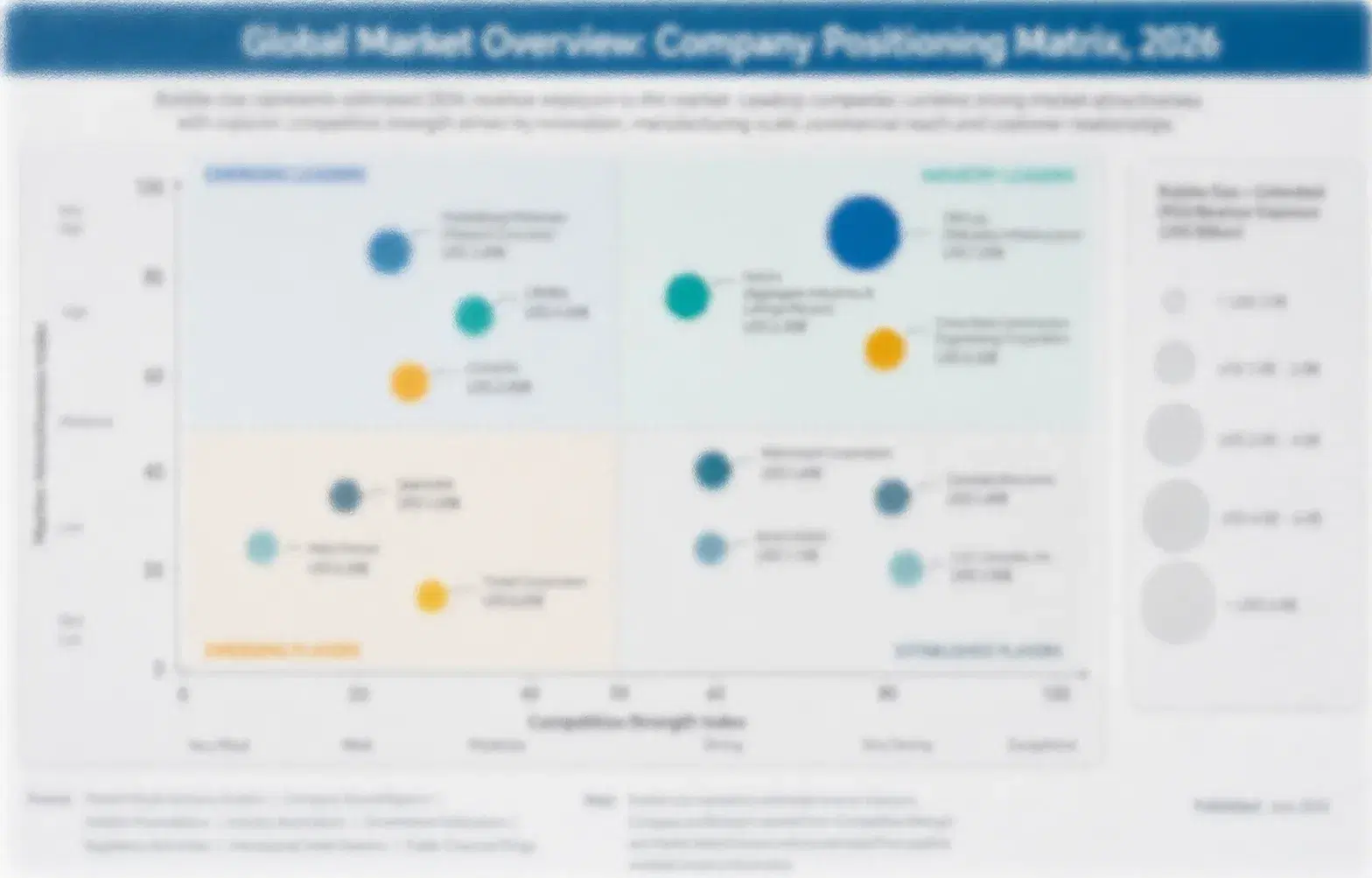
Measured on disclosed nucleic acid sample preparation revenue, the five largest suppliers hold a CR5 of 51%, which understates how differently the top and bottom of that group compete. Qiagen and Thermo Fisher hold broad catalogue and instrument positions, Roche supplies chemistry inside its own closed platforms, Promega holds research and applied market depth, and Sansure Biotech leads a large Chinese domestic base that international competitors do not reach.
Three contests define activity. Automated cartridge supply competes on instrument compatibility and validation status rather than on chemistry. Environmental and wastewater kits compete on genuine inhibitor handling, where performance differences are real and measurable. And commodity manual formats compete on price against Chinese and Indian manufacturers who hold the cost position outright. Direct lysis reagents compete on simplicity against the workflow itself.

Pressure builds from two directions at once. Extraction-free protocols shrink the addressable workflow while pandemic capacity keeps pricing soft. Rankings shift toward whoever holds cartridge positions inside instrument platforms, since those workflows close to everybody else once validated. Catalogue breadth still matters to research buyers, and matters considerably less to anybody running a validated clinical method.
viral-rna-extraction-kit-market-company-positioning-matrix-1787712288753

Competitive Moat and Risk Dimensions

QIAGEN

Moat: Catalogue Depth And Installed Base

Qiagen combines the broadest extraction chemistry catalogue with a substantial installed base of its own automated platforms, which makes its consumables the default for laboratories that bought the hardware. Validation documentation across regulated workflows is extensive and expensive to reproduce. A competitor with equivalent chemistry still faces a laboratory unwilling to revalidate a working method for a marginal price difference.
QIAGEN

Risk: Workflow Deletion Exposure

Catalogue breadth defends share within extraction but offers nothing against assays that remove extraction altogether, and roughly 14% already have. The stronger the position inside the step, the more exposed it is to the step disappearing. Direct lysis and integrated cartridge approaches both shrink the addressable workflow rather than redistributing it.
SANSURE BIOTECH

Moat: Domestic Scale And Cost Position

Sansure serves an enormous Chinese clinical testing base from domestic manufacturing with local reagent and plasticware supply, producing a cost position international competitors cannot approach at any volume. That home base funds capacity and development without depending on export success. Cost advantage built on domestic scale and location is considerably harder to erode than one built on any particular chemistry.
SANSURE BIOTECH

Risk: Regulated Export Market Friction

Growth beyond the domestic base runs into in-vitro diagnostic documentation requirements in Europe and regulatory review in North America that add cost and time a price advantage does not offset. Laboratories in regulated markets also weigh supply continuity and validation support heavily. Domestic scale does not translate directly into share where the buying criteria differ this much.

Players Tracked

Prominent Players

Qiagen
Thermo Fisher Scientific
Roche
Promega
Sansure Biotech

Other Key Players

Bio-Rad Laboratories
Takara Bio
Merck KGaA
Agilent Technologies
New England Biolabs
Zymo Research
Norgen Biotek
Macherey-Nagel
Tiangen Biotech
Daan Gene
BGI Genomics
Bioneer
Meridian Bioscience
Omega Bio-tek
Analytik Jena

Recent Developments

FEBRUARY 2025

Public health agency contracts multi-year wastewater surveillance reagents

A national public health agency awarded a multi-year reagent supply contract covering wastewater viral surveillance across its treatment site network, a procurement award rather than any corporate transaction. Surveillance had moved from pandemic response funding onto standing programme budgets across the preceding two years of operation.
Signal: Programme budgets rather than per-test purchasing change how reagent suppliers plan production capacity for years ahead.
JUNE 2025

Assay developer validates extraction-free respiratory panel workflow

A molecular assay developer validated a direct lysis workflow for a high-volume respiratory panel, removing the separate extraction step from the protocol. This was an organic protocol development rather than any acquisition, licensing arrangement or supply agreement with a reagent manufacturer of any kind at all.
Signal: Each validated extraction-free protocol permanently removes kit volume rather than moving it between competing suppliers anywhere.
OCTOBER 2025

Reagent manufacturer repurposes extraction lines toward library preparation

A reagent manufacturer converted magnetic bead production capacity built during the pandemic toward sequencing library preparation chemistry, an internal capacity reallocation rather than any divestment or joint venture. Extraction line utilisation across the industry had settled far below the levels that justified the original investment decisions.
Signal: Capacity repurposing is now clearly preferred to waiting for clinical testing volumes that will not return.

Salts, Beads And Plastic

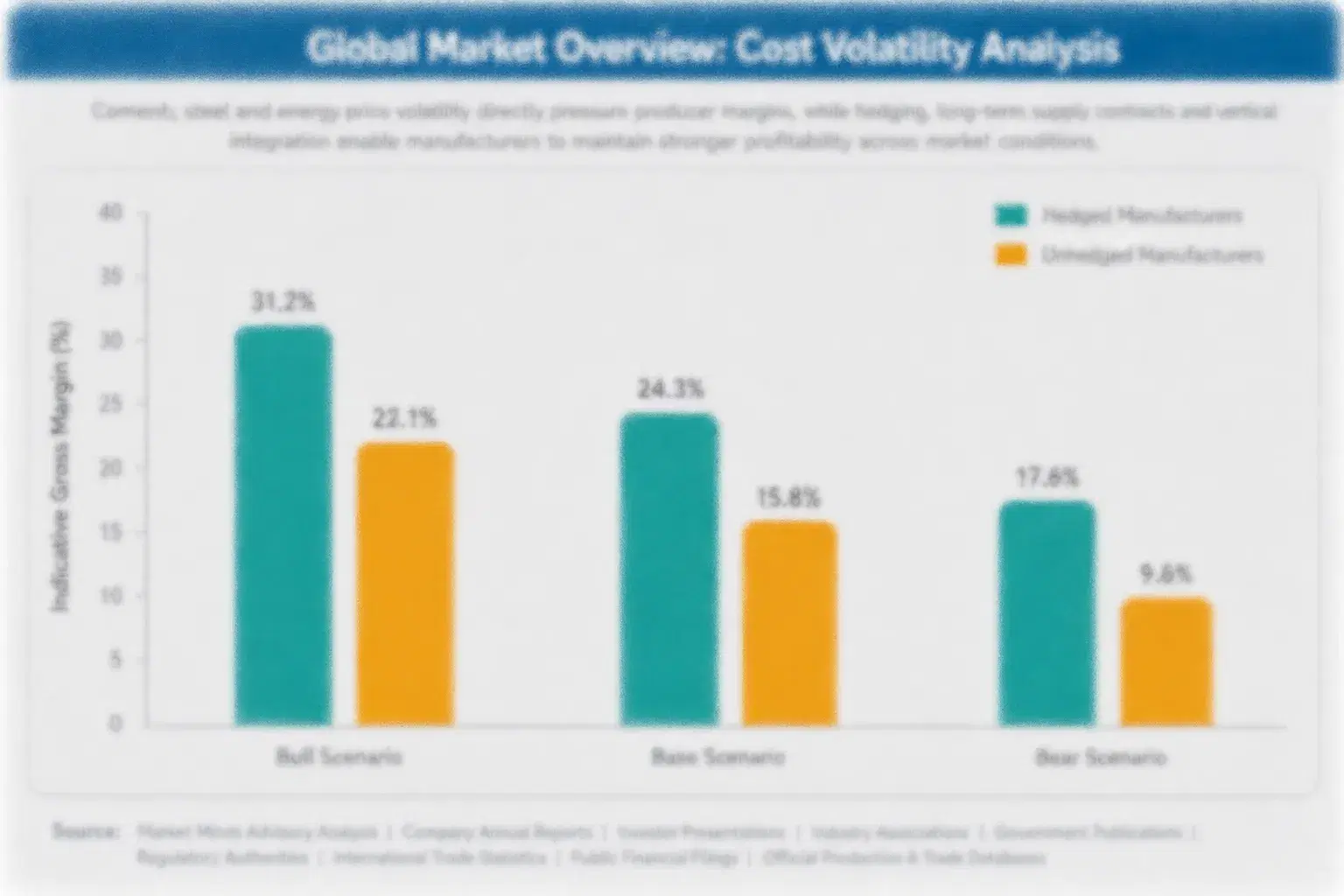
Four inputs carry most of the cost. Chaotropic salts including guanidine thiocyanate, silica-coated magnetic beads, moulded plasticware covering columns, plates and tips, and enzyme and carrier components including proteinase K together account for 30 to 38% of finished kit cost. Chaotropic salt production is concentrated in a small number of chemical producers across Europe, China and India. Magnetic bead supply is similarly narrow and technically demanding to qualify.
The volatility that mattered was the guanidine thiocyanate shortage through 2020 and 2021, when global extraction demand outran a chemical supply chain sized for a much smaller market and allocation replaced ordering entirely. Polypropylene resin for columns, plates and pipette tips tightened at the same time, which EIA petrochemical feedstock price data records across the period. Qiagen Annual Report 2024 documents the resulting sourcing changes retained since.

Exposure divides by vertical integration rather than by scale. Suppliers producing their own magnetic beads hold both a cost advantage and supply security that buyers of contract bead material do not. Chinese and Indian manufacturers with domestic salt, bead and plasticware supply hold cost positions roughly a third below Western production. Those assembling kits from purchased components carry the thinnest margin and least control.
viral-rna-extraction-kit-market-cost-volatility-analysis-1787712288940

Produce magnetic bead material internally rather than buying it

Silica-coated magnetic beads carry meaningful cost and all of the qualification difficulty, since bead surface chemistry varies between suppliers in ways that change extraction yield. Internal production costs capital and specialist capability that smaller manufacturers cannot justify. It removes both the pricing exposure and the requalification work that a supplier change would otherwise force through every validated protocol.

Qualify a second chaotropic salt source in advance

Guanidine thiocyanate production sits with a small number of chemical producers, and the pandemic demonstrated that allocation replaces ordering the moment demand outruns capacity anywhere. Qualifying an additional source costs validation work against purity specifications that genuinely differ between producers. It converts an outright supply failure into a controlled switch, which is the difference between a shortage and an inconvenience.

Contract plasticware moulding capacity ahead of demand

Columns, plates and tips are moulded from polypropylene by converters serving many industries, and diagnostics volumes are small enough to be deprioritised whenever capacity tightens across the broader market. Contracted moulding capacity costs commitment against volumes that may not fully materialise. It protects the component that stopped more kit shipments during the shortage than any reagent chemistry did.

Portfolio Architecture for Margin Defence

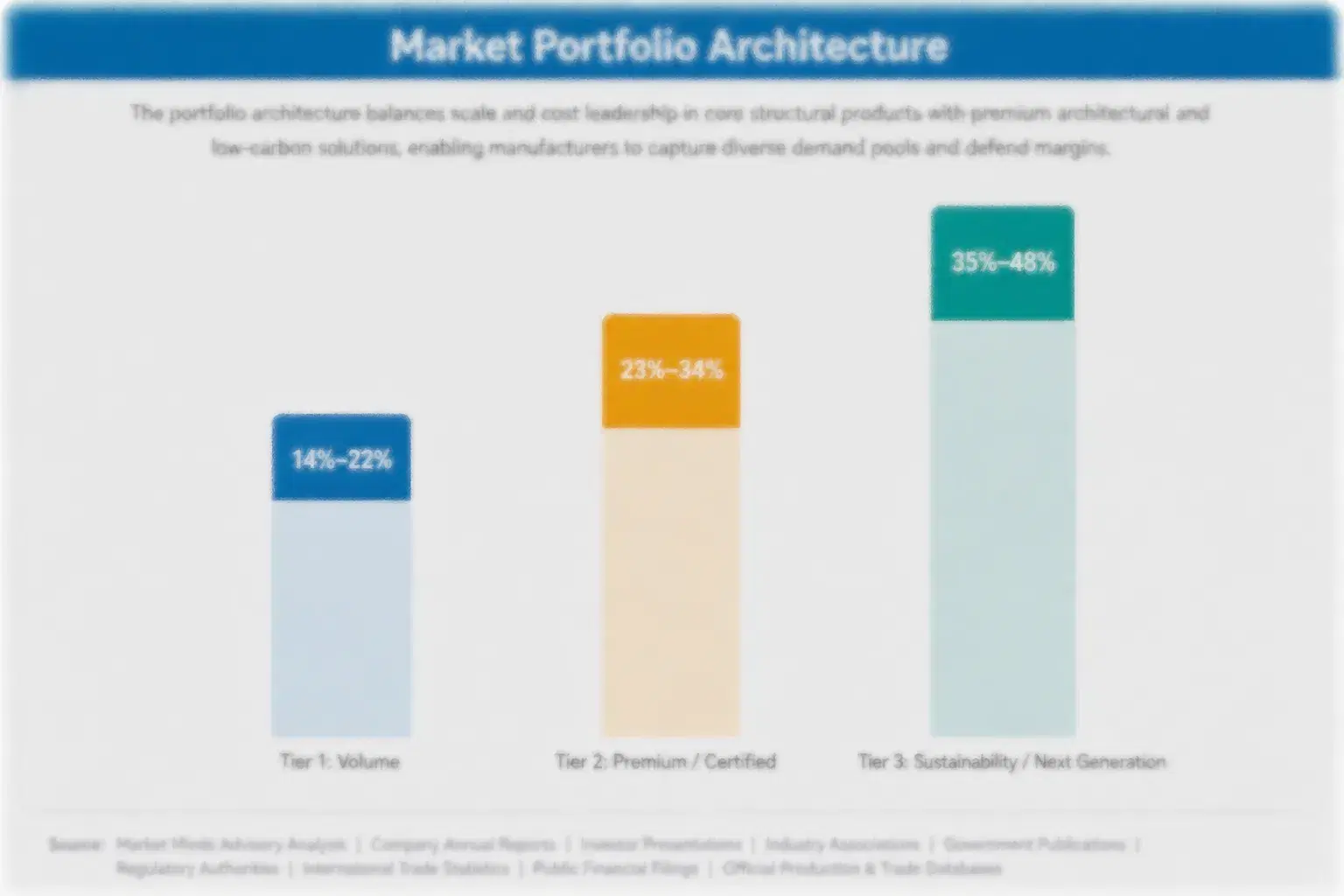
Margin follows how closed the workflow is rather than how good the chemistry is. Organic phenol-chloroform reagents earn very thinly on commodity chemicals anybody can formulate. Silica spin columns earn modestly against Asian manufacturers holding the cost position. Manual magnetic bead kits earn moderately in a crowded field. Direct lysis reagents earn well on simplicity. Instrument-matched cartridges and environmental concentration kits earn best, on validated compatibility and genuinely difficult chemistry respectively.
The tension is that the segment growing fastest is also the one that closes the account to everybody else. Instrument-matched cartridges deliver excellent margin to whoever validated first and nothing at all to whoever did not, because laboratories decline to revalidate working methods for marginal savings. A supplier without cartridge positions competes in manual formats where Chinese and Indian manufacturers hold roughly a third cost advantage outright.

High-value pools sit in three places. Validated cartridge positions inside instrument platforms, which close to competitors once established. Environmental and wastewater chemistry, where inhibitor handling is a real technical barrier and buyers hold programme budgets. And contract supply of cartridge chemistry to instrument manufacturers, which trades margin for a position that cannot otherwise be reached.

Volume / Commodity-Adjacent

Organic reagent kits and silica spin columns competing on price against manufacturers with domestic salt and plasticware supply. The 8-point range separates vertically integrated producers from those assembling kits out of purchased components at market prices.
Gross Margin: 26-34%

Premium / Certified

Manual magnetic bead kits and direct lysis reagents sold into clinical and research laboratories under regulated documentation. The 12-point spread reflects how differently regulated diagnostic pricing and research catalogue pricing behave across otherwise identical chemistry.
Gross Margin: 48-60%

Sustainability / Regulatory / Next-Generation

Instrument-matched cartridge sets and environmental concentration kits sold into closed platforms and surveillance programmes. The 18-point range is wide because validated cartridge economics and programme-funded environmental pricing follow entirely different competitive logic.
Gross Margin: 58-76%
viral-rna-extraction-kit-market-portfolio-architecture-1787712289142

High-value Sub-segments and Strategic Watch-out

Instrument-Matched Cartridge Sets

Highest margin and fastest growth at 10.5%, defended by validation status that laboratories will not repeat for marginal savings. The risk is that the position is won once at platform launch and closed permanently to anybody who missed that particular window. Timing decided everything in this segment.
Gross Margin: 66-76%

Environmental Concentration Chemistry

Strong economics on 40 millilitre inhibitor-rich samples that clinical kits handle badly, sold to agencies buying on annual programme budgets. The risk is that surveillance funding is political and can be withdrawn considerably faster than it was granted. Political funding moves faster than any development cycle.
Gross Margin: 58-68%

Manual Magnetic Bead Volume

The volume core, carrying most laboratory extraction outside closed platforms across clinical and research work alike. Suppliers hold it because catalogue presence anchors the relationship, while Chinese and Indian manufacturers compress the pricing available in it steadily. Nobody exits it voluntarily for exactly that reason.
Gross Margin: 44-54%

Extraction-Free Substitution

The strategic watch-out. Roughly 14% of assays already skip extraction entirely, and every validated protocol removes volume permanently rather than moving it. The risk is a category defending a step that its own customers keep successfully deleting. Selling into what replaces it beats defending it.
Gross Margin: 22-32%

Locked By Validation, Not Contract

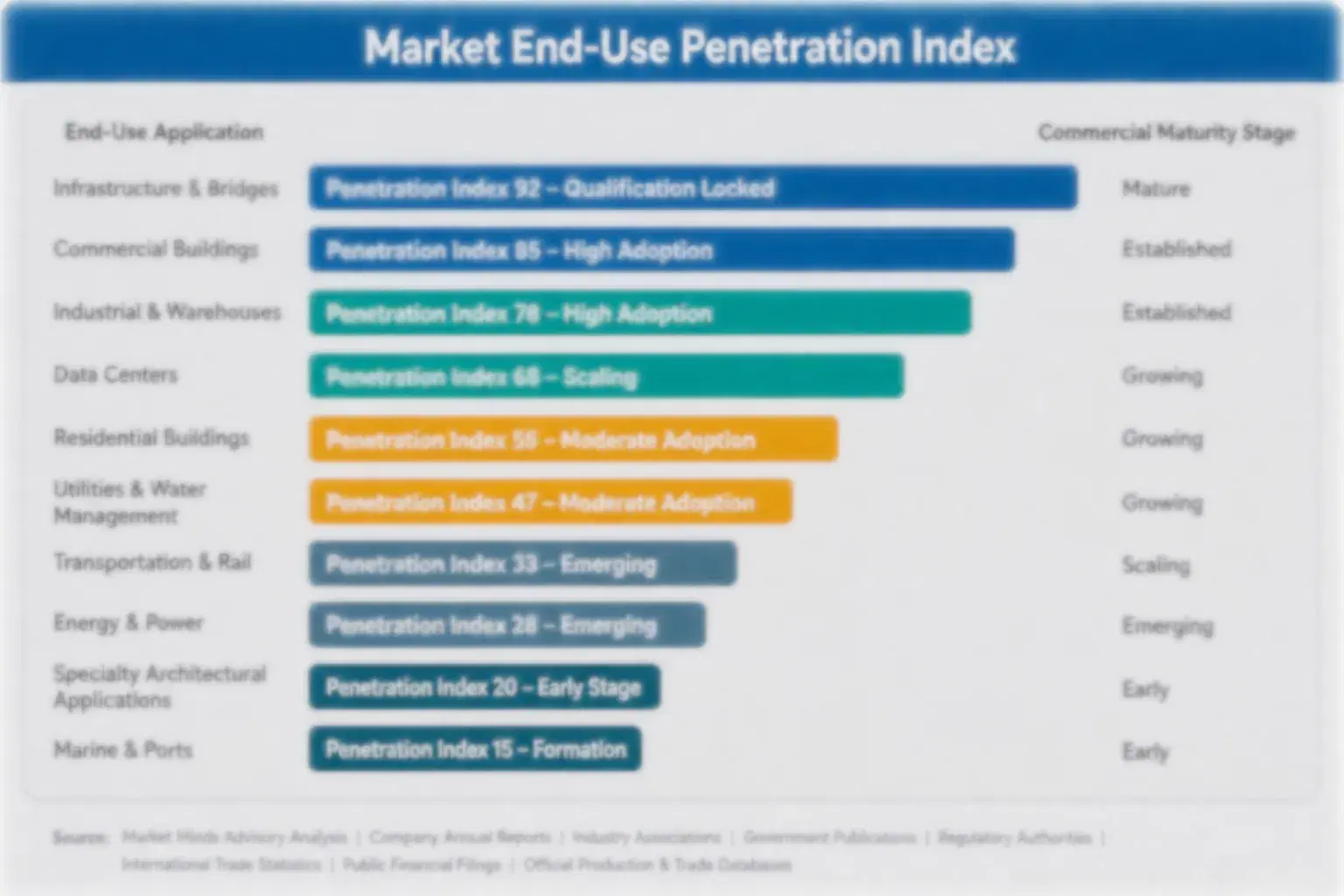
Consumption tracks test volume exactly, with no installed base of its own and no upgrade cycle, which would make this a purely transactional category were it not for validation. A regulated laboratory that validated a method against a specific kit cannot substitute another without repeating that work, documenting it and accepting the regulatory consequence. That requirement, rather than any contract, is what holds accounts in place across years and makes the initial method development decision so valuable.
Stickiness therefore varies with how regulated the setting is. Clinical laboratories under in-vitro diagnostic documentation requirements are stickiest, since substitution triggers revalidation nobody wants to fund. Public health surveillance laboratories follow, running documented programme methods. Research and academic users are least sticky, buying on catalogue price and switching between suppliers between grants without any consequence at all beyond a protocol note.

The purchaser has moved upstream in many workflows. Laboratories once selected extraction kits directly and validated around their choice. Instrument manufacturers now specify the chemistry inside closed cartridge systems, and assay developers embed extraction decisions into protocols laboratories simply follow. The reagent supplier increasingly sells to whoever designs the workflow rather than to whoever runs it, and those buyers weigh different things.
viral-rna-extraction-kit-market-end-use-penetration-index-1787712289328

Sell Where Workflows Close

These are among the four positions where our research anticipates prominent divergence between winners and laggards over the coming forecast period. Each is grounded in the demand model, the regulatory perimeter, and the announced capacity pipeline.
01 / PLATFORM VALIDATION POSITION

Compatibility beats chemistry every single time

Roughly 64% of extractions now run on automated platforms, and a laboratory buys whatever its instrument accepts regardless of how well any competing chemistry actually performs on the bench itself. Validated compatibility with platforms laboratories already own is therefore worth considerably more to a supplier than any meaningful yield improvement would be. Suppliers investing in cross-platform validation reach installed bases they cannot otherwise touch at all, and that validation work is genuinely slow for any competitor to go back and replicate afterwards.
02 / ENVIRONMENTAL SAMPLE CHEMISTRY

Wastewater is the one genuinely new customer

Wastewater surveillance samples arrive at 40 millilitres carrying humic acids, detergents and fine particulates that inhibit amplification badly, and kits designed for a nasal swab tend to fail on them outright rather than merely performing somewhat worse. Purpose-built concentration and inhibitor-removal chemistry addresses buyers holding annual programme budgets rather than per-test purchasing decisions of any kind. It requires genuine development work instead of repackaging, which is precisely why the segment has not yet filled up with competitors chasing after it.
03 / CAPACITY REALLOCATION DISCIPLINE

The volume is not coming back

Manufacturing capacity built out for 2021 testing volumes now runs at somewhere near 38% utilisation, and every single quarter spent waiting for clinical testing to recover is fixed cost carried against demand that has plainly already found its own level. Magnetic bead and buffer production lines convert reasonably well toward cell-free DNA, microbiome and library preparation chemistry instead. Conversion costs qualification time and still beats carrying idle capacity, which several suppliers came to accept considerably later than they really should have.
04 / WORKFLOW DELETION REALISM

Your customers are engineering you out

Around 14% of all assays already run without any separate extraction step, and every newly validated direct lysis protocol removes that volume permanently rather than merely moving it between competing suppliers within the category. Assay developers pursue that deletion because it removes cost, hands-on time and one more contamination opportunity all at once. Suppliers do better selling the chemistry into cartridges and protocols that keep it, rather than defending a step their own customers are actively designing away from them.

Engagement Snapshot From the Field

A live engagement with an industry participant carrying material or product regulatory and market exposure ahead of a defining policy shift, showing how our research translates into a defensible multi-year portfolio strategy.
MARKET MINDS ADVISORY · CLIENT ENGAGEMENT SUMMARY
Viral RNA Extraction Kit Producer Strategic Portfolio Review and Transition Roadmap 2026·Investment Scenario on Viral RNA Extraction Kit Exposure Evaluation 2025-26
CLIENT PROFILE
A nucleic acid sample preparation manufacturer supplying clinical and research laboratories across European and North American markets, with reported extraction reagent revenue of 88 million dollars (client-reported, unverified by MMA). Roughly 69% came from manual column and bead formats. Capacity built during the pandemic was running at well under half its designed output across two sites.
STRATEGIC CHALLENGE
Revenue had fallen for three consecutive years as clinical testing normalised, and pricing was eroding against Chinese manufacturers on manual formats. Management was preparing a further price reduction and a headcount programme. Neither addressed idle capacity or the absence of any validated position inside the automated platforms where volume had actually moved.
MMA APPROACH
MMA analysed volume and margin by format against platform installed base and validation status, a comparison the company had never assembled. Twenty-one expert interviews with clinical laboratory directors, public health programme managers and instrument manufacturers established how reagent decisions are genuinely made. The analysis treated validation position and capacity reallocation rather than pricing as the available routes forward.
KEY FINDINGS
  1. Manual format revenue was eroding against manufacturers holding roughly a third cost advantage, which no plant efficiency programme at either site could realistically close.
  2. The company held validated compatibility with only two of the seven automated platforms its target laboratories actually operated, which excluded most of the growing volume.
  3. Public health programme managers described wastewater chemistry needs the company's clinical kits could not meet, and no competitor had properly addressed them either.
  4. Idle magnetic bead capacity was technically suitable for library preparation and cell-free DNA chemistry, which nobody inside the business had ever formally assessed.
CLIENT PROFILE
A nucleic acid sample preparation manufacturer supplying clinical and research laboratories across European and North American markets, with reported extraction reagent revenue of 88 million dollars (client-reported, unverified by MMA). Roughly 69% came from manual column and bead formats. Capacity built during the pandemic was running at well under half its designed output across two sites.
STRATEGIC CHALLENGE
Revenue had fallen for three consecutive years as clinical testing normalised, and pricing was eroding against Chinese manufacturers on manual formats. Management was preparing a further price reduction and a headcount programme. Neither addressed idle capacity or the absence of any validated position inside the automated platforms where volume had actually moved.
MMA APPROACH
MMA analysed volume and margin by format against platform installed base and validation status, a comparison the company had never assembled. Twenty-one expert interviews with clinical laboratory directors, public health programme managers and instrument manufacturers established how reagent decisions are genuinely made. The analysis treated validation position and capacity reallocation rather than pricing as the available routes forward.
KEY FINDINGS
  1. Manual format revenue was eroding against manufacturers holding roughly a third cost advantage, which no plant efficiency programme at either site could realistically close.
  2. The company held validated compatibility with only two of the seven automated platforms its target laboratories actually operated, which excluded most of the growing volume.
  3. Public health programme managers described wastewater chemistry needs the company's clinical kits could not meet, and no competitor had properly addressed them either.
  4. Idle magnetic bead capacity was technically suitable for library preparation and cell-free DNA chemistry, which nobody inside the business had ever formally assessed.
RECOMMENDED STRATEGY
Phase 1: Phase one: fund cross-platform validation across the five uncovered instrument systems, since compatibility rather than chemistry decides where volume lands. Phase 2: Phase two: develop environmental concentration chemistry for large-volume inhibitor-rich samples, entering a segment competitors have so far left substantially open. Phase 3: Phase three: convert idle bead capacity toward library preparation reagents rather than holding it against clinical volumes that will not return.
OUTCOME
Cross-platform validation completed on three additional systems within four quarters and reagent volume followed into laboratories previously unreachable. An environmental concentration kit entered field evaluation with two public health programmes (client-reported, unverified by MMA). Bead line conversion began and reduced idle capacity materially. Manual format pricing continued to erode as the plan had assumed.

Frequently Asked Questions

Foundational context covering the market sizes, CAGR, scope, country, region and competition that inform every finding below. This section is provided to cover basics and most often pre-purchase conversations, answered from the MMA Primary Research Dataset.

What is the current size of the Viral RNA Extraction Kit Market?

The market was worth 1.4 billion dollars in 2025, covering magnetic bead, spin column, cartridge, direct lysis, organic and environmental concentration formats. It reaches 1.50 billion dollars in 2026.

How large will the Viral RNA Extraction Kit Market be by 2036?

MMA forecasts 2.95 billion dollars by 2036, an increase of 1.45 billion dollars over the 2026 base. That represents an expansion multiple of 1.97 times across the forecast period.

What is the CAGR for the Viral RNA Extraction Kit Market 2026 to 2036?

The base case compounds at 7.0% annually. The bull case reaches 8.2% if surveillance funding becomes permanent, while the bear case sits at 5.8% on extraction-free protocol adoption spreading further.

Which segment is growing fastest?

Automated instrument cartridge sets, at 10.5%, half again the market rate of 7.0%. Laboratories buy whatever their liquid handling platform accepts, since centrifugation does not automate.

Who are the major companies in the Viral RNA Extraction Kit Market?

Qiagen, Thermo Fisher Scientific, Roche, Promega and Sansure Biotech lead on disclosed nucleic acid sample preparation revenue. Zymo Research, Tiangen Biotech and Norgen Biotek hold notable positions.

Which country is growing fastest?

India at 9.0%, as private laboratory chains extend molecular testing into smaller cities and multiply extraction sites. Domestic manufacturers supply most of that expanding volume today.

Report Segmentation Architecture

The full report scope spans multiple orthogonal segmentation dimensions, with cross-tabulated demand data provided for each dimension pair. Coverage extends further to regional breakdowns, trend trajectories, and the competitive detail needed to support segment-level decision-making.

By Extraction Chemistry Format

  • Magnetic Bead-Based Kits
  • Silica Spin Column Kits
  • Automated Instrument Cartridge Sets
  • Direct Lysis and Extraction-Free Reagents
  • Phenol-Chloroform and Organic Reagent Kits
  • Large-Volume Environmental Concentration Kits

By End-Use Industry

  • Clinical Diagnostic Laboratories
  • Public Health and Surveillance Laboratories
  • Academic and Research Institutions
  • Biopharmaceutical Development
  • Veterinary and Agricultural Testing
  • Food Safety and Environmental Testing

By Commercial Dimension

  • Direct Laboratory Catalogue Sales
  • Instrument Manufacturer Contract Supply
  • Distributor and Dealer Channels
  • Public Programme Tender Supply
  • Regulated Diagnostic Kit Registration
  • Research Use Only Supply

By Region

  • North America
  • Western Europe
  • East Asia
  • South Asia and Pacific
  • Latin America
  • Middle East and Africa
  • Eastern Europe

Scope, Methodology, and Coverage

Every figure in this report is reproducible from documented input assumptions. The scope below maps the historical period, the forecast horizon, the segmentation dimensions, and the countries covered, alongside the underlying primary and qualitative methodology.
Historical Period
2020 to 2025
Forecast Period
2026 to 2036
Base Year
2025 (USD billions; MMA Primary Research Dataset, August 2026)
Market Definition
Scope covers reagent kits, buffers and consumable reagent sets used to lyse samples and isolate viral RNA for downstream amplification, detection or sequencing, across clinical, public health, research, veterinary, food and environmental applications, spanning magnetic bead-based kits, silica spin column kits, automated instrument cartridge sets, direct lysis and extraction-free reagents, phenol-chloroform and organic reagent kits, and large-volume environmental concentration kits. Extraction and liquid handling instruments, amplification and detection reagents and master mixes, sequencing library preparation chemistry, sample collection and transport devices, laboratory plasticware sold independently, and DNA-specific extraction products are excluded from the market size and all derived figures.
Quantitative Units
USD billions (current prices); extractions performed; reagent cost per extraction; sample input volume; validated platform compatibilities
Segmentation Dimensions
By Extraction Chemistry Format; By End-Use Industry; By Commercial Dimension; By Region
Regions Covered
North America, Western Europe, East Asia, South Asia and Pacific, Latin America, Middle East and Africa, Eastern Europe
Countries Covered
China, USA, Germany, Japan, India, UK, South Korea, France, Netherlands, Brazil, Canada, Australia, Italy, Poland, Mexico
Key Companies Profiled
Qiagen, Thermo Fisher Scientific, Roche, Promega, Sansure Biotech, Bio-Rad Laboratories, Takara Bio, Merck KGaA, Agilent Technologies, New England Biolabs, Zymo Research, Norgen Biotek, Macherey-Nagel, Tiangen Biotech, Daan Gene, BGI Genomics, Bioneer, Meridian Bioscience, Omega Bio-tek, Analytik Jena
Quantitative Methodology
Primary survey, n=3,800 respondents, Q4 2025, six countries; demand-side model with trade association cross-validation
Qualitative Methodology
47 expert interviews, Q4 2025; applied to validate demand model assumptions, identify emerging dynamics, and assess competitive positioning
Report Format
PDF and XLSX data workbook (Word format preview document)
Publisher
Market Minds Advisory
Report Code
MMA-2026-HLT-141
Published
August 2026
Contact
sales@marketmindsadvisory.com | www.marketmindsadvisory.com

Purchase the full Viral RNA Extraction Kit Market Report (2026 to 2036).

The full report runs to 165 pages and covers all six extraction chemistry segments, seven regions and 20 profiled suppliers in detail. It includes the complete segment CAGR set, regional testing volume and domestic manufacturing comparison, and capacity utilisation analysis tracing the pandemic build and subsequent normalisation. Company profiles carry evaluation on disclosed nucleic acid sample preparation revenue, with moat and risk assessment for the top five suppliers. The competitive section extends to 15 tracked procurement, protocol and capacity developments across 2024 and 2025. Primary research inputs include a quantitative survey of 3,800 respondents and 47 expert interviews conducted in Q4 2025.
Six extraction chemistry segments with individual CAGR forecasts
Seven regional markets with testing volume and manufacturing comparison
Twenty supplier profiles on consistent revenue evaluation basis
Fifteen tracked procurement and protocol developments with commercial interpretation
Capacity utilisation traced from pandemic build through subsequent normalisation
Extraction-free protocol adoption assessed as permanent workflow deletion

Built For The People Who Decide

From boardroom strategy to bench-side execution, this report is read cover-to-cover by leaders shaping the next decade of their industry, turning demand scenarios, market dynamics and valuation benchmarks into decisions.
CXOs/ Presidents/ VPs/ Managers
M&A and Corporate Development
Strategy Teams and R&D Heads
Procurement and Product Directors
Regulatory and Compliance Leaders
Investor Relations and Equity Analysts