Market Minds Advisory
Veterinary Wound Debridement Market

Veterinary Wound Debridement Market: Veterinary Wound Debridement Market: The Product Has To Survive The Owner

Around 71% of dressing changes happen at home between appointments, which means a product that performs better in the laboratory routinely loses to one that survives an anxious owner and a restless animal.

Lead Analyst

Published

August 2026

Make Smarter Decisions with Customized Research Insights

Request a free sample report and evaluate market opportunities, growth trends, and competitive dynamics relevant to your business needs.

2025 MARKET VALUE$0.3BMarket Size 2025
2036 FORECAST VALUE$0.6BBase Case , 2026 to 2036
CAGR 2026 TO 20367.0 %Bull 8.2% / Bear 5.8%
INCREMENTAL OPPORTUNITY$0.3BNet 10- year value creation
EXPANSION MULTIPLE1.97x2036 value over 2026 base
Strategic Levers
M&A Pipeline
Regional Outlook
Country Rankings
Competitive Intelligence
Segmental Deep-dive
Call-Us : 91 93563 13602

Executive Snapshot and Market Trajectory.

Roughly 71% of dressing changes happen at home, performed by an owner between appointments on an animal that would rather they did not. Compliance decides outcomes here, and a product that performs better in a laboratory frequently loses to one that survives that.
Western Europe and North America both take 26% of value, the former carrying unusual weight because equine distal limb wounds account for 34% of debridement product volume and the sport horse population sits there. Hydrosurgical and ultrasonic systems grow at 10.5%, half again the market rate of 7.0%, as referral surgery adopts selective debridement that a blade cannot match for precision. Equine practice carries this category far more than animal numbers alone would ever suggest.
Concentration reaches 44%, low for a category this small, because veterinary wound care draws products from human wound care, equine specialists and animal health generalists at once. Around 18% of limb wounds treated arise from bandaging applied badly in the first place, which nobody in the trade enjoys discussing. Product design that tolerates imperfect application addresses more of the real burden than any improvement in debriding chemistry ever would.
Market Definition
The market covers products and systems used to remove devitalised tissue from animal wounds, spanning sharp and surgical debridement instruments, enzymatic debridement agents, autolytic debridement dressings, mechanical debridement products, hydrosurgical and ultrasonic debridement systems, and larval biosurgical therapy. Antimicrobial dressings without debriding action, bandaging and casting materials, systemic wound therapeutics, surgical closure products, and human wound care supply are excluded from scope.
Base Year Value
$0.3B in 2025 (MMA Primary Research Dataset, August 2026)
Forecast Period
2026 to 2036, eleven discrete annual values
CAGR
7.0% base case. Bull 8.2%. Bear 5.8%.
Fastest Growth Segment
Hydrosurgical and Ultrasonic Debridement Systems: 10.5% CAGR
Fastest Growth Country
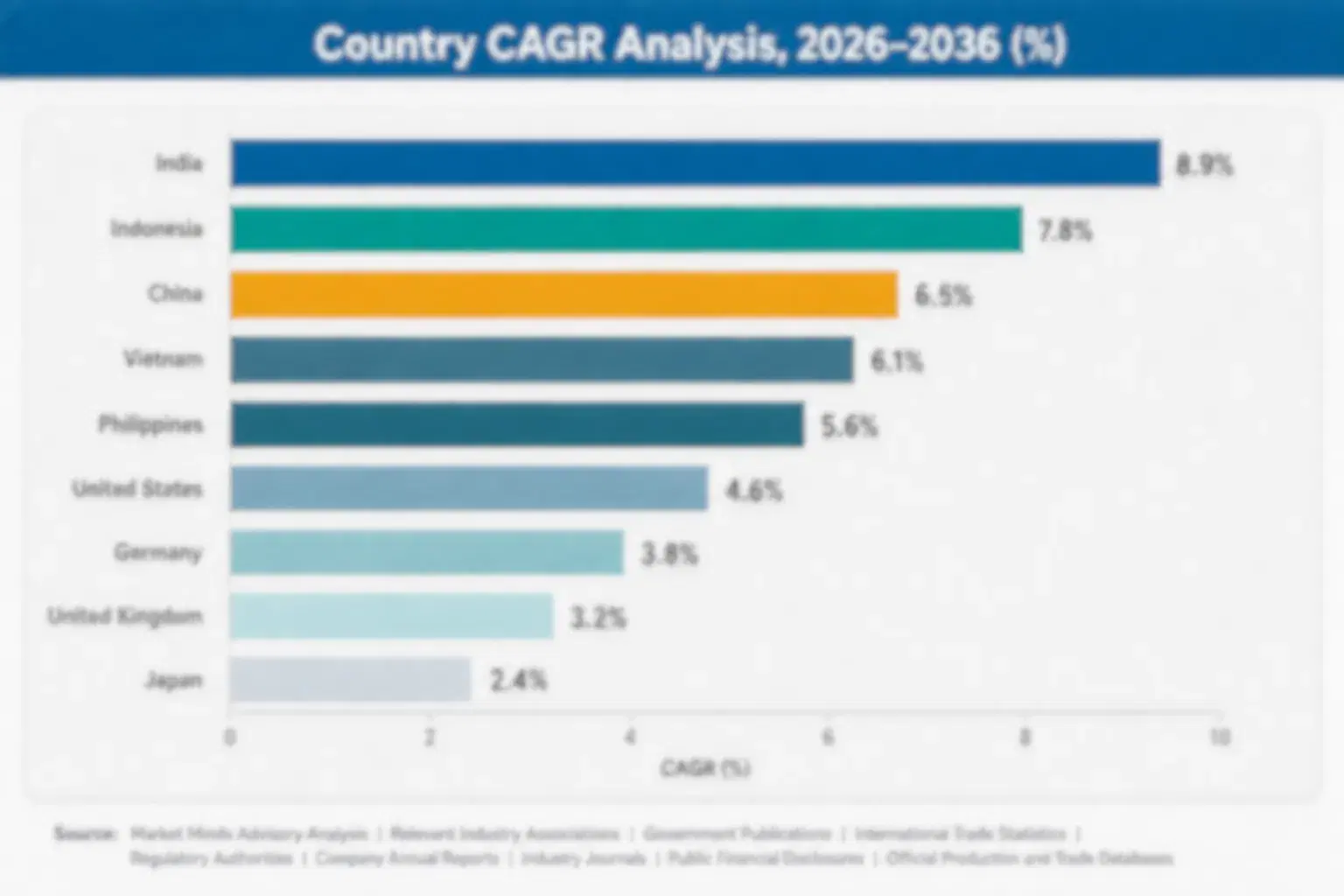
India: 9.0% CAGR
Fastest Growth Region
South Asia and Pacific: 9.2% CAGR
Largest Region
North America: 26% of 2025 global value
Market Leaders
Dechra Veterinary Products, Advancis Veterinary, Innovacyn, Robinson Animal Healthcare, Millpledge Veterinary. Source: MMA Analysis based on disclosed veterinary wound care revenue, company annual reports 2025.
Primary Survey
n=3,800 procurement and R&D decision-makers, Q4 2025, six countries
Methodology
Demand-side build-up, cross-validated against public data, 47 expert interviews

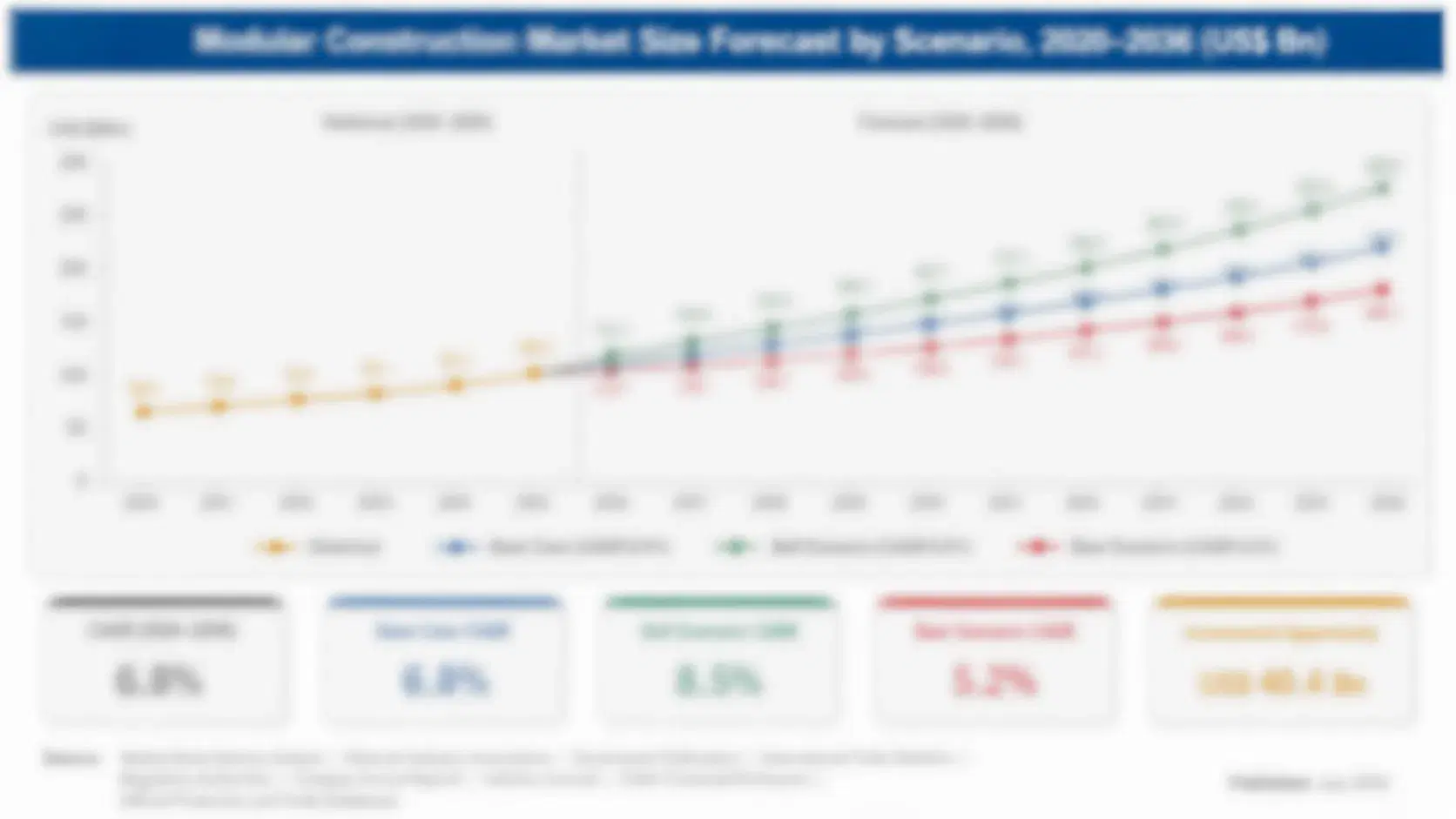
Veterinary Wound Debridement Market Forecast Scenarios

veterinary-wound-debridement-market-size-forecast-scenario-1787708588307
Growth from 2020 to 2025 ran at 6.0% and was shaped by equine practice more than by companion animal work. Distal limb wounds in horses heal badly, develop exuberant granulation tissue readily and require repeated debridement over weeks, which produces course lengths and product consumption no companion wound approaches. Sport horse and racing populations across Britain, Ireland and France drove most of the premium product adoption in the period.
The 7.0% base case rests on three mechanisms. Hydrosurgical and ultrasonic systems keep taking referral surgery share on selective debridement precision. Enzymatic agents keep growing where repeated sharp debridement is impractical, particularly in fractious animals and in wounds an owner is managing. And Asian companion practice keeps building wound management capability as clinical standards and owner expectations rise together across urban markets. None of those three replaces sharp debridement anywhere.
The bull case at 8.2% assumes owner-facing product design improves compliance materially, since a course abandoned at day 10 of 34 wastes everything spent before it. The bear case at 5.8% is continued reliance on sharp debridement performed at appointments, which costs the practice nothing in product and leaves roughly 46% of debridement episodes outside the addressable market entirely.

Managed At Home, Mostly

The delivery channel for this category is an owner in a garage or a stable. Around 71% of dressing changes across a course averaging 34 days happen at home, between appointments, performed by somebody untrained on an animal that objects. Whether a product works therefore depends on whether it survives contact with that reality. Suppliers optimising for in-vitro performance and ignoring handling lose to products that are simply easier to apply.
FIVE-FIRM CONCENTRATION44%Share of category revenue held by leading wound suppliers
OWNER-MANAGED DRESSING CHANGES71%Dressing changes performed at home between clinical appointments
EQUINE DISTAL LIMB SHARE34%Debridement volume used on horse lower limb wounds
BANDAGE-RELATED COMPLICATION RATE18%Limb wounds arising from improperly applied bandaging at home
AVERAGE WOUND COURSE LENGTH34 daysTypical duration of an active wound management course
SHARP DEBRIDEMENT EPISODE SHARE46%Debridement episodes performed with a surgical blade alone
Equine practice carries the category disproportionately. Distal limb wounds in horses account for 34% of debridement product volume because the lower limb has minimal soft tissue coverage, poor vascular supply and a strong tendency to produce exuberant granulation tissue that needs removing repeatedly over weeks. Companion animal wounds mostly resolve faster and consume less. Western European sport horse and racing populations are consequently a larger factor than animal numbers suggest.
Then there is the fact the trade avoids. Roughly 18% of limb wounds presented for management were caused by bandaging applied badly, frequently at home and sometimes in practice. The category therefore sells partly into a problem it participates in creating. Product design tolerating imperfect application, and instruction assuming no clinical skill, address more of the burden.
"We keep testing these products against necrotic tissue in a dish. The relevant test is a worried owner at seven in the morning with a horse that will not stand still and a roll of bandage."
Director, Veterinary Wound Care Practice · MMA Veterinary Wound Care Practice · August 2026

Market Trends

Selective Debridement Systems Reach Referral Surgery

Hydrosurgical and ultrasonic systems remove devitalised tissue while sparing viable tissue with a precision a blade cannot approach, which matters most in distal limb wounds where every millimetre of healthy tissue counts. Growth at 10.5% comes almost entirely from referral and equine hospital adoption, since capital cost and training put the systems out of reach of first-opinion practice. Consumable revenue per system then runs for years, which is the actual commercial case. Placement is a one-time contest, and a system installed by a competitor closes that account for its entire working life.
Market Impact: Drives 34% of product volume

Owner Compliance Becomes A Design Requirement

With roughly 71% of dressing changes performed at home across courses averaging 34 days, abandonment partway through wastes everything spent before it and frequently produces a worse wound than the starting point. Suppliers have begun designing for that explicitly: fewer changes, clearer indication of when a change is due, formats that tolerate imperfect application. It is a considerably less glamorous development path than debriding chemistry and addresses far more of the real failure. Practices notice which supplier treats the actual failure mode seriously and recommend to owners accordingly every time.
Market Impact: Grows India fastest at 9.0%

Market Opportunities and Growth Drivers

Equine Distal Limb Wounds Drive Product Consumption

The horse lower limb has minimal soft tissue coverage, poor vascular supply and a marked tendency toward exuberant granulation tissue, which together produce wounds needing repeated debridement across weeks rather than days. Those wounds account for 34% of debridement product volume despite horses being a small fraction of the treated animal population. Sport horse and racing operations fund treatment readily because the animal has value, which makes the clinical difficulty commercially attractive. A wound running 34 days consumes considerably more product than a companion wound closing in a week does.
Market Impact: Excludes 46% of debridement episodes

Asian Companion Wound Management Capability Now Building

Wound management in Chinese and Indian companion practice is moving from improvised toward protocol-driven as clinical standards rise and owners begin expecting managed courses rather than a single dressing. India grows fastest of any country at 9.0%. Product availability is improving faster than clinical training, which produces the familiar pattern of good materials applied without the technique to use them properly. Distributor education is doing more here than any product launch has. Owner expectations are shifting faster than practice capability, which is producing demand that clinics cannot always meet properly.
Market Impact: Causes 18% of treated wounds

Market Restraints and Challenges

Sharp Debridement Costs The Practice Nothing

Roughly 46% of debridement episodes are performed with a blade during an appointment already taking place, consuming no product and generating no revenue for anybody in this category. Root cause is that sharp debridement is fast, effective and included in a consultation fee. Commercial impact is that nearly half the clinical need sits outside the addressable market. Mitigation runs through positioning products for wounds where repeated sharp debridement is impractical rather than competing against the blade directly. Fractious animals and awkward wound locations are where the opening actually sits instead.
Market Impact: Grows systems at 10.5% annually

Bandaging Errors Create The Wounds Being Treated

Around 18% of limb wounds presented for management were caused by bandages applied too tightly, left too long or positioned badly, mostly by owners and sometimes in practice. Root cause is that bandaging is a skill taught briefly and performed constantly by people without training. Commercial impact is a category partly selling into damage it helps cause. Mitigation involves owner instruction, pressure-indicating materials and formats requiring fewer changes, which several suppliers now design toward. Practices notice which suppliers take the failure mode seriously, and their recommendations tend to follow that.
Market Impact: Addresses 71% home-managed changes
3 additional market trends, 4 additional growth drivers, and 2 additional restraints and challenges are covered in the full report. Contact sales@marketmindsadvisory.com to access the complete intelligence.

Segment CAGR and Growth Architecture

Segmentation follows debridement modality: how devitalised tissue is actually removed, whether mechanically, chemically, biologically or surgically. Six categories cover the market without overlap. Species, wound type and care setting are treated as separate commercial dimensions throughout this report rather than as segmentation logic in their own right entirely, since each cuts across every modality here.
veterinary-wound-debridement-market-market-share-analysis-1787708588483

Hydrosurgical and Ultrasonic Debridement Systems

Pressurised saline and ultrasonic systems remove devitalised tissue selectively while sparing viable tissue, which matters most in equine distal limb wounds where healthy tissue is scarce and every millimetre preserved shortens the course. Growth at 10.5%, half again the market rate of 7.0%, comes from referral and equine hospital adoption rather than first-opinion practice, since capital cost and operator training rule the latter out entirely. The commercial model is the consumable stream that follows each installation, which runs for years and considerably outvalues the system sale itself. Placement is therefore a one-time contest, and a competitor's system installed instead closes that account for the whole of its working life ahead.
CAGR 10.5%

Enzymatic Debridement Agents

Collagenase and related preparations digest devitalised tissue chemically without requiring a blade or an anaesthetised patient, which suits fractious animals, wounds in awkward locations and courses an owner is managing between appointments. Growth at 8.4% follows exactly those situations rather than any general displacement of sharp debridement. Application frequency and correct dosing are the practical limitations, since an owner applying too little achieves nothing and applying too much wastes an expensive preparation. Instruction quality determines outcomes more than formulation does. Preparations are also considerably more expensive per application than mechanical alternatives, which limits use to situations where the clinical argument is genuinely strong rather than merely convenient for whoever is applying it.
CAGR 8.4%
Full segment breakdown across 6 segments available in the complete report.

Regional Architecture and Country Demand Map

Geography follows equine population value and companion wound management sophistication together rather than animal numbers. Western Europe matches North America on sport horse and racing weight, and the Gulf punches well above its size. Animal numbers on their own explain almost nothing about where value sits.

North America

Companion animal wound management is the most protocol-driven anywhere, supported by referral surgery adopting hydrosurgical systems and by owner spending that sustains long courses without insurance in most cases. Equine practice carries real weight through the racing, western performance and pleasure horse populations spread across many states. Distribution runs through large veterinary wholesalers and increasingly through direct-to-owner channels for the products owners reapply at home themselves. Owner instruction materials are better developed here than in most regions. Wound courses running 34 days are managed with genuine protocol discipline in referral practice, though owner-managed changes between appointments introduce the same compliance variability found everywhere else. Compliance is the constant here, not the variable.
Share: 26% | CAGR: 6.2% (2026 to 2036)

Western Europe

The sport horse, racing and eventing populations of Britain, Ireland, France and Germany give equine wound care unusual commercial weight, which is why the region matches North America on value despite a smaller companion animal base. Distal limb wounds needing repeated debridement across weeks are managed routinely by equine practices with genuine specialist depth. Manuka honey and advanced dressing adoption reached veterinary practice early here. Corporate practice group purchasing increasingly standardises which wound care products a clinic actually stocks. Wound courses running 34 days on a valuable sport horse are funded without hesitation, which is why premium formats reach clinical practice here well before they reach most other regions in the world.
Share: 26% | CAGR: 5.4% (2026 to 2036)
Regional intelligence for 5 additional markets available in the complete report: East Asia, South Asia and Pacific, Latin America, Middle East and Africa, Eastern Europe. Contact sales@marketmindsadvisory.com.
veterinary-wound-debridement-market-country-cagr-analysis-1787708588664

Designing For The Owner's Hands

Around 71% of dressing changes happen at home across courses averaging 34 days, equine distal limb wounds take 34% of volume, roughly 18% of treated wounds were caused by bandaging, and 46% of episodes use a blade. Four levers work on compliance, equine depth, consumable streams and instruction rather than on debriding performance itself.

Design For Application By Untrained Hands

With roughly 71% of dressing changes performed at home by owners with no clinical training, a product that tolerates imperfect application beats one that performs better when applied perfectly. Fewer required changes, visual indication that a change is due, and formats that cannot easily be applied wrongly all improve outcomes more than debriding chemistry does. Suppliers testing only against tissue in a laboratory are measuring the wrong thing entirely and have been for a long time. The dominant failure mode here is abandonment partway through, not inadequate debriding action at all.
Market Impact: Improves the 71% of dressing changes done at home

Build Genuine Equine Distal Limb Depth

Horse lower limb wounds take 34% of debridement product volume despite horses being a small fraction of treated animals, because poor vascular supply and exuberant granulation tissue produce courses running weeks rather than days. Suppliers with genuine equine specialist credibility hold those accounts durably, since equine vets take recommendations from people who understand the limb. Building that depth costs specialist field support and takes years, which is exactly why it defends so well. A course running 34 days consumes considerably more product than almost any companion wound ever manages to.
Market Impact: Captures the 34% of volume in equine limbs

Sell Systems For The Consumable Stream

Hydrosurgical and ultrasonic systems carry capital cost that only referral and equine hospitals absorb, and the system sale itself is not where the money is. Consumable revenue following each installation runs for years and considerably outvalues the equipment. Placement economics therefore justify pricing the system to install rather than to profit, which several suppliers still have not internalised and continue to price as though the hardware were the product. A placed system typically returns 5 to 8 times the equipment value in consumables across its working life, which is where the whole economics sit.
Market Impact: Runs consumable revenue across 5 years or more

Teach Bandaging Because It Causes The Wounds

Roughly 18% of limb wounds presented for management were caused by bandages applied too tightly, left too long or positioned badly, mostly by owners. Suppliers providing genuine instruction, pressure-indicating materials and formats needing fewer changes reduce a burden their own category participates in creating. It builds credibility with practices that recommend products to owners, and practices notice which supplier treats the actual failure mode seriously. Formats needing fewer changes reduce the number of opportunities for a bandage to be applied badly, which is the most direct intervention available to anybody.
Market Impact: Reduces the 18% burden of bandage-caused limb wounds

Who Controls the Margin Pool

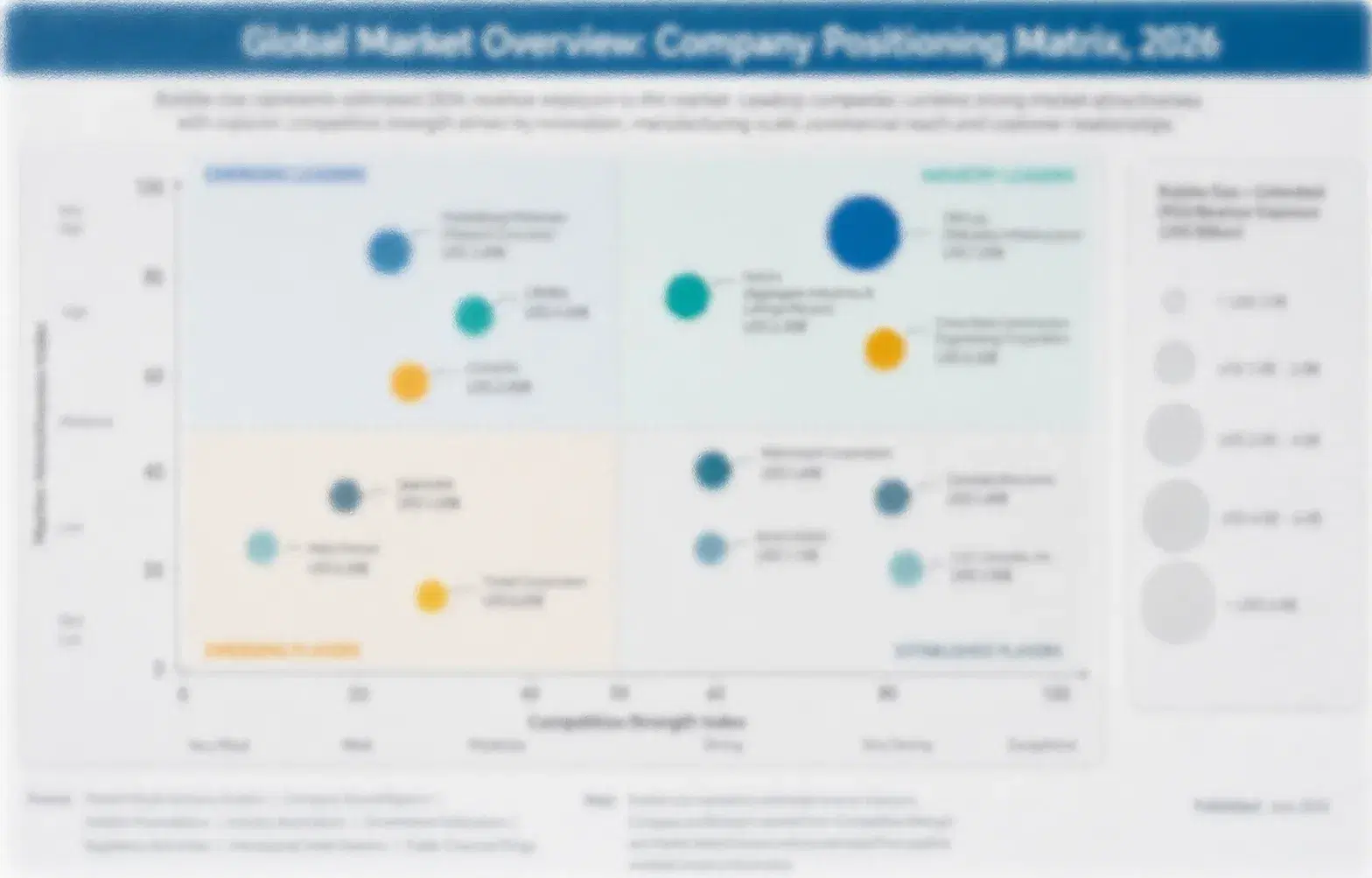
Measured on disclosed veterinary wound care revenue, the five largest suppliers hold a CR5 of 44%, which is low for a category this small because the field draws from three different origins at once: human wound care manufacturers extending into veterinary channels, equine specialists with deep field credibility, and animal health generalists carrying wound care alongside broad portfolios. Dechra and Innovacyn hold broad positions, while Advancis, Robinson and Millpledge carry specialist depth.
Three contests define activity. Home-managed dressing supply competes on handling and change frequency rather than debriding performance. Equine specialist products compete on field credibility with practitioners who take recommendations from people who understand the limb. And hydrosurgical systems compete on placement into referral hospitals, where the consumable stream rather than the equipment carries the value. Larval therapy competes in a narrow niche nobody else contests.

Pressure comes from human wound care manufacturers with far larger development budgets extending into veterinary channels. Rankings shift toward whoever solves owner compliance, since that determines whether a course completes. Specialist equine credibility remains the hardest position for any generalist to build. A generalist portfolio buys reach and does not buy limb credibility.
veterinary-wound-debridement-market-company-positioning-matrix-1787708588844

Competitive Moat and Risk Dimensions

DECHRA VETERINARY PRODUCTS

Moat: Practice Channel And Portfolio Breadth

Dechra carries wound care alongside dermatology and broad companion and equine portfolios, which places debridement products inside conversations practices are already having about the same patients. Field representatives cover many product lines per visit, spreading cost of sale across a range no wound care specialist can match. A competitor with a better dressing still funds a visit to explain it.
DECHRA VETERINARY PRODUCTS

Risk: Generalist Depth Against Specialists

Equine practitioners managing distal limb wounds over weeks take product recommendations from suppliers with genuine limb expertise, and a broad portfolio does not supply that credibility. Specialist competitors hold those accounts durably despite far smaller ranges. Wound care sitting as one line among many receives development attention proportionate to its size rather than to its difficulty.
ADVANCIS VETERINARY

Moat: Equine Field Credibility And Focus

Advancis built its position through manuka honey dressings and equine wound management support delivered by people who understand distal limb healing, which is the only credential equine practitioners weigh. That focus produces recommendation loyalty a generalist portfolio cannot buy. Wounds running 34 days consume considerable product, and the supplier trusted at the start of a course usually holds it throughout.
ADVANCIS VETERINARY

Risk: Honey Supply Concentration Risk

Medical grade manuka honey originates almost entirely from New Zealand and Australia, where harvest volumes vary with weather and pricing has moved sharply with export demand from human wound care and consumer channels alike. A specialist position resting on a single natural input carries cost and availability exposure that synthetic dressing competitors simply do not share.

Players Tracked

Prominent Players

Dechra Veterinary Products
Advancis Veterinary
Innovacyn
Robinson Animal Healthcare
Millpledge Veterinary

Other Key Players

Smith+Nephew
Molnlycke Health Care
Vetoquinol
Neogen
Jorgensen Laboratories
Kane Biotech
Virbac
Kruuse
Andover Healthcare
Ceva Sante Animale
Sonoma Pharmaceuticals
Manuka Health
BioMonde
Nextscience
Ferris Manufacturing

Recent Developments

MARCH 2025

Supplier launches owner instruction programme with dressing range

A wound care supplier launched a structured owner instruction programme alongside its dressing range, covering bandage application, pressure indication and recognising when a change is due. This was an organic commercial and education initiative rather than any acquisition, licensing deal or joint venture arrangement of any kind.
Signal: Owner instruction is now being treated as product performance rather than as mere marketing support material.
JULY 2025

Equine hospital network installs hydrosurgical debridement systems

An equine hospital network installed hydrosurgical debridement systems across its referral sites, a capital equipment procurement rather than any corporate transaction between the parties. Selective debridement matters most in distal limb wounds where viable tissue is scarce and every millimetre preserved shortens the healing course considerably.
Signal: Placement decisions inside referral hospitals set consumable revenue streams that then run on for many years.
NOVEMBER 2025

Manuka honey export pricing pressures veterinary dressing margins

Medical grade manuka honey pricing rose on constrained harvest volumes and competing demand from human wound care and consumer channels, a commodity market movement rather than any commercial arrangement. Veterinary dressing suppliers relying on the input absorbed cost they could not readily pass into practice pricing.
Signal: A single natural input concentrated in one region now sets margin for a whole product category.

Polymer, Honey, Enzyme

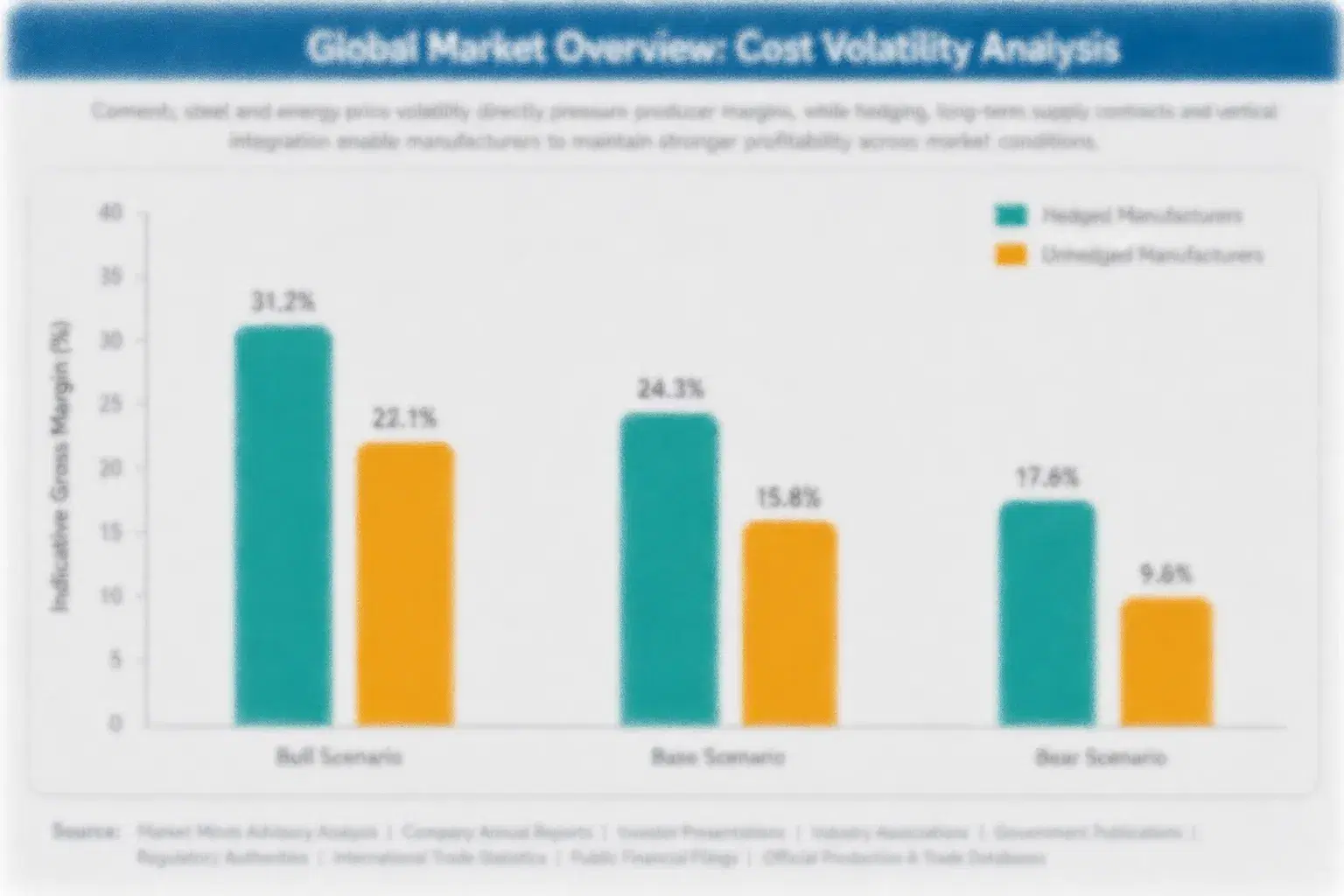
Three input families carry the cost. Alginate, hydrogel and hydrocolloid polymers, nonwoven substrates and adhesive backings, medical grade manuka honey, and enzyme preparations including collagenase together account for 32 to 41% of finished product cost, with sterilisation and packaging adding further. Polymer and nonwoven supply is broad and competitive. Manuka honey originates almost entirely from New Zealand and Australia, and enzyme preparations come from a few specialist fermentation producers.
The volatility that mattered was manuka honey pricing. Harvest volumes vary sharply with weather across New Zealand producing regions, and Statistics New Zealand export data records considerable movement in honey export values across recent seasons while demand from human wound care and consumer channels competed for the same graded supply. Veterinary dressing suppliers absorbed cost they could not pass into practice pricing, since practices compare dressing prices readily.

Exposure divides by formulation rather than by scale. Suppliers built on manuka honey carry concentrated origin risk in a single input whose availability depends on weather in two countries. Those built on synthetic polymer dressings carry almost none. Enzyme-based suppliers sit between the two, dependent on a handful of fermentation producers whose veterinary volumes are trivial beside their human and industrial customers.
veterinary-wound-debridement-market-cost-volatility-analysis-1787708589033

Qualify multiple graded honey origins and suppliers

Medical grade manuka honey comes from two countries and grading varies by season, which concentrates both pricing and availability risk in a single natural input. Qualifying additional apiary sources and grading partners costs validation work against activity specifications that vary between batches. It provides negotiating position and protects continuity when a harvest disappoints, which happens more often than planning assumes.

Build a synthetic dressing line alongside honey products

A portfolio resting entirely on one natural input carries weather exposure that no procurement discipline removes, and synthetic polymer dressings carry almost none of it. Developing a parallel line costs formulation work and risks diluting a specialist identity built on the honey itself. It converts a concentrated origin risk into a portfolio choice the supplier controls year to year.

Contract enzyme supply ahead of veterinary volumes

Collagenase and related preparations come from a small number of fermentation producers whose veterinary volumes are trivial beside human and industrial demand, which puts animal health orders last in any allocation decision taken. Contracted supply costs commitment against modest quantities. It prevents the situation where a growing enzymatic line stalls because the producer prioritised a larger customer instead.

Portfolio Architecture for Margin Defence

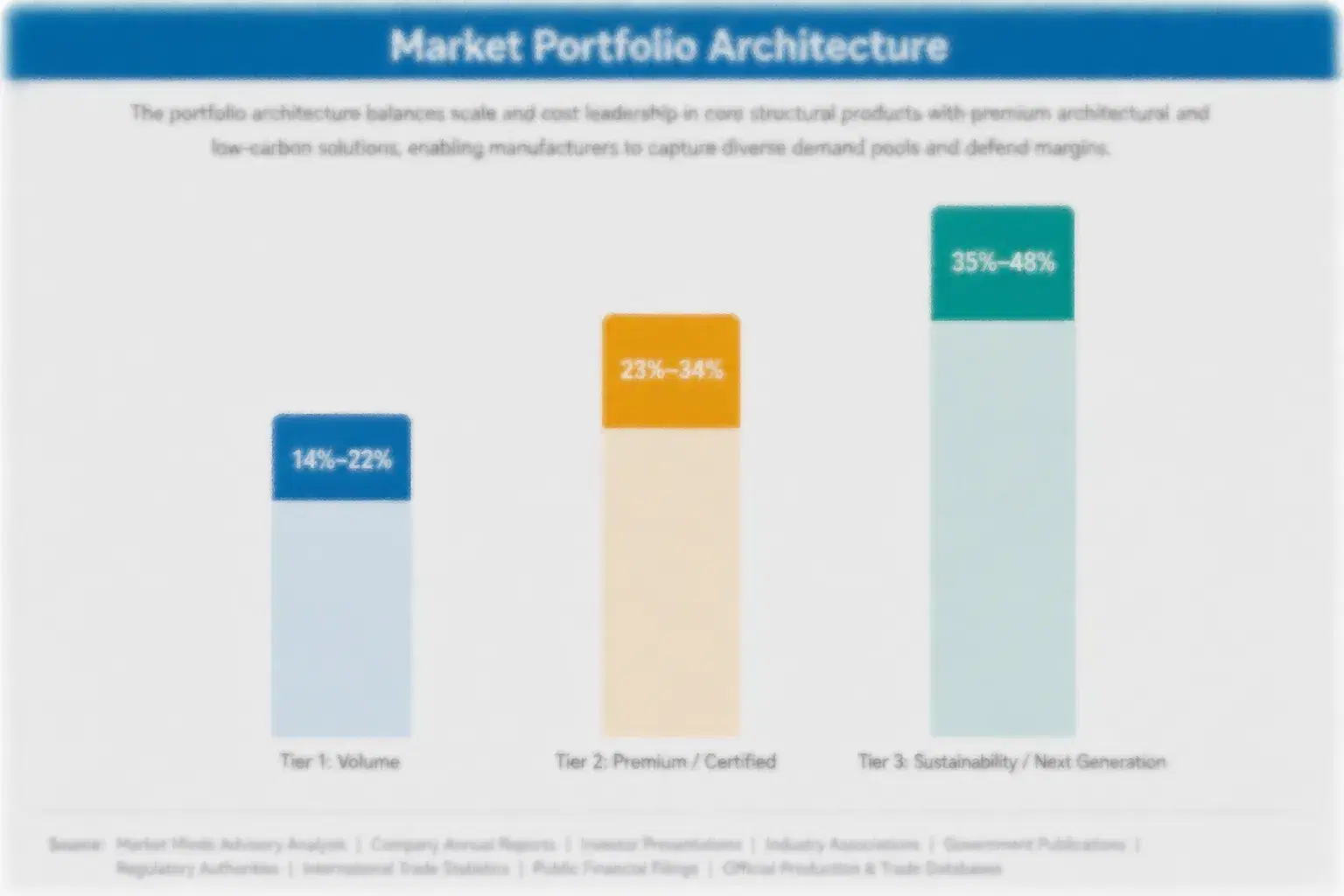
Margin follows clinical difficulty rather than product sophistication, which is not what suppliers expect going in. Basic mechanical products and wet-to-dry materials earn very thinly against commodity alternatives. Sharp debridement instruments earn modestly on reusable economics. Autolytic dressings earn moderately in a crowded field. Enzymatic agents earn well where sharp debridement is impractical. Hydrosurgical consumables and equine specialist dressings earn best, on placement position and field credibility respectively.
The tension is that the volume sits with owners and the margin sits with specialists. Home-managed dressing changes account for roughly 71% of all changes and are bought on price and availability at practice counters or online. Equine distal limb work carries 34% of volume at far better economics but requires specialist field support that takes years to build and costs continuously to maintain.

High-value pools sit in three places. Hydrosurgical consumable streams following referral hospital installations, which run for years once placed. Equine specialist dressings backed by genuine distal limb credibility. And enzymatic agents positioned for wounds where repeated sharp debridement is impractical, which sidesteps the blade rather than competing with it. Each of the three defends itself in a different way.

Volume / Commodity-Adjacent

Mechanical debridement materials, wet-to-dry products and basic dressings sold on price at practice counters and online. The 8-point range separates suppliers with owned manufacturing from those private labelling commodity materials for veterinary channels.
Gross Margin: 24-32%

Premium / Certified

Autolytic dressings, sharp debridement instruments and general wound care sold through veterinary distribution into first-opinion practice. The 12-point spread reflects how differently corporate group contract pricing and independent practice list pricing behave across identical products.
Gross Margin: 44-56%

Sustainability / Regulatory / Next-Generation

Hydrosurgical consumables, enzymatic agents and equine specialist dressings sold into referral and equine practice. The 18-point range is wide because placed consumable economics and specialist dressing pricing follow entirely different competitive logic from one another.
Gross Margin: 56-74%
veterinary-wound-debridement-market-portfolio-architecture-1787708589231

High-value Sub-segments and Strategic Watch-out

Hydrosurgical Consumable Streams

Highest margin and fastest growth at 10.5%, running for years once a system is placed in a referral or equine hospital. The risk is that placement is a one-time contest and a competitor's system installed instead closes the account for the whole of its working life.
Gross Margin: 64-74%

Equine Specialist Dressings

Strong economics on distal limb wounds taking 34% of volume across courses running weeks. The risk is input concentration, since manuka honey formulations depend on harvests in two countries and pricing has already moved sharply against suppliers relying on them. Weather in two countries sets the margin.
Gross Margin: 56-66%

Home-Managed Dressing Volume

The volume core, carrying roughly 71% of all dressing changes and bought on price and availability rather than on performance. Suppliers hold it because practice counter presence anchors the recommendation that carries everything else in the range. Margin here is a consequence rather than a target.
Gross Margin: 26-36%

Blade Substitution Failure

The strategic watch-out. Roughly 46% of debridement episodes use a scalpel during an appointment already happening, consuming no product at all. The risk is that suppliers keep competing against a free method rather than positioning around it. Positioning around it works; competing with it does not.
Gross Margin: 22-32%

Courses, Not Single Purchases

Demand arrives as a course rather than a purchase. A wound running 34 days consumes dressings, debriding product and bandaging repeatedly, and the supplier chosen at the first appointment usually holds the whole course because nobody changes materials midway through a healing wound without reason. That makes the initial recommendation disproportionately valuable and makes practice counter presence worth considerably more than a price advantage offered later on.
Stickiness runs deepest in equine practice. Practitioners managing distal limb wounds over weeks develop firm product preferences and take recommendations only from suppliers with genuine limb credibility, which makes those accounts durable across years. Companion first-opinion practice is less committed, following corporate group catalogues and price where clinical outcomes are broadly comparable. Owners buying replacement dressings themselves are the least committed of anybody, buying on availability and price alone.

The purchaser has partly moved to the owner. Practices once supplied everything a course required and billed it through. Owners now increasingly buy replacement dressings and bandaging directly online between appointments, which puts a consumer purchasing decision inside a clinical course. That buyer reads reviews rather than clinical data, and suppliers ignoring the channel found their products substituted with cheaper alternatives partway through.
veterinary-wound-debridement-market-end-use-penetration-index-1787708589419

Compliance Beats Chemistry

These are among the four positions where our research anticipates prominent divergence between winners and laggards over the coming forecast period. Each is grounded in the demand model, the regulatory perimeter, and the announced capacity pipeline.
01 / OWNER APPLICATION DESIGN

Test against an owner, not a dish

Roughly 71% of dressing changes across courses averaging 34 days are performed at home by people with no clinical training whatsoever on animals that actively object to the whole process. A product that tolerates imperfect application therefore beats one performing better when applied perfectly, every single time it actually matters. Fewer required changes, visible indication that a change is due, and formats resistant to being applied wrongly improve real clinical outcomes more than any refinement in debriding chemistry ever does.
02 / EQUINE LIMB CREDIBILITY

Horse lower limbs carry the whole category

Distal limb wounds in horses take fully 34% of all debridement product volume despite horses forming only a small fraction of the treated animal population, because the poor vascular supply and exuberant granulation tissue produce courses running weeks rather than days. Equine practitioners take product recommendations only from suppliers who genuinely understand that limb and the way it heals. Building that credibility costs specialist field support sustained over years, which is precisely why it defends so effectively against any generalist competitor.
03 / PLACEMENT CONSUMABLE ECONOMICS

Price the system to install, not profit

Hydrosurgical and ultrasonic systems carry a capital cost that only referral and equine hospitals absorb, and the consumable stream following each installation runs for years and considerably outvalues the equipment sale itself several times over. Placement is therefore a one-time contest, and a competitor's system installed instead closes that account for the whole of its entire working life. Suppliers still pricing the hardware to turn a profit are winning a single margin and losing the whole annuity sitting behind it.
04 / BLADE POSITION REALISM

Stop competing with a free scalpel

Roughly 46% of debridement episodes happen with a blade during an appointment already taking place, consuming no product at all and generating nothing whatever for anybody selling into this category. Competing against that method directly has never once worked, and it shows no sign at all of starting to now. Positioning the products instead for fractious animals, awkward wound locations and courses an owner manages between appointments addresses precisely the clinical need that a scalpel genuinely cannot reach at all well.

Engagement Snapshot From the Field

A live engagement with an industry participant carrying material or product regulatory and market exposure ahead of a defining policy shift, showing how our research translates into a defensible multi-year portfolio strategy.
MARKET MINDS ADVISORY · CLIENT ENGAGEMENT SUMMARY
Veterinary Wound Debridement Producer Strategic Portfolio Review and Transition Roadmap 2026·Investment Scenario on Veterinary Wound Debridement Exposure Evaluation 2025-26
CLIENT PROFILE
A veterinary wound care supplier selling dressings and debridement products across European and North American markets, with reported wound care revenue of 27 million dollars (client-reported, unverified by MMA). Roughly 68% came from manuka honey formulations. No synthetic dressing line and no equine field support capability existed anywhere in the business at all when work began.
STRATEGIC CHALLENGE
Manuka honey input costs had risen sharply on constrained harvests and competing consumer demand, compressing margin across the majority of revenue. Management was preparing a price increase to practices. That ignored both the input concentration risk itself and the fact that practices compare dressing prices readily and switch without much hesitation at all.
MMA APPROACH
MMA analysed margin and volume by formulation and channel against input cost exposure, a comparison the business had never constructed in that form. Seventeen expert interviews with equine practitioners, first-opinion vets and owners managing wounds at home established how products are actually chosen. The analysis treated input concentration and channel absence rather than pricing as the causes of margin compression.
KEY FINDINGS
  1. Two thirds of revenue depended on an input originating in two countries whose harvest volumes vary with weather, which nobody in the business had ever quantified as a risk.
  2. Equine practitioners interviewed valued distal limb expertise above formulation, and the client had no field capability able to provide any of it.
  3. Owners were substituting cheaper dressings online partway through courses, a channel the client had never supplied or monitored in either of its markets.
  4. Practices reported switching dressing suppliers on price readily, because clinical outcomes across comparable products were not perceived as meaningfully different from one another.
CLIENT PROFILE
A veterinary wound care supplier selling dressings and debridement products across European and North American markets, with reported wound care revenue of 27 million dollars (client-reported, unverified by MMA). Roughly 68% came from manuka honey formulations. No synthetic dressing line and no equine field support capability existed anywhere in the business at all when work began.
STRATEGIC CHALLENGE
Manuka honey input costs had risen sharply on constrained harvests and competing consumer demand, compressing margin across the majority of revenue. Management was preparing a price increase to practices. That ignored both the input concentration risk itself and the fact that practices compare dressing prices readily and switch without much hesitation at all.
MMA APPROACH
MMA analysed margin and volume by formulation and channel against input cost exposure, a comparison the business had never constructed in that form. Seventeen expert interviews with equine practitioners, first-opinion vets and owners managing wounds at home established how products are actually chosen. The analysis treated input concentration and channel absence rather than pricing as the causes of margin compression.
KEY FINDINGS
  1. Two thirds of revenue depended on an input originating in two countries whose harvest volumes vary with weather, which nobody in the business had ever quantified as a risk.
  2. Equine practitioners interviewed valued distal limb expertise above formulation, and the client had no field capability able to provide any of it.
  3. Owners were substituting cheaper dressings online partway through courses, a channel the client had never supplied or monitored in either of its markets.
  4. Practices reported switching dressing suppliers on price readily, because clinical outcomes across comparable products were not perceived as meaningfully different from one another.
RECOMMENDED STRATEGY
Phase 1: Phase one: develop a synthetic dressing line, converting concentrated harvest exposure into a portfolio choice the business itself actually controls year to year. Phase 2: Phase two: build equine field support capability, since distal limb credibility is the one position generalist competitors genuinely cannot buy. Phase 3: Phase three: supply the direct-to-owner channel deliberately, protecting courses from cheaper substitution partway through a long course of active treatment.
OUTCOME
A synthetic dressing line entered development and reduced projected input concentration materially over the following year. Two equine field specialists were recruited and equine account retention improved measurably (client-reported, unverified by MMA). Direct-to-owner supply was established, and practices reported fewer mid-course substitutions once owners could buy the same dressings the practice had originally recommended.

Frequently Asked Questions

Foundational context covering the market sizes, CAGR, scope, country, region and competition that inform every finding below. This section is provided to cover basics and most often pre-purchase conversations, answered from the MMA Primary Research Dataset.

What is the current size of the Veterinary Wound Debridement Market?

The market was worth 0.3 billion dollars in 2025, covering sharp, enzymatic, autolytic, mechanical, hydrosurgical and larval debridement modalities. It reaches 0.32 billion dollars in 2026.

How large will the Veterinary Wound Debridement Market be by 2036?

MMA forecasts 0.63 billion dollars by 2036, an increase of 0.31 billion dollars over the 2026 base. That represents an expansion multiple of 1.97 times across the forecast period.

What is the CAGR for the Veterinary Wound Debridement Market 2026 to 2036?

The base case compounds at 7.0% annually. The bull case reaches 8.2% if owner compliance improves materially, while the bear case sits at 5.8% on continued reliance on sharp debridement.

Which segment is growing fastest?

Hydrosurgical and ultrasonic debridement systems, at 10.5%, half again the market rate of 7.0%. Selective debridement spares viable tissue in a way a blade cannot approach.

Who are the major companies in the Veterinary Wound Debridement Market?

Dechra Veterinary Products, Advancis Veterinary, Innovacyn, Robinson Animal Healthcare and Millpledge Veterinary lead on disclosed veterinary wound care revenue. Kruuse and Vetoquinol hold notable regional positions.

Which country is growing fastest?

India at 9.0%, as urban companion practice adopts managed wound protocols and product availability improves through distribution. Clinical technique still lags behind product availability there.

Report Segmentation Architecture

The full report scope spans multiple orthogonal segmentation dimensions, with cross-tabulated demand data provided for each dimension pair. Coverage extends further to regional breakdowns, trend trajectories, and the competitive detail needed to support segment-level decision-making.

By Debridement Modality

  • Sharp and Surgical Debridement Instruments
  • Enzymatic Debridement Agents
  • Autolytic Debridement Dressings
  • Mechanical Debridement Products
  • Hydrosurgical and Ultrasonic Debridement Systems
  • Larval Biosurgical Debridement Therapy

By End-Use Industry

  • Companion Animal General Practice
  • Equine Veterinary Practice
  • Veterinary Referral Hospitals
  • Production Animal Veterinary Services
  • Working and Draught Animal Care
  • Veterinary Teaching Hospitals

By Commercial Dimension

  • Veterinary Wholesaler Distribution
  • Corporate Group Negotiated Supply
  • Direct-to-Owner Online Supply
  • Equine Practice Direct Supply
  • Referral Hospital Capital Placement
  • Teaching Institution Supply

By Region

  • North America
  • Western Europe
  • East Asia
  • South Asia and Pacific
  • Latin America
  • Middle East and Africa
  • Eastern Europe

Scope, Methodology, and Coverage

Every figure in this report is reproducible from documented input assumptions. The scope below maps the historical period, the forecast horizon, the segmentation dimensions, and the countries covered, alongside the underlying primary and qualitative methodology.
Historical Period
2020 to 2025
Forecast Period
2026 to 2036
Base Year
2025 (USD billions; MMA Primary Research Dataset, August 2026)
Market Definition
Scope covers products and systems used to remove devitalised, necrotic or contaminated tissue from wounds in companion, equine, production and working animals, spanning sharp and surgical debridement instruments, enzymatic debridement agents, autolytic debridement dressings, mechanical debridement products, hydrosurgical and ultrasonic debridement systems, and larval biosurgical therapy. Antimicrobial dressings without debriding action, bandaging, casting and immobilisation materials, systemic wound therapeutics and antibiotics, surgical closure products, negative pressure therapy systems, and any product supplied for human clinical use are excluded from the market size and all derived figures.
Quantitative Units
USD billions (current prices); wound courses managed; product cost per course; course duration in days; systems placed
Segmentation Dimensions
By Debridement Modality; By End-Use Industry; By Commercial Dimension; By Region
Regions Covered
North America, Western Europe, East Asia, South Asia and Pacific, Latin America, Middle East and Africa, Eastern Europe
Countries Covered
USA, UK, Germany, France, Ireland, Japan, China, India, Australia, Canada, Netherlands, Brazil, UAE, New Zealand, Poland
Key Companies Profiled
Dechra Veterinary Products, Advancis Veterinary, Innovacyn, Robinson Animal Healthcare, Millpledge Veterinary, Smith+Nephew, Molnlycke Health Care, Vetoquinol, Neogen, Jorgensen Laboratories, Kane Biotech, Virbac, Kruuse, Andover Healthcare, Ceva Sante Animale, Sonoma Pharmaceuticals, Manuka Health, BioMonde, Nextscience, Ferris Manufacturing
Quantitative Methodology
Primary survey, n=3,800 respondents, Q4 2025, six countries; demand-side model with trade association cross-validation
Qualitative Methodology
47 expert interviews, Q4 2025; applied to validate demand model assumptions, identify emerging dynamics, and assess competitive positioning
Report Format
PDF and XLSX data workbook (Word format preview document)
Publisher
Market Minds Advisory
Report Code
MMA-2026-MED-137
Published
August 2026
Contact
sales@marketmindsadvisory.com | www.marketmindsadvisory.com

Purchase the full Veterinary Wound Debridement Market Report (2026 to 2036).

The full report runs to 145 pages and covers all six debridement modality segments, seven regions and 20 profiled suppliers in detail. It includes the complete segment CAGR set, regional equine population and companion practice comparison, and course-level product consumption analysis across wound types and species. Company profiles carry evaluation on disclosed veterinary wound care revenue, with moat and risk assessment for the top five suppliers. The competitive section extends to 12 tracked product, procurement and input cost developments across 2024 and 2025. Primary research inputs include a quantitative survey of 3,800 respondents and 47 expert interviews conducted in Q4 2025.
Six debridement modality segments with individual CAGR forecasts
Seven regional markets with equine and companion practice comparison
Twenty supplier profiles on consistent revenue evaluation basis
Twelve tracked product and input cost developments with commercial interpretation
Course-level product consumption modelled across wound types and species
Owner compliance assessed as a determinant of commercial outcome

Built For The People Who Decide

From boardroom strategy to bench-side execution, this report is read cover-to-cover by leaders shaping the next decade of their industry, turning demand scenarios, market dynamics and valuation benchmarks into decisions.
CXOs/ Presidents/ VPs/ Managers
M&A and Corporate Development
Strategy Teams and R&D Heads
Procurement and Product Directors
Regulatory and Compliance Leaders
Investor Relations and Equity Analysts