Market Minds Advisory
Veterinary Orthopedic Market

Veterinary Orthopedic Market: One Knee Operation Carries The Category

Nearly half of all veterinary orthopedic operations address one ligament in one joint of one species, and a patent expiry on the standard technique collapsed the pricing of the plates that fix it.

Lead Analyst

Published

September 2026

Make Smarter Decisions with Customized Research Insights

Request a free sample report and evaluate market opportunities, growth trends, and competitive dynamics relevant to your business needs.

2025 MARKET VALUE$1.1BMarket Size 2025
2036 FORECAST VALUE$2.6BBase Case , 2026 to 2036
CAGR 2026 TO 20368.2 %Bull 9.4% / Bear 7.0%
INCREMENTAL OPPORTUNITY$1.4BNet 10- year value creation
EXPANSION MULTIPLE2.20x2036 value over 2026 base
Strategic Levers
M&A Pipeline
Regional Outlook
Country Rankings
Competitive Intelligence
Segmental Deep-dive
Call-Us : 91 93563 13602

Executive Snapshot and Market Trajectory

Roughly 47% of veterinary orthopedic operations address cranial cruciate ligament disease in dogs. One condition, one joint, one species. A patent expiry on the standard corrective technique then opened plate supply to everybody who wanted in, and pricing across the largest segment collapsed.
North America takes 32% of value on procedure volume and insurance penetration together, with American operations at roughly 38% of the global total, because an owner paying 4,600 dollars directly needs either savings or a policy. Arthroscopy and minimally invasive instruments grow at 12.3%, half again the market rate of 8.2%, as diagnostic and treatment work moves toward smaller approaches. Referral practice density in North American cities concentrates that value considerably further still.
Concentration reaches 54% and the customer base is remarkably small. Around 4,200 board certified surgeons perform most advanced orthopedic work worldwide, which makes surgeon relationships and training the whole commercial channel rather than one part of it. Corporate referral groups have begun centralising implant purchasing across their hospital networks, which introduces a buyer weighing price and range where individual surgeon preference had decided everything for the past few decades.
Market Definition
The market covers orthopedic implants, instruments and adjuncts used in veterinary surgery, including cruciate repair systems, fracture fixation plates and screws, total joint replacement systems, external fixation systems, arthroscopy and minimally invasive instruments, and orthopedic biologics and regenerative adjuncts. Veterinary imaging, general surgical instruments, anaesthesia and monitoring equipment, rehabilitation therapy services, and human orthopedic devices are excluded from scope.
Base Year Value
$1.1B in 2025 (MMA Primary Research Dataset, August 2026)
Forecast Period
2026 to 2036, eleven discrete annual values
CAGR
8.2% base case. Bull 9.4%. Bear 7.0%.
Fastest Growth Segment
Arthroscopy and Minimally Invasive Instruments: 12.3% CAGR
Fastest Growth Country
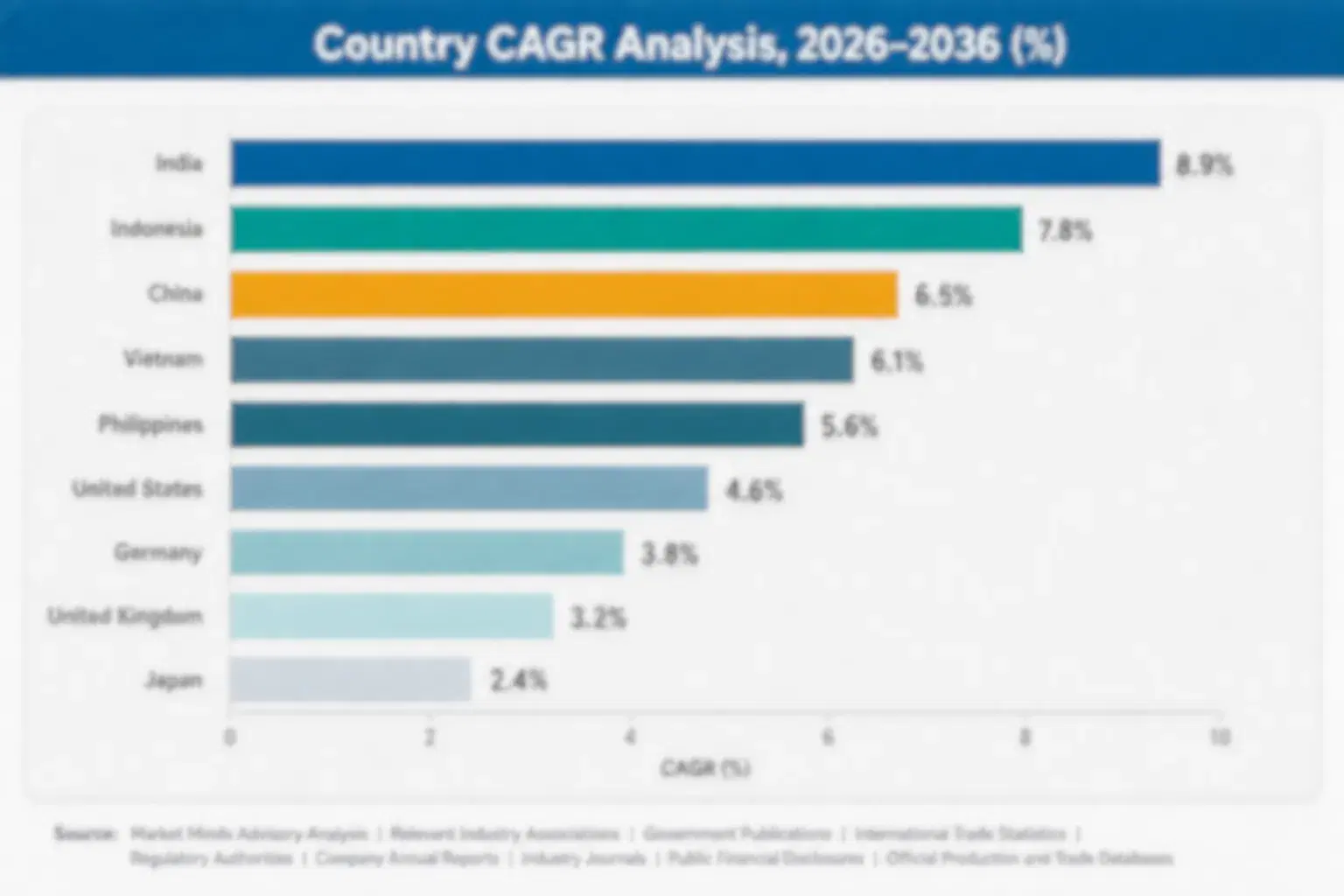
India: 10.3% CAGR
Fastest Growth Region
South Asia and Pacific: 10.4% CAGR
Largest Region
North America: 32% of 2025 global value
Market Leaders
Arthrex Vet Systems, Movora, KYON, Veterinary Orthopedic Implants, Securos Surgical. Source: MMA Analysis based on disclosed veterinary orthopedic device revenue, company annual reports 2025.
Primary Survey
n=3,800 procurement and R&D decision-makers, Q4 2025, six countries
Methodology
Demand-side build-up, cross-validated against public data, 47 expert interviews

Veterinary Orthopedic Market Forecast Scenarios

veterinary-orthopedic-market-size-forecast-scenario-1787708575399
Growth from 2020 to 2025 ran at 6.8% and the cruciate plate market changed shape entirely within it. Patent expiry on the standard levelling osteotomy technique removed the licensing restriction that had limited who could supply implants for it, and many manufacturers entered a segment that had been tightly controlled. Pricing fell accordingly. Joint replacement and arthroscopy grew steadily without approaching cruciate volume.
The 8.2% base case rests on three mechanisms. Arthroscopy keeps displacing open approaches for diagnosis and for treatment of joint disease, which adds instrument demand rather than replacing implant volume. Total joint replacement keeps growing as surgeon numbers trained in the technique increase. And Asian companion animal referral capacity keeps expanding as clinic networks in large cities develop specialist surgical capability for the first time. Surgeon training rather than implant availability is the binding constraint there.
The bull case at 9.4% assumes pet insurance penetration rises in markets where it remains low, since an owner facing a 4,600 dollar procedure decides on affordability rather than clinical merit. The bear case at 7.0% is continued price erosion in cruciate implants following patent expiry, which would compress the segment carrying nearly half of all procedures.

One Ligament, Half The Work

Roughly 47% of veterinary orthopedic operations address one ligament in one joint of one species. Cranial cruciate ligament disease in dogs is the single most common orthopedic condition treated surgically, and the levelling osteotomy that corrects it is the most performed veterinary orthopedic procedure anywhere. A market resting that heavily on a single indication behaves quite differently from a diversified one, and it responded accordingly when the patent on that technique expired.
FIVE-FIRM CONCENTRATION54%Share of category revenue held by leading orthopedic device suppliers
CRUCIATE PROCEDURE COST$4,600Typical owner cost for a corrective cruciate ligament operation
TOP PROCEDURE COUNTRYUS 38%American share of global veterinary orthopedic procedure volume
CRUCIATE SHARE OF PROCEDURES47%Orthopedic operations addressing cranial cruciate ligament disease in dogs
SPECIALIST SURGEON POPULATION4,200Board certified surgeons performing most advanced orthopedic work
PATIENT WEIGHT RANGE45 timesRatio between the heaviest and lightest orthopedic patients treated
Patent expiry reshaped the largest segment within a few years. The licensing arrangement that had restricted who could supply implants for the standard technique ended, many manufacturers entered, and pricing on cruciate plates fell substantially. Surgeons gained choice and suppliers lost margin in the segment carrying nearly half of all procedure volume. It continues working through pricing across the whole category.
The customer base is small enough to name. Around 4,200 board certified surgeons perform most advanced orthopedic work worldwide, which means surgeon relationships and training are not a channel alongside others but the entire commercial route. Implant sizing across a patient weight range of roughly 45 to one compounds that, since tooling must cover a cat and a mastiff across volumes human orthopedics would consider negligible.
"Half this market is one dog's knee. When the patent went, so did the pricing, and a lot of people are still describing that as a competitive dynamic rather than what it actually was."
Director, Veterinary Surgical Devices Practice · MMA Veterinary Medical Devices Practice · August 2026

Market Trends

Patent Expiry Permanently Reset Cruciate Implant Pricing

The licensing arrangement restricting who could supply implants for the standard levelling osteotomy ended, and many manufacturers entered a segment carrying roughly 47% of all veterinary orthopedic procedures. Pricing fell substantially and has not recovered. Surgeons gained genuine choice while suppliers lost margin across the largest single segment in the category. That reset continues working through pricing expectations elsewhere, since surgeons who negotiated cruciate implants apply the same reasoning to everything else. Surgeons who had no supplier choice at all now hold several quotes for the same implant, and the negotiation habit has proved genuinely difficult to reverse anywhere.
Market Impact: Funds a $4,600 procedure decision

Arthroscopy Displaces Open Approaches For Joint Work

Smaller approaches reduce recovery time, tissue trauma and post-operative complication, which owners notice directly and surgeons value clinically. Growth at 12.3% adds instrument demand rather than replacing implant volume, since arthroscopic diagnosis frequently precedes an implant procedure rather than avoiding one. Adoption depends on surgeon training and on equipment investment that referral practices can justify and general practices generally cannot against their own case numbers. Owner expectation is also shifting, since a dog walking within days rather than weeks is a visible difference that travels quickly by word of mouth through a practice's client base and its local referral relationships.
Market Impact: Builds capability across 2 markets

Market Opportunities and Growth Drivers

Insurance Penetration Decides Whether Surgery Happens

A corrective cruciate procedure costs an owner around 4,600 dollars, paid directly unless a policy covers it, and the alternative is medical management or in some cases a decision nobody wants to make. Surgical volume therefore tracks pet insurance penetration considerably more closely than it tracks clinical need or surgeon availability. Penetration varies from a substantial majority of animals in some countries to almost none in others, and that variation explains most regional differences here. Manufacturers rarely engage with insurance at all, despite it setting the ceiling on their own volume.
Market Impact: Covers a 45 times weight range

Asian Referral Capacity Develops Specialist Surgical Capability

Companion animal clinic networks across Chinese and Indian cities have begun developing specialist surgical capability rather than referring complex orthopedic cases away or declining them entirely. India grows fastest of any country at 10.3% as metropolitan referral practices establish. Surgeon training is the binding constraint rather than implant availability, since advanced orthopedics requires board level competence that takes years and cannot be shortened by equipment purchasing of any kind. Owner affordability limits volume severely in the meantime, since insurance penetration across both markets remains close to nothing and every procedure is funded directly.
Market Impact: Concentrates in 4,200 surgeons

Market Restraints and Challenges

Implant Sizing Spans A Range Human Orthopedics Ignores

Plates, screws and joint components must fit patients ranging roughly 45 times in body weight, from a two kilogram cat to a ninety kilogram mastiff, across procedure volumes human orthopedics would consider negligible. Root cause is species diversity against a small addressable population. The commercial impact is tooling and inventory cost spread thinly across many sizes that each sell modestly. Mitigation runs through modular systems and shared instrumentation, which several manufacturers now design toward deliberately. Practices still report holding inventory across sizes they use perhaps twice a year, which nobody enjoys funding.
Market Impact: Reset pricing across 47% procedures

Four Thousand Surgeons Decide Almost Everything

Around 4,200 board certified surgeons perform most advanced veterinary orthopedic work worldwide, which makes the customer base small enough that a handful of opinion leaders shape technique adoption across whole countries. Root cause is that board certification takes years and the specialty is genuinely small. The commercial impact is concentration risk alongside remarkable efficiency, since reaching the surgeons is achievable. Mitigation involves training investment, which is also the only route to influence here. Retirements and practice moves therefore matter commercially in a way that would be trivial in any larger market.
Market Impact: Grows instruments at 12.3% annually
3 additional market trends, 4 additional growth drivers, and 2 additional restraints and challenges are covered in the full report. Contact sales@marketmindsadvisory.com to access the complete intelligence.

Segment CAGR and Growth Architecture

Segmentation follows device and procedure category: what is implanted or used and for which type of orthopedic intervention, rather than which species receives it or where the surgery happens. Six categories cover the market without overlap. Species and practice setting are treated as separate commercial dimensions throughout this report rather than as segmentation logic of their own.
veterinary-orthopedic-market-market-share-analysis-1787708575670

Arthroscopy and Minimally Invasive Instruments

Smaller surgical approaches reduce recovery time, tissue trauma and post-operative complication in ways owners observe directly and surgeons value clinically, which drives adoption faster than any specification argument would. Growth at 12.3%, half again the market rate of 8.2%, adds instrument demand rather than displacing implants, since arthroscopic assessment frequently precedes an implant procedure instead of avoiding it. Training and equipment investment restrict adoption to referral practices that can justify both against their own case numbers. Instrument sets are frequently supplied on loan rather than sold outright, which ties a practice to the implant system those instruments were designed around and makes the initial equipment decision considerably more consequential than its price suggests.
CAGR 12.3%

Total Joint Replacement Systems

Hip, elbow and stifle replacement in dogs requires board level surgical training, dedicated instrumentation and a case volume that only referral practice generates, which keeps the procedure concentrated among a small number of surgeons who perform it regularly. Growth at 10.5% follows the number trained rather than any change in clinical indication. Implant sizing across a 45 times patient weight range makes inventory demanding, and revision capability is becoming a genuine consideration as early recipients age. A surgeon trained on one system rarely moves to another, since regular performance is what keeps the procedure safe and relearning carries a clinical cost nobody is willing to accept for a modest price difference.
CAGR 10.5%
Full segment breakdown across 6 segments available in the complete report.

Regional Architecture and Country Demand Map

Geography follows insurance penetration and referral surgeon density rather than animal numbers, since an owner facing thousands of dollars decides on affordability. North America leads on both, Western Europe follows, India grows fastest. Animal population tells you almost nothing useful about where the procedures actually happen.

North America

American procedures represent roughly 38% of global orthopedic volume and cruciate correction dominates that caseload, supported by owner spending and by insurance penetration that makes a 4,600 dollar operation affordable for enough households to sustain referral practice. Board certified surgeon density is the highest anywhere. Patent expiry on the standard cruciate technique reset implant pricing here first and most sharply. Corporate consolidation of referral practices is advancing and beginning to centralise implant purchasing decisions across networks. Insurance claim data consistently shows orthopedic surgery among the largest single claims paid, which is exactly why the penetration figure matters more here than owner income does on its own across the region as a whole.
Share: 32% | CAGR: 7.4% (2026 to 2036)

Western Europe

Pet insurance penetration exceeds North American levels across several countries, particularly Sweden and the United Kingdom, which supports orthopedic surgical volume more reliably than absolute spending alone. Referral practice is well established with strong board certification structures. German and British manufacturers hold positions in implant systems built over decades. Total joint replacement adoption is comparatively strong, and surgeon training programmes through veterinary schools and specialist colleges are considerably better developed than in most regions. Nordic markets in particular demonstrate what high insurance penetration does to surgical volume, since owners there proceed with orthopedic procedures at rates that direct-pay markets of similar wealth never reach, and referral capacity has developed accordingly over time.
Share: 25% | CAGR: 6.6% (2026 to 2036)
Regional intelligence for 5 additional markets available in the complete report: East Asia, South Asia and Pacific, Latin America, Middle East and Africa, Eastern Europe. Contact sales@marketmindsadvisory.com.
veterinary-orthopedic-market-country-cagr-analysis-1787708575977

Reaching Four Thousand Deciding Surgeons

Cruciate correction is roughly 47% of procedures with pricing reset by patent expiry, about 4,200 surgeons perform most advanced work, implants span a 45 times weight range, and owners fund a 4,600 dollar operation directly. Four levers work on training, sizing efficiency, insurance advocacy and segment diversification rather than on price competition of any kind.

Train Surgeons Because Training Is The Channel

Around 4,200 board certified surgeons perform most advanced veterinary orthopedic work, which makes the customer base small enough to reach individually and concentrated enough that a handful of opinion leaders shape technique adoption nationally. Training courses, cadaver laboratories and technique support are not marketing activities alongside a sales effort; they are the sales effort. Manufacturers treating training as a cost line rather than the primary channel consistently underinvest in the only route available. Everybody else is buying attention that these particular customers have never once responded to in any measurable way.
Market Impact: Reaches all 4,200 of the deciding surgeons directly

Design Modular Systems Across The Weight Range

Implants must fit patients spanning roughly 45 times in body weight across procedure volumes human orthopedics would dismiss as negligible, which spreads tooling and inventory cost thinly across sizes that each sell modestly. Modular systems sharing instrumentation and screw platforms across size ranges reduce that burden considerably for manufacturer and practice alike. A referral practice holding less inventory to cover the same caseload is a genuinely persuasive commercial argument. Inventory sitting unused for most of a year is working capital nobody in a referral practice wants tied up at all.
Market Impact: Covers a 45 times patient weight range far more efficiently

Support Insurance Growth Because Owners Decide

An owner faces roughly 4,600 dollars for cruciate correction paid directly unless insured, and surgical volume tracks insurance penetration far more closely than clinical need or surgeon availability. Manufacturers supporting insurance awareness and practice-level policy discussion expand the population able to proceed with surgery at all. It sits outside conventional device marketing entirely and addresses the actual constraint on procedure volume in every market. Penetration ranges from a substantial majority of animals in some countries to almost nothing in others, and that single variable explains most of the regional difference in procedure volume.
Market Impact: Expands the population able to fund $4,600 procedures

Diversify Away From Reset Cruciate Pricing

Patent expiry opened cruciate implant supply to many manufacturers and pricing fell across a segment carrying roughly 47% of procedures, and it has not recovered anywhere. Manufacturers weighted entirely to that segment carry compressed margin on their largest volume. Joint replacement, arthroscopy instruments and biologics all carry better economics and require surgeon training rather than price competition, which suits companies that built training capability rather than distribution scale. A portfolio weighted entirely to the eroded segment leaves margin recovery dependent on a price that will not return anywhere in the market.
Market Impact: Reduces exposure to a 47% single segment concentration

Who Controls the Margin Pool

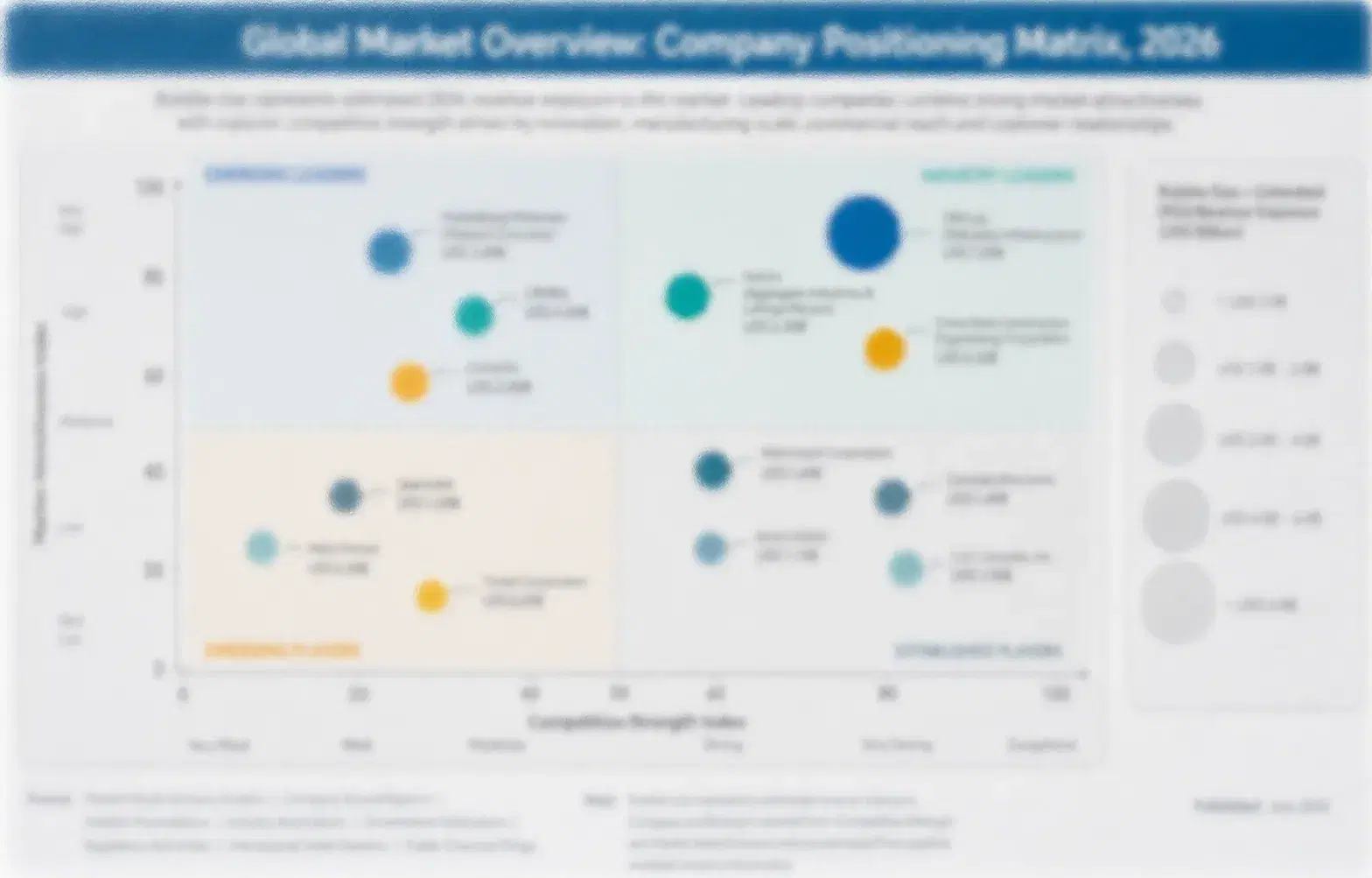
Measured on disclosed veterinary orthopedic device revenue, the five largest suppliers hold a CR5 of 54%, which reflects a specialised market where surgeon relationships and technique training matter more than manufacturing scale. Arthrex Vet Systems and Movora hold broad implant and instrument portfolios, KYON and Veterinary Orthopedic Implants carry specialised joint replacement and fixation positions, and Securos holds established cruciate and fixation ranges.
Three contests define activity. Cruciate implants compete largely on price following patent expiry, in a segment carrying nearly half of all procedure volume. Total joint replacement competes on surgeon training and technique support rather than on implant specification. And arthroscopy instruments compete on referral practice equipment investment decisions that general practice cannot justify. Biologics compete on evidence that remains thin across most claims.

Pressure builds as domestic Asian manufacturers enter fracture fixation at prices established suppliers cannot match, and as corporate referral groups centralise implant purchasing. Rankings shift toward whoever invested in surgeon training capability. Cruciate pricing shows no sign of recovering anywhere. Whoever built training capability over the past decade is positioned considerably better than whoever built distribution scale, which is not how most device markets resolve.
veterinary-orthopedic-market-company-positioning-matrix-1787708576345

Competitive Moat and Risk Dimensions

ARTHREX VET SYSTEMS

Moat: Training Infrastructure And Portfolio Breadth

Arthrex built surgeon training infrastructure including laboratories and technique programmes alongside a broad implant and arthroscopy portfolio, which matters enormously where roughly 4,200 surgeons decide almost everything. Training is the channel rather than a supporting activity. A competitor with a better implant still faces surgeons who learned a technique on somebody else's system and no reason to relearn it.
ARTHREX VET SYSTEMS

Risk: Cruciate Pricing Erosion Exposure

Patent expiry opened cruciate implant supply to many manufacturers and pricing fell across a segment carrying roughly 47% of procedure volume. Training strength secures the surgeon relationship without protecting margin where implants have become genuinely comparable. The largest single segment is now competed on price rather than on technique support.
KYON

Moat: Joint Replacement Technique Position

KYON holds an established position in total joint replacement supported by technique training and surgeon familiarity built over many years in a procedure that only regular performance keeps safe. Joint replacement requires board level competence that takes years to acquire, and a surgeon trained on a particular system rarely changes. That barrier is time rather than technology.
KYON

Risk: Surgeon Population Concentration

A position resting on roughly 4,200 surgeons worldwide, of whom far fewer perform joint replacement regularly, carries genuine concentration risk from retirements, practice moves and a handful of opinion leaders changing preference. The customer base is small enough to reach and small enough to lose. Revision capability is also becoming a live question as early recipients age.

Players Tracked

Prominent Players

Arthrex Vet Systems
Movora
KYON
Veterinary Orthopedic Implants
Securos Surgical

Other Key Players

BioMedtrix
Everost
IMEX Veterinary
Orthomed
Rita Leibinger Medical
Intrauma
New Generation Devices
Scil Animal Care
Jorgensen Laboratories
Veterinary Instrumentation
GerVetUSA
Sontec Instruments
Hangzhou Kangji Medical
Shanghai Sanyou Medical
Narang Medical

Recent Developments

MARCH 2025

Corporate referral group centralises orthopedic implant purchasing

A corporate veterinary referral group centralised orthopedic implant purchasing across its specialist hospitals under negotiated supply terms, a procurement decision rather than any corporate transaction. Individual surgeons had previously selected implant systems based on their own training and preference without central involvement of any kind.
Signal: Centralised purchasing challenges the individual surgeon preference model that has driven implant selection here for decades.
JULY 2025

Modular implant system reduces referral practice inventory requirement

A manufacturer launched a modular fixation system sharing instrumentation and screw platforms across size ranges, an organic product development rather than any acquisition. Implants must fit patients spanning many times in body weight, which had forced referral practices to hold extensive inventory covering sizes that each sell modestly.
Signal: Inventory reduction is a genuinely persuasive argument to practices holding stock across an enormous size range.
NOVEMBER 2025

Training programme expands specialist orthopedic capability in Asian markets

A surgeon training programme expanded advanced orthopedic capability across Asian referral practices, a professional education development rather than any commercial transaction. Board level training rather than implant availability had been the binding constraint on advanced procedure volume across those markets for a considerable number of years now.
Signal: Training expands the market itself rather than merely redistributing share among the existing group of suppliers.

What An Implant Costs

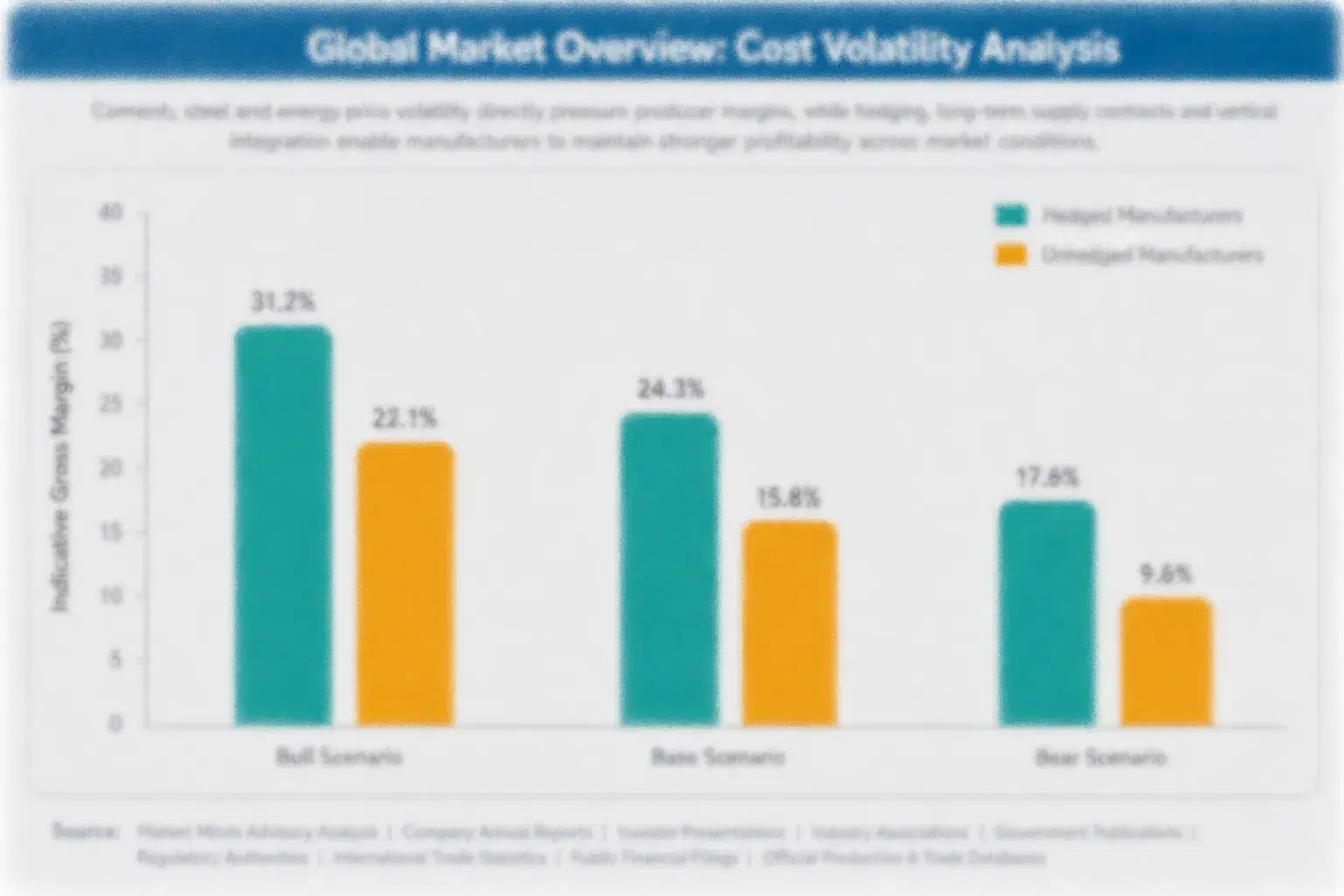
Manufacturing is precision machining of implant-grade metals at genuinely low volume, which gives this market difficult cost economics. Titanium or stainless bar stock, machining, surface treatment, passivation, sterilisation and packaging account for 31 to 40% of an implant's cost, with tooling amortised across production runs far smaller than human orthopedics achieves. Instrumentation sets carry substantial cost and are frequently supplied on loan to practices rather than sold outright.
The volatility that mattered was implant-grade metal pricing and machining capacity through 2021 and 2022. Titanium and specialty stainless pricing moved sharply alongside aerospace demand and energy costs, which IEA industrial energy price data records across the period. Sterilisation capacity constraints also affected single-use and pre-sterilised implant supply. Veterinary volumes are small enough that suppliers were deprioritised when machining capacity was allocated elsewhere in the order book.

Exposure divides by segment weighting rather than by scale. Manufacturers weighted toward cruciate implants carry machining cost against pricing reset by patent expiry and many entrants. Those weighted toward joint replacement and arthroscopy carry higher complexity against pricing that surgeon training supports. Domestic Asian manufacturers hold cost positions in fracture fixation, where designs are less proprietary and machining is comparatively straightforward.
veterinary-orthopedic-market-cost-volatility-analysis-1787708576619

Share instrumentation across implant size ranges

Implants must cover patients spanning roughly forty-five times in weight, and separate instrumentation for each size range multiplies tooling cost and practice inventory alike. Modular systems sharing screw platforms and instruments across sizes reduce both considerably. It constrains design freedom on individual implants and produces a genuinely persuasive argument to practices holding stock they rarely use.

Commit machining capacity for low volume production

Veterinary implant volumes are small enough that suppliers were deprioritised when precision machining capacity was allocated during the constrained period, leaving practices short of implants for scheduled surgery. Committed capacity costs contractual commitment against modest volumes. It protects supply for procedures that are booked weeks ahead and cannot readily be postponed once an owner has consented.

Weight development toward training-defended segments

Cruciate implants carrying nearly half of procedure volume now compete largely on price following patent expiry, while joint replacement and arthroscopy compete on surgeon training and technique familiarity instead. Development weighted toward the latter defends margin through capability rather than through pricing. It requires training investment that distribution-led competitors find genuinely difficult to replicate.

Portfolio Architecture for Margin Defence

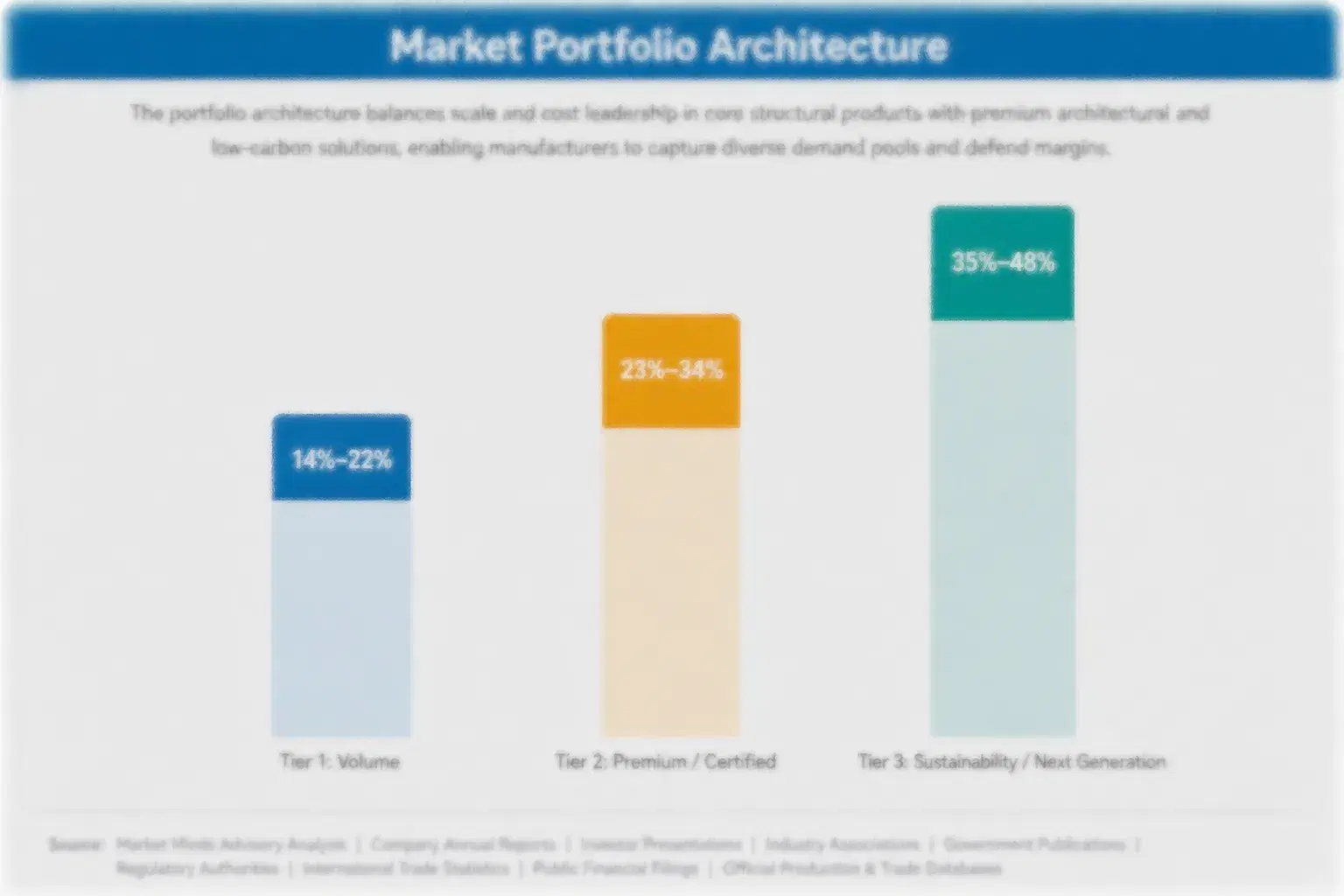
Margin follows technique defensibility rather than implant complexity, which is the clearest rule in this market. External fixation earns modestly on established designs and low differentiation. Cruciate implants earn thinly now that patent expiry opened supply and pricing fell across the largest segment. Fracture fixation earns moderately against growing regional competition. Arthroscopy instruments earn well on referral practice investment. Joint replacement and biologics earn best, defended by training rather than by price.
The tension is that the segment with the most volume has the least margin and the segments with margin require years of training investment. Cruciate correction carries roughly 47% of procedures and now competes on price. Joint replacement and arthroscopy carry better economics and reach only surgeons who trained on the technique. A manufacturer without training infrastructure is left competing in the segment where everybody competes on price.

High-value pools sit in three places. Total joint replacement defended by surgeon training that takes years to build and years to displace. Arthroscopy instruments sold into referral practice investment decisions. And modular implant systems that reduce practice inventory across an enormous size range, which is a commercial argument distinct from any clinical one.

Volume / Commodity-Adjacent

External fixation systems and cruciate implants competing on price following patent expiry across the largest procedure segment. The 9-point range is wide because established suppliers and regional entrants face entirely different cost positions on comparable implants.
Gross Margin: 26-35%

Premium / Certified

Fracture fixation plates and screws together with orthopedic biologics supplied through surgeon relationships and technique support. The 10-point spread separates suppliers with training infrastructure from those distributing implants without any technique involvement.
Gross Margin: 48-58%

Sustainability / Regulatory / Next-Generation

Total joint replacement systems and arthroscopy instrumentation defended by surgeon training and referral practice investment. The 20-point range is wide because joint replacement technique barriers and instrument sales economics differ considerably from one another.
Gross Margin: 58-78%
veterinary-orthopedic-market-portfolio-architecture-1787708576917

High-value Sub-segments and Strategic Watch-out

Total Joint Replacement Systems

Highest margin and strong growth at 10.5%, defended by board level training that takes years to acquire and that surgeons rarely repeat for a second system. The risk is concentration, since far fewer than the total specialist population perform joint replacement regularly in any given year anywhere.
Gross Margin: 70-78%

Arthroscopy Instrumentation

Fastest growth at 12.3% as smaller approaches displace open surgery for joint assessment and treatment across referral practice. The risk is that adoption requires equipment investment which only referral practices can justify against their own case numbers reliably. General practice simply never reaches the volume.
Gross Margin: 60-68%

Cruciate Implant Volume

The volume core, carrying roughly 47% of all procedures at pricing permanently reset by patent expiry and many entrants. Suppliers hold it because it anchors the surgeon relationship, and because exiting removes access to everything else in the portfolio. Nobody has found a way out of it.
Gross Margin: 27-33%

Post-Expiry Price Erosion

The strategic watch-out. Pricing in the largest segment fell after patent expiry and has not recovered, while surgeons who negotiated cruciate implants apply the same reasoning elsewhere. The risk is that expectation spreading across the portfolio compresses margin everywhere. Defending price in one segment is now a portfolio problem.
Gross Margin: 24-30%

Implants Once Instruments Forever

An implant is consumed per procedure while the instrumentation used to place it is bought once and lasts for years, which produces two quite different revenue patterns from the same surgical relationship. Instrument sets are frequently supplied on loan rather than sold, tying a practice to the implant system they were designed for. That arrangement makes the implant the recurring revenue and the instruments the lock, which is deliberate rather than accidental.
Stickiness therefore runs through instrumentation and through training together. A surgeon trained on a technique using particular instruments continues using both, and a referral practice holding a loaned set has a standing reason to keep buying the implants that fit it. Cruciate implants have become the exception, since patent expiry made systems genuinely comparable and surgeons now switch on price without much difficulty at all.

The decision maker has been a surgeon and is starting to be a group. Individual surgeons chose implant systems on training and preference for decades, which made them the entire commercial audience. Corporate referral groups are now centralising purchasing and negotiating supply terms across networks, which introduces a buyer weighing price and range alongside surgeon preference rather than deferring to it entirely.
veterinary-orthopedic-market-end-use-penetration-index-1787708577234

Where Training Defends Margin

These are among the four positions where our research anticipates prominent divergence between winners and laggards over the coming forecast period. Each is grounded in the demand model, the regulatory perimeter, and the announced capacity pipeline.
01 / SURGEON TRAINING INVESTMENT

Four thousand people decide this market

Around 4,200 board certified surgeons perform most advanced veterinary orthopedic work worldwide, which makes the customer base small enough to reach individually and concentrated enough that a handful of opinion leaders shape technique adoption across whole countries and specialist colleges alike. Training courses, cadaver laboratories and technique support are not marketing activities alongside a sales effort in this market; they are the sales effort. Manufacturers treating training as a cost line consistently underinvest in the only genuine commercial route available to them.
02 / MODULAR SIZING EFFICIENCY

Two kilograms to ninety, all sizes stocked

Implants have to fit patients spanning roughly 45 times in body weight, from a small domestic cat to a very large working mastiff, across procedure volumes that human orthopedics would dismiss as entirely negligible. That spreads tooling and inventory cost very thinly across sizes which each sell only modestly. Modular systems sharing instrumentation and screw platforms reduce that burden considerably for both manufacturer and referral practice alike, and a referral practice holding less stock finds that argument genuinely persuasive in practice.
03 / AFFORDABILITY CONSTRAINT WORK

The owner decides, not the surgeon

A corrective cruciate procedure costs an owner roughly 4,600 dollars paid directly unless a policy covers it, and surgical volume therefore tracks pet insurance penetration considerably more closely than it tracks clinical need or the availability of a surgeon anywhere. Penetration ranges from a substantial majority of insured animals in some countries to almost none at all in others. Manufacturers supporting insurance awareness expand the population able to proceed at all, which sits well outside anything conventional device marketing has ever attempted.
04 / POST-EXPIRY PORTFOLIO DIVERSIFICATION

Half your volume now competes on price

Patent expiry opened cruciate implant supply to a great many manufacturers at once and pricing fell substantially across a segment carrying roughly 47% of all orthopedic procedures, and it has shown no sign of recovering anywhere since. Manufacturers weighted entirely toward that segment now carry badly compressed margin on much their largest volume line by far. Joint replacement, arthroscopy instruments and biologics all carry better economics and are defended by surgeon training and technique familiarity rather than by competitive pricing alone.

Engagement Snapshot From the Field

A live engagement with an industry participant carrying material or product regulatory and market exposure ahead of a defining policy shift, showing how our research translates into a defensible multi-year portfolio strategy.
MARKET MINDS ADVISORY · CLIENT ENGAGEMENT SUMMARY
Veterinary Orthopedic Producer Strategic Portfolio Review and Transition Roadmap 2026·Investment Scenario on Veterinary Orthopedic Exposure Evaluation 2025-26
CLIENT PROFILE
A veterinary orthopedic manufacturer supplying cruciate and fracture fixation implants across European and Asian markets, with reported implant revenue of 74 million dollars (client-reported, unverified by MMA). Roughly 66% of revenue came from cruciate systems. Training activity was limited to product demonstrations and no joint replacement or arthroscopy portfolio existed anywhere in the product range at all.
STRATEGIC CHALLENGE
Cruciate margins had fallen for four consecutive years following patent expiry and regional competitors were matching designs at considerably lower prices. Management was preparing a manufacturing cost programme and a further price reduction. Neither addressed the concentration of revenue in a segment that had permanently stopped competing on anything except price.
MMA APPROACH
MMA analysed revenue and margin by segment against surgeon training relationships, which the company had never connected internally. Sixteen expert interviews with board certified surgeons, referral practice owners and corporate group procurement leads established how implant systems are actually selected. The analysis treated segment concentration and training capability, rather than manufacturing cost, as the causes of margin erosion.
KEY FINDINGS
  1. Cruciate revenue carried two thirds of the business at margins that had halved since patent expiry, and no other segment had been developed to offset that concentration.
  2. Surgeons interviewed selected joint replacement and arthroscopy systems on training received rather than on price, and the company provided no training in either area.
  3. Corporate referral groups had begun centralising implant purchasing, and the company had no relationship with any group procurement function anywhere in either region.
  4. Referral practices reported holding extensive implant inventory across sizes, and modular systems sharing instrumentation were cited repeatedly by them as commercially attractive for that reason.
CLIENT PROFILE
A veterinary orthopedic manufacturer supplying cruciate and fracture fixation implants across European and Asian markets, with reported implant revenue of 74 million dollars (client-reported, unverified by MMA). Roughly 66% of revenue came from cruciate systems. Training activity was limited to product demonstrations and no joint replacement or arthroscopy portfolio existed anywhere in the product range at all.
STRATEGIC CHALLENGE
Cruciate margins had fallen for four consecutive years following patent expiry and regional competitors were matching designs at considerably lower prices. Management was preparing a manufacturing cost programme and a further price reduction. Neither addressed the concentration of revenue in a segment that had permanently stopped competing on anything except price.
MMA APPROACH
MMA analysed revenue and margin by segment against surgeon training relationships, which the company had never connected internally. Sixteen expert interviews with board certified surgeons, referral practice owners and corporate group procurement leads established how implant systems are actually selected. The analysis treated segment concentration and training capability, rather than manufacturing cost, as the causes of margin erosion.
KEY FINDINGS
  1. Cruciate revenue carried two thirds of the business at margins that had halved since patent expiry, and no other segment had been developed to offset that concentration.
  2. Surgeons interviewed selected joint replacement and arthroscopy systems on training received rather than on price, and the company provided no training in either area.
  3. Corporate referral groups had begun centralising implant purchasing, and the company had no relationship with any group procurement function anywhere in either region.
  4. Referral practices reported holding extensive implant inventory across sizes, and modular systems sharing instrumentation were cited repeatedly by them as commercially attractive for that reason.
RECOMMENDED STRATEGY
Phase 1: Phase one: build surgeon training infrastructure, since training rather than price determines selection in every segment except the one already eroded. Phase 2: Phase two: develop or license an arthroscopy instrument position, entering a segment defended by capability rather than by competitive pricing. Phase 3: Phase three: redesign fixation systems modularly, reducing practice inventory across the size range and and creating a distinct commercial argument of its own.
OUTCOME
A training programme was established with two cadaver laboratories and surgeon engagement improved measurably within three quarters. An arthroscopy instrument licensing agreement was concluded, entering a segment the company had no previous presence in (client-reported, unverified by MMA). Modular fixation redesign was funded, which referral practices surveyed described as the most useful development offered to them in years.

Frequently Asked Questions

Foundational context covering the market sizes, CAGR, scope, country, region and competition that inform every finding below. This section is provided to cover basics and most often pre-purchase conversations, answered from the MMA Primary Research Dataset.

What is the current size of the Veterinary Orthopedic Market?

The market was worth 1.1 billion dollars in 2025, covering cruciate, fracture fixation, joint replacement, external fixation, arthroscopy and biologic categories. It reaches 1.19 billion dollars in 2026.

How large will the Veterinary Orthopedic Market be by 2036?

MMA forecasts 2.62 billion dollars by 2036, an increase of 1.43 billion dollars over the 2026 base. That represents an expansion multiple of 2.20 times across the forecast period.

What is the CAGR for the Veterinary Orthopedic Market 2026 to 2036?

The base case compounds at 8.2% annually. The bull case reaches 9.4% if pet insurance penetration rises, while the bear case sits at 7.0% on continued cruciate implant price erosion.

Which segment is growing fastest?

Arthroscopy and minimally invasive instruments, at 12.3%, half again the market rate of 8.2%. Smaller approaches reduce recovery and complication in ways owners observe directly.

Who are the major companies in the Veterinary Orthopedic Market?

Arthrex Vet Systems, Movora, KYON, Veterinary Orthopedic Implants and Securos Surgical lead on disclosed veterinary orthopedic revenue. BioMedtrix, Orthomed and Intrauma hold notable segment positions.

Which country is growing fastest?

India at 10.3%, as metropolitan referral practices establish and specialist training slowly expands. The United States performs roughly 38% of global orthopedic procedure volume, far more than any other country.

Report Segmentation Architecture

The full report scope spans multiple orthogonal segmentation dimensions, with cross-tabulated demand data provided for each dimension pair. Coverage extends further to regional breakdowns, trend trajectories, and the competitive detail needed to support segment-level decision-making.

By Device Category

  • Cruciate Repair Systems
  • Fracture Fixation Plates and Screws
  • Total Joint Replacement Systems
  • External Fixation Systems
  • Arthroscopy and Minimally Invasive Instruments
  • Orthopedic Biologics and Regenerative Adjuncts

By End-Use Setting

  • Veterinary Referral Hospitals
  • Companion Animal General Practice
  • Equine Surgical Facilities
  • Veterinary Teaching Hospitals
  • Corporate Referral Group Networks
  • Mobile and Ambulatory Surgical Services

By Commercial Dimension

  • Independent Practice Purchase
  • Corporate Group Negotiated Supply
  • Instrument Loan and Implant Supply
  • Surgeon Training Programme Access
  • Distributor and Dealer Supply
  • Teaching Institution Supply

By Region

  • North America
  • Western Europe
  • East Asia
  • South Asia and Pacific
  • Latin America
  • Middle East and Africa
  • Eastern Europe

Scope, Methodology, and Coverage

Every figure in this report is reproducible from documented input assumptions. The scope below maps the historical period, the forecast horizon, the segmentation dimensions, and the countries covered, alongside the underlying primary and qualitative methodology.
Historical Period
2020 to 2025
Forecast Period
2026 to 2036
Base Year
2025 (USD billions; MMA Primary Research Dataset, August 2026)
Market Definition
Scope covers orthopedic implants, instruments and adjuncts used in veterinary surgical practice across companion animal, equine and exotic species, spanning cruciate repair systems, fracture fixation plates and screws, total joint replacement systems, external fixation systems, arthroscopy and minimally invasive instruments, and orthopedic biologics and regenerative adjuncts. Veterinary imaging and diagnostics, general surgical instruments and energy devices, anaesthesia and monitoring equipment, physical rehabilitation services and equipment, orthotics and prosthetics, and human orthopedic devices are excluded from the market size and all derived figures.
Quantitative Units
USD billions (current prices); procedures performed; implants supplied; specialist surgeon population; procedure cost to owner
Segmentation Dimensions
By Device Category; By End-Use Setting; By Commercial Dimension; By Region
Regions Covered
North America, Western Europe, East Asia, South Asia and Pacific, Latin America, Middle East and Africa, Eastern Europe
Countries Covered
USA, Germany, UK, Japan, France, China, Canada, Italy, India, Australia, Brazil, Spain, Sweden, Poland, Turkey
Key Companies Profiled
Arthrex Vet Systems, Movora, KYON, Veterinary Orthopedic Implants, Securos Surgical, BioMedtrix, Everost, IMEX Veterinary, Orthomed, Rita Leibinger Medical, Intrauma, New Generation Devices, Scil Animal Care, Jorgensen Laboratories, Veterinary Instrumentation, GerVetUSA, Sontec Instruments, Hangzhou Kangji Medical, Shanghai Sanyou Medical, Narang Medical
Quantitative Methodology
Primary survey, n=3,800 respondents, Q4 2025, six countries; demand-side model with trade association cross-validation
Qualitative Methodology
47 expert interviews, Q4 2025; applied to validate demand model assumptions, identify emerging dynamics, and assess competitive positioning
Report Format
PDF and XLSX data workbook (Word format preview document)
Publisher
Market Minds Advisory
Report Code
MMA-2026-MED-134
Published
August 2026
Contact
sales@marketmindsadvisory.com | www.marketmindsadvisory.com

Purchase the full Veterinary Orthopedic Market Report (2026 to 2036).

The full report runs to 160 pages and covers all six device category segments, seven regions and 20 profiled suppliers in detail. It includes the complete segment CAGR set, regional insurance penetration and surgeon density comparison, and analysis of cruciate implant pricing following patent expiry. Company profiles carry evaluation on disclosed veterinary orthopedic device revenue, with moat and risk assessment for the top five suppliers. The competitive section extends to 14 tracked corporate, procurement and training developments across 2024 and 2025. Primary research inputs include a quantitative survey of 3,800 respondents and 47 expert interviews conducted in Q4 2025.
Six device category segments with individual CAGR forecasts
Seven regional markets with insurance penetration and surgeon density data
Twenty supplier profiles on consistent revenue evaluation basis
Fourteen tracked corporate and training developments with commercial interpretation
Cruciate implant pricing analysed before and after patent expiry
Implant sizing and inventory burden modelled across patient weight ranges

Built For The People Who Decide

From boardroom strategy to bench-side execution, this report is read cover-to-cover by leaders shaping the next decade of their industry, turning demand scenarios, market dynamics and valuation benchmarks into decisions.
CXOs/ Presidents/ VPs/ Managers
M&A and Corporate Development
Strategy Teams and R&D Heads
Procurement and Product Directors
Regulatory and Compliance Leaders
Investor Relations and Equity Analysts