Market Minds Advisory
Veterinary Endoscopes Market

Veterinary Endoscopes Market: One Practice, Two Kilos To Seven Hundred

A practice may scope a cat on Monday and a horse on Thursday, which is a patient size range no human endoscope maker has ever had to design a product line around.

Lead Analyst

Published

September 2026

Make Smarter Decisions with Customized Research Insights

Request a free sample report and evaluate market opportunities, growth trends, and competitive dynamics relevant to your business needs.

2025 MARKET VALUE$0.5BMarket Size 2025
2036 FORECAST VALUE$1.2BBase Case , 2026 to 2036
CAGR 2026 TO 20368.0 %Bull 9.2% / Bear 6.8%
INCREMENTAL OPPORTUNITY$0.6BNet 10- year value creation
EXPANSION MULTIPLE2.17x2036 value over 2026 base
Strategic Levers
M&A Pipeline
Regional Outlook
Country Rankings
Competitive Intelligence
Segmental Deep-dive
Call-Us : 91 93563 13602

Executive Snapshot and Market Trajectory

The largest patient a mixed practice scopes weighs roughly 350 times the smallest. Human endoscopy standardises on adult anatomy and this market cannot, which means a practice buys several instruments or compromises on all of them. Nobody else designs across that range. Compromise is the usual outcome.
North America takes 32% of value because companion animal spending per animal and insurance penetration are both far higher there, which is what makes advanced procedures affordable to owners at all. Capsule and portable endoscopy systems grow at 12.0%, half again the market rate of 8.0%, because they reach practices that could never justify a full imaging tower against their procedure volume. Accessories then follow every installation for years afterwards.
Concentration reaches 58% and roughly 29% of the installed base began life as second-hand human medical equipment. Practices also damage about 22% of flexible scopes each year, through biting, restraint failures and cleaning errors, with no biomedical engineering department to absorb any of it. Repair costs a meaningful fraction of purchase price, and a practice weighing an instrument against uncertain procedure volume is weighing that exposure at the same moment. Manufacturers rarely address it.
Market Definition
The market covers endoscopic equipment used in veterinary practice, including flexible video endoscopes, rigid endoscopes and arthroscopes, capsule and portable endoscopy systems, endoscopic accessories and instruments, refurbished and pre-owned systems, and imaging towers and visualisation systems. Human medical endoscopy sold into human healthcare, veterinary ultrasound and radiography, surgical energy devices, laboratory diagnostics, and endoscope reprocessing chemicals sold separately are excluded.
Base Year Value
$0.5B in 2025 (MMA Primary Research Dataset, August 2026)
Forecast Period
2026 to 2036, eleven discrete annual values
CAGR
8.0% base case. Bull 9.2%. Bear 6.8%.
Fastest Growth Segment
Capsule and Portable Endoscopy Systems: 12.0% CAGR
Fastest Growth Country
India: 10.1% CAGR
Fastest Growth Region
South Asia and Pacific: 10.2% CAGR
Largest Region
North America: 32% of 2025 global value
Market Leaders
Karl Storz, Olympus, Eickemeyer, Avante Animal Health, Endoscopy Support Services. Source: MMA Analysis based on disclosed veterinary and endoscopy equipment revenue, company annual reports 2025.
Primary Survey
n=3,800 procurement and R&D decision-makers, Q4 2025, six countries
Methodology
Demand-side build-up, cross-validated against public data, 47 expert interviews

Veterinary Endoscopes Market Forecast Scenarios

veterinary-endoscopes-market-size-forecast-scenario-1787708565256
Growth from 2020 to 2025 ran at 6.8% and corporate consolidation of practices reshaped purchasing more than technology did. Groups began buying centrally and standardising equipment across networks, which let them justify instruments no independent practice could amortise alone. Companion animal spending rose steadily through the period. Portable systems began reaching practices that had never owned endoscopy of any kind, which expanded the installed base rather than replacing it.
The 8.0% base case rests on three mechanisms. Portable and capsule systems keep reaching practices whose procedure volume could never justify a full tower installation. Accessory and instrument consumption keeps growing with the installed base rather than with new equipment sales. And Asian companion animal veterinary capacity keeps expanding rapidly, particularly across Chinese and Indian cities where clinic numbers have grown very quickly indeed. None of the three depends on new endoscope technology arriving.
The bull case at 9.2% assumes pet insurance penetration rises in markets where it remains low, since owner willingness to fund advanced procedures is the binding constraint on everything here. The bear case at 6.8% is refurbished human equipment continuing to supply a large share of the installed base at prices purpose-built veterinary instruments cannot approach anywhere.

Designing For Every Species

No human endoscope manufacturer has ever had to design across a patient range this wide. A mixed practice may examine a two kilogram cat and a seven hundred kilogram horse in the same week, a ratio of roughly 350 to one, and working length, diameter and stiffness all have to change accordingly. Human endoscopy standardises on adult anatomy and simply cannot. Practices buy several instruments, or buy one and compromise on everything.
FIVE-FIRM CONCENTRATION58%Share of category revenue held by leading equipment suppliers
FLEXIBLE VIDEOSCOPE PRICE$18,400Typical practice price for a flexible veterinary video endoscope
TOP MARKET COUNTRYUS 34%American share of global veterinary endoscopy equipment revenue
PATIENT WEIGHT RANGE350 timesRatio between the largest and smallest patients routinely scoped
REFURBISHED HUMAN SHARE29%Installed base originating as second hand human medical scopes
ANNUAL SCOPE DAMAGE RATE22%Flexible scopes requiring repair within any given year
Around 29% of the installed base began as second-hand human medical equipment, bought because purpose-built veterinary instruments cost more than a practice can justify against its procedure volume. That supply route is substantial, largely undiscussed by manufacturers and entirely rational for the buyer. The effective competitor for a new scope is frequently a refurbished human gastroscope.
Damage economics are considerably worse than in hospitals. Roughly 22% of flexible scopes need repair each year, damaged by animals biting, by restraint failing mid-procedure and by cleaning errors made without any biomedical engineering department to catch them. Repair costs a meaningful fraction of purchase price. A practice weighing an 18,400 dollar instrument is weighing repair exposure at the same time.
"Two kilos to seven hundred, and the same practice pays for both. There is no human equivalent of that problem, which is exactly why the human suppliers keep getting the product line wrong."
Director, Veterinary Medical Devices Practice · MMA Veterinary Medical Devices Practice · August 2026

Market Trends

Portable Systems Reach Practices Towers Never Could

A full imaging tower requires procedure volume that most general practices simply do not have, which left endoscopy concentrated in referral centres for decades. Portable and capsule systems cost a fraction of that and reach practices with no previous capability at all. Growth at 12.0% therefore expands the installed base rather than replacing anything within it, and manufacturers treating those practices as a downgrade of the referral market rather than a genuinely new one consistently underinvest in reaching them. Accessory consumption follows every installation for years afterwards, which makes each placement worth more than the equipment sale.
Market Impact: Adds clinics across 3 markets

Corporate Groups Buy Centrally And Standardise Equipment

Consolidation of practices into corporate groups moved purchasing from individual vets choosing instruments to central teams standardising across networks, which lets a group justify equipment that no single practice could amortise on its own procedure volume. That changes who a manufacturer sells to entirely. Group purchasing also favours suppliers with full ranges, service coverage and training capability, since a network standardises once and expects support everywhere across it. Manufacturers still calling practice by practice are reaching the vet who uses the instrument rather than the team that now decides what gets bought at all.
Market Impact: Funds procedures across 2 routes

Market Opportunities and Growth Drivers

Asian Companion Animal Clinics Multiply Very Rapidly

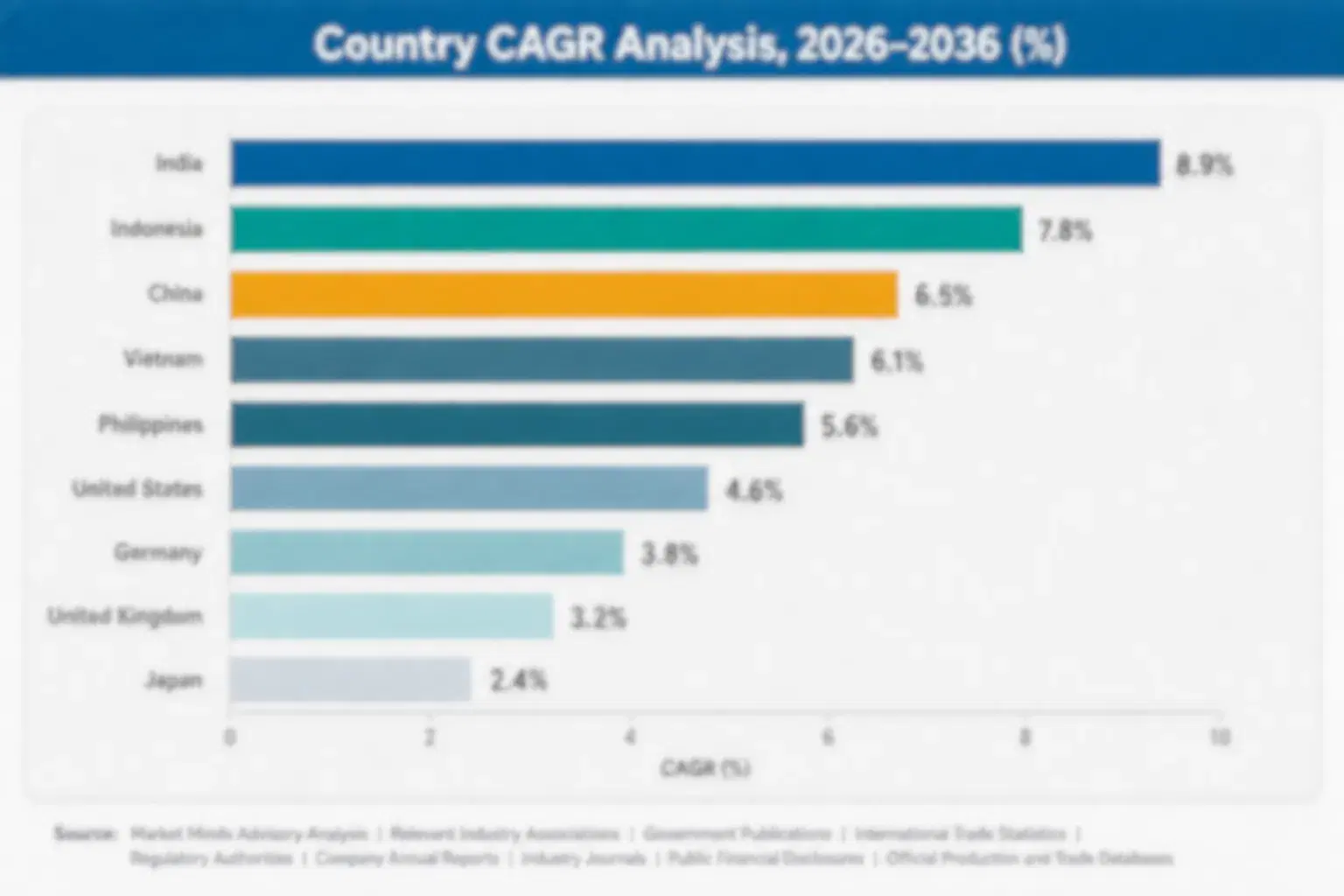
Companion animal ownership and veterinary clinic numbers across China, India and Southeast Asia have grown extremely quickly, particularly in cities where pet keeping has become common within a single generation. India grows fastest of any country at 10.1% as metropolitan clinic capacity expands. Chinese clinic numbers are now very large. Equipment purchasing is price sensitive and favours portable systems and domestic manufacturers over full towers from established international suppliers. Insurance penetration remains low across most of the region, which caps what owners will fund for advanced procedures. Domestic suppliers dominate.
Market Impact: Supplies 29% of installed base

Insurance Penetration Determines What Owners Will Fund

Every veterinary endoscopy is paid directly by an owner in a consultation room, with no reimbursement structure standing behind the decision, which caps what a practice can charge and therefore what equipment it can amortise. Pet insurance changes that calculation completely, and penetration varies from a substantial majority of animals in some countries to almost none in others. Advanced procedure volume tracks insurance penetration far more closely than it tracks clinical need or equipment availability. Clinical need and equipment availability matter considerably less than whether an owner can pay. Owners decide everything.
Market Impact: Damages 22% of scopes annually

Market Restraints and Challenges

Refurbished Human Equipment Undercuts Purpose-Built Instruments

Roughly 29% of the veterinary installed base began as second-hand human medical equipment, bought at prices purpose-built veterinary instruments cannot approach in any market. Root cause is that human endoscopy generates a very large secondary supply and veterinary procedure volume rarely justifies new equipment pricing. The commercial impact is a permanent price ceiling on new instruments. Mitigation runs through species-specific design advantages that a repurposed human scope genuinely cannot match. Nobody markets against that supply route directly, which is a curious silence given how large it is. Species fit is the answer.
Market Impact: Reaches practices below 1 tower

Damage Rates Exceed Anything Hospitals Experience

About 22% of flexible veterinary scopes require repair each year, damaged by biting, by restraint failure during procedures and by cleaning errors made without biomedical engineering oversight. Root cause is that the patient is not cooperative and the practice is not a hospital. The commercial impact is repair exposure that practices weigh alongside purchase price when deciding anything. Mitigation involves durability design and service contracts, which few manufacturers price transparently for this market. Durability design and transparent service contracts address it. Few price it transparently, which leaves the exposure sitting entirely with the practice buying the instrument.
Market Impact: Standardises across 1 network
3 additional market trends, 4 additional growth drivers, and 2 additional restraints and challenges are covered in the full report. Contact sales@marketmindsadvisory.com to access the complete intelligence.

Segment CAGR and Growth Architecture

Segmentation follows equipment type and condition: what the instrument is and whether it is new or previously owned, rather than which species it examines or who purchases it. Six categories cover the market without overlap. Species application and practice type are treated as separate commercial dimensions throughout this report. Ownership model cuts across every equipment category here.
veterinary-endoscopes-market-market-share-analysis-1787708565440

Capsule and Portable Endoscopy Systems

A full imaging tower needs procedure volume that most general practices genuinely do not have, which kept endoscopy inside referral centres for decades longer than the clinical case justified. Portable and capsule systems cost a fraction of that and reach practices with no previous capability whatsoever. Growth at 12.0%, half again the market rate of 8.0%, therefore expands the installed base rather than replacing anything within it. Manufacturers treating these practices as a downgrade rather than a new market consistently underinvest in reaching them properly. Each installation then consumes accessories for as long as the instrument stays in service, which is where the value accumulates. Reaching them requires a different channel.
CAGR 12.0%

Endoscopic Accessories and Instruments

Biopsy forceps, retrieval baskets, snares and sheaths are consumed per procedure and replaced through damage, which ties this segment to the installed base and to procedure volume rather than to new equipment sales at all. Growth at 9.0% is therefore steadier and considerably more predictable than capital equipment demand. Species range complicates it further, since a practice scoping both a cat and a horse needs accessories across working lengths that no single set covers adequately or economically. Consumption follows the installed base rather than any equipment replacement cycle, which makes this the steadiest revenue anywhere in the category. A practice scoping both a cat and a horse needs accessories across working lengths that no single set covers economically.
CAGR 9.0%
Full segment breakdown across 6 segments available in the complete report.

Regional Architecture and Country Demand Map

Geography follows companion animal spending and insurance penetration rather than animal numbers, since owner willingness to fund procedures decides everything. North America leads on both, Western Europe follows, and India grows fastest. Practice ownership structure decides who a supplier must actually persuade in each market.

North America

Companion animal spending per animal is the highest globally and pet insurance penetration, while still modest, exceeds most other markets, which together make advanced procedures affordable to enough owners to sustain equipment investment. Corporate consolidation of practices is furthest advanced here and has moved purchasing to central teams standardising across networks. Refurbished human equipment supplies a substantial share of the installed base. Equine practice adds a genuinely different instrument requirement alongside the companion animal caseload that dominates clinic numbers. Group standardisation favours suppliers offering full ranges, service coverage and training across a whole network rather than any single instrument advantage. Equine practice adds an instrument requirement quite unlike the companion animal caseload.
Share: 32% | CAGR: 7.2% (2026 to 2036)

Western Europe

Pet insurance penetration is considerably higher than in North America across several countries, particularly Sweden and the United Kingdom, which supports advanced procedure volume more reliably than absolute spending alone would. German manufacturers including Karl Storz and Eickemeyer hold strong positions built over decades in veterinary instrumentation. Corporate practice consolidation is advancing and reshaping purchasing similarly. Equine and farm animal endoscopy carries meaningful volume alongside companion animal work across the region. Refurbished human equipment supplies a meaningful share of the installed base here as elsewhere, at prices purpose-built instruments cannot approach. Corporate practice consolidation is advancing steadily and reshaping purchasing in the same way it has across North America. Insurance supports procedure volume.
Share: 24% | CAGR: 6.4% (2026 to 2036)
Regional intelligence for 5 additional markets available in the complete report: East Asia, South Asia and Pacific, Latin America, Middle East and Africa, Eastern Europe. Contact sales@marketmindsadvisory.com.
veterinary-endoscopes-market-country-cagr-analysis-1787708565628

Selling Into Practice Economics Properly

Patients range across a 350 to one weight ratio, roughly 29% of the installed base is repurposed human equipment, about 22% of scopes are damaged annually, and owners pay directly with no reimbursement. Four levers work on species design, damage exposure, group purchasing and portable reach rather than on specification. Specification decides very little here.

Design Species Range Human Scopes Cannot Cover

A mixed practice scopes patients spanning roughly 350 times in weight, and working length, diameter and stiffness must all change across that range, which is a design problem human endoscopy has never faced. Roughly 29% of the installed base is repurposed human equipment carrying somebody else's anatomy in its dimensions. Purpose-built instruments that genuinely serve the species range hold an advantage a refurbished human gastroscope cannot match at any price. Fit is the argument nobody else can make. A repurposed human scope carries somebody else's anatomy in its dimensions, and no discount changes that.
Market Impact: Covers the whole 350 times patient weight range

Price Repair Exposure Into The Purchase Decision

About 22% of flexible scopes need repair each year, damaged by biting, restraint failure and cleaning errors, and a practice has no biomedical engineering department to catch any of it. A vet weighing an 18,400 dollar instrument is weighing repair exposure at the same moment. Manufacturers offering transparent service contracts and durability evidence remove an unpriced risk that currently sits entirely with the buyer and quietly suppresses purchasing. Unpriced risk suppresses buying quietly, and transparent contracts remove it without any product change at all. Practices carry it alone today. Nobody prices it openly.
Market Impact: Covers the whole 22% of annual damage exposure

Sell To Groups Not To Individual Practices

Corporate consolidation moved purchasing from individual vets to central teams standardising equipment across whole networks, which lets a group justify instruments no single practice could amortise on its own volume. That is a different customer with different criteria entirely, favouring full ranges, service coverage and training. Manufacturers still calling practice by practice are reaching the person who uses the scope rather than the one who now decides what gets bought. Roughly 1 buyer now decides for a whole network of practices, which changes both the call plan and the criteria entirely.
Market Impact: Reaches the 1 buyer covering a whole network

Build The Portable Channel As A New Market

Portable and capsule systems growing at 12.0% reach practices whose procedure volume could never justify a full tower installation, which expands the installed base rather than displacing anything already in it. Manufacturers treating those practices as a downgraded version of the referral market consistently underinvest in reaching them. Accessory consumption follows every new installation, which makes each one worth considerably more over time than the initial equipment sale alone. Each installation consumes accessories for years. Manufacturers underinvest in reaching them, treating a genuinely new market as a downgraded version of the referral one.
Market Impact: Grows the installed base at 12.0% each year

Who Controls the Margin Pool

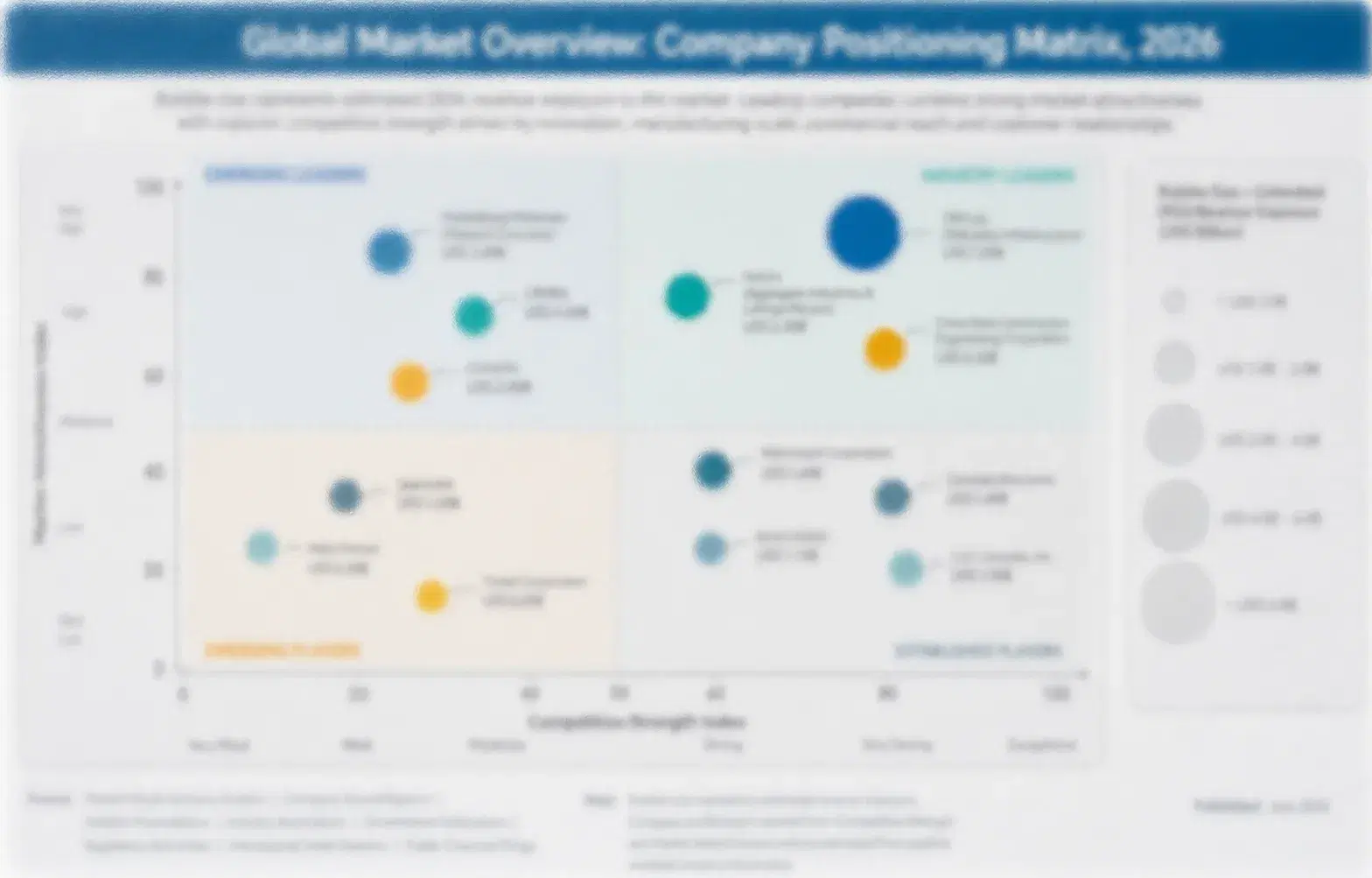
Measured on disclosed veterinary and endoscopy equipment revenue, the five largest suppliers hold a CR5 of 58%, which reflects a specialised category where clinical relationships and species-specific design both take years to establish. Karl Storz holds the strongest purpose-built veterinary position, Olympus participates through human platforms adapted for veterinary use, and Eickemeyer, Avante and Endoscopy Support Services serve the market through veterinary channels. Species-specific design is the only genuine barrier anybody holds here.
Three contests define activity. Purpose-built veterinary instruments compete on species range and durability against refurbished human equipment that costs considerably less. Portable systems compete for practices with no existing capability, on price and simplicity rather than performance. And accessories compete on availability across working lengths that no single set covers for a mixed caseload. A supplier organised for one contest is rarely equipped for the others.

Pressure builds as corporate groups centralise purchasing and as domestic Asian manufacturers reach credible quality at prices established suppliers cannot match. Rankings shift toward whoever serves the group buyer and the portable channel together. Refurbished human equipment remains the largest single competitor and nobody markets against it directly. Nobody addresses it.
veterinary-endoscopes-market-company-positioning-matrix-1787708565812

Competitive Moat and Risk Dimensions

KARL STORZ

Moat: Purpose-Built Veterinary Range Depth

Karl Storz built veterinary-specific instrument ranges covering working lengths and diameters across species rather than adapting human products, which addresses the design problem that defines this market. That range took decades and considerable investment to assemble. A competitor offering repurposed human equipment cannot serve a mixed practice properly, whatever the price advantage happens to be on any single instrument.
KARL STORZ

Risk: Refurbished Equipment Price Ceiling

Roughly 29% of the installed base is second-hand human equipment bought at prices purpose-built instruments cannot approach anywhere. Species-specific design advantages matter to practices that can afford them and mean nothing to those that cannot. The ceiling on new instrument pricing is set by a secondary market the manufacturer does not participate in at all.
EICKEMEYER

Moat: Veterinary Channel And Training

Eickemeyer reaches veterinary practices through dedicated channels, training and support built specifically around how vets buy, which differs considerably from hospital equipment purchasing. Practices choose suppliers who understand practice economics and provide training that a general medical distributor never offers. That relationship carries across the whole instrument range rather than any single product.
EICKEMEYER

Risk: Corporate Purchasing Consolidation

Group consolidation moves buying from individual practices to central teams comparing suppliers on range breadth, service coverage and contract terms rather than on relationship. Channel strength built around independent practices provides less advantage where a network standardises centrally. The customer that relationship was built for is steadily disappearing.

Players Tracked

Prominent Players

Karl Storz
Olympus
Eickemeyer
Avante Animal Health
Endoscopy Support Services

Other Key Players

Fujifilm
Richard Wolf
Steris
MDS Incorporated
Infiniti Medical
Vetovation
Biovision Veterinary Endoscopy
Sopro-Comeg
Firefly Global
Hangzhou Kangji Medical
Mindray Animal Medical
Jorgensen Laboratories
Sonoscape
Well-Lead Medical
Optomed

Recent Developments

FEBRUARY 2025

Corporate veterinary group standardises endoscopy across practice network

A corporate veterinary group standardised endoscopy equipment across its practice network under a single supplier agreement, a procurement decision rather than any corporate transaction. Central purchasing let the group justify instruments that no individual practice within it could have amortised against its own procedure volume alone.
Signal: Group standardisation changes who the customer is and what criteria actually decide equipment selection. Criteria changed entirely.
JUNE 2025

Portable endoscopy launch targets practices without existing capability

A portable veterinary endoscopy system launched at pricing aimed at general practices with no previous endoscopy capability, an organic product development rather than any acquisition. Full imaging towers require procedure volume that most general practices genuinely do not have and never will have. Most never will have it.
Signal: Portable systems expand the installed base rather than displacing towers within the existing referral market. New customers entirely.
OCTOBER 2025

Service programme addresses veterinary flexible scope damage rates

An equipment supplier introduced a transparent service and repair programme addressing damage rates in veterinary flexible endoscopy, an organic commercial development rather than any transaction. Roughly one in five scopes requires repair annually, damaged by biting, restraint failure and cleaning errors without engineering oversight. Practices carried the exposure alone.
Signal: Repair exposure sits unpriced with the buyer today and quietly suppresses equipment purchasing decisions. Transparency removes it.

What A Scope Costs

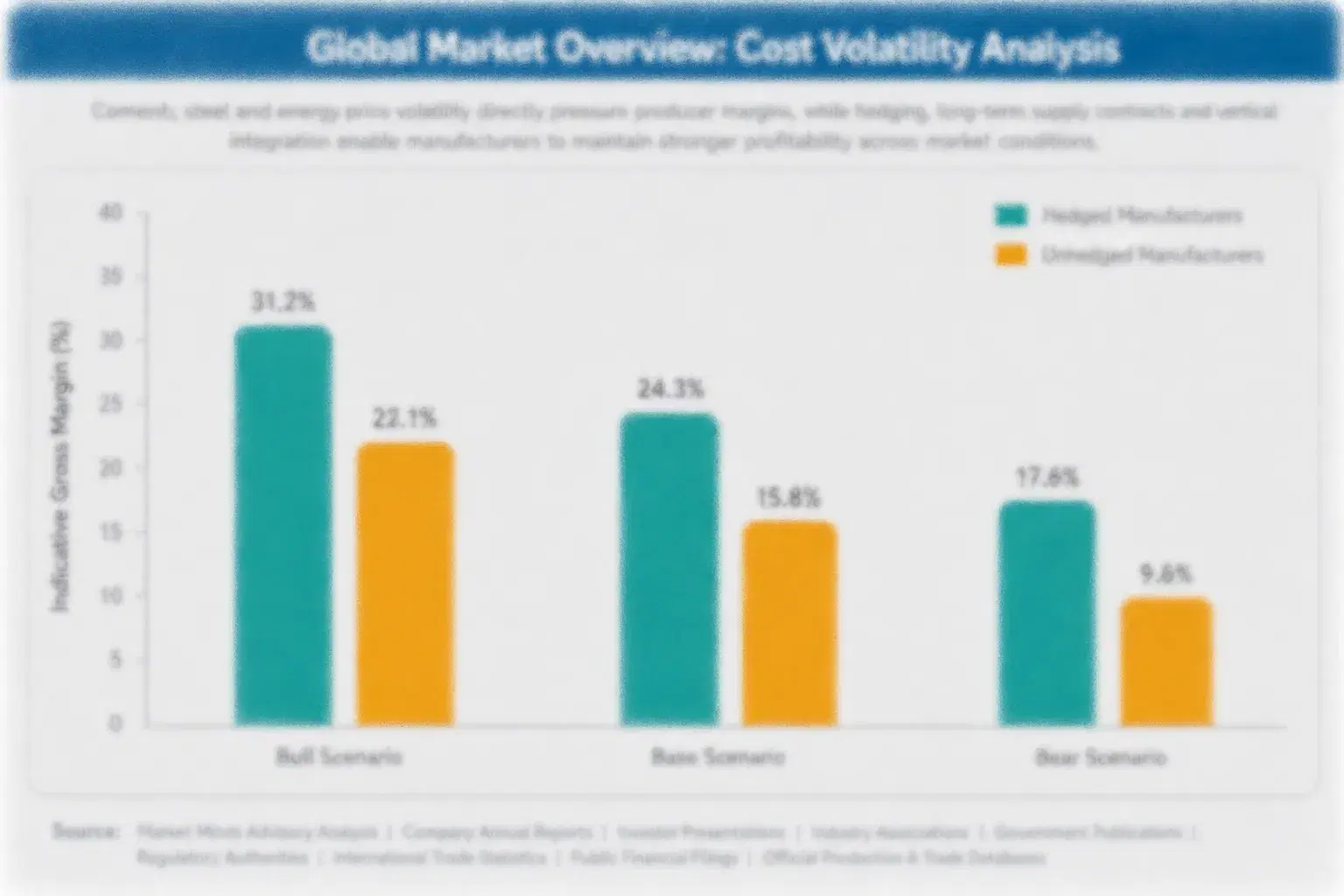
Manufacturing is precision optical and mechanical assembly at low volume, which gives this category unusual cost economics. Image sensors, optical assemblies, articulation mechanisms, insertion tube construction and light guides account for 38 to 47% of a flexible instrument's cost, with assembly labour and quality testing adding considerably more. Low veterinary volumes prevent the amortisation that human endoscopy achieves across far larger production runs of comparable components.
The volatility that mattered was image sensor and optical component supply through 2021 and 2022, which affected low-volume manufacturers disproportionately because they carry no purchasing leverage when suppliers allocate scarce parts. Olympus and Karl Storz disclosures reference component and supply chain pressure across that period. Energy and freight costs also rose, which IEA industrial energy price data records for precision manufacturing operations. Low-volume manufacturers had no leverage during that allocation period.

Exposure divides by production model rather than by scale. Purpose-built veterinary manufacturers carry precision component cost across volumes too low to amortise well, against a price ceiling set by refurbished human equipment. Suppliers adapting human platforms carry lower unit cost and poorer species fit. Emerging Asian manufacturers hold cost positions that established suppliers cannot approach without undermining pricing in their own core markets.
veterinary-endoscopes-market-cost-volatility-analysis-1787708566003

Commit optical component supply for low volumes

Image sensor and optical component shortages affected low-volume instrument manufacturers disproportionately through the 2021 period, because they hold no leverage when suppliers allocate scarce parts to larger customers. Committed supply agreements cost inventory and flexibility while protecting delivery to practices that cannot readily wait. Manufacturers buying on open markets lost orders they had already accepted.

Offer transparent repair pricing with instruments

Roughly one in five flexible scopes needs repair each year in veterinary use, and practices carry that exposure entirely unpriced when they decide whether to buy at all. Transparent service contracts convert an unknown risk into a budgeted cost. It requires the manufacturer to hold repair economics honestly rather than treating repair revenue as an opportunistic margin line.

Design across species rather than adapting human ranges

Working length, diameter and stiffness must change across a patient weight range of roughly 350 to one, which no human endoscope range was ever designed to accommodate. Purpose-built design costs development investment across low volumes. It also produces the only advantage that refurbished human equipment genuinely cannot answer at any price point in the market.

Portfolio Architecture for Margin Defence

Margin follows species specificity and consumption pattern rather than instrument sophistication. Refurbished and pre-owned systems earn thinly on trading margins. Imaging towers earn moderately against slow replacement. Rigid endoscopes and arthroscopes earn well on durability and simpler construction. Flexible video endoscopes earn strongly where species-specific design justifies pricing. Accessories and instruments earn best, because they consume per procedure and follow every installation in the base.
The tension is that capital equipment is what manufacturers sell and accessories are where the money accumulates. A tower or a flexible scope is bought once and replaced slowly, while forceps, baskets and sheaths are consumed continuously and replaced through damage. Manufacturers organised around capital sales treat accessories as an afterthought. That is a portfolio problem rather than a product one, and remarkably few suppliers have restructured around it.

High-value pools sit in three places. Accessories across the working lengths a mixed practice actually needs, which no single set covers. Species-specific flexible instruments that refurbished human equipment cannot match on fit. And portable systems reaching practices with no capability, each of which then consumes accessories for years afterwards. Each of those follows from the installed base rather than from any equipment refresh cycle.

Volume / Commodity-Adjacent

Refurbished and pre-owned systems together with basic imaging towers and visualisation components. The 9-point range is wide because trading refurbished equipment and manufacturing basic visualisation hardware carry entirely different cost structures despite similar positioning.
Gross Margin: 20-29%

Premium / Certified

Rigid endoscopes, arthroscopes and standard flexible video endoscopes sold through veterinary channels with training support. The 10-point spread separates suppliers with dedicated veterinary channels and training from those distributing through general medical routes.
Gross Margin: 44-54%

Sustainability / Regulatory / Next-Generation

Species-specific flexible instruments, portable and capsule systems, and endoscopic accessories consumed per procedure. The 24-point range is wide because accessory consumption economics and portable system pricing rest on very different commercial foundations.
Gross Margin: 52-76%
veterinary-endoscopes-market-portfolio-architecture-1787708566202

High-value Sub-segments and Strategic Watch-out

Endoscopic Accessories And Instruments

Highest margin and growing at 9.0%, consumed per procedure and replaced through damage rather than tied to equipment replacement cycles at all. The risk is that manufacturers organised around capital equipment sales treat accessories as an afterthought and cede the position to specialist suppliers. Specialists take it.
Gross Margin: 68-76%

Portable And Capsule Systems

Fastest growth at 12.0%, reaching practices whose procedure volume could never justify a full imaging tower installation anywhere. The risk is that manufacturers view these practices as a downgraded referral market rather than a genuinely new one, and underinvest in reaching them. Investment lags the opportunity.
Gross Margin: 58-66%

Flexible Video Endoscopes

The capital core, where species-specific design justifies pricing that repurposed human equipment cannot match on fit. Suppliers hold it because it anchors the practice relationship, and because accessory consumption follows every instrument placed into service. Nobody exits it deliberately, whatever the capital cycle looks like.
Gross Margin: 52-58%

The Refurbished Human Supply

The strategic watch-out. Roughly 29% of the installed base is second-hand human equipment bought at prices no purpose-built instrument can approach. The risk is that this sets a permanent ceiling on new pricing and nobody markets against it directly at all. Silence persists. Nobody competes.
Gross Margin: 22-28%

Capital Once Accessories Forever

An endoscope is bought once and replaced slowly, while the accessories used with it are consumed per procedure and replaced through damage continuously. That produces two entirely different demand patterns from a single installation, and the second is worth considerably more across an instrument's life than the first. Every portable placement starts an accessory relationship lasting as long as the equipment does.
Stickiness runs through the instrument in the practice rather than through any relationship. Accessories must fit the working channel and length of the scope already installed, which ties consumption to whoever supplied the original equipment. Training and familiarity compound that, since a vet who learned on a particular system requests the same again. Refurbished purchases break the chain entirely, because the accessory relationship follows equipment the manufacturer never sold.

The decision maker has changed and many suppliers have not noticed. Independent practices decide through the vet who will use the instrument, weighing procedure volume against price and repair exposure. Corporate groups decide centrally, comparing range breadth, service coverage and contract terms across a network. Referral centres decide on capability. Suppliers organised only for the individual practitioner are calling on somebody who no longer signs.
veterinary-endoscopes-market-end-use-penetration-index-1787708566392

Where Practice Economics Decide

These are among the four positions where our research anticipates prominent divergence between winners and laggards over the coming forecast period. Each is grounded in the demand model, the regulatory perimeter, and the announced capacity pipeline.
01 / SPECIES RANGE DESIGN

Two kilograms and seven hundred, same week

A mixed veterinary practice examines patients spanning roughly 350 times in body weight, and working length, diameter and stiffness all have to change across that range in a way human endoscopy has simply never had to accommodate. Around 29% of the whole installed base is repurposed human equipment carrying somebody else's anatomy in its dimensions entirely. Purpose-built instruments that genuinely serve that species range hold an advantage which a refurbished human gastroscope simply cannot answer at any price at all.
02 / REPAIR EXPOSURE PRICING

One scope in five breaks every year

Roughly 22% of flexible veterinary scopes require repair each year, damaged by animals biting, by restraint failing partway through a procedure and by cleaning errors made without any biomedical engineering department to catch them. A practice weighing an 18,400 dollar instrument is therefore weighing that repair exposure at exactly the same moment it considers the purchase. Transparent service contracts convert an entirely unpriced risk into a budgeted cost, and they remove a genuine brake on purchasing that manufacturers rarely acknowledge.
03 / GROUP PURCHASING ACCESS

The vet using it stopped signing for it

Corporate consolidation has now moved purchasing away from individual veterinarians choosing their own instruments, and toward central teams standardising equipment across entire practice networks. That lets a group justify buying instruments that no single practice could ever amortise on its own procedure volume alone. It also changes the deciding criteria completely, now favouring range breadth, service coverage and contract terms above everything else, and suppliers still calling practice by practice are reaching somebody who no longer decides any of it.
04 / PORTABLE CHANNEL BUILDING

A new market, not a downgraded one

Portable and capsule systems growing at 12.0% annually reach general practices whose own procedure volume could never justify a full imaging tower installation of any kind. That expands the whole installed base rather than displacing anything that is already sitting inside the established referral market. Manufacturers who treat those practices as a cheaper version of the referral customer consistently underinvest in reaching them at all, and every single installation placed then goes on consuming accessories for years and years afterwards.

Engagement Snapshot From the Field

A live engagement with an industry participant carrying material or product regulatory and market exposure ahead of a defining policy shift, showing how our research translates into a defensible multi-year portfolio strategy.
MARKET MINDS ADVISORY · CLIENT ENGAGEMENT SUMMARY
Veterinary Endoscopes Producer Strategic Portfolio Review and Transition Roadmap 2026·Investment Scenario on Veterinary Endoscopes Exposure Evaluation 2025-26
CLIENT PROFILE
A veterinary equipment supplier distributing endoscopy systems across European and Asian markets, with reported equipment revenue of 68 million dollars (client-reported, unverified by MMA). Roughly 79% of revenue came from capital equipment sales to independent practices. Accessory supply was handled as a secondary line and no service or repair programme was offered anywhere in the range.
STRATEGIC CHALLENGE
Capital sales had flattened as corporate groups consolidated practices in served markets, and two large group tenders had been lost without the company being shortlisted. Management was preparing a product range extension and a price reduction. Neither addressed the change in who was actually making purchasing decisions across the served territories.
MMA APPROACH
MMA analysed sales by account type against practice ownership data, separating independent practices from corporate-owned sites, which the company had never distinguished internally. Seventeen expert interviews with practice owners, corporate group procurement leads and referral centre clinicians established how each buyer decides. The analysis treated purchasing structure and accessory economics, rather than product range, as the causes.
KEY FINDINGS
  1. Corporate-owned practices had grown to a substantial share of the served market, and the company had no group-level commercial relationship with any of them.
  2. Both lost group tenders had been decided on service coverage and range breadth, and the company had submitted on product specification and unit price alone.
  3. Accessory revenue per installed instrument was well below benchmark, because the line was managed reactively rather than as a continuing consumption relationship.
  4. No repair or service programme existed, and practice owners interviewed cited unpriced repair exposure as a genuine deterrent to purchasing new instruments.
CLIENT PROFILE
A veterinary equipment supplier distributing endoscopy systems across European and Asian markets, with reported equipment revenue of 68 million dollars (client-reported, unverified by MMA). Roughly 79% of revenue came from capital equipment sales to independent practices. Accessory supply was handled as a secondary line and no service or repair programme was offered anywhere in the range.
STRATEGIC CHALLENGE
Capital sales had flattened as corporate groups consolidated practices in served markets, and two large group tenders had been lost without the company being shortlisted. Management was preparing a product range extension and a price reduction. Neither addressed the change in who was actually making purchasing decisions across the served territories.
MMA APPROACH
MMA analysed sales by account type against practice ownership data, separating independent practices from corporate-owned sites, which the company had never distinguished internally. Seventeen expert interviews with practice owners, corporate group procurement leads and referral centre clinicians established how each buyer decides. The analysis treated purchasing structure and accessory economics, rather than product range, as the causes.
KEY FINDINGS
  1. Corporate-owned practices had grown to a substantial share of the served market, and the company had no group-level commercial relationship with any of them.
  2. Both lost group tenders had been decided on service coverage and range breadth, and the company had submitted on product specification and unit price alone.
  3. Accessory revenue per installed instrument was well below benchmark, because the line was managed reactively rather than as a continuing consumption relationship.
  4. No repair or service programme existed, and practice owners interviewed cited unpriced repair exposure as a genuine deterrent to purchasing new instruments.
RECOMMENDED STRATEGY
Phase 1: Phase one: build a group-level commercial function calling on corporate procurement teams, since that is where purchasing decisions have already moved. Phase 2: Phase two: introduce transparent service and repair contracts, removing the unpriced exposure that practice owners describe as a deterrent to buying. Phase 3: Phase three: manage accessories as a continuing consumption relationship per installed instrument rather than as a reactive secondary line. Value accumulates there.
OUTCOME
A group commercial function was established and the company was shortlisted for three network tenders within two quarters, having previously reached none. A service contract programme launched and was attached to a substantial share of new instrument sales (client-reported, unverified by MMA). Accessory revenue per installed instrument improved materially where the consumption relationship was actively managed.

Frequently Asked Questions

Foundational context covering the market sizes, CAGR, scope, country, region and competition that inform every finding below. This section is provided to cover basics and most often pre-purchase conversations, answered from the MMA Primary Research Dataset.

What is the current size of the Veterinary Endoscopes Market?

The market was worth 0.5 billion dollars in 2025, covering flexible, rigid, portable, accessory, refurbished and visualisation equipment categories. It reaches 0.54 billion dollars in 2026.

How large will the Veterinary Endoscopes Market be by 2036?

MMA forecasts 1.17 billion dollars by 2036, an increase of 0.63 billion dollars over the 2026 base. That represents an expansion multiple of 2.17 times across the forecast period.

What is the CAGR for the Veterinary Endoscopes Market 2026 to 2036?

The base case compounds at 8.0% annually. The bull case reaches 9.2% if pet insurance penetration rises, while the bear case sits at 6.8% on refurbished human equipment continuing to supply the base.

Which segment is growing fastest?

Capsule and portable endoscopy systems, at 12.0%, half again the market rate of 8.0%. They reach general practices whose procedure volume could never justify a full imaging tower.

Who are the major companies in the Veterinary Endoscopes Market?

Karl Storz, Olympus, Eickemeyer, Avante Animal Health and Endoscopy Support Services lead on disclosed veterinary and endoscopy equipment revenue. Infiniti Medical and Biovision hold notable veterinary channel positions.

Which country is growing fastest?

India at 10.1%, as metropolitan companion animal clinic capacity expands very rapidly across the country. The United States remains the largest market at roughly 34% of equipment revenue.

Report Segmentation Architecture

The full report scope spans multiple orthogonal segmentation dimensions, with cross-tabulated demand data provided for each dimension pair. Coverage extends further to regional breakdowns, trend trajectories, and the competitive detail needed to support segment-level decision-making.

By Equipment Type

  • Flexible Video Endoscopes
  • Rigid Endoscopes and Arthroscopes
  • Capsule and Portable Endoscopy Systems
  • Endoscopic Accessories and Instruments
  • Refurbished and Pre-Owned Systems
  • Imaging Towers and Visualisation Systems

By End-Use Setting

  • Companion Animal General Practice
  • Veterinary Referral Hospitals
  • Equine Veterinary Practice
  • Production Animal Veterinary Services
  • Veterinary Teaching Hospitals
  • Zoo and Wildlife Veterinary Services

By Commercial Dimension

  • Independent Practice Purchase
  • Corporate Group Network Supply
  • Referral Hospital Capital Purchase
  • Refurbished and Secondary Market Supply
  • Accessory Consumption Supply
  • Service and Repair Contract

By Region

  • North America
  • Western Europe
  • East Asia
  • South Asia and Pacific
  • Latin America
  • Middle East and Africa
  • Eastern Europe

Scope, Methodology, and Coverage

Every figure in this report is reproducible from documented input assumptions. The scope below maps the historical period, the forecast horizon, the segmentation dimensions, and the countries covered, alongside the underlying primary and qualitative methodology.
Historical Period
2020 to 2025
Forecast Period
2026 to 2036
Base Year
2025 (USD billions; MMA Primary Research Dataset, August 2026)
Market Definition
Scope covers endoscopic equipment used in veterinary clinical practice across companion animal, equine, production animal and exotic species work, spanning flexible video endoscopes, rigid endoscopes and arthroscopes, capsule and portable endoscopy systems, endoscopic accessories and instruments, refurbished and pre-owned systems, and imaging towers and visualisation systems. Human medical endoscopy sold into human healthcare settings, veterinary ultrasound, radiography and cross-sectional imaging, surgical energy and vessel sealing devices, laboratory and point of care diagnostics, and endoscope reprocessing chemicals and washers sold separately are excluded from the market size.
Quantitative Units
USD billions (current prices); instruments installed; procedures performed; annual repair incidence; accessory consumption per installation
Segmentation Dimensions
By Equipment Type; By End-Use Setting; By Commercial Dimension; By Region
Regions Covered
North America, Western Europe, East Asia, South Asia and Pacific, Latin America, Middle East and Africa, Eastern Europe
Countries Covered
USA, Germany, China, UK, Japan, France, India, Brazil, Canada, Italy, Australia, South Korea, Spain, Poland, Turkey
Key Companies Profiled
Karl Storz, Olympus, Eickemeyer, Avante Animal Health, Endoscopy Support Services, Fujifilm, Richard Wolf, Steris, MDS Incorporated, Infiniti Medical, Vetovation, Biovision Veterinary Endoscopy, Sopro-Comeg, Firefly Global, Hangzhou Kangji Medical, Mindray Animal Medical, Jorgensen Laboratories, Sonoscape, Well-Lead Medical, Optomed
Quantitative Methodology
Primary survey, n=3,800 respondents, Q4 2025, six countries; demand-side model with trade association cross-validation
Qualitative Methodology
47 expert interviews, Q4 2025; applied to validate demand model assumptions, identify emerging dynamics, and assess competitive positioning
Report Format
PDF and XLSX data workbook (Word format preview document)
Publisher
Market Minds Advisory
Report Code
MMA-2026-MED-131
Published
August 2026
Contact
sales@marketmindsadvisory.com | www.marketmindsadvisory.com

Purchase the full Veterinary Endoscopes Market Report (2026 to 2036).

The full report runs to 156 pages and covers all six equipment type segments, seven regions and 20 profiled suppliers in detail. It includes the complete segment CAGR set, regional insurance penetration and practice ownership comparison, and accessory consumption modelling per installed instrument across practice types. Company profiles carry evaluation on disclosed veterinary and endoscopy equipment revenue, with moat and risk assessment for the top five suppliers. The competitive section extends to 14 tracked corporate, procurement and product developments across 2024 and 2025. Primary research inputs include a quantitative survey of 3,800 respondents and 47 expert interviews conducted in Q4 2025.
Six equipment type segments with individual CAGR forecasts
Seven regional markets with insurance penetration and ownership comparison
Twenty supplier profiles on consistent revenue evaluation basis
Fourteen tracked corporate and procurement developments with commercial interpretation
Accessory consumption modelled per installed instrument by practice type
Refurbished supply analysed against purpose-built instrument pricing

Built For The People Who Decide

From boardroom strategy to bench-side execution, this report is read cover-to-cover by leaders shaping the next decade of their industry, turning demand scenarios, market dynamics and valuation benchmarks into decisions.
CXOs/ Presidents/ VPs/ Managers
M&A and Corporate Development
Strategy Teams and R&D Heads
Procurement and Product Directors
Regulatory and Compliance Leaders
Investor Relations and Equity Analysts