Market Minds Advisory
Vestibular Testing System Market

Vestibular Testing System Market: The Commonest Cause Needs No Equipment

The single commonest cause of vertigo is diagnosed by a bedside manoeuvre taking half a minute and cured by another, which means a large share of this market competes against a trained pair of hands.

Lead Analyst

Published

September 2026

Make Smarter Decisions with Customized Research Insights

Request a free sample report and evaluate market opportunities, growth trends, and competitive dynamics relevant to your business needs.

2025 MARKET VALUE$0.5BMarket Size 2025
2036 FORECAST VALUE$1.2BBase Case , 2026 to 2036
CAGR 2026 TO 20368.6 %Bull 9.8% / Bear 7.4%
INCREMENTAL OPPORTUNITY$0.7BNet 10- year value creation
EXPANSION MULTIPLE2.30x2036 value over 2026 base
Strategic Levers
M&A Pipeline
Regional Outlook
Country Rankings
Competitive Intelligence
Segmental Deep-dive
Call-Us : 91 93563 13602

Executive Snapshot and Market Trajectory

Roughly 42% of vertigo is positional and diagnosed by a bedside manoeuvre requiring no equipment whatsoever, then cured by a second manoeuvre in the same appointment. A large part of this market competes against a properly trained clinician. That defines the commercial boundary precisely.
North America takes 30% of value because audiology exists as a distinct billing specialty there and buys equipment outside hospital ear, nose and throat departments, which is a purchasing structure with no real equivalent elsewhere. Video head impulse test systems grow at 12.9%, half again the market rate of 8.6%, by moving vestibular assessment out of specialist laboratories and into ordinary clinics. Laboratory suppliers never served those practices at all.
Concentration reaches 64% and the binding constraint is the referral pathway. Only about 18% of patients presenting with vertigo receive any vestibular assessment at all, and most instead receive imaging that comes back normal. That is a pathway problem rather than an equipment one. Most instead receive neuroimaging that returns normal and explains nothing about the symptom they came in with, which is a habit rather than a clinical judgement. Habit routes them elsewhere.
Market Definition
The market covers diagnostic systems assessing vestibular and balance function, including videonystagmography systems, video head impulse test systems, rotary chair systems, vestibular evoked myogenic potential systems, computerised dynamic posturography, and caloric irrigators with accessories. Audiometry and hearing assessment equipment, vestibular rehabilitation therapy services, hearing aids and implants, neuroimaging, and physiotherapy balance equipment outside posturography are excluded.
Base Year Value
$0.5B in 2025 (MMA Primary Research Dataset, August 2026)
Forecast Period
2026 to 2036, eleven discrete annual values
CAGR
8.6% base case. Bull 9.8%. Bear 7.4%.
Fastest Growth Segment
Video Head Impulse Test Systems: 12.9% CAGR
Fastest Growth Country
India: 10.7% CAGR
Fastest Growth Region
South Asia and Pacific: 10.8% CAGR
Largest Region
North America: 30% of 2025 global value
Market Leaders
Natus Medical, Demant, Inventis, Difra Instrumentation, Neuro Kinetics. Source: MMA Analysis based on disclosed audiology and balance diagnostic equipment revenue, company annual reports 2025.
Primary Survey
n=3,800 procurement and R&D decision-makers, Q4 2025, six countries
Methodology
Demand-side build-up, cross-validated against public data, 47 expert interviews

Vestibular Testing System Market Forecast Scenarios

vestibular-testing-system-market-size-forecast-scenario-1787705488690
Growth from 2020 to 2025 ran at 7.2% and the setting of testing changed more than the total did. Video head impulse testing moved from specialist laboratories into ear, nose and throat clinics and audiology practices, because it is fast, portable and considerably better tolerated than caloric irrigation. Rotary chair installation slowed as a result. Referral patterns for dizziness barely shifted throughout the period.
The 8.6% base case rests on three mechanisms. Video head impulse testing keeps spreading into settings that never had vestibular capability, which adds installations rather than replacing them. Vestibular evoked myogenic potential testing keeps growing as its role in specific diagnoses becomes better established. And Asian audiology and ear, nose and throat capacity keeps expanding into populations with no access today. None of the three depends on any new test modality appearing.
The bull case at 9.8% assumes referral pathways for dizziness improve materially, which would raise the tested share well above the current fraction and matter more than any product development. The bear case at 7.4% is imaging continuing to absorb dizzy patients while positional vertigo is managed by manoeuvre, which leaves equipment competing for a narrow residual population that specialists already serve.

Competing With Two Hands

Around 42% of vertigo is benign positional disturbance, which a clinician diagnoses with a bedside manoeuvre in about half a minute and treats with a second manoeuvre in the same appointment. No equipment is involved at any point. Testing systems earn their place on patients whose symptoms manoeuvres do not explain, which is a smaller group.
FIVE-FIRM CONCENTRATION64%Share of category revenue held by leading diagnostic equipment makers
HEAD IMPULSE SYSTEM PRICE$24,000Typical clinic price for a video head impulse testing system
TOP INSTALLED COUNTRYUS 33%American share of the global installed vestibular testing base
DIZZY PATIENTS TESTED18%Patients presenting with vertigo who receive any vestibular assessment
POSITIONAL SHARE OF VERTIGO42%Vertigo cases attributable to positional disturbance needing no equipment
CALORIC TEST TOLERANCE61%Patients completing caloric irrigation without discontinuing the test
The wider constraint is that dizzy patients rarely reach vestibular assessment at all. Only about 18% of those presenting with vertigo receive any, and most instead receive imaging that returns normal and explains nothing. Referral pathways send dizziness toward neurology and radiology rather than toward balance assessment, which is a pathway problem no product feature addresses. Fixing it matters more than any technical development in progress.
The reference standard is the test patients dislike most. Caloric irrigation remains the comparator against which the literature is built, and only around 61% of patients complete it without stopping, because it deliberately provokes the symptom they came in with. Video head impulse testing is quick, portable and well tolerated, which is why it spread into clinics. Manufacturers selling it must argue against the reference standard rather than alongside it.
"Four in ten dizzy patients need a manoeuvre and a reassuring conversation, not a twenty-four thousand dollar system. Anybody selling into this market who pretends otherwise gets found out in the first clinic visit."
Director, Audiology and Balance Diagnostics Practice · MMA Medical Devices Practice · August 2026

Market Trends

Head Impulse Testing Moves Assessment Out Of Laboratories

Video head impulse testing is quick, portable and considerably better tolerated than caloric irrigation, which only around 61% of patients complete without stopping. That combination moved vestibular assessment out of specialist laboratories and into ear, nose and throat clinics and audiology practices that never previously had any capability. Growth at 12.9% therefore adds installations rather than replacing them, which is a genuine channel expansion and not a substitution within an existing installed base. Manufacturers must nonetheless argue against a caloric reference standard that underpins decades of accumulated vestibular literature, which slows the commercial route considerably.
Market Impact: Buys systems near $24,000 directly
Bedside Manoeuvres Handle The Largest Diagnostic Group

Roughly 42% of vertigo is benign positional disturbance, diagnosed by a manoeuvre taking about half a minute and treated by a second one in the same appointment without any equipment at all. That defines the commercial boundary of this market precisely, and manufacturers selling as though the entire dizzy population were addressable are overstating their opportunity considerably. Testing systems earn their place on the patients whose symptoms positional manoeuvres genuinely cannot explain, which is a smaller group. Credibility lost by overstating the addressable group is expensive to rebuild with the specialists who decide purchases.
Market Impact: Reaches 3 expanding clinical systems

Market Opportunities and Growth Drivers

Audiology Practice Buys Equipment Outside Hospital Departments

Audiology exists as a distinct billing specialty in North America and increasingly elsewhere, which creates equipment purchasing outside hospital ear, nose and throat departments and gives the region 30% of category value. A private audiology practice buying a system at around 24,000 dollars is a different customer from a hospital capital committee entirely. That channel is where portable and clinic-scale systems have found their market, and it barely exists in some countries. Portable systems found that channel first and grew quickly through it, which laboratory suppliers had never previously served in any market.
Market Impact: Tests only 18% of presentations

Asian Clinical Capacity Extends Assessment To New Populations

Ear, nose and throat and audiology capacity across China, India and Southeast Asia continues expanding, bringing vestibular assessment to populations that have had essentially no access to it at any point. India grows fastest of any country at 10.7% as private hospital and clinic capacity expand together. Equipment pricing remains a genuine barrier, which favours portable head impulse systems over rotary chairs and full laboratory installations across most of the region. Positional vertigo is managed by manoeuvre wherever clinicians have been trained to recognise it properly. Access remains very limited.
Market Impact: Abandoned by 39% of patients

Market Restraints and Challenges

Referral Pathways Send Dizziness Toward Imaging Instead

Only around 18% of patients presenting with vertigo receive any vestibular assessment, while a great many receive neuroimaging that returns normal and explains nothing about their symptoms. Root cause is that dizziness is routed toward neurology and radiology by habit rather than toward balance assessment. The commercial impact is a treated population far below clinical potential, which no product feature addresses at all. Mitigation requires pathway work with primary care and emergency medicine. No product feature addresses any of it. Pathway work with referring specialties is the only answer available to anybody.
Market Impact: Tolerated where 39% abandon caloric

Reference Standard Is The Test Patients Refuse

Caloric irrigation remains the comparator underpinning the vestibular literature, and only about 61% of patients complete it without stopping because it deliberately provokes the symptom they presented with. Root cause is that decades of evidence were built on it. The commercial impact is that better tolerated tests must argue against the standard rather than alongside it, which slows adoption. Mitigation runs through comparative evidence generation, which takes years to accumulate properly. Comparative evidence accumulates only slowly. Decades of evidence rest on it, which nobody can simply set aside. Tolerance is the argument.
Market Impact: Excludes 42% needing no equipment
3 additional market trends, 4 additional growth drivers, and 2 additional restraints and challenges are covered in the full report. Contact sales@marketmindsadvisory.com to access the complete intelligence.

Segment CAGR and Growth Architecture

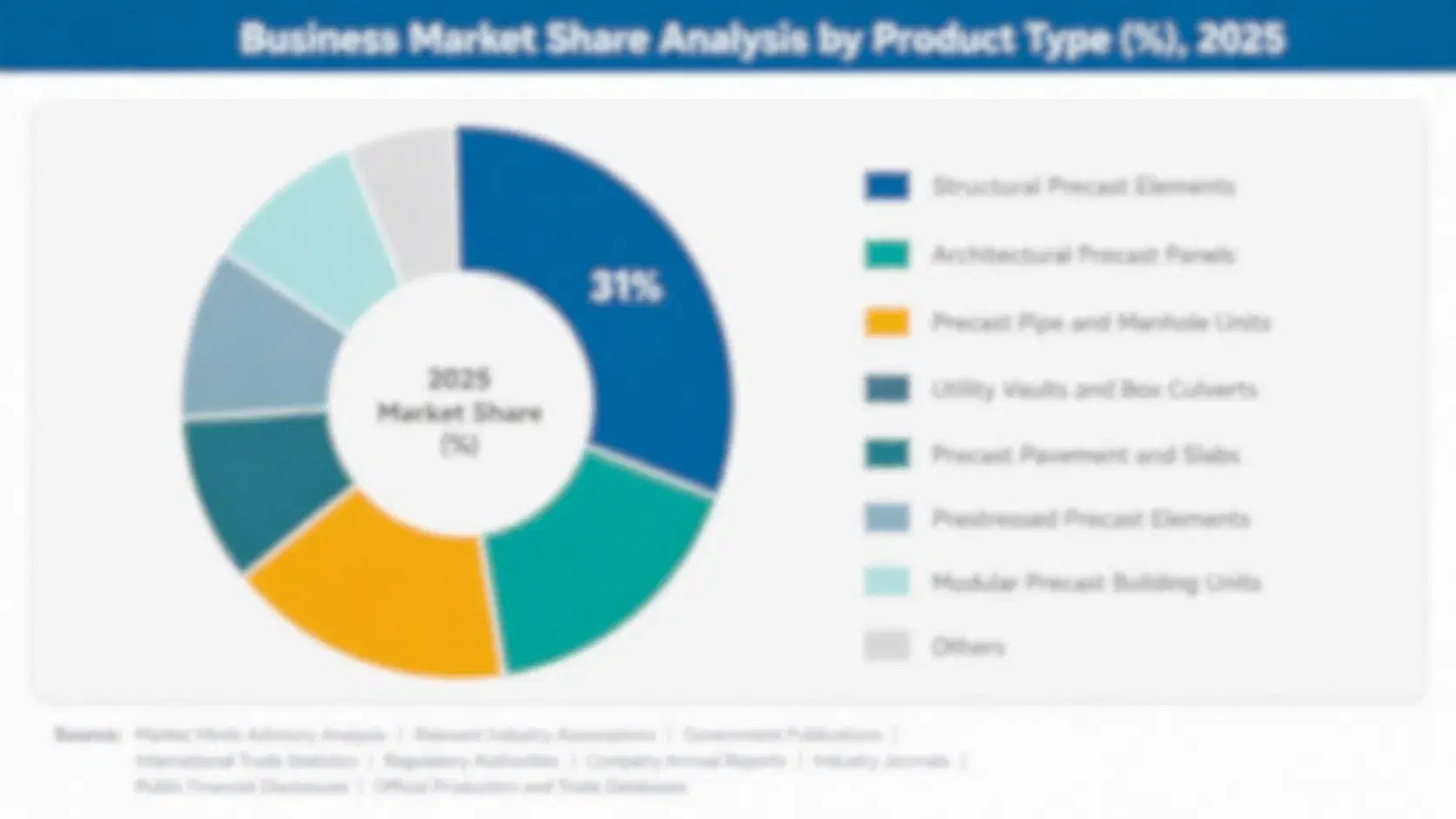
Segmentation follows test modality: what function each system measures and how, rather than which clinical setting operates it or which diagnosis it supports. Six modalities cover the market without overlap, spanning laboratory and portable clinic systems. Care setting and purchasing route are treated as separate commercial dimensions here. Portability cuts across several of these modalities.
vestibular-testing-system-market-market-share-analysis-1787705489005

Video Head Impulse Test Systems

The test is quick, portable and far better tolerated than caloric irrigation, which only around 61% of patients complete without stopping, and that combination moved vestibular assessment into ear, nose and throat clinics and audiology practices with no previous capability. Growth at 12.9%, half again the market rate of 8.6%, therefore adds installations rather than displacing them within an existing base. Manufacturers must argue against the caloric reference standard rather than alongside it, which is a slower commercial route than it appears. Channel expansion rather than substitution is what the growth actually represents here. Clinics that never had capability now perform assessment, which adds installations to the base rather than replacing anything.
CAGR 12.9%

Vestibular Evoked Myogenic Potential Systems

These systems assess otolith and saccular function that other modalities do not reach, which gives them a defined diagnostic role rather than a competitive one against head impulse or caloric testing. Growth at 9.6% follows better established clinical positioning in specific conditions rather than any broad displacement of other equipment. Testing takes longer and requires more operator skill than head impulse assessment, which keeps it concentrated in specialist settings rather than spreading into ordinary clinics. The diagnostic role is defined rather than competitive, which means growth follows clinical positioning in specific conditions rather than any displacement of head impulse or caloric testing anywhere. Operator skill limits the spread. Specialist settings retain it.
CAGR 9.6%
Full segment breakdown across 6 segments available in the complete report.

Regional Architecture and Country Demand Map

Geography follows purchasing structure rather than disease prevalence, since dizziness is universal and assessment capacity is not. North America leads on audiology practice purchasing, Western Europe on hospital installation, and India grows fastest. Referral pathways rather than equipment availability decide how many patients are assessed anywhere.

North America

Audiology operates as a distinct billing specialty with private practices purchasing equipment independently of hospital ear, nose and throat departments, which creates a channel with no real equivalent elsewhere and gives the region 30% of value. Head impulse systems found that channel first and spread quickly through it. Referral pathways still route dizziness heavily toward imaging, and only a small share of presenting patients reach vestibular assessment. Positional vertigo is frequently managed by manoeuvre without any equipment involvement at all. Head impulse systems found the audiology channel first and spread rapidly through practices that hospital equipment suppliers had never served. Positional vertigo is frequently managed by manoeuvre without any equipment involvement at all.
Share: 30% | CAGR: 7.8% (2026 to 2036)

Western Europe

Assessment runs mainly through hospital ear, nose and throat and neurology departments rather than through independent audiology practice, which concentrates purchasing in capital committees and slows equipment turnover considerably. German and Italian manufacturers hold established positions in balance diagnostics. Caloric testing retains a stronger position here than in North America because laboratory infrastructure already exists. Referral pathways for dizziness are somewhat better organised in several countries, though tested share remains well below clinical need. Portable systems are gaining ground where clinic budgets can reach them, though hospital capital processes still dominate most purchasing decisions. Caloric testing retains a stronger position than in North America because the laboratory infrastructure already exists everywhere.
Share: 25% | CAGR: 7.0% (2026 to 2036)
Regional intelligence for 5 additional markets available in the complete report: East Asia, South Asia and Pacific, Latin America, Middle East and Africa, Eastern Europe. Contact sales@marketmindsadvisory.com.
vestibular-testing-system-market-country-cagr-analysis-1787705489287

Selling Past The Bedside Manoeuvre

Roughly 42% of vertigo needs no equipment, only about 18% of dizzy patients are assessed at all, caloric testing is abandoned by 39% of patients, and audiology practice purchasing exists in few countries. Four levers work on pathway, tolerance, channel and honest addressable population rather than on specification. Product features answer none of it.

Work The Referral Pathway Not The Product

Only around 18% of patients presenting with vertigo receive any vestibular assessment, and most receive imaging that returns normal and explains nothing at all about their symptoms. That is a pathway problem no product feature has ever addressed. Manufacturers supporting primary care and emergency medicine pathway work reach a treated population several times larger than the current one, which matters considerably more than any technical development currently under way anywhere. Pathway work costs clinical education resource rather than capital, and it addresses the only genuine constraint on this whole market.
Market Impact: Raises testing well above the 18% tested today

Sell Tolerance Rather Than Diagnostic Equivalence

Caloric irrigation is abandoned by roughly 39% of patients because it deliberately provokes the symptom they came in with, while head impulse testing is quick and well tolerated. Manufacturers arguing diagnostic equivalence against the reference standard are fighting decades of accumulated literature. Arguing completion rate and patient experience instead reaches clinicians who watch patients stop mid-test, and that is an observation nobody in the room needs persuading about. Clinicians who have watched a patient stop mid-test need no persuading about tolerance at all. Decades of literature built on the reference standard make equivalence arguments genuinely difficult to win quickly.
Market Impact: Completes where 39% abandon the caloric reference test

Build The Clinic Channel Where Audiology Buys

Audiology practices purchasing systems near 24,000 dollars independently of hospital capital committees are a fundamentally different customer, and that channel barely exists outside North America and a few other markets. Portable systems found it first and grew quickly through it. Manufacturers who support audiology practice development and business case building in markets where the specialty is emerging create the channel their own portfolio depends upon entirely. Practice owners buy within weeks rather than budget cycles. Manufacturers who support practice development in markets where audiology is emerging create the channel their portfolio depends upon entirely.
Market Impact: Reaches practices buying near $24,000 within a few weeks

State The Addressable Population Honestly To Specialists

Roughly 42% of vertigo is positional and resolved by a manoeuvre requiring no equipment, which means the genuinely addressable population for testing systems is considerably smaller than presenting dizziness. Manufacturers selling as though the whole group were reachable are found out in the first clinic conversation, and credibility once lost is expensive to rebuild. Positioning honestly against the residual population builds trust with exactly the specialists who decide equipment purchases. Specialists identify overstatement immediately. Roughly 42% of vertigo needs no equipment and the honest number builds trust with the specialists deciding purchases.
Market Impact: Concedes the whole 42% who need no equipment

Who Controls the Margin Pool

Measured on disclosed audiology and balance diagnostic equipment revenue, the five largest manufacturers hold a CR5 of 64%, which reflects a specialised category where clinical relationships and regulatory approval both take years to establish. Natus Medical and Demant hold the broadest positions across modalities, while Inventis, Difra and Neuro Kinetics carry established portfolios in specific test types and geographies. Modality breadth anchors the laboratory relationship considerably.
Three contests define activity. Laboratory systems including rotary chair and caloric equipment compete on installed base replacement in hospital departments with slow capital cycles. Head impulse systems compete on portability and tolerance in clinic channels that laboratory suppliers never served. And evoked potential systems compete on defined diagnostic role rather than against other modalities at all. A manufacturer organised for one of those contests is rarely equipped for the others, and the capability each requires overlaps remarkably little with the rest.

Pressure builds as head impulse testing expands the number of settings performing assessment while the referral pathway keeps most dizzy patients away from any of it. Rankings shift toward manufacturers who built the clinic channel. Domestic Asian manufacturers are beginning to reach price points international suppliers cannot answer. Prices are shifting downward.
vestibular-testing-system-market-company-positioning-matrix-1787705489612

Competitive Moat and Risk Dimensions

NATUS MEDICAL

Moat: Modality Breadth And Installed Base

Natus supplies across videonystagmography, rotary chair, evoked potential and head impulse modalities with a large installed base in hospital departments, which matters because balance laboratories purchase systems that must work together rather than device by device. That breadth took acquisitions and years to assemble. A single-modality competitor faces a supplier already providing everything else in the laboratory.
NATUS MEDICAL

Risk: Laboratory Channel Concentration

Much of the installed base sits in hospital balance laboratories with slow capital cycles, while growth is happening in clinic channels buying portable systems on quite different purchasing logic. Breadth in laboratory equipment provides limited advantage where the customer is a private audiology practice. The growth channel rewards a commercial model the laboratory business never needed.
DEMANT

Moat: Audiology Channel Relationships

Demant reaches audiology practices through relationships built across hearing diagnostics and hearing device businesses, which is precisely the channel where portable vestibular systems have found their market. A practice already buying audiometric equipment from a supplier considers balance systems from the same source readily. That channel access is difficult for a hospital equipment specialist to replicate quickly.
DEMANT

Risk: Referral Pathway Dependence

Channel access reaches practices that are ready to buy without addressing why only a small share of dizzy patients ever reaches vestibular assessment at all. Equipment sits underused where referrals do not arrive. The constraint on this market is a pathway nobody in the industry owns, and commercial reach does nothing to change it.

Players Tracked

Prominent Players

Natus Medical
Demant
Inventis
Difra Instrumentation
Neuro Kinetics

Other Key Players

Interacoustics
Otometrics
MedRx
Maico Diagnostics
Framiral
Synapsys
Bertec
Otopront
Homoth Medizinelektronik
Politec Medical
Ulmer
Shenzhen Aeon Medical
Hangzhou Fudian Medical
Grason-Stadler
Amplivox

Recent Developments

FEBRUARY 2025

Emergency pathway programme redirects dizzy patients toward vestibular assessment

A hospital network introduced a dizziness pathway routing suitable patients toward vestibular assessment rather than directly to neuroimaging, a clinical pathway development rather than any corporate transaction. Imaging in this population returns normal in the great majority of cases and explains very little about the presenting symptom.
Signal: Pathway work reaches a far larger treated population than any equipment development could achieve. Equipment answers nothing.
JUNE 2025

Audiology practice network adopts portable head impulse testing

An audiology practice network adopted portable head impulse testing across its clinics, a purchasing decision rather than any corporate event. Practices buying independently of hospital capital committees represent a channel that laboratory equipment suppliers had never previously served or built any relationship with. Budgets and timescales differ entirely.
Signal: Clinic purchasing is a distinct channel with different economics from hospital laboratory capital processes. Different customers entirely.
OCTOBER 2025

Training programme improves positional manoeuvre recognition in primary care

A training programme improving recognition and treatment of positional vertigo in primary care reduced onward referrals measurably, a clinical education development rather than any commercial transaction. Positional disturbance accounts for a large share of vertigo and requires no diagnostic equipment of any kind. Referral volume fell measurably.
Signal: Better manoeuvre training reduces referral volume while improving care, which cuts both ways commercially. Care improves and demand falls.

What A System Costs

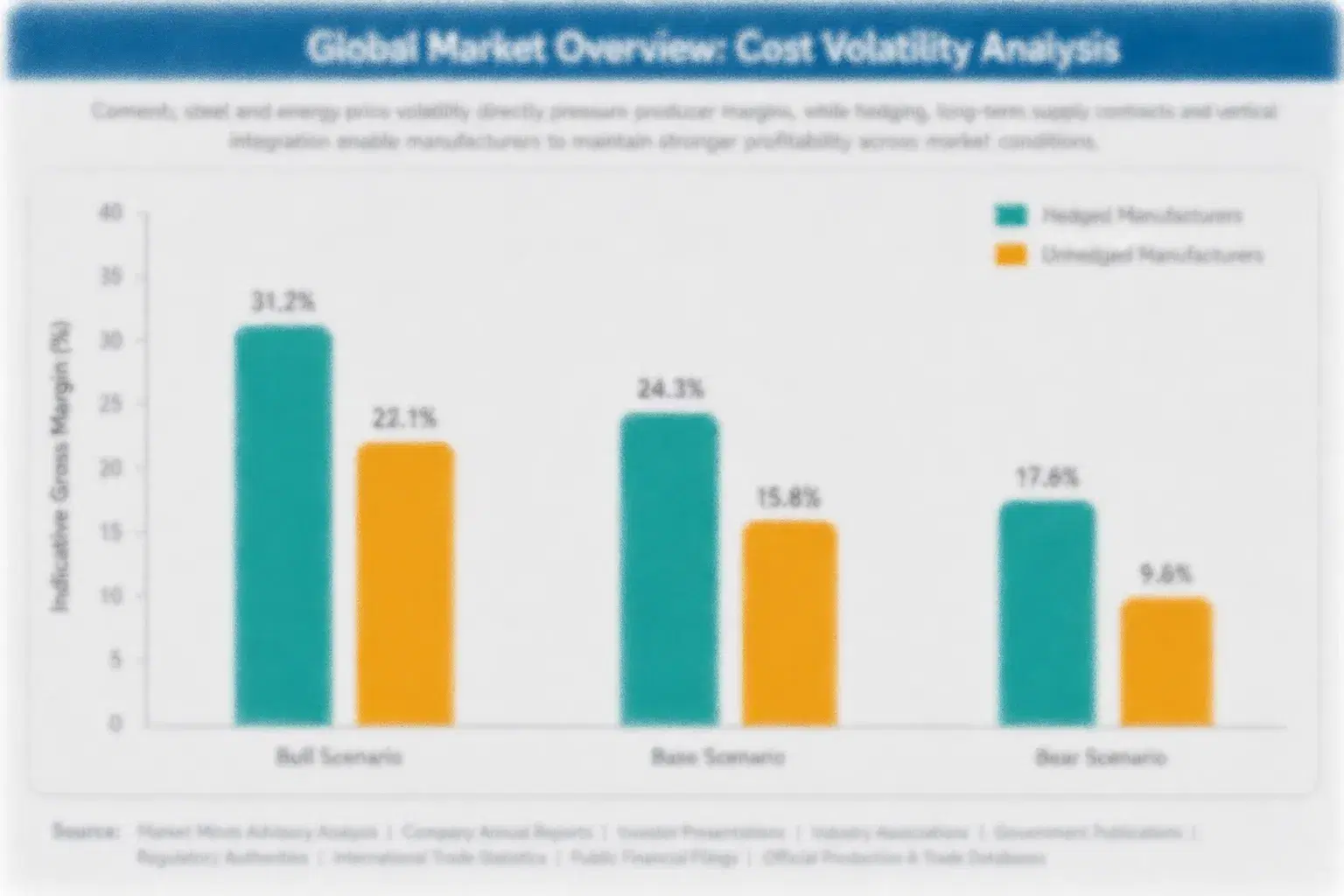
Manufacturing is low-volume precision instrument assembly where optics, sensors, computing hardware and mechanical components account for 36 to 45% of system cost. Software development and regulatory clearance carry the larger share across a product's life, since clinical validation and approval cost far more than assembly ever does at these volumes. Rotary chair and laboratory systems carry substantial mechanical and installation cost that portable head impulse systems avoid entirely.
The volatility that mattered was electronic component and camera sensor supply through 2021 and 2022, which affected low-volume instrument manufacturers disproportionately because they hold no purchasing leverage with allocating suppliers. Natus and Demant annual report disclosures reference component and supply chain pressure across that period. Energy and freight costs also rose, which IEA industrial energy price data records for manufacturing operations. Low-volume manufacturers had no leverage during that period.

Exposure divides by product format rather than by scale. Laboratory system suppliers carry mechanical manufacturing and installation cost against hospital capital cycles that are slow and lengthening. Portable system suppliers carry far lower manufacturing cost against clinic purchasing that moves considerably faster. Emerging Asian manufacturers hold portable system cost positions established suppliers cannot match. Pricing pressure follows them into every shared market.
vestibular-testing-system-market-cost-volatility-analysis-1787705489904

Fund dizziness pathway work with referring specialties

Only around a fifth of patients presenting with vertigo receive any vestibular assessment, and most receive imaging that explains nothing about their symptoms. Pathway work with primary care and emergency medicine reaches a treated population several times larger. It costs clinical education resource rather than capital, and it addresses the only constraint that genuinely limits this market.

Commit component supply for low-volume instruments

Camera sensor and electronic component shortages affected low-volume instrument manufacturers disproportionately through the 2021 period, because they hold no purchasing leverage when suppliers allocate scarce parts. Committed supply agreements cost inventory and flexibility while protecting delivery. Manufacturers buying on open markets could not fulfil orders they had already accepted from clinics and hospitals. Orders already accepted went unfilled.

Build clinic channel economics separately from laboratory

A private audiology practice buying a portable system is a different customer from a hospital capital committee purchasing a laboratory suite, with different budgets, timescales and decision criteria entirely. Serving both from one commercial structure suits neither well. Separating the channels costs overhead and lets each be sold by people who understand what actually decides the purchase.

Portfolio Architecture for Margin Defence

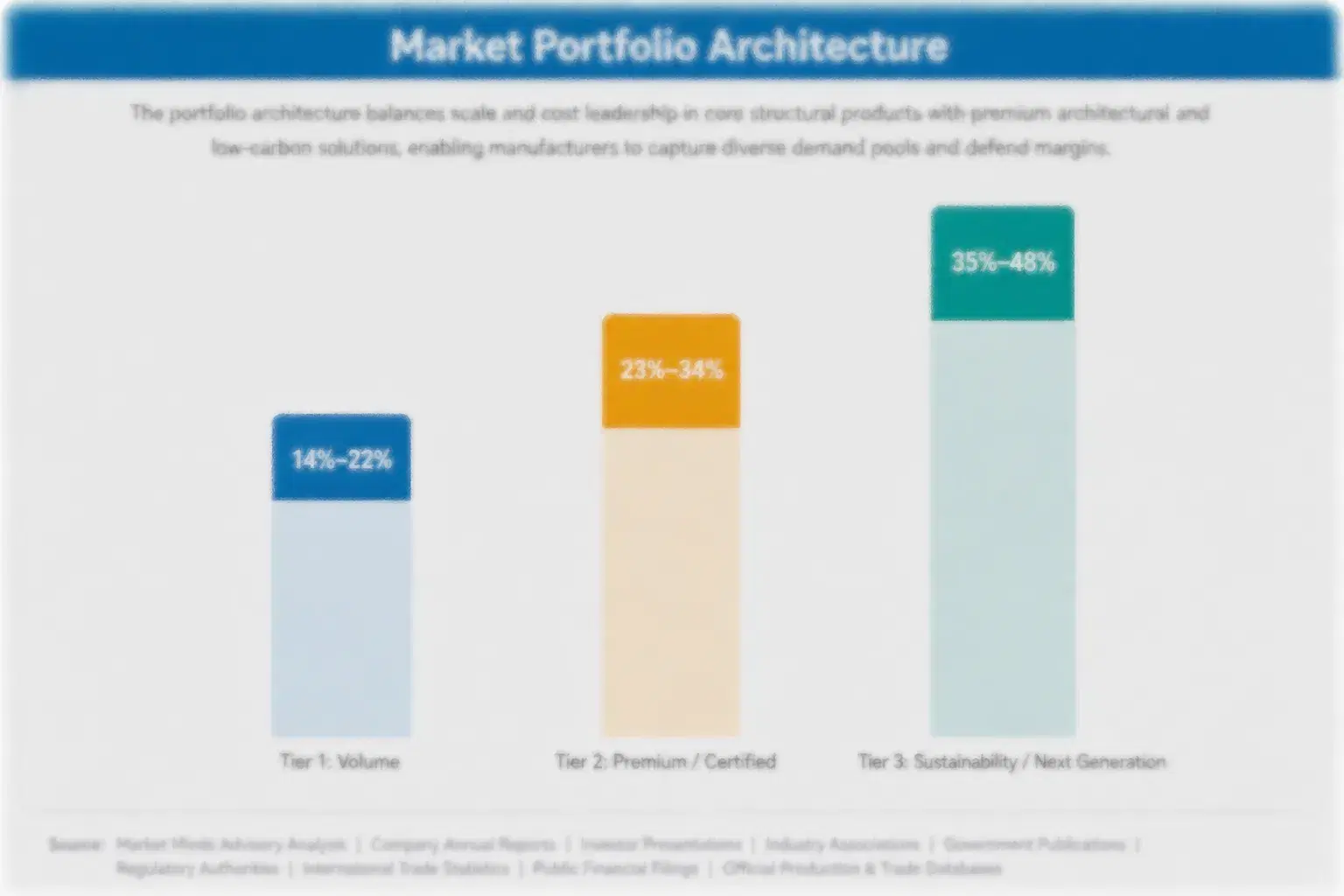
Margin follows format and channel rather than diagnostic capability. Caloric irrigators and accessories earn modestly on established laboratory installations. Rotary chair systems earn on high unit values against very slow replacement cycles. Videonystagmography earns steadily as laboratory core equipment. Evoked potential systems earn well on defined diagnostic role. Portable head impulse systems earn best, because manufacturing cost is low and clinic channels purchase on operational rather than capital logic.
The tension is that the growth format and the installed base sit in different buildings entirely. Laboratory equipment serves hospital departments with capital committees and multi-year replacement cycles. Portable systems serve clinics and audiology practices purchasing on operational budgets within weeks. Manufacturers built for the first are inherently slow in the second, and the second is where every point of growth in this market is currently arriving.

High-value pools sit in three places. Portable head impulse systems sold into clinic channels that laboratory suppliers never served. Evoked potential systems with defined diagnostic roles rather than competitive overlap. And referral pathway development, which addresses the constraint limiting the whole market and which no manufacturer currently treats as a commercial activity.

Volume / Commodity-Adjacent

Caloric irrigators, accessories, consumables and basic recording components supporting established laboratory installations. The 9-point range is wide because accessory supply and capital equipment components carry entirely different pricing structures despite serving the same installed systems.
Gross Margin: 28-37%

Premium / Certified

Videonystagmography, rotary chair and computerised dynamic posturography systems installed in hospital balance laboratories. The 10-point spread separates suppliers with modality breadth serving whole laboratories from those selling individual systems into existing installations.
Gross Margin: 44-54%

Sustainability / Regulatory / Next-Generation

Portable video head impulse systems and vestibular evoked myogenic potential equipment sold into clinic and specialist channels. The 18-point range is wide because portable manufacturing economics and specialist system pricing rest on quite different commercial foundations.
Gross Margin: 56-74%
vestibular-testing-system-market-portfolio-architecture-1787705490210

High-value Sub-segments and Strategic Watch-out

Portable Head Impulse Systems

Highest margin and fastest growth at 12.9%, with low manufacturing cost sold into clinic channels purchasing on operational rather than capital budgets. The risk is that manufacturers must argue against a caloric reference standard underpinning decades of accumulated literature, which slows adoption considerably. Literature moves slowly.
Gross Margin: 66-74%

Evoked Potential Systems

Growing at 9.6% on a defined diagnostic role assessing function other modalities cannot reach, which avoids competitive overlap. The risk is that testing takes longer and requires more operator skill, which keeps it in specialist settings rather than spreading into ordinary clinics. Skill limits its spread.
Gross Margin: 58-65%

Laboratory System Installations

The installed core, serving hospital balance laboratories on capital cycles that are slow and appear to be lengthening further. Manufacturers hold it because breadth across modalities anchors the laboratory relationship, and because accessories and service follow the installation. Nobody exits it deliberately at all. Service follows installation.
Gross Margin: 45-52%

The Untested Dizzy Population

The strategic watch-out and the largest unaddressed opportunity. Only around 18% of presenting patients receive assessment while imaging absorbs the rest. The risk is that nobody in the industry owns the referral pathway, so the constraint simply persists indefinitely. No manufacturer owns the pathway. Nothing changes it.
Gross Margin: 30-36%

Capital Once Then Nothing

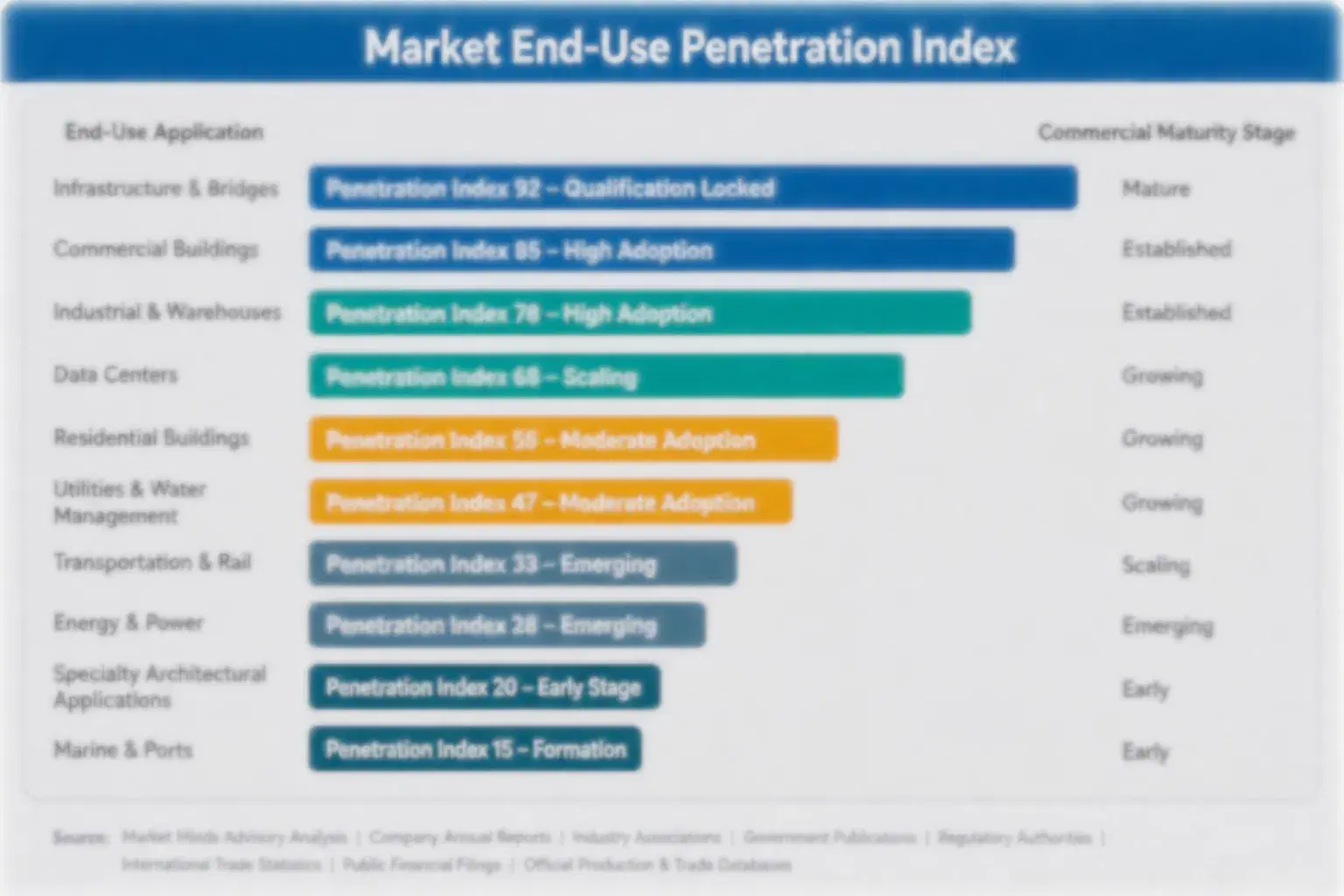
A laboratory system is a capital purchase followed by years of very little, since accessories and service generate modest revenue against the installation itself. Portable systems behave differently, costing less and being replaced more often as clinics upgrade on operational budgets rather than capital cycles. Neither format produces meaningful recurring revenue, which makes installed base growth rather than consumable consumption the only real driver of value here.
Stickiness runs through laboratory integration and operator familiarity. A balance laboratory running several modalities from one supplier faces genuine friction introducing another, since protocols, software and reporting all connect. Clinic purchasing is far less sticky, because a portable system stands alone and can be replaced without disturbing anything else. Operator familiarity matters in both, since interpreting these tests is a skill built over time.

The buyer differs completely between channels and most suppliers serve only one. Hospital laboratory systems are bought by capital committees weighing multi-year replacement across a department. Clinic systems are bought by audiology practice owners on operational budgets within weeks. Referring clinicians decide whether any patient reaches assessment at all, and nobody sells to them. That third group determines the size of the market entirely.
vestibular-testing-system-market-end-use-penetration-index-1787705490501

Naming The Real Constraint

These are among the four positions where our research anticipates prominent divergence between winners and laggards over the coming forecast period. Each is grounded in the demand model, the regulatory perimeter, and the announced capacity pipeline.
01 / REFERRAL PATHWAY INVESTMENT

Four fifths of dizzy patients are never tested

Only around 18% of all patients presenting with vertigo receive any vestibular assessment whatsoever, while a great many of them instead receive neuroimaging that comes back entirely normal and explains nothing whatever about their symptoms. That is a referral pathway problem that no product feature has ever addressed, or could realistically address. Manufacturers who support pathway work with primary care and with emergency medicine reach a treated population that is several times larger than the one they currently serve at all.
02 / TOLERANCE ARGUMENT LEADING

Two in five stop the reference test

Caloric irrigation still remains the comparator underpinning the entire vestibular literature everywhere, and only about 61% of patients actually complete it without stopping, because the test deliberately provokes the very symptom they came in complaining about. Manufacturers arguing diagnostic equivalence against that reference standard are contending with several decades of accumulated published evidence. Arguing completion rate and patient experience instead reaches the clinicians who have watched patients stop mid-test, and they consequently need no persuading about any of it at all.
03 / CLINIC CHANNEL BUILDING

A practice owner is not a capital committee

An audiology practice buying a portable system at near 24,000 dollars on an operational budget within weeks is an entirely different customer from any hospital capital committee weighing a multi-year laboratory replacement decision across a whole department. That whole channel barely exists at all outside North America and a small handful of other markets. Manufacturers who support audiology practice development in markets where the specialty is still emerging create the very channel on which their own growing portfolio entirely depends.
04 / ADDRESSABLE POPULATION HONESTY

Say plainly what a manoeuvre already fixes

Roughly 42% of all vertigo is benign positional disturbance, diagnosed by a bedside manoeuvre taking about half a minute and then treated by a second one in the very same appointment, without any equipment involved. Manufacturers who sell as though the entire dizzy population were genuinely addressable get found out in the very first clinic conversation they have. Positioning honestly against that residual population instead builds real credibility with precisely those specialists who ultimately decide what equipment actually gets bought.

Engagement Snapshot From the Field

A live engagement with an industry participant carrying material or product regulatory and market exposure ahead of a defining policy shift, showing how our research translates into a defensible multi-year portfolio strategy.
MARKET MINDS ADVISORY · CLIENT ENGAGEMENT SUMMARY
Vestibular Testing System Producer Strategic Portfolio Review and Transition Roadmap 2026·Investment Scenario on Vestibular Testing System Exposure Evaluation 2025-26
CLIENT PROFILE
A balance diagnostics manufacturer supplying laboratory and portable vestibular systems across European and Asian markets, with reported equipment revenue of 84 million dollars (client-reported, unverified by MMA). Roughly 76% of revenue came from hospital laboratory installations. A portable head impulse system existed and was sold through the same hospital capital channel as everything else in the range.
STRATEGIC CHALLENGE
Portable system sales had badly underperformed forecasts despite competitive product assessments, while hospital laboratory replacement cycles kept lengthening. Management was preparing a laboratory system refresh and a portable price reduction. Neither addressed why the portable product was not reaching the customers actually buying that category elsewhere. Channel structure had never been examined internally.
MMA APPROACH
MMA analysed portable system sales by account type against the calling patterns of the sales organisation, using data held across separate systems. Sixteen expert interviews with audiologists, ear nose and throat surgeons, practice owners and hospital capital managers established how each channel decides. The analysis treated channel structure and referral pathway, rather than product specification or price, as the causes.
KEY FINDINGS
  1. Portable system sales concentrated almost entirely in hospital accounts, and the sales organisation had never called on an independent audiology practice anywhere in its territories.
  2. Practice owners interviewed bought equipment on operational budgets within weeks, a purchasing rhythm entirely unlike the multi-year capital cycles the company was structured around.
  3. Referring clinicians at served hospitals sent most dizzy patients to imaging, which left installed systems substantially underused and depressed replacement demand accordingly.
  4. Commercial materials described the full dizzy population as addressable, and specialists interviewed identified that immediately as overstated given positional vertigo needs no equipment.
CLIENT PROFILE
A balance diagnostics manufacturer supplying laboratory and portable vestibular systems across European and Asian markets, with reported equipment revenue of 84 million dollars (client-reported, unverified by MMA). Roughly 76% of revenue came from hospital laboratory installations. A portable head impulse system existed and was sold through the same hospital capital channel as everything else in the range.
STRATEGIC CHALLENGE
Portable system sales had badly underperformed forecasts despite competitive product assessments, while hospital laboratory replacement cycles kept lengthening. Management was preparing a laboratory system refresh and a portable price reduction. Neither addressed why the portable product was not reaching the customers actually buying that category elsewhere. Channel structure had never been examined internally.
MMA APPROACH
MMA analysed portable system sales by account type against the calling patterns of the sales organisation, using data held across separate systems. Sixteen expert interviews with audiologists, ear nose and throat surgeons, practice owners and hospital capital managers established how each channel decides. The analysis treated channel structure and referral pathway, rather than product specification or price, as the causes.
KEY FINDINGS
  1. Portable system sales concentrated almost entirely in hospital accounts, and the sales organisation had never called on an independent audiology practice anywhere in its territories.
  2. Practice owners interviewed bought equipment on operational budgets within weeks, a purchasing rhythm entirely unlike the multi-year capital cycles the company was structured around.
  3. Referring clinicians at served hospitals sent most dizzy patients to imaging, which left installed systems substantially underused and depressed replacement demand accordingly.
  4. Commercial materials described the full dizzy population as addressable, and specialists interviewed identified that immediately as overstated given positional vertigo needs no equipment.
RECOMMENDED STRATEGY
Phase 1: Phase one: build a separate clinic channel calling on audiology practices, with people who understand operational budget purchasing rather than capital committees. Phase 2: Phase two: support dizziness referral pathway work at served hospitals, since underused systems depress replacement demand more than any competitor does. Phase 3: Phase three: reposition commercial materials honestly against the residual population, since specialists identify overstatement immediately and it costs credibility. Credibility is expensive to rebuild.
OUTCOME
A separate clinic channel produced practice sales at nine accounts within two quarters, none of which the company had previously reached. Referral pathway support began at four hospital accounts and measured utilisation improved at three (client-reported, unverified by MMA). Commercial materials were repositioned, which specialists surveyed described as noticeably more credible than the previous version.

Frequently Asked Questions

Foundational context covering the market sizes, CAGR, scope, country, region and competition that inform every finding below. This section is provided to cover basics and most often pre-purchase conversations, answered from the MMA Primary Research Dataset.

What is the current size of the Vestibular Testing System Market?

The market was worth 0.5 billion dollars in 2025, covering videonystagmography, head impulse, rotary chair, evoked potential, posturography and caloric systems. It reaches 0.54 billion dollars in 2026.

How large will the Vestibular Testing System Market be by 2036?

MMA forecasts 1.24 billion dollars by 2036, an increase of 0.70 billion dollars over the 2026 base. That represents an expansion multiple of 2.30 times across the forecast period.

What is the CAGR for the Vestibular Testing System Market 2026 to 2036?

The base case compounds at 8.6% annually. The bull case reaches 9.8% if dizziness referral pathways improve materially, while the bear case sits at 7.4% on imaging continuing to absorb presenting patients.

Which segment is growing fastest?

Video head impulse test systems, at 12.9%, half again the market rate of 8.6%. They moved vestibular assessment out of specialist laboratories and into ordinary clinics with no previous capability.

Who are the major companies in the Vestibular Testing System Market?

Natus Medical, Demant, Inventis, Difra Instrumentation and Neuro Kinetics lead on disclosed audiology and balance diagnostic revenue. Interacoustics, Otometrics and Bertec hold notable modality positions.

Which country is growing fastest?

India at 10.7%, as private hospital and clinic capacity expand and assessment reaches populations with no previous access. The United States holds roughly 33% of the global installed base.

Report Segmentation Architecture

The full report scope spans multiple orthogonal segmentation dimensions, with cross-tabulated demand data provided for each dimension pair. Coverage extends further to regional breakdowns, trend trajectories, and the competitive detail needed to support segment-level decision-making.

By Test Modality

  • Videonystagmography Systems
  • Video Head Impulse Test Systems
  • Rotary Chair Systems
  • Vestibular Evoked Myogenic Potential Systems
  • Computerised Dynamic Posturography
  • Caloric Irrigators and Accessories

By End-Use Setting

  • Hospital Balance Laboratories
  • Ear Nose and Throat Clinics
  • Independent Audiology Practices
  • Neurology Outpatient Services
  • Vestibular Rehabilitation Centres
  • Academic and Research Institutions

By Commercial Dimension

  • Hospital Capital Equipment Purchase
  • Clinic Operational Budget Purchase
  • Group Purchasing Tender Supply
  • Distributor and Dealer Supply
  • Service and Accessory Contract
  • Research and Academic Supply

By Region

  • North America
  • Western Europe
  • East Asia
  • South Asia and Pacific
  • Latin America
  • Middle East and Africa
  • Eastern Europe

Scope, Methodology, and Coverage

Every figure in this report is reproducible from documented input assumptions. The scope below maps the historical period, the forecast horizon, the segmentation dimensions, and the countries covered, alongside the underlying primary and qualitative methodology.
Historical Period
2020 to 2025
Forecast Period
2026 to 2036
Base Year
2025 (USD billions; MMA Primary Research Dataset, August 2026)
Market Definition
Scope covers diagnostic systems used to assess vestibular and balance function, spanning videonystagmography systems, video head impulse test systems, rotary chair systems, vestibular evoked myogenic potential systems, computerised dynamic posturography, and caloric irrigators with associated accessories. Audiometry and hearing assessment equipment, hearing aids, cochlear and bone conduction implants, vestibular rehabilitation therapy services and equipment, neuroimaging systems, and general physiotherapy balance equipment outside formal posturography are excluded from the market size and all derived figures.
Quantitative Units
USD billions (current prices); systems installed; assessments performed; tested share of presenting patients; test completion rate
Segmentation Dimensions
By Test Modality; By End-Use Setting; By Commercial Dimension; By Region
Regions Covered
North America, Western Europe, East Asia, South Asia and Pacific, Latin America, Middle East and Africa, Eastern Europe
Countries Covered
USA, Germany, Japan, China, France, India, UK, Italy, Brazil, South Korea, Spain, Canada, Australia, Turkey, Poland
Key Companies Profiled
Natus Medical, Demant, Inventis, Difra Instrumentation, Neuro Kinetics, Interacoustics, Otometrics, MedRx, Maico Diagnostics, Framiral, Synapsys, Bertec, Otopront, Homoth Medizinelektronik, Politec Medical, Ulmer, Shenzhen Aeon Medical, Hangzhou Fudian Medical, Grason-Stadler, Amplivox
Quantitative Methodology
Primary survey, n=3,800 respondents, Q4 2025, six countries; demand-side model with trade association cross-validation
Qualitative Methodology
47 expert interviews, Q4 2025; applied to validate demand model assumptions, identify emerging dynamics, and assess competitive positioning
Report Format
PDF and XLSX data workbook (Word format preview document)
Publisher
Market Minds Advisory
Report Code
MMA-2026-MED-130
Published
August 2026
Contact
sales@marketmindsadvisory.com | www.marketmindsadvisory.com

Purchase the full Vestibular Testing System Market Report (2026 to 2036).

The full report runs to 156 pages and covers all six test modality segments, seven regions and 20 profiled manufacturers in detail. It includes the complete segment CAGR set, regional purchasing structure comparison, and analysis of tested share against presenting dizzy population across care pathways. Company profiles carry evaluation on disclosed audiology and balance diagnostic equipment revenue, with moat and risk assessment for the top five manufacturers. The competitive section extends to 14 tracked clinical, procurement and corporate developments across 2024 and 2025. Primary research inputs include a quantitative survey of 3,800 respondents and 47 expert interviews conducted in Q4 2025.
Six test modality segments with individual CAGR forecasts
Seven regional markets with purchasing structure and channel comparison
Twenty manufacturer profiles on consistent revenue evaluation basis
Fourteen tracked clinical and procurement developments with commercial interpretation
Tested share analysed against presenting dizzy population by pathway
Clinic and laboratory channel economics compared across purchasing routes

Built For The People Who Decide

From boardroom strategy to bench-side execution, this report is read cover-to-cover by leaders shaping the next decade of their industry, turning demand scenarios, market dynamics and valuation benchmarks into decisions.
CXOs/ Presidents/ VPs/ Managers
M&A and Corporate Development
Strategy Teams and R&D Heads
Procurement and Product Directors
Regulatory and Compliance Leaders
Investor Relations and Equity Analysts