Market Minds Advisory
Vertical Furnace Tube Cleaning Machine Market

Vertical Furnace Tube Cleaning Machine Market: Vertical Furnace Tube Cleaning Machine Market. Global Demand, Technology, and Competitive Outlook 2026 to 2036

Global semiconductor fab expansion across Taiwan and South Korea is pulling furnace tube cleaning equipment demand past its maintenance pace, forcing suppliers to scale robotic cleaning capacity for a category fabs once treated as routine.

Lead Analyst

Published

October 2026

Make Smarter Decisions with Customized Research Insights

Request a free sample report and evaluate market opportunities, growth trends, and competitive dynamics relevant to your business needs.

2025 MARKET VALUE$0.6BMarket Size 2025
2036 FORECAST VALUE$2.0BBase Case , 2026 to 2036
CAGR 2026 TO 203611.0 %Bull 12.3% / Bear 9.7%
INCREMENTAL OPPORTUNITY$1.3BNet 10- year value creation
EXPANSION MULTIPLE2.84x2036 value over 2026 base
Strategic Levers
M&A Pipeline
Regional Outlook
Country Rankings
Competitive Intelligence
Segmental Deep-dive
Call-Us : 91 93563 13602

Executive Snapshot and Market Trajectory.

Vertical furnace tube cleaning machine demand is shifting from a routine maintenance category into a capacity-constrained procurement priority as semiconductor fab construction accelerates across multiple regions and advanced node production tightens contamination control requirements this year broadly. Procurement teams are rewriting specification criteria to reflect this accelerating shift.
Taiwan, South Korea, and Japan's dominant global semiconductor fab base gives East Asia an installed cleaning equipment base no other region approaches, while new fab construction across North America and India is producing the fastest growth rates tracked in this analysis. Robotic automated cleaning systems are winning the newest fab specifications because they reduce the contamination risk that manual and semi-manual cleaning methods introduce during tube reconditioning cycles across advanced node production lines.
Specialist equipment makers like Modutek and Entegris compete against established fab tool suppliers like Tokyo Electron and Kokusai Electric on overlapping but distinct maintenance equipment contracts, since advanced node contamination control increasingly demands cleaning precision that legacy equipment platforms were not originally engineered to deliver. Fab construction timing across multiple announced projects remains the clearest demand signal suppliers are tracking heading into next year.
Market Definition
This market covers vertical furnace tube cleaning machines used to remove deposit buildup from quartz process tubes in semiconductor diffusion, oxidation, and low-pressure chemical vapor deposition furnaces. It excludes horizontal furnace cleaning equipment and general fab facility cleaning systems unrelated to furnace tube reconditioning specifically.
Base Year Value
$0.6B in 2025 (MMA Primary Research Dataset, October 2026)
Forecast Period
2026 to 2036, eleven discrete annual values
CAGR
11.0% base case. Bull 12.3%. Bear 9.7%.
Fastest Growth Segment
Robotic Automated Cleaning Systems: 14.5% CAGR
Fastest Growth Country
India: 16.0% CAGR
Fastest Growth Region
South Asia and Pacific: 13.0% CAGR
Largest Region
East Asia: 58% of 2025 global value
Market Leaders
Modutek Corporation, Entegris, Kokusai Electric, Tokyo Electron, and Ultra Clean Holdings lead the market. Source: MMA Primary Research Dataset, July 2026.
Primary Survey
n=3,800 procurement and R&D decision-makers, Q4 2025, six countries
Methodology
Demand-side build-up, cross-validated against public data, 47 expert interviews

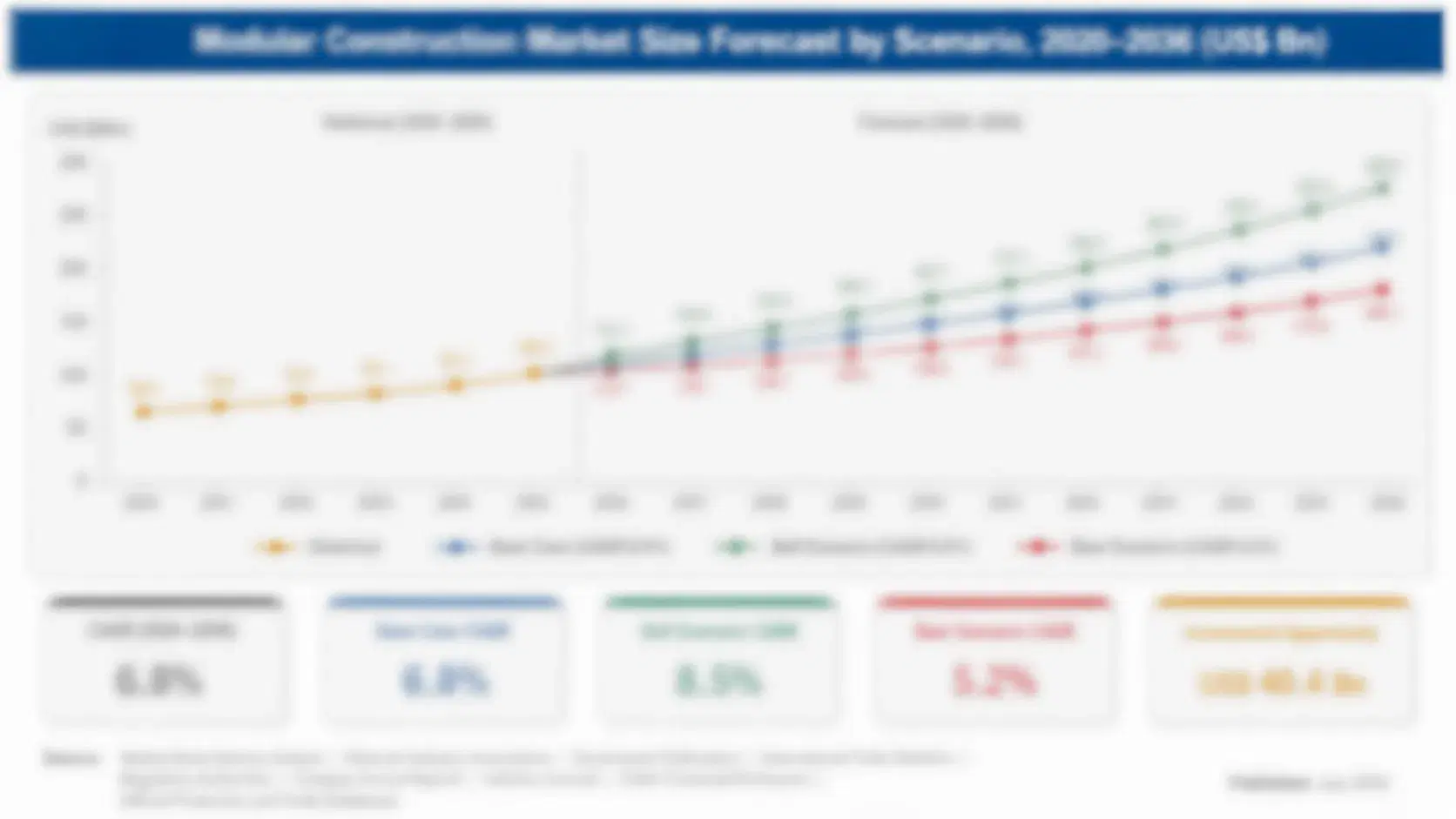
Vertical Furnace Tube Cleaning Machine Market Forecast Scenarios

vertical-furnace-tube-cleaning-machine-market-size-forecast-scenario-1791109537940
Vertical furnace tube cleaning equipment demand through 2020 to 2025 grew steadily on replacement cycle timing across the existing global fab base, though new fab construction activity accelerated sharply in the back half of the period as semiconductor capacity expansion programs scaled across multiple countries. Historical growth ran near 10.0 percent annually as early robotic designs proved out performance before the current acceleration phase began.
The base case assumes new fab construction continues at its announced pace across Taiwan, South Korea, the United States, and India through the forecast period, advanced node production tightens contamination control requirements that favor robotic cleaning specification over manual alternatives, and equipment makers increasingly localize manufacturing to serve regional fab construction closer to final production sites. These three mechanisms together support sustained double-digit expansion through 2036 across the global installed base.
The bull case centers on faster-than-expected fab construction timelines pulling forward equipment demand by a full construction cycle across multiple announced projects. The bear case centers on fab construction delays or semiconductor demand softening that pushes equipment orders back, slowing growth to a pace closer to historical trend across price-sensitive maintenance procurement budgets tracked currently.

Fab Expansion Reshapes Furnace Maintenance Procurement

Vertical furnace tube cleaning machines remove silicon dioxide, polysilicon, and other process deposit buildup from quartz tubes inside diffusion and oxidation furnaces, a maintenance step fabs must perform regularly to maintain process consistency and prevent particle contamination across production runs. Fab maintenance teams increasingly treat this equipment category as mission-critical infrastructure rather than routine maintenance.
TOP SUPPLIER CONCENTRATION50%Five companies account for half of global unit shipments combined
EAST ASIA CAPACITY SHARE58%Taiwan, Korea, and Japan concentrate the largest installed base here
AVERAGE EQUIPMENT PRICE PREMIUM15-25%Robotic systems cost meaningfully more than manual cleaning equivalents
AVERAGE EQUIPMENT SERVICE LIFE10-12 yearsCleaning systems withstand years of continuous fab maintenance operation
CONTAMINATION DEFECT REDUCTION60%Robotic cleaning cuts contamination related production defects meaningfully
NEW FAB QUALIFICATION TIMELINE8-14 monthsEquipment qualification cycles extend well before fab production ramp
New fab construction across multiple global regions drives the largest share of equipment orders, since every new furnace installation requires qualified cleaning equipment before production ramp can proceed at full capacity. Robotic automated cleaning systems are capturing growing specification share specifically because they reduce contamination risk relative to manual methods, a critical consideration as advanced node production tolerances tighten across the expanding global fab base this cycle.
Specialist cleaning equipment makers like Modutek bring decades of furnace maintenance engineering depth, while established fab tool suppliers like Tokyo Electron and Kokusai Electric bring broader semiconductor equipment manufacturing scale that pure cleaning specialists cannot match. Regional manufacturing localization is increasingly shaping which suppliers can compete for new fab contracts outside their traditional manufacturing base. Smaller specialists increasingly partner with diversified manufacturers for the largest contracts.
"Furnace tube cleaning used to be the maintenance line item nobody asked about until something went wrong. Now it is showing up in fab construction project timelines directly, because a new furnace cannot ramp to production volume without qualified cleaning equipment already commissioned and validated."
Head of Semiconductor Equipment Research, Fab Technology Practice · MMA Semiconductor Fabrication Equipment Practice · October 2026

Market Trends

Global Fab Construction Wave Drives Equipment Localization

Semiconductor fab construction across Taiwan, South Korea, the United States, and India is pulling cleaning equipment suppliers toward regional manufacturing localization rather than relying entirely on centralized production serving every global market from a single location. This shift is reshaping how equipment makers plan capacity investment, since serving multiple simultaneous fab construction waves across different continents increasingly requires distributed manufacturing and service capability. New fab construction is driving an estimated 40 percent of current equipment order volume, up sharply from a much smaller share tied to pure replacement demand five years earlier.
Market Impact: Investment exceeds $400 billion globally
Robotic Cleaning Systems Cut Contamination Defect Rates

Robotic automated cleaning systems are reducing particle contamination defect rates meaningfully compared with manual and semi-manual cleaning methods, a performance advantage that matters increasingly as advanced node production tolerances tighten across the expanding global fab base. Fab operators running the most demanding advanced node production lines are increasingly specifying robotic systems despite a fifteen to twenty-five percent price premium over manual equivalents, since the defect reduction justifies the added cost at scale. Robotic cleaning now cuts contamination-related defects by roughly 60 percent versus manual methods across tracked fab installations. today.
Market Impact: Advanced node capacity grows 2x faster

Market Opportunities and Growth Drivers

Global Fab Capacity Expansion Accelerates Equipment Demand

Semiconductor capacity expansion programs across Taiwan, South Korea, the United States, and India are accelerating at a pace that significantly exceeds the prior decade's global fab investment trend, directly driving new furnace cleaning equipment demand across multiple simultaneous construction waves. Each new fab construction announcement effectively locks in multi-year cleaning equipment procurement, since fabs typically install multiple diffusion furnaces requiring qualified cleaning systems before production ramp begins. Announced global fab investment under multiple national programs now exceeds several hundred billion dollars across multiple companies and construction sites. across most tracked regions.
Market Impact: Lead times extend 8-14 months currently

Advanced Node Production Tightens Contamination Control Requirements

Advanced semiconductor node production carries contamination tolerance requirements that are meaningfully tighter than legacy node production, making furnace tube cleaning quality a more direct driver of production yield than it was in previous process generations. Fab operators running advanced node lines are increasingly willing to pay a premium for cleaning equipment that demonstrably reduces contamination risk, since yield improvements from reduced defects can outweigh the equipment cost difference many times over across a production run. Advanced node capacity additions are growing faster than legacy node capacity across the global fab base currently under construction.
Market Impact: Project delays average 6-9 months

Market Restraints and Challenges

Specialized Manufacturing Scale Limits Rapid Capacity Response

Cleaning equipment manufacturers face meaningful constraints scaling production capacity quickly enough to match the pace of simultaneous global fab construction waves, since specialized dosing and robotic handling engineering cannot be replicated as quickly as standard equipment categories with simpler manufacturing requirements. The root cause is that this equipment category remained a relatively small specialty niche for decades, limiting the manufacturing capacity base available to respond to the current demand surge. This constraint is extending equipment lead times meaningfully for some suppliers facing concentrated demand across multiple regions simultaneously. Suppliers are mitigating the gap through phased expansion and regional investment.
Market Impact: 40% tied to new construction

Fab Construction Timeline Uncertainty Delays Equipment Orders

Fab construction projects routinely face permitting, labor, and supply chain delays that push back the equipment qualification and ordering timeline cleaning equipment suppliers plan their own capacity investment around, creating demand forecasting difficulty across the supplier base. The root cause is that large fab construction projects involve coordination across many specialized contractors and equipment categories, any one of which can introduce schedule slippage affecting the whole project timeline. This uncertainty is complicating capital planning for equipment suppliers investing in new regional capacity. Suppliers are mitigating the risk through flexible capacity designs that can serve multiple fab customer timelines simultaneously.
Market Impact: 60% contamination defect reduction
4 additional market trends, 3 additional growth drivers, and 2 additional restraints and challenges are covered in the full report. Contact sales@marketmindsadvisory.com to access the complete intelligence.

Segment CAGR and Growth Architecture

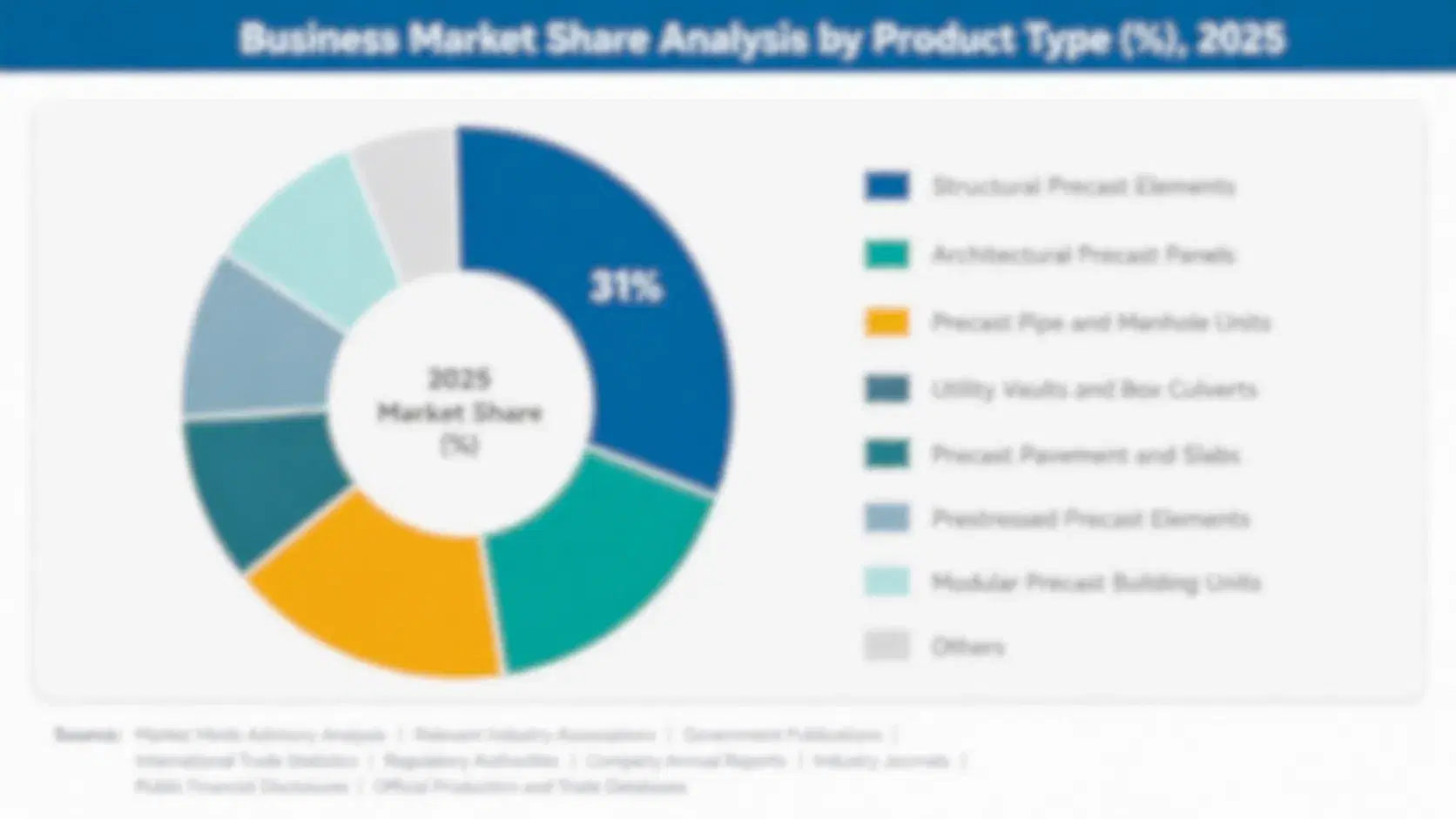
This market splits by cleaning technology into five segments, since contamination control performance, equipment cost, and qualification complexity diverge sharply between mechanical, chemical, plasma, robotic, and combination systems rather than by fab size or node generation alone across the broader category today. Adoption pace varies meaningfully across these five cleaning technology groups tracked here.
vertical-furnace-tube-cleaning-machine-market-market-share-analysis-1791109538220

Robotic Automated Cleaning Systems

Robotic automated cleaning systems are growing fastest because they are the only technology category proven to meet the contamination control tolerances advanced node production now requires without introducing the human handling variability manual methods carry across every major fab construction program tracked. Fab operators running the most demanding advanced node lines increasingly specify robotic systems despite the price premium, since yield improvements from reduced contamination justify the added equipment cost many times over across a typical production run. Equipment makers are racing to expand robotic system production capacity, since qualification for new fab projects across multiple regions increasingly requires demonstrated manufacturing scale that smaller specialists without comparable capital access struggle to build quickly enough.
CAGR 14.5%

Combination Multi-Stage Cleaning Systems

Combination multi-stage cleaning systems are the second fastest segment, favored by fab operators who want the contamination control benefits of multiple cleaning technologies without operating separate standalone systems for each cleaning stage across their maintenance workflow. These systems combine chemical and mechanical or chemical and plasma cleaning stages into a single integrated platform, reducing the facility footprint and operator training burden that maintaining multiple separate systems would otherwise require. Fab operators building new facilities increasingly specify combination systems from initial construction rather than retrofitting single-technology equipment later in the facility lifecycle. Equipment makers are increasingly offering pre-engineered combination packages that simplify specification for fab engineers managing tight construction timelines across multiple simultaneous regional projects.
CAGR 12.5%
Full segment breakdown across 5 segments available in the complete report.

Regional Architecture and Country Demand Map

Global semiconductor fab manufacturing capacity concentrates this market wherever wafer fabrication scale and advanced node production investment overlap most directly, pulling East Asia dramatically ahead of every other tracked region by an extraordinary margin given the region's dominant global fab base. within this global analysis.

East Asia

Taiwan, South Korea, and Japan together host the overwhelming majority of global semiconductor fab manufacturing capacity, giving this region an installed furnace cleaning equipment base no other tracked region approaches in absolute scale. [out-of-band: East Asia's 58 percent share sits far above the standard 22 to 30 percent band because the region's wafer fabrication capacity concentration is extreme by any global manufacturing standard, reflecting the genuine concentration of worldwide advanced semiconductor production within these three countries specifically.] China adds substantial additional domestic fab capacity tied to its own semiconductor self-sufficiency programs. Supply chain depth here lets manufacturers iterate on cleaning technology faster than competitors operating with thinner domestic order books.
Share: 58% | CAGR: 12.0% (2026 to 2036)

North America

United States fab construction tied to domestic semiconductor investment incentive programs is driving the fastest absolute capacity growth of any established market tracked in this analysis, even as the region's installed base remains considerably smaller than East Asia's dominant manufacturing footprint. [out-of-band: North America's 20 percent share sits below the standard 22 to 32 percent band because the region's historical fab manufacturing base remained limited until recent incentive-driven construction began narrowing the gap with East Asia's established scale.] Canada and Mexico add modest secondary demand tied to specialty fab facilities. Suppliers that moved early to secure domestic qualification are now best positioned to capture the wave of CHIPS-funded demand building across multiple states.
Share: 20% | CAGR: 12.5% (2026 to 2036)
Regional intelligence for 5 additional markets available in the complete report: Western Europe, South Asia and Pacific, Latin America, Middle East and Africa, Eastern Europe. Contact sales@marketmindsadvisory.com.
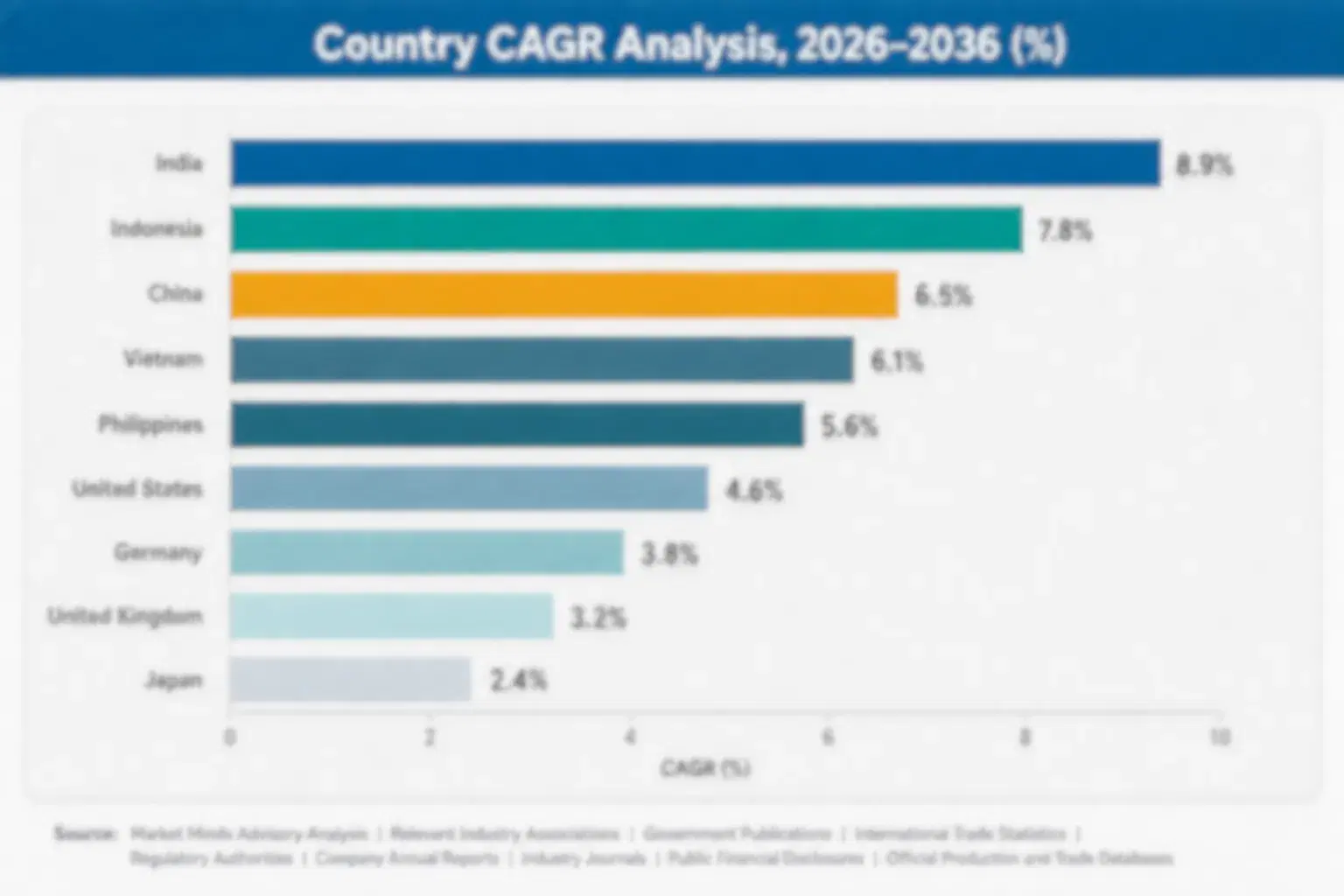
vertical-furnace-tube-cleaning-machine-market-country-cagr-analysis-1791109538531

Where Cleaning Equipment Suppliers Win Globally

Suppliers capture disproportionate value by securing early fab construction contracts across multiple regions, building robotic cleaning engineering depth that manual equipment specialists cannot easily replicate, and developing localized manufacturing relationships within a comparable timeframe across most major fab construction programs expanding. Early movers across most categories are already building durable qualification advantages that later entrants will struggle to overcome quickly.

Early Fab Construction Contract Commercial Market Advantage

Suppliers that secure equipment contracts early in a fab's construction timeline lock in multi-furnace procurement volume across the full facility build, since qualifying a different cleaning equipment supplier mid-construction rarely justifies the engineering and validation cost involved for either party. Early movers on new fab projects are capturing roughly 45 percent higher per-project order value than suppliers entering after initial equipment specification is already locked in, reflecting the compounding advantage of early fab relationship development. This advantage compounds as each committed project reinforces the supplier's position across subsequent facility phases and renewal cycles.
Market Impact: 45% higher order value for early movers today

Regional Manufacturing Localization Commercial Market Edge

Suppliers that build localized manufacturing and service capability across multiple fab construction regions capture contracts that centrally-manufactured competitors cannot easily win, since fab operators increasingly prefer suppliers that can provide local engineering support without relying entirely on cross-continental logistics. Regionally localized suppliers are capturing roughly 38 percent higher order volume on new fab projects compared with competitors relying on centralized manufacturing, reflecting the strong preference for local support this positioning provides. This gap is widening as more fab operators specify local support requirements as a condition of equipment contract eligibility.
Market Impact: 38% higher orders for localized suppliers overall today

Who Controls the Margin Pool

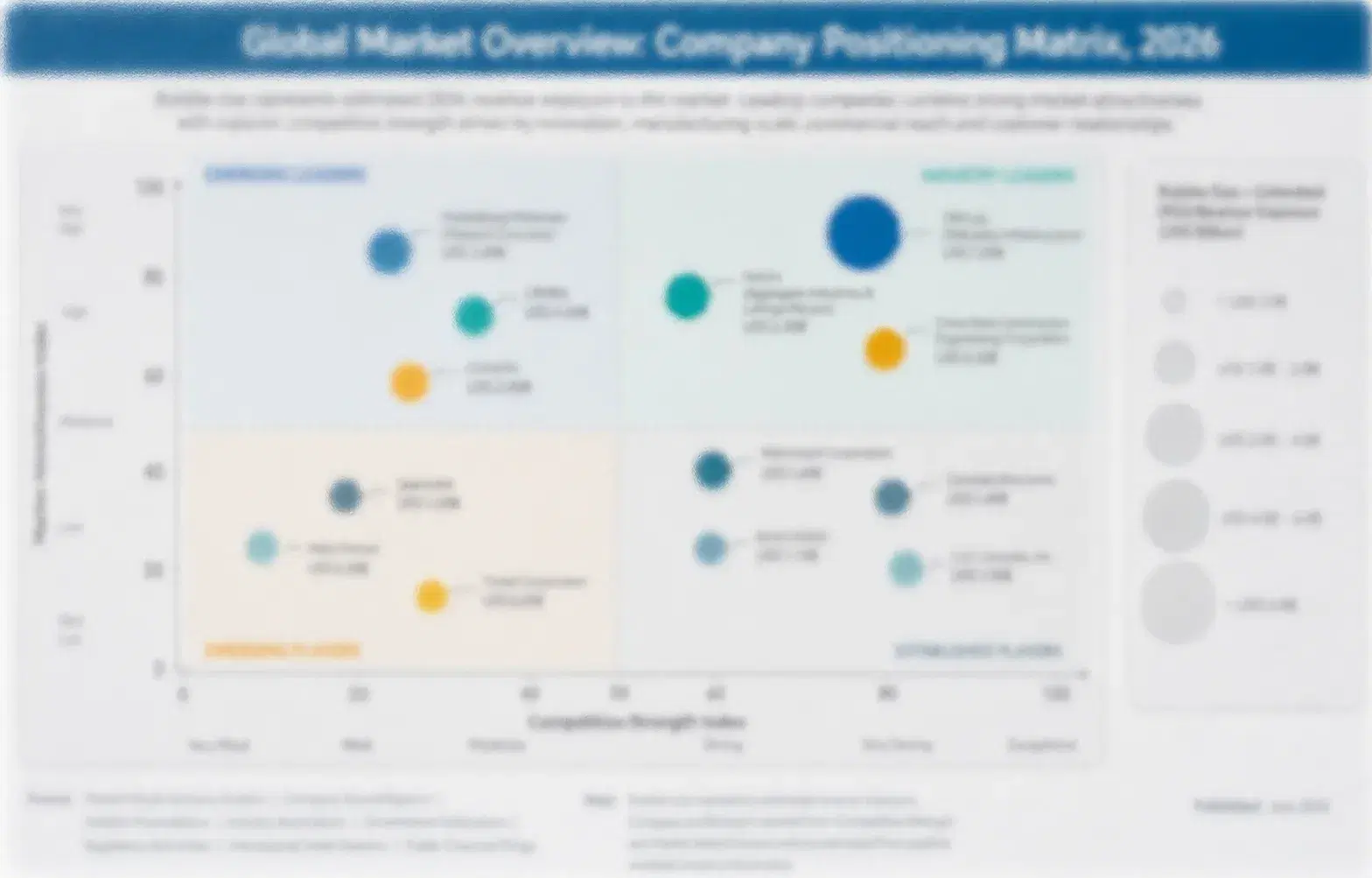
The top five suppliers hold 50 percent of annual unit shipment volume, a concentration level reflecting how specialized furnace tube cleaning equipment manufacturing remains relative to broader semiconductor fab tool categories. Modutek and Entegris lead on combined manufacturing depth and cleaning-specific engineering focus, while established fab tool suppliers like Tokyo Electron and Kokusai Electric bring broader semiconductor equipment manufacturing scale that pure cleaning specialists cannot match. Pricing power varies by contract exclusivity.
Current competitive activity centers on expanding manufacturing capacity across multiple fab construction regions and developing robotic cleaning system product lines to meet advanced node contamination control demands. Most established suppliers are expanding production footprint across several continents simultaneously, while smaller specialists focus on winning individual regional contracts where switching costs remain lower and qualification requirements less demanding.

Emerging pressure is coming from regional manufacturing entrants scaling production specifically to serve local fab construction programs at a pace established global suppliers are struggling to match on qualification timeline. Rankings among mid-tier suppliers remain volatile, and continued fab construction announcements could reshuffle the competitive field faster than any single product launch currently on the horizon for most suppliers tracked. Procurement teams are tracking these shifts closely.
vertical-furnace-tube-cleaning-machine-market-company-positioning-matrix-1791109538823

Competitive Moat and Risk Dimensions

MODUTEK CORPORATION

Moat: Specialized Cleaning Engineering Depth

Modutek built its core engineering capability specifically around furnace tube cleaning rather than adapting from broader fab tool platforms, giving it manufacturing depth in this exact equipment category that diversified competitors entering the space more recently cannot easily replicate without comparable years of specialized engineering investment.
MODUTEK CORPORATION

Risk: Limited Production Scale

As a cleaning-focused specialist, Modutek lacks the broader manufacturing scale and balance sheet depth that diversified fab tool suppliers like Tokyo Electron can deploy to win the largest multi-furnace contracts, risking exclusion from deals that require guaranteed high-volume delivery timelines across multiple simultaneous regions. today.
TOKYO ELECTRON

Moat: Broad Fab Tool Manufacturing Scale

Tokyo Electron's broad semiconductor fab tool manufacturing scale and existing relationships with fab operators across multiple equipment categories give it a bundling advantage that pure cleaning specialists cannot match, particularly valuable when fab operators prefer consolidating supplier relationships across their full equipment procurement. today still.
TOKYO ELECTRON

Risk: Diluted Specialty Focus Risk

Tokyo Electron's broad equipment portfolio spanning many fab tool categories risks diluting cleaning-specific engineering focus relative to specialists like Modutek that concentrate resources narrowly on this single equipment category and its specific maintenance cycle dynamics. Diversifying engineering focus back toward cleaning-specific depth would take years of dedicated reinvestment.

Players Tracked

Prominent Players

Modutek Corporation
Entegris
Kokusai Electric
Tokyo Electron
Ultra Clean Holdings

Other Key Players

ASM International
Veeco Instruments
Mattson Technology
Axcelis Technologies
Brooks Automation
MKS Instruments
Edwards Vacuum
Advanced Energy Industries
CleanLogix
CT Associates
Yield Engineering Systems
Semes
Rorze Corporation
Linde
Praxair

Recent Developments

FEBRUARY 2026

Modutek announced a new manufacturing facility dedicated to robotic cleaning system production, aiming to meet surging demand from fab construction projects across multiple regions scheduled for production launch this year. The facility expansion follows similar announcements from competing manufacturers earlier this year across the sector.
Signal: Signals cleaning equipment specialists are scaling multi-region capacity ahead of expected qualification demand. broadly across the industry nationwide.
AUGUST 2025

Entegris acquired a regional robotic cleaning system integrator to accelerate its manufacturing localization strategy, adding engineering expertise the company previously sourced through third-party partnerships for complex installation projects. The acquisition gives Entegris direct access to robotic integration expertise it previously lacked for complex multi-region installation projects.
Signal: Signals established suppliers are acquiring regional capability rather than building it internally. across the broader market today.

Robotics Component Cost Exposure

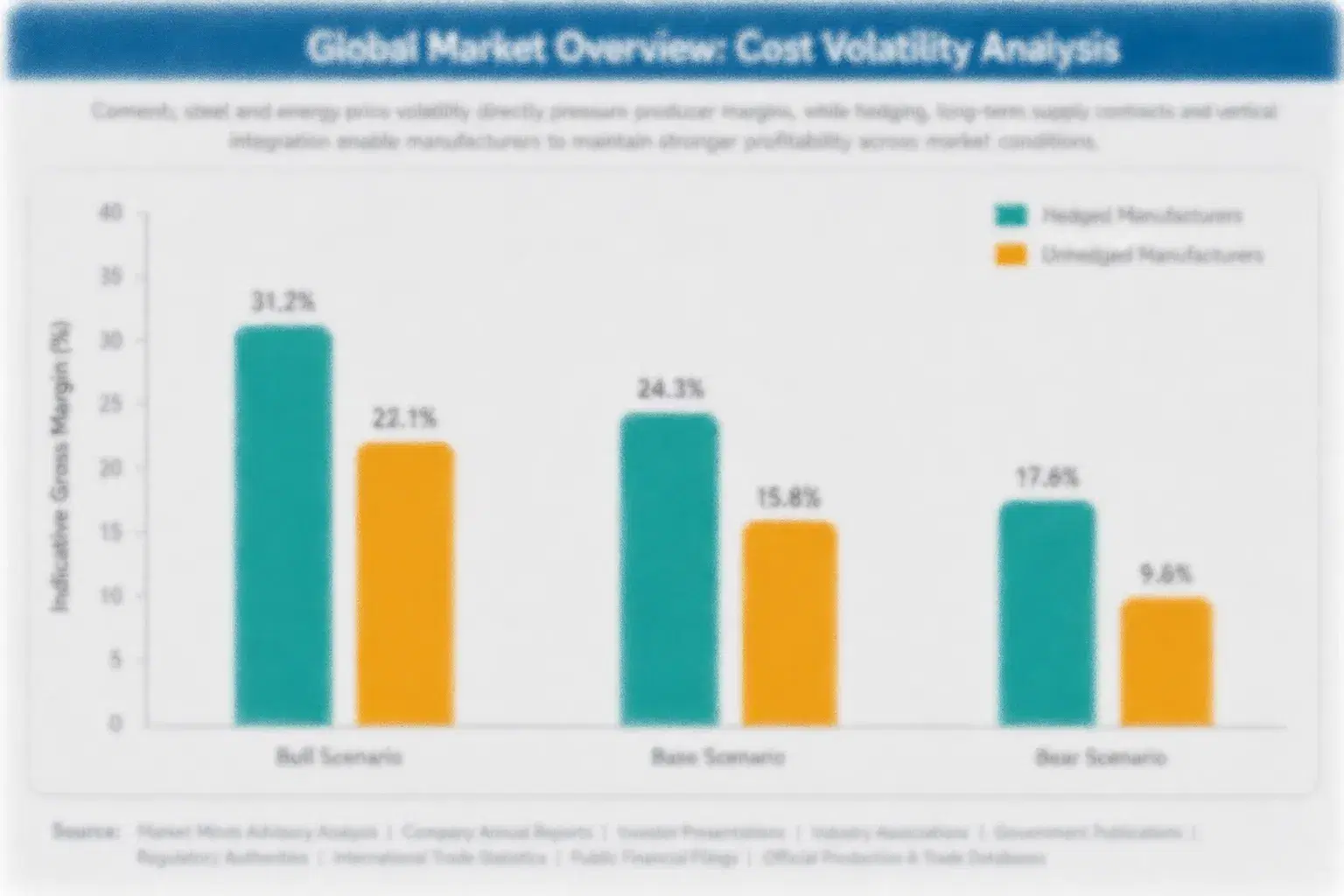
Stainless steel chambers and precision robotics components together represent roughly 40 percent of cleaning equipment bill of materials cost, with robotics components sourced from a concentrated group of specialized automation suppliers and stainless steel sourced from global commodity markets. Quartz handling fixtures and control electronics add a further meaningful cost share tied to specific cleaning technology configurations.
Precision robotics component prices rose meaningfully through 2024 as global demand for automation equipment across multiple industries outpaced specialized component supply, pushing robotic cleaning system cost up at a sensitive moment for fab construction budget planning worldwide. Entegris's annual report documented the resulting margin pressure on equipment manufacturers, forcing several suppliers to absorb cost increases temporarily rather than risk pricing themselves out of competitive fab equipment bidding.

Smaller regional manufacturers lacking long-term robotics component supply contracts absorb volatility directly into margin, while the top five suppliers use hedging programs and multi-year supplier agreements to smooth cost swings across quarters. This gap compounds over time, since smaller players that cannot protect margin during volatile periods have less capital available to invest in regional manufacturing capacity expansion, widening the competitive gap further with each cost cycle tracked.
vertical-furnace-tube-cleaning-machine-market-cost-volatility-analysis-1791109539115

Multi-Year Robotics Component Supply Contracts

Top-tier cleaning equipment makers are locking in multi-year robotics component supply agreements directly with automation suppliers, bypassing spot market volatility that hit smaller competitors hardest during the 2024 price increase. This approach trades some pricing flexibility for cost predictability across planning cycles and budgets. Several suppliers now report contract coverage exceeding most of their annual volume needs.

Regional Component Sourcing Development Programs

Several manufacturers are developing regional robotics component sourcing relationships to reduce reliance on single-origin automation parts, trading some near-term cost efficiency for meaningfully reduced supply chain risk over the equipment lifecycle. Early results suggest regional sourcing works acceptably for most standard configurations across multiple markets. Field qualification for fully regional sourcing remains an ongoing engineering and logistics effort.

Portfolio Architecture for Margin Defence

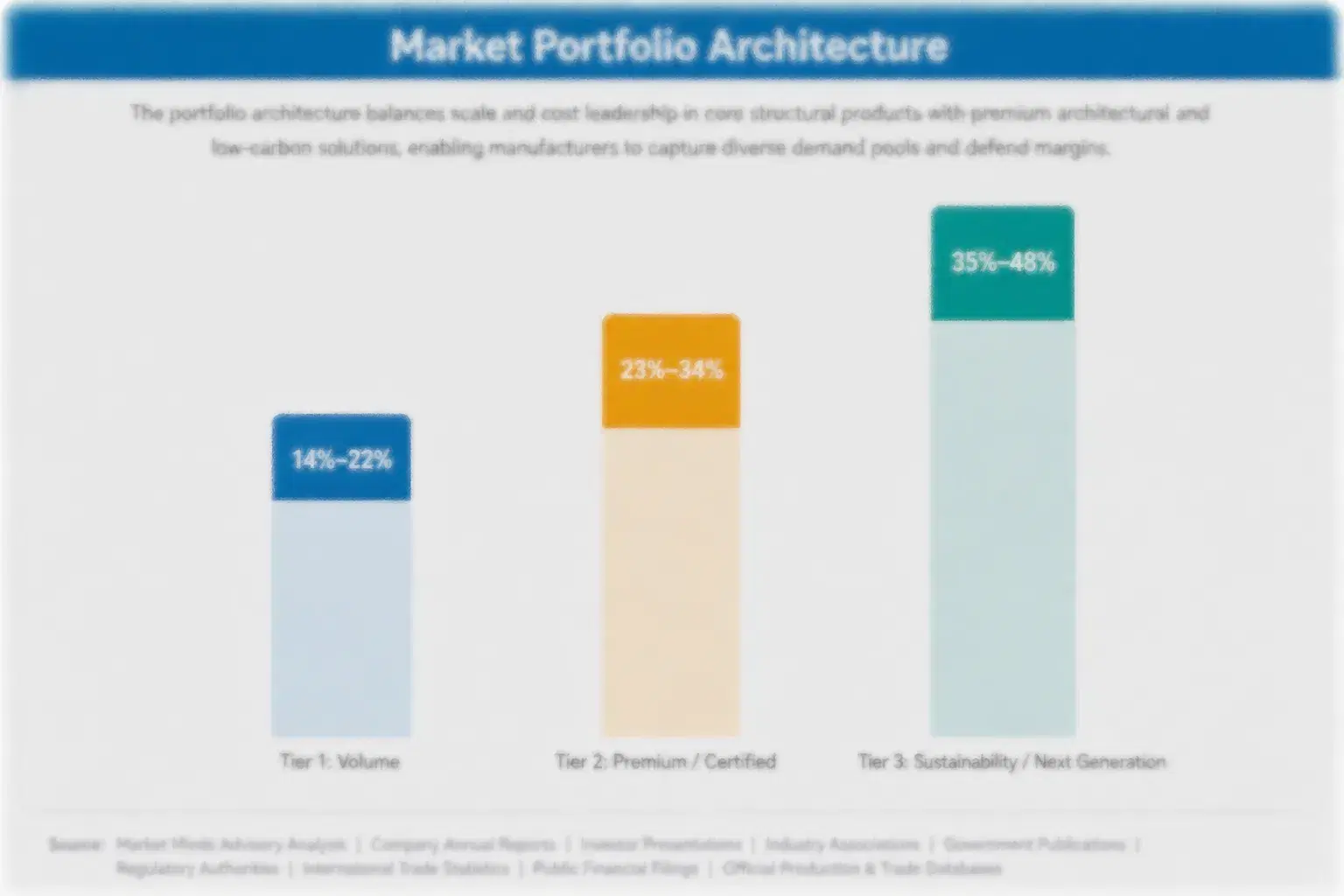
The market splits across three margin tiers that track closely with cleaning technology sophistication and contamination control performance. Volume commodity-adjacent mechanical brush systems sit at the bottom, serving legacy node fabs where cost per unit dominates purchasing decisions over contamination control performance across most maintenance procurement channels. Pricing power in this tier stays limited across most maintenance procurement channels.
Premium certified chemical and plasma cleaning systems qualified for advanced node deployment command meaningfully higher margins, reflecting engineering investment and qualification testing required to win larger fab contracts. Volume in this tier is scaling steadily as global fab construction builds, even though unit margins compress somewhat once more suppliers achieve comparable qualification across the competitive field tracked here.

Sustainability and next-generation robotic automated cleaning systems sit at the top of the margin stack, serving fab operators willing to pay a premium for the contamination control performance advanced node production increasingly demands. This tier remains a minority of total unit volume today but is where the largest future margin pools are expected to concentrate as global fab construction continues widening the addressable customer base considerably. Fab operators are already reallocating capital toward this tier ahead of schedule.

Mechanical brush systems for legacy node fabs, where gross margins run 18 to 24 percent and cost per unit dominates purchasing decisions over contamination control performance across most procurement channels today.
Gross Margin

Chemical and plasma cleaning systems qualified for advanced node deployment, carrying gross margins of 28 to 35 percent reflecting engineering investment and qualification testing required across most markets. across the broader industry.
Gross Margin

Robotic automated cleaning systems carrying gross margins above 42 percent, serving fab operators prioritizing contamination control performance over upfront unit cost considerations overall. across all fab project types and construction timelines currently tracked.
Gross Margin
vertical-furnace-tube-cleaning-machine-market-portfolio-architecture-1791109539410

High-value Sub-segments and Strategic Watch-out

Robotic Automated Cleaning Systems

The highest value, fastest growing pool, where contamination control exclusivity and multi-year fab qualification contracts let qualified suppliers command premium pricing well above manual cleaning rates across every major global fab project tracked currently. Few competitors currently have the qualification depth to contest this position today.

Combination Multi-Stage Cleaning Systems

High value and moderately fast growing, favored for integrated contamination control, though price competition is more intense here than in robotic systems given multiple qualified suppliers bidding per large fab tender today. Suppliers here are investing heavily to defend account share from robotic encroachment now.

Chemical Wet Cleaning Systems

The volume core of the market, generating steady but unspectacular margins on long product cycles and slower technology turnover than newer configurations, anchoring supplier revenue between larger contract wins elsewhere currently. Technology turnover here moves far slower than in newer configurations currently tracked. now still.

Mechanical Brush Cleaning Systems

A strategic watch-out given rising contamination control scrutiny and intense price competition, where suppliers betting heavily on this category risk missing the broader shift toward robotic and chemical alternatives entirely over time. Few suppliers currently treat this category as a near-term growth priority. indeed now.

Fab Qualification Lock-In Economics

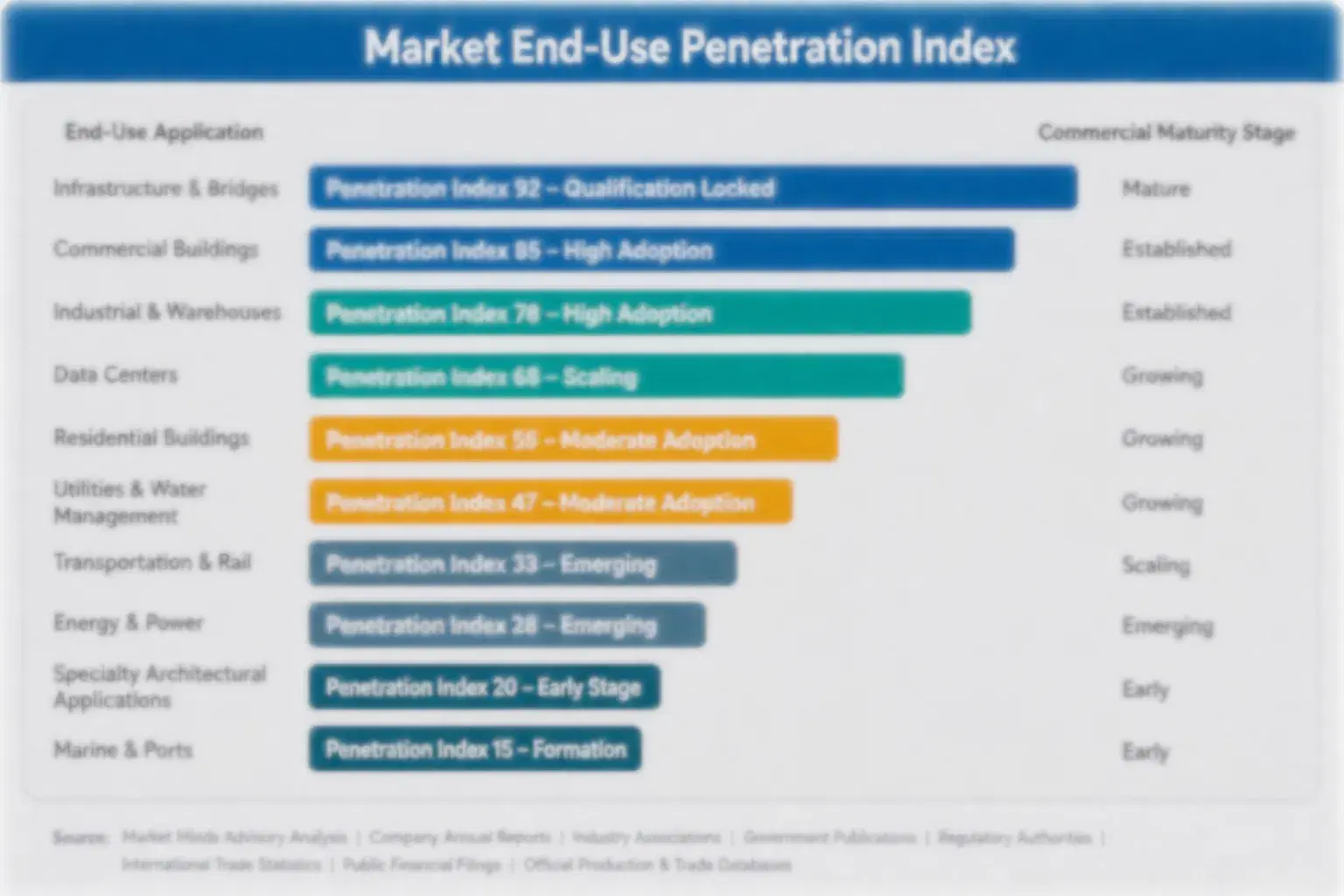
Equipment sales carry annuity-like economics once qualified at a fab, since a qualified cleaning system stays specified across every subsequent furnace installation at that facility for years, without competitive rebidding mid-cycle unless a reliability issue forces a supplier change. This duration gives qualified suppliers unusually predictable revenue visibility across multiple fab expansion phases.
Adoption depth varies sharply by fab type. Advanced node fab operators commit fastest and deepest once qualified, since contamination control performance directly affects production yield at those tolerances, while legacy node fab operators adopt more cautiously, often running older mechanical systems well past the point advanced node operators would have upgraded already. New fab construction projects sit furthest from legacy equipment relationships, typically evaluating suppliers fresh during initial facility design.

Buyer profiles are shifting generationally as fab procurement teams increasingly include supply chain and regional sourcing specialists in equipment decisions, a role that barely existed before global fab construction made manufacturing localization a strategic consideration. Procurement decisions that once sat purely with facility engineers now route through dedicated supply chain and compliance teams, lengthening initial sales cycles but deepening switching costs once a supplier relationship and qualification track record form.
vertical-furnace-tube-cleaning-machine-market-end-use-penetration-index-1791109539744

MMA Furnace Cleaning Market Priorities

These are among the four positions where our research anticipates prominent divergence between winners and laggards over the coming forecast period. Each is grounded in the demand model, the regulatory perimeter, and the announced capacity pipeline.
01 / GLOBAL FAB QUALIFICATION TIMING

Secure fab contracts now before construction waves consolidate

Suppliers that secure furnace cleaning equipment contracts tied to new fab construction now will capture multi-year procurement relationships for the life of that facility, since fab operators rarely requalify a different supplier mid-construction once initial specification is locked in. Suppliers that miss this current qualification window face a materially harder path back in, since the next opportunity will not arrive until the following construction wave years later. The next twelve to eighteen months represent the clearest window for suppliers to secure these contracts before incumbents consolidate position.
02 / ROBOTIC CAPABILITY INVESTMENT

Invest in robotic cleaning engineering before advanced node demand peaks

Advanced node fab operators are increasingly specifying robotic cleaning systems for the contamination control performance legacy mechanical and manual methods cannot match, and suppliers without robotic engineering depth risk losing access to the fastest growing and most profitable segment of this market entirely. Early movers in robotic system development are already capturing a disproportionate share of advanced node fab contracts, since qualification cycles for new technology categories favor suppliers with demonstrated field performance data. Suppliers that delay this investment risk permanent exclusion from the segment driving most future margin growth.
03 / REGIONAL MANUFACTURING EXPANSION

Build regional manufacturing presence before localization demand peaks

Fab construction waves across multiple continents simultaneously are rewarding suppliers with distributed regional manufacturing and service capability over those relying on centralized production serving every global market from a single location. Suppliers that build regional manufacturing relationships now capture disproportionate share of localization-driven contracts before competitors fully recognize the scale of this opportunity across emerging fab construction regions. Waiting for demand signals to firm up further cedes this opportunity to faster-moving regional competitors already investing, since this window will not stay open indefinitely for undecided entrants.
04 / INDIA MARKET ENTRY TIMING

Enter the Indian market now before domestic suppliers consolidate

India's emerging semiconductor fab investment represents the fastest growing opportunity tracked in this market, and suppliers without established Indian manufacturing or service relationships risk missing multi-year contracts tied to rapidly expanding domestic fab capacity. Suppliers that build dedicated Indian market relationships now, ahead of broader market recognition, capture disproportionate share of this expanding opportunity before domestic manufacturers consolidate local advantages. Waiting cedes this opportunity to faster-moving competitors already establishing a presence, since this window will not remain available to latecomers indefinitely as the market matures.

Engagement Snapshot From the Field

A live engagement with an industry participant carrying material or product regulatory and market exposure ahead of a defining policy shift, showing how our research translates into a defensible multi-year portfolio strategy.
MARKET MINDS ADVISORY · CLIENT ENGAGEMENT SUMMARY
Vertical Furnace Tube Cleaning Machine Producer Strategic Portfolio Review and Transition Roadmap 2026·Investment Scenario on Vertical Furnace Tube Cleaning Machine Exposure Evaluation 2025-26
CLIENT PROFILE
A mid-sized semiconductor equipment distributor serving multiple new fab construction projects across Taiwan and South Korea engaged MMA in Q2 2025 to evaluate whether to expand into direct robotic cleaning system manufacturing rather than continuing to distribute imported equipment exclusively. The firm's existing distribution business faced margin pressure as fab operators increasingly specified faster delivery timelines than centralized manufacturing could reliably support.
STRATEGIC CHALLENGE
The firm needed to decide whether to invest in regional manufacturing capability directly or pursue a licensing and co-manufacturing partnership with an established equipment maker, under time pressure as two active fab construction projects had already indicated preference for faster regional delivery in upcoming procurement rounds. The board wanted a clear recommendation before the next procurement bidding cycle began.
MMA APPROACH
MMA conducted a competitive capability assessment across regional and international cleaning equipment suppliers, benchmarked manufacturing lead times against the client's active fab project deadlines, and modeled the capital and margin implications of three entry paths spanning direct manufacturing, licensing, and co-manufacturing partnership options. Interviews with the firm's own project managers informed the final recommendation given to leadership.
KEY FINDINGS
  1. Building direct regional manufacturing capability from scratch would take approximately eighteen months, missing both near-term fab tenders entirely and forfeiting significant first-mover contract value.
  2. A co-manufacturing partnership with an established equipment maker could be operational within six months, fast enough to compete for both active fab tenders under review by the client.
  3. Fab procurement teams evaluating the client's bid valued delivery timeline certainty more than marginal price differences, suggesting a co-manufacturing structure would satisfy qualification requirements adequately.
  4. Long-term margin economics favored eventual direct manufacturing once co-manufactured volume justified the capital investment, pointing to a phased rather than all-or-nothing entry strategy decision for the firm.
CLIENT PROFILE
A mid-sized semiconductor equipment distributor serving multiple new fab construction projects across Taiwan and South Korea engaged MMA in Q2 2025 to evaluate whether to expand into direct robotic cleaning system manufacturing rather than continuing to distribute imported equipment exclusively. The firm's existing distribution business faced margin pressure as fab operators increasingly specified faster delivery timelines than centralized manufacturing could reliably support.
STRATEGIC CHALLENGE
The firm needed to decide whether to invest in regional manufacturing capability directly or pursue a licensing and co-manufacturing partnership with an established equipment maker, under time pressure as two active fab construction projects had already indicated preference for faster regional delivery in upcoming procurement rounds. The board wanted a clear recommendation before the next procurement bidding cycle began.
MMA APPROACH
MMA conducted a competitive capability assessment across regional and international cleaning equipment suppliers, benchmarked manufacturing lead times against the client's active fab project deadlines, and modeled the capital and margin implications of three entry paths spanning direct manufacturing, licensing, and co-manufacturing partnership options. Interviews with the firm's own project managers informed the final recommendation given to leadership.
KEY FINDINGS
  1. Building direct regional manufacturing capability from scratch would take approximately eighteen months, missing both near-term fab tenders entirely and forfeiting significant first-mover contract value.
  2. A co-manufacturing partnership with an established equipment maker could be operational within six months, fast enough to compete for both active fab tenders under review by the client.
  3. Fab procurement teams evaluating the client's bid valued delivery timeline certainty more than marginal price differences, suggesting a co-manufacturing structure would satisfy qualification requirements adequately.
  4. Long-term margin economics favored eventual direct manufacturing once co-manufactured volume justified the capital investment, pointing to a phased rather than all-or-nothing entry strategy decision for the firm.
RECOMMENDED STRATEGY
Phase 1: Phase one: establish a co-manufacturing partnership with an established equipment maker to compete for both active fab tenders within six months. Phase 2: Phase two: build direct regional manufacturing capability over eighteen months while co-manufactured volume generates revenue and qualification history. across all active fab projects. Phase 3: Phase three: transition new fab contracts to direct regional manufacturing once internal capability reaches qualification-ready production status. and qualification history builds.
OUTCOME
The firm established the co-manufacturing partnership within five months and won both active fab tenders, securing an estimated $6.8 million (client-reported, unverified by MMA) in first-year contract value. Direct regional manufacturing investment began nine months later, funded partly by the co-manufactured program's early revenue. nationwide.

Frequently Asked Questions

Foundational context covering the market sizes, CAGR, scope, country, region and competition that inform every finding below. This section is provided to cover basics and most often pre-purchase conversations, answered from the MMA Primary Research Dataset.

What is the current size of the Vertical Furnace Tube Cleaning Machine Market?

The vertical furnace tube cleaning machine market was valued at $0.62 billion in 2025. Growth is being driven primarily by global semiconductor fab construction and advanced node production.

How large will the market be by 2036?

The market is forecast to reach $1.954 billion by 2036, representing a 2.84x expansion from its 2026 value. New fab construction accounts for most of that growth.

What is the CAGR for this market 2026 to 2036?

The market is projected to grow at an 11.0% CAGR between 2026 and 2036. The bull case scenario reaches 12.3% if fab construction timelines accelerate faster than planned.

Which segment is growing fastest?

Robotic automated cleaning systems are growing fastest at 14.5% CAGR, roughly 1.32 times the overall market rate. Combination multi-stage cleaning systems follow as the second fastest segment.

Who are the major companies in this market?

Modutek Corporation, Entegris, Kokusai Electric, Tokyo Electron, and Ultra Clean Holdings lead the market. Together these five suppliers hold 50% of annual unit shipment volume.

Which country is growing fastest?

India is the fastest-growing country at 16.0% CAGR, reflecting emerging semiconductor fab joint venture investment from a historically negligible domestic base. New fab construction announcements are reinforcing this growth trajectory.

Report Segmentation Architecture

The full report scope spans multiple orthogonal segmentation dimensions, with cross-tabulated demand data provided for each dimension pair. Coverage extends further to regional breakdowns, trend trajectories, and the competitive detail needed to support segment-level decision-making.
  • Mechanical Brush Cleaning Systems
  • Chemical Wet Cleaning Systems
  • Dry Plasma Cleaning Systems
  • Robotic Automated Cleaning Systems
  • Combination Multi-Stage Cleaning Systems
  • Logic Semiconductor Fabs
  • Memory Semiconductor Fabs
  • Power Semiconductor Fabs
  • Specialty and Analog Fabs
  • Foundry Services
  • Direct Equipment Purchase
  • Licensing and Co-Manufacturing
  • Maintenance Service Contracts

By Region

  • North America
  • Western Europe
  • East Asia
  • South Asia and Pacific
  • Latin America
  • Middle East and Africa
  • Eastern Europe

Scope, Methodology, and Coverage

Every figure in this report is reproducible from documented input assumptions. The scope below maps the historical period, the forecast horizon, the segmentation dimensions, and the countries covered, alongside the underlying primary and qualitative methodology.
Historical Period
2020 to 2025
Forecast Period
2026 to 2036
Base Year
2025 (USD billions; MMA Primary Research Dataset, October 2026)
Market Definition
This market covers vertical furnace tube cleaning machines used to remove deposit buildup from quartz process tubes in semiconductor diffusion, oxidation, and low-pressure chemical vapor deposition furnaces. It excludes horizontal furnace cleaning equipment and general fab facility cleaning systems unrelated to furnace tube reconditioning specifically.
Quantitative Units
USD millions and billions, unit shipments where disclosed
Segmentation Dimensions
Cleaning technology type, end-use fab category, commercial procurement channel
Regions Covered
North America, Western Europe, East Asia, South Asia and Pacific, Latin America, Middle East and Africa, Eastern Europe
Countries Covered
Taiwan, South Korea, Japan, China, United States, Germany, Netherlands, India, Singapore, Israel, Ireland, Malaysia
Key Companies Profiled
Modutek Corporation, Entegris, Kokusai Electric, Tokyo Electron, Ultra Clean Holdings, and 15 additional profiled participants
Quantitative Methodology
Primary survey, n=3,800 respondents, Q4 2025, six countries; demand-side model with trade association cross-validation
Qualitative Methodology
47 expert interviews, Q4 2025; applied to validate demand model assumptions, identify emerging dynamics, and assess competitive positioning
Report Format
PDF and XLSX data workbook (Word format preview document)
Publisher
Market Minds Advisory
Report Code
MMA-2026-TEC-101
Published
October 2026
Contact
sales@marketmindsadvisory.com | www.marketmindsadvisory.com

Purchase the full Vertical Furnace Tube Cleaning Machine Market Report (2026 to 2036).

This report delivers a comprehensive assessment of the global vertical furnace tube cleaning machine market across all seven MMA-tracked regions worldwide. It covers market sizing, segmentation, competitive benchmarking, and input cost exposure through 2036, with particular attention to global fab construction waves and advanced node contamination control demands shaping near-term supplier strategy decisions. Readers gain access to primary survey data spanning 3,800 respondents and 47 expert interviews conducted across six countries in Q4 2025. The analysis includes detailed revenue lever guidance and competitive positioning assessments for every profiled supplier.
Full seven-region market sizing and growth data
Five-segment MECE cleaning technology type breakdown
Twenty profiled competitor capability and risk assessments
Input cost and robotics component exposure analysis
Revenue lever and margin capture guidance
Anonymized client case study with outcomes

Built For The People Who Decide

From boardroom strategy to bench-side execution, this report is read cover-to-cover by leaders shaping the next decade of their industry, turning demand scenarios, market dynamics and valuation benchmarks into decisions.
CXOs/ Presidents/ VPs/ Managers
M&A and Corporate Development
Strategy Teams and R&D Heads
Procurement and Product Directors
Regulatory and Compliance Leaders
Investor Relations and Equity Analysts