Market Minds Advisory
Vernal Keratoconjunctivitis Market

Vernal Keratoconjunctivitis Market: The Disease Sits Where The Market Does Not

Most children with this disease live in hot dry regions where the approved branded therapy costs more than a family earns in months, so hospital pharmacies compound their own drops instead.

Lead Analyst

Published

September 2026

Make Smarter Decisions with Customized Research Insights

Request a free sample report and evaluate market opportunities, growth trends, and competitive dynamics relevant to your business needs.

2025 MARKET VALUE$0.6BMarket Size 2025
2036 FORECAST VALUE$1.5BBase Case , 2026 to 2036
CAGR 2026 TO 20368.4 %Bull 9.6% / Bear 7.2%
INCREMENTAL OPPORTUNITY$0.8BNet 10- year value creation
EXPANSION MULTIPLE2.25x2036 value over 2026 base
Strategic Levers
M&A Pipeline
Regional Outlook
Country Rankings
Competitive Intelligence
Segmental Deep-dive
Call-Us : 91 93563 13602

Executive Snapshot and Market Trajectory

Roughly 61% of topical immunomodulator use in this disease is compounded by hospital pharmacies rather than purchased commercially. The branded course costs around 780 dollars and most affected children live where that is simply not a possibility. Clinicians solved that themselves. Nobody planned that arrangement.
South Asia and Pacific holds 18% of value, above the standard band, because prevalence concentrates in hot dry climates and Indian cases alone account for roughly 24% of diagnosed disease worldwide. Topical tacrolimus formulations grow at 12.6%, half again the market rate of 8.4%, entirely because they let clinicians stop using the steroids that control this condition and damage children's eyes. Steroids remain the default everywhere. Nothing else displaces them.
Concentration is low at 39% and the clinical problem is uncomfortable. Prolonged topical steroid use produces pressure or lens complications in about 14% of treated children, and steroids remain the cheap effective option. Diagnosis also takes an average of 2.8 years. It presents as ordinary seasonal allergy until giant papillae or a corneal shield ulcer appear. Complications follow that delay directly. Sight is lost this way. It looks like ordinary allergy until it does not.
Market Definition
The market covers pharmacological treatment of vernal keratoconjunctivitis, including topical corticosteroids, topical ciclosporin formulations, topical tacrolimus formulations, mast cell stabilisers and antihistamines, supratarsal and injectable corticosteroids, and lubricants and supportive ocular therapy. Systemic allergy treatment, atopic keratoconjunctivitis and other ocular surface diseases, corneal surgery and transplantation, contact lens products, and diagnostic testing are excluded from scope.
Base Year Value
$0.6B in 2025 (MMA Primary Research Dataset, August 2026)
Forecast Period
2026 to 2036, eleven discrete annual values
CAGR
8.4% base case. Bull 9.6%. Bear 7.2%.
Fastest Growth Segment
Topical Tacrolimus Formulations: 12.6% CAGR
Fastest Growth Country
India: 10.5% CAGR
Fastest Growth Region
South Asia and Pacific: 10.6% CAGR
Largest Region
North America: 22% of 2025 global value
Market Leaders
Santen Pharmaceutical, Novartis, Sun Pharmaceutical Industries, Bausch and Lomb, Théa. Source: MMA Analysis based on disclosed ophthalmic pharmaceutical revenue, company annual reports 2025.
Primary Survey
n=3,800 procurement and R&D decision-makers, Q4 2025, six countries
Methodology
Demand-side build-up, cross-validated against public data, 47 expert interviews

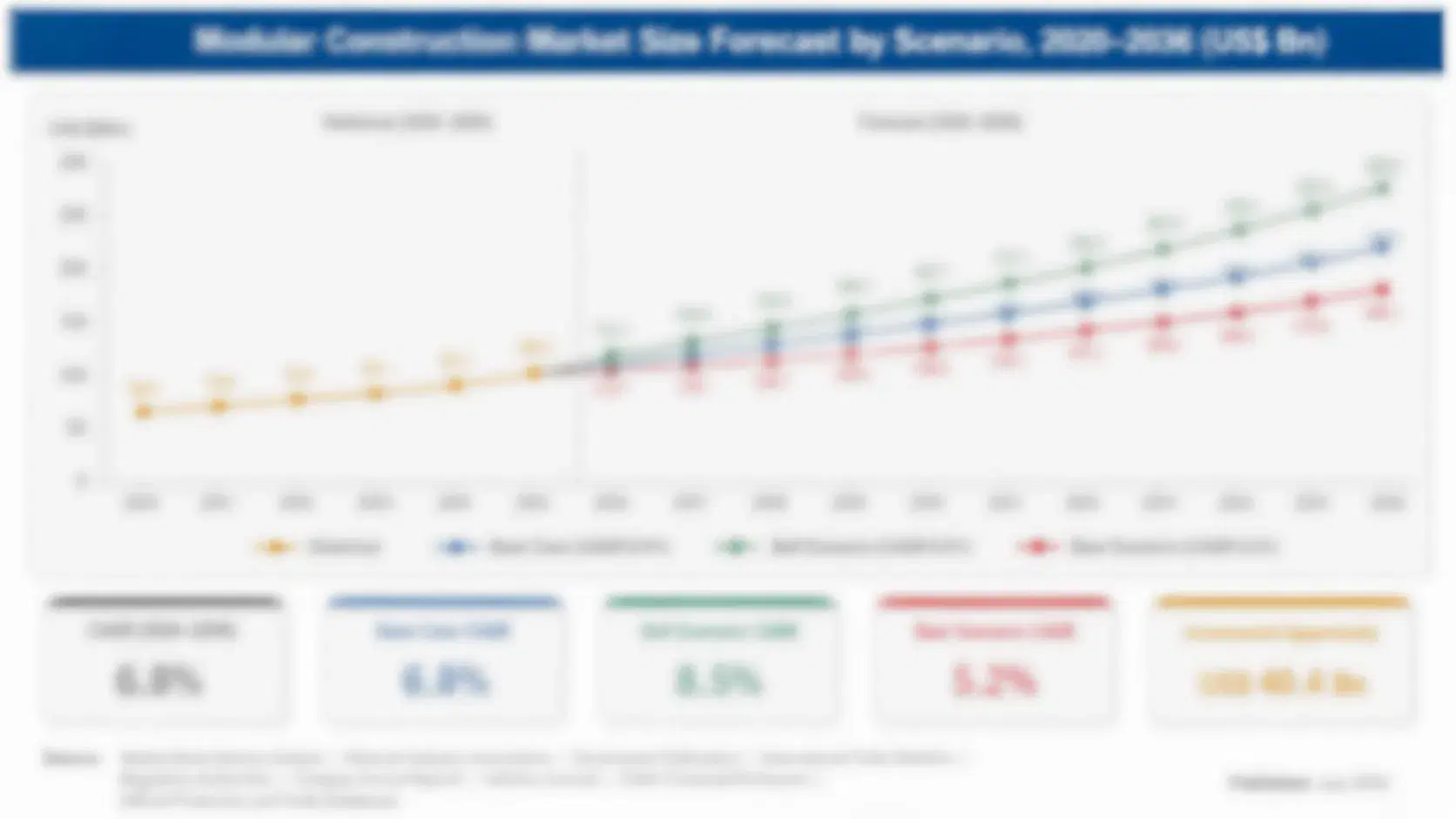
Vernal Keratoconjunctivitis Market Forecast Scenarios

vernal-keratoconjunctivitis-market-size-forecast-scenario-1787705482653
Growth from 2020 to 2025 ran at 7.0% and branded approvals in Western markets accounted for most of the reported value while treating a small minority of patients. Topical ciclosporin gained regulatory approval for this indication in Europe and America, which formalised what many clinicians had been doing with compounded preparations for years. Awareness of steroid complications in children rose steadily and pushed prescribing toward immunomodulators wherever they were obtainable.
The 8.4% base case rests on three mechanisms. Steroid-sparing immunomodulators keep displacing prolonged corticosteroid use as complication awareness spreads, particularly in paediatric ophthalmology. Diagnostic recognition keeps improving, which brings patients into treatment who were managed as ordinary allergy for years. And Indian and Middle Eastern access keeps expanding as domestic manufacturers produce affordable topical formulations at scale. None of the three requires any new molecule, since the active ingredients here are long off patent.
The bull case at 9.6% assumes affordable commercial formulations reach the regions where prevalence actually concentrates, converting compounded supply into purchased product. The bear case at 7.2% is compounded preparations continuing to serve the majority of patients at negligible cost, which caps commercial value regardless of how many children are diagnosed and appropriately treated worldwide.

Where The Children Actually Are

The epidemiology and the commercial market point in opposite directions more sharply here than in almost any other indication. Prevalence concentrates in hot dry climates across South Asia, the Middle East, Africa and parts of Latin America, while the approved branded therapy at around 780 dollars a year is priced for Western reimbursement. Roughly 61% of immunomodulator use is therefore compounded by hospital pharmacies, entirely outside the commercial market.
FIVE-FIRM CONCENTRATION39%Share of category revenue held by leading ophthalmic companies
BRANDED CICLOSPORIN COURSE$780Typical annual cost of a branded topical immunomodulator course
TOP PREVALENCE COUNTRYIndia 24%Indian share of globally diagnosed vernal keratoconjunctivitis cases
COMPOUNDED SUPPLY SHARE61%Topical immunomodulator use supplied through hospital pharmacy compounding
STEROID COMPLICATION RATE14%Children on prolonged steroids developing pressure or lens complications
DIAGNOSTIC DELAY2.8 yearsAverage time from first symptom to correct diagnosis
The clinical problem underneath is genuinely uncomfortable. Topical corticosteroids control this disease well and cost very little, and prolonged use in children produces raised pressure or lens complications in about 14% of those treated. The commercial argument for immunomodulators rests on avoiding that harm. Clinicians face a cheap treatment that works and damages eyes, against an expensive one many patients cannot obtain.
Recognition takes an average of 2.8 years because the condition presents as ordinary seasonal allergic conjunctivitis until giant papillae or a corneal shield ulcer make it obvious. Most cases resolve around puberty, which limits treatment duration to a few years per patient and means no manufacturer ever acquires a lifelong customer here. Paediatric ophthalmology is a small specialty carrying a disease whose burden falls elsewhere.
"Sixty percent of the treatment in this disease is made in a hospital pharmacy for pennies. That is not a market failure to be corrected; that is clinicians solving a problem the industry priced itself out of."
Director, Ophthalmology and Rare Disease Practice · MMA Healthcare Practice · August 2026

Market Trends

Steroid Sparing Drives Immunomodulator Adoption Everywhere

Prolonged topical corticosteroid use produces raised pressure or lens complications in roughly 14% of treated children, and awareness of that has spread steadily through paediatric ophthalmology across every region. Growth at 12.6% in topical tacrolimus follows the desire to stop using steroids rather than any superiority in controlling the disease itself. The argument is entirely about avoiding harm, which is a different commercial proposition from efficacy and requires reaching prescribers with safety data rather than outcome comparisons. Prescribers respond to complication data because they see the resulting cataracts in their own clinics.
Market Impact: Serves 24% of diagnosed cases

Compounded Preparations Serve Most Of The World

Roughly 61% of topical immunomodulator use in this condition is compounded by hospital pharmacies, because branded product at around 780 dollars a year is unobtainable for most affected families and unavailable in many countries entirely. Those preparations are effective and cost very little. Commercial value therefore reflects where product can be sold rather than where the disease actually occurs, and any company entering this market must decide whether it is competing with compounding or accepting it. Any company entering must decide whether it is competing with compounding or simply accepting it.
Market Impact: Shortens a 2.8 year delay

Market Opportunities and Growth Drivers

Indian Manufacturing Makes Immunomodulators Genuinely Affordable

Domestic Indian manufacturers produce topical ciclosporin and tacrolimus formulations at prices that make steroid-sparing treatment possible for families who could never reach branded pricing, and India carries roughly 24% of diagnosed cases worldwide. India grows fastest of any country at 10.5% as ophthalmology access and affordable formulation availability expand together. That converts compounded preparation into purchased product, which is the only route by which commercial value follows the actual disease burden. That is the only route by which commercial value can follow the actual disease burden anywhere. Nothing else reaches them.
Market Impact: Prices out 61% of use

Recognition Improves As Paediatric Ophthalmology Expands

Diagnosis takes an average of 2.8 years because the condition looks like ordinary seasonal allergic conjunctivitis until giant papillae or a corneal shield ulcer appear, and vision-threatening complications occur in a minority who were treated as simple allergy throughout. Growth follows recognition as paediatric ophthalmology capacity expands in the regions where prevalence concentrates. Every year of delay is a year of steroid exposure or untreated inflammation in a child, which is the argument that moves clinicians. Vision-threatening complications occur in a minority who were treated as simple allergy throughout. Delay costs sight.
Market Impact: Treats across 4 years typically

Market Restraints and Challenges

Prevalence Concentrates Where Pricing Cannot Reach

The disease occurs most commonly in hot dry climates across South Asia, the Middle East, Africa and parts of Latin America, while branded therapy at around 780 dollars a year is priced against Western reimbursement systems. Root cause is that development economics assume a market where the patients are not. The commercial impact is a category whose reported value bears little relation to its actual clinical burden. Mitigation requires tiered pricing or local manufacturing, and few companies have attempted either. Few companies have attempted either route. Local manufacturing is the practical route.
Market Impact: Avoids harm in 14% treated

Disease Resolves At Puberty Limiting Treatment Duration

Most cases settle around puberty, which caps treatment at a few years per patient and means no manufacturer ever acquires a lifelong customer in this indication. Root cause is the natural history of the condition rather than any therapeutic shortcoming. The commercial impact is development economics that struggle to justify investment against a short treatment window in a small paediatric specialty. Mitigation involves portfolio approaches across ocular surface disease rather than any single indication strategy. Portfolio approaches are the only viable answer. Single indication economics simply do not work. Numbers rarely work.
Market Impact: Supplies 61% outside commercial channels
3 additional market trends, 4 additional growth drivers, and 2 additional restraints and challenges are covered in the full report. Contact sales@marketmindsadvisory.com to access the complete intelligence.

Segment CAGR and Growth Architecture

Segmentation follows therapeutic class: what the treatment is and how it acts on ocular surface inflammation, rather than which patient group receives it or where it is obtained. Six classes cover the treated market without overlap. Supply route and care setting are treated as separate commercial dimensions throughout this report. Supply route cuts across every therapeutic class here.
vernal-keratoconjunctivitis-market-market-share-analysis-1787705482928

Topical Tacrolimus Formulations

Growth at 12.6%, half again the market rate of 8.4%, follows the desire to stop prolonged corticosteroid use rather than any superiority in controlling the disease itself, since steroids control it perfectly well and damage roughly 14% of treated children's eyes over time. Much of the supply is compounded rather than purchased, particularly across the regions where prevalence actually concentrates. The commercial argument is entirely about avoided harm, which requires safety data rather than efficacy comparison to persuade a paediatric ophthalmologist. Safety data rather than efficacy comparison is what persuades a paediatric ophthalmologist who already holds a working steroid. Compounded supply dominates in the regions carrying most of the disease burden.
CAGR 12.6%

Topical Ciclosporin Formulations

Regulatory approval for this indication in Europe and America formalised what many clinicians had already been doing with compounded preparations for years beforehand, which is unusual and tells you something about how the category developed. Growth at 10.5% follows steroid-sparing prescribing and improving diagnostic recognition together. Branded pricing near 780 dollars a year reaches only a small share of affected children globally, while Indian manufactured formulations are converting compounded supply into purchased product across the regions carrying most of the disease. Approval formalised existing practice rather than introducing anything genuinely new, which is unusual and tells you a great deal about how this category actually developed over time. Recognition is improving slowly.
CAGR 10.5%
Full segment breakdown across 6 segments available in the complete report.

Regional Architecture and Country Demand Map

Geography follows climate and prevalence far more than pricing, which is unusual and produces share bands quite unlike other indications. South Asia leads on disease burden, Western Europe on branded pricing, and India grows fastest. Two regions sit outside the standard share bands on prevalence grounds.

North America

Prevalence is comparatively low because the climate suits the disease poorly, and treated cases concentrate among children of families originating in higher prevalence regions. Branded topical ciclosporin holds approval and reimbursement, which gives the region substantial value on modest case numbers. Paediatric ophthalmology recognition is good and diagnostic delay is shorter than in most regions. Steroid complication awareness is high and steroid-sparing prescribing is correspondingly common, supported by reimbursement that makes branded therapy genuinely obtainable. Treated cases concentrate among children of families originating in higher prevalence regions, which makes the population smaller and considerably better served than elsewhere. Reimbursement makes branded therapy genuinely obtainable for the children who need it.
Share: 22% | CAGR: 7.6% (2026 to 2036)

Western Europe

Mediterranean countries including Italy, Spain, Greece and southern France carry meaningfully higher prevalence than northern Europe, which concentrates cases in the south while reimbursement operates across the whole region. Branded topical ciclosporin approval was obtained here and pricing reflects European health technology assessment. Paediatric ophthalmology services are well developed and recognition is reasonable. Compounded preparations are used less than elsewhere because commercial product is genuinely available and reimbursed for the patients who need it. Mediterranean prevalence is meaningfully higher than northern European rates, which concentrates cases in the south while reimbursement operates across the whole region. Compounded preparations are used less here because commercial product is available and reimbursed for the patients requiring it.
Share: 20% | CAGR: 6.8% (2026 to 2036)
Regional intelligence for 5 additional markets available in the complete report: East Asia, South Asia and Pacific, Latin America, Middle East and Africa, Eastern Europe. Contact sales@marketmindsadvisory.com.
vernal-keratoconjunctivitis-market-country-cagr-analysis-1787705483244

Reaching Patients Not Just Markets

Around 61% of immunomodulator use is compounded, branded courses cost about 780 dollars annually, roughly 14% of steroid-treated children develop complications, and diagnosis takes 2.8 years. Four levers work on affordable supply, safety argument, recognition and portfolio economics rather than on efficacy claims. Efficacy is not the argument anybody needs here. Access decides all of it.

Price Tiered Formulations Where Prevalence Concentrates

Roughly 61% of topical immunomodulator use is compounded because branded product at around 780 dollars annually is unobtainable for most affected families, and prevalence concentrates precisely where that pricing cannot reach. Tiered pricing or local manufacturing converts compounded supply into purchased product, which is the only route by which commercial value can follow the actual disease burden. Very few companies have attempted either, and Indian manufacturers are demonstrating that it works. Western manufacturers resist pricing that undermines their reimbursed markets, which is precisely why domestic competitors have taken the position instead.
Market Impact: Converts the whole 61% of compounded supply commercially

Lead With Steroid Harm Rather Than Efficacy Data

Topical corticosteroids control this disease effectively and produce raised pressure or lens complications in roughly 14% of children treated over prolonged periods. The commercial argument for immunomodulators is entirely about avoiding that harm rather than about better disease control, which most companies still present as if efficacy were the question. Paediatric ophthalmologists respond to complication data in children because they see the cataracts. Efficacy comparisons persuade nobody who already has a working steroid. Cataracts persuade where trial data does not. Most companies still present efficacy comparisons as though efficacy were the question, which persuades nobody at all in this indication.
Market Impact: Prevents complications in 14% of all treated children

Fund Recognition Where Delay Costs Children Sight

Diagnosis takes an average of 2.8 years because the disease presents as ordinary seasonal allergy until giant papillae or a corneal shield ulcer appear, and vision-threatening complications occur in children treated as simple allergy throughout. Recognition training in general ophthalmology and paediatrics reaches patients years earlier. It costs modest money against a treatment window of only a few years per child, and every year of delay is a year of avoidable steroid exposure. Referral patterns currently reach specialists years too late. Every year of delay is another year of avoidable steroid exposure in a developing eye.
Market Impact: Reclaims the whole 2.8 years of diagnostic delay

Build Ocular Surface Portfolio Not Single Indication

Most cases resolve around puberty, capping treatment at roughly 4 years per patient, which makes single-indication development economics genuinely difficult to justify in a small paediatric specialty. A portfolio spanning ocular surface inflammation across allergic, atopic and dry eye presentations shares development, regulatory and commercial cost across several indications. Companies approaching this condition alone find the numbers do not work, which is why so few have tried at all. That is why so few companies have tried. Sharing regulatory and commercial cost is what makes it viable. Nobody manages it alone.
Market Impact: Spreads cost across the 4 year treatment courses

Who Controls the Margin Pool

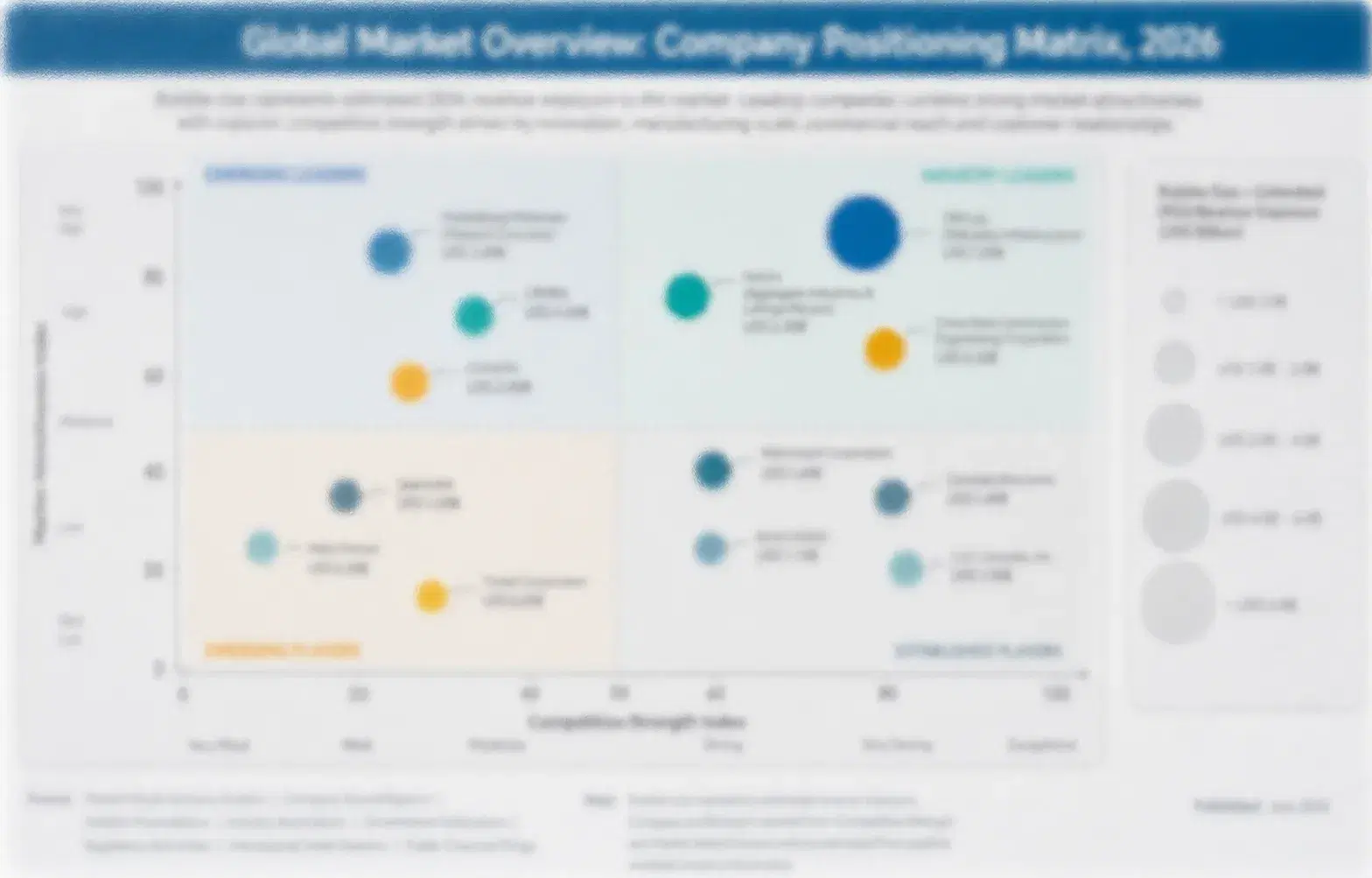
Measured on disclosed ophthalmic pharmaceutical revenue, the five largest companies hold a CR5 of 39%, which is low for a specialty category and reflects how much treatment happens outside commercial channels entirely. Santen and Novartis hold the branded topical ciclosporin positions in developed markets, Sun Pharmaceutical Industries supplies affordable formulations at scale, and Bausch and Lomb and Théa carry established ophthalmic portfolios. Reported value bears little relation to how many children are actually treated.
Three contests define activity. Branded immunomodulator supply competes on approval, reimbursement and safety evidence in markets where reimbursement exists. Affordable formulation supply competes on price in the regions carrying most of the disease. And steroid prescribing competes with everything, because it works, costs almost nothing and is available everywhere without any argument being required. A company organised for one of those contests is rarely equipped for the others, and the capability each requires overlaps remarkably little with the rest.

Pressure builds as Indian manufacturers convert compounded supply into affordable purchased product across high prevalence regions. Rankings shift toward whoever reaches the patients rather than the reimbursed markets. Compounding remains the largest single supply route and no commercial strategy has yet displaced it anywhere. Compounding remains untouched.
vernal-keratoconjunctivitis-market-company-positioning-matrix-1787705483517

Competitive Moat and Risk Dimensions

SANTEN PHARMACEUTICAL

Moat: Ophthalmic Specialty Regulatory Depth

Santen holds ophthalmic regulatory and clinical expertise across multiple ocular surface indications, which allows development cost to be spread across a portfolio rather than justified against a single small paediatric condition. That breadth is what makes this indication commercially viable at all. A competitor approaching vernal keratoconjunctivitis alone faces development economics that simply do not support the investment required.
SANTEN PHARMACEUTICAL

Risk: Prevalence Geography Mismatch

Branded pricing near 780 dollars annually reaches reimbursed Western markets while roughly 61% of immunomodulator use worldwide is compounded because families cannot obtain commercial product. Regulatory depth secures approval rather than reaching patients. The largest treated populations sit outside the pricing model entirely, and that gap is not closing on its own.
SUN PHARMACEUTICAL INDUSTRIES

Moat: Affordable Formulation Manufacturing Scale

Sun manufactures topical ophthalmic formulations at prices that make steroid-sparing treatment genuinely obtainable in India, which carries roughly 24% of diagnosed cases worldwide and where branded pricing reaches almost nobody. That cost position converts compounded preparation into purchased product. Western manufacturers cannot approach those prices without undermining pricing in the markets that fund their development.
SUN PHARMACEUTICAL INDUSTRIES

Risk: Compounding Price Competition

Hospital compounded preparations cost very little and remain the default across much of the region, which caps how much even affordable commercial product can charge. Manufacturing scale competes against pharmacies making the same active ingredient for pennies. Convenience and consistency justify some premium and not a great deal of one.

Players Tracked

Prominent Players

Santen Pharmaceutical
Novartis
Sun Pharmaceutical Industries
Bausch and Lomb
Théa

Other Key Players

Alcon
AbbVie
Cipla
Ajanta Pharma
Entod Pharmaceuticals
Appasamy Associates
FDC Limited
Intas Pharmaceuticals
Lupin
Senju Pharmaceutical
URSAPHARM
Alfa Intes
OmniVision
Alimera Sciences
Ocular Therapeutix

Recent Developments

MARCH 2025

Paediatric ophthalmology guidance strengthens against prolonged topical steroid use

Paediatric ophthalmology guidance was strengthened against prolonged topical corticosteroid use in this condition, a clinical guidance development rather than any commercial transaction. Raised pressure and lens complications in treated children had been documented consistently, and steroid-sparing alternatives were recommended wherever they could actually be obtained.
Signal: Steroid harm rather than efficacy comparison is what actually moves prescribing toward immunomodulators. Cataracts change prescribing.
JUNE 2025

Affordable topical formulation launch converts compounded supply regionally

An affordable topical immunomodulator formulation launched across South Asian markets at pricing families could manage, an organic commercial development rather than any acquisition. Hospital pharmacies had been compounding equivalent preparations for years because branded product was entirely unobtainable at prevailing prices. Families could not reach branded pricing.
Signal: Affordable formulation is the only route by which commercial value follows the actual disease burden. Access decides everything.
OCTOBER 2025

Recognition programme reduces diagnostic delay in general ophthalmology

A recognition training programme in general ophthalmology and paediatrics reduced time to correct diagnosis measurably across participating centres, a clinical education development rather than any corporate event. The condition presents as ordinary seasonal allergy until giant papillae or corneal involvement make it unmistakable. Referral came far too late.
Signal: Every year of diagnostic delay is another year of steroid exposure in a child's developing eyes.

What A Course Costs

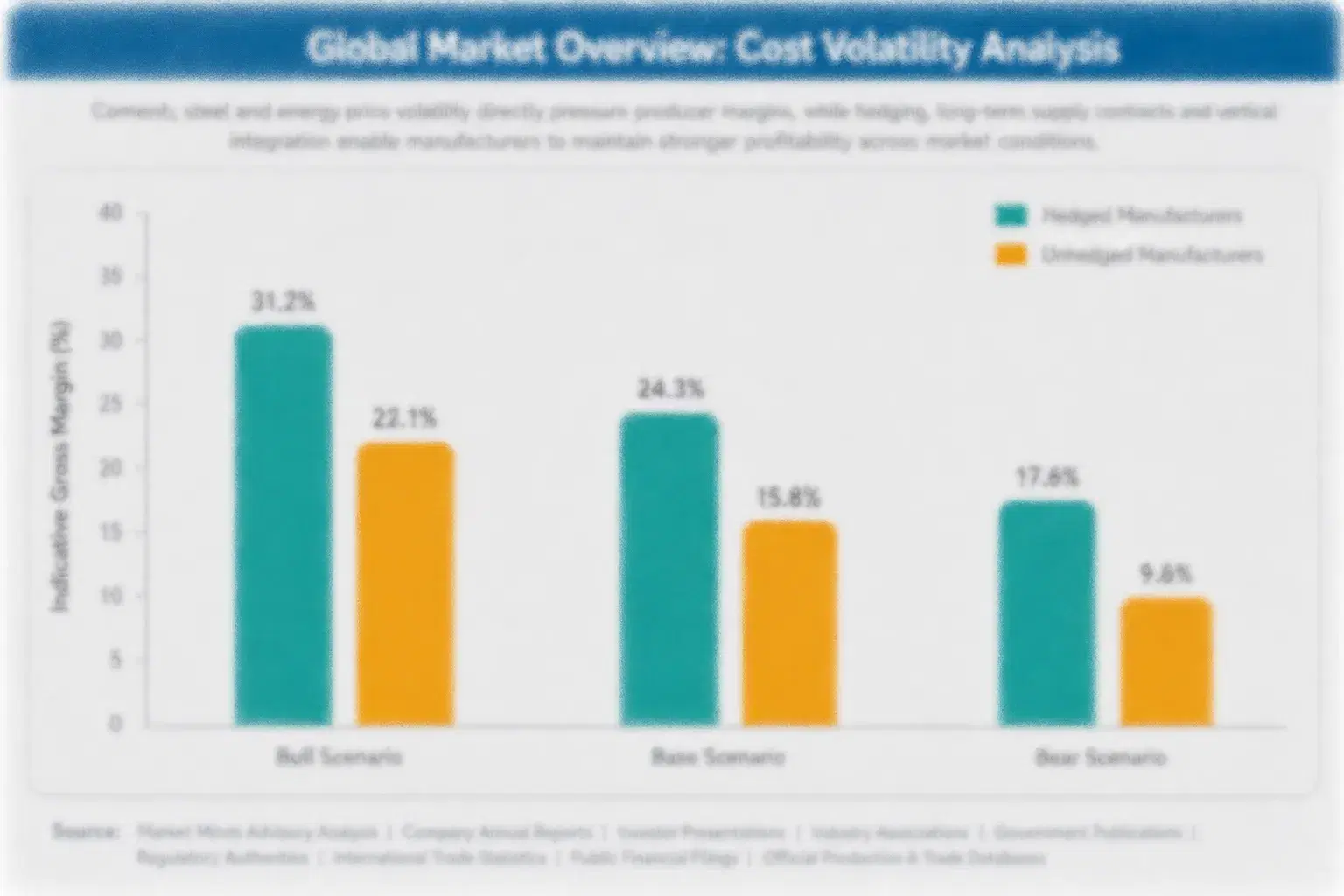
Manufacturing is modest and pricing is almost entirely a market access decision rather than a cost one. Active ingredient, sterile ophthalmic formulation, preservative-free packaging and quality release account for 34 to 43% of a commercial product's cost, and the active ingredients themselves are long off patent and inexpensive. Compounded hospital preparations cost a fraction of commercial product, carrying no development or regulatory burden.
The volatility that mattered was sterile ophthalmic manufacturing capacity rather than any ingredient price. Preservative-free unit dose production requires specialised filling capacity that is genuinely limited, and constraints affected several ophthalmic products across the period. Energy and packaging costs also rose through 2022, which IEA industrial energy price data records, and those flow into a product where formulation rather than active ingredient dominates the manufactured cost.

Exposure divides by market position rather than by manufacturing scale. Branded suppliers carry development and regulatory cost amortised across reimbursed Western volumes representing a small share of the disease. Affordable manufacturers carry commodity economics against compounded preparations costing even less. Nobody in this category faces a manufacturing cost problem, which is unusual and means the entire commercial question is one of access and pricing.
vernal-keratoconjunctivitis-market-cost-volatility-analysis-1787705483821

Manufacture regionally where prevalence concentrates

Roughly three fifths of immunomodulator use is compounded because commercial product is unobtainable at prevailing prices in the regions carrying most of the disease. Regional manufacturing converts that supply into purchased product at prices families can manage. It requires accepting pricing far below Western levels, which is precisely why so few companies have been willing to attempt it seriously.

Secure preservative-free filling capacity contractually

Preservative-free unit dose ophthalmic production requires specialised filling capacity that is genuinely limited across the sector, and constraints have interrupted supply of several products. Committed capacity costs contractual commitment against volumes that are modest in this indication. It protects availability for a paediatric population where interruption means returning to steroids that damage eyes. Interruption returns children to steroids.

Amortise development across ocular surface indications

Treatment lasts only a few years per patient because the condition resolves around puberty, which makes single-indication development economics difficult to justify in a small specialty. Sharing regulatory, clinical and commercial cost across allergic, atopic and dry eye presentations is what makes any of it viable. Companies approaching this condition alone find the arithmetic does not work.

Portfolio Architecture for Margin Defence

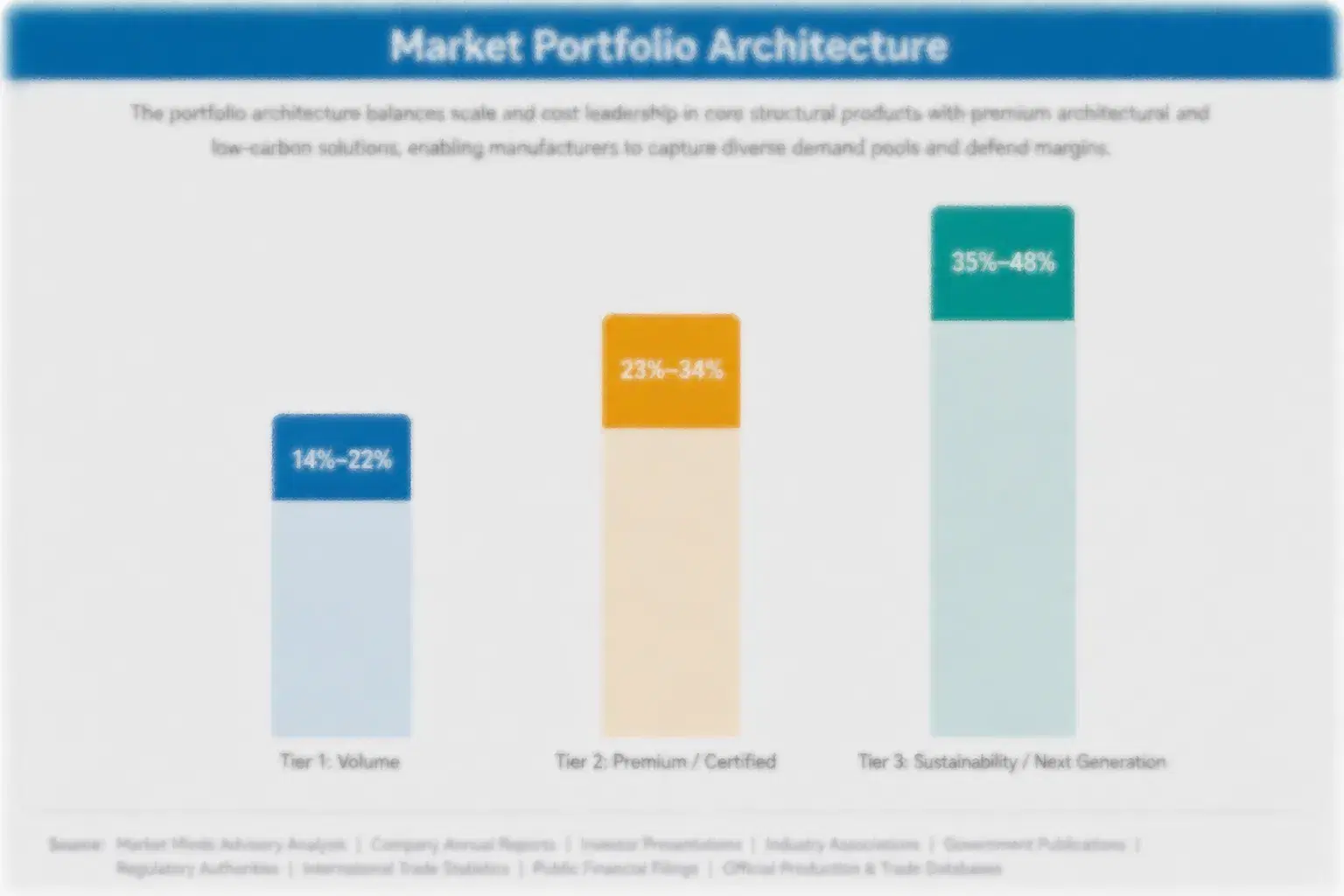
Margin follows market access rather than product characteristics, which is unusual even among specialty categories. Topical corticosteroids are generic and earn almost nothing while treating most patients. Mast cell stabilisers and antihistamines earn modestly on retail and prescription volume. Supportive lubricant therapy earns steadily. Affordable immunomodulator formulations earn thinly against compounded alternatives. Branded topical ciclosporin and tacrolimus earn most, reaching a small share of affected children in reimbursed markets.
The tension is between reaching patients and earning money, and in this category those genuinely conflict. Branded pricing near 780 dollars annually generates the margin and reaches almost nobody where the disease concentrates. Affordable formulations reach the patients and earn very little against hospital compounding. Nobody has yet built a position that does both, and the companies with the regulatory capability to try mostly lack any reason to price for markets that fund nothing.

High-value pools sit in three places. Branded immunomodulators in reimbursed markets, which is the current commercial reality however small the treated share. Affordable regional formulations converting compounded supply into purchased product. And ocular surface portfolio positions that make development in this indication economically possible at all.

Volume / Commodity-Adjacent

Generic topical corticosteroids, mast cell stabilisers and basic supportive lubricant therapy. The 9-point range is wide because integrated manufacturers and those purchasing formulated product face entirely different cost positions on identical generic preparations.
Gross Margin: 14-23%

Premium / Certified

Affordable regional immunomodulator formulations and branded antihistamine and stabiliser products in prescription channels. The 10-point spread separates manufacturers with regional formulation scale from those importing product into price-sensitive markets. Import cost separates them further.
Gross Margin: 33-43%

Sustainability / Regulatory / Next-Generation

Branded topical ciclosporin and tacrolimus formulations holding approval and reimbursement in developed markets. The 22-point range is wide because reimbursed Western pricing and access-priced formulations sit at opposite ends of the same therapeutic class.
Gross Margin: 56-78%
vernal-keratoconjunctivitis-market-portfolio-architecture-1787705484169

High-value Sub-segments and Strategic Watch-out

Branded Immunomodulators In Reimbursed Markets

Highest margin and the current commercial reality, reaching a small share of affected children where reimbursement makes branded pricing genuinely obtainable. The risk is that this position rests on markets carrying a minority of disease burden, and it has no route into the regions where prevalence actually concentrates.
Gross Margin: 70-78%

Affordable Regional Formulations

Growing where domestic manufacturing converts compounded preparation into purchased product across high prevalence regions. The risk is that hospital compounding costs a small fraction of even affordable commercial product, which caps pricing regardless of manufacturing efficiency achieved. Pricing stays capped by compounding cost. Efficiency changes little.
Gross Margin: 35-42%

Topical Corticosteroid Volume

The volume core, treating most affected children worldwide at negligible cost and remaining available everywhere without argument. Clinicians hold to it because it works, and displacement depends entirely on complication awareness rather than on any efficacy comparison. Complication awareness is the only lever. Efficacy arguments persuade nobody.
Gross Margin: 15-21%

Compounding As Default Supply

The strategic watch-out. Roughly 61% of immunomodulator use is compounded, which is clinicians solving a problem commercial pricing created. The risk is that no commercial strategy has displaced it anywhere, and affordable formulation only partly narrows the gap. Affordable formulation only narrows the gap partly.
Gross Margin: 22-28%

A Few Years Then Gone

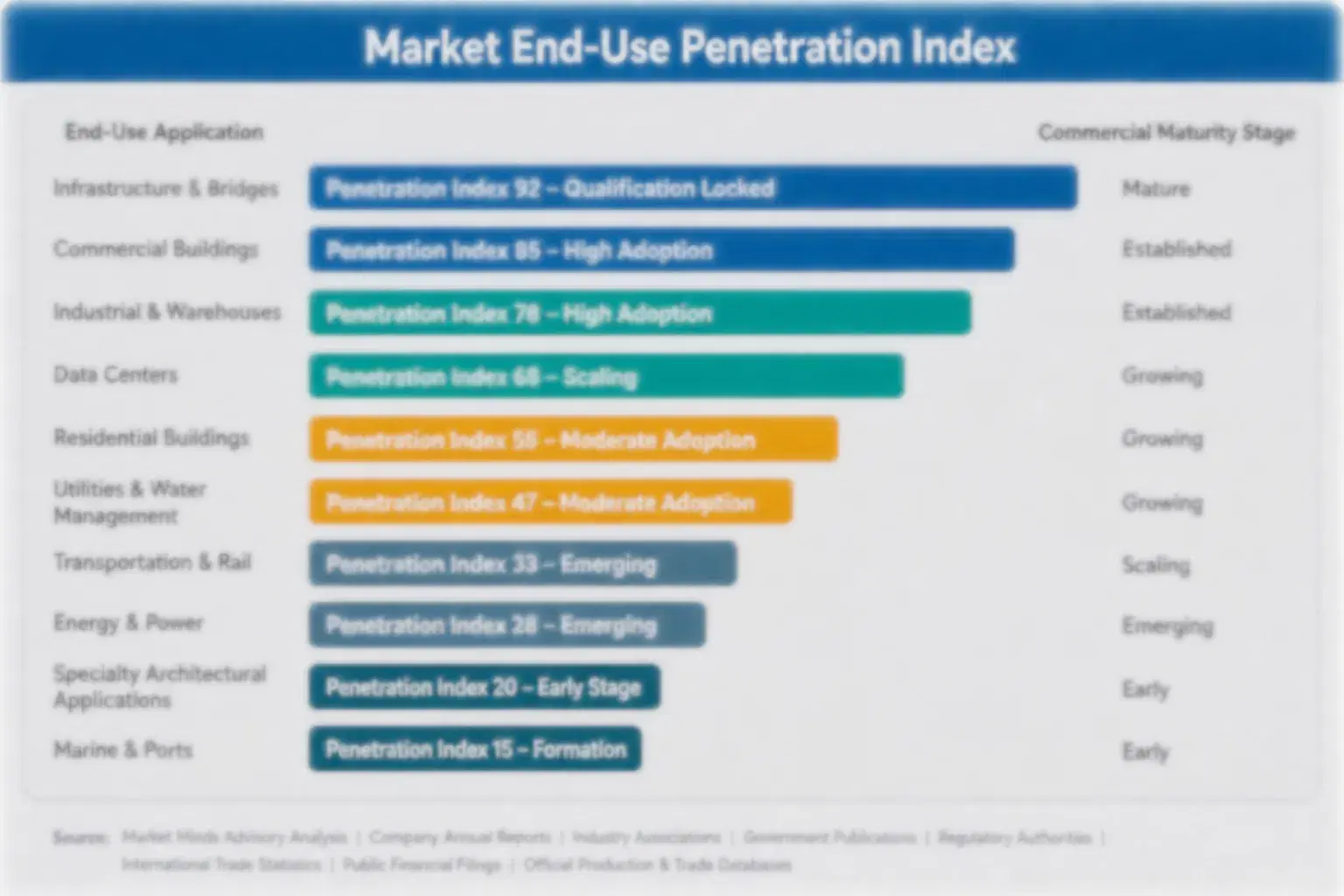
Treatment duration is bounded by the natural history of the condition, which resolves around puberty in most children and caps therapy at roughly four years per patient. No manufacturer acquires a lifelong customer here, and that single fact governs development economics more than prevalence or pricing ever could. Demand within those years is seasonal, peaking in spring and warm months, which produces an annual cycle rather than continuous consumption.
Stickiness runs through the prescribing ophthalmologist rather than through any patient relationship. A paediatric ophthalmologist who has settled on a steroid-sparing regimen applies it across their whole caseload, which makes the specialty relationship far more valuable than any individual patient. Compounded preparations are extremely sticky because a hospital pharmacy making them has no reason at all to change to a purchased alternative costing considerably more.

The decision maker is a small and identifiable group, which is unusual and commercially useful. Paediatric ophthalmology is a modest specialty and the clinicians treating this condition seriously are few enough to reach directly. General ophthalmologists and paediatricians see it first and frequently misdiagnose it. Hospital pharmacies decide whether to compound. Three groups, and most companies address only the specialist ones.
vernal-keratoconjunctivitis-market-end-use-penetration-index-1787705484483

Following The Disease Not The Money

These are among the four positions where our research anticipates prominent divergence between winners and laggards over the coming forecast period. Each is grounded in the demand model, the regulatory perimeter, and the announced capacity pipeline.
01 / ACCESS PRICING DECISION

Sixty percent is made in hospital pharmacies

Roughly 61% of topical immunomodulator use in this condition is compounded by hospital pharmacies, because branded product at around 780 dollars annually is entirely unobtainable for most affected families and is unavailable in many countries altogether. Prevalence concentrates precisely where that pricing simply cannot reach at all, which is the whole problem. Tiered pricing or regional manufacturing is the only route by which commercial value can ever follow the actual disease burden, and Indian manufacturers are already demonstrating that it works.
02 / STEROID HARM ARGUMENT

The cheap treatment slowly damages children's eyes

Topical corticosteroids control this disease very effectively, cost almost nothing and are available everywhere, and yet prolonged use produces raised pressure or lens complications in roughly 14% of the children treated with them. The commercial case for immunomodulators therefore rests entirely on avoiding that particular harm, rather than on any superior control of the disease itself. Paediatric ophthalmologists respond to complication data because they see the resulting cataracts themselves, and efficacy comparisons persuade nobody who is already holding a working steroid.
03 / RECOGNITION PROGRAMME FUNDING

Nearly three years of being called allergy

Diagnosis takes an average of 2.8 years, because the condition presents as ordinary seasonal allergic conjunctivitis until giant papillae or a corneal shield ulcer make it unmistakable to anybody actually looking. Vision-threatening complications occur in children who had been managed as simple seasonal allergy throughout that entire period. Recognition training in general ophthalmology and in paediatrics costs very modest money indeed and reaches patients years earlier, in a condition where each single year of delay carries a very real consequence.
04 / PORTFOLIO ECONOMICS REQUIREMENT

Four years per patient then they grow out

Most cases here resolve around puberty, which caps treatment at roughly four years for every patient and means that no manufacturer ever acquires a lifelong customer in this indication whatsoever. Single-indication development economics simply do not support the level of investment required within such a small paediatric specialty. A portfolio spanning ocular surface inflammation across allergic, atopic and dry eye presentations will instead share the regulatory, clinical and commercial cost that alone makes any of this economically viable at all.

Engagement Snapshot From the Field

A live engagement with an industry participant carrying material or product regulatory and market exposure ahead of a defining policy shift, showing how our research translates into a defensible multi-year portfolio strategy.
MARKET MINDS ADVISORY · CLIENT ENGAGEMENT SUMMARY
Vernal Keratoconjunctivitis Producer Strategic Portfolio Review and Transition Roadmap 2026·Investment Scenario on Vernal Keratoconjunctivitis Exposure Evaluation 2025-26
CLIENT PROFILE
An ophthalmic pharmaceutical company holding a branded topical immunomodulator approved for this indication across European and North American markets, with reported ophthalmic revenue of 180 million dollars (client-reported, unverified by MMA). All commercial activity targeted reimbursed markets. No affordable formulation existed and hospital compounding had never been assessed as a competitive factor anywhere. Access pricing was never considered.
STRATEGIC CHALLENGE
Revenue had plateaued in reimbursed markets while global diagnosed cases continued rising, and management could not reconcile the two. A promotional investment increase and a label extension were being prepared. Neither addressed the fact that most of the world's patients were being treated with preparations made in hospital pharmacies at negligible cost.
MMA APPROACH
MMA mapped diagnosed prevalence against commercial availability and compounding practice across twelve markets, an analysis the company had never attempted. Sixteen expert interviews with paediatric ophthalmologists, hospital pharmacists and general ophthalmologists established how treatment decisions and supply routes are actually determined. The analysis treated access pricing and compounding, rather than promotional weight, as the binding constraints.
KEY FINDINGS
  1. Compounded preparations supplied the majority of immunomodulator use across the high prevalence markets examined, and the company had never quantified that supply anywhere.
  2. Paediatric ophthalmologists interviewed cited steroid complication avoidance as their reason for prescribing immunomodulators, and efficacy comparison featured in none of those conversations.
  3. Diagnostic delay in served markets averaged years, with general ophthalmologists and paediatricians managing cases as seasonal allergy before eventual referral to specialists.
  4. No affordable formulation option had been assessed, and regional manufacturing had never been evaluated despite domestic competitors demonstrating that the model works.
CLIENT PROFILE
An ophthalmic pharmaceutical company holding a branded topical immunomodulator approved for this indication across European and North American markets, with reported ophthalmic revenue of 180 million dollars (client-reported, unverified by MMA). All commercial activity targeted reimbursed markets. No affordable formulation existed and hospital compounding had never been assessed as a competitive factor anywhere. Access pricing was never considered.
STRATEGIC CHALLENGE
Revenue had plateaued in reimbursed markets while global diagnosed cases continued rising, and management could not reconcile the two. A promotional investment increase and a label extension were being prepared. Neither addressed the fact that most of the world's patients were being treated with preparations made in hospital pharmacies at negligible cost.
MMA APPROACH
MMA mapped diagnosed prevalence against commercial availability and compounding practice across twelve markets, an analysis the company had never attempted. Sixteen expert interviews with paediatric ophthalmologists, hospital pharmacists and general ophthalmologists established how treatment decisions and supply routes are actually determined. The analysis treated access pricing and compounding, rather than promotional weight, as the binding constraints.
KEY FINDINGS
  1. Compounded preparations supplied the majority of immunomodulator use across the high prevalence markets examined, and the company had never quantified that supply anywhere.
  2. Paediatric ophthalmologists interviewed cited steroid complication avoidance as their reason for prescribing immunomodulators, and efficacy comparison featured in none of those conversations.
  3. Diagnostic delay in served markets averaged years, with general ophthalmologists and paediatricians managing cases as seasonal allergy before eventual referral to specialists.
  4. No affordable formulation option had been assessed, and regional manufacturing had never been evaluated despite domestic competitors demonstrating that the model works.
RECOMMENDED STRATEGY
Phase 1: Phase one: rebuild clinical communication around steroid complication avoidance rather than efficacy, since that is the argument prescribers actually respond to. Phase 2: Phase two: evaluate regional manufacturing and tiered pricing for high prevalence markets, converting compounded supply into purchased product. Domestic competitors proved it. Phase 3: Phase three: fund recognition training in general ophthalmology and paediatrics, reaching patients years before current referral patterns do. Delay costs children sight.
OUTCOME
Clinical communication was rebuilt around complication avoidance and prescriber response improved measurably at surveyed accounts (client-reported, unverified by MMA). A regional manufacturing assessment was commissioned for two high prevalence markets. Recognition training was funded through an existing ophthalmology society relationship, reaching general practitioners the company had never previously addressed.

Frequently Asked Questions

Foundational context covering the market sizes, CAGR, scope, country, region and competition that inform every finding below. This section is provided to cover basics and most often pre-purchase conversations, answered from the MMA Primary Research Dataset.

What is the current size of the Vernal Keratoconjunctivitis Market?

The market was worth 0.6 billion dollars in 2025, covering corticosteroids, ciclosporin, tacrolimus, mast cell stabilisers, injectable steroids and supportive therapy. It reaches 0.65 billion dollars in 2026.

How large will the Vernal Keratoconjunctivitis Market be by 2036?

MMA forecasts 1.46 billion dollars by 2036, an increase of 0.81 billion dollars over the 2026 base. That represents an expansion multiple of 2.25 times across the forecast period.

What is the CAGR for the Vernal Keratoconjunctivitis Market 2026 to 2036?

The base case compounds at 8.4% annually. The bull case reaches 9.6% if affordable formulations convert compounded supply, while the bear case sits at 7.2% if compounding continues serving most patients.

Which segment is growing fastest?

Topical tacrolimus formulations, at 12.6%, half again the market rate of 8.4%. Growth follows the desire to stop prolonged steroid use rather than any superiority in disease control.

Who are the major companies in the Vernal Keratoconjunctivitis Market?

Santen Pharmaceutical, Novartis, Sun Pharmaceutical Industries, Bausch and Lomb and Théa lead on disclosed ophthalmic revenue. Cipla, Ajanta Pharma and Entod hold significant affordable formulation positions.

Which country is growing fastest?

India at 10.5%, and the country also carries roughly 24% of all globally diagnosed cases. Domestic manufacturing is converting compounded supply into affordable purchased product.

Report Segmentation Architecture

The full report scope spans multiple orthogonal segmentation dimensions, with cross-tabulated demand data provided for each dimension pair. Coverage extends further to regional breakdowns, trend trajectories, and the competitive detail needed to support segment-level decision-making.

By Therapeutic Class

  • Topical Corticosteroids
  • Topical Ciclosporin Formulations
  • Topical Tacrolimus Formulations
  • Mast Cell Stabilisers and Antihistamines
  • Supratarsal and Injectable Corticosteroids
  • Lubricants and Supportive Ocular Therapy

By End-Use Setting

  • Paediatric Ophthalmology Clinics
  • General Ophthalmology Practices
  • Hospital Eye Departments
  • Primary Care and Paediatrics
  • Community Pharmacy Dispensing
  • Hospital Pharmacy Compounding

By Commercial Dimension

  • Branded Reimbursed Supply
  • Affordable Regional Formulation Supply
  • Hospital Compounded Preparation
  • Generic Prescription Dispensing
  • Retail and Self-Pay Purchase
  • Donated and Programme Supply

By Region

  • North America
  • Western Europe
  • East Asia
  • South Asia and Pacific
  • Latin America
  • Middle East and Africa
  • Eastern Europe

Scope, Methodology, and Coverage

Every figure in this report is reproducible from documented input assumptions. The scope below maps the historical period, the forecast horizon, the segmentation dimensions, and the countries covered, alongside the underlying primary and qualitative methodology.
Historical Period
2020 to 2025
Forecast Period
2026 to 2036
Base Year
2025 (USD billions; MMA Primary Research Dataset, August 2026)
Market Definition
Scope covers pharmacological treatment of vernal keratoconjunctivitis in children and adolescents, spanning topical corticosteroids, topical ciclosporin formulations, topical tacrolimus formulations, mast cell stabilisers and antihistamines, supratarsal and injectable corticosteroids, and lubricants with supportive ocular therapy. Systemic allergy treatment and immunotherapy, atopic keratoconjunctivitis and other ocular surface diseases treated as separate indications, corneal surgery and transplantation, contact lens and optical products, and allergy diagnostic testing are excluded from the market size and all derived figures. Hospital compounded preparations are analysed as a supply route rather than counted within commercial market value.
Quantitative Units
USD billions (current prices); treated patients; annual treatment courses; compounded supply share; diagnostic delay in years
Segmentation Dimensions
By Therapeutic Class; By End-Use Setting; By Commercial Dimension; By Region
Regions Covered
North America, Western Europe, East Asia, South Asia and Pacific, Latin America, Middle East and Africa, Eastern Europe
Countries Covered
India, Italy, Nigeria, Egypt, Brazil, USA, Japan, Spain, China, Saudi Arabia, France, Turkey, Mexico, Indonesia, South Africa
Key Companies Profiled
Santen Pharmaceutical, Novartis, Sun Pharmaceutical Industries, Bausch and Lomb, Théa, Alcon, AbbVie, Cipla, Ajanta Pharma, Entod Pharmaceuticals, Appasamy Associates, FDC Limited, Intas Pharmaceuticals, Lupin, Senju Pharmaceutical, URSAPHARM, Alfa Intes, OmniVision, Alimera Sciences, Ocular Therapeutix
Quantitative Methodology
Primary survey, n=3,800 respondents, Q4 2025, six countries; demand-side model with trade association cross-validation
Qualitative Methodology
47 expert interviews, Q4 2025; applied to validate demand model assumptions, identify emerging dynamics, and assess competitive positioning
Report Format
PDF and XLSX data workbook (Word format preview document)
Publisher
Market Minds Advisory
Report Code
MMA-2026-HLT-129
Published
August 2026
Contact
sales@marketmindsadvisory.com | www.marketmindsadvisory.com

Purchase the full Vernal Keratoconjunctivitis Market Report (2026 to 2036).

The full report runs to 158 pages and covers all six therapeutic class segments, seven regions and 20 profiled companies in detail. It includes the complete segment CAGR set, regional prevalence and access comparison, and analysis of compounded supply against commercial availability across high prevalence markets. Company profiles carry evaluation on disclosed ophthalmic pharmaceutical revenue, with moat and risk assessment for the top five companies. The competitive section extends to 14 tracked clinical, regulatory and access developments across 2024 and 2025. Primary research inputs include a quantitative survey of 3,800 respondents and 47 expert interviews conducted in Q4 2025.
Six therapeutic class segments with individual CAGR forecasts
Seven regional markets with prevalence and access route comparison
Twenty company profiles on consistent ophthalmic revenue evaluation basis
Fourteen tracked clinical and access developments with commercial interpretation
Compounded supply analysed against commercial availability by market
Steroid complication data mapped against steroid sparing prescribing patterns

Built For The People Who Decide

From boardroom strategy to bench-side execution, this report is read cover-to-cover by leaders shaping the next decade of their industry, turning demand scenarios, market dynamics and valuation benchmarks into decisions.
CXOs/ Presidents/ VPs/ Managers
M&A and Corporate Development
Strategy Teams and R&D Heads
Procurement and Product Directors
Regulatory and Compliance Leaders
Investor Relations and Equity Analysts