Cardiac Networks Shift Toward Wearable Bridge-to-Therapy Defibrillation
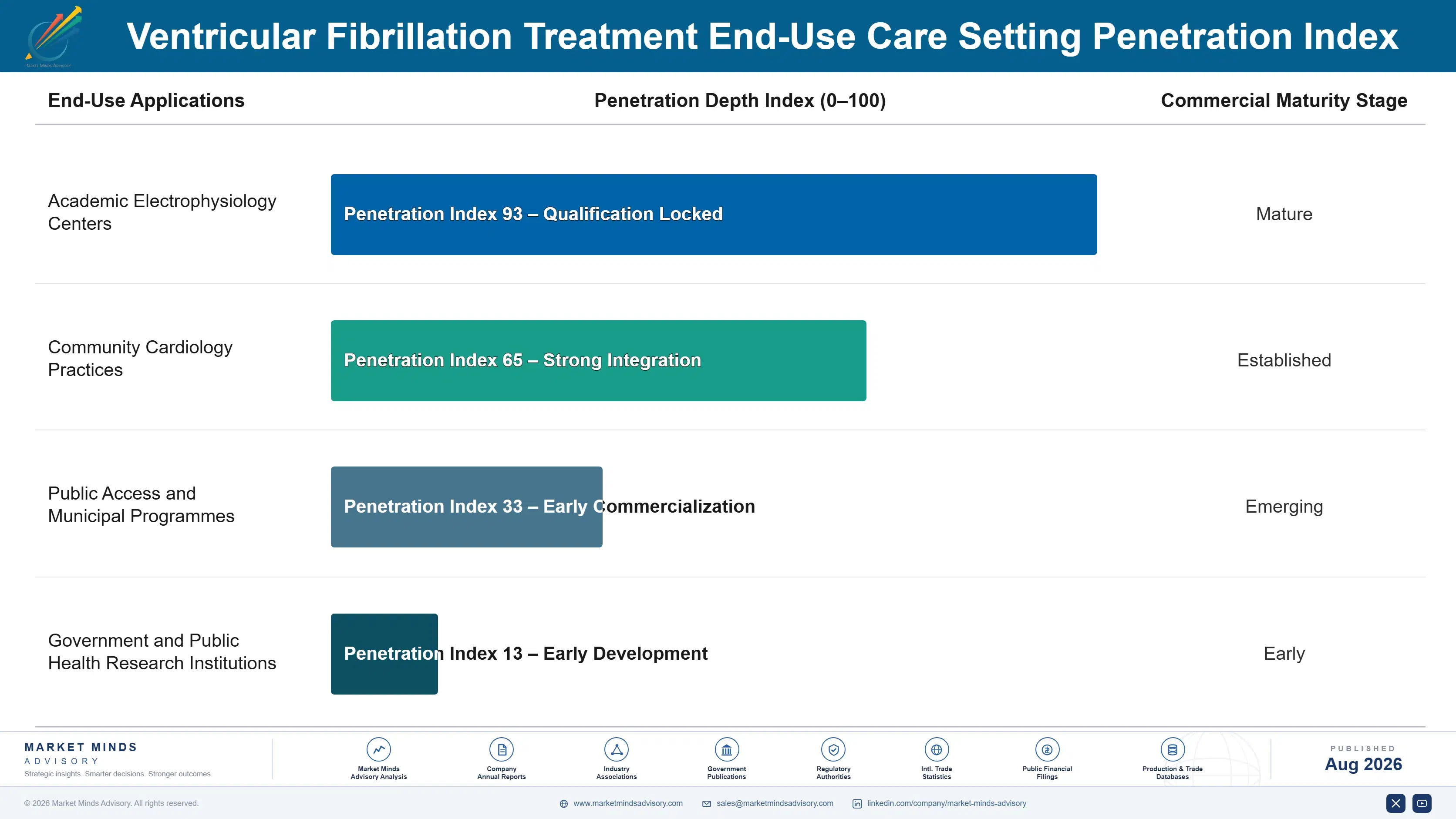
Academic and community cardiac networks are increasingly prescribing wearable cardioverter-defibrillators capable of continuous protection outside clinical settings, replacing what were historically fixed defibrillator protocols requiring patients to remain within reach of hospital or public access equipment across most high-risk sudden cardiac arrest categories served today. Each new wearable commitment requires manufacturers to demonstrate consistent detection algorithm validation alongside existing shock delivery capabilities, an evidence bar that has tightened considerably over the past several years. Networks completing successful wearable adoption report meaningfully improved patient survival outcomes, reinforcing wearable defibrillation as the standard specification for new bridge-to-therapy investment nationwide and internationally.
Market Impact: Adds 420,000 annual bridge-to-thera