Market Minds Advisory
Venous Thromboembolism (VTE) Treatment Market

Venous Thromboembolism (VTE) Treatment Market: The Drugs Went Generic And Value Moved

Anticoagulants that cost thousands a year now cost a few dollars a month, and the value migrated into catheter procedures priced in the tens of thousands and into a duration decision nobody documents.

Lead Analyst

Published

September 2026

Make Smarter Decisions with Customized Research Insights

Request a free sample report and evaluate market opportunities, growth trends, and competitive dynamics relevant to your business needs.

2025 MARKET VALUE$9.4BMarket Size 2025
2036 FORECAST VALUE$23.8BBase Case , 2026 to 2036
CAGR 2026 TO 20368.8 %Bull 10.0% / Bear 7.6%
INCREMENTAL OPPORTUNITY$13.5BNet 10- year value creation
EXPANSION MULTIPLE2.32x2036 value over 2026 base
Strategic Levers
M&A Pipeline
Regional Outlook
Country Rankings
Competitive Intelligence
Segmental Deep-dive
Call-Us : 91 93563 13602

Executive Snapshot and Market Trajectory

A generic anticoagulant course costs about nine dollars a month and a catheter thrombectomy costs some 18,600 dollars. The molecules commoditised and the category kept growing, because the value moved into a procedure rather than disappearing with the patent. Very few categories survive that transition.
North America takes 31% of value on interventional procedure pricing and adoption rather than on disease burden, which is broadly similar across ageing populations everywhere. Catheter-directed thrombectomy grows at 13.2%, half again the market rate of 8.8%, converting part of a pharmaceutical market into a device one and moving the decision from a prescription pad into a multidisciplinary response team. Randomised evidence in that population now decides everything.
Concentration is moderate at 44% and the least examined variable is duration. Only about 28% of patients have a documented decision on how long anticoagulation should continue, which means extended-phase treatment happens largely by default rather than by review, and nobody is measuring what that costs or prevents. Extended-phase treatment therefore happens by default rather than by review. Nobody owns that decision, which falls between hospital discharge and primary care. Nobody measures the cost.
Market Definition
The market covers treatment of venous thromboembolism including deep vein thrombosis and pulmonary embolism, spanning direct oral anticoagulants, low molecular weight and unfractionated heparins, catheter-directed thrombectomy and thrombolysis, vitamin K antagonists and associated monitoring, specific reversal agents, and inferior vena cava filters and retrieval. Prophylactic anticoagulation in surgical or medical inpatients, atrial fibrillation anticoagulation, arterial thrombosis, and diagnostic imaging are excluded.
Base Year Value
$9.4B in 2025 (MMA Primary Research Dataset, August 2026)
Forecast Period
2026 to 2036, eleven discrete annual values
CAGR
8.8% base case. Bull 10.0%. Bear 7.6%.
Fastest Growth Segment
Catheter-Directed Thrombectomy and Thrombolysis: 13.2% CAGR
Fastest Growth Country
India: 10.9% CAGR
Fastest Growth Region
South Asia and Pacific: 11.0% CAGR
Largest Region
North America: 31% of 2025 global value
Market Leaders
Bristol Myers Squibb, Johnson & Johnson, Bayer, Penumbra, Boston Scientific. Source: MMA Analysis based on disclosed anticoagulation and peripheral vascular intervention revenue, company annual reports 2025.
Primary Survey
n=3,800 procurement and R&D decision-makers, Q4 2025, six countries
Methodology
Demand-side build-up, cross-validated against public data, 47 expert interviews

Venous Thromboembolism (VTE) Treatment Market Forecast Scenarios

venous-thromboembolism-vte-treatment-market-size-forecast-scenario-1787705479290
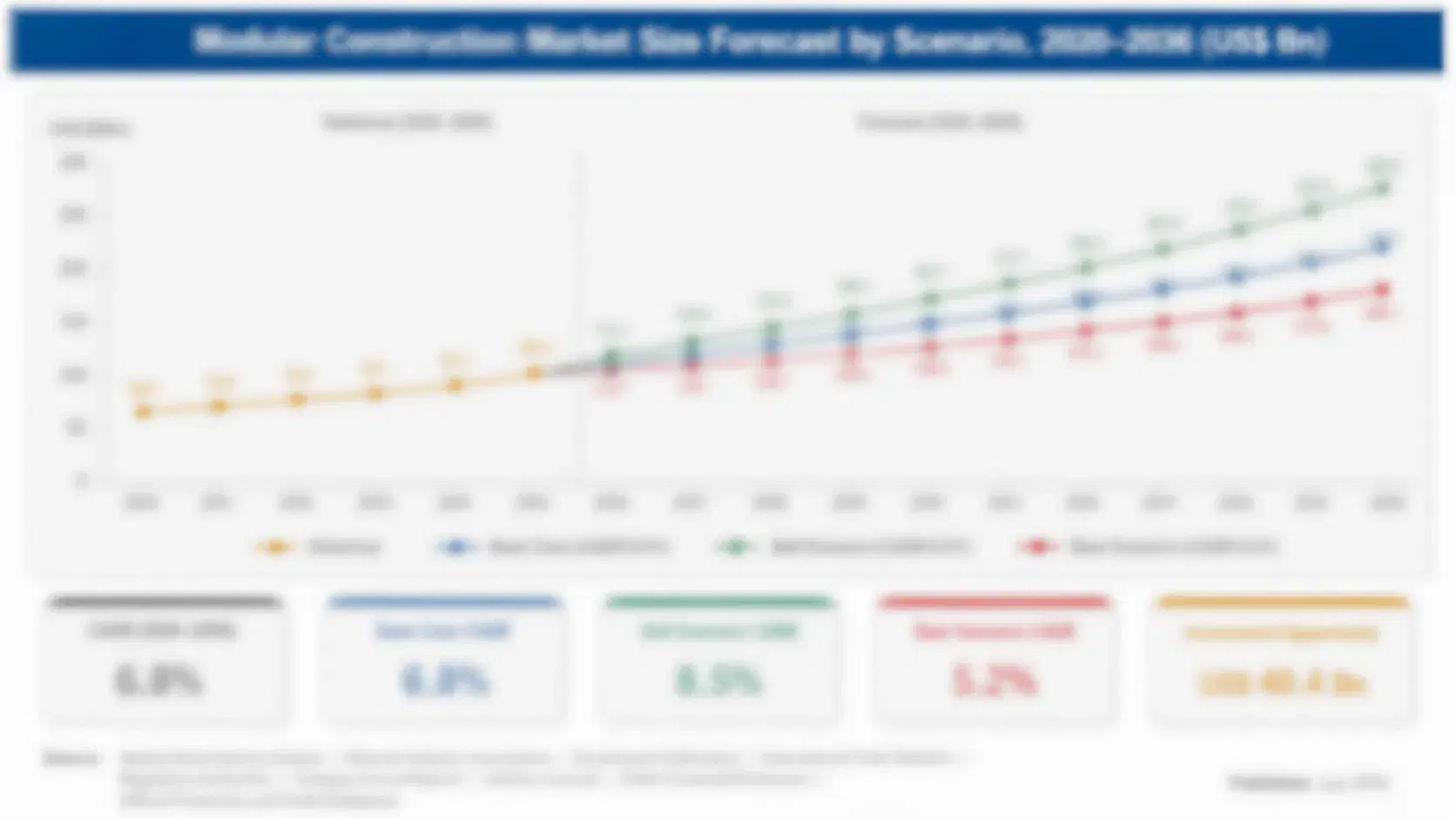
Growth from 2020 to 2025 ran at 7.4% through a period that should have gone badly. Direct oral anticoagulants lost exclusivity in major markets and pricing collapsed toward generic levels, which would ordinarily have taken the category with it. Instead catheter-directed intervention expanded rapidly in intermediate-risk pulmonary embolism and iliofemoral thrombosis, and treated volume rose as recognition improved, so total value grew while the drugs became commodities.
The 8.8% base case rests on three mechanisms. Catheter-directed thrombectomy keeps expanding as evidence accumulates in intermediate-risk pulmonary embolism and as response teams formalise who gets intervened upon. Specific reversal agents keep growing as stocking spreads across hospitals treating anticoagulated bleeding. And Asian recognition and treatment rates keep rising from levels well below Western equivalents against comparable underlying disease. None of the three requires the underlying disease burden to change at all.
The bull case at 10.0% assumes randomised evidence in intermediate-risk pulmonary embolism supports intervention convincingly, which would move a large patient group from anticoagulation alone into a procedure costing thousands of times more. The bear case at 7.6% is that same evidence disappointing, which would leave the category resting on genericised drugs and a small high-risk interventional population.

Where The Value Went

Very few pharmaceutical categories survive genericisation of their leading products, and this one grew through it. Direct oral anticoagulants that once cost thousands a year now cost around nine dollars a month, which should have taken the category down with them. Value migrated instead into catheter intervention at roughly 18,600 dollars a procedure, converting part of a drug market into a device one.
FIVE-FIRM CONCENTRATION44%Share of treatment revenue held by leading companies
THROMBECTOMY PROCEDURE COST$18,600Typical hospital cost of a catheter directed thrombectomy procedure
TOP TREATMENT COUNTRYUS 34%American share of global venous thromboembolism treatment revenue
GENERIC ANTICOAGULANT COURSE$9Monthly cost of a generic direct oral anticoagulant course
DURATION REVIEW DOCUMENTED28%Patients with a documented decision on anticoagulation duration
REVERSAL AGENT UTILISATION2.1%Anticoagulated patients ever receiving any specific reversal treatment
The decision also moved. Intermediate-risk pulmonary embolism used to be treated with anticoagulation and observation, and it is now discussed by a multidisciplinary response team that decides collectively whether to intervene. That formalisation slowed adoption in one sense and legitimised it in another, because a team decision requires evidence rather than individual enthusiasm. Randomised data in that population is the single most commercially consequential thing happening in this category.
Duration is the question almost nobody answers properly. Whether a patient stops at three months or continues indefinitely depends on whether the event was provoked, and only about 28% of patients have a documented decision recorded anywhere. The rest continue by default, which is where extended-phase treatment volume actually comes from. Nobody measures what that default costs or prevents.
"The drug is nine dollars and the procedure is eighteen thousand. Same disease, same week. Nobody set out to design a market that way and here we all are."
Director, Thrombosis and Vascular Intervention Practice · MMA Healthcare Practice · August 2026

Market Trends

Intervention Converts Drug Volume Into Procedure Volume

Catheter-directed thrombectomy at roughly 18,600 dollars replaces or supplements an anticoagulant course costing about nine dollars a month in a growing share of intermediate-risk pulmonary embolism and iliofemoral thrombosis. Growth at 13.2% follows that conversion directly. It turns part of a pharmaceutical category into a device one, moves the decision from a prescription into a procedure room, and makes randomised evidence in the intermediate-risk population the most commercially consequential question anywhere in this market. Randomised evidence in the intermediate-risk population is the single most commercially consequential question anywhere in this market today.
Market Impact: Used in only 2.1% of patients
Response Teams Formalised Who Gets Intervened Upon

Multidisciplinary pulmonary embolism response teams now decide intermediate-risk cases collectively rather than leaving them to whichever specialty saw the patient first, which slowed adoption in one respect and legitimised it in another. A team decision requires evidence rather than individual enthusiasm, and that raises the bar while making the resulting decisions considerably more durable. Manufacturers reaching only interventional specialties are addressing one voice in a room that decides together. A collective decision requires documented evidence rather than individual enthusiasm, which raises the bar and makes practice far more durable once established.
Market Impact: Grows fastest at 10.9% annually

Market Opportunities and Growth Drivers

Reversal Agent Stocking Spreads As Insurance Purchasing

Specific reversal for factor Xa inhibitors is used in only about 2.1% of anticoagulated patients and costs thousands per dose, which makes stocking it an insurance decision rather than a utilisation one. Hospitals buy something they hope never to use and budget it as contingency, which is an unusual purchasing pattern in pharmaceuticals. Growth at 10.2% therefore follows stocking policy and emergency department protocol rather than any change in how often bleeding actually occurs. Manufacturers presenting utilisation projections are answering a question nobody in the purchasing conversation actually asked them.
Market Impact: Awaits evidence in 1 population

Asian Recognition And Treatment Rates Rise From Low Levels

Venous thromboembolism recognition across China, India and Southeast Asia sits well below Western levels against comparable underlying disease, which makes the gap a diagnostic and awareness question rather than an epidemiological one. India grows fastest of any country at 10.9% as hospital capacity and imaging access expand together. Generic anticoagulant pricing makes treatment affordable once the diagnosis is made, which shifts the constraint entirely onto recognition rather than onto cost. Diagnosis rather than treatment cost is the binding constraint across the region. Recognition rather than affordability limits treated volume. Cost is no barrier.
Market Impact: Documents only 28% of decisions

Market Restraints and Challenges

Intervention Evidence Remains Unsettled Where Growth Concentrates

Catheter-directed thrombectomy is expanding fastest in intermediate-risk pulmonary embolism, which is precisely the population where randomised evidence remains incomplete and response teams are appropriately cautious. Root cause is that the procedure spread ahead of the trials rather than behind them. The commercial impact is growth resting on evidence still being generated, which could support or undermine it. Mitigation is funding those trials properly, which several manufacturers are now doing at considerable cost. Several manufacturers are now funding those trials at considerable cost. Trials arrive on their own schedule. Growth rests on it.
Market Impact: Converts $9 courses into $18,600

Duration Decisions Happen By Default Not Review

Only around 28% of patients have a documented decision on how long anticoagulation should continue, and the rest simply carry on, which means extended-phase volume reflects inattention rather than clinical judgement. Root cause is that the decision falls between hospital discharge and primary care follow-up without clear ownership. The commercial impact is revenue that a systematic review process could remove or could equally validate. Mitigation runs through structured review pathways that almost nobody currently funds. Nobody owns the decision at handover. Structured review pathways would resolve it. Almost nobody funds them.
Market Impact: Involves 4 specialties per decision
3 additional market trends, 4 additional growth drivers, and 2 additional restraints and challenges are covered in the full report. Contact sales@marketmindsadvisory.com to access the complete intelligence.

Segment CAGR and Growth Architecture

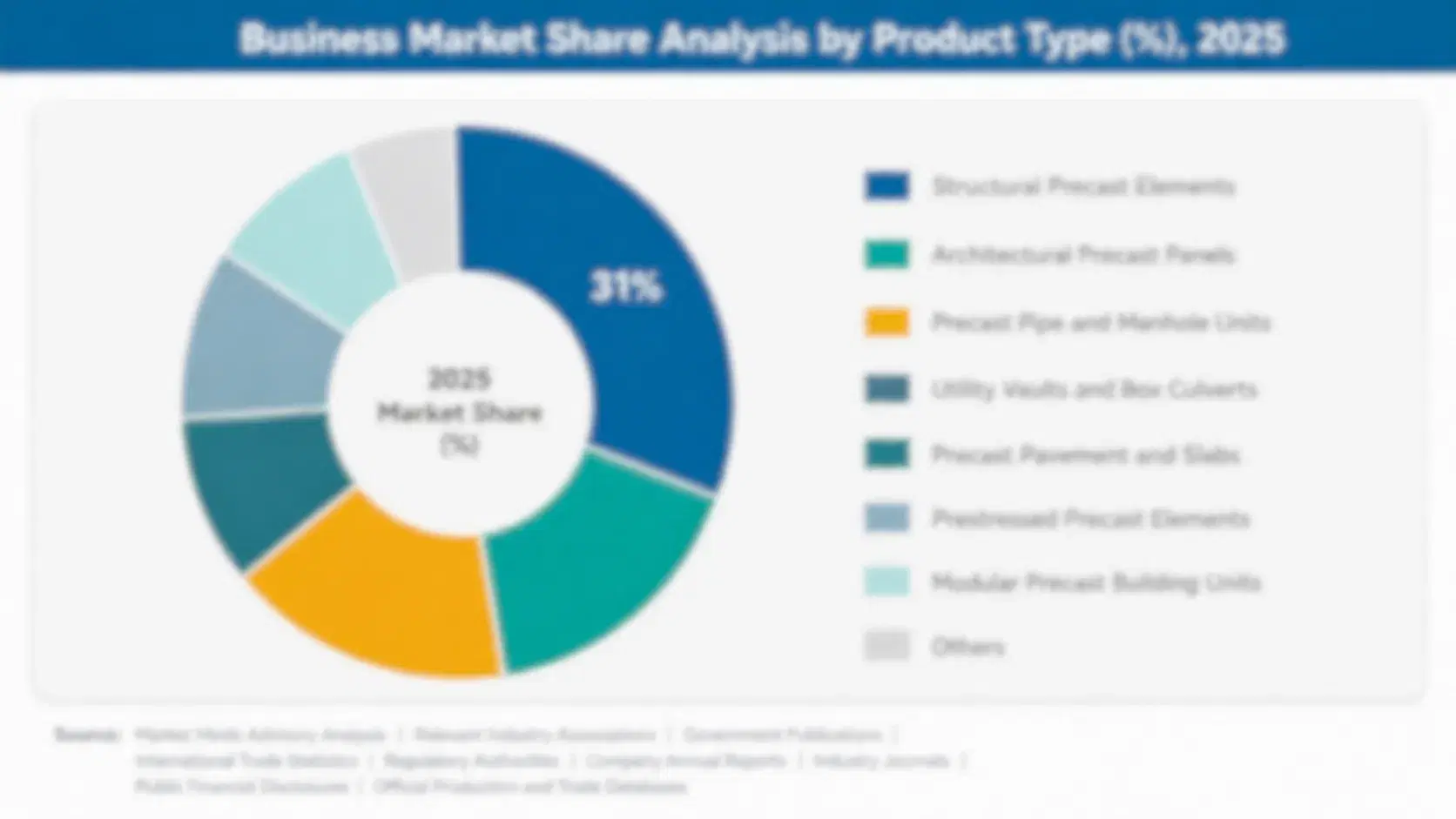
Segmentation follows treatment modality: what is administered or performed, rather than which clinical presentation receives it or where the patient is managed. Six modalities cover the market without overlap, spanning oral, parenteral and interventional treatment. Clinical presentation and care setting are treated as separate commercial dimensions here. Duration of therapy cuts across every modality here.
venous-thromboembolism-vte-treatment-market-market-share-analysis-1787705479577

Catheter-Directed Thrombectomy and Thrombolysis

Growth at 13.2%, half again the market rate of 8.8%, comes from converting anticoagulant courses costing around nine dollars a month into procedures costing roughly 18,600 dollars, in a growing share of intermediate-risk pulmonary embolism and iliofemoral thrombosis. That turns part of a pharmaceutical market into a device market without any change in the underlying disease. Randomised evidence in the intermediate-risk population is still accumulating, which makes the fastest growing segment also the one resting on the least settled foundation. Response teams intervene cautiously while that data accumulates, which slows adoption and makes the eventual practice considerably more durable. The foundation is still being poured. Evidence settles it either way.
CAGR 13.2%

Specific Reversal Agents

Reversal for factor Xa inhibitors reaches only about 2.1% of anticoagulated patients and costs thousands per dose, which makes hospital stocking an insurance decision rather than a utilisation forecast. Growth at 10.2% follows stocking policy and emergency department protocol rather than any change in bleeding frequency. Commercially this behaves unlike anything else in the category, since the buyer is purchasing something they actively hope never to use and budgeting it as a contingency rather than as treatment. Demand therefore follows formulary policy rather than clinical events, which is a genuinely unusual planning problem for anybody forecasting production and inventory against it. Utilisation forecasting misses badly. Nothing else behaves like this.
CAGR 10.2%
Full segment breakdown across 6 segments available in the complete report.

Regional Architecture and Country Demand Map

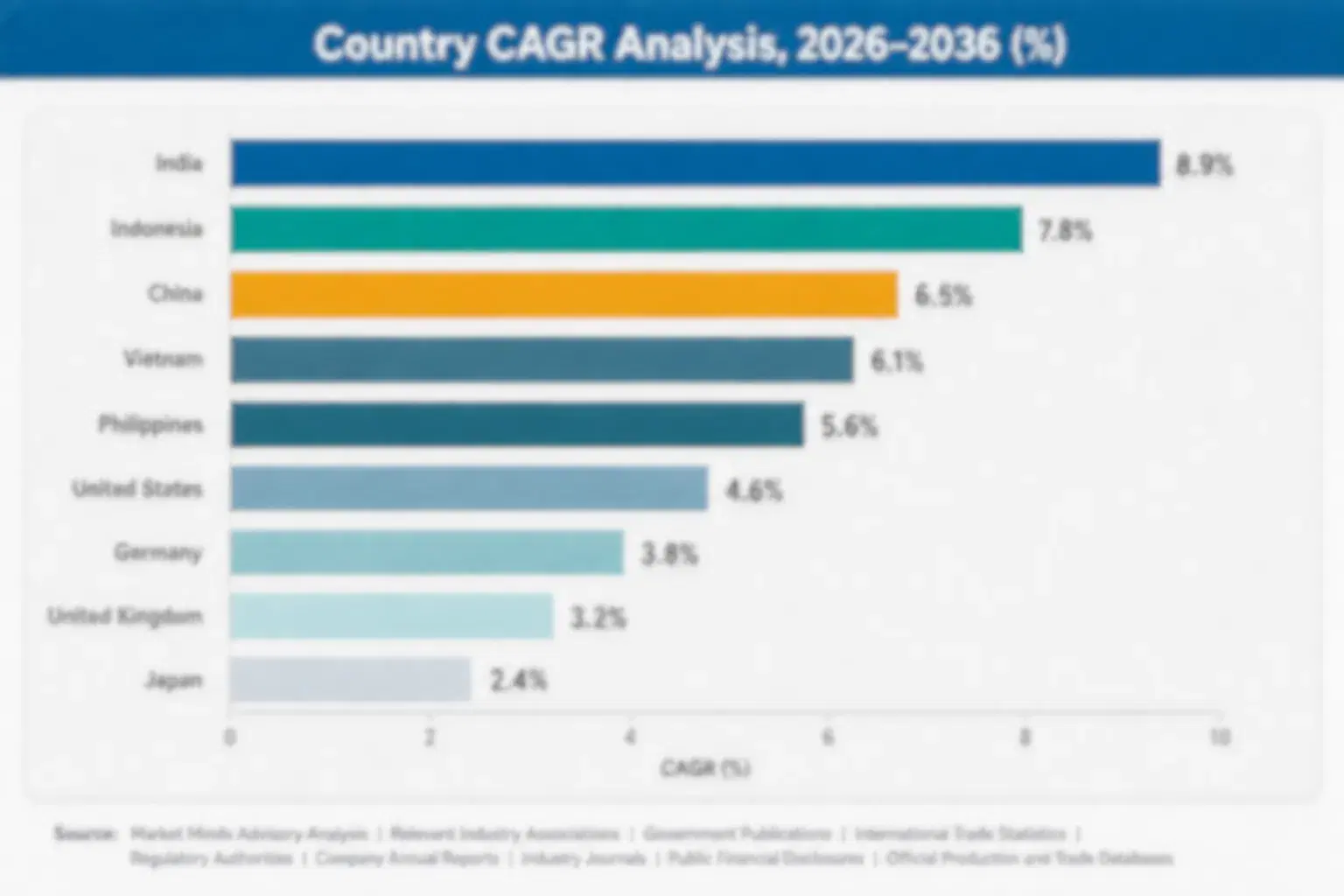
Geography follows interventional procedure adoption and pricing rather than disease burden, which is broadly similar across ageing populations. North America leads on both, Western Europe follows on recognition, and India grows fastest. Anticoagulant genericisation is complete almost everywhere, which moved value into procedures wherever they are performed.

North America

Catheter-directed intervention adoption is furthest advanced here and procedure pricing near 18,600 dollars gives the region 31% of value on a modest share of global disease. Response teams are well established across academic and larger community hospitals, which formalises intermediate-risk decisions and makes evidence rather than individual preference decisive. Reversal agent stocking is widespread as an emergency department contingency. Anticoagulant genericisation has been extensive, which moved value into intervention faster here than in any other market. Duration review documentation is poor here as everywhere, and extended-phase treatment continues largely by default across primary care follow-up. Anticoagulant genericisation has been extensive here and moved value into intervention faster than anywhere else.
Share: 31% | CAGR: 8.0% (2026 to 2036)

Western Europe

Recognition and treatment rates are high with well-organised thrombosis services in several countries, and anticoagulant genericisation is complete across the major markets. Health technology assessment applies cost effectiveness reasoning to catheter-directed intervention, which has slowed adoption relative to North America while the intermediate-risk evidence remains incomplete. Response teams are developing in academic centres. Duration review is better documented than elsewhere though still falls well short of covering most treated patients. Reversal agent stocking is widespread in larger hospitals and treated as emergency contingency rather than as any forecast of expected utilisation. Health technology assessment has slowed catheter adoption relative to North America while intermediate-risk evidence remains incomplete. Duration review is better documented here.
Share: 24% | CAGR: 7.2% (2026 to 2036)
Regional intelligence for 5 additional markets available in the complete report: East Asia, South Asia and Pacific, Latin America, Middle East and Africa, Eastern Europe. Contact sales@marketmindsadvisory.com.
venous-thromboembolism-vte-treatment-market-country-cagr-analysis-1787705479848

Following Value Past The Patent

Generic courses cost around nine dollars monthly against procedures near 18,600, only about 28% of duration decisions are documented, reversal reaches 2.1% of patients, and response teams decide collectively. Four levers work on evidence, team access, duration review and stocking policy rather than on molecule pricing. Molecule pricing decides nothing now. Evidence decides it.

Fund Intermediate-Risk Randomised Evidence Properly Now

Catheter-directed thrombectomy is growing fastest in intermediate-risk pulmonary embolism, which is exactly where randomised evidence remains incomplete and response teams are appropriately cautious about intervening. The procedure spread ahead of the trials rather than behind them. Manufacturers funding that evidence now determine whether a population worth thousands of times more per patient than anticoagulation alone becomes routinely treatable, and the answer will settle the category's trajectory either way. A procedure at 18,600 dollars against a course at 9 dollars monthly makes the population worth thousands of times more per patient, which is why the evidence question dominates everything else.
Market Impact: Decides an entire $18,600 procedure population outright now

Reach The Whole Response Team Not One Specialty

Intermediate-risk decisions are made by multidisciplinary teams drawing on roughly 4 specialties rather than by whichever clinician saw the patient first, which makes single-specialty engagement plainly inadequate. A team decision requires evidence rather than enthusiasm and produces considerably more durable practice once made. Manufacturers calling only on interventional specialties reach one voice in a room deciding collectively, and lose cases they never hear discussed at all. A team decision is considerably more durable than an individual preference once it is made, which rewards whoever supplied the evidence behind it. Single-specialty engagement is inadequate.
Market Impact: Addresses all 4 of the specialties deciding together

Build Structured Duration Review Into Care Pathways

Only around 28% of patients have a documented decision on anticoagulation duration and the rest simply continue, which means extended-phase volume reflects inattention rather than clinical judgement. A structured review process could remove some of that volume and would equally validate a great deal of it. Manufacturers supporting review pathways look like they are risking revenue and are actually converting default prescribing into documented indication that payers cannot later question. Payers cannot later question documented indication. Manufacturers supporting review pathways look like they are risking revenue and are actually converting default prescribing into documented indication.
Market Impact: Documents well beyond the 28% of duration decisions

Sell Reversal Stocking As Contingency Not Utilisation

Specific reversal reaches only about 2.1% of anticoagulated patients and costs thousands per dose, so hospitals are buying insurance rather than forecasting treatment. Manufacturers presenting utilisation projections are answering a question nobody asked. Framing the purchase as emergency preparedness, alongside protocol development for anticoagulated bleeding, reaches pharmacy and emergency leadership on the terms they actually use when deciding what to stock. Pharmacy and emergency leadership decide stocking on preparedness grounds, and protocol development for anticoagulated bleeding is the conversation they actually want to have. Insurance rather than forecasting. Utilisation projections miss entirely.
Market Impact: Stocks against only the 2.1% of actual utilisation

Who Controls the Margin Pool

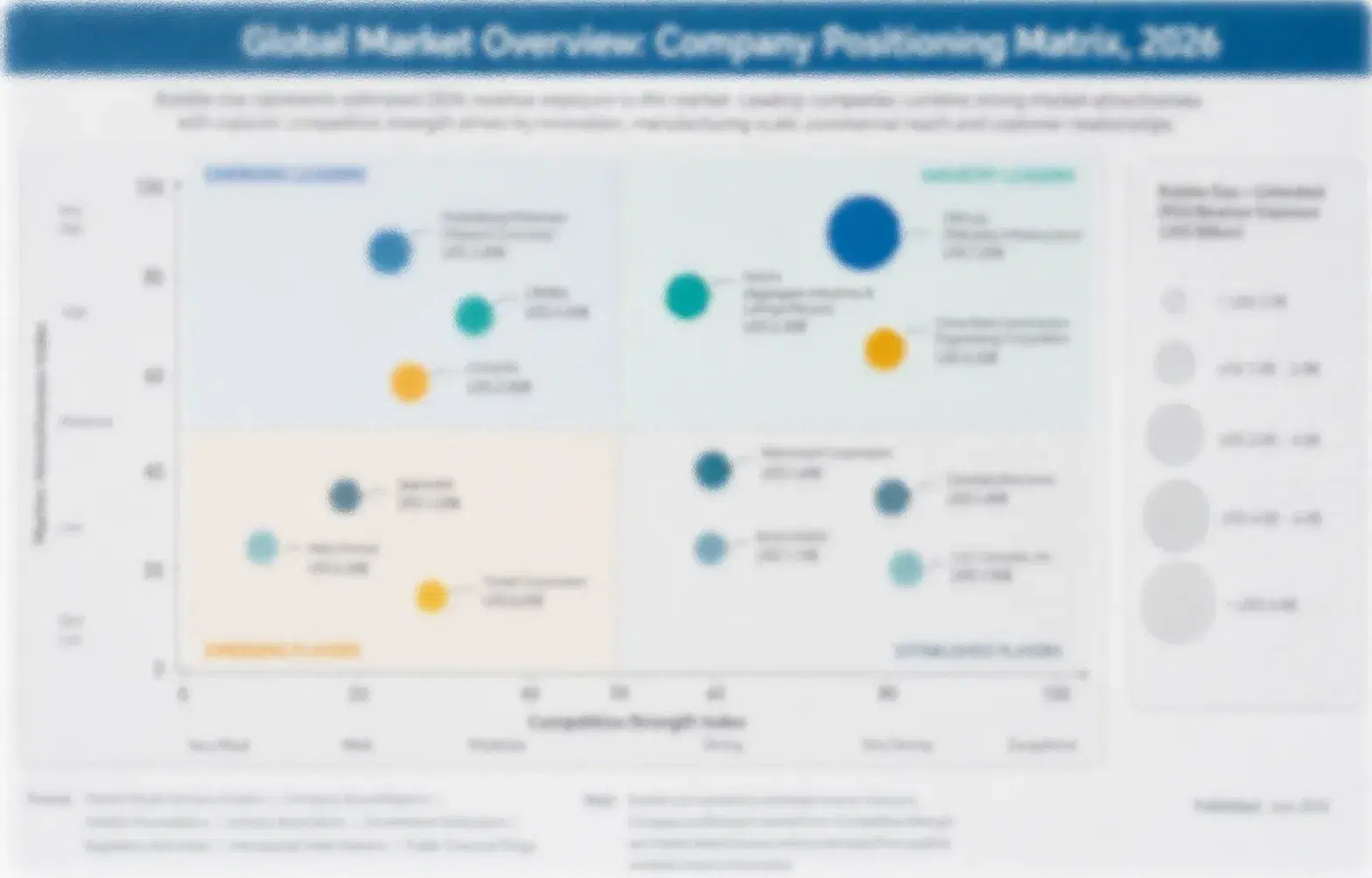
Measured on disclosed anticoagulation and peripheral vascular intervention revenue, the five largest companies hold a CR5 of 44%, which is unusually low for a category with this much clinical importance and reflects the split between genericised pharmaceuticals and a growing device segment. Bristol Myers Squibb, Johnson & Johnson and Bayer hold the anticoagulant positions, while Penumbra and Boston Scientific lead interventional thrombectomy. The two halves barely overlap in capability or in ownership.
Three contests define activity. Anticoagulant supply competes on generic price with essentially no differentiation remaining between molecules that were once heavily promoted. Catheter-directed intervention competes on device performance and on evidence in the intermediate-risk population. And reversal agents compete on hospital stocking policy, which is an emergency preparedness argument rather than a therapeutic one. A company organised for one contest is rarely equipped for the others.

Pressure builds as interventional evidence matures in either direction and as response teams formalise decisions that individual enthusiasm previously drove. Rankings shift toward whoever funds the intermediate-risk trials. The duration question remains entirely unexamined by anybody with a commercial reason to look at it. Nobody is examining duration.
venous-thromboembolism-vte-treatment-market-company-positioning-matrix-1787705480147

Competitive Moat and Risk Dimensions

BRISTOL MYERS SQUIBB

Moat: Anticoagulant Prescribing Familiarity

Bristol Myers Squibb built prescribing familiarity for its anticoagulant across an enormous treated population over more than a decade, and clinicians continue writing what they know even after generic alternatives appear. That habit has real commercial value in extended-phase treatment where continuity matters. Displacing an established prescribing pattern requires more than price parity from any competitor entering afterwards.
BRISTOL MYERS SQUIBB

Risk: Complete Genericisation Exposure

Exclusivity has gone across major markets and generic pricing near nine dollars monthly removes essentially all the value that prescribing familiarity once protected. Habit retains the molecule rather than the manufacturer supplying it. Value in this category has migrated into intervention, where the company holds no position at all.
PENUMBRA

Moat: Thrombectomy Device Clinical Position

Penumbra holds a strong position in mechanical thrombectomy supported by device development focused specifically on venous thrombus and by growing operator familiarity in a procedure that rewards it. Procedure pricing near 18,600 dollars sits in an entirely different economic category from genericised anticoagulation. Operator preference in a technically demanding procedure transfers poorly between systems and takes cases to establish.
PENUMBRA

Risk: Intermediate-Risk Evidence Dependence

Growth concentrates in intermediate-risk pulmonary embolism where randomised evidence remains incomplete and response teams are appropriately cautious about intervening. Device performance provides no protection if trials disappoint in that population. The procedure spread ahead of the evidence, and the evidence is now arriving on its own schedule entirely.

Players Tracked

Prominent Players

Bristol Myers Squibb
Johnson & Johnson
Bayer
Penumbra
Boston Scientific

Other Key Players

Pfizer
Sanofi
AstraZeneca
Viatris
Teva Pharmaceutical Industries
Sandoz
Stryker
Medtronic
AngioDynamics
Argon Medical Devices
Cook Medical
Truvic Medical
Vascular Medcure
Akura Medical
Aspen Pharmacare

Recent Developments

MARCH 2025

Response team model formalises intermediate-risk intervention decisions

A hospital network established multidisciplinary pulmonary embolism response teams across its acute sites, an operational and clinical development rather than any corporate transaction. Intermediate-risk decisions moved from whichever specialty saw the patient first to a collective assessment requiring documented evidence before any intervention proceeded. Practice became considerably more consistent.
Signal: Team decisions raise the evidential bar while making the resulting practice considerably more durable afterwards. Enthusiasm decides less.
JULY 2025

Randomised trial reporting advances intermediate-risk intervention evidence base

Randomised trial reporting in intermediate-risk pulmonary embolism advanced the evidence base for catheter-directed intervention, a clinical research development rather than any commercial event. The procedure had spread ahead of the trials rather than behind them, and response teams had been intervening cautiously pending exactly this data.
Signal: The fastest growing segment rests on evidence still being generated, which will settle the trajectory either way.
NOVEMBER 2025

Hospital pharmacy network revises reversal agent stocking protocols

A hospital pharmacy network revised specific reversal agent stocking across its emergency departments, a formulary and preparedness decision rather than any corporate transaction. Utilisation runs near two percent of anticoagulated patients, so stocking is an insurance judgement rather than any forecast of expected treatment volume.
Signal: Reversal purchasing is emergency preparedness, and utilisation projections answer a question nobody is asking. Preparedness is the frame.

What Treatment Costs Now

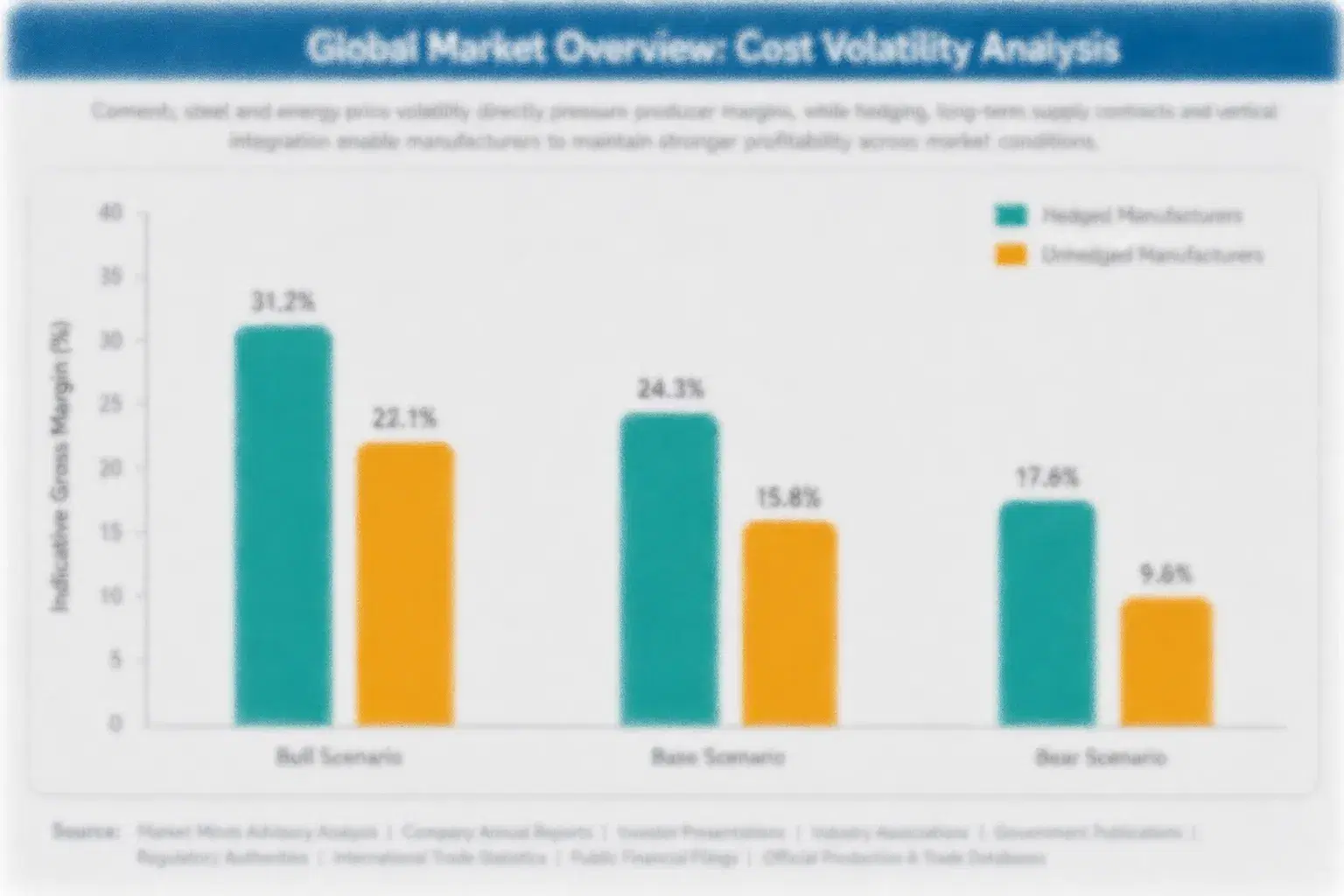
Cost structure has separated completely between the two halves of this category. Generic anticoagulant manufacture is fine chemical production where ingredient, formulation and packaging account for 62 to 71% of a course costing around nine dollars monthly. Catheter thrombectomy carries device manufacturing at a fraction of its 18,600 dollar procedure cost, with the remainder in theatre time, imaging, staffing and hospital overhead rather than in the device itself.
The volatility that mattered was hospital procedural cost rather than any manufacturing input. Interventional radiology and theatre staffing costs rose sharply through 2022 and 2023 across most health systems, which raised the delivered cost of every catheter procedure substantially. Generic active ingredient supply also tightened periodically, which Viatris and Teva annual report disclosures reference, and IEA industrial energy price data records the underlying manufacturing cost pressure.

Exposure divides by which half of the category a company occupies. Anticoagulant suppliers carry commodity economics with no pricing power whatsoever following genericisation. Device manufacturers carry development and evidence generation cost against procedure pricing that supports it comfortably for now. Reversal agent suppliers carry biological manufacturing against volumes that stocking policy rather than utilisation determines, which is a genuinely unusual planning problem.
venous-thromboembolism-vte-treatment-market-cost-volatility-analysis-1787705480465

Fund intermediate-risk trials rather than awaiting them

Catheter intervention spread ahead of randomised evidence in the population where it is now growing fastest, and response teams intervene cautiously until that data arrives. Funding those trials costs a great deal and settles whether a very large patient group becomes routinely treatable. Waiting for somebody else to generate the evidence surrenders the argument to whoever does.

Plan reversal supply against stocking not utilisation

Specific reversal reaches around two percent of anticoagulated patients while hospitals stock it as emergency contingency, which makes demand a function of formulary policy rather than clinical events. Forecasting from utilisation understates requirement badly and forecasting from stocking is the accurate approach. Manufacturers modelling this as therapeutic demand consistently misjudge both production and inventory.

Support duration review to document existing volume

Roughly 28% of patients have a documented decision on anticoagulation duration and the remainder continue by default, which is revenue resting on inattention rather than indication. Structured review would remove some volume and would document a great deal more as properly indicated. Converting default prescribing into documented indication protects it against exactly the payer scrutiny that eventually arrives.

Portfolio Architecture for Margin Defence

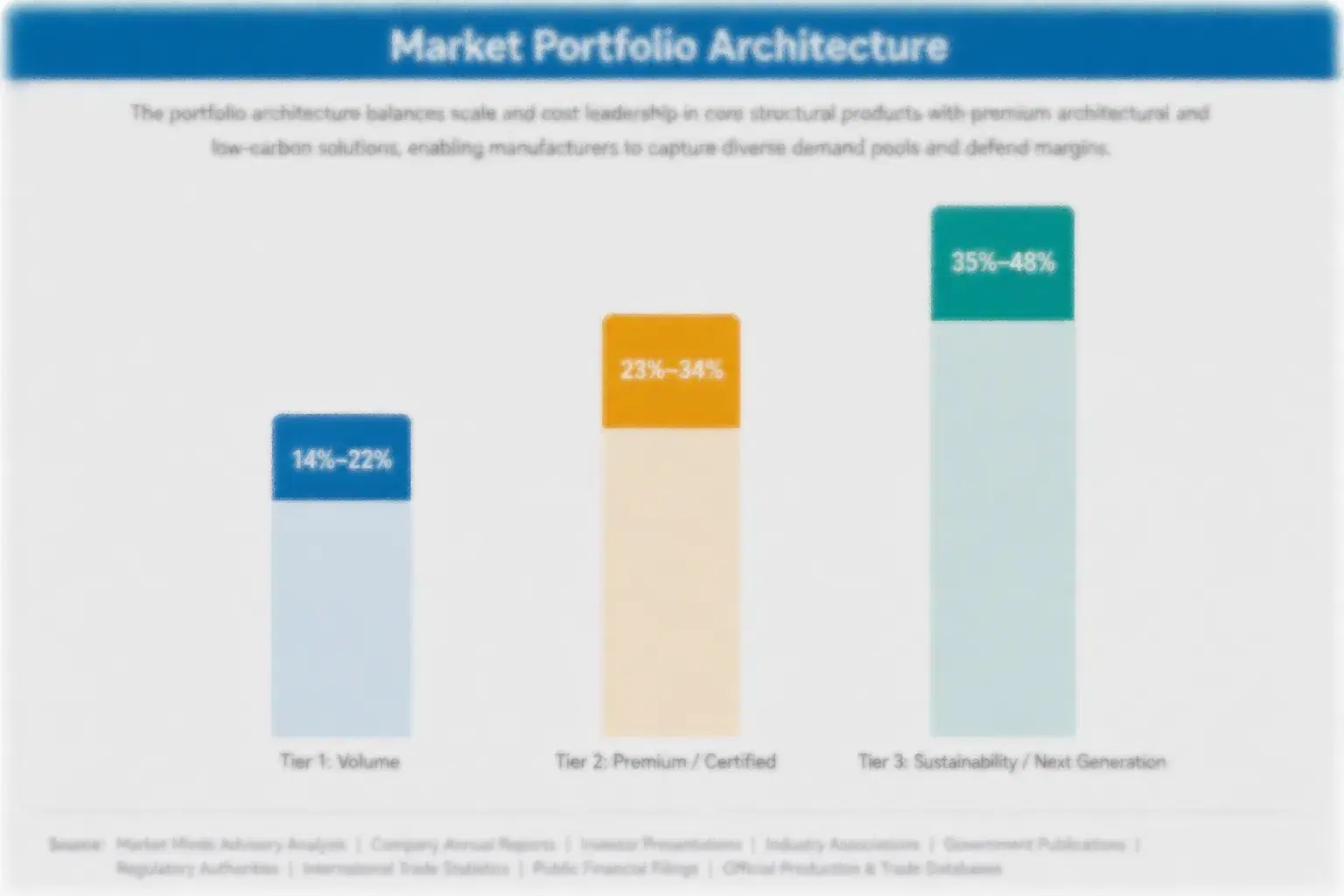
Margin follows which half of the category a product sits in, and the gap is enormous. Vitamin K antagonists and heparins earn almost nothing on genericised commodity pricing. Direct oral anticoagulants now earn similarly little following exclusivity loss across major markets. Inferior vena cava filters earn moderately. Specific reversal agents earn strongly on rarity and stocking policy. Catheter-directed thrombectomy earns most on procedure economics entirely unlike anything pharmaceutical.
The tension is that the two halves require completely different companies. Anticoagulant supply is a generic pharmaceutical business competing on manufacturing cost and tender price. Catheter intervention is a device business competing on operator familiarity, evidence generation and hospital procedural economics. Very few organisations hold credible positions in both, and the value has moved decisively toward the half that most incumbent pharmaceutical companies do not occupy at all. That is an uncomfortable position for an incumbent to occupy and it is not one that pricing decisions can resolve.

High-value pools sit in three places. Catheter-directed intervention supported by intermediate-risk randomised evidence, if that evidence holds. Specific reversal agents sold on stocking policy rather than utilisation forecasting. And documented extended-phase treatment, which converts default prescribing into indication that survives payer review.

Volume / Commodity-Adjacent

Generic direct oral anticoagulants, heparins and vitamin K antagonists supplied through tender following complete exclusivity loss. The 9-point range is wide because integrated manufacturers and those purchasing ingredients face entirely different cost positions on identical molecules.
Gross Margin: 10-19%

Premium / Certified

Inferior vena cava filters, retrieval systems and remaining branded anticoagulant positions in markets where exclusivity persists. The 10-point spread separates products with established clinical positioning from those competing on price against widely available alternatives.
Gross Margin: 44-54%

Sustainability / Regulatory / Next-Generation

Catheter-directed thrombectomy and thrombolysis systems together with specific reversal agents. The 26-point range is wide because device procedural economics and rarity-priced biological products rest on entirely different commercial foundations. Both sit far above the genericised drug tier.
Gross Margin: 58-84%
venous-thromboembolism-vte-treatment-market-portfolio-architecture-1787705480752

High-value Sub-segments and Strategic Watch-out

Specific Reversal Agents

Highest margin on rarity pricing, reaching only around two percent of anticoagulated patients and stocked as emergency contingency rather than forecast treatment. The risk is that demand depends entirely on formulary and stocking policy, which a cost review can change without any clinical trigger. Policy decides demand.
Gross Margin: 76-84%

Catheter-Directed Intervention

Fastest growth at 13.2%, converting anticoagulant courses into procedures costing thousands of times more per patient treated. The risk is that intermediate-risk randomised evidence remains incomplete, and disappointing results would remove most of the growth population immediately. Evidence arrives on its own schedule and nobody can accelerate it meaningfully.
Gross Margin: 62-70%

Genericised Anticoagulant Supply

The volume core, treating most patients at around nine dollars monthly with negligible margin following complete exclusivity loss. Manufacturers hold it because scale supports wider portfolios and because health systems depend on continuity of supply from somebody willing to provide it. Nobody exits it deliberately.
Gross Margin: 11-17%

Undocumented Extended Treatment

The strategic watch-out. Only about 28% of duration decisions are documented and the remainder continue by default, which is revenue resting on inattention. The risk is that payer scrutiny arrives before anybody converts that default prescribing into documented indication. Documentation would protect it entirely, and almost nobody funds the review.
Gross Margin: 20-26%

Three Months Or Forever

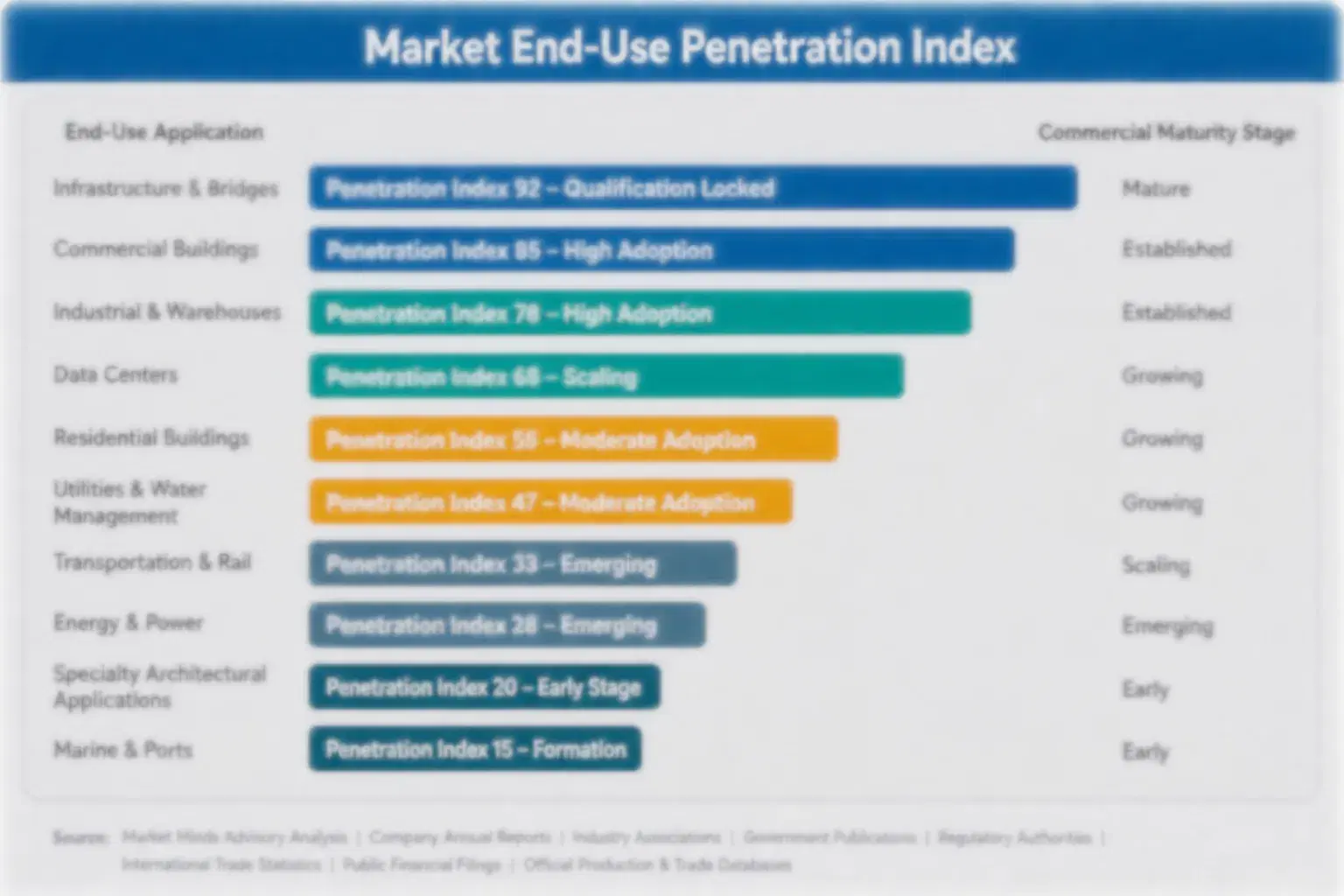
Treatment duration determines almost everything about this market's demand structure. A provoked event resolves with three months of anticoagulation and generates very little. An unprovoked event may warrant indefinite treatment, producing years of continuing therapy at low unit cost. Only around 28% of patients have that decision documented, which means the split between the two is being determined by administrative default rather than by any clinical assessment somebody recorded.
Stickiness therefore concentrates in extended-phase treatment and in procedural familiarity. A patient continuing anticoagulation indefinitely stays on whatever they were started on, since nobody switches a stable patient without reason. An operator performing catheter thrombectomy develops preference for a system they know, which transfers poorly and takes cases to rebuild. Acute anticoagulant supply is not sticky in any respect and moves on tender price.

The decision maker differs completely between the halves. Anticoagulant selection is made at discharge by hospital prescribers working from formulary, then continued by primary care indefinitely without review. Interventional treatment is decided by a multidisciplinary response team drawing on several specialties. Duration falls between hospital and primary care with no clear owner, which is exactly why so little of it gets documented anywhere.
venous-thromboembolism-vte-treatment-market-end-use-penetration-index-1787705481049

Following The Value Across

These are among the four positions where our research anticipates prominent divergence between winners and laggards over the coming forecast period. Each is grounded in the demand model, the regulatory perimeter, and the announced capacity pipeline.
01 / INTERMEDIATE-RISK EVIDENCE FUNDING

The procedure arrived before the trials did

Catheter-directed thrombectomy is now growing fastest in intermediate-risk pulmonary embolism, which is precisely the patient population where randomised evidence remains incomplete and where response teams therefore intervene with appropriate caution. The procedure spread ahead of the trials rather than following along behind them, which is genuinely unusual and quite consequential. Manufacturers who choose to fund that evidence now will determine whether a patient group worth thousands of times more per person than anticoagulation alone ever becomes routinely treatable at all.
02 / RESPONSE TEAM ENGAGEMENT

Four specialties decide and you visit one

Intermediate-risk decisions are now made by multidisciplinary response teams drawing on roughly four separate specialties, rather than by whichever individual clinician happened to see that patient first on the day. That formalisation raises the evidential bar considerably, while making the resulting practice much more durable once it has been established. Manufacturers who call only on the interventional specialties will therefore reach one voice in a room deciding collectively, and they consequently lose cases that they never even hear being discussed.
03 / DURATION DOCUMENTATION SUPPORT

Most patients continue because nobody decided

Only around 28% of patients have any documented decision recorded on how long their anticoagulation should continue, and the remainder simply carry on indefinitely, which means that extended-phase volume reflects simple inattention rather than any clinical judgement. A structured review process would remove a little of that volume and would equally validate a great deal more of it as genuinely indicated. Converting that default prescribing into properly documented indication protects the revenue against the payer scrutiny which eventually arrives everywhere.
04 / CONTINGENCY STOCKING FRAMING

They buy hoping never to use it

Specific reversal for factor Xa inhibitors reaches only about 2.1% of all anticoagulated patients and it costs several thousand dollars for each dose, so hospitals are effectively buying emergency insurance rather than forecasting any expected treatment volume at all. Manufacturers who present utilisation projections are therefore answering a question that nobody involved in the purchasing conversation has actually asked them. Framing it instead as emergency preparedness alongside bleeding protocol development reaches pharmacy and emergency leadership on the terms they actually use.

Engagement Snapshot From the Field

A live engagement with an industry participant carrying material or product regulatory and market exposure ahead of a defining policy shift, showing how our research translates into a defensible multi-year portfolio strategy.
MARKET MINDS ADVISORY · CLIENT ENGAGEMENT SUMMARY
Venous Thromboembolism (VTE) Treatment Producer Strategic Portfolio Review and Transition Roadmap 2026·Investment Scenario on Venous Thromboembolism (VTE) Treatment Exposure Evaluation 2025-26
CLIENT PROFILE
A pharmaceutical company holding anticoagulant products across European and Asian markets following complete exclusivity loss, with reported thrombosis revenue of 480 million dollars (client-reported, unverified by MMA). Roughly 89% of revenue came from anticoagulants now priced at generic levels. No interventional device presence existed and a reversal agent was distributed under licence in two markets only.
STRATEGIC CHALLENGE
Anticoagulant revenue had fallen sharply following genericisation while the category itself continued growing, which management had not reconciled internally. A manufacturing cost programme and further tender participation were being prepared. Neither addressed where the category's value had actually gone, nor whether the company could reach any part of it. Nobody had traced where it went.
MMA APPROACH
MMA traced category value migration from anticoagulants into catheter intervention and reversal agents across five markets, using procedure and prescribing data the company held separately. Nineteen expert interviews with response team members, interventional radiologists, haematologists and hospital pharmacists established how each decision is actually made. The analysis treated value migration rather than pricing as the central question.
KEY FINDINGS
  1. Category value had grown while anticoagulant value fell, and the difference sat almost entirely in catheter intervention the company had no presence in whatsoever.
  2. The licensed reversal agent had been marketed on utilisation projections, which hospital pharmacists interviewed described as answering a question they had never asked.
  3. Duration decisions were documented for a minority of patients across served accounts, leaving extended-phase revenue resting on default continuation rather than indication.
  4. Response teams at eleven accounts had never been contacted by the company, which had continued calling on haematology alone throughout the transition.
CLIENT PROFILE
A pharmaceutical company holding anticoagulant products across European and Asian markets following complete exclusivity loss, with reported thrombosis revenue of 480 million dollars (client-reported, unverified by MMA). Roughly 89% of revenue came from anticoagulants now priced at generic levels. No interventional device presence existed and a reversal agent was distributed under licence in two markets only.
STRATEGIC CHALLENGE
Anticoagulant revenue had fallen sharply following genericisation while the category itself continued growing, which management had not reconciled internally. A manufacturing cost programme and further tender participation were being prepared. Neither addressed where the category's value had actually gone, nor whether the company could reach any part of it. Nobody had traced where it went.
MMA APPROACH
MMA traced category value migration from anticoagulants into catheter intervention and reversal agents across five markets, using procedure and prescribing data the company held separately. Nineteen expert interviews with response team members, interventional radiologists, haematologists and hospital pharmacists established how each decision is actually made. The analysis treated value migration rather than pricing as the central question.
KEY FINDINGS
  1. Category value had grown while anticoagulant value fell, and the difference sat almost entirely in catheter intervention the company had no presence in whatsoever.
  2. The licensed reversal agent had been marketed on utilisation projections, which hospital pharmacists interviewed described as answering a question they had never asked.
  3. Duration decisions were documented for a minority of patients across served accounts, leaving extended-phase revenue resting on default continuation rather than indication.
  4. Response teams at eleven accounts had never been contacted by the company, which had continued calling on haematology alone throughout the transition.
RECOMMENDED STRATEGY
Phase 1: Phase one: reframe reversal agent marketing around emergency preparedness and bleeding protocol development rather than around utilisation projections. Preparedness is the frame. Phase 2: Phase two: support structured duration review at served accounts, converting default extended prescribing into documented indication before payers examine it. Phase 3: Phase three: assess partnership or acquisition routes into catheter intervention, since category value has migrated where the company has no position.
OUTCOME
Reversal agent positioning was rebuilt around preparedness and stocking decisions improved at nine accounts within two quarters (client-reported, unverified by MMA). Duration review support was piloted at four accounts and documentation rates rose substantially. An interventional partnership assessment was commissioned, which management described as the most consequential decision facing the franchise.

Frequently Asked Questions

Foundational context covering the market sizes, CAGR, scope, country, region and competition that inform every finding below. This section is provided to cover basics and most often pre-purchase conversations, answered from the MMA Primary Research Dataset.

What is the current size of the Venous Thromboembolism (VTE) Treatment Market?

The market was worth 9.4 billion dollars in 2025, covering oral and parenteral anticoagulants, catheter intervention, reversal agents and vena cava filters. It reaches 10.23 billion dollars in 2026.

How large will the Venous Thromboembolism (VTE) Treatment Market be by 2036?

MMA forecasts 23.77 billion dollars by 2036, an increase of 13.54 billion dollars over the 2026 base. That represents an expansion multiple of 2.32 times across the forecast period.

What is the CAGR for the Venous Thromboembolism (VTE) Treatment Market 2026 to 2036?

The base case compounds at 8.8% annually. The bull case reaches 10.0% if intermediate-risk intervention evidence proves supportive, while the bear case sits at 7.6% if that evidence disappoints.

Which segment is growing fastest?

Catheter-directed thrombectomy and thrombolysis, at 13.2%, half again the market rate of 8.8%. It converts anticoagulant courses costing around nine dollars monthly into procedures costing far more.

Who are the major companies in the Venous Thromboembolism (VTE) Treatment Market?

Bristol Myers Squibb, Johnson & Johnson and Bayer lead on anticoagulant revenue, while Penumbra and Boston Scientific lead interventional thrombectomy. Stryker, Medtronic and AngioDynamics hold significant device positions.

Which country is growing fastest?

India at 10.9%, as hospital capacity and imaging access expand and recognition improves from a low base. The United States accounts for roughly 34% of global treatment revenue.

Report Segmentation Architecture

The full report scope spans multiple orthogonal segmentation dimensions, with cross-tabulated demand data provided for each dimension pair. Coverage extends further to regional breakdowns, trend trajectories, and the competitive detail needed to support segment-level decision-making.

By Treatment Modality

  • Direct Oral Anticoagulants
  • Low Molecular Weight and Unfractionated Heparins
  • Catheter-Directed Thrombectomy and Thrombolysis
  • Vitamin K Antagonists and Monitoring
  • Specific Reversal Agents
  • Inferior Vena Cava Filters and Retrieval

By End-Use Setting

  • Emergency Departments
  • Interventional Radiology Suites
  • Hospital Inpatient Wards
  • Intensive Care Units
  • Anticoagulation and Thrombosis Clinics
  • Primary Care Follow-Up

By Commercial Dimension

  • Acute Treatment Supply
  • Extended Phase Continuation Supply
  • Interventional Procedure Device Supply
  • Emergency Stocking and Preparedness
  • National Tender Generic Supply
  • Private and Insured Procedure Funding

By Region

  • North America
  • Western Europe
  • East Asia
  • South Asia and Pacific
  • Latin America
  • Middle East and Africa
  • Eastern Europe

Scope, Methodology, and Coverage

Every figure in this report is reproducible from documented input assumptions. The scope below maps the historical period, the forecast horizon, the segmentation dimensions, and the countries covered, alongside the underlying primary and qualitative methodology.
Historical Period
2020 to 2025
Forecast Period
2026 to 2036
Base Year
2025 (USD billions; MMA Primary Research Dataset, August 2026)
Market Definition
Scope covers treatment of established venous thromboembolism including deep vein thrombosis and pulmonary embolism, spanning direct oral anticoagulants, low molecular weight and unfractionated heparins, catheter-directed thrombectomy and thrombolysis systems, vitamin K antagonists with associated monitoring, specific reversal agents, and inferior vena cava filters with retrieval devices. Prophylactic anticoagulation in surgical or medical inpatients, anticoagulation for atrial fibrillation and other cardiac indications, arterial thrombosis and stroke intervention, thrombophilia testing and diagnostic imaging, and compression therapy are excluded from the market size and all derived figures.
Quantitative Units
USD billions (current prices, net of rebates); treated patients; procedures performed; treatment duration in months; reversal agent doses stocked
Segmentation Dimensions
By Treatment Modality; By End-Use Setting; By Commercial Dimension; By Region
Regions Covered
North America, Western Europe, East Asia, South Asia and Pacific, Latin America, Middle East and Africa, Eastern Europe
Countries Covered
USA, Germany, Japan, China, France, UK, India, Italy, Spain, Canada, South Korea, Brazil, Australia, Poland, Turkey
Key Companies Profiled
Bristol Myers Squibb, Johnson & Johnson, Bayer, Penumbra, Boston Scientific, Pfizer, Sanofi, AstraZeneca, Viatris, Teva Pharmaceutical Industries, Sandoz, Stryker, Medtronic, AngioDynamics, Argon Medical Devices, Cook Medical, Truvic Medical, Vascular Medcure, Akura Medical, Aspen Pharmacare
Quantitative Methodology
Primary survey, n=3,800 respondents, Q4 2025, six countries; demand-side model with trade association cross-validation
Qualitative Methodology
47 expert interviews, Q4 2025; applied to validate demand model assumptions, identify emerging dynamics, and assess competitive positioning
Report Format
PDF and XLSX data workbook (Word format preview document)
Publisher
Market Minds Advisory
Report Code
MMA-2026-HLT-128
Published
August 2026
Contact
sales@marketmindsadvisory.com | www.marketmindsadvisory.com

Purchase the full Venous Thromboembolism (VTE) Treatment Market Report (2026 to 2036).

The full report runs to 180 pages and covers all six treatment modality segments, seven regions and 20 profiled companies in detail. It includes the complete segment CAGR set, regional intervention adoption comparison, and value migration analysis from genericised anticoagulants into procedural treatment. Company profiles carry evaluation on disclosed anticoagulation and peripheral vascular intervention revenue, with moat and risk assessment for the top five companies. The competitive section extends to 16 tracked clinical, regulatory and procurement developments across 2024 and 2025. Primary research inputs include a quantitative survey of 3,800 respondents and 47 expert interviews conducted in Q4 2025.
Six treatment modality segments with individual CAGR forecasts
Seven regional markets with intervention adoption and pricing comparison
Twenty company profiles on consistent revenue evaluation basis
Sixteen tracked clinical and procurement developments with commercial interpretation
Value migration analysis from genericised anticoagulants into procedures
Treatment duration documentation analysed across care pathway handovers

Built For The People Who Decide

From boardroom strategy to bench-side execution, this report is read cover-to-cover by leaders shaping the next decade of their industry, turning demand scenarios, market dynamics and valuation benchmarks into decisions.
CXOs/ Presidents/ VPs/ Managers
M&A and Corporate Development
Strategy Teams and R&D Heads
Procurement and Product Directors
Regulatory and Compliance Leaders
Investor Relations and Equity Analysts