Market Minds Advisory
Vegan Omega-3 Capsules Market

Vegan Omega-3 Capsules Market: Vegan Omega-3 Capsules Market. Algal DHA and EPA, Fermentation Scale and Prenatal Demand

Vegan omega-3 capsules deliver DHA and EPA from microalgae instead of fish, but fermentation cost, oil oxidation control and price gaps to fish oil now decide which brands win prenatal, cognitive and heart health shelves.

Lead Analyst

Published

September 2026

Make Smarter Decisions with Customized Research Insights

Request a free sample report and evaluate market opportunities, growth trends, and competitive dynamics relevant to your business needs.

2025 MARKET VALUE$1.4BMarket Size 2025
2036 FORECAST VALUE$4.4BBase Case , 2026 to 2036
CAGR 2026 TO 203611.0 %Bull 12.3% / Bear 9.7%
INCREMENTAL OPPORTUNITY$2.9BNet 10- year value creation
EXPANSION MULTIPLE2.84x2036 value over 2026 base
Strategic Levers
M&A Pipeline
Regional Outlook
Country Rankings
Competitive Intelligence
Segmental Deep-dive
Call-Us : 91 93563 13602

Executive Snapshot and Market Trajectory.

Vegan omega-3 capsules supply the long-chain fats DHA and EPA from fermented microalgae, the same source fish get them from. Shoppers who avoid fish, and those who worry about ocean sustainability and contaminants, now treat algal capsules as a mainstream supplement choice. Private-label capsules add price pressure at retail.
Prenatal and Infant Health Algal Omega-3 Capsules grow fastest because obstetric guidance on DHA and vegan pregnancies expands demand, while heart health capsules still carry large sales through pharmacies and online. North America holds the largest share because supplement spending, vegan diets and algal oil producers concentrate there, with Western Europe second. Gross margins run 38% to 60%, and fermentation yield shapes profit.
Five groups hold about 47% of value, led by DSM-Firmenich, Veramaris, Nordic Naturals, Garden of Life and Ritual, so a few oil producers and brands dominate a small category. FDA qualified health claims, European Food Safety Authority claims for DHA, vegan certification and heavy metal and oxidation testing govern positioning, and retailers audit potency, peroxide values, allergen controls and capsule shell materials before listing. Oxidation failures cost shelf space quickly. Retailers audit potency closely.
Market Definition
The market covers global sales of omega-3 capsules and softgels whose DHA and EPA come from microalgae oil and that are free of fish, krill and other animal ingredients, including vegan-certified capsule shells, sold through retail, pharmacy, online and practitioner channels. It excludes fish oil and krill oil capsules, flaxseed and other ALA-only supplements, liquid algal oil, omega-3 fortified foods and beverages and pharmaceutical omega-3 prescription products.
Base Year Value
$1.4B in 2025 (MMA Primary Research Dataset, September 2026)
Forecast Period
2026 to 2036, eleven discrete annual values
CAGR
11.0% base case. Bull 12.3%. Bear 9.7%.
Fastest Growth Segment
Prenatal and Infant Health Algal Omega-3 Capsules: 15.4% CAGR
Fastest Growth Country
India: 14.0% CAGR
Fastest Growth Region
South Asia and Pacific: 13.0% CAGR
Largest Region
North America: 33% of 2025 global value
Market Leaders
DSM-Firmenich, Veramaris, Nordic Naturals, Garden of Life, Ritual. Source: MMA Analysis, company annual reports.
Primary Survey
n=3,800 procurement and R&D decision-makers, Q4 2025, six countries
Methodology
Demand-side build-up, cross-validated against public data, 47 expert interviews

Vegan Omega-3 Capsules Market Forecast Scenarios

vegan-omega-3-capsules-market-size-forecast-scenario-1789973617613
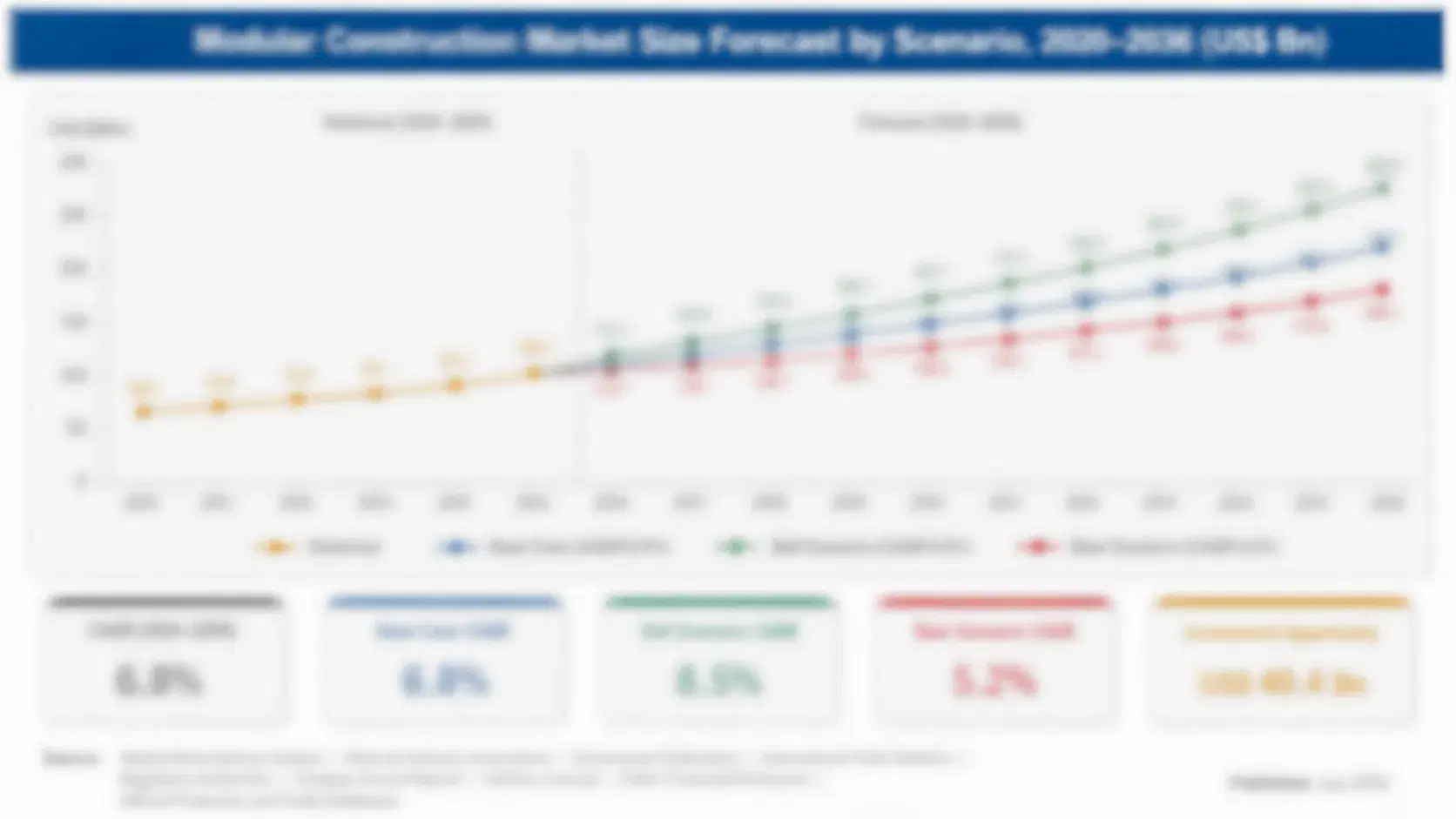
From 2020 to 2025 vegan omega-3 capsules grew at about 10.0% a year. Growing vegan populations, prenatal guidance and concerns about fish sourcing lifted sales in 2020 and 2021, and online brands built subscription bases. Growth slowed in 2023 when inflation pushed shoppers toward cheaper fish oil, some retailers reduced supplement ranges, and algal oil prices stayed high because fermentation capacity remained limited.
The base case of 11.0% rests on three named mechanisms. New algal oil capacity from DSM-Firmenich, Veramaris and other producers lowers cost per gram of DHA and EPA. Obstetric and paediatric guidance increases DHA recommendations for vegan pregnancies, which lifts prenatal sales. Retailers and online brands expand vegan supplement ranges as plant-based diets spread. Each mechanism is visible in capacity announcements, clinical guidance and retail range reviews. Together they support steady growth above 9%.
The bull case reaches 12.3% if algal oil cost falls toward fish oil parity and health authorities strengthen DHA advice for plant-based diets. The bear case falls to 9.7% if fish oil prices drop, inflation persists and regulators restrict claims. Both cases assume stable supply of glucose feedstock and fermentation capacity. Neither case assumes new tariffs.

Fermentation Yield, Oxidation Control and Prenatal Guidance Set Vegan Omega-3 Returns

Fish do not make omega-3; they eat algae that do. Producers now grow Schizochytrium and related microalgae in large fermenters on sugar, extract the oil, refine it and encapsulate it in vegan shells made from pullulan, starch or modified cellulose. The oil carries DHA and, in some strains, EPA, without the ocean contaminants or fish taste that put many shoppers off.
MARKET CONCENTRATION47% CR5Top five groups hold nearly half of category sales
TYPICAL DHA DOSE200-500 mgCommon daily DHA amount per serving in algal capsules
ONLINE CHANNEL SHARE36%Portion of category sales made through direct and marketplace channels
PREMIUM OVER FISH OIL1.5-2.5xShelf price multiple against comparable fish oil capsules per serving
ALGAL OIL COST SHARE44% of COGSRefined microalgae oil within total finished capsule production cost
SHELF LIFE18-24 monthsTypical stability period of sealed algal oil capsules
Value concentrates in three places. Prenatal and infant health capsules grow fastest, driven by DHA guidance for pregnancy and breastfeeding. Cognitive and heart health capsules carry large sales, marketed to adults and older shoppers through pharmacies and online channels. Sports recovery and general wellness add a smaller pool where brand loyalty and subscription models matter, and where algal products compete with fish oil on price per serving, which keeps margins under pressure.
Supply is concentrated among a few oil producers with large fermenters, notably DSM-Firmenich, Veramaris in Germany and the United States, Corbion and Chinese and Australian producers, while capsule fillers and brands sit downstream. Oil is shipped chilled under nitrogen to prevent oxidation, brands hold two to three months of stock, and qualifying a new oil supplier takes six to 12 months of stability, peroxide and taste tests.
"Vegan omega-3 is the rare supplement where the vegan version is the original. Fish never made the DHA, algae did. The real fight is fermentation cost, and whoever gets the cost per gram close to fish will own the next decade."
Senior Analyst, Nutrition and Supplements Practice · MMA Vegan Omega-3 Capsules Practice · September 2026

Market Trends

Obstetric DHA Guidance Lifts Algal Omega-3 Use in Pregnancy

Health bodies recommend 200 to 300 mg of DHA daily for pregnant and breastfeeding women, and vegan and vegetarian mothers need a non-fish source. Prenatal and Infant Health Algal Omega-3 Capsules grow about 15.4% a year, and gross margins run 42% to 60%. The trend needs clinical evidence, purity certificates and clear dose labelling, and it rewards brands that partner with obstetricians and prenatal vitamin makers, while price gaps to fish oil and dose splitting across combination products limit reach. Practitioner recommendation matters more than advertising in this segment. Buyers reorder regularly.
Market Impact: ALA converts to DHA under 5%

New Fermentation Capacity Lowers Algal Oil Cost and Improves Supply

DSM-Firmenich, Veramaris, Corbion and Asian producers are adding fermenters and improving strain yields, and added capacity of roughly 30,000 tonnes of algal oil a year over the decade could cut cost per gram of DHA by 25% to 40%. Veramaris, a joint venture of DSM and Evonik, focuses on EPA and DHA oils for aquaculture and human nutrition. The trend rewards producers with strong strains and cheap sugar, while oil is still far more expensive than fish oil, and lenders demand offtake contracts before releasing capital. Producers also test strains that yield more EPA per litre.
Market Impact: algal capsules cost 30-60% more

Market Opportunities and Growth Drivers

Vegan, Vegetarian and Flexitarian Diets Expand the Non-Fish Omega-3 Pool

Millions of consumers avoid fish and animal products for ethics, health and climate reasons, and vegan diets provide almost no DHA or EPA because plant ALA converts poorly, typically at 5% or less. Algal capsules fill that gap directly. The driver rewards brands with vegan certification, clear DHA and EPA doses and third-party testing, and it supports subscription models, while health professionals increasingly advise vegan patients to take algal omega-3, which lifts repeat purchase among people who already accept supplements as part of a daily routine. Practitioners increasingly ask vegan patients about omega-3 status.
Market Impact: algal oil costs 1.5-2.5x fish oil

Ocean Sustainability and Contaminant Awareness Push Shoppers From Fish Oil

Overfishing, ocean plastics and concerns about mercury and PCB residues push some shoppers toward marine-free omega-3, and algal oil carries no ocean-borne contaminants because it is grown in controlled tanks. The driver rewards brands with sustainability stories, life cycle data and clean testing results, and it supports premium pricing of 30% to 60% over fish oil, while fish oil makers respond with purification and traceability programmes, so the sustainability advantage must be credible and specific to hold over time. Retailers highlight sustainability claims on shelf labels, which helps algal capsules stand out from fish oil in crowded aisles.
Market Impact: EFSA claims need 250 mg DHA

Market Restraints and Challenges

High Cost and Fish Oil Price Gap Limit Mass Adoption

Algal oil costs an estimated 1.5 to 2.5 times fish oil per gram of DHA and EPA, because fermentation yields are limited and refining is energy intensive. The root cause is capital cost, small scale and sugar feedstock. Mass market shoppers stay with fish oil, and algal capsules sell to committed vegan and health buyers at higher prices. Producers respond with better strains, larger fermenters and contract volumes, though capital cost is high and price gaps persist for several years. Retailers also stock fewer algal lines than fish oil, which limits discovery for new brands in physical stores.
Market Impact: prenatal capsules grow 15.4% yearly

Oxidation, Taste Stability and Claim Rules Complicate Formulation and Marketing

Long-chain omega-3 oils oxidise quickly, producing off-flavours and reducing potency, so capsules need antioxidants, nitrogen flushing and opaque packaging. The root cause is the many double bonds in DHA and EPA. Some retailers reject products with high peroxide values, and health claims are tightly regulated, with EFSA allowing specific DHA statements at 250 mg per day. Makers respond with tocopherols, rosemary extract and better packaging, though testing adds cost and complaints spread quickly online. Retailers increasingly ask for peroxide and anisidine reports with every batch, and a single failed lot can trigger a recall costing several months of sales.
Market Impact: new capacity adds 30,000 tonnes yearly
3 additional market trends, 2 additional growth drivers, and 4 additional restraints and challenges are covered in the full report. Contact sales@marketmindsadvisory.com to access the complete intelligence.

Segment CAGR and Growth Architecture

The global vegan omega-3 capsule market is segmented by health application, which shows where dose, evidence and price tolerance differ. Five segments cover prenatal and infant health, cognitive and brain health, heart and cardiovascular health, sports and joint recovery and general wellness. Prenatal and cognitive capsules grow fastest, while heart health capsules carry large sales through pharmacies and online channels.
vegan-omega-3-capsules-market-market-share-analysis-1789973617877

Prenatal and Infant Health Algal Omega-3 Capsules

Prenatal and Infant Health Algal Omega-3 Capsules is the fastest-growing segment at 15.4% a year, about 1.40 times the overall market rate. Health bodies recommend 200 to 300 mg of DHA daily during pregnancy and breastfeeding, and vegan mothers need a non-fish source that carries no contaminant risk. Gross margins of 42% to 60% reward brands with clinical evidence, purity certificates and obstetrician partnerships. Growth depends on price gaps to fish oil, combination prenatal products and practitioner advice, while retailers place prenatal shelves near vitamins. Suppliers with reliable potency, tested oil and clear dosing hold the strongest positions with pharmacies and online subscribers. Practitioner samples often lead to repeat purchases.
CAGR 15.4%

Cognitive and Brain Health Algal Omega-3 Capsules

Cognitive and Brain Health Algal Omega-3 Capsules grows at 13.2% a year, about 1.20 times the overall market rate, because adults and older shoppers link DHA to memory and focus, and marketing emphasises brain health, especially among ageing populations. Gross margins of 40% to 58% support premium brands, though clinical evidence for healthy adults is mixed and regulators limit claims. Growth depends on evidence, dose transparency and subscription loyalty, and brands must avoid disease claims. Suppliers with third-party testing, moderate claims and practitioner networks hold the strongest positions in the segment, while online channels drive discovery among younger adults and older buyers. Subscription reminders help keep older buyers on regular refill schedules.
CAGR 13.2%
Full segment breakdown across 5 segments available in the complete report.

Regional Architecture and Country Demand Map

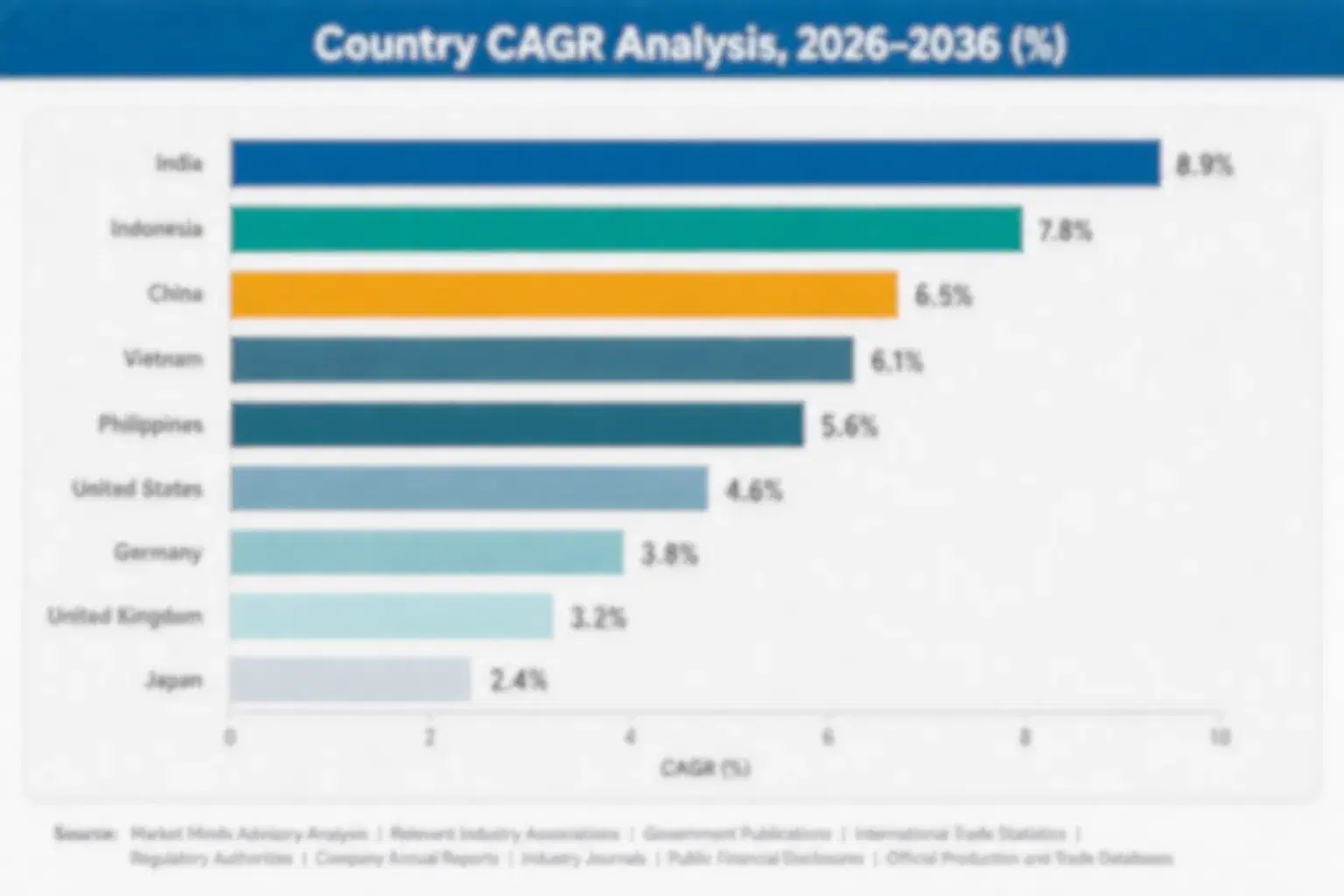
North America leads at 33% because supplement spending, vegan diets and algal oil producers concentrate there, while Western Europe holds 22% on regulated claims and prenatal demand. South Asia and Pacific grows fastest as awareness spreads. East Asia sits below its band on fish-based habits.

North America

North America holds 33% share, above its band, which justifies the out-of-band share: the United States is the world's largest supplement market, hosts the largest vegan and vegetarian populations among Western countries, and is home to major algal oil producers and brands such as Nordic Naturals, Garden of Life, Ritual and Nature Made. Growth runs at the global rate of 11.0%. FDA qualified health claims and dietary supplement rules shape marketing, prenatal recommendations from obstetric groups support demand, and online subscriptions carry a large share. Canada adds smaller volumes, and Mexico is counted in Latin America. Retailers review ranges every year against sell-through data. Buyers audit potency and peroxide records every year.
Share: 33% | CAGR: 11.0% (2026 to 2036)

Western Europe

Western Europe holds 22% share, inside its band, with growth of 9.5%. Because North America and Western Europe take the top two slots, the commercial reason is that both hold mature supplement retail, strong vegan awareness and regulated claims that reward tested products. The United Kingdom, Germany, France and the Netherlands lead demand, with Vegetology, Nordic Naturals and pharmacy chains such as Boots and dm selling algal capsules. EFSA rules allow DHA claims at 250 mg a day, so brands align doses to those levels. Corbion and Veramaris operate in the region, and growth trails the global rate as the base matures. Pharmacy buyers review ranges every year against sell-through data.
Share: 22% | CAGR: 9.5% (2026 to 2036)
Regional intelligence for 5 additional markets available in the complete report: East Asia, South Asia and Pacific, Latin America, Middle East and Africa, Eastern Europe. Contact sales@marketmindsadvisory.com.
vegan-omega-3-capsules-market-country-cagr-analysis-1789973618093

Four Margin Routes for Vegan Omega-3 Brands

Margin in vegan omega-3 capsules comes from oil supply security, prenatal partnerships, oxidation control and subscription loyalty rather than volume alone. The routes below apply to oil producers, capsule fillers and brands, and each can start inside one planning cycle, with clear measures in gross margin points and cost per gram of DHA. Payback usually runs two to four years.

Securing Algal Oil Supply Through Multi-Year Contracts and Dual Sourcing

Oil accounts for about 44% of cost and supply is concentrated, so brands that sign multi-year contracts with two producers cut exposure to price spikes and shortages by 30% to 50%. Contract volume commitments can require $1 million to $5 million of working capital. Brands should split volume between producers, agree price collars linked to sugar and energy indices and hold two to three months of stock, since qualification of a new oil takes six to 12 months and stock-outs damage subscription loyalty and marketplace ranking quickly. Results guide which oils to scale first.
Market Impact: dual sourcing cuts supply risk by 30-50% overall

Building Obstetrician and Dietitian Partnerships for Prenatal Algal Omega-3

Prenatal buyers follow professional advice, so brands that build partnerships with obstetricians, midwives and dietitians and publish clinical evidence win recommendations and lift prenatal sales by 15% to 25%. Programmes cost $0.3 million to $1.5 million. Brands should provide dose guides, sample programmes and continuing education content, keep claims within regulator rules and avoid disease claims, since professionals recommend few brands and rarely switch once a product has proven tolerability, and recommendation drives repeat purchase for many months. Professionals also value sample programmes that let them test tolerability before recommending a brand widely.
Market Impact: practitioner programmes lift prenatal sales by 15-25% over time

Controlling Oxidation With Antioxidants, Nitrogen Flushing and Opaque Packaging

Oxidised oil causes off-flavours, complaints and recalls, so brands that use tocopherols, rosemary extract, nitrogen flushing and opaque bottles cut complaint rates by 30% to 50% and protect reviews. Systems cost $0.2 million to $1 million per line. Brands should test peroxide and anisidine values through shelf life, publish certificates of analysis and retest after every supplier change, since retailers reject high peroxide results, and one failed test can damage trust across the range for months in a category where taste memory is strong. Opaque packaging also cuts light damage during shipping.
Market Impact: oxidation control cuts complaint rates by 30-50% overall

Building Subscription Programmes With Dose Personalisation and Refill Reminders

Repeat purchase drives profit, so brands that offer subscriptions, refill reminders and dose options tailored to pregnancy, brain health or heart health lift lifetime value by 25% to 40% and cut acquisition cost per customer. Programmes cost $0.3 million to $1.5 million to launch. Brands should track refill timing at eight to 12 weeks, offer flexible plans and bundle with vitamins, since many subscribers leave within months when price or taste disappoints, and marketplaces punish poor delivery service in rankings. Bundles with prenatal vitamins also raise basket size and reduce cancellations in early months.
Market Impact: subscriptions lift average customer lifetime value by 25-40%

Who Controls the Margin Pool

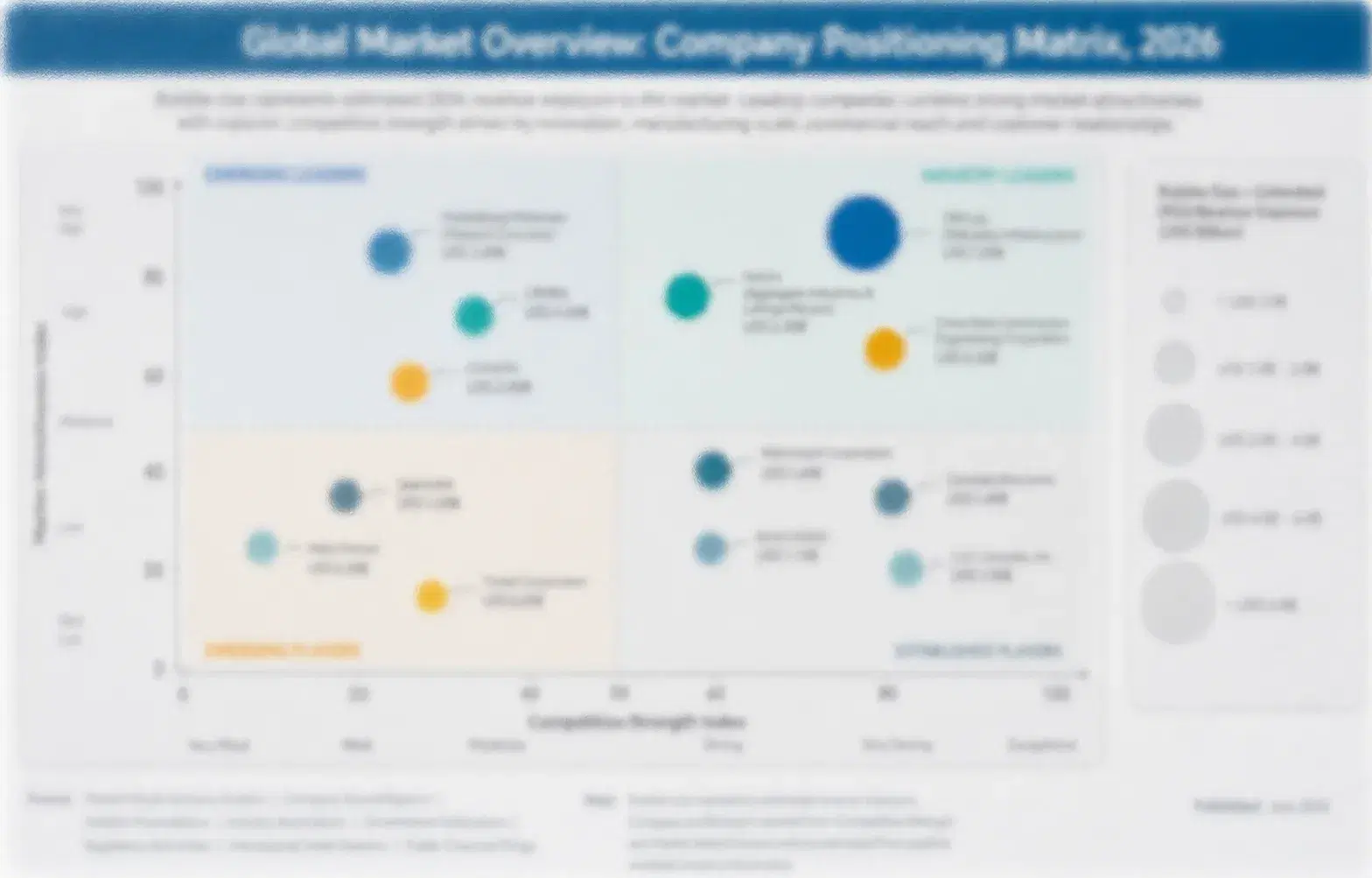
The global vegan omega-3 capsule market is moderately concentrated, with a CR5 of 47%, because a few oil producers and leading brands control supply and shelf space in a small category. This assessment measures participants on estimated vegan omega-3 capsule sales value, held constant across all players. DSM-Firmenich and Veramaris lead through oil supply and technology, Nordic Naturals, Garden of Life and Ritual follow through brands, and the gap between the leader and the fifth player is wide.
Competition runs on four dimensions today: oil supply security, DHA and EPA dose and purity, brand trust with practitioners and price per serving. Producers win on strains and scale, brands win on distribution and storytelling, and private-label makers win on price. Retailers compare potency, peroxide values and price, and a failed test or stock-out can remove a brand from shelves within one review cycle.

Emerging pressure comes from Chinese and Australian oil producers, from fish oil brands adding algal lines and from retailer own-label vegan omega-3. Rankings shift where a producer commissions new fermenters, a brand wins a prenatal partnership or a failed oxidation test removes a supplier, and consolidation continues as large supplement groups buy vegan brands.
vegan-omega-3-capsules-market-company-positioning-matrix-1789973618275

Competitive Moat and Risk Dimensions

DSM-FIRMENICH

Moat: Algal Oil Scale and Technology

DSM-Firmenich, the Swiss-Dutch nutrition and flavour group, produces life's DHA and other algal oils at large scale and supplies infant formula, supplement and food makers worldwide. Its fermentation know-how, strain library, regulatory dossiers and global customer base give it cost and quality advantages, and its research supports clinical evidence for prenatal and brain health uses.
DSM-FIRMENICH

Risk: Portfolio Reshaping and Price Pressure

DSM-Firmenich is reshaping its portfolio across nutrition and flavours, so investment in algal oils competes with other priorities. Chinese producers and new entrants offer lower prices, and fish oil competitors push back on cost. Investors expect steady returns. Some customers may also diversify to other oil suppliers.
VERAMARIS

Moat: Algal EPA and DHA Oils

Veramaris, the joint venture of DSM and Evonik, produces algal oil rich in EPA and DHA at a plant in Nebraska and supplies aquaculture and human nutrition markets. Its scale, fermentation technology and focus on marine-free EPA and DHA give it a differentiated position, and its parents' distribution and research support broaden customer reach.
VERAMARIS

Risk: Aquaculture Dependence and Scale-Up Risk

Veramaris relies heavily on the aquaculture market for volume, so human supplement demand is a smaller share of sales. Capacity expansion requires capital, and price competition from fish oil and other algal producers can compress margins, while single-site concentration adds operational risk. Investors expect visible progress on capacity.

Players Tracked

Prominent Players

DSM-Firmenich
Veramaris
Nordic Naturals
Garden of Life
Ritual

Other Key Players

Corbion
Qualitas Health
Nature Made
Nature's Way
NOW Foods
Deva Nutrition
Vegetology
Solgar
Life Extension
Thorne
Amway
Kerry Group
Lonza
Cargill
Nutrigold

Recent Developments

JANUARY 2026

DSM-Firmenich Announces Algal Oil Fermentation Capacity Expansion to Meet Prenatal and Supplement Demand

DSM-Firmenich announced an algal oil fermentation capacity expansion to meet prenatal and supplement demand, according to company communications. It is an organic capacity expansion, not an acquisition, and it tests demand growth. The expansion covers fermenters and refining lines. Investment terms were not disclosed. Timing remains open.
Signal: Confirms leading producers are adding capacity because prenatal and vegan supplement demand is outrunning current algal oil supply.
FEBRUARY 2026

Nordic Naturals Expands Vegan Algae Omega-3 Range With Higher DHA Prenatal Capsules for United States Retailers

Nordic Naturals expanded its vegan algae omega-3 range with higher DHA prenatal capsules for United States retailers, according to company communications. It is a product expansion, not an acquisition, and it tests prenatal demand. The range covers new dose options. Sales terms were not disclosed. Timing remains open.
Signal: Shows fish oil specialists are adding algal lines because vegan and prenatal shoppers expect marine-free options.
MARCH 2026

Veramaris Signs Long-Term Supply Agreement With European Supplement Manufacturer for Marine-Free EPA and DHA Oil

Veramaris signed a long-term supply agreement with a European supplement manufacturer for marine-free EPA and DHA oil, according to company communications. It is a supply agreement, not an acquisition, and it tests human nutrition demand. The agreement covers annual volumes and quality audits. Financial terms were not disclosed.
Signal: Indicates algal producers are targeting human supplements because higher-value capsule customers reduce dependence on aquaculture volumes and price cycles.

Sugar, Extraction and Capsule Costs

Refined algal oil accounts for roughly 44% of finished capsule cost, vegan capsule shells, antioxidants and packaging about 20%, encapsulation and filling about 12%, testing and quality assurance about 6%, and labour and overheads about 18%. Oil production depends on glucose feedstock from corn and sugar processors, energy for fermentation and drying, and solvents for extraction, with fermenters located in the United States, Europe, China and Australia.
The clearest recent shock came in 2022. FAO Food Price Index data show sugar and cereal prices at multi-year highs, while EIA data show industrial power and natural gas costs surging in Europe and the United States. Algal oil producers passed part of the increase to brands through surcharges, and brands absorbed some of it because retail prices repriced only at annual resets, which compressed margins on capsules with high oil content.

The disadvantage falls on small brands without supply contracts or scale, because they buy in small lots at spot prices and cannot pass through swings on annual retail terms. Exposure varies by player type: producers with integrated fermentation absorb feedstock swings, large brands hold contracts and stock, and start-ups depend on spot purchases with little pricing power and thin cash buffers.
vegan-omega-3-capsules-market-cost-volatility-analysis-1789973618467

Multi-Year Oil Contracts and Dual Sourcing

Brands sign multi-year contracts with two algal oil producers, often with price collars linked to sugar and energy indices, to cut exposure to spikes of 20% to 40%. The main challenge is volume commitment when demand shifts, so brands negotiate flexible ranges and review terms each year. Supplier audits repeat every year. Reviews occur yearly.

Feedstock Hedging and Producer Efficiency Gains

Producers sign sugar and energy contracts and improve strain yields, cutting cost per gram of DHA by 15% to 30% over several years. Brands support these gains by sharing forecasts and agreeing long-term volumes. The main challenge is capital cost and technical risk, so producers phase upgrades and validate each yield gain at scale. Reviews occur every half year.

Subscription Pricing and Retailer Pass-Through

Brands use subscription pricing and periodic price reviews to recover 50% to 70% of cost increases from loyal customers, and retailer contracts add formulas linked to oil and energy indices. The main challenge is price sensitivity against fish oil, so brands protect entry doses and adjust premium ranges. Contract terms are reviewed every year.

Portfolio Architecture for Margin Defence

Margins run from moderate returns on entry-dose algal capsules sold in pharmacies to strong returns on prenatal and subscription products sold with practitioner support. Three tiers separate volume products, premium certified lines and next-generation solutions, and each draws on different oil access, testing depth and channel relationships in a market where a few producers control supply. Margin gaps between tiers run to 16 points.
The tension between volume and premium is sharp. Entry-dose and private-label algal capsules fill pharmacy and supermarket orders at modest prices and face constant competition from fish oil, while premium prenatal and high-dose products earn higher margins on smaller volumes and depend on evidence, testing and brand trust. Brands that run only volume suffer when oil costs spike, while premium-only brands struggle to build scale outside subscriptions.

High-value pools concentrate in prenatal and infant capsules and in high-dose cognitive products sold with practitioner recommendation. They gather where buyers pay for evidence, purity and trust, not for the vegan label alone. Sports and general wellness add a smaller pool, and strong brands hold more than one, though each needs different dose formats, claims and channel skills.

Volume / Commodity-Adjacent

Entry-dose and private-label algal omega-3 capsules sold on price per serving to pharmacies, supermarkets and marketplaces. Buyers focus on cost and promotions, contracts follow annual retailer tenders, and technical differentiation is limited by shared oil suppliers.
Gross Margin: 38%-48%

Premium / Certified

Branded algal omega-3 capsules with third-party purity testing, vegan certification and clear DHA and EPA doses, sold through pharmacies, health stores and online channels. Buyers value potency, trust and subscription convenience, and repeat rates are high.
Gross Margin: 46%-58%

Sustainability / Regulatory / Next-Generation

Prenatal, high-dose cognitive and personalised capsules with clinical evidence, life cycle data and practitioner partnerships, sold to health-focused shoppers and clinics. Contracts depend on evidence, oxidation control and secure oil supply.
Gross Margin: 50%-62%
vegan-omega-3-capsules-market-portfolio-architecture-1789973618659

High-value Sub-segments and Strategic Watch-out

Prenatal and Infant Health Algal Omega-3 Capsules

Prenatal algal capsules combine the fastest growth with strong pricing, since shoppers accept gross margins of 42% to 60% for evidence-led safety and marine-free purity. Clinical evidence, practitioner partnerships and purity testing form the entry barrier, and brands with obstetrician recommendation hold the strongest positions.
Gross Margin: 42%-60%

Cognitive and Brain Health Algal Omega-3 Capsules

Cognitive algal capsules deliver strong growth with premium pricing, since shoppers accept gross margins of 40% to 58% for brain health positioning. Dose transparency, moderate claims and subscription loyalty limit competition, though evidence for healthy adults is mixed. Reviews occur each year. Prices stay firm.
Gross Margin: 40%-58%

Heart and Cardiovascular Health Algal Omega-3 Capsules

Heart health algal capsules are the volume core, with value growing about 10.5% a year. Dose, price per serving and pharmacy placement decide profit, and large brands and private-label makers hold most volume. Customers renew listings yearly at prices linked to competing fish oil capsules and practitioner advice.
Gross Margin: 36%-50%

General Wellness Algal Omega-3 Capsules

General wellness algal capsules are the strategic watch-out, since growth of about 8.5% a year trails the market, claims are vague and fish oil competes on price. Brands should manage the line selectively and steer investment toward prenatal and cognitive products with clearer buyers and stronger evidence.
Gross Margin: 32%-46%

Why Shoppers Stay With an Omega-3

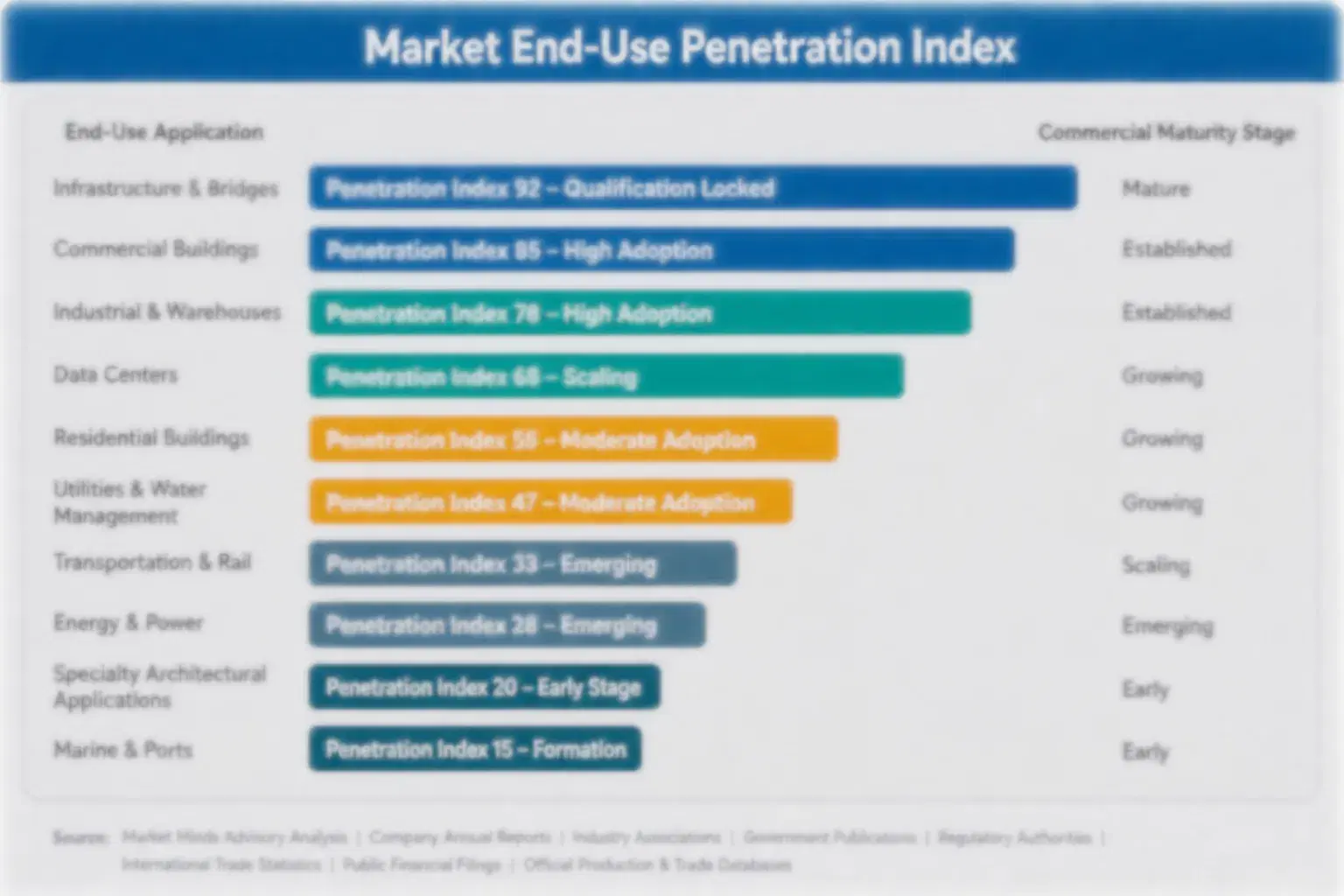
Vegan omega-3 demand behaves like an annuity attached to daily routines, prenatal plans and subscriptions. Once a shopper finds a capsule that agrees with them and carries a trusted vegan mark, refills follow every eight to 12 weeks, and switching means testing a new brand and risking taste or reflux issues. Retailers set annual range plans around velocity, so brands with steady sell-through earn priority space.
Adoption stickiness differs by end-use vertical. Pregnant and breastfeeding mothers are the deepest, since they follow practitioner advice and value a product with proven tolerability through the whole period. Older adults taking omega-3 for brain or heart health are moderately sticky, driven by evidence and habit. General wellness buyers are more fluid, changing brands when a promotion or a new claim appears, though products with reliable quality hold repeat purchase for years.

Buyer profiles are shifting between generations. Older buyers bought omega-3 on physician advice and drugstore shelf presence, while younger buyers ask about algal sourcing, vegan certification, ingredient lists, testing evidence and carbon footprint. Retailers, practitioners and regulators add a third group that sets claim expectations. Brands that publish testing and life cycle data win newer buyers.
vegan-omega-3-capsules-market-end-use-penetration-index-1789973618844

MMA Verdict on Omega-3 Strategy

These are among the four positions where our research anticipates prominent divergence between winners and laggards over the coming forecast period. Each is grounded in the demand model, the regulatory perimeter, and the announced capacity pipeline.
01 / OIL SUPPLY SECURITY

Secure Dual-Source Algal Oil Contracts Before Capacity Tightness Erodes Margin

Oil accounts for about 44% of cost and supply is concentrated, so dual sourcing cuts exposure to spikes and shortages by 30% to 50%. Brands should invest $1 million to $5 million in working capital, split volume between two producers and agree price collars linked to sugar and energy indices. Those that delay will face stock-outs and price spikes over the next two years, while early movers hold stable supply, protected margins and lasting subscriber loyalty across every contract round and annual supplier review.
02 / PRENATAL PARTNERSHIP STRATEGY

Build Obstetrician and Dietitian Partnerships Before Rivals Capture Prenatal Recommendation

Prenatal Algal Omega-3 Capsules grow at 15.4% a year, about 1.40 times the overall market rate, and practitioner programmes lift prenatal sales by 15% to 25%. Brands should invest $0.3 million to $1.5 million per programme, publish clinical evidence and dose guides and keep claims within regulator rules. Those that delay will lose practitioner recommendation over the next two years, while early movers hold trust, repeat volume and lasting premium pricing across every prenatal cycle, guideline update and annual professional education round.
03 / OXIDATION CONTROL STRATEGY

Control Oxidation With Antioxidants and Nitrogen Flushing Before Failed Tests Damage Trust

Oxidised oil causes off-flavours, complaints and recalls, and antioxidants with nitrogen flushing cut complaint rates by 30% to 50%. Brands should invest $0.2 million to $1 million per line, test peroxide and anisidine values through shelf life and publish certificates of analysis with every lot. Those that delay will suffer complaints and delistings over the next two years, while early movers hold better reviews, lasting retailer confidence and stable subscriptions across every audit, retest, lot release and annual supplier assessment cycle.
04 / SUBSCRIPTION LOYALTY STRATEGY

Build Personalised Subscription Programmes Before Acquisition Costs Consume Direct Brand Profit

Repeat purchase drives profit, and subscriptions with dose options and reminders lift lifetime value by 25% to 40% while cutting acquisition cost per customer. Brands should invest $0.3 million to $1.5 million per programme, track refill timing at eight to 12 weeks and bundle with vitamins. Those that delay will pay rising advertising costs over the next two years, while early movers hold loyal subscribers, stable revenue and stronger and lasting unit economics across every marketing cycle and annual planning review.

Engagement Snapshot From the Field

A live engagement with an industry participant carrying material or product regulatory and market exposure ahead of a defining policy shift, showing how our research translates into a defensible multi-year portfolio strategy.
MARKET MINDS ADVISORY · CLIENT ENGAGEMENT SUMMARY
Vegan Omega-3 Capsules Producer Strategic Portfolio Review and Transition Roadmap 2026·Investment Scenario on Vegan Omega-3 Capsules Exposure Evaluation 2025-26
CLIENT PROFILE
The client is a mid-sized North American supplement brand with annual sales near $95 million (client-reported, unverified by MMA), selling vitamins and fish oil capsules through pharmacies and online marketplaces. About 6% of sales came from algal omega-3, most sold through a single supplier, retailers had asked for prenatal algal capsules, and management wanted a plan to grow vegan omega-3 without harming core margins.
STRATEGIC CHALLENGE
Algal omega-3 gross margin sat near 33% (client-reported, unverified by MMA), a single supplier had cut allocation during a shortage and one lot had failed a peroxide test. Management had to decide whether to add a second supplier, build practitioner partnerships or reformulate for stability, with limited capital and one contract filler. Key retailers wanted prenatal samples within nine months.
MMA APPROACH
MMA analysed sales, cost and complaint data across 22 products, interviewed 12 retail buyers, obstetric dietitians and oil producers, and ran a shopper survey on taste, evidence and price across three countries. It modelled margin by product and channel, compared dual sourcing, practitioner and reformulation options by payback and execution risk, and tested each against oil and sugar price scenarios.
KEY FINDINGS
  1. A second oil supplier under a multi-year contract would cost about $1.5 million of working capital and cut supply risk by about 40% (client-reported, unverified by MMA).
  2. A practitioner programme would cost about $0.7 million and lift prenatal sales by about 20% over two years (client-reported, unverified by MMA).
  3. Antioxidant and nitrogen flushing upgrades would cost about $0.5 million and cut complaints by about 40% across the range (client-reported, unverified by MMA).
  4. A subscription channel would cost about $1 million to launch and reach lifetime value about 30% above retail customers (client-reported, unverified by MMA).
CLIENT PROFILE
The client is a mid-sized North American supplement brand with annual sales near $95 million (client-reported, unverified by MMA), selling vitamins and fish oil capsules through pharmacies and online marketplaces. About 6% of sales came from algal omega-3, most sold through a single supplier, retailers had asked for prenatal algal capsules, and management wanted a plan to grow vegan omega-3 without harming core margins.
STRATEGIC CHALLENGE
Algal omega-3 gross margin sat near 33% (client-reported, unverified by MMA), a single supplier had cut allocation during a shortage and one lot had failed a peroxide test. Management had to decide whether to add a second supplier, build practitioner partnerships or reformulate for stability, with limited capital and one contract filler. Key retailers wanted prenatal samples within nine months.
MMA APPROACH
MMA analysed sales, cost and complaint data across 22 products, interviewed 12 retail buyers, obstetric dietitians and oil producers, and ran a shopper survey on taste, evidence and price across three countries. It modelled margin by product and channel, compared dual sourcing, practitioner and reformulation options by payback and execution risk, and tested each against oil and sugar price scenarios.
KEY FINDINGS
  1. A second oil supplier under a multi-year contract would cost about $1.5 million of working capital and cut supply risk by about 40% (client-reported, unverified by MMA).
  2. A practitioner programme would cost about $0.7 million and lift prenatal sales by about 20% over two years (client-reported, unverified by MMA).
  3. Antioxidant and nitrogen flushing upgrades would cost about $0.5 million and cut complaints by about 40% across the range (client-reported, unverified by MMA).
  4. A subscription channel would cost about $1 million to launch and reach lifetime value about 30% above retail customers (client-reported, unverified by MMA).
RECOMMENDED STRATEGY
Phase 1: Phase 1 (Months 1-9): Qualify a second oil supplier, upgrade oxidation controls and start third-party testing on every lot for retail buyers. Phase 2: Phase 2 (Months 10-24): Launch prenatal capsules with practitioner partnerships, open a subscription channel and publish testing certificates for retailers and clinics. Phase 3: Phase 3 (Months 25-42): Extend the range to cognitive doses, review oil contracts yearly and add vitamin bundles for subscribers.
OUTCOME
Within 42 months, algal omega-3 reached 14% of sales, margins rose by about six points and two retail chains extended shelf space (client-reported, unverified by MMA). Supply held through a later shortage, complaints fell by about 38%, and prenatal capsules reached about a third of algal revenue.

Frequently Asked Questions

Foundational context covering the market sizes, CAGR, scope, country, region and competition that inform every finding below. This section is provided to cover basics and most often pre-purchase conversations, answered from the MMA Primary Research Dataset.

What is the current size of the Vegan Omega-3 Capsules Market?

The global vegan omega-3 capsule market was valued at $1.40 billion in 2025 on a retail and online sales basis. Growth reflects vegan diets and prenatal guidance, offset by high algal oil cost and price gaps to fish oil.

How large will the Vegan Omega-3 Capsules Market be by 2036?

The market is projected to reach $4.41 billion by 2036, up from $1.55 billion in 2026. The increase of $2.86 billion reflects prenatal demand, new fermentation capacity and Asian growth.

What is the CAGR for the Vegan Omega-3 Capsules Market 2026 to 2036?

The market is forecast to grow at an 11.0% CAGR from 2026 to 2036. The bull case reaches 12.3% and the bear case 9.7%, depending on algal oil cost, clinical guidance and claim rules.

Which segment is growing fastest?

Prenatal and Infant Health Algal Omega-3 Capsules is the fastest-growing segment at 15.4% CAGR, roughly 1.40 times the overall market rate. Cognitive and Brain Health Algal Omega-3 Capsules follows at 13.2% CAGR.

Who are the major companies in the Vegan Omega-3 Capsules Market?

Major companies include DSM-Firmenich, Veramaris, Nordic Naturals, Garden of Life and Ritual. Corbion, Qualitas Health, Nature Made, Nature's Way and NOW Foods also hold meaningful positions in specific regions.

Which country is growing fastest?

India is growing fastest at about 14.0% CAGR, because vegetarian dietary preferences, rising incomes and growing omega-3 awareness expand together. Australia and China follow as supplement markets grow.

Report Segmentation Architecture

The full report scope spans multiple orthogonal segmentation dimensions, with cross-tabulated demand data provided for each dimension pair. Coverage extends further to regional breakdowns, trend trajectories, and the competitive detail needed to support segment-level decision-making.

By Primary Market Dimension

  • Prenatal and Infant Health Capsules
  • Cognitive and Brain Health Capsules
  • Heart and Cardiovascular Health Capsules
  • Sports and Joint Recovery Capsules
  • General Wellness Capsules

By End-Use Industry

  • Pregnancy and Family Health
  • Older Adult Health
  • Sports and Fitness
  • Everyday Wellness

By Commercial Dimension

  • Direct-to-Consumer Subscriptions
  • Pharmacy and Drugstore Retail
  • Health Stores and Practitioner Channels
  • Retailer Own-Label Supply
  • Online Marketplaces

By Region

  • North America
  • Western Europe
  • East Asia
  • South Asia and Pacific
  • Latin America
  • Middle East and Africa
  • Eastern Europe

Scope, Methodology, and Coverage

Every figure in this report is reproducible from documented input assumptions. The scope below maps the historical period, the forecast horizon, the segmentation dimensions, and the countries covered, alongside the underlying primary and qualitative methodology.
Historical Period
2020 to 2025
Forecast Period
2026 to 2036
Base Year
2025 (USD billions; MMA Primary Research Dataset, September 2026)
Market Definition
The market covers global sales of omega-3 capsules and softgels whose DHA and EPA come from microalgae oil and that are free of fish, krill and other animal ingredients, including vegan-certified capsule shells, sold through retail, pharmacy, online and practitioner channels. It excludes fish oil and krill oil capsules, flaxseed and other ALA-only supplements, liquid algal oil, omega-3 fortified foods and beverages and pharmaceutical omega-3 prescription products.
Quantitative Units
USD billions (retail and online sales revenue); capsules and servings for volume references
Segmentation Dimensions
By Health Application; By End-Use Group; By Commercial Dimension; By Region
Regions Covered
North America, Western Europe, East Asia, South Asia and Pacific, Latin America, Middle East and Africa, Eastern Europe
Countries Covered
United States, Canada, Mexico, United Kingdom, Germany, France, Netherlands, Poland, Czechia, Japan, China, South Korea, India, Australia, New Zealand, Brazil, Argentina, United Arab Emirates, Turkey, South Africa, and additional markets relevant to this sector
Key Companies Profiled
DSM-Firmenich, Veramaris, Nordic Naturals, Garden of Life, Ritual, Corbion, Qualitas Health, Nature Made, Nature's Way, NOW Foods, Deva Nutrition, Vegetology, Solgar, Life Extension, Thorne, Amway, Kerry Group, Lonza, Cargill, Nutrigold
Quantitative Methodology
Primary survey, n=3,800 respondents, Q4 2025, six countries; demand-side model with trade association cross-validation
Qualitative Methodology
47 expert interviews, Q4 2025; applied to validate demand model assumptions, identify emerging dynamics, and assess competitive positioning
Report Format
PDF and XLSX data workbook (Word format preview document)
Publisher
Market Minds Advisory
Report Code
MMA-2026-HLT-210
Published
September 2026
Contact
sales@marketmindsadvisory.com | www.marketmindsadvisory.com

Purchase the full Vegan Omega-3 Capsules Market Report (2026 to 2036).

The full report delivers a detailed assessment of the vegan omega-3 capsule market through 2036, covering health application, end-use and regional forecasts, competitive benchmarking of leading algal oil producers, supplement brands and private-label suppliers, and input cost analysis. It combines MMA primary research, including a six-country survey of 3,800 respondents and 47 expert interviews, with public statistical and company data. Analysts also model oil price paths, fermentation capacity additions and claim regulation scenarios. Clients receive application margin ranges, supply maps and a case study on growth strategy. Retailer programme and contract frameworks are also included.
Ten-year application and end-use demand forecasts
Algal oil, sugar, and packaging cost tracking
Competitive benchmarking of leading vegan omega-3 brands
EFSA and FDA claim rule tracker
Regional market comparative analysis and forecasts included
Quarterly primary survey data update access

Built For The People Who Decide

From boardroom strategy to bench-side execution, this report is read cover-to-cover by leaders shaping the next decade of their industry, turning demand scenarios, market dynamics and valuation benchmarks into decisions.
CXOs/ Presidents/ VPs/ Managers
M&A and Corporate Development
Strategy Teams and R&D Heads
Procurement and Product Directors
Regulatory and Compliance Leaders
Investor Relations and Equity Analysts