Market Minds Advisory
Vascular Access Catheters Market

Vascular Access Catheters Market: Counting Devices Instead Of Attempts

Roughly a third of adult peripheral insertions fail on the first attempt, and because hospitals count catheters purchased rather than attempts required, the cheapest device frequently turns out to be the most expensive.

Lead Analyst

Published

September 2026

Make Smarter Decisions with Customized Research Insights

Request a free sample report and evaluate market opportunities, growth trends, and competitive dynamics relevant to your business needs.

2025 MARKET VALUE$5.6BMarket Size 2025
2036 FORECAST VALUE$13.9BBase Case , 2026 to 2036
CAGR 2026 TO 20368.6 %Bull 9.8% / Bear 7.4%
INCREMENTAL OPPORTUNITY$7.8BNet 10- year value creation
EXPANSION MULTIPLE2.28x2036 value over 2026 base
Strategic Levers
M&A Pipeline
Regional Outlook
Country Rankings
Competitive Intelligence
Segmental Deep-dive
Call-Us : 91 93563 13602

Executive Snapshot and Market Trajectory

About 34% of adult peripheral insertions fail on the first attempt, and every failure consumes another catheter, more nursing time and a patient's patience. Purchasing counts devices bought rather than attempts required, so the cheapest catheter is frequently the most expensive one. Nobody reconciles the two numbers.
East Asia holds 28% of value on hospital admission volume and manufacturing scale together, producing roughly 33% of global devices, while India grows fastest at 10.7%. Antimicrobial and coated catheters grow at 12.9%, half again the market rate of 8.6%, driven by infection penalties rather than by clinical evidence that existed for years beforehand. Volume-based procurement across several Chinese provinces has compressed pricing while raising units purchased considerably.
Concentration reaches 62% and the largest operational variable is organisational. Only about 22% of hospitals run a dedicated vascular access team, and where one exists device selection changes entirely, because somebody is assessing how long the therapy will actually last before choosing anything. Wards without a team choose whatever device is available and whoever happens to be free, which decides mix, complications and cost per patient more than any product characteristic ever does.
Market Definition
The market covers catheters and devices providing vascular access for infusion, monitoring and blood sampling, including peripheral intravenous catheters, midline catheters, peripherally inserted central catheters, central venous catheters, implanted ports, and antimicrobial and coated catheters. Infusion pumps and administration sets, dialysis machines and circuits, interventional and diagnostic catheters used in cardiology or radiology, and vascular closure devices are excluded from scope.
Base Year Value
$5.6B in 2025 (MMA Primary Research Dataset, August 2026)
Forecast Period
2026 to 2036, eleven discrete annual values
CAGR
8.6% base case. Bull 9.8%. Bear 7.4%.
Fastest Growth Segment
Antimicrobial and Coated Catheters: 12.9% CAGR
Fastest Growth Country
India: 10.7% CAGR
Fastest Growth Region
South Asia and Pacific: 10.8% CAGR
Largest Region
East Asia: 28% of 2025 global value
Market Leaders
Becton Dickinson, Teleflex, ICU Medical, Baxter International, Cook Medical. Source: MMA Analysis based on disclosed vascular access and infusion device revenue, company annual reports 2025.
Primary Survey
n=3,800 procurement and R&D decision-makers, Q4 2025, six countries
Methodology
Demand-side build-up, cross-validated against public data, 47 expert interviews

Vascular Access Catheters Market Forecast Scenarios

vascular-access-catheters-market-size-forecast-scenario-1787705475835
Growth from 2020 to 2025 ran at 7.2% and infection penalties shaped the product mix more than any clinical development did. Antimicrobial and coated devices gained ground steadily as bloodstream infection became a reimbursement issue rather than only a clinical one. Vascular access teams spread slowly. Midline catheters gained recognition as an option between peripheral and central access.
The 8.6% base case rests on three mechanisms. Antimicrobial and coated devices keep displacing standard central catheters wherever infection carries a financial consequence. Midline adoption keeps growing as therapy duration assessment improves and clinicians recognise the gap between short peripheral use and full central access. And Asian hospital capacity keeps expanding, which raises device volume against domestic manufacturing that already supplies a third of global output. None of the three requires a new device technology.
The bull case at 9.8% assumes vascular access teams spread substantially, which would change device mix toward midlines and ports and raise value per patient considerably. The bear case at 7.4% is procurement continuing to buy on unit price while counting devices rather than attempts, which holds the category in commodity pricing and suppresses adoption of anything that costs more per unit.

The Cheapest Device Costs Most

Peripheral cannulation is the most common invasive procedure in medicine and it fails on the first attempt in roughly 34% of adults, considerably more in patients with difficult access. Each failure consumes another catheter, several minutes of nursing time and a measure of patient tolerance that nobody records anywhere. Hospitals purchase on price per device, so a catheter at 1.10 dollars can cost several times that by the time access is achieved.
FIVE-FIRM CONCENTRATION62%Share of vascular access revenue held by leading manufacturers
PERIPHERAL CATHETER PRICE$1.10Typical hospital price for a standard peripheral intravenous catheter
TOP PRODUCING COUNTRYChina 33%Chinese share of global vascular access device manufacturing output
FIRST-ATTEMPT FAILURE RATE34%Adult peripheral insertions failing on the very first attempt
ACCESS TEAM COVERAGE22%Hospitals operating a dedicated vascular access insertion team
DEVICE ESCALATION RATE18%Peripheral devices later replaced by a central access route
Device selection usually happens without anybody knowing how long the therapy will run. A peripheral catheter placed for what turns out to be three weeks of treatment gets replaced repeatedly until somebody eventually orders central access, and roughly 18% of peripheral devices escalate that way. Assessing expected duration at admission would resolve most of it. Only about 22% of hospitals run a vascular access team that performs it.
Infection penalties rather than evidence drove the antimicrobial category. Clinical data supporting coated and impregnated devices existed well before adoption moved, and what changed was bloodstream infection becoming a reimbursement consequence rather than only a clinical concern. Growth at 12.9% follows financial exposure. The device sits inside a bundle the manufacturer does not control.
"The purchasing system counts catheters. The ward counts attempts. Nobody reconciles those two numbers, and the gap between them is where this entire category's value argument sits unused."
Director, Vascular Access and Infusion Practice · MMA Medical Devices Practice · August 2026

Market Trends

Infection Penalties Rather Than Evidence Drove Coated Adoption

Clinical data supporting antimicrobial and coated catheters existed for years before adoption moved meaningfully, and what changed was bloodstream infection becoming a reimbursement consequence rather than only a clinical concern. Growth at 12.9% follows financial exposure directly. The device is nonetheless one component within an insertion and maintenance bundle the manufacturer does not control, which means outcome claims depend on protocol adherence that varies enormously between wards within the same hospital. Manufacturers who supply protocol training alongside the device protect the outcome evidence justifying their own price premium. Adherence varies by ward.
Market Impact: Operates in only 22% of hospitals
Midlines Fill A Gap Handled Badly For Years

Therapy lasting one to four weeks sat awkwardly between peripheral catheters that fail repeatedly and central access that carries infection risk and insertion burden, and midlines address exactly that duration. Growth at 10.5% follows recognition rather than any new technology, since the devices have existed for a considerable time. Adoption depends on somebody assessing expected therapy duration at the outset, which happens reliably only where a vascular access team exists to do it. Wards without a team default to whatever is immediately available, and the escalation follows a week or two later.
Market Impact: Supplies 33% of global output

Market Opportunities and Growth Drivers

Vascular Access Teams Change Device Selection Entirely

Only around 22% of hospitals operate a dedicated insertion team, and where one exists first-attempt success rises, escalation falls and device mix shifts toward midlines and ports chosen on expected therapy duration. Wards without a team choose whatever is available and whoever is free. That single organisational difference changes device selection, complication rates and cost per patient more than any product characteristic does, and manufacturers rarely engage with it as a commercial question. Team support is barely treated as a commercial activity by anybody in the category today. Nobody sells to that.
Market Impact: Fails 34% of first attempts

Asian Hospital Capacity Raises Device Volume Substantially

Hospital admission volumes and inpatient capacity across China, India and Southeast Asia continue expanding, and every admission generates vascular access demand almost without exception. Chinese manufacturing already supplies roughly 33% of global device output and increasingly serves domestic demand at competitive prices. India grows fastest of any country at 10.7% as private hospital capacity expands. Volume-based procurement in several Chinese provinces has compressed pricing while raising the units purchased considerably. Domestic manufacturers increasingly serve that demand at prices international suppliers cannot match on tendered volume anywhere. Volume rises steadily regardless.
Market Impact: Depends on 4 protocol steps

Market Restraints and Challenges

Purchasing Counts Devices While Wards Count Attempts

Roughly 34% of adult peripheral insertions fail on the first attempt, and each failure consumes another catheter plus nursing time that no purchasing system records anywhere. Root cause is that procurement measures unit price because that is the number its systems produce. The commercial impact is that products reducing attempts cannot demonstrate value in the currency the buyer uses. Mitigation requires attempt-level data from wards, which manufacturers must collect themselves because nobody else does. Nobody else is going to collect it. Manufacturers must gather it themselves. Nobody else records attempts.
Market Impact: Grows at 12.9% on penalties

Bundle Dependence Undermines Every Outcome Claim

Antimicrobial and coated devices sit inside insertion and maintenance protocols covering skin preparation, dressing, hub disinfection and dwell review, none of which the manufacturer controls. Root cause is that infection prevention is a process rather than a product. The commercial impact is that outcome claims fail wherever protocol adherence is poor, and adherence varies between wards inside a single hospital. Mitigation involves supplying protocol training alongside devices, which few manufacturers resource properly. Poor outcomes then reflect on the device rather than on the process. Training alongside supply is the answer.
Market Impact: Serves 4 weeks of therapy
3 additional market trends, 4 additional growth drivers, and 2 additional restraints and challenges are covered in the full report. Contact sales@marketmindsadvisory.com to access the complete intelligence.

Segment CAGR and Growth Architecture

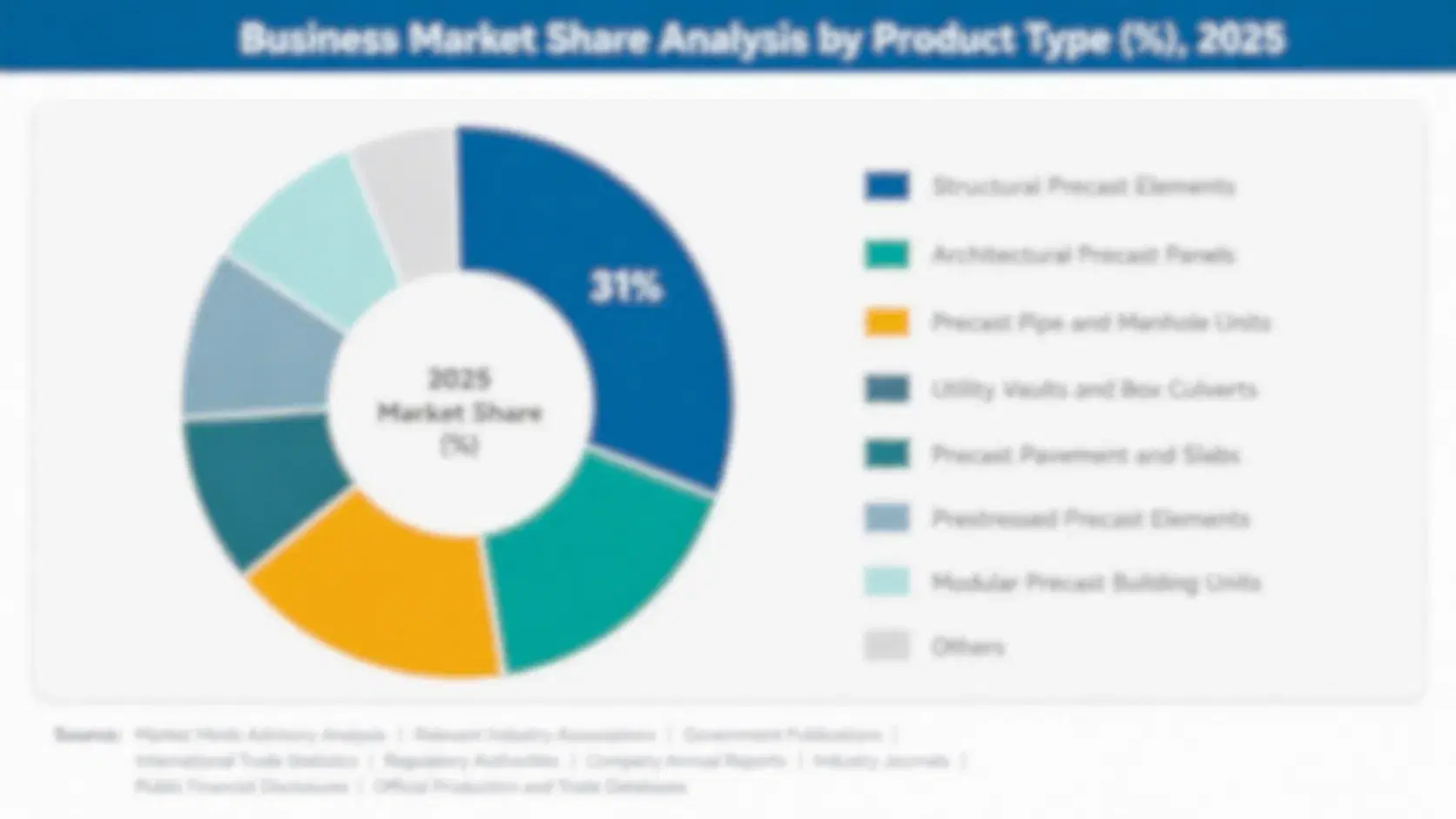
Segmentation follows device type and access route: what is inserted and where it terminates, rather than which therapy it delivers or who inserts it. Six device categories cover the market without overlap, spanning peripheral through to fully implanted access. Clinical indication and insertion setting are treated as separate commercial dimensions. Coating status cuts across several device types here.
vascular-access-catheters-market-market-share-analysis-1787705476136

Antimicrobial and Coated Catheters

Growth at 12.9%, half again the market rate of 8.6%, followed bloodstream infection becoming a reimbursement consequence rather than any change in the clinical evidence, which had supported these devices for years beforehand without moving adoption at all. The device sits inside an insertion and maintenance bundle covering skin preparation, dressing, hub disinfection and dwell review that the manufacturer does not control. Outcome claims therefore depend on protocol adherence varying between wards inside the same hospital, which complicates every commercial argument made. Adherence rather than the device decides the outcome. Growth followed penalties rather than evidence, which is worth stating plainly since the clinical data had been available and unused for a considerable number of years beforehand.
CAGR 12.9%

Midline Catheters

Therapy running one to four weeks sat awkwardly between peripheral catheters that fail and require replacement repeatedly and central access carrying infection risk and insertion burden that shorter courses do not justify. Midlines address that duration directly and growth at 10.5% follows recognition rather than technology, since the devices are not new. Adoption depends entirely on somebody assessing expected therapy duration at the outset, which happens reliably only where a dedicated vascular access team exists to perform that assessment. Roughly four fifths of hospitals have no team at all, which caps how far this segment can grow without organisational change happening first. Assessment is the whole intervention. Teams perform it reliably.
CAGR 10.5%
Full segment breakdown across 6 segments available in the complete report.

Regional Architecture and Country Demand Map

Geography follows hospital admission volume and manufacturing base together rather than pricing alone, since every admission generates access demand. East Asia leads on both, North America follows on device pricing, and India grows fastest. Purchasing structure decides what can be sold far more than clinical preference does anywhere.

North America

Bloodstream infection penalties made antimicrobial and coated devices a financial decision rather than a clinical preference, which drove adoption further here than anywhere else. Vascular access teams are more common than in most regions though still absent from the majority of hospitals. Purchasing runs through group purchasing organisations that measure unit price, which suppresses adoption of anything costing more per device regardless of attempt reduction. Midline recognition has grown considerably as therapy duration assessment improved across larger health systems. Attempt-level data remains uncollected almost everywhere, which leaves unit price as the only measure any purchasing system can actually produce. Group purchasing organisations suppress adoption of anything costing more per unit.
Share: 27% | CAGR: 7.8% (2026 to 2036)

Western Europe

National and regional tendering emphasises unit price and clinical specification, which favours established suppliers with broad ranges and complicates value arguments based on attempt reduction. Vascular access teams exist in a minority of hospitals though nursing-led insertion services are relatively well developed. Infection surveillance is systematic without carrying the direct reimbursement penalty that shaped American adoption. German and French manufacturers hold strong positions in peripheral and central device ranges built over decades of hospital relationships. Midline recognition is growing where nursing-led insertion services exist, and escalation from peripheral to central access remains largely unmeasured. Infection surveillance is systematic without carrying the direct reimbursement penalty that shaped American adoption of coated devices.
Share: 21% | CAGR: 7.0% (2026 to 2036)
Regional intelligence for 5 additional markets available in the complete report: East Asia, South Asia and Pacific, Latin America, Middle East and Africa, Eastern Europe. Contact sales@marketmindsadvisory.com.
vascular-access-catheters-market-country-cagr-analysis-1787705476485

Selling Attempts Rather Than Devices

First attempts fail in about 34% of adults, roughly 18% of peripheral devices escalate to central access, only around 22% of hospitals run an access team, and antimicrobial devices depend on protocols nobody controls. Four levers work on attempt data, duration assessment, team support and protocol training rather than on unit price. Unit price answers none of it.

Collect Attempt Data Because Nobody Else Does

Roughly 34% of adult peripheral insertions fail first time and no purchasing system anywhere records the attempts consumed, which means a product reducing them cannot demonstrate value in the only currency the buyer measures. Manufacturers who collect attempt-level data from wards themselves create the evidence their own argument requires. It costs field time rather than capital, and competitors quoting unit price have nothing at all to answer it with. Somebody has to create the number first. Field time rather than capital creates it, and the comparison it produces is one competitors quoting unit price cannot answer at all.
Market Impact: Addresses 34% of all the first attempt failures

Push Duration Assessment At The Point Of Admission

About 18% of peripheral devices are later replaced by central access, almost always because nobody asked how long the therapy would run before choosing the first device. Assessment at admission resolves most of that and shifts selection toward midlines and ports where duration justifies them. Manufacturers supporting assessment protocols move device mix toward higher value products while genuinely reducing patient harm, which is an unusually comfortable position commercially. Duration assessment is the whole intervention, and it costs a conversation at admission rather than any product change. Harm falls as mix improves.
Market Impact: Prevents 18% of all of the escalation events

Help Hospitals Build Vascular Access Teams

Only around 22% of hospitals run a dedicated insertion team, and where one exists first-attempt success rises, escalation falls and device mix shifts toward products chosen on assessed duration rather than on availability. That organisational difference outweighs every product characteristic in this category. Manufacturers who support team establishment, training and business case development create the conditions their own portfolio depends upon, and almost nobody treats it commercially. Conditions rather than products decide this. Roughly 22% of hospitals have a team and the rest default to availability, which is where most of the escalation and complication cost actually originates.
Market Impact: Extends well beyond the 22% team coverage today

Supply The Protocol Alongside The Coated Device

Antimicrobial catheters sit inside a bundle covering skin preparation, dressing, hub disinfection and dwell review, and adherence to those 4 steps varies between wards inside a single hospital. Outcome claims fail wherever adherence is poor, which reflects on the device rather than the process. Manufacturers supplying protocol training and audit alongside the product protect their own outcome evidence and reach infection prevention teams competitors never speak to. Infection prevention teams are a call point competitors never make. Audit protects the evidence base directly, and it reaches a call point competitors have never made.
Market Impact: Covers all 4 of the protocol steps together

Who Controls the Margin Pool

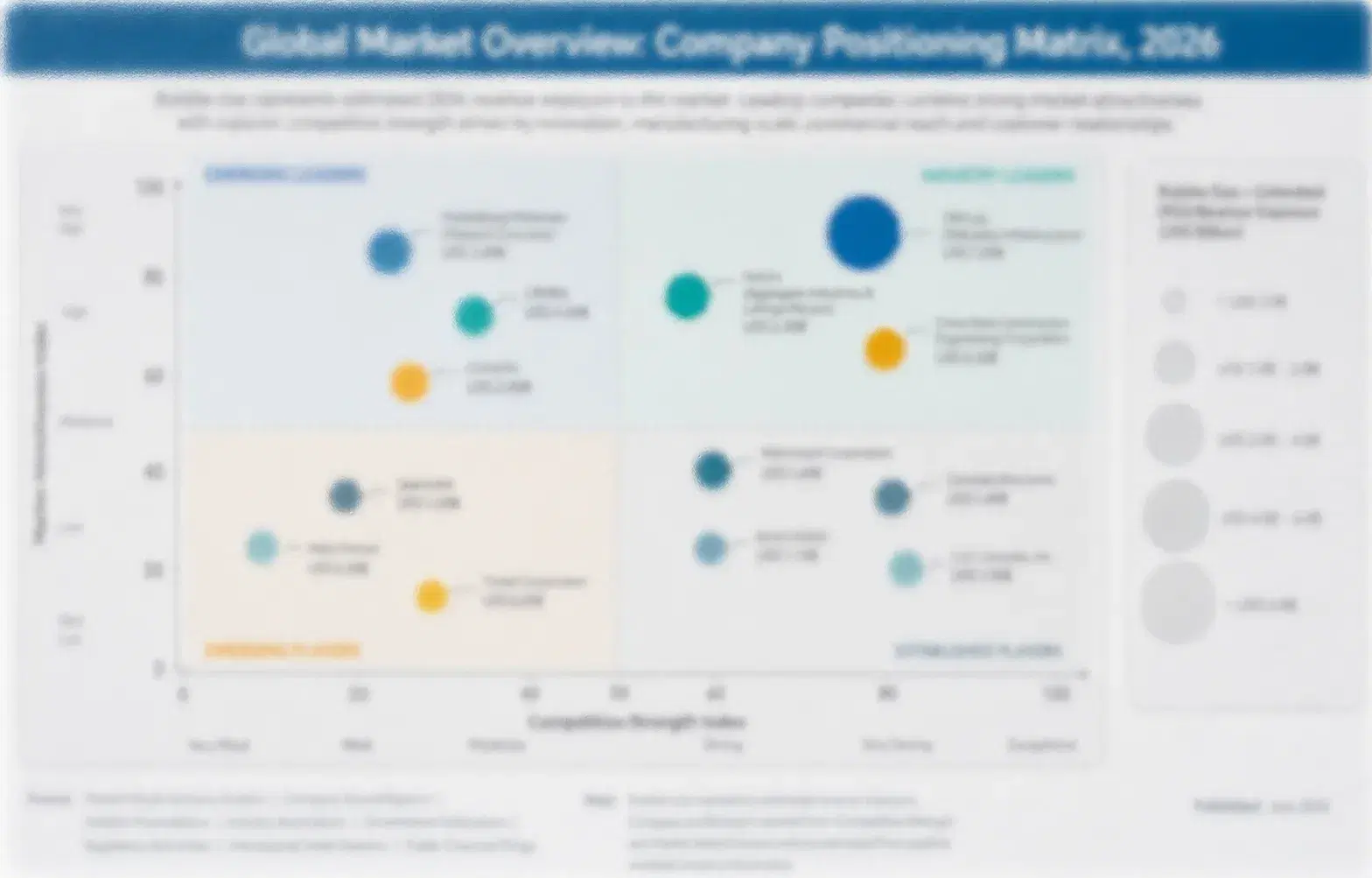
Measured on disclosed vascular access and infusion device revenue, the five largest manufacturers hold a CR5 of 62%, which reflects broad portfolio requirements and hospital relationships built across decades rather than any technological barrier. Becton Dickinson holds the broadest position across peripheral and central ranges, Teleflex and ICU Medical carry strong central and specialty portfolios, and Baxter and Cook hold established positions in specific device categories. Bundled purchasing matters more than any single device advantage.
Three contests define activity. Peripheral catheter supply competes almost entirely on unit price through tendering that counts devices rather than attempts. Central and antimicrobial devices compete on infection outcome evidence that depends on protocols the manufacturer does not control. And midlines and ports compete on therapy duration reasoning, which requires somebody in the hospital to be performing that assessment. A manufacturer organised for one contest is rarely equipped for the others.

Pressure builds as Chinese and Indian manufacturers take peripheral share on price while antimicrobial adoption depends on penalties that vary by health system. Rankings shift toward manufacturers who engage with vascular access team development. Attempt data remains the unclaimed argument that would change how the whole category is purchased. Nobody has collected it.
vascular-access-catheters-market-company-positioning-matrix-1787705476801

Competitive Moat and Risk Dimensions

BECTON DICKINSON

Moat: Portfolio Breadth And Hospital Reach

Becton Dickinson supplies across peripheral, midline, central and antimicrobial ranges through hospital relationships built over decades, which matters because vascular access purchasing is frequently bundled rather than tendered device by device. A competitor with a superior single product still faces a supplier already providing everything else in the category. Breadth also supports engagement across the whole device pathway.
BECTON DICKINSON

Risk: Peripheral Price Erosion Exposure

A large share of volume sits in peripheral catheters priced near a dollar and purchased on unit cost through tendering that counts devices rather than attempts. Chinese and Indian manufacturers compete effectively there on price alone. Portfolio breadth secures the account without protecting margin in the segment that generates most of the units.
TELEFLEX

Moat: Central Access Clinical Position

Teleflex holds strong positions in central venous and peripherally inserted central catheters supported by clinical evidence and clinician familiarity in the devices where complications matter most. Central insertion is a skilled procedure and operators develop strong preferences for kits they know. That familiarity is difficult for a competitor to displace without a clear clinical advantage rather than a price one.
TELEFLEX

Risk: Bundle Adherence Outcome Dependence

Infection outcome claims for central and antimicrobial devices depend on insertion and maintenance protocols covering four steps the manufacturer does not control at all. Adherence varies between wards inside a single hospital, and poor outcomes reflect on the device rather than the process. Evidence strength provides no protection where protocol discipline is weak.

Players Tracked

Prominent Players

Becton Dickinson
Teleflex
ICU Medical
Baxter International
Cook Medical

Other Key Players

B. Braun Melsungen
Smiths Medical
Fresenius Kabi
Terumo
Medtronic
AngioDynamics
Nipro
Vygon
Argon Medical Devices
Merit Medical Systems
Access Vascular
Poly Medicure
Romsons
Amsino International
Lepu Medical

Recent Developments

JANUARY 2025

Hospital network establishes vascular access team across acute sites

A hospital network established dedicated vascular access teams across its acute facilities, an operational decision rather than any corporate transaction. First-attempt success improved and escalation from peripheral to central access fell, while device mix shifted toward midlines chosen on assessed therapy duration rather than on immediate availability.
Signal: Team presence changes device selection and complication rates more than any product characteristic does. Organisation decides it.
MAY 2025

Provincial procurement compresses peripheral catheter pricing sharply

A volume-based procurement round for peripheral vascular access devices produced substantial price reductions alongside expanded purchased volume, a public procurement outcome rather than any corporate event. Domestic manufacturers priced aggressively and gained share while international suppliers weighed volume against margin. International suppliers weighed volume against margin carefully.
Signal: Unit price tendering rewards low cost manufacturing and ignores the attempts each device actually consumes. Attempts remain uncounted.
SEPTEMBER 2025

Infection prevention audit links outcomes to protocol adherence not devices

A multi-site infection prevention audit attributed bloodstream infection variation primarily to insertion and maintenance protocol adherence rather than to device selection, a clinical audit finding rather than any commercial development. Adherence varied substantially between wards within individual hospitals across the study. Device selection explained considerably less variation.
Signal: Device outcome claims depend on protocol discipline that manufacturers cannot control and rarely support. Process rather than product.

What A Catheter Costs

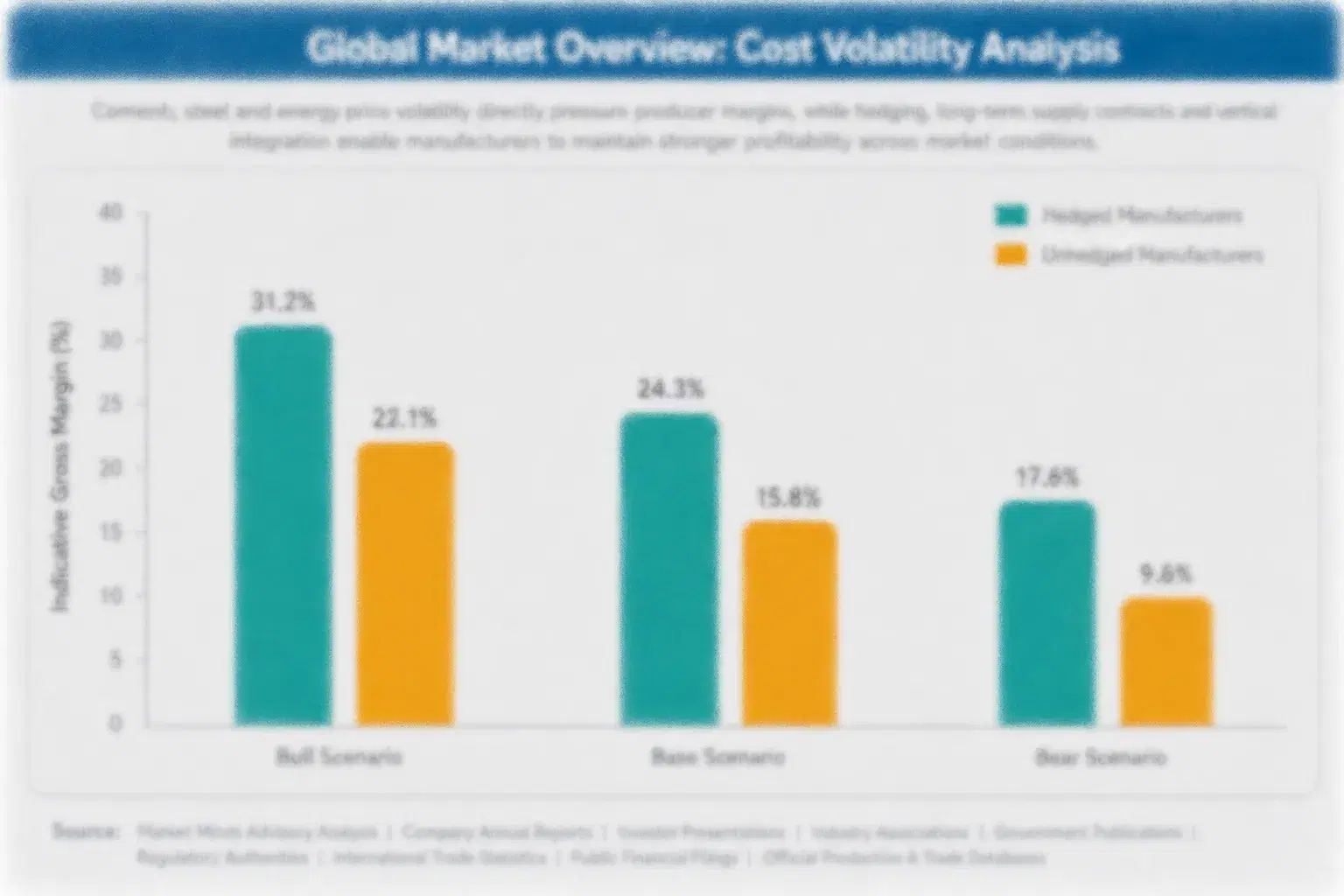
Peripheral devices are high-volume moulded and assembled products with genuinely commodity economics. Polymer tubing, needle, hub components, packaging and sterilisation account for 52 to 61% of manufactured cost against a selling price near 1.10 dollars. Central catheters, ports and antimicrobial devices carry materially higher material, coating and assembly cost. Antimicrobial coating adds process complexity and regulatory burden that standard devices avoid entirely.
The volatility that mattered was medical polymer and sterilisation capacity together. Ethylene oxide sterilisation constraints affected single-use device supply across the sector, and facility closures in several regions extended lead times considerably. Medical grade polymer pricing rose through 2022 alongside wider petrochemical costs, which IEA industrial energy price data records, and those inputs sit directly in the cost of a product selling for around a dollar.

Exposure divides by portfolio mix rather than by scale. Manufacturers weighted toward peripheral devices carry commodity economics against tendering that recognises nothing except unit price. Those weighted toward central, port and antimicrobial ranges carry higher cost against pricing that supports it. Chinese and Indian producers hold cost positions in peripheral devices that Western manufacturers cannot approach on any tendered volume at all.
vascular-access-catheters-market-cost-volatility-analysis-1787705477111

Gather ward attempt data to escape unit pricing

Roughly a third of adult peripheral insertions fail first time and purchasing systems record none of it, which means unit price is the only measure available to a buyer. Collecting attempt data from wards creates the currency in which better products can actually compete. It costs field resource rather than capital. Competitors quoting price cannot answer it.

Secure sterilisation capacity for single-use production

Ethylene oxide sterilisation constraints and facility closures extended lead times across single-use device manufacturing, at a point when hospitals could not tolerate supply interruption in a product used on almost every admission. Committed sterilisation capacity costs contractual commitment and protects availability. Manufacturers relying on spot capacity lost tendered supply they had already been awarded.

Bundle protocol training with antimicrobial devices

Antimicrobial catheters depend on insertion and maintenance steps the manufacturer does not control, and adherence varies between wards within a single hospital, which undermines outcome claims made about the product. Supplying protocol training and audit alongside the device costs clinical education resource. It protects the evidence base that justifies the price premium in the first place.

Portfolio Architecture for Margin Defence

Margin follows complexity and clinical consequence rather than volume, which inverts the usual device logic. Peripheral catheters near a dollar earn almost nothing per unit despite carrying most of the volume in the category. Central venous catheters earn better on insertion skill and complication consequence. Midlines earn well where duration assessment supports them. Implanted ports earn strongly on procedural placement. Antimicrobial and coated devices earn most where infection carries a financial penalty.
The tension is that the highest margin products depend on organisational behaviour manufacturers cannot influence directly. Midlines and ports need somebody assessing therapy duration, which happens reliably only where a vascular access team exists in roughly a fifth of hospitals. Antimicrobial devices need protocol adherence that varies between wards. Peripheral catheters need nothing except a purchase order, which is why they dominate volume and generate almost no margin at all.

High-value pools sit in three places. Antimicrobial and coated devices supported by protocol training that protects their own outcome evidence. Midlines and ports reached through duration assessment at admission. And vascular access team development, which changes device mix, complication rates and cost per patient more than any product characteristic in this category ever will.

Volume / Commodity-Adjacent

Standard peripheral intravenous catheters and basic access devices purchased on unit price through hospital tendering. The 9-point range is wide because Chinese and Indian producers and Western manufacturers face entirely different cost positions on functionally comparable devices.
Gross Margin: 18-27%

Premium / Certified

Central venous catheters, peripherally inserted central catheters and midline devices where insertion skill and complication consequence support pricing. The 10-point spread separates manufacturers with strong operator familiarity from those competing on specification and price alone.
Gross Margin: 40-50%

Sustainability / Regulatory / Next-Generation

Implanted ports and antimicrobial or coated catheter ranges carrying infection prevention claims. The 22-point range is wide because port procedural economics and coated device premiums rest on entirely different commercial foundations.
Gross Margin: 52-74%
vascular-access-catheters-market-portfolio-architecture-1787705477396

High-value Sub-segments and Strategic Watch-out

Antimicrobial And Coated Devices

Highest margin and fastest growth at 12.9%, driven by infection carrying reimbursement consequence rather than by any change in the underlying clinical evidence. The risk is that outcome claims depend on protocol adherence varying between wards, which manufacturers neither control nor generally support. Training protects it.
Gross Margin: 66-74%

Midlines And Implanted Ports

Strong growth where therapy duration assessment supports selection over repeated peripheral replacement or full central access. The risk is that assessment happens reliably only where a vascular access team exists, and roughly four fifths of hospitals do not have one. Organisation caps growth. Change is slow.
Gross Margin: 48-56%

Peripheral Catheter Volume

The volume core, carrying most units at around a dollar each and purchased purely on price through tendering. Manufacturers hold it because it anchors hospital supply relationships, and because losing it removes access to the higher value ranges entirely. Nobody exits it deliberately at all.
Gross Margin: 19-25%

Attempts Nobody Counts

The strategic watch-out and the largest unclaimed argument. Roughly a third of first attempts fail and no purchasing system records it, so products reducing attempts cannot demonstrate value. The risk is that whoever collects that data first changes how the category is bought. Somebody will eventually.
Gross Margin: 27-33%

Every Admission Needs Access

Almost every hospital admission generates vascular access demand, which ties volume directly to inpatient activity rather than to any purchasing cycle or clinical decision revisited periodically. That produces the most reliable demand pattern in medical devices and almost no pricing power to go with it. Peripheral catheters are consumed continuously and counted by the box rather than by patient.
Stickiness runs through supply bundling and operator familiarity rather than through any switching cost. Hospitals purchase vascular access ranges together, which makes displacing a single device difficult when a supplier provides everything else. Central insertion kits build genuine operator preference, since a skilled procedure performed under pressure favours familiar equipment. Peripheral catheters have no stickiness at all and move on tender price at every renewal.

The decision maker varies by device and most manufacturers address only one. Peripheral supply is decided by procurement measuring unit price. Central and antimicrobial devices involve infection prevention teams and intensive care clinicians weighing outcome evidence. Midlines and ports are chosen by vascular access teams where they exist, and by nobody in particular where they do not. That last group is where the category's growth actually sits.
vascular-access-catheters-market-end-use-penetration-index-1787705477691

Measuring What Actually Costs

These are among the four positions where our research anticipates prominent divergence between winners and laggards over the coming forecast period. Each is grounded in the demand model, the regulatory perimeter, and the announced capacity pipeline.
01 / ATTEMPT DATA COLLECTION

Purchasing counts boxes and wards count sticks

Roughly 34% of all adult peripheral insertions fail on the very first attempt, and no purchasing system anywhere records the attempts that were consumed, only the devices bought at around a dollar each. That means any product genuinely reducing attempts cannot demonstrate its value in the single currency the buyer actually measures. Manufacturers who collect attempt-level data from the wards themselves create the evidence their own argument requires, and competitors quoting unit price have nothing at all to answer with.
02 / DURATION ASSESSMENT ADVOCACY

Nobody asked how long the therapy runs

About 18% of all peripheral devices are eventually replaced by central access instead, almost always because nobody had established how long the treatment would actually run before the first device was chosen. Assessment at admission resolves most of that entirely, and shifts selection toward midlines and ports wherever the expected duration genuinely justifies them. Manufacturers who support assessment protocols move device mix toward higher value products while genuinely reducing patient harm, which is an unusually comfortable commercial position to occupy.
03 / ACCESS TEAM DEVELOPMENT

Organisation beats every product characteristic here

Only around 22% of hospitals anywhere currently operate a dedicated vascular access insertion team of their own, and wherever one exists first-attempt success rises, escalation falls and device mix shifts toward products chosen on assessed duration rather than on immediate availability. That single organisational difference outweighs every single product characteristic in this entire category, and by a considerable margin too. Manufacturers who actively support team establishment and business case development create exactly the conditions that their own portfolio depends upon.
04 / PROTOCOL TRAINING SUPPLY

Your evidence depends on somebody else's discipline

Antimicrobial catheters sit inside insertion and maintenance bundles that cover skin preparation, dressing, hub disinfection and dwell review, none of which the device manufacturer controls in any way at all whatsoever. Adherence varies substantially between wards inside one single hospital, and poor outcomes then reflect on the device rather than on the process that actually caused them. Supplying both protocol training and audit alongside the product protects the evidence base that justifies charging the price premium in the first place.

Engagement Snapshot From the Field

A live engagement with an industry participant carrying material or product regulatory and market exposure ahead of a defining policy shift, showing how our research translates into a defensible multi-year portfolio strategy.
MARKET MINDS ADVISORY · CLIENT ENGAGEMENT SUMMARY
Vascular Access Catheters Producer Strategic Portfolio Review and Transition Roadmap 2026·Investment Scenario on Vascular Access Catheters Exposure Evaluation 2025-26
CLIENT PROFILE
A vascular access device manufacturer supplying peripheral, midline and central ranges to European and Asian hospital systems, with reported device revenue of 320 million dollars (client-reported, unverified by MMA). Roughly 68% of revenue came from peripheral catheters sold on tender. Antimicrobial products existed and were sold on outcome data alone, with no protocol training offered anywhere.
STRATEGIC CHALLENGE
Peripheral tender margins had compressed for four consecutive years against Chinese and Indian competition, while midline and antimicrobial adoption remained flat despite competitive products. Management was preparing a manufacturing cost programme and a peripheral price reduction. Neither addressed why higher value products were not being selected in the accounts already served.
MMA APPROACH
MMA compared device mix and complication rates across served accounts with and without vascular access teams, using data the company had never requested from any customer. Eighteen expert interviews with vascular access nurses, infection prevention leads and procurement managers established how selection actually happens. The analysis treated organisational structure and attempt measurement, rather than product characteristics or price, as the causes.
KEY FINDINGS
  1. Accounts operating a vascular access team purchased substantially more midline and port volume, and the company had never identified which of its accounts had a team at all.
  2. No account had ever been shown attempt-level data, and procurement managers interviewed said unit price was the only measure their systems could produce.
  3. Antimicrobial outcome claims had underperformed at two accounts where protocol adherence was poor, and the failure had been recorded as product underperformance.
  4. Escalation from peripheral to central access was common and unmeasured, and no account had been offered support for duration assessment at admission.
CLIENT PROFILE
A vascular access device manufacturer supplying peripheral, midline and central ranges to European and Asian hospital systems, with reported device revenue of 320 million dollars (client-reported, unverified by MMA). Roughly 68% of revenue came from peripheral catheters sold on tender. Antimicrobial products existed and were sold on outcome data alone, with no protocol training offered anywhere.
STRATEGIC CHALLENGE
Peripheral tender margins had compressed for four consecutive years against Chinese and Indian competition, while midline and antimicrobial adoption remained flat despite competitive products. Management was preparing a manufacturing cost programme and a peripheral price reduction. Neither addressed why higher value products were not being selected in the accounts already served.
MMA APPROACH
MMA compared device mix and complication rates across served accounts with and without vascular access teams, using data the company had never requested from any customer. Eighteen expert interviews with vascular access nurses, infection prevention leads and procurement managers established how selection actually happens. The analysis treated organisational structure and attempt measurement, rather than product characteristics or price, as the causes.
KEY FINDINGS
  1. Accounts operating a vascular access team purchased substantially more midline and port volume, and the company had never identified which of its accounts had a team at all.
  2. No account had ever been shown attempt-level data, and procurement managers interviewed said unit price was the only measure their systems could produce.
  3. Antimicrobial outcome claims had underperformed at two accounts where protocol adherence was poor, and the failure had been recorded as product underperformance.
  4. Escalation from peripheral to central access was common and unmeasured, and no account had been offered support for duration assessment at admission.
RECOMMENDED STRATEGY
Phase 1: Phase one: collect attempt-level data at served wards, creating the currency in which attempt-reducing products can actually compete against price. Phase 2: Phase two: supply protocol training and audit alongside antimicrobial devices, protecting the outcome evidence that justifies their premium. Adherence protects claims. Phase 3: Phase three: support vascular access team establishment and duration assessment at priority accounts, since organisation drives device mix decisively. Teams change everything.
OUTCOME
Attempt data collection began at eleven wards and produced comparisons no competitor could answer on price alone (client-reported, unverified by MMA). Protocol training was bundled with antimicrobial supply and outcome performance recovered at both affected accounts. Vascular access team support was offered at six priority accounts, two of which established teams within the year.

Frequently Asked Questions

Foundational context covering the market sizes, CAGR, scope, country, region and competition that inform every finding below. This section is provided to cover basics and most often pre-purchase conversations, answered from the MMA Primary Research Dataset.

What is the current size of the Vascular Access Catheters Market?

The market was worth 5.6 billion dollars in 2025, covering peripheral, midline, centrally inserted, implanted port and antimicrobial catheter categories. It reaches 6.08 billion dollars in 2026.

How large will the Vascular Access Catheters Market be by 2036?

MMA forecasts 13.88 billion dollars by 2036, an increase of 7.80 billion dollars over the 2026 base. That represents an expansion multiple of 2.28 times across the forecast period.

What is the CAGR for the Vascular Access Catheters Market 2026 to 2036?

The base case compounds at 8.6% annually. The bull case reaches 9.8% if vascular access teams spread substantially, while the bear case sits at 7.4% on continued unit price purchasing.

Which segment is growing fastest?

Antimicrobial and coated catheters, at 12.9%, half again the market rate of 8.6%. Infection carrying a reimbursement consequence drove that adoption rather than any change in clinical evidence.

Who are the major companies in the Vascular Access Catheters Market?

Becton Dickinson, Teleflex, ICU Medical, Baxter International and Cook Medical lead on disclosed vascular access revenue. Poly Medicure, Romsons and Lepu Medical hold strong positions on price in Asian markets.

Which country is growing fastest?

India at 10.7%, as private hospital capacity expands and domestic manufacturers supply devices at very low prices. China produces roughly 33% of global vascular access device output.

Report Segmentation Architecture

The full report scope spans multiple orthogonal segmentation dimensions, with cross-tabulated demand data provided for each dimension pair. Coverage extends further to regional breakdowns, trend trajectories, and the competitive detail needed to support segment-level decision-making.

By Device Type

  • Peripheral Intravenous Catheters
  • Midline Catheters
  • Peripherally Inserted Central Catheters
  • Central Venous Catheters
  • Implanted Ports
  • Antimicrobial and Coated Catheters

By End-Use Setting

  • Hospital Inpatient Wards
  • Emergency Departments
  • Intensive Care Units
  • Oncology Infusion Centres
  • Home Infusion Services
  • Ambulatory and Day Surgery Units

By Commercial Dimension

  • Hospital Tender Supply
  • Group Purchasing Organisation Contract
  • Volume-Based Procurement Supply
  • Vascular Access Team Programme Supply
  • Distributor and Dealer Supply
  • Home Care Provider Supply

By Region

  • North America
  • Western Europe
  • East Asia
  • South Asia and Pacific
  • Latin America
  • Middle East and Africa
  • Eastern Europe

Scope, Methodology, and Coverage

Every figure in this report is reproducible from documented input assumptions. The scope below maps the historical period, the forecast horizon, the segmentation dimensions, and the countries covered, alongside the underlying primary and qualitative methodology.
Historical Period
2020 to 2025
Forecast Period
2026 to 2036
Base Year
2025 (USD billions; MMA Primary Research Dataset, August 2026)
Market Definition
Scope covers catheters and devices providing vascular access for infusion, haemodynamic monitoring and blood sampling across hospital and community settings, spanning peripheral intravenous catheters, midline catheters, peripherally inserted central catheters, central venous catheters, implanted ports, and antimicrobial and coated catheter ranges. Infusion pumps, administration sets and connectors, dialysis machines and extracorporeal circuits, interventional and diagnostic catheters used in cardiology, radiology and neurology, vascular closure and haemostasis devices, and needles and syringes outside vascular access are excluded from the market size and all derived figures.
Quantitative Units
USD billions (current prices); devices supplied; insertion attempts per successful access; escalation rate to central access; complication rate per thousand catheter days
Segmentation Dimensions
By Device Type; By End-Use Setting; By Commercial Dimension; By Region
Regions Covered
North America, Western Europe, East Asia, South Asia and Pacific, Latin America, Middle East and Africa, Eastern Europe
Countries Covered
China, USA, India, Germany, Japan, Brazil, France, UK, Italy, South Korea, Spain, Mexico, Turkey, Poland, Indonesia
Key Companies Profiled
Becton Dickinson, Teleflex, ICU Medical, Baxter International, Cook Medical, B. Braun Melsungen, Smiths Medical, Fresenius Kabi, Terumo, Medtronic, AngioDynamics, Nipro, Vygon, Argon Medical Devices, Merit Medical Systems, Access Vascular, Poly Medicure, Romsons, Amsino International, Lepu Medical
Quantitative Methodology
Primary survey, n=3,800 respondents, Q4 2025, six countries; demand-side model with trade association cross-validation
Qualitative Methodology
47 expert interviews, Q4 2025; applied to validate demand model assumptions, identify emerging dynamics, and assess competitive positioning
Report Format
PDF and XLSX data workbook (Word format preview document)
Publisher
Market Minds Advisory
Report Code
MMA-2026-MED-128
Published
August 2026
Contact
sales@marketmindsadvisory.com | www.marketmindsadvisory.com

Purchase the full Vascular Access Catheters Market Report (2026 to 2036).

The full report runs to 170 pages and covers all six device type segments, seven regions and 20 profiled manufacturers in detail. It includes the complete segment CAGR set, regional purchasing structure comparison, and device mix analysis across hospitals with and without dedicated vascular access teams. Company profiles carry evaluation on disclosed vascular access and infusion device revenue, with moat and risk assessment for the top five manufacturers. The competitive section extends to 15 tracked clinical, procurement and corporate developments across 2024 and 2025. Primary research inputs include a quantitative survey of 3,800 respondents and 47 expert interviews conducted in Q4 2025.
Six device type segments with individual CAGR forecasts
Seven regional markets with purchasing structure and adoption comparison
Twenty manufacturer profiles on consistent revenue evaluation basis
Fifteen tracked clinical and procurement developments with commercial interpretation
Device mix analysis across hospitals with and without access teams
Insertion attempt and escalation economics modelled by device pathway

Built For The People Who Decide

From boardroom strategy to bench-side execution, this report is read cover-to-cover by leaders shaping the next decade of their industry, turning demand scenarios, market dynamics and valuation benchmarks into decisions.
CXOs/ Presidents/ VPs/ Managers
M&A and Corporate Development
Strategy Teams and R&D Heads
Procurement and Product Directors
Regulatory and Compliance Leaders
Investor Relations and Equity Analysts