
Market Minds Advisory
Variant-ID Packaging for Mixed SKU Kits Market

Variant-ID Packaging for Mixed SKU Kits Market Trends 2026-2036

Expanding subscription-box fulfillment, tightening retailer kit-accuracy chargeback policies, and growing variant-level barcode standardization are reshaping mixed-SKU packaging specifications across e-commerce fulfillment operations each year across major direct-to-consumer kitting markets worldwide.

Lead Analyst

Bilal Shaikh

Published

November 2026

Make Smarter Decisions with Customized Research Insights

Request a free sample report and evaluate market opportunities, growth trends, and competitive dynamics relevant to your business needs.

2025 MARKET VALUE$1.2BMarket Size 2025
2036 FORECAST VALUE$3.5BBase Case , 2026 to 2036
CAGR 2026 TO 203610.4 %Bull 11.7% / Bear 9.1%
INCREMENTAL OPPORTUNITY$2.2BNet 10- year value creation
EXPANSION MULTIPLE2.69x2036 value over 2026 base
Strategic Levers
M&A Pipeline
Regional Outlook
Country Rankings
Competitive Intelligence
Segmental Deep-dive
Call-Us : 91 93563 13602

Variant-ID Packaging for Mixed SKU Kits Market at a Glance

Subscription-box and multi-pack fulfillment growth has pushed variant-level identification from a nice-to-have warehouse convenience into a mandatory specification, as retailers impose chargeback penalties for kits shipped with incorrect SKU variants mixed into the wrong box entirely, a cost retailers increasingly pass directly back to kitting suppliers through contract penalty clauses.
Growth concentrates in RFID-enabled variant tracking packaging, the fastest-expanding format, as fulfillment centers demand faster scan-verification than barcode-only systems can reliably deliver at high kitting volumes. North America, anchored by the United States subscription-box and meal-kit industry, leads global demand as the region's direct-to-consumer kitting scale outpaces comparable fulfillment volume elsewhere, a gap most other regions have yet to close given lower domestic subscription-commerce penetration and smaller kitting fulfillment infrastructure.
Competition spans barcode-standardization specialists, RFID-integration providers, and warehouse-management software vendors increasingly bundling variant-identification capability into broader fulfillment platforms. Retailer chargeback policies and kitting-accuracy standards are tightening qualification requirements, favoring suppliers who can document scan-verification rates alongside the physical packaging itself, a combination that is becoming a baseline procurement requirement rather than a competitive differentiator as more fulfillment centers standardize their qualification criteria around comparable scan-accuracy benchmarks.
Market Definition
The Variant-ID Packaging for Mixed SKU Kits Market covers packaging and labeling systems that uniquely identify individual product variants within multi-item kits, subscription boxes, and mixed-SKU shipments through barcode, RFID, or digital variant-coding technology. It excludes single-SKU shipping packaging, standalone warehouse-management software sold independently of physical labeling, and general inventory-tracking systems unrelated to kit-level variant identification.
Base Year Value
$1.2B in 2025 (MMA Primary Research Dataset, October 2026)
Forecast Period
2026 to 2036, eleven discrete annual values
CAGR
10.4% base case. Bull 11.7%. Bear 9.1%.
Fastest Growth Segment
RFID Enabled Variant Tracking Packaging: 13.8% CAGR
Fastest Growth Country
United States: 11.9% CAGR
Fastest Growth Region
South Asia and Pacific: 12.6% CAGR
Largest Region
North America: 31% of 2025 global value
Market Leaders
Zebra Technologies Corporation, Avery Dennison Corporation, Honeywell International Inc, CCL Industries Inc, Checkpoint Systems Inc. Source: MMA Analysis, based on company disclosures and primary survey data, Q4 2025.
Primary Survey
n=3,800 procurement and R&D decision-makers, Q4 2025, six countries
Methodology
Demand-side build-up, cross-validated against public data, 47 expert interviews

Variant-ID Packaging for Mixed SKU Kits Revenue Scenarios

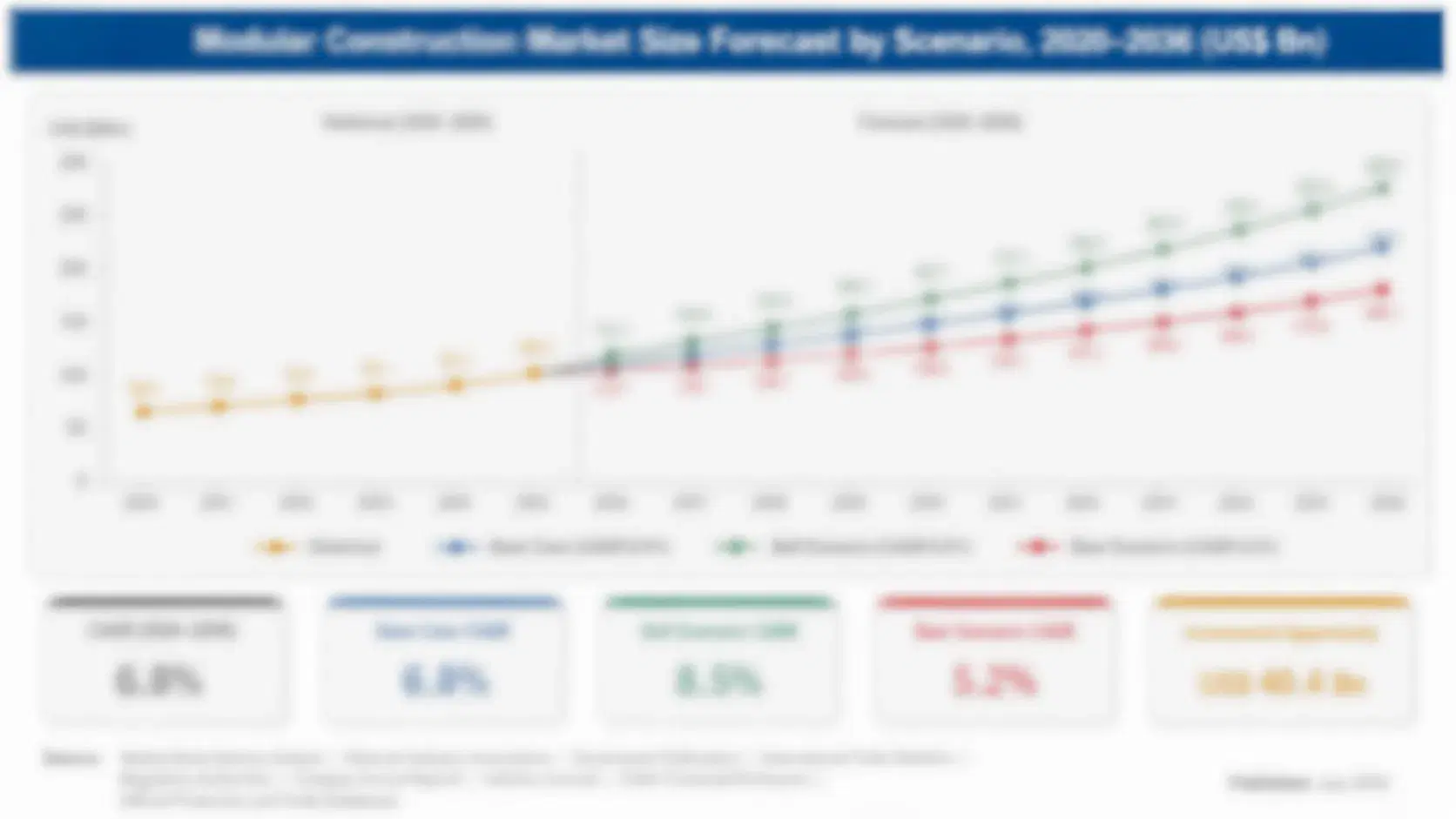
variant-id-packaging-for-mixed-sku-kits-market-size-forecast-scenario-1791508472823
Between 2020 and 2025, variant-ID packaging adoption grew steadily as subscription-box and meal-kit fulfillment volume expanded rapidly during that period across North American direct-to-consumer brands. The historical pace trailed the current forecast, reflecting a market still transitioning from manual SKU-matching toward automated scan-verification systems before broader kitting-industry standardization began accelerating adoption, before scaling meaningfully only once major retailers began formalizing chargeback policy.
The base case assumes continued expansion through three mechanisms: broadening retailer chargeback enforcement for mis-kitted shipments, growing RFID-hardware cost declines that make high-accuracy tracking affordable for mid-size fulfillment operations, and expanding subscription-commerce volume across grocery, beauty, and wellness categories. Together these mechanisms support solid double-digit-adjacent annual growth as variant identification becomes standard fulfillment-center practice across multiple kitting categories simultaneously, with United States fulfillment operators moving fastest given the largest concentration of direct-to-consumer kitting volume anywhere.
The bull case assumes accelerated adoption if major retailers extend chargeback enforcement to a broader set of kitting suppliers ahead of current timelines. The bear case assumes slower uptake if simpler barcode-only verification proves sufficient for most mid-market subscription brands, limiting premium RFID-tracking penetration to only the highest-volume fulfillment operations for longer than currently expected.

Chargeback Policy Redraws Kitting Specification

Retailer chargeback policies are redrawing specification requirements across mixed-SKU kitting packaging, pushing fulfillment operators toward scan-verified variant identification rather than manual SKU-matching processes that chargeback audits increasingly flag as unreliable. Compliance deadlines tied to major retailer partnership agreements are compressing supplier qualification timelines meaningfully across the fulfillment industry, a tightening that is pushing even mid-size subscription brands to invest in automated scan-verification infrastructure previously reserved for larger retailers alone.
MARKET CONCENTRATIONCR5 33%Top five specialist suppliers hold meaningful combined participation share
AVERAGE SELLING PRICEUSD 0.04/unitRFID-enabled variant tags command modest sustained price premiums
TOP PRODUCING COUNTRY SHAREUnited States 22%Concentrated subscription-commerce scale drives significant domestic production demand
CAPACITY UTILIZATION68%Specialist converters run flexible lines matching seasonal kitting volume
MATERIAL COST SHARE29% of COGSVariant tag hardware and specialty substrate inputs dominate production expense
REPLACEMENT CYCLE LENGTHSingle useVariant tags applied fresh to each new kit shipment batch
Subscription-commerce brands are increasingly specifying RFID-enabled variant tracking as a contractual requirement in fulfillment-center partnership agreements, reflecting documented mis-kitting cost now appearing in operational loss reporting. This shift favors specialists with established scan-verification platforms over general packaging converters entering the category opportunistically without equivalent tracking-software depth or fulfillment-center integration history, and several major subscription-commerce brands have begun publishing fulfillment-partner scorecards that weigh scan-accuracy performance alongside cost and delivery speed.
Specification intensity varies by application: high-value beauty and wellness kits require the most rigorous variant-level RFID tracking, while lower-value grocery kits often accept barcode-only verification sufficient to deter costly mis-shipments without full RFID-grade tracking infrastructure across every kit component, a tiering that lets suppliers serve both premium and volume kitting customers through differentiated hardware tiers rather than one uniform tracking system.
"Mixed-SKU kitting has quietly become one of fulfillment's costliest accuracy problems, not a minor packaging detail. Suppliers who built scan-verification platforms ahead of retailer chargeback enforcement now hold a qualification advantage competitors cannot easily replicate."
Senior Analyst, Fulfillment Packaging Practice · MMA Multi-Item Kit Identification Packaging Practice · October 2026

Key Trends in Variant-ID Packaging for Mixed SKU Kits

RFID Scan Verification Gains Fulfillment Center Preference

Large fulfillment centers are increasingly specifying RFID-enabled variant tracking over barcode-only systems, citing documented scan-accuracy advantages referenced in operational-efficiency reporting across major third-party logistics providers. The shift favors variant-identification specialists with RFID-integration capability over legacy barcode-only providers still supplying older-generation tracking systems. Several major fulfillment operators have already updated supplier qualification standards to require RFID-grade verification for new kitting contracts, a change expected to accelerate further as chargeback-prevention results become more broadly referenced across competing fulfillment networks, a validation step most smaller regional fulfillment operators still lack the hardware budget to complete quickly.
Market Impact: Adds 12% chargeback mandate coverage
Subscription Brands Adopt Variant Level Quality Scorecards

Major subscription-commerce brands are adopting variant-level quality scorecards that track mis-kitting rates by supplier, citing documented customer-churn cost now appearing in subscription-retention reporting and investor disclosures. This scorecard adoption is expanding the addressable market well beyond basic compliance alone, since brands increasingly treat accuracy performance as a competitive differentiator. Suppliers able to demonstrate consistently low mis-kitting rates are capturing disproportionate new contract volume faster than those relying solely on price competition alone, a gap that is widening as more subscription brands publish updated supplier scorecards referencing accuracy performance directly now.
Market Impact: Adds 10% unit volume growth yearly

Variant-ID Packaging for Mixed SKU Kits Supplier Priorities

Retailer Chargeback Enforcement Expands Rapidly Nationwide

Expanding retailer chargeback enforcement for mis-kitted shipments across major e-commerce platforms is driving urgent investment in scan-verification infrastructure among fulfillment operators and subscription brands. Public retailer policy documentation increasingly names kitting accuracy among the most heavily penalized fulfillment errors, pushing operators toward mandatory variant-level verification rather than relying on manual quality checks alone. This enforcement visibility is accelerating adoption faster than internal operational improvement plans alone would have driven, since public chargeback data creates external cost pressure difficult for fulfillment managers to defer further, particularly across major fulfillment hubs handling the highest kitting volume.
Market Impact: Adds 17% unit hardware cost premium

Subscription Commerce Volume Expands Across Categories

Expanding subscription-commerce volume across grocery, beauty, wellness, and pet-care categories is driving sustained demand for variant-identification packaging as more brands launch multi-item kit programs. Brands increasingly specify RFID or advanced barcode formats for new kitting programs targeting both accuracy and customer-retention goals simultaneously. This growth is concentrated among direct-to-consumer brands, where mis-kitting directly affects subscriber retention metrics tracked closely by investors. Specification volume is accelerating as more brands expand their kitting program scope across additional product categories, a pattern fulfillment-technology suppliers are already observing in early procurement documents for next-generation kitting programs.
Market Impact: Adds 5 month reformatting delay

What Holds Back Variant-ID Packaging for Mixed SKU Kits Growth

RFID Hardware Cost Limits Small Brand Adoption

RFID tag hardware and reader-integration infrastructure adds meaningful per-unit cost compared with standard barcode labeling, a premium root traced to limited domestic RFID-chip manufacturing capacity concentrated among a handful of qualified suppliers. Smaller subscription brands and independent kitting operators often cannot justify this investment outside retailer-mandated contracts, which concentrates early adoption among larger, better-capitalized brands. Several hardware vendors are now offering shared-reader rental programs aimed specifically at smaller fulfillment operators to broaden addressable adoption across the category over the coming several years, though progress remains gradual given the specialized hardware and software integration involved.
Market Impact: Adds 11% RFID format conversion rate

Barcode Standard Fragmentation Complicates Multi Retailer Compliance

Inconsistent variant-coding standards across major retail partners complicate supply chains for multinational kitting brands, since a barcode format accepted by one retailer may require separate reformatting for another. The root cause is that variant-coding standards developed independently across retail platforms rather than through coordinated industry-wide standardization similar to other product-identification categories. Industry trade groups are now pursuing shared-standard discussions among major retail platforms to reduce duplicate labeling requirements for suppliers serving multiple retail channels simultaneously, though progress has been slow given differing retailer-specific formatting preferences already embedded across platforms today.
Market Impact: Adds 8% scorecard-driven adoption
3 additional market trends, 4 additional growth drivers, and 3 additional restraints and challenges are covered in the full report. Contact sales@marketmindsadvisory.com to access the complete intelligence.

Fastest-Growing Variant-ID Packaging for Mixed SKU Kits Segments

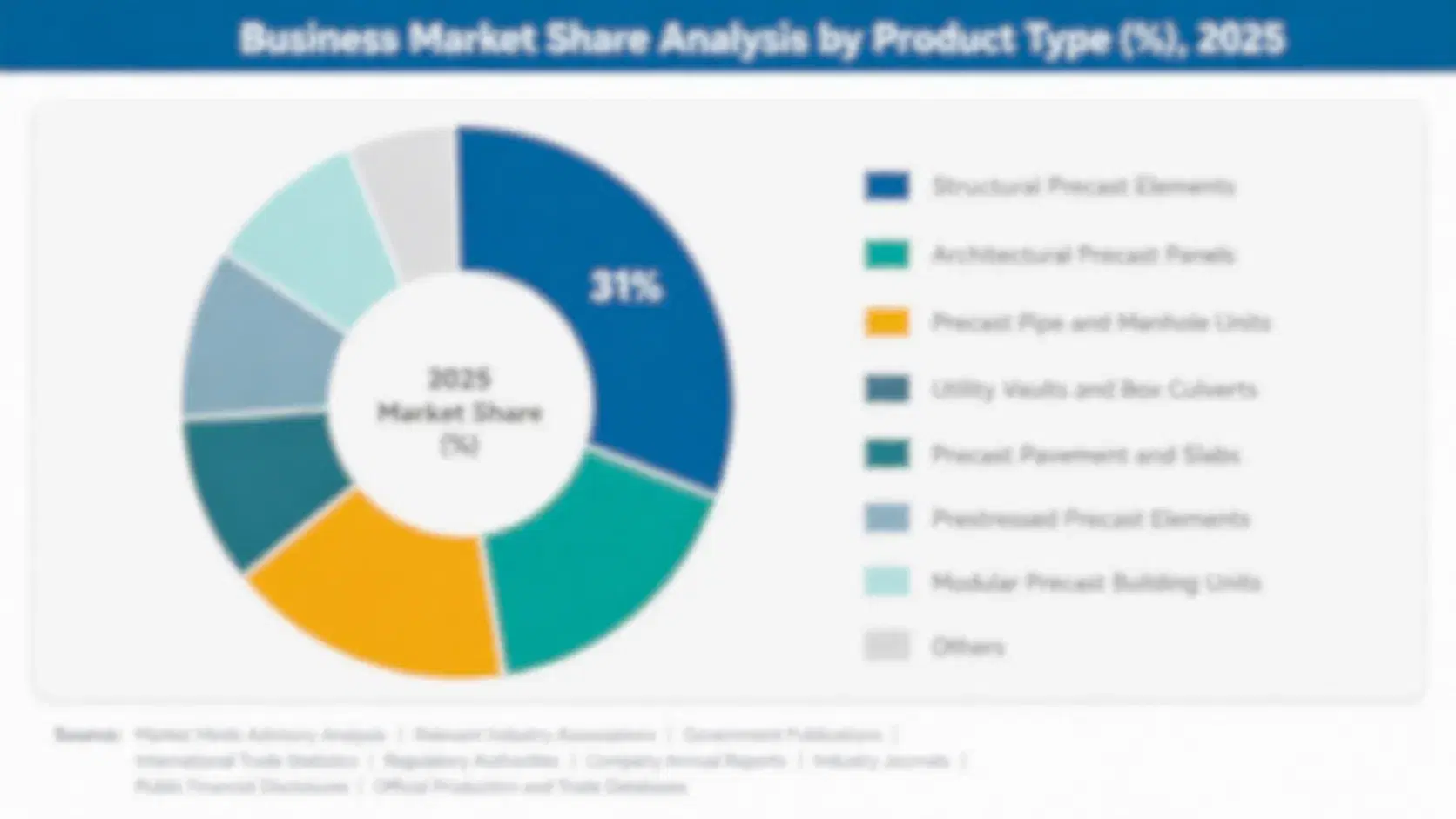
Variant-ID packaging spans five technology-defined segments distinguished by identification mechanism rather than kit category or distribution channel. RFID-enabled variant tracking and advanced barcode formats are growing fastest as fulfillment operators prioritize scan-verified accuracy over manual quality checks that chargeback audits increasingly flag as unreliable across multiple kitting categories, with RFID specialists increasingly capturing premium contracts ahead of legacy barcode-only providers.
variant-id-packaging-for-mixed-sku-kits-market-market-share-analysis-1791508472995

RFID Enabled Variant Tracking Packaging

RFID-enabled variant tracking packaging embeds passive radio-frequency tags that fulfillment-center scanners read automatically during kitting and shipping, eliminating manual SKU-matching errors that barcode-only systems cannot fully prevent. This segment is growing fastest among the five tracked here as large fulfillment operators mandate RFID-grade verification for high-value subscription kits. Suppliers with established RFID-integration capability and fulfillment-center software partnerships are capturing disproportionate new contract volume, since qualifying a new tracking system requires extensive validation testing that smaller entrants struggle to complete quickly. Average selling prices carry a meaningful premium over standard barcode labeling across every major fulfillment network tracked here, reflecting the depth of hardware integration and validation investment required to compete credibly in this top tier.
CAGR 13.8%

Advanced 2D Barcode Variant Packaging

Advanced 2D barcode variant packaging uses high-density data matrix codes that encode variant-specific information readable by standard warehouse scanners without requiring dedicated RFID reader hardware. Growth here trails RFID tracking slightly but still outpaces the category average, driven by mid-market subscription brands seeking accuracy improvement without full RFID infrastructure investment. Cost remains lower than RFID formats, though accuracy gains are modest by comparison across high-volume fulfillment operations. Brands with existing barcode-scanning infrastructure are adopting this format fastest, since it requires minimal hardware change relative to current fulfillment-center equipment already in place, a capability gap narrowing gradually as more fulfillment centers standardize around shared barcode protocols and scanning equipment already now. Buyers can benchmark this against the warehouse RFID market, which MMA values at USD 2.1 billion in 2025.
CAGR 11.6%
Full segment breakdown across 7 segments available in the complete report.

Variant-ID Packaging for Mixed SKU Kits Market by Country

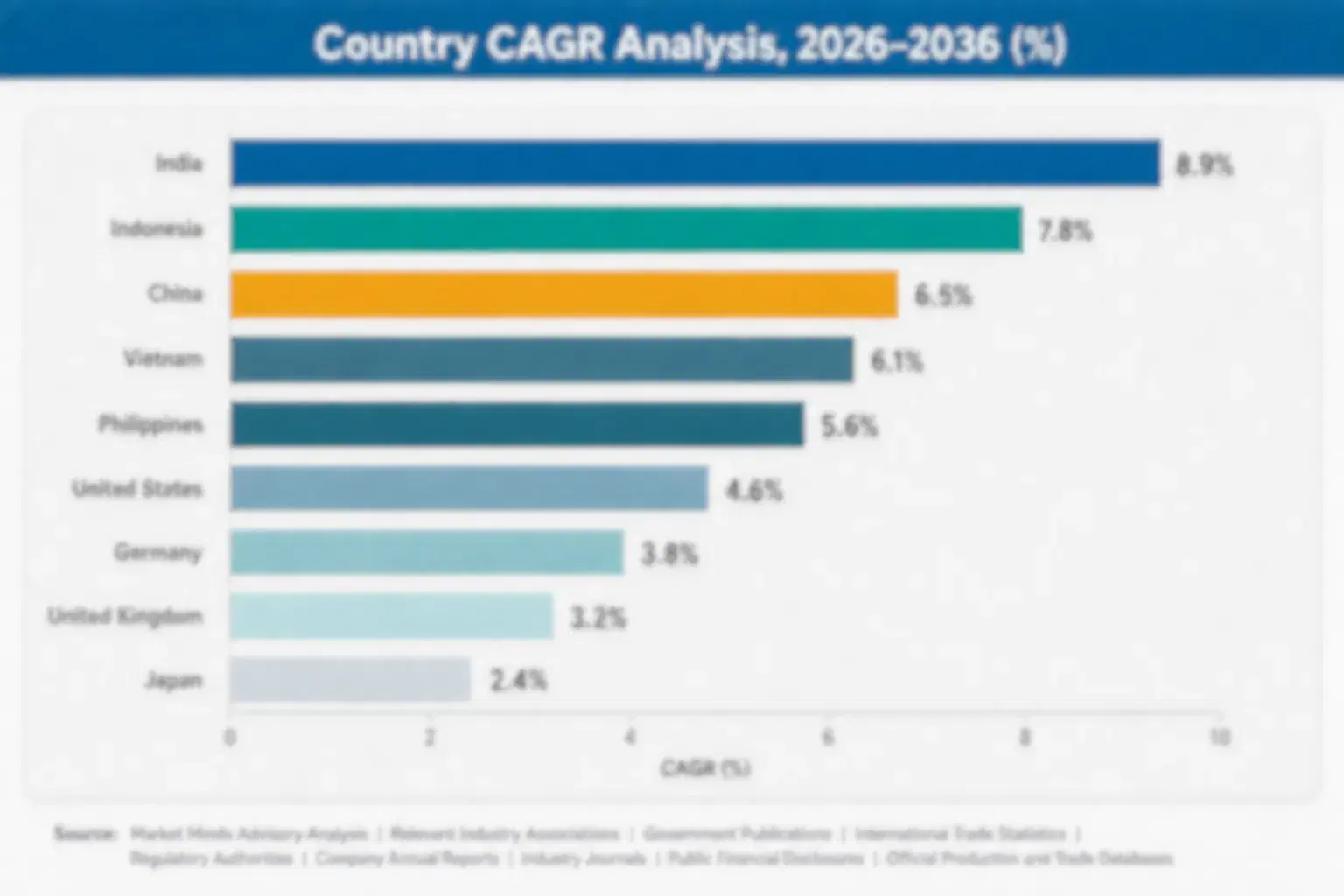
Regional demand concentrates where subscription-commerce and direct-to-consumer kitting infrastructure is most mature. North America leads on United States fulfillment scale, ahead of East Asia's manufacturing base and Western Europe's retail chargeback enforcement. South Asia and Pacific posts the fastest regional growth off a small base.

North America

North America leads every other region, driven primarily by the United States subscription-box and meal-kit industry, which operates the largest concentration of direct-to-consumer kitting fulfillment volume anywhere. Major retailers and third-party logistics providers have formalized chargeback policies that penalize mis-kitted shipments, pushing fulfillment operators toward mandatory variant-level verification. Zebra Technologies Corporation and several other leading hardware suppliers maintain primary research and manufacturing operations within the region, giving American fulfillment centers faster hardware customization than importing systems from overseas vendors. Canada contributes meaningful incremental volume through cross-border e-commerce fulfillment serving both domestic and United States subscription customers, a pace few other regions can currently match given the sheer scale of established fulfillment-center infrastructure already in place.
Share: 31% | CAGR: 11.7% (2026 to 2036)

Western Europe

Western Europe trails North America and East Asia, reflecting a subscription-commerce base that is substantial but smaller in absolute fulfillment volume than the United States market. The United Kingdom, Germany, and France account for most regional volume through beauty-box and meal-kit subscription brands. Avery Dennison Corporation maintains significant European labeling and production capacity, supporting regional supply without heavy import dependence. Growth remains positive but consistently below the North America and East Asia pace, a pattern likely to persist until European retailers adopt chargeback enforcement as aggressively as their American counterparts, a process that has already stretched across several years without full resolution across member-state retail platforms, particularly among smaller national retail platforms.
Share: 21% | CAGR: 9.0% (2026 to 2036)
Regional intelligence for 5 additional markets available in the complete report: East Asia, South Asia and Pacific, Latin America, Middle East and Africa, Eastern Europe. Contact sales@marketmindsadvisory.com.
variant-id-packaging-for-mixed-sku-kits-market-country-cagr-analysis-1791508473176

Capturing Value Beyond Core Tag Sales

Variant-ID suppliers are extending revenue beyond one-time tag and label sales toward recurring accuracy-analytics and fulfillment-software arrangements. Fulfillment operators increasingly pay for ongoing scan-performance reporting alongside physical tagging hardware, shifting supplier economics toward multi-year contracted service relationships rather than single-shipment hardware orders alone, a dynamic reshaping how suppliers price and structure new fulfillment-center contracts across the kitting category this cycle.

Bundled Scan Accuracy Analytics Platform Access

Suppliers are bundling cloud-based scan-accuracy analytics platforms with physical tag and label sales, letting fulfillment operators track mis-kitting rates by shift, line, or supplier rather than reviewing chargebacks after the fact. This shifts a meaningful share of supplier revenue toward recurring platform fees, with early adopters reporting platform-attached contracts carrying margins roughly 8 to 11 percentage points above hardware-only sales. Operators value the real-time visibility during peak seasonal kitting volume, and suppliers that built platform capability early are now renewing multi-year contracts ahead of hardware-only competitors, a pattern now shaping procurement evaluation criteria at several major fulfillment networks.
Market Impact: Adds roughly 9 percentage points of margin uplift

Fulfillment Performance Data Licensing Revenue Programs

Anonymized scan-accuracy and fulfillment-performance data collected through variant-tag scans is becoming a licensable asset, with suppliers packaging aggregated benchmarking insights for retailer procurement teams under separate data-licensing agreements. This creates a secondary revenue stream worth an estimated 9 to 12% of total contract value for suppliers with established analytics capability. Privacy and competitive-confidentiality investment is a prerequisite, limiting this lever mainly to larger suppliers with dedicated data-governance teams serving multiple fulfillment-network customers simultaneously, though smaller suppliers are gradually building equivalent capability through third-party analytics partnerships to stay competitive indeed today.
Market Impact: Adds roughly 10% in secondary annual contract revenue

Variant-ID Packaging for Mixed SKU Kits Pricing and Margins

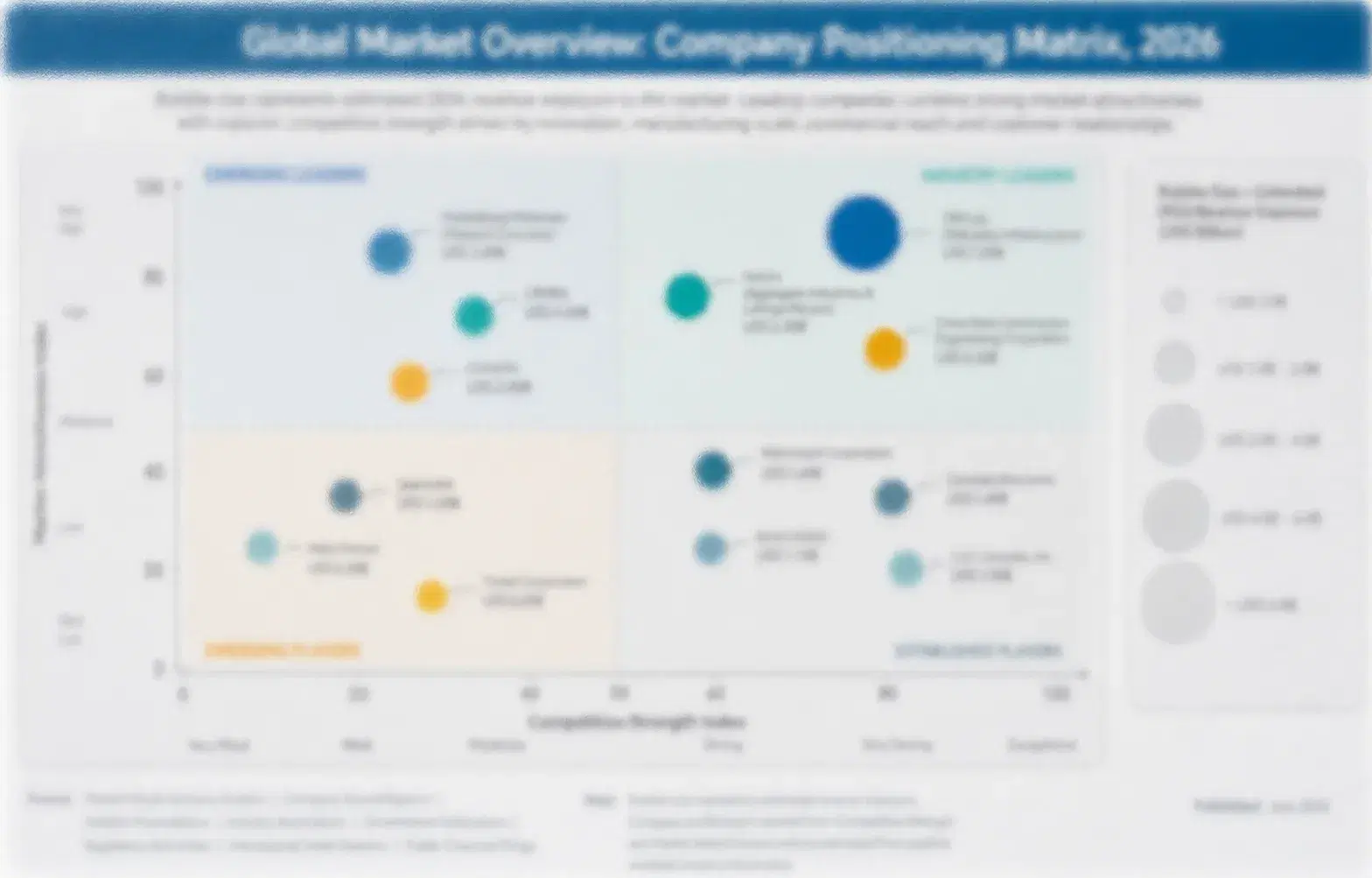
Variant-ID packaging remains fragmented, with the top five suppliers holding roughly a third of global revenue on a comparable-revenue basis. Zebra Technologies Corporation leads on RFID-hardware and scanner-integration breadth, followed by Avery Dennison Corporation and Honeywell International Inc, both competing closely on labeling and tracking-hardware capability. The gap between the leader and the nearest challenger remains moderate, reflecting a category still consolidating around proven fulfillment-technology platforms.
Current competitive activity centers on RFID-chip cost reduction and fulfillment-software integration partnerships rather than price competition alone. Several suppliers have expanded manufacturing capacity in North America and East Asia to serve rising subscription-commerce demand, while others are acquiring analytics start-ups to offer broader accuracy-reporting portfolios. CCL Industries Inc has pursued supply agreements with major fulfillment networks to secure multi-year labeling volume ahead of broader category scaling.

Emerging pressure comes from fulfillment-software start-ups entering through lower-cost barcode-analytics platforms rather than full RFID-hardware systems. Checkpoint Systems Inc is applying loss-prevention expertise to variant-tracking applications, a capability incumbent RFID specialists are now racing to match. Rankings could shift meaningfully if barcode-analytics costs continue falling, since that would erode the RFID-hardware advantage current leaders hold over smaller, more agile entrants.
variant-id-packaging-for-mixed-sku-kits-market-company-positioning-matrix-1791508473354

Variant-ID Packaging for Mixed SKU Kits Competition and Risks

ZEBRA TECHNOLOGIES CORPORATION

Moat: RFID Integration Breadth

Zebra's broad RFID-hardware and scanner-integration footprint lets it serve large multinational fulfillment programs across regions simultaneously, a capability smaller regional vendors cannot replicate without years of hardware-qualification history with major logistics customers, a position reinforced by long-standing procurement relationships across multiple multinational logistics accounts today.
ZEBRA TECHNOLOGIES CORPORATION

Risk: Barcode Analytics Disruption

Falling barcode-analytics software costs threaten Zebra's RFID-hardware pricing advantage over time, particularly among mid-market subscription brands weighing cost against the accuracy gains that larger fulfillment networks still value and continue to pay for, a dynamic management is monitoring closely through its own software-platform investment now.
AVERY DENNISON CORPORATION

Moat: Labeling Converting Depth

Avery Dennison operates an extensive network of labeling-converting facilities close to major fulfillment-center customers, shortening lead times for variant-identification programs compared with suppliers lacking equivalent regional converting density across served markets, a density advantage built over decades of regional plant investment near major fulfillment customers.
AVERY DENNISON CORPORATION

Risk: RFID Platform Software Gap

Avery Dennison has invested less visibly in bundled accuracy-analytics software than some competitors, risking share loss on contracts where fulfillment operators increasingly value software-and-hardware packages over component supply sold separately already, a gap the company is now working to close through targeted software partnerships soon.

Players Tracked

Prominent Players

Zebra Technologies Corporation
Avery Dennison Corporation
Honeywell International Inc
CCL Industries Inc
Checkpoint Systems Inc

Other Key Players

Impinj Inc
Sato Holdings Corporation
Multi-Color Corporation
Smartrac Technology Group
Identiv Inc
NXP Semiconductors NV
Tageos SAS
Deposco Inc
Korber AG
Mettler Toledo International Inc
WS Packaging Group Inc
Toppan Inc
Schreiner Group GmbH
Dai Nippon Printing Co Ltd
Constantia Flexibles Group GmbH

Recent Developments

JANUARY 2026

Zebra Technologies Corporation expanded RFID-tag manufacturing capacity at a North American facility to meet rising fulfillment-center demand for variant-tracking hardware, adding dedicated production lines serving multiple subscription-commerce customers under existing multi-year supply agreements, reinforcing the supplier's position with existing fulfillment customers across the category for multiple seasonal kitting cycles.
Signal: Signals sustained fulfillment-center demand for RFID tracking hardware and capacity expansion nationwide across major logistics networks
AUGUST 2025

CCL Industries Inc entered a supply agreement with a major fulfillment network to provide variant-coded labeling across its multi-brand kitting operations, securing contracted volume commitments ahead of broader category adoption across additional subscription-commerce customers this cycle, reinforcing its position with that network's broader subscription-brand customer base.
Signal: Signals fulfillment networks increasingly locking in long-term variant-labeling supply contracts across global commercial channels worldwide today

RFID Chip Supply Concentration Risk

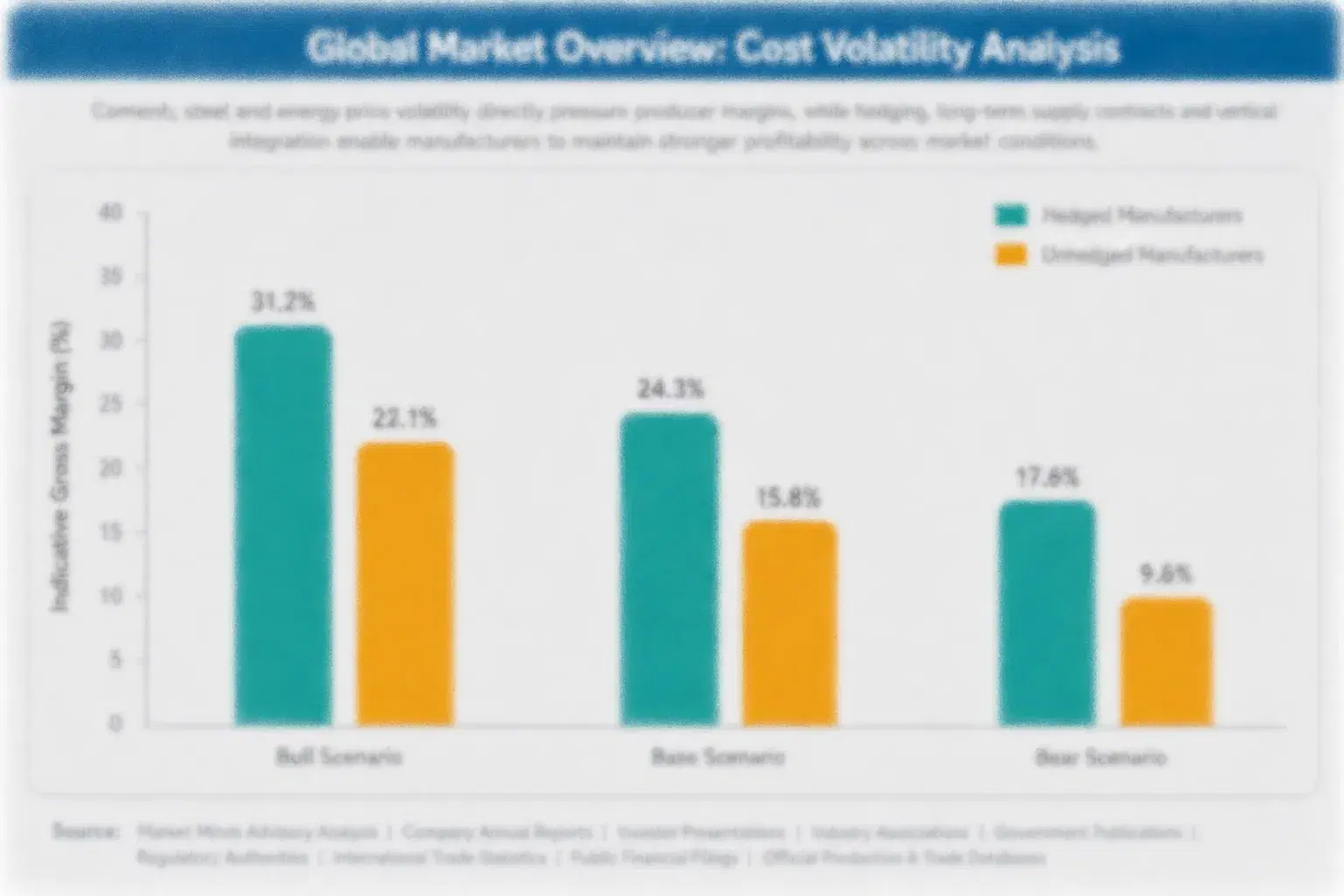
RFID chips and antenna substrates together represent roughly 29% of total production cost for variant-ID packaging, with the remainder split across label substrate, adhesives, and printing equipment. RFID-chip supply traces heavily to a small number of semiconductor fabrication facilities concentrated in East Asia, leaving tag manufacturers dependent on a narrow supplier base for the category's most specialized input.
Semiconductor supply tightness during 2021 and 2022, documented extensively in company annual reports across the electronics supply chain, demonstrated how quickly chip allocation constraints can ripple into adjacent categories like fulfillment hardware. Several tag manufacturers reported extended lead times and selective allocation during that period, forcing some to delay new RFID-program launches by multiple quarters while prioritizing existing committed fulfillment volume, a disruption still echoing through procurement planning today.

Smaller tag manufacturers without direct chip-supplier relationships face meaningfully higher input costs than the largest players, who negotiate volume-based pricing directly with semiconductor fabricators. This exposure varies by geography too: North American and European manufacturers generally pay a logistics premium absent for East Asian competitors sourcing chips domestically, compounding the cost disadvantage smaller regional players already face today.
variant-id-packaging-for-mixed-sku-kits-market-cost-volatility-analysis-1791508473538

Dual Sourcing Across Multiple Chip Fabricators

Leading tag manufacturers are qualifying second and third chip suppliers across different fabrication regions to reduce single-source exposure, a strategy several have already formalized into standing procurement policy to limit allocation-shortage exposure across their core production networks, a strategy expected to expand further as more fabrication capacity comes online outside current supplier concentration over the next several years.

Barcode Substitution For Lower Tiers

Suppliers are substituting advanced barcode technology for RFID formats in lower-cost product tiers, cutting dependence on constrained semiconductor supply while still delivering meaningful accuracy improvement for price-sensitive mid-market subscription brand customers today, a tradeoff most mid-market fulfillment operators accept given the meaningful cost savings relative to premium RFID formats, particularly for everyday kitting applications where premium accuracy adds little incremental.

Portfolio Architecture for Margin Defence

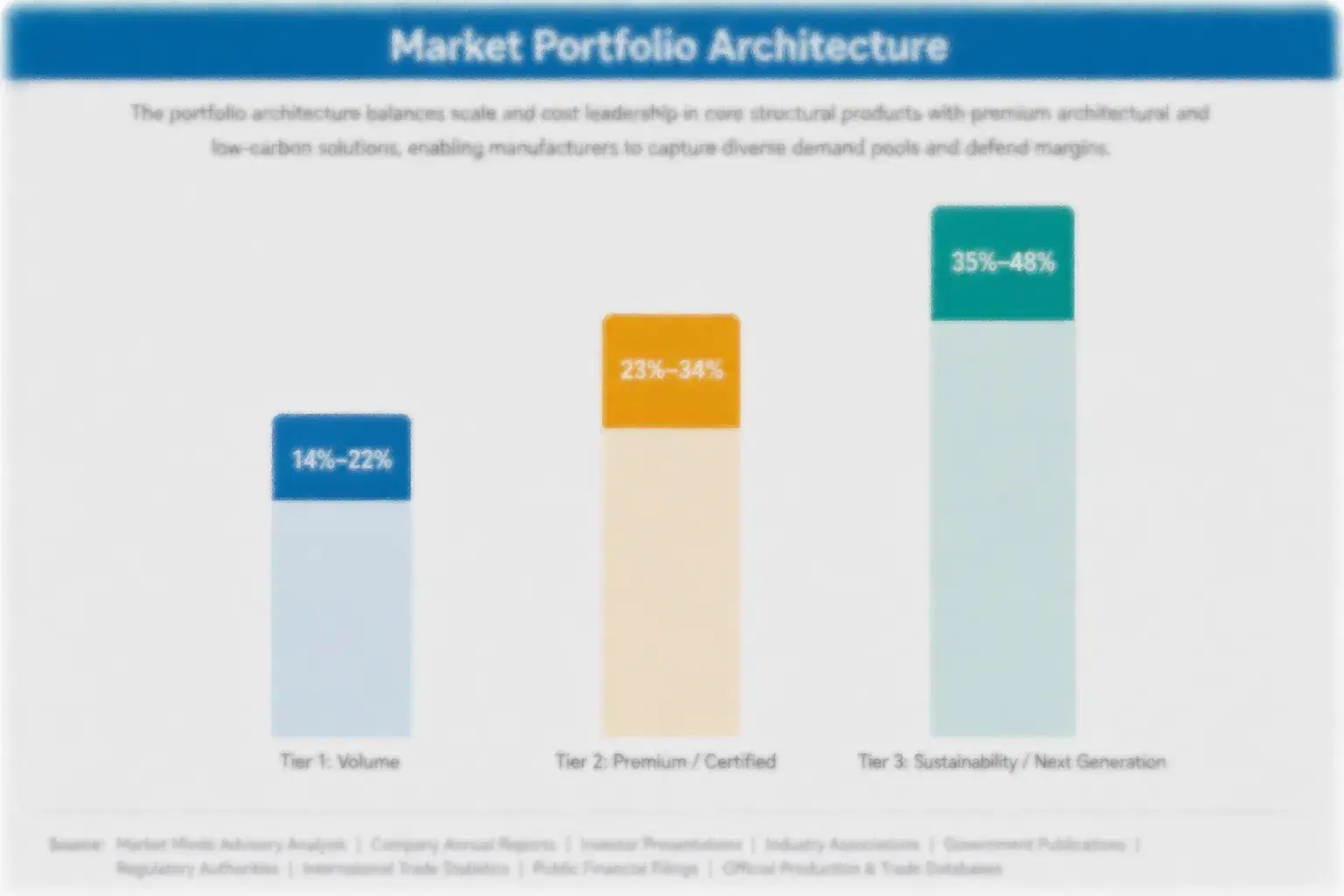
Variant-ID packaging margin economics split sharply between volume-oriented barcode formats and premium RFID tiers. Basic barcode labeling competes largely on printing efficiency and carries margins closer to standard fulfillment labeling. Premium RFID and advanced 2D-barcode formats command meaningfully higher margins, reflecting hardware-integration complexity and accuracy-analytics platform services that volume-tier suppliers rarely offer at comparable depth, a gap that is widening rather than narrowing as premium customers invest further in accuracy differentiation.
The volume-versus-premium tension is intensifying as RFID-chip costs fall, pressuring suppliers to differentiate through analytics-platform breadth rather than hardware alone. High-value margin pools concentrate among suppliers serving high-value beauty and wellness kitting customers, where brands pay premiums for accuracy certainty rather than basic barcode deterrence alone, a dynamic favoring suppliers with established relationships across those higher-margin beauty and wellness accounts.

Regulatory-adjacent chargeback enforcement in major retail partnerships represents the clearest next-generation margin pool, since penalty exposure creates captive demand independent of marketing-budget cycles. Suppliers positioning early for these high-enforcement categories are securing multi-year contracts ahead of broader chargeback-policy rollout, locking in premium pricing before competitive entry intensifies further, a positioning advantage likely to compound as more retailers finalize chargeback policy over the coming several years.

Basic barcode labeling competing on printing efficiency and scale, serving mid-market subscription brands prioritizing cost over RFID-grade accuracy nationwide, representing the largest shipment volume across the category despite its comparatively thin per-unit margin structure.
Gross Margin

RFID-enabled and advanced barcode formats bundled with accuracy-analytics platforms, serving beauty, wellness, and premium subscription brands paying for certainty today, representing the fastest-growing margin pool as more brands shift budget toward RFID-grade accuracy capability.
Gross Margin

Chargeback-compliant high-enforcement kitting formats driven by major retailer penalty programs, commanding premium pricing through captive, non-discretionary demand each cycle, with margins expected to remain elevated as enforcement policy expands across several major retail platforms.
Gross Margin
variant-id-packaging-for-mixed-sku-kits-market-portfolio-architecture-1791508473728

High-value Sub-segments and Strategic Watch-out

RFID Premium Subscription Kits

Highest value and fastest growth, driven by major retailer chargeback enforcement and brand-reputation investment that favor suppliers with proven RFID platforms, where mis-kitting exposure carries direct subscriber-retention cost for brands and fulfillment operators alike, a trend expected to continue as enforcement reporting remains publicly visible.

Beauty And Wellness Kitting Programs

High value with moderate growth, anchored by brand-protection and accuracy mandates that create durable demand independent of enforcement cycles, though implementation timelines vary by fulfillment partner and retailer relationship across different brand categories, giving suppliers multi-year visibility rare elsewhere in the category across multiple major subscription-commerce categories.

Standard Grocery Kit Packaging

Volume core of the category, competing on printing efficiency and basic barcode functionality for mainstream grocery and meal-kit brands that prioritize cost over RFID-grade accuracy or premium analytics-platform integration in everyday shipments, a position unlikely to shift materially over the near term given cost sensitivity.

Emerging Pet Care Kitting

Strategic watch-out segment where pet-care subscription growth is prompting early variant-tracking piloting, though adoption remains slower than beauty given longer brand procurement cycles and more conservative technology-qualification processes industry-wide, though adoption should accelerate once pilot results prove out across major brands at a handful of early pilot programs.

From Compliance Fix To Standing Platform

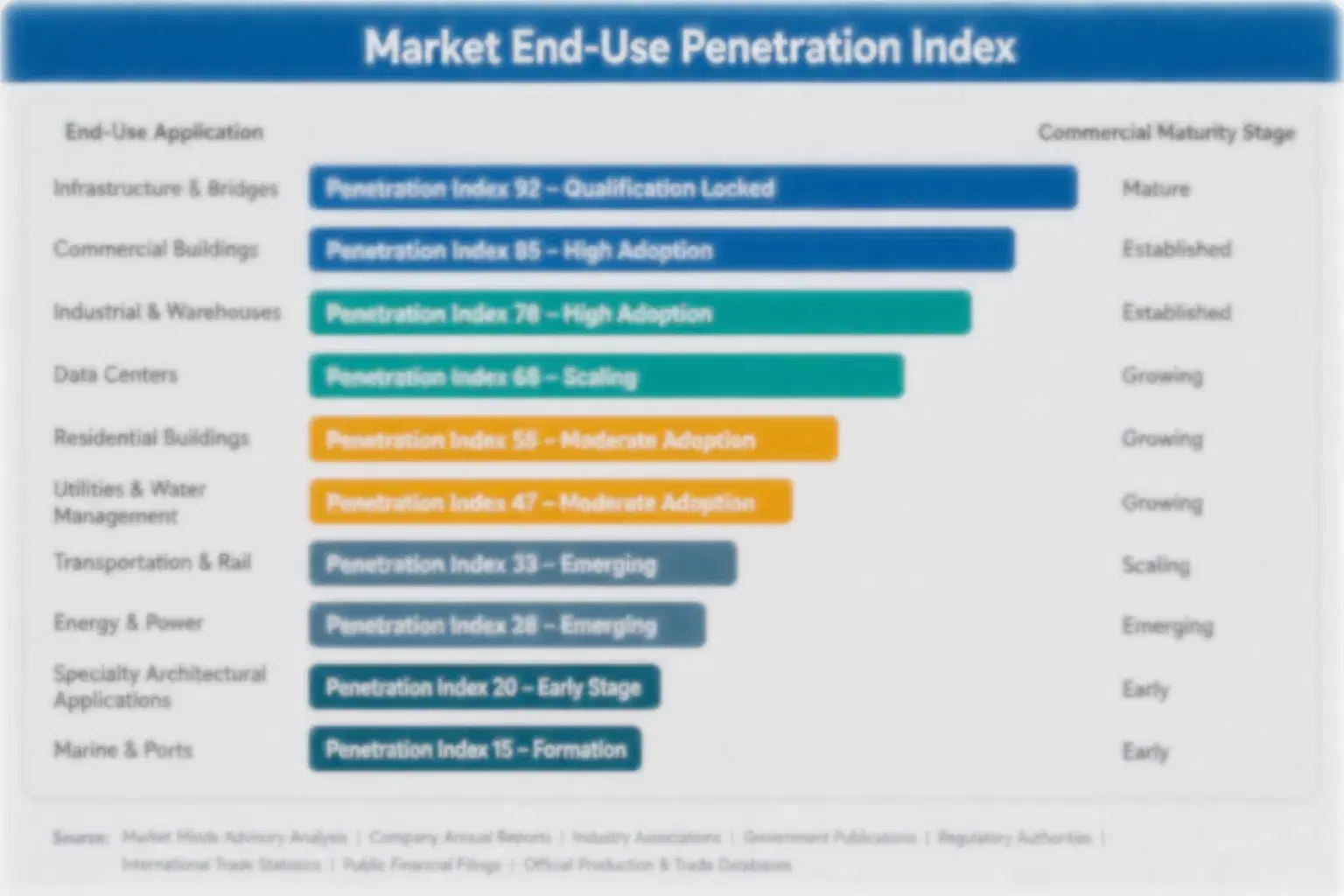
Variant-ID packaging is shifting from reactive chargeback response toward standing multi-year accuracy-platform subscriptions, where fulfillment operators commit ongoing analytics-software contracts alongside physical tagging hardware. This recurring-revenue structure gives suppliers more predictable cash flow than traditional labeling contracts, which historically renewed only when a chargeback incident forced fresh procurement.
Adoption depth and stickiness vary sharply by end-use vertical. Beauty and wellness subscription brands show the deepest commitment, embedding RFID verification into core fulfillment specifications rather than treating it as a temporary fix, since mis-kitting directly affects subscriber retention. Grocery and meal-kit brands engage more selectively, often limiting premium tracking to highest-value kit lines. Pet-care categories are earlier in adoption but show potential for the deepest eventual stickiness once subscription volume matures further.

A generational shift in buyer profiles is reinforcing this trajectory. Fulfillment-operations teams increasingly include dedicated accuracy-analytics roles that specify variant-ID packaging as standard practice rather than requesting it only after a chargeback incident, a change from procurement patterns dominant five years ago. Younger operations managers, trained on real-time scan data rather than after-the-fact audits, are driving faster adoption timelines than their predecessors across multiple fulfillment categories.
variant-id-packaging-for-mixed-sku-kits-market-end-use-penetration-index-1791508473913

Where Variant-ID Packaging Value Concentrates

These are among the four positions where our research anticipates prominent divergence between winners and laggards over the coming forecast period. Each is grounded in the demand model, the regulatory perimeter, and the announced capacity pipeline.
01 / RFID HARDWARE INVESTMENT

Back RFID Integration Over Barcode-Only Formats

Suppliers investing in RFID-chip integration and scanner-partnership capability are capturing disproportionate share of the fastest-growing fulfillment segment, as operators consolidate around proven hardware partners rather than piloting multiple vendors simultaneously. This rewards suppliers with established fulfillment-qualification histories over newer entrants lacking equivalent integration track records with major logistics customers. Legacy barcode-only providers face mounting share pressure as RFID formats become the fulfillment-industry standard, a trend already visible in recent procurement scorecards, a lead likely to compound as more fulfillment networks align qualification requirements.
02 / REGIONAL MANUFACTURING POSITIONING

Prioritize North American Fulfillment Capacity

The United States subscription-box and meal-kit industry gives North America a durable adoption lead that newer markets cannot replicate quickly, making regional fulfillment-hardware capacity the single highest-leverage manufacturing investment available to suppliers today. Suppliers without established North American production face a widening cost and lead-time gap against domestic competitors sourcing hardware locally. Early movers expanding regional capacity now will secure preferred-supplier status before competitive entry intensifies further across the region's fulfillment base, a window unlikely to stay open much longer.
03 / SERVICE REVENUE DIVERSIFICATION

Bundle Accuracy Analytics With Hardware Sales

Recurring platform-subscription and data-licensing revenue carries materially higher margins than hardware sales alone, and fulfillment operators increasingly expect bundled software alongside physical tagging hardware rather than treating the two as separate purchases. Suppliers lacking platform capability risk losing contracts to competitors offering integrated accuracy solutions, even where their underlying hardware remains broadly comparable on technical merit. Building or acquiring platform capability now is cheaper than catching up later, once fulfillment procurement fully standardizes around bundled expectations, a shift already visible in recent fulfillment request-for-proposal language.
04 / CHARGEBACK CATEGORY POSITIONING

Position Early For Expanding Retailer Enforcement

Retailer chargeback enforcement for mis-kitted shipments represents the clearest non-discretionary demand pool in the category, independent of the marketing-budget cycles that drive brand adoption elsewhere. Suppliers establishing scan-verification credentials now will secure multi-year fulfillment contracts before broader enforcement rollout attracts additional competitive entry across these high-volume accounts worldwide. Waiting until enforcement expands fully risks ceding early-mover positioning to competitors already building fulfillment relationships today, a lead historically hard to reverse once established, particularly across the largest subscription-commerce accounts nationwide today.

Engagement Snapshot From the Field

A live engagement with an industry participant carrying material or product regulatory and market exposure ahead of a defining policy shift, showing how our research translates into a defensible multi-year portfolio strategy.
MARKET MINDS ADVISORY · CLIENT ENGAGEMENT SUMMARY
Variant-ID Packaging for Mixed SKU Kits Producer Strategic Portfolio Review and Transition Roadmap 2026·Investment Scenario on Variant-ID Packaging for Mixed SKU Kits Exposure Evaluation 2025-26
CLIENT PROFILE
A mid-size beauty subscription brand shipping multi-item kits across North America approached MMA seeking guidance on whether to adopt RFID-enabled variant tracking across its fulfillment network. The client had experienced rising chargeback penalties from retail partners following mis-kitted shipments and wanted data-driven guidance before committing capital to an unfamiliar hardware category, and the client's leadership wanted an independent view.
STRATEGIC CHALLENGE
The client faced a choice between RFID-enabled tracking and advanced 2D barcode formats, with internal operations and finance teams divided on whether the added per-unit hardware cost would translate into measurable chargeback reduction sufficient to justify standardizing across its full fulfillment network within the planned twelve-month rollout window given limited internal precedent to draw on.
MMA APPROACH
MMA conducted competitive benchmarking across subscription brands already running each tracking format, combined with primary interviews among fulfillment-technology vendors and logistics providers. The analysis quantified chargeback-reduction and scan-accuracy differentials between RFID and barcode formats across comparable subscription-brand rollouts over the prior two years, supplemented by direct conversations with retail partners overseeing chargeback-policy enforcement for each client account.
KEY FINDINGS
  1. RFID-tracked kits showed measurably lower chargeback rates than barcode-only comparables across the benchmarked brand set over the eighteen-month observation period (client-reported, unverified by MMA).
  2. Scan-accuracy rates on RFID packaging exceeded barcode-only formats by a wide margin during peak seasonal kitting volume (client-reported, unverified by MMA) across multiple fulfillment centers.
  3. Per-unit cost premium for RFID narrowed meaningfully when the client negotiated volume pricing directly with a qualified hardware supplier serving comparable brands (client-reported, unverified by MMA).
  4. Phased rollout starting with highest-chargeback-risk kit lines produced faster payback than a simultaneous full-line conversion would have given lower upfront capital commitment required (client-reported, unverified by MMA).
RECOMMENDED STRATEGY
Phase 1: Phase one: convert the three highest-chargeback-risk kit lines to RFID tracking within six months, establishing supplier relationships and scanner infrastructure. Phase 2: Phase two: extend RFID tracking across the remaining kit portfolio over twelve months, while piloting advanced barcode formats for lower-risk grocery kit lines. Phase 3: Phase three: evaluate data-licensing opportunities from accumulated scan data and renegotiate hardware-supply terms at higher committed volume levels as rollout volume continues to scale across the network.
OUTCOME
The client adopted the phased approach, converting highest-risk kit lines first and reporting improved chargeback metrics within the first two quarters of rollout (client-reported, unverified by MMA). The brand has since expanded RFID tracking across its full kit portfolio and is evaluating advanced barcode formats for lower-risk product lines.

Frequently Asked Questions

Foundational context covering the market sizes, CAGR, scope, country, region and competition that inform every finding below. This section is provided to cover basics and most often pre-purchase conversations, answered from the MMA Primary Research Dataset.

What is the current size of the Variant-ID Packaging for Mixed SKU Kits Market?

The market reached an estimated USD 1.32 billion in 2026, covering RFID, advanced barcode, and digital variant-coding technology for multi-item kits worldwide. Growth is concentrated in subscription-box and meal-kit fulfillment categories.

How large will the Variant-ID Packaging for Mixed SKU Kits Market be by 2036?

MMA projects the market will reach approximately USD 3.55 billion by 2036, roughly 2.69 times its 2026 value. This reflects sustained retailer chargeback enforcement and growing subscription-commerce fulfillment volume.

What is the CAGR for the Variant-ID Packaging for Mixed SKU Kits Market 2026 to 2036?

The market is forecast to grow at a 10.4% compound annual rate through 2036, with bull and bear scenarios ranging from 9.1% to 11.7% depending on chargeback-enforcement and hardware-cost developments.

Which segment is growing fastest?

RFID Enabled Variant Tracking Packaging is growing fastest at a 13.8% CAGR, roughly 1.33 times the overall market rate, driven by fulfillment-center accuracy mandates across fulfillment centers.

Who are the major companies in the Variant-ID Packaging for Mixed SKU Kits Market?

Leading suppliers include Zebra Technologies Corporation, Avery Dennison Corporation, Honeywell International Inc, CCL Industries Inc, and Checkpoint Systems Inc, together holding roughly a third of global revenue.

Which country is growing fastest?

The United States is growing fastest at an 11.9% CAGR, driven by its concentrated subscription-box and meal-kit fulfillment industry and tightening retailer chargeback enforcement nationwide today.

Variant-ID Packaging for Mixed SKU Kits Market Breakdown

The full report scope spans multiple orthogonal segmentation dimensions, with cross-tabulated demand data provided for each dimension pair. Coverage extends further to regional breakdowns, trend trajectories, and the competitive detail needed to support segment-level decision-making.
  • RFID Enabled Variant Tracking Packaging
  • Advanced 2D Barcode Variant Packaging
  • Linear Barcode Variant Packaging
  • Digital Variant Coding Integration
  • Color Coded Variant Identification
  • Beauty and Personal Care Kits
  • Grocery and Meal Kits
  • Wellness and Supplement Kits
  • Pet Care Subscription Kits
  • Apparel and Accessory Kits
  • Retailer Chargeback Compliance Programs
  • Subscription Commerce Fulfillment
  • Third Party Logistics Services
  • Direct To Consumer Kitting

By Region

  • North America
  • Western Europe
  • East Asia
  • South Asia and Pacific
  • Latin America
  • Middle East and Africa
  • Eastern Europe

Scope, Methodology, and Coverage

Every figure in this report is reproducible from documented input assumptions. The scope below maps the historical period, the forecast horizon, the segmentation dimensions, and the countries covered, alongside the underlying primary and qualitative methodology.
Historical Period
2020 to 2025
Forecast Period
2026 to 2036
Base Year
2025 (USD billions; MMA Primary Research Dataset, October 2026)
Market Definition
The Variant-ID Packaging for Mixed SKU Kits Market covers packaging and labeling systems that uniquely identify individual product variants within multi-item kits, subscription boxes, and mixed-SKU shipments through barcode, RFID, or digital variant-coding technology. It excludes single-SKU shipping packaging, standalone warehouse-management software sold independently of physical labeling, and general inventory-tracking systems unrelated to kit-level variant identification.
Quantitative Units
USD billions
Segmentation Dimensions
Regions Covered
North America, Western Europe, East Asia, South Asia and Pacific, Latin America, Middle East and Africa, Eastern Europe
Countries Covered
Key Companies Profiled
Zebra Technologies Corporation, Avery Dennison Corporation, Honeywell International Inc, CCL Industries Inc, Checkpoint Systems Inc, Impinj Inc, Sato Holdings Corporation, Multi-Color Corporation, Smartrac Technology Group, Identiv Inc, NXP Semiconductors NV, Tageos SAS, Deposco Inc, Korber AG, Mettler Toledo International Inc, WS Packaging Group Inc, Toppan Inc, Schreiner Group GmbH, Dai Nippon Printing Co Ltd, Constantia Flexibles Group GmbH
Quantitative Methodology
Primary survey, n=3,800 respondents, Q4 2025, six countries; demand-side model with trade association cross-validation
Qualitative Methodology
47 expert interviews, Q4 2025; applied to validate demand model assumptions, identify emerging dynamics, and assess competitive positioning
Report Format
PDF and XLSX data workbook (Word format preview document)
Publisher
Market Minds Advisory
Report Code
MMA-2026-PAC-707
Published
October 2026
Contact
sales@marketmindsadvisory.com | www.marketmindsadvisory.com

Purchase the full Variant-ID Packaging for Mixed SKU Kits Market Report (2026 to 2036).

This report provides a comprehensive assessment of the Variant-ID Packaging for Mixed SKU Kits Market through 2036. It covers RFID, advanced barcode, and digital variant-coding technology across subscription-box, meal-kit, and multi-pack fulfillment categories. The analysis details regional demand patterns, competitive positioning among hardware and labeling specialists, and input-cost exposure tied to RFID-chip supply concentration. It draws on primary survey data, expert interviews, and company disclosures to quantify segment-level growth and margin architecture across the forecast period Strategic recommendations highlight where suppliers should prioritize hardware investment, regional positioning, and service-revenue diversification over the coming decade.
Ten-year revenue and unit volume forecasts
Seven-region demand share and CAGR breakdown
Twenty-company competitive benchmarking and positioning profile
Segment-level CAGR and margin tier analysis
Input-cost exposure mapping and mitigation pathways
Anonymized client case study with full strategy roadmap

Built For The People Who Decide

From boardroom strategy to bench-side execution, this report is read cover-to-cover by leaders shaping the next decade of their industry, turning demand scenarios, market dynamics and valuation benchmarks into decisions.
CXOs/ Presidents/ VPs/ Managers
M&A and Corporate Development
Strategy Teams and R&D Heads
Procurement and Product Directors
Regulatory and Compliance Leaders
Investor Relations and Equity Analysts