Market Minds Advisory
UV Stabilized Films Market

UV Stabilized Films Market Growth Analysis 2026-2036

Protected agriculture expansion and extended greenhouse film service life requirements are pulling UV stabilization additive loading higher faster than compounders scaled qualified production capacity across every major account tracked in this analysis today.

Lead Analyst

Bilal Shaikh

Published

November 2026

Make Smarter Decisions with Customized Research Insights

Request a free sample report and evaluate market opportunities, growth trends, and competitive dynamics relevant to your business needs.

2025 MARKET VALUE$4.1BMarket Size 2025
2036 FORECAST VALUE$8.3BBase Case , 2026 to 2036
CAGR 2026 TO 20366.6 %Bull 7.8% / Bear 5.4%
INCREMENTAL OPPORTUNITY$3.9BNet 10- year value creation
EXPANSION MULTIPLE1.89x2036 value over 2026 base
Strategic Levers
M&A Pipeline
Regional Outlook
Country Rankings
Competitive Intelligence
Segmental Deep-dive
Call-Us : 91 93563 13602

UV Stabilized Films Demand Outlook

Multi-season greenhouse film demand is rising fastest right now, as protected agriculture operators specify UV stabilized film rated for three or more growing seasons to reduce replacement frequency and labor costs broadly overall industry wide currently most regional markets served consistently this year nationwide across every.
Mulch film remains the largest single application by volume, concentrated among row crop farmers serving developed and developing agricultural markets, while greenhouse and industrial tarpaulin films carry the fastest proportional growth of any covered category. UV additive loading consistency is shaping which producers can actually win new qualification volume major account tracked in this analysis today broadly overall industry wide currently most regional markets served consistently this year nationwide across every major account tracked in.
A fragmented field of five producers holds roughly a quarter of global volume, built on decades of UV stabilizer compounding and extrusion expertise, while tightening multi-season durability and light transmission requirements keep reshaping which producers win long-term agricultural distributor supply agreements across developed and developing farming markets this analysis today broadly overall industry wide currently most regional markets served consistently this year nationwide across.
Market Definition
The UV stabilized films market covers polyethylene and polypropylene films compounded with ultraviolet light stabilizer additives to extend outdoor service life for greenhouse covering, mulch, and industrial tarpaulin applications. It excludes functional additive films whose primary claim is flame retardancy or anti-static performance rather than UV stabilization, covered under separate specialty film coverage, and scrim reinforced film whose primary differentiator is fiber lamination rather than UV additive loading. For scale, MMA values the scrim reinforced films market at USD 2.3 billion in 2025 and expects it to reach USD 4.03 billion by 2036.
Base Year Value
$4.1B in 2025 (MMA Primary Research Dataset, October 2026)
Forecast Period
2026 to 2036, eleven discrete annual values
CAGR
6.6% base case. Bull 7.8%. Bear 5.4%.
Fastest Growth Segment
Multi-Season Greenhouse Films: 8.9% CAGR
Fastest Growth Country
Morocco: 8.3% CAGR
Fastest Growth Region
South Asia and Pacific: 8.8% CAGR
Largest Region
East Asia: 26% of 2025 global value
Market Leaders
Berry Global, RKW Group, AB Agri Films, Ginegar Plastic Products, Armando Alvarez Group. Source: MMA Analysis based on company annual reports.
Primary Survey
n=3,800 procurement and R&D decision-makers, Q4 2025, six countries
Methodology
Demand-side build-up, cross-validated against public data, 47 expert interviews

UV Stabilized Films Market Forecast Scenarios

uv-stabilized-films-market-size-forecast-scenario-1791197909423
Between 2020 and 2025 the market grew at a historical rate near five point nine percent as protected agriculture expansion continued steadily and early multi-season greenhouse qualification programs began replacing standard single-season film across several developed and emerging farming markets gradually every major account tracked in this analysis today broadly overall industry wide currently most regional markets served consistently this.
The base case assumes three mechanisms carry demand through 2036: accelerating protected agriculture expansion tied to food security and water efficiency investment, expanding multi-season greenhouse film adoption tied to labor cost reduction targets, and steady mulch film replacement cycles tied to established row crop farming standards. This lifts the market from 4.37 billion dollars in 2026 toward 8.26 billion dollars by 2036 year nationwide across every major account tracked in this analysis today broadly overall industry wide currently.
The bull case rests on faster than expected protected agriculture investment across major developing farming markets pulling qualified multi-season film orders forward. The bear case centers on standard single-season film cost advantages sustaining demand in price-sensitive smallholder farming categories longer than multi-season alternatives currently anticipate most regional markets served consistently this year nationwide across every major account.

Protected Agriculture Growth Reshapes UV Film Demand

UV stabilized film occupies a foundational position within protected agriculture and industrial covering applications, since the film's UV additive loading and light transmission consistency determine whether a greenhouse cover or mulch film survives a full growing season without embrittlement, a specification farmers increasingly treat as an economic requirement rather than a simple commodity film purchase decision tracked in this analysis today broadly overall industry wide.
MARKET CONCENTRATIONCR5 28%largest five producers hold roughly a quarter of volume
AVERAGE SELLING PRICE$1.30-$3.20/kgprice scales with UV additive loading and service life
TOP PRODUCING COUNTRYChina, 16% sharelargest UV stabilizer compounding and extrusion manufacturing base
CAPACITY UTILISATION73%steady agricultural demand keeps extrusion lines running fairly consistently
MULTI-SEASON SHARE24% of revenueextended-life formats increasingly displace standard structures across markets overall
TRADE INTENSITY25% cross-borderUV stabilized film moves across borders to serve agricultural distributors
Commercially this market rewards UV stabilizer compounding precision and extrusion consistency over pure volume scale alone, since multi-season greenhouse and industrial tarpaulin applications demand documented service life performance that a generalist film producer cannot deliver as reliably as an established UV stabilization specialist with qualified compounding infrastructure currently most regional markets served consistently this year nationwide across every major account tracked in this analysis today.
Over the next decade, protected agriculture expansion and multi-season adoption will likely keep pulling specification toward higher UV additive loading and certified extended service life film grades, even as standard single-season mulch film remains the preferred choice for cost-sensitive row crop applications where extreme durability is not a qualification requirement broadly overall industry wide currently most regional markets served consistently.
"A greenhouse film that fails one season early does not just cost a farmer money. It costs an entire crop cycle, and that is the arithmetic that keeps this category growing."
Director, Agricultural Materials Practice · MMA Agricultural Materials and Films Practice · October 2026

UV Stabilized Films Technology Trends

Multi-Season Durability Demand Expands Greenhouse Film Specification

Protected agriculture operators are increasingly specifying UV stabilized greenhouse film rated for three or more growing seasons, since replacement labor cost reduction now shapes film procurement decisions as directly as cost once did on its own. Roughly 18 percent of new greenhouse film specifications since 2023 call for certified multi-season durability documentation, reflecting growing operator recognition that service life performance increasingly determines which producers win long-term agricultural distributor supply agreements. Protected agriculture expansion across Mediterranean and North African farming markets is compounding this specification shift faster than compounding capacity plans anticipated two years ago.
Market Impact: Mulch volume grew 5% in 2024
Industrial Tarpaulin Outdoor Exposure Demand Expands Film Adoption

Industrial and construction operators are increasingly specifying UV stabilized tarpaulin film for extended outdoor storage and covering applications, since embrittlement resistance now shapes procurement decisions as directly as cost once did on its own. Industrial tarpaulin UV film demand grew by roughly 11 percent in 2024 across major developing construction and industrial markets, directly expanding the addressable UV stabilized film demand base tied to this faster-growing category. Distributors report that qualification timelines now favor producers with established durability documentation this year nationwide across every major account tracked in this analysis today broadly overall industry wide currently most.
Market Impact: Procurement rose 4% in 2024

UV Stabilized Films Strategic Opportunities

Row Crop Mulch Film Volume Growth Drives Demand

Global row crop farming continues expanding mulch film adoption as farmers increase demand for weed suppression and soil moisture retention across developed and developing agricultural markets, with each new growing season requiring substantial UV stabilized film volume regardless of which additive loading grade farmers ultimately specify. Mulch film volume grew by roughly 5 percent in 2024 across major developing agricultural markets, directly expanding the addressable UV stabilized film demand base as farmers scale row crop production regional markets served consistently this year nationwide across every major account tracked in this analysis today broadly overall industry wide currently.
Market Impact: Limits adoption in sensitive crops 21%

Water Efficiency Investment Sustains Protected Agriculture Demand

Growing water efficiency investment continues generating substantial UV stabilized film demand for protected agriculture applications across established and emerging farming regions facing water scarcity pressure, sustaining demand tied to this expanding protected cultivation base. Protected agriculture film procurement rose by roughly 4 percent in 2024 across major water-constrained farming markets, directly sustaining UV stabilized film demand even as industrial applications capture faster proportional growth elsewhere in the category most regional markets served consistently this year nationwide across every major account tracked in this analysis today broadly overall industry wide currently most regional markets served consistently this year.
Market Impact: Creates up to 8% margin swings

UV Stabilized Films Challenges and Constraints

UV Additive Loading Light Transmission Tradeoff Limits Adoption

Higher UV stabilizer additive loading required for extended multi-season durability can reduce light transmission performance critical to greenhouse crop yield, a root cause tied to the inherent tradeoff between adding sufficient stabilizer concentration to resist photodegradation and preserving the optical clarity standard single-season film achieves more readily at lower additive loading levels. The commercial impact restricts multi-season film adoption in light-sensitive crop applications where yield impact outweighs replacement cost savings. Producers are mitigating this by developing enhanced stabilizer chemistry that narrows the light transmission gap nationwide across every major account tracked in this analysis today broadly overall.
Market Impact: Covers 18% of new specifications

Polyolefin Resin Price Volatility Affects Producer Margins

Polyethylene and polypropylene resin used in UV stabilized film extrusion track crude oil and petrochemical feedstock cycles that producers cannot control, a root cause tied to the resin's status as a petrochemical derivative subject to global supply and refinery output swings rather than a commodity producers can source through diversified regional channels at stable pricing. The commercial impact creates periodic margin compression for producers holding fixed-price customer contracts signed before a feedstock price swing occurs. Larger producers are mitigating this through quarterly resin price pass-through clauses built into distributor agreements.
Market Impact: Demand grew about 11% in 2024
4 additional market trends, 3 additional growth drivers, and 3 additional restraints and challenges are covered in the full report. Contact sales@marketmindsadvisory.com to access the complete intelligence.

Fastest-Growing UV Stabilized Films Segments

Segments are defined by end-use application, since UV additive loading tolerance, service life standards, and qualification pathways differ substantially across each use case this report covers, from mulch through greenhouse and industrial channels industry wide currently most regional markets served consistently this year nationwide across every major account tracked in this analysis today broadly overall industry wide.
uv-stabilized-films-market-market-share-analysis-1791197909683

Multi-Season Greenhouse Films

Multi-season greenhouse films is the fastest growing segment, carried by protected agriculture operators specifying UV stabilized film rated for three or more growing seasons as replacement labor cost reduction increasingly shapes procurement decisions across protected cultivation categories. This segment benefits from both expanding protected agriculture investment and growing water efficiency farming adoption that keep expanding the qualified multi-season film volume operators will specify. Producers with strong service life testing and light transmission documentation depth hold a durable advantage here, since operators increasingly evaluate film suppliers based on documented durability performance rather than purely on unit cost alone across their full growing requirements currently most regional markets served consistently this year nationwide across every major account.
CAGR 8.9%

Industrial Tarpaulin UV Films

Industrial tarpaulin UV films is the second fastest growing segment, driven by construction and industrial operators specifying UV stabilized covering film for extended outdoor storage applications as embrittlement resistance increasingly shapes procurement decisions that standard mulch film alone cannot satisfy. This segment benefits from both expanding industrial storage investment and growing construction site covering demand that keep expanding the qualified film volume operators will accept. Growth here tracks industrial investment cycles closely, producing a somewhat different demand pattern than the steadier replacement-driven growth trajectory standard mulch films have historically followed tracked in this analysis today broadly overall industry wide currently most regional markets served consistently this year nationwide across every major account tracked in this.
CAGR 7.6%
Full segment breakdown across 5 segments available in the complete report.

UV Stabilized Films Demand by Region

East Asia leads on extrusion manufacturing scale, Middle East and Africa follows on protected agriculture demand growth, while South Asia and Pacific carries the fastest regional growth rate analysis today broadly overall industry wide currently most regional markets served consistently this year nationwide across every major account.

North America

North America's UV stabilized film demand concentrates in mulch film and growing multi-season greenhouse applications across the United States and Canada, where major agricultural distributors keep qualification demand steady across large row crop farming operations. Industrial tarpaulin demand continues contributing a stable secondary stream. Mexican agricultural film capacity adds incremental demand tied to the region's growing protected agriculture footprint tracked in this analysis today broadly overall industry wide currently most regional markets served consistently this year nationwide across every major account tracked in this analysis today broadly overall industry wide currently most regional markets served consistently this year nationwide across every major account tracked in this analysis today broadly overall industry wide currently most regional.
Share: 23% | CAGR: 7.5% (2026 to 2036)

Western Europe

Western Europe's demand reflects the region's mature protected agriculture base and well-established greenhouse farming expertise, which is sustaining precision UV stabilized film specification across member states. Spanish and Dutch growers lead on multi-season qualification depth for protected cultivation applications. Growth here trails faster developing regions since European protected agriculture markets are already comparatively mature relative to Mediterranean basin expansion markets served consistently this year nationwide across every major account tracked in this analysis today broadly overall industry wide currently most regional markets served consistently this year nationwide across every major account tracked in this analysis today broadly overall industry wide currently most regional markets served consistently this year nationwide across every major account tracked in.
Share: 19% | CAGR: 5.2% (2026 to 2036)
Regional intelligence for 5 additional markets available in the complete report: East Asia, South Asia and Pacific, Latin America, Middle East and Africa, Eastern Europe. Contact sales@marketmindsadvisory.com.
uv-stabilized-films-market-country-cagr-analysis-1791197910003

Where Producers Can Still Expand Margin

With standard mulch film pricing held flat by established extrusion competition, producers are increasingly building margin through multi-season qualification services and industrial durability testing programs that command meaningfully higher contract values across every major account tracked in this analysis today broadly overall industry wide currently most regional markets served consistently this year nationwide across every major account.

Multi-Season Greenhouse Qualification Service Program Rollout

Producers offering dedicated service life testing and light transmission qualification documentation support helping protected agriculture operators validate multi-season film performance against extended growing season durability requirements are securing multi-year supply agreements covering an operator's full greenhouse volume, a far more valuable commercial relationship than one-off standard mulch film sales given the testing depth involved. Qualified producers report average contract values 26 percent higher than standard mulch film sales, reflecting testing depth and premium support commands tracked in this analysis today broadly overall industry wide currently most regional markets served consistently this year nationwide across every.
Market Impact: Lifts contract value by roughly 26 percent overall

Industrial Tarpaulin Durability Testing Documentation Program

Producers offering formal embrittlement resistance testing documentation services for industrial and construction operators facing extended outdoor exposure requirements, rather than standard mulch film sales alone, are capturing a larger share of industrial tarpaulin contracts as operators increasingly value validated durability over generic catalog film specifications. Qualified producers report average order values 18 percent higher than standard catalog sales on comparable industrial applications served across major developed and developing markets major account tracked in this analysis today broadly overall industry wide currently most regional markets served consistently this year nationwide across every major account tracked in.
Market Impact: Lifts average order value by about 18 percent

UV Stabilized Films Margin Pool

The top five producers hold roughly 28 percent of global volume, a fragmented market reflecting the broad accessibility of standard UV stabilizer compounding technology relative to more specialized multi-season and industrial durability formulations, which keeps smaller regional producers competitive on standard mulch volume currently most regional markets served consistently this year nationwide across every major account tracked in this analysis today broadly overall.
Current competitive activity centers on three fronts: expanded multi-season greenhouse qualification programs aimed at capturing protected agriculture expansion opportunities, growing industrial durability testing capability targeting construction and storage operators, and selective compounding capacity investment in Asian and Mediterranean basin manufacturing corridors serving each region's distinct growth drivers industry wide currently most regional markets served consistently this year nationwide across every major account tracked in this.

Emerging pressure comes from Chinese and Indian producers who have built meaningful compounding capability over the past decade and are increasingly competing for both domestic agricultural contracts and export orders in standard mulch film categories. Rankings could shift over the next several years if these challengers successfully extend their manufacturing scale advantage into multi-season and industrial qualification where stabilizer formulation barriers currently favor established Western.
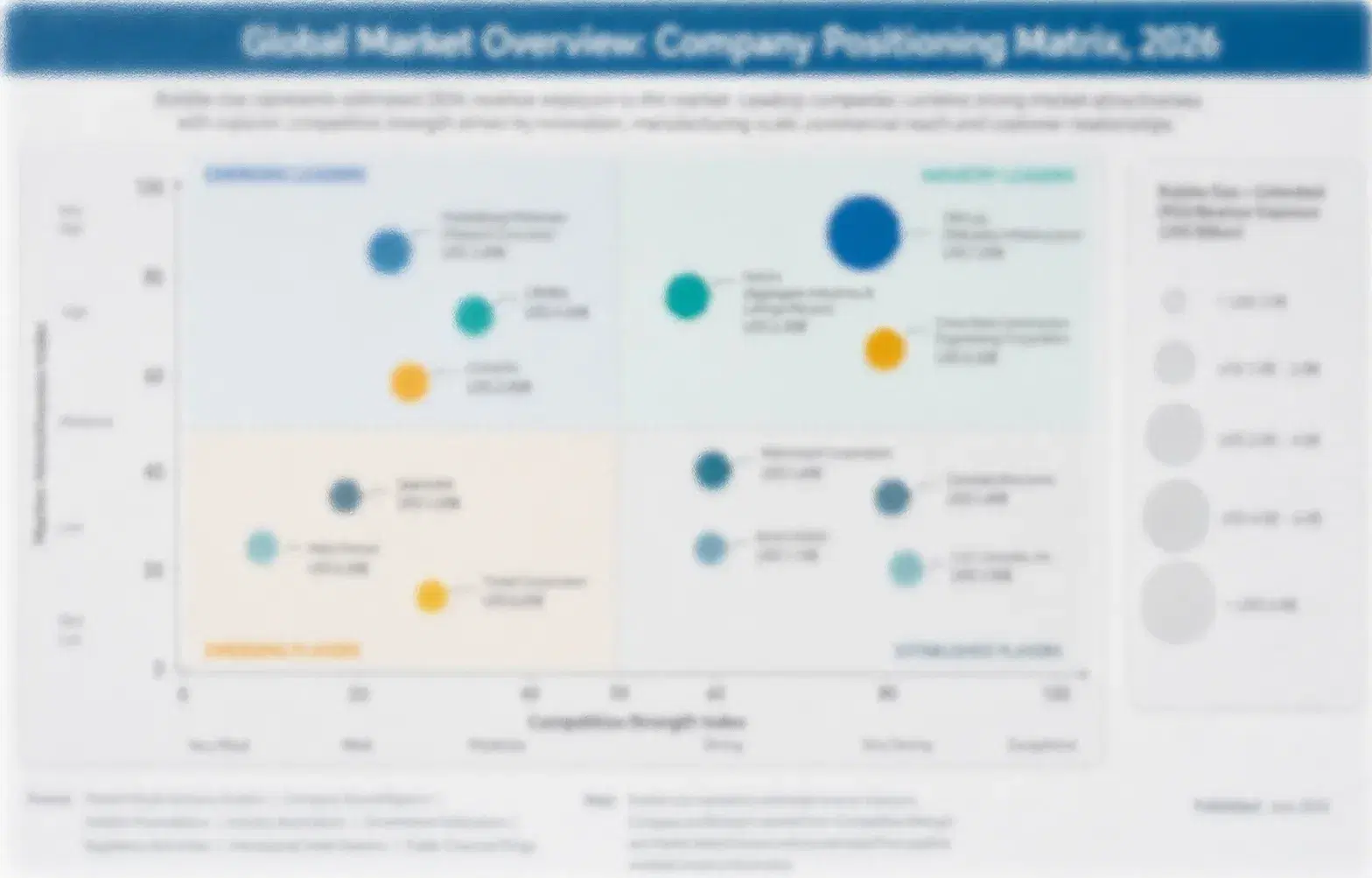
uv-stabilized-films-market-company-positioning-matrix-1791197910288

UV Stabilized Films Supplier Positioning

BERRY GLOBAL

Moat: UV Stabilizer Compounding Precision

Berry Global's decades of UV stabilizer compounding technology and extrusion scale give it a durable advantage across multi-season and industrial applications, since agricultural distributors place significant weight on proven service life consistency and established supply reliability across multiple production facilities worldwide this analysis today broadly overall industry wide currently most regional markets.
BERRY GLOBAL

Risk: Exposure to Standard Mulch Pricing

Berry Global's premium multi-season positioning leaves it less competitive on standard single-season mulch film orders where cost-sensitive producers undercut aggressively, a category that still represents a meaningful share of total UV stabilized film volume across developing farming markets served consistently this year nationwide across every major account tracked in this analysis today.
RKW GROUP

Moat: Industrial Qualification Depth

RKW Group's extensive industrial tarpaulin qualification experience gives it a diversified UV stabilized film credential base spanning agricultural and industrial applications, a meaningful advantage as extended outdoor exposure requirements continue tightening across the markets this report covers over the coming decade broadly overall industry wide currently most regional markets served consistently this.
RKW GROUP

Risk: Thin Margin on Commodity Volume

RKW Group faces persistent price pressure on standard mulch film orders from regional producers willing to compete aggressively on price in markets where multi-season compliance barriers remain lower than developed agricultural markets currently require of qualified suppliers year nationwide across every major account tracked in this analysis today broadly overall industry wide.

Players Tracked

Prominent Players

Berry Global
RKW Group
AB Agri Films
Ginegar Plastic Products
Armando Alvarez Group

Other Key Players

Novamont
Trioplast
British Polythene Industries
Polygrow
Plastika Kritis
Al-Pack Enterprises
Lumax Industries
Ginegar Plastic North America
Agriplast
Hyplast
Supreme Group
Polifilm Extrusion
Sotrafa
Bpi Agriculture
Novasorb

Recent Developments

MARCH 2025

Berry Global Expands Multi-Season Film Capacity in Morocco

Berry Global announced an expansion of its multi-season UV stabilized greenhouse film manufacturing capacity in Morocco, aimed at serving growing demand from protected agriculture operators requiring qualified extended service life film at scale for expanding food security and export horticulture programs across North African markets.
Signal: Producers are localizing multi-season film production capacity near major protected agriculture expansion markets to serve demand directly.
OCTOBER 2024

RKW Group Launches Enhanced Industrial Tarpaulin Durability Program

RKW Group introduced an enhanced embrittlement resistance testing program for industrial and construction operators facing extended outdoor exposure requirements, offering expanded documentation support aimed at operators requiring tailored UV stabilized tarpaulin specifications across multiple storage and covering formats analysis today broadly overall industry wide currently most regional.
Signal: Producers are formalizing industrial durability qualification services as construction storage investment continues expanding across major markets.

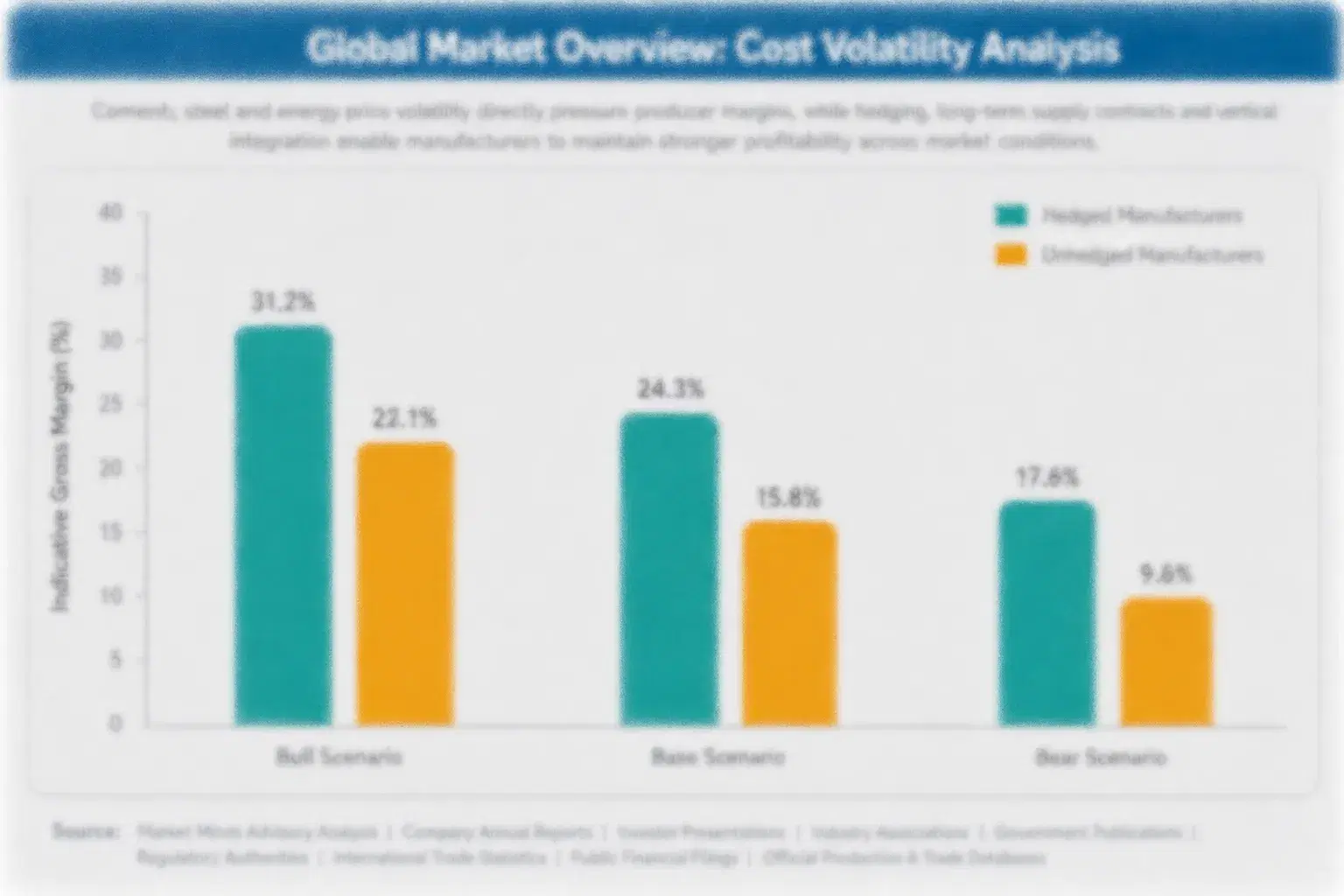
Polyolefin Resin and UV Stabilizer Exposure

Polyethylene or polypropylene resin together with UV stabilizer additive chemistry account for roughly 44 to 54 percent of a UV stabilized film's production cost, with extrusion line energy and specialized quality control labor making up most of the remainder across both standard and multi-season applications markets served consistently this year nationwide across every major account tracked in this analysis today broadly overall.
UV stabilizer additive chemistry prices rose more than 7 percent between 2023 and 2025 according to company annual report disclosures, driven by constrained specialty chemical production capacity amid tight global supply relative to simultaneous demand from both agricultural film and broader industrial coating applications competing for similar feedstock sources worldwide. Producers with fixed-price multi-year contracts signed before this rise absorbed meaningful margin compression during the affected period.

The competitive disadvantage this creates falls hardest on smaller producers without the purchasing volume to negotiate favorable stabilizer supply agreements, while larger producers increasingly lock in annual contracts tied to confirmed agricultural distributor order backlog. Geography matters too, since producers with domestic specialty chemical production access face less currency and trade policy exposure than importers reliant on cross-border stabilizer shipment.
uv-stabilized-films-market-cost-volatility-analysis-1791197910572

Annual UV Stabilizer Chemistry Purchase Agreements

Larger producers are negotiating annual volume-based UV stabilizer additive chemistry purchase agreements with chemical suppliers, locking in pricing well ahead of production scheduling and reducing exposure to spot market price swings on agricultural and industrial customer contracts across their manufacturing footprint industry wide currently most regional markets served consistently this year nationwide across every major account tracked.

Diversified Polyolefin Resin Sourcing

Producers are diversifying polyethylene and polypropylene resin sourcing across multiple regional petrochemical suppliers to reduce dependence on any single source, particularly as multi-season demand increasingly competes for similar specialty formulation grades across major converting regions worldwide this decade in this analysis today broadly overall industry wide currently most regional markets served consistently this year nationwide across every.

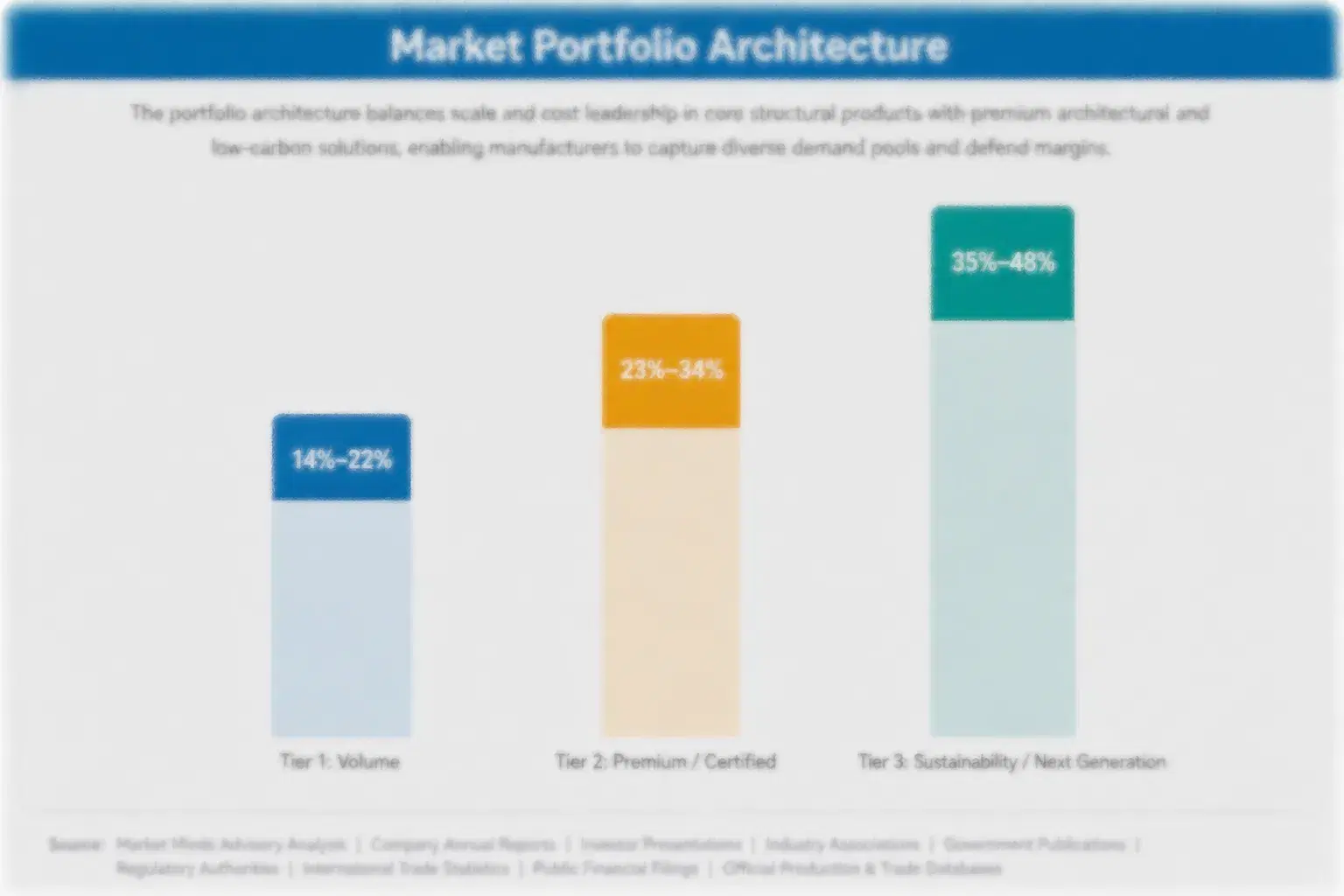
Portfolio Architecture for Margin Defence

The portfolio splits across three tiers that track service life qualification and stabilizer formulation depth rather than film thickness alone. Standard mulch film competes largely on price, single-season greenhouse films command meaningfully higher margins, and a smaller next-generation tier built around multi-season and certified industrial formulations commands the richest pricing of the three major account tracked in this analysis today broadly overall industry.
The tension between volume and premium work shapes producer strategy directly. Standard mulch orders keep extrusion lines running and fund fixed overhead, but multi-season qualification services and industrial durability testing programs actually grow earnings, pushing larger producers to prioritize these investments even when it means turning away some lower margin standard volume wide currently most regional markets served consistently this year nationwide across.

High-value margin pools concentrate specifically in multi-season qualification services and industrial durability testing, both of which combine specialized compounding capability with genuinely growing underlying demand. Producers positioned in both pools simultaneously are capturing a disproportionate share of total industry profit growth over the current forecast period every major account tracked in this analysis today broadly overall industry wide currently most regional markets served consistently.

Volume / Commodity-Adjacent Tier

Standard mulch film sold on price and availability, where regional producers compete credibly against established suppliers on common specifications this year nationwide across every major account tracked in this analysis today broadly overall industry wide currently most.
Gross Margin: 8%-13%

Premium / Certified Tier

Single-season greenhouse films requiring documented light transmission beyond standard catalog extrusion capability and basic UV grades regional markets served consistently this year nationwide across every major account tracked in this analysis today broadly overall industry wide currently.
Gross Margin: 15%-21%

Sustainability / Regulatory / Next-Generation Tier

Multi-season and certified industrial formulations with documented service life performance, commanding the richest margins given the formulation burden involved most regional markets served consistently this year nationwide across every major account tracked in this analysis today broadly.
Gross Margin: 19%-27%
uv-stabilized-films-market-portfolio-architecture-1791197910907

High-value Sub-segments and Strategic Watch-out

Multi-Season Qualification Services

High value and high growth as protected agriculture investment expands, rewarding producers with proven service life credentials and multi-year distributor partnership relationships built over qualification cycles overall industry wide currently most regional markets served consistently this year nationwide across every major account tracked in this analysis today.
Gross Margin: 19%-27%

Industrial Durability Testing Services

High value with moderate growth, anchored by construction and storage operators increasingly demanding validated embrittlement resistance documentation across multiple outdoor exposure formats globally this decade broadly overall industry wide currently most regional markets served consistently this year nationwide across every major account tracked in this analysis today.
Gross Margin: 16%-24%

Standard Mulch Film Production

The volume core of the market, generating steady order flow from established row crop farming but facing persistent price pressure from producers competing on common specifications broadly overall industry wide currently most regional markets served consistently this year nationwide across every major account tracked in this analysis.
Gross Margin: 7%-12%

UV Additive Light Transmission Risk

A strategic watch-out segment as higher UV loading faces light transmission limits for sensitive crop applications, forcing producers to decide between stabilizer investment and conceding yield-sensitive volume to rivals today broadly overall industry wide currently most regional markets served consistently this year nationwide across every major account.
Gross Margin: 10%-17%

Season-Anchored Agricultural Economics

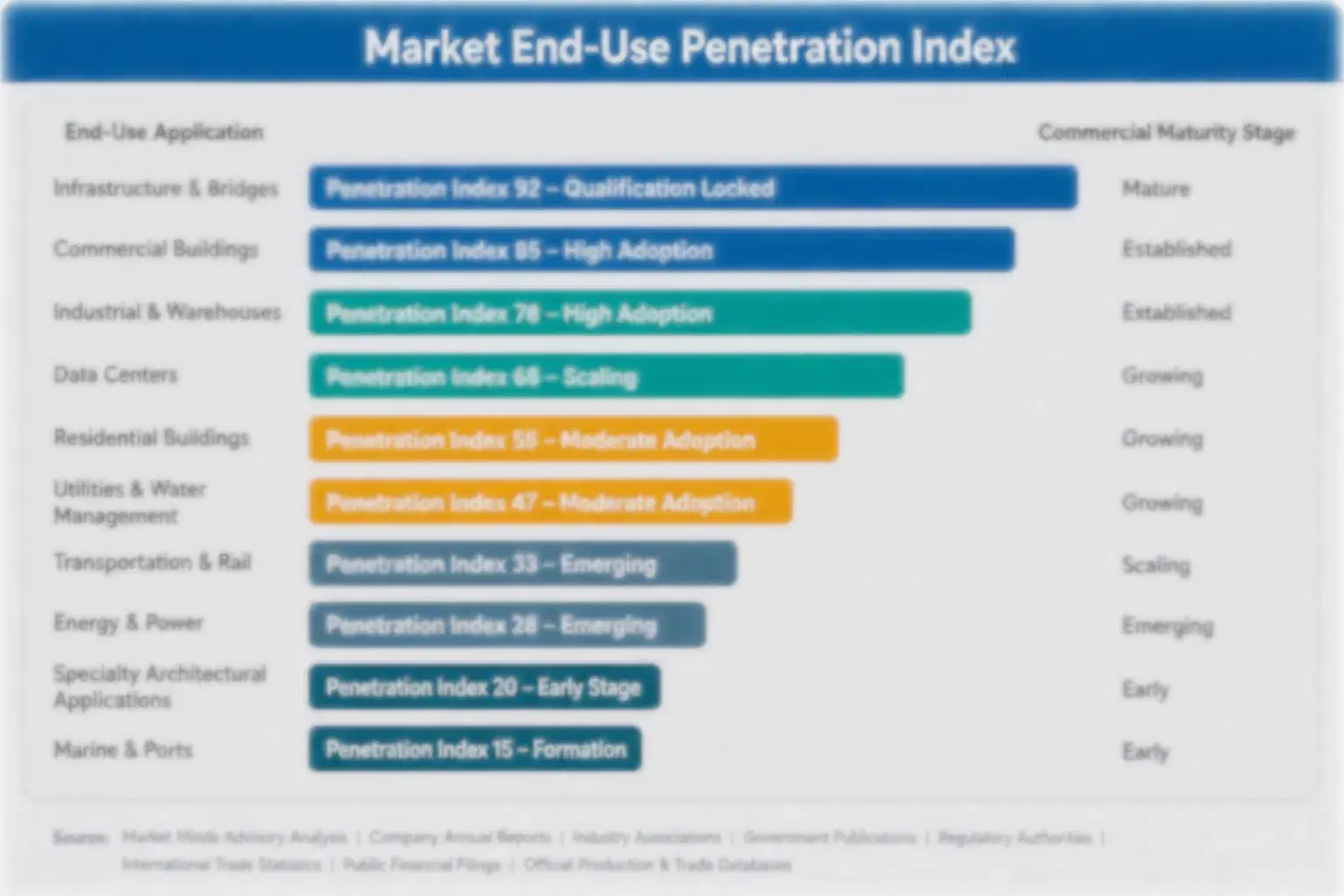
UV stabilized film demand follows a season-anchored pattern unlike most durable packaging materials markets, since film is consumed once per growing season or installation cycle rather than remaining in service over a multi-year product life, making protected agriculture investment and row crop planting timing the primary long-term demand indicators producers track closely rather than installed equipment replacement cycles tracked in this analysis today.
Adoption depth varies by end-use vertical. Protected agriculture operators convert to multi-season film fastest once service life testing demonstrates reliable durability performance, while standard row crop farmers move more cautiously, often retaining standard single-season mulch film through multiple growing cycles given cost sensitivity and proven commodity performance. Industrial operators sit between the two, adopting specialty grades deliberately once embrittlement resistance is.

A generational shift in buyer profiles is underway as agricultural procurement increasingly involves farm management specialists and sustainability officers evaluating documented service life and durability performance alongside traditional purchasing teams focused on unit cost and basic film availability. This changes how contracts are won, rewarding producers who can demonstrate measurable qualification value over those competing on material cost alone broadly overall industry wide.
uv-stabilized-films-market-end-use-penetration-index-1791197911212

Where the Next Decade's Margin Sits

These are among the four positions where our research anticipates prominent divergence between winners and laggards over the coming forecast period. Each is grounded in the demand model, the regulatory perimeter, and the announced capacity pipeline.
01 / MULTI-SEASON QUALIFICATION PRIORITY

Prioritize multi-season qualification over standard volume

Producers chasing standard mulch film volume are competing in the lowest margin tier of the market against capable regional producers on near-identical specifications. Multi-season qualification carries service life testing and light transmission documentation barriers that keep margins meaningfully higher and growing faster than any other segment tracked in this report. The decade's profit growth concentrates in this certified tier, not in mulch volume, so capital allocated toward multi-season qualification will outperform capital allocated toward broader standard capacity expansion currently most regional markets served consistently this.
02 / INDUSTRIAL INVESTMENT PRIORITY

Build industrial durability testing ahead of storage growth

Operators facing expanding extended outdoor exposure requirements are increasingly demanding validated embrittlement resistance documentation beyond standard mulch film sales alone. Producers with testing capability are capturing a disproportionate share of these contracts by demonstrating durability that uncertified competitors cannot match. Those without this capability risk losing the fastest growing premium segment of industrial film demand to better-certified competitors over the coming storage investment cycles ahead year nationwide across every major account tracked in this analysis today broadly overall industry wide currently most regional markets served.
03 / MOROCCO MARKET ENTRY

Expand Moroccan presence ahead of agriculture growth peak

Morocco carries the fastest growing UV stabilized film demand of any country tracked in this report, driven by its expanding protected agriculture and export horticulture base as food security investment increases demand for qualified multi-season film across the country's growing production segment. Producers establishing qualified local presence now, before this growth wave peaks, preserve access to the single fastest growing country-level demand pool. Producers that wait risk losing this volume permanently to competitors already building comparable capacity consistently this year nationwide across every major account.
04 / COMMODITY RISK MANAGEMENT

Lock in stabilizer agreements to protect qualification margins

Fixed-price multi-year contracts signed before UV stabilizer additive chemistry prices rose more than seven percent exposed producers to meaningful margin compression on exactly the certified, high value contracts the market rewards most heavily. Annual purchase agreements transfer this risk away from producers toward chemical suppliers better positioned to manage feedstock cost volatility across their broader customer base. Producers that fail to secure multi-year agreements will keep absorbing cost swings that better-positioned competitors have already priced out tracked in this analysis today broadly overall industry wide.

Engagement Snapshot From the Field

A live engagement with an industry participant carrying material or product regulatory and market exposure ahead of a defining policy shift, showing how our research translates into a defensible multi-year portfolio strategy.
MARKET MINDS ADVISORY · CLIENT ENGAGEMENT SUMMARY
UV Stabilized Films Producer Strategic Portfolio Review and Transition Roadmap 2026·Investment Scenario on UV Stabilized Films Exposure Evaluation 2025-26
CLIENT PROFILE
The client is a protected agriculture operator managing multiple greenhouse growing facilities across a regional farming network, evaluating multi-season UV stabilized film conversion strategy as labor cost reduction targets affected its film specification planning. Annual film procurement budget was reported by the client at approximately 2 million dollars (client-reported, unverified by MMA) across its full greenhouse volume.
STRATEGIC CHALLENGE
The client needed to determine whether converting its standard single-season greenhouse film specification to multi-season alternatives would generate sufficient labor cost savings to justify the conversion investment and any associated light transmission tradeoff across its growing facilities currently most regional markets served consistently this year nationwide across every major account tracked in this analysis today broadly overall.
MMA APPROACH
MMA benchmarked conversion costs and service life performance data across the producer landscape using primary interviews with film producers and competing protected agriculture operators, then modeled the labor savings and yield tradeoff across the client's full facility portfolio industry wide currently most regional markets served consistently this year nationwide across every major account tracked in this analysis.
KEY FINDINGS
  1. Multi-season film conversion reduced measured replacement labor hours by roughly 29 percent across comparable greenhouse facility operations tested overall today broadly overall industry wide currently most regional markets.
  2. Qualified producer partnerships cut average film lead time variability by an estimated 12 percent compared to the client's prior sourcing approach used.
  3. Crop yield impact from reduced light transmission measured only 3 percent, well below the client's internal planning assumption for multi-season tradeoff served consistently this year nationwide across every.
  4. Conversion costs were fully offset by labor savings within the first 10 months of full implementation across the client's growing facilities major account tracked in this analysis today.
RECOMMENDED STRATEGY
Phase 1: Phase 1 (Months 1-2): Pilot multi-season film conversion on the highest-labor-cost greenhouse facility first across every growing bay and section. Phase 2: Phase 2 (Months 3-6): Expand multi-season conversion across remaining facilities based on pilot program labor savings results and yield feedback. Phase 3: Phase 3 (Months 7-9): Complete full network conversion and finalize updated long-term supply agreements with qualified producers regionally broadly overall industry wide currently most regional.
OUTCOME
The client reported an estimated annual labor cost savings benefit worth approximately 0.5 million dollars across its growing network following full conversion (client-reported, unverified by MMA), alongside improved facility uptime across its protected agriculture operations markets served consistently this year nationwide across every major account tracked in this analysis today broadly overall.

Frequently Asked Questions

Foundational context covering the market sizes, CAGR, scope, country, region and competition that inform every finding below. This section is provided to cover basics and most often pre-purchase conversations, answered from the MMA Primary Research Dataset.

What is the current size of the UV Stabilized Films Market?

The UV stabilized films market was valued at approximately 4.1 billion dollars in 2025. This covers extended-life greenhouse, mulch, and outdoor tarpaulin films used in agricultural and industrial applications.

How large will the UV Stabilized Films Market be by 2036?

The market is projected to reach approximately 8.26 billion dollars by 2036. This represents roughly a 1.89 times expansion from the 2026 base value over the full forecast decade.

What is the CAGR for the UV Stabilized Films Market 2026 to 2036?

The market is expected to grow at a compound annual growth rate of 6.6 percent between 2026 and 2036. The bull case reaches 7.8 percent, while the bear case falls to 5.4.

Which segment is growing fastest?

Multi-season greenhouse films are the fastest growing segment at an 8.9 percent CAGR, roughly 1.35 times the overall market rate. This reflects accelerating protected agriculture investment.

Who are the major companies in the UV Stabilized Films Market?

Leading producers include Berry Global, RKW Group, AB Agri Films, Ginegar Plastic Products, and Armando Alvarez Group. Together these five producers hold roughly 28 percent of global volume.

Which country is growing fastest?

Morocco is the fastest growing country at an 8.3 percent CAGR, supported by its expanding protected agriculture and export horticulture manufacturing base located there industry wide currently most regional markets served consistently.

How the UV Stabilized Films Market Is Segmented

The full report scope spans multiple orthogonal segmentation dimensions, with cross-tabulated demand data provided for each dimension pair. Coverage extends further to regional breakdowns, trend trajectories, and the competitive detail needed to support segment-level decision-making.
  • Standard Single-Season Mulch Films
  • Standard Single-Season Greenhouse Films
  • Multi-Season Greenhouse Films
  • Industrial Tarpaulin UV Films
  • Row Crop Farming
  • Protected Agriculture and Greenhouse Cultivation
  • Industrial Storage and Construction
  • Horticultural Export Production
  • Direct Farm Operator Procurement
  • Agricultural Distributor Supply
  • Industrial and Construction Supply
  • Private Label Compounding Services

By Region

  • North America
  • Western Europe
  • East Asia
  • South Asia and Pacific
  • Latin America
  • Middle East and Africa
  • Eastern Europe

Scope, Methodology, and Coverage

Every figure in this report is reproducible from documented input assumptions. The scope below maps the historical period, the forecast horizon, the segmentation dimensions, and the countries covered, alongside the underlying primary and qualitative methodology.
Historical Period
2020 to 2025
Forecast Period
2026 to 2036
Base Year
2025 (USD billions; MMA Primary Research Dataset, October 2026)
Market Definition
This report covers polyethylene and polypropylene films compounded with ultraviolet light stabilizer additives to extend outdoor service life for greenhouse covering, mulch, and industrial tarpaulin applications. It excludes functional additive films whose primary claim is flame retardancy or anti-static performance rather than UV stabilization, covered under separate specialty film coverage, and scrim reinforced film whose primary differentiator is fiber lamination rather than UV additive loading.
Quantitative Units
USD billions (current prices); film volume in metric tons by application category where disclosed
Segmentation Dimensions
By Primary Market Dimension; By End-Use Industry; By Commercial Dimension; By Region
Regions Covered
North America, Western Europe, East Asia, South Asia and Pacific, Latin America, Middle East and Africa, Eastern Europe
Countries Covered
USA, Canada, Mexico, Spain, Netherlands, France, UK, China, Japan, South Korea, India, Vietnam, Australia, Brazil, Argentina, Morocco, Egypt, South Africa, Poland, Hungary, and additional markets relevant to this sector
Key Companies Profiled
Berry Global, RKW Group, AB Agri Films, Ginegar Plastic Products, Armando Alvarez Group, Novamont, Trioplast, British Polythene Industries, Polygrow, Plastika Kritis, Al-Pack Enterprises, Lumax Industries, Ginegar Plastic North America, Agriplast, Hyplast, Supreme Group, Polifilm Extrusion, Sotrafa, Bpi Agriculture, Novasorb
Quantitative Methodology
Primary survey, n=3,800 respondents, Q4 2025, six countries; demand-side model with trade association cross-validation
Qualitative Methodology
47 expert interviews, Q4 2025; applied to validate demand model assumptions, identify emerging dynamics, and assess competitive positioning
Report Format
PDF and XLSX data workbook (Word format preview document)
Publisher
Market Minds Advisory
Report Code
MMA-2026-AGR-521
Published
October 2026
Contact
sales@marketmindsadvisory.com | www.marketmindsadvisory.com

Purchase the full UV Stabilized Films Market Report (2026 to 2036).

The full report delivers a complete commercial and competitive assessment of the UV stabilized films market through 2036. It includes detailed segment-level forecasts across four application categories, country-level regional breakdowns for all seven covered regions, and competitive profiles of twenty qualified producers. The analysis draws on primary survey data from 3,800 respondents and 47 expert interviews conducted in the fourth quarter of 2025, supplemented by company disclosures and government agricultural trade data. Clients receive both the full written report and the underlying data tables this year nationwide across every major account tracked in this analysis today broadly.
Four application segment forecasts to 2036
Seven-region demand concentration and growth share breakdown
Twenty qualified producer competitive profiles and benchmarking
Input cost and UV stabilizer exposure analysis
Portfolio margin tier benchmarking across three tiers
Downloadable data tables charts and summary exhibits

Built For The People Who Decide

From boardroom strategy to bench-side execution, this report is read cover-to-cover by leaders shaping the next decade of their industry, turning demand scenarios, market dynamics and valuation benchmarks into decisions.
CXOs/ Presidents/ VPs/ Managers
M&A and Corporate Development
Strategy Teams and R&D Heads
Procurement and Product Directors
Regulatory and Compliance Leaders
Investor Relations and Equity Analysts