Market Minds Advisory
Uterine Manipulation Devices Market

Uterine Manipulation Devices Market: Sterile Processing Decides The Purchase

Surgeons choose the instrument and hospitals pay for it, and the argument between reusable and single-use is settled by sterile processing capacity rather than by anybody in the operating theatre.

Lead Analyst

Published

September 2026

Make Smarter Decisions with Customized Research Insights

Request a free sample report and evaluate market opportunities, growth trends, and competitive dynamics relevant to your business needs.

2025 MARKET VALUE$0.4BMarket Size 2025
2036 FORECAST VALUE$0.9BBase Case , 2026 to 2036
CAGR 2026 TO 20368.2 %Bull 9.4% / Bear 7.0%
INCREMENTAL OPPORTUNITY$0.5BNet 10- year value creation
EXPANSION MULTIPLE2.21x2036 value over 2026 base
Strategic Levers
M&A Pipeline
Regional Outlook
Country Rankings
Competitive Intelligence
Segmental Deep-dive
Call-Us : 91 93563 13602

Executive Snapshot and Market Trajectory

A reusable manipulator costs about 34 dollars to reprocess between cases and a single-use device costs roughly 185 dollars outright. The arithmetic favours reusable and the decision usually does not, because sterile processing capacity is the constraint rather than money. Nobody in theatre decides this. Capacity decides it.
East Asia takes 28% of value on laparoscopic hysterectomy volume that is still growing, with Chinese procedures alone at roughly 23% of the global total while Western volumes decline. Robotic-compatible manipulation systems grow at 12.3%, half again the market rate of 8.2%, and they are among the few instruments in robotic gynaecology the platform owner does not supply. A bedside assistant works the device rather than the console surgeon.
Concentration reaches 46% and a clinical argument sits underneath part of the addressable procedures. Roughly 22% of centres now decline manipulator use in endometrial malignancy surgery on evidence that remains genuinely contested. That is volume withdrawn on clinical grounds rather than lost to a competitor. The evidence on cell dissemination during manipulation is mixed rather than resolved, and further study may settle it in either direction. Nobody can plan or price around it.
Market Definition
The market covers devices used to position and manipulate the uterus during laparoscopic, robotic and vaginal gynaecological surgery, including reusable uterine manipulators, single-use uterine manipulators, colpotomy cup systems, pneumo-occluder and balloon systems, robotic-compatible manipulation systems, and simple sound and basic manipulator instruments. Hysteroscopic instruments, energy devices and vessel sealers, laparoscopic access systems, surgical robots, and diagnostic imaging are excluded from scope.
Base Year Value
$0.4B in 2025 (MMA Primary Research Dataset, August 2026)
Forecast Period
2026 to 2036, eleven discrete annual values
CAGR
8.2% base case. Bull 9.4%. Bear 7.0%.
Fastest Growth Segment
Robotic-Compatible Manipulation Systems: 12.3% CAGR
Fastest Growth Country
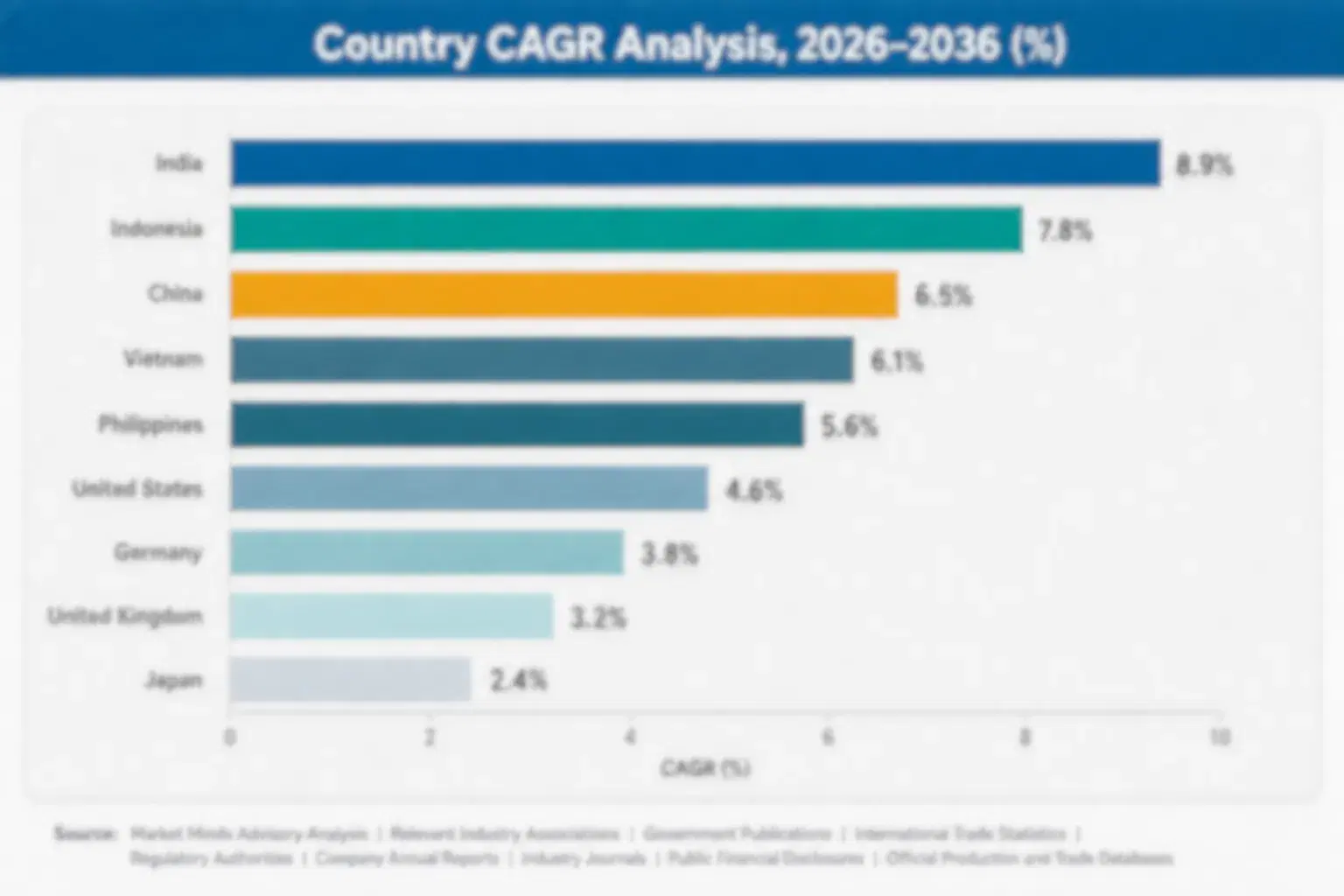
India: 10.3% CAGR
Fastest Growth Region
South Asia and Pacific: 10.4% CAGR
Largest Region
East Asia: 28% of 2025 global value
Market Leaders
CooperSurgical, Karl Storz, Richard Wolf, LiNA Medical, Utah Medical Products. Source: MMA Analysis based on disclosed gynaecological surgical device revenue, company annual reports 2025.
Primary Survey
n=3,800 procurement and R&D decision-makers, Q4 2025, six countries
Methodology
Demand-side build-up, cross-validated against public data, 47 expert interviews

Uterine Manipulation Devices Market Forecast Scenarios

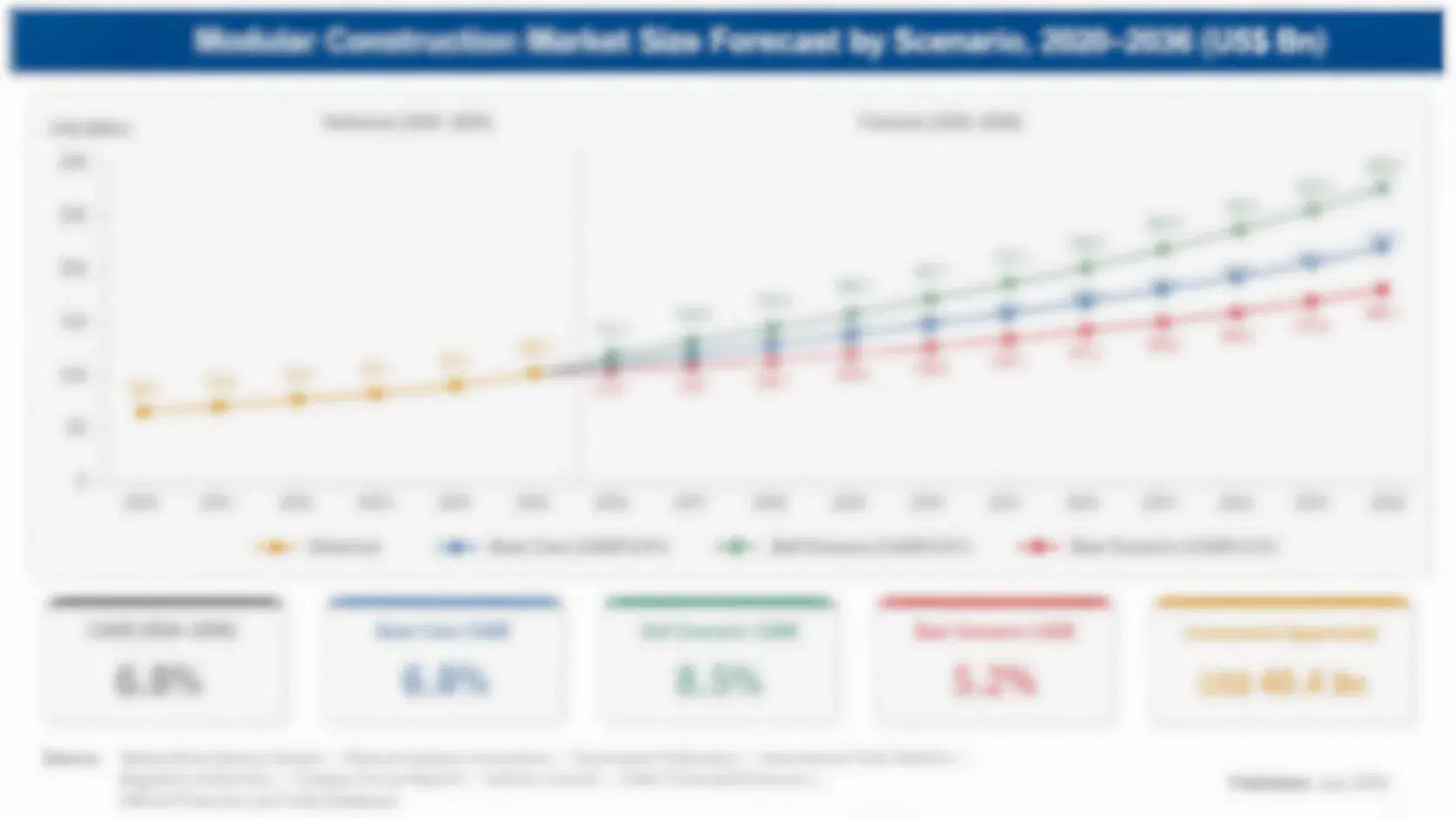
uterine-manipulation-devices-market-size-forecast-scenario-1787702387985
Growth from 2020 to 2025 ran at 7.0% while hysterectomy volumes in developed markets declined, which sounds contradictory and is not. Minimally invasive share kept rising within a shrinking procedure count, and every laparoscopic or robotic case requires a manipulator where an open one never did. Single-use adoption grew as sterile processing capacity tightened. The endometrial cancer debate began removing a share of procedures from the addressable base entirely.
The 8.2% base case rests on three mechanisms. Minimally invasive share keeps rising in markets where open hysterectomy is still common, which converts procedures into device-requiring ones without any increase in surgery. Robotic gynaecology keeps expanding and manipulators remain competitively supplied within it. And Asian and Indian procedure volumes keep growing as surgical capacity and laparoscopic training expand together across large populations. None of the three requires more hysterectomies to be performed anywhere.
The bull case at 9.4% assumes robotic gynaecology adoption accelerates and single-use conversion continues as sterile processing capacity stays constrained. The bear case at 7.0% is the endometrial cancer evidence hardening against manipulator use, which would remove oncological procedures from the addressable base permanently rather than temporarily, on grounds no commercial response can address at all.

Reprocessing Against Unit Price

The reusable and single-use argument looks like a cost comparison and is really a capacity one. Reprocessing a reusable manipulator costs around 34 dollars between cases against roughly 185 dollars for a single-use system, so the arithmetic favours reusable comfortably. Sterile processing departments are short of capacity, and a manipulator competing for autoclave slots against orthopaedic trays loses regularly.
FIVE-FIRM CONCENTRATION46%Share of category revenue held by the leading device manufacturers
SINGLE-USE DEVICE PRICE$185Typical hospital price for a single use manipulator system
TOP PROCEDURE COUNTRYChina 23%Chinese share of global laparoscopic hysterectomy procedure volume
REPROCESSING COST PER USE$34Sterile processing cost for a reusable manipulator between cases
COLPOTOMY CUP SIZE RANGE5Cup diameters needed to fit the range of cervical anatomy
CANCER CASE AVOIDANCE22%Centres declining manipulator use in endometrial malignancy surgery
The colpotomy cup is the part that actually matters and it gets discussed least. The shaft positions the uterus while the cup defines the vaginal incision line and holds pneumoperitoneum after the colpotomy is made. Fitting the cup to the cervix is what determines whether the operation proceeds cleanly, and a system offering five diameters serves anatomy that a two-size range simply does not. Surgeons know this and purchasing specifications rarely mention it.
A genuine clinical question sits under part of the addressable market. Whether manipulator use during surgery for endometrial malignancy affects outcomes remains contested, and roughly 22% of centres now decline to use one in those cases. The evidence is mixed rather than settled. This is volume withdrawn on clinical reasoning rather than lost to a competitor.
"The theatre wants reusable, the sterile processing manager cannot promise the turnaround, and so the hospital buys single-use at five times the cost. Nobody in that chain thinks they made the wrong call."
Director, Surgical Devices and Gynaecology Practice · MMA Medical Devices Practice · August 2026

Market Trends

Sterile Processing Capacity Drives Single-Use Conversion

Reprocessing a reusable manipulator costs roughly 34 dollars between cases against about 185 dollars for a single-use system, so unit economics favour reusable clearly. Sterile processing departments are short of capacity and turnaround time, and a manipulator competing for autoclave slots against orthopaedic and general surgical trays loses regularly. Conversion to single-use therefore follows hospital operational constraints rather than any clinical or economic preference, and manufacturers arguing cost per case are addressing the wrong department entirely. Designs reducing reprocessing steps or tray footprint address the actual constraint, and almost nobody has tried.
Market Impact: Converts 2 approaches into device cases

Oncological Evidence Withdraws Procedures From Addressable Volume

Whether manipulator use during surgery for endometrial malignancy affects outcomes remains genuinely contested, and roughly 22% of centres now decline to use one in those procedures. That is volume leaving the addressable base on clinical reasoning rather than moving to a competing product, which is commercially unusual and cannot be answered by any product improvement. Manufacturers monitoring the evidence closely can plan around it, while those treating the debate as noise are exposed to a step change. Planning capacity around a plausible step change is the only sensible commercial response available here.
Market Impact: Remains 1 competitively supplied instrument

Market Opportunities and Growth Drivers

Minimally Invasive Share Converts Procedures Into Device Cases

Hysterectomy volumes are falling across developed markets as medical management and endometrial ablation treat benign disease that once required surgery, and the device market has still grown because laparoscopic and robotic share keeps rising within that smaller total. An open hysterectomy needs no manipulator at all while a laparoscopic one does. Markets where open surgery remains common therefore represent growth without any increase in the underlying number of operations being performed. Markets with substantial remaining open surgery are therefore the only genuine volume growth available to anybody. Conversion is finite though.
Market Impact: Declines across 2 developed decades

Robotic Gynaecology Leaves Manipulators Competitively Supplied

Robotic platforms supply their own energy devices, staplers and graspers, and the uterine manipulator is one of the few instruments in a robotic hysterectomy that the platform owner does not provide. That leaves genuine competitive supply in a setting where most instruments are controlled. Growth at 12.3% follows robotic gynaecology adoption directly. Ergonomics differ because a bedside assistant operates the manipulator rather than the console surgeon, which changes the design requirement considerably. Adapting a laparoscopic instrument addresses a user nobody has watched. Handle geometry and locking differ substantially from a laparoscopic design.
Market Impact: Affects 22% of malignancy cases

Market Restraints and Challenges

Underlying Hysterectomy Volume Is Declining Steadily

Medical management, endometrial ablation and hormonal intrauterine systems now treat benign conditions that formerly required hysterectomy, which has reduced procedure numbers across developed markets for two decades. Root cause is genuine therapeutic progress rather than any commercial failure. The commercial impact is that device growth depends entirely on minimally invasive conversion and emerging market surgical capacity, both of which are finite. Mitigation involves geographic focus toward markets where open surgery still predominates today. Both routes to growth are finite and quantifiable. Geographic focus is the practical response available. Both are quantifiable.
Market Impact: Costs $34 against $185 per case

Contested Cancer Evidence Cannot Be Answered Commercially

Roughly 22% of centres decline manipulator use in endometrial malignancy surgery on evidence about cell dissemination that remains mixed rather than resolved. Root cause is a genuine clinical uncertainty that further study may settle in either direction. The commercial impact is a share of addressable procedures withdrawn on reasoning no product improvement addresses, and the position could harden further. Mitigation is limited to monitoring evidence and planning capacity around a plausible step change. Monitoring the evidence is the only real preparation. A step change remains entirely plausible here. Nothing else prepares for it.
Market Impact: Removes 22% of oncological cases
3 additional market trends, 4 additional growth drivers, and 2 additional restraints and challenges are covered in the full report. Contact sales@marketmindsadvisory.com to access the complete intelligence.

Segment CAGR and Growth Architecture

Segmentation follows device type and reuse status: what the instrument is and whether it is designed for one case or many, rather than which procedure uses it or who buys it. Six device types cover the market without overlap. Surgical approach and purchasing arrangement are treated as separate commercial dimensions here. Clinical indication cuts across every device type here.
uterine-manipulation-devices-market-market-share-analysis-1787702388298

Robotic-Compatible Manipulation Systems

Growth at 12.3%, half again the market rate of 8.2%, follows robotic gynaecology adoption in a setting where the manipulator is one of very few instruments the platform owner does not supply itself. That leaves genuine competitive supply where most robotic instruments are controlled entirely. Ergonomic requirements differ because a bedside assistant operates the device rather than the console surgeon, which changes handle design, locking mechanisms and single-handed operation requirements in ways conventional laparoscopic manipulators never had to address. A platform owner choosing to enter that slot would convert competitive supply into controlled supply very quickly indeed. Single-handed operation matters more than articulation for this user. Nobody has designed for that user properly.
CAGR 12.3%

Colpotomy Cup Systems

The cup rather than the shaft is what determines whether the operation proceeds cleanly, since it defines the vaginal incision line and maintains pneumoperitoneum after colpotomy is performed. Fitting it correctly to the cervix is the whole point, and a system offering five diameters serves anatomy that a narrow size range simply cannot. Growth at 10.2% follows surgeon preference rather than purchasing specification, which rarely mentions cup sizing at all despite it being the single most consequential product characteristic. Surgeons refuse to switch on sizing grounds and no discount has ever overcome that objection, which makes range the commercial argument that matters most. Purchasing rarely notices. Range decides the tender outcome.
CAGR 10.2%
Full segment breakdown across 6 segments available in the complete report.

Regional Architecture and Country Demand Map

Geography follows laparoscopic hysterectomy volume rather than population or pricing, since an open procedure requires no manipulator at all. East Asia leads on growing volume, North America follows on pricing, and India grows fastest. Sterile processing capacity varies considerably and shapes format mix everywhere. Conversion drives growth.

North America

Hysterectomy volumes have declined for two decades as medical management and ablation treat benign disease surgically managed before, so device growth here comes entirely from minimally invasive and robotic conversion within a shrinking procedure count. Sterile processing capacity constraints are acute and have driven single-use adoption further than unit economics alone would justify. Robotic gynaecology penetration is the highest globally. The endometrial cancer debate is being followed closely and a meaningful share of centres have already changed practice accordingly. Cup sizing decides surgeon preference here as everywhere, and purchasing specifications continue to omit it entirely from written tender documents. Surgeons object on sizing and no discount overcomes it. Specifications omit it entirely.
Share: 27% | CAGR: 7.4% (2026 to 2036)

Western Europe

Procedure volumes are declining on the same therapeutic substitution pattern seen across North America, and minimally invasive conversion is already advanced, which leaves limited headroom for further approach-driven growth. German manufacturers including Karl Storz and Richard Wolf hold strong positions in reusable instrument systems supported by long surgeon relationships. Reusable devices retain a larger share here than in North America because hospital sterile processing is generally better resourced. The oncological debate is actively discussed across European gynaecological oncology practice. Robotic gynaecology is growing steadily and manipulators remain competitively supplied within it, which is unusual among robotic instruments generally. Reusable preference persists where processing capacity supports it, which distinguishes the region from American practice.
Share: 22% | CAGR: 6.6% (2026 to 2036)
Regional intelligence for 5 additional markets available in the complete report: East Asia, South Asia and Pacific, Latin America, Middle East and Africa, Eastern Europe. Contact sales@marketmindsadvisory.com.
uterine-manipulation-devices-market-country-cagr-analysis-1787702388588

Selling Where The Decision Sits

Reprocessing costs about 34 dollars against 185 for single-use, cup sizing decides the operation and appears in no specification, robotics leaves manipulators competitively supplied, and 22% of centres decline oncological use. Four levers work on processing capacity, cup range, robotic ergonomics and geography rather than on unit price. Unit price settles remarkably little here.

Address The Sterile Processing Department Directly

Unit economics favour reusable manipulators clearly at roughly 34 dollars reprocessing against 185 dollars for single-use, and hospitals keep converting anyway because sterile processing capacity and turnaround time are the actual constraint. Manufacturers arguing cost per case to surgeons and purchasing are addressing the wrong department entirely. Instrument designs that reduce reprocessing steps or tray footprint change the calculation where it is genuinely made, which almost nobody has attempted seriously. The constraint is capacity rather than budget, and it is decided in a department manufacturers have never visited. Design addresses it.
Market Impact: Compares $34 against $185 for every single case

Compete On Cup Diameter Range Not Shaft Design

The colpotomy cup defines the vaginal incision line and maintains pneumoperitoneum, which makes fitting it to the cervix the single most consequential product characteristic in the whole system. A range offering 5 diameters serves anatomy that a narrow selection cannot, and surgeons know this while purchasing specifications almost never mention it. Manufacturers who make sizing range the commercial argument reach the person choosing rather than the person negotiating price. Sizing reaches the chooser rather than the negotiator. A narrow range produces a clinical objection that no discount has ever overcome, which makes sizing the argument that actually decides tenders.
Market Impact: Offers 5 cup diameters across differing patient anatomy

Design Robotic Manipulators For The Bedside Assistant

In robotic hysterectomy the manipulator is operated by a bedside assistant rather than by the console surgeon, which changes handle geometry, locking behaviour and single-handed operation requirements entirely. Growth at 12.3% sits in that setting and the manipulator remains one of very few instruments the platform owner does not supply. Designing for the assistant rather than adapting a laparoscopic device addresses a user most manufacturers have never actually observed working. Observation before design is the whole difference. Platform owners leave this slot open, which is unusual enough that it will not necessarily continue indefinitely. Design for the assistant now.
Market Impact: Serves the 1 uncontested robotic instrument slot remaining

Weight Geography Toward Open Surgery Conversion

Hysterectomy volumes decline across developed markets while minimally invasive conversion in markets with substantial open surgery converts procedures into device cases without any increase in operations performed. India growing at 10.3% is the clearest example available. Manufacturers focused on mature markets are competing for share of a shrinking procedure count, while conversion markets offer genuine volume growth that requires distribution investment rather than product development. Distribution investment rather than product development reaches it, and mature market share contests offer nothing comparable. Roughly 2 growth routes exist and only one is expanding.
Market Impact: Follows the growth running at 10.3% each year

Who Controls the Margin Pool

Measured on disclosed gynaecological surgical device revenue, the five largest manufacturers hold a CR5 of 46%, which reflects a specialised category where surgeon relationships and instrument familiarity both take years to establish. CooperSurgical holds strong positions across single-use manipulator and cup systems, Karl Storz and Richard Wolf lead in reusable instrumentation, and LiNA Medical and Utah Medical hold established specialty positions internationally. Surgeon familiarity decides more than specification ever does.
Three contests define activity. Reusable instrument supply competes on durability and surgeon familiarity within hospitals whose sterile processing can support it. Single-use systems compete on cup sizing range and on removing reprocessing burden entirely. And robotic-compatible manipulation competes on assistant ergonomics in the one instrument slot the platform owner leaves open to competition. A manufacturer organised for one of those contests is rarely equipped for the others, and the capability each requires overlaps remarkably little with the rest.

Pressure builds from two directions that have nothing to do with each other. Sterile processing constraints keep pushing conversion toward single-use, while contested oncological evidence withdraws procedures from the addressable base. Rankings shift toward manufacturers with genuine cup sizing range and robotic-specific design rather than adapted laparoscopic instruments. Adaptation is not design.
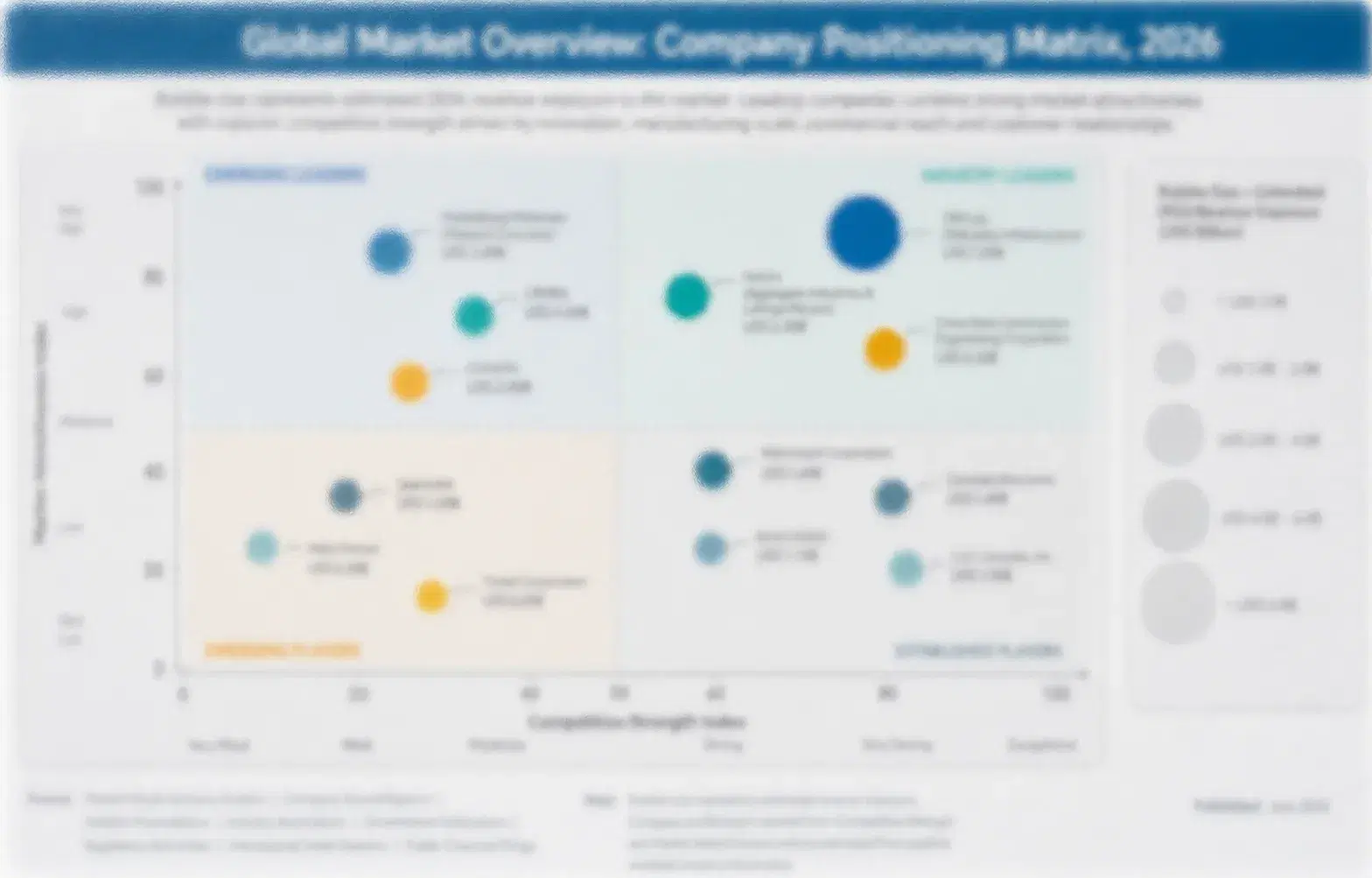
uterine-manipulation-devices-market-company-positioning-matrix-1787702388875

Competitive Moat and Risk Dimensions

COOPERSURGICAL

Moat: Cup System Range And Familiarity

CooperSurgical offers colpotomy cup systems across a diameter range that fits the anatomy surgeons actually encounter, supported by long familiarity in gynaecological theatres across many markets. Cup sizing determines whether an operation proceeds cleanly and surgeons form strong preferences around systems they trust. A competitor with a narrower range faces a clinical objection that price alone will not overcome.
COOPERSURGICAL

Risk: Oncological Volume Withdrawal

Roughly 22% of centres already decline manipulator use in endometrial malignancy surgery, and the evidence could harden further in that direction. Product strength does not address volume leaving the addressable base on clinical reasoning. A leading position in a category losing procedures for non-commercial reasons is exposed in a way competitive analysis does not capture.
KARL STORZ

Moat: Reusable Instrument System Depth

Karl Storz holds strong positions in reusable manipulator systems supported by manufacturing quality and surgeon relationships built across decades of gynaecological instrumentation. Where sterile processing capacity supports reuse, the economics favour these systems substantially at roughly a fifth of single-use cost per case. Surgeons trained on the instruments continue requesting them throughout their careers.
KARL STORZ

Risk: Sterile Processing Capacity Constraint

Reusable economics depend entirely on hospital sterile processing capacity and turnaround, which is constrained in many systems and worsening in several. Manipulators compete for autoclave slots against orthopaedic and general surgical trays and lose that competition regularly. Instrument quality provides no answer to a hospital that cannot process the instrument between cases.

Players Tracked

Prominent Players

CooperSurgical
Karl Storz
Richard Wolf
LiNA Medical
Utah Medical Products

Other Key Players

Ethicon
Medtronic
Olympus
Aesculap
Bioteque
Purple Surgical
Hangzhou Kangji Medical
Genicon
Vimex
Prodimed
Sklar Surgical Instruments
Delmont Imaging
Rocket Medical
Clinical Innovations
MedGyn Products

Recent Developments

MARCH 2025

Hospital network converts manipulator supply to single-use systems

A hospital network moved uterine manipulator supply to single-use systems across its gynaecology theatres, a procurement decision rather than any corporate transaction. Sterile processing turnaround rather than device cost had driven the change, since reusable instruments were competing unsuccessfully for limited autoclave capacity against other surgical trays.
Signal: Sterile processing capacity decides reusable conversion more reliably than any unit cost comparison does. Cost loses anyway.
JULY 2025

Gynaecological oncology centres revise manipulator use in malignancy

Several gynaecological oncology centres revised protocols to avoid uterine manipulator use during surgery for endometrial malignancy, a clinical practice development rather than any commercial event. Evidence on cell dissemination during manipulation remains genuinely mixed, and the centres chose a cautious position while further study continues.
Signal: Procedures leaving the addressable base on clinical reasoning cannot be recovered by any commercial response. Nothing recovers it.
NOVEMBER 2025

Manufacturer launches manipulator designed for bedside robotic assistants

A device manufacturer launched a manipulator designed specifically for operation by a bedside assistant during robotic hysterectomy, an organic product development rather than any acquisition. Handle geometry and single-handed locking had been developed around the assistant rather than adapted from an existing laparoscopic instrument design.
Signal: The bedside assistant is the actual user in robotic cases and very few manufacturers have designed for them.

What A Manipulator Costs

Manufacturing economics differ completely between the two formats, which explains most of the pricing gap. Reusable instruments carry stainless steel machining, assembly and validated durability testing, producing a high unit cost amortised across many procedures. Single-use systems carry moulded polymer components, silicone cups and sterile packaging at 38 to 47% of their selling price, with sterilisation and distribution adding further. Neither is expensive to make relative to what it enables.
The volatility that mattered was medical grade polymer and sterilisation capacity. Ethylene oxide sterilisation capacity constraints affected single-use device supply across the sector, and facility closures in some regions extended lead times considerably. Medical grade silicone and polymer pricing rose through 2022 alongside wider petrochemical costs, which IEA industrial energy price data records, and those inputs sit directly in single-use cost of goods. Supply continuity suffered exactly when conversion demand was strongest.

Exposure divides by format weighting rather than by scale. Manufacturers weighted toward single-use carry polymer, silicone and sterilisation cost against pricing that hospitals scrutinise per case. Reusable specialists carry machining and quality cost against a shrinking installed practice as sterile processing capacity constrains reuse. German and American manufacturers carry higher labour and compliance cost throughout.
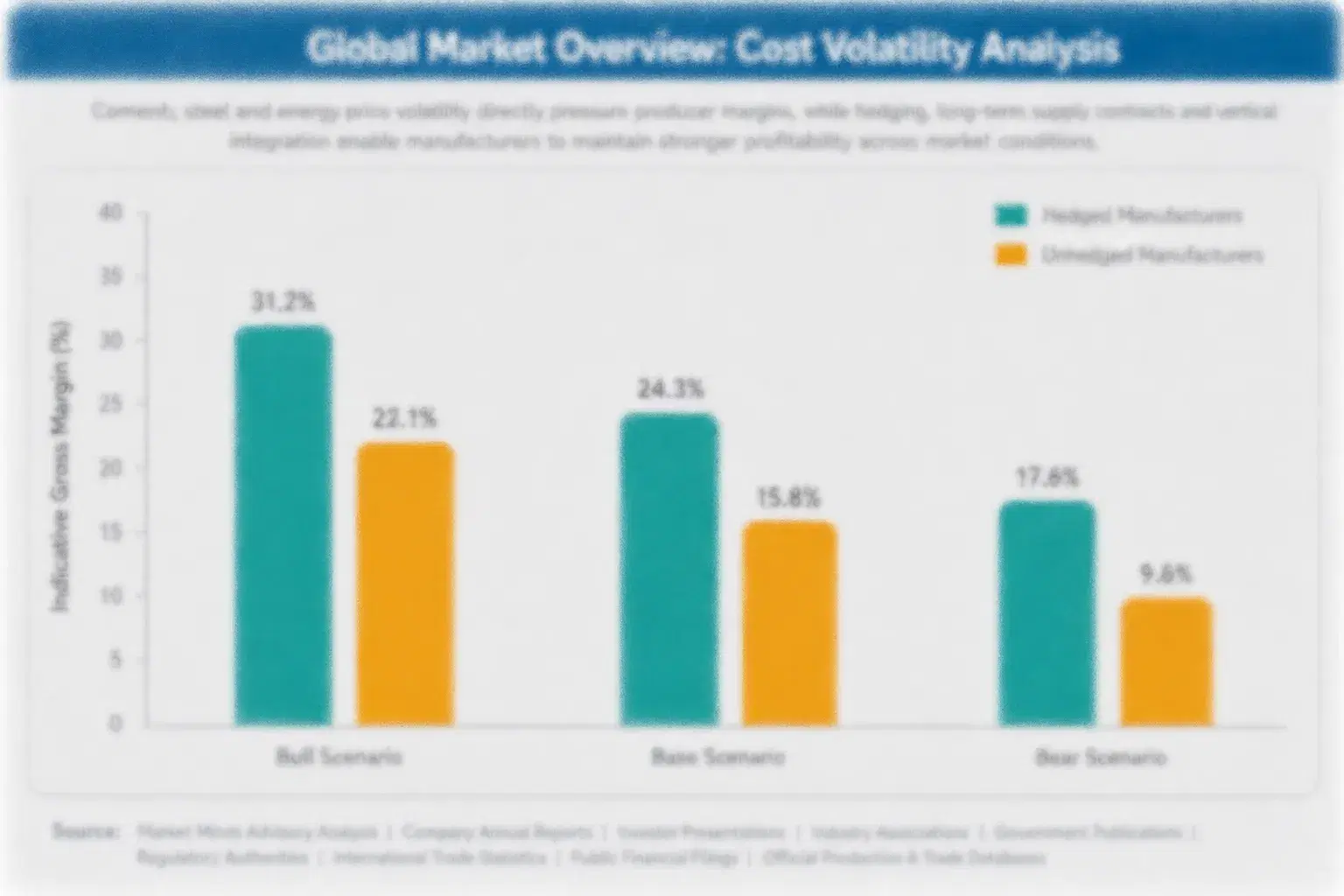
uterine-manipulation-devices-market-cost-volatility-analysis-1787702389148

Design reusable instruments for reprocessing throughput

Reusable economics fail not on cost but on sterile processing capacity, where manipulators compete for autoclave slots against orthopaedic and general surgical trays and lose regularly. Designs reducing disassembly steps, tray footprint or cycle requirements change that competition directly. Almost no manufacturer has approached reprocessing throughput as a design objective rather than as a validation exercise to be completed.

Secure sterilisation capacity for single-use production

Ethylene oxide sterilisation capacity constraints and facility closures extended single-use device lead times across the sector, at a point when hospitals converting away from reusable instruments needed reliable supply. Committed sterilisation capacity costs contractual commitment and protects availability. Manufacturers relying on spot capacity lost supply continuity precisely when conversion demand was strongest. Availability decided several account conversions outright.

Build cup sizing range before competing on price

Cup diameter determines whether the colpotomy proceeds cleanly, and a narrow size range produces a clinical objection that price cannot answer at all. Extending the range costs tooling and inventory across slower moving sizes. It also removes the single most common reason surgeons refuse to switch systems, which no discount has ever been able to overcome.

Portfolio Architecture for Margin Defence

Margin follows format and clinical specificity together. Simple sounds and basic instruments earn almost nothing and are effectively commodity items. Reusable manipulators earn well per unit and sell infrequently against a constrained installed practice. Single-use manipulators earn steadily on recurring per-case revenue. Colpotomy cup systems earn best because sizing range is a genuine clinical differentiator. Robotic-compatible systems earn well in the one instrument slot platform owners leave open.
The tension is that the format converting fastest is not the one with the strongest clinical argument. Single-use conversion is driven by hospital sterile processing constraints rather than by any product merit, which means it rewards supply reliability and price rather than design. Cup sizing and robotic ergonomics are where genuine differentiation exists, and neither appears in a purchasing specification. Manufacturers competing on the specification compete on the wrong thing entirely.

High-value pools sit in three places. Colpotomy cup systems with genuine diameter range, which surgeons choose and specifications ignore. Robotic-compatible manipulators designed for the bedside assistant who actually operates them. And reusable instruments designed around reprocessing throughput, which addresses the constraint that is currently deciding against them.

Volume / Commodity-Adjacent

Simple uterine sounds, basic manipulators and undifferentiated single-use systems competing largely on price. The 9-point range is wide because domestic Asian manufacturing and Western production carry entirely different cost bases on functionally comparable instruments.
Gross Margin: 24-33%

Premium / Certified

Reusable manipulator systems and standard single-use platforms supplied into established surgeon preferences. The 10-point spread separates manufacturers with long instrument familiarity and training relationships from those competing on specification and price alone.
Gross Margin: 42-52%

Sustainability / Regulatory / Next-Generation

Colpotomy cup systems with full diameter range, robotic-compatible manipulation designed for bedside assistants, and pneumo-occluder systems. The 21-point range is wide because clinical differentiation varies enormously across these three quite different product types.
Gross Margin: 50-71%
uterine-manipulation-devices-market-portfolio-architecture-1787702389486

High-value Sub-segments and Strategic Watch-out

Colpotomy Cup Systems

Highest margin and growing at 10.2%, because cup diameter determines whether the operation proceeds cleanly and surgeons form strong preferences accordingly. The risk is that purchasing specifications almost never mention sizing range, so the differentiation reaches the chooser rather than the buyer negotiating price. Surgeons decide it.
Gross Margin: 63-71%

Robotic-Compatible Systems

Fastest growth at 12.3% in one of very few instrument slots a robotic platform owner does not supply directly. The risk is that a platform owner could decide to enter it, which would convert a competitive supply position into a controlled one very quickly indeed.
Gross Margin: 54-62%

Single-Use Manipulator Supply

The volume core, growing through sterile processing conversion rather than any clinical preference and generating recurring per-case revenue. Manufacturers hold it because it is where conversion is heading, and because losing it removes the account before cup systems can be introduced. Accounts are won here first.
Gross Margin: 43-49%

Oncological Case Withdrawal

The strategic watch-out. Roughly 22% of centres decline manipulator use in endometrial malignancy and contested evidence could harden further against it. The risk is volume leaving the addressable base for clinical reasons that no product improvement or commercial argument can ever address. Nothing commercial answers that.
Gross Margin: 26-33%

One Device Per Operation

Demand tracks laparoscopic and robotic hysterectomy volume directly, one device per procedure, which makes it entirely dependent on surgical activity a manufacturer cannot influence. Reusable instruments generate a capital sale then years of no revenue. Single-use systems generate recurring revenue per case, which is why conversion matters commercially far beyond the unit price difference. Procedure counts fall in developed markets and rise elsewhere.
Stickiness runs through the surgeon rather than the hospital. Surgeons trained on a particular manipulator and cup system continue requesting it throughout their careers, and switching means relearning a familiar sequence during an operation, which nobody does casually. Purchasing can specify an alternative and frequently finds the theatre requesting the original anyway. Cup sizing range is the practical limit on how far substitution can be pushed against surgeon preference.

The decision involves at least three parties who rarely meet. The surgeon chooses on cup fit, handling and familiarity. Purchasing negotiates on unit price against specifications that almost never mention diameter range. Sterile processing determines whether reusable instruments are practical at all, and that department is frequently decisive without being consulted formally. Manufacturers addressing only the surgeon or only purchasing lose to whoever addresses all three.
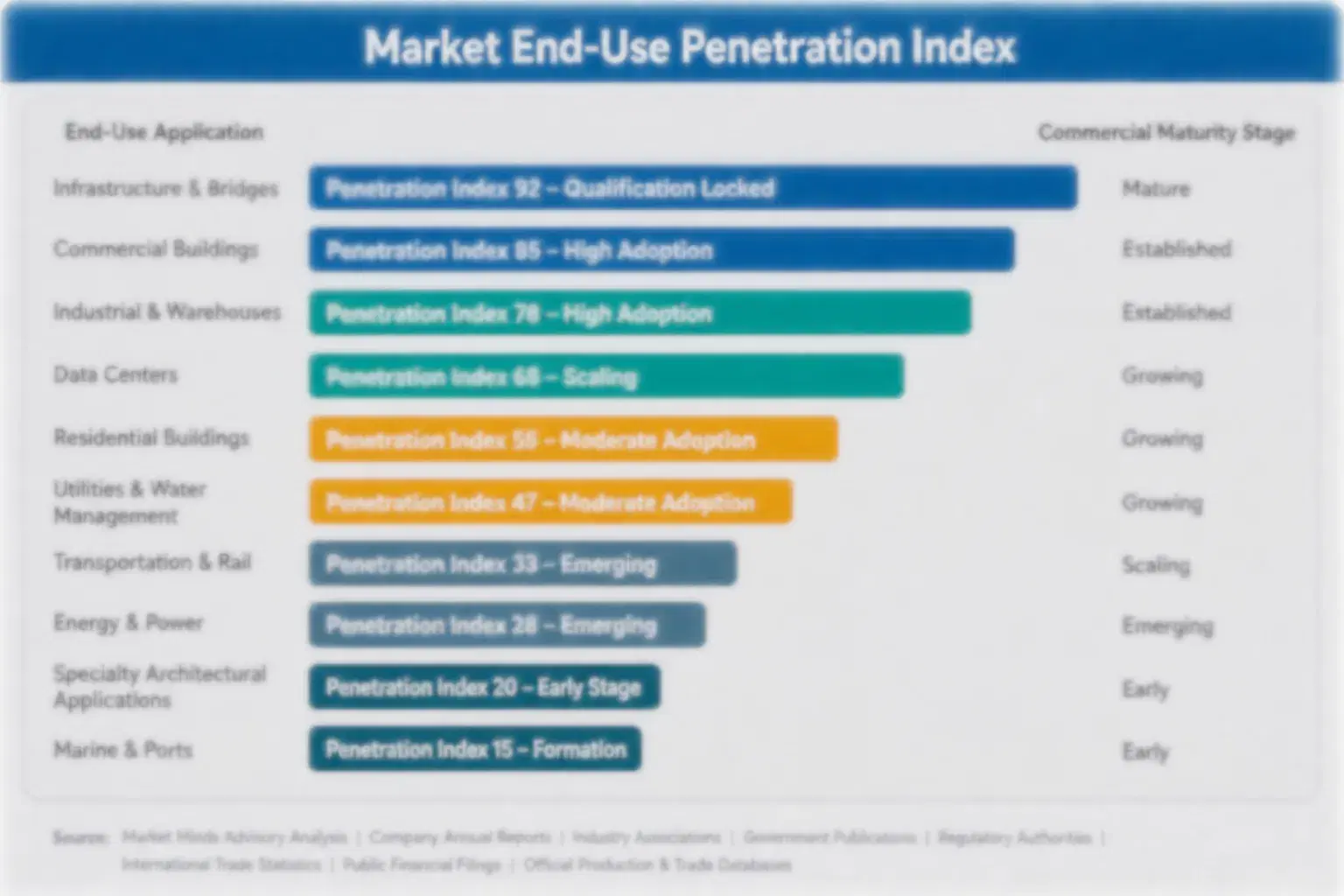
uterine-manipulation-devices-market-end-use-penetration-index-1787702389765

Where The Choice Is Made

These are among the four positions where our research anticipates prominent divergence between winners and laggards over the coming forecast period. Each is grounded in the demand model, the regulatory perimeter, and the announced capacity pipeline.
01 / STERILE PROCESSING ENGAGEMENT

Autoclave capacity beats every cost comparison

Reprocessing a reusable manipulator costs around thirty-four dollars between cases against roughly one hundred and eighty-five for a single-use system, so the unit economics favour reuse quite comfortably, and yet hospitals keep converting anyway. Sterile processing departments are short of both capacity and turnaround time, and a manipulator competing for autoclave slots against orthopaedic trays loses that competition regularly. Manufacturers who argue cost per case to surgeons and to purchasing teams are addressing entirely the wrong department within the hospital.
02 / CUP RANGE COMPETITION

Diameter decides the operation not the shaft

The colpotomy cup itself defines the vaginal incision line and maintains pneumoperitoneum after the colpotomy is made, which makes fitting it correctly to the cervix the single most consequential characteristic of the entire system. A range offering five separate diameters serves the anatomy that a narrow selection genuinely cannot accommodate at all. Surgeons understand this completely, while purchasing specifications almost never mention cup sizing at all, which means that the differentiation reaches the person choosing rather than the person negotiating on price.
03 / BEDSIDE ASSISTANT DESIGN

The console surgeon is not your user

During robotic hysterectomy the uterine manipulator is operated by a bedside assistant rather than by the console surgeon, which changes handle geometry, locking behaviour and single-handed operation requirements very considerably indeed. Growth running at 12.3% annually sits in that setting, and the manipulator remains one of very few instruments that a robotic platform owner does not supply itself. Designing for that assistant rather than adapting an existing laparoscopic instrument addresses a user whom most manufacturers have never once watched working.
04 / CONVERSION MARKET WEIGHTING

Open surgery is your only real growth

Hysterectomy volumes have now declined across developed markets for two full decades, as medical management and ablation treat benign disease that formerly required surgery. Device growth therefore comes almost entirely from minimally invasive conversion instead, which turns existing procedures into device cases without any increase at all in the number of operations performed. India growing at 10.3% annually is much the clearest example available anywhere, and reaching that growth requires distribution investment rather than any further product development work at all.

Engagement Snapshot From the Field

A live engagement with an industry participant carrying material or product regulatory and market exposure ahead of a defining policy shift, showing how our research translates into a defensible multi-year portfolio strategy.
MARKET MINDS ADVISORY · CLIENT ENGAGEMENT SUMMARY
Uterine Manipulation Devices Producer Strategic Portfolio Review and Transition Roadmap 2026·Investment Scenario on Uterine Manipulation Devices Exposure Evaluation 2025-26
CLIENT PROFILE
A gynaecological surgical device manufacturer supplying reusable and single-use uterine manipulators across European and selected Asian markets, with reported category revenue of 62 million dollars (client-reported, unverified by MMA). Roughly 69% of revenue came from reusable systems. The colpotomy cup range covered two diameters and no robotic-specific product existed in the portfolio at all. Robotic volume had never been assessed.
STRATEGIC CHALLENGE
Reusable volume had declined for three consecutive years as hospitals converted to single-use, and two tenders had been lost on cup sizing rather than on price. Management was preparing a reusable instrument refresh and a price reduction programme. Neither addressed why hospitals were converting, nor why sizing had decided tenders the company expected to win.
MMA APPROACH
MMA analysed lost tenders and converted accounts against sterile processing capacity data the company had never requested from any customer. Seventeen expert interviews with gynaecological surgeons, sterile processing managers and theatre purchasing leads established how each group decides. The analysis treated processing capacity and cup sizing range, rather than instrument quality or price, as the probable causes.
KEY FINDINGS
  1. Every converted account cited sterile processing turnaround rather than device cost, and the company had never spoken to a sterile processing manager at any customer.
  2. Both lost tenders had been decided on colpotomy cup diameter range, and neither tender document had mentioned sizing anywhere in its written specification.
  3. Robotic gynaecology volume across the customer base was growing steadily and being served entirely by competitors with dedicated bedside assistant designs. Nobody had reviewed that gap.
  4. Surgeons interviewed rated cup fit as their primary selection criterion, well ahead of shaft design, articulation or manufacturer, and nobody had ever asked them.
CLIENT PROFILE
A gynaecological surgical device manufacturer supplying reusable and single-use uterine manipulators across European and selected Asian markets, with reported category revenue of 62 million dollars (client-reported, unverified by MMA). Roughly 69% of revenue came from reusable systems. The colpotomy cup range covered two diameters and no robotic-specific product existed in the portfolio at all. Robotic volume had never been assessed.
STRATEGIC CHALLENGE
Reusable volume had declined for three consecutive years as hospitals converted to single-use, and two tenders had been lost on cup sizing rather than on price. Management was preparing a reusable instrument refresh and a price reduction programme. Neither addressed why hospitals were converting, nor why sizing had decided tenders the company expected to win.
MMA APPROACH
MMA analysed lost tenders and converted accounts against sterile processing capacity data the company had never requested from any customer. Seventeen expert interviews with gynaecological surgeons, sterile processing managers and theatre purchasing leads established how each group decides. The analysis treated processing capacity and cup sizing range, rather than instrument quality or price, as the probable causes.
KEY FINDINGS
  1. Every converted account cited sterile processing turnaround rather than device cost, and the company had never spoken to a sterile processing manager at any customer.
  2. Both lost tenders had been decided on colpotomy cup diameter range, and neither tender document had mentioned sizing anywhere in its written specification.
  3. Robotic gynaecology volume across the customer base was growing steadily and being served entirely by competitors with dedicated bedside assistant designs. Nobody had reviewed that gap.
  4. Surgeons interviewed rated cup fit as their primary selection criterion, well ahead of shaft design, articulation or manufacturer, and nobody had ever asked them.
RECOMMENDED STRATEGY
Phase 1: Phase one: extend the colpotomy cup range across the full diameter spread, removing the objection that decided both lost tenders. Phase 2: Phase two: engage sterile processing managers directly and redesign reusable instruments around reprocessing throughput rather than validation alone. Capacity decides conversion. Phase 3: Phase three: develop a robotic manipulator designed for the bedside assistant instead of adapting the existing laparoscopic instrument. Observation precedes design here.
OUTCOME
The cup range was extended across the full diameter spread and one previously lost account was recovered at retender (client-reported, unverified by MMA). Sterile processing engagement began at the twelve largest accounts and slowed conversion measurably at four of them. A robotic manipulator programme was initiated with bedside assistant observation preceding any design work.

Frequently Asked Questions

Foundational context covering the market sizes, CAGR, scope, country, region and competition that inform every finding below. This section is provided to cover basics and most often pre-purchase conversations, answered from the MMA Primary Research Dataset.

What is the current size of the Uterine Manipulation Devices Market?

The market was worth 0.4 billion dollars in 2025, covering reusable, single-use, colpotomy cup, pneumo-occluder, robotic-compatible and basic manipulator instruments. It reaches 0.43 billion dollars in 2026.

How large will the Uterine Manipulation Devices Market be by 2036?

MMA forecasts 0.95 billion dollars by 2036, an increase of 0.52 billion dollars over the 2026 base. That represents an expansion multiple of 2.21 times across the forecast period.

What is the CAGR for the Uterine Manipulation Devices Market 2026 to 2036?

The base case compounds at 8.2% annually. The bull case reaches 9.4% if robotic adoption accelerates alongside single-use conversion, while the bear case sits at 7.0% on oncological evidence hardening.

Which segment is growing fastest?

Robotic-compatible manipulation systems, at 12.3%, half again the market rate of 8.2%. The manipulator is one of very few robotic instruments the platform owner does not supply directly.

Who are the major companies in the Uterine Manipulation Devices Market?

CooperSurgical, Karl Storz, Richard Wolf, LiNA Medical and Utah Medical Products lead on disclosed gynaecological surgical device revenue. Ethicon, Bioteque and Hangzhou Kangji hold notable regional positions.

Which country is growing fastest?

India at 10.3%, as laparoscopic training and private surgical capacity expand and open procedures convert steadily. China performs roughly 23% of global laparoscopic hysterectomy volume.

Report Segmentation Architecture

The full report scope spans multiple orthogonal segmentation dimensions, with cross-tabulated demand data provided for each dimension pair. Coverage extends further to regional breakdowns, trend trajectories, and the competitive detail needed to support segment-level decision-making.

By Device Type

  • Reusable Uterine Manipulators
  • Single-Use Uterine Manipulators
  • Colpotomy Cup Systems
  • Pneumo-Occluder and Balloon Systems
  • Robotic-Compatible Manipulation Systems
  • Simple Sound and Basic Manipulator Instruments

By End-Use Setting

  • Hospital Gynaecology Theatres
  • Ambulatory Surgery Centres
  • Gynaecological Oncology Units
  • Robotic Surgery Programmes
  • Teaching and University Hospitals
  • Private Specialty Clinics

By Commercial Dimension

  • Hospital Capital Instrument Purchase
  • Single-Use Consumable Supply
  • Group Purchasing Tender Supply
  • Robotic Programme Instrument Supply
  • Distributor and Dealer Supply
  • Direct Surgeon Preference Supply

By Region

  • North America
  • Western Europe
  • East Asia
  • South Asia and Pacific
  • Latin America
  • Middle East and Africa
  • Eastern Europe

Scope, Methodology, and Coverage

Every figure in this report is reproducible from documented input assumptions. The scope below maps the historical period, the forecast horizon, the segmentation dimensions, and the countries covered, alongside the underlying primary and qualitative methodology.
Historical Period
2020 to 2025
Forecast Period
2026 to 2036
Base Year
2025 (USD billions; MMA Primary Research Dataset, August 2026)
Market Definition
Scope covers devices used to position, elevate and manipulate the uterus during laparoscopic, robotic and vaginal gynaecological surgery, spanning reusable uterine manipulators, single-use uterine manipulators, colpotomy cup systems, pneumo-occluder and balloon systems, robotic-compatible manipulation systems, and simple sound and basic manipulator instruments. Hysteroscopic instruments and resectoscopes, surgical energy devices and vessel sealers, laparoscopic access ports and insufflation systems, surgical robotic platforms and their proprietary instruments, tissue containment and morcellation systems, and diagnostic imaging are excluded from the market size and all derived figures.
Quantitative Units
USD billions (current prices); devices supplied; laparoscopic hysterectomy procedures; reprocessing cost per use; colpotomy cup diameters offered
Segmentation Dimensions
By Device Type; By End-Use Setting; By Commercial Dimension; By Region
Regions Covered
North America, Western Europe, East Asia, South Asia and Pacific, Latin America, Middle East and Africa, Eastern Europe
Countries Covered
China, USA, India, Germany, Japan, France, UK, Brazil, Italy, South Korea, Spain, Turkey, Mexico, Australia, Poland
Key Companies Profiled
CooperSurgical, Karl Storz, Richard Wolf, LiNA Medical, Utah Medical Products, Ethicon, Medtronic, Olympus, Aesculap, Bioteque, Purple Surgical, Hangzhou Kangji Medical, Genicon, Vimex, Prodimed, Sklar Surgical Instruments, Delmont Imaging, Rocket Medical, Clinical Innovations, MedGyn Products
Quantitative Methodology
Primary survey, n=3,800 respondents, Q4 2025, six countries; demand-side model with trade association cross-validation
Qualitative Methodology
47 expert interviews, Q4 2025; applied to validate demand model assumptions, identify emerging dynamics, and assess competitive positioning
Report Format
PDF and XLSX data workbook (Word format preview document)
Publisher
Market Minds Advisory
Report Code
MMA-2026-MED-126
Published
August 2026
Contact
sales@marketmindsadvisory.com | www.marketmindsadvisory.com

Purchase the full Uterine Manipulation Devices Market Report (2026 to 2036).

The full report runs to 158 pages and covers all six device type segments, seven regions and 20 profiled manufacturers in detail. It includes the complete segment CAGR set, regional procedure volume and surgical approach comparison, and reusable against single-use economics modelled with sterile processing capacity included. Company profiles carry evaluation on disclosed gynaecological surgical device revenue, with moat and risk assessment for the top five manufacturers. The competitive section extends to 14 tracked clinical, corporate and procurement developments across 2024 and 2025. Primary research inputs include a quantitative survey of 3,800 respondents and 47 expert interviews conducted in Q4 2025.
Six device type segments with individual CAGR forecasts
Seven regional markets with procedure volume and approach comparison
Twenty manufacturer profiles on consistent revenue evaluation basis
Fourteen tracked clinical and procurement developments with commercial interpretation
Reusable against single-use economics including sterile processing capacity
Colpotomy cup sizing analysis mapped against surgeon selection criteria

Built For The People Who Decide

From boardroom strategy to bench-side execution, this report is read cover-to-cover by leaders shaping the next decade of their industry, turning demand scenarios, market dynamics and valuation benchmarks into decisions.
CXOs/ Presidents/ VPs/ Managers
M&A and Corporate Development
Strategy Teams and R&D Heads
Procurement and Product Directors
Regulatory and Compliance Leaders
Investor Relations and Equity Analysts