Market Minds Advisory
Upcycled Food Waste Protein Snacks Market

Upcycled Food Waste Protein Snacks Market: Upcycled Food Waste Protein Snacks Market. Byproduct Streams Become a Category

Brewery spent grain and juice pomace, once pure waste-disposal cost, are becoming a protein feedstock as circular economy regulation and venture funding turn food byproduct streams into a genuine snack category, not a marketing footnote.

Lead Analyst

Published

September 2026

Make Smarter Decisions with Customized Research Insights

Request a free sample report and evaluate market opportunities, growth trends, and competitive dynamics relevant to your business needs.

2025 MARKET VALUE$0.6BMarket Size 2025
2036 FORECAST VALUE$3.0BBase Case , 2026 to 2036
CAGR 2026 TO 203615.8 %Bull 17.0% / Bear 14.5%
INCREMENTAL OPPORTUNITY$2.3BNet 10- year value creation
EXPANSION MULTIPLE4.29x2036 value over 2026 base
Strategic Levers
M&A Pipeline
Regional Outlook
Country Rankings
Competitive Intelligence
Segmental Deep-dive
Call-Us : 91 93563 13602

Executive Snapshot and Market Trajectory.

Upcycled food waste protein snacks convert brewery, juice, and soy processing byproducts into protein-dense snack products, and the category is moving from pilot-scale startup shelves into mainstream grocery distribution as certification and supply contracts mature beyond early demonstration projects that once defined it entirely.
Spent grain from brewing captures the largest share of feedstock volume because breweries already generate a consistent, high-protein byproduct stream at industrial scale, giving snack manufacturers a more reliable supply base than fruit pulp or vegetable trim sourcing can currently match at comparable cost. Western Europe leads on category revenue as EU circular economy regulation formalizes food waste diversion requirements faster than voluntary US corporate sustainability commitments have managed to achieve so far.
Five companies hold under a quarter of branded revenue, reflecting how genuinely early-stage this category remains relative to adjacent plant protein snacking already well established in most developed grocery markets worldwide today and beyond. Corporate venture investment from major food companies is accelerating consolidation faster than organic growth alone would produce, a pattern distinct from the acquisition-driven scale-building seen across more mature snack categories elsewhere in the wider trade.
Market Definition
The upcycled food waste protein snack market covers ready-to-eat snacks made from byproduct streams of brewing, juice, soy, and other food processing, including flour, chip, bar, and cluster formats. It excludes conventional plant protein snacks made from purpose-grown ingredients and products where upcycled content is not the primary protein source.
Base Year Value
$0.6B in 2025 (MMA Primary Research Dataset, September 2026)
Forecast Period
2026 to 2036, eleven discrete annual values
CAGR
15.8% base case. Bull 17.0%. Bear 14.5%.
Fastest Growth Segment
Spent Grain Protein Snacks: 17.5% CAGR
Fastest Growth Country
Netherlands: 18.5% CAGR
Fastest Growth Region
South Asia and Pacific: 17.8% CAGR
Largest Region
Western Europe: 26% of 2025 global value
Market Leaders
ReGrained, Renewal Mill, Matriark Foods, Pulp Pantry, and Barnana lead by branded revenue. Source: MMA Analysis based on company disclosures and retailer listings.
Primary Survey
n=3,800 procurement and R&D decision-makers, Q4 2025, six countries
Methodology
Demand-side build-up, cross-validated against public data, 47 expert interviews

Upcycled Food Waste Protein Snacks Market Forecast Scenarios

upcycled-food-waste-protein-snacks-market-size-forecast-scenario-1790358175015
The category grew from near zero to a recognized niche between 2020 and 2025, expanding at roughly a 14.8 percent historical annual rate as certification standards matured and brewery supply partnerships scaled beyond single-facility pilots. Growth accelerated meaningfully after 2022 as major breweries began treating spent grain diversion as a genuine revenue opportunity rather than a waste disposal cost to minimize.
The base case rests on three mechanisms: continued brewery and juice processor partnership expansion that secures reliable feedstock volume at industrial scale, EU circular economy regulation formalizing food waste diversion requirements that create durable demand for upcycled ingredient suppliers, and corporate venture capital from major food companies accelerating product development timelines beyond what founder-led startups could achieve independently. Retail distribution is widening from specialty and natural grocery into mainstream chains gradually.
The bull case turns on a major grocery chain naming upcycled snacks a dedicated sustainability procurement priority, pulling growth toward the high teens. The bear case is feedstock supply inconsistency, since brewery and juice byproduct volume fluctuates with unrelated beverage production cycles, slowing growth toward the low double digits as manufacturers struggle to guarantee consistent supply.

Waste Streams Become a Protein Source

This category exists because two previously separate cost centers, industrial food waste disposal and protein snack ingredient sourcing, turned out to solve each other's problem simultaneously, and the companies that recognized this first built genuine supply chain relationships with breweries and processors years before the broader market noticed the opportunity or began competing directly for the same limited feedstock supply available.
MARKET CONCENTRATION22% CR5under a quarter held by five branded companies today
AVERAGE SELLING PRICE$4.20/unitcarries a premium versus conventional plant protein snacks currently
TOP REGION SHAREWestern Europe, 26%leads on regulation-driven category formalization and revenue overall
CAPACITY UTILIZATION58%processing lines running below their eventual practical ceiling
CERTIFIED VOLUME SHARE41% of revenuecertified product already captures meaningful branded category revenue
FEEDSTOCK COST SHARE18% of COGSbyproduct sourcing costs less than conventional protein isolate
Commercially, the category still behaves like an early-stage specialty set rather than a defined aisle fixture, with most branded product sold through natural grocery, direct-to-consumer, and a small but growing set of mainstream retail pilot placements across select regions and store formats nationwide today. Feedstock supply agreements, not brand marketing, remain the primary constraint on how quickly any single manufacturer can scale production volume nationally or internationally over the coming years.
The next decade will be shaped by regulatory tightening around food waste diversion targets in the EU and select US states, corporate venture investment accelerating product development timelines beyond what founder-led startups could achieve alone, and gradual retail mainstreaming as certification standards give buyers a consistent way to verify upcycled content claims across competing brands and categories.
"Every brewery used to pay to dispose of spent grain. Now the smart ones treat it as a second product line with its own sales team."
Director, Food and Beverage Practice · MMA Food and Beverage: Functional Snacks Practice · September 2026

Market Trends

EU Food Waste Diversion Rules Tighten

The European Union's Farm to Fork Strategy and national implementations of food waste reduction targets are pushing breweries, juice processors, and food manufacturers to formalize byproduct diversion partnerships rather than treating waste disposal as an unmanaged cost center. Several EU member states have introduced binding food waste reduction targets for large food manufacturers since 2023, creating direct commercial pressure to find revenue-generating diversion channels rather than paying disposal fees. This regulatory tightening is formalizing supply agreements between waste generators and upcycled snack manufacturers faster than voluntary corporate sustainability commitments achieved in prior years.
Market Impact: Secures supply from over 30 breweries
Certification Standardizes Retailer and Buyer Trust

The Upcycled Food Association's certification mark has become a standardized way for retailers and consumers to verify upcycled content claims, replacing a patchwork of brand-specific sustainability language that previously made comparison across products difficult for buyers unfamiliar with the category entirely at the shelf each visit. Retailers increasingly require this certification before granting shelf placement, a gatekeeping function that favors manufacturers with formalized supply chain documentation over smaller startups still building traceability systems from scratch today. The certification's growing retailer recognition is accelerating mainstream distribution beyond specialty grocery channels nationwide.
Market Impact: Cuts development timeline by 18 months

Market Opportunities and Growth Drivers

Brewery Partnerships Secure Reliable Feedstock Supply

Snack manufacturers partnering directly with regional and craft breweries are securing spent grain feedstock at industrial scale and consistent quality, solving the supply reliability problem that constrained the category's earliest, smaller-scale entrants who sourced opportunistically from single facilities without formal agreements. Major brewers have begun treating spent grain diversion partnerships as a genuine revenue line rather than a waste management afterthought, formalizing supply agreements that give snack manufacturers multi-year volume visibility they previously lacked. This shift from opportunistic to contracted sourcing is the single biggest factor letting manufacturers plan capacity expansion with real confidence.
Market Impact: Creates supply swings up to 25%

Corporate Venture Capital Accelerates Product Development

Major food companies are directing corporate venture capital toward upcycled snack startups at a pace that lets founder-led companies scale manufacturing and formulation research faster than bootstrapped growth alone would allow, compressing development timelines that previously took years into a more typical eighteen-month product cycle overall. This investment also brings established food safety and regulatory compliance expertise that smaller startups often lack internally, reducing a meaningful barrier to mainstream retail qualification and national distribution. Corporate investors gain early visibility into a category several see as strategically important to their own sustainability positioning.
Market Impact: Limits repeat purchase to roughly 35%

Market Restraints and Challenges

Feedstock Supply Volume Remains Inherently Unpredictable

Brewery and juice processor byproduct volume fluctuates with unrelated beverage production cycles that snack manufacturers cannot control, creating a genuine supply planning challenge distinct from conventional agricultural commodity sourcing where volume is at least seasonally predictable. The root cause is that upcycled feedstock is a secondary output of a primary production process optimized for beverage output, not snack ingredient supply. Manufacturers are mitigating this through multi-supplier sourcing agreements that diversify feedstock across several breweries or processors simultaneously, though this adds coordination cost and still cannot fully eliminate short-term volume unpredictability during peak beverage seasons.
Market Impact: Adds binding rules in 5 states

Consumer Perception of Waste Origin Persists

A meaningful share of trial buyers still hesitate at the idea of eating a product derived from what they perceive as industrial waste, even when the underlying ingredient is nutritionally comparable to conventional protein sources, a perception gap certification alone has not fully closed yet. The root cause is unfamiliarity: most buyers have no prior reference point for byproduct-derived food the way they do for organic or plant-based claims built over decades of marketing investment. Manufacturers are mitigating this through ingredient transparency marketing and taste-first positioning that leads with flavor rather than sustainability messaging.
Market Impact: Requires certification at over 200 retailers
3 additional market trends, 4 additional growth drivers, and 2 additional restraints and challenges are covered in the full report. Contact sales@marketmindsadvisory.com to access the complete intelligence.

Segment CAGR and Growth Architecture

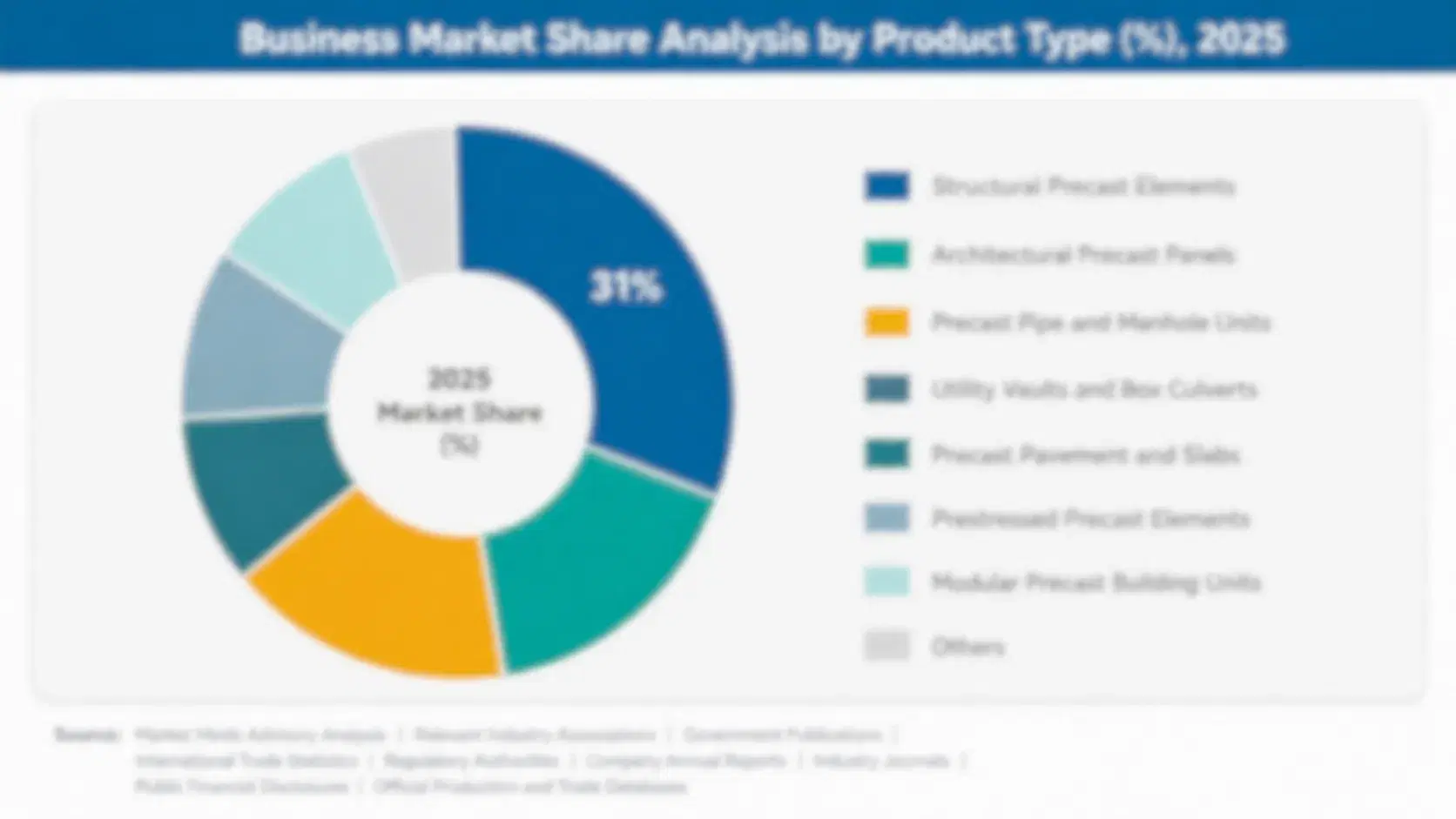
MMA segments the upcycled food waste protein snack market by feedstock source, the dimension that most directly determines supply chain structure, formulation approach, and sourcing partnership type across manufacturers of every size. Feedstock origin drives manufacturing process and ingredient cost far more than flavor variant or packaging format does across the wider category and trade.
upcycled-food-waste-protein-snacks-market-market-share-analysis-1790358175188

Spent Grain Protein Snacks

Spent grain from brewing is the fastest-growing feedstock category because breweries generate a consistent, high-protein byproduct stream at industrial scale that snack manufacturers can source reliably through formal partnership agreements rather than opportunistic collection efforts from scratch. This feedstock reliability lets manufacturers plan capacity expansion with a confidence that fruit pulp and vegetable trim sourcing cannot currently match, since brewing volume follows predictable seasonal beer demand patterns rather than the more erratic timing of produce processing waste generally seen elsewhere. Major craft and regional breweries have formalized diversion partnerships with snack manufacturers since 2023, and this format now anchors the category's largest single feedstock supply chain by contracted volume overall.
CAGR 17.5%

Fruit Pulp and Pomace-Based Snacks

Fruit pulp and pomace from juice and cider production is the second-fastest growing feedstock category, benefiting from a genuinely appealing flavor profile that requires less masking than savory spent grain formulations, since the base ingredient already carries natural sweetness and recognizable fruit character consumers recognize instantly. This format's growth is constrained relative to spent grain by more seasonal and geographically dispersed pomace supply, since juice production volume varies considerably by harvest season and region rather than following the more consistent year-round rhythm of brewing production. Manufacturers sourcing from multiple regional juice processors simultaneously are best positioned to smooth this seasonal supply variability across the calendar year and across multiple harvest cycles.
CAGR 16.2%
Full segment breakdown across 6 segments available in the complete report.

Regional Architecture and Country Demand Map

Western Europe leads on category revenue as EU circular economy regulation formalizes food waste diversion across member states, while South Asia and Pacific is growing fastest off a small base, and North America follows closely on venture-backed brand development and corporate partnership activity nationwide today.

North America

North America follows closely behind Western Europe on category development, driven primarily by venture-backed brand building rather than regulatory mandate, with ReGrained, Renewal Mill, and Barnana all founded and scaled from US bases before any comparable domestic regulatory requirement existed anywhere in the country. US corporate venture capital from major food companies is accelerating product development timelines faster than the category's earliest founder-led startups could achieve independently on their own. Whole Foods and a growing number of mainstream grocery chains have added dedicated upcycled snack sections, though certification recognition still trails Western Europe's more formalized regulatory framework. Canada largely follows US brand and distribution patterns rather than developing distinct domestic positioning of its own.
Share: 23% | CAGR: 15.0% (2026 to 2036)

Western Europe

EU circular economy regulation and Farm to Fork Strategy implementation give Western European manufacturers a genuine policy tailwind that voluntary US corporate sustainability commitments have not matched at comparable regulatory scale, formalizing brewery and juice processor diversion partnerships faster than anywhere else tracked by MMA. Germany and the Netherlands lead regional category development, reflecting both a large brewing industry base and concentrated food technology innovation clusters around Wageningen and similar research hubs. UK retailers have moved fastest among Western European markets to grant mainstream shelf placement to certified upcycled snack brands. France and the Nordics trail on category maturity despite strong general interest in sustainability-positioned food products across their retail markets.
Share: 26% | CAGR: 14.5% (2026 to 2036)
Regional intelligence for 5 additional markets available in the complete report: East Asia, South Asia and Pacific, Latin America, Middle East and Africa, Eastern Europe. Contact sales@marketmindsadvisory.com.
upcycled-food-waste-protein-snacks-market-country-cagr-analysis-1790358175365

Feedstock Security and Certification Playbook

Upcycled snack economics reward manufacturers who can lock reliable feedstock supply while building the certification and retail trust that distinguishes a genuine upcycled claim from marketing language alone. Four levers separate durable growth from feedstock-constrained stagnation: brewery and processor partnership depth, certification investment, corporate venture backing, and multi-feedstock formulation flexibility across changing supply conditions.

Securing Long Multi-Year Brewery Supply Agreements

Manufacturers locking multi-year spent grain supply agreements directly with regional breweries are building a feedstock reliability advantage that opportunistic, single-facility sourcing cannot match, letting them plan capacity expansion with genuine confidence rather than constant supply uncertainty each quarter of operation across the calendar year. ReGrained's brewery partnership network reportedly reduced feedstock sourcing risk enough to support a 2024 capacity expansion that smaller competitors without formalized agreements could not confidently plan around at the time. This lever requires meaningful relationship-building investment upfront but pays off through lasting supply stability across market cycles.
Market Impact: Secures supply reliability across 3 or more breweries

Building Early Upcycled Certification Recognition Now

Manufacturers pursuing Upcycled Food Association certification early are gaining retail shelf access that uncertified competitors increasingly cannot obtain, as major grocery chains formalize certification requirements for sustainability-positioned category placement across their broader store sets nationwide. Brands with certification in place since 2024 report retailer conversations moving meaningfully faster than for uncertified competitors offering comparable products, since certification substitutes for the individual supply chain verification retailers would otherwise need to conduct themselves internally. This lever requires upfront documentation investment but removes a growing barrier to mainstream distribution that only intensifies over time.
Market Impact: Cuts retail qualification timeline by roughly 6 months

Pursuing Strategic Corporate Venture Capital Backing

Startups securing corporate venture investment from major food companies gain access to formulation science, regulatory compliance expertise, and manufacturing scale that founder-led companies building independently typically take 3 or more years longer to develop entirely on their own without outside backing or resources. This investment also opens co-development conversations with the investing company's own retail relationships, a distribution advantage that pure financial investors cannot provide in the same way at all. The lever requires giving up some equity and strategic independence, a real tradeoff smaller founders must weigh carefully before committing fully.
Market Impact: Compresses product development timeline by 18 months total

Diversifying Production Across Several Feedstock Sources

Manufacturers formulating products that can flex between spent grain, fruit pulp, and vegetable trim inputs depending on relative seasonal availability are reducing the supply volatility risk that constrains single-feedstock-dependent competitors, particularly during periods when any one of the 3 major byproduct streams faces unrelated production disruption entirely without any advance warning. This flexibility requires more complex formulation science than a single-feedstock approach, since each byproduct carries different protein density and flavor characteristics requiring separate recipe development work across the manufacturer's broader product portfolio and supply chain planning process each growing season.
Market Impact: Cuts seasonal supply volatility by roughly 30 percent

Who Controls the Margin Pool

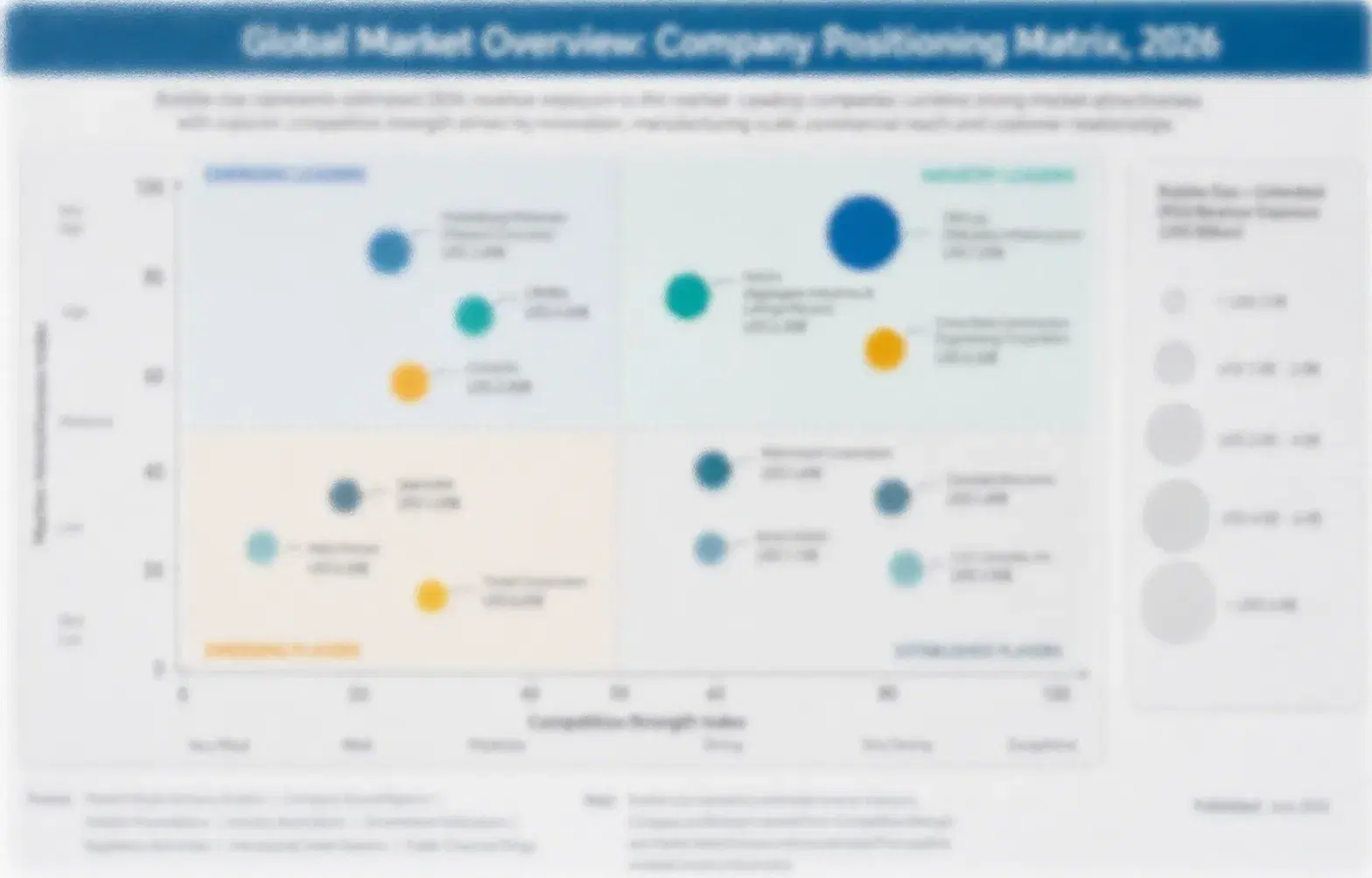
Five companies hold under a quarter of branded revenue, a genuinely fragmented picture reflecting how early-stage this category remains relative to adjacent plant protein snacking already consolidated through acquisition elsewhere in the trade. The gap between the leading challenger brands and the rest of the key player set remains narrow, since none has yet achieved the scale advantage that defines more mature snack categories.
Current competitive activity centers on three fronts: brewery and processor partnership expansion to secure reliable feedstock ahead of competitors, certification investment to gain mainstream retail shelf access, and corporate venture capital partnerships that accelerate product development timelines beyond what founder-led growth alone would achieve. Multi-feedstock formulation flexibility is becoming a meaningful differentiator as manufacturers work to smooth seasonal supply variability.

Pressure is building from major food companies exploring direct entry into upcycled formulation through internal innovation labs rather than acquiring existing challenger brands outright, a path that could bypass the founder-led startups that built the category's early credibility. Rankings could shift meaningfully if feedstock supply agreements become exclusive, locking smaller competitors out of the most reliable brewery and processor partnerships entirely.
upcycled-food-waste-protein-snacks-market-company-positioning-matrix-1790358175549

Competitive Moat and Risk Dimensions

REGRAINED INC.

Moat: Pioneer brewery partnership network

ReGrained built the category's first formalized brewery diversion partnerships years before certification standards or corporate venture interest existed, giving it supply relationships and process expertise that newer entrants must build from scratch rather than inherit through acquisition or licensing arrangements already established across the industry.
REGRAINED INC.

Risk: Narrow single-feedstock dependency risk

ReGrained's core expertise and supply relationships concentrate heavily in spent grain sourcing, meaning any disruption to brewery partnership economics or beer production volume trends would hit the company more directly than competitors with diversified multi-feedstock sourcing strategies already established across several regions and supplier types.
RENEWAL MILL INC.

Moat: Corporate food company partnerships

Renewal Mill's partnerships with established food companies for okara sourcing and product co-development give it manufacturing scale and distribution access that smaller, purely founder-led competitors typically spend years negotiating independently through their own retail relationships and channel conversations built entirely from scratch over many years.
RENEWAL MILL INC.

Risk: Partner dependency and margin risk

Renewal Mill's reliance on corporate partnerships for both feedstock and distribution creates a dependency risk if a major partner shifts strategy or brings okara sourcing in-house, a real possibility as food companies increasingly explore direct upcycled ingredient capability themselves at meaningful scale over time and budget cycles.

Players Tracked

Prominent Players

ReGrained Inc.
Renewal Mill Inc.
Matriark Foods Inc.
Pulp Pantry Inc.
Barnana Inc.

Other Key Players

Rise Products Inc.
EverGrain Ingredients LLC
Toast Ale Ltd.
WTRMLN WTR Inc.
CoffeeFlour LLC
Spare Food Co.
RIND Snacks Inc.
Beflour Inc.
Full Harvest Technologies Inc.
The Ugly Company LLC
Pulp Culture LLC
Farmless Inc.
Peelpioneer B.V.
Kern Tec GmbH
Do Good Foods Inc.

Recent Developments

APRIL 2025

ReGrained Expands Brewery Partnership Network

ReGrained announced an organic capacity expansion in April 2025, formalizing multi-year spent grain supply agreements with an additional group of regional breweries to support growing retail demand for its SuperGrain+ protein flour and snack product lines across mainstream grocery chains nationally and internationally this year.
Signal: Signals feedstock security is becoming a genuine competitive differentiator rather than an operational afterthought for manufacturers.
NOVEMBER 2024

Renewal Mill Signs Food Company Co-Development Deal

Renewal Mill signed a product co-development agreement with a major food company in November 2024, an equity stake and supply arrangement rather than an acquisition, combining Renewal Mill's okara formulation expertise with the partner's manufacturing scale and existing national retail distribution relationships already in place.
Signal: Indicates major food companies prefer partnership structures over acquisition when entering unproven upcycled food categories today.
FEBRUARY 2025

Upcycled Food Association Expands Retailer Recognition

The Upcycled Food Association announced expanded retailer certification recognition in February 2025, adding several major grocery chains that now require the certification mark for sustainability-positioned shelf placement, formalizing a gatekeeping standard the category previously lacked entirely across most mainstream retail channels nationwide and internationally today.
Signal: Shows certification standardization is accelerating mainstream retail access for manufacturers who invested early in verification systems.

Feedstock Sourcing Sets the Cost Baseline

Byproduct feedstock, whether spent grain, fruit pulp, or okara, represents roughly eighteen percent of cost of goods sold for a typical upcycled snack SKU, meaningfully lower than the protein ingredient cost share carried by conventional whey or pea isolate-based snacks. Processing and drying the feedstock into a usable ingredient form carries most of the remaining manufacturing cost rather than the raw feedstock acquisition itself.
Feedstock supply volume tightened unexpectedly during 2023 as several regional breweries reduced production following broader beer category volume declines, a disruption documented in industry brewing association production reports, forcing some manufacturers to temporarily source from a wider, less consistent set of smaller breweries than usual. That supply tightening pushed several manufacturers toward multi-feedstock formulations rather than remaining dependent on a single byproduct source for their entire production volume.

Larger manufacturers with formalized multi-year supply agreements maintained consistent feedstock access through the 2023 tightening without major disruption, protecting production volume, while smaller manufacturers relying on opportunistic single-facility sourcing faced meaningfully more production volatility precisely when retail demand was accelerating fastest across most major grocery channels and specialty retail partners nationwide throughout this entire period.
upcycled-food-waste-protein-snacks-market-cost-volatility-analysis-1790358175734

Formalizing Multi-Year Brewery Supply Contracts

Manufacturers are converting opportunistic feedstock collection into formal multi-year supply agreements with regional breweries and processors, locking volume commitments several seasons ahead rather than sourcing shipment by shipment against unpredictable byproduct availability, a meaningful planning advantage given the category's currently thin production capacity margins across most manufacturers still scaling operations nationwide and internationally today.

Diversifying Across Multiple Feedstock Types

Formulating products that can flex between spent grain, fruit pulp, and vegetable trim inputs depending on relative seasonal availability spreads supply risk across multiple, only partially correlated byproduct streams, reducing the impact of any single feedstock source's disruption on total production volume relative to a single-source-dependent operation lacking this built-in flexibility entirely across seasons.

Building Regional Multi-Supplier Sourcing Networks

Sourcing feedstock from multiple regional breweries or processors simultaneously rather than a single facility reduces exposure to any individual supplier's production volume changes, giving manufacturers meaningfully more consistent total feedstock access even when any single partner facility faces unrelated production disruption or a seasonal slowdown in total output volume across the calendar year and beyond.

Portfolio Architecture for Margin Defence

The category organizes into three commercial tiers. A volume and commodity-adjacent tier competes on price against conventional protein snacks, a premium and certified tier commands a real shelf premium tied to Upcycled Food Association certification, and a smaller sustainability and next-generation tier built around traceable single-origin feedstock sourcing commands the strongest per-unit margin despite representing the smallest current volume base across the category overall.
Corporate venture backing is concentrating premium tier investment among a small number of certified challenger brands, while the volume tier remains genuinely underdeveloped since most manufacturers at this early category stage are still building toward certified premium positioning rather than competing on price at meaningful scale across the wider category. Volume-tier growth will likely lag the premium tier considerably as the category matures over the coming years ahead.

High-value margin pools concentrate in the sustainability and next-generation tier, where traceable single-origin feedstock sourcing and formal brewery partnership documentation support the strongest pricing power available today across the category, and in corporate co-development channels where established food company partners provide distribution access without the same retail negotiation burden smaller independent brands typically face on their own.

Volume / Commodity-Adjacent Tier

Standard upcycled snacks using opportunistically sourced feedstock, competing primarily on price against conventional protein snacks, distributed mainly through natural grocery and direct-to-consumer channels with minimal formal certification documentation attached currently.
Gross Margin: 14-20%

Premium / Certified Tier

Upcycled Food Association certified formulations carrying formal traceability documentation, merchandised at a meaningful price premium over uncertified product within the same natural and specialty grocery aisle and broader category set.
Gross Margin: 30-38%

Sustainability / Regulatory / Next-Generation Tier

Traceable single-origin feedstock formulations with formal brewery or processor partnership documentation, aimed at the most engaged, highest-spending sustainability buyer segment, commanding the strongest per-unit margin in the category overall today.
Gross Margin: 40-48%
upcycled-food-waste-protein-snacks-market-portfolio-architecture-1790358175925

High-value Sub-segments and Strategic Watch-out

Certified Spent Grain Protein Format

This high-value, high-growth format is expanding fastest as certified spent grain supply agreements mature, and retailers are widening shelf space for it faster than for any other upcycled format, making it the clearest near-term margin opportunity for manufacturers with secured brewery partnerships already in place.
Gross Margin: 37-45%

Corporate Co-Development Product Lines

High-value but moderate-growth today, corporate co-development lines command distribution access through established partner relationships, though volume remains constrained relative to independent brands by the format's dependence on partner strategy and internal corporate prioritization decisions made each budget cycle and fiscal year overall across the organization.
Gross Margin: 32-40%

Uncertified Direct-to-Consumer Upcycled Snacks

The volume core of the category, uncertified direct-to-consumer product anchors total unit sales for smaller founder-led brands and remains the primary entry format for new manufacturers even as certified formats capture a growing share of category revenue growth elsewhere across the wider trade and retail landscape.
Gross Margin: 14-20%

Single-Facility Dependent Manufacturers

The strategic watch-out segment, manufacturers still dependent on a single feedstock facility face meaningfully higher supply disruption risk than diversified competitors, and their continued vulnerability could compress growth meaningfully if any single brewery or processor partnership relationship ends unexpectedly without any warning or notice at all.
Gross Margin: 18-24%

From Trial Curiosity to Sustained Purchase

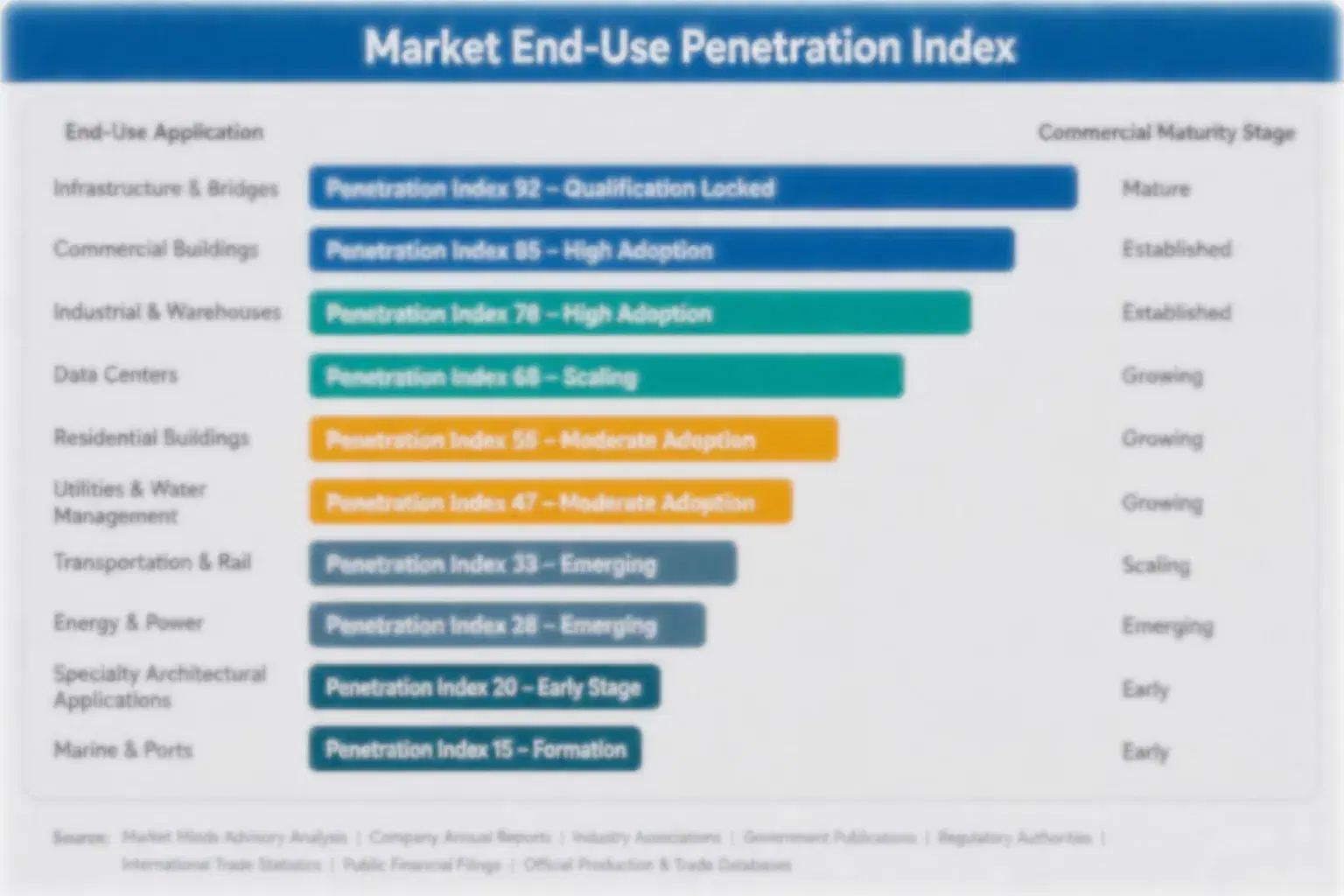
Upcycled snacks behave more like an annuity product once a buyer moves past initial curiosity trial into a sustained purchase pattern, since repeat purchase frequency among converted, sustainability-motivated buyers runs meaningfully higher than for typical new snack category trial, giving manufacturers a more predictable revenue base than the category's early-stage total household penetration might otherwise suggest at first glance across most retail channels tracked.
Adoption depth varies by end-use vertical: sustainability-motivated buyers show the deepest habit formation and highest repeat rates of any group tracked by MMA analysts, mainstream health-conscious buyers adopt upcycled snacks as one rotation option among several functional snacks rather than a dedicated habit, and corporate gifting and wellness program buyers represent a newer institutional channel with distinct purchasing patterns and volume commitments each quarter.

Younger buyers entering the category through sustainability-focused social media content and environmental awareness show meaningfully more willingness to try byproduct-derived food than an older generation more skeptical of the underlying waste-origin concept entirely, a generational shift reshaping how brands position flavor, packaging, and marketing channels away from waste framing toward genuine ingredient innovation and taste quality instead.
upcycled-food-waste-protein-snacks-market-end-use-penetration-index-1790358176109

Where MMA Sees the Real Opportunity

These are among the four positions where our research anticipates prominent divergence between winners and laggards over the coming forecast period. Each is grounded in the demand model, the regulatory perimeter, and the announced capacity pipeline.
01 / FEEDSTOCK SECURITY PRIORITY

Lock multi-year brewery agreements before rivals do

Feedstock reliability remains the single biggest constraint on category-wide scaling, and manufacturers securing multi-year brewery and processor supply agreements now will hold a durable production advantage as competing manufacturers compete for the same limited pool of formalized partnerships across the industry. Brewery partnership capacity is genuinely limited relative to rising manufacturer demand, meaning early movers can lock favorable terms before competition intensifies further across the category overall. Manufacturers that delay risk losing access to the most reliable feedstock partnerships entirely.
02 / CERTIFICATION INVESTMENT TIMING

Pursue certification early before retailers require it

Retailers are increasingly requiring Upcycled Food Association certification before granting shelf placement, and manufacturers investing in certification now will hold retail access that uncertified competitors will struggle to obtain as requirements formalize further across the trade and category more broadly. Certification also substitutes for individual supply chain verification retailers would otherwise need to conduct themselves, a meaningful efficiency advantage for buyers evaluating multiple potential suppliers at once. Manufacturers without certification risk exclusion from an increasingly large share of mainstream retail shelf space.
03 / CORPORATE PARTNERSHIP STRATEGY

Weigh corporate venture backing against independence tradeoffs

Corporate venture capital compresses product development timelines meaningfully, but manufacturers must weigh this acceleration against the strategic independence and equity dilution that accompanies major food company investment relationships over the long run. Founders who choose corporate backing gain formulation science and regulatory expertise they would otherwise take years to build internally on their own, a genuine tradeoff worth careful evaluation before committing. Manufacturers that delay this decision indefinitely risk falling behind better-capitalized competitors moving faster with corporate support already secured.
04 / FORMULATION DIVERSIFICATION STRATEGY

Build multi-feedstock formulation flexibility from the start

Manufacturers dependent on a single feedstock source face meaningfully higher supply disruption risk than diversified competitors, and building multi-feedstock formulation flexibility from the start reduces this vulnerability before it becomes a costly retrofit exercise later in the company's growth trajectory and expansion plans. This capability requires more complex formulation science investment upfront but pays off through more consistent year-round production volume across changing seasons and supply conditions. Manufacturers that wait risk a costly reformulation scramble during their first major feedstock disruption event.

Engagement Snapshot From the Field

A live engagement with an industry participant carrying material or product regulatory and market exposure ahead of a defining policy shift, showing how our research translates into a defensible multi-year portfolio strategy.
MARKET MINDS ADVISORY · CLIENT ENGAGEMENT SUMMARY
Upcycled Food Waste Protein Snacks Producer Strategic Portfolio Review and Transition Roadmap 2026·Investment Scenario on Upcycled Food Waste Protein Snacks Exposure Evaluation 2025-26
CLIENT PROFILE
The client is a regional US craft brewery group operating six locations, reporting roughly 38 million dollars in annual revenue (client-reported, unverified by MMA) primarily from beer sales with spent grain disposal representing a recurring operational cost. The company approached MMA to assess whether formalizing spent grain diversion into a snack ingredient supply relationship represented a genuine revenue opportunity worth pursuing.
STRATEGIC CHALLENGE
Leadership needed to determine whether to build in-house snack manufacturing capability or pursue a supply partnership with an existing upcycled snack brand, and how to value spent grain volume that had previously been treated purely as a waste disposal cost rather than a sellable ingredient asset with real market value.
MMA APPROACH
MMA combined primary survey data with snack manufacturer buyer interviews to size realistic feedstock demand and pricing, modeled the economics of in-house manufacturing versus supply partnership scenarios, and benchmarked comparable brewery diversion agreements to produce a negotiation framework the client could use directly with potential snack manufacturer partners going forward.
KEY FINDINGS
  1. Supply partnership economics significantly outperformed in-house manufacturing given the client's limited existing snack production expertise and capital constraints at this early stage.
  2. Multi-year supply agreements commanded meaningfully better pricing than spot-market sales, rewarding the client's willingness to commit volume predictably across multiple production seasons.
  3. Spent grain quality consistency across the client's six locations proved a genuine differentiator versus smaller single-facility competitors in early manufacturer conversations and negotiations.
  4. Formalizing the diversion relationship reduced the client's waste disposal costs meaningfully while creating an entirely new, previously unrecognized revenue stream for the business.
CLIENT PROFILE
The client is a regional US craft brewery group operating six locations, reporting roughly 38 million dollars in annual revenue (client-reported, unverified by MMA) primarily from beer sales with spent grain disposal representing a recurring operational cost. The company approached MMA to assess whether formalizing spent grain diversion into a snack ingredient supply relationship represented a genuine revenue opportunity worth pursuing.
STRATEGIC CHALLENGE
Leadership needed to determine whether to build in-house snack manufacturing capability or pursue a supply partnership with an existing upcycled snack brand, and how to value spent grain volume that had previously been treated purely as a waste disposal cost rather than a sellable ingredient asset with real market value.
MMA APPROACH
MMA combined primary survey data with snack manufacturer buyer interviews to size realistic feedstock demand and pricing, modeled the economics of in-house manufacturing versus supply partnership scenarios, and benchmarked comparable brewery diversion agreements to produce a negotiation framework the client could use directly with potential snack manufacturer partners going forward.
KEY FINDINGS
  1. Supply partnership economics significantly outperformed in-house manufacturing given the client's limited existing snack production expertise and capital constraints at this early stage.
  2. Multi-year supply agreements commanded meaningfully better pricing than spot-market sales, rewarding the client's willingness to commit volume predictably across multiple production seasons.
  3. Spent grain quality consistency across the client's six locations proved a genuine differentiator versus smaller single-facility competitors in early manufacturer conversations and negotiations.
  4. Formalizing the diversion relationship reduced the client's waste disposal costs meaningfully while creating an entirely new, previously unrecognized revenue stream for the business.
RECOMMENDED STRATEGY
Phase 1: Phase 1 (Months 1 to 3): Benchmark comparable brewery diversion agreements and develop a realistic feedstock pricing framework for negotiations. Phase 2: Phase 2 (Months 4 to 7): Negotiate and sign a multi-year supply agreement with a scaled upcycled snack manufacturer partner identified during the engagement. Phase 3: Phase 3 (Months 8 to 12): Formalize quality consistency processes across all six locations to support the new supply relationship reliably.
OUTCOME
Within one year of the engagement, the client's formalized supply agreement reportedly generated a new revenue stream worth roughly 4 percent of total company revenue (client-reported, unverified by MMA), while also reducing waste disposal costs meaningfully across all six brewery locations involved in the program.

Frequently Asked Questions

Foundational context covering the market sizes, CAGR, scope, country, region and competition that inform every finding below. This section is provided to cover basics and most often pre-purchase conversations, answered from the MMA Primary Research Dataset.

What is the current size of the Upcycled Food Waste Protein Snacks Market?

The global upcycled food waste protein snacks market reached approximately 0.6 billion dollars in 2025. Growth has been driven by brewery supply partnerships and EU circular economy regulation formalizing byproduct diversion.

How large will the Upcycled Food Waste Protein Snacks Market be by 2036?

MMA projects the market will reach roughly 3.0 billion dollars by 2036. Growth is supported by certification standardization and corporate venture capital accelerating product development.

What is the CAGR for the Upcycled Food Waste Protein Snacks Market 2026 to 2036?

The market is projected to grow at a 15.8 percent compound annual rate between 2026 and 2036. This reflects the category's genuinely early-stage position relative to more mature snack categories.

Which segment is growing fastest?

Spent grain protein snacks are growing fastest, at roughly a 17.5 percent CAGR. Brewery partnerships give this feedstock a more reliable, industrial-scale supply base than other byproduct sources.

Who are the major companies in the Upcycled Food Waste Protein Snacks Market?

ReGrained, Renewal Mill, Matriark Foods, Pulp Pantry, and Barnana lead the branded segment. Corporate venture partnerships with major food companies are accelerating several challengers' growth.

Which country is growing fastest?

The Netherlands is the fastest-growing country market, driven by concentrated food technology innovation clusters and strong EU circular economy policy implementation. Wageningen's research base plays a meaningful role in the country's category leadership.

Report Segmentation Architecture

The full report scope spans multiple orthogonal segmentation dimensions, with cross-tabulated demand data provided for each dimension pair. Coverage extends further to regional breakdowns, trend trajectories, and the competitive detail needed to support segment-level decision-making.

By Feedstock Source

  • Spent Grain
  • Fruit Pulp and Pomace
  • Okara (Soy Pulp)
  • Vegetable Trim and Off-Cuts
  • Whey Permeate and Dairy Byproduct
  • Cocoa Husk and Bean Byproduct

By End-Use Industry

  • Retail Grocery
  • Natural and Specialty Grocery
  • Direct-to-Consumer
  • Foodservice and Institutional
  • E-Commerce

By Commercial Dimension

  • Branded Independent
  • Corporate Co-Development
  • Private Label
  • Ingredient Supply

By Region

  • North America
  • Western Europe
  • East Asia
  • South Asia and Pacific
  • Latin America
  • Middle East and Africa
  • Eastern Europe

Scope, Methodology, and Coverage

Every figure in this report is reproducible from documented input assumptions. The scope below maps the historical period, the forecast horizon, the segmentation dimensions, and the countries covered, alongside the underlying primary and qualitative methodology.
Historical Period
2020 to 2025
Forecast Period
2026 to 2036
Base Year
2025 (USD billions; MMA Primary Research Dataset, September 2026)
Market Definition
The upcycled food waste protein snack market covers ready-to-eat snacks made from byproduct streams of brewing, juice, soy, and other food processing, including flour, chip, bar, and cluster formats. It excludes conventional plant protein snacks made from purpose-grown ingredients and products where upcycled content is not the primary protein source.
Quantitative Units
USD billions (current prices); metric tons of diverted feedstock where disclosed
Segmentation Dimensions
By Feedstock Source; By End-Use Industry; By Commercial Dimension; By Region
Regions Covered
North America, Western Europe, East Asia, South Asia and Pacific, Latin America, Middle East and Africa, Eastern Europe
Countries Covered
USA, China, Germany, France, UK, Japan, South Korea, India, Australia, Canada, Brazil, Mexico, Netherlands, Indonesia, Vietnam, Thailand, UAE, Saudi Arabia, South Africa, Nigeria, Turkey, Poland, Italy, Spain, Sweden, Switzerland, Argentina, Colombia, Singapore, Belgium, and additional markets relevant to this sector
Key Companies Profiled
ReGrained Inc., Renewal Mill Inc., Matriark Foods Inc., Pulp Pantry Inc., Barnana Inc., Rise Products Inc., EverGrain Ingredients LLC, Toast Ale Ltd., WTRMLN WTR Inc., CoffeeFlour LLC, Spare Food Co., RIND Snacks Inc., Beflour Inc., Full Harvest Technologies Inc., The Ugly Company LLC, Pulp Culture LLC, Farmless Inc., Peelpioneer B.V., Kern Tec GmbH, Do Good Foods Inc.
Quantitative Methodology
Primary survey, n=3,800 respondents, Q4 2025, six countries; demand-side model with trade association cross-validation
Qualitative Methodology
47 expert interviews, Q4 2025; applied to validate demand model assumptions, identify emerging dynamics, and assess competitive positioning
Report Format
PDF and XLSX data workbook (Word format preview document)
Publisher
Market Minds Advisory
Report Code
MMA-2026-AGR-204
Published
September 2026
Contact
sales@marketmindsadvisory.com | www.marketmindsadvisory.com

Purchase the full Upcycled Food Waste Protein Snacks Market Report (2026 to 2036).

The full report delivers a complete quantitative and qualitative assessment of the global upcycled food waste protein snack market, including ten-year forecasts by feedstock source, region, and commercial channel through 2036. It profiles twenty companies across the branded and corporate-partnership competitive set, with detailed moat and risk analysis for the two category pioneers. The report includes primary survey data from 3,800 respondents across six countries and 47 expert interviews conducted in the fourth quarter of 2025, alongside feedstock cost modeling and channel-specific revenue lever analysis. Buyers receive segmentation data, regional demand architecture, and a strategic verdict section designed to support entry and portfolio decisions.
Ten-year market forecasts by feedstock source and region
Competitive profiles of twenty branded and corporate-partnership companies
Primary survey data from 3,800 respondents across six countries
Feedstock input cost modeling and mitigation strategy analysis
Revenue lever analysis across four commercial growth strategies
Regional demand architecture covering all seven global regions

Built For The People Who Decide

From boardroom strategy to bench-side execution, this report is read cover-to-cover by leaders shaping the next decade of their industry, turning demand scenarios, market dynamics and valuation benchmarks into decisions.
CXOs/ Presidents/ VPs/ Managers
M&A and Corporate Development
Strategy Teams and R&D Heads
Procurement and Product Directors
Regulatory and Compliance Leaders
Investor Relations and Equity Analysts