Market Minds Advisory
Demand for Whiskey in USA

Demand for Whiskey in USA: Demand for Whiskey in USA. Barrel Inventory, Premium Releases, and Tariff Exposure Reshape American Whiskey Demand.

American whiskey demand rests on aged barrels and brand trust, but inventory gluts, falling adult drinking, export tariffs, and premium price ceilings decide which distillers and distributors turn a crowded shelf into profit.

Lead Analyst

Published

September 2026

Make Smarter Decisions with Customized Research Insights

Request a free sample report and evaluate market opportunities, growth trends, and competitive dynamics relevant to your business needs.

2025 MARKET VALUE$32.0BMarket Size 2025
2036 FORECAST VALUE$48.2BBase Case , 2026 to 2036
CAGR 2026 TO 20363.8 %Bull 5.1% / Bear 2.5%
INCREMENTAL OPPORTUNITY$15.0BNet 10- year value creation
EXPANSION MULTIPLE1.45x2036 value over 2026 base
Strategic Levers
M&A Pipeline
Regional Outlook
Country Rankings
Competitive Intelligence
Segmental Deep-dive
Call-Us : 91 93563 13602

Executive Snapshot and Market Trajectory.

American whiskey has a supply problem that looks like a demand problem. Distillers filled barrels for a boom that slowed, and now millions of casks sit aging while adults drink less, so the winners are the brands whose story still justifies the price of a bottle.
Rye and American single malt whiskey grow fastest, because bartenders and collectors favour spicier, more distinctive styles, while imported Irish, Scotch, and Japanese whiskies follow as sipping culture widens. North America holds the largest share, since this market is sized on United States demand, with Western Europe and East Asia following through exports of American whiskey. Japan leads export growth. Bars set trial. Retail sets volume.
The industry is concentrated, with a handful of global spirits groups and Kentucky and Tennessee distillers competing for shelf space through three-tier distributors. Tariffs on exports, provincial delistings in Canada, barrel inventory overhang, and lower adult drinking shape prices and launches, while craft distillers fight for premium niches. Large groups own warehouses. Craft brands sell scarcity. Distributors decide placement. Reliable delivery beats headline price. Small distillers feel it first. Stock sets the pace for brands.
Market Definition
Demand for whiskey in the USA comprises whiskey consumed in the United States, both American-made and imported, plus American whiskey exported, including bourbon, Tennessee whiskey, rye and American single malt whiskey, flavoured American whiskey, imported Irish, Scotch, and Japanese whisky, and Canadian whisky, sold through liquor stores, on-premise venues, supermarkets where permitted, travel retail, and online channels at retail value. The scope excludes whiskey-based ready-to-drink cocktails, moonshine sold as unaged spirit, and grain neutral spirits.
Base Year Value
$32.0B in 2025 (MMA Primary Research Dataset, September 2026)
Forecast Period
2026 to 2036, eleven discrete annual values
CAGR
3.8% base case. Bull 5.1%. Bear 2.5%.
Fastest Growth Segment
Rye and American Single Malt Whiskey: 7.0% CAGR
Fastest Growth Country
Japan: 5.6% CAGR
Fastest Growth Region
South Asia and Pacific: 5.8% CAGR
Largest Region
North America: 87% of 2025 global value
Market Leaders
Brown-Forman, Beam Suntory, Diageo, Sazerac Company, Heaven Hill Brands. Source: MMA Analysis, company annual reports.
Primary Survey
n=3,800 procurement and R&D decision-makers, Q4 2025, six countries
Methodology
Demand-side build-up, cross-validated against public data, 47 expert interviews

Demand for Whiskey in USA Market Forecast Scenarios

united-states-whiskey-market-size-forecast-scenario-1789797415302
From 2020 to 2025, American whiskey demand moved from pandemic-fuelled premium growth toward a slower, more competitive market. At-home drinking and premium releases lifted sales in 2020 to 2022, distillers expanded capacity aggressively, and cost and interest rates rose, while adult drinking slowed. Growth ran slightly below today's pace, and price increases rather than volume supplied most of the reported value gain.
The base case rests on three commercial mechanisms. First, premium, single-barrel, and limited-release whiskey keeps rising in price as collectors and bartenders trade up. Second, rye, American single malt, and imported sipping whiskies widen the category. Third, exports recover as tariffs ease and travel retail grows. Each mechanism compounds slowly, and none needs a breakout year. Producers plan capacity around all three drivers. Buyers review sets and contracts twice a year.
The bull case needs tariff relief and a reopening of Canadian shelves, which would restore export volume and clear some inventory. The bear case is a further fall in adult drinking combined with trade barriers and heavy discounting, which would cut margins and force distilleries to slow production and write down aging stock. Buyers react quickly.

Barrel Inventory and Brand Trust Decide American Whiskey Winners

American whiskey is made from grain mash, fermented, distilled, and aged in charred oak, and legal definitions matter. Bourbon must use at least 51% corn and new charred oak barrels, Tennessee whiskey adds charcoal filtering, and rye uses at least 51% rye grain. Aging takes years, so production decisions made today shape supply for a decade, which is why inventory cycles swing so hard between shortage and glut.
MARKET CONCENTRATION52% CR5Leading five distillers hold a dominant combined share
BARRELS AGING16 millionApproximate barrels of bourbon and rye maturing in Kentucky warehouses
PREMIUM MIX SHARE38%Portion of value sold as premium and super-premium whiskey
ON-PREMISE SHARE27%Portion of value sold through bars, restaurants, and venues
EXPORT SHARE5%Portion of value shipped as American whiskey exports
CRAFT DISTILLERY COUNT2,000Approximate number of craft distilleries competing across the country
Brand trust and scarcity decide value. Premium buyers ask about age, proof, mash bill, and whether whiskey was distilled by the brand or sourced, and disputes over sourcing have hurt some labels. Distillers with owned warehouses, long-aged stock, and strong bartender support hold pricing power, while heavy discounting appears where inventory piles up. Three-tier distribution means distributors decide which brands earn shelf space and displays.
Buyers judge whiskey on taste, age, brand credibility, price per serve, and gifting value. Bars want cocktail versatility and reliable supply, while retailers want clear tiering from value to limited releases. Craft brands win attention but face limits on distribution, and private label is small, so brands defend prices through limited editions and barrel programmes rather than open discounting.
"American whiskey is the only spirit where the shelf is full of promises made to the barrel eight years ago. The brands that win now will be the ones that can justify their price to a drinker who has fewer nights out and more choice, because the warehouse does not care about demand."
Practice Lead, Aged Spirits Practice · MMA Aged Spirits and Whiskey Practice · September 2026

Market Trends

Rye, American Single Malt, and Limited Releases Lift Premium Prices

Bartenders and collectors now favour rye and American single malt for cocktails and sipping, and limited releases of single barrel, cask strength, and finished whiskeys sell out at $80 to $400 a bottle. Distillers such as Buffalo Trace, Heaven Hill, and craft brands use store picks, private barrels, and allocated releases to build scarcity. The American Single Malt Whiskey definition adopted in 2024 gives the style clearer identity, and premium buyers value transparency on sourcing and age. Allocation systems favour loyal accounts, while resale markets track price swings closely. Resale prices track demand.
Market Impact: 2,000+ craft distilleries sell whiskey
Whiskey Cocktails and Highballs Widen Occasions Beyond Neat Sipping

Whiskey and cola, ginger highballs, old fashioned variations, and canned whiskey cocktails widen occasions beyond sipping neat. Bars use bourbon and rye in seasonal menus, and retailers stock mixers and multipacks of ready-to-drink whiskey beside bottles. Younger drinkers who reduce alcohol intake choose lower-strength highballs, and brands respond with lighter serves and smaller pours. Producers that supply cocktail programmes, bartender education, and clear serve recipes win menu space, and canned formats extend whiskey into outdoor and travel occasions. Bars promote seasonal serves that reward loyal regulars, and event organisers list whiskey highballs beside beer at festivals and stadiums.
Market Impact: exports take about 5% of value

Market Opportunities and Growth Drivers

Bourbon Tourism and Craft Distilling Sustain Interest and Premium Trial

Kentucky's Bourbon Trail and Tennessee distilleries attract millions of visitors a year, and tours end with bottle purchases at high margins. More than 2,000 craft distilleries operate across the United States, selling local whiskey through tasting rooms and regional retail. Visitors return home as loyal buyers of specific brands, and events, festivals, and clubs add trial. Distillers that build visitor centres, offer exclusive bottlings, and support fan clubs win loyalty, and states that allow direct sales help brands earn margin without distributor mark-ups. Direct shipping rules vary widely by state today.
Market Impact: 16 million barrels aging in Kentucky

Export Growth in Europe, Japan, and Emerging Markets Adds Volume

American whiskey exports reach Canada, the United Kingdom, Germany, France, Japan, and Australia, and brands invest in premium travel retail and bar programmes overseas. Exports account for about 5% of value, and growth comes from bourbon and Tennessee whiskey in cocktail culture and from craft brands seeking new markets. Tariff relief in the European Union and steady demand in Japan support volume. Distillers that secure distributors, adapt labels, and support bartenders abroad win share, and duty-free adds premium sales. Importers report growing interest from bartenders who want American rye and bourbon for menus in Tokyo and Sydney.
Market Impact: 54% of US adults drink alcohol

Market Restraints and Challenges

Barrel Inventory Overhang and Discounting Pressure Margins and Production Plans

Kentucky warehouses hold about 16 million barrels of aging bourbon and rye, the highest in decades, after years of expansion. Adult drinking has slowed, so producers face slower sell-through and pressure to discount. The root cause is long aging cycles and aggressive capacity plans made during the boom. Mitigations include lower fill rates, barrel sales to third parties, bulk whiskey sales, and export push, though writedowns and distillery closures are rising, and small craft producers with high debt face the toughest exits. Bank lenders also watch inventory levels when reviewing distillery loans.
Market Impact: limited releases cost $80-400

Tariffs, Canadian Delistings, and Falling Adult Drinking Limit Volume

Canadian provinces removed American spirits from shelves in 2025 after new United States tariffs, and European Union tariffs on American whiskey created uncertainty. Gallup found that the share of American adults who drink alcohol fell to about 54% in 2025, the lowest in its records. The root cause is trade policy and changing habits. Distillers respond with alternate export markets, moderation-friendly formats, and premium mix, though each requires investment and cannot immediately replace lost Canadian and European volume. Provincial liquor boards may restore listings only after trade talks conclude, so timing remains uncertain for distillers.
Market Impact: canned whiskey adds 2 new occasions
3 additional market trends, 2 additional growth drivers, and 3 additional restraints and challenges are covered in the full report. Contact sales@marketmindsadvisory.com to access the complete intelligence.

Segment CAGR and Growth Architecture

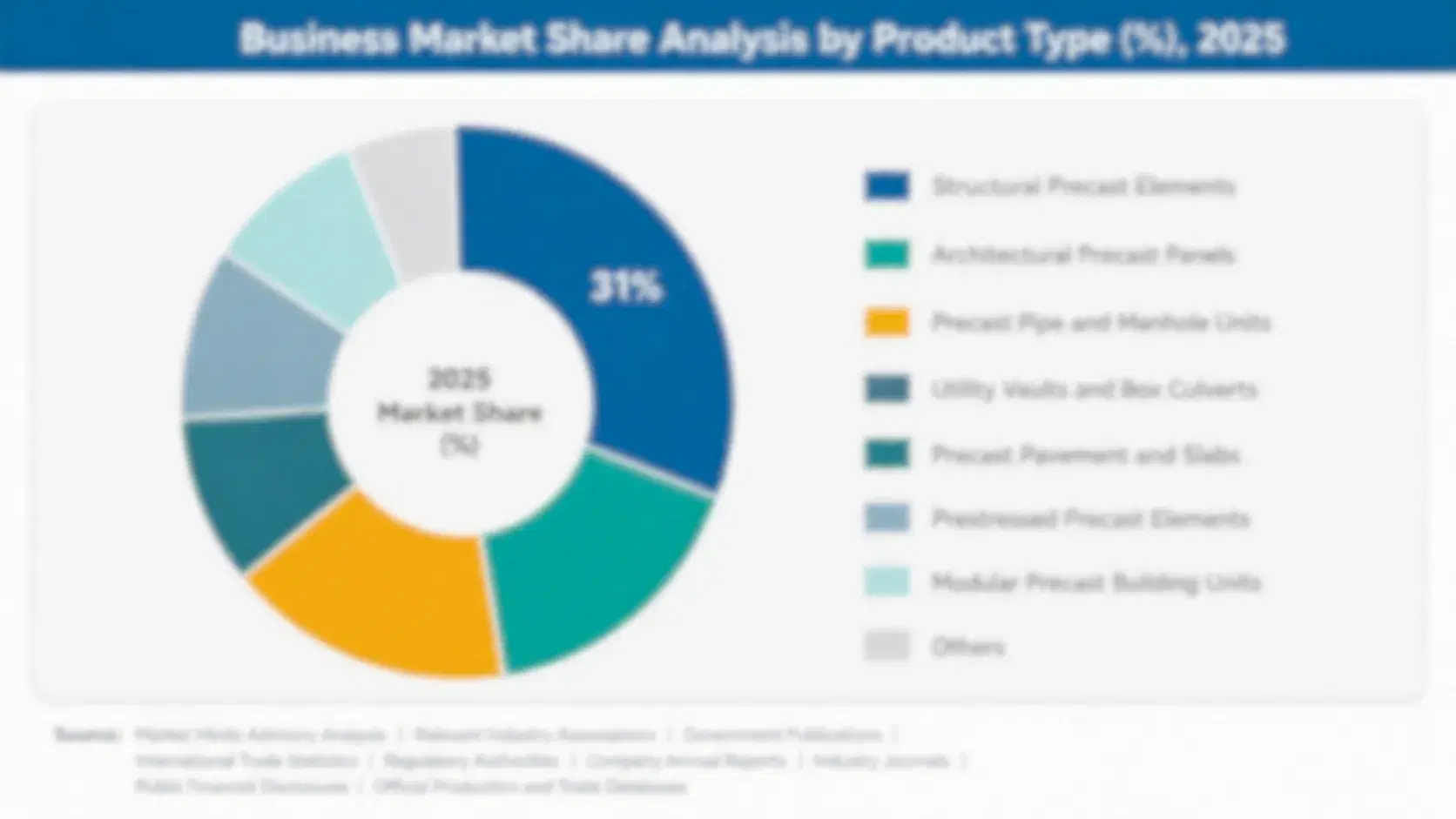
Whiskey demand in the United States is segmented by style and origin, which shows where provenance, pricing, and growth sit. Six segments cover bourbon, Tennessee whiskey, rye and American single malt whiskey, flavoured American whiskey, imported Irish, Scotch, and Japanese whisky, and Canadian whisky. Two segments grow fastest, and each depends on a driver, either bartender interest or sipping.
united-states-whiskey-market-market-share-analysis-1789797415475

Rye and American Single Malt Whiskey

Rye and American single malt whiskey is the fastest-growing segment, at 7.0% a year, about 1.84 times the overall market rate. Bartenders favour rye for spicy cocktails, collectors seek distinctive American single malt, and the 2024 definition of American single malt gives the style clearer identity. Prices run 20% to 80% above standard bourbon. Supply is the main constraint, since aged rye stock is limited, so brands use allocation and sourced whiskey carefully. Distillers with owned stock and transparent labels win bartender and collector trust, and craft brands use store picks and private barrels to build loyalty. Independent bottlers and craft distilleries release small batches, and specialist retailers hold tastings that help collectors compare styles.
CAGR 7.0%

Irish, Scotch, and Japanese Imported Whisky

Imported Irish, Scotch, and Japanese whisky grows at 5.8% a year, because sipping culture, travel retail, and cocktail versatility widen demand beyond bourbon. Irish whiskey benefits from smooth flavour and marketing scale, single malt Scotch from age statements, and Japanese whisky from scarcity and premium gifting. Prices run above American equivalents at similar age, and tariffs on imports can raise shelf prices. Supply is limited for older ages, so brands allocate carefully. Importers and distributors with strong bar programmes win space, and specialist retailers and collectors drive premium releases. Travel retail, whisky festivals, and gifting seasons lift sales in December and at airports, and specialist bars in New York and Chicago list dozens of imported bottles.
CAGR 5.8%
Full segment breakdown across 6 segments available in the complete report.

Regional Architecture and Country Demand Map

Demand for whiskey in the USA sits almost entirely in the United States, where liquor stores, bars, and venues sell it. American whiskey exports reach Western Europe, East Asia, South Asia and Pacific, Latin America, the Middle East and Africa, and Eastern Europe through travel retail, bars, and specialist importers.

North America

North America holds 87% share, well above its usual band, because this market is sized on United States demand, with Canada and Mexico adding export destinations, so the anchor region carries almost all value. Brown-Forman, Beam Suntory, Diageo, Sazerac, and Heaven Hill lead, and distributors such as Southern Glazer's, RNDC, and Breakthru control placement across states. Kentucky, Tennessee, and Texas host major distillery clusters. Growth tracks the global rate as premium mix offsets falling volume, though barrel inventory, tariffs, Canadian delistings, and lower adult drinking restrain margins. Liquor chains in Texas, Florida, and California carry large whiskey sets, Kentucky and Tennessee distillery tours drive tasting room sales, and bourbon bars in Louisville and Nashville lead premium trial.
Share: 87% | CAGR: 3.6% (2026 to 2036)

Western Europe

Western Europe holds 5% share, below its usual band, because this market is sized on United States demand, and Western European value here covers only American whiskey exported to the United Kingdom, Germany, France, and Italy through bars, specialist retailers, and travel retail. Bourbon and Tennessee whiskey compete with Scotch and Irish whiskey in mature cocktail markets. Growth stays below the global rate because tariffs create uncertainty, freight and duty raise shelf prices, and local single malt is favoured. Importers focus on premium and limited editions. British and German bars list bourbon and rye in cocktail menus, Italian and French specialist retailers stock limited releases, and travel retail shops at Heathrow and Frankfurt sell premium American gift packs.
Share: 5% | CAGR: 2.7% (2026 to 2036)
Regional intelligence for 5 additional markets available in the complete report: East Asia, South Asia and Pacific, Latin America, Middle East and Africa, Eastern Europe. Contact sales@marketmindsadvisory.com.
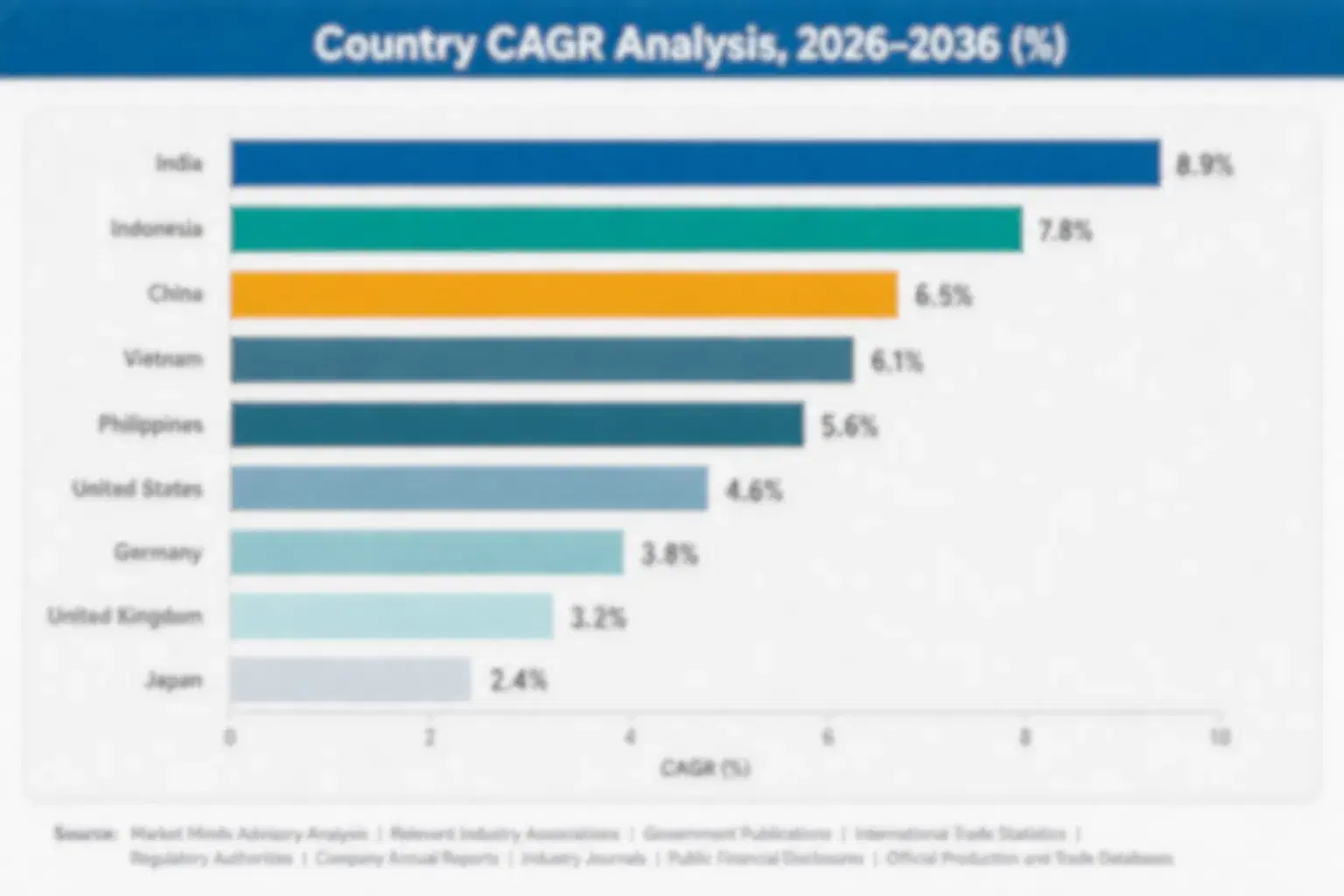
united-states-whiskey-market-country-cagr-analysis-1789797415654

Four Margin Routes for American Whiskey Distillers

Margin in American whiskey comes from premium and limited releases, rye and single malt ranges, export diversification, and barrel and glass cost control rather than volume alone. The routes below apply to spirits groups, Kentucky distillers, and craft brands, and each can be started inside one planning cycle, with measures in gross margin points, price per bottle, and warehouse utilisation.

Releasing Single-Barrel and Allocated Bottlings With Transparent Sourcing

Single-barrel, cask strength, and finished releases sell at $80 to $400 a bottle, and drinkers pay when age, proof, mash bill, and sourcing are clearly published. Distillers that use store picks, private barrels, and allocation to loyal accounts report margin gains of 6 to 10 points on those lines. Allocation supports secondary market confidence, while distributors and retailers reward transparent labels with better placement, and collectors and bartenders spread word of mouth that supports premium pricing across the range. Bars also value transparent labels because guests ask about age and sourcing before ordering premium pours.
Market Impact: limited releases lift blended margin 6 to 10 points

Building Rye and Single Malt Ranges for Bartenders and Collectors

Rye and American single malt sell at 20% to 80% above standard bourbon, and bartenders favour rye for spicy cocktails while collectors seek distinctive single malt. Distillers that set aside owned stock, publish clear definitions, and support bar programmes report margin gains of 4 to 7 points on those lines. Aged rye stock is limited, so brands must plan five to eight years ahead, but early movers hold pricing power as demand for the styles grows steadily each year. Retailers also welcome distinctive styles because collectors return often and buy several bottles per visit.
Market Impact: rye and malt lines lift margin by 4-7 points

Diversifying Exports Across Japan, Australia, and Emerging Markets

Exports carry about 5% of value, and tariffs and Canadian delistings show the risk of concentration. Distillers that add distributors in Japan, Australia, Singapore, and Germany, invest in travel retail, and adapt labels and pack sizes report export sales growth of 8% to 12% a year in new markets. Diversification reduces dependence on any single tariff regime, and duty-free channels add premium sales that help clear aging stock at healthy prices. Distributors in each market need training and samples, so brands should budget for tastings, staff visits, and label changes before shipping large volumes.
Market Impact: export diversification lifts foreign sales by 8-12% yearly

Managing Barrel, Glass, and Grain Costs Through Forward Contracts

Barrels, glass, and grain take a large share of cost of goods, and prices can move 20% to 40% within a year, so forward contracts protect margin more than shelf price increases do. Distillers that buy grain forward, sign cooperage agreements for 12 to 24 months, and use lighter glass on entry lines reduce cost swings by roughly half. Distributors accept price changes slowly, so cost control matters, and it stabilises gross margin at 34% to 42% across ranges. Distributors also welcome stable pricing because it simplifies planograms and reduces mid-season disputes with retail chains.
Market Impact: forward contracts halve cost swings and hold 34-42% margin

Who Controls the Margin Pool

The American whiskey industry is concentrated, with a CR5 of 52%, and many craft distillers and independent bottlers sit outside the leading five. This assessment measures participants on estimated whiskey retail sales value in the United States plus exports, held constant across all players. Brown-Forman leads through Jack Daniel's and Woodford Reserve, while Beam Suntory, Diageo, Sazerac Company, and Heaven Hill Brands follow with a clear gap between the leader and the challengers.
Competition runs on four dimensions today: brand strength and heritage, premium and limited release pipeline, distributor relationships, and export reach. Global groups win on marketing scale and distribution, while Kentucky family distillers win on provenance and allocation. Private labels are small, so premiums hold, but heavy discounting appears where inventory is high, and price competition intensifies at distributor tastings and holiday promotions.

Emerging pressure comes from craft distillers, independent bottlers, imported sipping whiskies, and whiskey ready-to-drink cocktails. Rankings shift where a distiller secures aged stock, wins export access, or builds a premium release franchise. Regional and craft distillers can move up quickly, since local loyalty and tasting rooms matter more than advertising scale for premium buyers who value authenticity.
united-states-whiskey-market-company-positioning-matrix-1789797415834

Competitive Moat and Risk Dimensions

BROWN-FORMAN

Moat: Brand Strength and Warehouse Stock

Brown-Forman owns Jack Daniel's, Woodford Reserve, and Old Forester, and it distributes through liquor stores, bars, and travel retail in more than 170 countries. Its brand strength, owned barrelhouses, and marketing budgets support premium and limited releases, and its long experience with export markets gives it a broad geographic base that smaller distillers cannot match.
BROWN-FORMAN

Risk: Tariff Exposure and Slower Growth

Brown-Forman depends heavily on exports and on the United States, so tariffs, Canadian delistings, and falling adult drinking weigh on volume. Its flagship brand faces slower growth, and premium competitors and craft brands attract collectors while glass and cooperage cost inflation affects margins across premium and value ranges.
BEAM SUNTORY

Moat: Bourbon Heritage and Global Distribution

Beam Suntory owns Jim Beam, Maker's Mark, and Knob Creek, and it combines Kentucky distilling scale with Suntory's global distribution and Japanese whisky expertise. Its warehouses, brand heritage, and bourbon tourism assets support premium releases and export growth, and its access to Asian markets lets it lead sipping whiskey trends in Japan and beyond.
BEAM SUNTORY

Risk: Volume Brand Exposure and Discounting

Beam Suntory relies on large volume brands that face discounting pressure when inventory is high, and premium mix must offset falling volume. Tariffs on exports and pressure on the Canadian channel limit growth, and craft and family distillers win allocation-driven loyalty with collectors and bartenders.

Players Tracked

Prominent Players

Brown-Forman
Beam Suntory
Diageo
Sazerac Company
Heaven Hill Brands

Other Key Players

Pernod Ricard
Campari Group
Kirin Holdings
Bacardi
MGP Ingredients
Constellation Brands
Edrington
William Grant and Sons
WhistlePig
Uncle Nearest
Wilderness Trail Distillery
Luxco
Southern Glazer's Wine and Spirits
Republic National Distributing Company
Breakthru Beverage Group

Recent Developments

JANUARY 2026

Brown-Forman Expands Limited Release Programme for Woodford Reserve and Old Forester

Brown-Forman announced an expanded limited release programme for Woodford Reserve and Old Forester, with single-barrel and cask-strength bottlings sold through allocation to bars and specialist retailers. It is a product programme extension, and it tests whether allocation can defend premium prices in a period of high inventory.
Signal: Confirms leading distillers use allocated limited releases to protect premium prices while general inventory remains high.
FEBRUARY 2026

Heaven Hill Adds Rye and American Single Malt Releases for Bar Programmes

Heaven Hill added rye and American single malt releases aimed at bar programmes and collectors, using owned aged stock and clear sourcing labels. It is a product launch, and it tests whether distinctive styles can command higher prices than standard bourbon. Sales volumes were not disclosed.
Signal: Shows Kentucky distillers are widening beyond bourbon into rye and single malt to capture bartender and collector interest.
MARCH 2026

Beam Suntory Signs Distribution Agreements to Expand American Whiskey in Japan and Australia

Beam Suntory signed distribution agreements to expand American whiskey ranges in Japan and Australia, supporting bar programmes and duty-free listings. It is a distribution agreement, not an acquisition, and it tests export growth as North American markets slow. Pricing terms were not disclosed. Timing depends on importer approvals.
Signal: Suggests global groups are shifting export focus toward Asia Pacific after tariff and delisting shocks in traditional markets.

What Drives American Whiskey Costs

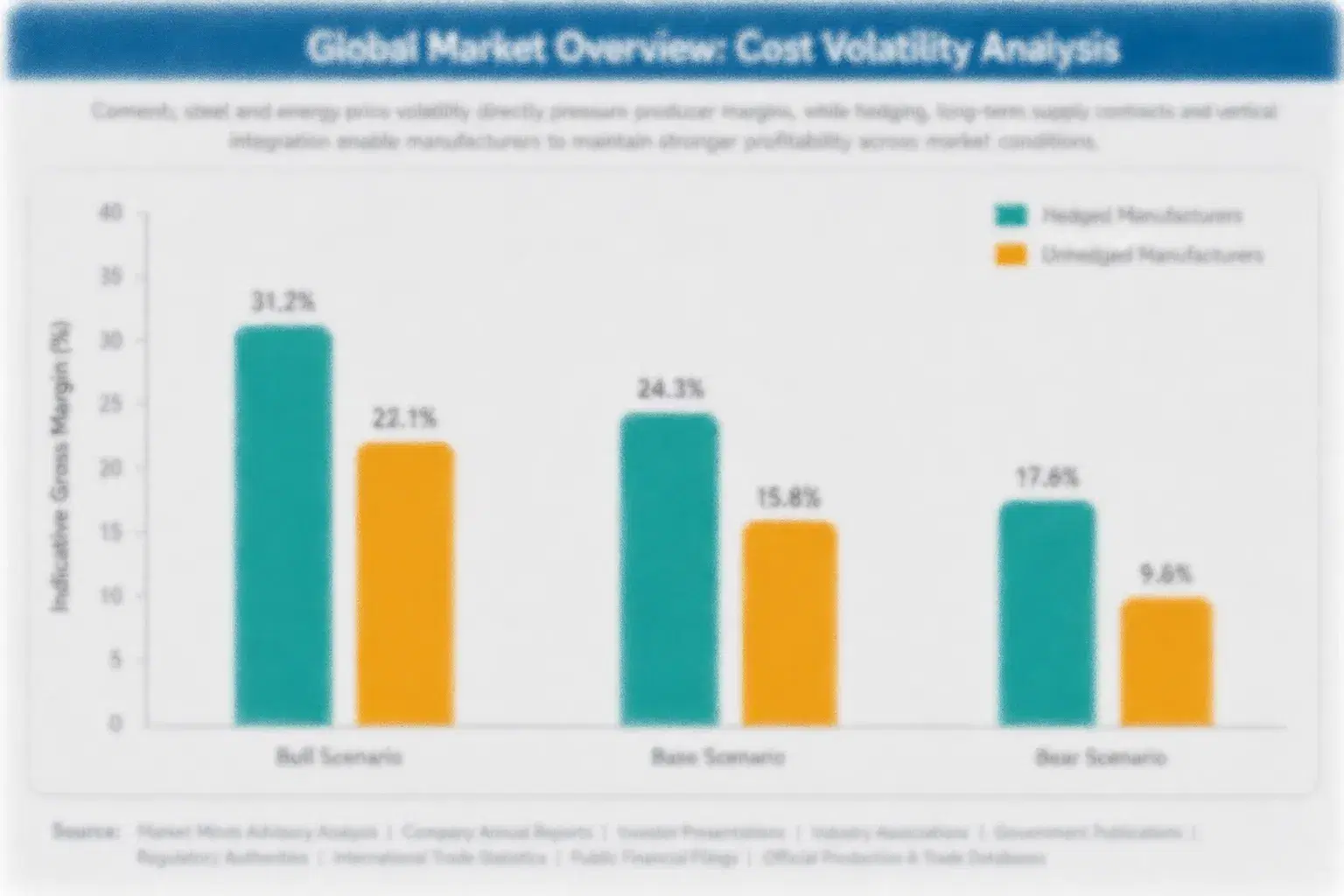
Grain accounts for roughly 10% of cost of goods, barrels and warehousing about 26%, glass and packaging 20%, and distillation and energy about 12%. Labour, maintenance, and freight take the rest, and duty and marketing sit outside cost of goods. Corn comes from the United States Midwest, oak barrels from Kentucky and Missouri cooperages, and glass from a few global makers, so exposure is concentrated in cooperage and packaging.
The clearest recent shock came from barrels and glass. Kentucky Distillers' Association inventory data showed record barrels aging, while cooperage and glass prices rose sharply in 2021 and 2022 and the International Energy Agency reported that energy costs spiked. Distillers raised prices by 5% to 10%, cut promotions, and moved to lighter glass, which squeezed gross margin by two to four points through the following year.

The competitive disadvantage falls on small craft distillers, which buy barrels and glass in small lots and cannot age stock for years without heavy debt. Large groups own warehouses, sign cooperage contracts, and spread costs across many brands. Exposure also varies by market, since exporters face tariffs and freight while domestic brands face distributor margins and state-level rules on direct sales.
united-states-whiskey-market-cost-volatility-analysis-1789797416021

Contracting Barrels and Glass Under Multi-Year Agreements

Distillers sign cooperage and glass agreements for 12 to 24 months, fixing volumes and price bands. Dual sourcing across suppliers limits disruption risk. Multi-year contracts cut cost swings by roughly half, though they need volume commitments and working capital that only larger distillers usually provide. Terms usually run two years, and delivery reliability matters.

Lowering Fill Rates and Selling Bulk Whiskey to Manage Inventory

Distillers lower fill rates, sell bulk whiskey to third-party bottlers, and slow expansion to match demand. Bulk sales recover cash but risk brand dilution, so contracts limit resale. Lower fill rates reduce carrying cost by 10% to 20% over time. Sales data guides decisions, and warehouse audits protect quality of aging stock. Results arrive quickly.

Lightweighting Glass and Standardising Bottle Formats

Distillers adopt lighter bottles and standard formats across brands to lower glass cost and freight. Lightweighting saves one to two points of cost of goods on entry lines. Retailers and bartenders accept lighter glass when premium cues such as labels and closures remain strong. Premium lines keep heavier glass where gift value matters. Buyers approve early.

Portfolio Architecture for Margin Defence

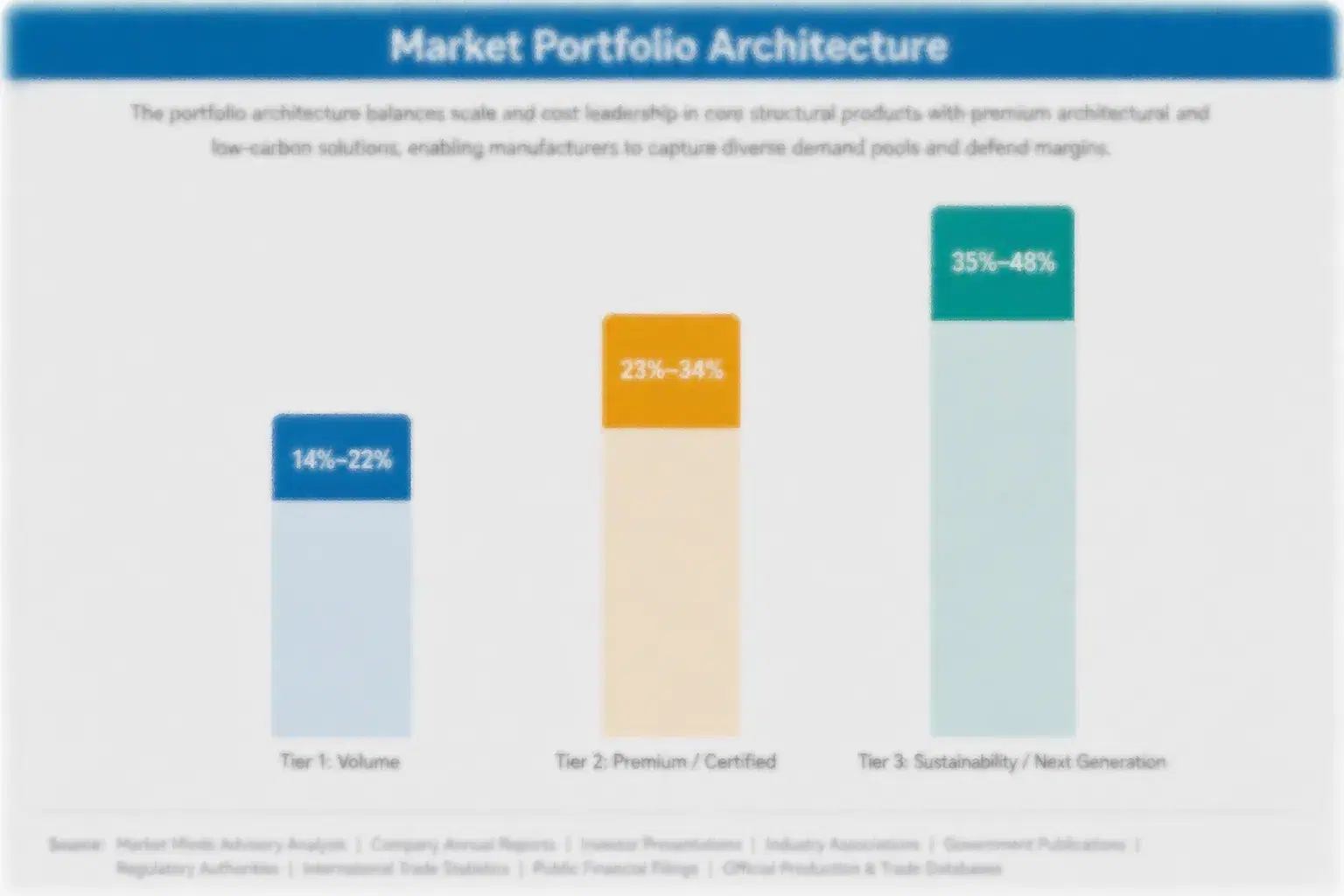
Margins run from thin returns on value bourbon and flavoured whiskey sold in volume to supermarkets and distributors to strong returns on single-barrel, rye, and limited releases sold through bars, specialist retailers, and online allocation. Three tiers separate volume products, certified premium lines, and next-generation formats, and each tier draws on different buyer groups, ageing systems, and channel terms.
The tension between volume and premium is sharp. Volume lines protect distillery utilisation and distributor relationships but face constant price pressure from discounting and private label, while premium lines earn higher margins on smaller volumes and depend on aged stock, provenance, and allocation. Distillers that run only volume struggle to fund ageing programmes, while distillers that run only premium lack the volume to hold distribution and bar lists.

High-value pools concentrate in single-barrel, rye, and American single malt sold through bars, collectors, and specialist retailers. They gather where buyers pay for age, provenance, or scarcity rather than volume of spirit. Cocktail bars, travel retail, and gift buyers add further value, since these buyers ask for documented age, reliable supply, and consistent taste, and they reorder without shopping on price, especially at year-end.

Volume / Commodity-Adjacent Tier

Value bourbon, flavoured whiskey, and Canadian whisky sold in bulk formats to supermarkets and distributors, with thin margins, barrel and glass cost exposure, and constant price competition from discounting, where shoppers switch on price, promotion, and bottle size.
Gross Margin: 24%-34%

Premium / Certified Tier

Aged bourbon and Tennessee whiskey with age statements, consistent blending, and documented sourcing, sold through bars, specialist retailers, and duty-free channels that require reliable delivery, clear labelling, and stable supply across seasons and promotions.
Gross Margin: 34%-48%

Sustainability / Regulatory / Next-Generation Tier

Single-barrel, rye, and American single malt releases backed by owned stock, clear definitions, and allocation, sold through collectors, online communities, and premium bars to buyers who pay premiums for provenance, scarcity, and honest labelling.
Gross Margin: 42%-60%
united-states-whiskey-market-portfolio-architecture-1789797416211

High-value Sub-segments and Strategic Watch-out

Rye and American Single Malt Whiskey

Rye and American single malt whiskey combines the fastest growth with strong pricing, since bartenders and collectors pay 20% to 80% premiums for distinctive styles and clear definitions. Aged stock and provenance limit competition, and distillers with owned stock win allocation. Repeat purchase compounds. Prices hold.
Gross Margin: 42%-60%

Irish, Scotch, and Japanese Imported Whisky

Imported Irish, Scotch, and Japanese whisky delivers strong growth and healthy pricing, since sipping culture and gifting support premiums. Age statements and scarcity form the entry barrier, and importers with bar programmes win space. Trust compounds across seasons and travel retail. Volumes follow steadily. Sales data guides range.
Gross Margin: 34%-48%

Bourbon

Bourbon forms the volume core, sold through liquor stores and bars at moderate margins. Growth is modest, at about 3.2% a year, as inventory overhang and lower drinking slow volume. Barrel cost, discounting, and distributor support decide profit, and brands use it as anchor volume for distilleries.
Gross Margin: 28%-40%

Flavoured American Whiskey

Flavoured American whiskey is the strategic watch-out, since fashion cycles are short, cinnamon and apple flavours have peaked in some brands, and sugar scrutiny and shelf price competition limit margin. Distillers should test new flavours in limited markets before scaling, because slow turns and heavy promotion can erode profit quickly.
Gross Margin: 26%-38%

Why American Whiskey Drinkers Keep Buying

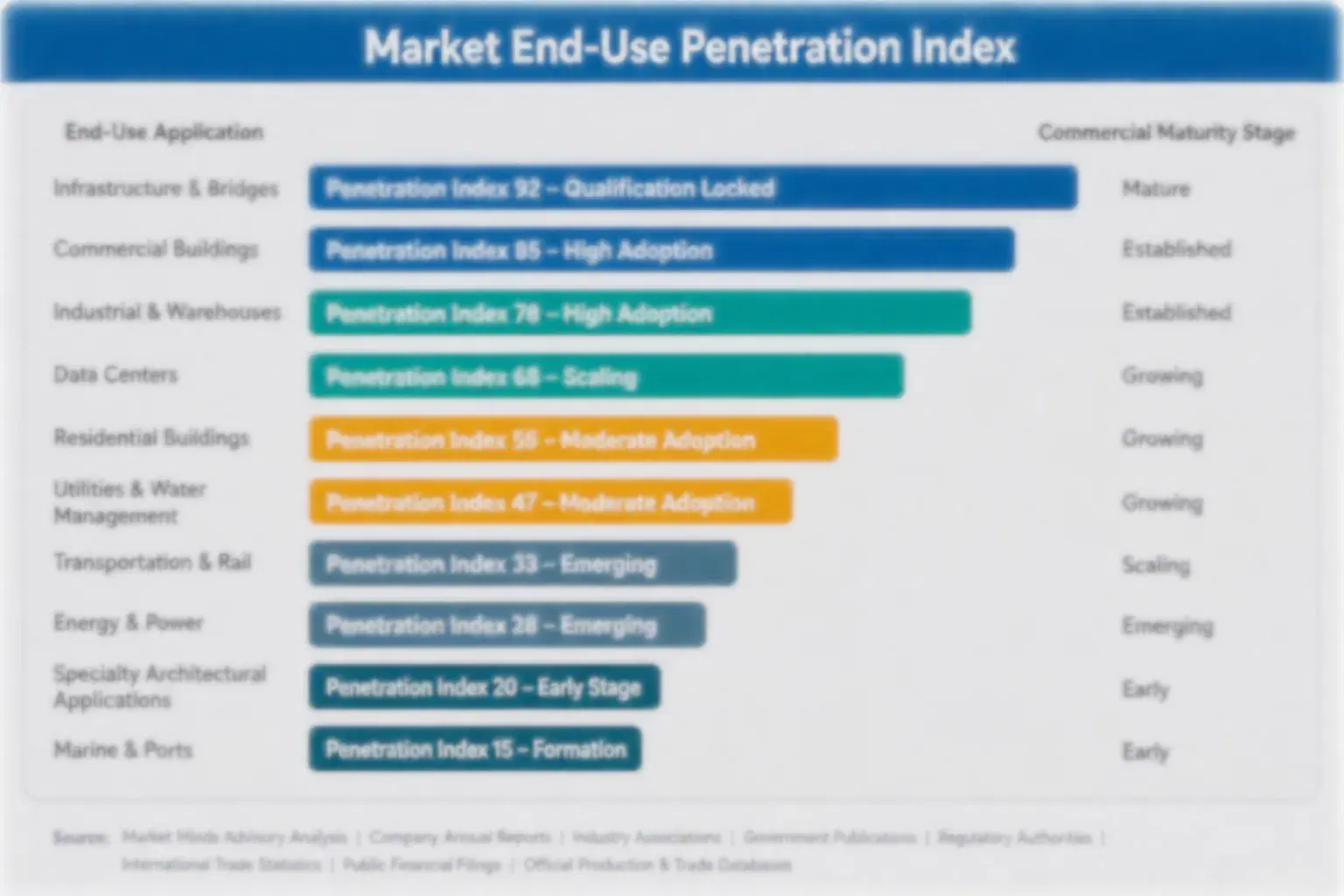
American whiskey demand behaves like an annuity of habits and occasions. Drinkers buy the same brand for weekly cocktails, holidays, and gifts, and a satisfied drinker typically stays with a brand for years. Retailers use last holiday season sales to fix shelf space, and bar programmes add predictability, so successful brands earn steadier volume than launches driven by promotion alone. Repeat cycles anchor stock planning.
Adoption stickiness differs by occasion. Home drinking and cocktail routines are the deepest, since brand habits pass between generations and price ladders keep buyers within a brand family. Bars are almost as loyal, because bartenders build menus around specific whiskeys. Collectors are shallower and chase releases, while gift buyers follow seasonal promotions and travel retail offers. Habits form around cocktail menus.

Buyer profiles are shifting between generations. Older drinkers buy bourbon for tradition and trust heritage brands, while younger buyers care about cocktails, transparency, lower alcohol, and social media appeal. Health-conscious drinkers add a third group that wants moderation and clearer labelling. Brands that publish sourcing data, tell provenance stories, and use bar education win younger buyers and keep them as tastes mature. Brand trust builds slowly.
united-states-whiskey-market-end-use-penetration-index-1789797416396

MMA Verdict on American Whiskey Strategy

These are among the four positions where our research anticipates prominent divergence between winners and laggards over the coming forecast period. Each is grounded in the demand model, the regulatory perimeter, and the announced capacity pipeline.
01 / PREMIUM RELEASE STRATEGY

Use Allocated Single-Barrel Releases to Defend Prices While Inventory Stays High

Single-barrel, cask strength, and finished releases sell at $80 to $400 a bottle today, and drinkers pay when age, proof, and sourcing are clearly published, so allocation can defend prices even while barrel inventory stays high across many warehouses. Distillers should carefully use store picks, private barrels, and loyal-account priority allocation before open discounting becomes normal. Brands that rely on open promotion will train buyers to wait for deals, and premium credibility will erode as inventory continues to build across many warehouses.
02 / RYE AND MALT STRATEGY

Lay Down Aged Rye and Single Malt Stock Before Demand Outruns Supply

Rye and American single malt whiskey grow at 7.0% a year in the United States, about 1.84 times the market rate, and they sell at 20% to 80% above standard bourbon, so early stock commitments pay back over roughly five to eight years. Distillers should promptly set aside owned stock, publish clear definitions, and support bar programmes before competitors and larger groups claim the styles. Those that wait will find aged rye scarce and collector loyalty already committed elsewhere for years.
03 / EXPORT DIVERSIFICATION STRATEGY

Diversify Exports Beyond Canada and Europe Before Tariff Shocks Repeat

Exports carry only about 5% of value, and Canadian delistings and European tariffs show the risk of concentration in a few trade partners at once. Distillers should promptly add distributors in Japan, Australia, Singapore, and Germany, invest in duty-free travel retail channels, and adapt labels and pack sizes, which supports export growth of 8% to 12% a year in new markets over time. Those that stay concentrated will keep facing repeated volume shocks and heavier discounting at home and abroad.
04 / INVENTORY DISCIPLINE STRATEGY

Cut Fill Rates and Sell Bulk Carefully to Protect Brand Prices

Kentucky warehouses hold about 16 million barrels of aging bourbon and rye, and slower drinking means sell-through cannot absorb it quickly without discounting. Distillers should carefully lower fill rates promptly, sell bulk whiskey under strict resale limits, and slow expansion to match real demand over the next several years. Those that keep filling at boom-era rates will soon face writedowns, forced discounting, and weaker brand equity when competitors with disciplined stock hold prices and win distributor support in every state.

Engagement Snapshot From the Field

A live engagement with an industry participant carrying material or product regulatory and market exposure ahead of a defining policy shift, showing how our research translates into a defensible multi-year portfolio strategy.
MARKET MINDS ADVISORY · CLIENT ENGAGEMENT SUMMARY
Demand for Whiskey in USA Producer Strategic Portfolio Review and Transition Roadmap 2026·Investment Scenario on Demand for Whiskey in USA Exposure Evaluation 2025-26
CLIENT PROFILE
The client is a mid-sized Kentucky distiller with annual sales near $380 million (client-reported, unverified by MMA), two Kentucky distilleries, and a portfolio led by bourbon and a small aged rye range sold through distributors, bars, and export importers. It had no American single malt, limited Asian distribution, and heavy exposure to Canadian and European markets.
STRATEGIC CHALLENGE
Bourbon volumes were flat for three years, warehouses held excess aging stock, and Canadian delistings and tariffs cut export sales. Management needed to decide whether to invest in rye and single malt, Asian distribution, or lower fill rates, with limited capital and only one distillery able to run separate single malt batches.
MMA APPROACH
MMA analysed sales and stock data across 50 products, interviewed 12 distributor buyers, eight bartenders, and six importers, and ran a drinker survey on age, provenance, and price tolerance across three regions. It modelled margin by segment and channel, tested tariff and inventory scenarios, and ranked investments by payback period and execution risk.
KEY FINDINGS
  1. Rye and single malt releases could reach 14% of sales within four years at margins 12 points above the bourbon range (client-reported, unverified by MMA).
  2. Asian distribution through two importers could add 6% of sales within three years and reduce dependence on Canada and Europe combined for growth.
  3. Lower fill rates and controlled bulk sales could cut carrying cost by about 15% and protect brand prices over the next five years.
  4. Allocated single-barrel releases could support price points of $90 to $150 and lift loyal account orders by about 20% within 18 months.
CLIENT PROFILE
The client is a mid-sized Kentucky distiller with annual sales near $380 million (client-reported, unverified by MMA), two Kentucky distilleries, and a portfolio led by bourbon and a small aged rye range sold through distributors, bars, and export importers. It had no American single malt, limited Asian distribution, and heavy exposure to Canadian and European markets.
STRATEGIC CHALLENGE
Bourbon volumes were flat for three years, warehouses held excess aging stock, and Canadian delistings and tariffs cut export sales. Management needed to decide whether to invest in rye and single malt, Asian distribution, or lower fill rates, with limited capital and only one distillery able to run separate single malt batches.
MMA APPROACH
MMA analysed sales and stock data across 50 products, interviewed 12 distributor buyers, eight bartenders, and six importers, and ran a drinker survey on age, provenance, and price tolerance across three regions. It modelled margin by segment and channel, tested tariff and inventory scenarios, and ranked investments by payback period and execution risk.
KEY FINDINGS
  1. Rye and single malt releases could reach 14% of sales within four years at margins 12 points above the bourbon range (client-reported, unverified by MMA).
  2. Asian distribution through two importers could add 6% of sales within three years and reduce dependence on Canada and Europe combined for growth.
  3. Lower fill rates and controlled bulk sales could cut carrying cost by about 15% and protect brand prices over the next five years.
  4. Allocated single-barrel releases could support price points of $90 to $150 and lift loyal account orders by about 20% within 18 months.
RECOMMENDED STRATEGY
Phase 1: Phase 1 (Months 1-6): Lower fill rates, set aside rye and malt stock, and publish clear sourcing and age information for all premium lines. Phase 2: Phase 2 (Months 7-18): Launch allocated single-barrel and rye releases through bars and specialist retailers and open distribution with two Asian importers. Phase 3: Phase 3 (Months 19-30): Reduce low-margin volume bottlings, expand aged rye capacity, and add duty-free limited editions and gift packs.
OUTCOME
Within 30 months, rye, single malt, and limited releases reached 17% of sales, carrying cost per barrel fell by about 15%, and gross margin improved by five points (client-reported, unverified by MMA). The client secured listings with two Asian importers and 120 premium bars, while distributors named it a preferred supplier for allocated whiskey.

Frequently Asked Questions

Foundational context covering the market sizes, CAGR, scope, country, region and competition that inform every finding below. This section is provided to cover basics and most often pre-purchase conversations, answered from the MMA Primary Research Dataset.

What is the current size of the Demand for Whiskey in USA?

Demand for whiskey in the USA was valued at $32.0 billion in 2025, including American whiskey exports. Growth is supported by premium releases, rye and single malt, and cocktail culture across the country.

How large will the Demand for Whiskey in USA be by 2036?

The market is projected to reach $48.2 billion by 2036, up from $33.2 billion in 2026. The increase of $15.0 billion reflects premium mix, new styles, and export recovery.

What is the CAGR for the Demand for Whiskey in USA 2026 to 2036?

The market is forecast to grow at a 3.8% CAGR from 2026 to 2036. The bull case reaches 5.1% and the bear case 2.5%, depending on tariffs and adult drinking trends.

Which segment is growing fastest?

Rye and American Single Malt Whiskey is the fastest-growing segment at 7.0% CAGR, roughly 1.84 times the overall market rate. Irish, Scotch, and Japanese Imported Whisky follows as the second-fastest segment at 5.8% CAGR each year.

Who are the major companies in the Demand for Whiskey in USA?

Major companies include Brown-Forman, Beam Suntory, Diageo, Sazerac Company, and Heaven Hill Brands. Pernod Ricard, Campari Group, MGP Ingredients, Constellation Brands, and craft distillers also hold meaningful positions.

Which country is growing fastest?

Japan is the fastest-growing export destination at a 5.6% CAGR, driven by highball culture, whisky collecting, and bar programmes. Australia and Singapore follow through cocktail and travel retail demand.

Report Segmentation Architecture

The full report scope spans multiple orthogonal segmentation dimensions, with cross-tabulated demand data provided for each dimension pair. Coverage extends further to regional breakdowns, trend trajectories, and the competitive detail needed to support segment-level decision-making.

By Primary Market Dimension

  • Bourbon
  • Tennessee Whiskey
  • Rye and American Single Malt Whiskey
  • Flavoured American Whiskey
  • Irish, Scotch, and Japanese Imported Whisky
  • Canadian Whisky

By End-Use Industry

  • Home Drinking
  • Cocktail Bars and On-Premise
  • Travel Retail and Duty Free
  • Gifting and Collectors
  • Hospitality and Events

By Commercial Dimension

  • Liquor Stores and Retail Chains
  • Supermarkets and Convenience Stores
  • On-Premise Distributors
  • Online and Direct-to-Consumer
  • Export Importers and Travel Retail

By Region

  • North America
  • Western Europe
  • East Asia
  • South Asia and Pacific
  • Latin America
  • Middle East and Africa
  • Eastern Europe

Scope, Methodology, and Coverage

Every figure in this report is reproducible from documented input assumptions. The scope below maps the historical period, the forecast horizon, the segmentation dimensions, and the countries covered, alongside the underlying primary and qualitative methodology.
Historical Period
2020 to 2025
Forecast Period
2026 to 2036
Base Year
2025 (USD billions; MMA Primary Research Dataset, September 2026)
Market Definition
Demand for whiskey in the USA comprises whiskey consumed in the United States, both American-made and imported, plus American whiskey exported, including bourbon, Tennessee whiskey, rye and American single malt whiskey, flavoured American whiskey, imported Irish, Scotch, and Japanese whisky, and Canadian whisky, sold through liquor stores, on-premise venues, supermarkets where permitted, travel retail, and online channels at retail value. The scope excludes whiskey-based ready-to-drink cocktails, moonshine sold as unaged spirit, and grain neutral spirits.
Quantitative Units
USD billions (retail sales value); million litres for volume references
Segmentation Dimensions
By Style and Origin; By End-Use Occasion; By Commercial Dimension; By Region
Regions Covered
North America, Western Europe, East Asia, South Asia and Pacific, Latin America, Middle East and Africa, Eastern Europe
Countries Covered
USA, Canada, Mexico, Brazil, Chile, UK, Germany, France, Italy, Poland, Czechia, South Africa, Nigeria, UAE, Japan, South Korea, China, Singapore, Australia, India, and additional markets relevant to this sector
Key Companies Profiled
Brown-Forman, Beam Suntory, Diageo, Sazerac Company, Heaven Hill Brands, Pernod Ricard, Campari Group, Kirin Holdings, Bacardi, MGP Ingredients, Constellation Brands, Edrington, William Grant and Sons, WhistlePig, Uncle Nearest, Wilderness Trail Distillery, Luxco, Southern Glazer's Wine and Spirits, Republic National Distributing Company, Breakthru Beverage Group
Quantitative Methodology
Primary survey, n=3,800 respondents, Q4 2025, six countries; demand-side model with trade association cross-validation
Qualitative Methodology
47 expert interviews, Q4 2025; applied to validate demand model assumptions, identify emerging dynamics, and assess competitive positioning
Report Format
PDF and XLSX data workbook (Word format preview document)
Publisher
Market Minds Advisory
Report Code
MMA-2026-AGR-394
Published
September 2026
Contact
sales@marketmindsadvisory.com | www.marketmindsadvisory.com

Purchase the full Demand for Whiskey in USA Report (2026 to 2036).

The full report delivers a detailed assessment of whiskey demand in the United States through 2036, covering segment, export, and channel forecasts, competitive benchmarking of leading distillers, and input cost analysis. It combines MMA primary research, including a six-country survey of 3,800 respondents and 47 expert interviews, with public trade and company data. Analysts also model tariff scenarios, barrel inventory paths, and premium release economics. Clients receive segment margin ranges, channel maps, and a case study on portfolio strategy. Supplier and distributor contact frameworks are also included for negotiation planning.
Ten-year segment and export demand forecasts
Grain, barrel, and glass price tracking
Competitive benchmarking of top twenty distillers
Spirits tariff and labelling rule tracker
Export destination demand mechanism analysis included
Quarterly primary survey data update access

Built For The People Who Decide

From boardroom strategy to bench-side execution, this report is read cover-to-cover by leaders shaping the next decade of their industry, turning demand scenarios, market dynamics and valuation benchmarks into decisions.
CXOs/ Presidents/ VPs/ Managers
M&A and Corporate Development
Strategy Teams and R&D Heads
Procurement and Product Directors
Regulatory and Compliance Leaders
Investor Relations and Equity Analysts