Market Minds Advisory
Demand for Vegan Probiotics in USA

Demand for Vegan Probiotics in USA: Demand for Vegan Probiotics in USA. Dairy-Free Supplements, Fermented Foods and Strain Supply Origin

American demand for vegan probiotics is moving from niche supplements into gummies, beverages and fermented plant foods, but dairy-free culture media, survival claims and shelf stability decide which brands earn repeat purchase.

Lead Analyst

Published

September 2026

Make Smarter Decisions with Customized Research Insights

Request a free sample report and evaluate market opportunities, growth trends, and competitive dynamics relevant to your business needs.

2025 MARKET VALUE$1.9BMarket Size 2025
2036 FORECAST VALUE$5.2BBase Case , 2026 to 2036
CAGR 2026 TO 20369.5 %Bull 10.8% / Bear 8.2%
INCREMENTAL OPPORTUNITY$3.1BNet 10- year value creation
EXPANSION MULTIPLE2.48x2036 value over 2026 base
Strategic Levers
M&A Pipeline
Regional Outlook
Country Rankings
Competitive Intelligence
Segmental Deep-dive
Call-Us : 91 93563 13602

Executive Snapshot and Market Trajectory.

American shoppers increasingly want probiotics that are free of dairy, gelatine and animal-derived media, and brands are reformulating around plant-based cultures and vegetarian capsules. Demand is broad, but proof of strain survival and shelf stability separates trusted brands from crowded shelves. Certification failures remove products fast. Shoppers watch prices.
Vegan Probiotic Gummies and Chews grow fastest as consumers who dislike capsules choose flavoured formats, while capsules and tablets still carry the largest sales. This lens reads the seven regions as supply-origin regions for United States demand, and North America leads because domestic brands and contract manufacturers make most finished products. Gross margins run 30% to 52%, with online channels taking rising share. Online reviews shape trust quickly.
Five brands hold about 38% of value, led by Garden of Life, Seed Health, Ritual, Renew Life and NOW Foods, while strain suppliers such as Novonesis, IFF and Kerry sit behind them. FDA dietary supplement rules, cGMP audits, vegan certification and colony-forming unit labelling shape entry, and retailers demand third-party testing, allergen controls and clear viability claims before listing. Private-label lines add price pressure at retailers. Viability claims draw close regulatory scrutiny.
Market Definition
The market covers United States consumer sales of vegan probiotic products, defined as probiotic supplements, beverages and fermented foods made without dairy, gelatine or animal-derived ingredients and sold through retail, online and practitioner channels. It includes capsules, gummies, powders, drinks and plant-based fermented foods. It excludes prebiotic-only products, dairy yogurts and kefirs, animal probiotics, clinical probiotic drugs and probiotic ingredient sales between manufacturers.
Base Year Value
$1.9B in 2025 (MMA Primary Research Dataset, September 2026)
Forecast Period
2026 to 2036, eleven discrete annual values
CAGR
9.5% base case. Bull 10.8%. Bear 8.2%.
Fastest Growth Segment
Vegan Probiotic Gummies and Chews: 13.3% CAGR
Fastest Growth Country
India: 12.5% CAGR
Fastest Growth Region
South Asia and Pacific: 11.5% CAGR
Largest Region
North America: 42% of 2025 global value
Market Leaders
Garden of Life, Seed Health, Ritual, Renew Life, NOW Foods. Source: MMA Analysis, company annual reports.
Primary Survey
n=3,800 procurement and R&D decision-makers, Q4 2025, six countries
Methodology
Demand-side build-up, cross-validated against public data, 47 expert interviews

Demand for Vegan Probiotics in USA Market Forecast Scenarios

united-states-vegan-probiotics-market-size-forecast-scenario-1789969824503
From 2020 to 2025 American vegan probiotic sales grew at about 8.5% a year. Gut health interest surged during the pandemic, plant-based diets broadened the buyer base, and online direct brands such as Seed Health took share from drugstore lines. Growth cooled in 2023 as inflation pushed shoppers toward lower-priced supplements and retailers trimmed slow-moving probiotic shelf space.
The base case of 9.5% rests on three named mechanisms. Plant-based and dairy-free households keep growing, so more shoppers exclude dairy-cultured products by default. Gummy, powder and drink formats widen the buyer base beyond capsule users. Retailers such as Whole Foods, Target and Amazon expand vegan and clean-label sections, which lifts visibility. Each mechanism is already visible in retailer resets, product launches and online search data. Together they support growth above 8% even without new clinical evidence.
The bull case reaches 10.8% if strain-level clinical evidence wins broader physician recommendation and shelf-stable beverages spread across grocery. The bear case falls to 8.2% if price sensitivity persists, private-label lines undercut premium brands and regulators tighten viability claims. Both cases assume stable supply of vegan-compatible cultures. Neither case assumes new federal rules on probiotic labelling or a change in tariff policy.

Culture Media Purity, Survival Proof and Format Reach Set US Vegan Probiotic Returns

Probiotics are live microorganisms, mostly Lactobacillus, Bifidobacterium and Bacillus strains, that are sold to support digestive and immune health. A product is vegan only if the strain, the growth medium, the capsule shell and the excipients avoid dairy, gelatine and other animal inputs. That last condition is harder than it sounds, because many cultures grow on dairy-derived media.
MARKET CONCENTRATION38% CR5Top five brands hold under two fifths of category sales
TYPICAL POTENCY10-50 billion CFUCommon colony-forming unit range printed on capsule product labels
ONLINE CHANNEL SHARE41%Portion of category sales made through direct and marketplace channels
DOMESTIC PRODUCTION SHARE62%Portion of finished products made by facilities inside the country
INGREDIENT COST SHARE22% of COGSCultures, prebiotics and media inside total finished product cost
REPEAT PURCHASE CYCLE3-4 monthsTypical interval between refills for loyal subscription customers
Value concentrates in three places. Capsules and tablets carry the largest sales through drugstores, natural retailers and online stores. Gummies and chews grow fastest, drawing consumers who dislike swallowing pills, though they lose viability faster and need careful formulation. Beverages and plant-based fermented foods add a distinct pool, where shelf life, refrigeration and taste decide repeat purchase, and where brands compete with kombucha and dairy-free yogurts.
Supply runs through a few strain producers. Novonesis, IFF, Kerry and Lallemand supply cultures to brands and contract manufacturers, mostly in the United States, Denmark, France and Canada. Freeze drying and blending take place near brand owners, brands hold two to three months of culture stock, and contracts renew annually. Qualifying a new strain supplier takes six to 12 months of stability testing.
"Vegan probiotics look like a labelling story, but they are really a manufacturing story. Anyone can print a vegan logo. Far fewer can prove the culture never touched dairy media and still show viable cells at the end of shelf life."
Senior Analyst, Nutrition and Supplements Practice · MMA Vegan Probiotics in the United States Practice · September 2026

Market Trends

Gummy and Chew Formats Broaden the Vegan Probiotic Buyer Base

Consumers who dislike swallowing capsules, including younger adults and parents buying for children, increasingly choose flavoured gummies, chews and powders. Vegan Probiotic Gummies and Chews grow about 13.3% a year, and gross margins run 34% to 52%. The trend needs pectin or starch bases instead of gelatine, protected spore-forming strains and overage to offset viability loss, and it rewards brands with stability data, while sugar content and dental concerns draw scrutiny from health-focused shoppers. Retailers give gummy sections more space each reset. Contract makers with low-moisture lines win most of the volume.
Market Impact: 36% of Americans show lactose maldigestion

Spore-Forming Bacillus Strains Replace Dairy-Cultured Lactobacilli in Shelf-Stable Products

Bacillus coagulans and Bacillus subtilis form spores that survive baking, heating and room-temperature storage, and they grow on non-dairy media, which makes them natural candidates for vegan beverages, bars and gummies. Spore-formers now appear in an estimated 30% of new vegan launches, up from about 18% five years earlier. The trend needs strain-specific clinical evidence and clear labelling, and it rewards suppliers such as Kerry with patented strains, while consumers still associate probiotics with Lactobacillus and yogurt cultures. Beverage makers also value spores because they survive pasteurisation and need no refrigeration on retail shelves.
Market Impact: subscriptions carry 20-40% price premiums

Market Opportunities and Growth Drivers

Dairy-Free and Plant-Based Households Expand the Vegan Probiotic Buyer Pool

Millions of American adults now avoid dairy because of intolerance, allergy or ethical choice, and about 36% of the population is estimated to have some degree of lactose maldigestion. These shoppers look for probiotic products that carry vegan and dairy-free claims. The driver rewards brands with third-party vegan certification and allergen controls, and it supports repeat purchase through subscriptions, while retailers add vegan filters to online stores and stock dedicated shelf sections in natural grocery chains and supermarkets. Grocery chains report that dairy-free shoppers also spend more per basket, which encourages wider vegan probiotic listings.
Market Impact: vegan-compliant supply costs 10-20% more

Direct-to-Consumer Subscriptions and Physician Recommendations Lift Repeat Purchase Rates

Online brands such as Seed Health and Ritual sell probiotics by subscription, which lifts repeat purchase and lowers marketing cost per customer over time. Physicians and dietitians also recommend probiotics for antibiotic recovery and digestive symptoms. The driver rewards brands that publish strain-level clinical evidence and manage viability claims carefully, and it supports premium pricing of 20% to 40% over drugstore lines, while marketplace competition and review manipulation remain risks for smaller newcomers building trust in the category. Dietitians increasingly discuss strain choice with patients, which supports loyalty to products with published evidence.
Market Impact: labels require 20-50% CFU overage

Market Restraints and Challenges

Dairy-Derived Culture Media and Vegan Verification Complexity Limit Compliant Supply

Many probiotic strains are grown on media containing milk-derived peptones or lactose, so a product with a plant-based capsule may still fail a strict vegan test. Verifying media inputs across fermentation, freeze drying and excipients requires supplier declarations and audits. The root cause is a supply chain built for dairy-based fermentation. Compliant supply costs 10% to 20% more, and few suppliers qualify. Brands respond with plant-based media, dual sourcing and third-party certification, though audit cost and supplier disclosure remain barriers for smaller brands. Some suppliers decline to disclose media formulations for confidentiality reasons.
Market Impact: gummy formats grow 13.3% yearly

Viability Loss, Cold-Chain Needs and Claim Scrutiny Undermine Consumer Trust

Probiotic cells die during storage, and gummies and beverages lose viability faster than capsules, so labels must state colony-forming units at end of shelf life. The root cause is heat, moisture and low pH. Independent tests have found some products below label claims, and the FTC and FDA scrutinise health claims. Brands respond with overage of 20% to 50%, foil packaging, spore-formers and third-party testing, though refrigeration adds cost and unsupported claims carry legal exposure. Class action suits over label accuracy have also raised legal costs, and retailers now request independent test results before renewing shelf space.
Market Impact: spore-formers reach 30% of launches
3 additional market trends, 2 additional growth drivers, and 4 additional restraints and challenges are covered in the full report. Contact sales@marketmindsadvisory.com to access the complete intelligence.

Segment CAGR and Growth Architecture

The United States vegan probiotic market is segmented by delivery format, which shows where viability, taste and price tolerance differ. Five segments cover capsules and tablets, gummies and chews, beverages, plant-based fermented foods, and powders and sachets. Gummies and beverages grow fastest, while capsules and tablets still carry the largest sales through drugstores, natural retailers and online stores.
united-states-vegan-probiotics-market-market-share-analysis-1789969824795

Vegan Probiotic Gummies and Chews

Vegan Probiotic Gummies and Chews is the fastest-growing segment at 13.3% a year, about 1.40 times the overall market rate. Shoppers who dislike capsules, including younger adults and parents, choose flavoured pectin or starch gummies that avoid gelatine. Gross margins of 34% to 52% reward brands with spore-forming strains, overage to offset viability loss and stability data. Growth depends on sugar content, dental concerns and viability proof, while retailers give gummy sections more space at each reset. Online brands lead launches, and contract manufacturers with protected coating and low-moisture processes win the largest volumes from national brands and private-label buyers. Private-label gummy launches at national chains add further price competition.
CAGR 13.3%

Vegan Probiotic Beverages

Vegan Probiotic Beverages grows at 11.4% a year, about 1.20 times the overall market rate, because shoppers already buy kombucha, water kefir and plant-based drinks and accept probiotics inside them. Gross margins of 30% to 44% support brand investment, though refrigeration, shelf life and taste limit reach. Spore-forming strains such as Bacillus coagulans survive processing and allow shelf-stable products, which widens distribution to convenience and mass retail. Competition from functional sodas and prebiotic drinks is intense, and brands with clear colony-forming unit claims, vegan certification and reliable cold chain logistics hold the strongest positions in grocery and online channels. Retailers place beverages in refrigerated sections first, and shelf-stable versions then move to ambient aisles.
CAGR 11.4%
Full segment breakdown across 5 segments available in the complete report.

Regional Architecture and Country Demand Map

North America leads at 42% because domestic brands and contract manufacturers make most finished products for American shoppers, while Western Europe supplies cultures and premium strains at 24%. South Asia and Pacific grows fastest. East Asia holds 14% as a capsule and ingredient source. Latin America follows.

North America

North America holds 42% share, above its band, which justifies the out-of-band share: under this supply-origin lens the region includes the United States itself, where Garden of Life, Seed Health, Ritual, Renew Life and NOW Foods sell products made by domestic contract manufacturers in Utah, Florida, New Jersey and California, plus Canadian strain producers such as Lallemand and Ontario contract fillers. Growth runs at the global rate of 9.5%. FDA dietary supplement rules and cGMP audits favour local production, short lead times support subscription brands, and Mexico is counted in Latin America. Domestic supply also simplifies vegan verification, because brands can audit facilities directly. Buyers audit facilities directly at least once every year.
Share: 42% | CAGR: 9.5% (2026 to 2036)

Western Europe

Western Europe holds 24% share, inside its band, with growth of 8.0%. Because North America and Western Europe take the top two slots, the commercial reason is that culture technology sits there: Novonesis in Denmark, IFF's Danisco business in France and Probi in Sweden supply many of the strains American brands use, and European contract makers fill premium orders. Danish and French fermentation plants offer non-dairy media options that suit vegan claims. Shipments to the United States face FDA facility registration and prior notice rules, freight adds cost, and buyers weigh European strain heritage against domestic supply security and euro-dollar exchange swings. Long-standing supply relationships with American brands support stable annual contracts.
Share: 24% | CAGR: 8.0% (2026 to 2036)
Regional intelligence for 5 additional markets available in the complete report: East Asia, South Asia and Pacific, Latin America, Middle East and Africa, Eastern Europe. Contact sales@marketmindsadvisory.com.
united-states-vegan-probiotics-market-country-cagr-analysis-1789969825094

Four Margin Routes for Vegan Probiotic Brands

Margin in vegan probiotics comes from verified vegan supply, format innovation, viability proof and channel mix rather than volume alone. The routes below apply to brands, contract manufacturers and strain suppliers, and each can start inside one planning cycle, with clear measures in gross margin points, cost per unit and repeat purchase. Payback usually runs two to three years.

Certifying Vegan Supply From Culture Media to Capsule Shell

Consumers and retailers increasingly demand verified vegan status, so brands that audit growth media, cultures and excipients, and obtain third-party vegan certification, win listings and hold premiums of 10% to 20% over uncertified products. Certification and supplier audits cost $0.2 million to $0.8 million per brand. Brands should request media declarations from strain suppliers, move to plant-based media where possible and publish certificates on labels, since one failed test can remove products from retailer lists and damage trust across the whole range for months. Retailers increasingly check certificates during annual category reviews.
Market Impact: verified vegan status earns 10-20% price premiums over rivals

Expanding Into Gummy, Powder and Beverage Formats With Viability Protection

Capsules dominate today, but gummies and beverages grow faster, so brands that add spore-forming strains, protective coatings and foil packaging reach shoppers who avoid pills and lift category share by three to five points. Format development costs $0.5 million to $2 million per line. Brands should start with one gummy and one powder format, publish end-of-shelf-life colony-forming unit data and use overage of 20% to 50%, since viability failure damages reviews quickly and contract manufacturers with proven low-moisture lines shorten launch time to about nine months. Brands also test packaging in warehouses.
Market Impact: new formats lift category share by 3-5 points

Building Subscription and Practitioner Channels to Lift Repeat Purchase Rates

Repeat purchase drives profit, so brands that offer subscriptions, refill discounts and practitioner channels lift customer lifetime value by 25% to 40% and cut acquisition cost per customer. Programme set-up costs $0.3 million to $1.5 million. Brands should start with subscription offers on best-selling strains, provide dietitian education materials and track refill timing at three to four months, since the marketplace is crowded and unsupported claims invite scrutiny, while a loyal base gives brands pricing power against private labels and discount lines. Practitioner channels also build trust that paid advertising alone rarely delivers.
Market Impact: subscriptions lift average customer lifetime value by 25-40%

Publishing Strain-Level Clinical Evidence to Defend Premium Positioning

Shoppers and physicians increasingly ask which strain does what, so brands that fund small clinical studies, cite strain identifiers and avoid generic claims defend price premiums of 20% to 40% over drugstore lines. Studies cost $0.3 million to $1.5 million each. Brands should prioritise strains tied to antibiotic recovery and digestive comfort, register study protocols and keep claims within FDA rules, since regulators and competitors challenge unsupported statements and physicians rarely recommend products without published human data behind a named strain. Clear strain names on labels also help retailers explain products to shoppers.
Market Impact: strain evidence defends 20-40% price premiums over drugstore lines

Who Controls the Margin Pool

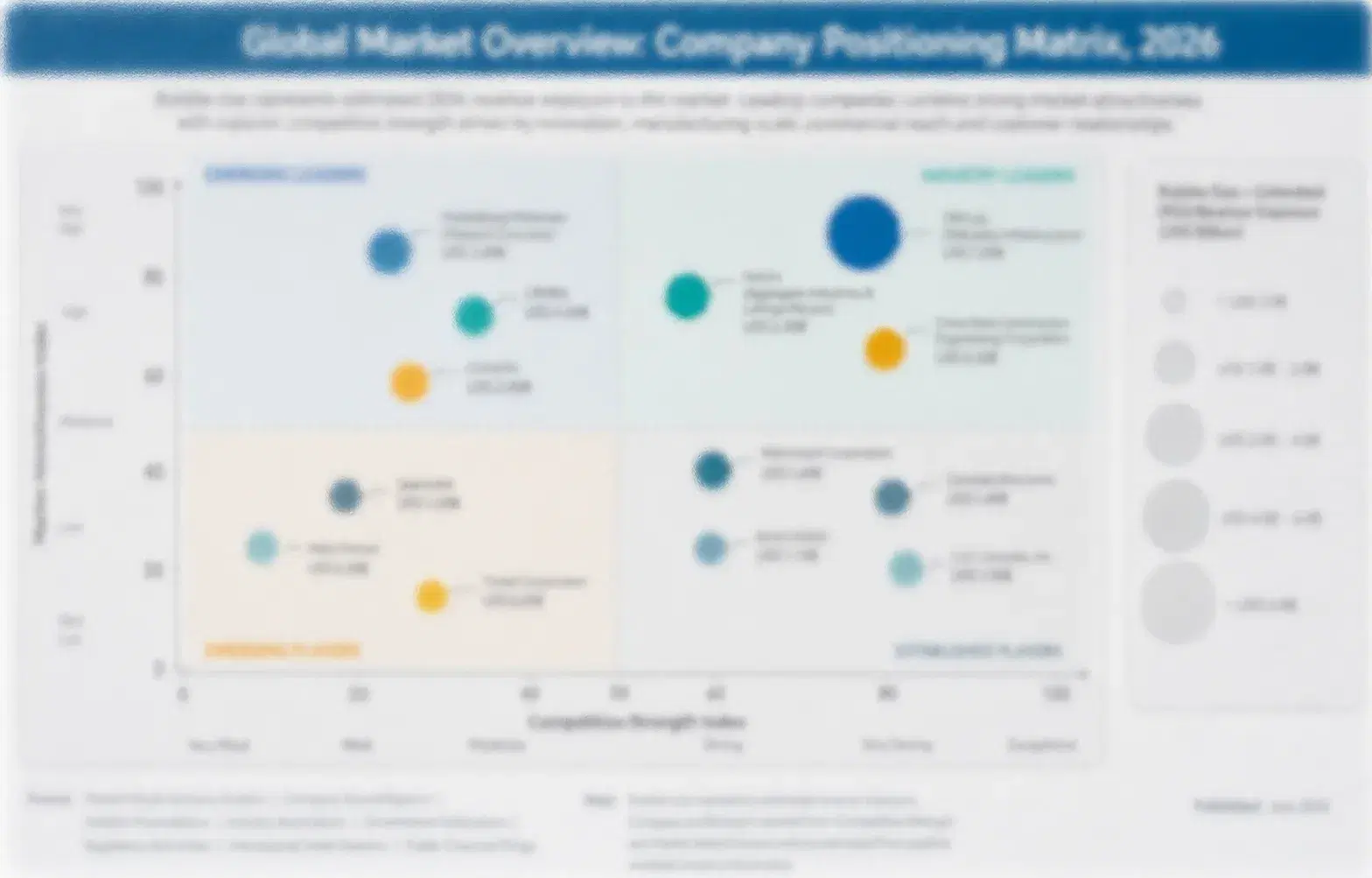
The United States vegan probiotic market is fragmented, with a CR5 of 38%, because supplement brands, online direct sellers and food and beverage makers all compete for the same shopper. This assessment measures participants on estimated United States retail sales of vegan probiotic products, held constant across all players. Garden of Life and Seed Health lead on distribution and brand trust, Ritual, Renew Life and NOW Foods follow, and the gap between the leader and the fifth player is moderate.
Competition runs on four dimensions today: vegan verification, viability proof, format range and channel reach. Large brands win on retail distribution and price, online brands win on subscriptions and clinical storytelling, and strain suppliers win on patented cultures. Retailers compare potency, price per serving and certification, and a failed test or misleading claim can remove a product from shelf within one review cycle.

Emerging pressure comes from private-label vegan lines at Target and Amazon, from beverage brands that add spore-formers and from consolidation as large consumer health groups buy online brands. Rankings shift where a brand secures a strain patent, wins a major retailer reset or fails a viability audit, and smaller brands merge or exit when marketing costs rise.
united-states-vegan-probiotics-market-company-positioning-matrix-1789969825396

Competitive Moat and Risk Dimensions

GARDEN OF LIFE

Moat: Retail Reach and Certification Credentials

Garden of Life, owned by Nestle Health Science, sells vegan, non-GMO and organic probiotics through natural retailers, supermarkets and online channels across the United States. Its Dr. Formulated line, raw food positioning and broad certification credentials give it retailer trust, and its parent's scale supports research, quality systems and shelf space negotiation with major chains.
GARDEN OF LIFE

Risk: Premium Pricing Under Pressure

Garden of Life prices above private-label and drugstore lines, so it is exposed when shoppers trade down. Newer online brands with clinical storytelling compete for the same wellness buyers, and its dependence on retailer resets means shelf changes can move sales quickly. Investors expect steady growth.
SEED HEALTH

Moat: Direct Subscription and Clinical Narrative

Seed Health, the American direct-to-consumer brand, sells a synbiotic capsule through subscription and builds its story on strain-level science and scientific advisors. Its data on subscribers, its capsule design for delivering cultures to the colon and its clinical positioning support premium pricing and strong repeat purchase without dependence on retailers.
SEED HEALTH

Risk: Single Product Dependence

Seed Health relies heavily on one flagship product and on online marketing efficiency. Rising advertising costs, marketplace imitators and scrutiny of health claims could compress margins, and broader distribution would bring it into direct price competition with established retail brands. Investor expectations of fast growth add pressure to spend heavily on acquisition.

Players Tracked

Prominent Players

Garden of Life
Seed Health
Ritual
Renew Life
NOW Foods

Other Key Players

Thorne
Solgar
Jarrow Formulas
Pure Encapsulations
Klaire Labs
Ancient Nutrition
Olly
GT's Living Foods
Forager Project
Kite Hill
Silk
Coyo
Novonesis
Lallemand
Kerry Group

Recent Developments

JANUARY 2026

Garden of Life Expands Vegan Probiotic Gummy Range With Shelf-Stable Spore-Forming Strains for Retail

Garden of Life expanded its vegan probiotic gummy range with shelf-stable spore-forming strains for retail, according to company communications. It is a product launch, not an acquisition, and it tests gummy demand. The range uses pectin bases and Bacillus strains. Sales terms were not disclosed.
Signal: Confirms leading brands are moving into gummies because shoppers who dislike capsules are the fastest growing buyer group.
FEBRUARY 2026

Seed Health Publishes Clinical Study Data on Synbiotic Formula to Support Physician Recommendations

Seed Health published clinical study data on its synbiotic formula to support physician recommendations, according to company communications. It is a research publication, not an acquisition, and it tests evidence-led positioning. The study covered digestive outcomes. Financial terms were not disclosed. Timing remains open for further studies.
Signal: Shows direct brands are investing in evidence because physician recommendation drives premium pricing and repeat purchase.
MARCH 2026

Kerry Group Announces Supply Agreement for Bacillus Probiotic Strains With North American Beverage Maker

Kerry Group announced a supply agreement for Bacillus probiotic strains with a North American beverage maker, according to company communications. It is a supply agreement, not an acquisition, and it tests beverage demand. The agreement covers annual volumes and stability testing. Financial terms were not disclosed.
Signal: Indicates spore-forming strains are entering drinks because heat stability and non-dairy growth media suit vegan formulations.

Cultures, Media and Cold Chain Costs

Cultures and prebiotic ingredients account for roughly 22% of finished product cost, vegan-compatible fermentation media and freeze drying about 12%, capsule shells, gummy bases and packaging about 24%, freight and cold chain about 8%, and labour, testing and overheads about 34%. Strains come from Denmark, France, Canada and the United States, capsules and pectin from China, Europe and Latin America, and packaging films from Asia.
The clearest recent shock came in 2021 and 2022. US Census Bureau trade data show ocean freight and container costs from Asia rising several times over, while EIA data show industrial power and natural gas costs climbing for freeze drying and fermentation plants. Brands absorbed part of the increase for several quarters, delayed price changes and secured retail price adjustments only at annual resets, which compressed margins.

The disadvantage falls on small brands without supplier contracts or domestic contract manufacturing, because they cannot pass through swings on annual retail terms and buy in smaller lots at higher prices. Exposure varies by player type: large brands with scale and strain contracts absorb shocks, online brands hold subscription pricing power, and private-label makers depend on imported capsules and packaging.
united-states-vegan-probiotics-market-cost-volatility-analysis-1789969825676

Dual Sourcing of Strains and Vegan-Compatible Media

Brands qualify two strain suppliers and two culture media sources, including plant-based media, to cut exposure to shortages and price spikes of 15% to 30%. The main challenge is duplicate stability testing and vegan audits, so brands stage qualification across products and share audit results with certifiers. Reviews occur every year. Vendors sign annual declarations.

Domestic and Nearshore Contract Manufacturing

Brands shift production to United States and Mexican contract manufacturers to cut freight cost and lead time by 20% to 30%. The main challenge is capacity constraints and higher labour cost, so brands sign multi-year agreements with volume commitments and share forecasts. Audits confirm cGMP and vegan controls before production starts. Reviews occur every year.

Price Formulas and Subscription Pricing Adjustments

Brands use subscription pricing and periodic price reviews to recover 50% to 70% of cost increases from loyal customers, and retailer contracts add formulas linked to freight and ingredient indices. The main challenge is price sensitivity in drugstore channels, so brands protect entry-level lines and adjust premium ranges. Reviews occur every half year. Pricing updates follow.

Portfolio Architecture for Margin Defence

Margins run from moderate returns on drugstore capsules sold in volume to strong returns on gummies, beverages and subscription lines sold with clinical positioning. Three tiers separate volume products, premium certified lines and next-generation solutions, and each draws on different strain access, format expertise and channel relationships in a fragmented market where private-label competition presses price. Margin gaps between tiers run to 14 points.
The tension between volume and premium is sharp. Drugstore and private-label capsules fill retailer orders at low prices and face constant promotional pressure, while premium certified and subscription products earn higher margins on smaller volumes and depend on evidence, viability proof and brand trust. Brands that run only volume suffer when private label undercuts them, while premium-only brands struggle to build scale. Mix management decides which risk dominates in each year.

High-value pools concentrate in gummies and chews for pill-averse buyers and in strain-specific synbiotic subscriptions for health-focused shoppers. They gather where buyers pay for taste, evidence and convenience, not for colony-forming units alone. Shelf-stable beverages add a growing pool, and strong brands hold more than one, though each needs different formulation, packaging and retailer skills.

Volume / Commodity-Adjacent

Vegan capsules and tablets sold under drugstore, club and private-label brands at low prices per serving. Buyers focus on price and promotions, contracts follow retailer resets, and differentiation depends on vegan labelling rather than strain science.
Gross Margin: 30%-42%

Premium / Certified

Third-party certified vegan probiotics with named strains, colony-forming unit guarantees at end of shelf life and organic claims, sold through natural retail and online stores. Buyers value proof, brand trust and subscription convenience, and repeat rates are high.
Gross Margin: 40%-52%

Sustainability / Regulatory / Next-Generation

Spore-forming gummies, shelf-stable beverages and synbiotic formulas with strain-level clinical data and plant-based media, sold to health-focused brands. Contracts depend on evidence, viability performance and secure supply of vegan-compatible cultures.
Gross Margin: 44%-56%
united-states-vegan-probiotics-market-portfolio-architecture-1789969826034

High-value Sub-segments and Strategic Watch-out

Vegan Probiotic Gummies and Chews

Vegan gummies and chews combine the fastest growth with strong pricing, since shoppers accept gross margins of 34% to 52% for taste and convenience. Spore-forming strains, low-moisture processing and stability data form the entry barrier, and brands that publish viability results hold the strongest positions with repeat buyers.
Gross Margin: 34%-52%

Vegan Probiotic Beverages

Vegan probiotic beverages deliver moderate growth with firm pricing, since shoppers accept gross margins of 30% to 44% for drinks that fit existing habits. Shelf-stable spore-formers, clear labelling and retail distribution limit competition, though functional sodas and prebiotic drinks compete for the same shelf space. Reviews occur yearly.
Gross Margin: 30%-44%

Vegan Probiotic Capsules and Tablets

Vegan capsules and tablets are the volume core, with value growing about 8.0% a year. Price per serving, certification and retail placement decide profit, and drugstore and online brands hold most volume. Customers renew retail listings yearly at prices linked to competing supplements, and private label limits pricing power.
Gross Margin: 30%-44%

Plant-Based Fermented Foods With Probiotics

Plant-based fermented foods with probiotics are the strategic watch-out, since growth of about 9.0% a year trails the market, refrigeration cost is high and viable culture claims are hard to prove after processing. Brands should manage the line selectively and steer investment toward gummies and shelf-stable formats.
Gross Margin: 24%-38%

Why Shoppers Stay With a Probiotic

Vegan probiotic demand behaves like an annuity attached to daily routines, subscriptions and health habits. Once a shopper finds a product that agrees with them and carries a trusted vegan mark, refills follow every three to four months, and switching means testing a new strain and risking digestive discomfort. Retailers set annual shelf plans around velocity, so brands with steady sell-through earn priority space. Trust, once earned, takes years to lose.
Adoption stickiness differs by end-use vertical. Digestive health and antibiotic recovery users are the deepest, since they follow practitioner advice and value strain continuity. General wellness shoppers are moderately sticky, driven by brand and price, and they trade down when budgets tighten. Beverage and food buyers are more fluid, changing brands when a new flavour or promotion appears, though products with proven viability hold repeat purchase for several years.

Buyer profiles are shifting between generations. Older buyers bought probiotics on physician advice and drugstore shelf presence, while younger buyers ask about vegan certification, ingredient lists, sugar content and social media evidence. Retailers, dietitians and regulators add a third group that sets claim expectations. Brands that publish strain data and third-party test results win newer buyers.
united-states-vegan-probiotics-market-end-use-penetration-index-1789969826320

MMA Verdict on Vegan Probiotic Strategy

These are among the four positions where our research anticipates prominent divergence between winners and laggards over the coming forecast period. Each is grounded in the demand model, the regulatory perimeter, and the announced capacity pipeline.
01 / VEGAN VERIFICATION STRATEGY

Certify Vegan Supply From Media to Capsule Before Retailers Tighten Listing Rules

Consumers and retailers increasingly demand verified vegan status, and certified products hold price premiums of 10% to 20%. Brands should invest $0.2 million to $0.8 million in supplier audits, request media declarations and move to plant-based media where possible. Those that delay will lose retailer listings to certified rivals over the next two years, while early movers hold credible claims, lasting shelf space and repeat customers across every review cycle, audit, annual retailer negotiation, certification renewal and quarterly category review.
02 / FORMAT EXPANSION STRATEGY

Expand Into Gummies and Beverages With Viability Protection Before Rivals Take Shelf

Vegan Probiotic Gummies and Chews grow at 13.3% a year, about 1.40 times the overall market rate, and formats beyond capsules reach shoppers who avoid pills. Brands should invest $0.5 million to $2 million per line, use spore-forming strains, publish end-of-shelf-life data and lift category share by three to five points. Those that delay will lose ground to online brands over the next two years, while early movers hold formats, customer trust and stronger pricing across the category and every annual retailer reset.
03 / SUBSCRIPTION CHANNEL STRATEGY

Build Subscription and Practitioner Channels Before Private Label Compresses Premium Pricing

Repeat purchase drives profit, and subscriptions plus practitioner channels lift customer lifetime value by 25% to 40%. Brands should invest $0.3 million to $1.5 million in programmes, offer refill discounts and provide dietitian education. Those that delay will pay sharply higher acquisition costs and lose loyal customers over the next two years, while early movers hold loyal repeat customers, meaningful pricing power against private label and stable predictable revenue across every retailer reset, marketing cycle, subscription renewal and quarterly performance review process.
04 / CLINICAL EVIDENCE STRATEGY

Fund Strain-Level Clinical Evidence Before Regulators and Physicians Discount Generic Claims

Shoppers and physicians increasingly ask which strain does what, and evidence supports premiums of 20% to 40% over drugstore lines. Brands should invest $0.3 million to $1.5 million per study, prioritise antibiotic recovery and digestive comfort, and keep claims inside FDA rules. Those that delay will lose physician recommendations and premium shelf positions over the next two years, while early movers hold approvals, lasting credibility with buyers and price premiums across every audit, retailer review, product relaunch and annual claim substantiation cycle.

Engagement Snapshot From the Field

A live engagement with an industry participant carrying material or product regulatory and market exposure ahead of a defining policy shift, showing how our research translates into a defensible multi-year portfolio strategy.
MARKET MINDS ADVISORY · CLIENT ENGAGEMENT SUMMARY
Demand for Vegan Probiotics in USA Producer Strategic Portfolio Review and Transition Roadmap 2026·Investment Scenario on Demand for Vegan Probiotics in USA Exposure Evaluation 2025-26
CLIENT PROFILE
The client is a mid-sized American supplement brand with annual sales near $85 million (client-reported, unverified by MMA), selling probiotic capsules through drugstores and online marketplaces. About 70% of sales came from capsules, only a few products carried vegan claims, and retailers had asked for third-party vegan certification, gummy formats and stronger viability data before renewing shelf space.
STRATEGIC CHALLENGE
Probiotic sales had flattened, gross margin sat near 34% (client-reported, unverified by MMA), and private-label capsules were undercutting drugstore prices. Management had to decide whether to certify the range as vegan, add gummies or build subscriptions, with limited capital and one contract manufacturer. Key retailers wanted certified products in six months and viability data within 12 months.
MMA APPROACH
MMA analysed sales, cost and customer data across 26 products, interviewed 12 retail buyers, contract manufacturers and dietitians, and ran a shopper survey on vegan status, format and price across three countries. It modelled margin by format and channel, compared certification, format and subscription options by payback and execution risk, and tested each against freight and ingredient price scenarios.
KEY FINDINGS
  1. Third-party vegan certification with plant-based media would cost about $0.6 million and support price premiums of about 12% (client-reported, unverified by MMA).
  2. A spore-forming gummy line would cost about $1.4 million and open sales worth about 15% of probiotic revenue (client-reported, unverified by MMA).
  3. A subscription programme would cost about $0.8 million and lift customer lifetime value by about 30% across active subscribers (client-reported, unverified by MMA).
  4. Nearshore contract manufacturing in Mexico would cut freight and lead time by about 20% but needed audits worth about $0.2 million (client-reported, unverified by MMA).
CLIENT PROFILE
The client is a mid-sized American supplement brand with annual sales near $85 million (client-reported, unverified by MMA), selling probiotic capsules through drugstores and online marketplaces. About 70% of sales came from capsules, only a few products carried vegan claims, and retailers had asked for third-party vegan certification, gummy formats and stronger viability data before renewing shelf space.
STRATEGIC CHALLENGE
Probiotic sales had flattened, gross margin sat near 34% (client-reported, unverified by MMA), and private-label capsules were undercutting drugstore prices. Management had to decide whether to certify the range as vegan, add gummies or build subscriptions, with limited capital and one contract manufacturer. Key retailers wanted certified products in six months and viability data within 12 months.
MMA APPROACH
MMA analysed sales, cost and customer data across 26 products, interviewed 12 retail buyers, contract manufacturers and dietitians, and ran a shopper survey on vegan status, format and price across three countries. It modelled margin by format and channel, compared certification, format and subscription options by payback and execution risk, and tested each against freight and ingredient price scenarios.
KEY FINDINGS
  1. Third-party vegan certification with plant-based media would cost about $0.6 million and support price premiums of about 12% (client-reported, unverified by MMA).
  2. A spore-forming gummy line would cost about $1.4 million and open sales worth about 15% of probiotic revenue (client-reported, unverified by MMA).
  3. A subscription programme would cost about $0.8 million and lift customer lifetime value by about 30% across active subscribers (client-reported, unverified by MMA).
  4. Nearshore contract manufacturing in Mexico would cut freight and lead time by about 20% but needed audits worth about $0.2 million (client-reported, unverified by MMA).
RECOMMENDED STRATEGY
Phase 1: Phase 1 (Months 1-9): Certify the top five products as vegan, request media declarations from strain suppliers and start viability testing on all lines. Phase 2: Phase 2 (Months 10-24): Launch a spore-forming gummy range, open a subscription programme and add dietitian education materials with two retail partners. Phase 3: Phase 3 (Months 25-42): Extend certification across the range, qualify a nearshore manufacturer and review pricing and strain contracts yearly as cost data develop.
OUTCOME
Within 42 months, vegan-certified products reached 65% of sales, gross margin rose by about six points and two retailers extended shelf space (client-reported, unverified by MMA). Gummies reached 18% of probiotic revenue, subscriptions covered about a quarter of repeat customers, and viability audits were passed on all lines.

Frequently Asked Questions

Foundational context covering the market sizes, CAGR, scope, country, region and competition that inform every finding below. This section is provided to cover basics and most often pre-purchase conversations, answered from the MMA Primary Research Dataset.

What is the current size of the Demand for Vegan Probiotics in USA?

The United States vegan probiotic market was valued at $1.90 billion in 2025 on a consumer sales basis. Growth reflects dairy-free households, new formats and online subscriptions, offset by price sensitivity and viability concerns.

How large will the Demand for Vegan Probiotics in USA be by 2036?

The market is projected to reach $5.16 billion by 2036, up from $2.08 billion in 2026. The increase of $3.08 billion reflects gummies, beverages and subscription channel growth.

What is the CAGR for the Demand for Vegan Probiotics in USA 2026 to 2036?

The market is forecast to grow at a 9.5% CAGR from 2026 to 2036. The bull case reaches 10.8% and the bear case 8.2%, depending on clinical evidence, price sensitivity and claim rules.

Which segment is growing fastest?

Vegan Probiotic Gummies and Chews is the fastest-growing segment at 13.3% CAGR, roughly 1.40 times the overall market rate. Vegan Probiotic Beverages follows at 11.4% CAGR.

Who are the major companies in the Demand for Vegan Probiotics in USA?

Major companies include Garden of Life, Seed Health, Ritual, Renew Life and NOW Foods. Thorne, Solgar, Jarrow Formulas, Pure Encapsulations and Olly also hold meaningful positions in specific channels.

Which country is growing fastest?

India is growing fastest as a supply origin at about 12.5% CAGR, because low-cost fermentation capacity and Bacillus strain suppliers expand together. South Korea and Australia follow as ingredient and premium sources.

Report Segmentation Architecture

The full report scope spans multiple orthogonal segmentation dimensions, with cross-tabulated demand data provided for each dimension pair. Coverage extends further to regional breakdowns, trend trajectories, and the competitive detail needed to support segment-level decision-making.

By Primary Market Dimension

  • Vegan Probiotic Capsules and Tablets
  • Vegan Probiotic Gummies and Chews
  • Vegan Probiotic Beverages
  • Plant-Based Fermented Foods With Probiotics
  • Vegan Probiotic Powders and Sachets

By End-Use Industry

  • Digestive Health
  • Immune Support
  • General Wellness
  • Women's and Children's Health

By Commercial Dimension

  • Online Direct and Subscription
  • Mass Retail and Drugstores
  • Natural and Specialty Retail
  • Practitioner Channels
  • Private-Label Contract Supply

By Region

  • North America
  • Western Europe
  • East Asia
  • South Asia and Pacific
  • Latin America
  • Middle East and Africa
  • Eastern Europe

Scope, Methodology, and Coverage

Every figure in this report is reproducible from documented input assumptions. The scope below maps the historical period, the forecast horizon, the segmentation dimensions, and the countries covered, alongside the underlying primary and qualitative methodology.
Historical Period
2020 to 2025
Forecast Period
2026 to 2036
Base Year
2025 (USD billions; MMA Primary Research Dataset, September 2026)
Market Definition
The market covers United States consumer sales of vegan probiotic products, defined as probiotic supplements, beverages and fermented foods made without dairy, gelatine or animal-derived ingredients and sold through retail, online and practitioner channels. It includes capsules, gummies, powders, drinks and plant-based fermented foods. It excludes prebiotic-only products, dairy yogurts and kefirs, animal probiotics, clinical probiotic drugs and probiotic ingredient sales between manufacturers.
Quantitative Units
USD billions (consumer sales revenue); units and servings for volume references
Segmentation Dimensions
By Delivery Format; By End-Use Need; By Commercial Dimension; By Supply-Origin Region
Regions Covered
North America, Western Europe, East Asia, South Asia and Pacific, Latin America, Middle East and Africa, Eastern Europe
Countries Covered
United States, Canada, Mexico, Denmark, France, Sweden, Germany, Poland, Hungary, China, Japan, South Korea, India, Australia, New Zealand, Brazil, Israel, Turkey, South Africa, United Arab Emirates, and additional markets relevant to this sector
Key Companies Profiled
Garden of Life, Seed Health, Ritual, Renew Life, NOW Foods, Thorne, Solgar, Jarrow Formulas, Pure Encapsulations, Klaire Labs, Ancient Nutrition, Olly, GT's Living Foods, Forager Project, Kite Hill, Silk, Coyo, Novonesis, Lallemand, Kerry Group
Quantitative Methodology
Primary survey, n=3,800 respondents, Q4 2025, six countries; demand-side model with trade association cross-validation
Qualitative Methodology
47 expert interviews, Q4 2025; applied to validate demand model assumptions, identify emerging dynamics, and assess competitive positioning
Report Format
PDF and XLSX data workbook (Word format preview document)
Publisher
Market Minds Advisory
Report Code
MMA-2026-HLT-197
Published
September 2026
Contact
sales@marketmindsadvisory.com | www.marketmindsadvisory.com

Purchase the full Demand for Vegan Probiotics in USA Report (2026 to 2036).

The full report delivers a detailed assessment of United States demand for vegan probiotics through 2036, covering format, end-use and supply-origin forecasts, competitive benchmarking of leading brands and strain suppliers, and input cost analysis. It combines MMA primary research, including a six-country survey of 3,800 respondents and 47 expert interviews, with public statistical and company data. Analysts also model strain supply, private-label pressure and claim regulation scenarios. Clients receive format margin ranges, channel maps and a case study on growth strategy. Retailer programme and contract frameworks are also included.
Ten-year format and end-use demand forecasts
Culture, packaging, and freight cost tracking
Competitive benchmarking of leading vegan probiotic brands
FDA and FTC claim rule tracker
Supply-origin regional comparative analysis and forecasts included
Quarterly primary survey data update access

Built For The People Who Decide

From boardroom strategy to bench-side execution, this report is read cover-to-cover by leaders shaping the next decade of their industry, turning demand scenarios, market dynamics and valuation benchmarks into decisions.
CXOs/ Presidents/ VPs/ Managers
M&A and Corporate Development
Strategy Teams and R&D Heads
Procurement and Product Directors
Regulatory and Compliance Leaders
Investor Relations and Equity Analysts