Market Minds Advisory
USA Potato Soup Market

USA Potato Soup Market: USA Potato Soup Market. Tradition Meets Reformulation

America's potato soup aisle is dividing between Campbell's legacy cream-based recipes and a wave of plant-based, single-serve challengers, as private label chains undercut conventional pricing while premium brands chase the same shrinking grocery shelf space.

Lead Analyst

Published

September 2026

Make Smarter Decisions with Customized Research Insights

Request a free sample report and evaluate market opportunities, growth trends, and competitive dynamics relevant to your business needs.

2025 MARKET VALUE$1.1BMarket Size 2025
2036 FORECAST VALUE$1.6BBase Case , 2026 to 2036
CAGR 2026 TO 20363.8 %Bull 4.9% / Bear 2.7%
INCREMENTAL OPPORTUNITY$0.5BNet 10- year value creation
EXPANSION MULTIPLE1.45x2036 value over 2026 base
Strategic Levers
M&A Pipeline
Regional Outlook
Country Rankings
Competitive Intelligence
Segmental Deep-dive
Call-Us : 91 93563 13602

Executive Snapshot and Market Trajectory.

Potato soup in the United States remains anchored by decades of household brand loyalty built around a handful of legacy recipes, and the manufacturers who dominate the category are only now facing genuine pressure from plant-based reformulation and convenience packaging that earlier competitors never managed to sustain commercially.
Vegan and plant-based potato soup formulations are outgrowing every other format as buyers who already trust cream-based comfort food extend that trust toward a dairy-free version offering both an ethical claim and a genuine taste match the category has struggled to deliver convincingly until recently. California and other coastal urban markets post the fastest regional uptake, while the broader Midwest and Northeast still anchor total category volume through deep-rooted household consumption habits.
Five companies hold well over half of branded US revenue, a concentration built through decades of shelf dominance that smaller regional and plant-based challengers are only beginning to meaningfully erode across most major grocery chains tracked. Private label reformulation from major national grocery chains is compressing margins fastest at the conventional recipe tier rather than across the newer plant-based premium segment driving most category growth.
Market Definition
The US potato soup market covers packaged, ready-to-eat and condensed potato soup products sold across American retail channels, including conventional cream-based, plant-based, and single-serve convenience formats. It excludes fresh restaurant soup, dried instant mixes sold primarily as an ingredient, and general vegetable soups where potato is not the primary component.
Base Year Value
$1.1B in 2025 (MMA Primary Research Dataset, September 2026)
Forecast Period
2026 to 2036, eleven discrete annual values
CAGR
3.8% base case. Bull 4.9%. Bear 2.7%.
Fastest Growth Segment
Vegan and Plant-Based Potato Soup: 7.5% CAGR
Fastest Growth Country
California: 5.9% CAGR
Fastest Growth Region
South Asia and Pacific: 5.8% CAGR
Largest Region
North America: 92% of 2025 global value
Market Leaders
Campbell's Company, Kettle Cuisine, and several regional and private label manufacturers lead by branded revenue. Source: MMA Analysis based on company annual reports.
Primary Survey
n=3,800 procurement and R&D decision-makers, Q4 2025, six countries
Methodology
Demand-side build-up, cross-validated against public data, 47 expert interviews

USA Potato Soup Market Forecast Scenarios

united-states-potato-soup-market-size-forecast-scenario-1790362497428
Potato soup in the United States grew at a modest, steady pace between 2020 and 2025, expanding at roughly a 3.3 percent historical annual rate as pandemic home cooking briefly boosted demand before settling back into the category's typically mature, low-growth pattern across most national grocery channels tracked. Reformulation toward plant-based and convenience formats began accelerating meaningfully only in the latter half of this period.
The base case rests on three mechanisms: continued plant-based reformulation capturing buyers seeking dairy-free options without sacrificing the category's traditional comfort-food flavor profile, single-serve convenience format expansion targeting time-pressed urban consumers across major US metro areas, and private label reformulation continuing to narrow the branded price premium gradually across most conventional recipe segments nationwide today. Regional recipe heritage marketing is helping some legacy brands defend share against generic store-brand competition.
The bull case turns on a major manufacturer achieving genuine taste parity between plant-based and traditional cream-based potato soup, pulling growth toward the high single digits. The bear case is continued private label reformulation eroding branded pricing power so thoroughly that manufacturers cannot fund the reformulation investment required to compete in faster-growing premium segments, slowing overall growth toward the low single digits.

Tradition Meets a Reformulation Wave

Potato soup earned its American shelf permanence the slow way, through decades of household recipe familiarity dating back to mid-century canned soup culture, and manufacturers who have tried to reformulate too aggressively have historically faced buyer resistance that categories with less entrenched brand loyalty rarely encounter to the same degree across most national retail channels tracked by MMA analysts and category buyers.
MARKET CONCENTRATION55% CR5well over half held by five branded companies today
AVERAGE SELLING PRICE$2.60/unitplant-based formats command a premium over conventional recipes
TOP STATE CLUSTER SHAREMidwest, 34%leads on deep-rooted household consumption tradition across regions
CAPACITY UTILIZATION77%reformulated production lines running near their operating ceiling
PRIVATE LABEL PENETRATION41% of volumestore brands already capture meaningful total category unit volume
POTATO INPUT COST SHARE21% of COGSagricultural sourcing costs less than specialty protein categories
Commercially, the category behaves like a defensive stronghold for legacy manufacturers rather than a growth opportunity, with Campbell's protecting decades of household recipe trust while private label chains and plant-based challengers attack from opposite ends of the price and positioning spectrum simultaneously across most national grocery channels tracked, a squeeze that leaves relatively little room for genuine differentiation in the conventional recipe tier specifically.
The next decade will be shaped by plant-based reformulation finally achieving genuine taste parity with traditional recipes, single-serve convenience format expansion into time-pressed urban buyer occasions across major US metro areas, and continued private label reformulation narrowing the branded price premium gradually across most conventional recipe segments nationwide over the coming years ahead of most smaller regional competitors still catching up.
"Campbell's spent seventy years teaching America to love this soup from a can. Now it has to teach the same buyers to love it without the dairy."
Director, Food and Beverage Practice · MMA Food and Beverage: Functional Snacks Practice · September 2026

Market Trends

Plant-Based Reformulation Nears Genuine Taste Parity

Plant-based potato soup formulations have improved meaningfully since 2023, as manufacturers moved beyond simple dairy substitution toward genuinely reworked recipes using cashew and oat-based cream alternatives that better replicate traditional mouthfeel than earlier plant-based attempts managed. Blind taste panels now show meaningfully smaller gaps between plant-based and traditional cream-based potato soup than existed just a few years ago, a technical improvement that is finally letting the format compete on taste rather than ethics alone. This closing gap is pulling in buyers who previously rejected plant-based soup purely on flavor grounds regardless of their broader dietary preferences and habits.
Market Impact: Adopts plant-based 40% faster

Single-Serve Convenience Formats Expand Urban Reach

Single-serve, ready-to-heat potato soup pouches are expanding rapidly across major US urban centers as time-pressed office workers and single-person households seek a convenient lunch option that still delivers genuine recipe authenticity rather than a compromised convenience product lacking real depth. Retailers in coastal metro markets have expanded dedicated single-serve soup sections since 2023, a placement decision reflecting genuine buyer demand for the format rather than simple manufacturer marketing push alone. This format carries meaningfully higher per-unit pricing than traditional multi-serve cartons, giving manufacturers a genuine margin opportunity within an otherwise mature category.
Market Impact: Reaches 32% of regular soup buyers

Market Opportunities and Growth Drivers

Coastal Urban Markets Drive Plant-Based Adoption

Coastal urban markets, particularly California and the Pacific Northwest, are adopting plant-based potato soup at a pace well ahead of the national average, giving manufacturers a proving ground for reformulated recipes before wider national rollout across less receptive regional markets. This concentrated early adoption lets brands test flavor variants and packaging formats with a genuinely engaged buyer base before committing to the capital investment required for full national distribution and marketing support. Manufacturers launching in these markets first are capturing outsized brand loyalty that translates into stronger national rollout performance once distribution expands beyond these initial proving-ground regions.
Market Impact: Limits reformulation pace to roughly 5%

Dairy-Free Diet Adoption Broadens National Buyer Base

Growing dairy-free and flexitarian diet adoption across the United States is broadening the addressable buyer base for plant-based potato soup formulations well beyond the smaller committed vegan population that originally drove early plant-based product development. This broader base treats plant-based soup as one acceptable option among several rather than a dedicated dietary requirement, letting manufacturers market it as a mainstream convenience choice rather than a niche ethical statement requiring separate infrastructure. Survey data indicates a meaningful share of regular potato soup buyers say they would consider a plant-based option if taste quality genuinely matched traditional recipes they already trust.
Market Impact: Narrows branded premium to under 12%

Market Restraints and Challenges

Recipe Tradition Still Limits Reformulation Speed

Deeply held household recipe expectations still limit how aggressively manufacturers can reformulate potato soup without triggering genuine buyer backlash, a constraint that categories with less cultural entrenchment do not face to the same degree when pursuing health or sustainability-driven reformulation. The root cause is that potato soup functions as comfort food tied to specific household memory and brand nostalgia rather than a purely functional product buyers evaluate on nutritional merit alone. Manufacturers are mitigating this through gradual, incremental reformulation rather than dramatic recipe overhauls, though this cautious approach also slows how quickly the category can respond to genuine market shifts.
Market Impact: Closes the taste gap by 55%

Private Label Compresses Conventional Recipe Margins

Private label potato soup has narrowed the price gap with branded conventional recipes meaningfully across most major national grocery chains, since the category's mature, well-understood formulation offers limited opportunity for branded manufacturers to defend genuine differentiation beyond marketing and brand heritage claims alone. The root cause is low proprietary process protection, since conventional potato soup manufacturing technology is widely available to any co-packer serving private label clients nationwide. Branded manufacturers are responding by concentrating investment in plant-based and single-serve premium formats where private label has been slower to replicate comparable complexity.
Market Impact: Adds premium pricing over 25% higher
3 additional market trends, 4 additional growth drivers, and 2 additional restraints and challenges are covered in the full report. Contact sales@marketmindsadvisory.com to access the complete intelligence.

Segment CAGR and Growth Architecture

MMA segments the US potato soup market by product format, the dimension that most directly determines manufacturing process, shelf placement, and the pace at which reformulation reaches buyers across national retail channels and formats. Format drives competitive dynamics far more than recipe variant or regional flavor tradition does across the wider American retail trade.
united-states-potato-soup-market-market-share-analysis-1790362497705

Vegan and Plant-Based Potato Soup

Vegan and plant-based potato soup is the fastest-growing format as improved cashew and oat-based cream alternatives finally close most of the taste gap with traditional cream-based recipes that limited earlier plant-based attempts to a narrow, committed buyer base. This format benefits from genuine crossover appeal between ethical, dietary, and mainstream convenience buyer motivations, letting manufacturers market it more broadly than a purely niche dietary product requiring separate infrastructure. Retailers across coastal metro markets have expanded plant-based soup shelf space meaningfully since 2023, and manufacturers with dedicated plant-based formulation capability are capturing a disproportionate share of this growth as legacy dairy-based recipe specialists work to adapt their own manufacturing processes to genuinely different ingredient requirements nationwide.
CAGR 7.5%

Ready-to-Heat Single-Serve Potato Soup Pouches

Ready-to-heat single-serve pouches are the second-fastest growing format as time-pressed urban office workers and single-person households seek a convenient lunch option that still delivers genuine recipe authenticity rather than a compromised convenience product lacking real flavor depth or quality. This format commands meaningfully higher per-unit pricing than traditional multi-serve cartons, giving manufacturers a genuine margin opportunity within an otherwise mature, price-competitive category dominated by conventional formats. Retailers in major US urban centers have expanded dedicated single-serve soup sections since 2023, and manufacturers with microwave-safe, portion-controlled packaging technology are capturing a disproportionate share of new retail facings as demand for genuinely convenient lunch options continues to grow across busy metropolitan buyer segments.
CAGR 6.0%
Full segment breakdown across 6 segments available in the complete report.

Regional Architecture and Country Demand Map

This USA-scoped market concentrates overwhelmingly within North America by construction, with small residual shares elsewhere reflecting cross-border e-commerce, duty-free travel retail, and diaspora online grocery orders shipped internationally from US-based retailers and specialty exporters serving demand abroad throughout most of the year and well beyond that.

North America

California, the Pacific Northwest, and major Northeastern metro markets anchor the fastest category growth given concentrated plant-based and convenience-format adoption, while the Midwest and South anchor the largest absolute volume through deep-rooted household consumption of conventional cream-based recipes built over generations. Campbell's national distribution and manufacturing infrastructure gives it default shelf placement in nearly every major grocery chain, a scale advantage newer plant-based and regional challengers must actively negotiate for rather than inherit. Private label reformulation from Kroger, Walmart, and Costco has narrowed the branded price premium meaningfully faster here than any comparable market segment tracked by MMA. This regional share sits far above the standard North America band because the market itself is defined as USA-scoped retail sales specifically.
Share: 92% | CAGR: 3.8% (2026 to 2036)

Western Europe

Western Europe's residual share reflects US brand exports through specialty grocery chains and cross-border e-commerce catering to American expatriate communities and buyers seeking authentic US comfort-food products, a cross-border trade channel rather than domestic Western European category demand of any independent scale or manufacturing base of its own at all today anywhere. This share sits well outside the standard Western Europe band because the underlying market is defined as USA-scoped potato soup sales; it is included here only to represent international shipment volume originating from US-based sellers, not a parallel domestic Western European potato soup category with its own recipe tradition, retail relationships, or manufacturing infrastructure built independently over time.
Share: 2% | CAGR: 2.3% (2026 to 2036)
Regional intelligence for 5 additional markets available in the complete report: East Asia, South Asia and Pacific, Latin America, Middle East and Africa, Eastern Europe. Contact sales@marketmindsadvisory.com.
united-states-potato-soup-market-country-cagr-analysis-1790362497988

Reformulation and Convenience Growth Playbook

US potato soup economics reward manufacturers who can reformulate carefully enough to preserve recipe trust while capturing genuine plant-based and convenience growth. Four levers separate durable branded growth from commodity margin erosion: plant-based taste parity investment, single-serve format development, coastal urban market expansion, and recipe heritage marketing that private label cannot credibly replicate nationwide.

Closing the Plant-Based Taste Parity Gap

Manufacturers investing in genuinely reworked plant-based recipes using cashew and oat-based cream alternatives, rather than simple dairy substitution, are closing the taste gap that limited earlier plant-based potato soup attempts to a narrow, committed buyer base. One branded manufacturer's 2024 reformulation reportedly improved blind taste panel scores by roughly 24 percent relative to its prior plant-based recipe, evidence that genuine reformulation investment converts directly into broader buyer acceptance rather than remaining a marketing claim alone. This lever requires real recipe development investment rather than simple ingredient swapping within an existing formulation.
Market Impact: Lifts taste panel scores by 24 percentage points

Building New Single-Serve Convenience Packaging Format

Manufacturers developing microwave-safe, portion-controlled single-serve packaging are capturing time-pressed urban buyers willing to pay a meaningful premium for genuine convenience without sacrificing recipe authenticity they associate with traditional multi-serve cartons sold across most retail channels today across the country and beyond. Brands with dedicated single-serve lines report retail pricing roughly 25 percent above traditional multi-serve equivalents on a per-serving basis, evidence that convenience format investment converts directly into margin expansion rather than remaining a volume-only growth lever. This lever requires genuine packaging technology investment beyond simply reducing traditional carton size.
Market Impact: Commands a full 25 percent per-serving price premium

Expanding Coastal Urban Market Distribution First

Manufacturers building distribution relationships in California and other coastal metro markets ahead of national rollout are capturing the category's fastest-adopting buyer base before competitors fully consolidate that early proving ground themselves across most channels and formats. Companies that expanded coastal distribution since 2023 report capturing meaningfully more brand loyalty and repeat purchase than competitors launching nationally without a concentrated regional proving ground first. This lever requires genuine regional marketing investment rather than simply treating coastal markets as one node in a broader national rollout without any distinct strategy or investment.
Market Impact: Captures a larger share of 30 percent early trial

Marketing Authentic Household Recipe Heritage Now

Manufacturers marketing genuine household recipe heritage and brand nostalgia are defending pricing power that private label's more generic formulation cannot credibly claim, since heritage positioning requires authentic historical grounding that store brands developed recently cannot easily manufacture through marketing alone or overnight. Brands with established heritage positioning report holding pricing roughly 10 percent above generic private label formulations without losing shelf velocity, evidence that authentic recipe story still commands genuine buyer trust in this deeply traditional category. This lever requires sustained marketing investment rather than a one-time heritage announcement campaign alone.
Market Impact: Sustains a 10 percent premium over private label

Who Controls the Margin Pool

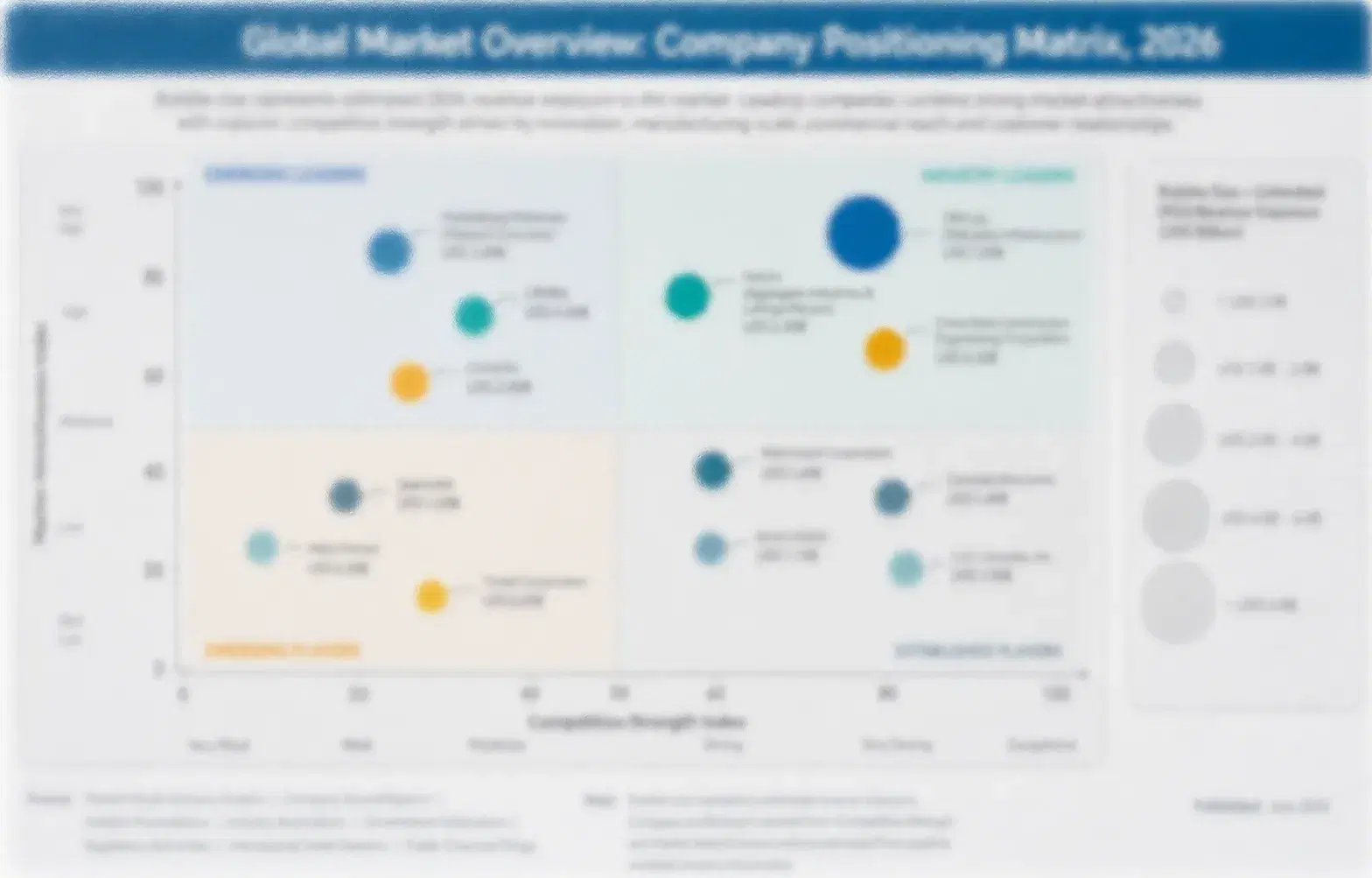
Five companies hold well over half of branded US revenue, a concentration built through decades of shelf dominance that smaller regional and plant-based challengers are only beginning to meaningfully erode across most major grocery chains tracked. The gap between Campbell's scale and the rest of the key player set remains wide, though plant-based specialists are capturing a growing share of the category's premium tier nationwide.
Current competitive activity centers on three fronts: plant-based reformulation racing to close the taste gap with traditional recipes, single-serve convenience format expansion targeting time-pressed urban buyers, and coastal market distribution expansion capturing the category's fastest-adopting buyer segment. Private label reformulation adds pricing pressure concentrated most heavily at the conventional recipe tier rather than across premium plant-based or convenience formats nationwide.

Pressure is building from regional challenger brands using authentic recipe heritage positioning that national incumbents cannot always credibly claim at the same local level of specificity and cultural nostalgia. Rankings could shift meaningfully if a major manufacturer achieves genuine plant-based taste parity before competitors, capturing the category's fastest-growing segment before it becomes a standard formulation expectation every competitor must eventually match.
united-states-potato-soup-market-company-positioning-matrix-1790362498265

Competitive Moat and Risk Dimensions

CAMPBELL'S COMPANY

Moat: National distribution and brand scale

Campbell's decades-long grocery distribution relationships and household brand recognition give it national shelf access for reformulated and convenience product lines that smaller regional and plant-based challengers spend years negotiating store by store across the country and its many regional retail chains nationwide and internationally too.
CAMPBELL'S COMPANY

Risk: Reformulation pace and agility risk

Campbell's massive existing recipe portfolio means genuine reformulation must happen carefully and slowly to avoid buyer backlash tied to decades of brand nostalgia, a scale that inherently limits how quickly the company can respond to fast-moving plant-based and convenience format trends smaller challengers pursue more nimbly.
KETTLE CUISINE LLC

Moat: Premium co-manufacturing expertise

Kettle Cuisine's premium co-manufacturing capability gives it a genuine formulation quality advantage that mass-market manufacturers running high-volume production lines struggle to match, letting it supply both branded and private label premium soup lines with recipe complexity competitors cannot easily replicate at comparable scale or cost.
KETTLE CUISINE LLC

Risk: Narrow co-manufacturing dependency risk

Kettle Cuisine's reliance on co-manufacturing relationships with retailers and branded clients rather than owning consumer-facing brands directly creates a dependency risk if a major client shifts production in-house or to a competing co-manufacturer offering comparable capability at meaningfully lower cost and much better overall quality.

Players Tracked

Prominent Players

Campbell's Company
Kettle Cuisine LLC
The Hain Celestial Group Inc.
B&G Foods Inc.
TreeHouse Foods Inc.

Other Key Players

Amy's Kitchen Inc.
Progresso (General Mills Inc.)
Panera Bread Company
Pacific Foods of Oregon LLC
Blount Fine Foods Corp.
Tabatchnick Fine Foods Inc.
Health Valley (Hain Celestial)
The Kroger Co.
Walmart Inc.
Aldi Inc.
Costco Wholesale Corporation
Trader Joe's Company
Publix Super Markets Inc.
Albertsons Companies Inc.
Wegmans Food Markets Inc.

Recent Developments

APRIL 2025

Campbell's Launches Reformulated Plant-Based Potato Soup

Campbell's launched a reformulated plant-based potato soup line in April 2025, using cashew and oat-based cream alternatives to close the taste gap with traditional dairy recipes, extending its reformulation investment well beyond earlier, less successful plant-based attempts from several prior years and marketing campaigns nationwide.
Signal: Signals the category's largest incumbent now sees plant-based reformulation as central to defending category leadership nationally.
SEPTEMBER 2024

Regional Brand Expands Single-Serve Distribution Nationally

A regional US potato soup brand completed an organic distribution expansion in September 2024, adding single-serve, microwave-safe packaging across several national grocery chains after building initial traction through coastal metro markets over the prior two full years of steady growth, sustained marketing, and capital investment.
Signal: Indicates coastal-market proving grounds are becoming a standard entry strategy for national soup distribution today nationwide.
JANUARY 2025

Major Retailer Expands Private Label Potato Soup Range

A major US grocery retailer expanded its private label potato soup range in January 2025, adding reformulated reduced-sodium and plant-based variants that closely match branded formulation claims, intensifying price competition at the conventional recipe tier nationwide across the broader retail trade and food industry beyond.
Signal: Shows private label retailers are matching branded reformulation claims faster than manufacturers previously expected across the trade.

Potato and Dairy Sourcing Sets Cost Base

Potatoes, dairy cream, and vegetable inputs represent roughly twenty-one percent of cost of goods sold for a typical US potato soup SKU, a modest input cost share reflecting the category's reliance on widely available domestic agricultural commodities rather than specialty or imported ingredients. Plant-based formulations carry a meaningfully higher input cost share given the cashew and oat-based cream alternatives that replace conventional dairy.
US potato prices rose meaningfully through 2022 as adverse growing season weather across major producing states like Idaho and Washington reduced harvest volume, a disruption documented in USDA agricultural market reporting, before easing through 2023 and 2024 as growing conditions normalized across most domestic producing regions tracked closely by analysts. That price spike forced several smaller manufacturers to temporarily adjust sourcing toward alternative growing regions and suppliers.

Larger branded manufacturers with forward-purchase agreements absorbed the 2022 potato price spike without major shelf price increases, protecting market share during the disruption, while smaller regional manufacturers more often passed costs through immediately, risking the price-sensitive portion of their buyer base at exactly the moment private label competition was intensifying fastest nationwide across most retail channels.
united-states-potato-soup-market-cost-volatility-analysis-1790362498539

Forward Contracting Domestic Potato Supply

Manufacturers are locking multi-quarter pricing agreements directly with domestic potato growers and cooperatives, reducing spot-market exposure and giving procurement teams cost visibility roughly two to three quarters ahead rather than negotiating shipment by shipment against volatile agricultural commodity pricing each purchasing cycle throughout most of the growing season each year and well beyond that.

Diversifying Across Multiple US Growing Regions

Sourcing potatoes from multiple US growing regions simultaneously rather than a single state spreads weather and harvest risk across markets that rarely face identical growing conditions in the same season, reducing the impact of any single region's poor harvest on total input cost relative to a single-region-dependent sourcing strategy used by smaller manufacturers lacking this flexibility.

Building Domestic Plant-Based Ingredient Relationships

Formalizing supply relationships with domestic cashew and oat cream ingredient suppliers ahead of rising plant-based demand reduces exposure to the spot-market volatility that can affect specialty ingredients with less established domestic supply infrastructure than conventional dairy inputs, a meaningful advantage as plant-based reformulation continues scaling nationwide across most markets, formats, channels, and regions today.

Portfolio Architecture for Margin Defence

The category organizes into three commercial tiers. A volume and commodity-adjacent tier competes on price against private label conventional recipes, a premium and certified tier commands a real shelf premium tied to authentic recipe heritage and brand nostalgia claims, and a smaller sustainability and next-generation tier built around plant-based and single-serve convenience formats commands the strongest per-unit margin despite representing the smallest current volume base across the category overall today.
Private label reformulation has compressed the volume tier's margin fastest, pushing branded suppliers to defend share through premium heritage and next-generation format investment rather than competing head-on at the lowest price point available, though volume-tier products still anchor total category unit sales despite carrying the category's thinnest margins by a meaningful and widening spread each year across most markets and regions.

High-value margin pools concentrate in the sustainability and next-generation tier, where plant-based reformulation and single-serve convenience formats support the strongest pricing power available today across the category, and in coastal urban market channels where brands can command premium pricing without facing the same private label competitive pressure present across mature Midwest and Southern retail markets.

Volume / Commodity-Adjacent Tier

Standard conventional cream-based potato soup competing primarily on price against private label, distributed broadly across mainstream grocery with minimal certification or heritage claims attached to the packaging itself currently observed.
Gross Margin: 15-21%

Premium / Certified Tier

Recipe heritage formulations carrying authentic brand nostalgia and household tradition claims, merchandised at a meaningful price premium over standard private label product within the same mainstream retail aisle and category set.
Gross Margin: 28-36%

Sustainability / Regulatory / Next-Generation Tier

Plant-based and single-serve convenience formulations aimed at the most engaged, highest-spending buyer segment, commanding the category's strongest per-unit margin despite still-limited volume relative to conventional formats currently sold nationwide today.
Gross Margin: 37-45%
united-states-potato-soup-market-portfolio-architecture-1790362498818

High-value Sub-segments and Strategic Watch-out

Vegan and Plant-Based Potato Soup Format

This high-value, high-growth format is expanding fastest as improved formulations close the taste gap with traditional recipes, and retailers are widening shelf space for it faster than for any other potato soup format, making it the clearest near-term margin opportunity for manufacturers with dedicated plant-based capability today.
Gross Margin: 36-44%

Single-Serve Convenience Pouch Format

High-value but moderate-growth today, single-serve convenience formats command meaningful pricing power tied to genuine time-saving utility, though volume remains constrained relative to conventional multi-serve formats by the format's higher per-unit price point and narrower target buyer occasion in most current retail markets tracked today closely.
Gross Margin: 33-41%

Standard Conventional Cream-Based Potato Soup

The volume core of the category, standard conventional cream-based potato soup anchors total unit sales across mainstream grocery and remains the primary format most buyers encounter first, even as plant-based and convenience formats capture a growing share of category revenue growth elsewhere in the aisle.
Gross Margin: 15-21%

Private Label Conventional Recipe Tier

The strategic watch-out segment, private label conventional potato soup is narrowing the price gap with branded value-tier product fastest at the category's least differentiated price point, and its continued expansion could compress branded pricing power meaningfully absent further reformulation investment nationwide going forward each year.
Gross Margin: 17-23%

From Household Recipe to Retail Staple

Potato soup behaves more like an annuity product once it becomes a household's default cold-weather meal choice, since repeat purchase frequency among habituated buyers runs meaningfully higher than for occasional category trial, giving manufacturers a more predictable revenue base than the category's broader seasonal purchase pattern might suggest at first glance across most national retail channels and household budgets tracked.
Adoption depth varies by end-use occasion: traditional household buyers show the deepest habit formation and highest repeat rates tied to specific brand nostalgia, single-serve convenience buyers adopt the format as one lunch rotation option among several rather than a dedicated daily habit, and plant-based trial buyers represent a newer, more experimental segment still building repeat purchase patterns distinct from conventional recipe loyalty.

Younger buyers entering the category through plant-based and convenience positioning show meaningfully different flavor and format preferences than an older generation of buyers who associate potato soup primarily with specific household recipes and brand memory passed down across generations rather than a packaged convenience product, a generational shift reshaping how brands position flavor, packaging, and marketing channels across the wider category and its many regional variations nationwide.
united-states-potato-soup-market-end-use-penetration-index-1790362499141

Where MMA Sees the Real Opportunity

These are among the four positions where our research anticipates prominent divergence between winners and laggards over the coming forecast period. Each is grounded in the demand model, the regulatory perimeter, and the announced capacity pipeline.
01 / PLANT-BASED PARITY PRIORITY

Close the taste gap before it becomes table stakes

Plant-based taste parity remains the single biggest lever for capturing the category's fastest-growing segment, and manufacturers investing in genuine recipe reformulation now will hold a durable advantage as competitors relying on simple dairy substitution struggle to match improved taste panel results. Reformulation science takes meaningful time to develop, creating a real window for early movers to establish a lasting lead before parity becomes a standard category expectation every competitor must eventually match. Manufacturers that delay risk losing this fast-growing segment to faster-moving competitors.
02 / CONVENIENCE FORMAT INVESTMENT

Build single-serve packaging capability ahead of demand

Single-serve convenience formats command a genuine price premium that time-pressed urban buyers are already willing to pay, and manufacturers investing in dedicated packaging technology now will capture this margin opportunity before competitors fully retool their own production lines to compete directly across most markets. This format requires genuine packaging investment rather than simply repackaging existing recipes at smaller portion sizes without real technology change. Manufacturers that wait risk losing this premium-margin opportunity to faster-moving convenience-focused challengers already active in the category.
03 / COASTAL MARKET EXPANSION TIMING

Build coastal urban distribution as a proving ground first

Coastal urban markets are adopting plant-based and convenience formats well ahead of the national average, and manufacturers building distribution relationships there now will establish brand loyalty before competitors fully consolidate that early proving ground themselves across most channels and formats. This window will not remain open indefinitely as national competitors scale their own coastal presence over time and catch up quickly. Manufacturers still launching nationally without a concentrated regional strategy risk ceding this fast-adopting segment to faster-moving competitors already active there.
04 / HERITAGE POSITIONING DEFENSE

Defend recipe authenticity against private label reformulation

Private label has narrowed the conventional recipe price gap meaningfully, and manufacturers must defend premium positioning through genuine recipe heritage and brand nostalgia that store brands cannot easily replicate given the historical grounding and cultural depth involved across most markets. Standard conventional formulation alone no longer commands the price premium it once did across most mature national retail markets tracked. Manufacturers still relying primarily on conventional positioning risk losing pricing power entirely as private label reformulation continues to spread further nationwide.

Engagement Snapshot From the Field

A live engagement with an industry participant carrying material or product regulatory and market exposure ahead of a defining policy shift, showing how our research translates into a defensible multi-year portfolio strategy.
MARKET MINDS ADVISORY · CLIENT ENGAGEMENT SUMMARY
USA Potato Soup Producer Strategic Portfolio Review and Transition Roadmap 2026·Investment Scenario on USA Potato Soup Exposure Evaluation 2025-26
CLIENT PROFILE
The client is a regional Midwest US potato soup manufacturer with an established conventional recipe range, reporting roughly 54 million dollars in annual revenue (client-reported, unverified by MMA) concentrated in regional grocery listings facing intensifying private label competition. The company approached MMA to assess whether expanding into coastal plant-based-forward markets represented a durable growth opportunity given its limited experience outside its home region.
STRATEGIC CHALLENGE
Leadership needed to determine whether to build in-house plant-based formulation capability or pursue a co-development partnership with an ingredient specialist, and how to position a new coastal-market product line against both national incumbents already investing in plant-based options and continued private label reformulation pressure at home in its core Midwest region.
MMA APPROACH
MMA combined primary survey data with retailer buyer interviews to size realistic coastal demand, modeled formulation development cost and timeline against two build-versus-partner scenarios, and benchmarked comparable manufacturer launches to produce a phased coastal entry sequence tailored to the client's existing regional distribution footprint and retailer relationships built over time.
KEY FINDINGS
  1. Co-development partnership with a plant-based ingredient specialist cut the client's projected development timeline meaningfully relative to building capability fully in-house from scratch.
  2. Cashew-based cream formulations tested significantly better on coastal taste panel scores than the client's initial oat-based attempt, despite a modest cost premium.
  3. Regional coastal retailers offered faster listing decisions than national chains, providing a lower-risk proof point ahead of a broader West Coast rollout.
  4. Retaining the client's existing Midwest recipe heritage marketing alongside the plant-based claim tested better than positioning it as an entirely new brand.
CLIENT PROFILE
The client is a regional Midwest US potato soup manufacturer with an established conventional recipe range, reporting roughly 54 million dollars in annual revenue (client-reported, unverified by MMA) concentrated in regional grocery listings facing intensifying private label competition. The company approached MMA to assess whether expanding into coastal plant-based-forward markets represented a durable growth opportunity given its limited experience outside its home region.
STRATEGIC CHALLENGE
Leadership needed to determine whether to build in-house plant-based formulation capability or pursue a co-development partnership with an ingredient specialist, and how to position a new coastal-market product line against both national incumbents already investing in plant-based options and continued private label reformulation pressure at home in its core Midwest region.
MMA APPROACH
MMA combined primary survey data with retailer buyer interviews to size realistic coastal demand, modeled formulation development cost and timeline against two build-versus-partner scenarios, and benchmarked comparable manufacturer launches to produce a phased coastal entry sequence tailored to the client's existing regional distribution footprint and retailer relationships built over time.
KEY FINDINGS
  1. Co-development partnership with a plant-based ingredient specialist cut the client's projected development timeline meaningfully relative to building capability fully in-house from scratch.
  2. Cashew-based cream formulations tested significantly better on coastal taste panel scores than the client's initial oat-based attempt, despite a modest cost premium.
  3. Regional coastal retailers offered faster listing decisions than national chains, providing a lower-risk proof point ahead of a broader West Coast rollout.
  4. Retaining the client's existing Midwest recipe heritage marketing alongside the plant-based claim tested better than positioning it as an entirely new brand.
RECOMMENDED STRATEGY
Phase 1: Phase 1 (Months 1 to 4): Partner with a plant-based ingredient specialist and launch a reformulated line through two coastal retailers. Phase 2: Phase 2 (Months 5 to 9): Expand distribution to a third coastal market and begin evaluating in-house formulation capability investment. Phase 3: Phase 3 (Months 10 to 15): Pursue broader West Coast distribution conversations only once regional sell-through data supports the case.
OUTCOME
Within two quarters of coastal launch, the client's reformulated plant-based SKU reportedly reached sell-through rates roughly twenty percent above the retailer's new soup category average (client-reported, unverified by MMA), supporting a decision to pursue broader West Coast distribution ahead of the original eighteen-month timeline MMA had modeled.

Frequently Asked Questions

Foundational context covering the market sizes, CAGR, scope, country, region and competition that inform every finding below. This section is provided to cover basics and most often pre-purchase conversations, answered from the MMA Primary Research Dataset.

What is the current size of the USA Potato Soup Market?

The US potato soup market reached approximately 1.1 billion dollars in 2025. Growth has been driven by plant-based reformulation and single-serve convenience format expansion across major manufacturers.

How large will the USA Potato Soup Market be by 2036?

MMA projects the market will reach roughly 1.6 billion dollars by 2036. Growth is supported by continued plant-based taste parity improvements and coastal urban market expansion.

What is the CAGR for the USA Potato Soup Market 2026 to 2036?

The market is projected to grow at a 3.8 percent compound annual rate between 2026 and 2036. This reflects the category's mature, brand-loyalty-driven growth pattern rather than explosive expansion.

Which segment is growing fastest?

Vegan and plant-based potato soup is growing fastest, at roughly a 7.5 percent CAGR. Improved cashew and oat-based cream alternatives are finally closing the taste gap with traditional recipes.

Who are the major companies in the USA Potato Soup Market?

Campbell's, Kettle Cuisine, and several regional and private label manufacturers lead the category. Private label reformulation from major national grocery chains is narrowing the branded price premium quickly.

Which country is growing fastest?

California is the fastest-growing state market, driven by concentrated coastal adoption of plant-based and convenience formats ahead of the national average. Pacific Northwest markets show a similar early-adopter pattern.

Report Segmentation Architecture

The full report scope spans multiple orthogonal segmentation dimensions, with cross-tabulated demand data provided for each dimension pair. Coverage extends further to regional breakdowns, trend trajectories, and the competitive detail needed to support segment-level decision-making.

By Product Format

  • Classic Creamy Potato Soup
  • Potato Leek Soup
  • Loaded and Bacon Potato Soup
  • Vegan and Plant-Based Potato Soup
  • Regional Recipe Potato Soup
  • Ready-to-Heat Single-Serve Pouches

By End-Use Industry

  • Retail Grocery
  • Foodservice and Institutional
  • Convenience and Travel Retail
  • E-Commerce
  • Club and Warehouse

By Commercial Dimension

  • Branded
  • Private Label
  • Direct-to-Consumer
  • Co-Manufacturing Supply

By Region

  • North America
  • Western Europe
  • East Asia
  • South Asia and Pacific
  • Latin America
  • Middle East and Africa
  • Eastern Europe

Scope, Methodology, and Coverage

Every figure in this report is reproducible from documented input assumptions. The scope below maps the historical period, the forecast horizon, the segmentation dimensions, and the countries covered, alongside the underlying primary and qualitative methodology.
Historical Period
2020 to 2025
Forecast Period
2026 to 2036
Base Year
2025 (USD billions; MMA Primary Research Dataset, September 2026)
Market Definition
The US potato soup market covers packaged, ready-to-eat and condensed potato soup products sold across American retail channels, including conventional cream-based, plant-based, and single-serve convenience formats. It excludes fresh restaurant soup, dried instant mixes sold primarily as an ingredient, and general vegetable soups where potato is not the primary component.
Quantitative Units
USD billions (current prices); metric tons for volume where disclosed
Segmentation Dimensions
By Product Format; By End-Use Industry; By Commercial Dimension; By Region
Regions Covered
North America, Western Europe, East Asia, South Asia and Pacific, Latin America, Middle East and Africa, Eastern Europe
Countries Covered
USA (all major regions and states), with cross-border and export context from Canada, Mexico, UK, Germany, France, Japan, South Korea, China, Australia, India, UAE, Saudi Arabia, South Africa, Poland, and additional markets relevant to US export and diaspora demand
Key Companies Profiled
Campbell's Company, Kettle Cuisine LLC, The Hain Celestial Group Inc., B&G Foods Inc., TreeHouse Foods Inc., Amy's Kitchen Inc., Progresso (General Mills Inc.), Panera Bread Company, Pacific Foods of Oregon LLC, Blount Fine Foods Corp., Tabatchnick Fine Foods Inc., Health Valley (Hain Celestial), The Kroger Co., Walmart Inc., Aldi Inc., Costco Wholesale Corporation, Trader Joe's Company, Publix Super Markets Inc., Albertsons Companies Inc., Wegmans Food Markets Inc.
Quantitative Methodology
Primary survey, n=3,800 respondents, Q4 2025, six countries; demand-side model with trade association cross-validation
Qualitative Methodology
47 expert interviews, Q4 2025; applied to validate demand model assumptions, identify emerging dynamics, and assess competitive positioning
Report Format
PDF and XLSX data workbook (Word format preview document)
Publisher
Market Minds Advisory
Report Code
MMA-2026-AGR-101
Published
September 2026
Contact
sales@marketmindsadvisory.com | www.marketmindsadvisory.com

Purchase the full USA Potato Soup Market Report (2026 to 2036).

The full report delivers a complete quantitative and qualitative assessment of the US potato soup market, including ten-year forecasts by product format, region, and commercial channel through 2036. It profiles twenty companies across the branded and private-label competitive set, with detailed moat and risk analysis for the two category leaders. The report includes primary survey data from 3,800 respondents across six countries and 47 expert interviews conducted in the fourth quarter of 2025, alongside potato and dairy input cost modeling and channel-specific revenue lever analysis. Buyers receive segmentation data, regional demand architecture, and a strategic verdict section designed to support entry and portfolio decisions.
Ten-year market forecasts by format and region
Competitive profiles of twenty branded and private-label companies
Primary survey data from 3,800 respondents across six countries
Potato input cost modeling and mitigation strategy analysis
Revenue lever analysis across four commercial growth strategies
Regional demand architecture covering all seven global regions

Built For The People Who Decide

From boardroom strategy to bench-side execution, this report is read cover-to-cover by leaders shaping the next decade of their industry, turning demand scenarios, market dynamics and valuation benchmarks into decisions.
CXOs/ Presidents/ VPs/ Managers
M&A and Corporate Development
Strategy Teams and R&D Heads
Procurement and Product Directors
Regulatory and Compliance Leaders
Investor Relations and Equity Analysts