Market Minds Advisory
United States Plastic Jar Packaging Market

United States Plastic Jar Packaging Market: Nobody Owns The Interface

Jars and closures are made by different companies to different tolerance stacks, so the seal exists only where they meet, and the leak complaint routes to whichever supplier the brand happened to telephone first.

Lead Analyst

Published

September 2026

Make Smarter Decisions with Customized Research Insights

Request a free sample report and evaluate market opportunities, growth trends, and competitive dynamics relevant to your business needs.

2025 MARKET VALUE$24.8BMarket Size 2025
2036 FORECAST VALUE$59.0BBase Case , 2026 to 2036
CAGR 2026 TO 20368.2 %Bull 9.4% / Bear 7.0%
INCREMENTAL OPPORTUNITY$32.2BNet 10- year value creation
EXPANSION MULTIPLE2.20x2036 value over 2026 base
Strategic Levers
M&A Pipeline
Regional Outlook
Country Rankings
Competitive Intelligence
Segmental Deep-dive
Call-Us : 91 93563 13602

Executive Snapshot and Market Trajectory

The failure point in jar packaging sits between the suppliers rather than inside any of them. Thread engagement and liner compression exist only where a jar meets a closure, and those two components come from different companies working to different tolerance stacks. No one is accountable for the joint itself.
East Asia takes 29% of value on consumer goods filling concentrated in the region, with North America close behind at 28% on regulation rather than volume. Child-resistant and senior-friendly systems grow at 12.3%, half again the market rate of 8.2%, because compliance is decided by human panel testing under a federal protocol rather than by any engineering analysis a supplier can perform internally. Testing decides participation.
Concentration reaches 31% and closure specialists hold better positions than jar moulders because a certified closure cannot be swapped casually. Line speed decides most purchases and appears in almost no written specification, since two closures that look identical on a drawing apply at very different rates on a filling line. Suppliers who arrive with trial data compete on a dimension their competitors cannot even quantify. Line trial data settles it.
Market Definition
The market covers complete rigid plastic jar packaging systems supplied to brand owners and contract packers, including closure and cap systems, induction seal and liner systems, tamper evident and security features, decoration and labelling systems, barrier and shelf-life systems, and child-resistant and senior-friendly systems. The moulded jar body as a manufactured container, glass and metal packaging, flexible formats, and filling, capping and sealing equipment are excluded. Jar manufacture itself is covered in a separate MMA report.
Base Year Value
$24.8B in 2025 (MMA Primary Research Dataset, August 2026)
Forecast Period
2026 to 2036, eleven discrete annual values
CAGR
8.2% base case. Bull 9.4%. Bear 7.0%.
Fastest Growth Segment
Child-Resistant and Senior-Friendly Systems: 12.3% CAGR
Fastest Growth Country
India: 10.4% CAGR
Fastest Growth Region
South Asia and Pacific: 10.2% CAGR
Largest Region
East Asia: 29% of 2025 global value
Market Leaders
Silgan Holdings, Berry Global, AptarGroup, Amcor, Closure Systems International. Source: MMA Analysis based on disclosed closures and rigid packaging systems revenue, company annual reports 2025.
Primary Survey
n=3,800 procurement and R&D decision-makers, Q4 2025, six countries
Methodology
Demand-side build-up, cross-validated against public data, 47 expert interviews

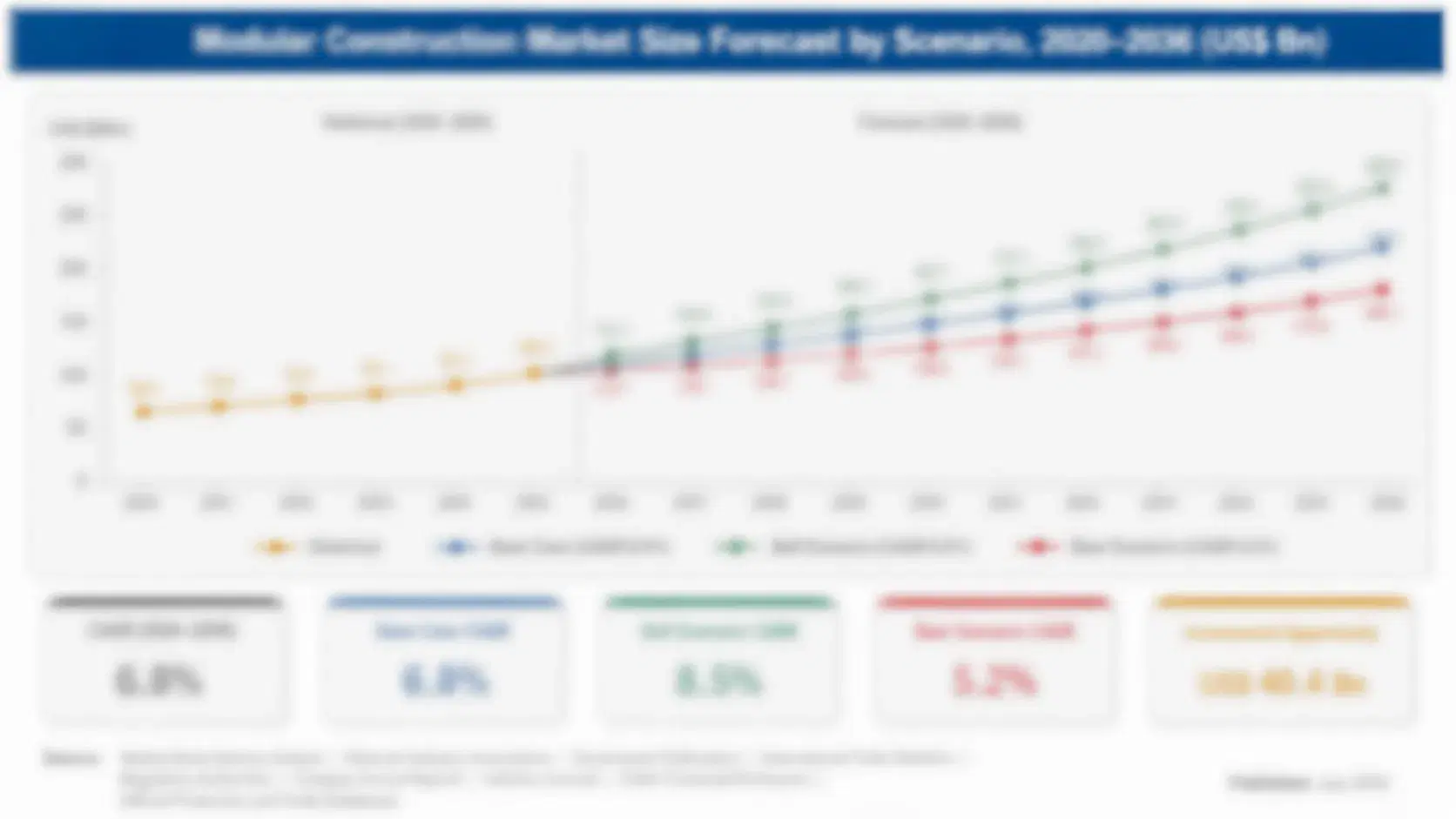
United States Plastic Jar Packaging Market Forecast Scenarios

united-states-plastic-jar-packaging-market-size-forecast-scenario-1787696187351
Growth from 2020 to 2025 held at 7.0% and the composition shifted more than the total did. Tamper evidence and child-resistant requirements expanded across nutraceutical and cannabis categories that had not previously carried them, while standard closure volume grew roughly with consumer goods output. Resin pricing moved reported value through 2022 without moving units, flattering one year and depressing the next.
The 8.2% base case rests on three mechanisms. Child-resistant and senior-friendly requirements keep extending into new product categories through state and federal rules, and each extension converts a commodity closure into a certified one. Induction sealing keeps spreading as brands pursue tamper evidence and shelf life together in a single operation. And Asian consumer goods filling keeps growing, pulling complete pack systems with it. All three run on regulatory calendars.
The bull case at 9.4% depends on child-resistant requirements reaching further categories faster than suppliers can complete panel testing, which would concentrate volume among the few holding current certifications. The bear case at 7.0% is brand owners rationalising closure ranges toward standard finishes to cut cost, which would compress the premium that certified and specialised systems currently command across the whole market.

The Joint Nobody Is Responsible For

A jar seals because a thread engages and a liner compresses, and neither of those things belongs to one supplier. The jar comes from a moulder on one tolerance stack and the closure from another company entirely, so the seal exists only where they meet. Roughly 63% of leak complaints trace to that interface rather than to either component, and the call goes to whichever supplier answered first.
FIVE-FIRM CONCENTRATION31%Share of packaging systems revenue held by the leading suppliers
STANDARD CLOSURE PRICE$0.07 eachTypical selling price for a mid size threaded plastic closure
TOP PRODUCING COUNTRYChina 26%Chinese share of global closure and liner system output
CAPPING LINE SPEED240 per minuteRate a well matched closure achieves on modern filling lines
PANEL TEST DURATION14 weeksTime to complete federal child resistance and adult opening testing
INTERFACE COMPLAINT SHARE63%Leak complaints traced to thread or liner mismatch
Child resistance is a legal test rather than a design judgement. The federal protocol requires panels of children aged forty-two to fifty-one months and adults aged fifty to seventy, and a pack passes on how those people behave rather than on engineering analysis. Testing takes around fourteen weeks. That converts a closure into a certified component, which is why closure specialists hold better positions than jar moulders.
Line speed is what brands actually buy and almost nobody writes it down. Two closures identical on a drawing can apply at 240 caps per minute or at considerably less, depending on how they feed, orient and take torque on a real capping head. Procurement documents rarely capture it. Suppliers bringing line trial data compete on a dimension competitors cannot quantify.
"Everyone sells you a component and nobody sells you a seal. The gap between those two things is where every complaint in this industry actually lives, and no contract I have read assigns it."
Principal, Packaging Systems Practice · MMA Packaging Practice · August 2026

Market Trends

Certified Closures Separate From Commodity Closure Supply

Child-resistant and senior-friendly systems require panel testing under a federal protocol taking roughly fourteen weeks, and a pack either passes with real children and real older adults or it does not. That converts a moulded component into a certified one and creates a switching cost that ordinary closures never carry. Growth at 12.3% concentrates among suppliers holding current certifications across a range of finishes, since a brand extending into a regulated category cannot wait out a testing cycle to launch. Certification is genuinely what these suppliers are selling. Testing is not a formality.
Market Impact: Covers 3 newly regulated categories
Induction Sealing Spreads Beyond Pharmaceutical Applications Entirely

Induction seals deliver tamper evidence and shelf life in one operation, which is why food, nutraceutical and household chemical brands adopted them well beyond their pharmaceutical origins. Seal integrity depends on foil construction, liner material, applied cap torque and the sealer's own power and conveyor settings together. The liner supplier sold the material rather than the machine setting, and gets the complaint regardless of which of those four variables actually failed on the day. Distribution testing rather than bench results is what actually separates suppliers here, and remarkably few publish it. Customers have learned to ask.
Market Impact: Tests adults aged 50 to 70

Market Opportunities and Growth Drivers

Regulated Categories Keep Expanding Child-Resistance Requirements

Child-resistant packaging obligations originating in poison prevention rules have extended into nutraceutical, cannabis and household chemical categories through federal and state action, and each extension converts commodity closure volume into certified volume overnight. Brands entering those categories cannot launch without a compliant pack and cannot compress a fourteen week testing cycle to suit a launch date. Suppliers holding current certifications across multiple finishes therefore capture demand that competitors cannot serve at all until they test. Certification stock decides who participates in a category extension. Nobody enters late and catches up.
Market Impact: Drives 63% of leak complaints

Ageing Population Raises Adult Opening Failure Rates

The federal protocol tests adults aged fifty to seventy alongside children, and the adult opening requirement is what most child-resistant designs actually fail rather than the child resistance itself. An ageing American population makes that failure commercially louder as complaint volumes rise from customers who cannot open packs they legitimately bought. Suppliers who design for grip strength and hand dexterity rather than purely for resistance pass more consistently and generate far fewer post-launch complaints for their customers. Complaint volume from that source keeps rising steadily every year. Complaints reach the brand rather than the supplier.
Market Impact: Delays entry by 14 weeks

Market Restraints and Challenges

Interface Failures Have No Accountable Supplier Anywhere

Roughly 63% of leak complaints trace to thread engagement or liner compression between a jar and a closure rather than to either component individually. Root cause is that the two parts come from different companies working to independent tolerance stacks with no shared specification covering the joint they create together. The commercial impact is complaint handling cost and damaged relationships falling on suppliers who did nothing wrong. Mitigation runs through joint qualification protocols, which a few suppliers now offer contractually. Brands pay for complaint reduction rather than components. A few now contract for it.
Market Impact: Requires 14 weeks of testing

Panel Testing Cycles Delay Category Entry Substantially

Federal child resistance testing requires recruiting panels of children and older adults and takes around fourteen weeks before any result exists, which no supplier can accelerate. Root cause is that the standard measures human behaviour rather than any measurable engineering property of the pack. The commercial impact is that brands miss launch windows or default to whichever certified closure is already available regardless of fit. Mitigation involves suppliers pre-certifying finishes speculatively, which ties capital to demand that may not appear. Most suppliers accept that risk deliberately. Speculative certification ties up capital.
Market Impact: Combines 2 functions per operation
3 additional market trends, 4 additional growth drivers, and 2 additional restraints and challenges are covered in the full report. Contact sales@marketmindsadvisory.com to access the complete intelligence.

Segment CAGR and Growth Architecture

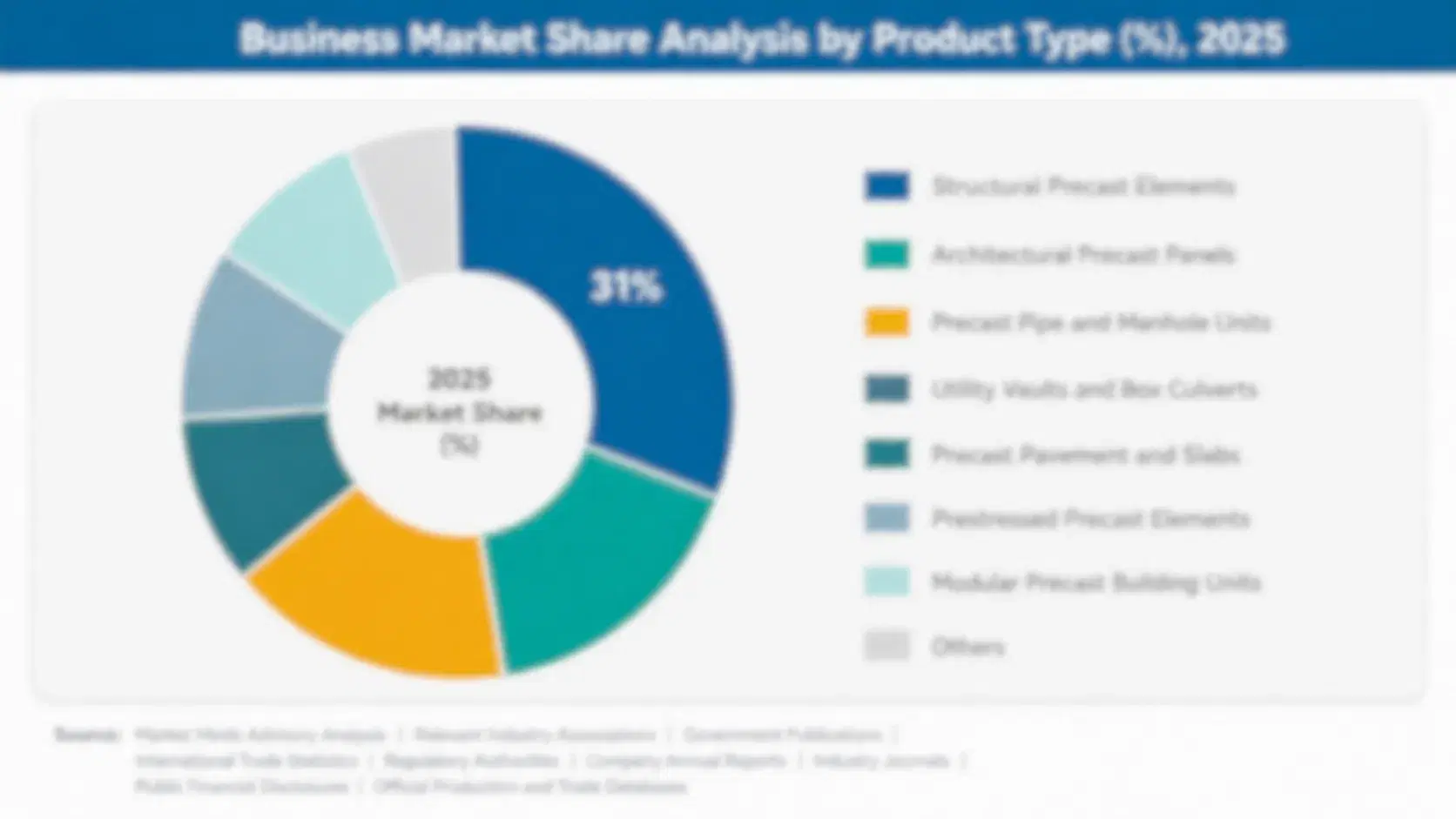
Segmentation follows pack system function: what each element of the complete package is required to do once the jar is filled, rather than how any component was manufactured or which industry buys it. Six functional systems cover the market without overlap. End-use industry and commercial arrangement are treated as separate dimensions here. Manufacturing method sits outside this hierarchy.
united-states-plastic-jar-packaging-market-market-share-analysis-1787696187650

Child-Resistant and Senior-Friendly Systems

Compliance is decided by panels of children aged forty-two to fifty-one months and adults aged fifty to seventy under a federal protocol, which takes roughly fourteen weeks and cannot be shortened for any launch date. Growth at 12.3%, half again the market rate of 8.2%, follows regulatory extension into nutraceutical, cannabis and household chemical categories rather than any brand preference. The adult opening requirement is what most designs actually fail, and an ageing population makes that failure commercially louder every year. Certification is what suppliers are genuinely selling here. Suppliers holding tested finishes across a range serve extensions that competitors cannot reach at all for fourteen weeks, which is a barrier capital alone does not cross.
CAGR 12.3%

Tamper Evident and Security Features

Tamper evidence became an American packaging norm after the 1982 product tampering deaths and the federal rules that followed, and it has since extended well beyond pharmaceutical products into food, nutraceutical and personal care jars. Growth at 10.8% comes from category extension and from brand protection concerns around counterfeiting and diversion in resale channels. Induction seals, breakaway bands and printed security features compete for the same function at different price points. What separates suppliers is evidence that the feature survives distribution rather than merely working on a laboratory bench. A feature that works at the sealing station and fails after two thousand miles of distribution is worse than none at all, because it destroys the assurance it was bought for.
CAGR 10.8%
Full segment breakdown across 6 segments available in the complete report.

Regional Architecture and Country Demand Map

Geography follows consumer goods filling volume and regulatory intensity together. East Asia leads on the sheer scale of regional filling operations, North America follows closely on child-resistance and tamper evidence regulation, and South Asia grows fastest. Certification rules differ enough between regions that nothing transfers.

North America

American child-resistance and tamper evidence rules are more demanding and more actively extended than anywhere, which is why this region holds 28% of value on considerably less than 28% of filling volume. Regulatory extension into nutraceutical and cannabis categories has converted large blocks of commodity closure volume into certified volume within a few years. Panel testing capacity is concentrated here, which gives American suppliers a practical scheduling advantage. Interface accountability is also more contested, since litigation exposure makes brands more careful about assigning responsibility for leak and seal failures contractually. Certification stock has become a more durable commercial position than moulding cost, which reverses how suppliers here competed for the previous two decades entirely.
Share: 28% | CAGR: 7.4% (2026 to 2036)

Western Europe

European tamper evidence and child-resistance requirements follow different standards from the American protocol, which means certification does not transfer and suppliers serving both markets test twice. Recyclability rules increasingly govern closure material selection and mono-material pack construction, which is a specification pressure American suppliers face far less. German and Italian closure manufacturers hold strong technical positions in precision moulded and dispensing systems. Pricing runs through retailer and brand procurement that is more centralised than in America, which compresses margins on standard finishes considerably. Interface accountability receives less contractual attention than in America, and complaint routing between component suppliers remains largely unresolved across most of the region. Recyclability dominates specification debate.
Share: 21% | CAGR: 6.6% (2026 to 2036)
Regional intelligence for 5 additional markets available in the complete report: East Asia, South Asia and Pacific, Latin America, Middle East and Africa, Eastern Europe. Contact sales@marketmindsadvisory.com.
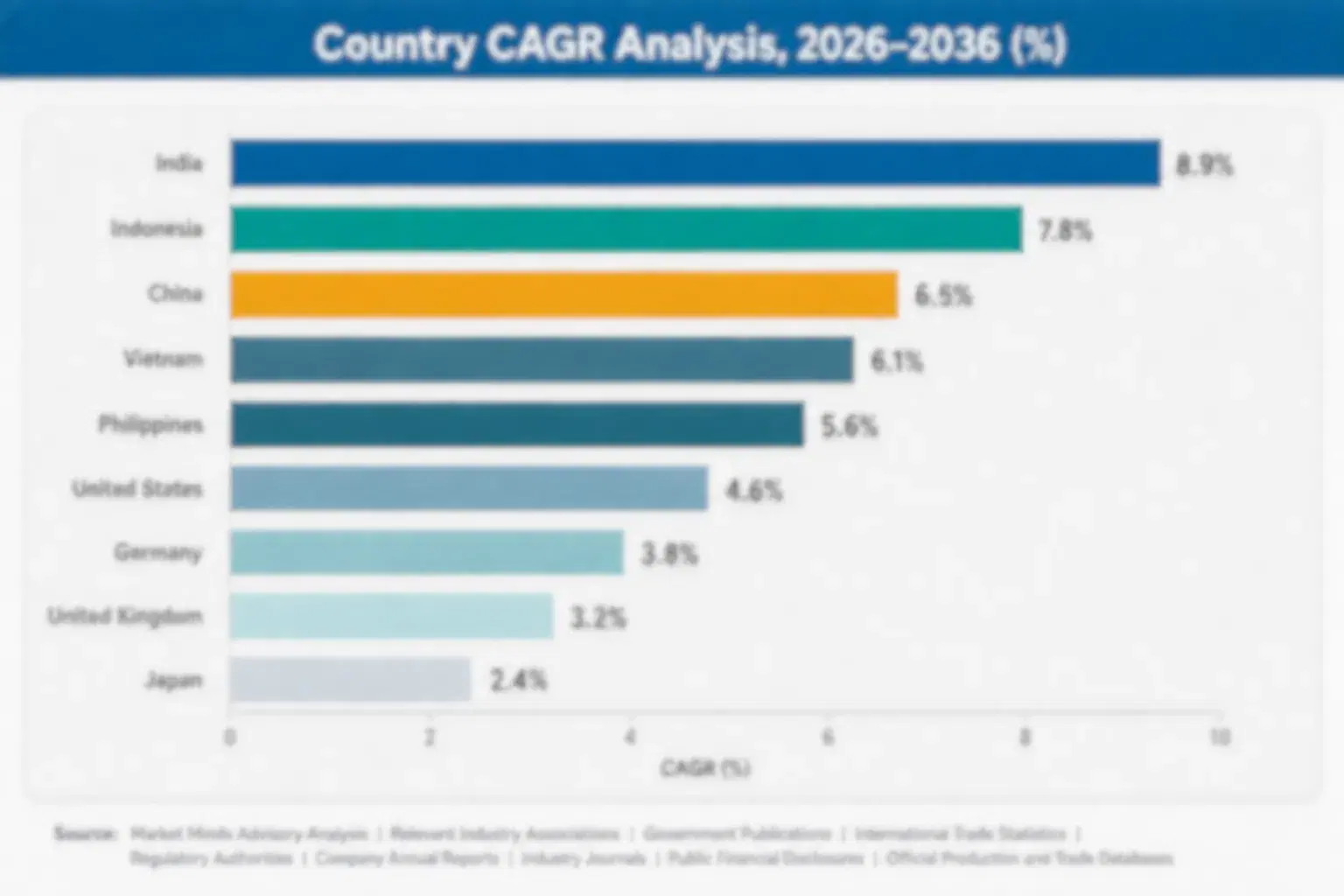
united-states-plastic-jar-packaging-market-country-cagr-analysis-1787696188004

Selling The Seal Not Components

Roughly 63% of complaints sit at an interface nobody owns, certification takes fourteen weeks that no brand can compress, and line speed decides purchases without appearing in any specification. Four levers work on accountability, certification stock, line evidence and adult opening design rather than on unit price alone. Each builds a position price alone cannot.

Take Contractual Ownership Of The Sealing Interface

Around 63% of leak complaints trace to thread engagement or liner compression between components made by different companies, and no contract in this industry assigns that joint to anyone. A supplier offering joint qualification against a named jar and a written interface specification takes on risk competitors will not touch and becomes very difficult to displace afterward. Brands pay for complaint reduction rather than for closures. The commercial position that follows is considerably stronger than any price advantage available. Complaint handling cost falls immediately and visibly. The position holds for years.
Market Impact: Addresses 63% of all recorded leak complaints entirely

Pre-Certify Finishes Ahead Of Category Demand

Federal panel testing takes roughly fourteen weeks and no brand entering a regulated category can compress that to fit a launch window. Suppliers who certified a range of finishes speculatively capture demand competitors cannot serve at all until they complete their own testing. The capital tied up is modest against volume at 12.3% growth, and the risk is holding certifications for categories that never materialise commercially. Most suppliers have concluded the downside is worth accepting. Category extensions arrive faster than testing cycles do. Competitors simply cannot participate. Timing decides the whole outcome.
Market Impact: Removes 14 weeks from every customer launch timeline

Bring Line Trial Data Into The Quotation

Two closures identical on a drawing apply at 240 caps per minute or at considerably less depending on feeding, orientation and torque behaviour on a real capping head. Packaging engineers know this and almost no procurement document captures it. Suppliers who arrive with line trial data compete on a dimension competitors cannot quantify, and they reframe the purchase from unit cost toward filling line output, which is worth far more to a brand than the closure itself ever is. Output is worth more than the closure. Procurement rarely measures it.
Market Impact: Demonstrates a 240 caps per minute line output

Design For Adult Opening Not Just Resistance

The federal protocol tests adults aged fifty to seventy alongside children, and the adult opening requirement is what most child-resistant designs actually fail rather than the resistance itself. Suppliers who design around grip strength and hand dexterity pass panel testing more consistently and generate fewer post-launch complaints from customers who cannot open what they bought. With an ageing population the complaint volume keeps rising, which makes reliable adult opening a commercial argument rather than a compliance detail. The protocol runs 2 separate panels and most failures come from the older adult one rather than the children.
Market Impact: Passes testing across the 2 distinct human panels

Who Controls the Margin Pool

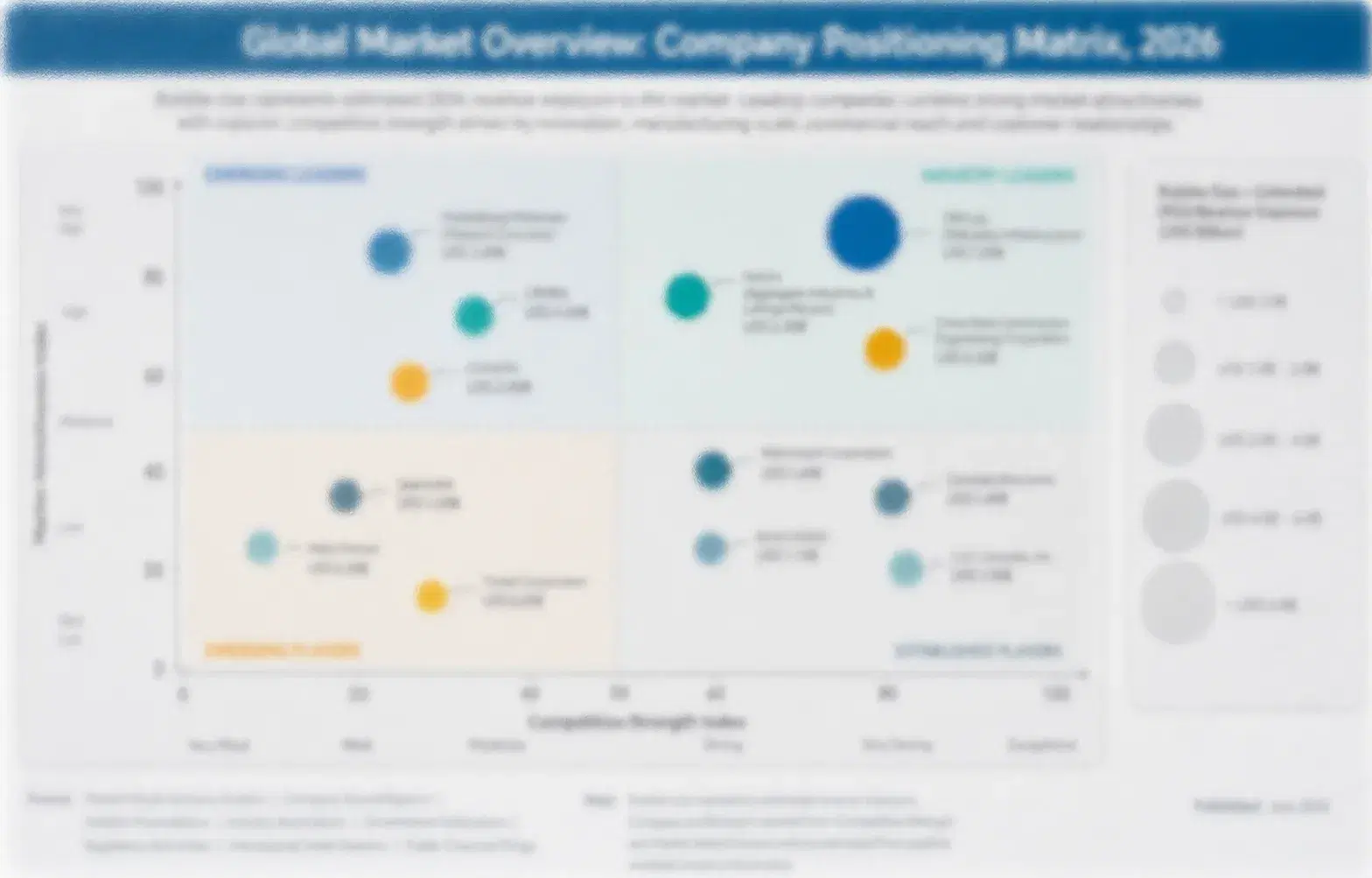
Measured on disclosed closures and rigid packaging systems revenue, the five largest suppliers hold a CR5 of 31%, which is higher than in jar moulding because certified closures cannot be swapped as casually as containers. Silgan, Berry, Aptar and Amcor operate broad closure and liner portfolios, and Aptar in particular holds positions in dispensing and specialised systems that competitors have not straightforwardly replicated at scale.
Three contests define activity here. Commodity closure supply competes on unit price and line performance within regional supply networks. Certified child-resistant and senior-friendly systems compete on held certifications and panel testing capacity. Induction seal and liner systems compete on seal integrity evidence across distribution rather than on bench performance, which very few suppliers document convincingly for their customers. A supplier organised for one of those contests is rarely equipped for the other two.

Pressure builds around interface accountability as brands tire of routing complaints between suppliers who each demonstrate their own component conforms. Rankings shift toward whoever will contract for the joint itself. Certification stock is the other axis, since a supplier holding tested finishes serves category extensions that competitors physically cannot reach for fourteen weeks. Both axes reward preparation over price.
united-states-plastic-jar-packaging-market-company-positioning-matrix-1787696188274

Competitive Moat and Risk Dimensions

SILGAN HOLDINGS

Moat: Certified Closure Portfolio Breadth

Silgan holds tested child-resistant and dispensing designs across a wide range of finishes, which lets it serve category extensions immediately while competitors begin a fourteen week panel testing cycle. That portfolio was built over years and cannot be assembled quickly. A brand entering a newly regulated category chooses from what exists rather than waiting for what could be developed.
SILGAN HOLDINGS

Risk: Commodity Closure Margin Exposure

A large share of volume sits in standard closures where regional competitors compete on unit price and the certification advantage does not apply at all. Brand rationalisation toward standard finishes compresses exactly the portion of the portfolio that certification protects. Breadth provides reach across categories rather than pricing power within the largest of them.
APTARGROUP

Moat: Dispensing System Technical Depth

Aptar's positions in pumps, dispensing closures and specialised delivery systems rest on engineering that competitors have not replicated at comparable scale, and those systems are specified into products rather than purchased against a drawing. Changing a dispensing closure changes how a product performs in a consumer's hand, which brands treat as a formulation decision rather than a sourcing one.
APTARGROUP

Risk: Limited Standard Jar Exposure

Technical depth concentrates in dispensing and specialised delivery rather than in the threaded closure and liner systems that most jar packaging actually uses. That leaves a large portion of jar pack volume served by competitors with broader standard portfolios. Depth in one function does not extend automatically across a pack system that includes several others.

Players Tracked

Prominent Players

Silgan Holdings
Berry Global
AptarGroup
Amcor
Closure Systems International

Other Key Players

TriMas Packaging
Mold-Rite Plastics
O.Berk
Comar
Sonoco Products
Greif
Guala Closures
Bericap
Tekni-Plex
Selig Group
Constantia Flexibles
CCL Industries
Multi-Color Corporation
Weener Plastics
Pretium Packaging

Recent Developments

FEBRUARY 2025

Closure supplier introduces contractual joint qualification programme

A closure supplier began offering written interface qualification against named jar geometries, an organic commercial programme rather than any transaction. Leak complaints traced to thread and liner mismatch had been routing between component suppliers who each demonstrated conformance to their own drawing without resolving anything for the customer.
Signal: Contracting for the joint rather than the component is a position competitors have avoided taking. Few will.
JUNE 2025

Nutraceutical brand delays launch pending child-resistance panel testing

A nutraceutical brand postponed a product launch because federal child-resistance panel testing on its chosen pack had not completed, a scheduling consequence rather than any corporate event. The fourteen week protocol requires recruiting children and older adults and cannot be accelerated by paying more for it.
Signal: Certification stock decides which supplier can serve a category extension and which one simply cannot. Timing decides it.
OCTOBER 2025

Liner supplier publishes distribution seal integrity testing data

A liner supplier published seal integrity results measured after simulated distribution rather than at the sealing station, an organic technical disclosure rather than any transaction. Induction seal performance depends on foil, liner, applied torque and sealer settings together, and bench results had been overstating field reliability considerably.
Signal: Seal evidence across distribution separates suppliers where bench performance data tells customers almost nothing useful. Bench data misleads.

What A Complete Pack Costs

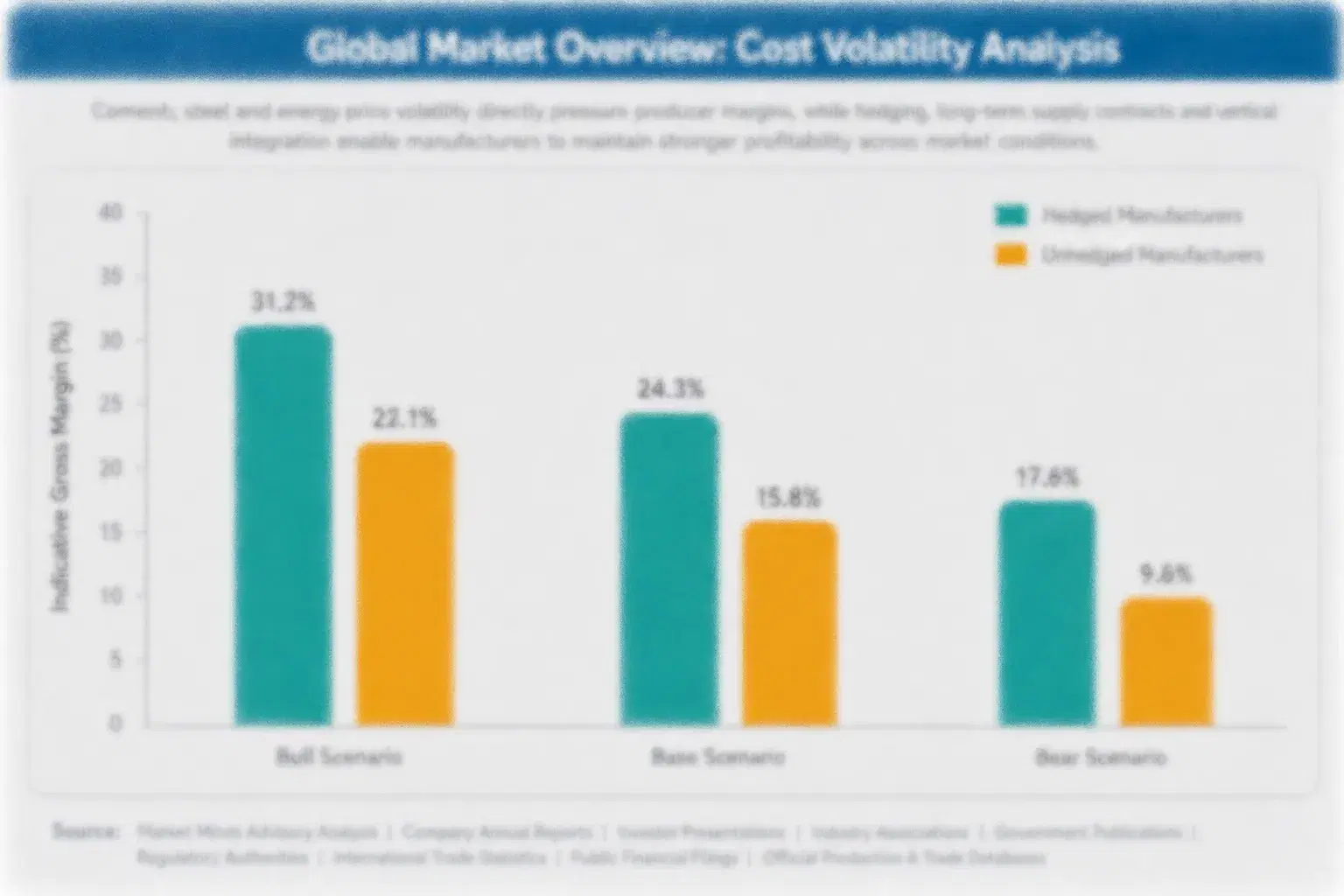
Polymer dominates and the mix is more varied than in jar moulding alone. Polypropylene and polyethylene account for 48 to 55% of closure system cost, while induction liners add aluminium foil and specialised polymer laminates carrying their own pricing behaviour. Moulding energy follows, and certification amortisation appears wherever panel testing has been funded across a finish range rather than a single product.
Aluminium is the volatility nobody anticipated. Induction liner foil pricing moved sharply through 2022 alongside European smelter curtailments driven by energy costs, which EIA and IEA energy data document across that period. Liner suppliers on fixed annual pricing absorbed the increase entirely while those with indexed clauses passed it through. Polymer moved in the same window for related reasons, so both major inputs rose together.

Exposure divides by portfolio mix rather than by scale. Suppliers weighted toward commodity closures carry polymer exposure on a product with no pricing power to absorb it. Those weighted toward certified and dispensing systems price on function and pass costs more readily. European suppliers carry both energy intensity and foil exposure, while Gulf and Asian competitors benefit from regional polymer supply and cheaper industrial power throughout.
united-states-plastic-jar-packaging-market-cost-volatility-analysis-1787696188600

Index aluminium foil separately from polymer inputs

Induction liners carry aluminium exposure that behaves nothing like polymer pricing, and contracts indexed to a single polymer benchmark absorbed the 2022 foil increase entirely. Indexing the two inputs separately costs negotiation effort and prevents carrying a divergence that no single benchmark captures. Suppliers on combined indices discovered the gap only once margins had already gone.

Amortise certification across a finish range

Panel testing costs the same whether it supports one product or a family of finishes, so suppliers who certify across a range spread the cost while those testing product by product carry it repeatedly. The approach requires committing capital before demand appears in any category. It also creates the certification stock that lets a supplier serve extensions competitors cannot reach.

Price on filling line output not units

A closure running at 240 caps per minute is worth considerably more to a filler than one running slower, and unit price comparisons capture none of that difference at all. Pricing against demonstrated line output requires trial data competitors rarely bring. It moves the negotiation away from a cost per thousand that favours whoever cuts material first.

Portfolio Architecture for Margin Defence

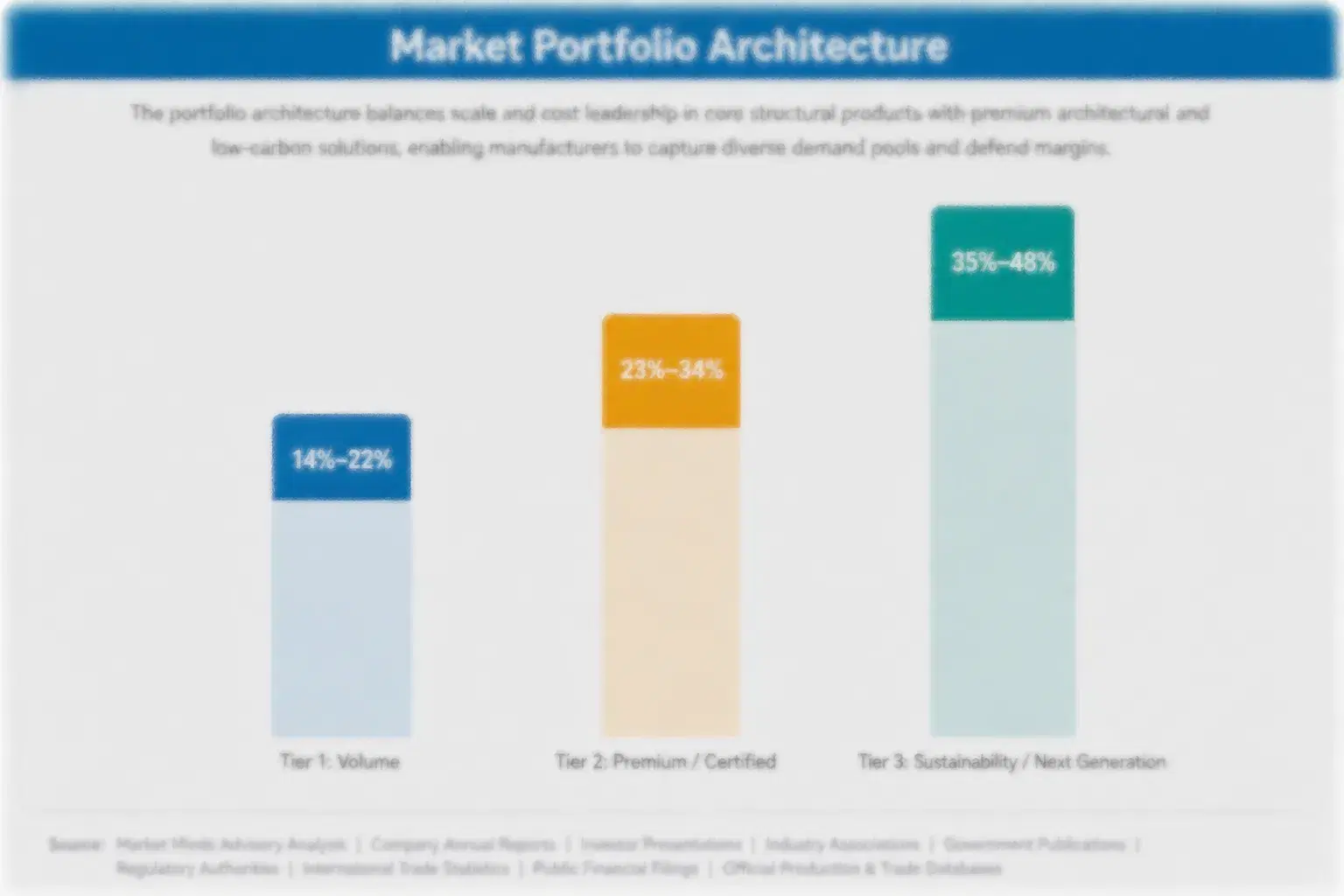
Margin follows certification and function rather than material content. Standard threaded closures are comparable across regional suppliers and priced accordingly. Induction liner systems earn better where seal integrity evidence exists across distribution. Certified child-resistant and senior-friendly systems earn considerably more because panel testing creates a position competitors cannot enter for fourteen weeks. Dispensing systems earn most of all, since brands specify them as part of how a product performs.
The tension runs between volume that carries moulding utilisation and certified work that carries margin. Standard closures fill capacity and generate the scale that makes a moulding operation viable, while certified and dispensing systems generate the returns. Suppliers weighted entirely toward the first compete on price against everyone. Those weighted entirely toward the second struggle to fill capacity and carry high fixed costs against uneven demand across categories.

High-value pools sit in three places. Certified child-resistant and senior-friendly systems where testing creates a real barrier. Dispensing and specialised delivery systems specified as part of product performance. And contractual interface ownership, where a supplier takes responsibility for the joint that 63% of complaints originate in and that nobody currently owns.

Volume / Commodity-Adjacent

Standard threaded closures and basic liner systems supplied against drawings where regional suppliers are broadly comparable. The 7-point range separates suppliers with indexed polymer clauses and demonstrated line speed from those competing purely on unit cost against a specification.
Gross Margin: 16-23%

Premium / Certified

Induction seal systems with distribution integrity evidence, tamper evident features and precision closures supporting high line speeds. The 7-point spread separates suppliers who document performance across distribution from those quoting bench results that overstate field reliability.
Gross Margin: 28-35%

Sustainability / Regulatory / Next-Generation

Certified child-resistant and senior-friendly systems, dispensing and specialised delivery, and mono-material recyclable pack constructions. The 17-point range is wide because certification and dispensing engineering command very different premiums from recyclable material substitution work.
Gross Margin: 33-50%
united-states-plastic-jar-packaging-market-portfolio-architecture-1787696188911

High-value Sub-segments and Strategic Watch-out

Certified Child-Resistant Systems

Highest value and fastest growth at 12.3%, where a fourteen week federal panel test creates a barrier that capital alone cannot cross quickly. The risk is holding certifications for categories that regulation never actually reaches, which ties capital to demand that may never appear commercially.
Gross Margin: 45-50%

Dispensing and Delivery Systems

High value with moderate growth, specified by brands as part of how a product performs rather than purchased against a drawing by procurement. The risk is that dispensing depth does not extend across threaded closures and liners, which is where most jar pack volume actually sits.
Gross Margin: 38-43%

Standard Threaded Closures

The volume core, comparable across regional suppliers and priced against drawings that capture nothing about line performance. Suppliers hold the position because this volume carries moulding utilisation, and utilisation determines whether the certified work earns anything at all. Nobody exits it deliberately. Utilisation drives everything else.
Gross Margin: 17-22%

Interface Accountability Gap

The strategic watch-out. Roughly 63% of leak complaints originate at a joint no contract assigns, which generates handling cost and relationship damage for suppliers whose own components conform perfectly. The risk is that a competitor contracts for the joint first and becomes very hard to displace.
Gross Margin: 22-27%

Specified Once Bought Forever

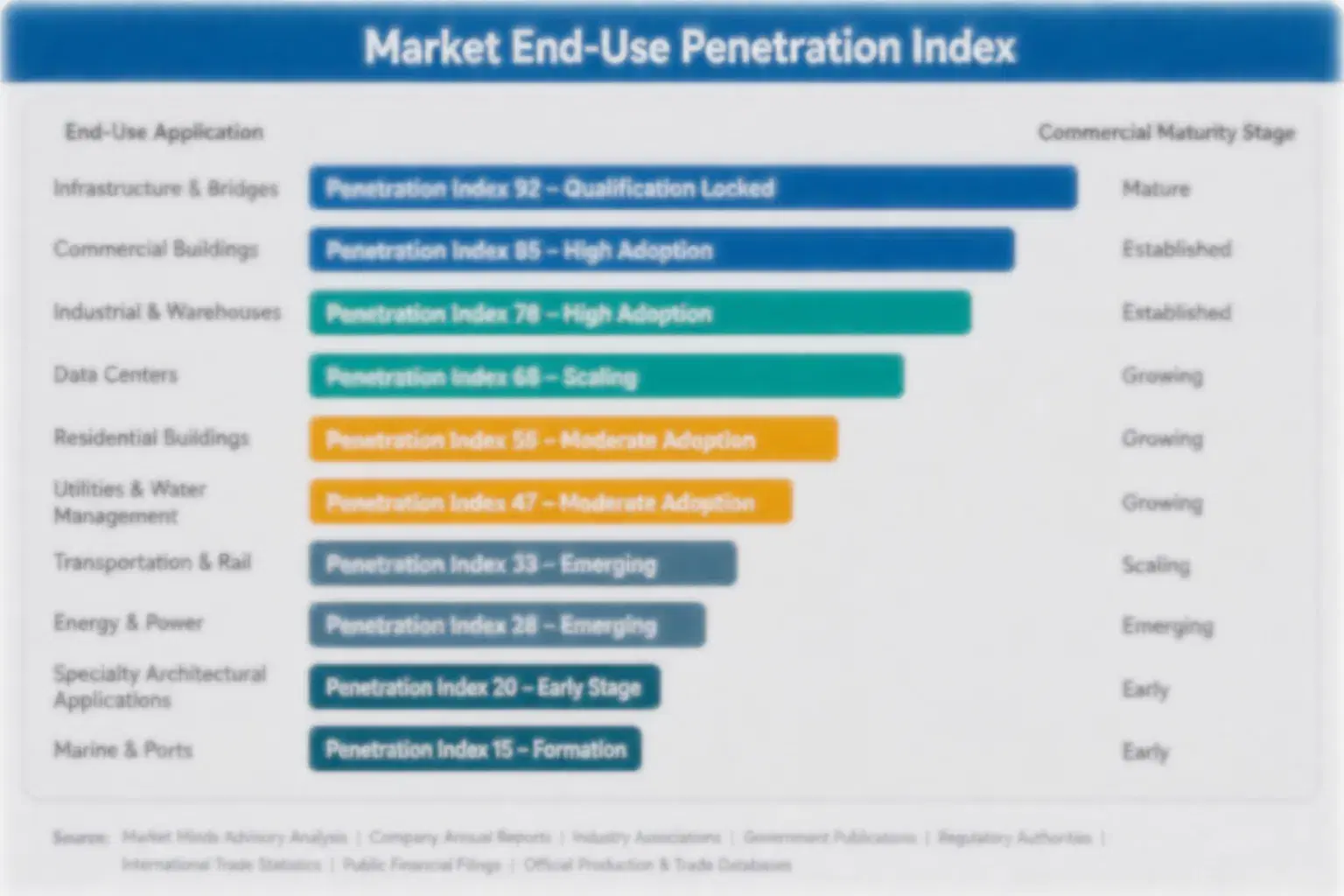
Pack systems are consumed with every filled unit and never accumulate, which ties demand directly to a customer's production volume. What distinguishes this market from jar supply is that certified and dispensing systems are specified into a product rather than purchased against a drawing, and a specified component gets revisited only when something goes wrong. That produces genuine annuity behaviour the commodity portion never generates.
Stickiness varies sharply by function. Certified child-resistant systems are effectively permanent, since changing one restarts a fourteen week panel test nobody wants to schedule. Dispensing systems are similar because they alter how a product performs in the hand. Induction liners are moderately sticky where seal integrity has been validated across distribution. Standard threaded closures are not sticky at all and get requoted annually against regional competitors who look identical on paper.

The buyer differs by function too. Standard closures are repriced by procurement comparing quotations. Certified and dispensing systems are chosen by packaging development and regulatory affairs, who care about test results and consumer handling rather than cost per thousand. Younger packaging engineers expect distribution testing and line trial evidence as standard, which suppliers organised around price lists cannot provide.
united-states-plastic-jar-packaging-market-end-use-penetration-index-1787696189185

Where The Real Positions Are

These are among the four positions where our research anticipates prominent divergence between winners and laggards over the coming forecast period. Each is grounded in the demand model, the regulatory perimeter, and the announced capacity pipeline.
01 / INTERFACE ACCOUNTABILITY OWNERSHIP

Contract for the joint nobody currently owns

Roughly 63% of leak complaints in jar packaging trace to thread engagement or liner compression between components made by two different companies working to independent tolerance stacks. No contract anywhere in this industry assigns that joint to anybody at all, so complaints route between suppliers who each demonstrate their own part conforms perfectly. A supplier willing to qualify against named jar geometries and stand behind that interface takes on risk competitors will not touch, and becomes extremely difficult to displace afterward.
02 / CERTIFICATION STOCK BUILDING

Test finishes before the category needs them

Federal child-resistance testing requires panels of real children and older adults over roughly fourteen weeks, and no amount of money compresses that protocol to suit a brand's launch window. Suppliers already holding certified finishes across a range can serve category extensions immediately while their competitors cannot participate at all until their own panel testing finally completes. The capital involved is modest against growth running at 12.3% annually, and the only real downside is holding certifications for categories that regulation never actually reaches.
03 / LINE OUTPUT SELLING

Sell caps per minute not cost per thousand

Two closures that appear identical on an engineering drawing can apply at 240 caps per minute or at a substantially lower rate, depending entirely on how they feed, orient and accept torque on a real capping head. Packaging engineers understand this completely, and yet procurement documents almost never capture it anywhere at all. Suppliers who arrive with line trial data compete on a dimension competitors cannot quantify, and they reframe the whole purchase from unit cost toward filling line output entirely.
04 / ADULT OPENING DESIGN

Most designs fail the older adult panel

The federal protocol tests adults aged fifty to seventy alongside young children, and the adult opening requirement is what most child-resistant designs actually fail rather than the child resistance element of the protocol itself. An ageing American population makes that failure commercially louder every year, as complaints accumulate from customers who simply cannot open packs they bought. Suppliers designing around grip strength and hand dexterity pass panel testing far more consistently, and they generate materially fewer post-launch complaints for their customers.

Engagement Snapshot From the Field

A live engagement with an industry participant carrying material or product regulatory and market exposure ahead of a defining policy shift, showing how our research translates into a defensible multi-year portfolio strategy.
MARKET MINDS ADVISORY · CLIENT ENGAGEMENT SUMMARY
United States Plastic Jar Packaging Producer Strategic Portfolio Review and Transition Roadmap 2026·Investment Scenario on United States Plastic Jar Packaging Exposure Evaluation 2025-26
CLIENT PROFILE
A closure and liner supplier operating three moulding sites and a liner converting operation, serving food, personal care and nutraceutical fillers with reported revenue of 412 million dollars (client-reported, unverified by MMA). Roughly 79% of volume sat in standard threaded closures priced against drawings. A small certified child-resistant range existed, developed for one customer and never extended to any other finish.
STRATEGIC CHALLENGE
Margins had compressed for four consecutive years and complaint handling costs had risen sharply despite no measurable change in component conformance. Management was pursuing moulding cost reduction and a closure range rationalisation. Neither addressed why complaints were rising or why certified volume had never grown beyond its original single customer account.
MMA APPROACH
MMA analysed two years of complaint records against component conformance data, which the company held separately and had never cross-referenced. Nineteen expert interviews with brand packaging developers and regulatory affairs leads established how certified and dispensing systems are actually specified. The analysis treated interface accountability and certification stock, rather than moulding cost, as the likely causes of both problems.
KEY FINDINGS
  1. Around two thirds of complaints traced to jar and closure interface mismatch where both components individually conformed to their own drawings and specifications.
  2. The certified range covered a single finish, so every category extension enquiry was lost to competitors holding tested designs across a broader finish range.
  3. No customer had been offered joint qualification against a named jar geometry, and packaging developers interviewed said they would pay for it.
  4. Line speed had never been measured or presented in any quotation, though packaging engineers cited it as their primary selection criterion consistently.
CLIENT PROFILE
A closure and liner supplier operating three moulding sites and a liner converting operation, serving food, personal care and nutraceutical fillers with reported revenue of 412 million dollars (client-reported, unverified by MMA). Roughly 79% of volume sat in standard threaded closures priced against drawings. A small certified child-resistant range existed, developed for one customer and never extended to any other finish.
STRATEGIC CHALLENGE
Margins had compressed for four consecutive years and complaint handling costs had risen sharply despite no measurable change in component conformance. Management was pursuing moulding cost reduction and a closure range rationalisation. Neither addressed why complaints were rising or why certified volume had never grown beyond its original single customer account.
MMA APPROACH
MMA analysed two years of complaint records against component conformance data, which the company held separately and had never cross-referenced. Nineteen expert interviews with brand packaging developers and regulatory affairs leads established how certified and dispensing systems are actually specified. The analysis treated interface accountability and certification stock, rather than moulding cost, as the likely causes of both problems.
KEY FINDINGS
  1. Around two thirds of complaints traced to jar and closure interface mismatch where both components individually conformed to their own drawings and specifications.
  2. The certified range covered a single finish, so every category extension enquiry was lost to competitors holding tested designs across a broader finish range.
  3. No customer had been offered joint qualification against a named jar geometry, and packaging developers interviewed said they would pay for it.
  4. Line speed had never been measured or presented in any quotation, though packaging engineers cited it as their primary selection criterion consistently.
RECOMMENDED STRATEGY
Phase 1: Phase one: build an interface qualification programme against the twelve most common jar geometries and contract for the joint explicitly. Phase 2: Phase two: extend child-resistance certification across the finish range rather than product by product, creating stock for category extensions. Stock beats speed here. Phase 3: Phase three: run line trials at key accounts and price against demonstrated caps per minute rather than cost per thousand.
OUTCOME
Interface qualification was offered at seven accounts and complaint handling costs fell materially within two quarters (client-reported, unverified by MMA). Certification was extended across four additional finishes, and two category extension enquiries previously lost to competitors converted. Line trial data changed the basis of negotiation at three of the largest accounts entirely.

Frequently Asked Questions

Foundational context covering the market sizes, CAGR, scope, country, region and competition that inform every finding below. This section is provided to cover basics and most often pre-purchase conversations, answered from the MMA Primary Research Dataset.

What is the current size of the United States Plastic Jar Packaging Market?

The market was worth 24.8 billion dollars in 2025, covering closures, liners, tamper evidence, decoration, barrier systems and child-resistant designs. It reaches 26.83 billion dollars in 2026.

How large will the United States Plastic Jar Packaging Market be by 2036?

MMA forecasts 59.00 billion dollars by 2036, an increase of 32.17 billion dollars over the 2026 base. That represents an expansion multiple of 2.20 times across the forecast period.

What is the CAGR for the United States Plastic Jar Packaging Market 2026 to 2036?

The base case compounds at 8.2% annually. The bull case reaches 9.4% if child-resistance rules extend faster than suppliers can certify, while the bear case sits at 7.0% on closure range rationalisation.

Which segment is growing fastest?

Child-resistant and senior-friendly systems, at 12.3%, half again the market rate of 8.2%. Federal panel testing takes roughly fourteen weeks and cannot be shortened for any launch date.

Who are the major companies in the United States Plastic Jar Packaging Market?

Silgan Holdings, Berry Global, AptarGroup, Amcor and Closure Systems International lead on disclosed packaging systems revenue. Guala Closures, Bericap, Selig Group and Tekni-Plex hold strong positions in specific functions.

Which country is growing fastest?

India at 10.4%, as pharmaceutical, nutraceutical and personal care filling expand alongside organised retail. China remains the largest producer at roughly 26% of global output.

Report Segmentation Architecture

The full report scope spans multiple orthogonal segmentation dimensions, with cross-tabulated demand data provided for each dimension pair. Coverage extends further to regional breakdowns, trend trajectories, and the competitive detail needed to support segment-level decision-making.

By Pack System Function

  • Closure and Cap Systems
  • Induction Seal and Liner Systems
  • Tamper Evident and Security Features
  • Decoration and Labelling Systems
  • Barrier and Shelf-Life Systems
  • Child-Resistant and Senior-Friendly Systems

By End-Use Industry

  • Food and Confectionery
  • Personal Care and Cosmetics
  • Nutraceutical and Supplements
  • Pharmaceutical
  • Household and Industrial Chemicals
  • Cannabis and Regulated Consumer Products

By Commercial Dimension

  • Brand Owner Direct Supply
  • Contract Packer Supply
  • Joint Interface Qualification Agreement
  • Certified Range Supply Agreement
  • Distributor and Stock Programme
  • Spot and Transactional Supply

By Region

  • North America
  • Western Europe
  • East Asia
  • South Asia and Pacific
  • Latin America
  • Middle East and Africa
  • Eastern Europe

Scope, Methodology, and Coverage

Every figure in this report is reproducible from documented input assumptions. The scope below maps the historical period, the forecast horizon, the segmentation dimensions, and the countries covered, alongside the underlying primary and qualitative methodology.
Historical Period
2020 to 2025
Forecast Period
2026 to 2036
Base Year
2025 (USD billions; MMA Primary Research Dataset, August 2026)
Market Definition
Scope covers complete rigid plastic jar packaging systems supplied to brand owners and contract packers, spanning closure and cap systems, induction seal and liner systems, tamper evident and security features, decoration and labelling systems, barrier and shelf-life systems, and child-resistant and senior-friendly systems. The moulded jar body considered as a manufactured container, glass and metal packaging, flexible and pouch formats, tubs and pails outside jar formats, and filling, capping and sealing equipment are excluded. Jar manufacture as an industry is addressed in a separate MMA report; this report examines the complete pack system around it.
Quantitative Units
USD billions (current prices); units supplied; certified finish count; caps per minute line rate; complaint rate per million units
Segmentation Dimensions
By Pack System Function; By End-Use Industry; By Commercial Dimension; By Region
Regions Covered
North America, Western Europe, East Asia, South Asia and Pacific, Latin America, Middle East and Africa, Eastern Europe
Countries Covered
USA, China, India, Germany, Japan, Brazil, Italy, UK, Vietnam, South Korea, Mexico, Poland, Turkey, Saudi Arabia, France
Key Companies Profiled
Silgan Holdings, Berry Global, AptarGroup, Amcor, Closure Systems International, TriMas Packaging, Mold-Rite Plastics, O.Berk, Comar, Sonoco Products, Greif, Guala Closures, Bericap, Tekni-Plex, Selig Group, Constantia Flexibles, CCL Industries, Multi-Color Corporation, Weener Plastics, Pretium Packaging
Quantitative Methodology
Primary survey, n=3,800 respondents, Q4 2025, six countries; demand-side model with trade association cross-validation
Qualitative Methodology
47 expert interviews, Q4 2025; applied to validate demand model assumptions, identify emerging dynamics, and assess competitive positioning
Report Format
PDF and XLSX data workbook (Word format preview document)
Publisher
Market Minds Advisory
Report Code
MMA-2026-PAC-107
Published
August 2026
Contact
sales@marketmindsadvisory.com | www.marketmindsadvisory.com

Purchase the full United States Plastic Jar Packaging Market Report (2026 to 2036).

The full report runs to 175 pages and covers all six pack system function segments, seven regions and 20 profiled companies, with United States dynamics examined as the analytical focus throughout. It includes the complete segment CAGR set, regional regulatory comparison, and interface failure analysis across jar and closure combinations. Company profiles carry evaluation on disclosed packaging systems revenue, with moat and risk assessment for the top five suppliers. The competitive section extends to 16 tracked corporate and regulatory developments across 2024 and 2025. Primary research inputs include a quantitative survey of 3,800 respondents and 47 expert interviews conducted in Q4 2025.
Six pack system function segments with individual CAGR forecasts
Seven regional markets with comparative regulatory requirement analysis
Twenty company profiles on consistent revenue evaluation basis
Sixteen tracked developments with commercial interpretation and context
Interface failure analysis across common jar closure combinations
Child-resistance certification timelines mapped by product category

Built For The People Who Decide

From boardroom strategy to bench-side execution, this report is read cover-to-cover by leaders shaping the next decade of their industry, turning demand scenarios, market dynamics and valuation benchmarks into decisions.
CXOs/ Presidents/ VPs/ Managers
M&A and Corporate Development
Strategy Teams and R&D Heads
Procurement and Product Directors
Regulatory and Compliance Leaders
Investor Relations and Equity Analysts