Market Minds Advisory
United States Healthcare and Laboratory Label Industry

United States Healthcare and Laboratory Label Industry: A Label That Cannot Be Scanned Is A Safety Event

A specimen label goes into liquid nitrogen, back to room temperature, through a centrifuge and past solvents, and if it lifts at any point the sample loses its identity permanently.

Lead Analyst

Published

September 2026

Make Smarter Decisions with Customized Research Insights

Request a free sample report and evaluate market opportunities, growth trends, and competitive dynamics relevant to your business needs.

2025 MARKET VALUE$4.8BMarket Size 2025
2036 FORECAST VALUE$11.2BBase Case , 2026 to 2036
CAGR 2026 TO 20368.0 %Bull 9.2% / Bear 6.8%
INCREMENTAL OPPORTUNITY$6.0BNet 10- year value creation
EXPANSION MULTIPLE2.16x2036 value over 2026 base
Strategic Levers
M&A Pipeline
Regional Outlook
Country Rankings
Competitive Intelligence
Segmental Deep-dive
Call-Us : 91 93563 13602

Executive Snapshot and Market Trajectory

These labels have to survive conditions the products themselves do not. A specimen label reaches minus one hundred and ninety-six degrees, returns to room temperature, spins in a centrifuge and meets solvents, and generic label stock fails at the first of those. Validated constructions cost several times ordinary material.
North America takes 32% of value because unique device identification requirements originated there, clinical laboratory volume is the largest anywhere and labelling intensity per test exceeds every other market. Device and unique identification compliance labels grow at 12.0%, half again the market rate of 8.0%, driven entirely by regulation rather than by any change in what customers want. Compliance deadlines rather than customer preference set the pace here.
Concentration is 38% and the most common failure is mechanical rather than regulatory. A cryovial is a few millimetres across, and a label wrapped around that radius lifts at the edge unless adhesive and facestock were designed for it. When that happens the sample loses its identity, which is a considerably more serious outcome than a peeling sticker. Laboratories call it flagging and see it constantly. Identity is then lost entirely and permanently.
Market Definition
The market covers labels and identification media supplied for healthcare and laboratory use, including specimen and cryogenic laboratory labels, pharmacy and prescription labels, patient identification wristbands, blood, plasma and transfusion labels, device and unique identification compliance labels, and chemical and sterilisation resistant labels. General packaging labels without healthcare performance requirements, label stock sold as unconverted material, printers and applicators, and laboratory information systems are excluded. Specimen containers and consumables fall outside scope.
Base Year Value
$4.8B in 2025 (MMA Primary Research Dataset, August 2026)
Forecast Period
2026 to 2036, eleven discrete annual values
CAGR
8.0% base case. Bull 9.2%. Bear 6.8%.
Fastest Growth Segment
Device and UDI Compliance Labels: 12.0% CAGR
Fastest Growth Country
India: 10.2% CAGR
Fastest Growth Region
South Asia and Pacific: 10.0% CAGR
Largest Region
North America: 32% of 2025 global value
Market Leaders
Avery Dennison, Brady Corporation, Zebra Technologies, CCL Industries, UPM Raflatac. Source: MMA Analysis based on disclosed identification and labelling solutions revenue, company annual reports 2025.
Primary Survey
n=3,800 procurement and R&D decision-makers, Q4 2025, six countries
Methodology
Demand-side build-up, cross-validated against public data, 47 expert interviews

United States Healthcare and Laboratory Label Industry Market Forecast Scenarios

united-states-healthcare-and-laboratory-label-indu-size-forecast-scenario-1787696180563
Growth from 2020 to 2025 ran at 7.0% and regulation moved it more than testing volume did. Unique device identification requirements rolled out across device classes through the period, converting a printed marking into a regulated component with data submission obligations attached. Diagnostic testing volumes surged during 2020 and 2021 then settled above their previous level, and specimen labelling error reporting became a tracked patient safety metric across American hospitals.
The 8.0% base case rests on three mechanisms. Unique identification compliance keeps extending across device classes and into further jurisdictions, which pulls specialised label constructions with it. Biobanking and cell therapy expansion is increasing cryogenic labelling volume, where performance requirements are most demanding and generic stock simply does not work. And laboratory automation is raising barcode legibility standards, since a scanner rather than a person now reads most of these labels.
The bull case at 9.2% turns on unique identification requirements extending to further product categories and geographies, which would multiply compliance label demand across supply chains that currently use ordinary marking. The bear case at 6.8% is diagnostic testing volume softening, since specimen labels are consumed per test and no efficiency argument replaces the volume that testing itself generates.

Identity That Has To Survive

The performance requirements here are unlike anything in general packaging. A cryogenic specimen label is applied at room temperature, plunged to minus one hundred and ninety-six degrees, thawed, centrifuged and frequently exposed to solvents, and it must remain legible and attached throughout. Generic pressure sensitive stock fails at the first freeze. Laboratories that economised have lost sample identity in ways no saving justifies.
FIVE-FIRM CONCENTRATION38%Share of identification and labelling revenue held by leaders
CRYOGENIC LABEL PRICE$0.14 eachTypical unit cost for a validated cryogenic specimen label
TOP CONSUMING COUNTRYUSA 29%American share of global healthcare and laboratory label consumption
CRYOVIAL LABEL DIAMETER12 millimetresTypical tube diameter a specimen label must wrap around
SPECIMEN LABELLING ERRORS0.9%Reported mislabelling rate across surveyed clinical laboratory specimens
SCAN FAILURE CONSEQUENCE3 stepsManual verification stages triggered when a barcode cannot read
The most common failure is geometric rather than chemical. A cryovial is around twelve millimetres in diameter, and a label wrapped around that radius lifts at the trailing edge unless the adhesive and facestock were engineered for small-diameter application. Once a label lifts the sample identity is compromised, and that surfaces long after collection.
Regulation converted these labels from printed stickers into controlled components. Unique device identification requirements mean a marking must be present, correct, machine readable and matched to a submitted database record, and a label that cannot be scanned triggers around three manual verification steps in a hospital workflow. Specimen mislabelling is separately reported at roughly 0.9% and treated as a safety metric. Label spend becomes a control rather than a consumable.
"Nobody buys a cryogenic label to save money on labels. They buy it because a freezer full of unidentifiable samples represents twenty years of work and nobody can tell whose is whose."
Director, Healthcare Identification and Labelling Practice · MMA Packaging Practice · August 2026

Market Trends

Unique Identification Requirements Convert Labels Into Components

Unique device identification obligations require a marking that is present, accurate, machine readable and matched to a submitted database record, which turns a printed label into a regulated component subject to change control. Growth at 12.0% follows compliance deadlines across device classes rather than any customer preference. Manufacturers who treated labelling as a printing decision discovered it sat inside their quality system instead, and suppliers who understood that requirement early became part of a regulatory submission rather than a purchasing negotiation. Change control protects the position afterward. Purchasing has no role in it.
Market Impact: Drives 29% of global consumption
Cryogenic Volume Rises With Biobanking And Cell Therapy

Biobank collections and cell therapy manufacturing both generate specimens held at cryogenic temperature for years, and every one carries a label that must survive freeze, thaw and handling without lifting or fading. Growth at 10.4% in chemical and sterilisation resistant constructions reflects that alongside autoclave and solvent requirements elsewhere in the laboratory. Validated cryogenic stock costs several times ordinary material, and the alternative is a freezer of samples nobody can identify, which laboratories learn about only afterward. Laboratories learn this only after it happens. Cost is several times ordinary stock.
Market Impact: Triggers 3 manual verification steps

Market Opportunities and Growth Drivers

American Regulation Sets Global Identification Practice

Unique device identification requirements originated in the United States and shaped how identification is handled worldwide, since manufacturers supplying American hospitals apply the same marking across their global output rather than maintaining two systems. American clinical laboratory volume is also the largest anywhere and labelling intensity per test exceeds other markets. Roughly 29% of global consumption sits there as a result, which makes American regulatory timetables the practical planning calendar for suppliers everywhere. American timetables plan the world's compliance work. Two systems are never maintained in parallel. Planning follows those dates.
Market Impact: Blames media for 3 failure types

Laboratory Automation Raises Barcode Legibility Requirements

Laboratory automation means a scanner rather than a person now reads most specimen labels, and a machine has none of the tolerance a human applies to a smudged or partially lifted barcode. A scan failure triggers roughly three manual verification steps, which removes the throughput automation was installed to deliver. Print quality, media and ribbon matching and adhesion under handling therefore matter far more than they did when technicians read labels directly and simply worked around imperfect ones. Technicians used to work around imperfect labels and scanners simply will not.
Market Impact: Fails on 12 millimetre tubes

Market Restraints and Challenges

Suppliers Sell Media Into Printers They Do Not Control

Laboratories and pharmacies print labels themselves on desktop thermal printers bought separately, which means a label supplier is providing media into equipment it neither sold nor configured. Root cause is that print-on-demand at the point of use is operationally necessary and commercially fragmented. The commercial impact is that most reported failures originate in media and ribbon mismatch rather than in the label itself, and the supplier is blamed regardless. Mitigation runs through printer certification programmes and matched media specification, which few suppliers maintain. Few suppliers maintain those programmes. Blame lands on the label.
Market Impact: Covers 3 device class deadlines

Small Diameter Application Defeats Ordinary Constructions

A cryovial around twelve millimetres in diameter presents a radius that ordinary label stock cannot follow, and the trailing edge lifts within hours or after the first freeze cycle. Root cause is adhesive rheology and facestock stiffness rather than any manufacturing defect. The commercial impact is sample identity loss that surfaces long after collection, when the specimen matters most and nobody can reconstruct which tube was which. Mitigation means constructions engineered for small-diameter wrap, which cost several times ordinary stock. Cost is several times ordinary stock. Identity loss surfaces far later.
Market Impact: Preserves identity across 20 years
3 additional market trends, 4 additional growth drivers, and 2 additional restraints and challenges are covered in the full report. Contact sales@marketmindsadvisory.com to access the complete intelligence.

Segment CAGR and Growth Architecture

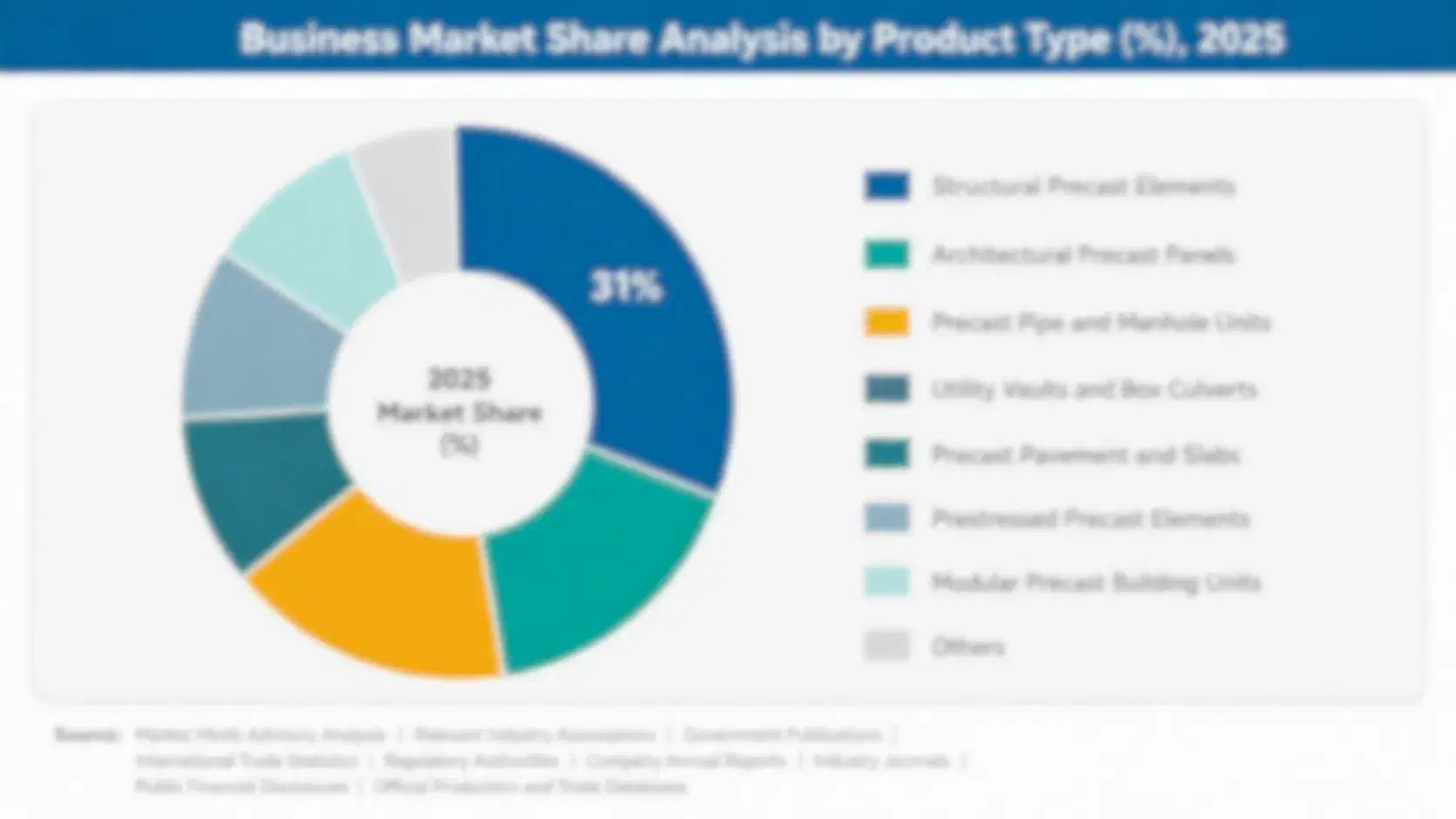
Segmentation follows application and performance class: what the label must survive and what it must prove, rather than which facility buys it or how it is printed. Six classes cover the market without overlap, from specimen labels through to chemical resistant constructions. Care setting and purchasing route are treated separately here. Both cut across all six classes.
united-states-healthcare-and-laboratory-label-indu-market-share-analysis-1787696180836

Device and UDI Compliance Labels

Unique device identification requirements demand a marking that is present, accurate, machine readable and matched to a submitted database record, which places the label inside a manufacturer's quality system rather than its purchasing process. Growth at 12.0%, half again the market rate of 8.0%, follows compliance deadlines across device classes rather than any customer preference at all. Suppliers who understood that early became part of a regulatory submission and are consequently very difficult to displace, since changing the label means a change control process that manufacturers avoid unless something has actually gone wrong. Manufacturers avoid reopening a submission unless something has genuinely gone wrong. That makes these positions extremely durable.
CAGR 12.0%

Chemical and Sterilisation Resistant Labels

Autoclave cycles, solvent exposure, cryogenic storage and repeated handling each defeat ordinary label constructions in different ways, and laboratories encounter all of them within the same workflow. Growth at 10.4% follows biobanking and cell therapy expansion alongside general laboratory automation raising legibility requirements. Validated constructions cost several times ordinary stock, which procurement resists until the first batch of unidentifiable samples appears. Suppliers who supply validation data for specific cycle conditions sell a documented performance claim rather than a label, and laboratory managers buy the documentation. Procurement resists until the first batch of unidentifiable samples appears, and then never argues again. Laboratory managers buy the documentation itself. Documentation is what they actually pay for.
CAGR 10.4%
Full segment breakdown across 6 segments available in the complete report.

Regional Architecture and Country Demand Map

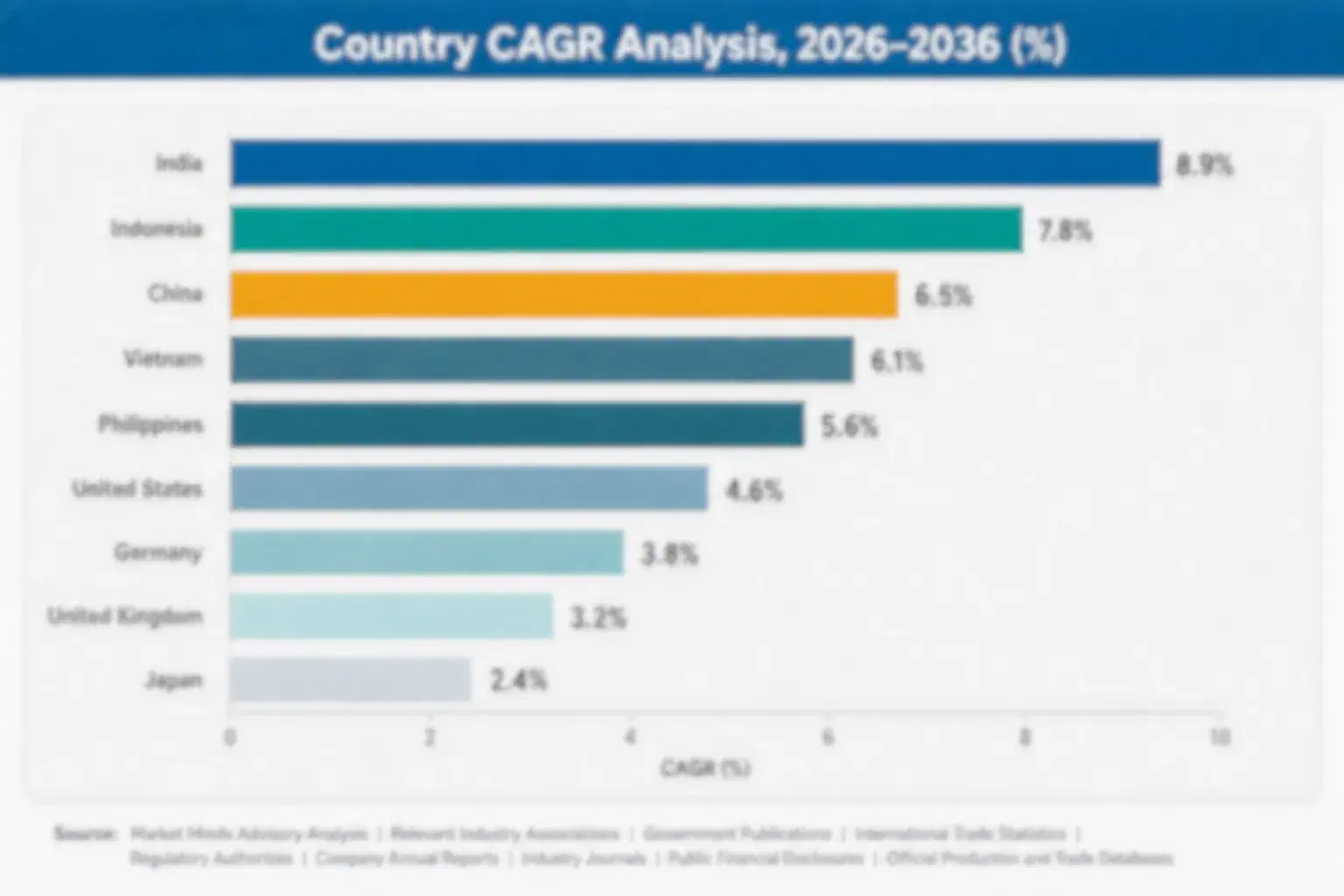
Geography follows regulation and testing intensity rather than population, since labelling volume tracks tests performed and devices marked. North America leads on both, East Asia grows on manufacturing and testing expansion, and South Asia expands fastest of all. Regulation rather than population sets the distribution.

North America

American unique device identification requirements shaped global practice, since manufacturers supplying United States hospitals apply the same marking across worldwide output rather than running two systems in parallel. Clinical laboratory volume is the largest anywhere and labelling intensity per test exceeds every other market. Specimen mislabelling is reported as a tracked safety metric, which converts label specification into a quality discussion rather than a purchasing one. Canadian practice follows American identification standards closely. Mexican laboratory and device labelling increasingly meets American requirements because of supply chain integration across the border. Specimen mislabelling is reported as a tracked safety metric, which turns label specification into a quality discussion rather than a purchasing negotiation.
Share: 32% | CAGR: 7.2% (2026 to 2036)

Western Europe

European identification requirements developed alongside American ones with different data structures and timelines, which obliges manufacturers serving both to manage parallel compliance rather than one marking standard. German, French and British clinical laboratory volumes are substantial with high automation and correspondingly strict legibility requirements. Biobanking is well established across the region and generates cryogenic labelling demand at scale. Regional suppliers are technically strong in specialised constructions. Pricing is tender-driven through hospital procurement groups, which compresses margins on standard constructions considerably more than in American practice. Pricing is tender-driven through hospital procurement groups, which compresses margins on standard constructions considerably more than American practice does. Biobanking generates cryogenic demand at scale.
Share: 23% | CAGR: 6.4% (2026 to 2036)
Regional intelligence for 5 additional markets available in the complete report: East Asia, South Asia and Pacific, Latin America, Middle East and Africa, Eastern Europe. Contact sales@marketmindsadvisory.com.
united-states-healthcare-and-laboratory-label-indu-country-cagr-analysis-1787696181151

Selling Assured Sample Identity Instead

Cryovials are around twelve millimetres across, mislabelling runs near 0.9% of specimens, and suppliers provide media into printers they never sold. Four levers work on failure mechanics, regulatory embedding, print system control and safety framing rather than on label price, which procurement always attacks. Price is the wrong conversation entirely here. Procurement always attacks price.

Sell Against Sample Identity Loss Not Label Cost

Specimen mislabelling runs around 0.9% across surveyed laboratories and a lifted cryogenic label destroys identity on a sample that may represent years of collection. Suppliers who quantify that exposure against a laboratory's own specimen volumes reach the laboratory director rather than procurement. Validated constructions cost several times ordinary stock and the comparison is not between two labels; it is between a label and an unidentifiable freezer. Very few suppliers frame the conversation that way at all. Laboratory directors respond immediately. Procurement never sees that argument. The exposure is genuinely large.
Market Impact: Addresses the whole 0.9% specimen mislabelling error rate

Embed Into Regulatory Submissions Not Purchase Orders

Unique device identification obligations place the label inside a manufacturer's quality system, so changing it requires a change control process nobody undertakes without cause. Suppliers who become part of a regulatory submission hold that position for a product's commercial life. Growth at 12.0% concentrates in exactly that segment. Reaching regulatory affairs and quality functions rather than procurement is the difference between a specified component and a negotiated consumable, and it costs a different call plan rather than any product change. Change control does the defending. A call plan is the only change required.
Market Impact: Locks a position across the 12.0% segment growth

Certify Printers And Ribbons As Matched Systems

Laboratories print on desktop thermal printers the label supplier never sold, and most reported failures originate in media and ribbon mismatch rather than in the label itself. The supplier is blamed regardless of where the fault sat. Certifying matched printer, ribbon and media combinations converts an unmanaged variable into a specified system and removes the most common source of complaints. Few suppliers maintain those programmes, which leaves the field open to whichever one decides to. Roughly 3 manual verification steps follow every scan failure, and none of them are the label supplier's fault.
Market Impact: Removes 3 of the most common failure modes

Engineer Explicitly For Small Diameter Application

A cryovial around twelve millimetres in diameter defeats ordinary label stock through trailing edge lift, which laboratories describe constantly and suppliers frequently treat as a handling error. Constructions engineered for small-diameter wrap solve it directly through adhesive rheology and facestock stiffness chosen for the radius. Suppliers who test on the actual tube diameters a customer uses, rather than on flat panels, produce evidence that ends the argument and wins accounts that generic stock keeps losing. A 12 millimetre tube is the actual test, and flat panel data proves nothing a laboratory cares about.
Market Impact: Holds reliably on a 12 millimetre tube diameter

Who Controls the Margin Pool

Measured on disclosed identification and labelling solutions revenue, the five leading suppliers hold a CR5 of 38%, which is moderate and spans materials producers, converters and identification system companies that reach customers quite differently. Avery Dennison and UPM supply material, Brady and Zebra supply identification systems including printers, and specialist converters serve laboratory constructions that larger suppliers treat as a niche. Materials producers, converters and system suppliers reach customers quite differently.
Three contests define activity. Standard pharmacy and chart labels compete on price through hospital procurement groups where constructions are broadly comparable. Specialised laboratory constructions compete on validated performance under specific cycle conditions. Compliance labelling competes on regulatory understanding, reaching quality functions rather than purchasing departments at all. A supplier strong in one of those three contests reaches an entirely different specifier from the others, and almost nobody covers all three properly.

Pressure comes from identification system suppliers bundling media with printers, which forecloses material suppliers from accounts where the printer decision was made first. Rankings shift where compliance requirements extend, since those specifications enter quality systems and become effectively permanent once submitted. Submitted specifications become effectively permanent.
united-states-healthcare-and-laboratory-label-indu-company-positioning-matrix-1787696181501

Competitive Moat and Risk Dimensions

BRADY CORPORATION

Moat: Healthcare Identification System Breadth

Brady supplies wristbands, specimen labels, printers and software as an identification system rather than as separate products, which matters when a hospital wants one supplier accountable for whether patient identity holds across a whole workflow. That breadth took years to assemble across acquisitions. A material specialist competes against a supplier already responsible for the printers and software.
BRADY CORPORATION

Risk: Material Specialisation Depth

Cryogenic, autoclave and solvent resistant constructions depend on adhesive and facestock engineering that material producers pursue more deeply than system suppliers generally do. Laboratories facing repeated failures buy validated performance rather than system breadth. Growth in the most demanding constructions therefore favours suppliers whose capability sits in materials science rather than in identification workflow.
AVERY DENNISON

Moat: Adhesive And Facestock Engineering

Avery Dennison holds adhesive and facestock development capability that addresses exactly the failure modes these applications produce, including small-diameter lift and cryogenic adhesion loss. That materials science is genuinely difficult and slow to replicate. A converter buying stock competes against a supplier that formulates the adhesive rather than merely applies somebody else's material to a facestock.
AVERY DENNISON

Risk: Printer Channel Exclusion

Identification system suppliers bundle media with printers and software, which forecloses material suppliers from accounts where the printer decision came first and carried consumables with it. Materials capability provides no route into that channel. The most demanding constructions remain reachable while routine healthcare labelling volume increasingly moves with the printer purchase instead.

Players Tracked

Prominent Players

Avery Dennison
Brady Corporation
Zebra Technologies
CCL Industries
UPM Raflatac

Other Key Players

3M
Multi-Color Corporation
Computype
GA International
Electronic Imaging Materials
SATO Holdings
Toshiba Tec
Honeywell
Domino Printing Sciences
Markem-Imaje
Herma
Lintec
Weber Packaging Solutions
PDC Healthcare
TSC Auto ID

Recent Developments

FEBRUARY 2025

Biobank network standardises on validated cryogenic label construction

A biobank network standardised on a validated cryogenic label construction across its collection sites, a quality decision rather than any commercial partnership. Sample identity loss from label lift had affected specimens representing years of accumulated collection, and validation data for specific freeze and thaw cycles decided the specification outright.
Signal: Validated performance data rather than price is deciding these specifications wherever identity loss has actually occurred.
JUNE 2025

Device manufacturer writes label supplier into quality change control

A medical device manufacturer wrote its identification label supplier into quality system change control documentation, a regulatory compliance decision rather than any commercial transaction. Unique identification requirements had made the label a controlled component, and substituting it would require a change process the manufacturer preferred to avoid entirely.
Signal: Compliance labelling positions become permanent once inside a quality system, which no competitor can price around.
OCTOBER 2025

Laboratory group certifies matched printer and media combinations

A clinical laboratory group certified specific printer, ribbon and media combinations across its network, an operational standardisation rather than any supplier agreement. Most reported label failures had originated in mismatched consumables rather than in the label constructions themselves, and the supplier had been blamed for problems it did not cause.
Signal: Matched system certification removes the most common failure source and the blame that follows it around.

What These Labels Cost

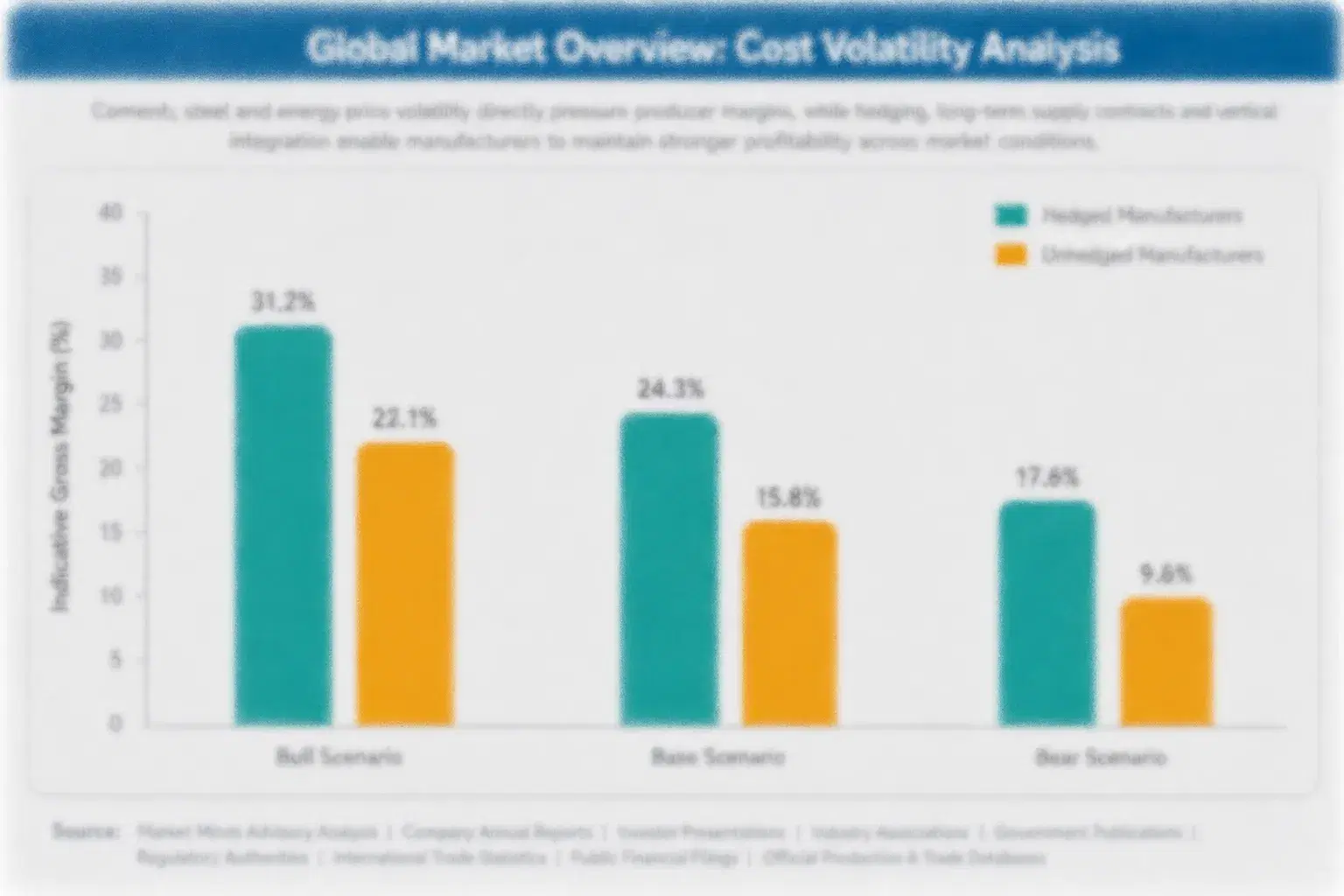
Specialised facestock and adhesive dominate. Synthetic facestock, engineered adhesive, release liner and topcoat together run 44 to 52% of converted label cost for cryogenic and chemical resistant constructions, considerably above the share ordinary label stock carries. Validation testing, documentation and lot traceability account for a meaningful further portion, and those costs exist because the customer is buying documented performance rather than material.
The volatility that matters is speciality polymer and silicone release supply. Synthetic facestock films and engineered adhesives depend on speciality polymer grades produced at limited scale, and silicone release coating supply tightened severely during 2021 when Chinese production was curtailed. Avery Dennison and UPM disclosures describe raw material and release supply pressure across that period. Suppliers with contracted speciality material continued producing validated constructions while others substituted grades and had to revalidate.

Exposure divides by construction and validation obligation. Producers of validated cryogenic and chemical resistant material carry testing and documentation cost alongside speciality inputs. Standard pharmacy and chart label converters carry ordinary material economics against tender pricing. Suppliers whose constructions sit inside customer quality systems carry change control obligations that make substituting any input a regulatory event rather than a procurement decision.
united-states-healthcare-and-laboratory-label-indu-cost-volatility-analysis-1787696181783

Contract speciality facestock and adhesive grades

Validated constructions depend on specific speciality polymer grades, and substituting an input means revalidating performance the customer bought documentation for. Contracted supply costs commitment through quiet periods and prevents a substitution that invalidates the claim being sold. Suppliers who substituted during shortages discovered that validated performance is not transferable between materials. Validated performance does not transfer between materials.

Cost validation testing as a product line item

Customers buying cryogenic or autoclave constructions are purchasing documented performance under specific conditions rather than material, and the testing that produces that documentation is a real cost. Burying it in material margin obscures where value sits and invites price comparison against unvalidated stock. Pricing it visibly explains why the construction costs several times more.

Hold change control discipline for quality system customers

Constructions inside customer quality systems cannot be modified without a change control process, which means an input substitution becomes a regulatory event affecting the customer rather than an internal decision. Suppliers treating those accounts like ordinary ones create compliance problems they did not anticipate. Formal change notification protects both parties and the position itself.

Portfolio Architecture for Margin Defence

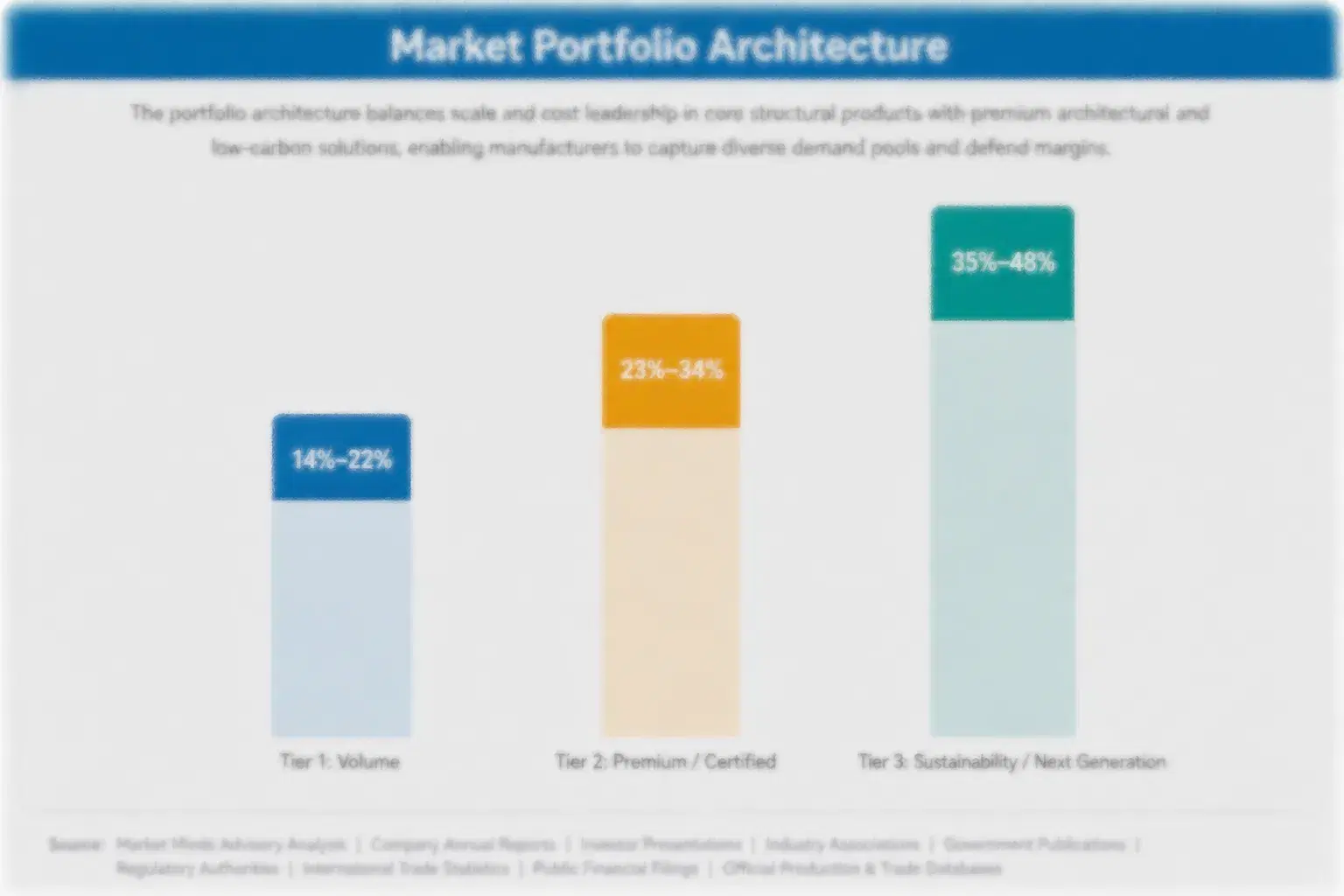
Margin follows how much documented performance sits behind the construction. Standard pharmacy and chart labels are comparable, tendered through procurement groups and thin. Wristbands earn better on system integration with printers and software. Cryogenic and chemical resistant constructions earn considerably more because laboratories buy validation data rather than material. Compliance labels earn most, because the position sits inside a quality system nobody wants to reopen.
The tension is that the profitable constructions require capabilities and call plans this industry does not naturally hold. Validated performance needs testing infrastructure and documentation discipline. Compliance positions need regulatory affairs relationships rather than purchasing ones. Suppliers organised around converting and tender response reach neither, which is why both remain available to whichever competitor decides to build the capability first. Both remain open to whichever competitor decides to build the capability first.

High-value pools sit in three places. Compliance labelling embedded in customer quality systems, effectively permanent once submitted. Validated cryogenic and chemical resistant constructions sold on documentation rather than material. And certified printer and media systems, which remove the failure source that generates most complaints in this category. All three sit outside the tender process that most of this industry is organised around entirely.

Volume / Commodity-Adjacent

Standard pharmacy, prescription and chart labels tendered through hospital procurement groups where constructions are broadly comparable. The 7-point range separates converters with integrated coating and speciality material access from those buying stock and competing purely on conversion cost and service.
Gross Margin: 24-31%

Premium / Certified

Patient wristbands, blood and transfusion labels and specimen constructions requiring accreditation compliance and system compatibility. The 7-point spread separates suppliers offering matched printer and media certification from those supplying labels into equipment somebody else specified and configured.
Gross Margin: 38-45%

Sustainability / Regulatory / Next-Generation

Unique identification compliance labels and validated cryogenic and chemical resistant constructions. The 26-point range is very wide because compliance positions inside quality systems command exceptional pricing while validated laboratory constructions carry substantial testing and documentation cost.
Gross Margin: 42-68%
united-states-healthcare-and-laboratory-label-indu-portfolio-architecture-1787696182077

High-value Sub-segments and Strategic Watch-out

Quality System Embedded Compliance

Highest value here, because a label inside a device manufacturer's change control cannot be substituted without a regulatory process nobody undertakes lightly. The risk is that reaching those positions requires regulatory affairs relationships rather than the purchasing contacts converters have historically maintained. Regulatory access is scarce.
Gross Margin: 65-68%

Validated Cryogenic Constructions

Strong value where laboratories buy documented performance under specific freeze and thaw conditions rather than material specification. The risk is that validation testing and documentation carry real cost, and pricing it invisibly invites comparison against unvalidated stock that will eventually fail. Documentation is the product.
Gross Margin: 51-54%

Standard Pharmacy And Chart Labels

The volume core, tendered through hospital procurement groups where constructions are broadly comparable and price decides most awards outright. Suppliers hold the position because this volume maintains the hospital relationships through which specialised constructions subsequently reach laboratory departments. Access carries the value here. Nobody exits it.
Gross Margin: 25-28%

Unmanaged Printer Channel Exposure

The strategic watch-out. Suppliers providing media into printers they never sold are blamed for failures originating in ribbon and media mismatch they cannot control. The risk is losing accounts over problems that certification programmes would prevent, while identification system suppliers bundle consumables instead. Bundling forecloses the account.
Gross Margin: 29-32%

One Label Per Specimen Forever

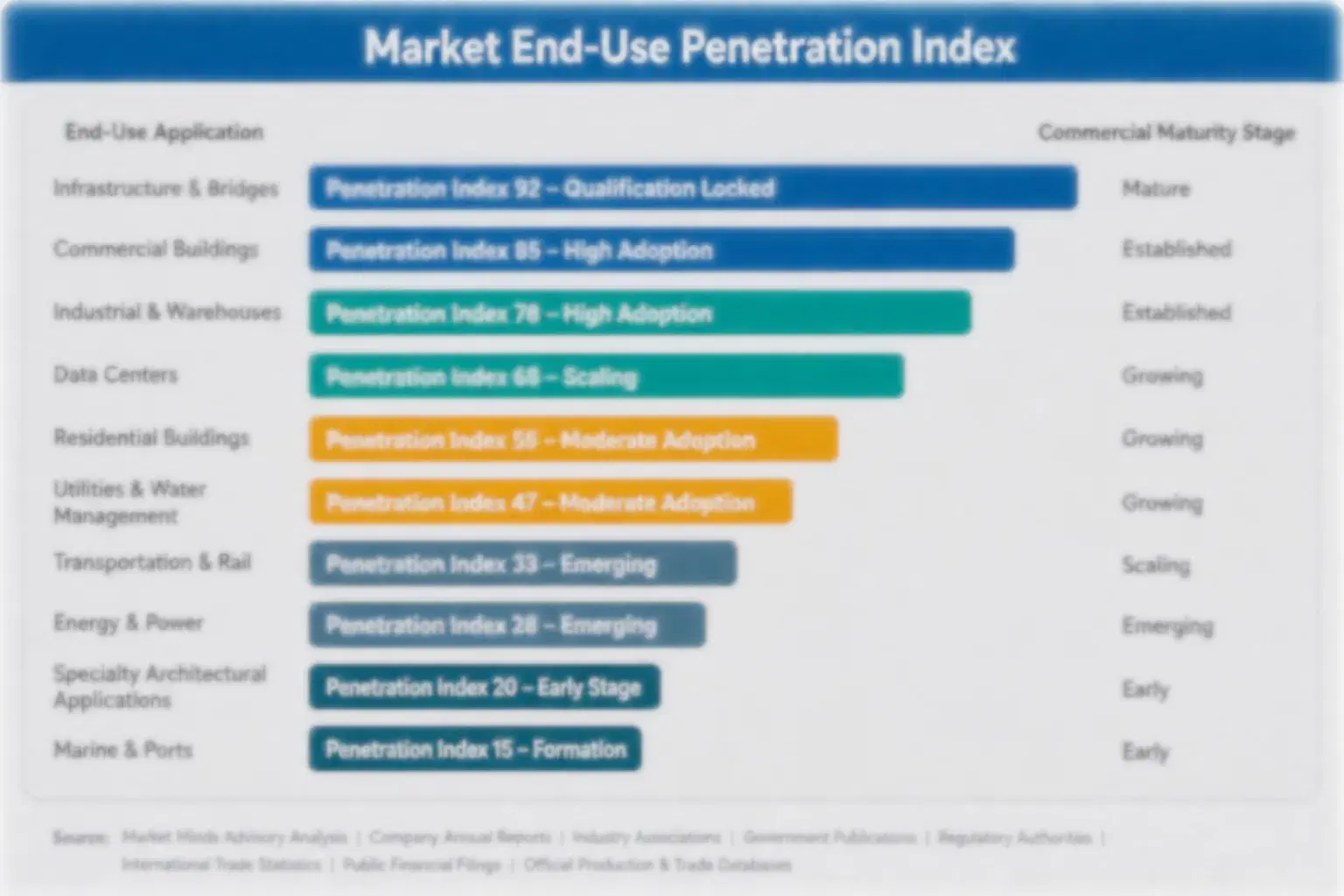
Labels are consumed per specimen, per prescription, per patient admission and per device manufactured, which ties demand directly to clinical and production activity rather than to any purchasing decision revisited periodically. A laboratory running thousands of specimens daily consumes media continuously and reorders without deliberation. That is a genuinely reliable annuity, and it is why suppliers accept tender pricing on standard constructions to hold accounts that carry specialised work alongside.
Stickiness varies enormously by construction. A compliance label inside a device manufacturer's quality system is effectively permanent, since substitution requires change control nobody initiates without cause. A validated cryogenic construction holds because the laboratory bought documentation and revalidating an alternative costs time nobody has. Standard pharmacy and chart labels move at every tender, since comparability is genuine and procurement groups aggregate volume specifically to exploit it.

The specifier differs completely across those constructions. Procurement decides standard labels, laboratory directors decide validated laboratory constructions on performance evidence, and regulatory affairs decides compliance labelling within a quality system. Suppliers whose commercial organisation calls on hospital procurement are reaching the buyer for the least profitable third of this market and nobody at all for the other two.
united-states-healthcare-and-laboratory-label-indu-end-use-penetration-index-1787696182400

Where Identity Actually Holds

These are among the four positions where our research anticipates prominent divergence between winners and laggards over the coming forecast period. Each is grounded in the demand model, the regulatory perimeter, and the announced capacity pipeline.
01 / IDENTITY LOSS FRAMING

The comparison is a freezer, not a label

Specimen mislabelling runs at around 0.9% across surveyed laboratories, and a single lifted cryogenic label destroys the identity of a sample that may represent years of accumulated collection work. Suppliers who quantify that exposure directly against a laboratory's own specimen volumes reach the laboratory director rather than anybody in the procurement department. Validated constructions cost several times ordinary stock, and the genuine comparison is never between two labels at all but between a working label and an entirely unidentifiable freezer.
02 / QUALITY SYSTEM EMBEDDING

Get written into change control, not a contract

Unique device identification obligations place the label inside a manufacturer's own quality system, so changing it requires a formal change control process that nobody ever initiates without genuine cause. Suppliers who become part of a regulatory submission then hold that position for the product's entire commercial life, and the growth running at 12.0% annually concentrates precisely in that segment. Reaching regulatory affairs and quality functions rather than procurement is the whole difference between a specified component and a negotiated consumable item.
03 / MATCHED SYSTEM CERTIFICATION

Own the printer variable you keep being blamed for

Laboratories and pharmacies print their labels on desktop thermal printers that the label supplier never sold and cannot configure, and most of the reported failures actually originate in media and ribbon mismatch rather than in the label construction itself. The supplier gets blamed regardless of where the fault actually sat within that whole system. Certifying matched printer, ribbon and media combinations converts an unmanaged variable into a specified system, and remarkably few suppliers anywhere currently maintain any such certification programme.
04 / SMALL DIAMETER ENGINEERING

Test on the tube, not on a flat panel

A cryovial of around twelve millimetres in diameter defeats ordinary label stock through trailing edge lift, which laboratories describe constantly and which suppliers frequently dismiss as a handling error made by the user. Constructions engineered specifically for small-diameter wrapping solve that problem directly through adhesive rheology and facestock stiffness selected for exactly that radius. Suppliers who test on the actual tube diameters that a customer genuinely uses, rather than on flat panels, produce evidence that simply ends the argument outright.

Engagement Snapshot From the Field

A live engagement with an industry participant carrying material or product regulatory and market exposure ahead of a defining policy shift, showing how our research translates into a defensible multi-year portfolio strategy.
MARKET MINDS ADVISORY · CLIENT ENGAGEMENT SUMMARY
United States Healthcare and Laboratory Label Industry Producer Strategic Portfolio Review and Transition Roadmap 2026·Investment Scenario on United States Healthcare and Laboratory Label Industry Exposure Evaluation 2025-26
CLIENT PROFILE
A healthcare label converter supplying pharmacy, chart and specimen labels to hospital systems and laboratory networks, with reported revenue of 96 million dollars (client-reported, unverified by MMA). Roughly 74% came from standard pharmacy and chart constructions won through hospital procurement group tenders. A cryogenic range existed and was quoted on material specification, and no printer or ribbon certification programme was maintained anywhere.
STRATEGIC CHALLENGE
Tender margins had eroded for four consecutive years and the cryogenic range had gained almost no volume despite technical capability. Warranty complaints about label failure had also risen sharply. Management assumed the cryogenic products were priced too high and was considering discontinuing them. Neither assumption had been tested against evidence.
MMA APPROACH
MMA analysed warranty complaints against printer and consumable combinations in use, which the company recorded but had never cross-referenced. Fifteen expert interviews with laboratory directors, hospital procurement leads and device quality managers established who specifies what. The analysis separated failures caused by the label from those caused by mismatched media, and identified who actually decides laboratory specification.
KEY FINDINGS
  1. Most warranty complaints traced to ribbon and media mismatch in customer printers rather than to any defect in the label constructions themselves.
  2. Cryogenic quotations were being sent to hospital procurement, while laboratory directors described specifying on validation data that the company had never supplied.
  3. No device manufacturer in the client's territory had been approached about unique identification compliance labelling, a segment growing far faster than the core business.
  4. Building validation documentation and a printer certification programme modelled better returns than any pricing change (client-reported, unverified by MMA). Price was never the barrier.
CLIENT PROFILE
A healthcare label converter supplying pharmacy, chart and specimen labels to hospital systems and laboratory networks, with reported revenue of 96 million dollars (client-reported, unverified by MMA). Roughly 74% came from standard pharmacy and chart constructions won through hospital procurement group tenders. A cryogenic range existed and was quoted on material specification, and no printer or ribbon certification programme was maintained anywhere.
STRATEGIC CHALLENGE
Tender margins had eroded for four consecutive years and the cryogenic range had gained almost no volume despite technical capability. Warranty complaints about label failure had also risen sharply. Management assumed the cryogenic products were priced too high and was considering discontinuing them. Neither assumption had been tested against evidence.
MMA APPROACH
MMA analysed warranty complaints against printer and consumable combinations in use, which the company recorded but had never cross-referenced. Fifteen expert interviews with laboratory directors, hospital procurement leads and device quality managers established who specifies what. The analysis separated failures caused by the label from those caused by mismatched media, and identified who actually decides laboratory specification.
KEY FINDINGS
  1. Most warranty complaints traced to ribbon and media mismatch in customer printers rather than to any defect in the label constructions themselves.
  2. Cryogenic quotations were being sent to hospital procurement, while laboratory directors described specifying on validation data that the company had never supplied.
  3. No device manufacturer in the client's territory had been approached about unique identification compliance labelling, a segment growing far faster than the core business.
  4. Building validation documentation and a printer certification programme modelled better returns than any pricing change (client-reported, unverified by MMA). Price was never the barrier.
RECOMMENDED STRATEGY
Phase 1: Phase one: build validation documentation for cryogenic constructions under defined freeze and thaw conditions, and quote to laboratory directors rather than procurement. Phase 2: Phase two: establish a printer, ribbon and media certification programme, removing the failure source generating most of the warranty complaints received. Phase 3: Phase three: approach device manufacturers about compliance labelling through regulatory affairs, since that segment is growing fastest and nobody has called.
OUTCOME
Validation documentation was produced and cryogenic volume grew materially within a year at unchanged pricing. Certification cut warranty complaints sharply once matched consumables were specified (client-reported, unverified by MMA). Two device manufacturers began compliance labelling discussions, and the range the company nearly discontinued became its fastest growing line.

Frequently Asked Questions

Foundational context covering the market sizes, CAGR, scope, country, region and competition that inform every finding below. This section is provided to cover basics and most often pre-purchase conversations, answered from the MMA Primary Research Dataset.

What is the current size of the United States Healthcare and Laboratory Label Industry?

The market was worth 4.8 billion dollars in 2025, covering specimen, pharmacy, wristband, transfusion, compliance and chemical resistant label constructions. It reaches 5.18 billion dollars in 2026.

How large will the United States Healthcare and Laboratory Label Industry be by 2036?

MMA forecasts 11.19 billion dollars by 2036, an increase of 6.01 billion dollars over the 2026 base. That represents an expansion multiple of 2.16 times across the forecast period.

What is the CAGR for the United States Healthcare and Laboratory Label Industry 2026 to 2036?

The base case compounds at 8.0% annually. MMA's bull case reaches 9.2% if identification requirements extend to further categories, while the bear case sits at 6.8% on softer diagnostic testing volume.

Which segment is growing fastest?

Device and unique identification compliance labels, at 12.0%, half again the market rate of 8.0%. Regulation places the label inside a quality system rather than a purchasing process.

Who are the major companies in the United States Healthcare and Laboratory Label Industry?

Avery Dennison, Brady Corporation, Zebra Technologies, CCL Industries and UPM Raflatac lead on disclosed identification and labelling revenue. Computype, GA International, PDC Healthcare and Multi-Color compete in specific constructions.

Which country is growing fastest?

India at 10.2%, driven by diagnostic laboratory networks expanding through private chains and device manufacturing serving export markets. China follows on testing and manufacturing growth.

Report Segmentation Architecture

The full report scope spans multiple orthogonal segmentation dimensions, with cross-tabulated demand data provided for each dimension pair. Coverage extends further to regional breakdowns, trend trajectories, and the competitive detail needed to support segment-level decision-making.

By Application and Performance Class

  • Specimen and Cryogenic Laboratory Labels
  • Pharmacy and Prescription Labels
  • Patient Identification Wristbands
  • Blood, Plasma and Transfusion Labels
  • Device and UDI Compliance Labels
  • Chemical and Sterilisation Resistant Labels

By End-Use Industry

  • Clinical Diagnostic Laboratories
  • Hospital Pharmacy Services
  • Biobanks and Research Repositories
  • Medical Device Manufacturing
  • Blood and Transfusion Services
  • Cell and Gene Therapy Manufacturing

By Commercial Dimension

  • Procurement Group Tender
  • Direct Laboratory Contract
  • Quality System Specified Supply
  • Printer Certified Media Programme
  • Distributor Supplied Volume
  • Validated Construction Specification

By Region

  • North America
  • Western Europe
  • East Asia
  • South Asia and Pacific
  • Latin America
  • Middle East and Africa
  • Eastern Europe

Scope, Methodology, and Coverage

Every figure in this report is reproducible from documented input assumptions. The scope below maps the historical period, the forecast horizon, the segmentation dimensions, and the countries covered, alongside the underlying primary and qualitative methodology.
Historical Period
2020 to 2025
Forecast Period
2026 to 2036
Base Year
2025 (USD billions; MMA Primary Research Dataset, August 2026)
Market Definition
Scope covers converted labels and identification media supplied for healthcare and laboratory applications where performance or regulatory requirements exceed general packaging use, spanning specimen and cryogenic laboratory labels, pharmacy and prescription labels, patient identification wristbands, blood, plasma and transfusion labels, device and unique identification compliance labels, and chemical, solvent and sterilisation resistant constructions. General packaging and product labels carrying no healthcare performance requirement, unconverted pressure sensitive label stock sold as material, thermal printers, applicators and scanning hardware, and laboratory information management systems are excluded. Specimen containers, tubes and other laboratory consumables fall outside the boundary.
Quantitative Units
USD billions (current prices); labels supplied; specimens labelled; validated constructions specified; scan failure rate
Segmentation Dimensions
By Application and Performance Class; By End-Use Industry; By Commercial Dimension; By Region
Regions Covered
North America, Western Europe, East Asia, South Asia and Pacific, Latin America, Middle East and Africa, Eastern Europe
Countries Covered
USA, Germany, Japan, China, India, UK, France, South Korea, Canada, Brazil, Australia, Italy, Poland, Saudi Arabia, Singapore
Key Companies Profiled
Avery Dennison, Brady Corporation, Zebra Technologies, CCL Industries, UPM Raflatac, 3M, Multi-Color Corporation, Computype, GA International, Electronic Imaging Materials, SATO Holdings, Toshiba Tec, Honeywell, Domino Printing Sciences, Markem-Imaje, Herma, Lintec, Weber Packaging Solutions, PDC Healthcare, TSC Auto ID
Quantitative Methodology
Primary survey, n=3,800 respondents, Q4 2025, six countries; demand-side model with trade association cross-validation
Qualitative Methodology
47 expert interviews, Q4 2025; applied to validate demand model assumptions, identify emerging dynamics, and assess competitive positioning
Report Format
PDF and XLSX data workbook (Word format preview document)
Publisher
Market Minds Advisory
Report Code
MMA-2026-PAC-105
Published
August 2026
Contact
sales@marketmindsadvisory.com | www.marketmindsadvisory.com

Purchase the full United States Healthcare and Laboratory Label Industry Report (2026 to 2036).

The full report runs to 165 pages and covers all six application and performance class segments, seven regions and 20 profiled companies in detail, with United States dynamics examined throughout as the analytical focus. It includes the complete segment CAGR set, regional testing and regulatory data, and failure mode analysis across printer and media combinations. Company profiles carry evaluation on disclosed identification and labelling solutions revenue, with moat and risk assessment for the top five suppliers. The competitive section extends to 14 tracked developments across 2024 and 2025 with commercial interpretation. Primary research inputs include a quantitative survey of 3,800 respondents and 47 expert interviews conducted in Q4 2025.
Six application and performance class segments with CAGR forecasts
Seven regional markets with testing intensity and regulatory data
Twenty company profiles on consistent revenue evaluation basis
Fourteen tracked corporate and regulatory developments with interpretation notes
Failure mode analysis across printer, ribbon and media combinations
Specification authority mapping across procurement, laboratory and quality functions

Built For The People Who Decide

From boardroom strategy to bench-side execution, this report is read cover-to-cover by leaders shaping the next decade of their industry, turning demand scenarios, market dynamics and valuation benchmarks into decisions.
CXOs/ Presidents/ VPs/ Managers
M&A and Corporate Development
Strategy Teams and R&D Heads
Procurement and Product Directors
Regulatory and Compliance Leaders
Investor Relations and Equity Analysts