Market Minds Advisory
Demand for Cassia Seed Extract in USA

Demand for Cassia Seed Extract in USA: Demand for Cassia Seed Extract in USA. Pet Food Texturisation, Botanical Supplement Standardisation, and Indian Seed Supply Shape National Demand.

American demand for cassia seed extract spans pet food gel texturisers, botanical supplements, and personal care, where clean-label hydrocolloid demand, anthraquinone safety limits, regulatory status questions, and wild-harvested Indian seed supply decide which suppliers win

Lead Analyst

Published

September 2026

Make Smarter Decisions with Customized Research Insights

Request a free sample report and evaluate market opportunities, growth trends, and competitive dynamics relevant to your business needs.

2025 MARKET VALUE$0.1BMarket Size 2025
2036 FORECAST VALUE$0.2BBase Case , 2026 to 2036
CAGR 2026 TO 20366.9 %Bull 8.2% / Bear 5.6%
INCREMENTAL OPPORTUNITY$0.1BNet 10- year value creation
EXPANSION MULTIPLE1.95x2036 value over 2026 base
Strategic Levers
M&A Pipeline
Regional Outlook
Country Rankings
Competitive Intelligence
Segmental Deep-dive
Call-Us : 91 93563 13602

Executive Snapshot and Market Trajectory.

Cassia seed extract comes from the seeds of Senna obtusifolia, also called Cassia tora, and includes galactomannan cassia gum used as a gel texturiser and botanical extracts sold for supplements. American demand rides on premium pet food and botanicals, while regulatory status and anthraquinone limits shape use.
Standardised Low-Anthraquinone Cassia Extracts for Supplements grow fastest as brands seek eye and metabolic health botanicals with tighter safety specifications. South Asia and Pacific holds the largest share of supply value, since India collects and processes most cassia seed, while American blenders and formulators add value. Seed sets cost. Standardisation sets premiums. Buyers audit yearly. Buyers review suppliers every season. Supply contracts decide renewal.
Competition is concentrated, with two Indian gum producers, an Italian hydrocolloid specialist, and two American ingredient groups leading on seed access, processing, and quality documentation, while botanical extract houses and distributors serve niche demand. Pet food rules and dietary supplement rules govern use. Traceability wins accounts. Buyers test every lot. Delivery reliability decides supplier rankings. Margins follow sourcing discipline. Batch records protect future sales. Cost control separates leaders from followers. Clear specifications build buyer trust.
Market Definition
The market covers American demand for cassia seed derived ingredients, valued at supplier level in the national market, including cassia gum for pet food and feed texturisation, cassia gum for human food and beverage thickening, botanical extracts for supplements, extracts for cosmetics and personal care, and standardised low-anthraquinone cassia extracts. The scope excludes cassia bark cinnamon, senna leaf laxatives, guar and locust bean gums sold on their own, and finished pet foods.
Base Year Value
$0.1B in 2025 (MMA Primary Research Dataset, September 2026)
Forecast Period
2026 to 2036, eleven discrete annual values
CAGR
6.9% base case. Bull 8.2%. Bear 5.6%.
Fastest Growth Segment
Standardised Low-Anthraquinone Cassia Extracts for Supplements: 11.0% CAGR
Fastest Growth Country
India: 9.5% CAGR
Fastest Growth Region
South Asia and Pacific: 8.8% CAGR
Largest Region
South Asia and Pacific: 52% of 2025 global value
Market Leaders
Lucid Colloids, Caremoli, Jai Bharat Gum and Chemicals, TIC Gums, Cargill. Source: MMA Analysis, company annual reports.
Primary Survey
n=3,800 procurement and R&D decision-makers, Q4 2025, six countries
Methodology
Demand-side build-up, cross-validated against public data, 47 expert interviews

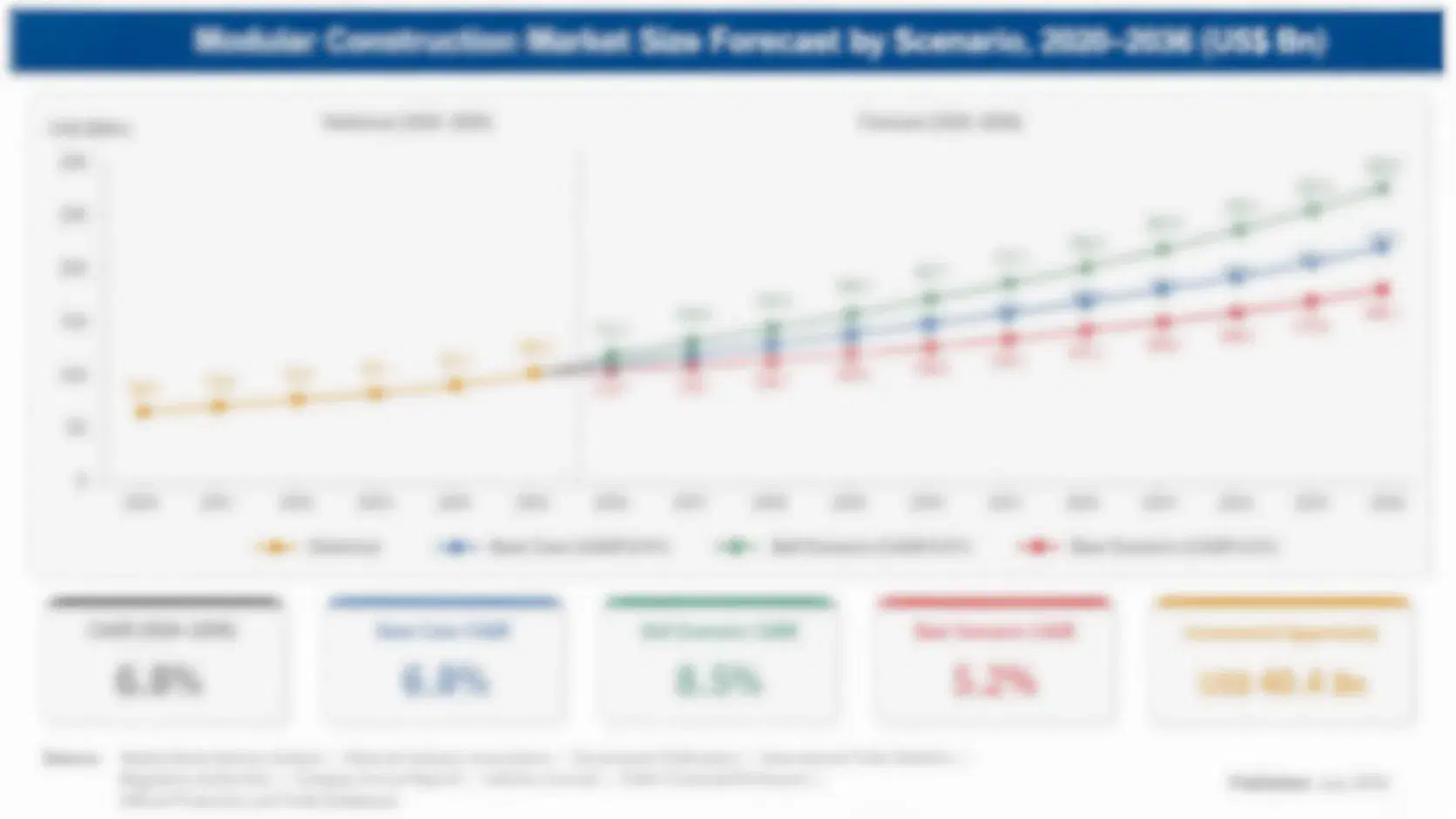
Demand for Cassia Seed Extract in USA Market Forecast Scenarios

united-states-cassia-seed-extract-market-size-forecast-scenario-1789862331538
Between 2020 and 2025, American cassia seed extract demand grew as pet ownership rose during the pandemic, premium wet pet food multiplied, and clean-label pressure pushed formulators to test alternatives to carrageenan and guar. Indian seed prices and freight costs swung sharply, and suppliers passed on price changes unevenly to pet food and supplement buyers. Small buyers feel every input swing.
The base case rests on three commercial mechanisms. First, premium wet pet food keeps growing and needs gel texturisers with clean labels. Second, supplement brands adopt standardised botanical extracts with tighter safety specifications and documented anthraquinone levels. Third, American blenders invest in traceable Indian seed supply to cut risk. Suppliers plan processing capacity, standardisation, and documentation around all three. Technical reach compounds over time. Audits repeat every year. Buyers review suppliers every season.
The bull case needs clearer regulatory status in food and wider adoption of cassia gum in premium pet food, which would lift volumes. The bear case is tighter safety rules on anthraquinones combined with an Indian seed shortage, which would squeeze margins and limit supplement growth. Supply contracts decide renewal. Delivery reliability decides supplier rankings. Margins follow sourcing discipline.

Pet Food Texture, Supplement Standardisation, and Seed Supply Set American Cassia Outcomes

American cassia seed supply starts with wild and farm-collected Senna obtusifolia seed from Rajasthan, Gujarat, and other Indian states, plus smaller volumes from China and Africa. Processors dehusk and mill the seed into gum splits and powder, or extract and purify it into botanical concentrates. American blenders and formulators then standardise, blend, and package cassia products for pet food and supplement customers.
MARKET CONCENTRATION54% CR5Leading five suppliers hold a moderate combined share
SEED COST SHARE36%Portion of goods cost taken by wild-collected cassia seed
IMPORT DEPENDENCE85%Portion of national supply shipped from overseas processing sites
PET FOOD USE SHARE49%Portion of national cassia value sold into pet food makers
TYPICAL GUM DOSE0.2-0.8%Usual weight share of gum in finished wet pet food
STANDARDISED GRADE PREMIUM60-180%Typical price gap between standardised and crude cassia extracts
Viscosity, gel strength, purity, anthraquinone content, and certification decide value. Buyers set tight specifications, and standardised low-anthraquinone extracts earn premiums of 60% to 180% over crude products. Indian processors win on scale and cost, while American blenders win on service and documentation. Suppliers with clean traceability win, since American pet food and supplement makers inspect closely. Audits repeat yearly. Batch records protect future sales.
Buyers judge cassia ingredients on gel strength, colour, taste neutrality, anthraquinone limits, label wording, and price stability. Pet food makers want texture and syneresis control, supplement brands want safe standardised extracts, cosmetic makers want clean botanicals, and retailers want traceability. Price sensitivity is high in gum. Trials decide shortlists. Cost control separates leaders from followers. Clear specifications build buyer trust.
"Cassia gum is an Indian weed seed that American pet food makers quietly depend on for texture. The margin is not in the seed or the gum. It is in proving to a regulator and a retailer what is, and is not, inside the extract."
Senior Analyst, Hydrocolloids and Botanical Ingredients Practice · MMA Cassia Seed Extract in USA Practice · September 2026

Market Trends

Premium Wet Pet Food Pushes Makers Toward Clean-Label Cassia Gum

American premium wet pet food brands seek clean-label gel texturisers to replace carrageenan and guar blends, and cassia gum gives strong synergy with other hydrocolloids at low doses. Cassia Gum for Pet Food and Feed Texturisation grows about 9.0% a year, and gross margins run 24% to 36% against 10% to 18% for crude gum. The trend needs stable supply and viscosity, and it rewards processors with consistent grades. Small buyers feel every input swing. Technical reach compounds over time. Audits repeat every year. Buyers review suppliers every season. Supply contracts decide renewal.
Market Impact: pet food sales exceed $60 billion
Botanical Supplement Brands Adopt Low-Anthraquinone Standardised Cassia Extracts

American brands selling eye and metabolic health botanicals seek cassia extracts with defined active markers and tight anthraquinone limits, since safety questions weigh on crude preparations. Standardised Low-Anthraquinone Cassia Extracts for Supplements grow about 11.0% a year. The trend needs analytical testing and documentation, and it rewards suppliers with validated methods, certificates of analysis, and consistent batches from traceable seed. Delivery reliability decides supplier rankings. Margins follow sourcing discipline. Batch records protect future sales. Cost control separates leaders from followers. Clear specifications build buyer trust. Small buyers feel every input swing. Technical reach compounds over time.
Market Impact: supplement sales exceed $60 billion

Market Opportunities and Growth Drivers

Rising Pet Ownership and Humanisation Sustain Premium Wet Food Demand

Around 66% of American households own a pet, according to industry surveys, and owners increasingly buy premium wet food with gravy, jelly, and pate textures. American pet food sales exceed $60 billion a year. The driver sustains steady demand for gel texturisers and rewards suppliers with cassia gum grades that give consistent viscosity, low syneresis, and dependable supply to pet food plants. Audits repeat every year. Buyers review suppliers every season. Supply contracts decide renewal. Delivery reliability decides supplier rankings. Margins follow sourcing discipline. Batch records protect future sales. Cost control separates leaders from followers.
Market Impact: specifications cap anthraquinones below 0.5%

Botanical Supplement Consumption Sustains Demand for Traditional Herbal Extracts

American consumers spend heavily on dietary supplements, and botanicals with traditional use in Asian medicine attract interest for eye, liver, and metabolic support. Supplement sales exceed $60 billion a year. The driver sustains demand for standardised botanical extracts and rewards suppliers with documented identity, heavy metal and pesticide testing, and structure-function claim support that respects federal rules. Clear specifications build buyer trust. Small buyers feel every input swing. Technical reach compounds over time. Audits repeat every year. Buyers review suppliers every season. Supply contracts decide renewal. Delivery reliability decides supplier rankings. Margins follow sourcing discipline.
Market Impact: seed prices moved 30-60%

Market Restraints and Challenges

Regulatory Status and Anthraquinone Safety Questions Limit Human Food Adoption

Cassia seed contains anthraquinones with laxative activity, and the regulatory status of cassia gum in American human food categories is narrower than in pet food. The root cause is safety data gaps and category-specific approvals. Suppliers respond with purification, testing, and dossiers, though anthraquinone limits below 0.5% in some specifications raise cost and restrict uses. Batch records protect future sales. Cost control separates leaders from followers. Clear specifications build buyer trust. Small buyers feel every input swing. Technical reach compounds over time. Audits repeat every year. Buyers review suppliers every season. Supply contracts decide renewal.
Market Impact: pet food gum grows 9.0% yearly

Wild-Harvest Seed Variability and Indian Monsoon Risk Squeeze Supply

Cassia seed is largely collected from wild and semi-wild plants in India, so yield depends on monsoon rains and collector activity. The root cause is fragmented collection with limited farming. Suppliers respond with contracts, stock, and cultivation trials, though seed prices moved 30% to 60% within two years and shortages delayed shipments to American customers. Delivery reliability decides supplier rankings. Margins follow sourcing discipline. Batch records protect future sales. Cost control separates leaders from followers. Clear specifications build buyer trust. Small buyers feel every input swing. Technical reach compounds over time. Audits repeat every year.
Market Impact: standardised extracts grow 11.0% yearly
3 additional market trends, 2 additional growth drivers, and 4 additional restraints and challenges are covered in the full report. Contact sales@marketmindsadvisory.com to access the complete intelligence.

Segment CAGR and Growth Architecture

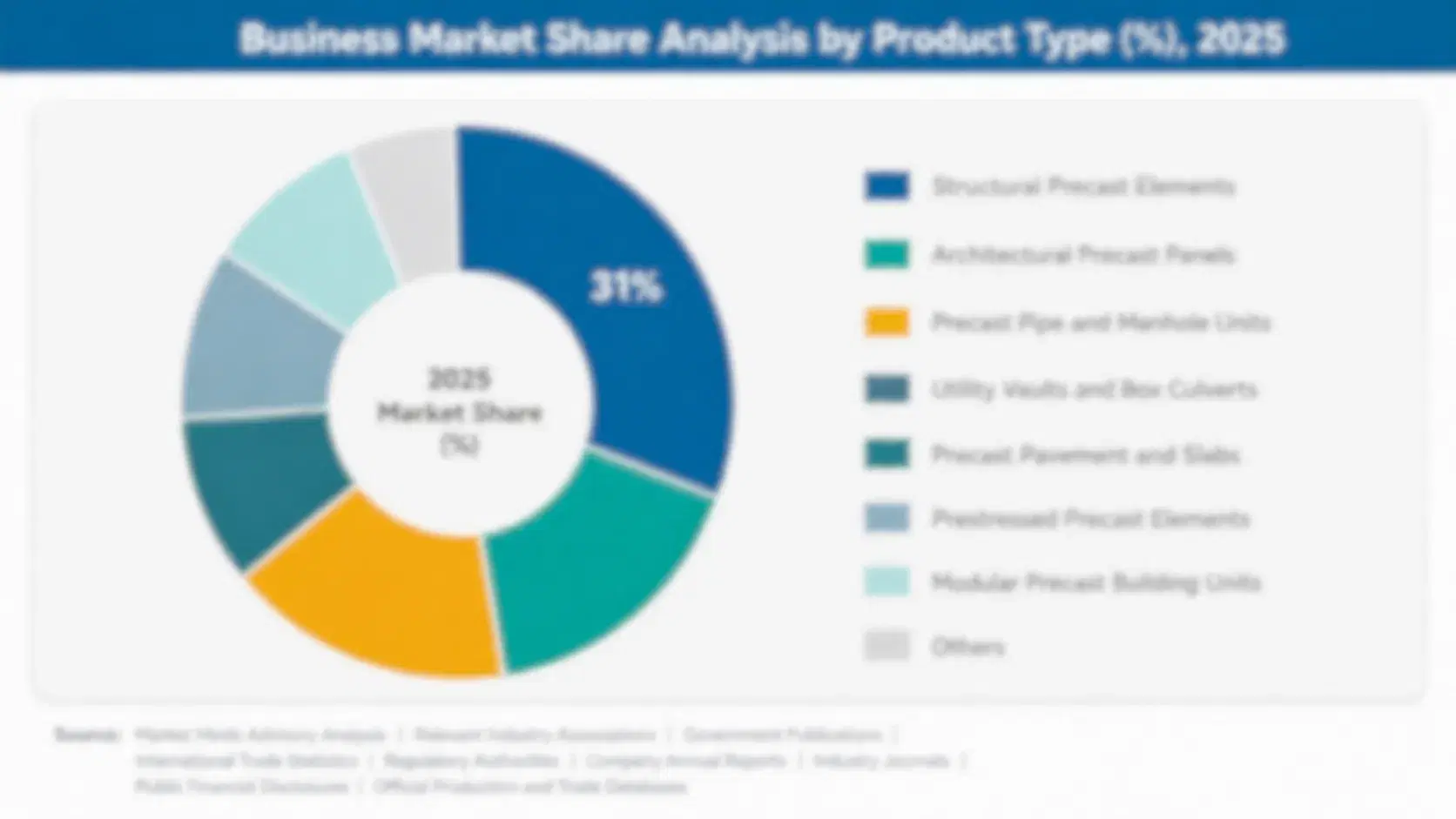
The American cassia seed extract market is segmented by product form and application, which shows where standardisation and regulatory readiness create pricing power in a small national market. Five segments cover cassia gum for pet food, cassia gum for human food, botanical supplement extracts, cosmetic extracts, and standardised low-anthraquinone extracts. Standardised extracts and pet food gum grow fastest.
united-states-cassia-seed-extract-market-market-share-analysis-1789862331821

Standardised Low-Anthraquinone Cassia Extracts for Supplements

Standardised Low-Anthraquinone Cassia Extracts for Supplements is the fastest-growing segment at 11.0% a year, about 1.59 times the overall market rate, from a small base. Brands seek eye and metabolic botanicals with safer specifications, and validated analysis supports claims, so gross margins of 30% to 46% against 12% to 20% for crude extract support investment. Regulatory scrutiny and testing cost are the main constraints. Suppliers with validated methods win. Buyers review suppliers every season. Supply contracts decide renewal. Delivery reliability decides supplier rankings. Margins follow sourcing discipline. Batch records protect future sales. Cost control separates leaders from followers. Clear specifications build buyer trust. Small buyers feel every input swing. Technical reach compounds over time.
CAGR 11.0%

Cassia Gum for Pet Food and Feed Texturisation

Cassia Gum for Pet Food and Feed Texturisation grows at 9.0% a year, because premium wet pet food brands seek clean-label gel texturisers and cassia gum gives synergy with other hydrocolloids at low doses, with buyers accepting gross margins of 24% to 36% for consistent viscosity. Seed supply and pet food regulatory frameworks are the main constraints, since ingredient definitions must be met. Suppliers with stable Indian sourcing hold price better than followers. Audits repeat every year. Buyers review suppliers every season. Supply contracts decide renewal. Delivery reliability decides supplier rankings. Margins follow sourcing discipline. Batch records protect future sales. Cost control separates leaders from followers. Clear specifications build buyer trust. Small buyers feel every input swing.
CAGR 9.0%
Full segment breakdown across 5 segments available in the complete report.

Regional Architecture and Country Demand Map

Regional shares show where the material serving American demand originates, so South Asia and Pacific, which includes Indian seed collection and processing, holds 52%, far above its usual band. North America follows through blending and formulation, East Asia adds extracts, and South Asia and Pacific grows fastest.

South Asia and Pacific

South Asia and Pacific holds 52% of supply value, far above its usual band, because India collects most cassia seed and processes it, with Lucid Colloids and Jai Bharat Gum and Chemicals producing gum splits and powders, while Indian botanical extractors ship concentrates. This share reflects the origin of material serving American demand, not domestic consumption. Growth exceeds the national rate. Monsoon swings and freight costs restrain margins. Technical reach compounds over time. Audits repeat every year. Buyers review suppliers every season. Supply contracts decide renewal. Delivery reliability decides supplier rankings. Margins follow sourcing discipline. Batch records protect future sales. Cost control separates leaders from followers. Clear specifications build buyer trust. Small buyers feel every input swing.
Share: 52% | CAGR: 8.8% (2026 to 2036)

North America

North America holds 30% of supply value, inside its band, because American blenders, formulators, and distributors add standardisation, testing, and packaging, with Cargill, Ingredion's TIC Gums business, and botanical houses such as Sabinsa serving pet food and supplement customers, while domestic processing of imported seed adds value. Growth runs slightly above the national rate. Import cost, tariff exposure, and testing costs restrain margins. Technical reach compounds over time. Audits repeat every year. Buyers review suppliers every season. Supply contracts decide renewal. Delivery reliability decides supplier rankings. Margins follow sourcing discipline. Batch records protect future sales. Cost control separates leaders from followers. Clear specifications build buyer trust. Small buyers feel every input swing.
Share: 30% | CAGR: 7.0% (2026 to 2036)
Regional intelligence for 5 additional markets available in the complete report: East Asia, Western Europe, Middle East and Africa, Latin America, Eastern Europe. Contact sales@marketmindsadvisory.com.
united-states-cassia-seed-extract-market-country-cagr-analysis-1789862332130

Four Margin Routes for American Cassia Suppliers

Margin in American cassia seed extract comes from standardisation depth, safety documentation, seed supply control, and pet food application support rather than crude gum volume. The routes below apply to Indian processors, American blenders, and botanical extract houses, and each can start inside one planning cycle, with clear measures in gross margin points, cost per kilogram.

Shifting Volume Into Validated Low-Anthraquinone Supplement Extracts

Standardised low-anthraquinone extracts earn gross margins of 30% to 46% against 12% to 20% for crude extract, so suppliers that add validated analysis, purification steps, and certificates of analysis to shift 10% of volume into standardised extracts report gross margin gains of 2 to 4 points. Methods and lines cost $0.5 million to $3 million. Pilots with five brands confirm demand. Audits repeat every year. Buyers review suppliers every season. Supply contracts decide renewal. Delivery reliability decides supplier rankings. Margins follow sourcing discipline. Batch records protect future sales. Cost control separates leaders from followers.
Market Impact: standardised mix shift lifts gross margin by 2-4 points

Winning Premium Wet Pet Food Programmes With Gel Trials

Premium wet pet food makers need consistent viscosity and low syneresis, so suppliers that provide gel trials, hydrocolloid blends, and sample lots win multi-year programmes and lift sales per customer by 8% to 15%. Application laboratories cost $0.5 million to $2 million. Suppliers should publish gel strength data, target premium brands first, and offer graded gum by viscosity. Clear specifications build buyer trust. Small buyers feel every input swing. Technical reach compounds over time. Audits repeat every year. Buyers review suppliers every season. Supply contracts decide renewal. Delivery reliability decides supplier rankings.
Market Impact: gel trial programmes lift sales per customer by 8-15%

Contracting Traceable Indian Seed Collection Before Monsoon Shortfalls

Seed takes about 36% of cost and prices moved 30% to 60% within two years, so suppliers that contract with collector networks, fund storage, and pilot cultivation cut supply shocks. Contracts cut spot purchases by 30% to 50%. Suppliers should index prices, share collection data with buyers, and hold safety stock for priority pet food and supplement accounts. Margins follow sourcing discipline. Batch records protect future sales. Cost control separates leaders from followers. Clear specifications build buyer trust. Small buyers feel every input swing. Technical reach compounds over time. Audits repeat every year.
Market Impact: seed contracts cut spot purchases by 30-50% overall

Building Regulatory Dossiers and Safety Data Packages for Buyers

Regulatory status and anthraquinone questions slow adoption, so suppliers that prepare identity data, safety studies, and category-specific dossiers win faster qualification. Regulatory teams cost $0.3 million to $1.5 million a year. Suppliers should align dossiers with pet food and supplement rules, engage counsel early, and aim to cut qualification time by 25% to 40%. Buyers review suppliers every season. Supply contracts decide renewal. Delivery reliability decides supplier rankings. Margins follow sourcing discipline. Batch records protect future sales. Cost control separates leaders from followers. Clear specifications build buyer trust. Small buyers feel every input swing.
Market Impact: regulatory dossiers cut qualification time by 25-40% overall

Who Controls the Margin Pool

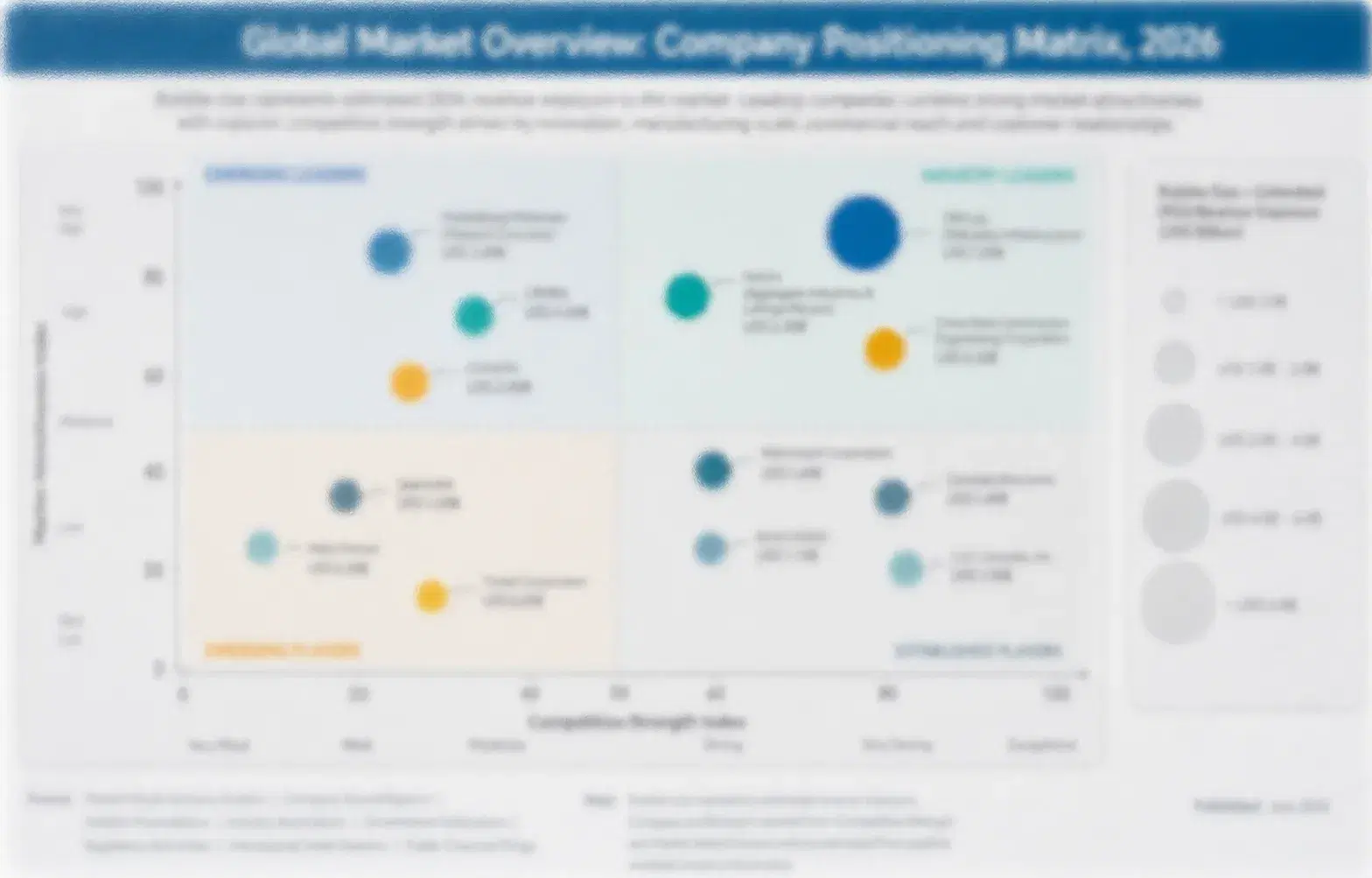
The American cassia seed extract market is moderately concentrated, with a CR5 of 54%, and botanical extract houses, distributors, and smaller blenders sit outside the leading five. This assessment measures participants on estimated cassia ingredient volume supplied to the United States in tonnes, held constant across all players. Lucid Colloids leads through seed access and gum processing scale, while Caremoli, Jai Bharat Gum and Chemicals, TIC Gums, and Cargill follow.
Competition runs on four dimensions today: seed access and collection networks, standardisation and safety documentation, gel performance in pet food, and delivery reliability. Indian processors win on cost and scale, while American and European blenders win on service and documentation. Imitators copy crude gum quickly, so premiums outside standardised extracts and tuned blends erode within a season, and price competition appears in gum. Technical reach compounds over time.

Emerging pressure comes from cultivated cassia trials, alternative hydrocolloids gaining pet food share, and tighter safety rules on anthraquinones. Rankings shift where a supplier secures traceable seed, adds standardisation depth, or wins a premium pet food programme. Blenders can move up quickly when they publish safety data, since documentation can outweigh scale. Audits repeat every year.
united-states-cassia-seed-extract-market-company-positioning-matrix-1789862332411

Competitive Moat and Risk Dimensions

LUCID COLLOIDS

Moat: Indian Seed Access and Scale

Lucid Colloids, an Indian hydrocolloid producer, processes cassia seed into gum and supplies pet food, food, and industrial customers across North America, Europe, and Asia with technical support. Its seed sourcing network, processing scale, and cost position give it credibility with large pet food plants, and its position supports competitive pricing and long-term supply relationships with distributors.
LUCID COLLOIDS

Risk: Monsoon and Regulatory Exposure

Lucid Colloids depends on Indian seed harvests and export rules, so monsoon swings and regulatory changes hit supply. Rivals with diversified sourcing can win accounts. Buyers review suppliers every season. Supply contracts decide renewal. Delivery reliability decides supplier rankings. Margins follow sourcing discipline. Batch records protect future sales.
CAREMOLI

Moat: Hydrocolloid Blending and Service Depth

Caremoli, an Italian hydrocolloid and gum specialist, supplies cassia gum, locust bean gum, and tailored blends to food and pet food customers worldwide with application laboratories. Its blending expertise, technical service, and European quality systems give it credibility with premium buyers, and its position supports tuned texture solutions and small-lot supply.
CAREMOLI

Risk: Freight and Scale Disadvantage

Caremoli ships from Europe and buys seed or gum from Indian sources, so freight and cost exposure limit price competitiveness. Indian processors can undercut it in gum. Cost control separates leaders from followers. Clear specifications build buyer trust. Small buyers feel every input swing. Technical reach compounds over time.

Players Tracked

Prominent Players

Lucid Colloids
Caremoli
Jai Bharat Gum and Chemicals
TIC Gums
Cargill

Other Key Players

Naturex
Sabinsa
Indena
Layn Natural Ingredients
Kemin Industries
Kalsec
Ashland
Tate & Lyle
Darling Ingredients
Balchem
Archer Daniels Midland
Kerry Group
Gum Technology
Brenntag
Univar Solutions

Recent Developments

JANUARY 2026

Lucid Colloids Expands Cassia Gum Processing Capacity for Pet Food Customers

Lucid Colloids expanded cassia gum processing capacity for pet food customers, according to company communications. It is an organic capacity expansion, not an acquisition, and it tests whether pet food demand supports investment. Capacity figures were not disclosed. Audits repeat every year. Buyers review suppliers every season.
Signal: Suggests Indian processors are adding capacity to serve premium wet pet food demand and defend share against blenders.
FEBRUARY 2026

Caremoli Introduces Cassia Gum Blend Designed for Premium Wet Pet Food Gels

Caremoli introduced a cassia gum blend designed for premium wet pet food gels, supported by application trials. It is a product launch, and it tests demand for tuned hydrocolloid systems. Sales volumes were not disclosed. Supply contracts decide renewal. Delivery reliability decides supplier rankings. Margins follow sourcing discipline.
Signal: Indicates European specialists are moving up the value chain with tuned blends to defend premiums against Indian processors.
MARCH 2026

Sabinsa Publishes Analytical Method for Cassia Extract Anthraquinone Content

Sabinsa published an analytical method for cassia extract anthraquinone content, according to company communications. It is a technical disclosure, not a product launch, and it tests whether validated methods support customer confidence. Sales volumes were not disclosed. Batch records protect future sales. Cost control separates leaders from followers.
Signal: Confirms botanical suppliers see validated safety analysis as the gateway to supplement brand programmes and regulator comfort.

What Drives American Cassia Extract Costs

Cassia seed accounts for roughly 36% of cost of goods, milling, extraction, and purification about 22%, energy about 8%, and testing, packaging, freight, and duties about 34%. Seed comes mainly from Rajasthan, Gujarat, and other Indian states, with smaller volumes from China and Africa, and most processing takes place in India before shipment to the United States. Technical reach compounds over time.
The clearest recent shock came from freight and energy prices. Ocean freight rates from India to the United States spiked in 2021 and 2022, as the US Department of Agriculture reported, energy prices surged, as the IEA reported, and Ingredion noted in its 10-K 2023 that freight and raw material costs affected its ingredient businesses. Suppliers raised prices by 10% to 25% in affected grades. Audits repeat every year.

The competitive disadvantage falls on small blenders without seed contracts and on pet food makers buying gum on spot terms, which cannot pass costs on quickly. Large suppliers hold multi-season seed contracts, own processing, and spread cost across gums. Exposure also varies by segment, since standardised extracts carry higher margins that absorb cost swings better than crude gum.
united-states-cassia-seed-extract-market-cost-volatility-analysis-1789862332708

Collector Network Contracts With Price Indexation

Suppliers sign multi-season contracts with collector networks and index selling prices to seed and freight costs. Contracts cut spot purchases by roughly half and reduce margin swings by 10% to 20% in volatile years. The main challenge is fragmented collection, so suppliers fund storage and pay promptly to keep supply loyal. Buyers review suppliers every season.

Cultivation Trials and Seed Quality Programmes

Suppliers pilot cultivated cassia with farmers to reduce dependence on wild collection. Cultivation can lift yield consistency by 20% to 30% in trial plots. The main challenge is farmer economics, since cassia competes with other crops, so suppliers offer buy-back prices and agronomy advice. Supply contracts decide renewal. Delivery reliability decides supplier rankings. Margins follow sourcing discipline.

Mix Shift Toward Standardised Extract Grades

Suppliers shift capacity toward standardised extracts and tuned blends that carry higher margins and absorb cost swings. A shift of 10% of volume lifts gross margin by 2 to 4 points. The main challenge is qualification time, so suppliers run trials early and keep gum lines for core customers. Batch records protect future sales. Clear specifications build buyer trust.

Portfolio Architecture for Margin Defence

Margins run from thin returns on crude gum sold under annual contracts to strong returns on standardised extracts and tuned blends sold with documentation and application support. Three tiers separate volume products, certified premium lines, and next-generation formats, and each tier draws on different customer groups, seed positions, and standardisation platforms in a moderately concentrated, import-dependent national market. Audits repeat every year.
The tension between volume and premium is sharp. Crude gum fills plants and protects seed contracts but faces Indian price competition and monsoon cost swings, while standardised extracts and tuned blends earn higher margins on smaller volumes and depend on testing, dossiers, and buyer trust. Suppliers that run only gum struggle when seed prices rise, while suppliers that run only premium lose scale. Buyers review suppliers every season. Supply contracts decide renewal.

High-value pools concentrate in low-anthraquinone standardised extracts sold to supplement brands and in tuned gum blends sold to premium wet pet food makers. They gather where buyers pay for safety data, gel performance, and traceable seed rather than kilograms. Cosmetic extracts add a smaller pool as botanical personal care widens. Delivery reliability decides supplier rankings. Margins follow sourcing discipline.

Volume / Commodity-Adjacent Tier

Crude cassia gum and seed powder sold in bulk to pet food and feed makers under annual contracts at thin margins, with seed cost pass-through and Indian price competition. Batch records protect future sales.
Gross Margin: 10%-18%

Premium / Certified Tier

Food-grade and pet food grade cassia gum with viscosity specifications, heavy metal testing, and audit certificates, sold to pet food makers and formulators that require audited plants and traceability. Cost control separates leaders from followers.
Gross Margin: 18%-32%

Sustainability / Regulatory / Next-Generation Tier

Standardised low-anthraquinone extracts and tuned hydrocolloid blends with validated analysis and technical service, sold to supplement brands and premium pet food makers that pay for safety and performance. Clear specifications build buyer trust.
Gross Margin: 24%-46%
united-states-cassia-seed-extract-market-portfolio-architecture-1789862333005

High-value Sub-segments and Strategic Watch-out

Standardised Low-Anthraquinone Cassia Extracts for Supplements

Standardised low-anthraquinone cassia extracts combine the fastest growth with strong pricing, since supplement brands pay for validated safety and defined markers at gross margins of 30% to 46%. Regulatory scrutiny and testing cost limit competition, and suppliers with validated methods win. Volume compounds as botanical demand widens.
Gross Margin: 30%-46%

Cassia Gum for Pet Food and Feed Texturisation

Cassia gum for pet food and feed texturisation delivers firm growth and pricing, since premium wet food makers pay for clean-label gel texture and consistent viscosity. Seed supply and ingredient definitions form the entry barrier, and suppliers with stable Indian sourcing win. Repeat supply builds through long programmes with
Gross Margin: 24%-36%

Cassia Gum for Human Food and Beverage Thickening

Cassia gum for human food and beverage thickening is the volume core outside pet food, sold to formulators at moderate margins under annual contracts. Value grows about 5.4% a year, and regulatory status, gel performance, and delivery reliability decide profit. Suppliers anchor sales on long relationships with processors and
Gross Margin: 14%-26%

Cassia Seed Extracts for Cosmetics and Personal Care

Cassia seed extracts for cosmetics and personal care are the strategic watch-out, since growth of about 6.2% a year trails the fastest segments, brands want proven claims, and botanical alternatives are plentiful. Suppliers should manage this line for margin and steer capacity toward standardised supplement extracts and pet food
Gross Margin: 20%-34%

Why American Buyers Keep Reordering Cassia

Cassia demand behaves like an annuity attached to approved pet food formulas and supplement dossiers. Once a maker qualifies a gum or extract whose viscosity, purity, and documentation it trusts, it repeats the order every quarter, and switching means new gel trials, safety reviews, and possible label changes. Buyers use last year's batch consistency and delivery record to fix renewals, so suppliers with clean records earn steadier volume
Adoption stickiness differs by end-use vertical. Premium wet pet food makers are the deepest, since the gum is written into gel formulas and changes only when viscosity or supply fails. Supplement brands follow dossiers. Human food formulators are moderate and switch on cost, while cosmetic brands are shallow and buy through distributors. Small buyers feel every input swing. Technical reach compounds over time.

Buyer profiles are shifting between generations. Older procurement teams bought hydrocolloids on price and long supplier relationships, while younger teams ask for clean labels, safety data, traceable origin, and sustainability proof. Retailers add a third group that sets ingredient rules. Suppliers that publish gel data and offer fast sampling win younger buyers and keep them as premium pet food widens.
united-states-cassia-seed-extract-market-end-use-penetration-index-1789862333308

MMA Verdict on American Cassia Strategy

These are among the four positions where our research anticipates prominent divergence between winners and laggards over the coming forecast period. Each is grounded in the demand model, the regulatory perimeter, and the announced capacity pipeline.
01 / STANDARDISED EXTRACT STRATEGY

Invest in Validated Low-Anthraquinone Extracts Before Rival Botanical Suppliers Win Supplement Programmes

Standardised Low-Anthraquinone Cassia Extracts for Supplements grows at 11.0% a year, about 1.59 times the overall market rate, and gross margins of 30% to 46% compare with 12% to 20% for crude extract. Suppliers should invest $0.5 million to $3 million in validated analysis, purification steps, and certificates of analysis, shift 10% of volume into standardised extracts, and lift gross margin by 2 to 4 points. Those that stay in crude extract will lose accounts as safety questions grow, while suppliers with validated methods keep premium brands.
02 / PET FOOD GEL STRATEGY

Win Premium Wet Pet Food Programmes Before Alternative Hydrocolloids Take Gel Share

Cassia Gum for Pet Food and Feed Texturisation grows at 9.0% a year, about 1.30 times the overall market rate, and gross margins of 24% to 36% reflect buyer demand for clean-label gel texture and consistent viscosity. Suppliers should invest $0.5 million to $2 million in application laboratories, publish gel strength data, and target premium brands first, lifting sales per customer by 8% to 15%. Those without trial data will compete only on price, and suppliers with evidence hold premiums for years.
03 / SEED SUPPLY STRATEGY

Contract Traceable Indian Seed Collection Before Monsoon Shortfalls Erase Gum Margins Again

Seed takes about 36% of cost, prices moved 30% to 60% within two years, and lagged pass-through cut margins across crude gum and extract. Suppliers should sign multi-season contracts with collector networks, fund storage, pilot cultivation, index selling prices, and hold safety stock, cutting spot purchases by 30% to 50%. Those that stay on spot markets will absorb every swing, and suppliers with contracted seed will hold margin, volume, and buyer confidence through the next full cycle of monsoon and freight shocks.
04 / REGULATORY READINESS STRATEGY

Prepare Category-Specific Safety Dossiers Before Regulators Tighten Anthraquinone Rules on Botanical Ingredients

Regulatory status of cassia gum in human food is narrower than in pet food, and anthraquinone questions weigh on supplement adoption, so documentation now decides qualification speed. Suppliers should invest $0.3 million to $1.5 million a year in identity data, safety studies, and category-specific dossiers, engage counsel early, and cut qualification time by 25% to 40%. Those with thin dossiers will lose accounts, and suppliers with ready packages will hold premium relationships across pet food and supplement channels for years.

Engagement Snapshot From the Field

A live engagement with an industry participant carrying material or product regulatory and market exposure ahead of a defining policy shift, showing how our research translates into a defensible multi-year portfolio strategy.
MARKET MINDS ADVISORY · CLIENT ENGAGEMENT SUMMARY
Demand for Cassia Seed Extract in USA Producer Strategic Portfolio Review and Transition Roadmap 2026·Investment Scenario on Demand for Cassia Seed Extract in USA Exposure Evaluation 2025-26
CLIENT PROFILE
The client is a mid-sized American pet food manufacturer with annual sales near $480 million (client-reported, unverified by MMA), producing wet cat and dog food in pouches and trays for grocery and online channels. It used a carrageenan and guar blend in 80% of gel products, faced retailer clean-label targets, and had trialled cassia gum blends in only one small line.
STRATEGIC CHALLENGE
Retailers asked for carrageenan-free labels, guar supply had swung in price, and cassia gum trials had shown viscosity variation between lots. Management needed to decide whether to adopt cassia gum blends, use alternative hydrocolloids, or stay with current texturisers, with limited capital and a retailer review date. Small buyers feel every input swing.
MMA APPROACH
MMA analysed cost, texture, and complaint data across 18 wet products, interviewed nine pet food technologist and procurement experts and four suppliers, and ran gel trials and a retailer survey on labels across three regions. It modelled cost by formula scenario, tested viscosity and supply cases, and ranked options by payback and execution risk.
KEY FINDINGS
  1. A cassia gum blend would add about 5% to texturiser cost but match gel strength with clean labels (client-reported, unverified by MMA). Technical reach compounds over time.
  2. Lot-to-lot viscosity variation fell by half when the client set tighter specifications and audited two suppliers. Audits repeat every year. Buyers review suppliers every season.
  3. Carrageenan-free labels could earn a price premium of about 4% in premium grocery and online channels. Supply contracts decide renewal. Delivery reliability decides supplier rankings.
  4. Two qualified suppliers would add about 2% to cost but cut supply risk by about half. Margins follow sourcing discipline. Batch records protect future sales.
CLIENT PROFILE
The client is a mid-sized American pet food manufacturer with annual sales near $480 million (client-reported, unverified by MMA), producing wet cat and dog food in pouches and trays for grocery and online channels. It used a carrageenan and guar blend in 80% of gel products, faced retailer clean-label targets, and had trialled cassia gum blends in only one small line.
STRATEGIC CHALLENGE
Retailers asked for carrageenan-free labels, guar supply had swung in price, and cassia gum trials had shown viscosity variation between lots. Management needed to decide whether to adopt cassia gum blends, use alternative hydrocolloids, or stay with current texturisers, with limited capital and a retailer review date. Small buyers feel every input swing.
MMA APPROACH
MMA analysed cost, texture, and complaint data across 18 wet products, interviewed nine pet food technologist and procurement experts and four suppliers, and ran gel trials and a retailer survey on labels across three regions. It modelled cost by formula scenario, tested viscosity and supply cases, and ranked options by payback and execution risk.
KEY FINDINGS
  1. A cassia gum blend would add about 5% to texturiser cost but match gel strength with clean labels (client-reported, unverified by MMA). Technical reach compounds over time.
  2. Lot-to-lot viscosity variation fell by half when the client set tighter specifications and audited two suppliers. Audits repeat every year. Buyers review suppliers every season.
  3. Carrageenan-free labels could earn a price premium of about 4% in premium grocery and online channels. Supply contracts decide renewal. Delivery reliability decides supplier rankings.
  4. Two qualified suppliers would add about 2% to cost but cut supply risk by about half. Margins follow sourcing discipline. Batch records protect future sales.
RECOMMENDED STRATEGY
Phase 1: Phase 1 (Months 1-6): Run gel trials with two cassia gum blends, qualify a second supplier, and confirm labelling wording. Cost control separates leaders from followers. Phase 2: Phase 2 (Months 7-24): Convert gravy and jelly recipes and sign multi-year supply agreements with indexed pricing. Clear specifications build buyer trust. Phase 3: Phase 3 (Months 25-42): Extend blends to pate products, audit suppliers yearly, and review viscosity and cost quarterly. Small buyers feel every input swing.
OUTCOME
Within 42 months, cassia gum blends covered 58% of gel products, retailer listings expanded, and gross margin on affected lines rose by 1.1 points (client-reported, unverified by MMA). The client cut viscosity complaints by 45%, raised repurchase by 3%, and held stockouts below 3%. Technical reach compounds over time.

Frequently Asked Questions

Foundational context covering the market sizes, CAGR, scope, country, region and competition that inform every finding below. This section is provided to cover basics and most often pre-purchase conversations, answered from the MMA Primary Research Dataset.

What is the current size of the Demand for Cassia Seed Extract in USA?

American cassia seed extract demand was valued at $0.09 billion in 2025 on a supplier-value basis. Growth is supported by premium pet food and botanical supplements, offset by regulatory questions and seed variability.

How large will the Demand for Cassia Seed Extract in USA be by 2036?

The market is projected to reach $0.19 billion by 2036, up from $0.10 billion in 2026. The increase of $0.09 billion reflects standardised extracts, pet food gum, and tuned blends.

What is the CAGR for the Demand for Cassia Seed Extract in USA 2026 to 2036?

The market is forecast to grow at a 6.9% CAGR from 2026 to 2036, from a small base. The bull case reaches 8.2% and the bear case 5.6%, depending on regulatory rules, seed supply, and pet food growth.

Which segment is growing fastest?

Standardised Low-Anthraquinone Cassia Extracts for Supplements is the fastest-growing segment at 11.0% CAGR, roughly 1.59 times the overall market rate. Cassia Gum for Pet Food and Feed Texturisation follows at 9.0% CAGR each year.

Who are the major companies in the Demand for Cassia Seed Extract in USA?

Major companies include Lucid Colloids, Caremoli, Jai Bharat Gum and Chemicals, TIC Gums, and Cargill. Naturex, Sabinsa, Indena, Layn Natural Ingredients, and Kemin Industries also hold meaningful positions in botanical ingredients.

Which country is growing fastest?

India is the fastest-growing supply origin at about 9.5% CAGR, because processors are widening gum and extract shipments to the United States. China follows through extract volumes.

Report Segmentation Architecture

The full report scope spans multiple orthogonal segmentation dimensions, with cross-tabulated demand data provided for each dimension pair. Coverage extends further to regional breakdowns, trend trajectories, and the competitive detail needed to support segment-level decision-making.

By Primary Market Dimension

  • Cassia Gum for Pet Food and Feed Texturisation
  • Cassia Gum for Human Food and Beverage Thickening
  • Botanical Extracts for Supplements
  • Extracts for Cosmetics and Personal Care
  • Standardised Low-Anthraquinone Cassia Extracts

By End-Use Industry

  • Pet Food and Animal Nutrition
  • Dietary Supplements
  • Food and Beverage
  • Personal Care
  • Research and Testing

By Commercial Dimension

  • Direct Supply Contracts
  • Ingredient Distributors
  • Co-Development Agreements
  • Private Label Supply
  • Toll Processing Services

By Region

  • South Asia and Pacific
  • North America
  • East Asia
  • Western Europe
  • Middle East and Africa
  • Latin America
  • Eastern Europe

Scope, Methodology, and Coverage

Every figure in this report is reproducible from documented input assumptions. The scope below maps the historical period, the forecast horizon, the segmentation dimensions, and the countries covered, alongside the underlying primary and qualitative methodology.
Historical Period
2020 to 2025
Forecast Period
2026 to 2036
Base Year
2025 (USD billions; MMA Primary Research Dataset, September 2026)
Market Definition
The market covers American demand for cassia seed derived ingredients, valued at supplier level in the national market, including cassia gum for pet food and feed texturisation, cassia gum for human food and beverage thickening, botanical extracts for supplements, extracts for cosmetics and personal care, and standardised low-anthraquinone cassia extracts. The scope excludes cassia bark cinnamon, senna leaf laxatives, guar and locust bean gums sold on their own, and finished pet foods.
Quantitative Units
USD billions (supplier value, United States); tonnes for volume references
Segmentation Dimensions
By Product Form and Application; By End-Use Industry; By Commercial Dimension; By Supply Origin Region
Regions Covered
South Asia and Pacific, North America, East Asia, Western Europe, Middle East and Africa, Latin America, Eastern Europe
Countries Covered
United States (demand); supply origins include India, China, Italy, Germany, Netherlands, Poland, Canada, Sudan, Egypt, Brazil, Peru, and additional markets relevant to this sector
Key Companies Profiled
Lucid Colloids, Caremoli, Jai Bharat Gum and Chemicals, TIC Gums, Cargill, Naturex, Sabinsa, Indena, Layn Natural Ingredients, Kemin Industries, Kalsec, Ashland, Tate & Lyle, Darling Ingredients, Balchem, Archer Daniels Midland, Kerry Group, Gum Technology, Brenntag, Univar Solutions
Quantitative Methodology
Primary survey, n=3,800 respondents, Q4 2025, six countries; demand-side model with trade association cross-validation
Qualitative Methodology
47 expert interviews, Q4 2025; applied to validate demand model assumptions, identify emerging dynamics, and assess competitive positioning
Report Format
PDF and XLSX data workbook (Word format preview document)
Publisher
Market Minds Advisory
Report Code
MMA-2026-CHM-671
Published
September 2026
Contact
sales@marketmindsadvisory.com | www.marketmindsadvisory.com

Purchase the full Demand for Cassia Seed Extract in USA Report (2026 to 2036).

The full report delivers a detailed assessment of American cassia seed extract demand through 2036, covering product form, end-use, and supply origin forecasts, competitive benchmarking of leading suppliers, and input cost analysis. It combines MMA primary research, including a six-country survey of 3,800 respondents and 47 expert interviews, with public statistical and company data. Analysts also model seed supply scenarios, regulatory paths, and standardised extract adoption. Clients receive segment margin ranges, import route maps, and a case study on texturiser sourcing strategy. Supplier programme and contract frameworks are also included for planning.
Ten-year product form and end-use demand forecasts
Seed, energy, and freight cost tracking
Competitive benchmarking of top twenty suppliers
Pet food and supplement rule tracker updates
Regional supply origin comparative analysis included
Quarterly primary survey data update access

Built For The People Who Decide

From boardroom strategy to bench-side execution, this report is read cover-to-cover by leaders shaping the next decade of their industry, turning demand scenarios, market dynamics and valuation benchmarks into decisions.
CXOs/ Presidents/ VPs/ Managers
M&A and Corporate Development
Strategy Teams and R&D Heads
Procurement and Product Directors
Regulatory and Compliance Leaders
Investor Relations and Equity Analysts