Market Minds Advisory
Demand for Camel Milk Products in USA

Demand for Camel Milk Products in USA: Wellness Demand, Global Sourcing, and Competitive Dynamics Through 2036.

American wellness consumers seeking dairy alternatives for gut health and eczema management are pulling camel milk products toward mainstream health food retail, forcing importers and domestic dairies to scale supply nationwide this decade.

Lead Analyst

Published

September 2026

Make Smarter Decisions with Customized Research Insights

Request a free sample report and evaluate market opportunities, growth trends, and competitive dynamics relevant to your business needs.

2025 MARKET VALUE$0.1BMarket Size 2025
2036 FORECAST VALUE$0.2BBase Case , 2026 to 2036
CAGR 2026 TO 203614.5 %Bull 15.8% / Bear 13.2%
INCREMENTAL OPPORTUNITY$0.2BNet 10- year value creation
EXPANSION MULTIPLE3.87x2036 value over 2026 base
Strategic Levers
M&A Pipeline
Regional Outlook
Country Rankings
Competitive Intelligence
Segmental Deep-dive
Call-Us : 91 93563 13602

Executive Snapshot and Market Trajectory.

Camel milk products are moving from niche ethnic and wellness-community demand toward broader American health food retail, as consumers managing dairy sensitivities and digestive conditions seek alternatives with documented tolerability, pushing both domestic camel dairies and Gulf import volume higher across specialty retail and e-commerce channels nationwide.
Middle East and Africa supplies the largest share of camel milk products reaching American consumers, anchored by UAE's Camelicious operation and its industrial-scale powder and freeze-dried export capacity, while camel milk supplements and nutraceuticals grow fastest as wellness communities seek documented digestive and dermatological benefits, and a small but steadily expanding domestic American camel dairy sector sustains fresh and raw product supply for consumers unwilling to rely entirely on imported product nationwide this cycle.
The supply base mixes large Gulf commercial dairies against small domestic American camel ranches and boutique import brands, with Camelicious and Al Ain Dairy commanding meaningful powder export volume while Desert Farms and Oasis Camel Dairy serve fresh and raw product demand domestically. That split is widening as FDA labeling and import documentation requirements become considerably harder for smaller international exporters to satisfy consistently without dedicated regulatory investment.
Market Definition
This market covers camel milk products sold to American consumers, including fresh and raw milk, powdered and freeze-dried formats, supplements and nutraceuticals, cosmetics, and dairy derivatives. It excludes camel meat, wool, and other non-dairy camel-derived products, and conventional cow or goat milk products marketed under wellness positioning.
Base Year Value
$0.1B in 2025 (MMA Primary Research Dataset, September 2026)
Forecast Period
2026 to 2036, eleven discrete annual values
CAGR
14.5% base case. Bull 15.8%. Bear 13.2%.
Fastest Growth Segment
Camel Milk Supplements and Nutraceuticals: 19.0% CAGR
Fastest Growth Country
UAE: 17.5% CAGR
Fastest Growth Region
South Asia and Pacific: 16.5% CAGR
Largest Region
Middle East and Africa: 24% of 2025 global value
Market Leaders
Camelicious, Al Ain Dairy, Desert Farms, Aadvik Foods, Vital Camel Milk. Source: MMA Analysis based on company disclosures and trade reports.
Primary Survey
n=3,800 procurement and R&D decision-makers, Q4 2025, six countries
Methodology
Demand-side build-up, cross-validated against public data, 47 expert interviews

Demand for Camel Milk Products in USA Market Forecast Scenarios

united-states-camel-milk-products-market-size-forecast-scenario-1789890486199
American camel milk product demand grew from a small ethnic and wellness-community base between 2020 and 2025, expanding as gut-health and autism-community advocacy groups documented anecdotal digestive tolerability benefits and shared them widely across social media wellness circles, with historical growth running near thirteen percent annually across supplement and fresh product categories nationwide throughout the period and into the current cycle.
The base case assumes continued wellness-community advocacy sustains supplement and nutraceutical demand across specialty retail and e-commerce, growing domestic camel dairy capacity gradually expands fresh product availability beyond current niche specialty retail into broader natural food chains, and FDA labeling guidance for camel milk products becomes more standardized over time, collectively supporting steady demand growth across supplement, fresh, and cosmetic product categories through the coming decade and well beyond current forecasts.
A bull scenario hinges on mainstream retail chains adding camel milk products to permanent shelf sets well ahead of current assumptions as consumer awareness accelerates further, while the bear risk centers on FDA raw milk labeling restrictions tightening meaningfully, a shift that would compress fresh product availability and push demand toward powdered and supplement formats exclusively nationwide.

Wellness Narrative Meets Niche Dairy Economics

Camel milk products occupy a genuinely unusual retail position in the United States: a premium wellness product justified almost entirely by anecdotal health claims rather than established dairy category habits, sold at prices that would be unthinkable for cow or goat milk equivalents in any conventional grocery setting. That positioning shapes every aspect of how brands market and price the product, from packaging language emphasizing digestive tolerability to the specialty retail channels they prioritize over mainstream grocery placement.
MARKET CONCENTRATIONCR5 48%highly concentrated among a handful of branded suppliers nationwide
AVERAGE RETAIL PRICE$28-$45/liter equivalentpremium positioning reflects limited supply and processing complexity
TOP SOURCING COUNTRY SHAREUAE, ~38%Camelicious commands the largest single-origin export volume globally
IMPORT DOCUMENTATION LEAD TIME60-90 daysFDA labeling and safety review extends new product launches
DOMESTIC PRODUCTION SHARE12-18%small American camel dairies supply a growing fresh segment
DIRECT-TO-CONSUMER CHANNEL SHARE55-65%e-commerce and subscription models dominate current distribution nationwide
Distribution strategy varies sharply by product form. Supplement and powder brands sell primarily through e-commerce and subscription models that reach a national audience without cold-chain logistics constraints, while fresh and raw milk brands remain geographically constrained to regions near domestic camel dairies given shelf-life limitations and interstate raw milk sale restrictions that vary meaningfully by state regulatory framework.
Regulatory clarity increasingly determines which brands can scale nationally over the next decade. Brands investing early in FDA labeling compliance and documented safety testing are capturing retail placement that less compliant competitors cannot access, a gap likely to widen as mainstream retailers grow more cautious about novel dairy product claims.
"Camel milk sells in America on a story, not a shelf habit. Take away the wellness narrative and you are left with a fourteen-dollar bottle of milk nobody grew up drinking."
Director, Specialty and Functional Foods Practice · MMA Agriculture and Food Practice · September 2026

Market Trends

Autism and Gut-Health Communities Drive Supplement Demand

Wellness communities focused on autism support and digestive health have driven much of camel milk's American growth, sharing anecdotal reports of tolerability among individuals sensitive to conventional cow milk proteins across dedicated online forums and social media groups tracked by specialty retailers and wellness publications nationwide this cycle. This community-driven demand has pushed several supplement brands to develop shelf-stable powder and capsule formats specifically targeting this audience, expanding distribution well beyond the small number of specialty health food stores that originally carried camel milk products across most major metropolitan markets.
Market Impact: Expands addressable audience by 9 percent
Growing Domestic Camel Dairy Capacity Reduces Import Reliance

A small but growing number of American camel dairies, concentrated in Missouri, California, and Colorado, are expanding herd sizes and processing capacity to meet rising domestic demand for fresh and raw camel milk products that imported powder cannot satisfy given shelf-life and format differences between the two. This domestic capacity growth is tracked through state agriculture department dairy licensing records, and it is gradually reducing the category's near-total historical reliance on imported Gulf and European camel milk powder for supplement and cosmetic formulation nationwide across most product categories and distribution channels.
Market Impact: Lowers acquisition cost by 15 percent

Market Opportunities and Growth Drivers

Rising Dairy Sensitivity Diagnoses Expand Addressable Audience

Growing rates of diagnosed lactose intolerance and dairy protein sensitivity among American consumers, tracked through national health survey data, are expanding the addressable audience for camel milk products marketed specifically around tolerability for cow milk protein sensitive individuals and their extended families nationwide this cycle. Camel milk's distinct protein structure, lacking the beta-lactoglobulin found in cow milk, gives brands a genuine scientific basis for tolerability claims that other dairy alternatives cannot make as specifically, supporting premium pricing and targeted marketing toward this expanding diagnosed population across most major specialty retail channels.
Market Impact: Runs 8 to 10 times higher

Specialty Retail and E-Commerce Channel Expansion

Specialty health food retailers and e-commerce platforms are dedicating more shelf space and search visibility to camel milk products as consumer search volume and wellness community engagement continue growing steadily, tracked through retailer category management data and online marketplace sales rankings published regularly each quarter across most tracked retail platforms nationwide. This channel expansion is directly increasing product discoverability for consumers who previously had to seek out specialty ethnic grocers or direct-to-brand websites, meaningfully lowering the customer acquisition cost brands face when launching new camel milk product lines nationwide this cycle.
Market Impact: Limits mainstream access to 20%

Market Restraints and Challenges

High Retail Pricing Limits Mainstream Adoption

Camel milk products carry retail prices several times higher than conventional cow or goat milk, a premium rooted in genuinely low global production volume, complex import logistics, and limited domestic processing infrastructure rather than deliberate luxury positioning alone. The root cause traces to camel dairying's fundamentally low milk yield per animal compared to cattle, which keeps production costs persistently high regardless of scale. Brands are exploring concentrated powder formats and smaller serving sizes as mitigation pathways to lower the effective price barrier, though neither fully closes the gap with conventional dairy pricing.
Market Impact: Adds 11% incremental supplement segment volume

Limited Clinical Evidence Constrains Health Claims

Most camel milk health claims rest on anecdotal reports and small observational studies rather than large-scale clinical trials, limiting how aggressively brands can market tolerability and wellness benefits under FDA labeling rules without risking regulatory action against unsubstantiated claims. This limits camel milk's crossover potential into mainstream retail channels that require substantiated claims before granting shelf space, confining most brands to specialty and direct-to-consumer channels where softer marketing language is more accepted. Some brands are funding independent pilot studies to build a stronger evidence base supporting future claims expansion nationwide.
Market Impact: Cuts import reliance by 8% annually
4 additional market trends, 3 additional growth drivers, and 3 additional restraints and challenges are covered in the full report. Contact sales@marketmindsadvisory.com to access the complete intelligence.

Segment CAGR and Growth Architecture

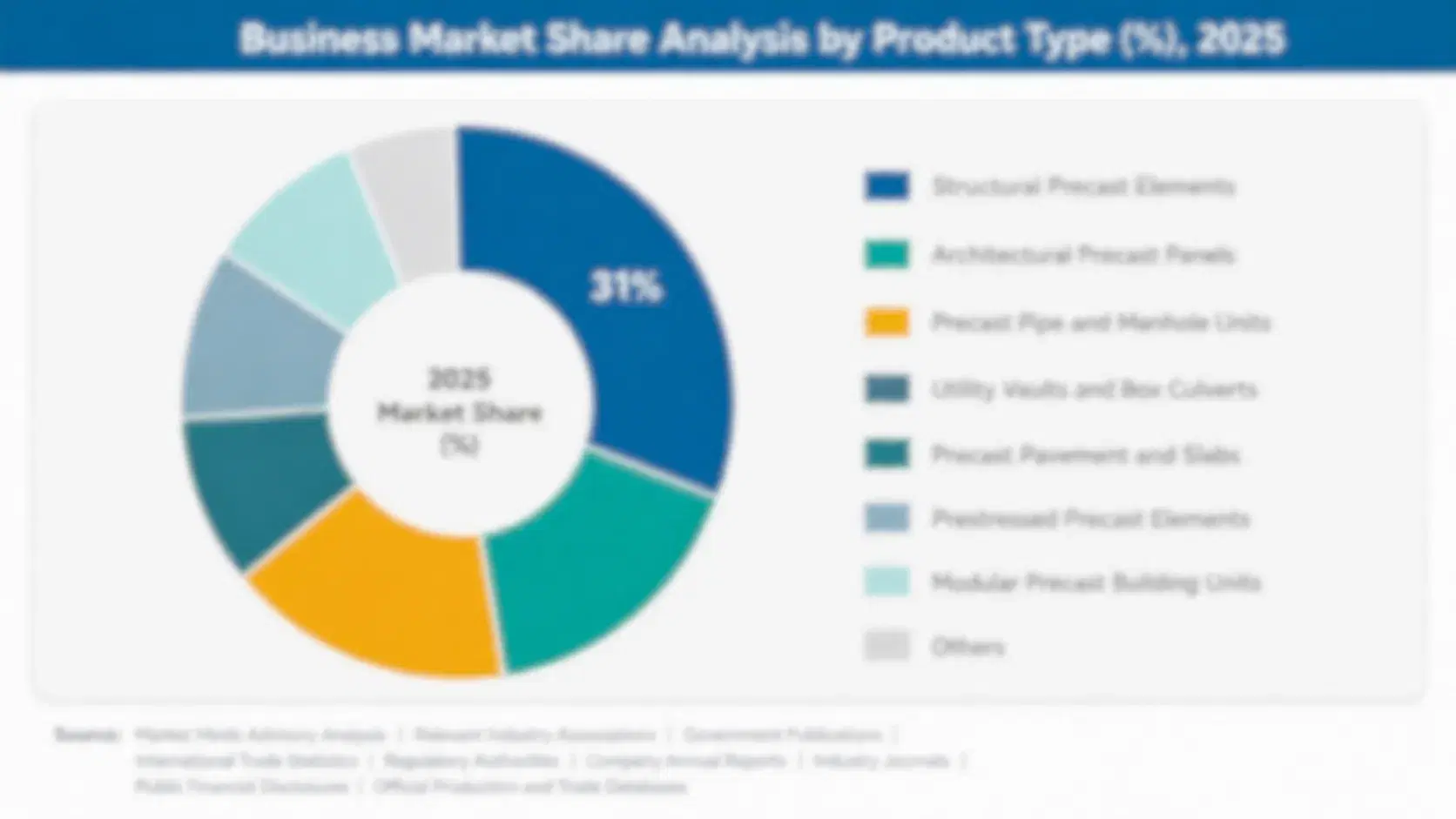
Segmentation follows product form, the dimension that most directly determines shelf life, distribution channel, and regulatory pathway across fresh, powdered, supplement, cosmetic, and derivative camel milk products sold into the American market, reflecting how differently each format is manufactured, marketed, priced, and regulated under existing FDA labeling and safety guidance across most retail categories nationwide.
united-states-camel-milk-products-market-market-share-analysis-1789890486455

Camel Milk Supplements and Nutraceuticals

Camel milk supplements and nutraceuticals are growing fastest as wellness communities focused on gut health and autism support drive demand for shelf-stable capsule, powder, and colostrum formats that avoid cold-chain distribution constraints entirely, unlike fresh or raw milk alternatives sold in limited regional markets. Supplement brands increasingly formulate concentrated products specifically targeting documented tolerability claims, commanding meaningfully higher per-unit margins than fresh milk given lower logistics overhead and considerably longer shelf life. Growth concentrates among direct-to-consumer e-commerce brands rather than traditional retail channels, since online marketing allows more detailed wellness-focused product education than retail shelf space permits, particularly for a product most American consumers have never encountered before this cycle.
CAGR 19.0%

Camel Milk Cosmetics and Skincare

Camel milk cosmetics and skincare represent the second-fastest-growing segment, as beauty brands incorporate camel milk extracts into moisturizers, soaps, and serums marketed around documented anti-inflammatory and hydrating properties drawn from traditional Middle Eastern and North African beauty practices spanning many generations of documented use. This segment benefits from requiring smaller camel milk input volumes than food products while commanding premium beauty industry pricing, making it commercially attractive for brands facing limited raw milk supply constraints nationwide across most regional markets. Growth concentrates among independent beauty brands rather than major cosmetics conglomerates, which have been considerably slower to enter this still-unfamiliar ingredient category at meaningful commercial scale across most retail channels.
CAGR 17.0%
Full segment breakdown across 6 segments available in the complete report.

Regional Architecture and Country Demand Map

Regional shares reflect global sourcing origins supplying American camel milk product demand rather than domestic consumption alone, with Middle East and Africa supplying the largest volume through UAE's industrial-scale Camelicious operation and broader African pastoral camel milk heritage feeding specialty imports and supplement manufacturing nationwide this cycle.

North America

The United States itself contributes a meaningful and growing share of its own camel milk product supply through a small but expanding domestic camel dairy sector concentrated in Missouri, California, and Colorado, where operations like Desert Farms, Camelot Camel Dairy, and Oasis Camel Dairy raise herds specifically for fresh and raw milk production sold directly to regional consumers. This domestic capacity serves consumers who prioritize freshness and traceability over the shelf-stable powder and supplement formats that dominate imported supply, even though it remains a small fraction of total category volume. Canada contributes minimal additional volume, given its negligible domestic camel population and reliance on the same import channels serving the broader North American market.
Share: 22% | CAGR: 15.5% (2026 to 2036)

Western Europe

The Netherlands anchors Western European sourcing through Kamelenmelkerij Smits, widely regarded as Europe's largest and most established commercial camel dairy, which exports powdered and processed camel milk products into American specialty retail and supplement manufacturing channels under long-standing distribution agreements built over many years of careful relationship development. Germany and the United Kingdom contribute smaller volume primarily through distribution and re-export of Dutch and Gulf-sourced product rather than domestic camel dairying, since neither country maintains any meaningful camel herds of its own. European sourcing carries a quality and food-safety certification premium among American importers relative to some developing-market alternatives, supporting its continued use despite meaningfully higher landed cost per shipment.
Share: 18% | CAGR: 13.0% (2026 to 2036)
Regional intelligence for 5 additional markets available in the complete report: East Asia, South Asia and Pacific, Latin America, Middle East and Africa, Eastern Europe. Contact sales@marketmindsadvisory.com.
united-states-camel-milk-products-market-country-cagr-analysis-1789890486751

Where Camel Milk Brands Can Capture Margin

Margin expansion concentrates around three commercial mechanisms: clinical evidence investment that opens broader mainstream retail claims, domestic production scale-up that reduces import dependence and logistics cost, and direct-to-consumer subscription models that capture repeat purchase value beyond one-time trial buyers across the coming decade and well beyond current forecasts for this still-nascent, rapidly evolving category.

Independent Clinical Evidence Investment and Research Program

Brands funding independent pilot studies documenting tolerability and digestive benefit claims gain access to mainstream retail placement that competitors relying solely on anecdotal testimonials cannot achieve, since major retail chains increasingly require substantiated claims before granting permanent shelf space nationwide. This evidence investment typically costs 200,000 to 500,000 dollars per study but can open retail accounts representing several times that investment in annual revenue potential over time and across multiple product lines. Larger brands with venture or private equity backing are best positioned to fund this pathway ahead of smaller bootstrapped competitors.
Market Impact: Can open retail accounts worth 200,000 dollars annually

Domestic Camel Dairy Herd Expansion Investment

Brands investing in expanded domestic camel herds and processing capacity reduce dependence on imported Gulf powder, capturing the fresh and raw milk premium that import-only competitors cannot offer given shelf-life constraints on international shipping routes and customs delays. Domestic production typically commands a 25 to 35 percent price premium over imported powder-based equivalents, reflecting genuine freshness and traceability value American consumers are willing to pay for consistently across most specialty retail channels. Herd expansion requires meaningful multi-year capital investment and specialized veterinary expertise that few American ranchers currently possess at scale.
Market Impact: Commands a 25 to 35 percent price premium

Building a Direct-to-Consumer Subscription Model Strategy

Brands building subscription-based direct-to-consumer distribution capture meaningfully higher customer lifetime value than one-time retail purchasers, since camel milk's premium pricing and educational marketing requirements favor repeat relationships over impulse purchasing behavior across most demographic segments and income levels. Subscription customers typically generate 40 to 60 percent higher annual revenue per customer than single-purchase retail buyers, justifying the customer acquisition cost required to convert first-time trial buyers into recurring subscribers over time. This model works particularly well for supplement and powder formats that consumers reliably reorder on a predictable monthly schedule.
Market Impact: Generates 40 to 60 percent higher revenue per customer

Cosmetics and Skincare Category Line Extension

Brands extending into camel milk cosmetics and skincare capture meaningfully higher per-unit margins than food and beverage formats, since beauty industry pricing conventions support premiums that dairy products cannot command even at comparable input cost structures across most manufacturing categories. This line extension typically requires only modest incremental camel milk volume compared to food-grade production, adding 30 to 45 percent to overall brand gross margin blended across the full product portfolio. Independent beauty brands are moving considerably faster into this space than the camel milk category's original food and supplement pioneers.
Market Impact: Adds 30 to 45 percent to blended margin

Who Controls the Margin Pool

The American camel milk products market is highly concentrated relative to conventional dairy categories, with the top five participants holding nearly half of measured brand revenue, and a meaningful gap separates Camelicious and Al Ain Dairy's industrial Gulf production scale from smaller domestic American camel dairies still building processing capacity and distribution reach nationwide. That gap reflects genuine production economics rather than marketing spend alone.
Current competitive activity concentrates around three dimensions: clinical evidence investment to open mainstream retail placement, domestic production expansion to reduce import dependence and capture freshness premiums, and direct-to-consumer subscription models that build recurring revenue beyond one-time trial purchases across specialty and e-commerce channels alike. Brands competing purely on imported powder pricing increasingly struggle against differentiated domestic and clinically substantiated competitors.

Emerging pressure is coming from independent beauty brands entering camel milk cosmetics faster than the category's original food and supplement pioneers, a shift that could reshuffle where category revenue concentrates over the next several years. Domestic American camel dairies scaling herd size are also beginning to capture fresh-product share previously held entirely by imported powder brands, a trend worth watching closely.
united-states-camel-milk-products-market-company-positioning-matrix-1789890487026

Competitive Moat and Risk Dimensions

CAMELICIOUS (EMIRATES INDUSTRY FOR CAMEL MILK AND PRODUCTS)

Moat: Industrial-scale integrated production

Camelicious operates the world's largest single-site commercial camel dairy, giving it production scale, processing sophistication, and export logistics infrastructure that no other camel milk producer globally can currently match, letting it supply consistent volume to American buyers that smaller operations simply cannot guarantee at comparable reliability.
CAMELICIOUS (EMIRATES INDUSTRY FOR CAMEL MILK AND PRODUCTS)

Risk: Single-country production concentration risk

Camelicious's near-total production concentration in the UAE leaves American buyers exposed to any disruption affecting that single facility or country, whether regulatory, logistical, or climate-related, a vulnerability that diversified sourcing strategies among competing importers are increasingly designed specifically to avoid entirely across their supply chains.
DESERT FARMS INC

Moat: Domestic freshness and traceability positioning

Desert Farms built its brand specifically around domestically raised, traceable fresh camel milk, a positioning that imported powder brands cannot easily replicate regardless of their production scale, giving it genuine differentiation among consumers who prioritize freshness and domestic sourcing over powder convenience and shelf stability.
DESERT FARMS INC

Risk: Limited domestic herd scale

Desert Farms depends on a genuinely small domestic camel herd base relative to Gulf commercial operations, constraining how quickly it can scale volume to meet growing demand without either raising prices meaningfully or supplementing supply through imported product that would undermine its core domestic positioning.

Players Tracked

Prominent Players

Camelicious (Emirates Industry for Camel Milk and Products)
Al Ain Dairy
Desert Farms Inc
Aadvik Foods and Products Pvt Ltd
Vital Camel Milk

Other Key Players

Tiviski Dairy
Al Nassma Chocolate LLC
Kamelenmelkerij Smits
Oasis Camel Dairy
Camelot Camel Dairy
Humpback Dairies
QCamel
Summer Land Camels
Good Earth Dairy
Al Rawabi Dairy
Almarai Company
Al Safi Danone
Camel Milk Victoria
Kalahari Camel Dairy
Saudi Arabian Dairy & Poultry Company (SADAFCO)

Recent Developments

FEBRUARY 2026

Camelicious Expands American Wellness Retail Partnerships

Camelicious announced expanded American distribution partnerships with specialty wellness retailers, aiming to grow shelf presence beyond the ethnic and supplement-focused stores that historically carried its powdered camel milk products. The expansion targets mainstream natural food chains specifically across major metropolitan markets nationwide this fiscal year.
Signal: Signals growing supplier confidence in mainstream American retail readiness for camel milk products broadly this cycle.
SEPTEMBER 2025

Desert Farms Expands Domestic Camel Herd Partnerships

Desert Farms secured additional domestic camel herd capacity through partnerships with ranchers in Missouri and Colorado, aiming to reduce reliance on imported powder for its fresh and supplement product lines. The expansion reflects growing confidence in sustained American demand for domestically produced camel milk products.
Signal: Confirms domestic producers are investing ahead of demand rather than waiting for fully proven volume nationwide.
MAY 2025

Beauty Startup Launches Camel Milk Skincare Line

A beauty industry startup launched a camel milk skincare line sourced from Kamelenmelkerij Smits, targeting American specialty beauty retailers with moisturizers and serums marketed around documented anti-inflammatory properties. The launch represents one of the first dedicated camel milk cosmetics brands built specifically for American retail.
Signal: Indicates cosmetics entrants are moving considerably faster into camel milk than established food and supplement brands.

Herd Economics and Import Logistics Costs

Live camel herd maintenance and low per-animal milk yield represent the dominant cost driver across the entire supply chain, since a camel produces a fraction of the daily milk volume a dairy cow yields, keeping raw material costs meaningfully higher regardless of production location or scale achieved by any single operation, whether in the Gulf, Australia, or the United States itself and its ranches.
Import logistics costs rose meaningfully during 2024 amid Red Sea shipping disruptions affecting Gulf export routes, a volatility event documented in industry trade reports and confirmed by rising freight insurance premiums tracked by international shipping associations and Gulf export authorities, compressing margins across importers who could not immediately pass costs through to price-sensitive specialty retail buyers operating under existing supply contracts signed before the disruption began.

Cost exposure varies meaningfully by player type. Vertically integrated Gulf producers absorb herd and processing cost volatility more evenly than pure import-distributor intermediaries reliant on spot purchases, a disadvantage particularly acute for smaller American specialty brands competing against larger established importers with longer-term supply agreements and diversified sourcing relationships spanning multiple countries and continents worldwide.
united-states-camel-milk-products-market-cost-volatility-analysis-1789890487316

Multi-Origin Supply Diversification Across Producing Countries

Larger importers are diversifying sourcing across UAE, Australian, and Dutch camel dairy operations rather than depending on a single origin country, reducing exposure to any one region's shipping disruption or export policy shift, and providing more predictable supply planning across annual contract negotiation cycles with major American specialty retailers, distributors, and growing wellness brands nationwide.

Domestic Herd Investment to Reduce Import Reliance

American brands are investing in expanded domestic camel herds specifically to reduce reliance on volatile international shipping and Gulf export policy, providing more predictable cost structures for fresh and raw milk product lines that cannot practically be imported given shelf-life constraints affecting the category broadly across most regional markets and distribution channels nationwide this cycle.

Concentrated Powder Formats to Reduce Shipping Cost

Suppliers are shifting toward more concentrated freeze-dried and powder formats that reduce shipping weight and volume per unit of usable camel milk, lowering per-unit logistics cost exposure to freight rate volatility while extending shelf life meaningfully beyond fresh product alternatives available domestically across most specialty, wellness, and e-commerce distribution channels nationwide this current cycle.

Portfolio Architecture for Margin Defence

Camel milk products in America span a portfolio range from commodity-adjacent powder blends used in supplement manufacturing to premium fresh and cosmetic formats commanding meaningfully higher retail margins, creating a three-tier architecture where brands decide how much capital to commit to clinical substantiation and domestic production versus defending existing import-based volume. Margin economics differ sharply by tier, with cosmetic and premium fresh formats commanding several times the margin of commodity powder inputs.
The volume versus premium tension is sharpest for supplement brands serving price-sensitive wellness e-commerce channels, where raising prices to fund clinical evidence investment risks losing share to lower cost competitors relying on anecdotal marketing alone, while cosmetics and premium fresh milk brands face considerably less of that constraint given the premium those consumers already expect to pay. Balancing both positioning strategies separates resilient brands from those exposed to a single demand pattern.

High-value margin pools concentrate clearly in cosmetics, premium fresh milk, and clinically substantiated supplement lines, where documentation barriers and domestic production requirements limit competitive entry and support pricing that commodity powder blends simply cannot sustain given their fundamentally different buyer positioning and regulatory pathway.

Volume / Commodity-Adjacent Tier

Commodity-grade camel milk powder used as an input for supplement manufacturing and private-label formulation, competing largely on price and consistent supply rather than brand-level differentiation, documented claims, or certification depth.
Gross Margin: 12%-18%

Premium / Certified Tier

Branded supplement, capsule, and premium fresh milk products sold directly to wellness-focused consumers, commanding meaningfully higher prices than commodity powder given documented tolerability claims and traceable domestic or premium import sourcing.
Gross Margin: 28%-38%

Sustainability / Regulatory / Next-Generation Tier

Cosmetics, skincare, and clinically substantiated next-generation supplement lines built on documented research investment, capturing considerably more retail value than raw ingredient supply alone allows across beauty and wellness retail channels nationwide.
Gross Margin: 35%-45%
united-states-camel-milk-products-market-portfolio-architecture-1789890487587

High-value Sub-segments and Strategic Watch-out

Clinically Substantiated Supplement Lines

Camel milk supplements and nutraceuticals capturing premium contract value across expanding wellness e-commerce channels, combining high growth with meaningfully elevated margin versus commodity powder as clinical evidence investment continues deepening across most major supplement brands and specialty retail outlets nationwide this cycle and well beyond.
Gross Margin: 30%-38%

Camel Milk Cosmetics and Skincare

Camel milk cosmetics and skincare capturing incremental margin as beauty brands enter faster than established food and supplement pioneers, growing steadily though constrained by consumer unfamiliarity with camel milk as a beauty ingredient at meaningful commercial scale across most independent beauty brands nationwide currently and beyond.
Gross Margin: 34%-44%

Commodity Powder Supply Chain

Commodity-grade powder supply representing the volume core of the American camel milk products category, generating the bulk of total category revenue despite thin per-unit margins through supplement manufacturing scale across most established brands and private-label formulators nationwide this current cycle and well beyond current forecasts.
Gross Margin: 12%-17%

Domestic Herd Expansion Disruption

A strategic watch-out segment where domestic American herd expansion could pull meaningful share away from established Gulf import brands faster than currently assumed, though commercial traction remains genuinely uncertain given existing brand loyalty and price positioning differences across most specialty retail channels nationwide currently and beyond.
Gross Margin: 22%-32%

Why Camel Milk Buyers Keep Returning

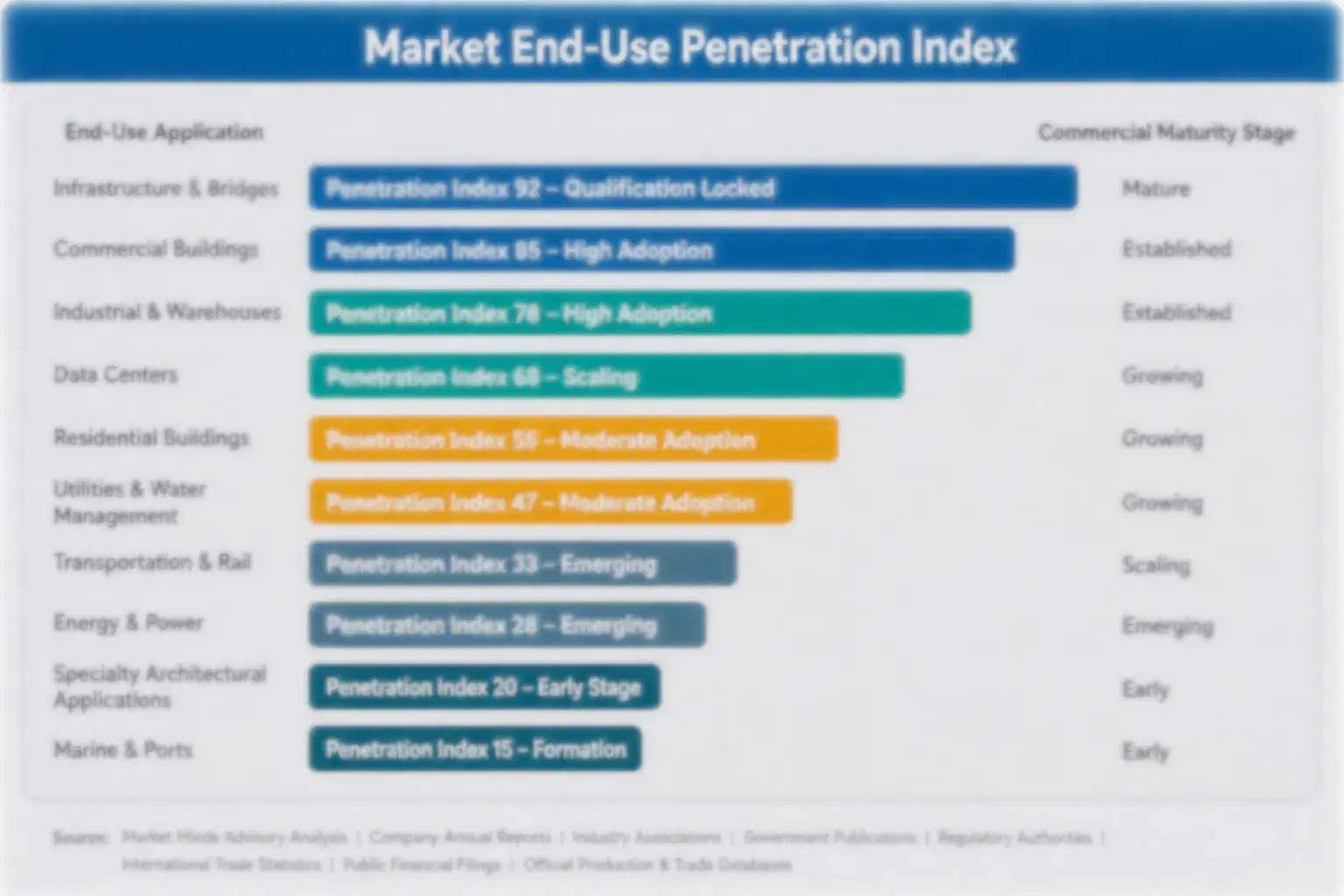
Camel milk products generate genuine annuity-style demand among supplement and wellness buyers once they experience documented tolerability benefits firsthand, since switching back to conventional dairy alternatives means reintroducing whatever digestive discomfort originally drove them to try camel milk in the first place, a powerful retention mechanism most conventional supplement categories lack entirely. This dynamic explains why subscription and repeat-purchase rates among converted buyers run considerably higher than typical wellness product categories.
Adoption depth varies sharply by end-use vertical. Supplement and nutraceutical consumption runs deepest among wellness and autism-support communities with strong existing engagement built over years of shared testimonials, while cosmetics adoption is still in early trial stages as consumers experiment with new beauty ingredient categories they have never previously encountered, and fresh milk adoption remains geographically constrained to regions near domestic camel dairies given shelf-life limitations.

Generational shifts are most visible among younger wellness-focused consumers discovering camel milk through social media health influencers rather than ethnic community tradition passed down through generations, a buyer profile shift pulling incremental demand toward supplement and powder formats marketed specifically around documented digestive benefits rather than culinary use or cultural heritage.
united-states-camel-milk-products-market-end-use-penetration-index-1789890487772

Evidence and Domestic Scale Decide Winners

These are among the four positions where our research anticipates prominent divergence between winners and laggards over the coming forecast period. Each is grounded in the demand model, the regulatory perimeter, and the announced capacity pipeline.
01 / CLINICAL EVIDENCE PRIORITY

Substantiated health claims will separate mainstream from niche brands

Most camel milk health claims currently rest on anecdotal reports rather than clinical trials, a limitation that keeps the category confined to specialty and direct-to-consumer channels unwilling to grant shelf space without substantiated claims backing product marketing. Brands that invest early in independent pilot studies documenting tolerability and digestive benefits will capture mainstream retail placement that anecdote-reliant competitors cannot access. This gap will widen further as major retailers grow more cautious about novel dairy category claims over the coming several years nationwide.
02 / DOMESTIC PRODUCTION SCALE-UP

Domestic herd expansion offers a genuine differentiation opportunity

American camel dairies remain small relative to Gulf commercial operations, but their fresh and traceable positioning commands a meaningful premium that imported powder simply cannot replicate given shelf-life and format constraints affecting international shipping broadly across most producing regions. Brands investing in herd expansion now are building a domestic supply advantage that later entrants will find considerably harder to replicate once favorable ranch locations and veterinary expertise become scarcer. Expect continued capital investment in domestic capacity over the coming decade nationwide.
03 / SUBSCRIPTION REVENUE MODEL VALUE

Recurring revenue models will outperform one-time retail transactions

Camel milk's premium pricing and educational marketing requirements favor brands that build ongoing customer relationships rather than relying on impulse retail purchasing, since converting a skeptical first-time buyer costs considerably more than retaining an already-converted subscriber over the long run and across most sales channels and demographic segments. Supplement and powder brands with strong subscription infrastructure are capturing meaningfully higher customer lifetime value than competitors selling primarily through one-time retail transactions. Expect subscription-first strategies to become standard practice across the category nationwide.
04 / COSMETICS CATEGORY EXPANSION

Beauty industry entrants are capturing margin faster than food pioneers

Independent beauty brands are moving into camel milk cosmetics and skincare faster than the category's original food and supplement pioneers, since beauty industry pricing conventions support premiums that dairy products cannot command even at comparable input cost structures across most manufacturing categories. This creates a genuine risk that cosmetics entrants capture disproportionate category margin while food and supplement brands remain constrained by clinical evidence and regulatory requirements. Expect continued beauty industry investment in camel milk sourcing relationships over the coming several years nationwide.

Engagement Snapshot From the Field

A live engagement with an industry participant carrying material or product regulatory and market exposure ahead of a defining policy shift, showing how our research translates into a defensible multi-year portfolio strategy.
MARKET MINDS ADVISORY · CLIENT ENGAGEMENT SUMMARY
Demand for Camel Milk Products in USA Producer Strategic Portfolio Review and Transition Roadmap 2026·Investment Scenario on Demand for Camel Milk Products in USA Exposure Evaluation 2025-26
CLIENT PROFILE
The client is an early-stage American wellness supplement brand preparing to launch a camel milk powder and capsule product line, with founder-led marketing experience but limited relationships with international camel milk suppliers or established distribution channels. Annual revenue across the founder's existing supplement portfolio was reported at approximately $6 million (client-reported, unverified by MMA), with camel milk representing an entirely new category expansion.
STRATEGIC CHALLENGE
The brand sought to launch a credible camel milk supplement line but lacked established supplier relationships, faced uncertainty over sourcing between Gulf, Australian, and domestic American camel dairies, and needed a distribution strategy that could reach wellness-focused consumers without the marketing budget of larger established competitors already active in the category.
MMA APPROACH
MMA conducted primary research combining supplier landscape mapping, competitive benchmarking against established camel milk brands, and consumer wellness-community interviews to identify the most viable sourcing and go-to-market pathway given the client's limited capital and need for rapid, credible market entry within a competitive and still genuinely nascent category with few established playbooks to follow.
KEY FINDINGS
  1. Domestic American sourcing offered stronger traceability marketing appeal than Gulf imports despite meaningfully higher per-unit input cost for the client's limited budget.
  2. Subscription-based direct-to-consumer distribution required considerably less upfront capital investment than pursuing specialty retail placement immediately at launch, preserving scarce early-stage capital reserves for future growth.
  3. Wellness community partnerships and influencer relationships drove meaningfully lower customer acquisition cost than paid digital advertising alone across most channels the client tested during launch.
  4. Clinical evidence investment could reasonably wait until after initial revenue traction was established, given the client's limited available launch capital and runway.
CLIENT PROFILE
The client is an early-stage American wellness supplement brand preparing to launch a camel milk powder and capsule product line, with founder-led marketing experience but limited relationships with international camel milk suppliers or established distribution channels. Annual revenue across the founder's existing supplement portfolio was reported at approximately $6 million (client-reported, unverified by MMA), with camel milk representing an entirely new category expansion.
STRATEGIC CHALLENGE
The brand sought to launch a credible camel milk supplement line but lacked established supplier relationships, faced uncertainty over sourcing between Gulf, Australian, and domestic American camel dairies, and needed a distribution strategy that could reach wellness-focused consumers without the marketing budget of larger established competitors already active in the category.
MMA APPROACH
MMA conducted primary research combining supplier landscape mapping, competitive benchmarking against established camel milk brands, and consumer wellness-community interviews to identify the most viable sourcing and go-to-market pathway given the client's limited capital and need for rapid, credible market entry within a competitive and still genuinely nascent category with few established playbooks to follow.
KEY FINDINGS
  1. Domestic American sourcing offered stronger traceability marketing appeal than Gulf imports despite meaningfully higher per-unit input cost for the client's limited budget.
  2. Subscription-based direct-to-consumer distribution required considerably less upfront capital investment than pursuing specialty retail placement immediately at launch, preserving scarce early-stage capital reserves for future growth.
  3. Wellness community partnerships and influencer relationships drove meaningfully lower customer acquisition cost than paid digital advertising alone across most channels the client tested during launch.
  4. Clinical evidence investment could reasonably wait until after initial revenue traction was established, given the client's limited available launch capital and runway.
RECOMMENDED STRATEGY
Phase 1: Phase 1 (Months 1-4): Establish domestic camel milk sourcing relationships and launch a subscription-based direct-to-consumer sales channel immediately at launch. Phase 2: Phase 2 (Months 5-9): Build wellness-community partnerships and influencer relationships to drive meaningfully lower-cost customer acquisition across most digital channels. Phase 3: Phase 3 (Months 10-18): Pursue specialty retail placement and evaluate clinical evidence investment based on the subscription traction already achieved by then.
OUTCOME
Within eighteen months of implementing the phased strategy, the client reported subscription revenue growth of approximately 340% (client-reported, unverified by MMA), driven primarily by wellness-community partnerships and domestic sourcing credibility, while customer acquisition cost remained meaningfully below the founder's original paid-advertising projections throughout the entire launch period.

Frequently Asked Questions

Foundational context covering the market sizes, CAGR, scope, country, region and competition that inform every finding below. This section is provided to cover basics and most often pre-purchase conversations, answered from the MMA Primary Research Dataset.

What is the current size of the Camel Milk Products Market in the USA?

Camel milk product demand in the United States was valued at approximately $55 million in 2025. The Middle East and Africa region supplies the largest share of that volume.

How large will the Camel Milk Products Market in the USA be by 2036?

The market is projected to reach approximately $244 million by 2036, roughly 3.87 times its 2026 value, driven largely by wellness-community and supplement demand growth.

What is the CAGR for the Camel Milk Products Market in the USA 2026 to 2036?

The market is forecast to grow at a compound annual growth rate of 14.5% between 2026 and 2036, supported by wellness advocacy and domestic production expansion.

Which segment is growing fastest?

Camel milk supplements and nutraceuticals are the fastest-growing segment, expanding at 19.0% annually, roughly 1.31 times the overall market rate, driven by rising gut-health demand.

Who are the major companies in this market?

Leading participants include Camelicious, Al Ain Dairy, Desert Farms, Aadvik Foods, and Vital Camel Milk, spanning large Gulf commercial dairies and small domestic American producers.

Which sourcing country is growing fastest?

The UAE is the fastest-growing major sourcing country, expanding at approximately 17.5% annually as Camelicious continues scaling its industrial camel dairy production and export capacity.

Report Segmentation Architecture

The full report scope spans multiple orthogonal segmentation dimensions, with cross-tabulated demand data provided for each dimension pair. Coverage extends further to regional breakdowns, trend trajectories, and the competitive detail needed to support segment-level decision-making.

By Product Form

  • Fresh and Raw Camel Milk
  • Powdered and Freeze-Dried Camel Milk
  • Camel Milk Supplements and Nutraceuticals
  • Camel Milk Cosmetics and Skincare
  • Camel Milk Infant and Toddler Formula Alternatives
  • Camel Milk Cheese and Dairy Derivatives

By End-Use Industry

  • Dietary Supplement Manufacturing
  • Beauty and Personal Care
  • Fresh Retail and Foodservice
  • Nutraceutical and Functional Food
  • Specialty Ethnic Retail

By Commercial Dimension

  • Direct-to-Consumer E-Commerce and Subscription
  • Specialty Health Food Retail
  • Domestic Fresh Milk Distribution
  • Beauty and Cosmetics Retail Channels

By Region

  • North America
  • Western Europe
  • East Asia
  • South Asia and Pacific
  • Latin America
  • Middle East and Africa
  • Eastern Europe

Scope, Methodology, and Coverage

Every figure in this report is reproducible from documented input assumptions. The scope below maps the historical period, the forecast horizon, the segmentation dimensions, and the countries covered, alongside the underlying primary and qualitative methodology.
Historical Period
2020 to 2025
Forecast Period
2026 to 2036
Base Year
2025 (USD billions; MMA Primary Research Dataset, September 2026)
Market Definition
This market covers camel milk products sold to American consumers, including fresh and raw milk, powdered and freeze-dried formats, supplements and nutraceuticals, cosmetics, and dairy derivatives. It excludes camel meat, wool, and other non-dairy camel-derived products, and conventional cow or goat milk products marketed under wellness positioning.
Quantitative Units
USD millions (current prices); volume in metric tons where applicable
Segmentation Dimensions
By Product Form; By End-Use Industry; By Commercial Dimension; By Region
Regions Covered
North America, Western Europe, East Asia, South Asia and Pacific, Latin America, Middle East and Africa, Eastern Europe
Countries Covered
USA, China, Germany, France, UK, Japan, South Korea, India, Australia, Canada, Brazil, Mexico, Indonesia, Vietnam, Thailand, Malaysia, UAE, Saudi Arabia, South Africa, Nigeria, Turkey, Poland, Netherlands, Italy, Spain, Sweden, Switzerland, Argentina, Colombia, Singapore, and additional markets relevant to this sector
Key Companies Profiled
Camelicious (Emirates Industry for Camel Milk and Products), Al Ain Dairy, Desert Farms Inc, Aadvik Foods and Products Pvt Ltd, Vital Camel Milk, Tiviski Dairy, Al Nassma Chocolate LLC, Kamelenmelkerij Smits, Oasis Camel Dairy, Camelot Camel Dairy, Humpback Dairies, QCamel, Summer Land Camels, Good Earth Dairy, Al Rawabi Dairy, Almarai Company, Al Safi Danone, Camel Milk Victoria, Kalahari Camel Dairy, Saudi Arabian Dairy & Poultry Company (SADAFCO)
Quantitative Methodology
Primary survey, n=3,800 respondents, Q4 2025, six countries; demand-side model with trade association cross-validation
Qualitative Methodology
47 expert interviews, Q4 2025; applied to validate demand model assumptions, identify emerging dynamics, and assess competitive positioning
Report Format
PDF and XLSX data workbook (Word format preview document)
Publisher
Market Minds Advisory
Report Code
MMA-2026-AGR-108
Published
September 2026
Contact
sales@marketmindsadvisory.com | www.marketmindsadvisory.com

Purchase the full Demand for Camel Milk Products in USA Report (2026 to 2036).

The full report delivers a comprehensive assessment of camel milk product demand in the United States, spanning product form segmentation, global sourcing architecture, and competitive benchmarking across Gulf commercial dairies and domestic American producers. It includes detailed forecast modeling through 2036, input cost sensitivity analysis, and portfolio margin benchmarking across commodity, premium, and next-generation product tiers. The analysis also covers FDA labeling and regulatory dynamics shaping brand market access. Buyers receive full access to underlying primary survey data and expert interview transcripts supporting every quantitative claim in the analysis.
Ten-year volume and value forecasts by segment
Seven-region sourcing origin and CAGR breakdown
Competitive benchmarking of top 20 brands
Input cost sensitivity and mitigation analysis
Portfolio margin tiering by product category
Primary survey and expert interview data access

Built For The People Who Decide

From boardroom strategy to bench-side execution, this report is read cover-to-cover by leaders shaping the next decade of their industry, turning demand scenarios, market dynamics and valuation benchmarks into decisions.
CXOs/ Presidents/ VPs/ Managers
M&A and Corporate Development
Strategy Teams and R&D Heads
Procurement and Product Directors
Regulatory and Compliance Leaders
Investor Relations and Equity Analysts