Market Minds Advisory
USA Adsorbent Glass Mat (AGM) Battery Market

USA Adsorbent Glass Mat (AGM) Battery Market: USA Adsorbent Glass Mat (AGM) Battery Market. Start-Stop Vehicle Adoption Sustains Replacement Demand

Widespread start-stop engine technology in the United States light vehicle fleet is sustaining AGM battery replacement demand, as automakers specify AGM chemistry over flooded lead-acid for its deep-cycle durability under frequent restart loads.

Lead Analyst

Published

October 2026

Make Smarter Decisions with Customized Research Insights

Request a free sample report and evaluate market opportunities, growth trends, and competitive dynamics relevant to your business needs.

2025 MARKET VALUE$2.1BMarket Size 2025
2036 FORECAST VALUE$3.7BBase Case , 2026 to 2036
CAGR 2026 TO 20365.4 %Bull 6.6% / Bear 4.2%
INCREMENTAL OPPORTUNITY$1.5BNet 10- year value creation
EXPANSION MULTIPLE1.69x2036 value over 2026 base
Strategic Levers
M&A Pipeline
Regional Outlook
Country Rankings
Competitive Intelligence
Segmental Deep-dive
Call-Us : 91 93563 13602

Executive Snapshot and Market Trajectory.

AGM battery demand across the United States light vehicle fleet continues climbing steadily as start-stop technology penetration approaches saturation, pushing replacement cycles toward the primary driver of near-term unit volume growth. Several major retailers have expanded shelf space for this category. Growth remains steady.
Dual-battery advanced start-stop systems are growing fastest within the category, expanding at nearly eight percent annually as premium and electrified light truck platforms add a dedicated AGM unit for accessory loads separate from the primary starting battery. Replacement channel sales dominate overall volume given the enormous installed base of start-stop vehicles aging past typical service life, while original equipment attachment grows more slowly as penetration nears its ceiling.
Competition splits between established battery manufacturers with deep original equipment manufacturer relationships and private-label retail brands competing primarily on price in the replacement channel, a division shaping how retailers structure their shelf assortment. Tightening original equipment manufacturer warranty specifications and expanding retail chain private-label programs are pulling the category toward documented cold cranking amperage performance, while cycle life certification separates premium brands from budget competitors. Retailers are adjusting assortment accordingly across most store formats.
Market Definition
This report covers absorbent glass mat lead-acid batteries used as starting, lighting, and ignition batteries in passenger cars and light trucks across the United States, including standard and dual-battery start-stop configurations. It excludes flooded lead-acid batteries, lithium-ion starting batteries, deep-cycle AGM batteries sold for marine or recreational vehicle use, and industrial or stationary AGM batteries sold for backup power applications.
Base Year Value
$2.1B in 2025 (MMA Primary Research Dataset, October 2026)
Forecast Period
2026 to 2036, eleven discrete annual values
CAGR
5.4% base case. Bull 6.6%. Bear 4.2%.
Fastest Growth Segment
Dual-Battery Advanced Start-Stop Systems: 7.8% CAGR
Fastest Growth Country
United States: 5.4% CAGR
Fastest Growth Region
South Asia and Pacific: 7.5% CAGR
Largest Region
North America: 53% of 2025 global value
Market Leaders
Clarios, EnerSys, East Penn Manufacturing, Exide Technologies, Crown Battery Manufacturing. Source: MMA Analysis based on company annual reports.
Primary Survey
n=3,800 procurement and R&D decision-makers, Q4 2025, six countries
Methodology
Demand-side build-up, cross-validated against public data, 47 expert interviews

USA Adsorbent Glass Mat (AGM) Battery Market Forecast Scenarios

united-states-adsorbent-glass-mat-battery-market-size-forecast-scenario-1791015321202
AGM battery demand grew steadily across 2020 to 2025 at roughly 4.4 percent annually, supported by continued start-stop technology penetration into new vehicle production and growing awareness among independent repair shops of AGM-specific charging and replacement requirements. Growth remained consistent throughout the period, showing less cyclicality than many other automotive aftermarket categories tied more closely to vehicle sales volume.
The base case assumes 5.4 percent annual growth through 2036, anchored on three concurrent mechanisms: the enormous and still-growing installed base of start-stop vehicles reaching their first and subsequent replacement cycles, continued original equipment manufacturer specification of AGM chemistry across nearly all new light vehicle platforms, and expanding dual-battery system adoption that effectively doubles unit content per vehicle. These mechanisms reinforce one another across the full forecast decade. Capacity growth plans continue extending across most forecast years.
The bull case centers on accelerating dual-battery system adoption across premium and electrified light truck platforms that would push average unit content per vehicle higher than currently assumed. The bear case assumes accelerating battery electric vehicle adoption shrinks the addressable combustion and hybrid vehicle fleet faster than expected, narrowing the long-term base of vehicles requiring AGM starting batteries.

Replacement Channel Volume Outpaces Original Equipment

The USA AGM battery market reaches an estimated 2.213 billion dollars in 2026, continuing steady growth driven by the enormous installed base of start-stop vehicles now reaching replacement age across most regions of the country. Independent repair shops and retail auto parts chains account for the large majority of unit demand, though original equipment manufacturer dealership service departments represent a smaller but steady buyer segment for warranty-period replacements.
MARKET CONCENTRATION LEVEL56%Reflects consolidation among established original equipment manufacturer battery suppliers
AVERAGE UNIT PRICE$215Varies significantly between standard and dual-battery advanced configurations
LEADING SUPPLIER SHARE24%Reflects strong original equipment manufacturer relationships built across multiple decades
START-STOP VEHICLE PENETRATION72%Represents share of new light vehicle production specifying start-stop technology
AVERAGE REPLACEMENT CYCLE4 yearsShortens under frequent deep discharge cycling in extreme climate regions
PRIVATE LABEL RETAIL SHARE38%Reflects growing proportion of unit volume sold through retail chains
Average unit prices vary significantly across the category, from moderate pricing for standard single-battery configurations to substantially higher pricing for dual-battery advanced start-stop systems with higher cold cranking amperage ratings, which fragments the market into distinct procurement tiers rather than one uniform price curve. Original equipment manufacturer relationships give established suppliers outsized influence over new vehicle attachment even as private-label retail brands capture growing share of the replacement channel.
Looking ahead, manufacturers are racing to expand AGM production capacity and strengthen retail private-label partnerships, since margins on standard configurations continue compressing under intense retail price competition. The companies that control original equipment manufacturer specification relationships and premium cycle life certification, not just basic battery manufacturing, are positioned to capture disproportionate value as the category matures through the decade.
"Everyone assumed AGM demand would plateau once start-stop saturated new vehicles. The replacement cycle just kept growing instead."
Director, Automotive Aftermarket and Battery Technology Practice · MMA Energy Practice · October 2026

Market Trends

Dual-Battery Systems Expand Unit Content Per Vehicle

Automakers are increasingly specifying a second AGM battery dedicated to accessory loads on premium and electrified light truck platforms, separating starting duty from the sustained draw of infotainment, sensors, and climate control systems that strain a single battery under frequent engine-off idling. This configuration effectively doubles unit content per vehicle on platforms that adopt it, and suppliers able to qualify for dual-battery specification are winning larger original equipment manufacturer contracts than single-battery competitors across comparable vehicle segments. Suppliers unable to qualify for this configuration increasingly lose large platform contracts entirely.
Market Impact: Adds over 12 million eligible vehicles

Retail Private-Label Programs Reshape Replacement Channel

Major auto parts retail chains are increasingly expanding private-label AGM battery programs manufactured under contract by established battery makers, capturing retail margin previously shared with branded manufacturers while offering consumers lower price points at the point of sale. This has consolidated replacement channel volume toward manufacturers with private-label contract manufacturing capability even where dozens of branded competitors technically compete, since retail chains increasingly favor private-label margin over branded product markup. Branded manufacturers increasingly operate private-label production lines to retain this volume. This shift continues reshaping margin economics across the broader category.
Market Impact: Adds 9 percent attach rate

Market Opportunities and Growth Drivers

Installed Start-Stop Fleet Reaches Replacement Age

The enormous installed base of start-stop-equipped vehicles sold over the past decade is now reaching typical AGM battery replacement age, directly expanding the addressable replacement market well beyond what new vehicle attachment alone would generate. Each additional model year of start-stop vehicles entering the replacement window compounds this effect, since start-stop penetration in new vehicle production has climbed steadily for over a decade across nearly every light vehicle segment sold domestically. Replacement demand compounds further as each successive model year joins the eligible pool. This trend shows no signs of slowing across most major regions.
Market Impact: Deters 15 percent of replacement buyers

Tightening Warranty Specifications Favor AGM Chemistry

Original equipment manufacturers continue tightening warranty specifications that require AGM-specific cold cranking amperage and cycle life performance, pushing independent repair shops and retail chains to stock AGM replacements even for vehicles where flooded lead-acid alternatives remain technically compatible. Each warranty specification update reinforces AGM's position as the default replacement chemistry, since shops increasingly avoid flooded lead-acid installs that risk voiding manufacturer warranty coverage on newer vehicles. Independent shops increasingly train technicians specifically on these compatibility requirements. Compliance costs continue rising at smaller firms as a result. Compliance costs continue rising at smaller firms as these standards tighten further.
Market Impact: Adds 6 percent to warranty claims

Market Restraints and Challenges

Higher Unit Cost Deters Price-Sensitive Buyers

AGM batteries carry substantially higher unit cost than conventional flooded lead-acid alternatives, and price-sensitive buyers at independent repair shops sometimes request the cheaper flooded option even on vehicles originally equipped with AGM, risking premature battery failure under start-stop cycling loads the flooded chemistry cannot sustain. The root cause is that AGM manufacturing requires more expensive glass mat separator material and tighter assembly tolerances than flooded designs. Suppliers are responding with mid-tier AGM products priced closer to premium flooded alternatives. Mid-tier products help retain price-sensitive customers who might otherwise switch chemistry entirely.
Market Impact: Adds 18 percent to unit content

Charging System Compatibility Issues Complicate Installation

Vehicles originally equipped with flooded batteries sometimes lack the specific voltage regulation needed to properly charge an AGM replacement, creating installation errors when shops swap chemistry without verifying charging system compatibility first. This drives occasional comeback repairs and warranty claims that increase service costs for both shops and manufacturers beyond what a straightforward replacement would otherwise require. Manufacturers are addressing this through clearer compatibility labeling and installer training programs. Compatibility verification tools are increasingly built into point-of-sale diagnostic systems. Manufacturers with better labeling report measurably lower warranty claim rates overall.
Market Impact: Reaches 38 percent of replacement sales
3 additional market trends, 4 additional growth drivers, and 4 additional restraints and challenges are covered in the full report. Contact sales@marketmindsadvisory.com to access the complete intelligence.

Segment CAGR and Growth Architecture

AGM batteries segment by system configuration rather than vehicle application, since the same standard or dual-battery architecture applies whether the vehicle is a compact sedan, a midsize crossover, or a full-size light truck equipped with start-stop technology. Secondary classification by vehicle trim level remains useful for original equipment planning purposes. Trim level increasingly shapes electrical system requirements across platforms.
united-states-adsorbent-glass-mat-battery-market-market-share-analysis-1791015321499

Dual-Battery Advanced Start-Stop Systems

Dual-battery advanced start-stop systems pair a dedicated starting battery with a separate accessory battery, letting each unit optimize for its specific duty cycle rather than compromising performance across both starting and sustained accessory loads simultaneously. This segment is growing at nearly eight percent annually, roughly 1.4 times the overall market rate, as premium and electrified light truck platforms increasingly adopt the configuration to support growing electrical system demands. Demand concentrates heavily among higher-trim vehicle variants where manufacturers justify the added cost through improved reliability and extended accessory runtime during engine-off idling periods. Few competitors can match this engineering depth quickly. Suppliers with strong electrical systems integration retain pricing power here.
CAGR 7.8%

Standard Single-Battery Start-Stop Systems

Standard single-battery start-stop systems use one AGM unit to handle both starting duty and accessory loads, remaining the dominant configuration across mainstream light vehicle segments where cost sensitivity limits dual-battery adoption. This segment is growing at 5.1 percent annually, roughly in line with the overall market rate, as the configuration continues dominating volume across compact and midsize vehicle segments. Demand concentrates among mainstream automakers balancing start-stop fuel economy benefits against the added manufacturing cost that dual-battery configurations would require across high-volume platforms. Pricing for these systems has remained relatively stable as the configuration matures across platforms. Growth here depends heavily on continued mainstream vehicle production volume. Fuel efficiency targets continue reinforcing broad adoption across these vehicle classes.
CAGR 5.1%
Full segment breakdown across 7 segments available in the complete report.

Regional Architecture and Country Demand Map

North America dominates given the market United States scope, while East Asia and Western Europe reflect comparable AGM battery dynamics in their own major vehicle markets. South Asia and Pacific posts the fastest growth as start-stop adoption accelerates there, consistent with the report scope. This pattern recurs throughout this analysis.

North America

The United States constitutes the entirety of this report's defined market scope, where start-stop technology now appears across the large majority of new light vehicle production and the installed base continues aging into its first and subsequent replacement cycles. This above-band share reflects the report's United States scope rather than a typical regional distribution across a global product category. Canada's comparable vehicle fleet and climate conditions produce a similar replacement pattern just across the border, though it falls outside this report's defined scope. Original equipment manufacturer relationships built over decades continue anchoring supplier positioning here. Several major retailers have expanded shelf space dedicated to this growing category nationally. These expansions reflect sustained consumer demand for the category nationwide.
Share: 53% | CAGR: 5.4% (2026 to 2036)

Western Europe

Germany, France, and the United Kingdom represent the largest comparable AGM battery markets outside the United States, where start-stop technology achieved earlier penetration tied to stricter fuel economy and emissions regulations across the European Union. Growth trails the United States pace since the region's start-stop installed base reached replacement maturity somewhat earlier, moderating the current replacement wave. Nordic countries contribute a smaller but steady demand pool tied to similar vehicle electrical architecture standards. Equipment certified under one national standard typically satisfies requirements across the bloc. Southern European buyers increasingly prioritize cold cranking performance over simple price. Permitting reforms in several countries aim to accelerate future retrofit timelines. Grid operators continue coordinating closely on shared emissions compliance standards.
Share: 17% | CAGR: 3.7% (2026 to 2036)
Regional intelligence for 5 additional markets available in the complete report: East Asia, South Asia and Pacific, Latin America, Middle East and Africa, Eastern Europe. Contact sales@marketmindsadvisory.com.
united-states-adsorbent-glass-mat-battery-market-country-cagr-analysis-1791015321778

Monetizing Original Equipment Specification Depth

Unit margins on standard replacement batteries continue compressing under intense retail price competition, pushing manufacturers toward recurring revenue tied to original equipment specification programs, extended warranty attachments, and private-label manufacturing contracts that protect margin more durably than standard unit sales alone. The levers below concentrate where differentiated capability holds up best. Suppliers investing early build durable differentiation.

Original Equipment Platform Specification Qualification Programs

Manufacturers qualifying for original equipment specification across multiple vehicle platforms capture premium pricing and guaranteed volume commitments that replacement-only competitors cannot match, since automakers increasingly require demonstrated multi-year supply reliability before awarding new platform contracts. This locks automakers into the qualified supplier's design relationship across the full vehicle program life cycle, since switching mid-program risks costly requalification testing. These specification contracts carry margins roughly 22 to 29 percentage points above standalone replacement sales. Smaller independent manufacturers rarely match this multi-year supply reliability consistently. Early movers also gain preferred positioning for subsequent model-year platform awards.
Market Impact: Adds 22 to 29 percentage points of margin

Extended Warranty and Private-Label Manufacturing Contracts

Manufacturers offering extended warranty programs alongside private-label contract manufacturing for major retail chains capture recurring revenue that smooths the lumpiness of standard unit sales tied to replacement cycle timing, since retailers increasingly value supplier reliability over simple unit price when structuring multi-year private-label agreements. Manufacturers offering this structure report contract renewal rates above 70 percent among major retail chain partners, since switching private-label suppliers mid-contract risks supply disruption across hundreds of store locations. Smaller independent manufacturers rarely match this operational scale and reliability record. Early adopters are locking in multi-year private-label volume commitments now.
Market Impact: Achieves above 70 percent annual contract renewal rate

Who Controls the Margin Pool

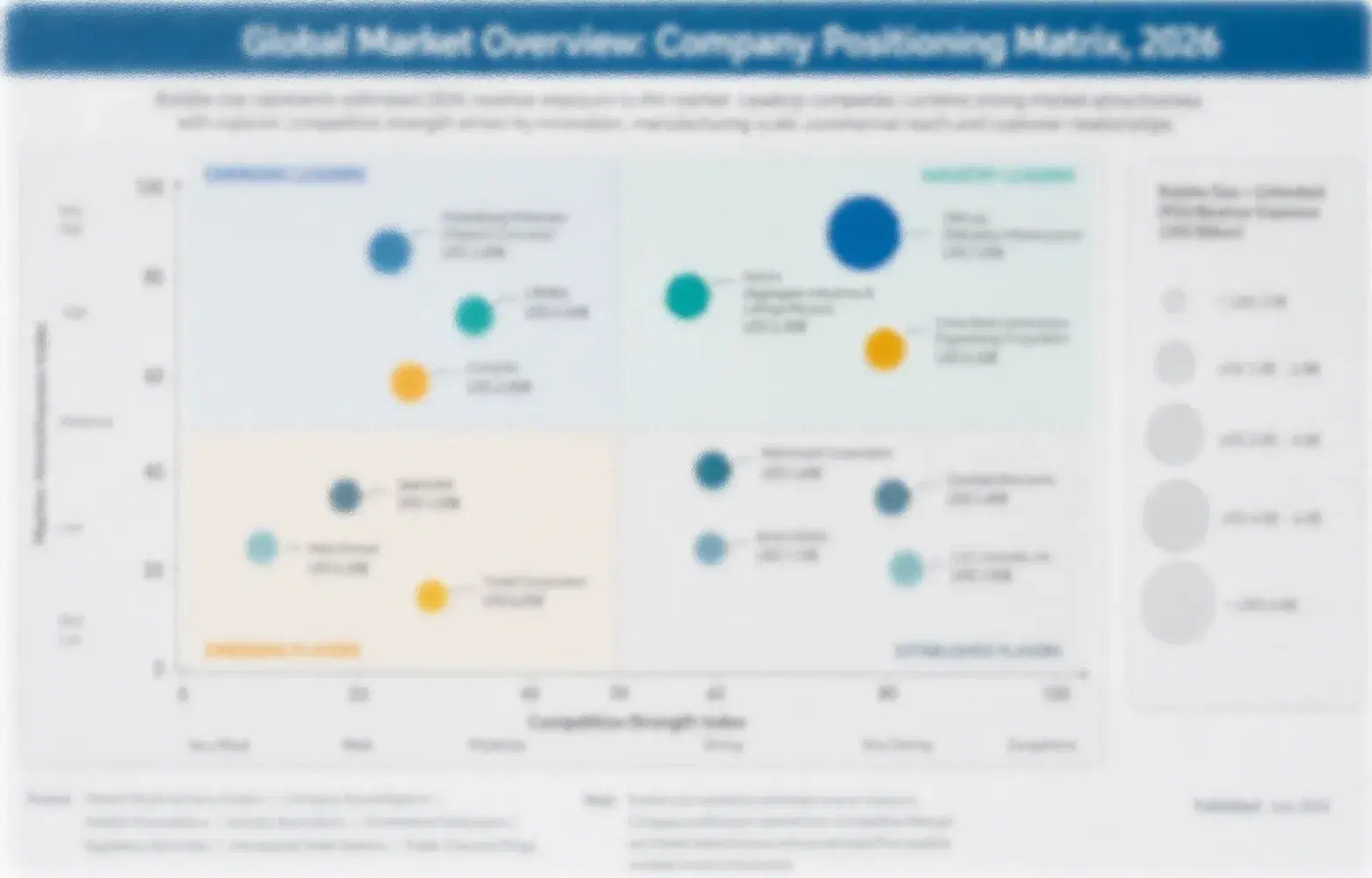
Concentration in AGM batteries sits at 56 percent across the top five suppliers on a global revenue basis, reflecting a category where original equipment manufacturer relationships and manufacturing scale favor established producers over smaller entrants. Clarios holds the broadest original equipment manufacturer platform coverage across domestic and import automakers, while EnerSys and East Penn Manufacturing carry substantial scale in both replacement and original equipment channels. The gap between the leading tier and smaller regional challengers remains wide.
Current activity centers on dual-battery system qualification and private-label manufacturing capability rather than basic cell chemistry, which has largely converged across established producers. Manufacturers increasingly bundle extended warranty programs and private-label contracts into retail chain relationships, since the private-label and specification relationship now generates a larger share of lifetime contract value than standard branded sales alone.

Pressure is building from import battery manufacturers expanding distribution capacity and undercutting established players on price for standard replacement units in price-sensitive retail segments, though original equipment specification still favors established suppliers with proven platform qualification track records. Private-label retail brands are also gaining share as chains prioritize margin, suggesting rankings among the second tier shift within the forecast window.
united-states-adsorbent-glass-mat-battery-market-company-positioning-matrix-1791015322054

Competitive Moat and Risk Dimensions

CLARIOS

Moat: Broadest Original Equipment Coverage

Clarios' position rests on decades of direct relationships with nearly every major automaker selling vehicles domestically, letting it qualify new platforms faster than competitors lacking comparable original equipment manufacturer engineering integration history. This integration advantage also speeds regulatory approval for new platform launches. Few competitors hold comparable depth.
CLARIOS

Risk: Exposure to Private-Label Erosion

Clarios' branded replacement business faces growing exposure as retail chains shift volume toward private-label alternatives manufactured by competing suppliers, pressuring branded unit economics even as original equipment contracts remain stable. A prolonged shift toward private-label would weigh disproportionately on branded results. Margin pressure intensifies each passing year.
ENERSYS

Moat: Strong Dual-Battery Engineering Depth

EnerSys built its position on specialized dual-battery system engineering for premium and electrified platforms, a technical depth that commands premium pricing among automakers prioritizing advanced accessory load management over standard configurations. This specialization also commands loyalty among automakers managing complex electrical architectures. Competitors rarely match this depth.
ENERSYS

Risk: Limited Replacement Channel Scale

EnerSys' original equipment focus limits its natural extension into the replacement channel, where competitors with broader retail distribution capture aftermarket customers that EnerSys' narrower positioning cannot easily reach. Diversifying into replacement distribution would require years of retail channel investment. This limitation persists across most markets.

Players Tracked

Prominent Players

Clarios
EnerSys
East Penn Manufacturing
Exide Technologies
Crown Battery Manufacturing

Other Key Players

Interstate Batteries
Odyssey Battery
Optima Batteries
Duracell
Deka Batteries
NorthStar Battery Company
Trojan Battery Company
US Battery Manufacturing
Amara Raja Batteries
GS Yuasa
Panasonic Automotive
Hitachi Chemical
Leoch International
Camel Group
Narada Power Source

Recent Developments

DECEMBER 2025

Clarios completed an organic capacity expansion at its dual-battery manufacturing facility, adding dedicated production lines for premium light truck platforms, responding to sustained order growth from automakers expanding advanced start-stop system adoption. The expansion addresses backlog from several recent platform launches nationwide. Deliveries begin soon.
Signal: Signals confidence that dual-battery system demand will keep expanding faster than standard single-battery sales. Peers may follow suit.
MARCH 2026

East Penn Manufacturing signed a multi-year private-label supply agreement with a major national auto parts retail chain to guarantee AGM battery availability across its expanding store network, supporting the retailer's category growth strategy. Terms were not fully disclosed to the public. The deal reflects deepening ties.
Signal: Shows established manufacturers prioritizing private-label retail partnerships over standalone branded sales. Similar deals are likely to follow across the industry.

Lead and Glass Mat Separator Component Costs

Refined lead represents roughly 44 to 50 percent of cost of goods sold for AGM battery units, while glass mat separator material and plastic casing components add another 12 to 16 percent. Lead supply concentrates heavily in domestic secondary smelting from recycled batteries and imported primary lead from several major producing countries, leaving the category exposed to both commodity and recycling supply chain dynamics.
Lead prices surged sharply across 2021 and into 2022 as global industrial demand outpaced secondary smelting capacity recovery following pandemic-era collection disruptions that reduced the supply of recycled battery feedstock. The IEA's 2023 critical minerals review noted that downstream battery manufacturers absorbed significant margin pressure during this period, since many retail supply contracts were priced on fixed terms agreed before the lead price surge materialized.

Smaller regional manufacturers without long-term lead hedging programs carried disproportionate exposure during this period, often absorbing cost increases that larger producers passed through more readily given their stronger retail relationships. Clarios and EnerSys negotiate annual volume agreements directly with lead smelters and recyclers that smooth exposure across cycles, giving them a durable cost advantage that compounds over successive volatility episodes.
united-states-adsorbent-glass-mat-battery-market-cost-volatility-analysis-1791015322350

Multi-Year Lead Supply and Recycling Agreements

Locking in refined lead volumes through multi-year supply agreements with recycling partners shields manufacturers from spot market volatility and lets them quote more stable unit pricing to retail customers even during broader commodity market disruptions affecting the wider battery recycling industry significantly. Priority allocation also shortens replacement lead times during emergency demand spikes. This also reduces warranty exposure.

Expanded Battery Collection and Recycling Programs

Several manufacturers are expanding core exchange and battery collection programs that increase domestic recycled lead feedstock supply, reducing exposure to imported primary lead price volatility while preserving the purity specifications required for reliable battery performance and certification. This expansion typically spans twelve to eighteen months before full rollout nationally. Vendors view this as a resilience investment.

Portfolio Architecture for Margin Defence

Portfolio economics in AGM batteries split across three tiers, with gross margins ranging from the high teens on standard single-battery replacement units to the high thirties on dual-battery advanced systems with original equipment specification and extended warranty programs attached. The spread between tiers has widened over the past several years as commodity replacement pricing compresses while dual-battery system pricing holds firm on engineering complexity barriers. Few manufacturers successfully compete at both ends of this spectrum simultaneously.
Volume concentrates in standard single-battery replacement categories by unit count, but value concentrates disproportionately in dual-battery systems and original equipment specification contracts, creating the familiar tension where manufacturers must sustain replacement-tier scale to cover fixed costs while channeling investment toward the higher-margin tiers that actually drive profit growth across the business. This divide has become more pronounced with each successive product generation released.

High-value pools concentrate specifically around premium and electrified vehicle platforms where automakers value dual-battery engineering precision and warranty performance over unit price alone. Manufacturers positioned to serve these accounts capture disproportionate profitability relative to unit volume, while pure commodity replacement sellers compete almost entirely on price and face the thinnest margins anywhere across the category. The gap continues widening.

Standard single-battery replacement units sold at high volume into mainstream retail and independent repair channels, competing primarily on unit price with minimal differentiation between suppliers. Replacement typically follows failure rather than planned upgrades.
Gross Margin

Dual-battery advanced start-stop systems carrying original equipment specification, commanding premium pricing on engineering precision and extended warranty coverage bundled into the purchase agreement. Buyers increasingly expect this capability as a baseline requirement now.
Gross Margin

Advanced recyclable AGM designs with documented sustainability certification and extended core exchange programs, often tied to automaker environmental compliance commitments and recycling mandates. Few competitors can match this combination without years of investment.
Gross Margin
united-states-adsorbent-glass-mat-battery-market-portfolio-architecture-1791015322637

High-value Sub-segments and Strategic Watch-out

Dual-Battery Premium Platform Systems

Dual-battery systems combine premium pricing with the category's fastest adoption curve among premium and electrified vehicle platforms, positioning this segment as the clearest profit expansion opportunity through 2036 for manufacturers with existing dual-battery engineering capability. Early movers are locking in multi-year platform sourcing agreements now.

Private-Label Retail Manufacturing Contracts

Private-label manufacturing tied to major retail chain partnerships carries strong margins and steady, contract-driven purchasing cycles, though volume growth stays moderate since retail chain contracts renew on multi-year rather than annual cycles. Contract timing heavily influences this segment's near-term trajectory. Early entrants gain lasting integration advantage over time.

Standard Single-Battery Replacement Equipment

The largest unit volume pool by count, carrying the thinnest margins and facing continuous price pressure from import manufacturers, this segment remains essential for absorbing fixed manufacturing overhead across the broader business. Few manufacturers exit this tier without losing meaningful production scale. Capital flows accordingly across the organization structure.

Battery Electric Vehicle Displacement Risk

Accelerating battery electric vehicle adoption threatens to shrink the addressable combustion and hybrid vehicle fleet faster than manufacturers currently model, requiring AGM makers to monitor this substitution dynamic closely and diversify earlier. Capital reallocation decisions made now will shape future positioning. Diversification reduces single-market dependency risk over time.

Replacement Cycles Anchor Recurring Demand

Demand in AGM batteries behaves like a replacement annuity tied to vehicle fleet age and battery service life rather than discretionary spending, since vehicles require functioning starting batteries for the full duration of their operational life regardless of broader economic conditions. The enormous installed base of start-stop vehicles generates recurring replacement revenue that persists across economic cycles affecting other automotive aftermarket categories. This reflects multi-decade asset planning that automakers rely on.
Adoption stickiness and depth vary sharply by end-use vertical. Original equipment manufacturers retain qualified suppliers deeply once established for a vehicle platform, since requalifying a new supplier mid-program risks costly engineering validation work. Independent repair shops show shallower stickiness, often selecting based on availability and price for individual replacements, while retail chains sit between these extremes, favoring suppliers with proven private-label manufacturing reliability. Retail chains value suppliers who deliver on aggressive timelines.

Buyer profiles are shifting generationally as replacement purchasing consolidates from individual independent repair shops toward large retail chain and franchise service center networks managing standardized procurement across hundreds of locations. This favors manufacturers offering private-label contract manufacturing and guaranteed supply reliability over smaller specialists who once won business through direct relationships with individual shop owners.
united-states-adsorbent-glass-mat-battery-market-end-use-penetration-index-1791015322956

Where to Commit Capital Next

These are among the four positions where our research anticipates prominent divergence between winners and laggards over the coming forecast period. Each is grounded in the demand model, the regulatory perimeter, and the announced capacity pipeline.
01 / DUAL-BATTERY PLATFORM EXPANSION

Expand dual-battery engineering ahead of platform cycles

Dual-battery advanced start-stop systems are growing at nearly eight percent annually, well above the category average, driven by premium and electrified light truck platforms adding dedicated accessory battery capacity. Manufacturers that expand qualified dual-battery engineering capacity now, before the current platform cycle peaks, will capture durable share before competitors close the remaining engineering gap. Waiting risks ceding the fastest-growing segment to better-positioned incumbents with longer qualification lead times already secured, while also gaining preferred positioning for subsequent model-year platform launches.
02 / PRIVATE-LABEL MANUFACTURING BUILDOUT

Build dedicated private-label contract capability

Private-label manufacturing and extended warranty programs reward manufacturers who demonstrate reliable multi-year supply capability, commanding margins well above standard branded sales across the broader category and across most retail chain relationships. Building dedicated private-label capability turns a declining-margin branded category into a durable, high-margin recurring revenue stream that smaller competitors struggle to replicate without comparable manufacturing scale. Manufacturers without this capability today are already losing large retail accounts to better-equipped rivals, since early contracts establish the performance baseline used in future renewal negotiations.
03 / ORIGINAL EQUIPMENT SPECIFICATION DEPTH

Prioritize platform qualification ahead of saturation

Original equipment specification programs reward manufacturers with proven multi-platform qualification history, driven by automakers increasingly standardizing on fewer, more reliable battery suppliers across their full vehicle lineup. Manufacturers establishing deeper engineering relationships now, well ahead of the next platform refresh cycle, will capture disproportionate share before competitors recognize the full scale of the opportunity. Entering after platform decisions are locked means competing against already-entrenched incumbents on distinctly worse commercial terms, since first-mover specification relationships become difficult for later entrants to displace.
04 / WARRANTY CERTIFICATION INVESTMENT

Prioritize cycle life certification over price competition

Margin data shows certified premium and dual-battery systems carry margins roughly double commodity replacement units, and that gap has widened rather than closed over the past several years of pricing observation across the category. Manufacturers chasing unit cost reduction in commodity tiers compete directly against persistently lower-cost import producers on their single worst competitive terms available anywhere in the category. Investing instead in broader cycle life certification protects margin and builds switching costs around proven reliability that compounds over successive purchase and renewal cycles.

Engagement Snapshot From the Field

A live engagement with an industry participant carrying material or product regulatory and market exposure ahead of a defining policy shift, showing how our research translates into a defensible multi-year portfolio strategy.
MARKET MINDS ADVISORY · CLIENT ENGAGEMENT SUMMARY
USA Adsorbent Glass Mat (AGM) Battery Producer Strategic Portfolio Review and Transition Roadmap 2026·Investment Scenario on USA Adsorbent Glass Mat (AGM) Battery Exposure Evaluation 2025-26
CLIENT PROFILE
A national auto parts retail chain operating over 1,200 stores approached MMA to assess whether expanding its private-label AGM battery program would improve category margin without sacrificing the customer trust built around branded battery offerings. MMA was engaged directly by the chain's merchandising leadership team. The engagement was commissioned ahead of the chain's annual merchandising planning cycle.
STRATEGIC CHALLENGE
The chain faced declining branded battery margins amid intense competition from other national retailers, but lacked confidence that customers would accept a private-label AGM battery given the technical complexity and safety perception associated with vehicle starting batteries specifically. Leadership also wanted a repeatable process for evaluating future private-label expansion opportunities.
MMA APPROACH
MMA conducted a customer perception survey alongside a competitive private-label benchmarking analysis across three comparable national retailers, evaluating warranty terms, manufacturing partner reputation, and price positioning. The engagement produced a phased private-label rollout plan balancing margin improvement against brand trust preservation. Findings informed a revised two-year private-label expansion roadmap for merchandising leadership.
KEY FINDINGS
  1. Customers showed meaningfully higher acceptance of private-label batteries when the manufacturing partner was a recognized established brand disclosed at the point of sale.
  2. Competing retailers with private-label programs achieved margins approximately 12 percentage points higher than the chain's current branded-only assortment. This margin gap represented a meaningful opportunity if customer trust could be preserved.
  3. Extended warranty terms matching or exceeding branded alternatives proved essential to customer acceptance in survey responses collected. Shorter warranty terms consistently correlated with lower stated purchase intent.
  4. The phased rollout was projected to improve category margin by approximately 9 percentage points (client-reported, unverified by MMA) within two years. This improvement assumed gradual private-label share gains across the store network.
CLIENT PROFILE
A national auto parts retail chain operating over 1,200 stores approached MMA to assess whether expanding its private-label AGM battery program would improve category margin without sacrificing the customer trust built around branded battery offerings. MMA was engaged directly by the chain's merchandising leadership team. The engagement was commissioned ahead of the chain's annual merchandising planning cycle.
STRATEGIC CHALLENGE
The chain faced declining branded battery margins amid intense competition from other national retailers, but lacked confidence that customers would accept a private-label AGM battery given the technical complexity and safety perception associated with vehicle starting batteries specifically. Leadership also wanted a repeatable process for evaluating future private-label expansion opportunities.
MMA APPROACH
MMA conducted a customer perception survey alongside a competitive private-label benchmarking analysis across three comparable national retailers, evaluating warranty terms, manufacturing partner reputation, and price positioning. The engagement produced a phased private-label rollout plan balancing margin improvement against brand trust preservation. Findings informed a revised two-year private-label expansion roadmap for merchandising leadership.
KEY FINDINGS
  1. Customers showed meaningfully higher acceptance of private-label batteries when the manufacturing partner was a recognized established brand disclosed at the point of sale.
  2. Competing retailers with private-label programs achieved margins approximately 12 percentage points higher than the chain's current branded-only assortment. This margin gap represented a meaningful opportunity if customer trust could be preserved.
  3. Extended warranty terms matching or exceeding branded alternatives proved essential to customer acceptance in survey responses collected. Shorter warranty terms consistently correlated with lower stated purchase intent.
  4. The phased rollout was projected to improve category margin by approximately 9 percentage points (client-reported, unverified by MMA) within two years. This improvement assumed gradual private-label share gains across the store network.
RECOMMENDED STRATEGY
Phase 1: Phase one: launch private-label batteries manufactured by a recognized partner brand disclosed clearly at the point of sale within the next two quarters. Phase 2: Phase two: match or exceed branded warranty terms to reinforce customer confidence in the private-label alternative across all store locations. Phase 3: Phase three: expand private-label share gradually while monitoring customer satisfaction and return rate data closely throughout the rollout. Early data would inform whether the pace of expansion needed adjustment.
OUTCOME
The chain launched its private-label program with a disclosed recognized manufacturing partner and matched branded warranty terms as recommended (client-reported, unverified by MMA). Merchandising leadership adopted the phased rollout framework as a template for future private-label expansion into adjacent automotive categories. Leadership credited the phased approach with preserving customer trust throughout the transition.

Frequently Asked Questions

Foundational context covering the market sizes, CAGR, scope, country, region and competition that inform every finding below. This section is provided to cover basics and most often pre-purchase conversations, answered from the MMA Primary Research Dataset.

What is the current size of the USA Adsorbent Glass Mat (AGM) Battery Market?

The USA AGM battery market is valued at 2.1 billion dollars in 2025. Demand is sustained by the enormous installed base of start-stop vehicles reaching replacement age.

How large will the USA Adsorbent Glass Mat (AGM) Battery Market be by 2036?

The market is projected to reach 3.744 billion dollars by 2036, up from 2.213 billion dollars in 2026. This represents a cumulative increase of 1.531 billion dollars across the forecast decade.

What is the CAGR for the USA Adsorbent Glass Mat (AGM) Battery Market 2026 to 2036?

The market is forecast to grow at a 5.4 percent CAGR between 2026 and 2036. Bull and bear scenarios range between 4.2 and 6.6 percent depending on dual-battery adoption pace.

Which segment is growing fastest?

Dual-battery advanced start-stop systems lead at a 7.8 percent CAGR, roughly 1.4 times the overall market rate. Premium and electrified light truck platforms drive this growth.

Who are the major companies in the USA Adsorbent Glass Mat (AGM) Battery Market?

Clarios, EnerSys, East Penn Manufacturing, Exide Technologies, and Crown Battery Manufacturing lead the category, together holding a 56 percent combined share of the USA AGM battery market.

Which country is growing fastest?

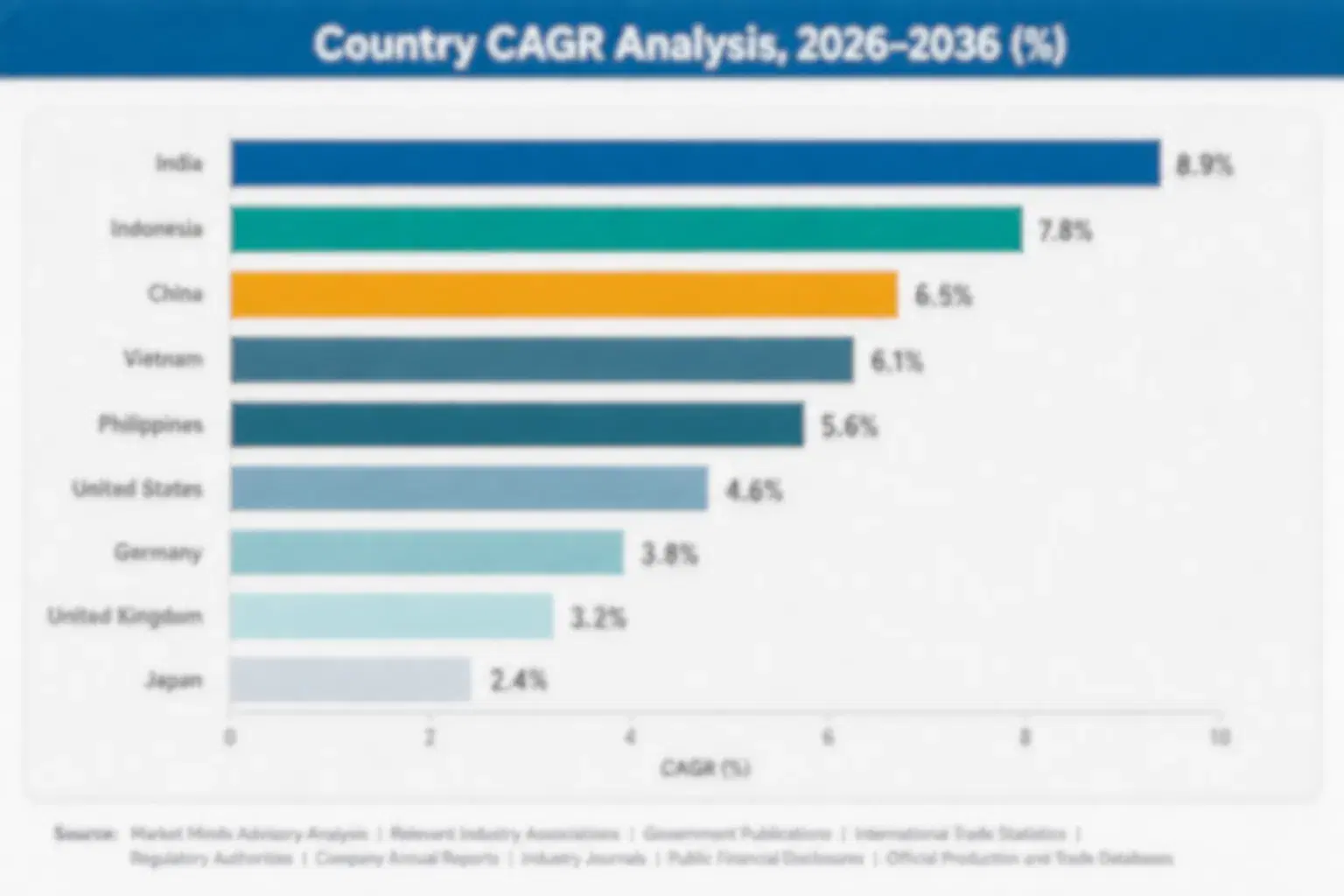
The United States itself defines this report's market scope, growing at a 5.4 percent CAGR driven by the nationwide start-stop vehicle replacement cycle across most regions.

Report Segmentation Architecture

The full report scope spans multiple orthogonal segmentation dimensions, with cross-tabulated demand data provided for each dimension pair. Coverage extends further to regional breakdowns, trend trajectories, and the competitive detail needed to support segment-level decision-making.

By Product Type

    By End-Use Industry

      By Commercial Dimension

        By Region

        • North America
        • Western Europe
        • East Asia
        • South Asia and Pacific
        • Latin America
        • Middle East and Africa
        • Eastern Europe

        Scope, Methodology, and Coverage

        Every figure in this report is reproducible from documented input assumptions. The scope below maps the historical period, the forecast horizon, the segmentation dimensions, and the countries covered, alongside the underlying primary and qualitative methodology.
        Historical Period
        2020 to 2025
        Forecast Period
        2026 to 2036
        Base Year
        2025 (USD billions; MMA Primary Research Dataset, October 2026)
        Market Definition
        This report covers absorbent glass mat lead-acid batteries used as starting, lighting, and ignition batteries in passenger cars and light trucks across the United States, including standard and dual-battery start-stop configurations. It excludes flooded lead-acid batteries, lithium-ion starting batteries, deep-cycle AGM batteries sold for marine or recreational vehicle use, and industrial or stationary AGM batteries sold for backup power applications.
        Quantitative Units
        USD billions
        Segmentation Dimensions
        Regions Covered
        North America, Western Europe, East Asia, South Asia and Pacific, Latin America, Middle East and Africa, Eastern Europe
        Countries Covered
        Key Companies Profiled
        Clarios, EnerSys, East Penn Manufacturing, Exide Technologies, Crown Battery Manufacturing, Interstate Batteries, Odyssey Battery, Optima Batteries, Duracell, Deka Batteries, NorthStar Battery Company, Trojan Battery Company, US Battery Manufacturing, Amara Raja Batteries, GS Yuasa, Panasonic Automotive, Hitachi Chemical, Leoch International, Camel Group, Narada Power Source
        Quantitative Methodology
        Primary survey, n=3,800 respondents, Q4 2025, six countries; demand-side model with trade association cross-validation
        Qualitative Methodology
        47 expert interviews, Q4 2025; applied to validate demand model assumptions, identify emerging dynamics, and assess competitive positioning
        Report Format
        PDF and XLSX data workbook (Word format preview document)
        Publisher
        Market Minds Advisory
        Report Code
        MMA-2026-ENE-562
        Published
        October 2026
        Contact
        sales@marketmindsadvisory.com | www.marketmindsadvisory.com

        Purchase the full USA Adsorbent Glass Mat (AGM) Battery Market Report (2026 to 2036).

        The full report expands every section summarized here into complete analytical depth. It includes the full segmentation model across all six segments, detailed profiles of all twenty tracked competitors, and the complete regional dataset across all seven markets covered in this research program. It also adds extended trend, driver, and restraint coverage well beyond the two visible items shown in each category here, along with full input cost and portfolio tier analysis. Buyers additionally receive the underlying primary survey dataset and full expert interview summary notes.
        Complete six-segment MECE breakdown with margins
        Full twenty-company competitive profile set included
        All seven regional markets with demand mechanisms
        Extended trend, driver, and restraint library
        Primary survey dataset access, n=3,800 respondents
        Expert interview summary notes, 47 interviews

        Built For The People Who Decide

        From boardroom strategy to bench-side execution, this report is read cover-to-cover by leaders shaping the next decade of their industry, turning demand scenarios, market dynamics and valuation benchmarks into decisions.
        CXOs/ Presidents/ VPs/ Managers
        M&A and Corporate Development
        Strategy Teams and R&D Heads
        Procurement and Product Directors
        Regulatory and Compliance Leaders
        Investor Relations and Equity Analysts