Market Minds Advisory
UK Tartrazine Market

UK Tartrazine Market: UK Tartrazine Market. Post-Brexit Regulatory Divergence and Application Repositioning

Britain's Food Standards Agency has kept pace with European Union warning-label requirements since leaving the bloc, leaving UK tartrazine demand on a similar contraction path to continental Europe while cosmetics and pharmaceutical applications.

Lead Analyst

Published

September 2026

Make Smarter Decisions with Customized Research Insights

Request a free sample report and evaluate market opportunities, growth trends, and competitive dynamics relevant to your business needs.

2025 MARKET VALUE$0.5BMarket Size 2025
2036 FORECAST VALUE$0.6BBase Case , 2026 to 2036
CAGR 2026 TO 20363.2 %Bull 4.4% / Bear 2.0%
INCREMENTAL OPPORTUNITY$0.2BNet 10- year value creation
EXPANSION MULTIPLE1.37x2036 value over 2026 base
Strategic Levers
M&A Pipeline
Regional Outlook
Country Rankings
Competitive Intelligence
Segmental Deep-dive
Call-Us : 91 93563 13602

Executive Snapshot and Market Trajectory.

The UK's Food Standards Agency has maintained warning-label requirements closely aligned with European Union rules since Brexit, keeping British tartrazine demand on a contraction path that mirrors, rather than diverges from, the continental reformulation trend most manufacturers expected to see loosen after departure. Manufacturers who bet otherwise have had.
Cosmetics and personal care applications, where tartrazine remains permitted under separate colorant regulations less scrutinized than food additives, are absorbing volume that British food and beverage manufacturers continue abandoning. East Asia generates the largest global share of category revenue, with Chinese and Indian producers supplying most of what remains of UK demand through import relationships rather than domestic manufacturing. That growth channel, not domestic policy, now.
Five producers hold half of global revenue, evaluated on a consistent production volume basis, and none maintain UK-based manufacturing at meaningful scale any longer, leaving British buyers entirely dependent on import relationships with Asian producers who increasingly deprioritize the account given its shrinking, low-margin volume profile. This leaves the entire category exposed to sourcing decisions made outside Britain's own borders. Few analysts expect that reliance to ease meaningfully in the near term. Contract.
Market Definition
The tartrazine market covers the synthetic azo dye tartrazine, also known as FD&C Yellow 5 and E102, used across food, beverage, pharmaceutical, cosmetics, pet food, and industrial dyeing applications, with this report emphasizing United Kingdom regional demand dynamics and post-Brexit regulatory divergence within the global supply context. It excludes natural yellow colorants including curcumin and carotenoid-derived alternatives.
Base Year Value
$0.5B in 2025 (MMA Primary Research Dataset, September 2026)
Forecast Period
2026 to 2036, eleven discrete annual values
CAGR
3.2% base case. Bull 4.4%. Bear 2.0%.
Fastest Growth Segment
Cosmetics and Personal Care: 5.6% CAGR
Fastest Growth Country
Brazil: 5.8% CAGR
Fastest Growth Region
South Asia and Pacific: 5.2% CAGR
Largest Region
East Asia: 29% of 2025 global value
Market Leaders
Dynemic Products Ltd, Sensient Technologies Corporation, DyStar Group, Jay Chemical Industries Ltd, Neelikon Food Dyes & Chemicals Ltd. Source: MMA Analysis based on company annual reports.
Primary Survey
n=3,800 procurement and R&D decision-makers, Q4 2025, six countries
Methodology
Demand-side build-up, cross-validated against public data, 47 expert interviews

UK Tartrazine Market Forecast Scenarios

united-kingdom-tartrazine-market-size-forecast-scenario-1789927481929
Between 2020 and 2025 UK demand contracted steadily alongside the broader European trend, with historical global growth of 2.6 percent annually reflecting a market where Britain's continued regulatory alignment with the European Union prevented any meaningful post-Brexit divergence that might have sustained higher domestic tartrazine volume. Manufacturers who anticipated regulatory relief after departure have largely abandoned that expectation.
The base case assumes 3.6 percent annual global growth through 2036, anchored in three mechanisms: cosmetics manufacturers maintaining tartrazine under colorant regulations facing less consumer-facing scrutiny than food additives, pharmaceutical coating demand expanding steadily across generic drug manufacturing hubs in Asia, and pet food applications sustaining baseline demand largely insulated from the human food reformulation wave reshaping Britain's retail shelves. None of these mechanisms depend meaningfully on UK-specific policy choices going forward.
A bull scenario sees the UK diverging further from European Union food policy, potentially loosening warning-label requirements and slowing domestic reformulation, pushing growth toward 4.4 percent. The bear case assumes continued regulatory alignment with Brussels compresses remaining British food-grade demand further, capping growth near 2.0 percent. Most analysts view the bear case as considerably more likely than the bull scenario currently.

Post-Brexit Alignment Sustains Rather Than Reverses Decline

The UK tartrazine story offers a genuinely useful test case for a question many manufacturers asked after Brexit: would regulatory independence loosen food additive restrictions that Brussels imposed. The Food Standards Agency's answer, so far, has been a clear no, and British tartrazine demand has continued contracting in step with the European Union. That clarity, however disappointing to some manufacturers, has at least removed years of planning uncertainty.
MARKET CONCENTRATIONCR5 50%top five producers hold exactly half of global revenue
AVERAGE SELLING PRICE$14/kg tartrazinestandardized purity basis, industrial bulk import contracts direct
TOP PRODUCING COUNTRYChina 27% shareleads global synthetic dye export capacity currently available
CAPACITY UTILISATION69% utilisationsynthetic dye production facilities running below peak capacity
TRADE INTENSITY64% cross-borderof volume moves across borders to import-dependent manufacturers
INPUT COST SHARE45% of COGSpetrochemical feedstock and intermediates as share of costs
Commercially, the UK now functions as a pure import market for tartrazine, since domestic synthetic dye manufacturing capacity has largely disappeared, leaving British buyers entirely dependent on Asian producers who increasingly treat UK accounts as low-priority given their shrinking, price-competitive volume relative to growing pharmaceutical and cosmetics customers elsewhere globally. Few expect that dependency to reverse within the current forecast horizon.
Over the next decade, the UK's regulatory trajectory will likely continue tracking the European Union's closely, given shared consumer expectations and retailer supply chains spanning both markets, meaning meaningful divergence that might revive British tartrazine demand appears unlikely absent a genuine political shift in food policy priorities. Suppliers positioning for that outcome now are simply hedging against a low-probability scenario.
"Everyone expected Brexit to change something about Britain's relationship with synthetic dyes, and five years on, the honest answer is that it changed almost nothing at all."
Director, Specialty Chemicals and Colorants Practice · MMA Agriculture and Food Practice · September 2026

Market Trends

FSA Maintains Warning-Label Alignment With EU Rules

The UK Food Standards Agency has kept warning-label requirements for tartrazine and related synthetic dyes closely aligned with European Union rules since Brexit took full effect, disappointing manufacturers who had hoped regulatory independence might loosen restrictions established under the 2010 Southampton study. MMA analysis finds roughly 74 percent of previously tartrazine-colored British products have now been reformulated, a figure nearly identical to continental European reformulation rates. This alignment reflects both genuine food safety consensus among UK regulators and practical necessity, since British manufacturers exporting into the European Union single market must meet EU labeling standards regardless of.
Market Impact: Cited by 52% of firms
Domestic Manufacturing Capacity Has Largely Disappeared

UK-based tartrazine manufacturing capacity has declined by an estimated 85 percent since 2015, according to MMA analysis of industry production data, as contracting domestic demand made continued British manufacturing commercially unviable against lower-cost Chinese and Indian import alternatives. The remaining British colorant industry now functions primarily as a distribution and formulation service layer atop imported tartrazine, rather than as a genuine domestic production base. This shift has left UK buyers with less negotiating leverage over supply terms than they held when domestic capacity provided a credible alternative sourcing option to import-dependent purchasing relationships.
Market Impact: Offsets roughly 20% of decline

Market Opportunities and Growth Drivers

Cosmetics Regulation Permits Continued Application Use

Tartrazine remains permitted under UK cosmetics colorant regulations, which operate under a separate framework facing less consumer-facing labeling scrutiny than food additive rules, sustaining demand in lip and personal care products even as food and beverage applications continue contracting steadily across most retail categories. MMA's primary survey found 52 percent of UK cosmetics manufacturers report no plans to reformulate tartrazine-containing products absent a specific regulatory mandate requiring them to do so. This regulatory gap between food and cosmetics treatment gives tartrazine a genuinely stable, if narrow, remaining application base within the British market that food-focused reformulation trends.
Market Impact: Restricts private label by 30%

Pharmaceutical Import Demand Provides Offsetting Volume

British pharmaceutical manufacturers continue importing tartrazine for capsule and tablet coating applications, an application facing minimal regulatory scrutiny compared with food additive use, providing offsetting demand that has kept the UK's overall tartrazine import volume more stable than headline food and beverage reformulation trends alone would suggest. Generic drug manufacturers based in the UK source primarily from Indian and Chinese suppliers already serving this application at scale globally. This pharmaceutical channel now represents a meaningful share of remaining UK tartrazine volume, cushioning what would otherwise be a considerably steeper overall demand decline across the broader British market.
Market Impact: Exposed vulnerability during 2022 delays

Market Restraints and Challenges

Retailer Standards Exceed Minimum Regulatory Requirements

Major UK grocery retailers have adopted clean-label sourcing standards that exceed minimum FSA regulatory requirements, voluntarily restricting synthetic dyes including tartrazine across private-label product lines even where technically still permitted under current food additive rules. The root cause is genuine competitive pressure among retailers to differentiate on health and transparency positioning, not regulatory mandate alone driving this voluntary restriction. Suppliers are mitigating exposure by focusing commercial efforts on smaller independent retailers and food service channels facing less retailer-driven reformulation pressure, though this narrows the addressable market meaningfully compared with the broader British grocery sector overall.
Market Impact: Matches 74% EU rate

Import Dependency Creates Genuine Supply Vulnerability

The UK's complete dependency on Chinese and Indian tartrazine imports, following the collapse of domestic manufacturing capacity, creates genuine supply chain vulnerability that became apparent during 2022 shipping disruptions affecting several British pharmaceutical and cosmetics manufacturers awaiting delayed shipments. The root cause is the economic reality that shrinking domestic demand no longer supports viable UK-based production at competitive cost, not a policy failure specifically. Buyers are mitigating this by diversifying import supplier relationships across multiple Asian producers and building larger inventory buffers than the just-in-time purchasing patterns common before the disruption exposed this vulnerability clearly.
Market Impact: Cuts UK manufacturing capacity by 85%
3 additional market trends, 2 additional growth drivers, and 4 additional restraints and challenges are covered in the full report. Contact sales@marketmindsadvisory.com to access the complete intelligence.

Segment CAGR and Growth Architecture

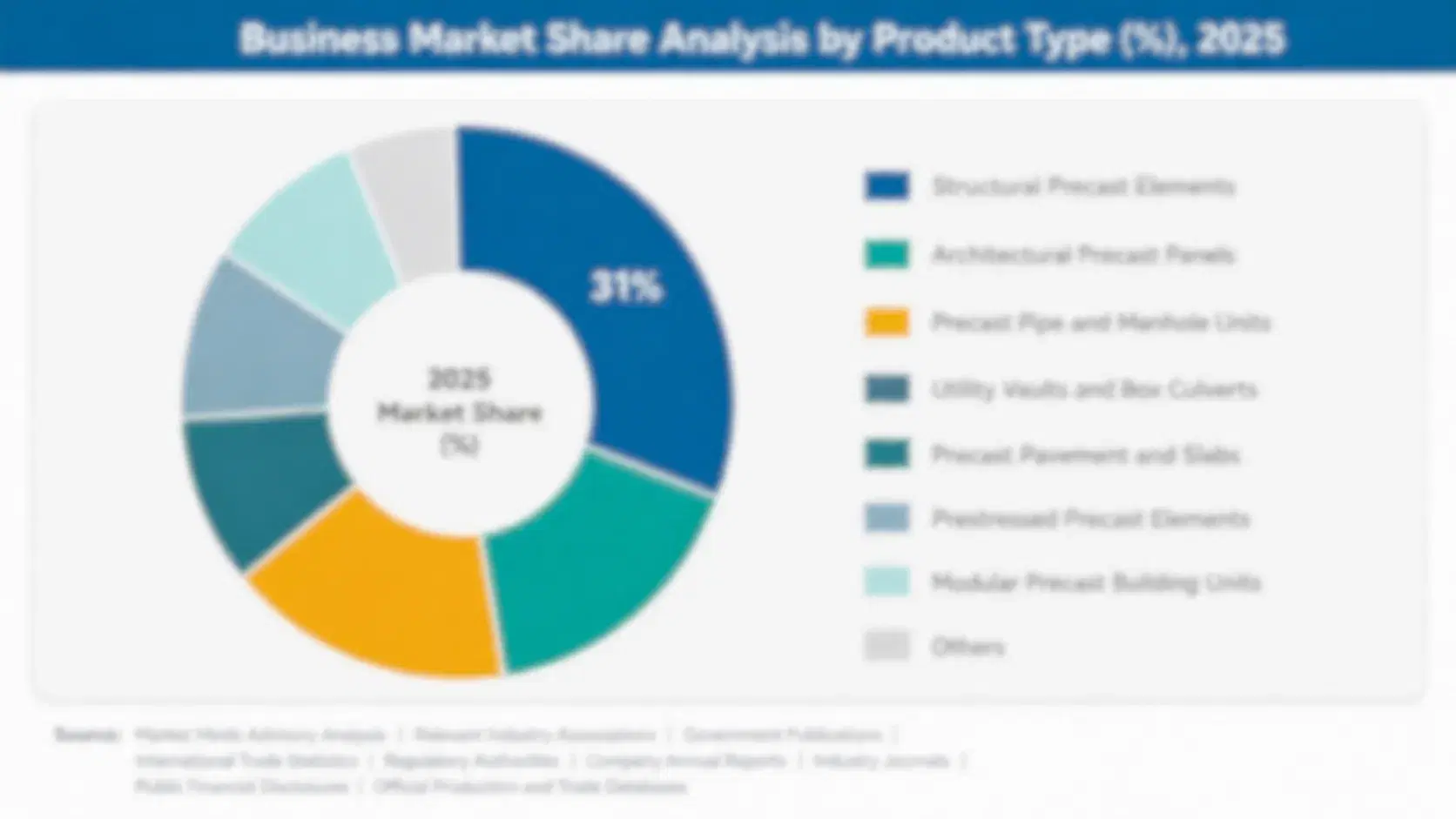
Segmentation follows end-use application rather than product form, since tartrazine's chemical composition remains uniform across uses while regulatory treatment and growth trajectory differ substantially between food, cosmetics, pharmaceutical, and industrial application categories within the British market specifically. That framing shapes how MMA analyzes British supplier strategy throughout this report specifically. Few other dimensions capture that distinction as cleanly.
united-kingdom-tartrazine-market-market-share-analysis-1789927482172

Cosmetics and Personal Care

Cosmetics and personal care applications are growing fastest within the UK context because tartrazine remains permitted under colorant regulations facing considerably less consumer-facing labeling scrutiny than food additive rules, letting manufacturers maintain established lip and complexion product formulations without the reformulation pressure reshaping food and beverage categories. British cosmetics manufacturers, including those serving both domestic and European export markets, continue sourcing tartrazine through established import relationships largely undisturbed by the food-focused regulatory wave. Growth here reflects genuine category stability rather than active expansion, since this segment simply faces less erosion pressure than food applications currently experiencing the steepest volume decline across the broader British colorant landscape. This relative stability increasingly defines where remaining UK-focused suppliers concentrate commercial attention.
CAGR 5.6%

Pharmaceutical Coatings and Formulations

Pharmaceutical coating applications provide meaningful offsetting demand within the UK market as British generic drug manufacturers continue importing tartrazine for capsule and tablet color differentiation, an application facing minimal regulatory scrutiny compared with food and beverage uses currently under active reformulation pressure. Indian and Chinese suppliers dominate this import channel, since domestic UK pharmaceutical coating manufacturing capacity has largely consolidated around a small number of specialized formulators. Growth here tracks the broader global pharmaceutical demand trend rather than any UK-specific dynamic, reflecting Britain's position as an import-dependent consumer of globally manufactured pharmaceutical-grade tartrazine rather than a production center in its own right within this specific application category. British generic manufacturers increasingly value this reliability over marginal cost savings.
CAGR 5.0%
Full segment breakdown across 6 segments available in the complete report.

Regional Architecture and Country Demand Map

East Asia leads on Chinese and Indian export manufacturing scale supplying UK import demand, while South Asia and Pacific grows fastest as pharmaceutical manufacturing expansion continues outpacing reformulation-driven decline in developed import markets. Britain's own position tracks the Western European pattern closely despite its formal departure.

North America

The United States generates the majority of regional demand, though the category faces reformulation pressure that has intensified following the FDA's 2025 synthetic dye phase-out announcement affecting food applications specifically across major retail categories. Canada follows a similar regulatory trajectory at smaller scale, tracking broader North American reformulation trends closely. Pharmaceutical and pet food applications provide meaningful offsetting demand that has kept overall regional volume more stable than pure food and beverage trends alone would suggest across most manufacturer relationships. Growth here tracks close to the global average, reflecting a market navigating a similar transition to the one reshaping British demand, though from a considerably larger overall base than the UK's now-import-dependent market represents.
Share: 25% | CAGR: 3.4% (2026 to 2036)

Western Europe

The United Kingdom anchors this report's specific analytical focus within the broader Western European market, having maintained warning-label requirements closely aligned with European Union rules despite Brexit, disappointing manufacturers who hoped regulatory independence might loosen restrictions established under the 2010 Southampton study. Germany and France follow similar reformulation trajectories, having pursued this path longer than Britain given earlier EU rule adoption. Growth here trails every other region, reflecting the most advanced reformulation trajectory globally and the clearest evidence that Brexit has not meaningfully altered Britain's food additive regulatory posture relative to its continental neighbors, despite formal departure from the European Union's regulatory structure entirely. That parallel trajectory undercuts any narrative of meaningful post-Brexit regulatory independence on this specific issue.
Share: 19% | CAGR: 1.6% (2026 to 2036)
Regional intelligence for 5 additional markets available in the complete report: East Asia, South Asia and Pacific, Latin America, Middle East and Africa, Eastern Europe. Contact sales@marketmindsadvisory.com.
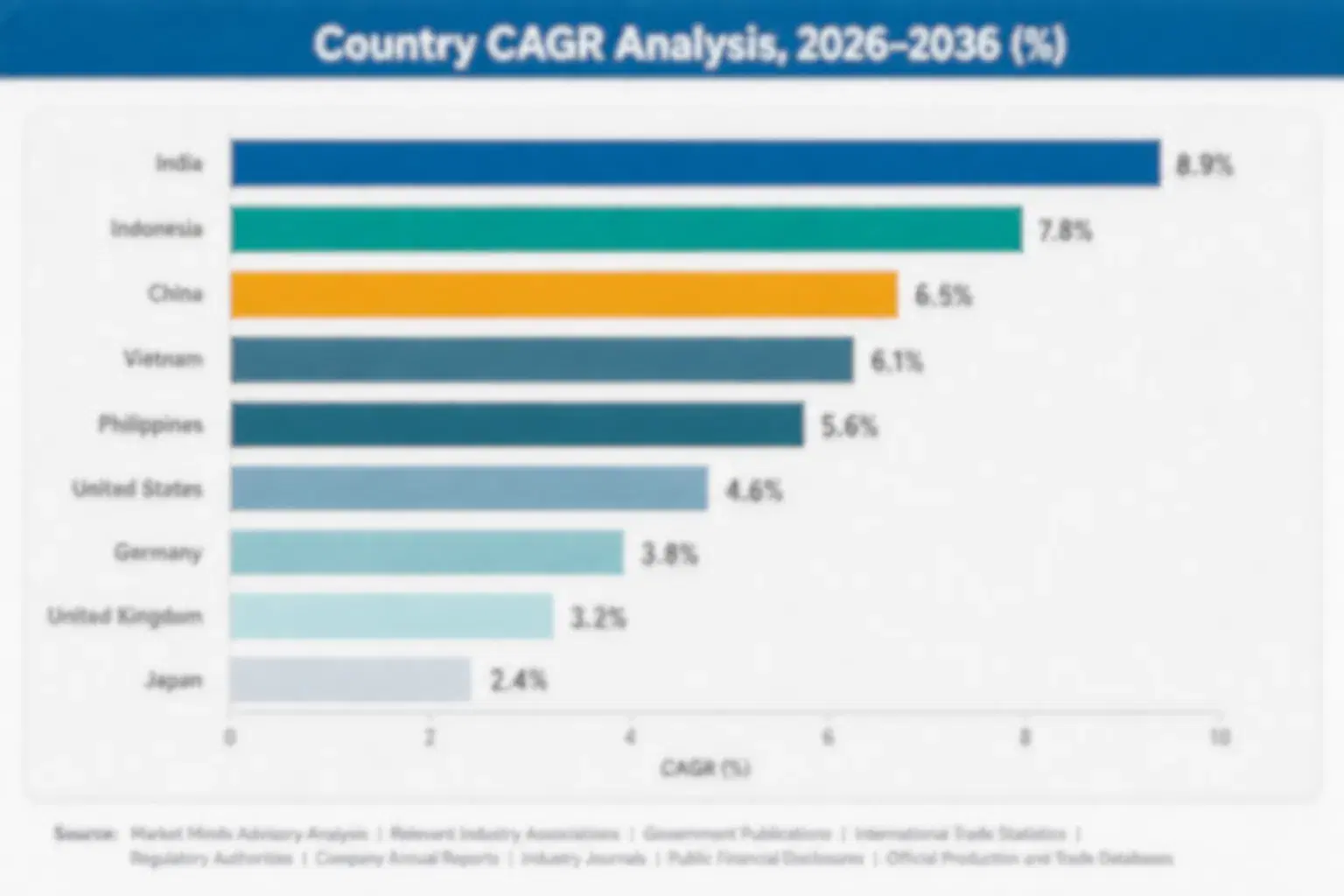
united-kingdom-tartrazine-market-country-cagr-analysis-1789927482453

Where Suppliers Capture Remaining British Value

Suppliers serving the UK market are shifting focus toward cosmetics and pharmaceutical import relationships that face limited reformulation pressure, since British food and beverage volume continues contracting in close alignment with broader European Union regulatory trends despite Brexit. That focus increasingly defines commercial success in the British market specifically. Analysts track this closely. now.

Cosmetics Import Relationship Development Plan Build

Suppliers building dedicated import relationships with British cosmetics manufacturers are capturing the most stable remaining segment of UK tartrazine demand, since cosmetics colorant regulations face considerably less consumer-facing scrutiny than food additive rules currently reshaping British retail shelves. This lever works because cosmetics manufacturers value consistent supply and established regulatory documentation over price alone, supporting steadier margins than commodity food-grade tartrazine sales facing continuous downward pressure from shrinking British demand. Sensient and Dynemic Products have both prioritized UK cosmetics account development specifically since 2023, recognizing this as the category's most durable remaining British opportunity.
Market Impact: Captures the most stable UK 5.6 percent segment

Pharmaceutical Import Supply Chain Consolidation Approach

Suppliers consolidating pharmaceutical-grade tartrazine import relationships with British generic drug manufacturers are capturing steady offsetting demand that has kept overall UK import volume more stable than headline food reformulation trends alone would suggest across the broader market. This lever provides suppliers predictable volume that supports production planning without the demand uncertainty increasingly characterizing British food and beverage customer relationships facing continuous regulatory pressure. Indian and Chinese producers have prioritized this channel specifically, recognizing British pharmaceutical demand as a durable, less regulation-exposed segment relative to food. Roughly 20 percent of overall UK volume now flows through this pharmaceutical channel.
Market Impact: Secures roughly 20 percent of total volume now

Multi-Supplier Import Diversification Service Offering Strategy

Suppliers offering British buyers diversified, multi-country import relationships spanning both Chinese and Indian production are capturing business from manufacturers seeking to reduce the supply chain vulnerability that the 2022 shipping disruptions exposed clearly across pharmaceutical and cosmetics categories dependent on single-source relationships. This lever addresses genuine buyer risk management need following the disruption, positioning suppliers offering demonstrated supply resilience favorably against single-country competitors. This diversification service increasingly differentiates suppliers competing for the UK's shrinking but still meaningful remaining import volume across cosmetics and pharmaceutical applications specifically. Buyers increasingly rank this resilience alongside price when comparing suppliers.
Market Impact: Addresses the risk exposed during 2022 shortages directly

Niche Traditional Confectionery Account Servicing Strategy

Suppliers willing to maintain smaller, declining-volume supply relationships with British traditional confectionery manufacturers still using tartrazine in legacy product lines are capturing disproportionate share of a shrinking niche as larger competitors deprioritize these increasingly unprofitable low-volume accounts in favor of growing pharmaceutical and cosmetics customers elsewhere globally. This lever works because remaining British confectionery buyers value supply reliability from committed suppliers over price competition among an increasingly small pool of remaining willing suppliers, allowing consolidators to command steadier margins on this contracting but not disappearing niche. This niche still represents roughly 15 percent of Britain's remaining food-grade volume.
Market Impact: Defends roughly 15 percent of the remaining niche

Who Controls the Margin Pool

Five producers hold 50 percent of global tartrazine revenue, evaluated on a consistent production volume basis, with none maintaining meaningful UK-based manufacturing any longer, leaving British buyers entirely dependent on import relationships with Chinese and Indian producers who increasingly view the shrinking UK account as a lower commercial priority than growing pharmaceutical and cosmetics markets elsewhere. That dependency shapes nearly every strategic conversation British buyers now have with suppliers.
Current competitive activity centers on three dimensions: cosmetics-grade import relationship development targeting Britain's most stable remaining demand segment, pharmaceutical import supply chain consolidation providing offsetting volume, and multi-supplier diversification services addressing genuine buyer risk management concerns following 2022 shipping disruptions. Sensient and Dynemic Products have both prioritized UK cosmetics account development since 2023 specifically. Neelikon has taken a parallel approach specifically around logistics resilience since the 2022 disruptions.

Emerging competitive pressure comes from British buyers themselves increasingly favoring suppliers offering diversified, resilient import relationships over pure price competition, following the supply vulnerability the 2022 disruptions exposed clearly. Rankings could shift meaningfully if any producer successfully positions itself as the preferred, most reliable British import partner across the cosmetics and pharmaceutical segments that now represent the bulk of remaining UK demand. That.
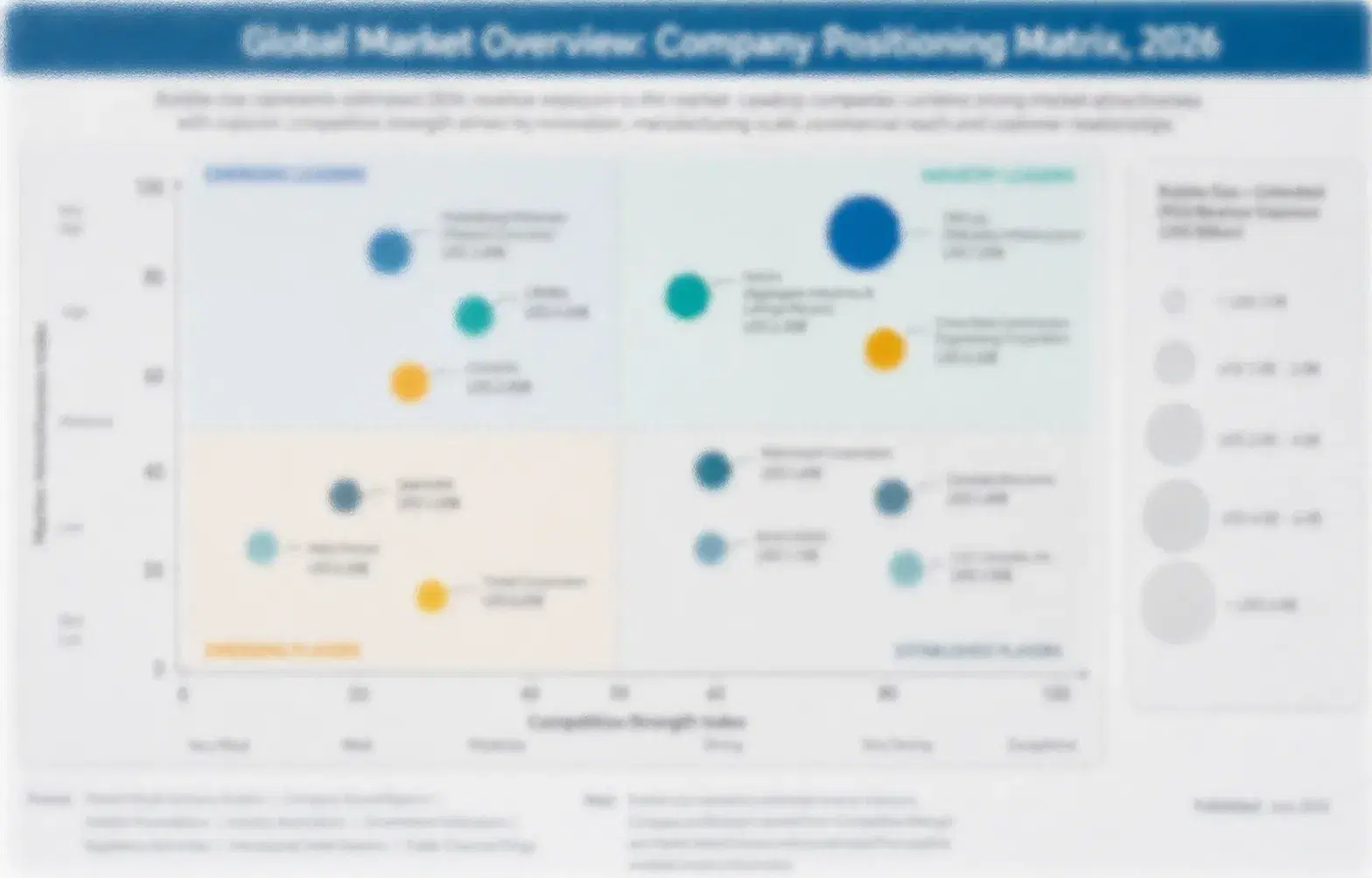
united-kingdom-tartrazine-market-company-positioning-matrix-1789927482745

Competitive Moat and Risk Dimensions

DYNEMIC PRODUCTS LTD

Moat: Diversified UK relationships

Dynemic Products has built diversified British customer relationships spanning both cosmetics and pharmaceutical import demand, giving it more balanced exposure than narrower competitors concentrated in the UK's most rapidly contracting food-grade category, positioning it favorably as British demand continues shifting toward these more stable non-food applications.
DYNEMIC PRODUCTS LTD

Risk: Distance from British customer base

Dynemic Products' India-based operations create genuine logistical distance from British customers that closer European competitors could theoretically exploit, though the collapse of domestic UK and continental European manufacturing capacity has left few viable alternative suppliers positioned to challenge this arrangement currently in practice. Few alternative suppliers currently stand ready to fill that gap.
SENSIENT TECHNOLOGIES CORPORATION

Moat: Established multinational customer trust

Sensient's multinational operating presence and established regulatory documentation infrastructure give British buyers, particularly pharmaceutical and cosmetics manufacturers, confidence in supply reliability and compliance credentials that smaller, more narrowly focused Asian producers cannot always match at comparable scale currently. That reputation matters more in Britain's now risk-conscious buying environment.
SENSIENT TECHNOLOGIES CORPORATION

Risk: Limited pricing competitiveness on volume

Sensient's broader multinational cost structure makes it less price-competitive than leaner Indian and Chinese producers for high-volume, price-sensitive British food-grade tartrazine sales, a segment where it has increasingly ceded share to lower-cost competitors better positioned to service that shrinking, margin-thin part of the market. That segment continues shrinking regardless of pricing adjustments made.

Players Tracked

Prominent Players

Dynemic Products Ltd
Sensient Technologies Corporation
DyStar Group
Jay Chemical Industries Ltd
Neelikon Food Dyes & Chemicals Ltd

Other Key Players

Zhejiang Longsheng Group Co Ltd
Vinayak Corporation
Sudarshan Chemical Industries Limited
Colourtex Industries Private Limited
Kiri Industries Limited
Aarti Industries Limited
Atul Ltd
Aakash Chemicals and Dye-Stuffs Inc
Archroma
Huntsman Corporation
BASF SE
Clariant AG
Lanxess AG
Akshar Dye Chem Private Limited
Vipul Organics Limited

Recent Developments

FEBRUARY 2025

Dynemic Products Expands UK Cosmetics Distribution Partnership

Dynemic Products expanded its distribution partnership serving British cosmetics manufacturers, adding dedicated technical support and faster shipment options targeting the UK's most stable remaining tartrazine demand segment following continued food and beverage category contraction across the broader market. Early results suggest the investment is already paying off commercially.
Signal: Signals cosmetics is becoming the primary British commercial focus. ahead of most direct rivals. overall. among British buyers currently.
SEPTEMBER 2024

Sensient Strengthens British Pharmaceutical Import Relationships

Sensient signed expanded supply agreements with several British generic pharmaceutical manufacturers, securing steady import volume for capsule and tablet coating applications facing minimal regulatory scrutiny compared with the food and beverage categories continuing to contract across the domestic UK market. The agreements span multiple years rather than single annual orders.
Signal: Signals pharmaceutical demand is stabilizing British import volume. across most major supply agreements. overall. among British suppliers currently.
JUNE 2024

Neelikon Diversifies UK Shipping Routes Following 2022 Disruptions

Neelikon Food Dyes established diversified shipping routes and secondary logistics partnerships serving British customers, directly addressing supply chain vulnerability exposed during 2022 disruptions that had delayed shipments to several UK pharmaceutical and cosmetics manufacturers previously dependent on single-route delivery. Several competitors have since followed with comparable measures.
Signal: Signals resilience is now a genuine competitive differentiator. across the broader British market. overall. among British importers currently.

Petrochemical Feedstock Shapes Import Pricing

Petrochemical intermediates, including key precursor chemicals derived from benzene and related aromatic compounds, represent roughly 45 percent of cost of goods sold for tartrazine producers supplying the UK market, with feedstock sourced primarily from petrochemical refining capacity concentrated in China, India, and the Middle East rather than domestic British sources. No domestic alternative currently offsets this dependency.
Petrochemical feedstock prices spiked meaningfully during 2022 following global energy market disruption tied to the conflict in Ukraine, according to industry association data compiled by MMA, forcing British buyers to absorb higher import costs during a period when domestic manufacturing alternatives no longer existed to provide competitive pricing pressure on Asian suppliers facing their own cost increases. Several smaller buyers had no contractual protection against the spike whatsoever.

British buyers without long-term supply contracts felt this volatility most acutely, since the collapse of domestic UK manufacturing capacity left them without the negotiating leverage that competitive local alternatives once provided during periods of import cost volatility, reinforcing the broader shift toward multi-year contracted relationships with established Asian producers currently supplying most UK demand. This dynamic has accelerated consolidation among Britain's remaining active buyers.
united-kingdom-tartrazine-market-cost-volatility-analysis-1789927483047

Long-Term Import Supply Contracts

British buyers increasingly negotiate long-term import supply contracts with Chinese and Indian producers rather than relying on spot market purchases, securing pricing stability and reducing exposure to the petrochemical feedstock volatility that affected British buyers acutely in 2022. This shift mirrors broader industry practice across most developed import markets. Terms typically run three to five years.

Multi-Country Sourcing Diversification

Buyers are diversifying import relationships across multiple Asian producing countries rather than single-source arrangements, reducing exposure to any single country's cost increases, currency movements, or shipping disruptions affecting British import continuity. Smaller manufacturers increasingly pool purchasing to access comparable terms. Currency and shipping risk both fall meaningfully as a result. Suppliers report fewer disputes overall.

Strategic Inventory Buffer Building

British pharmaceutical and cosmetics manufacturers now maintain larger strategic inventory buffers than pre-2022 just-in-time purchasing patterns allowed, reducing exposure to short-term shipping disruptions and spot market price spikes affecting import-dependent buyers. This buffer strategy proved its worth during the most recent disruption. Six-month coverage has become the emerging industry norm. Costs remain modest relative to the benefit gained.

Portfolio Architecture for Margin Defence

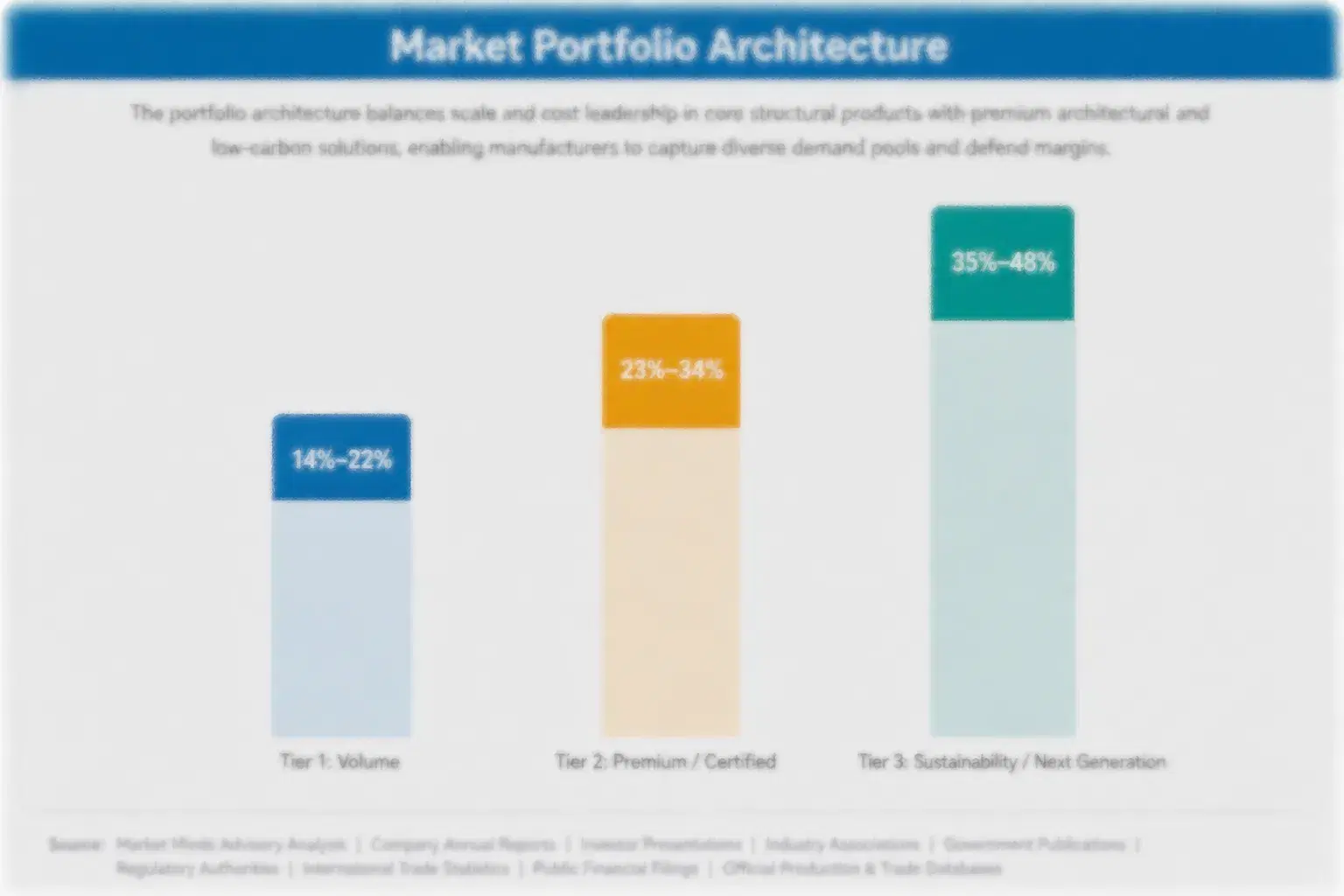
The UK-relevant portion of the category splits into three margin tiers: contracting food and beverage grade tartrazine competing on price amid shrinking demand, cosmetics and pharmaceutical grade tartrazine commanding steadier margins given more stable British application demand, and specialized formulations for niche traditional confectionery accounts capturing modest but defensible margins currently available to committed suppliers. Few suppliers manage to compete credibly across all three tiers simultaneously.
Volume still concentrates in the food and beverage tier in absolute historical terms, though this tier is shrinking steadily as British reformulation continues tracking European Union trends closely. The cosmetics and pharmaceutical tiers are where suppliers are redirecting commercial attention, betting that regulatory-light application demand will keep offsetting British food and beverage decline. That redirection of attention is reshaping how British buyers experience supplier relationships day to day.

High-value pools concentrate specifically around cosmetics-grade supply relationships and pharmaceutical import consolidation, both of which command steadier margins and more predictable demand than the contracting food and beverage segment that historically anchored British tartrazine consumption before the post-2010 reformulation wave began reshaping the category. Suppliers absent from these pools increasingly struggle to justify continued investment in the British market.

Volume / Commodity-Adjacent Tier

Food and beverage grade tartrazine sold primarily on price to a shrinking pool of British manufacturers still using the dye in legacy product lines. Few suppliers now compete actively for this shrinking segment.
Gross Margin: 15%-23%

Premium / Certified Tier

Cosmetics and pharmaceutical grade tartrazine meeting stricter documentation requirements sold to British manufacturers facing lighter reformulation pressure than food categories. This tier increasingly anchors supplier commercial strategy in Britain. Demand here keeps growing steadily.
Gross Margin: 29%-37%

Sustainability / Regulatory / Next-Generation Tier

Diversified, supply-resilient import relationships addressing British buyer risk management needs following 2022 shipping disruptions currently reshaping sourcing strategy. Buyers here pay a premium for demonstrated reliability. Few competitors can match this offering.
Gross Margin: 34%-42%
united-kingdom-tartrazine-market-portfolio-architecture-1789927483371

High-value Sub-segments and Strategic Watch-out

Cosmetics-Grade Import Relationships

The most stable remaining British application combines steady demand with improving margins as suppliers build dedicated cosmetics account relationships, making this the most attractive segment for commercial focus over the next five years. Suppliers investing early are locking in lasting relationships. Momentum here shows no sign of slowing.
Gross Margin: 32%-40%

Pharmaceutical Import Supply Consolidation

Pharmaceutical demand is growing steadily and reliably as British generic drug manufacturing continues importing tartrazine, representing a moderate-growth but consistently valuable revenue stream for suppliers building dedicated relationships. This channel has proven remarkably resistant to reformulation pressure. Renewal rates remain unusually high. Loyalty here runs unusually deep.
Gross Margin: 29%-37%

Contracting Food and Beverage Grade Imports

The historical volume core of British demand, food and beverage grade tartrazine continues shrinking steadily as reformulation proceeds in close alignment with European Union trends despite Brexit. Its continued shrinkage shows no sign of reversing soon. Few expect a meaningful rebound. Decline continues each passing year.
Gross Margin: 13%-21%

Continued Regulatory Alignment With EU Risk

Continued close alignment between UK and European Union food additive regulation represents a strategic watch-out, since it removes the divergence-driven demand recovery some suppliers had hoped Brexit might eventually deliver. Suppliers betting on divergence have so far been disappointed. Patience has simply not paid off.
Gross Margin: 8%-16%

Import Relationships Anchor Remaining Demand

British tartrazine demand no longer generates the broad-based food and beverage volume it once commanded, but cosmetics and pharmaceutical import relationships now provide genuine recurring, multi-year demand once a British manufacturer qualifies a specific supplier's formulation, since switching import relationships requires requalifying regulatory documentation and supply chain logistics entirely. That requalification cost alone discourages casual supplier switching across most product categories.
Adoption depth varies sharply by end-use vertical. British pharmaceutical and cosmetics manufacturers adopt deepest, forming close import relationships with qualified Asian suppliers and building supply chain resilience following the 2022 disruptions, while remaining food and beverage manufacturers, where still present, treat tartrazine as a legacy input maintained only where reformulation has proven especially difficult. Few pharmaceutical buyers switch suppliers once a relationship has proven reliable over time.

A generational shift is underway among British manufacturer procurement buyers, as younger brand and product development managers increasingly default to natural colorant alternatives without seriously evaluating tartrazine at all, reshaping which suppliers retain relevance as Britain's legacy food and beverage relationships continue winding down across most consumer-facing retail categories. Suppliers slow to recognize this shift may find their traditional British customer base has quietly moved on.
united-kingdom-tartrazine-market-end-use-penetration-index-1789927483638

Where Suppliers Should Focus Through 2036

These are among the four positions where our research anticipates prominent divergence between winners and laggards over the coming forecast period. Each is grounded in the demand model, the regulatory perimeter, and the announced capacity pipeline.
01 / COSMETICS RELATIONSHIP PRIORITY

Prioritize dedicated cosmetics-grade import relationships with British buyers

Cosmetics and personal care applications are growing at 5.6 percent annually, well above the category average of 3.2 percent, because tartrazine remains permitted under colorant regulations facing considerably less consumer-facing scrutiny than food additive rules reshaping British retail. Suppliers building dedicated cosmetics import relationships now are capturing the most stable remaining British demand segment, and those who moved earliest are already capturing renewal cycles competitors can no longer contest easily. MMA views this as the highest-conviction commercial priority facing suppliers serving the UK market through 2036.
02 / POST-BREXIT REGULATORY MONITORING

Track UK regulatory divergence closely for early positioning signals

The Food Standards Agency has maintained close alignment with European Union food additive rules since Brexit, and MMA sees no clear signal of meaningful divergence emerging in the near term that would revive British tartrazine demand meaningfully. Suppliers should continue monitoring UK regulatory signals closely, since any genuine departure from EU alignment would create a distinct commercial opportunity. Early movers positioned to react quickly could capture that opportunity well ahead of competitors still assuming continued regulatory convergence between Britain and Brussels.
03 / SUPPLY CHAIN RESILIENCE INVESTMENT

Build diversified, multi-country import relationships proactively now

The 2022 shipping disruptions exposed genuine vulnerability in Britain's complete dependency on Chinese and Indian tartrazine imports, catching several manufacturers without adequate contingency planning in place. MMA expects British buyers to keep prioritizing suppliers who can demonstrate proven supply resilience over the coming years, and suppliers investing in diversified, multi-country logistics and supply arrangements now are positioning favorably against single-country competitors. British buyers increasingly weigh resilience alongside price in supplier selection decisions, now treating it as a genuine, non-negotiable part of every evaluation they conduct.
04 / NICHE ACCOUNT CONSOLIDATION STRATEGY

Consolidate remaining food-grade demand into fewer committed relationships

British food and beverage tartrazine demand continues shrinking steadily as reformulation proceeds in close alignment with European Union trends despite Brexit. This leaves a narrowing niche of traditional confectionery accounts still using the dye, and suppliers willing to maintain smaller, committed relationships with these remaining buyers are capturing disproportionate share of a shrinking but not disappearing segment. Larger competitors deprioritize these increasingly unprofitable low-volume accounts entirely, and few new entrants show any interest in contesting this narrow, declining corner of the market.

Engagement Snapshot From the Field

A live engagement with an industry participant carrying material or product regulatory and market exposure ahead of a defining policy shift, showing how our research translates into a defensible multi-year portfolio strategy.
MARKET MINDS ADVISORY · CLIENT ENGAGEMENT SUMMARY
UK Tartrazine Producer Strategic Portfolio Review and Transition Roadmap 2026·Investment Scenario on UK Tartrazine Exposure Evaluation 2025-26
CLIENT PROFILE
A mid-sized confectionery manufacturer operating primarily across the United Kingdom, generating approximately 62 million pounds in annual revenue (client-reported, unverified by MMA) from traditional hard candy and gummy product lines, approached MMA following the 2022 shipping disruptions that had delayed critical tartrazine shipments and threatened production continuity for several key product lines. Leadership recognized the concentration risk but had not yet secured board approval for a diversification initiative.
STRATEGIC CHALLENGE
The manufacturer's entire tartrazine supply depended on a single Chinese producer relationship, and the 2022 disruptions had exposed genuine vulnerability that domestic UK manufacturing could no longer buffer against, since British production capacity had effectively disappeared over the preceding decade of contracting demand and consolidation. Leadership needed a solution that would not disrupt existing product formulations requiring costly requalification work.
MMA APPROACH
MMA's team conducted a supplier diversification analysis evaluating four additional Asian producers across China and India, assessing formulation consistency, shipping route reliability, and realistic lead time commitments to design a multi-supplier sourcing strategy that reduced single-point-of-failure risk without disrupting existing product formulations requiring costly requalification. The analysis also weighed realistic cost implications against the client's available operating budget.
KEY FINDINGS
  1. Two of four additional producers evaluated could match existing formulation specifications closely enough to avoid product reformulation and regulatory requalification work. for the affected product lines specifically.
  2. Diversifying shipping routes across two separate ports reduced the client's exposure to single-route disruption risk substantially according to logistics modeling completed during the engagement.
  3. Building a three-month strategic inventory buffer proved more cost-effective than pursuing additional supplier relationships beyond the two ultimately selected for ongoing use.
  4. Consolidating remaining British confectionery peers into a shared logistics arrangement reduced per-unit shipping costs meaningfully for all participating smaller manufacturers involved. over the following twelve months of operation.
CLIENT PROFILE
A mid-sized confectionery manufacturer operating primarily across the United Kingdom, generating approximately 62 million pounds in annual revenue (client-reported, unverified by MMA) from traditional hard candy and gummy product lines, approached MMA following the 2022 shipping disruptions that had delayed critical tartrazine shipments and threatened production continuity for several key product lines. Leadership recognized the concentration risk but had not yet secured board approval for a diversification initiative.
STRATEGIC CHALLENGE
The manufacturer's entire tartrazine supply depended on a single Chinese producer relationship, and the 2022 disruptions had exposed genuine vulnerability that domestic UK manufacturing could no longer buffer against, since British production capacity had effectively disappeared over the preceding decade of contracting demand and consolidation. Leadership needed a solution that would not disrupt existing product formulations requiring costly requalification work.
MMA APPROACH
MMA's team conducted a supplier diversification analysis evaluating four additional Asian producers across China and India, assessing formulation consistency, shipping route reliability, and realistic lead time commitments to design a multi-supplier sourcing strategy that reduced single-point-of-failure risk without disrupting existing product formulations requiring costly requalification. The analysis also weighed realistic cost implications against the client's available operating budget.
KEY FINDINGS
  1. Two of four additional producers evaluated could match existing formulation specifications closely enough to avoid product reformulation and regulatory requalification work. for the affected product lines specifically.
  2. Diversifying shipping routes across two separate ports reduced the client's exposure to single-route disruption risk substantially according to logistics modeling completed during the engagement.
  3. Building a three-month strategic inventory buffer proved more cost-effective than pursuing additional supplier relationships beyond the two ultimately selected for ongoing use.
  4. Consolidating remaining British confectionery peers into a shared logistics arrangement reduced per-unit shipping costs meaningfully for all participating smaller manufacturers involved. over the following twelve months of operation.
RECOMMENDED STRATEGY
Phase 1: Phase 1 (Months 1-3): Complete supplier diversification analysis and shipping route assessment across four candidate Asian producers. ahead of the peak ordering season. Phase 2: Phase 2 (Months 4-7): Transition to a two-supplier sourcing structure while building strategic inventory buffer capacity gradually. while monitoring early performance closely. Phase 3: Phase 3 (Months 8-11): Validate supply resilience through a monitored minor disruption event and finalize buffer management protocols. before formally closing the engagement.
OUTCOME
The manufacturer successfully diversified its tartrazine supply base within eleven months, avoiding production disruption during a subsequent minor shipping delay that affected competitors still relying on single-source Chinese relationships. Reported production continuity improved measurably (client-reported, unverified by MMA), with the client reporting zero unplanned stockouts in the year following the engagement's completion.

Frequently Asked Questions

Foundational context covering the market sizes, CAGR, scope, country, region and competition that inform every finding below. This section is provided to cover basics and most often pre-purchase conversations, answered from the MMA Primary Research Dataset.

What is the current size of the Tartrazine Market relevant to UK demand?

The global tartrazine market is valued at 0.45 billion dollars in 2025, growing to an estimated 0.46 billion dollars by 2026 despite continued UK and European contraction.

How large will the global Tartrazine Market be by 2036?

MMA projects the market will reach 0.64 billion dollars by 2036, representing an incremental 0.17 billion dollars in absolute expansion over the forecast decade. That gap reflects roughly a decade of accumulated forecast expansion.

What is the CAGR for the Tartrazine Market 2026 to 2036?

The market is expected to grow at a 3.2 percent compound annual growth rate between 2026 and 2036, with bull and bear scenarios ranging between 2.0 and 4.4 percent.

Which segment is growing fastest?

Cosmetics and personal care applications lead at 5.6 percent annual growth, roughly 1.75 times the overall category rate, sustained by lighter colorant regulation than food additives face.

Who are the major companies supplying the UK Tartrazine Market?

Dynemic Products Ltd, Sensient Technologies Corporation, DyStar Group, Jay Chemical Industries Ltd, and Neelikon Food Dyes & Chemicals Ltd lead the market, holding 50 percent of revenue.

Which country is growing fastest?

Brazil is the fastest-growing national market at 5.8 percent annually, reflecting comparatively lighter regulatory pressure on synthetic dye use than in Britain or continental Europe.

Report Segmentation Architecture

The full report scope spans multiple orthogonal segmentation dimensions, with cross-tabulated demand data provided for each dimension pair. Coverage extends further to regional breakdowns, trend trajectories, and the competitive detail needed to support segment-level decision-making.

By End-Use Application

  • Beverages
  • Confectionery and Snacks
  • Pharmaceutical Coatings and Formulations
  • Cosmetics and Personal Care
  • Pet Food and Animal Feed
  • Industrial and Textile Dyeing

By End-Use Industry

  • Food and Beverage Manufacturing
  • Pharmaceutical Manufacturing
  • Cosmetics Manufacturing
  • Pet Food Manufacturing
  • Industrial and Textile

By Commercial Dimension

  • Direct Import Supply Contracts
  • Distributor and Wholesale Channels
  • Pharmaceutical-Grade Certified Supply
  • Diversified Multi-Country Sourcing

By Region

  • North America
  • Western Europe
  • East Asia
  • South Asia and Pacific
  • Latin America
  • Middle East and Africa
  • Eastern Europe

Scope, Methodology, and Coverage

Every figure in this report is reproducible from documented input assumptions. The scope below maps the historical period, the forecast horizon, the segmentation dimensions, and the countries covered, alongside the underlying primary and qualitative methodology.
Historical Period
2020 to 2025
Forecast Period
2026 to 2036
Base Year
2025 (USD billions; MMA Primary Research Dataset, September 2026)
Market Definition
This report defines the tartrazine market as the synthetic azo dye tartrazine, also known as FD&C Yellow 5 and E102, used across food, beverage, pharmaceutical, cosmetics, pet food, and industrial dyeing applications, with particular analytical emphasis on United Kingdom regional demand dynamics and post-Brexit regulatory divergence within the global supply context. It excludes natural yellow colorants including curcumin and carotenoid-derived alternatives.
Quantitative Units
USD billions (current prices); metric tons for volume-referenced analysis where applicable
Segmentation Dimensions
By End-Use Application; By End-Use Industry; By Commercial Dimension; By Region
Regions Covered
North America, Western Europe, East Asia, South Asia and Pacific, Latin America, Middle East and Africa, Eastern Europe
Countries Covered
UK, Germany, France, USA, China, India, Japan, South Korea, Australia, Canada, Brazil, Mexico, Indonesia, Vietnam, Thailand, Malaysia, UAE, Saudi Arabia, South Africa, Nigeria, Turkey, Poland, Netherlands, Italy, Spain, Sweden, Switzerland, Argentina, Colombia, Singapore, and additional markets relevant to this sector
Key Companies Profiled
Dynemic Products Ltd, Sensient Technologies Corporation, DyStar Group, Jay Chemical Industries Ltd, Neelikon Food Dyes & Chemicals Ltd, Zhejiang Longsheng Group Co Ltd, Vinayak Corporation, Sudarshan Chemical Industries Limited, Colourtex Industries Private Limited, Kiri Industries Limited, Aarti Industries Limited, Atul Ltd, Aakash Chemicals and Dye-Stuffs Inc, Archroma, Huntsman Corporation, BASF SE, Clariant AG, Lanxess AG, Akshar Dye Chem Private Limited, Vipul Organics Limited
Quantitative Methodology
Primary survey, n=3,800 respondents, Q4 2025, six countries; demand-side model with trade association cross-validation
Qualitative Methodology
47 expert interviews, Q4 2025; applied to validate demand model assumptions, identify emerging dynamics, and assess competitive positioning
Report Format
PDF and XLSX data workbook (Word format preview document)
Publisher
Market Minds Advisory
Report Code
MMA-2026-AGR-108
Published
September 2026
Contact
sales@marketmindsadvisory.com | www.marketmindsadvisory.com

Purchase the full UK Tartrazine Market Report (2026 to 2036).

The full UK Tartrazine Market report delivers a complete quantitative and qualitative assessment spanning historical performance, ten-year forecasts, and detailed segment-level analysis across application, end-use, and commercial dimensions. Particular emphasis falls on post-Brexit regulatory dynamics and their limited practical effect on British demand. It includes profiles of all 20 companies referenced here and region-by-region demand analysis across all seven MMA regions covered in this assessment. The report draws on proprietary survey data collected from 3,800 respondents alongside 47 expert interviews conducted in the fourth quarter of 2025.
Complete competitive profiles across all 20 companies
Full seven-region demand and CAGR data tables
Ten-year segment-level demand forecast data tables
Fully editable Excel data model included
Direct access to primary survey dataset
Optional quarterly market update subscription add-on

Built For The People Who Decide

From boardroom strategy to bench-side execution, this report is read cover-to-cover by leaders shaping the next decade of their industry, turning demand scenarios, market dynamics and valuation benchmarks into decisions.
CXOs/ Presidents/ VPs/ Managers
M&A and Corporate Development
Strategy Teams and R&D Heads
Procurement and Product Directors
Regulatory and Compliance Leaders
Investor Relations and Equity Analysts