Market Minds Advisory
UK Sourdough Market

UK Sourdough Market: UK Sourdough Market. Supermarket Slicing, In-Store Bakeries, and Energy Costs Reshape Naturally Leavened Bread.

UK sourdough moved from craft bakeries to supermarket shelves, but energy bills, labour shortages, labelling doubts, and fermentation time decide which bakers earn margin from a loaf shoppers expect to be artisan and affordable.

Lead Analyst

Published

September 2026

Make Smarter Decisions with Customized Research Insights

Request a free sample report and evaluate market opportunities, growth trends, and competitive dynamics relevant to your business needs.

2025 MARKET VALUE$1.1BMarket Size 2025
2036 FORECAST VALUE$2.0BBase Case , 2026 to 2036
CAGR 2026 TO 20365.8 %Bull 7.1% / Bear 4.5%
INCREMENTAL OPPORTUNITY$0.9BNet 10- year value creation
EXPANSION MULTIPLE1.76x2036 value over 2026 base
Strategic Levers
M&A Pipeline
Regional Outlook
Country Rankings
Competitive Intelligence
Segmental Deep-dive
Call-Us : 91 93563 13602

Executive Snapshot and Market Trajectory.

Britain fell for sourdough about a decade ago and has not looked back. What began in craft bakeries is now a sliced loaf in every supermarket, and the bakers who profit are those who can fake none of the fermentation time and still hit a shelf price.
Sliced and packaged sourdough grows fastest, because supermarkets and sandwich chains want the flavour of naturally leavened bread in a format that toasts, stores, and slices reliably, while sourdough pizza bases follow as home dining grows. Western Europe holds the largest share, since this market is sized on United Kingdom production and consumption, with North America and East Asia following through exports. The United Arab Emirates leads country growth. Supermarkets set volume. Cafes add trial.
The industry is moderately concentrated, with large plant bakeries, retailer suppliers, and craft bakeries competing on flavour, price, and freshness. Energy costs, labour shortages, and doubts over what a supermarket may call sourdough shape recipes and margins, while high fat, salt, and sugar promotion rules add pressure on sweet variants. Large bakers use cultures and controlled proofing. Craft bakers sell provenance. Own label squeezes both.
Market Definition
UK sourdough comprises bread leavened mainly by sourdough cultures and produced or sold in the United Kingdom, plus UK-made sourdough exported to other markets, including artisan white loaves, wholegrain and seeded, sliced and packaged, rolls and buns, pizza bases and flatbreads, and gluten-reduced and ancient grain sourdough, sold through supermarkets, bakeries, cafes, and foodservice. The scope excludes yeast-only bread sold as sourdough-style, sweet sourdough goods, and sourdough starters sold as ingredients.
Base Year Value
$1.1B in 2025 (MMA Primary Research Dataset, September 2026)
Forecast Period
2026 to 2036, eleven discrete annual values
CAGR
5.8% base case. Bull 7.1%. Bear 4.5%.
Fastest Growth Segment
Sliced and Packaged Sourdough: 8.6% CAGR
Fastest Growth Country
United Arab Emirates: 8.2% CAGR
Fastest Growth Region
South Asia and Pacific: 7.8% CAGR
Largest Region
Western Europe: 84% of 2025 global value
Market Leaders
Warburtons, Hovis, Allied Bakeries, Gail's Bakery, Hobbs House Bakery. Source: MMA Analysis, company annual reports.
Primary Survey
n=3,800 procurement and R&D decision-makers, Q4 2025, six countries
Methodology
Demand-side build-up, cross-validated against public data, 47 expert interviews

UK Sourdough Market Forecast Scenarios

united-kingdom-sourdough-market-size-forecast-scenario-1789791234497
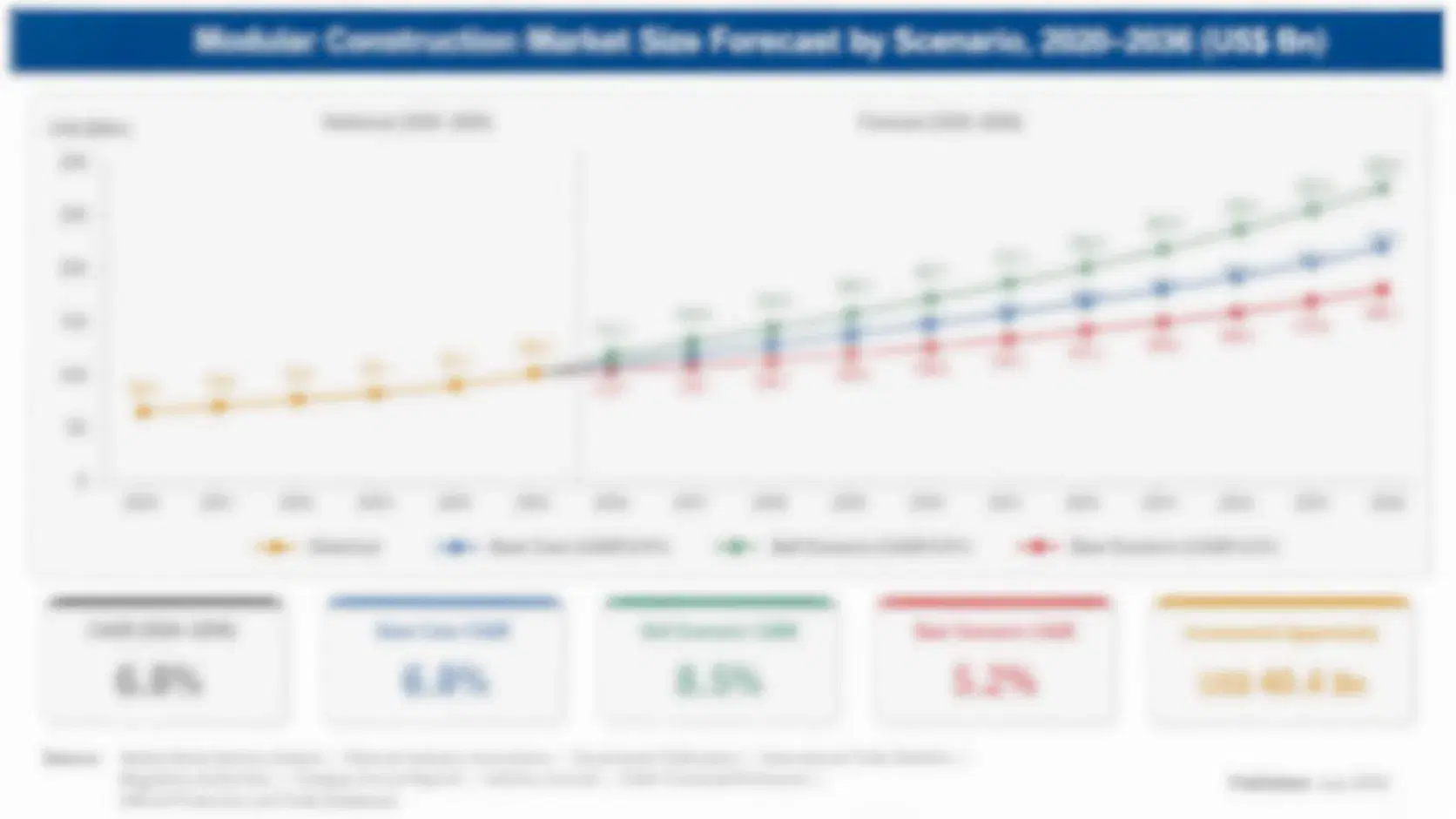
From 2020 to 2025, UK sourdough moved from an artisan trend toward a mainstream bread tier. Lockdown starter culture, supermarket launches of sliced sourdough, and cafe menus widened demand, while energy and flour costs spiked in 2022 and 2023 and squeezed margins. Growth ran slightly below today's pace, and price increases, not new volume, supplied part of the gain.
The base case rests on three commercial mechanisms. First, supermarkets and sandwich chains keep replacing standard white loaves with sourdough in premium ranges. Second, plant bakeries use controlled cultures and long proofing to make sourdough at scale without craft labour. Third, export listings in the Gulf, Asia, and North America add small but high-margin volume. Each mechanism compounds slowly, and none needs a breakout year. Producers plan capacity around all three drivers.
The bull case needs a clear sourdough definition and stable energy costs, which would let genuine bakers defend premiums against imitation. The bear case is an energy and flour price spike combined with weaker household budgets, which would push shoppers toward cheaper yeast loaves and squeeze craft bakeries out of local high streets. Buyers react within one season.

Fermentation Honesty and Energy Costs Decide UK Sourdough Winners

Sourdough bread uses a live culture of wild yeasts and lactic bacteria, which produces acid, aroma, and a chewy crumb over many hours. UK bakers use liquid cultures, retarded proofing, and stone or deck ovens for craft loaves, while plant bakeries use controlled fermenters and continuous ovens. The two routes produce different products and different costs, which is why the word sourdough covers a wide price range.
MARKET CONCENTRATION34% CR5Leading five bakers hold a moderate combined share
PRICE PREMIUM60%Sourdough loaves sell above standard white loaves per kilogram
ENERGY COST SHARE12%Portion of cost of goods taken by gas and electricity
SUPERMARKET CHANNEL SHARE58%Portion of sales made through supermarkets and in-store bakeries
FERMENTATION TIME12 hoursTypical dough fermentation time for genuine sourdough loaves
SHELF LIFE5 daysTypical shelf life of packaged sourdough without preservatives
Consistency and honesty decide value. A wild culture shifts with temperature, flour, and feeding, so small bakers rely on experience while plant bakers use temperature-controlled proofing and dried cultures. Some supermarket loaves add commercial yeast and acid to imitate sourdough flavour, which draws complaints from craft bakers. Suppliers that publish fermentation hours win trust, because shoppers who feel misled tend not to return.
Buyers judge sourdough on flavour, crust, freshness, and price. Supermarkets want longer shelf life and reliable supply, while cafes and sandwich chains want slicing and toasting performance. Own label has taken a large share of supermarket sourdough, which caps premiums outside genuine long-fermented and organic ranges, and pushes branded bakers toward provenance, flour origin, and proof of process.
"Sourdough in Britain has become a labelling argument as much as a baking one. The bakers who win will be the ones who can prove twelve hours of fermentation on the label and still land a price a supermarket shopper will pay every week."
Practice Lead, Artisan and Fermented Bakery Practice · MMA Artisan and Naturally Leavened Bread Practice · September 2026

Market Trends

Sliced and Packaged Sourdough Moves Into Everyday Supermarket Baskets

Supermarkets and plant bakeries now sell sliced sourdough loaves beside standard sandwich bread, with toasting-friendly slices and shelf life of five to seven days. Warburtons, Hovis, and retailer own label all run sourdough ranges, and prices sit 30% to 60% above standard white loaves. Sliced formats suit sandwiches and toast, which lifts household penetration beyond weekend shoppers. Plant bakeries use controlled proofing and dried cultures to hold flavour at scale, and brands that print fermentation hours on the bag win repeat purchase over imitation products. Repeat purchase rises within a few weeks.
Market Impact: 1 in 3 households buy monthly

In-Store Bakeries and Cafes Use Sourdough as Premium Signal

Supermarket in-store bakeries and cafe chains such as Gail's, Pret, and Greggs use sourdough to signal quality on sandwiches, toast, and pizza bases. A chain with 500 outlets can buy hundreds of tonnes of sourdough dough or bread a year. Frozen and part-baked sourdough lets outlets bake fresh each morning without night shifts. Suppliers that offer consistent proof times, crust colour, and slicing performance win multi-year contracts, and outlets report that sourdough items lift average spend and reduce waste. Chains also value the format because sourdough sandwiches carry higher prices and lift basket size at lunchtime.
Market Impact: range reviews add 10+ tonnes weekly

Market Opportunities and Growth Drivers

Artisan and Gut Health Perceptions Sustain Premium Bread Demand

UK shoppers associate sourdough with natural fermentation, fewer additives, and easier digestion, although the evidence for digestion claims is limited. Fermentation lowers pH and slows mould, so bakers can cut preservatives and print shorter ingredient lists. Surveys suggest that about a third of UK households buy sourdough at least monthly. Brands that publish flour origin and fermentation hours win trust, and retailers give clean-label ranges better shelf placement in bakery aisles, which lifts volume across supermarkets and delis nationwide. Local bakeries and farm shops add sourdough boxes and subscription deliveries, which extends reach beyond high streets.
Market Impact: energy and labour take 36%

Supermarket and Sandwich Chain Range Expansion Adds Reliable Volume

Tesco, Sainsbury's, Asda, and Marks and Spencer all list sourdough loaves, rolls, and pizza bases, and sandwich chains add sourdough to toasties and breakfast items. Each range review can add tens of tonnes a week for a supplier, and contracts typically run 12 months. Own label growth pushes branded bakers toward premium and organic variants. Suppliers that offer consistent supply, food safety audits, and quick new product development win range slots, and retailers reward reliable bakers with larger listings each year. Retail buyers also use supplier scorecards that reward on-time delivery and low complaint rates.
Market Impact: 30-60% premiums at risk from imitation

Market Restraints and Challenges

Energy and Labour Costs Squeeze Craft and Plant Bakery Margins

Energy takes about 12% of cost of goods and labour about 24%, and UK gas and electricity prices spiked in 2022 and remain above pre-crisis levels. Long fermentation ties up proofing space and requires early shifts, while minimum wage rises lift labour costs each April. The root cause is that sourdough is slow and oven intensive. Mitigations include heat recovery, retarded proofing, automation, and price clauses in supermarket contracts, though small bakeries seldom have the capital or bargaining power. Landlords and business rates add further fixed costs for high street bakeries that cannot easily raise loaf prices.
Market Impact: sliced sourdough sells 30-60% above white

Labelling Doubts and Imitation Products Undermine Trust in Sourdough Premiums

There is no legal definition of sourdough in the United Kingdom, and some supermarket loaves add commercial yeast and acids to mimic the flavour. Campaigners such as the Real Bread Campaign call for clear labelling, and shoppers who feel misled may not return. The root cause is loose rules and price pressure on own label. Suppliers respond with fermentation hour labels, third-party audits, and starter transparency, though a common standard is still years away and craft bakers lose premium when imitation loaves sell at half the price. Trust erodes quickly online.
Market Impact: 500-outlet chains buy hundreds of tonnes
3 additional market trends, 2 additional growth drivers, and 3 additional restraints and challenges are covered in the full report. Contact sales@marketmindsadvisory.com to access the complete intelligence.

Segment CAGR and Growth Architecture

UK sourdough is segmented by product format, which shows where fermentation skill and pricing power sit. Six segments cover artisan white loaves, wholegrain and seeded, sliced and packaged, rolls and buns, pizza bases and flatbreads, and gluten-reduced and ancient grain sourdough. Two segments grow fastest, and each depends on a different driver, either supermarket convenience or home dining habits.
united-kingdom-sourdough-market-market-share-analysis-1789791234792

Sliced and Packaged Sourdough

Sliced and packaged sourdough is the fastest-growing segment, at 8.6% a year, about 1.48 times the overall market rate. Supermarkets and plant bakeries want the flavour of naturally leavened bread in a format that slices, toasts, and stores reliably. Prices run 30% to 60% above standard white loaves. Shelf life and flavour are the main constraints, since long fermentation must survive packaging and distribution, so plant bakers use controlled proofing and dried cultures. Brands that print fermentation hours on the bag win repeat purchase, and own label competes hard on price in supermarkets and convenience stores. Retailers place sliced sourdough beside premium sandwich loaves, and price-led promotions lift trial among first-time buyers each spring.
CAGR 8.6%

Sourdough Pizza Bases and Flatbreads

Sourdough pizza bases and flatbreads grow at 7.8% a year, because home dining, restaurant chains, and street food vendors use naturally leavened dough for taste and texture. Producers supply chilled and frozen bases to supermarkets, pizzerias, and delivery brands, and prices run 25% to 45% above yeast bases. The main constraint is consistency, since dough must stretch and bake evenly across ovens, so suppliers offer proof-time guides and pilot testing. Chains with central dough plants win volume, and craft pizzerias buy from local bakers who supply fresh dough balls daily. Delivery apps and supermarket meal deals use sourdough bases as a premium signal, and frozen bases let households bake restaurant-style pizza at home.
CAGR 7.8%
Full segment breakdown across 6 segments available in the complete report.

Regional Architecture and Country Demand Map

UK sourdough value sits overwhelmingly in the United Kingdom and Ireland, where production and consumption are based. Export volumes reach North America, East Asia, South Asia and Pacific, the Gulf, and Europe through premium grocers, hotels, and airline caterers, and they grow faster from a small base.

North America

North America holds 4% share, below its usual band, because this market is sized on United Kingdom production and consumption, and North American value here covers only UK sourdough exports to the United States and Canada. British premium grocers, hotel groups, and specialty importers sell frozen part-baked loaves and pizza bases, while domestic North American bakers dominate their own sourdough market. Growth tracks the global rate as expatriate demand and premium retail listings expand. Freight, tariffs, and food safety documentation restrain volume, and exporters rely on frozen supply chains with shelf life of six months. Specialty grocers in New York and Toronto stock British frozen loaves, and hotel groups use them for breakfast service each week.
Share: 4% | CAGR: 5.9% (2026 to 2036)

Western Europe

Western Europe holds 84% share, well above its usual band, because this market is sized on United Kingdom production and consumption, with Ireland adding a small export destination, so the anchor region carries almost all value. Warburtons, Hovis, Allied Bakeries, Gail's, and Hobbs House lead, with retailers Tesco, Sainsbury's, and Marks and Spencer setting range terms. Supermarkets carry most volume, cafes and sandwich chains add premium demand, and craft bakeries hold local loyalty. Growth stays below the global rate because the base is mature, energy costs are high, and shoppers already know the category. Craft bakeries in Bristol, Manchester, and Edinburgh hold loyal local followings, and Irish supermarkets list British sourdough beside domestic loaves.
Share: 84% | CAGR: 4.5% (2026 to 2036)
Regional intelligence for 5 additional markets available in the complete report: East Asia, South Asia and Pacific, Latin America, Middle East and Africa, Eastern Europe. Contact sales@marketmindsadvisory.com.
united-kingdom-sourdough-market-country-cagr-analysis-1789791235103

Four Margin Routes for UK Sourdough Bakers

Margin in UK sourdough comes from format mix, supermarket contract structure, energy control, and proof-time transparency rather than volume alone. The routes below apply to plant bakeries, craft bakers, and retailer suppliers, and each can be started inside one planning cycle, with clear measures in gross margin points, price per loaf, and oven utilisation across the calendar year.

Selling Sliced Sourdough to Supermarkets Under Fermentation Hour Labels

Sliced and packaged sourdough sells at 30% to 60% above standard white loaves, and supermarkets need suppliers who can prove genuine fermentation. Bakers that use controlled proofing, print fermentation hours on the bag, and offer toast-friendly slices report margin gains of 4 to 7 points on those lines. Contracts fix volume early, which lets bakeries buy flour forward and plan oven schedules, while retailers reward credible ranges with better shelf placement and longer supplier reviews across their estates. Supermarket buyers also value fermentation labels because they answer shopper complaints about imitation loaves.
Market Impact: sliced lines lift blended margin 4 to 7 points

Supplying Part-Baked Sourdough to Cafes and In-Store Bakeries

Chains with 500 outlets can buy hundreds of tonnes of sourdough a year, and part-baked or frozen dough lets each outlet bake fresh each morning without night shifts. Suppliers that offer consistent proof times, crust colour, and slicing performance win multi-year contracts and cut customer waste by 10% to 20%. Payback on a dedicated part-bake line runs three to four years, and validated recipes lock in customers because chains rarely change approved suppliers once staff are trained. Cafe chains also value part-baked dough because it lowers training needs for staff at busy outlets.
Market Impact: part-bake contracts lift plant margin by 3-5 points

Cutting Oven Energy Through Heat Recovery and Load Scheduling

Energy takes about 12% of cost of goods, so heat recovery, efficient ovens, and load scheduling protect margin. Upgrades that reduce gas and electricity use by 10% to 15% save one to two points of margin, and fixed energy contracts limit exposure to price spikes like those of 2022. Payback runs three to five years, so plant bakeries act first, while craft bakers can join buying groups or use shared production kitchens that spread oven costs across several brands. Some bakeries also sell surplus heat to neighbouring businesses, which improves the payback of recovery equipment.
Market Impact: energy upgrades save 1-2 points of cost of goods

Adding Index Clauses to Supermarket Flour and Energy Contracts

Flour and energy together take about 46% of cost of goods, and prices can move 20% to 40% within a year, so contracts fixed for 12 months leave bakers exposed. Suppliers that add price adjustment clauses linked to published wheat and energy indexes protect two to four points of margin without losing listings, because retailers accept transparent formulas. Clauses also reduce arguments at renewal, and they help bakers hedge flour forward, which stabilises gross margin at 18% to 24% across the year. Buyers also value the clause because it limits surprises at renewal.
Market Impact: index clauses protect 2-4 points of gross margin

Who Controls the Margin Pool

The UK sourdough industry is moderately concentrated, with a CR5 of 34%, and many craft bakeries and retailer suppliers sit outside the leading five. This assessment measures participants on estimated sourdough bread production volume, held constant across all players. Warburtons leads through its plant scale and supermarket reach, while Hovis, Allied Bakeries, Gail's Bakery, and Hobbs House Bakery follow with a clear gap between the leader and the challengers.
Competition runs on four dimensions today: flavour and fermentation credibility, slicing and shelf life, own label price gaps, and supermarket range slots. Plant bakers win on scale and consistency, while craft bakers win on provenance and local loyalty. Retailers copy successful sourdough lines under own label quickly, so premiums outside genuine long-fermented and organic ranges erode within a year and price competition appears at range reviews.

Emerging pressure comes from retailer in-store bakeries, cafe chains that bake their own dough, and export brands that use the sourdough label abroad. Rankings shift where a baker secures energy contracts, wins slicing performance, or gains supermarket slots for organic and wholegrain lines. Craft bakers with strong local brands can move up quickly, since provenance and trust matter more than national advertising scale.
united-kingdom-sourdough-market-company-positioning-matrix-1789791235369

Competitive Moat and Risk Dimensions

WARBURTONS

Moat: Plant Scale and Supermarket Reach

Warburtons is one of the largest family-owned bakers in the United Kingdom, with national plants, chilled and ambient distribution, and long relationships with every major supermarket. Its scale gives cost advantages in flour and energy purchasing, while its brand trust lets it launch sliced sourdough and crumpets into supermarkets with immediate listings and strong shelf placement.
WARBURTONS

Risk: Own Label and Energy Exposure

Warburtons faces own label competition in sourdough, where retailers copy formats at lower prices, and energy costs weigh heavily on its plant network. Its plant scale can also undermine artisan credibility, since shoppers may prefer local craft loaves when they see sourdough as a marker of provenance.
HOVIS

Moat: Heritage Brand and Range Breadth

Hovis is a long-established British bread brand with national plants, a wide range of sliced and speciality loaves, and strong supermarket and foodservice relationships. Its brand heritage supports premium ranges, and its milling and baking integration helps it manage flour cost, so it can offer sourdough alongside wholemeal and seeded lines with reliable supply.
HOVIS

Risk: Cost Pressure and Premium Erosion

Hovis carries heavy energy and labour costs across its plants, which squeezes margin when supermarkets demand price cuts. Own label sourdough undercuts premium loaves, while craft and cafe brands attract younger shoppers who associate sourdough with independent bakers rather than large plant bakeries in most cities.

Players Tracked

Prominent Players

Warburtons
Hovis
Allied Bakeries
Gail's Bakery
Hobbs House Bakery

Other Key Players

Greggs
Pret A Manger
Bread Ahead
Signature Flatbreads
Genius Foods
Roberts Bakery
Jacksons Bakery
Puratos
Lantmannen Unibake
Aryzta
Fine Lady Bakeries
Brakes Group
Bakkavor
Allied Mills
Wessex Mill

Recent Developments

JANUARY 2026

Warburtons Extends Sliced Sourdough Range With Wholegrain and Seeded Loaves

Warburtons announced wholegrain and seeded sliced sourdough loaves for United Kingdom supermarkets, using controlled proofing and printed fermentation hours. It is a product range extension, and it tests whether shoppers will pay premiums for wholegrain sourdough beyond white loaves. Sales volumes were not disclosed. Timing depends on retailer approvals.
Signal: Confirms leading plant bakers now extend sourdough into wholegrain and seeded formats to defend premium shelf space.
FEBRUARY 2026

Hovis Adds Organic Sourdough Range to Supermarket Premium Shelves

Hovis launched an organic sourdough range with certified flour for United Kingdom supermarkets, positioned as a premium alternative to own label. It is a product launch, and it tests whether organic certification can defend prices against retailer copies that use conventional flour and shorter fermentation times.
Signal: Shows established brands use organic certification to separate sourdough ranges from cheaper own label copies in supermarkets.
MARCH 2026

Gail's Bakery Opens Central Dough Facility to Supply New London Outlets

Gail's Bakery announced a central dough facility to supply sourdough dough to new outlets in London and the South East, cutting night shifts at individual sites. It is organic capacity investment, and it tests whether central production can hold quality across a growing estate. Investment figures were not disclosed.
Signal: Indicates cafe bakery chains are building central dough capacity to scale sourdough without losing consistency across outlets.

What Drives UK Sourdough Costs

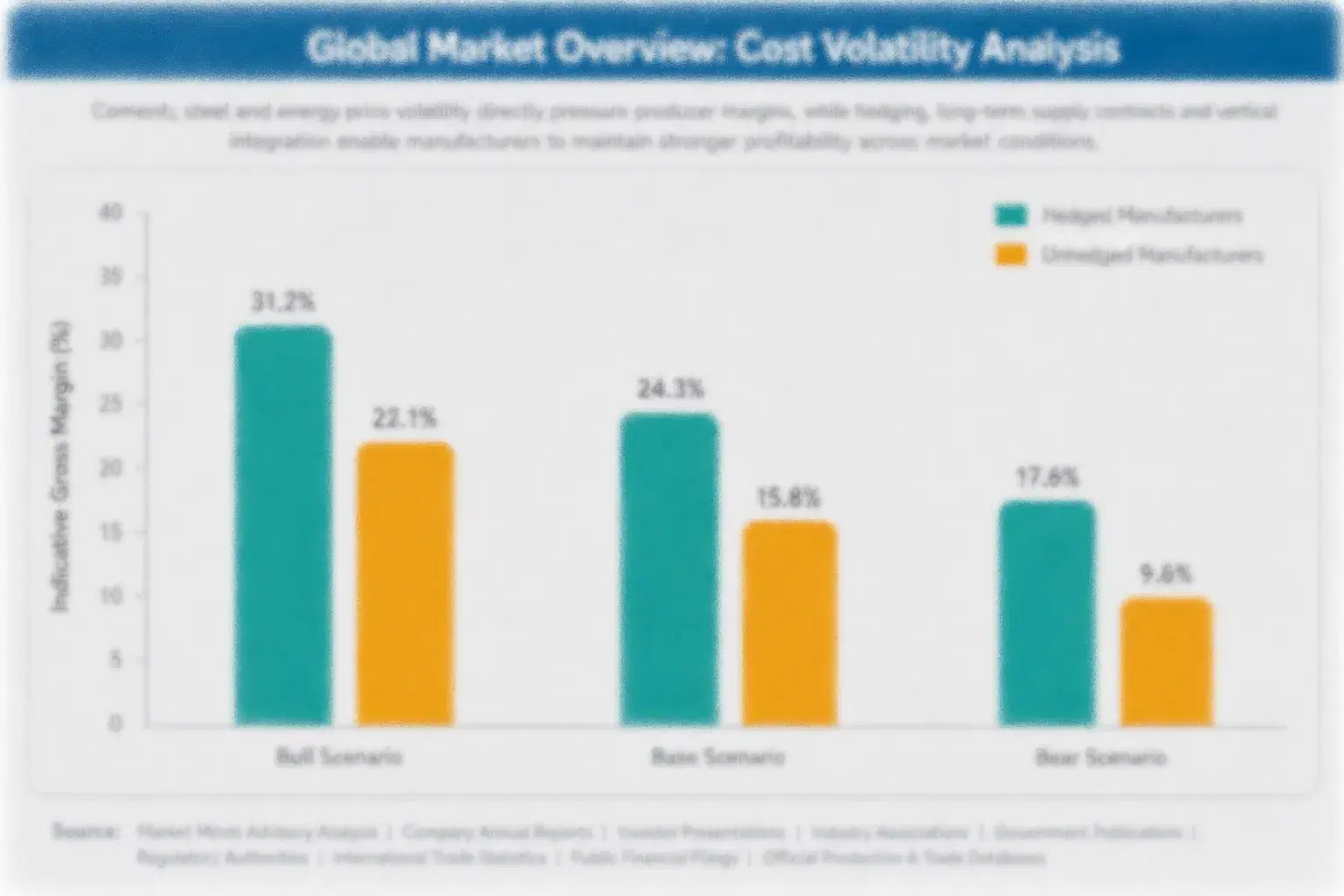
Flour accounts for roughly 34% of cost of goods, labour about 24%, energy 12%, and packaging eight percent, with yeast-free starter, salt, and seeds making up the rest. Wheat comes from UK farms, Canada, and the European Union, and flour is milled by a small group of large millers. Energy comes from gas and grid electricity, so exposure to wholesale prices is high for bakeries that run ovens at scale.
The clearest recent shock came from energy. The International Energy Agency reported that European gas prices surged in 2022, and UK bakeries saw energy bills rise several times over, with some craft bakeries closing. Bakers raised prices by 8% to 15%, trimmed opening hours and menus, and asked retailers for price rises at annual reviews, which squeezed gross margin by two to four points through the following year.

The competitive disadvantage falls on small craft bakeries, which buy energy at variable rates and flour in small lots and cannot reprice quickly. Large plant bakers sign fixed energy contracts and spread costs across many lines, while retailers pass costs to suppliers through annual reviews. Exposure also varies by geography, since exporters pay freight and food safety costs.
united-kingdom-sourdough-market-cost-volatility-analysis-1789791235676

Fixing Energy Contracts and Installing Heat Recovery Equipment

Bakers sign fixed energy contracts for 12 to 36 months and install heat recovery on oven exhausts to cut gas use by 10% to 15%. Fixed contracts reduce exposure to price spikes, though they can lock in high rates. Payback on heat recovery runs three to five years, so larger plants adopt first while small bakers depend on shared kitchens.

Contracting Flour Forward and Adding Index Clauses With Retailers

Bakers buy flour forward for six to 12 months and negotiate clauses linked to published wheat indexes with supermarkets. Clauses protect two to four points of margin, and retailers accept transparent formulas because they reduce renewal disputes. Small bakers seldom win such terms, and clauses need reliable data and trust between both parties. Terms usually run one year.

Using Part-Baked Dough to Cut Labour and Proofing Costs

Bakers buy or make part-baked sourdough that outlets finish in store, cutting labour and proofing space per loaf. Part-baked dough reduces night shifts and lowers waste by 10% to 20%. The main risk is perception, so outlets test recipes with customers and keep craft lines for premium menus. Sales data guides the mix. Buyers approve early.

Portfolio Architecture for Margin Defence

Margins run from thin returns on standard sourdough-style loaves sold to supermarkets and own label programmes to strong returns on genuine long-fermented, organic, and wholegrain sourdough sold through cafes, delis, and premium retailers. Three tiers separate volume products, certified premium lines, and next-generation formats, and each tier draws on different buyer groups, culture systems, and contract terms.
The tension between volume and premium is sharp. Volume lines protect plant utilisation and retailer relationships but face constant price pressure from own label, while premium lines earn higher margins on smaller volumes and depend on fermentation credibility, provenance, and freshness. Bakers that run only volume struggle to defend the sourdough label, while bakers that run only craft lack the volume to keep ovens full through the week.

High-value pools concentrate in sliced organic and wholegrain sourdough for supermarkets, pizza bases for restaurant chains, and part-baked loaves for cafes and hotels. They gather where buyers pay for flavour, story, or trust rather than weight of product. Cafe chains, hotel groups, and export importers add further value, since these buyers ask for documented fermentation, reliable delivery, and consistent quality, and they reorder without shopping on price.

Volume / Commodity-Adjacent Tier

Sourdough-style loaves with light fermentation sold in bulk to supermarkets and own label programmes, with thin margins, flour and energy cost exposure, and constant price competition from yeast loaves, where shoppers switch on price, promotion, and pack size.
Gross Margin: 14%-22%

Premium / Certified Tier

Genuine long-fermented sourdough with documented fermentation hours, consistent culture, and labelled ingredients, sold through supermarkets, cafes, and delis that require verified claims, reliable delivery, and stable quality across seasons and promotions.
Gross Margin: 22%-34%

Sustainability / Regulatory / Next-Generation Tier

Organic, ancient grain, and part-baked sourdough backed by certified flour, audited fermentation, and central dough plants, sold through cafe chains, hotels, and export importers to buyers who pay premiums for clean labels, provenance, and consistent performance across outlets.
Gross Margin: 28%-42%
united-kingdom-sourdough-market-portfolio-architecture-1789791235967

High-value Sub-segments and Strategic Watch-out

Sliced and Packaged Sourdough

Sliced and packaged sourdough combines the fastest growth with strong pricing, since supermarket shoppers pay 30% to 60% premiums for genuine flavour in a toast-friendly format. Controlled proofing and fermentation labels limit competition, and bakers with credible ranges win listings. Repeat purchase compounds. Prices hold firm.
Gross Margin: 22%-34%

Sourdough Pizza Bases and Flatbreads

Sourdough pizza bases and flatbreads deliver strong growth and healthy pricing, since chains and home cooks pay 25% to 45% premiums for naturally leavened dough. Dough consistency and chilled logistics form the entry barrier, and suppliers with central plants win chain volume. Trials scale steadily.
Gross Margin: 24%-36%

Artisan White Sourdough Loaves

Artisan white sourdough loaves form the volume core, sold through bakeries, delis, and supermarkets at moderate margins. Growth is modest, at about 4.4% a year, as shoppers move toward sliced and wholegrain formats. Energy cost, culture skill, and freshness decide profit, and retailers use them as traffic lines.
Gross Margin: 14%-22%

Gluten-Reduced and Ancient Grain Sourdough

Gluten-reduced and ancient grain sourdough is the strategic watch-out, since claims face regulatory limits, flour costs are higher, and texture is harder to hold. Brands should test demand with health retailers and cafes before scaling, because gluten-free labelling rules and cross-contact risk can erode trust and margin.
Gross Margin: 26%-38%

Why UK Sourdough Buyers Keep Ordering

UK sourdough demand behaves like an annuity once a shopper or cafe finds a loaf that tastes right. Households buy weekly, and a satisfied shopper typically stays with the brand for years. Cafes reorder daily, and supermarkets use last season sales to fix range reviews, so successful lines earn steadier volume than launches driven by promotion alone. Repeat cycles anchor plant planning.
Adoption stickiness differs by vertical. Cafe chains and sandwich businesses are the deepest, since sourdough is written into menu specifications and validated across ovens and toasters. Supermarket shoppers are almost as loyal, because sliced loaves fit weekly routines and toast habits. Independent bakery customers are shallower and switch on price and convenience, while home bakers follow trends and starter-sharing communities.

Buyer profiles are shifting between generations. Older shoppers buy sourdough for tradition and trusted local bakers, while younger buyers care about fermentation hours, flour origin, and social media appeal. Health-conscious households add a third group that wants clean labels and lower additives. Bakers that publish fermentation data, list ingredients clearly, and use social media for recipe ideas win younger buyers and keep them as tastes mature.
united-kingdom-sourdough-market-end-use-penetration-index-1789791236326

MMA Verdict on UK Sourdough Strategy

These are among the four positions where our research anticipates prominent divergence between winners and laggards over the coming forecast period. Each is grounded in the demand model, the regulatory perimeter, and the announced capacity pipeline.
01 / SLICED FORMAT STRATEGY

Build Credible Sliced Sourdough Lines Before Own Label Erodes the Premium

Sliced and packaged sourdough grows at 8.6% a year, about 1.48 times the market rate, and it sells at 30% to 60% above standard white loaves, so early range slots pay back inside roughly three years on most contracts. Winners use controlled proofing, print fermentation hours on the bag, and offer toast-friendly slices before retailers copy the format. Bakers that wait will find shelf space allocated and own label already selling at lower price points across major supermarkets and convenience chains.
02 / CAFE SUPPLY STRATEGY

Win Cafe Chain Contracts With Part-Baked Sourdough and Standard Proof Times

Chains with 500 outlets can buy hundreds of tonnes of sourdough a year on fixed terms, and part-baked dough cuts night shifts and waste by 10% to 20% at each site. Suppliers should offer consistent proof times, crust colour, and slicing performance, and validate recipes with chain bakers and pilot outlets before rollouts begin. Bakers that stay craft-only will remain unable to serve chains and will lose growth to plant suppliers with scale and reliable systems across the coming decade of growth.
03 / ENERGY COST STRATEGY

Fix Energy Contracts and Install Heat Recovery Before the Next Price Spike

Energy takes about 12% of cost of goods, and the 2022 spike showed that unhedged bakers can lose several margin points within a few months. Bakers should sign fixed contracts for 12 to 36 months, install heat recovery on ovens and dryers, and join buying groups that pool volume across sites and brands. Those that delay will absorb cost spikes, close loss-making lines and sites, or lose retailer trust before the next range review arrives and competitors already hold stable supply.
04 / LABEL INTEGRITY STRATEGY

Print Fermentation Hours and Accept Audits to Defend Premium Prices

Shoppers pay 30% to 60% more for genuine sourdough, but the absence of a clear legal definition invites imitation loaves that borrow the word without the process or the time. Bakers that print fermentation hours, list starters, and accept independent third-party audits at $10,000 to $30,000 per plant defend premiums, win retailer support, and lift repeat purchase. Those that stay vague will quickly lose trust when disputes reach consumer groups and retailers tighten quality standards across premium ranges and cafe menus.

Engagement Snapshot From the Field

A live engagement with an industry participant carrying material or product regulatory and market exposure ahead of a defining policy shift, showing how our research translates into a defensible multi-year portfolio strategy.
MARKET MINDS ADVISORY · CLIENT ENGAGEMENT SUMMARY
UK Sourdough Producer Strategic Portfolio Review and Transition Roadmap 2026·Investment Scenario on UK Sourdough Exposure Evaluation 2025-26
CLIENT PROFILE
The client is a mid-sized UK plant bakery with annual sales near GBP 260 million (client-reported, unverified by MMA), three plants, and a portfolio led by standard white and wholemeal sandwich bread sold through supermarkets and foodservice distributors. It had one sourdough-style loaf, no sliced sourdough range, and rising retailer requests for genuine long-fermented products.
STRATEGIC CHALLENGE
Standard bread volumes were falling, own label pressure was cutting margins, and energy costs remained high after the 2022 spike. Management needed to decide whether to invest in sliced sourdough, part-baked dough for cafes, or energy upgrades, with limited capital and only one plant able to run long fermentation schedules.
MMA APPROACH
MMA analysed sales and cost data across 60 products, interviewed 12 retail buyers, eight cafe chain purchasers, and six bakery technologists, and ran a shopper survey on sourdough claims and price tolerance across three regions. It modelled margin by product and channel, tested proofing options against pilot bakes, and ranked investments by payback and execution risk.
KEY FINDINGS
  1. Sliced sourdough with printed fermentation hours could reach 11% of sales within two years at margins 8 points above the core range (client-reported, unverified by MMA).
  2. Part-baked sourdough for two cafe chains could add 6% of sales within three years and lift plant utilisation from 68% toward 78%.
  3. Fixed energy contracts and heat recovery could cut energy cost per loaf by about 12% and protect roughly two margin points in a price spike.
  4. Shoppers accepted a 40% premium when fermentation hours were printed on the bag, and repeat purchase rose 12 points among trial buyers within a year.
CLIENT PROFILE
The client is a mid-sized UK plant bakery with annual sales near GBP 260 million (client-reported, unverified by MMA), three plants, and a portfolio led by standard white and wholemeal sandwich bread sold through supermarkets and foodservice distributors. It had one sourdough-style loaf, no sliced sourdough range, and rising retailer requests for genuine long-fermented products.
STRATEGIC CHALLENGE
Standard bread volumes were falling, own label pressure was cutting margins, and energy costs remained high after the 2022 spike. Management needed to decide whether to invest in sliced sourdough, part-baked dough for cafes, or energy upgrades, with limited capital and only one plant able to run long fermentation schedules.
MMA APPROACH
MMA analysed sales and cost data across 60 products, interviewed 12 retail buyers, eight cafe chain purchasers, and six bakery technologists, and ran a shopper survey on sourdough claims and price tolerance across three regions. It modelled margin by product and channel, tested proofing options against pilot bakes, and ranked investments by payback and execution risk.
KEY FINDINGS
  1. Sliced sourdough with printed fermentation hours could reach 11% of sales within two years at margins 8 points above the core range (client-reported, unverified by MMA).
  2. Part-baked sourdough for two cafe chains could add 6% of sales within three years and lift plant utilisation from 68% toward 78%.
  3. Fixed energy contracts and heat recovery could cut energy cost per loaf by about 12% and protect roughly two margin points in a price spike.
  4. Shoppers accepted a 40% premium when fermentation hours were printed on the bag, and repeat purchase rose 12 points among trial buyers within a year.
RECOMMENDED STRATEGY
Phase 1: Phase 1 (Months 1-6): Fix energy contracts, install heat recovery at the main plant, and reformulate the sourdough-style loaf with a controlled culture and printed fermentation hours. Phase 2: Phase 2 (Months 7-18): Launch sliced sourdough to two supermarkets and pilot part-baked dough with a cafe chain, using one converted proofing line. Phase 3: Phase 3 (Months 19-30): Reduce low-margin own label volume, expand part-baked capacity, and add wholegrain and organic sourdough to premium supermarket ranges.
OUTCOME
Within 30 months, sliced and part-baked sourdough reached 19% of sales, energy cost per loaf fell by 12%, and gross margin improved by four points (client-reported, unverified by MMA). The client won range slots in two additional supermarkets and signed a multi-year cafe agreement, while retail buyers named it a preferred supplier for genuine sourdough.

Frequently Asked Questions

Foundational context covering the market sizes, CAGR, scope, country, region and competition that inform every finding below. This section is provided to cover basics and most often pre-purchase conversations, answered from the MMA Primary Research Dataset.

What is the current size of the UK Sourdough Market?

The UK sourdough market was valued at $1.1 billion in 2025, including UK-made exports. Growth is supported by supermarket sliced ranges, cafe chain adoption, and premium bread demand across the country.

How large will the UK Sourdough Market be by 2036?

The market is projected to reach $2.04 billion by 2036, up from $1.16 billion in 2026. The increase of $0.88 billion reflects sliced formats, part-baked cafe supply, and wider export listings.

What is the CAGR for the UK Sourdough Market 2026 to 2036?

The market is forecast to grow at a 5.8% CAGR from 2026 to 2036. The bull case reaches 7.1% and the bear case 4.5%, depending on energy costs and labelling clarity.

Which segment is growing fastest?

Sliced and Packaged Sourdough is the fastest-growing segment at 8.6% CAGR, roughly 1.48 times the overall market rate. Sourdough Pizza Bases and Flatbreads follows as the second-fastest segment at 7.8% CAGR each year.

Who are the major companies in the UK Sourdough Market?

Major companies include Warburtons, Hovis, Allied Bakeries, Gail's Bakery, and Hobbs House Bakery. Greggs, Pret A Manger, Bread Ahead, Puratos, and retailer own label suppliers also hold meaningful positions in the country.

Which country is growing fastest?

The United Arab Emirates is the fastest-growing export country at an 8.2% CAGR, driven by hotel, cafe, and expatriate demand for British bakery brands. Singapore and Japan follow through premium grocers and hotel breakfast programmes.

Report Segmentation Architecture

The full report scope spans multiple orthogonal segmentation dimensions, with cross-tabulated demand data provided for each dimension pair. Coverage extends further to regional breakdowns, trend trajectories, and the competitive detail needed to support segment-level decision-making.

By Primary Market Dimension

  • Artisan White Sourdough Loaves
  • Wholegrain and Seeded Sourdough
  • Sliced and Packaged Sourdough
  • Sourdough Rolls and Buns
  • Sourdough Pizza Bases and Flatbreads
  • Gluten-Reduced and Ancient Grain Sourdough

By End-Use Industry

  • Household Consumption
  • Cafes and Sandwich Chains
  • Restaurants and Pizza Foodservice
  • Hotels and Catering
  • Export and Airline Catering

By Commercial Dimension

  • Supermarkets and Hypermarkets
  • Craft and Independent Bakeries
  • In-Store Bakeries
  • Own Label Programmes
  • Export Importers and Distributors

By Region

  • North America
  • Western Europe
  • East Asia
  • South Asia and Pacific
  • Latin America
  • Middle East and Africa
  • Eastern Europe

Scope, Methodology, and Coverage

Every figure in this report is reproducible from documented input assumptions. The scope below maps the historical period, the forecast horizon, the segmentation dimensions, and the countries covered, alongside the underlying primary and qualitative methodology.
Historical Period
2020 to 2025
Forecast Period
2026 to 2036
Base Year
2025 (USD billions; MMA Primary Research Dataset, September 2026)
Market Definition
UK sourdough comprises bread leavened mainly by sourdough cultures and produced or sold in the United Kingdom, plus UK-made sourdough exported to other markets, including artisan white loaves, wholegrain and seeded, sliced and packaged, rolls and buns, pizza bases and flatbreads, and gluten-reduced and ancient grain sourdough, sold through supermarkets, bakeries, cafes, and foodservice. The scope excludes yeast-only bread sold as sourdough-style, sweet sourdough goods, and sourdough starters sold as ingredients.
Quantitative Units
USD billions (current prices); kilotonnes for volume references
Segmentation Dimensions
By Product Format; By End-Use Industry; By Commercial Dimension; By Region
Regions Covered
North America, Western Europe, East Asia, South Asia and Pacific, Latin America, Middle East and Africa, Eastern Europe
Countries Covered
UK, Ireland, USA, Canada, Japan, Hong Kong, South Korea, Australia, Singapore, India, UAE, Qatar, Saudi Arabia, South Africa, Israel, Brazil, Chile, Mexico, Poland, Czechia, Romania, and additional markets relevant to this sector
Key Companies Profiled
Warburtons, Hovis, Allied Bakeries, Gail's Bakery, Hobbs House Bakery, Greggs, Pret A Manger, Bread Ahead, Signature Flatbreads, Genius Foods, Roberts Bakery, Jacksons Bakery, Puratos, Lantmannen Unibake, Aryzta, Fine Lady Bakeries, Brakes Group, Bakkavor, Allied Mills, Wessex Mill
Quantitative Methodology
Primary survey, n=3,800 respondents, Q4 2025, six countries; demand-side model with trade association cross-validation
Qualitative Methodology
47 expert interviews, Q4 2025; applied to validate demand model assumptions, identify emerging dynamics, and assess competitive positioning
Report Format
PDF and XLSX data workbook (Word format preview document)
Publisher
Market Minds Advisory
Report Code
MMA-2026-AGR-378
Published
September 2026
Contact
sales@marketmindsadvisory.com | www.marketmindsadvisory.com

Purchase the full UK Sourdough Market Report (2026 to 2036).

The full report delivers a detailed assessment of UK sourdough through 2036, covering segment, export, and channel forecasts, competitive benchmarking of leading bakers, and input cost analysis. It combines MMA primary research, including a six-country survey of 3,800 respondents and 47 expert interviews, with public trade and company data. Analysts also model energy price scenarios, own label expansion, and labelling standard outcomes. Clients receive segment margin ranges, channel maps, and a case study on portfolio strategy. Supplier and retailer contact frameworks are also included for negotiation planning.
Ten-year segment and export demand forecasts
Flour, energy, and packaging price tracking
Competitive benchmarking of top twenty bakers
Sourdough labelling and claim rule tracker
Export destination demand mechanism analysis included
Quarterly primary survey data update access

Built For The People Who Decide

From boardroom strategy to bench-side execution, this report is read cover-to-cover by leaders shaping the next decade of their industry, turning demand scenarios, market dynamics and valuation benchmarks into decisions.
CXOs/ Presidents/ VPs/ Managers
M&A and Corporate Development
Strategy Teams and R&D Heads
Procurement and Product Directors
Regulatory and Compliance Leaders
Investor Relations and Equity Analysts