Market Minds Advisory
UK Shrimp Market

UK Shrimp Market: UK Shrimp Market. Tariff Exposure, Residue Rules, and Ready-to-Cook Formats Shape Supplier Returns.

Britain's shrimp and prawn market turns on tariff gaps between duty-preferred and standard origins, antibiotic residue audits, retailer private label pricing, prawn cocktail and party food habits, and suppliers moving toward coated.

Lead Analyst

Published

September 2026

Make Smarter Decisions with Customized Research Insights

Request a free sample report and evaluate market opportunities, growth trends, and competitive dynamics relevant to your business needs.

2025 MARKET VALUE$2.6BMarket Size 2025
2036 FORECAST VALUE$4.0BBase Case , 2026 to 2036
CAGR 2026 TO 20364.0 %Bull 5.2% / Bear 2.8%
INCREMENTAL OPPORTUNITY$1.3BNet 10- year value creation
EXPANSION MULTIPLE1.48x2036 value over 2026 base
Strategic Levers
M&A Pipeline
Regional Outlook
Country Rankings
Competitive Intelligence
Segmental Deep-dive
Call-Us : 91 93563 13602

Executive Snapshot and Market Trajectory.

Britain buys almost all its shrimp and prawns from Vietnam, Ecuador, India, Bangladesh and the North Atlantic, then sells them frozen, cooked, peeled, coated and chilled through supermarkets, foodservice and food makers. Value depends on tariffs, private label pricing, farm-gate prices and how much convenience suppliers add each season.
Value-Added Coated, Marinated and Ready-to-Cook Shrimp grows fastest as supermarkets and takeaway brands sell breaded, garlic butter and scampi-style prawns, while cooked and peeled cold-water prawns still carry the volume. Western Europe holds the largest share because British suppliers, retailers and Nordic processors capture most value, and South Asia and Pacific follows as Vietnam, Thailand, Indonesia and India farm the volume for British shoppers.
Competition is concentrated in a few frozen seafood groups: a British frozen seafood company, a Danish-Greenlandic seafood group, a Thai seafood group, a Danish processor and a Norwegian seafood group lead, measured here on estimated shrimp sales volume, while retailers control shelf space. Buyers judge price, residue records and delivery, and tariff position shapes margin more than brand does. Buyers review suppliers every season. Supply contracts decide renewal. Delivery reliability decides supplier rankings.
Market Definition
The market covers sales of shrimp and prawns in the United Kingdom valued at supplier and processor level, including cold-water prawns, raw frozen warm-water king prawns, cooked and peeled warm-water shrimp, value-added coated, marinated and ready-to-cook shrimp, and premium certified and organic shrimp, sold through retail, foodservice and food processing. The scope excludes crab, lobster, langoustine, canned shrimp and shrimp feed.
Base Year Value
$2.6B in 2025 (MMA Primary Research Dataset, September 2026)
Forecast Period
2026 to 2036, eleven discrete annual values
CAGR
4.0% base case. Bull 5.2%. Bear 2.8%.
Fastest Growth Segment
Value-Added Coated, Marinated and Ready-to-Cook Shrimp: 5.6% CAGR
Fastest Growth Country
Vietnam: 6.2% CAGR
Fastest Growth Region
South Asia and Pacific: 6.0% CAGR
Largest Region
Western Europe: 40% of 2025 global value
Market Leaders
Young's Seafood, Royal Greenland, Thai Union Group, Espersen, Lerøy Seafood Group. Source: MMA Analysis, company annual reports.
Primary Survey
n=3,800 procurement and R&D decision-makers, Q4 2025, six countries
Methodology
Demand-side build-up, cross-validated against public data, 47 expert interviews

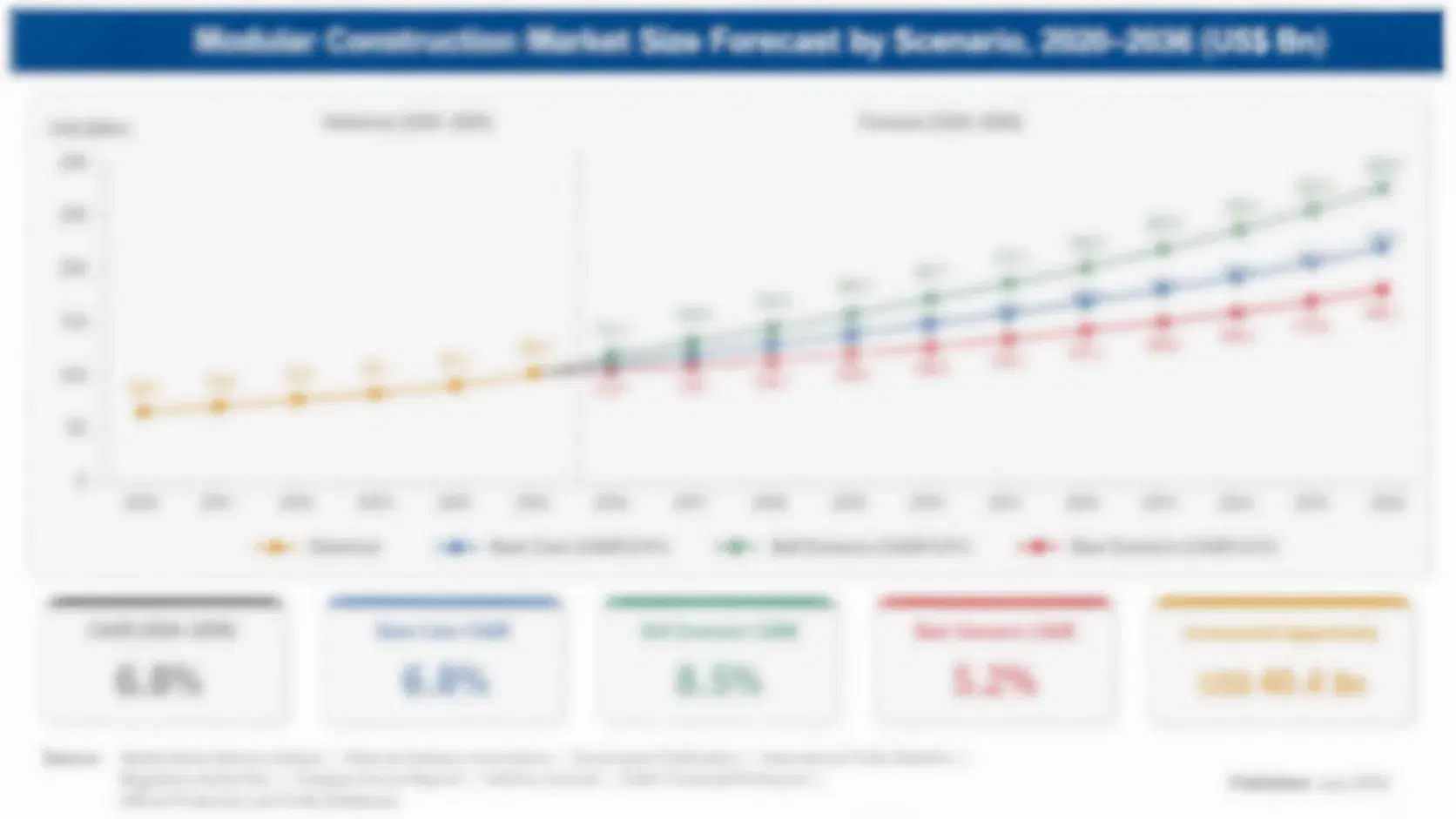
UK Shrimp Market Forecast Scenarios

united-kingdom-shrimp-market-size-forecast-scenario-1789934206337
Between 2020 and 2025, British shrimp value grew as home cooking rose in the pandemic, party food recovered and cost-of-living pressure pushed shoppers toward frozen protein. Farm-gate prices fell in 2023, freight costs spiked, retailers pressed on price, and coated formats gained shelf space while plain frozen shrimp held steady with price-led shoppers. Margins follow sourcing discipline. Audit records protect future sales.
The base case rests on three commercial mechanisms. First, party food, prawn cocktail and everyday cooking keep volume steady. Second, retailers and takeaway brands widen coated and ready-to-cook ranges. Third, certification and residue records keep premium buyers loyal to audited farms. Suppliers plan sourcing, coating lines and retailer programmes around these three drivers. Cost control separates leaders from followers. Clear specifications build buyer trust. Small importers feel every price swing. Scale compounds over time.
The bull case needs stable freight costs and faster coated format adoption, which would lift value and ease margins. The bear case is a tariff increase on standard origins combined with retailer price cuts, which would squeeze margins and push shoppers toward private label. Audits repeat every year. Buyers review suppliers every season. Supply contracts decide renewal.

Tariff Exposure, Residue Rules, and Coated Formats Set British Shrimp Outcomes

Britain imports almost all its shrimp, mainly farmed warm-water shrimp from Vietnam, Ecuador, India and Bangladesh and cold-water prawns from the North Atlantic, and suppliers sell it as raw, cooked, peeled and coated products. Raw shrimp takes 65% to 75% of supplier cost, private label holds about 58% of volume, and imports supply about 96%. Tariffs and pricing therefore set returns. Delivery reliability decides supplier rankings.
MARKET CONCENTRATION41% CR5Top five suppliers hold a moderate combined share
RAW SHRIMP COST SHARE65-75%Portion of supplier cost taken by raw shrimp
TOP ORIGIN COUNTRYVietnam 24%Largest single origin of shrimp sold in Britain
PRIVATE LABEL SHARE58%Portion of volume sold under retailer own brands
IMPORT DEPENDENCE96%Share of British shrimp volume supplied by imports
COLD-WATER SHARE34%Portion of value from cold-water Pandalus prawns and shrimp
Price, size grading, residue records, certification and delivery decide value. Retailers audit residue and traceability, brand owners test coating and cooked texture, private label buyers test price, and importers apply tariff and origin rules. Young's wins on British brand and coating skill, Royal Greenland wins on cold-water supply, and Thai Union wins on Asian scale. Retailer reviews move orders quickly. Margins follow sourcing discipline.
Buyers judge shrimp on price, size, residue records, certification and supply reliability. Retailers want consistent private label supply, takeaway brands want coating quality, restaurants want grade and texture, and importers want duty-preferred origin. Price sensitivity is high. Audits and trials decide shortlists, and most programmes need several months of negotiation before first orders. Audit records protect future sales. Cost control separates leaders from followers.
"British shoppers buy prawns for the cocktail, the curry and the takeaway, and the retailers buy them for the price. The suppliers who wrap a scarce prawn in batter and a credible sustainability story will keep the margin, and the ones who compete on cost alone will keep the tariff."
Senior Analyst, Aquaculture and Seafood Practice · MMA UK Shrimp Practice · September 2026

Market Trends

Coated and Ready-to-Cook Shrimp Lifts Value per Kilogram

Supermarkets and takeaway brands sell breaded, garlic butter, scampi-style and marinated prawns that need little preparation, and suppliers add coating, marinating and packing lines to serve them. Value-Added Coated, Marinated and Ready-to-Cook Shrimp grows about 5.6% a year, and gross margins run 16% to 27% against 7% to 13% for plain frozen shrimp. The trend needs line investment, cold chain and retailer contracts. Clear specifications build buyer trust. Small importers feel every price swing. Scale compounds over time. Audits repeat every year. Buyers review suppliers every season. Supply contracts decide renewal. Delivery reliability decides supplier rankings.
Market Impact: UK buys over 100,000 tonnes yearly

ASC Certified and Organic Prawns Earn Premium Retail Placement

Retailers and shoppers favour ASC certified and organic prawns from audited farms, and suppliers adopt traceability and audited farm lists to qualify for premium ranges. Premium Certified and Organic Shrimp grows about 4.8% a year from a smaller base. The trend needs certified supply, quality control and retailer partnerships, and it rewards suppliers with long relationships with farms and grocers that value provenance. Margins follow sourcing discipline. Audit records protect future sales. Cost control separates leaders from followers. Clear specifications build buyer trust. Small importers feel every price swing. Scale compounds over time.
Market Impact: duty gap reaches up to 20%

Market Opportunities and Growth Drivers

Prawn Cocktail and Party Food Traditions Anchor British Prawn Demand

Prawns are a staple of party platters, prawn cocktail, curries and stir fries, and British retailers build seasonal and everyday ranges around them, so demand holds through cost-of-living pressure. The United Kingdom buys over 100,000 tonnes of shrimp and prawns each year. The driver sustains firm volume and rewards suppliers with consistent quality, wide distribution and reliable supply to supermarkets and foodservice. Audits repeat every year. Buyers review suppliers every season. Supply contracts decide renewal. Delivery reliability decides supplier rankings. Margins follow sourcing discipline. Audit records protect future sales. Cost control separates leaders from followers.
Market Impact: duty rates reach up to 20%

Duty Preferences Widen Sourcing Across Vietnam, Ecuador, and Bangladesh

British trade agreements and preference schemes give Vietnamese, Ecuadorian and Bangladeshi shrimp lower duty than standard origins, so importers widen sourcing and retailers approve more farms. Duty on cooked and peeled shrimp reaches up to 20% for standard origins. The driver supports lower landed cost and rewards suppliers with multi-origin contracts, rules-of-origin skills and approved farm lists. Clear specifications build buyer trust. Small importers feel every price swing. Scale compounds over time. Audits repeat every year. Buyers review suppliers every season. Supply contracts decide renewal. Delivery reliability decides supplier rankings. Margins follow sourcing discipline.
Market Impact: farm-gate prices fell 25% in 2023

Market Restraints and Challenges

Tariffs, Origin Rules, and Border Checks Raise Import Costs

Britain applies its own tariff schedule, origin rules and border checks, so cooked and peeled shrimp from standard origins pays up to 20% duty and paperwork adds delay. The root cause is trade policy after Brexit and slow trade talks. Importers respond with origin shifts and compliance teams, though tariff differences distort sourcing and add cost. Audit records protect future sales. Cost control separates leaders from followers. Clear specifications build buyer trust. Small importers feel every price swing. Scale compounds over time. Audits repeat every year. Buyers review suppliers every season. Supply contracts decide renewal.
Market Impact: coated segment grows 5.6% yearly

Disease, Antibiotic Residue Checks, and Price Swings Squeeze Importer Margins

Disease in farms, antibiotic residue checks and volatile farm-gate prices squeeze importers who sell under fixed retailer contracts. The root cause is dense farming and concentrated buyer power. Importers respond with audits and forward cover, though farm-gate prices fell about 25% in 2023 and a 10% price swing cuts importer margin by about three points before retailers adjust. Delivery reliability decides supplier rankings. Margins follow sourcing discipline. Audit records protect future sales. Cost control separates leaders from followers. Clear specifications build buyer trust. Small importers feel every price swing. Scale compounds over time.
Market Impact: premium segment grows 4.8% yearly
3 additional market trends, 2 additional growth drivers, and 4 additional restraints and challenges are covered in the full report. Contact sales@marketmindsadvisory.com to access the complete intelligence.

Segment CAGR and Growth Architecture

The UK shrimp market is segmented by product form, which shows where convenience, provenance and certification create pricing power in a price-led, import-dependent market. Five segments cover cold-water prawns, raw frozen warm-water king prawns, cooked and peeled warm-water shrimp, value-added coated, marinated and ready-to-cook shrimp, and premium certified and organic shrimp. Coated and premium products grow fastest.
united-kingdom-shrimp-market-market-share-analysis-1789934206620

Value-Added Coated, Marinated and Ready-to-Cook Shrimp

Value-Added Coated, Marinated and Ready-to-Cook Shrimp is the fastest-growing segment at 5.6% a year, about 1.40 times the overall market rate, from a mid-sized base. Supermarkets and takeaway brands pay for breaded, garlic butter and scampi-style prawns, so gross margins of 16% to 27% against 7% to 13% for plain frozen shrimp support coating lines and cold chain. Raw shrimp cost and yield are the main constraints. Suppliers with retailer contracts win. Audits repeat every year. Buyers review suppliers every season. Supply contracts decide renewal. Delivery reliability decides supplier rankings. Margins follow sourcing discipline. Audit records protect future sales. Cost control separates leaders from followers. Clear specifications build buyer trust. Small importers feel every price swing.
CAGR 5.6%

Premium Certified and Organic Shrimp

Premium Certified and Organic Shrimp grows at 4.8% a year, about 1.20 times the overall market rate, because British shoppers and premium and specialist grocers pay for ASC certified and organic prawns from audited farms, and suppliers accept gross margins of 14% to 24% for verified provenance. Certified supply and traceability shape entry. Suppliers with farm relationships and audit records hold price better than private label suppliers. Scale compounds over time. Audits repeat every year. Buyers review suppliers every season. Supply contracts decide renewal. Delivery reliability decides supplier rankings. Margins follow sourcing discipline. Audit records protect future sales. Cost control separates leaders from followers. Clear specifications build buyer trust. Small importers feel every price swing.
CAGR 4.8%
Full segment breakdown across 5 segments available in the complete report.

Regional Architecture and Country Demand Map

Western Europe leads at 40% because British suppliers, retailers and Nordic processors capture most value, with South Asia and Pacific at 24% as Vietnam, Thailand, Indonesia and India farm the volume. South Asia and Pacific grows fastest as coated and cooked exports expand. Scale compounds over time.

Western Europe

Western Europe holds 40% share, above its 18% to 26% band, because the United Kingdom itself is the market: British suppliers, retailers and packers capture most value, and Denmark, Norway, Iceland and Ireland process cold-water prawns and supply chains through Young's, Royal Greenland and Espersen, which justifies the out-of-band share. Prawn cocktail and party food keep volume steady. Growth trails the global rate. Private label pressure, tariffs, quota limits and retailer margin demands restrain returns. Audits repeat every year. Buyers review suppliers every season. Supply contracts decide renewal. Delivery reliability decides supplier rankings. Margins follow sourcing discipline. Audit records protect future sales. Cost control separates leaders from followers. Clear specifications build buyer trust.
Share: 40% | CAGR: 2.6% (2026 to 2036)

South Asia and Pacific

South Asia and Pacific takes 24% share, above its 7% to 12% band, because Vietnam, Thailand, Indonesia, India and Bangladesh farm and pack most warm-water shrimp sold in Britain, and Minh Phu, Camimex, Devi Seafoods and Charoen Pokphand supply retail and foodservice, which justifies the out-of-band share. Growth exceeds the global rate as coated and cooked formats expand. Disease, residue checks, freight time and currency swings restrain margins. Small importers feel every price swing. Scale compounds over time. Audits repeat every year. Buyers review suppliers every season. Supply contracts decide renewal. Delivery reliability decides supplier rankings. Margins follow sourcing discipline. Audit records protect future sales. Cost control separates leaders from followers. Clear specifications build buyer trust.
Share: 24% | CAGR: 6.0% (2026 to 2036)
Regional intelligence for 5 additional markets available in the complete report: Latin America, North America, East Asia, Middle East and Africa, Eastern Europe. Contact sales@marketmindsadvisory.com.
united-kingdom-shrimp-market-country-cagr-analysis-1789934206914

Four Margin Routes for UK Shrimp Suppliers

Margin in British shrimp comes from coated and ready-to-cook products, tariff-aware sourcing, residue compliance and certified premium ranges rather than plain frozen volume. The routes below apply to importers, processors and brand owners, and each can start inside one planning cycle, with clear measures in gross margin points, landed cost and qualified retail accounts.

Shifting Volume Into Coated, Marinated, and Ready-to-Cook Shrimp Products

Coated, marinated and ready-to-cook shrimp earns gross margins of 16% to 27% against 7% to 13% for plain frozen shrimp, so suppliers that add coating, marinating and packing lines to shift 10% of volume into these products report gross margin gains of two to four points on the mix. Conversion programmes cost $8 million to $30 million. Pilots with five retailers confirm demand. Clear specifications build buyer trust. Small importers feel every price swing. Scale compounds over time. Audits repeat every year. Buyers review suppliers every season. Supply contracts decide renewal. Delivery reliability decides supplier rankings.
Market Impact: value-added mix shift lifts gross margin by 2-4 points

Rebalancing Origin Sourcing Toward Duty-Preferred Farms and Cold-Water Suppliers

Cooked and peeled shrimp pays duty of up to 20% from standard origins, so importers that sign multi-origin contracts, comply with rules of origin and hold forward cover cut landed cost by 4% to 8% each year. Programmes cost $3 million to $12 million. Importers should start with the duty-preferred origins that already supply the largest volumes. Margins follow sourcing discipline. Audit records protect future sales. Cost control separates leaders from followers. Clear specifications build buyer trust. Small importers feel every price swing. Scale compounds over time. Audits repeat every year. Buyers review suppliers every season.
Market Impact: origin mix shift cuts landed cost by 4-8% annually

Investing in Residue Testing and Traceability for Retailer Programmes

Retailers audit residue and traceability records, so importers that invest in farm audits, rapid testing and lot-level traceability cut rejected lots by 30% to 50% each year and protect retailer listings worth 5% to 10% of sales. Programmes cost $1 million to $5 million. Importers should start with the farms that ship the largest volumes and carry the highest rejection rates. Supply contracts decide renewal. Delivery reliability decides supplier rankings. Margins follow sourcing discipline. Audit records protect future sales. Cost control separates leaders from followers. Clear specifications build buyer trust. Small importers feel every price swing.
Market Impact: testing programmes cut rejected lots by 30-50% annually

Building ASC Certified and Organic Premium Ranges for Retailers

Certified supply keeps premium retailers loyal and organic prawns earn premium prices, so suppliers that hold ASC certified and organic farms, invest in traceability and protect origin claims lift qualified accounts by 12% to 20% each year. Programmes cost $2 million to $8 million. Suppliers should target premium and specialist grocers first, where provenance supports higher prices. Scale compounds over time. Audits repeat every year. Buyers review suppliers every season. Supply contracts decide renewal. Delivery reliability decides supplier rankings. Margins follow sourcing discipline. Audit records protect future sales. Cost control separates leaders from followers.
Market Impact: premium ranges lift qualified accounts by 12-20% annually

Who Controls the Margin Pool

The UK shrimp market is moderately concentrated, with a CR5 of 41%, and a tail of smaller importers and private label packers sits outside the leading five. This assessment measures participants on estimated shrimp sales volume, held constant across all players. Young's Seafood leads through British brand and coating skill, while Royal Greenland, Thai Union Group, Espersen and Lerøy Seafood Group follow, with a visible gap between the leader and
Competition runs on four dimensions today: tariff position and landed cost, private label supply capability, coated and premium formats, and retailer relationships. Nordic groups win on cold-water supply, Thai and Vietnamese groups win on scale and cost, and British brand owners win on coating skill. Imitators copy plain frozen shrimp quickly, so premiums outside coated and certified products erode within a season. Clear specifications build buyer trust.

Emerging pressure comes from retailers that consolidate private label suppliers, trade deals that reshuffle tariff advantage, and residue rules that reshuffle approved farm lists. Rankings shift where a supplier wins a retailer programme, documents clean residue records or secures duty-preferred origin. Challengers can move up quickly when rivals face tariff or supply shocks. Small importers feel every price swing.
united-kingdom-shrimp-market-company-positioning-matrix-1789934207209

Competitive Moat and Risk Dimensions

YOUNG'S SEAFOOD

Moat: British Brand and Coating Skill

Young's Seafood, a British frozen seafood company, sells breaded, coated and cooked prawn products under its own brand and retailer labels, with coating lines, cold chain and long relationships across British supermarkets. Its brand recognition, coating skill and retailer relationships give it a market advantage, and its position supports stable listings and long supply agreements with major British
YOUNG'S SEAFOOD

Risk: Raw Material and Retailer Pressure

Young's Seafood buys raw shrimp at volatile prices and sells to a few large grocers that press on price, so cost spikes and private label pressure can cut margin. Suppliers with duty-preferred origin can win accounts. Scale compounds over time. Audits repeat every year. Buyers review suppliers every season.
ROYAL GREENLAND

Moat: Cold-Water Prawn Supply

Royal Greenland, a Danish-Greenlandic seafood group, catches and processes cold-water prawns with its own fleet and plants and supplies cooked and peeled prawns to British retailers and foodservice buyers. Its fleet access, cold-water quota position and MSC certified supply give it a cost advantage, and its position supports competitive pricing and long supply agreements with retailers.
ROYAL GREENLAND

Risk: Quota and Ocean Exposure

Royal Greenland depends on quotas and ocean conditions, so cuts and warming waters can reduce catch and margin. Suppliers with warm-water sources can win diversified accounts. Supply contracts decide renewal. Delivery reliability decides supplier rankings. Margins follow sourcing discipline. Audit records protect future sales. Cost control separates leaders from followers.

Players Tracked

Prominent Players

Young's Seafood
Royal Greenland
Thai Union Group
Espersen
Lerøy Seafood Group

Other Key Players

Whitby Seafoods
Nomad Foods
Cooke Aquaculture
Minh Phu Seafood
Camimex Group
Devi Seafoods
Apex Frozen Foods
Avanti Feeds
Charoen Pokphand Foods
Expalsa
Omarsa
Santa Priscila
Songa
Iceland Seafood International
Ocean Choice International

Recent Developments

JANUARY 2026

Young's Seafood Expands Coated Prawn Capacity for British Supermarkets and Takeaway Brands

Young's Seafood expanded coated prawn capacity for British supermarkets and takeaway brands, according to company communications. It is an organic capacity expansion, not an acquisition, and it tests value-added demand. Investment terms were not disclosed. Clear specifications build buyer trust. Small importers feel every price swing.
Signal: Suggests British suppliers are adding coating capacity to earn more from raw shrimp as retailers widen ready-to-cook ranges.
FEBRUARY 2026

Royal Greenland Signs Multi-Year Cold-Water Prawn Supply Agreements With British Retailers

Royal Greenland signed multi-year cold-water prawn supply agreements with British retailers, according to company communications. It is a supply agreement, not a joint venture or acquisition, and it tests contract demand. Terms were not disclosed. Scale compounds over time. Audits repeat every year. Buyers review suppliers every season.
Signal: Indicates retailers are locking in certified cold-water supply through longer agreements to secure volume as quotas tighten.
MARCH 2026

Thai Union Group Extends Residue Testing Across Farms Supplying British Retail Programmes

Thai Union Group extended residue testing across farms supplying British retail programmes, according to company communications. It is a compliance programme, not an acquisition, and it tests buyer trust. Costs were not disclosed. Supply contracts decide renewal. Delivery reliability decides supplier rankings. Margins follow sourcing discipline.
Signal: Shows residue compliance is now a condition of supplying British retailers as audits and buyer scrutiny tighten together.

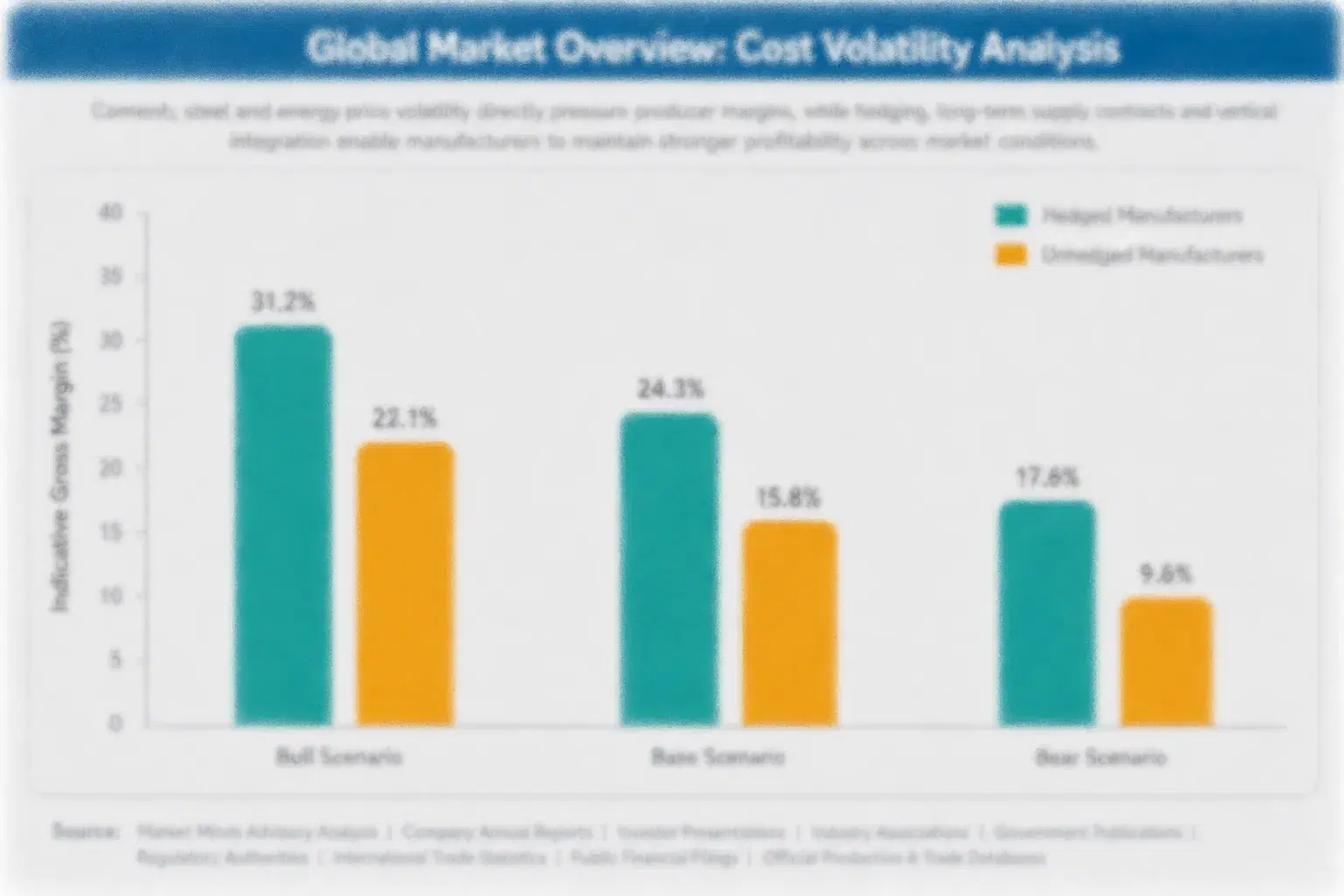
What Drives UK Shrimp Costs

Raw shrimp accounts for roughly 65% to 75% of supplier cost, coating and ingredients about 6%, labour about 8%, packaging about 5%, and freight, duty and certification about 10%. Shrimp comes from Vietnamese, Ecuadorian, Indian and Bangladeshi farms and from North Atlantic prawn fisheries. Small importers feel every price swing. Scale compounds over time. Audits repeat every year. Buyers review suppliers every season.
The clearest recent shock came from prices and freight. The Thai Union Annual Report 2024 recorded weak shrimp prices and volatile raw material costs, and UK Office for National Statistics data showed food price inflation peaking above 19% in 2023, so suppliers raised prices by 8% to 15% and absorbed part of the increase. Supply contracts decide renewal. Delivery reliability decides supplier rankings. Margins follow sourcing discipline. Audit records protect future sales.

The competitive disadvantage falls on suppliers without duty-preferred origin, flexible sourcing or residue records, which cannot hold retailer accounts through cost and tariff shocks. Large groups own processing, buy at scale and spread cost across many products. Exposure also varies by geography, since standard origins pay duty while preferred origins enter at lower rates. Cost control separates leaders from followers.
united-kingdom-shrimp-market-cost-volatility-analysis-1789934207533

Multi-Origin Contracts and Rules-of-Origin Compliance

Importers sign contracts across Vietnam, Ecuador and Bangladesh and document rules of origin. Programmes cut landed cost by 4% to 8% each year. The main challenge is minimum volume commitments, so importers stage contracts with two origins first and keep spot access for flexibility in weak-demand quarters. Clear specifications build buyer trust. Small importers feel every price swing.

Farm Audits and Rapid Residue Testing

Importers audit farms, test each lot for antibiotic and sulphite residues and keep lot-level records. Programmes cut rejected lots by 30% to 50% each year. The main challenge is farm cooperation, so larger importers pay for audits and smaller importers share testing services with trade groups. Scale compounds over time. Audits repeat every year. Buyers review suppliers every season.

Mix Shift Toward Coated and Ready-to-Cook Products

Suppliers shift capacity toward coated, marinated and ready-to-cook products that carry higher margins and absorb price swings. A shift of 10% of volume lifts gross margin by two to four points. The main challenge is capital and retailer approvals, so suppliers run pilots early and keep plain frozen shrimp for core buyers. Supply contracts decide renewal.

Portfolio Architecture for Margin Defence

Margins run from thin returns on plain frozen and cooked shrimp sold in private label volume to stronger returns on coated, marinated and certified products sold with retailer support. Three tiers separate volume products, premium certified lines and next-generation convenience formats, and each tier draws on different origin access, processing assets and retailer relationships in a moderately concentrated market. Clear specifications build buyer trust.
The tension between volume and premium is sharp. Raw frozen and cooked and peeled shrimp fill large private label and foodservice orders and serve price-led buyers but face tariff, freight and farm-gate swings, while coated, marinated and certified shrimp earn higher margins on smaller volumes and depend on capital, certification and retailer trust. Suppliers that run only volume struggle when costs spike, while suppliers that run only premium lose early volume.

High-value pools concentrate in value-added coated, marinated and ready-to-cook shrimp sold to supermarkets and takeaway brands and in premium certified and organic shrimp sold to premium and specialist grocers. They gather where buyers pay for convenience, provenance and quality rather than kilograms. Cold-water prawns add a traditional pool. Small importers feel every price swing. Scale compounds over time.

Volume / Commodity-Adjacent Tier

Raw frozen king prawns and cooked and peeled warm-water shrimp sold in volume to private label buyers, discounters and foodservice under short contracts at thin margins. Audits repeat every year. Buyers review suppliers every season.
Gross Margin: 7%-13%

Premium / Certified Tier

Premium certified and organic shrimp and cold-water prawns with defined origin, traceability records and audit files, sold to premium and specialist grocers and restaurants. Supply contracts decide renewal. Delivery reliability decides supplier rankings.
Gross Margin: 14%-24%

Sustainability / Regulatory / Next-Generation Tier

Value-added coated, marinated and ready-to-cook shrimp with portion control, residue records and retailer approvals, sold to supermarkets, takeaway brands and meal services. Margins follow sourcing discipline. Audit records protect future sales. Cost control separates leaders from followers.
Gross Margin: 16%-27%
united-kingdom-shrimp-market-portfolio-architecture-1789934207823

High-value Sub-segments and Strategic Watch-out

Value-Added Coated, Marinated and Ready-to-Cook Shrimp

Value-added coated, marinated and ready-to-cook shrimp combines the fastest growth with strong pricing, since supermarkets and takeaway brands pay for breaded and garlic butter prawns at gross margins of 16% to 27%. Raw shrimp cost and yield limit competition, and suppliers with retailer contracts win. Repeat supply builds through
Gross Margin: 16%-27%

Premium Certified and Organic Shrimp

Premium certified and organic shrimp deliver firm growth and pricing, since British shoppers and specialist grocers pay for ASC certified and organic prawns at gross margins of 14% to 24%. Certified supply and traceability form the entry barrier, and suppliers with farm relationships and audit records win listings.
Gross Margin: 14%-24%

Cooked and Peeled Warm-Water Shrimp

Cooked and peeled warm-water shrimp are the volume core for importers with cold chain and origin access. Value grows about 3.9% a year, and landed cost, tariff position and delivery reliability decide profit. Importers anchor sales on long relationships with retailers and foodservice buyers. Clear specifications build buyer trust.
Gross Margin: 7%-13%

Cold-Water Prawns

Cold-water prawns are the strategic watch-out, since growth of about 3.2% a year trails the leaders, quotas limit supply, prices are high and shoppers switch to warm-water shrimp. Suppliers should manage these lines selectively and steer capacity toward coated and certified products. Small importers feel every price swing.
Gross Margin: 9%-15%

Why Retailers Keep Shrimp Suppliers

British shrimp demand behaves like an annuity attached to freezer ranges, party food platters and takeaway menus. Once a retailer qualifies a supplier whose size, residue records and delivery it trusts, it repeats the order every month, and switching means new audits, retested cooking performance and possible label change. Buyers use last season's delivery record to fix renewals, so suppliers with clean records earn steadier volume.
Adoption stickiness differs by end-use vertical. Private label retailers and takeaway chains are the deepest, since specifications are written into tenders and change only when supply or price becomes impossible. Branded retail follows shopper loyalty. Restaurants are moderate and switch on cost, while spot traders are shallow. Scale compounds over time. Audits repeat every year. Buyers review suppliers every season. Supply contracts decide renewal.

Buyer profiles are shifting between generations. Older buyers chose prawns on tradition and price, while younger buyers ask for convenience, sustainability, provenance and flavour variety. Regulators and retailers add a third group that sets residue, certification and sourcing rules. Suppliers that publish farm and testing data win newer buyers and keep them. Delivery reliability decides supplier rankings. Margins follow sourcing discipline.
united-kingdom-shrimp-market-end-use-penetration-index-1789934208112

MMA Verdict on UK Shrimp Strategy

These are among the four positions where our research anticipates prominent divergence between winners and laggards over the coming forecast period. Each is grounded in the demand model, the regulatory perimeter, and the announced capacity pipeline.
01 / VALUE-ADDED PRODUCT STRATEGY

Build Coated and Ready-to-Cook Lines Before Retailers Lock In Prawn Suppliers

Value-Added Coated, Marinated and Ready-to-Cook Shrimp grows at 5.6% a year, about 1.40 times the overall market rate, and gross margins of 16% to 27% compare with 7% to 13% for plain frozen shrimp. Suppliers should commit $8 million to $30 million to coating, marinating and packing lines, and shift 10% of volume into these products to lift gross margin by two to four points. Those that stay in plain frozen will lose retail growth, while early movers keep listings and loyalty.
02 / TRADE SOURCING STRATEGY

Rebalance Origins Before Tariffs and Price Swings Erode Landed Margins

Cooked and peeled shrimp pays UK duty of up to 20% while Ecuadorian, Vietnamese and Bangladeshi origins enter on preference, and farm-gate prices swing widely, so importers with one origin carry every swing in landed cost. Suppliers should invest $3 million to $12 million in multi-origin contracts, rules-of-origin compliance and forward cover, target duty-preferred farms first, and cut landed cost by 4% to 8% each year. Those with one origin will lose margin, while diversified importers hold volume and cost position across every cycle.
03 / RESIDUE COMPLIANCE STRATEGY

Invest in Testing and Traceability Before Rejections Cost Retailer Listings

British retailers audit antibiotic and sulphite residue records, and a failed lot means holds, returns and lost retailer confidence, so suppliers without residue control face delisting. Suppliers should invest $1 million to $5 million in farm audits, rapid testing and traceability records, target Indian and Bangladeshi farms first, and cut rejected lots by 30% to 50% each year. Those without controls will lose retailer programmes, while prepared suppliers hold access, cost position and long supply agreements across every buying season ahead.
04 / PREMIUM RANGE STRATEGY

Hold Certified Premium Ranges Before Shoppers Trade Down to Private Label

British shoppers pay more for ASC certified and organic prawns, retailers list premium ranges for sustainability credentials, and suppliers without a clear premium range lose shelf space to rivals. Suppliers should invest $2 million to $8 million in certification, traceable supply and premium packaging, target premium and specialist grocers first, and lift qualified accounts by 12% to 20% each year. Those without a clear range will lose listings, while prepared suppliers hold access, premium pricing and long supply agreements across every season.

Engagement Snapshot From the Field

A live engagement with an industry participant carrying material or product regulatory and market exposure ahead of a defining policy shift, showing how our research translates into a defensible multi-year portfolio strategy.
MARKET MINDS ADVISORY · CLIENT ENGAGEMENT SUMMARY
UK Shrimp Producer Strategic Portfolio Review and Transition Roadmap 2026·Investment Scenario on UK Shrimp Exposure Evaluation 2025-26
CLIENT PROFILE
The client is a mid-sized British frozen seafood importer with annual sales near $160 million (client-reported, unverified by MMA), supplying raw and cooked shrimp and prawns to supermarkets, discounters and foodservice buyers across the United Kingdom. It bought from four Asian suppliers, ran one coating line, and had faced an 18% landed cost rise. Audit records protect future sales.
STRATEGIC CHALLENGE
Tariffs and freight raised landed cost, private label pressure squeezed margin, and a supermarket asked for garlic butter and breaded ranges with residue traceability. Management needed to decide whether to shift origin, add a coating line, or invest in testing, with limited working capital and one retailer holding 35% of sales. Cost control separates leaders from followers.
MMA APPROACH
MMA analysed sales, cost and price data across 29 products, interviewed nine shrimp, retail and trade experts and four suppliers, and ran a shopper survey on price, coated formats and provenance across three cities. It modelled margin by origin and tariff scenario and ranked options by payback and execution risk. Clear specifications build buyer trust.
KEY FINDINGS
  1. Coated and marinated ranges would earn gross margins near 22% against 9% for plain frozen shrimp but need a second line costing about $6 million (client-reported, unverified by MMA).
  2. Shifting 30% of volume to duty-preferred origin would cut landed cost by about 6%. Small importers feel every price swing. Scale compounds over time.
  3. Rapid residue testing would cut rejected lots by about 40% and protect the largest listing. Audits repeat every year. Buyers review suppliers every season.
  4. ASC certified prawns would take about seven months to document and open two premium grocers. Supply contracts decide renewal. Delivery reliability decides supplier rankings.
CLIENT PROFILE
The client is a mid-sized British frozen seafood importer with annual sales near $160 million (client-reported, unverified by MMA), supplying raw and cooked shrimp and prawns to supermarkets, discounters and foodservice buyers across the United Kingdom. It bought from four Asian suppliers, ran one coating line, and had faced an 18% landed cost rise. Audit records protect future sales.
STRATEGIC CHALLENGE
Tariffs and freight raised landed cost, private label pressure squeezed margin, and a supermarket asked for garlic butter and breaded ranges with residue traceability. Management needed to decide whether to shift origin, add a coating line, or invest in testing, with limited working capital and one retailer holding 35% of sales. Cost control separates leaders from followers.
MMA APPROACH
MMA analysed sales, cost and price data across 29 products, interviewed nine shrimp, retail and trade experts and four suppliers, and ran a shopper survey on price, coated formats and provenance across three cities. It modelled margin by origin and tariff scenario and ranked options by payback and execution risk. Clear specifications build buyer trust.
KEY FINDINGS
  1. Coated and marinated ranges would earn gross margins near 22% against 9% for plain frozen shrimp but need a second line costing about $6 million (client-reported, unverified by MMA).
  2. Shifting 30% of volume to duty-preferred origin would cut landed cost by about 6%. Small importers feel every price swing. Scale compounds over time.
  3. Rapid residue testing would cut rejected lots by about 40% and protect the largest listing. Audits repeat every year. Buyers review suppliers every season.
  4. ASC certified prawns would take about seven months to document and open two premium grocers. Supply contracts decide renewal. Delivery reliability decides supplier rankings.
RECOMMENDED STRATEGY
Phase 1: Phase 1 (Months 1-6): Shift 30% of volume to duty-preferred origin and start rapid residue testing. Margins follow sourcing discipline. Audit records protect future sales. Phase 2: Phase 2 (Months 7-24): Build the second coating line and launch garlic butter and breaded ranges for two retailers. Cost control separates leaders from followers. Phase 3: Phase 3 (Months 25-42): Extend certified premium prawns to specialist grocers and review terms yearly. Clear specifications build buyer trust. Small importers feel every price swing.
OUTCOME
Within 42 months, coated ranges reached a fifth of sales, landed cost fell by about 6%, and rejected lots fell by about 40% (client-reported, unverified by MMA). Gross margin rose by four points, and profit exceeded plan by about 3%. Scale compounds over time. Audits repeat every year.

Frequently Asked Questions

Foundational context covering the market sizes, CAGR, scope, country, region and competition that inform every finding below. This section is provided to cover basics and most often pre-purchase conversations, answered from the MMA Primary Research Dataset.

What is the current size of the UK Shrimp Market?

The UK shrimp market was valued at $2.60 billion in 2025 on a supplier and processor-value basis. Growth is supported by party food demand and coated formats, offset by tariffs and private label pressure.

How large will the UK Shrimp Market be by 2036?

The market is projected to reach $4.00 billion by 2036, up from $2.70 billion in 2026. The increase of $1.30 billion reflects coated products, certified premium shrimp and duty-preferred sourcing.

What is the CAGR for the UK Shrimp Market 2026 to 2036?

The market is forecast to grow at a 4.0% CAGR from 2026 to 2036. The bull case reaches 5.2% and the bear case 2.8%, depending on tariffs, farm-gate prices and coated format demand.

Which segment is growing fastest?

Value-Added Coated, Marinated and Ready-to-Cook Shrimp is the fastest-growing segment at 5.6% CAGR, roughly 1.40 times the overall market rate. Premium Certified and Organic Shrimp follows at 4.8% CAGR each year.

Who are the major companies in the UK Shrimp Market?

Major companies include Young's Seafood, Royal Greenland, Thai Union Group, Espersen and Lerøy Seafood Group. Whitby Seafoods, Nomad Foods, Cooke Aquaculture, Minh Phu Seafood and Camimex Group also hold positions in British shrimp.

Which country is growing fastest?

Vietnam is growing fastest as a supply origin at about 6.2% CAGR, because processors are adding coating and cooking lines for British retailers. Bangladesh and Ecuador follow as importers diversify origin.

Report Segmentation Architecture

The full report scope spans multiple orthogonal segmentation dimensions, with cross-tabulated demand data provided for each dimension pair. Coverage extends further to regional breakdowns, trend trajectories, and the competitive detail needed to support segment-level decision-making.

By Primary Market Dimension

  • Cold-Water Prawns
  • Raw Frozen Warm-Water King Prawns
  • Cooked and Peeled Warm-Water Shrimp
  • Value-Added Coated, Marinated and Ready-to-Cook Shrimp
  • Premium Certified and Organic Shrimp

By End-Use Industry

  • Retail Supermarkets
  • Discount Retailers
  • Restaurants and Takeaways
  • Food Processing
  • Catering and Institutions

By Commercial Dimension

  • Private Label Programmes
  • Branded Retail
  • Importers and Distributors
  • Wholesale and Cash and Carry
  • Online Retail

By Region

  • Western Europe
  • South Asia and Pacific
  • Latin America
  • North America
  • East Asia
  • Middle East and Africa
  • Eastern Europe

Scope, Methodology, and Coverage

Every figure in this report is reproducible from documented input assumptions. The scope below maps the historical period, the forecast horizon, the segmentation dimensions, and the countries covered, alongside the underlying primary and qualitative methodology.
Historical Period
2020 to 2025
Forecast Period
2026 to 2036
Base Year
2025 (USD billions; MMA Primary Research Dataset, September 2026)
Market Definition
The market covers sales of shrimp and prawns in the United Kingdom valued at supplier and processor level, including cold-water prawns, raw frozen warm-water king prawns, cooked and peeled warm-water shrimp, value-added coated, marinated and ready-to-cook shrimp, and premium certified and organic shrimp, sold through retail, foodservice and food processing. The scope excludes crab, lobster, langoustine, canned shrimp and shrimp feed.
Quantitative Units
USD billions (supplier and processor value); thousand tonnes of shrimp for volume references
Segmentation Dimensions
By Product Form; By End-Use Industry; By Commercial Dimension; By Region of Origin
Regions Covered
Western Europe, South Asia and Pacific, Latin America, North America, East Asia, Middle East and Africa, Eastern Europe
Countries Covered
United Kingdom, with sourcing from Vietnam, Thailand, Indonesia, India, Bangladesh, Ecuador, Honduras, Nicaragua, Denmark, Norway, Iceland, Ireland, Canada, China, Madagascar, Mozambique, Poland, Latvia, and additional origin markets relevant to this sector
Key Companies Profiled
Young's Seafood, Royal Greenland, Thai Union Group, Espersen, Lerøy Seafood Group, Whitby Seafoods, Nomad Foods, Cooke Aquaculture, Minh Phu Seafood, Camimex Group, Devi Seafoods, Apex Frozen Foods, Avanti Feeds, Charoen Pokphand Foods, Expalsa, Omarsa, Santa Priscila, Songa, Iceland Seafood International, Ocean Choice International
Quantitative Methodology
Primary survey, n=3,800 respondents, Q4 2025, six countries; demand-side model with trade association cross-validation
Qualitative Methodology
47 expert interviews, Q4 2025; applied to validate demand model assumptions, identify emerging dynamics, and assess competitive positioning
Report Format
PDF and XLSX data workbook (Word format preview document)
Publisher
Market Minds Advisory
Report Code
MMA-2026-AGR-970
Published
September 2026
Contact
sales@marketmindsadvisory.com | www.marketmindsadvisory.com

Purchase the full UK Shrimp Market Report (2026 to 2036).

The full report delivers a detailed assessment of the UK shrimp market through 2036, covering product form, end-use and origin-region forecasts, competitive benchmarking of leading suppliers, and input cost analysis. It combines MMA primary research, including a six-country survey of 3,800 respondents and 47 expert interviews, with public statistical and company data. Analysts also model tariff scenarios, price paths and coated format adoption. Clients receive segment margin ranges, supply maps and a case study on format and sourcing strategy. Supplier programme and contract frameworks are also included for planning.
Ten-year product form and end-use demand forecasts
Raw shrimp, freight, and duty cost tracking
Competitive benchmarking of leading shrimp suppliers
Tariff and origin rule tracker with updates
Origin region comparative analysis and forecasts included
Quarterly primary survey data update access

Built For The People Who Decide

From boardroom strategy to bench-side execution, this report is read cover-to-cover by leaders shaping the next decade of their industry, turning demand scenarios, market dynamics and valuation benchmarks into decisions.
CXOs/ Presidents/ VPs/ Managers
M&A and Corporate Development
Strategy Teams and R&D Heads
Procurement and Product Directors
Regulatory and Compliance Leaders
Investor Relations and Equity Analysts