Market Minds Advisory
UK Fungal Protein Market

UK Fungal Protein Market: UK Fungal Protein Market. Mycoprotein Incumbency, Fermentation Scale-Up and Novel Food Approvals

UK fungal protein spans incumbent Quorn and new fermentation entrants, and its returns now turn on retail price gaps to meat, Food Standards Agency approvals, and whether British capacity can scale before imports arrive.

Lead Analyst

Published

September 2026

Make Smarter Decisions with Customized Research Insights

Request a free sample report and evaluate market opportunities, growth trends, and competitive dynamics relevant to your business needs.

2025 MARKET VALUE$0.4BMarket Size 2025
2036 FORECAST VALUE$1.4BBase Case , 2026 to 2036
CAGR 2026 TO 203612.5 %Bull 13.8% / Bear 11.2%
INCREMENTAL OPPORTUNITY$1.0BNet 10- year value creation
EXPANSION MULTIPLE3.25x2036 value over 2026 base
Strategic Levers
M&A Pipeline
Regional Outlook
Country Rankings
Competitive Intelligence
Segmental Deep-dive
Call-Us : 91 93563 13602

Executive Snapshot and Market Trajectory.

The United Kingdom is the birthplace of mycoprotein and still its most developed market, with Quorn on every supermarket shelf. Growth has shifted from chilled retail products to fermentation-derived ingredients, and buyers now ask whether fungal protein can reach price parity with chicken. Buyers ask for proof. Shoppers watch prices.
Fermentation-Derived Fungal Biomass Ingredients grow fastest because food makers want binders, extenders and hybrid meat inputs rather than finished analogues, while retail mycoprotein products still carry the largest sales. This lens reads the seven regions as supply-origin regions for UK demand, and Western Europe leads because British plants and continental imports together supply most volume. Gross margins run 20% to 36%. Buyers ask for proof.
Five suppliers hold about 45% of value, led by Quorn Foods, Enough, Nature's Fynd, Meati Foods and MycoTechnology, and scale in fermentation capacity decides cost per tonne. Food Standards Agency novel food authorisation, sandbox schemes for cell and fermentation foods, and high fat, salt and sugar promotion rules shape entry, and retailers audit protein content, allergen controls and batch traceability. Approval status also shapes which suppliers retailers list. Buyers ask for proof.
Market Definition
The market covers UK sales of fungal protein products and ingredients, including mycoprotein, fermentation-derived fungal biomass, solid-state fermented fungal products and fungal hybrid meat ingredients, sold through retail, foodservice and food manufacturing. It excludes mushrooms and mushroom extracts, yeast extracts, mycelium-based packaging and materials, plant proteins, cultivated meat and precision fermentation dairy proteins.
Base Year Value
$0.4B in 2025 (MMA Primary Research Dataset, September 2026)
Forecast Period
2026 to 2036, eleven discrete annual values
CAGR
12.5% base case. Bull 13.8%. Bear 11.2%.
Fastest Growth Segment
Fermentation-Derived Fungal Biomass Ingredients: 17.5% CAGR
Fastest Growth Country
Netherlands: 15.0% CAGR
Fastest Growth Region
South Asia and Pacific: 14.5% CAGR
Largest Region
Western Europe: 54% of 2025 global value
Market Leaders
Quorn Foods, Enough, Nature's Fynd, Meati Foods, MycoTechnology. Source: MMA Analysis, company annual reports.
Primary Survey
n=3,800 procurement and R&D decision-makers, Q4 2025, six countries
Methodology
Demand-side build-up, cross-validated against public data, 47 expert interviews

UK Fungal Protein Market Forecast Scenarios

united-kingdom-fungal-protein-market-size-forecast-scenario-1789969844543
From 2020 to 2025 UK fungal protein grew at about 11.5% a year from a modest base. Quorn's retail sales recovered after pandemic disruption, then meat alternative demand cooled in 2023 as prices rose and shoppers reacted to processed-food headlines. New fermentation entrants raised capital, opened pilot plants and signed retail listings, though several delayed scale-up when funding tightened.
The base case of 12.5% rests on three named mechanisms. Retailers such as Tesco and Sainsbury's expand own-label mycoprotein lines, which widens shelf presence beyond branded products. Fermentation plants in Scotland and northern England lower cost per tonne as they reach commercial scale. Foodservice chains add hybrid dishes that blend fungal protein with meat, cutting cost and saturated fat. Each mechanism is already visible in listings, capacity plans and menu launches.
The bull case reaches 13.8% if Food Standards Agency approvals arrive quickly, fermentation cost falls toward chicken parity and hybrid products spread across foodservice. The bear case falls to 11.2% if consumer scepticism about ultra-processed foods deepens and funding gaps stall plant construction. Both cases assume stable feedstock supply and unchanged labelling rules. Neither case assumes new tariffs on imported biomass.

Retail Price Gaps, Approval Timelines and Fermentation Cost Set UK Fungal Protein Returns

Fungal protein is grown by fermenting filamentous fungi on sugar-based feedstock in large vessels, then harvesting, heat treating and forming the biomass into fibrous, meat-like textures. Mycoprotein has been sold in Britain since the 1980s, which gives the country a long safety record, trusted consumer brands and the only regulator with decades of experience assessing fungal foods in supermarkets.
MARKET CONCENTRATION45% CR5Top five suppliers hold nearly half of category sales
PROTEIN CONTENT45%Typical dry weight protein share of finished mycoprotein products
RETAIL PRICE PREMIUM1.3-1.8xShelf price multiple against comparable chicken products in supermarkets
FEEDSTOCK COST SHARE32% of COGSGlucose and nutrient inputs within total fermentation production cost
OWN-LABEL SHARE18%Portion of category sales sold under retailer private brands
APPROVAL TIMELINE18-36 monthsTypical duration of novel food authorisation for new fungal strains
Value concentrates in three places. Retail mycoprotein products, mainly chilled and frozen pieces, mince and fillets, carry the largest sales. Fermentation-derived biomass ingredients sold to food makers carry the fastest growth as hybrid and blended products spread. Solid-state fermented products such as tempeh-style foods add a smaller pool, where premium pricing and artisan positioning offset limited scale and higher cost per kilogram.
Supply comes from a handful of plants. Quorn runs large fermenters at Billingham, Enough operates a growing facility in Scotland, and imports arrive from continental Europe and North America. Fermentation runs continuously, retailers hold two to three weeks of stock, and contracts follow annual listing reviews. New entrants need capital, food-grade biomass and approval, and each takes years to secure. Approval and audit costs keep entrants cautious.
"Britain gave the world mycoprotein and then let it sit for three decades. The next wave will not be won by better burgers. It will be won by whoever makes fungal biomass cheaper than chicken breast and gets a retailer to say so on the shelf."
Senior Analyst, Alternative Protein and Fermentation Practice · MMA UK Fungal Protein Practice · September 2026

Market Trends

Hybrid Meat Products Blend Fungal Biomass With Beef and Chicken

Food makers and foodservice chains blend 20% to 40% fungal biomass into burgers, mince and sausages to cut saturated fat and cost per kilogram while keeping meaty texture. Fermentation-Derived Fungal Biomass Ingredients grow about 17.5% a year, and gross margins run 24% to 36%. The trend needs consistent texture, neutral flavour and clear labelling, and it favours suppliers with application labs and large fermenters, while meat processors weigh minimum meat content rules and brand risk. Retailers pilot hybrid lines in ready meals and school catering before scaling them nationally. Retailers pilot lines in ready meals first.
Market Impact: own-label holds 18% of sales
Scottish Fermentation Plants Move From Pilot Scale to Commercial Capacity

Enough opened a commercial-scale facility in Scotland, Quorn continues to expand fermenters at Billingham, and several start-ups have raised funds to build plants in northern England and Wales. Added capacity of about 15,000 tonnes a year over the decade would lower unit cost by 15% to 25% as vessels fill. The trend depends on stable financing and glucose supply, and it rewards operators with high uptime and yield, while delays in commissioning and contamination events remain the main risks for young operators facing tight lender scrutiny. Lenders demand offtake contracts before releasing funds.
Market Impact: adults eat 20 of 30 grams

Market Opportunities and Growth Drivers

Supermarket Own-Label Ranges and Protein Targets Widen Fungal Shelf Presence

Tesco, Sainsbury's, Asda and Co-op have set targets to raise plant-based and lower-meat protein sales, and own-label mycoprotein lines now sit next to branded products. Own-label already holds about 18% of category sales. The driver rewards suppliers that can produce private-label volume at retailer prices, and it pulls newcomers into contract manufacturing, while retailer audits on traceability, allergens and carbon data determine who wins listings and long-term supply agreements from major chains across the chilled and frozen aisles. Contract volumes also give young fermentation operators the revenue visibility they need to raise debt for new vessels.
Market Impact: fungal products cost 1.3-1.8x chicken

Health Policy and Fibre Messaging Favour Fungal Protein

Mycoprotein contains fibre, is low in saturated fat and has been linked in clinical studies to lower cholesterol, which suits public health messaging on fibre intake, since average British adults eat about 20 grams a day against a 30 gram guideline. The driver supports retailer health claims and school and hospital catering trials, and it rewards suppliers with clinical evidence, while high fat, salt and sugar rules and ultra-processed food debates require careful product design and clear communication with consumers. Hospital and school caterers cite fibre and cholesterol benefits when they trial mycoprotein menus for patients.
Market Impact: approvals take 18-36 months

Market Restraints and Challenges

Price Premium Over Chicken and Ultra-Processed Concerns Limit Household Adoption

Fungal products sell at 1.3 to 1.8 times comparable chicken products, and shoppers under cost pressure trade down. The root cause is fermentation cost per tonne and small plant scale, compounded by media coverage of ultra-processed foods. Sales growth in retail has slowed since 2023, and promotional discounts erode margin. Producers respond with larger fermenters, cheaper feedstock, hybrid products that lower shelf price and shorter ingredient lists, though price parity with chicken remains several years away. Some retailers now cap promotions on meat alternatives, and shoppers compare unit prices against own-label chicken lines every week.
Market Impact: hybrid blends grow 17.5% yearly

Novel Food Authorisation Timelines and Contamination Risks Slow New Strains

New fungal strains need Food Standards Agency authorisation, which takes 18 to 36 months and costs $1 million to $3 million per dossier, and fermentation plants must control contamination that can close a vessel for weeks. The root cause is thorough safety assessment and the sensitivity of continuous fermentation. Start-ups wait for approval before selling and lose cash, and plants lose output. Producers respond with shared safety data, early regulator meetings and stricter hygiene systems, though timelines remain uncertain. Insurers and lenders also price contamination risk into project finance, which raises capital cost for young operators.
Market Impact: new plants add 15,000 tonnes yearly
3 additional market trends, 2 additional growth drivers, and 4 additional restraints and challenges are covered in the full report. Contact sales@marketmindsadvisory.com to access the complete intelligence.

Segment CAGR and Growth Architecture

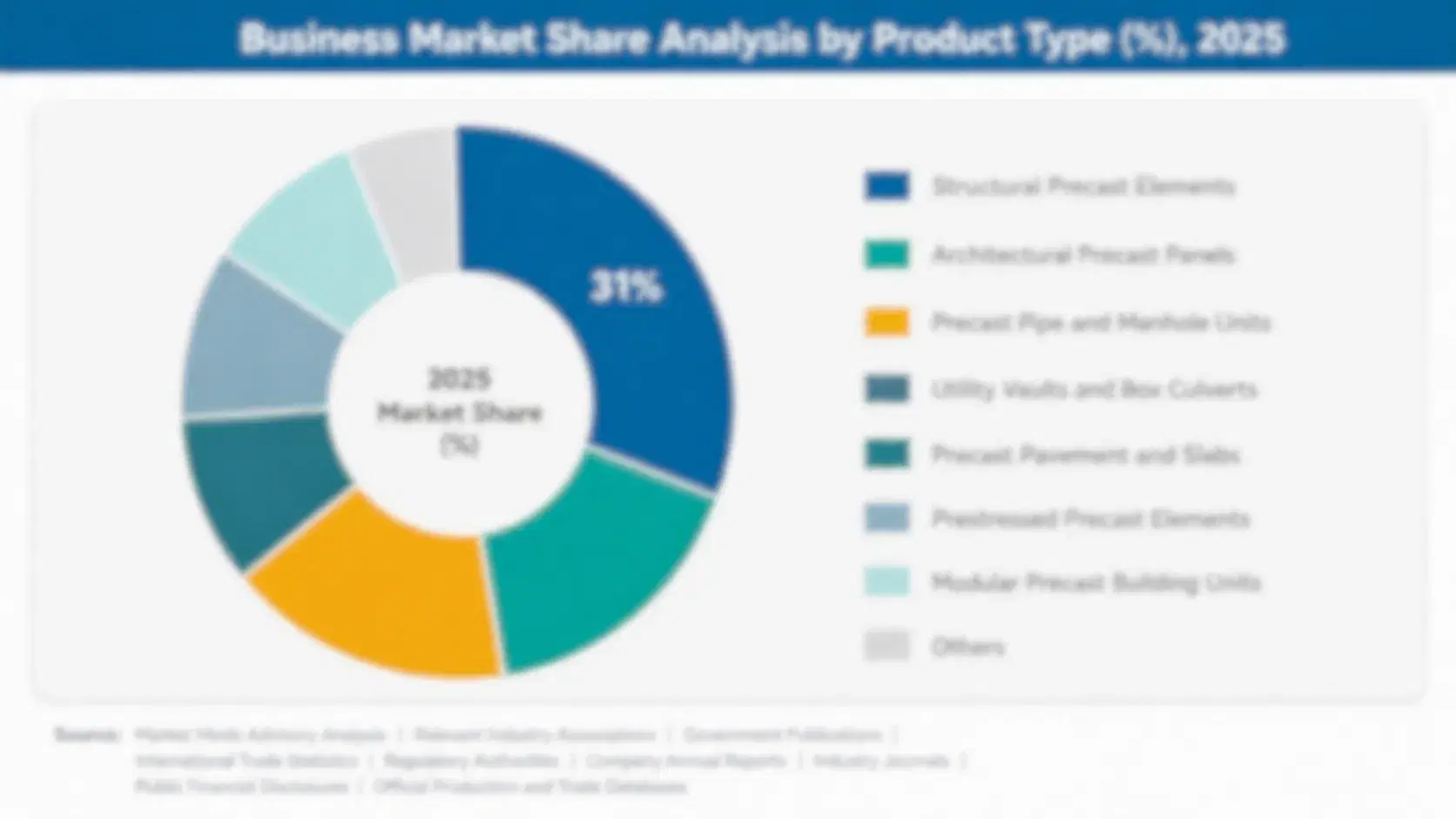
The UK fungal protein market is segmented by product and process type, which shows where fermentation scale, approvals and price tolerance differ. Five segments cover submerged mycoprotein products, fermentation-derived biomass ingredients, solid-state fermented products, fungal protein concentrates and flours, and fungal dairy and egg ingredients. Biomass ingredients and solid-state products grow fastest, while mycoprotein products carry the most sales.
united-kingdom-fungal-protein-market-market-share-analysis-1789969844835

Fermentation-Derived Fungal Biomass Ingredients

Fermentation-Derived Fungal Biomass Ingredients is the fastest-growing segment at 17.5% a year, about 1.40 times the overall market rate. Food makers buy wet or dried biomass for hybrid burgers, sausages, ready meals and plant-based blends, where it adds fibre, protein and texture at lower cost than finished analogues. Gross margins of 24% to 36% reward suppliers with large fermenters, consistent texture and application labs. Growth depends on cost per tonne falling and retailers backing hybrid products, while minimum meat content rules and labelling clarity limit some launches. Foodservice pilots add volume, and suppliers with stable capacity win the largest multi-year contracts from national brands. Retail listings for hybrid lines follow pilot programmes.
CAGR 17.5%

Solid-State Fermented Fungal Products

Solid-State Fermented Fungal Products grows at 15.0% a year, about 1.20 times the overall market rate, because tempeh-style foods and mycelium-grown whole cuts appeal to health-focused and premium shoppers. Producers such as Better Nature grow fungi on grains and legumes in trays, which uses less energy than tank fermentation and gives a whole-food image. Gross margins of 26% to 38% support artisan pricing, though cost per kilogram and small batch size limit reach. Independent retailers, online channels and restaurants lead sales, and larger supermarkets test listings. Suppliers with reliable output, clear provenance and simple ingredient lists hold the strongest positions in the segment. Online subscription boxes and specialist grocers add reach beyond supermarkets.
CAGR 15.0%
Full segment breakdown across 5 segments available in the complete report.

Regional Architecture and Country Demand Map

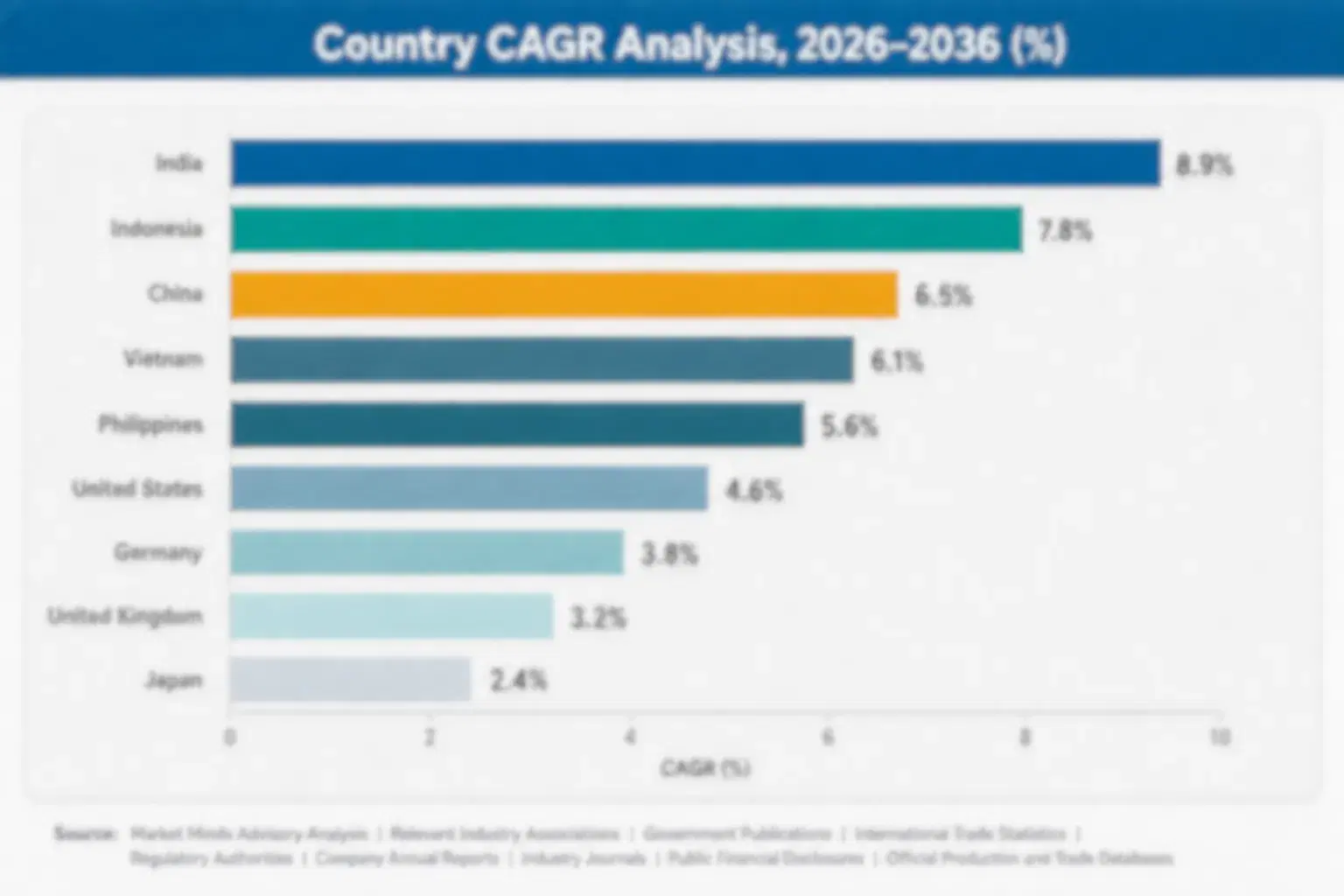
Western Europe leads at 54% because British plants at Billingham and in Scotland plus continental imports supply most UK volume. North America follows at 22% on United States fermentation imports. South Asia and Pacific grows fastest, while East Asia stays a small origin. Latin America and Eastern Europe follow.

North America

North America holds 22% share, at the floor of its band, with growth at the global rate of 12.5%. United States producers such as Nature's Fynd, Meati Foods and MycoTechnology sell biomass and concentrates into British food makers, and American ingredient groups license fermentation know-how to British plants. Trade in fungal ingredients faces certificate and labelling requirements after Brexit, but tariff-free routes exist for most lines. Canadian pilot plants add minor volume. Supply from this region is concentrated in ingredients rather than finished products, and British buyers value American application data. Quality audits precede every listing, and freight from the East Coast adds about five days to lead times. Lead times matter.
Share: 22% | CAGR: 12.5% (2026 to 2036)

Western Europe

Western Europe holds 54% share, above its band, which justifies the out-of-band share: under this supply-origin lens the region includes the United Kingdom itself, where Quorn's Billingham fermenters and Enough's Scottish plant supply most domestic volume, plus imports from the Netherlands, Germany and France. Because British and continental supply take the top slot together, the commercial reason is that fermentation capacity, food-grade sugar and Food Standards Agency experience sit here. Growth trails the global rate at 11.0% because the base is mature. Retail contracts favour local supply, and post-Brexit border checks add cost to continental shipments and slow perishable freight. Retail buyers favour local supply for chilled lines, and continental producers must hold export certificates and health marks.
Share: 54% | CAGR: 11.0% (2026 to 2036)
Regional intelligence for 5 additional markets available in the complete report: East Asia, South Asia and Pacific, Latin America, Middle East and Africa, Eastern Europe. Contact sales@marketmindsadvisory.com.
united-kingdom-fungal-protein-market-country-cagr-analysis-1789969845152

Four Margin Routes for UK Fungal Protein Producers

Margin in UK fungal protein comes from fermentation cost, retailer relationships, hybrid product development and regulatory readiness rather than volume alone. The routes below apply to established brands, start-ups and contract manufacturers, and each can start inside one planning cycle, with clear measures in gross margin points, cost per tonne and listing wins. Payback usually runs three to four years.

Scaling Fermenter Capacity to Lower Cost Per Tonne of Biomass

Fermentation cost falls sharply with vessel size and uptime, so producers that raise fermenter capacity and lift uptime above 85% cut cost per tonne by 15% to 25% and improve gross margin by four to six points. Capital runs $30 million to $120 million per plant. Producers should stage construction, secure glucose supply contracts and sign retailer offtake before commissioning, since lenders require volume certainty and new operators face contamination risk. Buyers reward suppliers that show credible cost curves and steady delivery, and larger plants also open export options to continental Europe.
Market Impact: larger fermenters cut cost per tonne by 15-25%

Winning Retailer Own-Label Contracts With Consistent Quality and Traceability

Own-label already holds about 18% of category sales, and retailers want secure suppliers with traceable feedstock and carbon data. Producers that win own-label contracts fill plant capacity and gain volume worth 15% to 25% of output, though margins run three to five points below branded lines. Producers should offer flexible pack formats, audit-ready records and joint promotions, since retailers qualify few suppliers and renew contracts yearly. Contract manufacturing also spreads fixed cost over larger volumes and lowers reliance on a single brand's fortunes. Retailers also expect carbon and feedstock traceability data.
Market Impact: own-label contracts fill 15-25% of plant output capacity

Developing Hybrid Products With Meat Processors and Foodservice Chains

Meat processors and restaurant chains want to cut cost and saturated fat without losing texture, so fungal biomass blended at 20% to 40% into burgers, mince and sausages opens sales worth 10% to 20% of new hybrid volume. Application labs cost $1 million to $3 million. Producers should start with two formats that already have retailer interest, share sensory panels with technical teams and offer trial lots, since processors rarely switch once a blend performs and faster launches raise pull-through volume and loyalty across the chilled aisle. Trial lots reduce risk for buyers.
Market Impact: hybrid products open sales worth 10-20% of volume

Preparing Novel Food Dossiers Early With Shared Safety Data

Approval is the gating factor for new strains, so producers that begin dossiers early, hold pre-submission meetings with the Food Standards Agency and share toxicology and compositional data cut time to market by six to 12 months. Dossiers cost $1 million to $3 million. Producers should invest in strain characterisation, allergen assessment and consumer studies, since safety credibility supports approval and retailer trust, and delays cost more than the dossier itself in a market where funding is selective and buyers list only authorised sources. Regulators also welcome consistent strain records and batch data.
Market Impact: early dossiers cut time to market by 6-12 months

Who Controls the Margin Pool

The UK fungal protein market is moderately concentrated, with a CR5 of 45%, because Quorn's long incumbency and Billingham fermenters give it a scale advantage over young entrants. This assessment measures participants on estimated fungal protein sales value in the United Kingdom, held constant across all players. Quorn Foods leads by a wide margin, Enough follows through Scottish capacity, and Nature's Fynd, Meati Foods and MycoTechnology supply imports. The gap between the leader and the fifth player is wide.
Competition runs on four dimensions today: cost per tonne of biomass, retailer listings, authorisation status and texture quality. Quorn wins on brand and shelf space, Enough wins on cost ambition and capital backing, and American entrants win on product novelty. Retailers compare price per kilogram of protein against chicken, and a failed audit or supply gap can remove a product from shelf within one listing cycle.

Emerging pressure comes from retailer own-label programmes, continental fermentation plants and hybrid products that use fungal biomass as an ingredient rather than a brand. Rankings shift where a producer commissions a plant, wins a large listing or secures approval for a new strain, and consolidation among start-ups continues as financing tightens.
united-kingdom-fungal-protein-market-company-positioning-matrix-1789969845454

Competitive Moat and Risk Dimensions

QUORN FOODS

Moat: Incumbent Brand and Fermenter Scale

Quorn Foods, owned by Philippines-based Monde Nissin, has produced mycoprotein at Billingham for decades and holds the strongest brand recognition, retailer relationships and food safety record in the category. Its large fermenters, established supply chain and clinical evidence on cholesterol give it a cost and trust advantage that newer entrants cannot copy quickly.
QUORN FOODS

Risk: Brand Fatigue and Margin Pressure

Quorn faces slower retail growth since 2023, aggressive promotions from own-label lines and consumer scepticism about processed meat alternatives. Its concentrated product range depends on a single fungal strain and site, so contamination or price pressure could hurt earnings, while its parent must balance investment across several markets and businesses.
ENOUGH

Moat: Low-Cost Fermentation and Capital Backing

Enough, the Scottish fermentation company, produces fungal biomass at a commercial-scale facility and has raised substantial venture and strategic capital. Its continuous fermentation process aims for lower cost per tonne than batch methods, and its ingredient focus suits hybrid products, giving it a route into food makers as well as retailers.
ENOUGH

Risk: Scale-Up and Funding Risk

Enough must fill its plant, prove its cost curve and keep raising capital while meat alternative demand is cooling. Process contamination, slow ramp-up or missed offtake targets would strain finances, and investors expect faster progress toward profitability than the young fermentation sector has so far delivered.

Players Tracked

Prominent Players

Quorn Foods
Enough
Nature's Fynd
Meati Foods
MycoTechnology

Other Key Players

Better Nature
Mycorena
Infinite Roots
The Protein Brewery
Fable Food
Prime Roots
Emergy
Libre Foods
Atlast Food
MyForest Foods
Mush Foods
Terramino Foods
Kerry Group
Ajinomoto
Roquette

Recent Developments

JANUARY 2026

Enough Announces Ramp-Up Milestone at Scottish Commercial Fermentation Facility With Retail Trial Volumes

Enough announced a ramp-up milestone at its Scottish commercial fermentation facility with retail trial volumes, according to company communications. It is organic capacity development, not an acquisition, and it tests the cost curve. The update covers uptime and yield. Financial terms were not disclosed. Timing remains open.
Signal: Confirms British fermentation capacity is moving from pilot to commercial output because retailers now request larger trial volumes.
FEBRUARY 2026

Quorn Foods Launches Hybrid Range With Meat Processor Partners and National Supermarket Listings

Quorn Foods launched a hybrid range with meat processor partners and national supermarket listings, according to company communications. It is a product launch and partnership, not an acquisition, and it tests hybrid demand. The range blends mycoprotein with chicken and beef. Sales terms were not disclosed.
Signal: Shows the incumbent is moving into hybrid products because cost and saturated fat targets favour blended formats over pure analogues.
MARCH 2026

Food Standards Agency Opens Consultation on Updated Assessment Route for Fermentation-Derived Foods

The Food Standards Agency opened a consultation on an updated assessment route for fermentation-derived foods, according to agency communications. It is a regulatory consultation, not an approval, and it tests timeline reform. The proposal covers safety data reuse. Adoption timing was not disclosed. Timing remains open.
Signal: Indicates regulators are responding to industry pressure because approval timelines of 18 to 36 months slow investment and launches.

Glucose and Energy Drive Fermentation Cost

Glucose and nutrient feedstock account for roughly 32% of production cost, energy for fermentation, cooling and drying about 20%, labour and maintenance about 16%, packaging and freight about 10%, and overheads about 22%. Glucose comes from British and continental sugar beet and wheat processors, ammonia and minerals from European chemical suppliers, and gas and power from the national grid at British industrial tariffs.
The clearest recent shock came in 2022. EIA and Ofgem data show wholesale gas and power prices in Britain rising more than threefold after the war in Ukraine, while Eurostat data show sugar and wheat prices climbing sharply. Fermentation producers absorbed part of the increase for several quarters, delayed expansion plans and secured price adjustments from retailers only after annual listing reviews, which compressed margins.

The disadvantage falls on young producers without long-term energy contracts or integrated feedstock supply, because they cannot pass through cost swings on annual retail contracts. Exposure varies by player type: incumbents with hedging and scale absorb shocks, start-ups with single sites face cash shortages, and importers face currency and border costs instead of British energy exposure. Larger groups negotiate energy terms in advance.
united-kingdom-fungal-protein-market-cost-volatility-analysis-1789969845756

Long-Term Energy and Feedstock Contracts

Producers sign multi-year contracts for power, gas and glucose, often with price collars, to cut exposure to spikes of 25% to 40%. The main challenge is volume commitment while demand grows slowly, so producers negotiate flexible ranges and review terms yearly. Smaller operators join buying groups to reach scale and secure better terms. Reviews occur yearly.

Heat Recovery and Process Efficiency

Producers install heat recovery, better cooling and improved drying to cut energy per tonne by 10% to 20%. The main challenge is capital cost and downtime for retrofits, so larger producers lead while smaller plants phase upgrades over several years. Payback usually arrives within four years, and audits confirm savings each year after installation.

Retailer Pass-Through and Indexed Pricing

Producers negotiate price formulas that link shelf contracts to glucose and energy indices with a lag of one to two quarters. These clauses recover 60% to 80% of cost spikes. The main challenge is retailer resistance in competitive tenders, so producers offer volume commitments and joint promotions in return for indexed terms. Reviews occur yearly.

Portfolio Architecture for Margin Defence

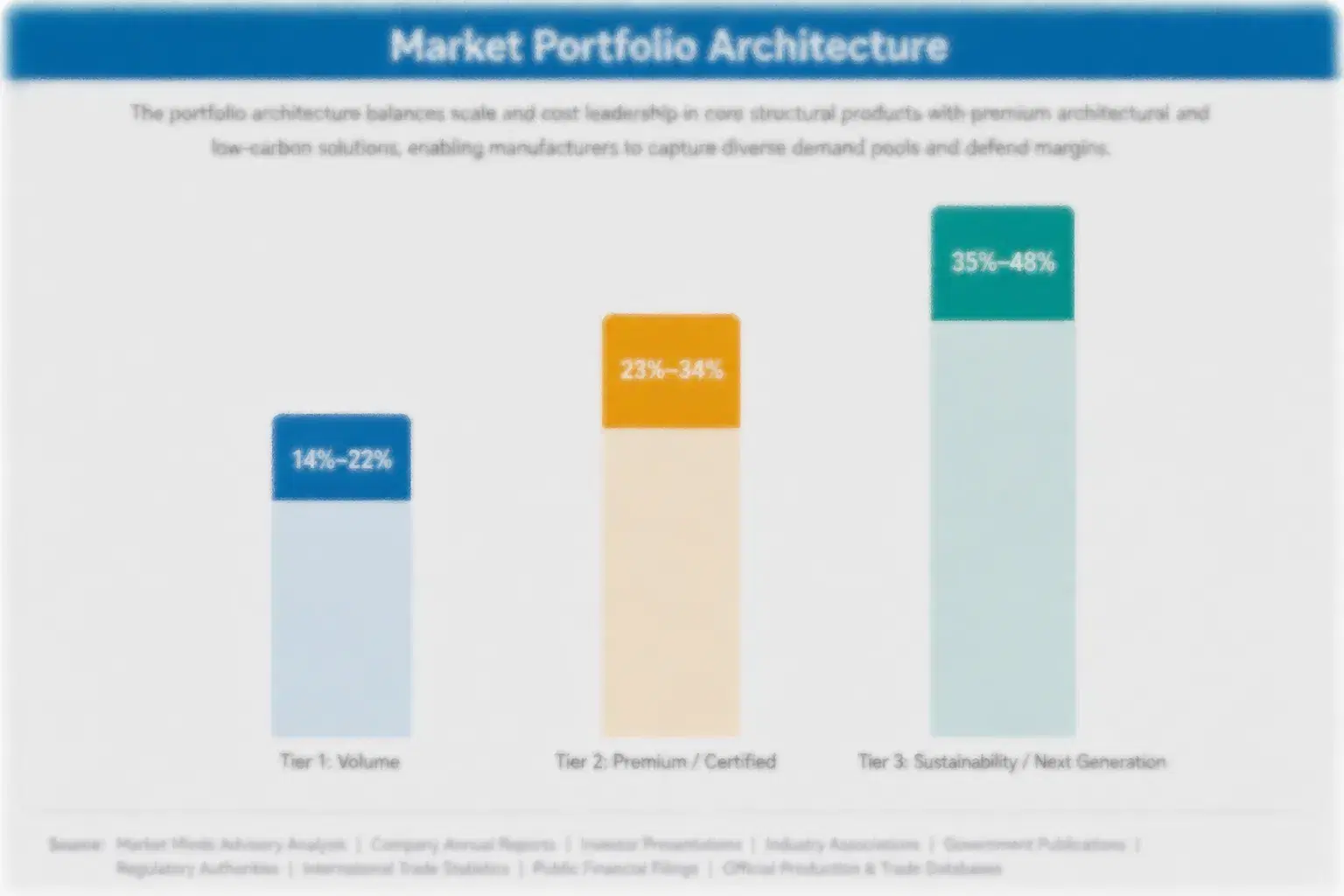
Margins run from thin returns on private-label mycoprotein sold at retailer prices to strong returns on hybrid ingredients and solid-state products sold with brand or application support. Three tiers separate volume products, premium certified lines and next-generation solutions, and each draws on different fermentation cost, retailer relationships and regulatory status in a concentrated market where the incumbent sets many price points. Margin gaps between tiers run to 12 points.
The tension between volume and premium is sharp. Own-label and frozen mycoprotein lines fill supermarket orders at low prices and face constant promotional pressure, while premium branded and solid-state lines earn higher margins on smaller volumes and depend on brand trust, provenance and clear labelling. Producers that run only volume suffer when energy costs spike, while premium-only producers struggle to fill fermenters. Mix management decides which risk dominates in each year.

High-value pools concentrate in hybrid meat ingredients for processors and in solid-state fermented products for health-focused shoppers. They gather where buyers pay for cost reduction, fibre claims and provenance, not for fungal content alone. Foodservice programmes add a growing pool, and strong producers hold more than one, though each needs different formats, audits and sales teams.

Volume / Commodity-Adjacent

Frozen and chilled mycoprotein pieces and mince sold under retailer own-label and value brands. Buyers focus on price per kilogram and promotions, contracts follow annual listing reviews, and technical differentiation is limited by shared fermentation process.
Gross Margin: 14%-24%

Premium / Certified

Branded mycoprotein and solid-state fermented products with clinical evidence, organic or provenance claims and certified quality systems, sold through supermarkets and specialist retail. Buyers value texture, taste and health messaging, and contracts run for one to two years.
Gross Margin: 24%-36%

Sustainability / Regulatory / Next-Generation

Fermentation-derived biomass ingredients and hybrid formats with approvals, carbon data and application support, sold to meat processors and foodservice chains. Contracts run for several years and depend on authorisation status, consistent texture and secure capacity.
Gross Margin: 26%-40%
united-kingdom-fungal-protein-market-portfolio-architecture-1789969846104

High-value Sub-segments and Strategic Watch-out

Fermentation-Derived Fungal Biomass Ingredients

Fungal biomass ingredients combine the fastest growth with strong pricing, since processors accept gross margins of 24% to 36% for cost and fat reduction in hybrid products. Large fermenters, authorisation and application labs form the entry barrier, and suppliers with offtake agreements win the largest launches. Prices stay firm.
Gross Margin: 24%-36%

Solid-State Fermented Fungal Products

Solid-state fermented products deliver firm growth with premium pricing, since shoppers pay gross margins of 26% to 38% for whole-food, tempeh-style products with clear provenance. Small batch size and limited retail reach restrain volume, and producers with reliable output and simple ingredient lists hold the strongest positions. Prices stay firm.
Gross Margin: 26%-38%

Submerged Mycoprotein Products

Submerged mycoprotein retail products are the volume core, with value growing about 11.0% a year. Fermenter uptime, promotional discipline and retailer relationships decide profit, and Quorn holds most volume. Customers renew listings yearly at prices linked to competing chicken and plant-based products. Plant utilisation stays critical.
Gross Margin: 16%-26%

Fungal Dairy and Egg Ingredients

Fungal dairy and egg ingredients are the strategic watch-out, since growth of about 10.0% a year trails the market, formulation is complex and precision fermentation proteins compete directly. Producers should manage these lines selectively and steer investment toward biomass and hybrid ingredients with clearer buyers and stronger contracts.
Gross Margin: 18%-30%

Why Shoppers and Processors Stay Loyal

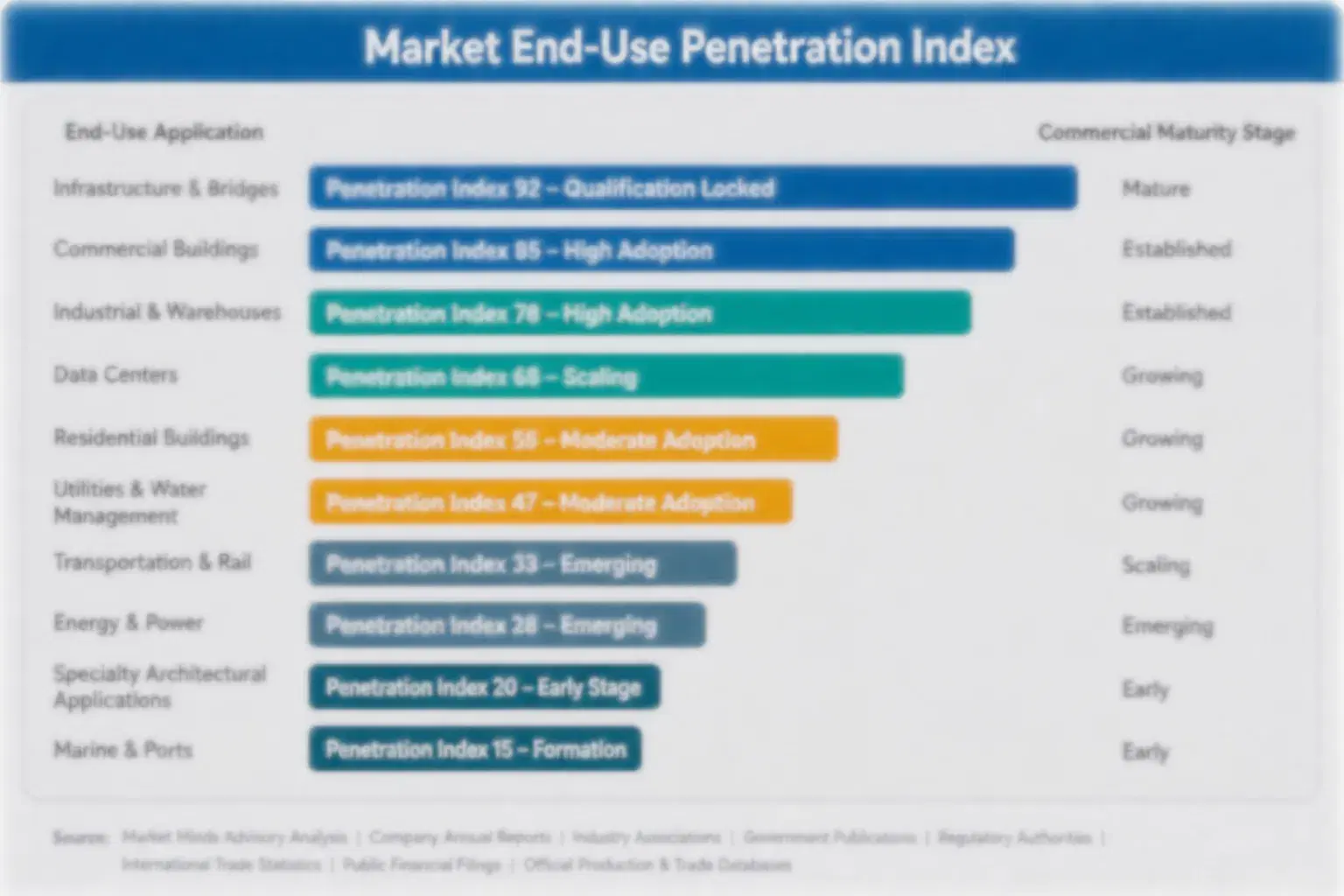
UK fungal protein demand behaves like an annuity attached to shopping habits, recipes and retailer listings. Once a household adopts a mycoprotein product, purchases repeat weekly, and switching means testing a new texture or taste. Processors set annual volume plans around production schedules, so suppliers with reliable output and audit records earn steady volume and priority allocation. Retail listings that survive one review cycle usually last several years.
Adoption stickiness differs by end-use vertical. Retail households are moderately sticky, driven by taste, price and health messaging, and they trade down quickly when budgets tighten. Foodservice chains are deeper once a hybrid dish is on the menu, because reformulation means retraining kitchens. Meat processors are the deepest, since fungal biomass is built into product specifications and audits, though qualified suppliers must keep pace on cost per tonne.

Buyer profiles are shifting between generations. Older shoppers bought mycoprotein for cholesterol and fibre, while younger buyers ask about ultra-processed food content, carbon footprint and ingredient lists. Retailers and public health bodies add a third group that sets targets for fibre and saturated fat. Suppliers that publish clear ingredient, carbon and clinical data win newer buyers.
united-kingdom-fungal-protein-market-end-use-penetration-index-1789969846415

MMA Verdict on UK Fungal Strategy

These are among the four positions where our research anticipates prominent divergence between winners and laggards over the coming forecast period. Each is grounded in the demand model, the regulatory perimeter, and the announced capacity pipeline.
01 / FERMENTER SCALE ECONOMICS

Scale Fermenter Capacity and Uptime Before Chicken Price Parity Slips Away

Fermentation-Derived Fungal Biomass Ingredients grow at 17.5% a year, about 1.40 times the overall market rate, but cost per tonne decides who reaches retail and processor parity. Producers should invest $30 million to $120 million per plant in staged capacity, lift uptime above 85% and secure glucose contracts, cutting cost by 15% to 25%. Those that delay will stay in premium niches over the next two years, while early movers gain listings, lender confidence and lasting cost advantages across every funding round.
02 / RETAILER OWN-LABEL STRATEGY

Win Own-Label Contracts With Traceable Supply Before Supermarkets Lock In Preferred Suppliers

Own-label holds about 18% of category sales, and retailers want traceable feedstock, carbon data and secure supply. Producers should offer flexible pack formats and audit-ready records, filling 15% to 25% of plant output with contract volume even at margins three to five points below brands. Those that delay will lose listings over the next two years, while early movers hold retailer trust, long-term base volume and negotiating power across annual reviews and price rounds, supplier audits, joint promotions and quarterly volume forecasts.
03 / HYBRID PRODUCT PARTNERSHIPS

Partner With Meat Processors on Hybrid Products Before Rivals Lock In Specifications

Hybrid burgers, mince and sausages blend 20% to 40% fungal biomass and open sales worth 10% to 20% of new hybrid volume. Producers should invest $1 million to $3 million in application labs, share sensory panels and offer trial lots to two processors first. Those that delay will lose product specifications over the next two years, while early movers hold approvals, customer trust and long-term repeat volume commitments across every national launch cycle, sampling round, pilot trial and annual supplier review.
04 / NOVEL FOOD READINESS

File Novel Food Dossiers Early Before Authorisation Queues Slow New Fungal Strains

New strains need Food Standards Agency authorisation that takes 18 to 36 months and costs $1 million to $3 million per dossier. Producers should hold pre-submission meetings, share toxicology and compositional data and invest in strain characterisation, cutting time to market by six to 12 months. Those that delay will miss listing windows over the next two years, while early movers hold approvals, retailer trust and investor confidence through every funding round every buyer audit cycle and every retailer listing review.

Engagement Snapshot From the Field

A live engagement with an industry participant carrying material or product regulatory and market exposure ahead of a defining policy shift, showing how our research translates into a defensible multi-year portfolio strategy.
MARKET MINDS ADVISORY · CLIENT ENGAGEMENT SUMMARY
UK Fungal Protein Producer Strategic Portfolio Review and Transition Roadmap 2026·Investment Scenario on UK Fungal Protein Exposure Evaluation 2025-26
CLIENT PROFILE
The client is a mid-sized British meat processor with annual sales near $380 million (client-reported, unverified by MMA), producing burgers, sausages and mince for supermarket own-label and foodservice customers. About 8% of sales came from lower-meat blends, retailers had asked for hybrid products with lower saturated fat, and management wanted a plan to add fungal protein without hurting quality or margin.
STRATEGIC CHALLENGE
Meat cost had risen sharply, blended product margins sat near 9% (client-reported, unverified by MMA), and no supplier had shown consistent fungal biomass texture at scale. Management had to decide whether to source biomass, partner with a fermentation company or build in-house capacity, with limited capital and two plants. Key retailers wanted trial products within 12 months.
MMA APPROACH
MMA analysed sales, cost and formulation data across 22 products, interviewed 13 food technologists, retail buyers and fermentation producers, and ran a shopper survey on taste, price and labelling across three countries. It modelled margin by blend ratio and scenario, compared sourcing, partnership and build options by payback and execution risk, and tested each against meat and energy price scenarios.
KEY FINDINGS
  1. A 30% fungal biomass blend in burgers and mince would cut recipe cost by about 12% and saturated fat by about 20% (client-reported, unverified by MMA).
  2. Sourcing biomass under a two-year supply agreement would require about $2 million of trials and lift blended margin by about four points (client-reported, unverified by MMA).
  3. Shoppers accepted blended products at price parity when labels stated the fungal share clearly, with acceptance near 68% (client-reported, unverified by MMA).
  4. In-house fermentation would cost about $60 million and only pay back beyond eight years at the client's volumes (client-reported, unverified by MMA).
CLIENT PROFILE
The client is a mid-sized British meat processor with annual sales near $380 million (client-reported, unverified by MMA), producing burgers, sausages and mince for supermarket own-label and foodservice customers. About 8% of sales came from lower-meat blends, retailers had asked for hybrid products with lower saturated fat, and management wanted a plan to add fungal protein without hurting quality or margin.
STRATEGIC CHALLENGE
Meat cost had risen sharply, blended product margins sat near 9% (client-reported, unverified by MMA), and no supplier had shown consistent fungal biomass texture at scale. Management had to decide whether to source biomass, partner with a fermentation company or build in-house capacity, with limited capital and two plants. Key retailers wanted trial products within 12 months.
MMA APPROACH
MMA analysed sales, cost and formulation data across 22 products, interviewed 13 food technologists, retail buyers and fermentation producers, and ran a shopper survey on taste, price and labelling across three countries. It modelled margin by blend ratio and scenario, compared sourcing, partnership and build options by payback and execution risk, and tested each against meat and energy price scenarios.
KEY FINDINGS
  1. A 30% fungal biomass blend in burgers and mince would cut recipe cost by about 12% and saturated fat by about 20% (client-reported, unverified by MMA).
  2. Sourcing biomass under a two-year supply agreement would require about $2 million of trials and lift blended margin by about four points (client-reported, unverified by MMA).
  3. Shoppers accepted blended products at price parity when labels stated the fungal share clearly, with acceptance near 68% (client-reported, unverified by MMA).
  4. In-house fermentation would cost about $60 million and only pay back beyond eight years at the client's volumes (client-reported, unverified by MMA).
RECOMMENDED STRATEGY
Phase 1: Phase 1 (Months 1-9): Sign a supply agreement with one fermentation partner, run trials with two retailers and finalise labelling wording for blended lines. Phase 2: Phase 2 (Months 10-24): Launch hybrid burgers and mince nationally and add foodservice trials with two restaurant chains and one contract caterer. Phase 3: Phase 3 (Months 25-42): Extend blends to sausages and ready meals, review supplier terms yearly and revisit partnership options as fermentation cost data develop.
OUTCOME
Within 42 months, hybrid products reached 22% of sales, blended margin rose by about four points and two retailers listed the range nationally (client-reported, unverified by MMA). Saturated fat targets were met, the biomass supply agreement was renewed, and no in-house plant was needed. Retailer feedback stayed positive.

Frequently Asked Questions

Foundational context covering the market sizes, CAGR, scope, country, region and competition that inform every finding below. This section is provided to cover basics and most often pre-purchase conversations, answered from the MMA Primary Research Dataset.

What is the current size of the UK Fungal Protein Market?

The UK fungal protein market was valued at $0.38 billion in 2025 on a sales basis. Growth reflects retail mycoprotein, own-label lines and hybrid ingredients, offset by price gaps to chicken and processed-food concerns.

How large will the UK Fungal Protein Market be by 2036?

The market is projected to reach $1.39 billion by 2036, up from $0.43 billion in 2026. The increase of $0.96 billion reflects fermentation scale, hybrid products and retailer own-label growth.

What is the CAGR for the UK Fungal Protein Market 2026 to 2036?

The market is forecast to grow at a 12.5% CAGR from 2026 to 2036. The bull case reaches 13.8% and the bear case 11.2%, depending on approvals, fermentation cost and consumer sentiment.

Which segment is growing fastest?

Fermentation-Derived Fungal Biomass Ingredients is the fastest-growing segment at 17.5% CAGR, roughly 1.40 times the overall market rate. Solid-State Fermented Fungal Products follows at 15.0% CAGR.

Who are the major companies in the UK Fungal Protein Market?

Major companies include Quorn Foods, Enough, Nature's Fynd, Meati Foods and MycoTechnology. Better Nature, Mycorena, Infinite Roots, The Protein Brewery and Fable Food also hold positions.

Which country is growing fastest?

The Netherlands is growing fastest as a supply origin at about 15.0% CAGR, because continental fermentation capacity and ingredient exports to British buyers expand together. Germany and Denmark follow.

Report Segmentation Architecture

The full report scope spans multiple orthogonal segmentation dimensions, with cross-tabulated demand data provided for each dimension pair. Coverage extends further to regional breakdowns, trend trajectories, and the competitive detail needed to support segment-level decision-making.

By Primary Market Dimension

  • Submerged Mycoprotein Products
  • Fermentation-Derived Fungal Biomass Ingredients
  • Solid-State Fermented Fungal Products
  • Fungal Protein Concentrates and Flours
  • Fungal Dairy and Egg Ingredients

By End-Use Industry

  • Retail Meat Alternatives
  • Hybrid Meat Products
  • Foodservice
  • Food Manufacturing Ingredients

By Commercial Dimension

  • Branded Retail Sales
  • Retailer Own-Label Supply
  • Foodservice Contracts
  • Ingredient Supply Agreements
  • Online Direct Sales

By Region

  • North America
  • Western Europe
  • East Asia
  • South Asia and Pacific
  • Latin America
  • Middle East and Africa
  • Eastern Europe

Scope, Methodology, and Coverage

Every figure in this report is reproducible from documented input assumptions. The scope below maps the historical period, the forecast horizon, the segmentation dimensions, and the countries covered, alongside the underlying primary and qualitative methodology.
Historical Period
2020 to 2025
Forecast Period
2026 to 2036
Base Year
2025 (USD billions; MMA Primary Research Dataset, September 2026)
Market Definition
The market covers UK sales of fungal protein products and ingredients, including mycoprotein, fermentation-derived fungal biomass, solid-state fermented fungal products and fungal hybrid meat ingredients, sold through retail, foodservice and food manufacturing. It excludes mushrooms and mushroom extracts, yeast extracts, mycelium-based packaging and materials, plant proteins, cultivated meat and precision fermentation dairy proteins.
Quantitative Units
USD billions (sales revenue); tonnes of fungal protein for volume references
Segmentation Dimensions
By Product Type; By End-Use Industry; By Commercial Dimension; By Supply-Origin Region
Regions Covered
North America, Western Europe, East Asia, South Asia and Pacific, Latin America, Middle East and Africa, Eastern Europe
Countries Covered
United Kingdom, Ireland, Netherlands, Germany, France, Denmark, Poland, United States, Canada, Israel, Japan, China, South Korea, Australia, Singapore, India, Brazil, Chile, and additional markets relevant to this sector
Key Companies Profiled
Quorn Foods, Enough, Nature's Fynd, Meati Foods, MycoTechnology, Better Nature, Mycorena, Infinite Roots, The Protein Brewery, Fable Food, Prime Roots, Emergy, Libre Foods, Atlast Food, MyForest Foods, Mush Foods, Terramino Foods, Kerry Group, Ajinomoto, Roquette
Quantitative Methodology
Primary survey, n=3,800 respondents, Q4 2025, six countries; demand-side model with trade association cross-validation
Qualitative Methodology
47 expert interviews, Q4 2025; applied to validate demand model assumptions, identify emerging dynamics, and assess competitive positioning
Report Format
PDF and XLSX data workbook (Word format preview document)
Publisher
Market Minds Advisory
Report Code
MMA-2026-AGR-195
Published
September 2026
Contact
sales@marketmindsadvisory.com | www.marketmindsadvisory.com

Purchase the full UK Fungal Protein Market Report (2026 to 2036).

The full report delivers a detailed assessment of the UK fungal protein market through 2036, covering product, end-use and supply-origin forecasts, competitive benchmarking of leading mycoprotein and fermentation producers, and input cost analysis. It combines MMA primary research, including a six-country survey of 3,800 respondents and 47 expert interviews, with public statistical and company data. Analysts also model fermentation cost curves, approval timelines and retailer listing scenarios. Clients receive product margin ranges, plant maps and a case study on growth strategy. Supplier programme and contract frameworks are also included.
Ten-year product and end-use demand forecasts
Glucose, energy, and freight cost tracking
Competitive benchmarking of leading fungal protein suppliers
Novel food authorisation and labelling rule tracker
Regional market comparative analysis and forecasts included
Quarterly primary survey data update access

Built For The People Who Decide

From boardroom strategy to bench-side execution, this report is read cover-to-cover by leaders shaping the next decade of their industry, turning demand scenarios, market dynamics and valuation benchmarks into decisions.
CXOs/ Presidents/ VPs/ Managers
M&A and Corporate Development
Strategy Teams and R&D Heads
Procurement and Product Directors
Regulatory and Compliance Leaders
Investor Relations and Equity Analysts