Market Minds Advisory
Demand for Caramel Malt in United Kingdom

Demand for Caramel Malt in United Kingdom: Demand for Caramel Malt in United Kingdom. Real Ale Heritage, Low-Alcohol Body, and Export Pull Reshape Specialty Malt Use.

Caramel malt gives British ale its amber colour and biscuit sweetness, but barley weather, energy costs, pub closures, and export competition decide which UK maltsters keep specifications at breweries, bakeries, and craft beer exporters.

Lead Analyst

Published

September 2026

Make Smarter Decisions with Customized Research Insights

Request a free sample report and evaluate market opportunities, growth trends, and competitive dynamics relevant to your business needs.

2025 MARKET VALUE$0.4BMarket Size 2025
2036 FORECAST VALUE$0.6BBase Case , 2026 to 2036
CAGR 2026 TO 20364.2 %Bull 5.5% / Bear 2.9%
INCREMENTAL OPPORTUNITY$0.2BNet 10- year value creation
EXPANSION MULTIPLE1.51x2036 value over 2026 base
Strategic Levers
M&A Pipeline
Regional Outlook
Country Rankings
Competitive Intelligence
Segmental Deep-dive
Call-Us : 91 93563 13602

Executive Snapshot and Market Trajectory.

British beer without caramel malt is pale and thin. Crystal and caramel malts give bitter, mild, porter, and amber ale their colour and biscuit sweetness, and Britain remains the reference origin for them, which is why craft brewers in more than 60 countries ask for British grades by name.
Heritage and floor-malted caramel malts grow fastest, because craft brewers and premium bakers pay for landrace barley, traditional kilning, and provenance, while organic and regenerative barley malts follow as brands chase sustainability stories. Western Europe holds the largest share, since this market is sized on United Kingdom demand and UK-malted exports, with North America and East Asia following. South Korea leads export growth. Pubs set trial. Exports lift value.
The industry is concentrated, with a few British maltsters supplying most caramel malt to domestic brewers, bakers, and export customers. Barley weather, energy costs, pub closures, and post-Brexit customs friction shape orders, while large brewers use mainly base malt and craft brewers buy specialty grades in small lots. Maltsters hold barley contracts. Exporters carry freight risk. Regulators watch duty rates. Timing decides everything. Brewers ask for proof. Harvests set the pace for brewers.
Market Definition
Demand for caramel malt in the United Kingdom comprises caramel and crystal malts consumed in the United Kingdom and caramel malts made in the United Kingdom for export, including light, medium, and dark crystal malts, dextrin-type and cara-pale malts, heritage and floor-malted caramel malts, and organic and regenerative barley caramel malts, sold to brewers, bakers, malt beverage makers, and food manufacturers. The scope excludes base malt, roasted and chocolate malts, distilling malt, malt extracts sold as syrup, and finished beer.
Base Year Value
$0.4B in 2025 (MMA Primary Research Dataset, September 2026)
Forecast Period
2026 to 2036, eleven discrete annual values
CAGR
4.2% base case. Bull 5.5%. Bear 2.9%.
Fastest Growth Segment
Heritage and Floor-Malted Caramel Malts: 6.4% CAGR
Fastest Growth Country
South Korea: 6.0% CAGR
Fastest Growth Region
South Asia and Pacific: 6.3% CAGR
Largest Region
Western Europe: 80% of 2025 global value
Market Leaders
Crisp Malting Group, Simpsons Malt, Muntons, Bairds Malt, Thomas Fawcett and Sons. Source: MMA Analysis, company annual reports.
Primary Survey
n=3,800 procurement and R&D decision-makers, Q4 2025, six countries
Methodology
Demand-side build-up, cross-validated against public data, 47 expert interviews

Demand for Caramel Malt in United Kingdom Market Forecast Scenarios

united-kingdom-caramel-malt-market-size-forecast-scenario-1789791231070
From 2020 to 2025, United Kingdom caramel malt demand moved with pub closures, craft beer recovery, and strong export orders. Lockdowns cut draught volumes in 2020, packaged craft beer and low-alcohol beer grew, and export orders to North America and Asia rose, while energy and barley costs spiked in 2022. Growth ran slightly below today's pace, and price increases, not new volume, supplied much of the value gain.
The base case rests on three commercial mechanisms. First, craft and low-alcohol beer keeps growing at home and abroad, and both use caramel malt for body and flavour. Second, food makers and bakers add malt for colour and toffee notes in loaves, biscuits, and drinks. Third, heritage and organic malts gain premium pricing. Each mechanism compounds slowly, and none needs a breakout year. Producers plan capacity around all three drivers.
The bull case needs stable barley harvests and lower energy costs, which would let maltsters defend margin while export demand grows. The bear case is a poor barley harvest combined with a further wave of pub closures, which would squeeze margins and push brewers toward cheaper malt and substitutes. Buyers would react within one season and swap grades.

Barley Weather and Energy Costs Decide UK Caramel Malt Winners

Caramel malt is made by stewing green malt at moist heat so starches convert to sugars, then kilning so the sugars crystallise inside the kernel. Light grades give honey and sweetness, medium grades give toffee and biscuit, dark grades give raisin and burnt sugar, and dextrin types add body without colour. Brewers use small percentages, but the effect on flavour is large and hard to copy with other ingredients.
MARKET CONCENTRATION63% CR5Leading five maltsters hold a dominant combined share
EXPORT SHARE38%Portion of volume shipped overseas to craft brewers and importers
BREWING SHARE70%Portion of demand used in beer and malt beverage brewing
BARLEY COST SHARE44%Portion of cost of goods taken by malting barley
TYPICAL INCLUSION RATE9%Typical caramel malt share of grain bill in British ales
KILNING ENERGY SHARE15%Portion of cost taken by malting and kilning energy
Consistency and provenance decide value. British brewers specify colour, moisture, and extract to tight tolerances, and craft brewers abroad buy British grades because English-style ales need them. Heritage barley such as Maris Otter and Golden Promise supports premiums, and floor maltings sell traditional flavour. Suppliers with barley contracts, laboratories, and export documentation win repeat orders because a flavour shift can spoil a seasonal release.
Buyers judge caramel malt on colour stability, flavour, traceability, and delivery reliability. Large brewers negotiate annual contracts and use mostly base malt, while craft brewers, bakers, and exporters buy specialty grades in pallets and bags. Organic and heritage malts sell at large premiums, which lifts value beyond volume and gives small maltsters a route to export markets.
"British caramel malt is one of the few ingredients where a place name still sells the product. The maltsters who win will be the ones who can keep that reputation through poor harvests and high energy bills, because a craft brewer in Denver will pay for the word English but not for a late delivery."
Practice Lead, Specialty Malt and Brewing Ingredients Practice · MMA Specialty Malts for Brewing and Food Practice · September 2026

Market Trends

Low-Alcohol and Craft Beer Growth Keeps Caramel Malt in Demand

Low and no alcohol beer growth in the United Kingdom and abroad relies on caramel and dextrin malts to restore body and sweetness lost when alcohol is removed. Craft brewers use crystal malts in pale ales, ambers, porters, and seasonal releases at 5% to 15% of the grain bill. Supermarkets and pubs list craft and low-alcohol lines, and export orders add volume. Maltsters that supply consistent colour and flavour, offer small bags, and provide technical support win loyal accounts, and brewers keep specifications stable across seasonal releases. Repeat orders follow quickly.
Market Impact: 38% of volume is exported
Heritage Barley and Floor Malting Give Premium Brewers Provenance

Craft brewers and premium bakers seek malts made from heritage barley varieties such as Maris Otter and Golden Promise, kilned in traditional drum or floor systems. Heritage grades sell at 25% to 60% above standard crystal malts, and export buyers in North America and Asia ask for them by name. Volumes are limited by acreage and by kiln capacity. Farmers earn premiums for heritage varieties, and maltsters with long contracts and traceable farms win specifications from brands that market authenticity. Export buyers also print variety names on beer labels, which turns barley origin into a marketing claim.
Market Impact: food uses take 30% of demand

Market Opportunities and Growth Drivers

Export Demand for British Crystal Malt Sustains Volume Beyond Pubs

British crystal and caramel malts are shipped to more than 60 countries because craft brewers want English-style flavour, and about 38% of United Kingdom caramel malt volume is exported. The United States, Japan, South Korea, Australia, and Germany are large buyers. Exporters supply through importers and direct contracts, and pallets or bags ship in containers with 8 to 10 weeks of lead time. Suppliers that offer export documentation, small lots, and consistent quality win repeat orders, and the reputation of British malt supports premiums. Importers also stock popular grades near ports.
Market Impact: 1,000+ pubs close in some years

Bakery, Food, and Malt Beverage Uses Add Demand Beyond Brewing

Malt loaf, biscuits, breakfast cereals, malt drinks, and sauces use caramel malt for colour and toffee notes. About 30% of United Kingdom demand comes from food and beverage makers outside brewing. Health-conscious shoppers buy malted grain products, and food makers seek natural colour and sweetness. A single bakery can buy tens of tonnes a year, and suppliers with food-grade certification, allergen data, and stable supply win contracts that are less exposed to pub closures and beer duty changes. Bakery groups plan malt loaf and biscuit runs months ahead, so contracts give maltsters predictable volume through the year.
Market Impact: barley and energy take 59%

Market Restraints and Challenges

Pub Closures and Beer Duty Pressure Limit Domestic Volume Growth

Pub closures continue in the United Kingdom, with well over 1,000 pubs shutting in some years, and draught beer volumes have declined for decades. Beer duty and energy costs squeeze brewers, and craft brewers buy in small lots that raise cost per tonne. The root cause is changing habits, cost of living pressure, and high operating costs for pubs. Suppliers respond with export growth, food sector contracts, and low-alcohol lines, though each requires new customers and investment, and domestic demand remains flat. Landlords and business rates add further costs for community pubs.
Market Impact: low-alcohol styles use 8-12% crystal malt

Barley Weather and Energy Costs Squeeze Maltster Margins Under Contracts

Malting barley takes about 44% of cost of goods and kilning energy about 15%, so a poor harvest or energy spike removes several margin points. Wet winters and dry summers cut yield and quality, and UK gas prices spiked in 2022. Brewer contracts fix prices for six to 12 months, and maltsters cannot pass costs through quickly. Mitigations include forward barley contracts, energy hedging, heat recovery, and price clauses, though small maltsters seldom have the capital or bargaining power. Farmers may also switch acreage to wheat or oilseed rape when malting premiums narrow, which tightens supply.
Market Impact: heritage malts cost 25-60% more
3 additional market trends, 2 additional growth drivers, and 3 additional restraints and challenges are covered in the full report. Contact sales@marketmindsadvisory.com to access the complete intelligence.

Segment CAGR and Growth Architecture

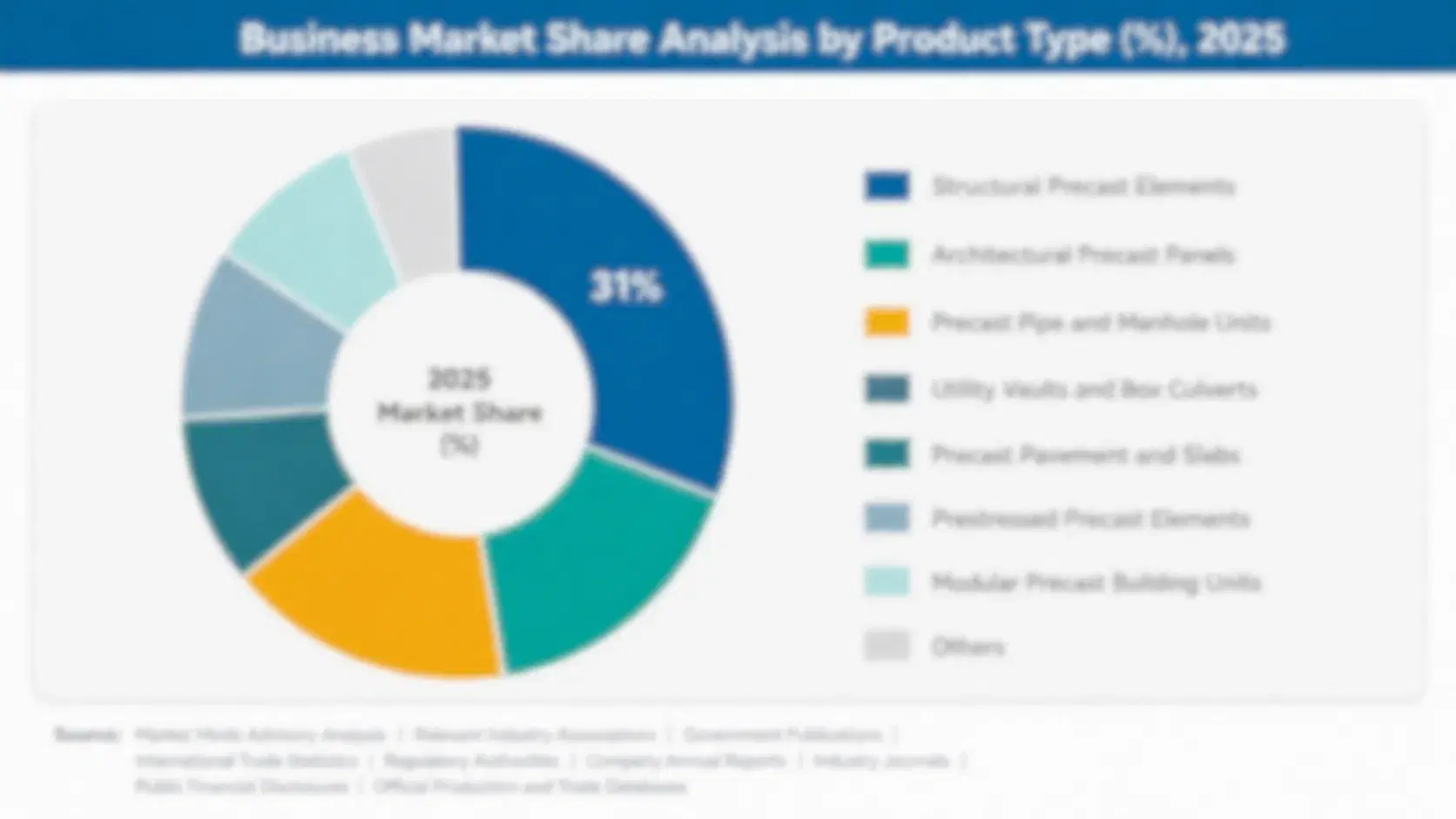
United Kingdom caramel malt demand is segmented by malt type and origin, which shows where flavour, provenance, and pricing power sit. Six segments cover light, medium, and dark crystal malts, dextrin-type and cara-pale malts, heritage and floor-malted caramel malts, and organic and regenerative barley caramel malts. Two segments grow fastest, and each depends on a driver, heritage or sustainability.
united-kingdom-caramel-malt-market-market-share-analysis-1789791231309

Heritage and Floor-Malted Caramel Malts

Heritage and floor-malted caramel malts are the fastest-growing segment, at 6.4% a year, about 1.52 times the overall market rate. Craft brewers, premium bakers, and export buyers want Maris Otter and Golden Promise barley, traditional kilning, and English-style flavour. Prices run 25% to 60% above standard crystal malts. Supply is the main constraint, since acreage and floor capacity are limited and harvests vary, so maltsters sign multi-year farm contracts. Suppliers with traceable farms, small bags, and export documentation win specifications from brands that market authenticity and craft credentials. Export importers in Denver, Tokyo, and Seoul list Maris Otter crystal malt by name, and farm stories from Norfolk and Northumberland appear on packaging.
CAGR 6.4%

Organic and Regenerative Barley Caramel Malts

Organic and regenerative barley caramel malts grow at 5.6% a year, because brewers and food makers want sustainability stories, lower carbon footprints, and certified supply. Farmers grow barley under organic or regenerative rules, and maltsters keep organic batches segregated. Prices run 20% to 50% above conventional crystal malts. Yield and quality variation is the main constraint, since organic barley has lower nitrogen and higher weather sensitivity, so buyers accept variation in exchange for certification. Suppliers with audit records and farm data win retailer and brand contracts. Supermarket own brands and premium bakeries publish regenerative farming commitments, and audit records from farms give maltsters proof that retailers and export buyers can check.
CAGR 5.6%
Full segment breakdown across 6 segments available in the complete report.

Regional Architecture and Country Demand Map

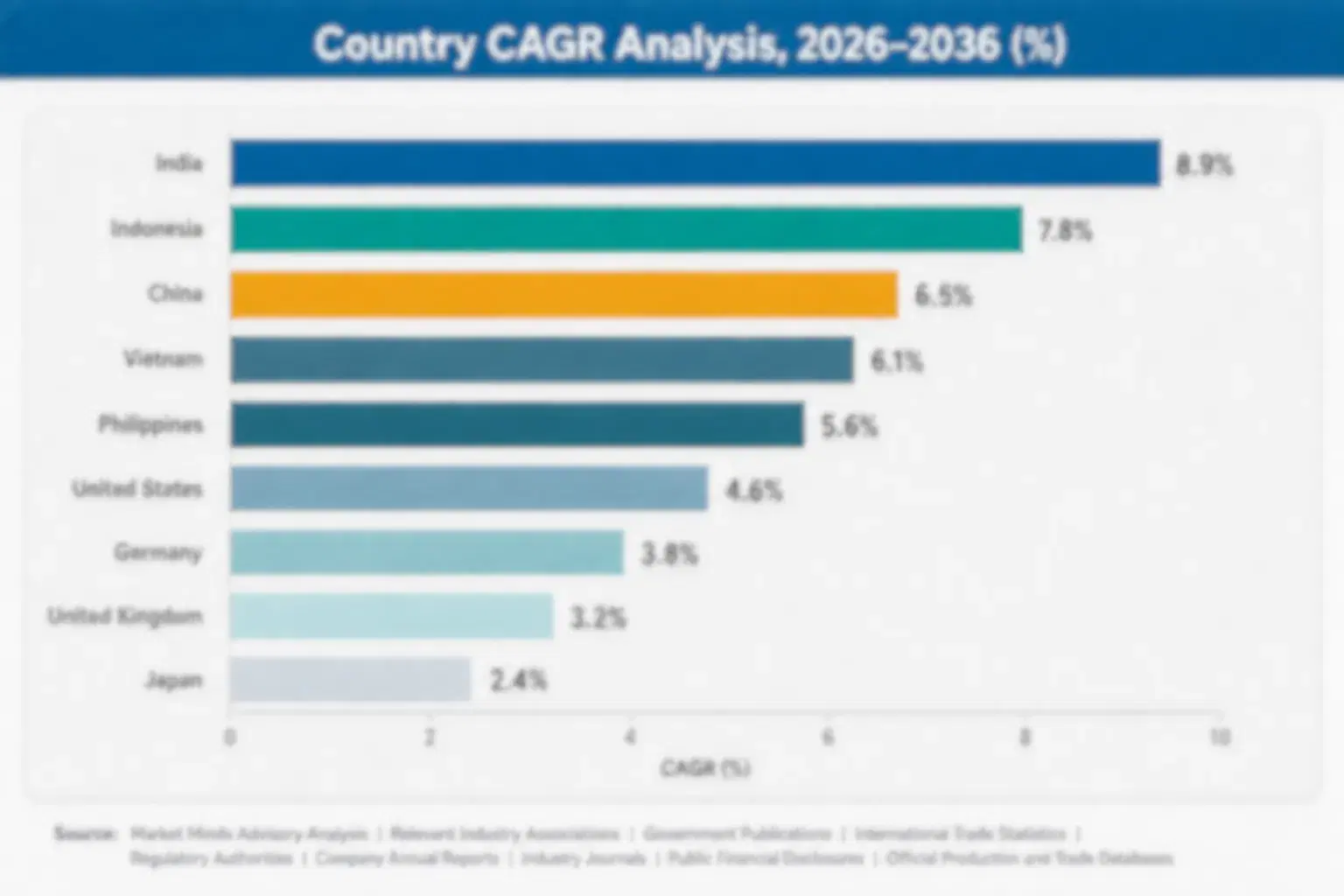
United Kingdom caramel malt value sits mainly in the United Kingdom and Ireland, where brewing and food demand are based. UK-malted exports reach North America, East Asia, South Asia and Pacific, Latin America, the Middle East and Africa, and Eastern Europe through craft brewers, importers, and food makers.

North America

North America holds 6% share, below its usual band, because this market is sized on United Kingdom demand and UK-malted exports, and North American value here covers only British caramel malt shipped to United States and Canadian craft brewers and importers. American craft brewers buy English-style crystal malts for amber ales, porters, and ESB, while domestic North American maltsters dominate the mainstream. Growth tracks the global rate as craft demand for heritage grades rises. Freight, tariffs, and strong domestic competition restrain volume, and exporters rely on a few importers. Craft breweries in Colorado, Oregon, and New York order English crystal malts by the pallet, and importers in Canada supply Toronto and Vancouver brewpubs each month.
Share: 6% | CAGR: 4.0% (2026 to 2036)

Western Europe

Western Europe holds 80% share, well above its usual band, because this market is sized on United Kingdom demand and UK-malted exports, with Ireland and continental Europe adding export destinations, so the anchor region carries most value. Crisp, Simpsons, Muntons, Bairds, and Fawcett lead, and brewers such as Molson Coors, Carlsberg Britvic, Heineken UK, and Greene King buy for domestic ales and lagers. Bakers and food makers add demand. Growth stays below the global rate because the base is mature, pubs are closing, and energy costs are high. Regional brewers in Yorkshire, Kent, and Scotland buy malt on annual terms, and Irish and Belgian brewers import British crystal grades for ales and dark styles.
Share: 80% | CAGR: 3.1% (2026 to 2036)
Regional intelligence for 5 additional markets available in the complete report: East Asia, South Asia and Pacific, Latin America, Middle East and Africa, Eastern Europe. Contact sales@marketmindsadvisory.com.
united-kingdom-caramel-malt-market-country-cagr-analysis-1789791231552

Four Margin Routes for UK Caramel Malt Suppliers

Margin in UK caramel malt comes from heritage ranges, export documentation, energy control, and food-grade formats rather than volume alone. The routes below apply to large maltsters, floor maltings, and exporters, and each can be started inside one planning cycle, with clear measures in gross margin points, price per tonne, and kiln utilisation across the calendar year.

Selling Heritage Crystal Malts to Craft Brewers Worldwide

Heritage and floor-malted caramel malts sell at 25% to 60% above standard crystal malts, and craft brewers in the United States, Japan, and Korea ask for Maris Otter and Golden Promise grades by name. Maltsters that sign multi-year farm contracts, keep varieties segregated, and offer small bags report margin gains of 5 to 8 points on those lines. Brand-name barley also supports export price premiums, and brewers reward traceable supply with long-term specification across their seasonal ranges. Brewers also value the transparency because farm names and harvest years can be printed on labels and menus.
Market Impact: heritage lines lift blended margin 5 to 8 points

Building Export Documentation and Small-Lot Packaging for Overseas Craft Brewers

Exports carry about 38% of volume, and craft brewers overseas need small lots, clear certificates, and customs paperwork that works after Brexit. Maltsters that offer 25 kilogram bags, mixed pallets, and prepared export documents win orders that larger competitors ignore, and they earn price premiums of 8% to 15% above bulk. Documentation costs are modest, and repeat orders arrive every few weeks, so export desks pay back within two years for suppliers with reliable forecasting. Importers also value clear paperwork because delays at ports raise storage costs and can spoil seasonal releases for brewers.
Market Impact: export packaging lifts margin by 3-5 points on small lots

Supplying Food-Grade Caramel Malt to Bakers and Beverage Makers

Food and beverage makers take about 30% of United Kingdom demand, and malt loaf, biscuits, cereals, and malt drinks pay steady prices with less exposure to pub closures. Suppliers with food-grade certification, allergen data, and dedicated bagging lines win contracts that run 12 to 24 months. Bakery lines need consistent colour, so quality checks matter, and payback on a dedicated line runs two to three years, though contracted volumes protect utilisation when beer volumes fall. Bakers also value stable colour because a shade change can trigger complaints and forced product changes across whole ranges.
Market Impact: food contracts stabilise 30% of total maltster volume

Hedging Barley and Kiln Energy Through Contracts and Heat Recovery

Barley and kilning energy take about 59% of cost of goods, and a poor harvest or gas spike can move costs 20% to 40% within a year. Maltsters that fix barley volumes with farmers for 12 months, hedge energy for six to 12 months, and install heat recovery reduce cost swings by roughly half. Brewers accept price changes slowly, so hedging avoids the squeeze between costs and fixed contract prices, and it stabilises gross margin at 18% to 24%. Brewers also value certainty on price movements because it simplifies annual budgets for seasonal beer ranges.
Market Impact: forward cover halves cost swings and holds 18-24% margin

Who Controls the Margin Pool

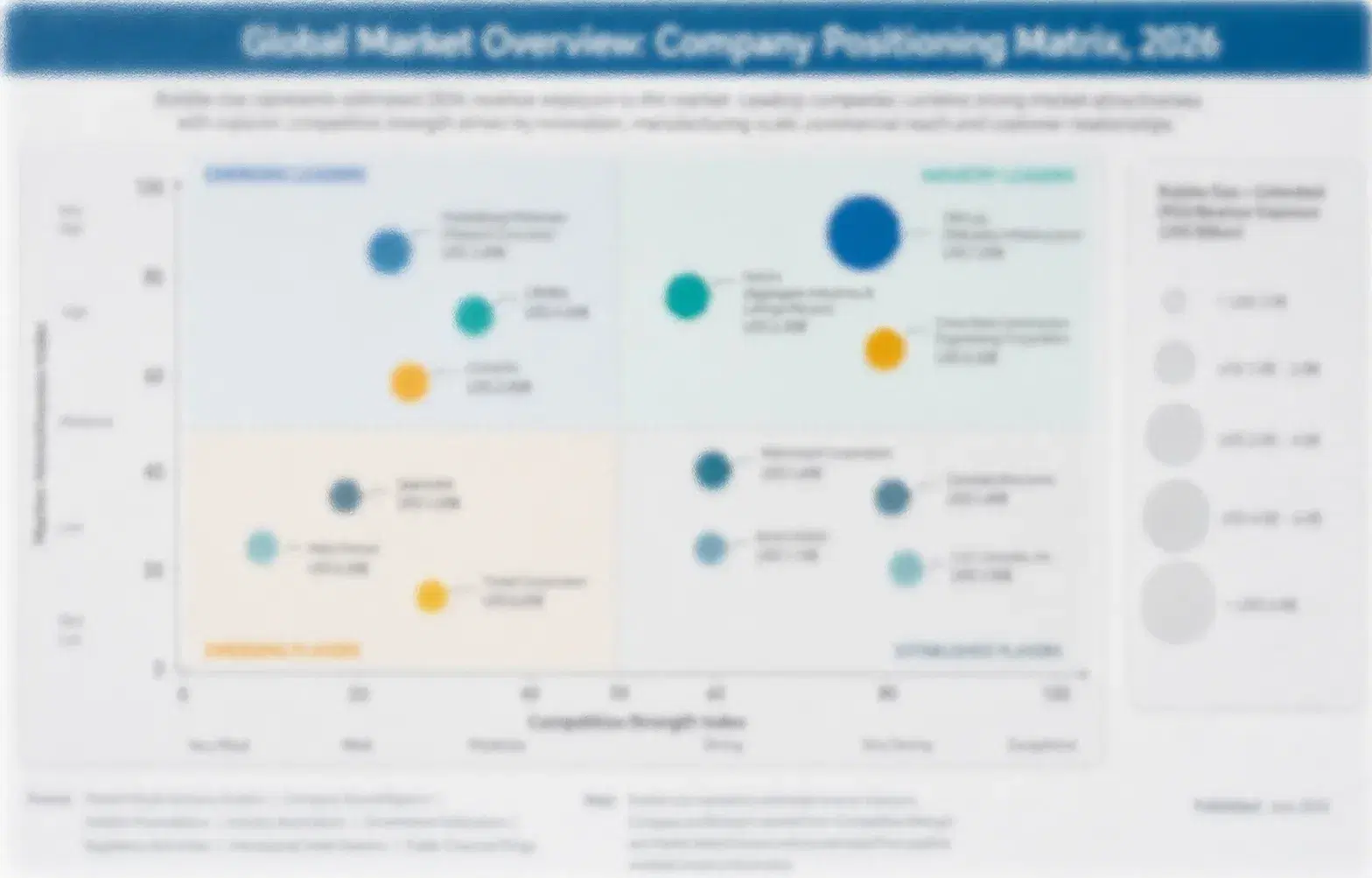
The United Kingdom caramel malt industry is concentrated, with a CR5 of 63%, and a few floor maltings and regional maltsters sit outside the leading five. This assessment measures participants on estimated caramel malt volume produced or supplied, held constant across all players. Crisp Malting Group leads through its specialty range and export reach, while Simpsons Malt, Muntons, Bairds Malt, and Thomas Fawcett and Sons follow with a clear gap between the leader and the challengers.
Competition runs on four dimensions today: flavour range and consistency, heritage barley access, energy and barley cost, and export service. Large maltsters win on scale and technical support, while floor maltings win on traditional provenance. Continental maltsters copy standard crystal grades quickly, so premiums outside heritage, organic, and small-lot ranges erode within a year and price competition appears at annual tender.

Emerging pressure comes from continental maltsters, craft brewery-owned malting, and food sector buyers seeking cheaper malt. Rankings shift where a maltster secures heritage barley, builds organic capacity, or signs exporters before rivals. Small floor maltings with strong craft relationships can move up quickly, since provenance and service matter more than scale for small-batch customers.
united-kingdom-caramel-malt-market-company-positioning-matrix-1789791231876

Competitive Moat and Risk Dimensions

CRISP MALTING GROUP

Moat: Specialty Range and Export Reach

Crisp Malting Group is a leading British maltster with a wide range of crystal, caramel, and roasted malts, and it exports to craft brewers in more than 60 countries. Its technical support, farm contracts for heritage barley, and long customer relationships give it pricing power in specialty grades, and its reputation supports specification in craft and premium beer.
CRISP MALTING GROUP

Risk: Energy Costs and Barley Weather

Crisp Malting Group carries heavy kilning energy costs and depends on United Kingdom barley harvests, so gas spikes and poor weather compress margin under fixed brewer contracts. Continental maltsters compete on standard grades, and domestic beer volumes fall as pubs close, which raises reliance on export customers.
SIMPSONS MALT

Moat: Family Heritage, Crystal Malt Craft

Simpsons Malt is a family-owned British maltster with a strong reputation for crystal and caramel malts made from Northumberland barley and traditional kilning. Its heritage grades are popular among craft brewers seeking English-style flavour, and its floor-malting and technical expertise support specification for ales, porters, and milds in export markets across North America and Asia.
SIMPSONS MALT

Risk: Scale Limits and Export Dependence

Simpsons Malt is smaller than the largest continental groups, so investment in new kilns, organic lines, or export documentation competes for capital. Its export margins suffer when currencies swing, and competing maltsters in Germany and Belgium fight for the same craft brewers at every tender and festival each year.

Players Tracked

Prominent Players

Crisp Malting Group
Simpsons Malt
Muntons
Bairds Malt
Thomas Fawcett and Sons

Other Key Players

Boortmalt
Malteurop
Weyermann
Castle Malting
Viking Malt
Soufflet Group
Cargill
Warminster Maltings
Tuckers Maltings
Molson Coors
Heineken
Carlsberg
Greene King
Warburtons
Soreen

Recent Developments

JANUARY 2026

Crisp Malting Group Expands Small-Bag Export Range for Overseas Craft Brewers

Crisp Malting Group announced an expanded small-bag export range of crystal and caramel malts with prepared customs paperwork for craft brewers in North America and Asia. It is a product and service extension, and it tests whether small-lot service can lift export margins. Sales volumes were not disclosed.
Signal: Confirms leading maltsters now invest in small-lot export service to protect share against continental competitors in Asia.
FEBRUARY 2026

Simpsons Malt Adds Regenerative Barley Caramel Malt Range With Farm Partners

Simpsons Malt launched a regenerative barley caramel malt range with partner farms in Northumberland, using soil health and carbon audits to support brand sustainability claims. It is a product launch, and it tests price acceptance for regenerative malts among craft brewers and food makers. Sales volumes were not disclosed.
Signal: Shows heritage maltsters are adding regenerative barley stories to defend premiums against cheaper continental grades in export markets.
MARCH 2026

Muntons Signs Multi-Year Food-Grade Caramel Malt Supply Agreement With Bakery Group

Muntons signed a multi-year supply agreement for food-grade caramel malt with a United Kingdom bakery group producing malt loaf and biscuits. It is a supply agreement, not an acquisition, and it tests demand for contracts that reduce exposure to pub closures. Volumes were not disclosed.
Signal: Indicates maltsters are locking in food sector contracts to offset weakness in domestic draught beer volumes.

What Drives UK Caramel Malt Costs

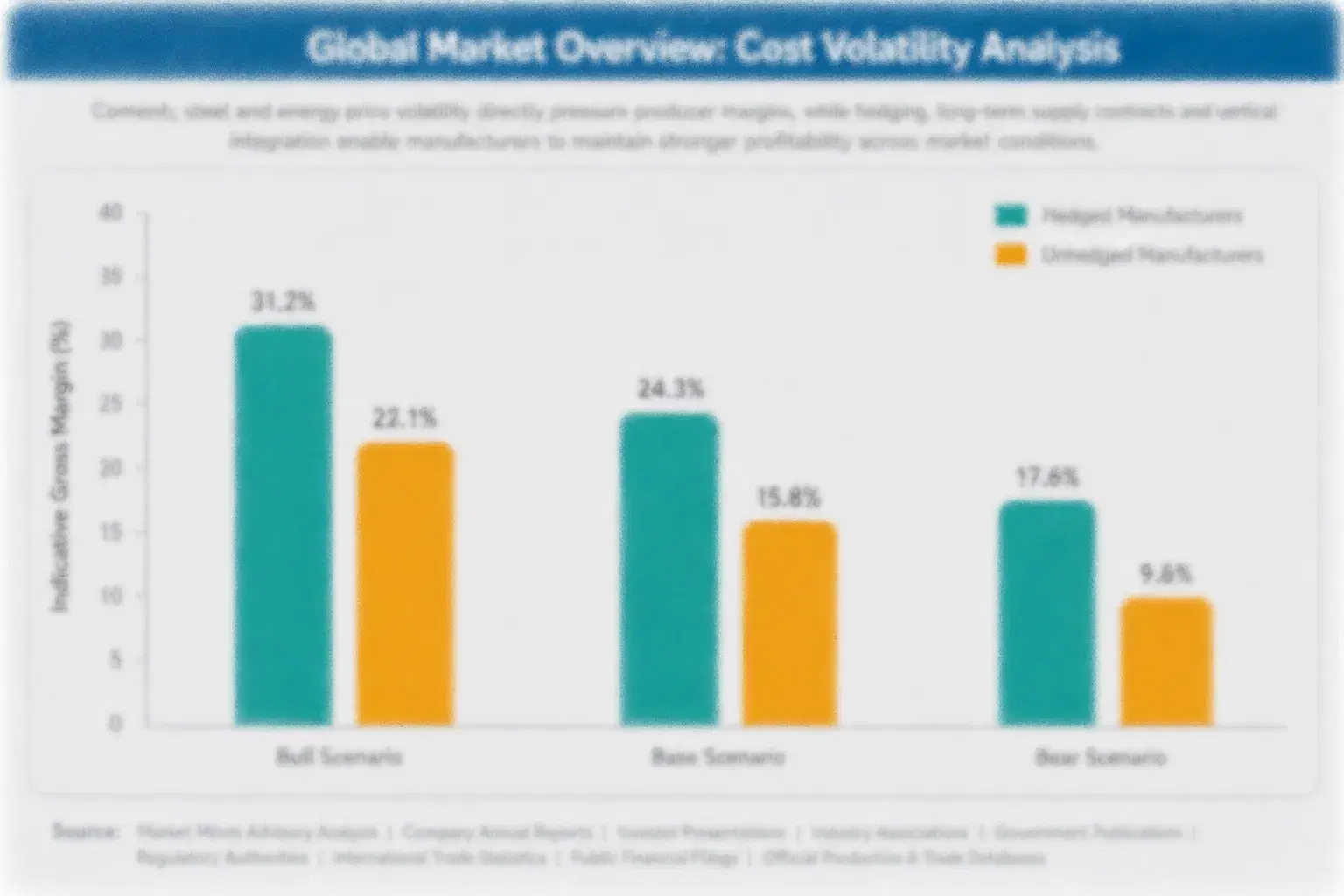
Malting barley accounts for roughly 44% of cost of goods, kilning and malting energy about 15%, labour nine percent, and packaging seven percent. Transport and export documentation add about eight percent. Barley comes mainly from farms in England and Scotland, with some imports from France and Denmark in short crops, so weather exposure is high and origin exposure is mainly domestic.
The clearest recent shock came from energy and weather. The International Energy Agency reported that European gas prices surged in 2022, and Agriculture and Horticulture Development Board data showed malting barley prices rising after weather-hit harvests. Maltsters raised prices by 10% to 20%, adjusted kiln schedules, and asked brewers for price clauses, which squeezed gross margin by two to four points through the following year.

The competitive disadvantage falls on small floor maltings, which buy barley in small lots at spot prices and cannot hedge energy. Large maltsters sign farm contracts and energy hedges and spread costs across many grades, while continental competitors face different energy and barley conditions. Exposure also varies by customer, since exporters bear freight and currency risk that domestic buyers do not.
united-kingdom-caramel-malt-market-cost-volatility-analysis-1789791232181

Signing Multi-Season Barley Contracts With Farm Partners

Maltsters sign one- to three-season barley contracts with farms, fixing volumes and price bands ahead of harvest and supporting heritage varieties. Multi-season contracts cut cost swings by roughly half, though they require working capital and agronomy support that large maltsters provide and small floor maltings often cannot. Buyers approve early. Terms usually run one season.

Hedging Energy and Adding Price Clauses in Brewer Contracts

Maltsters fix energy for six to 12 months and add price adjustment clauses linked to published barley and gas indexes. Clauses protect two to four points of margin, and brewers accept them because formulas are transparent. Small maltsters seldom win such terms, and clauses need reliable data and trust. Terms usually run one year.

Investing in Kiln Heat Recovery and Efficient Steeping Systems

Maltsters install kiln heat recovery, efficient steeping, and improved germination controls to cut energy and water cost per tonne. Energy accounts for about 15% of cost of goods, and upgrades reduce use by 10% to 15%. Payback runs three to five years, so larger sites adopt first. Maintenance stays modest. Payback improves as energy prices rise.

Portfolio Architecture for Margin Defence

Margins run from thin returns on standard medium crystal malts sold to large brewers under annual contracts to strong returns on heritage and organic malts sold to craft brewers, bakers, and exporters. Three tiers separate volume products, certified premium lines, and next-generation formats, and each tier draws on different buyer groups, barley origins, and channel terms.
The tension between volume and premium is sharp. Volume lines protect kiln utilisation and brewer relationships but face constant price pressure from continental maltsters, while premium lines earn higher margins on smaller volumes and depend on provenance, service, and consistency. Maltsters that run only volume struggle to fund heritage barley programmes, while maltsters that run only premium lack the tonnage to keep kilns full through the year.

High-value pools concentrate in heritage and floor-malted grades for craft brewers and exporters, organic and regenerative malts for sustainability brands, and food-grade lines for bakers. They gather where buyers pay for provenance, certification, or flavour rather than weight of product. Overseas craft breweries, bakery groups, and premium food brands add further value, since these buyers ask for documented origin, small lots, and reliable delivery, and reorder without shopping on price.

Volume / Commodity-Adjacent Tier

Standard light and medium crystal malts sold in bulk to large brewers and importers under annual contracts, with thin margins, barley and energy cost exposure, and price competition from continental maltsters, where buyers switch on price, delivery terms, and colour tolerance.
Gross Margin: 14%-22%

Premium / Certified Tier

Specialty medium and dark crystal malts and dextrin types with specified colour, extract, and moisture, sold to craft brewers and bakers through export documentation, small bags, and technical support that provide reliable delivery and stable quality across seasonal releases.
Gross Margin: 22%-32%

Sustainability / Regulatory / Next-Generation Tier

Heritage, floor-malted, organic, and regenerative caramel malts backed by farm contracts, audits, and traceability, sold to craft brewers, premium bakers, and exporters that pay premiums for provenance, certification, and consistent flavour under multi-season supply agreements.
Gross Margin: 28%-44%
united-kingdom-caramel-malt-market-portfolio-architecture-1789791232539

High-value Sub-segments and Strategic Watch-out

Heritage and Floor-Malted Caramel Malts

Heritage and floor-malted caramel malts combine the fastest growth with strong pricing, since craft brewers and exporters pay 25% to 60% premiums for Maris Otter and Golden Promise flavour. Farm contracts and kiln capacity limit competition, and maltsters with traceable farms win specification. Repeat orders compound.
Gross Margin: 28%-44%

Organic and Regenerative Barley Caramel Malts

Organic and regenerative barley caramel malts deliver solid growth and healthy pricing, since brewers and food makers pay 20% to 50% premiums for certified supply and carbon stories. Audit records and segregated batches form the entry barrier, and maltsters with farm data win brand contracts. Trust compounds.
Gross Margin: 24%-38%

Medium Crystal Malts

Medium crystal malts form the volume core, sold to brewers and food makers at thin margins. Growth is modest, at about 4.0% a year, as ale volumes plateau at home. Barley cost, energy, and kiln scale decide profit, and maltsters use them as anchor volume for plants and export containers.
Gross Margin: 14%-22%

Dextrin-Type and Cara-Pale Malts

Dextrin-type and cara-pale malts are the strategic watch-out, since demand depends on low-alcohol and pale beer styles, brewers may swap them for enzymes and adjuncts, and margins are thin. Maltsters should test demand with low-alcohol brewers before scaling kiln time, because substitution and volume swings can erode margin quickly.
Gross Margin: 16%-28%

Why UK Buyers Reorder Caramel Malt

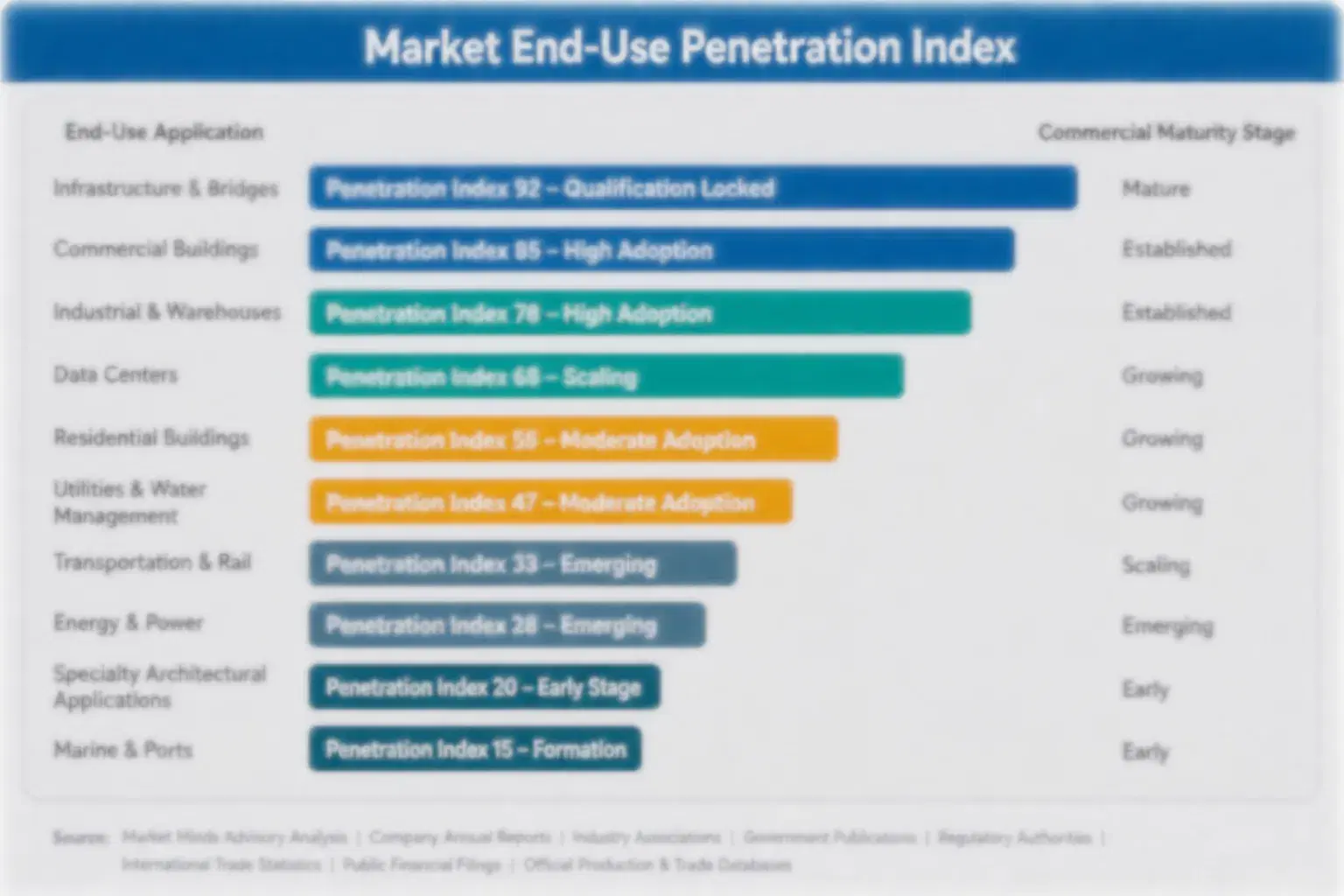
United Kingdom caramel malt demand behaves like an annuity once a brewer specifies a grade. Craft breweries reorder every few weeks, large brewers sign annual contracts, and a satisfied buyer typically stays with the maltster for years, because a change of malt can alter colour, flavour, and consistency across seasonal releases. Exporters add predictability through repeat container orders, and brewers use last year's volumes to plan purchases.
Adoption stickiness differs by vertical. Craft breweries are the deepest, since recipes are tuned to specific crystal malts and signature ales carry brand identity. Large brewers are almost as loyal, because contracts standardise specifications across plants. Bakers and food makers are shallower and switch on price and format, while pub-owned microbreweries and event brewers buy occasionally for limited releases.

Buyer profiles are shifting between generations. Older brewers specify colour and price and trust established British maltsters, while younger brewers add provenance, organic certification, and regenerative barley stories. Health-conscious food makers add a third group that wants natural colour and malted grains. Maltsters that publish farm data, share harvest stories, and support brewers through festivals and tastings win these buyers and keep them as tastes and rules evolve.
united-kingdom-caramel-malt-market-end-use-penetration-index-1789791232864

MMA Verdict on UK Malt Strategy

These are among the four positions where our research anticipates prominent divergence between winners and laggards over the coming forecast period. Each is grounded in the demand model, the regulatory perimeter, and the announced capacity pipeline.
01 / HERITAGE BARLEY STRATEGY

Lock Farm Contracts for Heritage Varieties Before Craft Brewers Switch Origins

Heritage and floor-malted caramel malts grow at 6.4% a year, about 1.52 times the market rate, and they sell at 25% to 60% above standard crystal malts, so early farm contracts secure heritage barley supply before demand scales. Winners sign multi-year agreements, keep varieties segregated, and offer small export bags that craft brewers overseas value. Maltsters that wait will find acreage committed to rivals, and heritage barley will become scarcer as export demand grows in Asia and North America each year.
02 / EXPORT SERVICE STRATEGY

Build Small-Lot Export Documentation to Win Overseas Craft Brewer Orders

Exports carry about 38% of total volume, and craft brewers overseas need small lots, clear quality certificates, and customs paperwork that works after Brexit border changes. Maltsters should offer 25 kilogram bags, mixed pallets, and prepared export documents for each shipment, which reliably lift margin by three to five points on those lines. Those that treat export as an afterthought will steadily lose craft accounts to continental competitors that ship quickly, document clearly, and understand seasonal release calendars and local tastes.
03 / FOOD SECTOR DIVERSIFICATION STRATEGY

Sign Food-Grade Contracts to Offset Pub Closures and Beer Duty Pressure

Pub closures and beer duty pressure limit domestic malt volume, while food makers already take about 30% of demand and pay steady contract prices. Maltsters should promptly obtain full food-grade certification, provide allergen data, and sign firm 12- to 24-month bakery, cereal, and biscuit contracts that stabilise kiln use across the year. Those that stay beer-only will remain heavily exposed to declining draught volumes and to craft customers that cannot grow orders fast enough to replace lost domestic demand at home.
04 / COST HEDGING STRATEGY

Hedge Barley and Kiln Energy and Add Price Clauses to Protect Margin

Barley and kilning energy take about 59% of cost of goods, and fixed 12-month contracts leave maltsters badly exposed when costs move 20% or more within a single trading year. Clauses linked to published barley and gas indexes protect two to four points of reported gross margin, and brewers accept them because transparent formulas reduce renewal disputes. Maltsters that keep fixed prices will absorb cost spikes, shrink margins, or lose accounts to competitors that hedge forward with confidence and clear terms.

Engagement Snapshot From the Field

A live engagement with an industry participant carrying material or product regulatory and market exposure ahead of a defining policy shift, showing how our research translates into a defensible multi-year portfolio strategy.
MARKET MINDS ADVISORY · CLIENT ENGAGEMENT SUMMARY
Demand for Caramel Malt in United Kingdom Producer Strategic Portfolio Review and Transition Roadmap 2026·Investment Scenario on Demand for Caramel Malt in United Kingdom Exposure Evaluation 2025-26
CLIENT PROFILE
The client is a mid-sized UK specialty maltster with annual sales near GBP 48 million (client-reported, unverified by MMA), two sites, and a portfolio led by standard medium and dark crystal malts sold to regional brewers and export importers. It had no food-grade line, limited heritage barley contracts, and heavy exposure to kiln energy costs under fixed customer prices.
STRATEGIC CHALLENGE
Domestic beer volumes were falling, energy costs remained high after the 2022 spike, and craft customers overseas wanted small lots and heritage grades. Management needed to decide whether to invest in heritage barley, food-grade contracts, or energy efficiency, with limited capital and only one site able to run segregated small batches.
MMA APPROACH
MMA analysed sales and cost data across 55 products, interviewed 12 craft brewers, six bakery buyers, and eight importers, and ran a customer survey on provenance, small lots, and price tolerance across three regions. It modelled margin by product and channel, tested energy and barley scenarios, and ranked investments by payback period and execution risk.
KEY FINDINGS
  1. Heritage and floor-malted grades could reach 16% of sales within two years at margins 9 points above the core range (client-reported, unverified by MMA).
  2. Small-bag export service could add 7% of sales within three years and lift average price per tonne by about 10% on those accounts.
  3. Kiln heat recovery and fixed energy contracts could cut energy cost per tonne by about 12% and protect roughly two margin points in a price spike.
  4. Food-grade contracts with two bakery groups could stabilise about 15% of volume and reduce exposure to pub closures within 24 months of signing.
CLIENT PROFILE
The client is a mid-sized UK specialty maltster with annual sales near GBP 48 million (client-reported, unverified by MMA), two sites, and a portfolio led by standard medium and dark crystal malts sold to regional brewers and export importers. It had no food-grade line, limited heritage barley contracts, and heavy exposure to kiln energy costs under fixed customer prices.
STRATEGIC CHALLENGE
Domestic beer volumes were falling, energy costs remained high after the 2022 spike, and craft customers overseas wanted small lots and heritage grades. Management needed to decide whether to invest in heritage barley, food-grade contracts, or energy efficiency, with limited capital and only one site able to run segregated small batches.
MMA APPROACH
MMA analysed sales and cost data across 55 products, interviewed 12 craft brewers, six bakery buyers, and eight importers, and ran a customer survey on provenance, small lots, and price tolerance across three regions. It modelled margin by product and channel, tested energy and barley scenarios, and ranked investments by payback period and execution risk.
KEY FINDINGS
  1. Heritage and floor-malted grades could reach 16% of sales within two years at margins 9 points above the core range (client-reported, unverified by MMA).
  2. Small-bag export service could add 7% of sales within three years and lift average price per tonne by about 10% on those accounts.
  3. Kiln heat recovery and fixed energy contracts could cut energy cost per tonne by about 12% and protect roughly two margin points in a price spike.
  4. Food-grade contracts with two bakery groups could stabilise about 15% of volume and reduce exposure to pub closures within 24 months of signing.
RECOMMENDED STRATEGY
Phase 1: Phase 1 (Months 1-6): Sign heritage barley contracts, fix energy for 12 months, and begin heat recovery installation at the main site. Phase 2: Phase 2 (Months 7-18): Launch small-bag export range and pursue food-grade certification, using the segregated batch line for heritage grades. Phase 3: Phase 3 (Months 19-30): Reduce low-margin standard volume, sign bakery contracts, and expand heritage capacity as export orders steadily scale across markets.
OUTCOME
Within 30 months, heritage, export small-lot, and food-grade products reached 26% of sales, energy cost per tonne fell by 12%, and gross margin improved by four points (client-reported, unverified by MMA). The client signed two bakery groups and 30 overseas craft accounts, while importers named it a preferred supplier for English-style crystal malts.

Frequently Asked Questions

Foundational context covering the market sizes, CAGR, scope, country, region and competition that inform every finding below. This section is provided to cover basics and most often pre-purchase conversations, answered from the MMA Primary Research Dataset.

What is the current size of the Demand for Caramel Malt in United Kingdom?

United Kingdom demand for caramel malt was valued at $0.4 billion in 2025, including UK-malted exports. Growth is supported by craft and low-alcohol beer, export orders, and food sector uses.

How large will the Demand for Caramel Malt in United Kingdom be by 2036?

The market is projected to reach $0.63 billion by 2036, up from $0.42 billion in 2026. The increase of $0.21 billion reflects heritage ranges, export growth, and food-grade contracts.

What is the CAGR for the Demand for Caramel Malt in United Kingdom 2026 to 2036?

The market is forecast to grow at a 4.2% CAGR from 2026 to 2036. The bull case reaches 5.5% and the bear case 2.9%, depending on barley harvests and energy costs.

Which segment is growing fastest?

Heritage and Floor-Malted Caramel Malts is the fastest-growing segment at 6.4% CAGR, roughly 1.52 times the overall market rate. Organic and Regenerative Barley Caramel Malts follows as the second-fastest segment at 5.6% CAGR each year.

Who are the major companies in the Demand for Caramel Malt in United Kingdom?

Major suppliers include Crisp Malting Group, Simpsons Malt, Muntons, Bairds Malt, and Thomas Fawcett and Sons. Boortmalt, Malteurop, Weyermann, Warminster Maltings, and brewing groups also hold meaningful positions.

Which country is growing fastest?

South Korea is the fastest-growing export destination at a 6.0% CAGR, driven by craft beer taprooms and English-style ale interest. Japan and Australia follow through craft brewers importing heritage crystal malts.

Report Segmentation Architecture

The full report scope spans multiple orthogonal segmentation dimensions, with cross-tabulated demand data provided for each dimension pair. Coverage extends further to regional breakdowns, trend trajectories, and the competitive detail needed to support segment-level decision-making.

By Primary Market Dimension

  • Light Crystal Malts
  • Medium Crystal Malts
  • Dark Crystal Malts
  • Dextrin-Type and Cara-Pale Malts
  • Heritage and Floor-Malted Caramel Malts
  • Organic and Regenerative Barley Caramel Malts

By End-Use Industry

  • Craft Beer Brewing
  • Large Brewery Production
  • Low and No Alcohol Beer
  • Bakery and Food Manufacturing
  • Malt Beverages

By Commercial Dimension

  • Direct Contracts With Large Brewers
  • Craft Brewer Direct Sales
  • Export Importers and Distributors
  • Food Ingredient Distributors
  • Private Label and Contract Malting

By Region

  • North America
  • Western Europe
  • East Asia
  • South Asia and Pacific
  • Latin America
  • Middle East and Africa
  • Eastern Europe

Scope, Methodology, and Coverage

Every figure in this report is reproducible from documented input assumptions. The scope below maps the historical period, the forecast horizon, the segmentation dimensions, and the countries covered, alongside the underlying primary and qualitative methodology.
Historical Period
2020 to 2025
Forecast Period
2026 to 2036
Base Year
2025 (USD billions; MMA Primary Research Dataset, September 2026)
Market Definition
Demand for caramel malt in the United Kingdom comprises caramel and crystal malts consumed in the United Kingdom and caramel malts made in the United Kingdom for export, including light, medium, and dark crystal malts, dextrin-type and cara-pale malts, heritage and floor-malted caramel malts, and organic and regenerative barley caramel malts, sold to brewers, bakers, malt beverage makers, and food manufacturers. The scope excludes base malt, roasted and chocolate malts, distilling malt, malt extracts sold as syrup, and finished beer.
Quantitative Units
USD billions (current prices); kilotonnes for volume references
Segmentation Dimensions
By Malt Type and Origin; By End-Use Industry; By Commercial Dimension; By Region
Regions Covered
North America, Western Europe, East Asia, South Asia and Pacific, Latin America, Middle East and Africa, Eastern Europe
Countries Covered
UK, Ireland, USA, Canada, Japan, South Korea, Taiwan, Australia, India, Singapore, Brazil, Mexico, Chile, South Africa, Egypt, UAE, Poland, Czechia, Romania, and additional markets relevant to this sector
Key Companies Profiled
Crisp Malting Group, Simpsons Malt, Muntons, Bairds Malt, Thomas Fawcett and Sons, Boortmalt, Malteurop, Weyermann, Castle Malting, Viking Malt, Soufflet Group, Cargill, Warminster Maltings, Tuckers Maltings, Molson Coors, Heineken, Carlsberg, Greene King, Warburtons, Soreen
Quantitative Methodology
Primary survey, n=3,800 respondents, Q4 2025, six countries; demand-side model with trade association cross-validation
Qualitative Methodology
47 expert interviews, Q4 2025; applied to validate demand model assumptions, identify emerging dynamics, and assess competitive positioning
Report Format
PDF and XLSX data workbook (Word format preview document)
Publisher
Market Minds Advisory
Report Code
MMA-2026-AGR-385
Published
September 2026
Contact
sales@marketmindsadvisory.com | www.marketmindsadvisory.com

Purchase the full Demand for Caramel Malt in United Kingdom Report (2026 to 2036).

The full report delivers a detailed assessment of caramel malt demand in the United Kingdom through 2036, covering segment, export, and channel forecasts, competitive benchmarking of leading maltsters, and input cost analysis. It combines MMA primary research, including a six-country survey of 3,800 respondents and 47 expert interviews, with public trade and company data. Analysts also model barley harvest scenarios, energy price paths, and export documentation effects. Clients receive segment margin ranges, channel maps, and a case study on portfolio strategy. Supplier and buyer contact frameworks are also included for negotiation planning.
Ten-year segment and export demand forecasts
Barley, energy, and freight price tracking
Competitive benchmarking of top twenty suppliers
Beer duty and food labelling rule tracker
Export destination demand mechanism analysis included
Quarterly primary survey data update access

Built For The People Who Decide

From boardroom strategy to bench-side execution, this report is read cover-to-cover by leaders shaping the next decade of their industry, turning demand scenarios, market dynamics and valuation benchmarks into decisions.
CXOs/ Presidents/ VPs/ Managers
M&A and Corporate Development
Strategy Teams and R&D Heads
Procurement and Product Directors
Regulatory and Compliance Leaders
Investor Relations and Equity Analysts