Market Minds Advisory
Ultrasonic Electrosurgical Devices Market

Ultrasonic Electrosurgical Devices Market: Ultrasonic Electrosurgical Devices Market: The Generator Is The Asset

A generator placed free in an operating theatre decides which handpieces that hospital can buy for the next nine years, which makes the capital equipment a distribution channel rather than a product.

Lead Analyst

Published

August 2026

Make Smarter Decisions with Customized Research Insights

Request a free sample report and evaluate market opportunities, growth trends, and competitive dynamics relevant to your business needs.

2025 MARKET VALUE$6.4BMarket Size 2025
2036 FORECAST VALUE$14.9BBase Case , 2026 to 2036
CAGR 2026 TO 20368.0 %Bull 9.2% / Bear 6.8%
INCREMENTAL OPPORTUNITY$8.0BNet 10- year value creation
EXPANSION MULTIPLE2.16x2036 value over 2026 base
Strategic Levers
M&A Pipeline
Regional Outlook
Country Rankings
Competitive Intelligence
Segmental Deep-dive
Call-Us : 91 93563 13602

Executive Snapshot and Market Trajectory.

The capital equipment is not the product. A generator placed in a theatre at little or no cost determines which handpieces that hospital can purchase for roughly nine years, and the handpieces carry the margin. Manufacturers are running a distribution business dressed as an equipment business.
North America takes 31% of value on procedure pricing and surgical volume together, with East Asia at 27% and growing considerably faster as domestic manufacturers gain ground. Combined ultrasonic and bipolar devices grow at 12.0%, half again the market rate of 8.0%, because a single instrument that seals and cuts removes an exchange from the procedure and surgeons value that more than any specification comparison.
Concentration reaches 78%, and the real threat to consumable margin is not a competitor but a reprocessor. Third-party operators collect used handpieces, reprocess them under regulatory clearance and resell at roughly 51% below new pricing. Manufacturers answer with authentication that limits reuse counts, and hospitals under cost pressure keep buying reprocessed devices anyway. Authentication contains it partially and resolves nothing, since the commercial logic behind reprocessing survives every technical countermeasure. Reprocessing survives every technical answer.
Market Definition
The market covers advanced energy devices used for surgical dissection, vessel sealing and haemostasis, including ultrasonic shears and scalpels, advanced bipolar vessel sealers, combined ultrasonic and bipolar devices, monopolar electrosurgical instruments, generators and energy platforms, and robotic-compatible energy instruments. Surgical staplers, electrocautery for dermatological use, radiofrequency ablation for oncology, laser surgical systems, smoke evacuation equipment, and general surgical instrumentation are excluded.
Base Year Value
$6.4B in 2025 (MMA Primary Research Dataset, August 2026)
Forecast Period
2026 to 2036, eleven discrete annual values
CAGR
8.0% base case. Bull 9.2%. Bear 6.8%.
Fastest Growth Segment
Combined Ultrasonic and Bipolar Devices: 12.0% CAGR
Fastest Growth Country
India: 10.1% CAGR
Fastest Growth Region
South Asia and Pacific: 10.2% CAGR
Largest Region
North America: 31% of 2025 global value
Market Leaders
Johnson & Johnson MedTech, Medtronic, Olympus, Erbe Elektromedizin, B. Braun. Source: MMA Analysis based on disclosed surgical energy and instrument revenue, company annual reports 2025.
Primary Survey
n=3,800 procurement and R&D decision-makers, Q4 2025, six countries
Methodology
Demand-side build-up, cross-validated against public data, 47 expert interviews

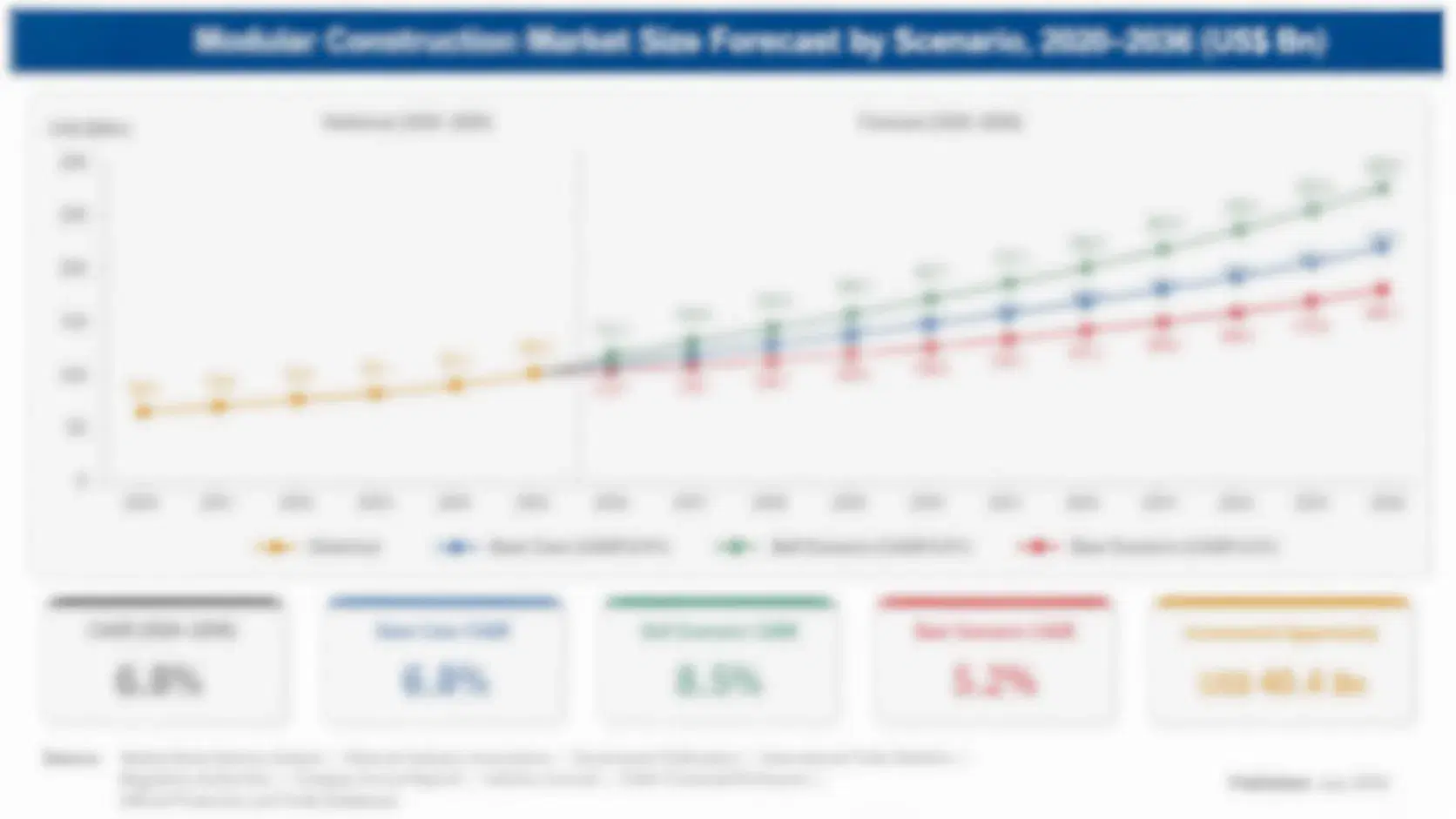
Ultrasonic Electrosurgical Devices Market Forecast Scenarios

ultrasonic-electrosurgical-devices-market-size-forecast-scenario-1787699272102
Growth from 2020 to 2025 ran at 6.8% and elective procedure disruption early in the period suppressed volume before a sustained recovery. Robotic surgery adoption accelerated throughout, which pulled energy instrument demand toward platform-compatible designs that the robot manufacturer controls access to. Third-party reprocessing expanded as hospital cost pressure intensified, and manufacturers answered with authentication rather than pricing.
The 8.0% base case rests on three mechanisms. Combined ultrasonic and bipolar devices keep displacing single-modality instruments because removing an exchange from a procedure matters more to a surgeon than any specification. Robotic platform adoption keeps expanding, and energy instruments built to those interfaces grow with it. And Asian surgical volume keeps rising as hospital capacity expands and domestic manufacturers make advanced energy affordable in settings that previously used monopolar alone.
The bull case at 9.2% assumes robotic adoption accelerates further and platform-compatible instrument pricing holds, which would concentrate growth among manufacturers with interface access. The bear case at 6.8% is reprocessing penetration rising faster than authentication can contain it, which would erode consumable margin across the installed generator base without reducing the cost of placing those generators in the first place.

Placing Generators To Sell Handpieces

Generators go into theatres cheaply or free and the handpieces carry everything. A placed generator runs roughly nine years and determines what that hospital can buy throughout, which makes capital equipment a distribution channel. Manufacturers who understand this bid aggressively on equipment they expect to lose money on. Those who price generators to recover cost win the tender and lose the decade that follows.
FIVE-FIRM CONCENTRATION78%Share of surgical energy revenue held by the leading manufacturers
HANDPIECE SELLING PRICE$340Typical hospital price for a single use ultrasonic handpiece
TOP PRODUCING COUNTRYUS 34%American share of global advanced energy device manufacturing output
GENERATOR INSTALLED LIFE9 yearsWorking life of a placed generator before hospital replacement
REPROCESSED PRICE DISCOUNT51%Discount reprocessed handpieces carry against new equivalent devices
LATERAL THERMAL SPREAD2.1 mmTissue heating beyond the jaw during vessel sealing
The genuine threat to that revenue is not a competing manufacturer. Third-party reprocessors collect used handpieces, restore and validate them under regulatory clearance and sell them back at roughly 51% below new pricing, which attacks precisely the margin the whole model depends on. Manufacturers answer with authentication chips and use counters that limit how often a device can be reactivated. Hospitals under cost pressure keep buying them anyway.
Surgeon preference decides purchases in ways procurement cannot override, which is unusual in hospital purchasing. Advanced energy is a hand-feel product, and a surgeon who trained on one jaw geometry resists standardisation onto another regardless of specification data. Lateral thermal spread of around two millimetres matters near nerves and bowel, and almost nobody measures it. Committees push standardisation and surgeons defeat it.
"The tender is for the generator and the business is in the handpiece. Anybody who wins the equipment on price has just paid for the privilege of watching somebody else sell consumables into their own installed base."
Director, Surgical Devices Practice · MMA Medical Devices Practice · August 2026

Market Trends

Combined Modality Devices Remove Instrument Exchanges Entirely

A single instrument that both seals and divides removes an exchange from the procedure, which saves theatre time and reduces the handling steps where errors occur. Surgeons value that more than any specification comparison between modalities, which is why growth at 12.0% is running well ahead of single-modality devices. The instruments cost more per unit and reduce total instrument count per case, so the commercial argument depends on procedure cost rather than device price, and few manufacturers present it that way. These instruments sell in theatre rather than in a tender document.
Market Impact: Governs access across 2 interfaces
Reprocessing Attacks Consumable Margin Rather Than Share

Third-party reprocessors restore used handpieces under regulatory clearance and resell them at roughly 51% below new pricing, which takes margin without taking the installed generator base that produced the opportunity. Manufacturers respond with authentication and use counters rather than with pricing, since matching a half-price competitor would reset the whole revenue model. Hospitals under sustained cost pressure keep buying reprocessed devices, and clinical outcome data has not settled the argument in either direction convincingly. Manufacturers who built procedure-level cost evidence argue on different ground, and very few have assembled it properly.
Market Impact: Reaches 3 expanding hospital systems

Market Opportunities and Growth Drivers

Robotic Platform Adoption Redirects Energy Instrument Demand

Robotic surgical platforms require energy instruments built to their own mechanical and electrical interfaces, which means the platform manufacturer decides which instruments a hospital can use at all. That converts a competitive instrument market into a controlled one wherever robotic procedures displace laparoscopic ones. Growth in robotic-compatible instruments at 10.8% follows platform installations rather than surgical demand directly. Manufacturers without interface access watch procedure volume migrate to platforms where they cannot participate on any terms. Access is negotiated with the platform owner rather than won from any hospital, which is a fundamentally different commercial capability.
Market Impact: Sustains 2 parallel device systems

Asian Hospital Capacity Expands Advanced Energy Access

Hospital construction and surgical capacity across China, India and Southeast Asia have expanded rapidly, and domestic manufacturers have made advanced energy affordable in settings that previously relied on monopolar instruments alone. India grows fastest of any country at 10.1% as private hospital networks scale. This adds genuinely new procedure volume rather than repositioning existing volume, which distinguishes it from Western markets where advanced energy penetration in appropriate procedures is already high. Price sensitivity is acute across most of those settings. Domestic manufacturers set the price point that makes it possible.
Market Impact: Delays returns across 9 years

Market Restraints and Challenges

Surgeon Preference Blocks Procurement Standardisation Attempts

Advanced energy is a hand-feel product and a surgeon trained on one jaw geometry resists switching regardless of what a specification comparison shows. Root cause is that instrument handling is a motor skill acquired over years rather than a preference formed from data. The commercial impact is that value analysis committees pushing standardisation achieve compliance on paper and defeat in theatre, which leaves hospitals running multiple systems. Mitigation involves surgeon training programmes, which take time and which competitors also run. Training built during residency is what actually shapes preference, and it takes years to establish.
Market Impact: Removes 1 exchange per procedure

Generator Placement Costs Precede Consumable Returns Substantially

A generator placed free or cheaply is capital spent years before the consumable revenue it enables arrives, and the payback depends entirely on procedure volume nobody can guarantee at placement. Root cause is a commercial model that trades certain cost for uncertain future revenue. The commercial impact is heavy working capital exposure at manufacturers pursuing installed base aggressively. Mitigation runs through minimum consumable commitments written into placement agreements, which hospitals increasingly resist signing. Working capital exposure is the real constraint on how aggressively any manufacturer can place equipment. Few write it down.
Market Impact: Cuts consumable pricing by 51%
3 additional market trends, 4 additional growth drivers, and 2 additional restraints and challenges are covered in the full report. Contact sales@marketmindsadvisory.com to access the complete intelligence.

Segment CAGR and Growth Architecture

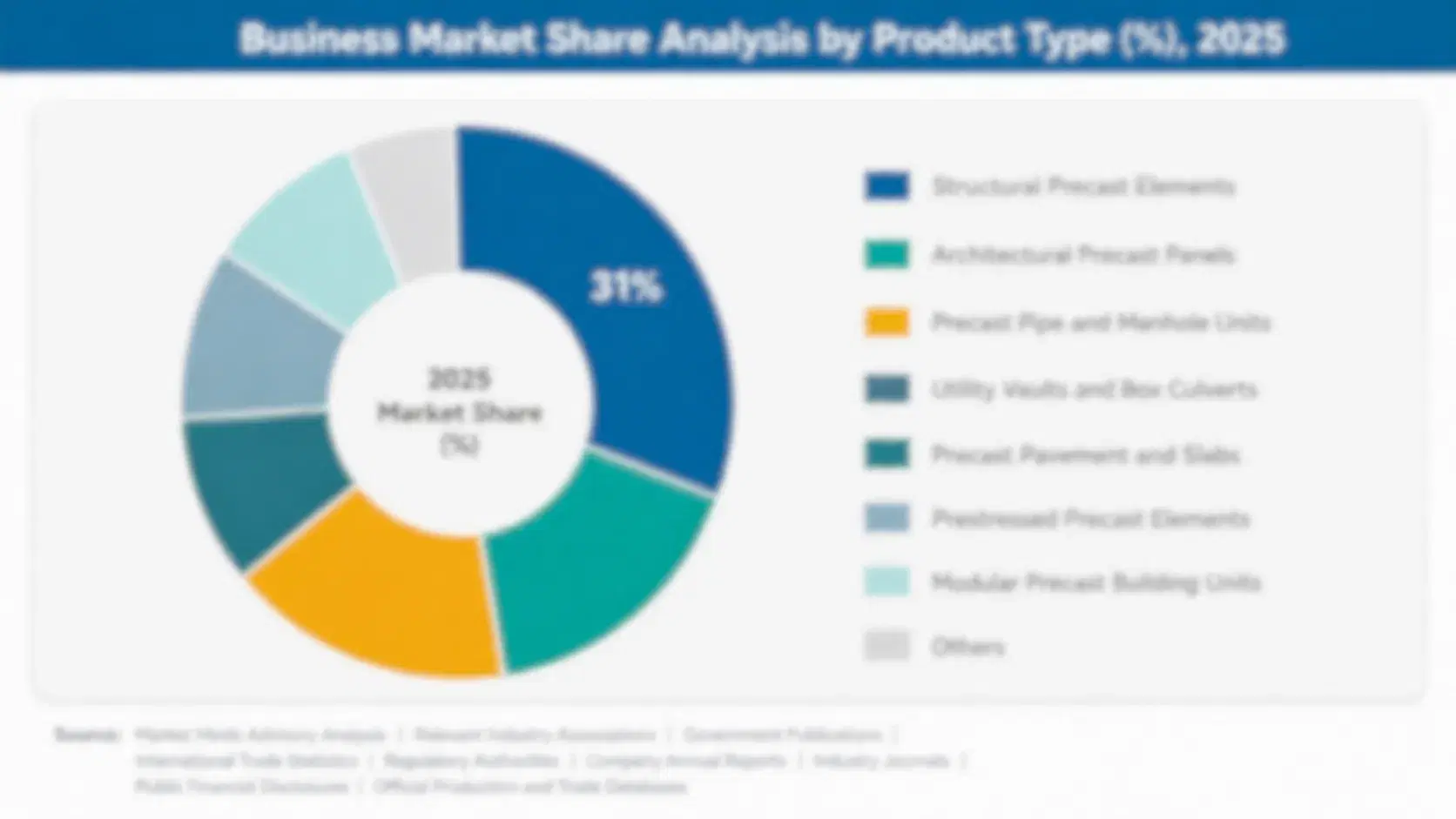
Segmentation follows energy modality and device type: how the instrument delivers energy to tissue and what form it takes, rather than which procedure uses it or how it is purchased. Six device types cover the market without overlap, from ultrasonic shears through to robotic-compatible instruments. Surgical specialty and commercial arrangement are separate dimensions. Reprocessing status sits outside this hierarchy.
ultrasonic-electrosurgical-devices-market-market-share-analysis-1787699272353

Combined Ultrasonic and Bipolar Devices

A single instrument that seals with bipolar energy and divides ultrasonically removes an exchange from the procedure, which saves theatre time and cuts the handling steps where errors happen. Growth at 12.0%, half again the market rate of 8.0%, follows surgeon preference rather than any specification advantage, since surgeons weigh workflow far above comparative sealing data. The devices cost more per unit and reduce total instruments per case, so the argument works on procedure cost rather than device price, and manufacturers who quote per unit lose it. Reprocessing has penetrated these devices less than single-modality handpieces so far, though installed volume is what decides that. Manufacturers quoting per unit lose to those quoting per case.
CAGR 12.0%

Robotic-Compatible Energy Instruments

Robotic platforms require instruments built to their own mechanical and electrical interfaces, which means the platform manufacturer decides what a hospital may use rather than the hospital deciding for itself. Growth at 10.8% follows platform installations rather than surgical demand. Manufacturers without interface access simply cannot participate wherever robotic procedures displace laparoscopic ones, regardless of how good their instruments are. The commercial position here is negotiated with a platform owner rather than won from a hospital, which is an entirely different capability. Access terms tighten as platform owners recognise what participation is worth, which makes early negotiation considerably cheaper than late negotiation. Instrument quality decides remarkably little here. Negotiation replaces competition entirely.
CAGR 10.8%
Full segment breakdown across 6 segments available in the complete report.

Regional Architecture and Country Demand Map

Geography follows surgical volume together with procedure pricing and reimbursement structure. North America leads on pricing and advanced energy penetration, East Asia follows closely on volume and domestic manufacturing, and India grows fastest of all countries. Reprocessing penetration varies enormously between health systems. Placement models travel badly.

North America

Advanced energy penetration in appropriate procedures is already high, so growth comes from device mix rather than from converting monopolar cases. Third-party reprocessing is more established here than anywhere and attacks consumable margin across the installed base without touching generator placement. Value analysis committees push standardisation hard and surgeon preference defeats it regularly, which leaves large hospital systems running multiple energy platforms simultaneously. Robotic procedure volume is the highest globally, which makes platform interface access commercially decisive for any manufacturer wanting to participate in growth. Generator placement models are used aggressively here, and manufacturers who price equipment to recover cost consistently lose tenders to competitors treating it as distribution. Nobody recovers equipment cost.
Share: 31% | CAGR: 7.2% (2026 to 2036)

Western Europe

Procurement runs through hospital groups and national tendering that push standardisation more effectively than American value analysis committees manage, though surgeon preference still complicates implementation considerably. Reprocessing is regulated differently across member states, which makes penetration uneven and limits the margin erosion seen in North America. German manufacturers including Erbe hold strong positions in generator technology and electrosurgical platforms. Robotic adoption trails North America, so the interface access question is less immediately decisive though it is developing steadily across the larger markets. Generator placement works less well against national tenders that separate capital equipment from consumable supply, which breaks the economics the model depends upon. Placement economics work poorly here.
Share: 23% | CAGR: 6.4% (2026 to 2036)
Regional intelligence for 5 additional markets available in the complete report: East Asia, South Asia and Pacific, Latin America, Middle East and Africa, Eastern Europe. Contact sales@marketmindsadvisory.com.
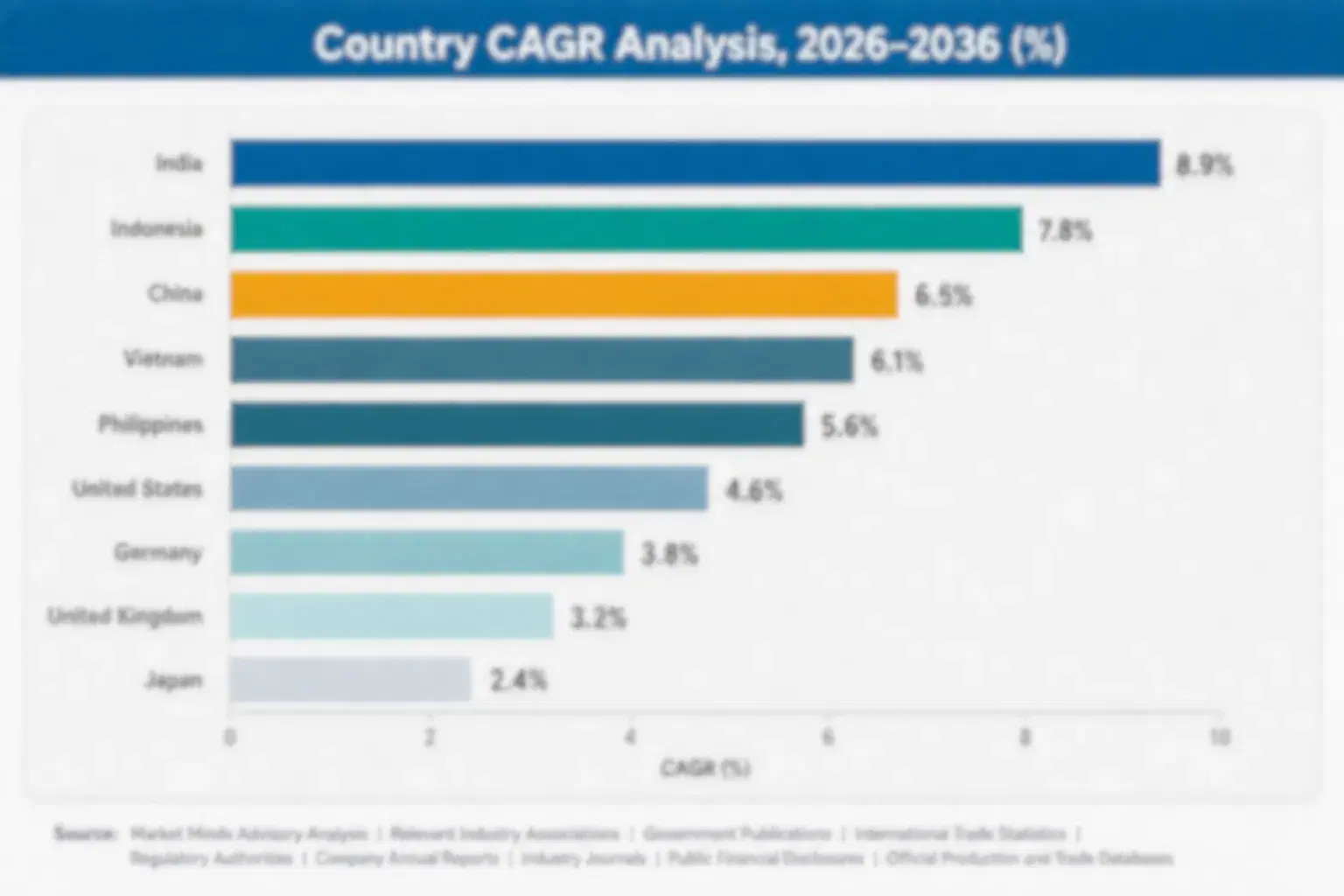
ultrasonic-electrosurgical-devices-market-country-cagr-analysis-1787699272671

Selling Procedures Rather Than Devices

A generator placed free decides nine years of handpiece purchasing, reprocessors undercut consumables by 51%, surgeon preference defeats standardisation, and robot makers control interface access. Four levers work on placement economics, reprocessing defence, surgeon training and platform access rather than on instrument specifications. Unit pricing loses every one of those arguments. Position is everything here.

Bid Generators To Lose And Win Consumables

A generator runs roughly 9 years and determines what a hospital can purchase throughout that period, which makes equipment pricing a distribution decision rather than a margin decision. Manufacturers who price generators to recover cost win tenders and then watch a decade of consumable revenue go elsewhere. Bidding to lose on equipment requires finance functions to accept negative capital margin deliberately, which is uncomfortable and correct. The installed base is the only asset in this business that compounds. Nothing else compounds this way. Placement is the whole business. Finance functions resist it.
Market Impact: Secures 9 full years of consumable access rights

Defend Consumable Margin Through Procedure Economics

Reprocessors sell restored handpieces at roughly 51% below new pricing, and matching that price would reset the entire revenue model rather than defend it. Authentication limits reuse and does not persuade a cost-pressured hospital of anything. Demonstrating total procedure cost, including theatre time saved by combined devices and instruments avoided per case, moves the argument to ground where a discounted single handpiece is not the comparison being made. Very few manufacturers build that evidence properly. The evidence takes time to assemble and it is the only durable answer available. Unit comparisons cannot be won.
Market Impact: Answers the whole 51% reprocessed handpiece discount entirely

Train Surgeons Before Procurement Standardises Away

Advanced energy is a motor skill acquired over years, and a surgeon trained on one jaw geometry resists switching regardless of specification data, which is why value analysis committees achieve compliance on paper and defeat in theatre. Manufacturers who run residency and fellowship training programmes shape preference before procurement ever becomes involved. It is slow, expensive and it creates the only switching cost in this market that a purchasing decision cannot simply override afterward. A hospital running 2 parallel systems is paying for both, and surgeons rather than committees decide which one gets used on the day.
Market Impact: Shapes surgeon preference across 2 competing device systems

Negotiate Robotic Interface Access Ahead Of Volume

Robotic platforms accept only instruments built to their own interfaces, so the platform owner rather than the hospital decides who participates in that procedure volume. Growth in compatible instruments runs at 10.8% and manufacturers without access simply cannot compete for it on any terms. Negotiating interface arrangements before robotic penetration rises in a market is considerably cheaper than negotiating afterward, when the platform owner knows exactly what the access is worth commercially. The door is controlled by somebody whose interests only partly overlap with the instrument manufacturer's own. Timing decides the terms.
Market Impact: Reaches the instrument growth running at 10.8% annually

Who Controls the Margin Pool

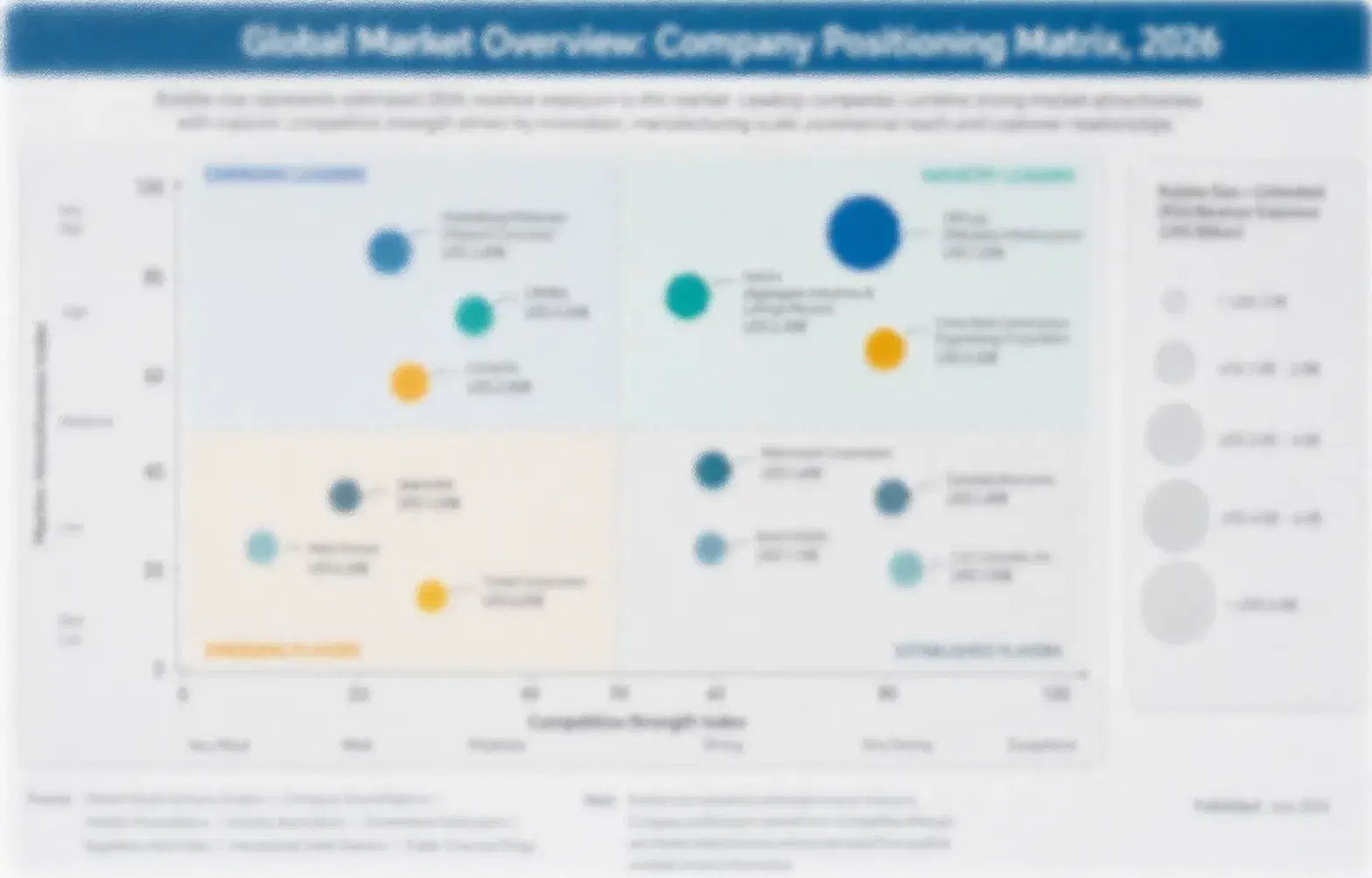
Measured on disclosed surgical energy and instrument revenue, the five largest manufacturers hold a CR5 of 78%, which reflects a market where installed generator bases and surgeon training programmes both take years to build. Johnson & Johnson MedTech and Medtronic hold the largest positions across ultrasonic and advanced bipolar modalities, Olympus through endoscopic and Asian strength, and Erbe through generator platform technology in European hospitals. Installed base rather than product quality decides most outcomes.
Three contests define activity. Generator placement competes on willingness to fund equipment against uncertain future consumable volume. Consumable supply competes against third-party reprocessors rather than against other manufacturers, which is a different fight requiring different arguments. Robotic-compatible instruments compete for interface access negotiated with platform owners rather than won from hospitals. A manufacturer organised for the first contest is rarely equipped for the second, and almost never for the third, since each demands a different capability entirely.

Pressure builds as reprocessing penetration rises and as robotic volume migrates procedures onto controlled platforms. Rankings shift toward manufacturers holding interface access and toward those who built procedure-level cost evidence. Surgeon training remains the quiet advantage nobody can buy quickly. Training cannot be bought quickly.
ultrasonic-electrosurgical-devices-market-company-positioning-matrix-1787699272945

Competitive Moat and Risk Dimensions

JOHNSON & JOHNSON MEDTECH

Moat: Installed Base And Training Depth

The company holds a large installed generator base alongside surgical training programmes that shape instrument preference during residency, which together create a position built over decades rather than bought. A competing manufacturer with better instruments still faces surgeons trained on another jaw geometry and hospitals locked to another generator for years to come.
JOHNSON & JOHNSON MEDTECH

Risk: Reprocessing Margin Erosion

A large installed base is exactly what makes third-party reprocessing commercially attractive, since reprocessors need volume of a single device type to build an operation around. Scale creates the opportunity that erodes it. Authentication limits reuse without addressing why cost-pressured hospitals want reprocessed devices in the first place.
MEDTRONIC

Moat: Advanced Bipolar Platform Breadth

Medtronic holds strong positions across advanced bipolar vessel sealing and combined modality devices supported by a wide generator platform installed in hospitals globally. Breadth across modalities lets it serve surgeons with different preferences from one platform, which reduces the multi-system problem hospitals otherwise face. That flexibility is difficult for single-modality competitors to answer.
MEDTRONIC

Risk: Robotic Interface Dependency

Robotic procedure volume migrates to platforms whose owners decide which instruments may be used, which places a large manufacturer in a negotiating position rather than a competitive one. Platform breadth in laparoscopic energy does not transfer to a controlled robotic interface. Volume growing at 10.8% sits behind a door somebody else controls.

Players Tracked

Prominent Players

Johnson & Johnson MedTech
Medtronic
Olympus
Erbe Elektromedizin
B. Braun

Other Key Players

Stryker
ConMed
Applied Medical
Intuitive Surgical
KLS Martin
Söring
Bowa Medical
Bolder Surgical
Innovative Health
Microline Surgical
Reach Surgical
Ackermann Instrumente
Genicon
Purple Surgical
Hangzhou Kangji Medical

Recent Developments

FEBRUARY 2025

Hospital network expands reprocessed energy device programme across sites

A large hospital network extended its reprocessed advanced energy programme to additional facilities, a procurement decision rather than any corporate transaction. Reprocessed handpieces priced roughly half below new devices had produced measurable savings, and outcome monitoring had identified no difference in results. Savings were immediate and measurable.
Signal: Reprocessing attacks consumable margin across an installed base without ever competing for the generator placement. Margin leaves quietly.
JUNE 2025

Energy manufacturer secures robotic platform interface agreement

An advanced energy manufacturer reached an interface agreement permitting its instruments to operate on a robotic surgical platform, a commercial licensing arrangement rather than any acquisition or joint venture. Robotic procedure volume had been migrating away from laparoscopic energy instruments the manufacturer could otherwise supply freely.
Signal: Platform owners rather than hospitals decide who participates in robotic procedure volume across every surgical specialty.
SEPTEMBER 2025

Provincial procurement round compresses advanced energy pricing sharply

A Chinese provincial volume-based procurement round for advanced energy devices produced substantial price reductions, a public procurement outcome rather than any corporate event. Domestic manufacturers priced aggressively and expanded share, while international suppliers weighed volume against margin across a market of considerable size. Access widened as pricing fell.
Signal: Volume-based procurement compresses pricing while it expands access, which changes the whole commercial calculation for everybody.

What An Energy Device Costs

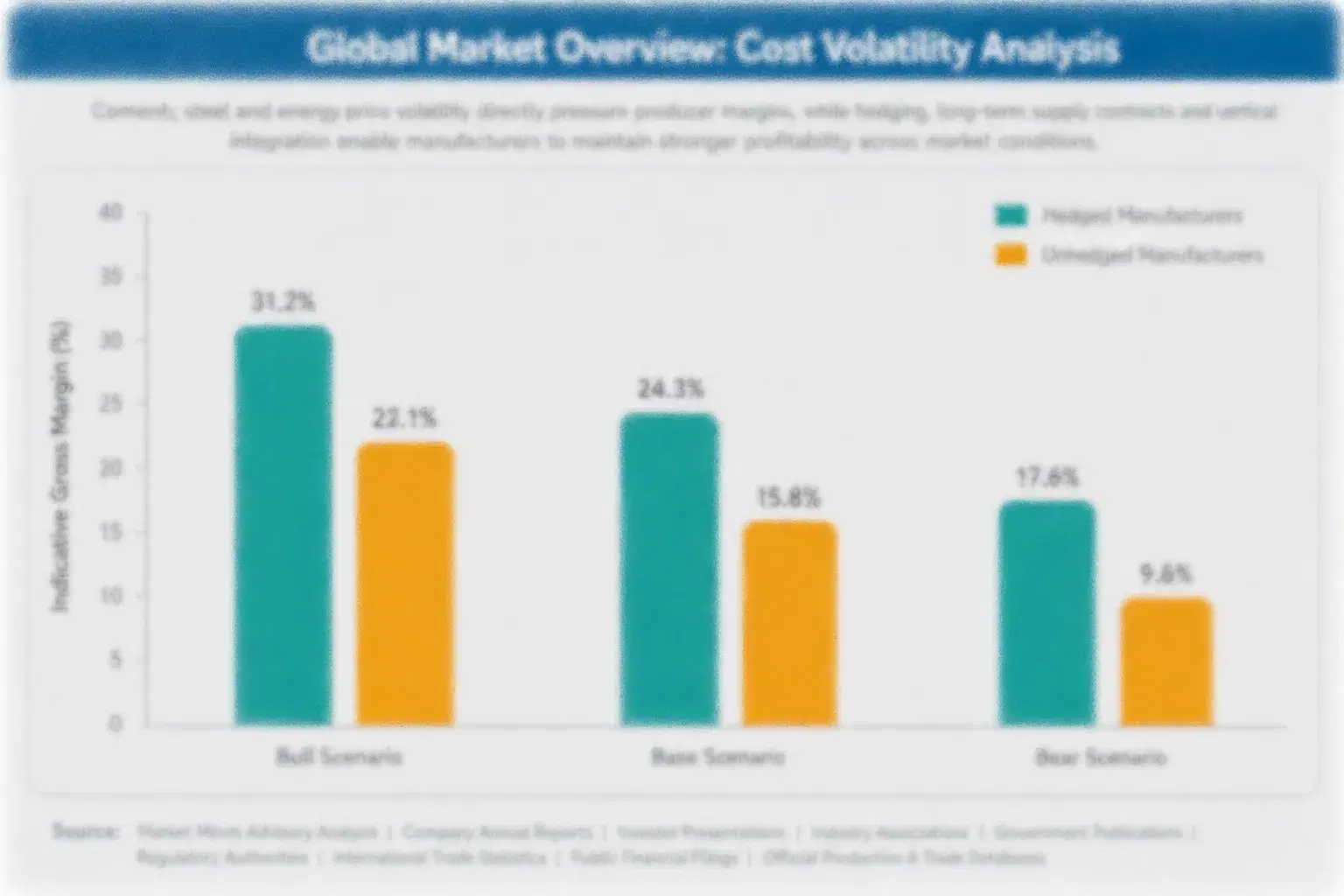
Handpiece manufacturing is precision assembly rather than raw material conversion. Piezoelectric elements, titanium waveguides, moulded polymer housings and electronics together account for 34 to 42% of handpiece cost, with assembly labour and sterilisation adding substantially more. Generator manufacturing carries its own electronics and software cost, and that equipment is frequently placed below cost deliberately, which makes it a commercial investment rather than a manufactured product sold at margin.
The volatility that mattered was semiconductor and electronic component supply through 2021 and 2022. Component shortages extended generator lead times and raised costs across the sector, which Medtronic and Olympus annual report disclosures document across the period. Titanium pricing also moved with energy and aerospace demand, and IEA industrial energy data records the underlying cost pressure. Committed component supply agreements made the difference that year.

Exposure divides by commercial model rather than by manufacturing scale. Manufacturers placing generators aggressively carry capital cost years ahead of consumable returns, which is working capital exposure rather than input cost exposure. Those selling equipment outright avoid it and forfeit the installed base. European manufacturers carry higher assembly labour and energy cost, while Chinese domestic manufacturers compete on both and increasingly on component sourcing as well.
ultrasonic-electrosurgical-devices-market-cost-volatility-analysis-1787699273274

Write minimum consumable commitments into placement agreements

Generator placement trades certain capital cost for consumable revenue that depends on procedure volume nobody guarantees, which is working capital exposure across roughly nine years. Minimum commitment clauses convert part of that uncertainty into contracted revenue. Hospitals increasingly resist signing them, which makes negotiating position rather than legal drafting the practical constraint on using this at all.

Commit component supply for generator electronics

Semiconductor and electronic component shortages extended generator lead times through 2021 and 2022 and raised costs across the sector, disrupting placement programmes at exactly the moment procedure volumes were recovering. Committed supply agreements cost flexibility and protect the placement pipeline that consumable revenue depends on entirely. Manufacturers buying on the open market lost placements they could not fulfil.

Price on procedure cost rather than handpiece unit

Reprocessed handpieces at roughly half the price of new devices make unit comparisons unwinnable regardless of manufacturing efficiency, since the reprocessor's input is a device somebody already paid for. Pricing against total procedure cost, including theatre time and instruments avoided, changes what is being compared. It requires procedure-level evidence most manufacturers have never assembled.

Portfolio Architecture for Margin Defence

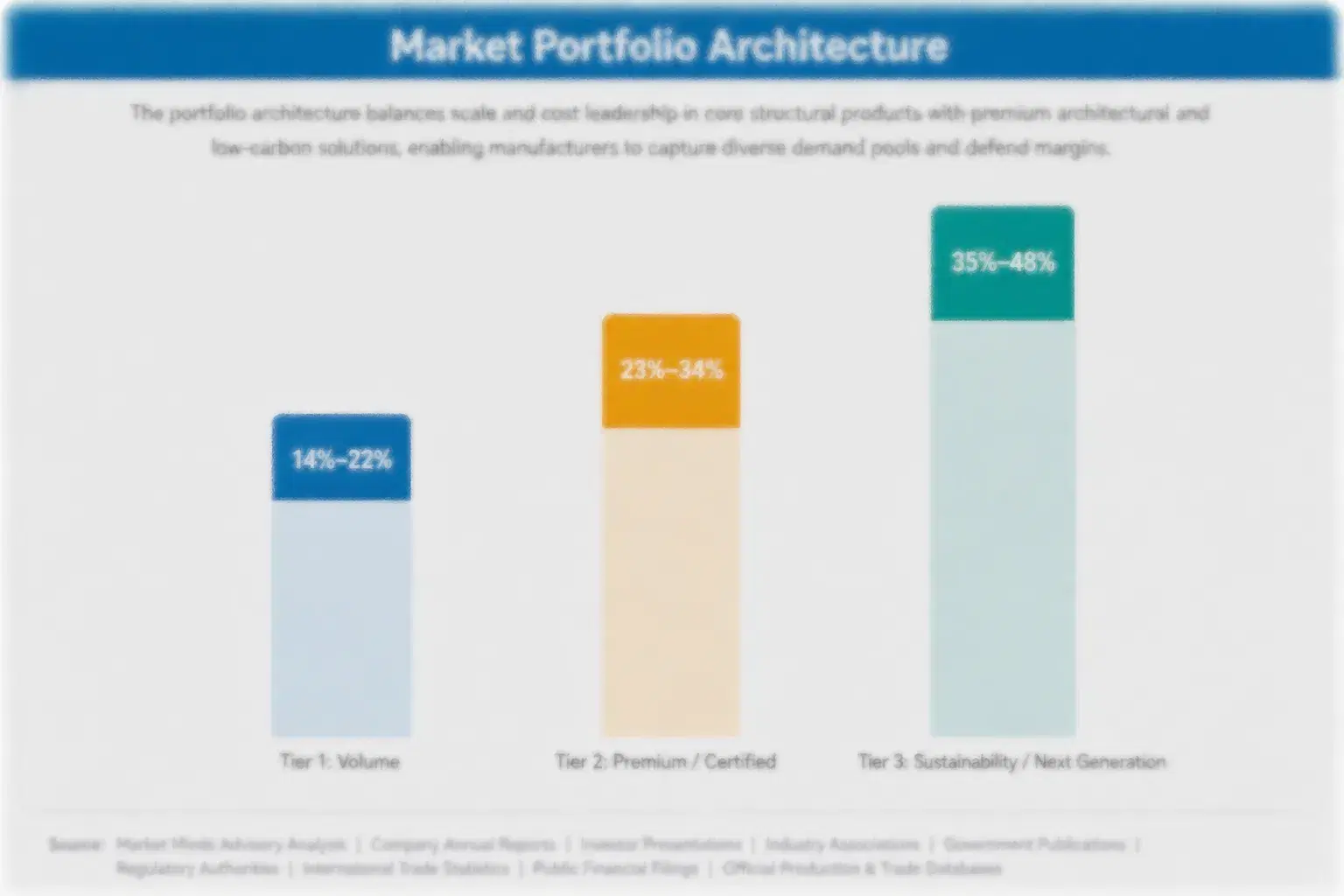
Margin sits almost entirely in consumables and almost nowhere else. Generators are frequently placed below cost as a route to the installed base, so equipment margin is negative by design at manufacturers pursuing share properly. Monopolar instruments are genericised and earn little. Ultrasonic and advanced bipolar handpieces earn strongly where reprocessing has not penetrated. Combined modality and robotic-compatible instruments earn most, since both carry genuine differentiation surgeons can feel.
The tension is that the installed base which generates consumable revenue is also what makes reprocessing commercially viable. A reprocessor needs concentrated volume of one device type to build an operation, and only a large installed base provides that. Manufacturers therefore create the conditions that erode their own margin by succeeding at placement. Authentication technology contains it partially and does not resolve the underlying commercial logic at all.

High-value pools sit in three places. Combined modality instruments where surgeon workflow preference is genuine and reprocessing is less established. Robotic-compatible instruments behind negotiated interface access. And surgeon training relationships, which shape preference during residency and create the only switching cost that a procurement decision cannot simply override.

Volume / Commodity-Adjacent

Monopolar electrosurgical instruments and generators placed at or below cost to secure installed base access. The 9-point range is wide because instrument margins and deliberately negative equipment margins sit within the same commercial tier despite entirely different economics.
Gross Margin: 22-31%

Premium / Certified

Ultrasonic shears and advanced bipolar vessel sealers supplied into an established generator base. The 10-point spread separates devices facing significant reprocessing penetration from those in procedures or geographies where reprocessed alternatives are not yet widely available.
Gross Margin: 56-66%

Sustainability / Regulatory / Next-Generation

Combined ultrasonic and bipolar devices and robotic-compatible energy instruments behind negotiated platform access. The 17-point range is wide because interface access terms vary enormously between platform owners and materially change realised device economics.
Gross Margin: 62-79%
ultrasonic-electrosurgical-devices-market-portfolio-architecture-1787699273576

High-value Sub-segments and Strategic Watch-out

Combined Modality Instruments

Highest value and fastest growth at 12.0%, where removing an instrument exchange is a workflow argument surgeons accept immediately and specification comparisons never win. The risk is that reprocessors extend coverage to combined devices once installed volume justifies building an operation around them. Volume decides that timing.
Gross Margin: 71-79%

Robotic-Compatible Instruments

Strong growth at 10.8% behind interface access that platform owners control entirely and that hospitals cannot influence. The risk is that access terms tighten as platform owners recognise what participation is worth, leaving manufacturers negotiating from a considerably weaker position. Terms rarely improve later. Early agreements hold better.
Gross Margin: 62-70%

Ultrasonic Handpiece Volume

The volume core, generating most consumable revenue across the installed generator base and facing the heaviest reprocessing pressure of any segment. Manufacturers hold the position because it funds generator placement, and losing it undermines the whole commercial model. Placement depends on it entirely. Nobody can walk away.
Gross Margin: 56-62%

Reprocessing Penetration

The strategic watch-out. Reprocessors take margin at roughly half new pricing without ever competing for the generator placement that created the opportunity. The risk is that success at building installed base directly creates the concentrated device volume reprocessing operations require. Success creates the vulnerability. That is the awkward part.
Gross Margin: 24-30%

Nine Years Per Placement

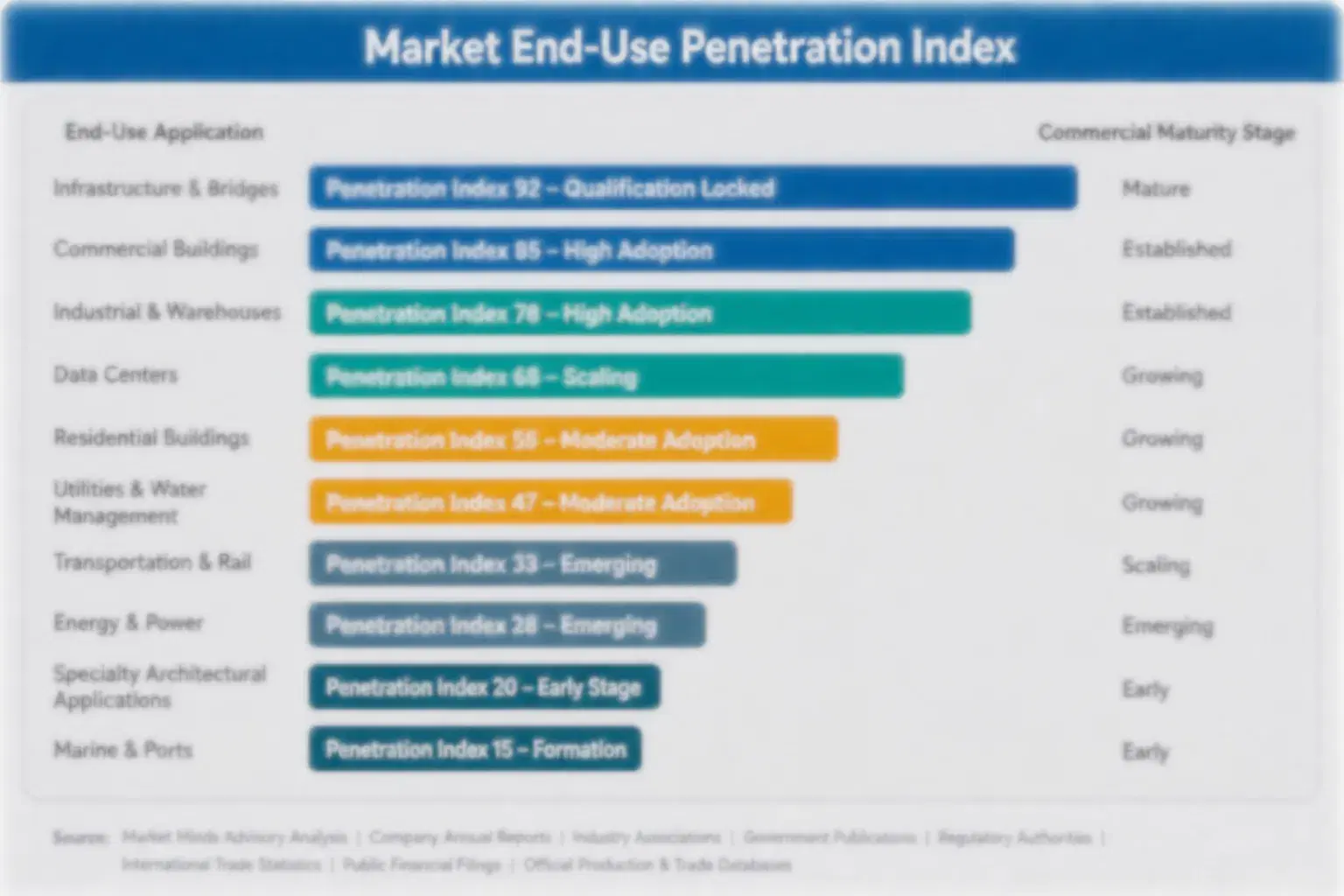
A generator placement is a nine year annuity and every other revenue line in this business depends on it. Handpieces are consumed per procedure and never accumulate, so consumable revenue tracks a hospital's surgical volume directly rather than any purchasing cycle. What makes it work is that the generator determines which handpieces can be used at all.
Stickiness is unusually strong and unusually vulnerable at the same time. A hospital cannot switch handpiece supplier without replacing the generator, which nobody does mid-life. It can, however, buy the same handpiece reprocessed at roughly half price, which takes the margin while leaving the lock entirely intact. Surgeon training adds a second layer of stickiness that survives both, since a motor skill does not transfer between jaw geometries.

The decision maker varies by device and by health system. Generator placement is negotiated with hospital administration and capital committees. Handpiece purchasing runs through supply chain and value analysis functions who compare unit prices and increasingly consider reprocessed alternatives. Surgeons decide what actually gets used in theatre and frequently override both. Manufacturers organised for only one of those conversations lose in the other two consistently.
ultrasonic-electrosurgical-devices-market-end-use-penetration-index-1787699273869

Where The Real Asset Sits

These are among the four positions where our research anticipates prominent divergence between winners and laggards over the coming forecast period. Each is grounded in the demand model, the regulatory perimeter, and the announced capacity pipeline.
01 / PLACEMENT ECONOMICS DISCIPLINE

Lose the generator tender on purpose

A placed generator runs for roughly nine years and decides which handpieces a hospital may purchase throughout that entire period, which makes equipment pricing a distribution decision rather than a margin decision at all. Manufacturers who price their generators to recover cost win the tender and then watch a decade of consumable revenue flow to somebody else entirely. Bidding deliberately to lose on the capital equipment requires a finance function willing to accept negative equipment margin as a deliberate strategy.
02 / REPROCESSING RESPONSE STRATEGY

You cannot match half price and survive

Third-party reprocessors sell restored handpieces at roughly 51% below new pricing, and their input is a device the hospital already bought once, which no manufacturing efficiency can ever match. Authentication technology limits reuse counts without persuading a cost-pressured hospital of anything at all, which is the whole problem. Demonstrating total procedure cost, including theatre time saved and instruments avoided per case, moves the whole argument onto ground where a single discounted handpiece is no longer the comparison being made at all.
03 / SURGEON PREFERENCE FORMATION

Motor skill beats every specification comparison

Advanced energy handling is a motor skill acquired across years of training, and a surgeon taught on one jaw geometry resists switching regardless of what any specification comparison happens to demonstrate. Value analysis committees pushing standardisation therefore achieve compliance on paper and defeat in the operating theatre repeatedly. Manufacturers running residency and fellowship training programmes shape that preference long before procurement is ever involved, which is the only switching cost in this market that a purchasing decision cannot simply override.
04 / INTERFACE ACCESS NEGOTIATION

Somebody else controls the fastest growing door

Robotic platforms accept only instruments built to their own mechanical and electrical interfaces, so the platform owner rather than the hospital itself decides which manufacturers may participate in that procedure volume at all. Compatible instrument growth runs at 10.8% annually, and manufacturers without interface access cannot compete for any of it on any terms available. Negotiating interface arrangements before robotic penetration rises in a market is considerably cheaper than negotiating afterward, once the platform owner knows what access is worth.

Engagement Snapshot From the Field

A live engagement with an industry participant carrying material or product regulatory and market exposure ahead of a defining policy shift, showing how our research translates into a defensible multi-year portfolio strategy.
MARKET MINDS ADVISORY · CLIENT ENGAGEMENT SUMMARY
Ultrasonic Electrosurgical Devices Producer Strategic Portfolio Review and Transition Roadmap 2026·Investment Scenario on Ultrasonic Electrosurgical Devices Exposure Evaluation 2025-26
CLIENT PROFILE
A mid-size surgical energy manufacturer supplying ultrasonic and advanced bipolar devices across European and selected Asian markets, with reported surgical energy revenue of 310 million dollars (client-reported, unverified by MMA). Generators were sold outright at positive margin under a long-standing pricing policy. No robotic platform interface arrangement existed and surgeon training activity was limited to product demonstrations.
STRATEGIC CHALLENGE
Installed base growth had stalled for three years while consumable revenue per installed generator declined as reprocessing spread. Management was pursuing handpiece manufacturing cost reduction and a generator range refresh. Neither addressed why the installed base was not growing, nor why competitors were placing equipment the company was still trying to sell profitably.
MMA APPROACH
MMA modelled lifetime revenue per generator across the installed base using placement, procedure and consumable data the company held in separate systems and had never combined. Nineteen expert interviews with hospital capital committees, supply chain leads and surgeons established how placement and instrument decisions are actually made. The analysis treated equipment pricing policy and reprocessing exposure, rather than manufacturing cost, as the causes.
KEY FINDINGS
  1. Lifetime consumable revenue per generator exceeded equipment revenue by a wide multiple, and the pricing policy protecting equipment margin was costing far more placements than it earned.
  2. Every tender lost in two years had gone to a competitor placing generators at or below cost, and the company had recorded these as price losses on equipment.
  3. Reprocessing had penetrated the three largest accounts, and no procedure-level cost evidence existed to support any argument beyond unit price comparison. Unit price was the only argument available.
  4. Surgeons at four accounts had trained on competitor devices during residency, and none had ever been approached with a structured training programme.
CLIENT PROFILE
A mid-size surgical energy manufacturer supplying ultrasonic and advanced bipolar devices across European and selected Asian markets, with reported surgical energy revenue of 310 million dollars (client-reported, unverified by MMA). Generators were sold outright at positive margin under a long-standing pricing policy. No robotic platform interface arrangement existed and surgeon training activity was limited to product demonstrations.
STRATEGIC CHALLENGE
Installed base growth had stalled for three years while consumable revenue per installed generator declined as reprocessing spread. Management was pursuing handpiece manufacturing cost reduction and a generator range refresh. Neither addressed why the installed base was not growing, nor why competitors were placing equipment the company was still trying to sell profitably.
MMA APPROACH
MMA modelled lifetime revenue per generator across the installed base using placement, procedure and consumable data the company held in separate systems and had never combined. Nineteen expert interviews with hospital capital committees, supply chain leads and surgeons established how placement and instrument decisions are actually made. The analysis treated equipment pricing policy and reprocessing exposure, rather than manufacturing cost, as the causes.
KEY FINDINGS
  1. Lifetime consumable revenue per generator exceeded equipment revenue by a wide multiple, and the pricing policy protecting equipment margin was costing far more placements than it earned.
  2. Every tender lost in two years had gone to a competitor placing generators at or below cost, and the company had recorded these as price losses on equipment.
  3. Reprocessing had penetrated the three largest accounts, and no procedure-level cost evidence existed to support any argument beyond unit price comparison. Unit price was the only argument available.
  4. Surgeons at four accounts had trained on competitor devices during residency, and none had ever been approached with a structured training programme.
RECOMMENDED STRATEGY
Phase 1: Phase one: reprice generators to secure placement rather than recover cost, accepting negative equipment margin as a deliberate commercial decision. Phase 2: Phase two: build procedure-level cost evidence covering theatre time and instrument count so consumable arguments stop resting on unit price. Phase 3: Phase three: establish residency and fellowship training partnerships, since surgeon preference formed in training survives every procurement decision afterward. Preference outlasts procurement cycles.
OUTCOME
Generator repricing produced placements at seven accounts within three quarters, reversing the installed base decline (client-reported, unverified by MMA). Procedure cost evidence changed the basis of consumable discussion at two of the three accounts where reprocessing had penetrated. Two teaching hospital training partnerships were established with fellowship programmes beginning the following academic year.

Frequently Asked Questions

Foundational context covering the market sizes, CAGR, scope, country, region and competition that inform every finding below. This section is provided to cover basics and most often pre-purchase conversations, answered from the MMA Primary Research Dataset.

What is the current size of the Ultrasonic Electrosurgical Devices Market?

The market was worth 6.4 billion dollars in 2025, covering ultrasonic, advanced bipolar, combined modality, monopolar, generator and robotic-compatible devices. It reaches 6.91 billion dollars in 2026.

How large will the Ultrasonic Electrosurgical Devices Market be by 2036?

MMA forecasts 14.92 billion dollars by 2036, an increase of 8.01 billion dollars over the 2026 base. That represents an expansion multiple of 2.16 times across the forecast period.

What is the CAGR for the Ultrasonic Electrosurgical Devices Market 2026 to 2036?

The base case compounds at 8.0% annually. The bull case reaches 9.2% if robotic adoption accelerates with stable pricing, while the bear case sits at 6.8% on faster reprocessing penetration.

Which segment is growing fastest?

Combined ultrasonic and bipolar devices, at 12.0%, half again the market rate of 8.0%. Removing an instrument exchange from the procedure matters more to surgeons than any specification comparison.

Who are the major companies in the Ultrasonic Electrosurgical Devices Market?

Johnson & Johnson MedTech, Medtronic, Olympus, Erbe Elektromedizin and Braun lead on disclosed surgical energy revenue. Stryker, ConMed and Applied Medical hold significant positions across specific modalities.

Which country is growing fastest?

India at 10.1%, as private hospital networks expand surgical capacity and advanced energy reaches procedures previously performed with monopolar instruments. The United States remains the largest single market.

Report Segmentation Architecture

The full report scope spans multiple orthogonal segmentation dimensions, with cross-tabulated demand data provided for each dimension pair. Coverage extends further to regional breakdowns, trend trajectories, and the competitive detail needed to support segment-level decision-making.

By Energy Modality

  • Ultrasonic Shears and Scalpels
  • Advanced Bipolar Vessel Sealers
  • Combined Ultrasonic and Bipolar Devices
  • Monopolar Electrosurgical Instruments
  • Generators and Energy Platforms
  • Robotic-Compatible Energy Instruments

By End-Use Specialty

  • General and Colorectal Surgery
  • Gynaecological Surgery
  • Bariatric and Metabolic Surgery
  • Thoracic Surgery
  • Urological Surgery
  • Head, Neck and Endocrine Surgery

By Commercial Dimension

  • Generator Placement Agreement
  • Outright Capital Equipment Sale
  • Consumable Supply Contract
  • Robotic Platform Interface Supply
  • Group Purchasing Organisation Tender
  • Reprocessed Device Supply

By Region

  • North America
  • Western Europe
  • East Asia
  • South Asia and Pacific
  • Latin America
  • Middle East and Africa
  • Eastern Europe

Scope, Methodology, and Coverage

Every figure in this report is reproducible from documented input assumptions. The scope below maps the historical period, the forecast horizon, the segmentation dimensions, and the countries covered, alongside the underlying primary and qualitative methodology.
Historical Period
2020 to 2025
Forecast Period
2026 to 2036
Base Year
2025 (USD billions; MMA Primary Research Dataset, August 2026)
Market Definition
Scope covers advanced energy devices used for surgical dissection, vessel sealing and haemostasis, spanning ultrasonic shears and scalpels, advanced bipolar vessel sealers, combined ultrasonic and bipolar devices, monopolar electrosurgical instruments, generators and energy platforms, and robotic-compatible energy instruments. Surgical staplers and stapling reloads, electrocautery for dermatological and office use, radiofrequency and microwave ablation for oncology, laser surgical systems, argon plasma coagulation, surgical smoke evacuation equipment, and general reusable surgical instrumentation are excluded from the market size and all derived figures.
Quantitative Units
USD billions (current prices); handpieces consumed; generators placed; procedures performed; lateral thermal spread in millimetres
Segmentation Dimensions
By Energy Modality; By End-Use Specialty; By Commercial Dimension; By Region
Regions Covered
North America, Western Europe, East Asia, South Asia and Pacific, Latin America, Middle East and Africa, Eastern Europe
Countries Covered
USA, China, Japan, Germany, India, France, UK, South Korea, Italy, Brazil, Spain, Australia, Canada, Turkey, Saudi Arabia
Key Companies Profiled
Johnson & Johnson MedTech, Medtronic, Olympus, Erbe Elektromedizin, B. Braun, Stryker, ConMed, Applied Medical, Intuitive Surgical, KLS Martin, Söring, Bowa Medical, Bolder Surgical, Innovative Health, Microline Surgical, Reach Surgical, Ackermann Instrumente, Genicon, Purple Surgical, Hangzhou Kangji Medical
Quantitative Methodology
Primary survey, n=3,800 respondents, Q4 2025, six countries; demand-side model with trade association cross-validation
Qualitative Methodology
47 expert interviews, Q4 2025; applied to validate demand model assumptions, identify emerging dynamics, and assess competitive positioning
Report Format
PDF and XLSX data workbook (Word format preview document)
Publisher
Market Minds Advisory
Report Code
MMA-2026-MED-121
Published
August 2026
Contact
sales@marketmindsadvisory.com | www.marketmindsadvisory.com

Purchase the full Ultrasonic Electrosurgical Devices Market Report (2026 to 2036).

The full report runs to 176 pages and covers all six energy modality segments, seven regions and 20 profiled companies in detail. It includes the complete segment CAGR set, regional reprocessing penetration mapping, and lifetime revenue modelling per placed generator across representative procedure volumes. Company profiles carry evaluation on disclosed surgical energy and instrument revenue, with moat and risk assessment for the top five manufacturers. The competitive section extends to 15 tracked corporate, regulatory and procurement developments across 2024 and 2025. Primary research inputs include a quantitative survey of 3,800 respondents and 47 expert interviews conducted in Q4 2025.
Six energy modality segments with individual CAGR forecasts
Seven regional markets with reprocessing penetration and pricing mapping
Twenty company profiles on consistent revenue evaluation basis
Fifteen tracked corporate and procurement developments with commercial interpretation
Lifetime revenue modelling per placed generator across procedure volumes
Robotic interface access analysis across major surgical platforms

Built For The People Who Decide

From boardroom strategy to bench-side execution, this report is read cover-to-cover by leaders shaping the next decade of their industry, turning demand scenarios, market dynamics and valuation benchmarks into decisions.
CXOs/ Presidents/ VPs/ Managers
M&A and Corporate Development
Strategy Teams and R&D Heads
Procurement and Product Directors
Regulatory and Compliance Leaders
Investor Relations and Equity Analysts