Market Minds Advisory
Ulcerative Colitis Treatment Market

Ulcerative Colitis Treatment Market: Growth From Sequencing Not Curing

Every new mechanism arrives at roughly the same induction remission rate as the last one, so the market expands by cycling patients through more therapies rather than by getting more of them well.

Lead Analyst

Published

September 2026

Make Smarter Decisions with Customized Research Insights

Request a free sample report and evaluate market opportunities, growth trends, and competitive dynamics relevant to your business needs.

2025 MARKET VALUE$9.2BMarket Size 2025
2036 FORECAST VALUE$20.6BBase Case , 2026 to 2036
CAGR 2026 TO 20367.6 %Bull 8.8% / Bear 6.4%
INCREMENTAL OPPORTUNITY$10.7BNet 10- year value creation
EXPANSION MULTIPLE2.08x2036 value over 2026 base
Strategic Levers
M&A Pipeline
Regional Outlook
Country Rankings
Competitive Intelligence
Segmental Deep-dive
Call-Us : 91 93563 13602

Executive Snapshot and Market Trajectory

A decade of new mechanisms has not moved the ceiling. Induction remission sits around 31% across advanced therapies regardless of target, so patients cycle through an average of 2.4 agents rather than responding durably to one. Revenue grows on that cycling. Clinical failure and commercial growth are uncomfortably aligned.
North America holds 36% of value on advanced therapy pricing rather than patient numbers, and that gap is the single most important fact in the market. Interleukin targeting biologics grow at 11.4%, half again the market rate of 7.6%, largely by taking position ahead of older mechanisms rather than by reaching untreated patients. Positioning in the treatment sequence decides revenue more than efficacy data ever has.
Concentration reaches 71%, and biosimilar erosion of roughly 74% on anti-TNF pricing has reset what every newer agent must justify itself against. A payer comparing a novel mechanism to a cheap biosimilar asks a question nobody had to answer eight years ago. Oral agents change the cost structure entirely, though safety labelling has held several of them behind biologics. Registry data will resolve that slowly at best, and meanwhile the cost advantage sits unused.
Market Definition
The market covers pharmacological treatment of ulcerative colitis, including anti-tumour necrosis factor biologics and their biosimilars, anti-integrin biologics, interleukin targeting biologics, Janus kinase inhibitors, sphingosine-1-phosphate receptor modulators, and aminosalicylates with corticosteroids. Crohn's disease therapies where separately indicated, surgical intervention and colectomy, endoscopy and diagnostic procedures, nutritional and supportive therapy, and faecal microbiota products remain outside the defined scope.
Base Year Value
$9.2B in 2025 (MMA Primary Research Dataset, August 2026)
Forecast Period
2026 to 2036, eleven discrete annual values
CAGR
7.6% base case. Bull 8.8%. Bear 6.4%.
Fastest Growth Segment
Interleukin Targeting Biologics: 11.4% CAGR
Fastest Growth Country
India: 9.7% CAGR
Fastest Growth Region
South Asia and Pacific: 9.8% CAGR
Largest Region
North America: 36% of 2025 global value
Market Leaders
AbbVie, Johnson & Johnson, Takeda, Eli Lilly, Pfizer. Source: MMA Analysis based on disclosed inflammatory bowel disease and immunology franchise revenue, company annual reports 2025.
Primary Survey
n=3,800 procurement and R&D decision-makers, Q4 2025, six countries
Methodology
Demand-side build-up, cross-validated against public data, 47 expert interviews

Ulcerative Colitis Treatment Market Forecast Scenarios

ulcerative-colitis-treatment-market-size-forecast-scenario-1787699269492
Growth from 2020 to 2025 ran at 6.4% and the composition changed far more than the total did. Biosimilar entry against adalimumab and infliximab removed value from the largest class while newer mechanisms added it back at higher prices, so a market that looked stable was in upheaval. Treat-to-target guidance raised endpoints across the same period, which made older approvals look weaker.
The 7.6% base case rests on three mechanisms. Patients cycle through an average of 2.4 advanced therapies, and each additional line adds revenue without requiring any new patient. Interleukin targeting agents keep gaining position ahead of older mechanisms in treatment sequence. And Asian reimbursement listings keep admitting therapies that were previously unaffordable, which adds genuinely new patients. None of the three depends on any improvement in efficacy. All three run on access decisions rather than clinical progress.
The bull case at 8.8% assumes a mechanism finally breaks the induction remission ceiling, which would justify earlier use and higher pricing simultaneously. The bear case at 6.4% is payers responding to biosimilar economics by mandating anti-TNF failure before any newer agent, which would push expensive mechanisms later in sequence and compress their addressable population considerably across every major market.

The Ceiling Nobody Has Broken

Ten years and five mechanisms later, induction remission still sits around 31%. Anti-integrin, interleukin targeting, Janus kinase and sphingosine-1-phosphate agents all landed in roughly the same band despite attacking entirely different biology, which is a result the field has not satisfactorily explained. What follows commercially is that a treated patient cycles through an average of 2.4 advanced therapies. Revenue grows on that cycling rather than on more people getting well.
FIVE-FIRM CONCENTRATION71%Share of treatment revenue held by the leading pharmaceutical companies
ANNUAL THERAPY COST$34,000Yearly advanced therapy cost before rebates and negotiated discounts
TOP PRESCRIBING COUNTRYUS 41%American share of global advanced therapy treatment revenue
INDUCTION REMISSION RATE31%Patients reaching clinical remission at induction across advanced therapies
BIOSIMILAR PRICE EROSION74%Discount biosimilar tumour necrosis factor agents carry against originators
MECHANISM SWITCHES2.4Advanced therapies a treated patient cycles through on average
Sequence position therefore matters more than efficacy data. Response rates fall in later lines, so an agent used after anti-TNF failure performs worse than the same agent used first, and the trial data supporting each label reflects the population it was studied in. Companies fight for earlier positioning through head-to-head studies and guideline placement, because absolute numbers have refused to move.
Biosimilar erosion reset the arithmetic underneath all of it. Anti-TNF agents now sell at roughly 74% below originator pricing in most European markets, which means a payer evaluating a novel mechanism compares it to something very cheap rather than to something expensive. That comparison did not exist eight years ago. It is why several newer agents are reimbursed only after documented anti-TNF failure.
"Five mechanisms, one number. Thirty-one percent, over and over, whatever you target. Either we are all measuring the wrong endpoint or ulcerative colitis is several diseases wearing the same name."
Director, Immunology and Gastroenterology Practice · MMA Healthcare Practice · August 2026

Market Trends

Sequence Positioning Replaces Efficacy As Competitive Ground

Induction remission clusters around 31% across mechanisms, so no agent wins on absolute efficacy and every agent performs worse in later lines than in earlier ones. Companies therefore compete through head-to-head studies designed to establish earlier placement and through guideline committee engagement rather than through better numbers. A therapy positioned first-line reaches a treatment-naive population with better response rates and larger volume, while the same molecule positioned third-line reaches fewer patients who respond less well to it. Guideline committees discount messaging and respond to direct comparison, which is why the expensive studies keep getting funded.
Market Impact: Opens access across 3 listing systems
Biosimilar Economics Reset The Payer Comparison Entirely

Anti-TNF biosimilars sell at roughly 74% below originator pricing across most European markets, which means every newer mechanism is now evaluated against a cheap comparator rather than an expensive one. Payers increasingly require documented anti-TNF failure before reimbursing newer agents, which pushes those agents into later lines where they perform less well and reach fewer patients. Manufacturers respond with outcomes-based agreements and with data in populations biosimilars cannot serve, though neither fully answers the pricing argument. The pricing argument is the one nobody has answered convincingly. Outcomes contracting is the nearest thing to a response.
Market Impact: Raises endpoints across 2 measures

Market Opportunities and Growth Drivers

Asian Reimbursement Listings Admit Previously Unaffordable Therapies

National reimbursement listings across China, South Korea and increasingly India have admitted advanced therapies at negotiated prices that make treatment possible for populations previously managed on aminosalicylates and corticosteroids alone. India grows fastest of any country at 9.7% from a small base as access expands. This adds genuinely new treated patients rather than repositioning existing ones, which distinguishes it from most growth in Western markets where the treated population is already largely identified and managed. Prescribing habits are still forming across those markets, which makes early presence unusually valuable. Early presence pays.
Market Impact: Caps remission near 31%

Treat-To-Target Endpoints Raise The Therapeutic Bar

Guidelines have shifted from symptom control toward endoscopic and increasingly histological remission, which means a patient who feels well may still be considered inadequately treated and moved to another agent. That raises the bar every therapy must clear and increases switching, since clinical response no longer ends the treatment decision. Older approvals studied against symptomatic endpoints look weaker against newer data generated on stricter definitions, regardless of how the molecules would actually compare directly. Switching increases as a direct result. Endoscopic grounds alone can move a patient who feels entirely well.
Market Impact: Applies 3 boxed warning categories

Market Restraints and Challenges

The Induction Remission Ceiling Constrains Every Mechanism

Induction remission sits around 31% across five mechanisms attacking entirely different biology, which suggests the disease is heterogeneous in ways current targeting does not address. Root cause is most likely that ulcerative colitis comprises several distinct pathologies sharing a clinical presentation and a name. The commercial impact is that no launch can claim a decisive efficacy advantage, so competition runs on positioning and price instead. Mitigation runs through biomarker stratification work that remains early and unvalidated commercially. Stratification remains the only route past it. Nobody has validated a stratification approach commercially yet.
Market Impact: Cycles 2.4 therapies per patient

Safety Labelling Holds Oral Agents Behind Biologics

Janus kinase inhibitors carry boxed safety warnings covering cardiovascular events, malignancy and thrombosis, which followed regulatory review of long-term data in a different indication and applied across the class. Root cause is a class-wide regulatory judgement rather than any ulcerative colitis specific finding. The commercial impact is that oral agents with genuine convenience and cost structure advantages sit behind biologics in most treatment sequences. Mitigation involves long-term registry data, which accumulates slowly and persuades regulators slowly. Cost advantages sit unused meanwhile. Registries accumulate slowly and regulators move more slowly still.
Market Impact: Cuts comparator pricing by 74%
3 additional market trends, 4 additional growth drivers, and 2 additional restraints and challenges are covered in the full report. Contact sales@marketmindsadvisory.com to access the complete intelligence.

Segment CAGR and Growth Architecture

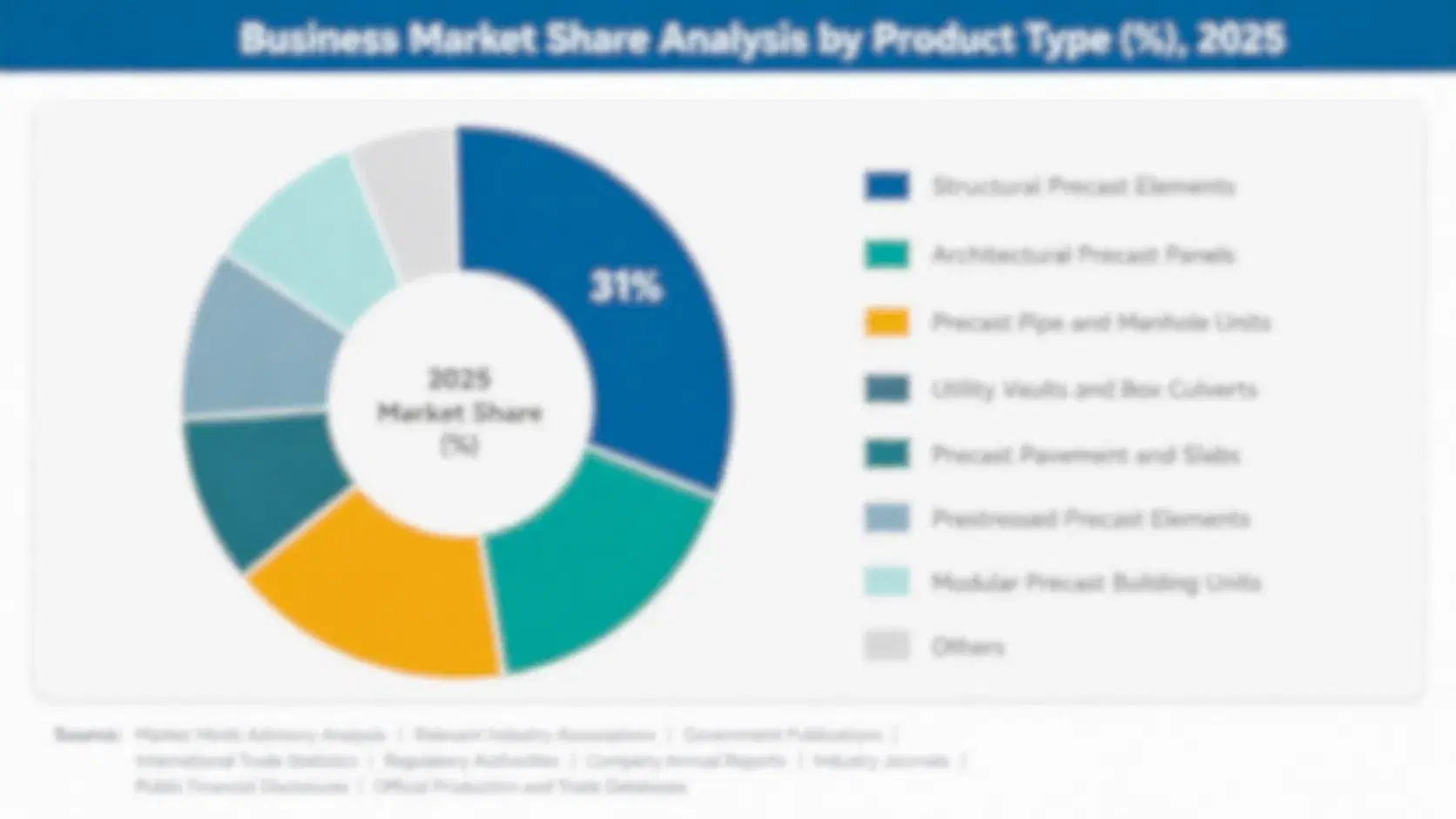
Segmentation follows therapeutic mechanism: what the agent targets biologically, rather than which line of therapy it occupies or how it is administered. Six mechanism classes cover the treated market without overlap, from anti-tumour necrosis factor agents through to conventional aminosalicylates. Line of therapy and care setting are treated as separate commercial dimensions throughout. Administration route sits inside the mechanism classes.
ulcerative-colitis-treatment-market-market-share-analysis-1787699269666

Interleukin Targeting Biologics

Growth at 11.4%, half again the market rate of 7.6%, comes largely from taking sequence position ahead of older mechanisms rather than from reaching untreated patients, since induction remission remains close to the 31% that every class achieves. Interleukin-23 selective agents have generated head-to-head data supporting earlier placement, which is the commercial argument that actually matters when absolute efficacy cannot separate products. Payers evaluating these agents against biosimilar anti-TNF pricing apply pressure that no efficacy dataset fully answers, and access frequently requires documented prior failure. What is being sold here is sequence position rather than any measurable improvement in how many patients get well. Access frequently lags the guideline recommendation by years.
CAGR 11.4%

S1P Receptor Modulators

Oral administration removes infusion capacity constraints and the biologic manufacturing cost base entirely, which is a genuine change to how treatment is delivered and paid for rather than a marginal convenience. Growth at 10.2% follows that advantage into settings where infusion access limits biologic use. Cardiac monitoring requirements at initiation and the broader caution applied to oral immunomodulators after Janus kinase safety reviews both hold the class behind biologics in most sequences. Induction remission sits in the same band as everything else, which nobody now finds surprising. The cost structure advantage is real and largely unrealised, since positioning rather than economics decides how many patients an agent reaches. Infusion capacity constraints are genuine in many systems.
CAGR 10.2%
Full segment breakdown across 6 segments available in the complete report.

Regional Architecture and Country Demand Map

Geography follows advanced therapy pricing far more than patient numbers, which is why revenue concentrates so heavily in North America. Western Europe follows on volume with biosimilar-driven pricing, while South Asia grows fastest from a small treated base. Two regions sit outside the standard bands for that reason.

North America

The 36% share sits above the standard band because American net pricing for advanced immunology therapies runs at a multiple of European levels, so revenue share substantially exceeds patient share. Sequence position is contested through pharmacy benefit formulary placement rather than through national guidelines, which makes rebate negotiation as commercially decisive as clinical data. Biosimilar penetration against adalimumab arrived later and more slowly than in Europe, which preserved originator value longer. Treat-to-target adoption is advanced, and endoscopic assessment drives switching more actively than in most other markets. Growth comes almost entirely from moving patients between mechanisms rather than from identifying anybody who is not already receiving treatment somewhere. Formulary negotiation decides most of it.
Share: 36% | CAGR: 6.8% (2026 to 2036)

Western Europe

Biosimilar erosion against anti-TNF agents reached roughly 74% here first, which reset the comparator every newer mechanism must justify itself against and reshaped access rules across most national systems. Health technology assessment bodies in Germany, France and England frequently require documented anti-TNF failure before reimbursing interleukin targeting or oral agents. That pushes newer mechanisms into later lines where response rates fall. Treated prevalence is high and well identified, so growth comes from sequencing and switching rather than from finding patients who are not already in the system. Portfolio breadth across mechanisms is the only genuine retention route here, since a patient failing one agent moves to whatever the payer permits next.
Share: 24% | CAGR: 6.0% (2026 to 2036)
Regional intelligence for 5 additional markets available in the complete report: East Asia, South Asia and Pacific, Latin America, Middle East and Africa, Eastern Europe. Contact sales@marketmindsadvisory.com.
ulcerative-colitis-treatment-market-country-cagr-analysis-1787699269845

Winning Position Rather Than Efficacy

Induction remission holds near 31% across every mechanism, patients cycle through 2.4 agents, biosimilars cut the comparator price by 74%, and safety labelling holds oral agents back. Four levers work on sequence placement, biomarker stratification, outcomes contracting and access expansion rather than on efficacy claims nobody can substantiate. Efficacy claims persuade nobody now. Position decides revenue.

Fund Head-To-Head Studies For Earlier Placement

No mechanism separates on absolute efficacy, since induction remission clusters near 31% regardless of target, so the only argument that moves guidelines is direct comparison. An agent placed first-line reaches a treatment-naive population with better response and considerably larger volume, while the same molecule placed third-line reaches fewer patients who respond less well. Head-to-head trials are expensive and risky and remain the only reliable route to earlier position. Companies avoiding them compete on messaging that guideline committees discount. Guideline committees notice the difference. Messaging without comparison persuades nobody. The studies decide placement.
Market Impact: Moves position across all 2.4 of the treatment lines

Build Biomarker Stratification Before Competitors Do

Five mechanisms landing at the same 31% remission rate points strongly toward a heterogeneous disease that current targeting does not distinguish. Whoever identifies which patients respond to which mechanism escapes the ceiling without needing a better molecule at all. The work is early, expensive and commercially unvalidated, and it is also the only route to a decisive advantage in this market. Companies treating it as research rather than as commercial strategy are leaving the largest available position unclaimed. Nobody has claimed that ground. Stratification is the unclaimed position. Research budgets treat it wrongly.
Market Impact: Addresses the 69% who fail induction therapy entirely

Contract On Outcomes Against Biosimilar Pricing

Anti-TNF biosimilars now sell roughly 74% below originator pricing, which means every newer agent faces a payer comparison that did not exist eight years ago and that no efficacy dataset resolves. Outcomes-based agreements tying payment to documented remission shift the argument from price per year to cost per responding patient. Payers respond to that framing where they reject price defences outright. It requires outcome measurement infrastructure that few manufacturers have built properly. Payers engage with that framing where straightforward price arguments fail immediately, which several manufacturers have now demonstrated in practice.
Market Impact: Answers the whole 74% biosimilar comparator discount directly

Invest In Asian Access Where Patients Are Untreated

Western treated populations are largely identified, so growth there comes from switching patients already in the system. Asian markets contain substantial undiagnosed and untreated populations, and India grows fastest at 9.7% as access expands through reimbursement listing and private insurance. Revenue per patient is far lower and the patient numbers are far larger. Manufacturers treating these markets as marginal are ceding a growing treated base to whoever establishes prescribing habits there first. Habits established now persist for a decade, and manufacturers arriving later find the prescribing patterns already set against them.
Market Impact: Reaches the growth running at 9.7% each year

Who Controls the Margin Pool

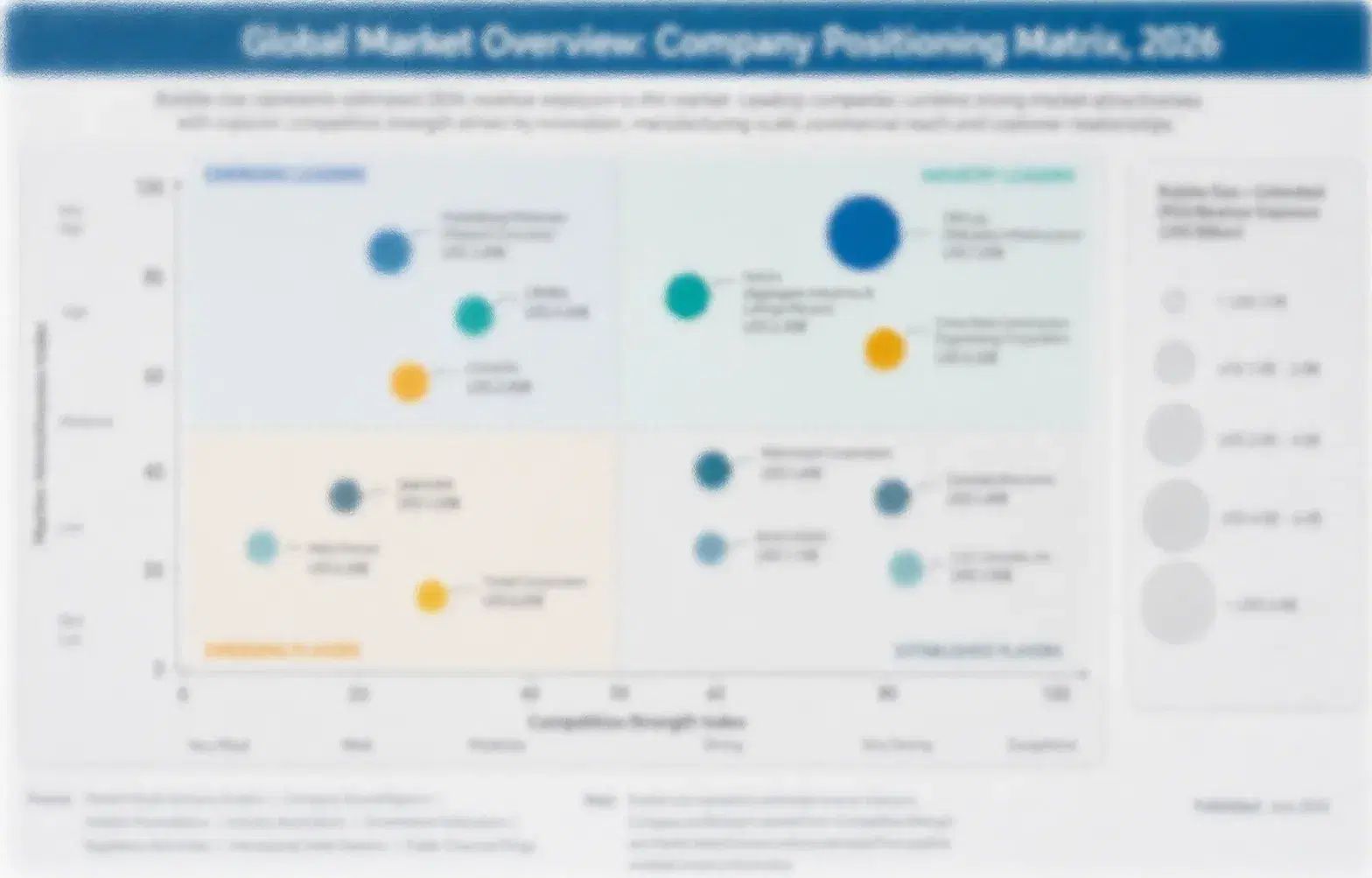
Measured on disclosed inflammatory bowel disease and immunology franchise revenue, the five largest companies hold a CR5 of 71%, which is typical for a market where development costs exclude all but the largest developers. AbbVie and Johnson & Johnson hold substantial positions across multiple mechanisms, Takeda through anti-integrin therapy, and Eli Lilly and Pfizer through more recent interleukin and oral agent approvals respectively. Breadth across mechanisms matters more than depth in any one.
Three contests define activity. Sequence placement is fought through head-to-head studies and guideline engagement, since absolute efficacy separates nothing. Payer access is fought against biosimilar comparator pricing that reset the arithmetic entirely. And geographic expansion is fought in Asian reimbursement negotiations where volume is large, pricing is low and prescribing habits are still forming. A company organised for one of those contests is rarely equipped for the others, and the capability each demands is entirely different.

Pressure builds as biosimilar economics push newer mechanisms later in sequence across Europe and increasingly elsewhere. Rankings shift toward whoever generates direct comparative data or identifies biomarkers that predict response. Nobody has broken the remission ceiling, and whoever does will reset the entire competitive order at once. The position remains unclaimed.
ulcerative-colitis-treatment-market-company-positioning-matrix-1787699270023

Competitive Moat and Risk Dimensions

ABBVIE

Moat: Multi-Mechanism Portfolio Depth

AbbVie holds positions across anti-TNF, Janus kinase and interleukin mechanisms, which lets it retain patients through the 2.4 therapy switches a treated patient typically makes rather than losing them at each failure. That breadth took two decades and considerable acquisition to assemble. A single-mechanism competitor captures one line and hands the patient on at the next switch.
ABBVIE

Risk: Biosimilar Erosion Concentration

The anti-TNF franchise that funded much of that breadth now faces biosimilar pricing roughly 74% below originator levels across most markets. Portfolio depth retains patients without protecting the revenue per patient that erosion removes. Holding a position across every line means little when the entry line has lost most of its value permanently.
JOHNSON & JOHNSON

Moat: Interleukin Mechanism Data Position

Johnson & Johnson generated comparative data supporting earlier sequence placement for its interleukin targeting agents, which is the argument that actually moves guideline committees when absolute efficacy separates nothing. Building that evidence required head-to-head trials competitors declined to run. Guideline placement earned through direct comparison is difficult to dislodge without an equivalent study, which few will fund.
JOHNSON & JOHNSON

Risk: Payer Sequencing Restriction Exposure

Guideline placement means little where payers require documented anti-TNF failure regardless of what guidelines recommend, which is increasingly the position across European health technology assessment. Clinical positioning and reimbursement positioning have separated. Winning the guideline argument while losing the access argument delivers prescribing intent that never converts into treated patients.

Players Tracked

Prominent Players

AbbVie
Johnson & Johnson
Takeda
Eli Lilly
Pfizer

Other Key Players

Bristol Myers Squibb
Gilead Sciences
Galapagos
Roche
Celltrion
Samsung Bioepis
Amgen
Sandoz
Boehringer Ingelheim
Ferring Pharmaceuticals
Dr Reddy's Laboratories
Biogen
Teva Pharmaceutical Industries
Alfasigma
Tillotts Pharma

Recent Developments

MARCH 2025

European assessment body requires anti-TNF failure before newer mechanisms

A European health technology assessment body confirmed that reimbursement for interleukin targeting and oral agents requires documented anti-TNF failure, a reimbursement decision rather than any corporate transaction. Biosimilar pricing roughly three quarters below originator levels had made the cheaper class difficult to bypass on cost effectiveness grounds.
Signal: Biosimilar economics push newer mechanisms into later lines where response rates and patient volumes both fall.
JULY 2025

Head-to-head study supports earlier placement for interleukin agent

A head-to-head study comparing an interleukin targeting agent against an anti-TNF comparator reported results supporting earlier sequence placement, a clinical development rather than any commercial transaction. Absolute remission rates remained within the familiar band, and the comparative result rather than the absolute number carried the commercial weight.
Signal: Direct comparison rather than absolute efficacy is what moves guideline placement in this therapeutic area. Absolute numbers do not.
OCTOBER 2025

National reimbursement listing admits advanced therapies at negotiated pricing

An Asian national reimbursement system admitted several advanced ulcerative colitis therapies following price negotiation, a reimbursement decision rather than any corporate event. Treated volume expanded quickly at prices far below Western levels, which adds genuinely new patients rather than repositioning ones already receiving treatment. Prescribing habits form quickly there.
Signal: Asian access expansion adds treated patients where Western growth largely reshuffles a population already identified. Timing matters considerably.

What Treatment Actually Costs

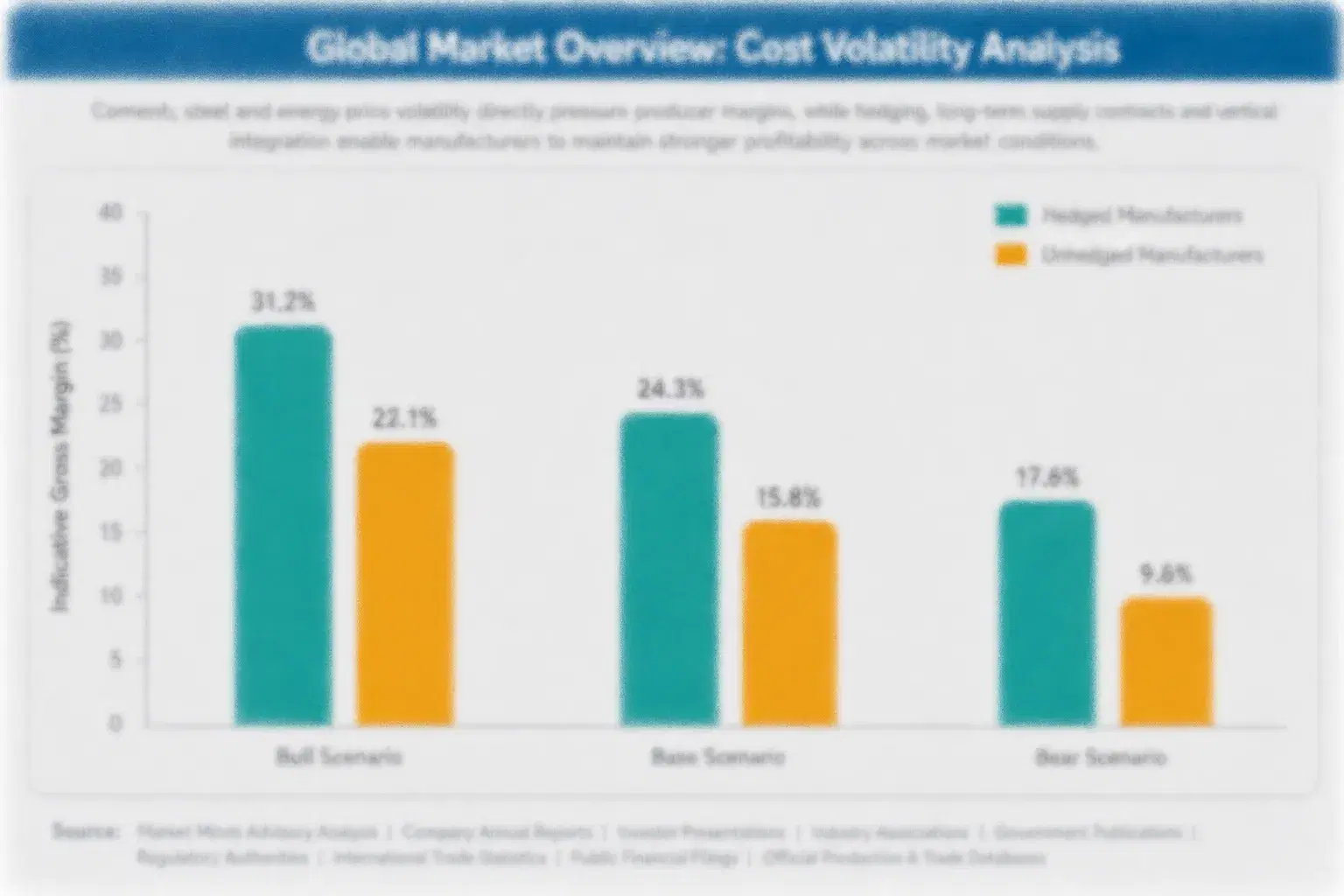
Cost structure differs sharply by mechanism and that difference is commercially decisive. Biologic manufacturing, including cell culture, purification and cold chain distribution, accounts for 22 to 31% of delivered cost for antibody therapies. Small molecule oral agents carry a fraction of that. Administration cost adds further for infused agents, since chair time, nursing and monitoring are consumed per dose.
The volatility that reshaped economics was biosimilar entry rather than any input price. Adalimumab and infliximab biosimilars drove pricing down roughly 74% across European markets, which AbbVie and Johnson & Johnson annual report disclosures document across the period. That removed most of the margin from the largest class while manufacturing costs stayed where they were. Cold chain costs also rose with energy pricing through 2022, which IEA data records.

Exposure divides by portfolio composition rather than by scale. Companies weighted toward infused biologics carry manufacturing and administration cost on products facing biosimilar comparators. Those with oral agents carry far lower cost of goods but face safety labelling that restricts positioning. European exposure is greater because biosimilar penetration is deeper and health technology assessment applies cost effectiveness thresholds that American formulary negotiation does not replicate.
ulcerative-colitis-treatment-market-cost-volatility-analysis-1787699270210

Shift portfolio weight toward oral mechanisms

Small molecule oral agents carry a fraction of antibody manufacturing cost and eliminate infusion administration entirely, which changes delivered cost rather than merely list price. Safety labelling restricts positioning today and registry data accumulates steadily. Companies weighted entirely toward infused biologics carry a cost base their competitors are progressively escaping without any pricing action.

Contract on outcomes rather than defending price

Biosimilar comparators at roughly a quarter of originator pricing make price defences unwinnable in cost effectiveness assessment, however strong the clinical data behind a newer agent happens to be. Paying only for documented responders shifts the discussion to cost per remission achieved. It requires outcome measurement infrastructure that manufacturers have generally underbuilt relative to the commercial value it now carries.

Localise supply for Asian access markets

Asian reimbursement listings admit advanced therapies at negotiated prices far below Western levels, which makes cold chain and import cost a material share of a much smaller revenue per patient. Regional manufacturing and distribution change whether those markets are commercially viable at all. Manufacturers treating them as export destinations find the economics fail before volume ever builds.

Portfolio Architecture for Margin Defence

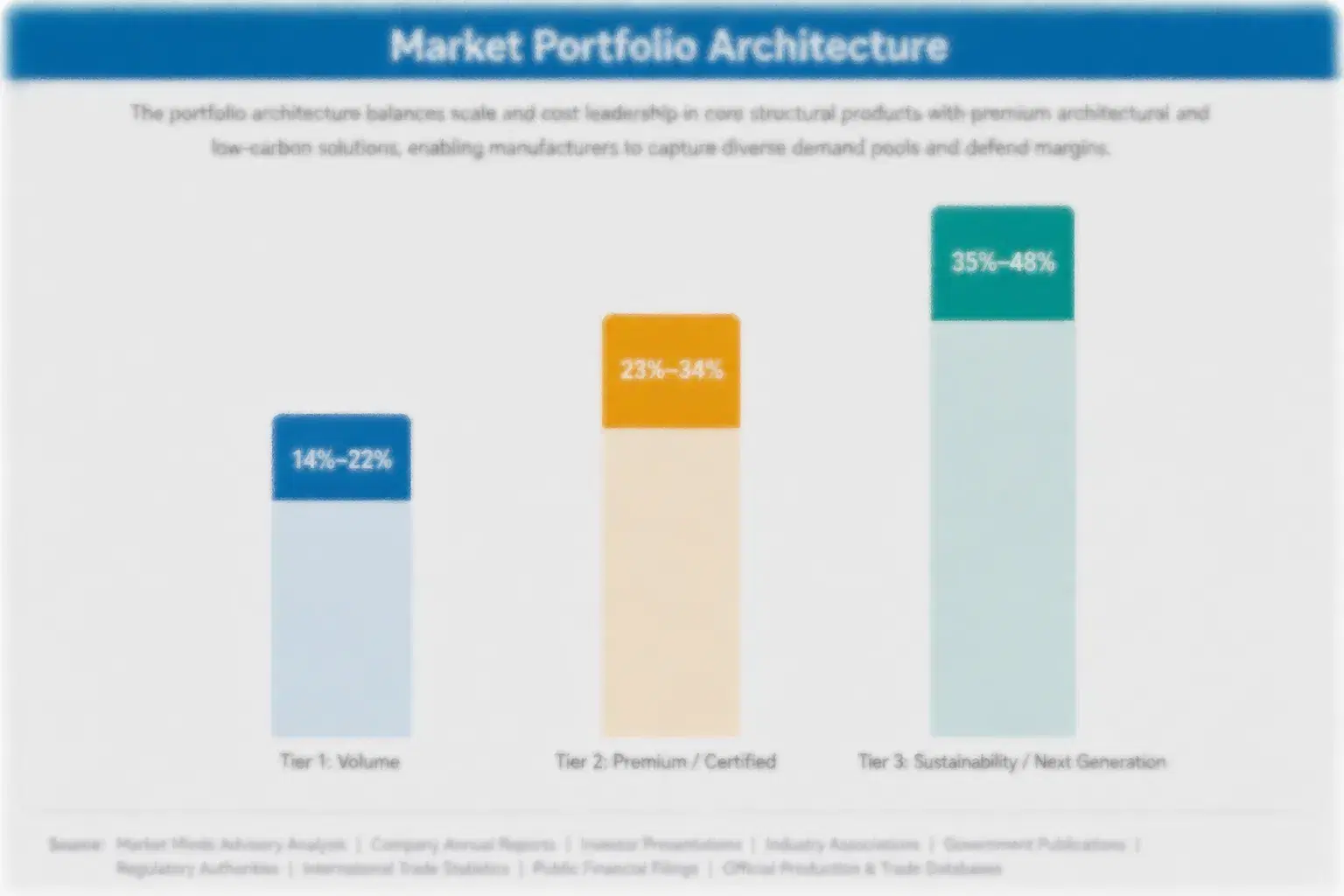
Margin follows sequence position and cost of goods together rather than mechanism novelty. Aminosalicylates and corticosteroids are generic and earn almost nothing. Anti-TNF agents facing biosimilar competition earn thin margins on large volume. Anti-integrin and interleukin biologics earn considerably more where sequence placement is favourable. Oral agents earn best on cost of goods, though safety labelling restricts the volume they reach and therefore what that advantage is worth.
The tension is that the mechanisms with the best cost structure sit furthest back in the treatment sequence. Oral agents avoid biologic manufacturing and infusion administration entirely, and they are held behind biologics by safety labelling that registry data will resolve slowly at best. Infused biologics carry heavy cost of goods and hold better positions. Companies weighted to either extreme carry a problem the other does not, and few hold a balanced position.

High-value pools sit in three places. Interleukin targeting agents with comparative data supporting early placement, which is the only argument that moves guidelines. Biomarker stratification capability, which would escape the remission ceiling without needing a better molecule. And Asian access positions where untreated populations still exist and prescribing habits are forming now.

Volume / Commodity-Adjacent

Aminosalicylates, corticosteroids and biosimilar anti-tumour necrosis factor agents competing on price in a genericised market. The 9-point range is wide because oral generics and biosimilar antibodies carry entirely different manufacturing cost bases despite both competing on price.
Gross Margin: 18-27%

Premium / Certified

Originator anti-integrin and interleukin targeting biologics holding established sequence positions in major markets. The 10-point spread separates agents with favourable guideline and formulary placement from those reimbursed only after documented prior treatment failure.
Gross Margin: 58-68%

Sustainability / Regulatory / Next-Generation

Oral small molecule agents and newer interleukin mechanisms with comparative placement data. The 20-point range is wide because oral cost of goods is far lower while safety labelling restricts reachable volume, which pulls realised economics in opposite directions.
Gross Margin: 62-82%
ulcerative-colitis-treatment-market-portfolio-architecture-1787699270400

High-value Sub-segments and Strategic Watch-out

Interleukin Agents With Comparative Data

Highest value and fastest growth at 11.4%, where head-to-head evidence supporting earlier placement is the only argument that reliably moves guideline committees. The risk is that payer sequencing rules override guideline placement entirely, which is increasingly the European position across health technology assessment. Access rules override guidelines.
Gross Margin: 74-82%

Oral Small Molecule Mechanisms

Strong cost of goods advantage with growth at 10.2%, since no biologic manufacturing or infusion administration is required at any point. The risk is class safety labelling that holds these agents behind biologics and that registry data will resolve slowly, if it resolves the question at all.
Gross Margin: 68-76%

Biosimilar Anti-TNF Volume

The volume core, where roughly three quarters of originator pricing has already gone and where most patients still begin advanced therapy. Companies hold the position because it is the entry point into a treatment sequence and losing it means losing the patient entirely. Losing it loses the patient.
Gross Margin: 18-24%

The Remission Ceiling

The strategic watch-out. Five mechanisms landing near 31% induction remission suggests a heterogeneous disease that current targeting cannot distinguish between. The risk is that a competitor solves stratification first and reaches responding populations directly, which would reset the entire competitive order. Nobody has solved it yet. The position remains open.
Gross Margin: 24-30%

Revenue From Repeated Failure

Ulcerative colitis is chronic and relapsing, so a treated patient generates revenue continuously rather than episodically, and the average patient cycles through 2.4 advanced therapies across their treated life. That produces annuity behaviour of an unusual kind, because the revenue depends on therapies failing often enough to require the next one. A durable cure would collapse the model, which the industry understands and rarely discusses.
Stickiness depends entirely on sequence position rather than on any relationship. A patient responding to a first-line agent stays on it for years and generates the best economics available. A patient who fails moves to whichever agent the payer permits next, and the previous manufacturer loses them completely unless it holds a second mechanism. Portfolio breadth across mechanisms is therefore the only genuine retention mechanism in this market.

The decision maker varies more than in most therapeutic areas. Gastroenterologists select within what payers permit, and payers increasingly define sequence through reimbursement rules rather than leaving it to clinical judgement. Health technology assessment bodies decide access in Europe, pharmacy benefit managers in America, and reimbursement listing committees across Asia. Manufacturers organised only for clinical engagement are absent from where the actual decisions get made.
ulcerative-colitis-treatment-market-end-use-penetration-index-1787699270584

Where Position Beats Biology

These are among the four positions where our research anticipates prominent divergence between winners and laggards over the coming forecast period. Each is grounded in the demand model, the regulatory perimeter, and the announced capacity pipeline.
01 / COMPARATIVE DATA INVESTMENT

Only direct comparison moves guideline placement

Induction remission clusters near 31% across five different mechanisms all attacking entirely different underlying biology, so no agent in this market can plausibly claim a decisive advantage on absolute efficacy data alone. Head-to-head studies are expensive and genuinely risky, and they nonetheless remain the only reliable route to earlier sequence placement that guideline committees will accept. An agent positioned first-line reaches a treatment-naive population with better response rates and a far larger volume than the identical molecule positioned third in sequence.
02 / STRATIFICATION CAPABILITY BUILDING

Five mechanisms, one number, several diseases

Five separate mechanisms landing at essentially the same remission rate, despite targeting entirely different biology, points strongly toward a heterogeneous condition that current approaches simply cannot distinguish between at all. Whoever eventually identifies which patients respond to which mechanism escapes that ceiling entirely, without ever needing to develop a better molecule of their own at all. The work involved is early, expensive and commercially unvalidated, which is exactly why the largest available position in this entire market remains completely unclaimed today.
03 / OUTCOMES CONTRACTING DISCIPLINE

Price defences no longer survive biosimilar arithmetic

Anti-tumour necrosis factor biosimilars now sell at roughly 74% below originator pricing across most European markets, which creates a payer comparison for every newer agent that simply did not exist eight years ago. No efficacy dataset available today resolves that argument, and straightforward price defences fail predictably in every cost effectiveness assessment. Agreements tying payment directly to documented remission shift the discussion toward cost per responding patient, which payers will engage with seriously, where they dismiss straightforward pricing arguments outright.
04 / UNTREATED POPULATION ACCESS

Asia adds patients where the West reshuffles them

Western treated populations are largely identified and managed, so growth in those markets comes from moving patients between mechanisms rather than from finding anybody genuinely new to treat. Asian markets by contrast still contain substantial undiagnosed and entirely untreated populations, and India grows fastest of any country at 9.7% as access expands through listing and private insurance. Revenue per patient is far lower and the patient numbers are far larger, and prescribing habits across those markets are still being formed now.

Engagement Snapshot From the Field

A live engagement with an industry participant carrying material or product regulatory and market exposure ahead of a defining policy shift, showing how our research translates into a defensible multi-year portfolio strategy.
MARKET MINDS ADVISORY · CLIENT ENGAGEMENT SUMMARY
Ulcerative Colitis Treatment Producer Strategic Portfolio Review and Transition Roadmap 2026·Investment Scenario on Ulcerative Colitis Treatment Exposure Evaluation 2025-26
CLIENT PROFILE
A mid-size pharmaceutical developer preparing to launch an advanced ulcerative colitis therapy in European and selected Asian markets, with immunology franchise revenue of 640 million dollars (client-reported, unverified by MMA). The asset carried induction remission data consistent with the therapeutic class. Launch planning assumed guideline placement would determine uptake, and no head-to-head comparative study had been undertaken.
STRATEGIC CHALLENGE
Two competitor launches in the preceding three years had achieved far lower uptake than their clinical data suggested, and nobody internally had established why. Management was preparing a conventional clinical messaging launch. The assumption that guideline placement drives prescribing had never been tested against how reimbursement decisions were actually being made across target markets.
MMA APPROACH
MMA reconstructed access decisions for the two underperforming competitor launches across eight European markets using published assessment determinations. Twenty-one expert interviews with health technology assessment advisors, payers and prescribing gastroenterologists established the real decision sequence. The analysis treated payer sequencing rules and comparator pricing, rather than clinical positioning, as the probable determinants of uptake.
KEY FINDINGS
  1. Both underperforming launches held favourable guideline placement and were nonetheless reimbursed only after documented anti-TNF failure in six of the eight markets examined.
  2. Biosimilar comparator pricing had made cost effectiveness arguments unwinnable for every newer mechanism assessed, regardless of the clinical data supporting the submission.
  3. No competitor had offered outcomes-based contracting, and four of the payers interviewed said they would engage seriously with such a proposal if presented.
  4. Asian listing negotiations were being planned two years after European launch, by which time competitor prescribing habits would already be established locally.
CLIENT PROFILE
A mid-size pharmaceutical developer preparing to launch an advanced ulcerative colitis therapy in European and selected Asian markets, with immunology franchise revenue of 640 million dollars (client-reported, unverified by MMA). The asset carried induction remission data consistent with the therapeutic class. Launch planning assumed guideline placement would determine uptake, and no head-to-head comparative study had been undertaken.
STRATEGIC CHALLENGE
Two competitor launches in the preceding three years had achieved far lower uptake than their clinical data suggested, and nobody internally had established why. Management was preparing a conventional clinical messaging launch. The assumption that guideline placement drives prescribing had never been tested against how reimbursement decisions were actually being made across target markets.
MMA APPROACH
MMA reconstructed access decisions for the two underperforming competitor launches across eight European markets using published assessment determinations. Twenty-one expert interviews with health technology assessment advisors, payers and prescribing gastroenterologists established the real decision sequence. The analysis treated payer sequencing rules and comparator pricing, rather than clinical positioning, as the probable determinants of uptake.
KEY FINDINGS
  1. Both underperforming launches held favourable guideline placement and were nonetheless reimbursed only after documented anti-TNF failure in six of the eight markets examined.
  2. Biosimilar comparator pricing had made cost effectiveness arguments unwinnable for every newer mechanism assessed, regardless of the clinical data supporting the submission.
  3. No competitor had offered outcomes-based contracting, and four of the payers interviewed said they would engage seriously with such a proposal if presented.
  4. Asian listing negotiations were being planned two years after European launch, by which time competitor prescribing habits would already be established locally.
RECOMMENDED STRATEGY
Phase 1: Phase one: build outcomes-based contracting capability and lead European access discussions with cost per responder rather than with price. Price arguments fail predictably. Phase 2: Phase two: commit to a head-to-head comparative study, since guideline placement without direct comparison has demonstrably failed to convert. Comparison is the only route. Phase 3: Phase three: bring Asian reimbursement listing negotiations forward to run alongside European launch rather than following it. Habits form quickly and persist.
OUTCOME
Outcomes-based proposals were accepted in principle by three European payers ahead of launch, changing the access discussion entirely. A head-to-head study was funded and initiated against the most commonly used comparator (client-reported, unverified by MMA). Asian listing negotiations were brought forward by roughly eighteen months in two priority markets.

Frequently Asked Questions

Foundational context covering the market sizes, CAGR, scope, country, region and competition that inform every finding below. This section is provided to cover basics and most often pre-purchase conversations, answered from the MMA Primary Research Dataset.

What is the current size of the Ulcerative Colitis Treatment Market?

The market was worth 9.2 billion dollars in 2025, covering anti-TNF, anti-integrin, interleukin, Janus kinase, sphingosine-1-phosphate and conventional therapies. It reaches 9.90 billion dollars in 2026.

How large will the Ulcerative Colitis Treatment Market be by 2036?

MMA forecasts 20.59 billion dollars by 2036, an increase of 10.69 billion dollars over the 2026 base. That represents an expansion multiple of 2.08 times across the forecast period.

What is the CAGR for the Ulcerative Colitis Treatment Market 2026 to 2036?

The base case compounds at 7.6% annually. The bull case reaches 8.8% if a mechanism finally breaks the remission ceiling, while the bear case sits at 6.4% on mandatory anti-TNF failure sequencing.

Which segment is growing fastest?

Interleukin targeting biologics, at 11.4%, half again the market rate of 7.6%. Growth comes from taking earlier sequence position rather than from any improvement in absolute remission rates.

Who are the major companies in the Ulcerative Colitis Treatment Market?

AbbVie, Johnson & Johnson, Takeda, Eli Lilly and Pfizer lead on disclosed inflammatory bowel disease and immunology revenue. Bristol Myers Squibb, Celltrion and Samsung Bioepis hold significant mechanism or biosimilar positions.

Which country is growing fastest?

India at 9.7%, from a small treated base as advanced therapy access expands through private insurance and public provision. The United States remains the largest market at roughly 41% of revenue.

Report Segmentation Architecture

The full report scope spans multiple orthogonal segmentation dimensions, with cross-tabulated demand data provided for each dimension pair. Coverage extends further to regional breakdowns, trend trajectories, and the competitive detail needed to support segment-level decision-making.

By Therapeutic Mechanism

  • Anti-TNF Biologics and Biosimilars
  • Anti-Integrin Biologics
  • Interleukin Targeting Biologics
  • JAK Inhibitors
  • S1P Receptor Modulators
  • Aminosalicylates and Corticosteroids

By End-Use Setting

  • Hospital Gastroenterology Departments
  • Specialist Outpatient Clinics
  • Infusion Centres
  • Retail and Specialty Pharmacy
  • Ambulatory Care Networks
  • Home Administration Programmes

By Commercial Dimension

  • First-Line Advanced Therapy
  • Second-Line After Prior Failure
  • Third-Line and Beyond
  • Outcomes-Based Contract Supply
  • National Reimbursement Listing Supply
  • Private Insurance and Self-Pay

By Region

  • North America
  • Western Europe
  • East Asia
  • South Asia and Pacific
  • Latin America
  • Middle East and Africa
  • Eastern Europe

Scope, Methodology, and Coverage

Every figure in this report is reproducible from documented input assumptions. The scope below maps the historical period, the forecast horizon, the segmentation dimensions, and the countries covered, alongside the underlying primary and qualitative methodology.
Historical Period
2020 to 2025
Forecast Period
2026 to 2036
Base Year
2025 (USD billions; MMA Primary Research Dataset, August 2026)
Market Definition
Scope covers pharmacological treatment of ulcerative colitis in adult and adolescent populations, spanning anti-tumour necrosis factor biologics and their biosimilars, anti-integrin biologics, interleukin targeting biologics, Janus kinase inhibitors, sphingosine-1-phosphate receptor modulators, and aminosalicylates with corticosteroids. Crohn's disease therapies counted where separately indicated, surgical intervention including colectomy and pouch procedures, endoscopy and diagnostic imaging, nutritional and supportive care, faecal microbiota transplantation products, and investigational agents without regulatory approval are excluded from the market size and all derived figures.
Quantitative Units
USD billions (current prices, net of rebates); treated patients; induction remission rate; therapy switches per patient; annual cost per patient
Segmentation Dimensions
By Therapeutic Mechanism; By End-Use Setting; By Commercial Dimension; By Region
Regions Covered
North America, Western Europe, East Asia, South Asia and Pacific, Latin America, Middle East and Africa, Eastern Europe
Countries Covered
USA, Germany, Japan, France, UK, China, Italy, Spain, Canada, South Korea, India, Brazil, Australia, Poland, Netherlands
Key Companies Profiled
AbbVie, Johnson & Johnson, Takeda, Eli Lilly, Pfizer, Bristol Myers Squibb, Gilead Sciences, Galapagos, Roche, Celltrion, Samsung Bioepis, Amgen, Sandoz, Boehringer Ingelheim, Ferring Pharmaceuticals, Dr Reddy's Laboratories, Biogen, Teva Pharmaceutical Industries, Alfasigma, Tillotts Pharma
Quantitative Methodology
Primary survey, n=3,800 respondents, Q4 2025, six countries; demand-side model with trade association cross-validation
Qualitative Methodology
47 expert interviews, Q4 2025; applied to validate demand model assumptions, identify emerging dynamics, and assess competitive positioning
Report Format
PDF and XLSX data workbook (Word format preview document)
Publisher
Market Minds Advisory
Report Code
MMA-2026-HLT-118
Published
August 2026
Contact
sales@marketmindsadvisory.com | www.marketmindsadvisory.com

Purchase the full Ulcerative Colitis Treatment Market Report (2026 to 2036).

The full report runs to 180 pages and covers all six therapeutic mechanism segments, seven regions and 20 profiled companies in detail. It includes the complete segment CAGR set, regional reimbursement sequencing comparison, and analysis of induction remission rates across mechanisms and treatment lines. Company profiles carry evaluation on disclosed inflammatory bowel disease and immunology franchise revenue, with moat and risk assessment for the top five developers. The competitive section extends to 16 tracked clinical, regulatory and reimbursement developments across 2024 and 2025. Primary research inputs include a quantitative survey of 3,800 respondents and 47 expert interviews conducted in Q4 2025.
Six therapeutic mechanism segments with individual CAGR forecasts
Seven regional markets with reimbursement sequencing rule comparison
Twenty company profiles on consistent franchise revenue evaluation basis
Sixteen tracked clinical and reimbursement developments with commercial interpretation
Induction remission analysis across mechanisms and treatment lines
Biosimilar erosion impact mapped across major national markets

Built For The People Who Decide

From boardroom strategy to bench-side execution, this report is read cover-to-cover by leaders shaping the next decade of their industry, turning demand scenarios, market dynamics and valuation benchmarks into decisions.
CXOs/ Presidents/ VPs/ Managers
M&A and Corporate Development
Strategy Teams and R&D Heads
Procurement and Product Directors
Regulatory and Compliance Leaders
Investor Relations and Equity Analysts