Market Minds Advisory
Type-C Bulk Bags Market

Type-C Bulk Bags Market Revenue Forecast 2026-2036

A combustible powder discharged from an ungrounded bag can accumulate enough static charge to trigger an explosion, which is why Type-C bags are a mandatory safety control wherever that risk genuinely exists.

Lead Analyst

Bilal Shaikh

Published

November 2026

Make Smarter Decisions with Customized Research Insights

Request a free sample report and evaluate market opportunities, growth trends, and competitive dynamics relevant to your business needs.

2025 MARKET VALUE$0.6BMarket Size 2025
2036 FORECAST VALUE$1.2BBase Case , 2026 to 2036
CAGR 2026 TO 20366.6 %Bull 7.9% / Bear 5.3%
INCREMENTAL OPPORTUNITY$0.6BNet 10- year value creation
EXPANSION MULTIPLE1.89x2036 value over 2026 base
Strategic Levers
M&A Pipeline
Regional Outlook
Country Rankings
Competitive Intelligence
Segmental Deep-dive
Call-Us : 91 93563 13602

Type-C Bulk Bags Demand Outlook

Type-C bulk bags exist to prevent a specific, documented failure mode, since ungrounded static discharge during the filling or emptying of combustible powders has caused real industrial explosions, making this bag category a mandatory safety control rather than a premium packaging upgrade wherever that risk genuinely applies.
Metal powders and combustible dusts are growing fastest as additive manufacturing expands demand for fine metal powder handling that carries acute explosion risk, while pharmaceutical and fine chemical powders benefit from expanding API manufacturing capacity operating under strict explosive-atmosphere compliance standards. Western Europe anchors the largest regional market, reflecting the European Union's ATEX directive origin and its position as the global reference standard for explosive atmosphere equipment regulation.
Five producers hold roughly four tenths of global revenue, reflecting genuine engineering and certification barriers around conductive thread weaving and grounding tab reliability that smaller converters struggle to match consistently. Certification documentation depth is reshaping competitive positioning fastest, as chemical and pharmaceutical buyers increasingly demand traceable conductivity testing records rather than accepting a converter's bare compliance claim. Converters slow to build that documentation depth are already losing qualification bids to faster-moving rivals.
Market Definition
The Type-C bulk bag market covers flexible intermediate bulk containers manufactured with electrically conductive threads woven throughout the fabric and connected via a grounding tab, requiring electrical grounding during filling and discharge to safely dissipate static charge when handling flammable solvents, combustible powders, and other materials prone to ignition in explosive atmospheres. It excludes Type A, Type B, and Type D flexible intermediate bulk containers, which carry different static protection mechanisms and are covered under separate market scope, as well as rigid intermediate bulk containers.
Base Year Value
$0.6B in 2025 (MMA Primary Research Dataset, October 2026)
Forecast Period
2026 to 2036, eleven discrete annual values
CAGR
6.6% base case. Bull 7.9%. Bear 5.3%.
Fastest Growth Segment
Metal Powders and Combustible Dusts: 9.4% CAGR
Fastest Growth Country
India: 9.8% CAGR
Fastest Growth Region
South Asia and Pacific: 8.6% CAGR
Largest Region
Western Europe: 28% of 2025 global value
Market Leaders
LC Packaging, BAG Corp, Emmbi Industries, Rishi FIBC Solutions, and Conitex Sonoco lead the market. Source: MMA Analysis based on company annual reports and investor filings.
Primary Survey
n=3,800 procurement and R&D decision-makers, Q4 2025, six countries
Methodology
Demand-side build-up, cross-validated against public data, 47 expert interviews

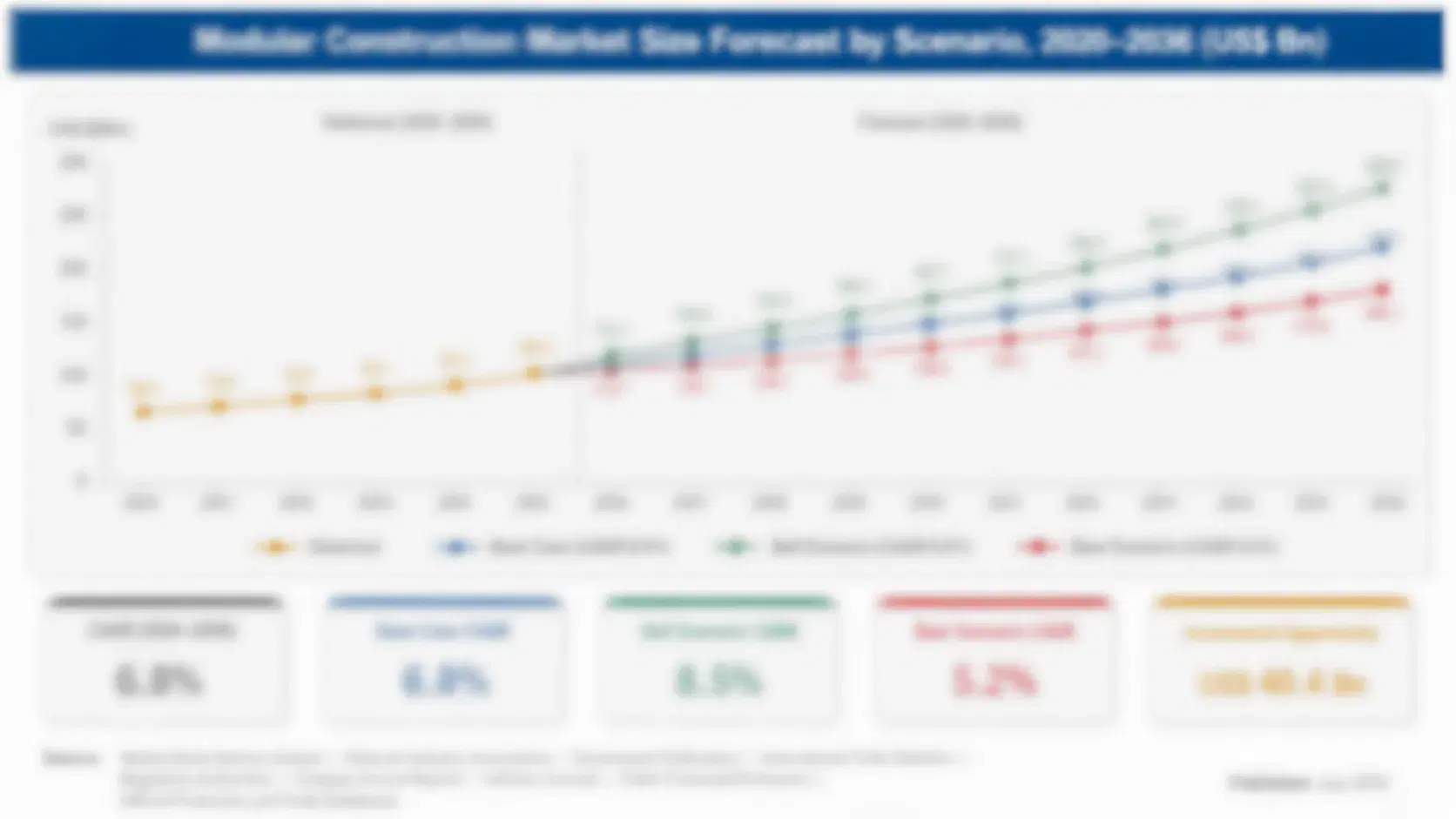
Type-C Bulk Bags Growth Scenarios to 2036

type-c-bulk-bags-market-share-analysis-size-forecast-scenario-1791422366146
Type-C bulk bag demand grew steadily between 2020 and 2025 as chemical and pharmaceutical manufacturing capacity expanded under tightening explosive-atmosphere safety enforcement across major regulated markets. The market grew at a historical compound annual growth rate of 5.4%, a pace now set to climb further as metal powder handling and expanding pharmaceutical API production broaden the addressable market.
The base case assumes continued chemical and pharmaceutical manufacturing expansion under explosive-atmosphere compliance requirements, steady additive manufacturing growth driving metal powder handling demand, and sustained agrochemical powder handling demand tracking broader crop protection manufacturing volume. Regulators keep enforcing explosive-atmosphere standards, additive manufacturers keep specifying grounded bags given the acute ignition risk involved, and converters keep investing in testing documentation that buyers increasingly require. Together these mechanisms sustain above-historical growth across a genuinely global certified converting base.
The bull case centers on faster-than-expected additive manufacturing scale-up lifting metal powder bag demand well beyond base case assumptions as the technology moves from prototyping into volume production. The bear case is a slowdown in chemical manufacturing capital investment during a broader industrial downturn, delaying planned facility expansion and the corresponding safety-certified packaging specification that accompanies new capacity.

Why Grounding Is a Documented Compliance Requirement

Type-C bags sell on documented safety compliance rather than material handling convenience, since chemical and pharmaceutical safety officers treat conductive grounding as a non-negotiable specification wherever combustible dust or flammable solvent handling creates genuine explosive atmosphere risk. Few other packaging categories exist specifically to satisfy a documented explosion-prevention requirement.
MARKET CONCENTRATION (CR5)36%Top five producers hold roughly four tenths of global revenue
AVERAGE SELLING PRICE$18.50/unitBlended global average price per Type-C certified bulk bag
TOP PRODUCING COUNTRY SHARE22%India supplies roughly a fifth of global Type-C bag output
CAPACITY UTILIZATION70%Certified converters run specialized weaving lines near seventy percent capacity
CONDUCTIVE THREAD COST32%Conductive thread and grounding components dominate incremental cost
TYPE A PRICE PREMIUM45%Typical price premium versus a standard non-conductive bulk bag
Commercially, the market splits between large chemical and agrochemical accounts buying at scale with established certification relationships, and smaller pharmaceutical and additive manufacturing accounts where converters compete on documentation depth and conductivity testing traceability instead of price alone. Converters without rigorous testing documentation increasingly lose qualification bids regardless of their base manufacturing capability. That trade-off is becoming a genuine strategic choice rather than a byproduct of legacy accounts.
Over the next decade, the forces reshaping the category center on additive manufacturing's fine metal powder handling becoming a meaningful new demand driver as the technology scales from prototyping into volume production, and on buyers demanding traceable, auditable conductivity testing records rather than accepting a converter's unverified compliance claim. Converters slow to adapt to either shift risk losing relevance in the segments generating the most industry profit growth.
"A Type-C bag that fails its grounding test is not a quality defect, it is a documented safety incident waiting to happen. That distinction is exactly why buyers in this category pay for paperwork as much as fabric."
Director, Chemicals and Materials Practice · MMA Chemicals and Materials Practice · October 2026

What Is Changing in Type-C Bulk Bags

Additive Manufacturing Drives Metal Powder Bag Demand

Additive manufacturing operations increasingly specify Type-C grounded bags for fine metal powder handling, since metal powders used in industrial 3D printing carry acute static ignition risk that standard bulk packaging formats were never engineered to address safely. This shift is creating meaningful new demand that scales with additive manufacturing's broader move from prototyping into volume production, as more manufacturers scale metal powder consumption well beyond small laboratory quantities that posed more limited risk. Converters with established metal powder handling certification and testing capability are capturing disproportionate share of this expanding, technically demanding demand. For a connected opportunity, MMA values the ventilated bulk bags market at USD 0.64 billion in 2025.
Market Impact: Sustains over 90% of qualified demand
Buyers Demand Traceable Conductivity Testing Documentation

Chemical and pharmaceutical safety officers increasingly require traceable, auditable conductivity testing records for every Type-C bag batch, rather than accepting a converter's general compliance claim, since regulatory audits increasingly scrutinize documentation depth as closely as the physical conductivity performance itself. This shift is creating durable, compliance-driven demand for converters with established testing and documentation infrastructure that smaller competitors have not developed. Converters with rigorous batch-level testing records are capturing disproportionate share of this compliance-driven qualification volume. Several major pharmaceutical manufacturers have begun requiring batch-level testing certificates as a standard qualification condition rather than an optional request. MMA's view of the Japan ventilated bulk bags market offers a useful comparison, at USD 0.4 billion in 2025 rising to USD 0.84 billion by 2036, a 6.4% CAGR.
Market Impact: Adds 5 to 8% of volume

Type-C Bulk Bags Growth Opportunities

Explosive-Atmosphere Rules Now Mandate Standard Specification

Explosive-atmosphere safety regulation across major chemical and pharmaceutical manufacturing jurisdictions continues mandating Type-C specification wherever combustible dust or flammable solvent handling creates genuine ignition risk, sustaining demand that operates largely independently of broader chemical industry capital spending cycles. This regulatory floor gives certified converters a demand base that commodity bulk bag producers without conductive weaving capability simply cannot access regardless of price. Converters with established regulatory certification across multiple jurisdictions are capturing disproportionate share of this mandated, compliance-driven volume. This demand floor holds even when broader chemical capital spending slows meaningfully across a given budget cycle.
Market Impact: Certification costs 20 to 30%

Fine Chemical and API Manufacturing Growth Expands Demand

Expanding fine chemical and active pharmaceutical ingredient manufacturing capacity continues broadening the addressable Type-C market, since this production category frequently involves combustible powder intermediates that require grounded handling throughout the manufacturing and packaging process. This driver tracks pharmaceutical manufacturing investment more closely than broader industrial packaging demand cycles, giving certified converters a distinct growth driver separate from general chemical industry trends. Converters with established pharmaceutical-grade certification are capturing disproportionate share of this expanding demand. Several major generic drug manufacturers have expanded combustible intermediate handling as production volume scales globally. This tracks generic drug approval volume more closely than broader industrial trends.
Market Impact: Adds 10 to 15% insurance cost

Type-C Bulk Bags Challenges and Constraints

Certification Cost Limits Smaller Converter Market Entry

Achieving and maintaining Type-C certification requires ongoing investment in conductive thread weaving precision, grounding tab reliability testing, and documentation infrastructure that smaller converters often cannot justify relative to their addressable order volume in this specialized category. The root cause is that certification testing and documentation carry largely fixed cost regardless of eventual production volume, making the economics punishing for converters uncertain about their long-term position in this specialized niche. Converters are mitigating this by partnering with established certification testing laboratories rather than building in-house testing infrastructure from scratch. Smaller converters increasingly find shared testing partnerships more economical than standalone infrastructure.
Market Impact: Lifts metal powder 12 to 18%

Grounding Compliance Failures Create Liability Exposure

Improper grounding during filling or discharge operations can negate a Type-C bag's static protection entirely regardless of the bag's own manufacturing quality, creating liability exposure for converters whose products are associated with an incident even when operator error, not product defect, caused the failure. The underlying cause is that Type-C protection depends on proper end-user grounding procedure as much as on the bag's conductive construction, a shared responsibility that complicates liability attribution after any incident. Converters are mitigating this by providing detailed grounding procedure training materials alongside their certified bag shipments.
Market Impact: Adds 6 to 9 points share
3 additional market trends, 4 additional growth drivers, and 3 additional restraints and challenges are covered in the full report. Contact sales@marketmindsadvisory.com to access the complete intelligence.

Fastest-Growing Type-C Bulk Bags Segments

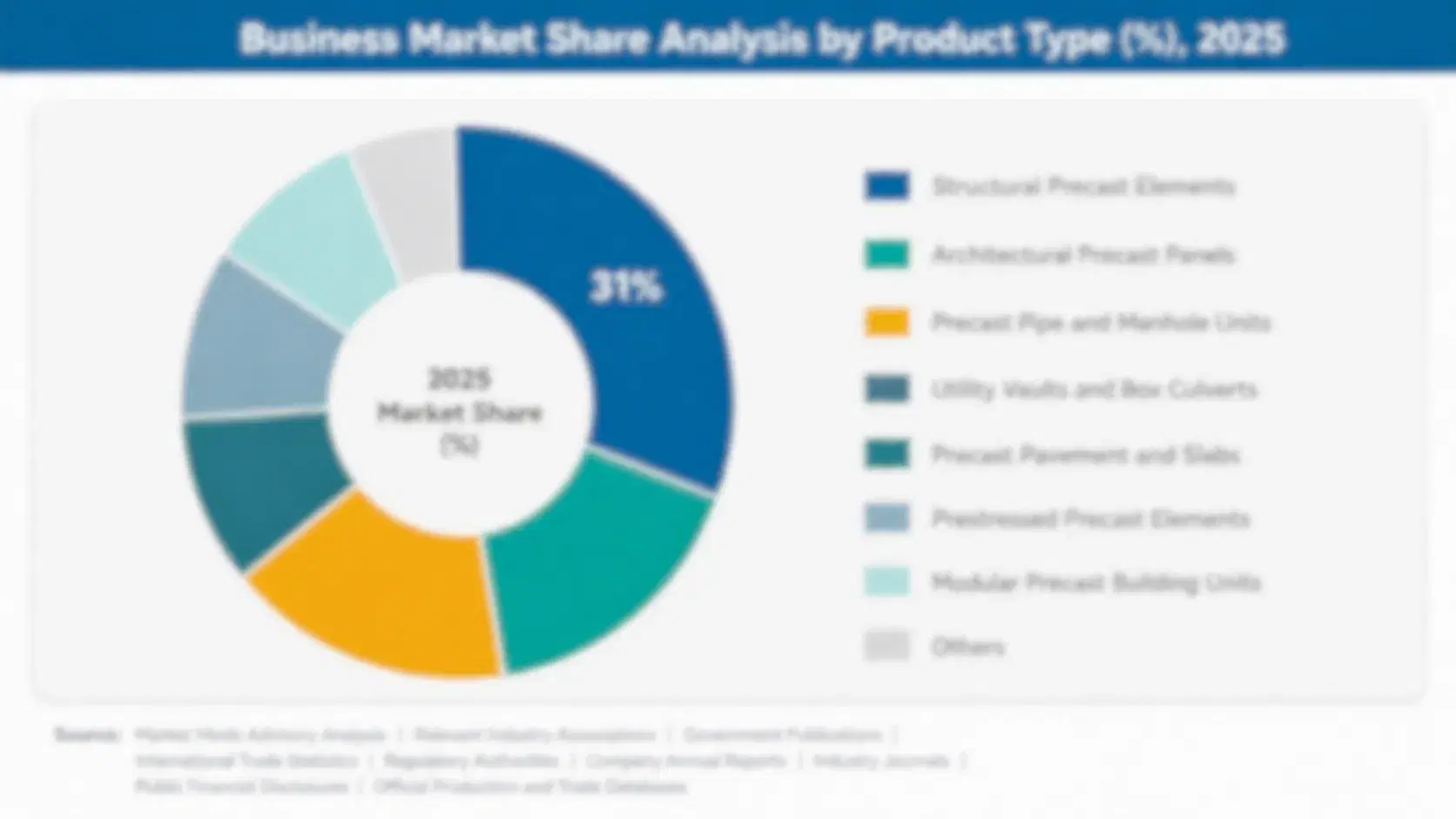
End-use industry, not conductive thread pattern alone, is the clearest segmentation lens here, since regulatory intensity, growth rate, and documentation requirements all vary primarily by what material the bag ultimately holds. Six categories cover global volume, from established fine chemical handling through fast-growing additive manufacturing applications. This lens holds consistently across every certification jurisdiction tracked in this report.
type-c-bulk-bags-market-share-analysis-market-share-analysis-1791422366418

Metal Powders and Combustible Dusts

Metal powders and combustible dusts are the fastest-growing category because additive manufacturing continues scaling from prototyping into volume production, requiring grounded bag handling for fine metal powders that carry acute static ignition risk no alternative packaging format safely addresses. Converters with established metal powder handling certification and testing capability are capturing disproportionate share of this expanding, technically demanding demand as more manufacturers scale metal powder consumption well beyond small laboratory quantities. Metal powder bags command meaningfully higher average selling price than standard chemical powder Type-C formats, reflecting the specialized conductivity testing involved in production. Several equipment makers have expanded metal powder supply programs tied to certified packaging. Testing infrastructure investment remains the main constraint limiting faster entry among standard chemical converters.
CAGR 9.4%

Pharmaceutical and Fine Chemical Powders

Pharmaceutical and fine chemical powders are the second-fastest category, growing as expanding active pharmaceutical ingredient manufacturing capacity continues broadening demand for Type-C bags that satisfy explosive-atmosphere compliance requirements throughout the manufacturing and packaging process. Converters with established pharmaceutical-grade certification are capturing disproportionate share of this expanding demand as more generic and specialty drug manufacturers scale combustible intermediate handling. Drug manufacturers favor this approach because grounded packaging protects both worker safety and facility compliance status simultaneously, a dual benefit that justifies the premium pricing involved. Capacity additions are concentrated among converters already serving established pharmaceutical customers expanding their API production footprint into new facilities. Several producers are now building dedicated pharmaceutical testing labs rather than relying on general chemical certification alone.
CAGR 8.4%
Full segment breakdown across 6 segments available in the complete report.

Where Type-C Bulk Bags Demand Is Growing

Western Europe anchors the largest regional market, reflecting the European Union's ATEX directive origin and its position as the global reference standard for explosive atmosphere equipment regulation. North America follows on substantial chemical and pharmaceutical manufacturing capacity. South Asia and Pacific posts the fastest regional growth tracked in this report.

North America

North America's Type-C bulk bag demand centers on chemical and pharmaceutical manufacturing, reflecting the region's substantial fine chemical production base operating under OSHA and NFPA combustible dust safety standards. US converters including LC Packaging and Conitex Sonoco operate specialized conductive weaving capacity specifically qualified for pharmaceutical and additive manufacturing accounts, serving both domestic and export customer bases. Canada contributes meaningful demand tied to its own chemical and mining sector powder handling needs. Mexico's converting base serves both domestic industrial demand and cross-border supply into the United States chemical manufacturing market specifically. US additive manufacturing equipment makers are also increasingly specifying certified bags as production scales beyond pilot volume. This reinforces certification investment decisions across multiple chemical categories simultaneously. Much of this also feeds into the USA ventilated bulk bags market, which MMA expects to grow at 6.0% a year through 2036.
Share: 24% | CAGR: 7.0% (2026 to 2036)

Western Europe

Western Europe anchors the largest regional Type-C market, reflecting the European Union's ATEX directive origin and its position as the global reference standard that chemical and pharmaceutical manufacturers worldwide often adopt even outside formal European Union jurisdiction. Germany and France anchor regional demand through substantial domestic chemical and pharmaceutical manufacturing sectors with sophisticated certification and compliance infrastructure. The region's testing and certification standards are widely regarded as the most rigorous globally, giving converters qualified here a credibility advantage when pursuing certification in other major regulated markets. The United Kingdom contributes meaningful pharmaceutical demand of its own. The region's share sits deliberately above the standard band, reflecting a concentration of ATEX-driven certification expertise found nowhere else at comparable intensity.
Share: 28% | CAGR: 5.1% (2026 to 2036)
Regional intelligence for 5 additional markets available in the complete report: East Asia, South Asia and Pacific, Latin America, Middle East and Africa, Eastern Europe. Contact sales@marketmindsadvisory.com.
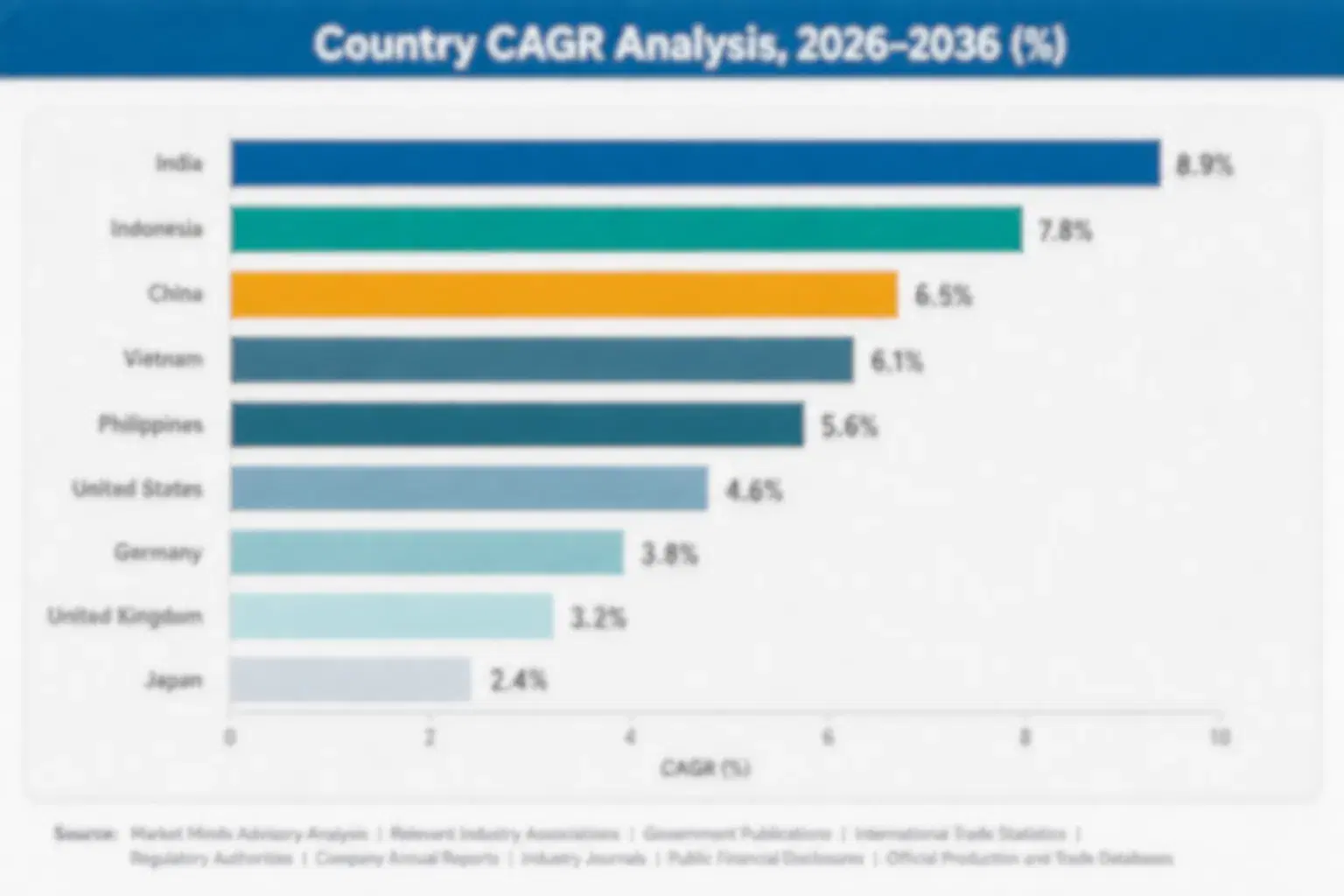
type-c-bulk-bags-market-share-analysis-country-cagr-analysis-1791422366786

Where Certification Depth Becomes Margin

Converters without rigorous testing documentation increasingly lose qualification bids regardless of base manufacturing capability, so the clearest paths to margin expansion run through certification infrastructure, metal powder specialization, and multi-jurisdiction qualification that customers will pay for directly. Four approaches stand out as genuinely available to most mid-sized converters. These suit converters without capital for a full certification infrastructure build-out.

Building Traceable Conductivity Testing Infrastructure Early

Converters that invest in traceable, batch-level conductivity testing infrastructure can win pharmaceutical and additive manufacturing contracts that converters relying on general compliance claims cannot access, since this category increasingly requires documented testing records most basic converters never developed. This path requires meaningful investment in testing equipment and documentation systems but opens a growing, higher-margin volume pool largely closed to competitors without this infrastructure. Converters with existing quality-testing-adjacent experience can typically build this capability faster than converters starting from a pure commodity background, capturing roughly 15 to 22% premium pricing once qualified.
Market Impact: Commands roughly a 15 to 22 percent premium

Developing Metal Powder Handling Specialization Early

Converters that develop specialized metal powder handling certification and testing capability can capture premium pricing from additive manufacturing operations seeking proven acute-risk handling performance that standard chemical powder converters cannot credibly demonstrate. A mid-sized converter winning even a modest share of a major additive manufacturing supplier's packaging volume can generate substantial incremental revenue given typical metal powder contract scale. Converters serving this category report commanding pricing premiums of 20 to 28% over standard chemical powder Type-C formats given the specialized testing involved. Few commodity converters can replicate this testing depth quickly given the specialized equipment required.
Market Impact: Commands roughly a 20 to 28 percent premium

Expanding Multi-Jurisdiction Certification Coverage Well Ahead

Converters that pursue certification across multiple major regulatory jurisdictions simultaneously, rather than qualifying in one market before expanding sequentially, can capture global chemical and pharmaceutical supply contracts that single-jurisdiction converters cannot bid for competitively. This approach requires substantial upfront investment in parallel regulatory submissions and testing documentation, but rewards converters willing to invest early with access to the largest, most valuable multinational contracts available. Converters with multi-jurisdiction certification report contract value running 18 to 25% higher than single-market qualified competitors. Converters that delay this expansion risk losing first-mover advantage to rivals already pursuing parallel submissions.
Market Impact: Adds roughly 18 to 25 percent contract value

Securing Long-Term Pharmaceutical Supply Contracts Early

Converters that secure long-term supply contracts with pharmaceutical and fine chemical manufacturers can generate dependable, predictable revenue that smooths the volatility typical of smaller additive manufacturing and specialty chemical demand cycles, since pharmaceutical supply relationships typically run multiple years given the regulatory qualification burden involved in switching suppliers. This approach suits converters with strong certification credentials and documented quality systems that pharmaceutical procurement processes specifically require. Converters with these contracts report revenue stability considerably higher, often 15 to 20% more predictable, than peers relying entirely on smaller specialty chemical demand.
Market Impact: Adds roughly 15 to 20 percent more stability

Type-C Bulk Bags Value Chain and Margins

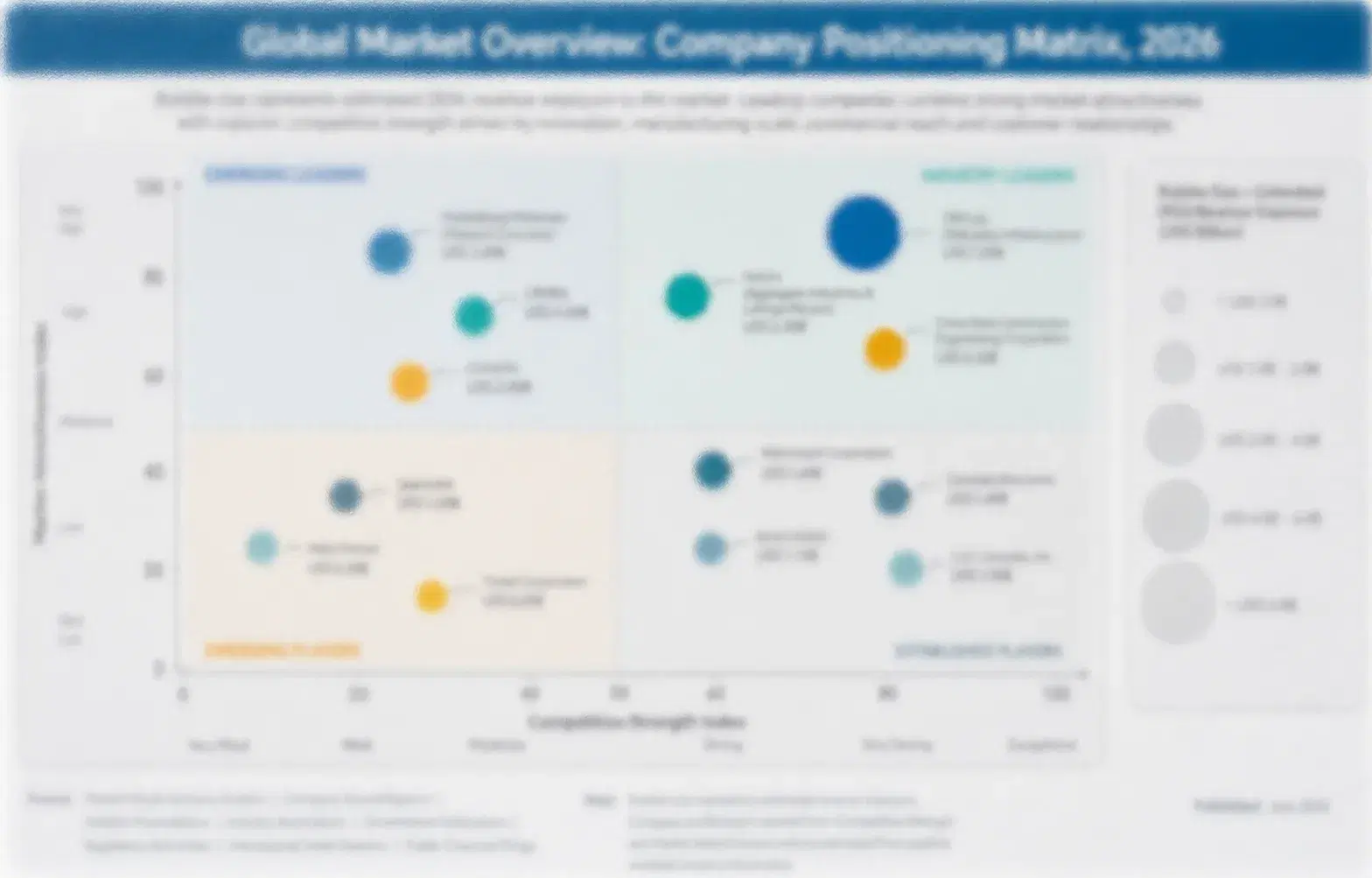
Five producers hold roughly four tenths of global revenue, reflecting genuine engineering and certification barriers around conductive thread weaving and grounding tab reliability that smaller converters struggle to match consistently. LC Packaging and BAG Corp sit ahead of the next tier on multi-jurisdiction certification depth and testing documentation infrastructure, while regional converters compete for smaller chemical and agrochemical accounts.
Competition plays out across three dimensions: traceable conductivity testing documentation that opens pharmaceutical and additive manufacturing contracts, metal powder handling specialization that commands premium acute-risk pricing, and multi-jurisdiction certification that captures global multinational supply contracts. Converters that can credibly deliver on all three are winning the fastest-growing, highest-margin volume, while those competing purely on commodity price face continuous margin pressure from regional entrants.

Emerging pressure is coming from Indian and Chinese converters adding certified capacity fast enough to challenge established Western players on price within export markets, aided by lower labor and manufacturing cost alongside improving domestic certification sophistication. Additive manufacturing equipment companies themselves are also becoming unexpected competitive factors, since companies with existing metal powder handling expertise can add packaging qualification faster than converters building that specialization from scratch.
type-c-bulk-bags-market-share-analysis-company-positioning-matrix-1791422367099

Type-C Bulk Bags Competition and Risks

LC PACKAGING INTERNATIONAL B.V.

Moat: Deepest Multi-Jurisdiction Certification

LC Packaging holds the deepest multi-jurisdiction certification portfolio of any converter in the category, spanning European, North American, and Asian regulatory approvals that newer entrants cannot replicate quickly regardless of their manufacturing capability. That breadth is reinforced by years of accumulated regulatory relationship management across every major jurisdiction.
LC PACKAGING INTERNATIONAL B.V.

Risk: Premium Positioning Limits Commodity Reach

LC Packaging's certification-heavy positioning leaves it less competitive for smaller, less regulated chemical powder accounts where price sensitivity dominates purchasing decisions, ceding that segment almost entirely to lower-cost regional converters. Closing that gap would require a pricing strategy that could dilute its premium positioning elsewhere.
BAG CORP

Moat: Broadest Metal Powder Testing Expertise

BAG Corp holds the broadest metal powder handling testing expertise of any converter serving additive manufacturing accounts, giving it unmatched credibility with equipment makers that commodity chemical powder converters cannot access as easily. That expertise is difficult for commodity-focused competitors to replicate without years of dedicated testing investment.
BAG CORP

Risk: Concentrated Additive Manufacturing Exposure

BAG Corp's growing concentration in additive manufacturing accounts leaves it more exposed to that technology's adoption pace than competitors with more diversified chemical and pharmaceutical account bases spanning multiple end-use categories. A slowdown in additive manufacturing adoption would weigh on BAG Corp more heavily than on diversified global competitors.

Players Tracked

Prominent Players

LC Packaging International B.V.
BAG Corp
Emmbi Industries Limited
Rishi FIBC Solutions Pvt Ltd
Conitex Sonoco

Other Key Players

Greif Inc
National Bulk Bag Corporation
Jumbo Bag Limited
Flexituff Ventures International Limited
Synthetic Industries LLC
Super Sack Manufacturing Corp
Global Bulk Bags Inc
U.S. Packaging and Wrapping LLC
Signode Industrial Group LLC
Intertape Polymer Group Inc
Shubham Polypack Private Limited
Polytex Fibers Corporation
Dunapack Packaging GmbH
Yildiz Plastik
Berry Global Group Inc

Recent Developments

FEBRUARY 2025

LC Packaging Commissions Certified Line in Germany

LC Packaging commissioned a new Type-C certified production line in Germany dedicated to serving pharmaceutical and fine chemical clients, adding capacity to meet growing explosive-atmosphere compliance demand while expanding its batch-level conductivity testing infrastructure for next-generation documentation requirements. The line reaches full qualified output within roughly twelve months of commissioning.
Signal: Signals established certification leaders are now scaling capacity well ahead of real demand.
SEPTEMBER 2024

Emmbi Industries Acquires Metal Powder Packaging Specialist

Emmbi Industries acquired a metal powder packaging specialist in India, strengthening its additive manufacturing handling capability in response to growing demand for certified grounded bags serving the country's expanding metal powder production sector. The deal strengthens its qualification depth across multiple industrial powder handling categories.
Signal: Signals acquisition still remains the fastest route into metal powder capability today.
APRIL 2025

BAG Corp and a Thread Manufacturer Form Fabric Venture

BAG Corp formed a joint venture with a conductive thread manufacturer to co-develop next-generation woven conductive fabric for explosive-dust applications, pooling materials science investment across two companies rather than competing head-on in a segment both consider strategically critical. The venture lets both share research cost rather than duplicate development.
Signal: Signals scale leaders are now pooling R&D risk on conductive fabric technology together.

Conductive Thread and Testing Dominate Cost Structure

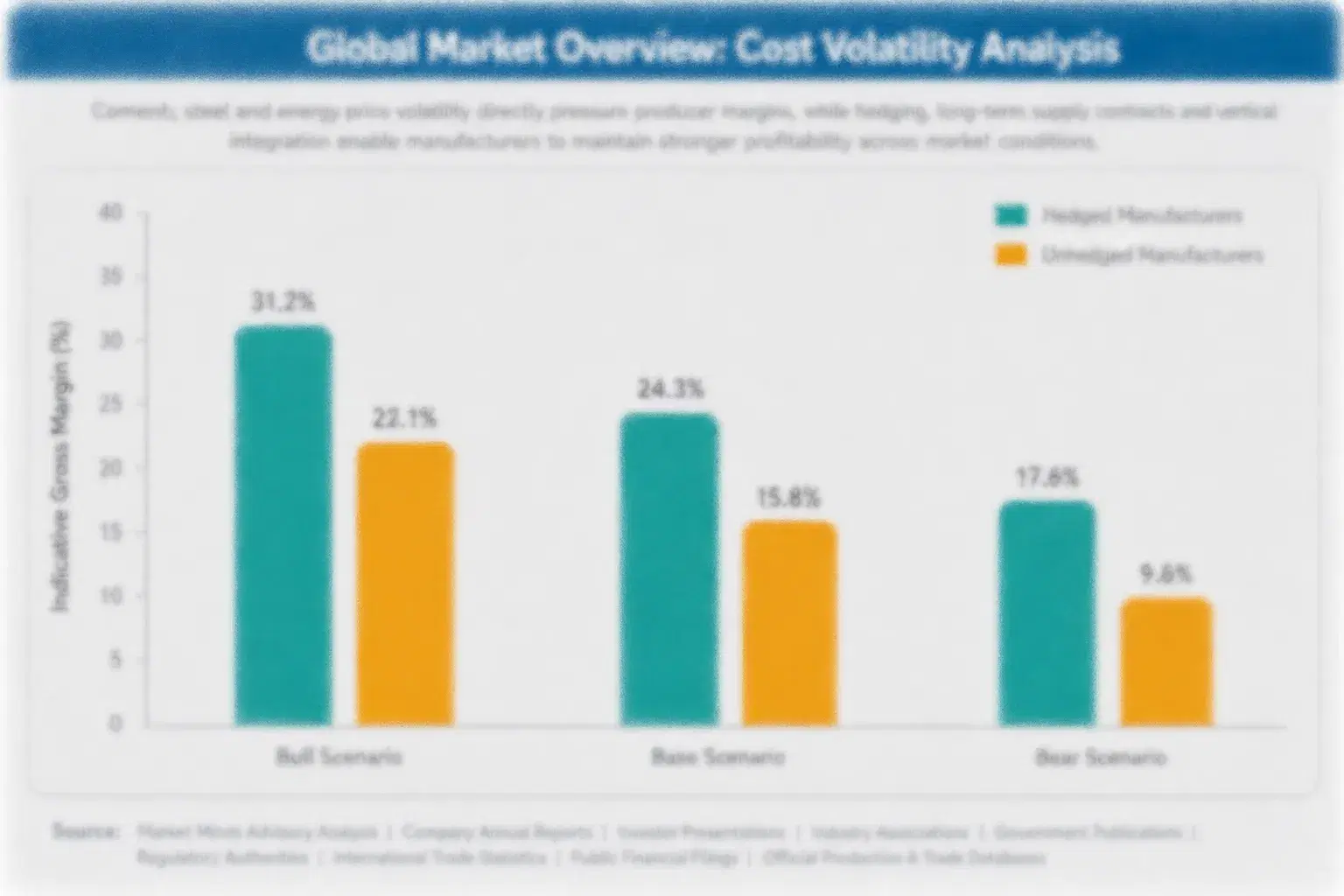
Conductive thread, grounding tab components, and batch testing together account for roughly 28 to 36% of incremental cost over a standard non-conductive bulk bag, with base polypropylene fabric and resin costs tracking the broader commodity bulk bag market separately. Conductive thread pricing depends on specialty metallic and carbon-based fiber inputs that trade on narrower, less liquid markets than standard polypropylene resin.
Specialty conductive fiber prices spiked meaningfully during 2022 and 2023 as supply concentration among a limited number of specialty fiber producers amplified the impact of broader commodity market volatility, compressing converter margins according to European Commission industrial materials market reporting from that period. Converters without long-term conductive fiber supply contracts absorbed much of the cost increase directly, while converters with diversified sourcing relationships protected margin considerably better through the same window.

Smaller certified converters typically carry different cost volatility exposure than scale leaders, since conductive fiber and specialty testing equipment supply chains are far less diversified globally than standard polypropylene resin inputs. This concentration risk compounds during supply disruptions, pushing smaller certified converters toward long-term contracting more aggressively than their standard commodity bulk bag counterparts typically pursue.
type-c-bulk-bags-market-share-analysis-cost-volatility-analysis-1791422367404

Diversifying Conductive Fiber Supply Across Regions

Converters are qualifying conductive fiber suppliers across multiple manufacturing regions rather than relying on a single source, reducing exposure to the kind of supply concentration risk that amplified recent price volatility for single-sourced competitors. This diversification has become close to standard practice among the largest certified converters over recent contract cycles.

Long-Term Testing Equipment and Fiber Supply Agreements

Converters increasingly negotiate multi-year conductive fiber and testing equipment supply agreements that cap price increases within a defined band, protecting margin on long-duration pharmaceutical and chemical contracts that cannot easily pass through sudden cost increases mid-contract. Several converters now maintain fiber supplier relationships across at least three distinct manufacturing regions.

Shared Certification Testing Lab Partnerships

Smaller converters are partnering with shared, third-party certification testing laboratories rather than building in-house testing infrastructure independently, spreading fixed testing cost across multiple converter customers while still meeting documentation requirements buyers increasingly demand. This shared-lab approach has become increasingly common as smaller converters seek to compete for certified volume.

Portfolio Architecture for Margin Defence

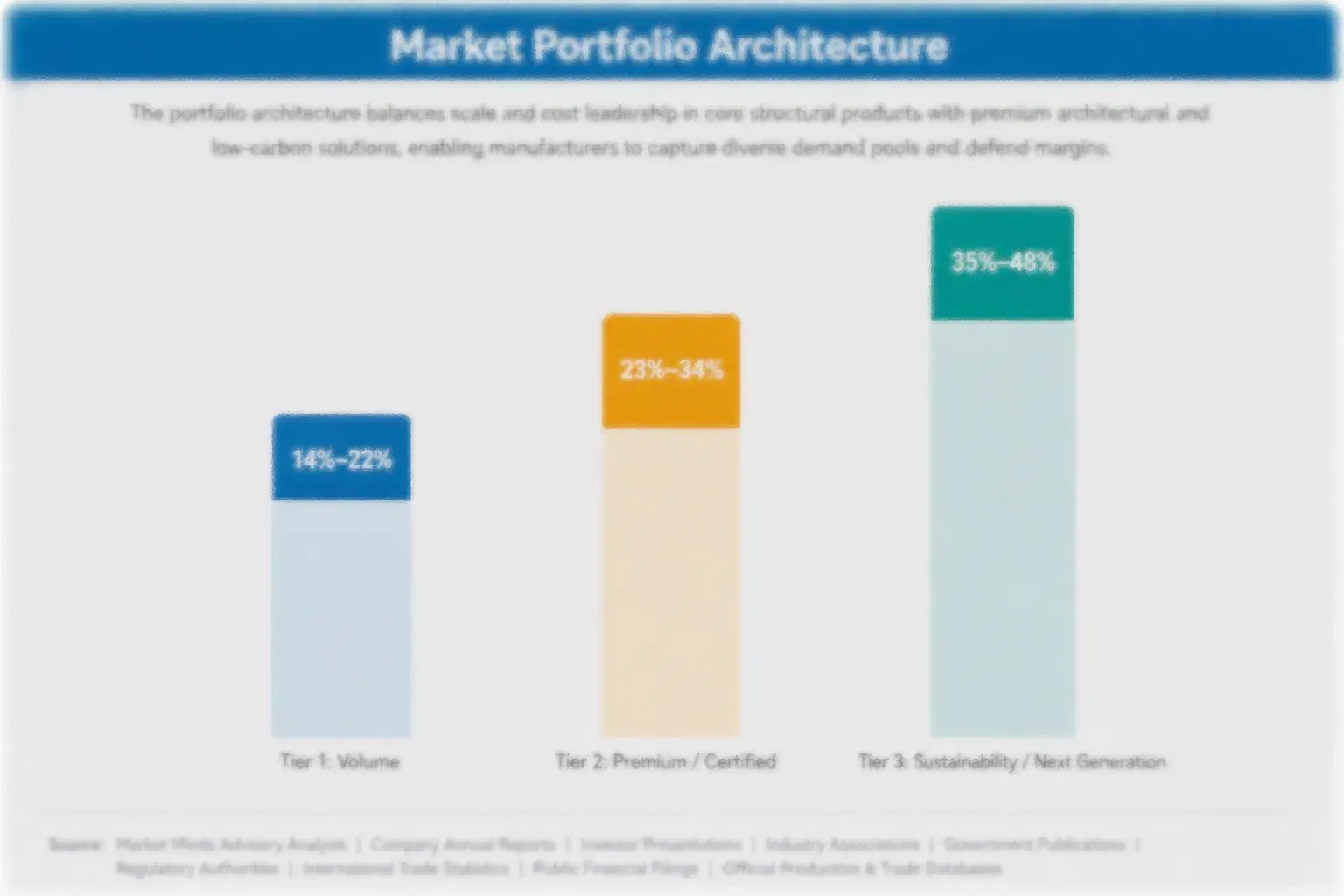
Converters generally run a three-tier portfolio spanning standard chemical and agrochemical Type-C formats sold on established certification and moderate price, premium pharmaceutical and metal powder formats commanding better economics tied to testing depth and specialized handling, and next-generation conductive fabric technology still scaling toward broader commercial adoption. Gross margin varies substantially across these tiers, with standard chemical formats competing on established relationships more than pure price.
The tension between standard chemical volume and premium pharmaceutical and metal powder tiers shapes converter capital allocation directly, since standard capacity generates steady cash flow but minimal margin expansion room, while premium testing and specialized handling capability requires upfront documentation investment before generating comparable returns. Converters without a clear tier strategy risk losing standard share to regional entrants while lacking the testing depth to win premium orders.

High-value margin pools are concentrating in metal powder and pharmaceutical formats, categories where customers are willing to pay meaningfully above standard chemical pricing for testing depth and specialized handling documentation. Converters positioned early in these categories are capturing a disproportionate share of total industry margin growth relative to their volume share today.

Volume / Commodity-Adjacent Tier

Standard chemical and agrochemical Type-C formats sold on established certification relationships to regulated industrial accounts across mature chemical manufacturing markets. Margins here depend heavily on established relationship renewal rates and manufacturing scale.
Gross Margin: 16-22%

Premium / Certified Tier

Pharmaceutical and metal powder formats carrying deep batch-level testing documentation, sold to customers willing to pay for traceable quality assurance. Converters here typically maintain dedicated regulatory affairs teams separate from standard operations.
Gross Margin: 26-34%

Sustainability / Regulatory / Next-Generation Tier

Next-generation conductive fabric technology still scaling toward broader commercial adoption, commanding premium pricing tied to reliability and compliance resilience. Adoption is accelerating as more buyers publish binding testing documentation requirements.
Gross Margin: 24-32%
type-c-bulk-bags-market-share-analysis-portfolio-architecture-1791422367710

High-value Sub-segments and Strategic Watch-out

Metal Powders and Combustible Dusts

Metal powder bags combine the fastest unit growth in the category with premium pricing tied to acute-risk testing depth, making this the segment converters are prioritizing most heavily for new testing investment over the next several years. Several converters have announced dedicated metal powder testing labs separate from standard operations.
Gross Margin: 28-36%

Pharmaceutical and Fine Chemical Powders

Pharmaceutical formats command strong pricing tied to expanding API manufacturing demand, representing the category's clearest path to margin growth beyond standard chemical volume today. Supply tightness in qualified testing capacity gives early movers unusual pricing leverage relative to other segments. This advantage persists as certification requirements keep tightening.
Gross Margin: 24-32%

Agrochemicals

Agrochemical formats remain the format's largest volume base, generating steady revenue even as growth moderates relative to higher-margin pharmaceutical and metal powder tiers across mature chemical markets. Converters here compete primarily on established relationship depth rather than on testing sophistication. This premium stays modest but dependable.
Gross Margin: 14-20%

Industrial Explosives and Propellant Precursors

Explosives precursor formats face the most direct scrutiny from evolving security and transport regulation and offer the least room for commercial differentiation, making this segment a candidate for continued specialized contraction. Converters still serving this segment increasingly treat it as a byproduct of existing capacity rather than a priority.
Gross Margin: 12-18%

Why Certification Outlasts Any Single Contract

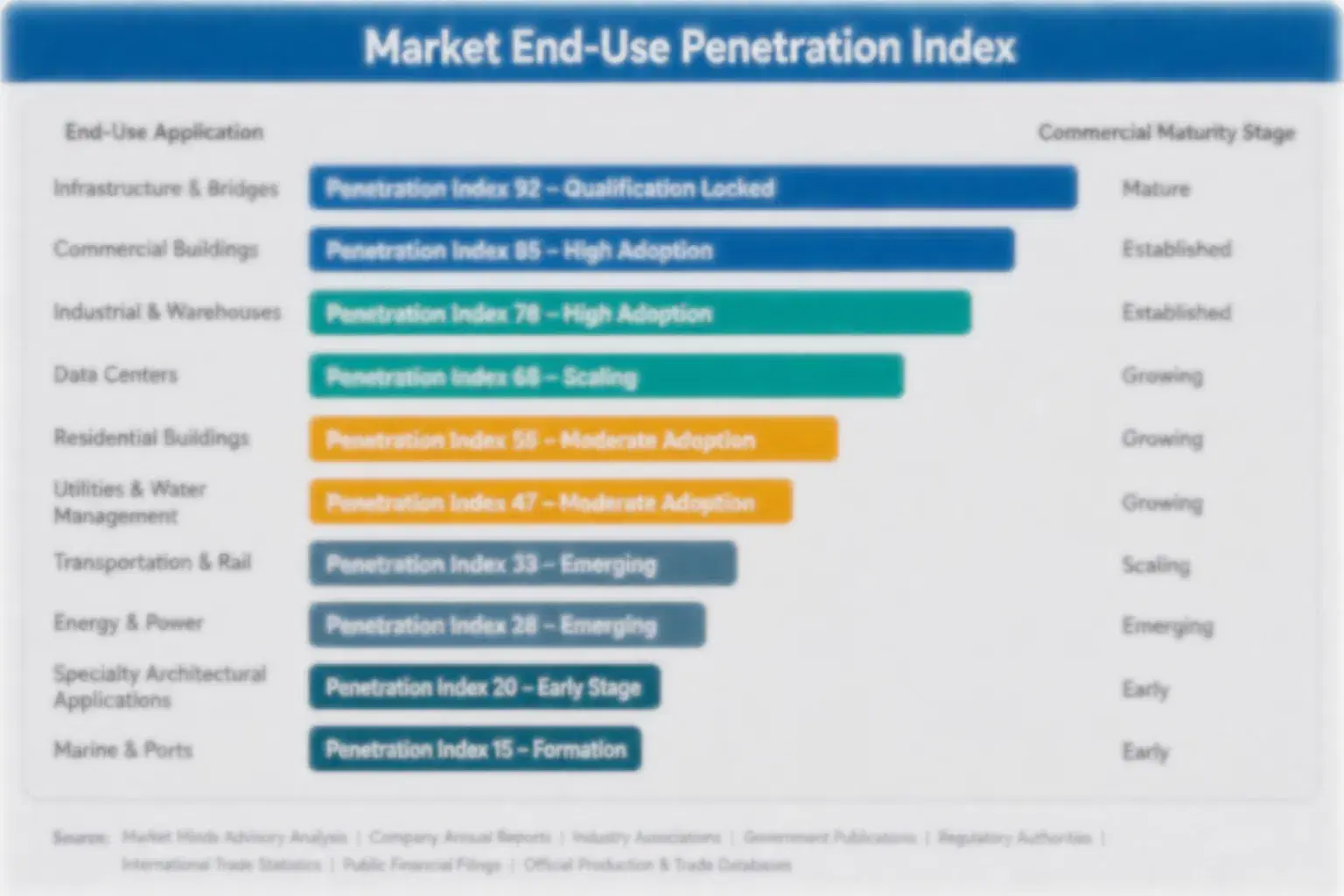
Type-C certification relationships function as genuine annuities once established, since a chemical or pharmaceutical manufacturer's qualification of a specific converter's testing documentation and grounding tab design typically persists across multiple years of facility operation rather than resetting with each purchase order. This switching friction gives certified incumbent converters unusually durable repeat business once they win a manufacturer's initial qualification. Switching a qualified converter mid-contract is rare.
Adoption depth varies sharply by end-use vertical. Agrochemical and standard chemical Type-C adoption is fully mature with minimal remaining conversion opportunity, representing stable, certification-driven demand. Pharmaceutical adoption remains mid-stage, with meaningful combustible intermediate volume still handled through less rigorous documentation processes that tightening audit standards will gradually convert. Metal powder and additive manufacturing adoption trails furthest behind in absolute volume, constrained by the technology's own still-developing production scale.

Buyer procurement increasingly separates established chemical sourcing, handled through qualified-supplier reordering focused on reliability, from pharmaceutical and metal powder sourcing, which emphasizes documentation depth and specialized testing credentials instead. This split is becoming more pronounced as procurement teams specialize by risk category rather than treating all Type-C sourcing as a single undifferentiated decision.
type-c-bulk-bags-market-share-analysis-end-use-penetration-index-1791422368028

What Type-C Converters Should Prioritize

These are among the four positions where our research anticipates prominent divergence between winners and laggards over the coming forecast period. Each is grounded in the demand model, the regulatory perimeter, and the announced capacity pipeline.
01 / TESTING DOCUMENTATION INVESTMENT

Build traceable conductivity testing ahead of audit tightening

Converters investing in traceable, batch-level conductivity testing infrastructure now are capturing meaningfully better pricing than those still relying on general compliance claims alone, and that gap is widening as pharmaceutical and chemical safety audits increasingly scrutinize documentation depth. Standard chemical capacity still generates useful cash flow, but it offers little room for margin expansion as regional entrants keep adding capacity at similar cost structures. Converters that delay this documentation investment risk ceding the fastest-growing, highest-margin volume to competitors who moved earlier.
02 / METAL POWDER SPECIALIZATION

Build metal powder testing capability ahead of additive scale-up

Additive manufacturing equipment makers are already shortlisting converters based on metal powder handling testing credentials, not waiting for the technology to fully mature before committing to packaging partners with proven acute-risk testing experience. Converters without this specialization risk exclusion from the fastest-growing premium contracts, since equipment makers prefer converters with demonstrated metal powder certification. Early positioning is becoming a precondition for winning this business as additive manufacturing scales toward volume production, and early movers are already winning flagship contracts from equipment makers seeking genuine testing differentiation.
03 / MULTI-JURISDICTION CERTIFICATION EXPANSION

Expand certification coverage ahead of multinational contracts

Multinational chemical and pharmaceutical manufacturers are already favoring converters with certification spanning multiple regulatory jurisdictions simultaneously, not waiting for single-market qualification to expand into global supply relationships. Converters without this breadth risk exclusion from the largest, most valuable multinational contracts, since global buyers prefer suppliers who can serve every facility under one qualified relationship. This dynamic is reshaping where certification investment flows, and capital committed now locks in multi-year relationships before rivals can replicate the certification breadth.
04 / CONDUCTIVE FIBER PROCUREMENT STRATEGY

Diversify conductive fiber sourcing before the next concentration shock

Conductive fiber price volatility hit single-sourced converters hardest during the 2022 and 2023 supply concentration shock, and nothing about current specialty fiber market concentration suggests that kind of disruption cannot recur within the forecast period covered by this report. That risk intensifies further once any single major fiber producer faces disruption, catching unhedged converters at their most vulnerable moment. Converters that diversify conductive fiber sourcing across multiple suppliers now are trading near-term procurement complexity for meaningfully better protection against the next volatility cycle.

Engagement Snapshot From the Field

A live engagement with an industry participant carrying material or product regulatory and market exposure ahead of a defining policy shift, showing how our research translates into a defensible multi-year portfolio strategy.
MARKET MINDS ADVISORY · CLIENT ENGAGEMENT SUMMARY
Type-C Bulk Bags Producer Strategic Portfolio Review and Transition Roadmap 2026·Investment Scenario on Type-C Bulk Bags Exposure Evaluation 2025-26
CLIENT PROFILE
The client is an additive manufacturing equipment maker based in Germany with annual revenue in the $130 million range (client-reported, unverified by MMA), scaling its metal powder supply chain to support growing industrial 3D printing adoption among its customer base. The company had relied on small-batch laboratory packaging for its metal powder supply but needed to qualify bulk-scale certified packaging as production volume increased substantially.
STRATEGIC CHALLENGE
The client needed to identify and qualify a Type-C bag supplier capable of handling its specific metal powder composition's ignition risk profile, without a clear internal framework for evaluating converter testing credentials against its particular powder's documented combustibility characteristics. The client also needed assurance that any new supplier could document consistent quality across multiple production batches before committing volume.
MMA APPROACH
MMA's team benchmarked metal powder handling certification and testing depth across five candidate converters, modeled realistic qualification timelines based on comparable industry precedent, and facilitated technical due diligence discussions that informed the client's final supplier selection and onboarding sequence. The engagement concluded with a recommended converter and a validated qualification timeline.
KEY FINDINGS
  1. Only two of five candidate converters had existing certification experience with metal powders carrying a comparable ignition risk classification to the client's specific product.
  2. Qualification timelines for the two viable candidates ran nine to fourteen months, longer than the client's original internal planning assumption had anticipated.
  3. One candidate converter offered a dedicated testing partnership structure that would accelerate qualification for the client's planned future powder formulations as well.
  4. The client's existing laboratory-scale packaging approach would not have scaled safely to its planned production volume without the bulk-certified transition MMA recommended.
CLIENT PROFILE
The client is an additive manufacturing equipment maker based in Germany with annual revenue in the $130 million range (client-reported, unverified by MMA), scaling its metal powder supply chain to support growing industrial 3D printing adoption among its customer base. The company had relied on small-batch laboratory packaging for its metal powder supply but needed to qualify bulk-scale certified packaging as production volume increased substantially.
STRATEGIC CHALLENGE
The client needed to identify and qualify a Type-C bag supplier capable of handling its specific metal powder composition's ignition risk profile, without a clear internal framework for evaluating converter testing credentials against its particular powder's documented combustibility characteristics. The client also needed assurance that any new supplier could document consistent quality across multiple production batches before committing volume.
MMA APPROACH
MMA's team benchmarked metal powder handling certification and testing depth across five candidate converters, modeled realistic qualification timelines based on comparable industry precedent, and facilitated technical due diligence discussions that informed the client's final supplier selection and onboarding sequence. The engagement concluded with a recommended converter and a validated qualification timeline.
KEY FINDINGS
  1. Only two of five candidate converters had existing certification experience with metal powders carrying a comparable ignition risk classification to the client's specific product.
  2. Qualification timelines for the two viable candidates ran nine to fourteen months, longer than the client's original internal planning assumption had anticipated.
  3. One candidate converter offered a dedicated testing partnership structure that would accelerate qualification for the client's planned future powder formulations as well.
  4. The client's existing laboratory-scale packaging approach would not have scaled safely to its planned production volume without the bulk-certified transition MMA recommended.
RECOMMENDED STRATEGY
Phase 1: Phase 1 (Months 1-3): Benchmark metal powder handling certification and testing depth across five candidate converters. across five leading candidate converters. Phase 2: Phase 2 (Months 4-9): Pursue technical due diligence and qualification testing with the two most viable candidate converters identified. ahead of the client's production scale-up timeline. Phase 3: Phase 3 (Months 10-14): Complete supplier qualification and transition to bulk-certified production packaging. while monitoring batch quality closely. while monitoring every batch for quality consistency.
OUTCOME
The client successfully qualified a Type-C supplier within the projected timeline and reported safe transition to bulk-certified packaging (client-reported, unverified by MMA), supporting its planned production volume increase without safety incident. The client has since applied the same qualification framework to a second powder formulation line.

Frequently Asked Questions

Foundational context covering the market sizes, CAGR, scope, country, region and competition that inform every finding below. This section is provided to cover basics and most often pre-purchase conversations, answered from the MMA Primary Research Dataset.

What is the current size of the Type-C Bulk Bags Market?

The global Type-C bulk bags market reached $0.58 billion in base year 2025, driven primarily by explosive-atmosphere regulation and additive manufacturing expansion. Metal powder handling and chemical manufacturing expansion both contribute meaningfully to that figure.

How large will the Type-C Bulk Bags Market be by 2036?

MMA projects the market will reach approximately $1.17 billion by 2036, roughly 1.9 times the 2026 figure. This reflects sustained metal powder and pharmaceutical demand growth.

What is the CAGR for the Type-C Bulk Bags Market 2026 to 2036?

The market is forecast to grow at a compound annual growth rate of 6.6% between 2026 and 2036. That pace reflects accelerating safety-driven specification demand.

Which segment is growing fastest?

Metal powders and combustible dusts are the fastest-growing segment, expanding at roughly 1.42 times the overall market CAGR. Scaling additive manufacturing production is driving this growth.

Who are the major companies in the Type-C Bulk Bags Market?

LC Packaging, BAG Corp, Emmbi Industries, Rishi FIBC Solutions, and Conitex Sonoco lead the global market. Together they hold an estimated 36% of global revenue, reflecting genuine certification barriers to entry.

Which country is growing fastest?

India is the fastest-growing country market, expanding at roughly 9.8% annually, driven by rapidly expanding generic pharmaceutical manufacturing. driven by its position as a leading global generic drug manufacturing and export hub serving regulated markets worldwide.

Type-C Bulk Bags Market Breakdown

The full report scope spans multiple orthogonal segmentation dimensions, with cross-tabulated demand data provided for each dimension pair. Coverage extends further to regional breakdowns, trend trajectories, and the competitive detail needed to support segment-level decision-making.

By End-Use Industry

  • Pharmaceutical and Fine Chemical Powders
  • Pigments and Dyes
  • Agrochemicals
  • Food-Grade Combustible Powders
  • Industrial Explosives and Propellant Precursors
  • Metal Powders and Combustible Dusts

By Commercial Dimension

  • Direct Manufacturer Supply
  • Distributor and Wholesale Supply
  • Export-Oriented Contract Supply

By Certification Jurisdiction

  • ATEX-Certified Supply
  • OSHA and NFPA-Compliant Supply
  • Multi-Jurisdiction Certified Supply

By Region

  • North America
  • Western Europe
  • East Asia
  • South Asia and Pacific
  • Latin America
  • Middle East and Africa
  • Eastern Europe

Scope, Methodology, and Coverage

Every figure in this report is reproducible from documented input assumptions. The scope below maps the historical period, the forecast horizon, the segmentation dimensions, and the countries covered, alongside the underlying primary and qualitative methodology.
Historical Period
2020 to 2025
Forecast Period
2026 to 2036
Base Year
2025 (USD billions; MMA Primary Research Dataset, October 2026)
Market Definition
The Type-C bulk bag market covers flexible intermediate bulk containers manufactured with electrically conductive threads woven throughout the fabric and connected via a grounding tab, requiring electrical grounding during filling and discharge to safely dissipate static charge when handling flammable solvents, combustible powders, and other materials prone to ignition in explosive atmospheres. It excludes Type A, Type B, and Type D flexible intermediate bulk containers, which carry different static protection mechanisms and are covered under separate market scope, as well as rigid intermediate bulk containers.
Quantitative Units
USD billions (current prices); million units of converted volume where applicable
Segmentation Dimensions
By End-Use Industry; By Commercial Dimension; By Certification Jurisdiction; By Region
Regions Covered
North America, Western Europe, East Asia, South Asia and Pacific, Latin America, Middle East and Africa, Eastern Europe
Countries Covered
USA, Canada, Mexico, Germany, France, UK, China, Japan, South Korea, India, Vietnam, Indonesia, Australia, Brazil, Argentina, Colombia, UAE, Saudi Arabia, South Africa, Nigeria, Turkey, Poland, Romania, Czech Republic, Netherlands, Italy, Spain, Sweden, Switzerland, and additional markets relevant to this sector
Key Companies Profiled
LC Packaging International B.V., BAG Corp, Emmbi Industries Limited, Rishi FIBC Solutions Pvt Ltd, Conitex Sonoco, Greif Inc, National Bulk Bag Corporation, Jumbo Bag Limited, Flexituff Ventures International Limited, Synthetic Industries LLC, Super Sack Manufacturing Corp, Global Bulk Bags Inc, U.S. Packaging and Wrapping LLC, Signode Industrial Group LLC, Intertape Polymer Group Inc, Shubham Polypack Private Limited, Polytex Fibers Corporation, Dunapack Packaging GmbH, Yildiz Plastik, Berry Global Group Inc
Quantitative Methodology
Primary survey, n=3,800 respondents, Q4 2025, six countries; demand-side model with trade association cross-validation
Qualitative Methodology
47 expert interviews, Q4 2025; applied to validate demand model assumptions, identify emerging dynamics, and assess competitive positioning
Report Format
PDF and XLSX data workbook (Word format preview document)
Publisher
Market Minds Advisory
Report Code
MMA-2026-CHM-556
Published
October 2026
Contact
sales@marketmindsadvisory.com | www.marketmindsadvisory.com

Purchase the full Type-C Bulk Bags Market Report (2026 to 2036).

The full report provides detailed market sizing and ten-year forecasts across all six end-use segments and all seven world regions, supported by converter-level certification benchmarking and primary interview findings. It includes in-depth competitive profiles of the top five converters alongside second-tier player coverage, conductive fiber cost exposure analysis, and metal powder and pharmaceutical adoption tracking across major regulated markets. Segment-specific margin and pricing data is broken out separately from headline market figures to support both strategic planning and tactical sourcing decisions. Buyers receive the full data set in editable format alongside the formatted report document itself.
Ten-year market sizing across six end-use segments
Converter certification benchmarking on a consistent basis
Metal powder and pharma adoption tracking worldwide
Conductive fiber cost exposure analysis worldwide
Editable data tables alongside the formatted report
Primary interview findings from 47 industry experts

Built For The People Who Decide

From boardroom strategy to bench-side execution, this report is read cover-to-cover by leaders shaping the next decade of their industry, turning demand scenarios, market dynamics and valuation benchmarks into decisions.
CXOs/ Presidents/ VPs/ Managers
M&A and Corporate Development
Strategy Teams and R&D Heads
Procurement and Product Directors
Regulatory and Compliance Leaders
Investor Relations and Equity Analysts