Market Minds Advisory
Triammonium Citrate Market

Triammonium Citrate Market: Triammonium Citrate Market. Citric Acid Feedstock, Semiconductor Cleaning Demand, and Ammonia Stability Shape Global Citrate Salt Supply.

Global triammonium citrate supply spans electronics and semiconductor, pharmaceutical and analytical, industrial cleaning and passivation, food-grade, and agricultural chelation grades, sold to chip makers, metal finishers, and supplement producers where citric acid cost, ammonia stability.

Lead Analyst

Published

September 2026

Make Smarter Decisions with Customized Research Insights

Request a free sample report and evaluate market opportunities, growth trends, and competitive dynamics relevant to your business needs.

2025 MARKET VALUE$0.1BMarket Size 2025
2036 FORECAST VALUE$0.3BBase Case , 2026 to 2036
CAGR 2026 TO 20365.5 %Bull 6.8% / Bear 4.2%
INCREMENTAL OPPORTUNITY$0.1BNet 10- year value creation
EXPANSION MULTIPLE1.71x2036 value over 2026 base
Strategic Levers
M&A Pipeline
Regional Outlook
Country Rankings
Competitive Intelligence
Segmental Deep-dive
Call-Us : 91 93563 13602

Executive Snapshot and Market Trajectory.

Triammonium citrate is the ammonium salt of citric acid, used as a mild chelating cleaner, a metal passivation aid, an iron carrier, and a food acidity regulator. Producers neutralise citric acid with ammonia and crystallise the salt. Value depends on purity, ammonia stability, and citric acid cost.
Electronics and Semiconductor Grade Triammonium Citrate grows fastest as chip makers use mild chelating cleaners to control metal residue, while industrial cleaning and passivation grades still carry the volume. East Asia holds the largest share because China makes most of the world's citric acid and Japan, Korea, and Taiwan run large semiconductor cleaning demand, and South Asia and Pacific grows fastest as Indian pharmaceutical and metal finishing users scale.
Competition is fragmented: a Swiss citrate and specialty acid group, a United States agribusiness group, a Chinese citric acid producer, a second Chinese citric acid group, and a German science and technology company lead, measured here on estimated triammonium citrate production capacity, while chemical distributors and laboratory suppliers fill the gaps. Buyers judge purity and metal content, and citric acid cost shapes margin more than brand does, so feedstock integration and analytical control decide rankings.
Market Definition
The market covers global sales of triammonium citrate valued at producer level, including electronics and semiconductor grade, pharmaceutical and analytical grade, industrial cleaning and passivation grade, food-grade, and agricultural micronutrient chelation grade material sold as powder or concentrated solution. The scope excludes citric acid, diammonium and monoammonium citrates, iron ammonium citrate sold as a finished supplement, other chelants such as EDTA, and finished cleaners or fertilisers.
Base Year Value
$0.1B in 2025 (MMA Primary Research Dataset, September 2026)
Forecast Period
2026 to 2036, eleven discrete annual values
CAGR
5.5% base case. Bull 6.8%. Bear 4.2%.
Fastest Growth Segment
Electronics and Semiconductor Grade Triammonium Citrate: 10.0% CAGR
Fastest Growth Country
India: 8.4% CAGR
Fastest Growth Region
South Asia and Pacific: 7.6% CAGR
Largest Region
East Asia: 33% of 2025 global value
Market Leaders
Jungbunzlauer, Cargill, RZBC, Weifang Ensign Industry, Merck KGaA. Source: MMA Analysis, company annual reports.
Primary Survey
n=3,800 procurement and R&D decision-makers, Q4 2025, six countries
Methodology
Demand-side build-up, cross-validated against public data, 47 expert interviews

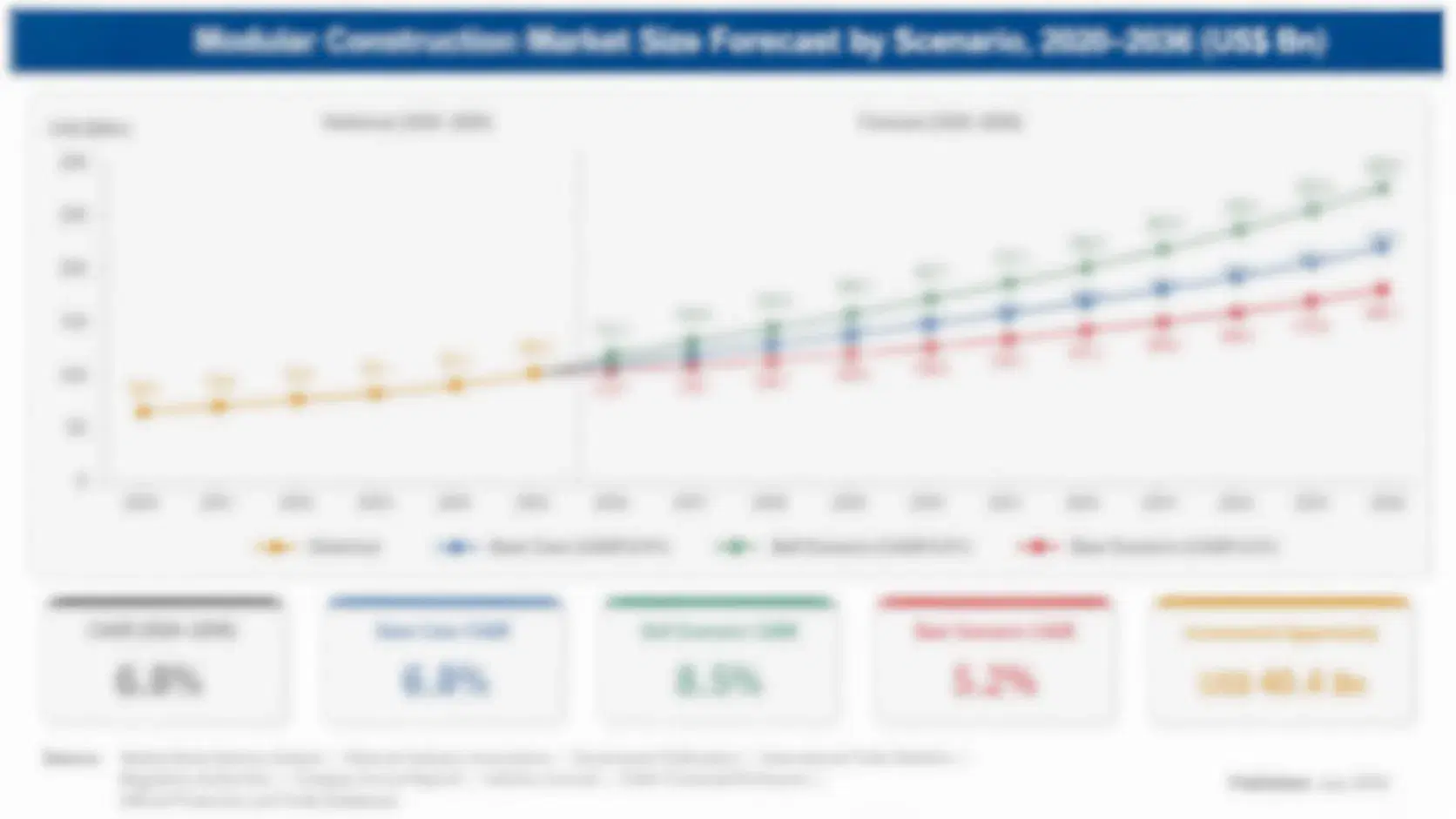
Triammonium Citrate Market Forecast Scenarios

triammonium-citrate-market-size-forecast-scenario-1789907125482
Between 2020 and 2025, triammonium citrate demand grew steadily as metal finishing and cleaning volumes recovered, semiconductor plants expanded, and environmental rules favoured biodegradable chelants over phosphates. Citric acid and ammonia prices spiked in 2022, which lifted costs and prices, while buyers began asking for lower metal content and better storage stability. Buyers review suppliers every season. Supply contracts decide renewal.
The base case rests on three commercial mechanisms. First, semiconductor and electronics plants adopt high-purity citrate salts for mild wet cleaning. Second, pharmaceutical and analytical users keep buying documented grades for iron supplements and laboratory work. Third, environmental rules push metal finishers and farm input makers toward biodegradable chelants. Producers plan citric acid supply, purification capacity, and storage formats around these three. Delivery reliability decides supplier rankings. Margins follow sourcing discipline. Batch records protect future sales.
The bull case needs faster semiconductor capacity growth and tighter chelant rules, which would lift volumes and margins. The bear case is a citric acid price spike combined with weak metal finishing demand, which would squeeze margins and slow premium grade adoption. Cost control separates leaders from followers. Clear specifications build buyer trust. Small buyers feel every input swing.

Citric Acid Cost, Trace Metal Purity, and Ammonia Stability Set Triammonium Citrate Outcomes

Triammonium citrate is made by neutralising citric acid, itself fermented from corn or cassava starch, with ammonia in water. Producers then crystallise or spray-dry the salt, or ship it as a concentrated solution. Electronics and pharmaceutical lines add filtration, recrystallisation, and metal analysis, and packing in sealed containers limits ammonia loss. Purity and stability set value across grades, while solution formats cut handling but raise freight.
MARKET CONCENTRATION47% CR5Leading five suppliers hold a moderate combined share
TOP PRODUCING COUNTRYChina 58%Largest national source of citric acid derived salt output
CITRIC ACID COST SHARE54%Portion of goods cost taken by citric acid and ammonia
CLEANING AND PASSIVATION SHARE38%Portion of global value sold into metal cleaning and passivation
TYPICAL SOLUTION STRENGTH5-30%Usual working solution concentration in cleaning and chelation
TYPICAL SOLUTION PH6.5-7.5Near neutral acidity range that limits equipment corrosion risk
Purity, metal content, ammonia content, solubility, and stability decide value. Buyers run assay and trace metal tests, and electronics and pharmaceutical grades earn premiums of two to three times industrial grade. Jungbunzlauer and Merck win on quality systems, while Chinese citric acid groups win on cost. Citric acid prices swing, so contract terms matter more than list price. Large buyers run annual tenders.
Buyers judge triammonium citrate on purity, metal content, chelating strength, ammonia stability, regulatory status, and supply reliability. Semiconductor plants want ultra-low metals, metal finishers want mild passivation, pharmaceutical makers want documented lots, and farm input makers want cheap chelation. Price sensitivity varies sharply by grade. Audits and pilot batches decide qualification for regulated and electronics buyers, and spot buyers accept weaker service.
"Triammonium citrate is a salt that cleans metal gently and slowly loses its own ammonia on the shelf. The semiconductor buyer pays for parts per billion and a sealed drum, while the metal finisher pays by the tonne and hopes it still works. Producers who solve stability and purity together will earn the margin."
Senior Analyst, Specialty Chemicals and Electronics Materials Practice · MMA Triammonium Citrate Practice · September 2026

Market Trends

Semiconductor Cleaning Adopts High-Purity Triammonium Citrate for Residue Control

Chip makers use mild ammonium citrate solutions to remove metal residues after polishing and etching, and they demand ultra-low metal content, tight particle limits, and sealed cleanroom packing. Electronics and Semiconductor Grade Triammonium Citrate grows about 10.0% a year from a small base, and gross margins run 35% to 55% against 15% to 25% for industrial cleaning grade. The trend needs ultra-purification, trace metal analysis, and qualification. Technical reach compounds over time. Audits repeat every year. Buyers review suppliers every season. Supply contracts decide renewal. Delivery reliability decides supplier rankings. Margins follow sourcing discipline.
Market Impact: global chip sales exceed $600 billion

Pharmaceutical and Analytical Grades Gain From Iron Supplement Use

Iron supplement makers and analytical laboratories use ammonium citrate salts as iron carriers and buffers, and buyers require documented purity and low heavy metals. Pharmaceutical and Analytical Grade Triammonium Citrate grows about 8.0% a year. The trend needs crystallisation, quality systems, and regulatory files, and it rewards suppliers that supply audited lots with certificates for every batch and stable packing that limits ammonia loss. Batch records protect future sales. Cost control separates leaders from followers. Clear specifications build buyer trust. Small buyers feel every input swing. Technical reach compounds over time. Audits repeat every year.
Market Impact: chelant restrictions cover over 30 countries

Market Opportunities and Growth Drivers

Advanced Electronics Manufacturing Growth Raises Demand for Mild Chelating Cleaners

New wafer fabrication plants in Asia, North America, and Europe need many wet cleaning steps, and mild chelating cleaners remove metal residues without attacking delicate structures. Global chip sales exceed $600 billion. The driver sustains rapid growth for high-purity grades and rewards producers with trace metal control, cleanroom packing, and dependable supply for plants running continuous lines. Buyers review suppliers every season. Supply contracts decide renewal. Delivery reliability decides supplier rankings. Margins follow sourcing discipline. Batch records protect future sales. Cost control separates leaders from followers. Clear specifications build buyer trust. Small buyers feel every input swing.
Market Impact: input swings move cost by 15-30%

Environmental Rules Favour Biodegradable Citrate Chelants Over Phosphates and EDTA

Regulators restrict phosphates and slowly degrading chelants in detergents, metal finishing, and agriculture, and citrate salts biodegrade readily. Chelant restrictions cover over 30 countries. The driver sustains steady demand for industrial and agricultural grades and rewards producers with clean environmental profiles, consistent performance, and technical service that help formulators replace older chemistry. Technical reach compounds over time. Audits repeat every year. Buyers review suppliers every season. Supply contracts decide renewal. Delivery reliability decides supplier rankings. Margins follow sourcing discipline. Batch records protect future sales. Cost control separates leaders from followers. Clear specifications build buyer trust.
Market Impact: storage losses reach 3-8% yearly

Market Restraints and Challenges

Citric Acid and Ammonia Cost Swings Squeeze Small Producer Margins

Citric acid and ammonia take about 54% of cost and follow corn, cassava, gas, and Chinese export policy, while customers often demand fixed annual prices. The root cause is a short pass-through lag. Producers respond with indexed contracts and forward buying, though input swings can move cost by 15% to 30% in a season and small producers without integration lose margin quickly. Small buyers feel every input swing. Technical reach compounds over time. Audits repeat every year. Buyers review suppliers every season. Supply contracts decide renewal. Delivery reliability decides supplier rankings. Margins follow sourcing discipline.
Market Impact: electronics grade grows 10.0% yearly

Ammonia Loss and Storage Instability Limit Shelf Life and Reach

Triammonium citrate loses ammonia and cakes in humid or warm storage, which changes its strength and pH. The root cause is the volatility of the ammonium ion. Producers respond with sealed packaging and solution formats, though storage losses reach 3% to 8% a year and unstable shipments limit reach into hot and humid markets. Batch records protect future sales. Cost control separates leaders from followers. Clear specifications build buyer trust. Small buyers feel every input swing. Technical reach compounds over time. Audits repeat every year. Buyers review suppliers every season. Supply contracts decide renewal.
Market Impact: pharmaceutical grade grows 8.0% yearly
3 additional market trends, 2 additional growth drivers, and 4 additional restraints and challenges are covered in the full report. Contact sales@marketmindsadvisory.com to access the complete intelligence.

Segment CAGR and Growth Architecture

The global triammonium citrate market is segmented by grade and end-use function, which shows where purification, storage stability, and citric acid integration create pricing power in a fragmented market. Five segments cover electronics, pharmaceutical, industrial cleaning, food, and agricultural chelation grades. Electronics and pharmaceutical grades grow fastest as chip plants expand and documented purity gains value.
triammonium-citrate-market-market-share-analysis-1789907125764

Electronics and Semiconductor Grade Triammonium Citrate

Electronics and Semiconductor Grade Triammonium Citrate is the fastest-growing segment at 10.0% a year, about 1.82 times the overall market rate, from a small base. Chip makers pay for ultra-low metals and sealed cleanroom packing, so gross margins of 35% to 55% against 15% to 25% for industrial cleaning grade support ultra-purification and analytical investment. Qualification time and purity are the main constraints. Producers with data win. Delivery reliability decides supplier rankings. Margins follow sourcing discipline. Batch records protect future sales. Cost control separates leaders from followers. Clear specifications build buyer trust. Small buyers feel every input swing. Technical reach compounds over time. Audits repeat every year. Buyers review suppliers every season.
CAGR 10.0%

Pharmaceutical and Analytical Grade Triammonium Citrate

Pharmaceutical and Analytical Grade Triammonium Citrate grows at 8.0% a year, about 1.45 times the overall market rate, because iron supplement makers and laboratories need low metals and documented lots, and they accept gross margins of 30% to 48% for audited supply. Crystallisation and regulatory files shape entry. Producers with lot certificates hold price better than industrial grade sellers. Supply contracts decide renewal. Delivery reliability decides supplier rankings. Margins follow sourcing discipline. Batch records protect future sales. Cost control separates leaders from followers. Clear specifications build buyer trust. Small buyers feel every input swing. Technical reach compounds over time. Audits repeat every year. Buyers review suppliers every season. Supply contracts decide renewal.
CAGR 8.0%
Full segment breakdown across 5 segments available in the complete report.

Regional Architecture and Country Demand Map

East Asia leads at 33% because China makes about 58% of citric acid and Japan, Korea, and Taiwan buy the highest semiconductor grades. North America follows at 22% through chip plants and metal finishers, Western Europe adds Jungbunzlauer and Merck with documented grades, and South Asia and Pacific grows

East Asia

East Asia holds 33% share, above its 22% to 30% band, and leads because China makes about 58% of the world's citric acid and its derived salts through large fermentation plants such as RZBC and Weifang Ensign, while Japan, South Korea, and Taiwan run the semiconductor wet cleaning demand that buys the highest grades. Growth runs above the global rate. Price competition and purity qualification restrain margins. Delivery reliability decides supplier rankings. Margins follow sourcing discipline. Batch records protect future sales. Cost control separates leaders from followers. Clear specifications build buyer trust. Small buyers feel every input swing. Technical reach compounds over time. Audits repeat every year. Buyers review suppliers every season.
Share: 33% | CAGR: 6.5% (2026 to 2036)

North America

In North America, 22% of value comes from the United States and Canada, where semiconductor plants in Arizona and Texas, metal finishers, and oilfield service firms buy triammonium citrate, and Cargill and Archer Daniels Midland supply citric acid. Growth runs at the global rate. Import competition and ammonia stability during shipping restrain margins. Supply contracts decide renewal. Delivery reliability decides supplier rankings. Margins follow sourcing discipline. Batch records protect future sales. Cost control separates leaders from followers. Clear specifications build buyer trust. Small buyers feel every input swing. Technical reach compounds over time. Audits repeat every year. Buyers review suppliers every season. Supply contracts decide renewal. Delivery reliability decides supplier rankings. Margins follow sourcing discipline.
Share: 22% | CAGR: 5.5% (2026 to 2036)
Regional intelligence for 5 additional markets available in the complete report: Western Europe, South Asia and Pacific, Latin America, Middle East and Africa, Eastern Europe. Contact sales@marketmindsadvisory.com.
triammonium-citrate-market-country-cagr-analysis-1789907126065

Four Margin Routes for Triammonium Citrate Producers

Margin in triammonium citrate comes from electronics and pharmaceutical grades, secured citric acid and ammonia, and stable product formats rather than industrial volume. The routes below apply to citric acid producers, specialty salt makers, and chemical distributors, and each can start inside one planning cycle, with clear measures in gross margin points, price realisation, and storage losses avoided.

Shifting Volume Into Electronics and Pharmaceutical Grade Triammonium Citrate

Electronics and pharmaceutical grades earn gross margins of 30% to 55% against 15% to 25% for industrial cleaning grade, so producers that add ultra-purification, trace metal analysis, and quality systems to shift 10% of volume into these grades report gross margin gains of 6 to 11 points on the mix. Conversion programmes cost $4 million to $16 million. Pilots with five customers confirm demand. Clear specifications build buyer trust. Small buyers feel every input swing. Technical reach compounds over time. Audits repeat every year. Buyers review suppliers every season. Supply contracts decide renewal.
Market Impact: premium mix shift lifts gross margin by 6-11 points

Qualifying High-Purity Grades With Semiconductor and Pharmaceutical Customers

Semiconductor and pharmaceutical buyers pay for low metals and certified lots, so producers that fund ultra-purification, lot certificates, and audits sell qualified grades at premiums of 35% to 55% per tonne. Programmes cost $2 million to $8 million. Producers should target wafer cleaning chemical blenders and iron supplement makers first, where qualification barriers are highest and contracts run for many years. Delivery reliability decides supplier rankings. Margins follow sourcing discipline. Batch records protect future sales. Cost control separates leaders from followers. Clear specifications build buyer trust. Small buyers feel every input swing.
Market Impact: qualified grades add 35-55% price premium per tonne

Securing Citric Acid and Ammonia Through Indexed Multi-Year Contracts

Citric acid and ammonia take about 54% of cost and input swings move it by 15% to 30%, so producers that secure supply through multi-year contracts or integration, index selling prices, and hold regional stock cut unpriced exposure by 30% to 50%. Contract programmes cost little in cash. Producers should share price formulas openly and review them each quarter. Technical reach compounds over time. Audits repeat every year. Buyers review suppliers every season. Supply contracts decide renewal. Delivery reliability decides supplier rankings. Margins follow sourcing discipline. Batch records protect future sales. Cost control separates leaders from followers.
Market Impact: indexed contracts cut margin swings by 15-25% yearly

Improving Storage Stability With Sealed Packaging and Solution Formats

Triammonium citrate loses ammonia in humid storage and losses can reach 3% to 8% a year, so producers that adopt sealed packaging, concentrated solution formats, and humidity control cut storage losses by 30% to 50% each year. Programmes cost $2 million to $8 million. Producers should start with hot and humid markets, where losses and complaints are highest. Clear specifications build buyer trust. Small buyers feel every input swing. Technical reach compounds over time. Audits repeat every year. Buyers review suppliers every season. Supply contracts decide renewal. Delivery reliability decides supplier rankings.
Market Impact: stable formats cut storage losses by 30-50% annually

Who Controls the Margin Pool

The global triammonium citrate market is fragmented, with a CR5 of 47%, and chemical distributors, laboratory suppliers, and regional salt makers sit outside the leading five. This assessment measures participants on estimated triammonium citrate production capacity, held constant across all players. Jungbunzlauer leads through integrated citric acid feedstock and quality systems, while Cargill, RZBC, Weifang Ensign Industry, and Merck KGaA follow, with a moderate gap between the leader and the
Competition runs on four dimensions today: citric acid access and cost, purity and metal control, storage stability, and quality systems. Swiss and German groups win on quality systems and documentation, American agribusiness groups win on fermentation scale, and Chinese producers win on cost. Imitators copy industrial grade quickly, so premiums outside electronics and pharmaceutical grades erode within a price cycle. Margins follow sourcing discipline. Batch records protect future sales.

Emerging pressure comes from Chinese producers moving into high-purity grades, semiconductor blenders integrating chelant supply, and tighter environmental rules on ammonia emissions. Rankings shift where a producer wins a chip plant qualification, proves stable packaging, or secures citric acid cheaply. Challengers can move up quickly when they pass audits, since purity and stability can outweigh scale.
triammonium-citrate-market-company-positioning-matrix-1789907126326

Competitive Moat and Risk Dimensions

JUNGBUNZLAUER

Moat: Integrated Citric Acid Feedstock Control

Jungbunzlauer, a Swiss citrate and specialty acid group, ferments citric acid and makes citrate salts at plants in Europe and Asia and supplies food, pharmaceutical, and industrial customers worldwide with quality systems, regulatory files, and technical service. Its feedstock control, plant network, and customer relationships give it credibility with regulated buyers.
JUNGBUNZLAUER

Risk: Small Specialty Salt Attention

Jungbunzlauer treats triammonium citrate as a small line within a large citrate range, so investment can lag focused rivals. Chinese producers can undercut on industrial grade. Cost control separates leaders from followers. Clear specifications build buyer trust. Small buyers feel every input swing. Technical reach compounds over time.
CARGILL

Moat: Fermentation Scale Cost Advantage

Cargill, a United States agribusiness group, ferments citric acid at large scale and supplies food, industrial, and chemical customers worldwide with dependable volume, cost control, and technical support. Its fermentation scale, plant network, and customer relationships give it a cost advantage, and its position supports competitive pricing and long-term supply agreements with large distributors and chemical formulators.
CARGILL

Risk: Limited Specialty Purity Focus

Cargill has less specialty purity focus than dedicated electronics chemical suppliers, so it competes weakly in ultra-pure grades. Specialists can win semiconductor accounts on analytical strength. Audits repeat every year. Buyers review suppliers every season. Supply contracts decide renewal. Delivery reliability decides supplier rankings. Margins follow sourcing discipline.

Players Tracked

Prominent Players

Jungbunzlauer
Cargill
RZBC
Weifang Ensign Industry
Merck KGaA

Other Key Players

Corbion
Archer Daniels Midland
Anhui BBCA Biochemical
COFCO Biochemical
Thermo Fisher Scientific
Spectrum Chemical
Alfa Aesar
Avantor
Univar Solutions
Brenntag
Jost Chemical
Lonza
BASF
Innophos
Gadot Biochemical Industries

Recent Developments

JANUARY 2026

Jungbunzlauer Announces Expanded High-Purity Citrate Salt Capacity for Electronics and Pharmaceutical Customers

Jungbunzlauer announced expanded high-purity citrate salt capacity for electronics and pharmaceutical customers, according to company communications. It is an organic capacity expansion, not an acquisition, and it tests demand for regulated grades. Investment terms were not disclosed. Batch records protect future sales. Cost control separates leaders from followers.
Signal: Suggests citric acid producers are moving downstream into high-purity salts as electronics and pharmaceutical demand grows.
FEBRUARY 2026

RZBC Launches Electronics Grade Triammonium Citrate for Semiconductor Wet Cleaning Customers

RZBC launched an electronics grade triammonium citrate for semiconductor wet cleaning customers, according to company communications. It is a product launch, not an acquisition, and it tests whether Chinese producers can qualify at chip plants. Pricing terms were not disclosed. Clear specifications build buyer trust. Audits repeat every year.
Signal: Indicates Chinese citric acid leaders are targeting semiconductor cleaning, which could pressure Western prices in mid-range purity grades.
MARCH 2026

Cargill Signs Supply Agreement for Citric Acid With Regional Specialty Salt Producer

Cargill signed a supply agreement for citric acid with a regional specialty salt producer, aimed at securing multi-year volume. It is a supply agreement, not an acquisition, and it tests indexed contracts. Terms were not disclosed. Buyers review suppliers every season. Supply contracts decide renewal. Margins follow sourcing discipline.
Signal: Shows specialty salt makers are securing citric acid through agreements, favouring suppliers with fermentation scale and steady volume.

What Drives Triammonium Citrate Costs

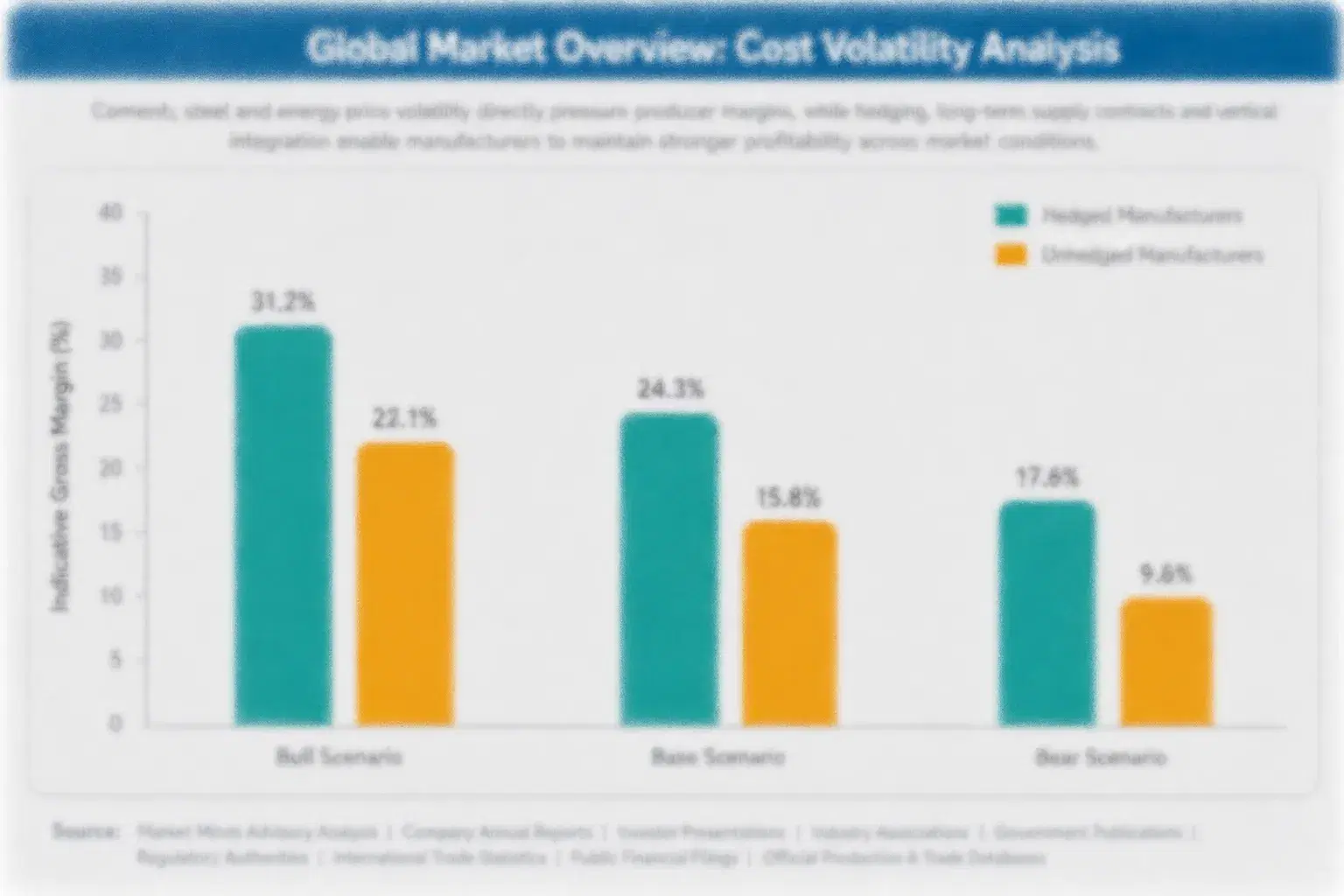
Citric acid accounts for roughly 44% of cost of goods and ammonia about 10%, energy for neutralisation, crystallisation, and drying about 14%, and packaging, testing, and logistics about 32%. Citric acid comes from Chinese, European, and American fermentation plants using corn, cassava, and sugar, and ammonia from gas and coal based synthesis. Small buyers feel every input swing. Technical reach compounds over time.
The clearest recent shock came from gas and corn prices. European gas prices surged in 2022, as the IEA reported, lifting ammonia and drying costs, while the USDA reported corn prices peaking that year and raising fermentation feedstock costs. Producers raised prices by 10% to 22% and moved contracts to indexing. Audits repeat every year. Buyers review suppliers every season. Supply contracts decide renewal. Delivery reliability decides supplier rankings.

The competitive disadvantage falls on small salt makers without citric acid integration or quality systems, which cannot pass costs on quickly or hold regulated accounts. Large producers own fermentation, run several sites, and spread cost across many citrates. Exposure also varies by grade, since electronics and pharmaceutical grades carry margins that absorb swings better than industrial grade. Margins follow sourcing discipline.
triammonium-citrate-market-cost-volatility-analysis-1789907126650

Integrated Citric Acid and Ammonia Contracts

Producers integrate with citric acid supply or sign multi-year contracts, index selling prices to input costs, and hold regional stock. Contracts cut unpriced exposure by roughly half and reduce margin swings by 15% to 25%. The main challenge is customer resistance to indexing, so producers share formulas openly and review them each quarter. Batch records protect future sales.

Mix Shift Toward Electronics and Pharmaceutical Grades

Producers shift capacity toward electronics and pharmaceutical grades that carry higher margins and absorb cost swings. A shift of 10% of volume lifts gross margin by 6 to 11 points. The main challenge is qualification time, so producers file data packages early and keep industrial grade for core customers. Cost control separates leaders from followers.

Sealed Packaging and Solution Formats

Producers adopt sealed packaging, concentrated solution formats, and humidity control to cut storage losses. Formats cut losses by 30% to 50% each year. The main challenge is capital and freight cost for solutions, so producers start with hot and humid markets and phase investment across several years. Clear specifications build buyer trust. Small buyers feel every input swing.

Portfolio Architecture for Margin Defence

Margins run from thin returns on industrial cleaning and agricultural chelation grades sold in bulk to strong returns on electronics and pharmaceutical grades sold with trace metal data and audit records. Three tiers separate volume products, certified premium lines, and next-generation formats, and each tier draws on different citric acid positions, purification assets, and customer relationships in a fragmented market.
The tension between volume and premium is sharp. Industrial and agricultural grades fill large orders and serve cost-led buyers but face citric acid swings and Chinese price competition, while electronics and pharmaceutical grades earn higher margins on smaller volumes and depend on purification, qualification, and trust. Producers that run only industrial grade struggle when inputs spike, while producers that run only premium lose early volume. Buyers review suppliers every season.

High-value pools concentrate in electronics grade sold to semiconductor cleaning chemical blenders and in pharmaceutical and analytical grades sold to iron supplement makers and laboratories. They gather where buyers pay for low metals, documented lots, and reliable supply rather than tonnes. Food-grade material adds a modest middle pool for acidity regulation. Supply contracts decide renewal. Delivery reliability decides supplier rankings.

Volume / Commodity-Adjacent Tier

Industrial cleaning and passivation and agricultural chelation grade triammonium citrate sold in bulk to metal finishers and farm input makers under annual contracts at low margins. Margins follow sourcing discipline. Batch records protect future sales.
Gross Margin: 15%-25%

Premium / Certified Tier

Food-grade triammonium citrate with defined purity, food additive approvals, and audit records, sold to processors that require consistent acidity regulation performance. Cost control separates leaders from followers. Clear specifications build buyer trust. Small buyers feel every input swing.
Gross Margin: 22%-36%

Sustainability / Regulatory / Next-Generation Tier

Electronics and pharmaceutical grade triammonium citrate with trace metal data, lot certificates, and sealed packing, sold to buyers that pay for purity and reliable supply. Technical reach compounds over time. Audits repeat every year.
Gross Margin: 30%-55%
triammonium-citrate-market-portfolio-architecture-1789907126949

High-value Sub-segments and Strategic Watch-out

Electronics and Semiconductor Grade Triammonium Citrate

Electronics and semiconductor grade triammonium citrate combines the fastest growth with strong pricing, since chip makers pay for ultra-low metals and sealed cleanroom packing at gross margins of 35% to 55%. Qualification time and purity limit competition, and producers with analytical data win. Repeat supply builds through long contracts.
Gross Margin: 35%-55%

Pharmaceutical and Analytical Grade Triammonium Citrate

Pharmaceutical and analytical grade triammonium citrate delivers firm growth and pricing, since iron supplement makers and laboratories pay for low metals and documented lots at gross margins of 30% to 48%. Crystallisation and regulatory files form the entry barrier, and producers with lot certificates win listings.
Gross Margin: 30%-48%

Industrial Cleaning and Passivation Grade Triammonium Citrate

Industrial cleaning and passivation grade triammonium citrate is the volume core for producers with citric acid access. Value grows about 5.0% a year, and citric acid cost, strength consistency, and delivery reliability decide profit. Producers anchor sales on long relationships with metal finishers and cleaning formulators.
Gross Margin: 15%-25%

Agricultural Micronutrient Chelation Grade Triammonium Citrate

Agricultural micronutrient chelation grade triammonium citrate is the strategic watch-out, since growth of about 4.0% a year trails the market, farm buyers switch on price, and cheaper chelants compete on cost. Producers should manage this line selectively and steer capacity toward electronics and pharmaceutical grades. Supply contracts decide renewal.
Gross Margin: 10%-20%

Why Chip and Pharma Buyers Reorder

Triammonium citrate demand behaves like an annuity attached to approved cleaning processes and formulations. Once a chip plant or supplement maker qualifies a supplier whose purity and stability it trusts, it repeats the order every month, and switching means new trials, audits, and possible process risk. Buyers use last year's delivery record to fix renewals, so suppliers with clean records earn steadier volume than sellers reliant on price
Adoption stickiness differs by end-use vertical. Semiconductor and pharmaceutical buyers are the deepest, since the salt is written into validated processes and changes only when a supplier fails. Food makers follow additive approvals. Metal finishers are moderate and switch on cost, while agricultural buyers are shallow and buy on price. Delivery reliability decides supplier rankings. Margins follow sourcing discipline. Batch records protect future sales.

Buyer profiles are shifting between generations. Older buyers bought citrate salts on price and long relationships, while younger procurement teams ask for trace metal data, sealed cleanroom packing, carbon footprints, and second-source security. Regulators add a third group that sets chelant and emission rules. Suppliers that publish lot data and origin records win newer buyers and keep them.
triammonium-citrate-market-end-use-penetration-index-1789907127274

MMA Verdict on Citrate Salt Strategy

These are among the four positions where our research anticipates prominent divergence between winners and laggards over the coming forecast period. Each is grounded in the demand model, the regulatory perimeter, and the announced capacity pipeline.
01 / ELECTRONICS GRADE STRATEGY

Convert Capacity to Electronics Grades Before Rivals Lock Semiconductor Qualifications

Electronics and Semiconductor Grade Triammonium Citrate grows at 10.0% a year, about 1.82 times the overall market rate, and gross margins of 35% to 55% compare with 15% to 25% for industrial cleaning grade. Producers should commit $4 million to $16 million to ultra-purification, metal analysis, and cleanroom packing, and shift 10% of volume into these grades to lift gross margin by 6 to 11 points. Those that stay in industrial grade will lose electronics accounts, while early qualifiers keep premium contracts and customer loyalty.
02 / HIGH-PURITY QUALIFICATION STRATEGY

Qualify High-Purity Grades Before Pharmaceutical Buyers Choose Rival Citrate Suppliers

Pharmaceutical and Analytical Grade Triammonium Citrate grows at 8.0% a year, about 1.45 times the overall market rate, and audited purity earns strong premiums because iron supplement makers and laboratories need low metals and documented lots. Producers should invest $2 million to $8 million in crystallisation, quality systems, and regulatory files, target pharmaceutical and laboratory customers first, and lift price realisation by 25% to 40%. Those without qualified purity will lose regulated accounts, while early movers hold premiums and buyer confidence for many years.
03 / FEEDSTOCK HEDGING STRATEGY

Hedge Citric Acid Before Cost Swings Erase Triammonium Citrate Margins

Citric acid and ammonia take about 54% of cost, input swings moved that cost by 15% to 30% in recent years, and lagged pass-through cut margins for producers without integrated supply or indexed contracts. Producers should secure citric acid and ammonia through multi-year contracts, index selling prices, hold regional stock, and cut margin swings by 15% to 25% each year. Those that buy on spot markets will absorb every swing, while secured producers will hold margin, volume, and customer confidence through the next cycle of input shocks.
04 / STORAGE FORMAT STRATEGY

Upgrade Storage Formats Before Ammonia Losses Erode Triammonium Citrate Margins

Triammonium citrate loses ammonia and cakes in humid storage, losses can reach 3% to 8% a year, and one degraded shipment can cost a customer relationship. Producers should invest $2 million to $8 million in sealed packaging, solution formats, and humidity control, cut storage losses by 30% to 50% each year, and widen reach into hot and humid markets. Those that ship unstable powder will lose distant accounts, while format leaders hold margin, service levels, and customer relationships in every regional market.

Engagement Snapshot From the Field

A live engagement with an industry participant carrying material or product regulatory and market exposure ahead of a defining policy shift, showing how our research translates into a defensible multi-year portfolio strategy.
MARKET MINDS ADVISORY · CLIENT ENGAGEMENT SUMMARY
Triammonium Citrate Producer Strategic Portfolio Review and Transition Roadmap 2026·Investment Scenario on Triammonium Citrate Exposure Evaluation 2025-26
CLIENT PROFILE
The client is a mid-sized Asian semiconductor wet chemicals blender with annual sales near $260 million (client-reported, unverified by MMA), supplying cleaning and post-polish chemistries to wafer plants in four countries. It bought triammonium citrate from two general chemical suppliers, held 30 days of stock, and had faced one off-specification lot and one 17% price rise.
STRATEGIC CHALLENGE
A lot with high iron content had forced a batch to be scrapped, wafer plant customers were tightening metal limits, and ammonia loss in humid storage had shifted solution strength between deliveries. Management needed to decide whether to qualify an electronics grade supplier, move to sealed solution formats, or keep the current suppliers, with limited quality staff and a customer audit date.
MMA APPROACH
MMA analysed purchase, impurity, and strength data across 34 lots, interviewed eight semiconductor materials procurement and quality experts and four citrate producers, and ran a buyer survey on purity and packaging requirements across three countries. It modelled cost by sourcing scenario, tested feedstock and price cases, and ranked options by payback and execution risk.
KEY FINDINGS
  1. An electronics grade in sealed packing would add about 30% to chelant cost but cut scrap and contamination risk by more than half (client-reported, unverified by MMA).
  2. The chelant was about 3% of blended cleaner cost of goods, so the higher price would move finished cost by about 0.9%. Cost control separates leaders from followers.
  3. Customers valued trace metal certificates and audited suppliers more than a small price difference between qualified sources. Clear specifications build buyer trust. Small buyers feel every input swing.
  4. Sealed solution formats would cut strength drift between deliveries and reduce incoming testing time by about a third. Technical reach compounds over time. Audits repeat every year.
CLIENT PROFILE
The client is a mid-sized Asian semiconductor wet chemicals blender with annual sales near $260 million (client-reported, unverified by MMA), supplying cleaning and post-polish chemistries to wafer plants in four countries. It bought triammonium citrate from two general chemical suppliers, held 30 days of stock, and had faced one off-specification lot and one 17% price rise.
STRATEGIC CHALLENGE
A lot with high iron content had forced a batch to be scrapped, wafer plant customers were tightening metal limits, and ammonia loss in humid storage had shifted solution strength between deliveries. Management needed to decide whether to qualify an electronics grade supplier, move to sealed solution formats, or keep the current suppliers, with limited quality staff and a customer audit date.
MMA APPROACH
MMA analysed purchase, impurity, and strength data across 34 lots, interviewed eight semiconductor materials procurement and quality experts and four citrate producers, and ran a buyer survey on purity and packaging requirements across three countries. It modelled cost by sourcing scenario, tested feedstock and price cases, and ranked options by payback and execution risk.
KEY FINDINGS
  1. An electronics grade in sealed packing would add about 30% to chelant cost but cut scrap and contamination risk by more than half (client-reported, unverified by MMA).
  2. The chelant was about 3% of blended cleaner cost of goods, so the higher price would move finished cost by about 0.9%. Cost control separates leaders from followers.
  3. Customers valued trace metal certificates and audited suppliers more than a small price difference between qualified sources. Clear specifications build buyer trust. Small buyers feel every input swing.
  4. Sealed solution formats would cut strength drift between deliveries and reduce incoming testing time by about a third. Technical reach compounds over time. Audits repeat every year.
RECOMMENDED STRATEGY
Phase 1: Phase 1 (Months 1-6): Qualify an electronics grade supplier and agree indexed pricing with both producers. Buyers review suppliers every season. Phase 2: Phase 2 (Months 7-24): Move wafer cleaning lines to sealed electronics grade supply and share certificates with customers. Supply contracts decide renewal. Phase 3: Phase 3 (Months 25-42): Audit suppliers yearly, review impurity trends each lot, and hold 45 days of stock. Delivery reliability decides supplier rankings.
OUTCOME
Within 42 months, scrapped batches fell to zero, incoming testing time fell by about a third, and two wafer plants extended agreements (client-reported, unverified by MMA). Chelant cost rose by 28%, finished cost moved by under 0.9%, and contract margin held. Margins follow sourcing discipline. Batch records protect future sales.

Frequently Asked Questions

Foundational context covering the market sizes, CAGR, scope, country, region and competition that inform every finding below. This section is provided to cover basics and most often pre-purchase conversations, answered from the MMA Primary Research Dataset.

What is the current size of the Triammonium Citrate Market?

The global triammonium citrate market was valued at $0.15 billion in 2025 on a producer-value basis. Growth is supported by semiconductor cleaning and chelant rules, offset by citric acid swings and storage instability.

How large will the Triammonium Citrate Market be by 2036?

The market is projected to reach $0.27 billion by 2036, up from $0.16 billion in 2026. The increase of $0.11 billion reflects electronics grades, pharmaceutical grades, and steady industrial demand.

What is the CAGR for the Triammonium Citrate Market 2026 to 2036?

The market is forecast to grow at a 5.5% CAGR from 2026 to 2036. The bull case reaches 6.8% and the bear case 4.2%, depending on semiconductor capacity, chelant rules, and citric acid prices.

Which segment is growing fastest?

Electronics and Semiconductor Grade Triammonium Citrate is the fastest-growing segment at 10.0% CAGR, roughly 1.82 times the overall market rate. Pharmaceutical and Analytical Grade Triammonium Citrate follows at 8.0% CAGR each year.

Who are the major companies in the Triammonium Citrate Market?

Major companies include Jungbunzlauer, Cargill, RZBC, Weifang Ensign Industry, and Merck KGaA. Corbion, Archer Daniels Midland, Anhui BBCA Biochemical, COFCO Biochemical, and Thermo Fisher Scientific also hold positions in citrate salt supply.

Which country is growing fastest?

India is growing fastest at about 8.4% CAGR, because pharmaceutical, metal finishing, and agricultural chelate makers are scaling and chemical demand is rising. Malaysia and Singapore follow as semiconductor plants expand.

Report Segmentation Architecture

The full report scope spans multiple orthogonal segmentation dimensions, with cross-tabulated demand data provided for each dimension pair. Coverage extends further to regional breakdowns, trend trajectories, and the competitive detail needed to support segment-level decision-making.

By Primary Market Dimension

  • Electronics and Semiconductor Grade Triammonium Citrate
  • Pharmaceutical and Analytical Grade Triammonium Citrate
  • Industrial Cleaning and Passivation Grade Triammonium Citrate
  • Food-Grade Triammonium Citrate
  • Agricultural Micronutrient Chelation Grade

By End-Use Industry

  • Semiconductor and Electronics Cleaning
  • Pharmaceuticals and Laboratories
  • Metal Finishing and Passivation
  • Food and Beverage
  • Agriculture

By Commercial Dimension

  • Direct Manufacturer Supply
  • Chemical Distributors
  • Annual Tender Contracts
  • Multi-Year Supply Agreements
  • Toll Purification Agreements

By Region

  • East Asia
  • North America
  • Western Europe
  • South Asia and Pacific
  • Latin America
  • Middle East and Africa
  • Eastern Europe

Scope, Methodology, and Coverage

Every figure in this report is reproducible from documented input assumptions. The scope below maps the historical period, the forecast horizon, the segmentation dimensions, and the countries covered, alongside the underlying primary and qualitative methodology.
Historical Period
2020 to 2025
Forecast Period
2026 to 2036
Base Year
2025 (USD billions; MMA Primary Research Dataset, September 2026)
Market Definition
The market covers global sales of triammonium citrate valued at producer level, including electronics and semiconductor grade, pharmaceutical and analytical grade, industrial cleaning and passivation grade, food-grade, and agricultural micronutrient chelation grade material sold as powder or concentrated solution. The scope excludes citric acid, diammonium and monoammonium citrates, iron ammonium citrate sold as a finished supplement, other chelants such as EDTA, and finished cleaners or fertilisers.
Quantitative Units
USD billions (producer value); tonnes for volume references
Segmentation Dimensions
By Grade and End-Use Function; By End-Use Industry; By Commercial Dimension; By Region
Regions Covered
East Asia, North America, Western Europe, South Asia and Pacific, Latin America, Middle East and Africa, Eastern Europe
Countries Covered
United States, Canada, Mexico, Austria, Germany, Netherlands, France, Italy, United Kingdom, Poland, Czechia, Hungary, Romania, China, Japan, South Korea, Taiwan, India, Singapore, Malaysia, Australia, Brazil, Colombia, Israel, Saudi Arabia, Egypt, South Africa, and additional markets relevant to this sector
Key Companies Profiled
Jungbunzlauer, Cargill, RZBC, Weifang Ensign Industry, Merck KGaA, Corbion, Archer Daniels Midland, Anhui BBCA Biochemical, COFCO Biochemical, Thermo Fisher Scientific, Spectrum Chemical, Alfa Aesar, Avantor, Univar Solutions, Brenntag, Jost Chemical, Lonza, BASF, Innophos, Gadot Biochemical Industries
Quantitative Methodology
Primary survey, n=3,800 respondents, Q4 2025, six countries; demand-side model with trade association cross-validation
Qualitative Methodology
47 expert interviews, Q4 2025; applied to validate demand model assumptions, identify emerging dynamics, and assess competitive positioning
Report Format
PDF and XLSX data workbook (Word format preview document)
Publisher
Market Minds Advisory
Report Code
MMA-2026-CHM-864
Published
September 2026
Contact
sales@marketmindsadvisory.com | www.marketmindsadvisory.com

Purchase the full Triammonium Citrate Market Report (2026 to 2036).

The full report delivers a detailed assessment of the global triammonium citrate market through 2036, covering grade, end-use, and regional forecasts, competitive benchmarking of leading producers, and input cost analysis. It combines MMA primary research, including a six-country survey of 3,800 respondents and 47 expert interviews, with public statistical and company data. Analysts also model citric acid scenarios, semiconductor demand paths, and stable format adoption. Clients receive segment margin ranges, plant location maps, and a case study on wet chemical chelant sourcing strategy. Producer programme and contract frameworks are also included for planning.
Ten-year grade and end-use demand forecasts
Citric acid, ammonia, and energy cost tracking
Competitive benchmarking of leading citrate producers
Chelant and food additive rule tracker
Regional market comparative analysis and forecasts included
Quarterly primary survey data update access

Built For The People Who Decide

From boardroom strategy to bench-side execution, this report is read cover-to-cover by leaders shaping the next decade of their industry, turning demand scenarios, market dynamics and valuation benchmarks into decisions.
CXOs/ Presidents/ VPs/ Managers
M&A and Corporate Development
Strategy Teams and R&D Heads
Procurement and Product Directors
Regulatory and Compliance Leaders
Investor Relations and Equity Analysts