Market Minds Advisory
Tree Nuts Market

Tree Nuts Market: Tree Nuts Market. Water Constraints, Plant-Based Demand, and Aflatoxin Rules Reshape Grower and Processor Economics.

Tree nuts are growing on snacking, plant-based dairy, and health positioning, while water limits in California, aflatoxin rules, and tariff swings decide which growers, handlers, and processors hold margin with global food companies and retailers.

Lead Analyst

Published

September 2026

Make Smarter Decisions with Customized Research Insights

Request a free sample report and evaluate market opportunities, growth trends, and competitive dynamics relevant to your business needs.

2025 MARKET VALUE$62.0BMarket Size 2025
2036 FORECAST VALUE$103.8BBase Case , 2026 to 2036
CAGR 2026 TO 20364.8 %Bull 6.1% / Bear 3.5%
INCREMENTAL OPPORTUNITY$38.9BNet 10- year value creation
EXPANSION MULTIPLE1.60x2036 value over 2026 base
Strategic Levers
M&A Pipeline
Regional Outlook
Country Rankings
Competitive Intelligence
Segmental Deep-dive
Call-Us : 91 93563 13602

Executive Snapshot and Market Trajectory.

Tree nuts are a mature crop with young demand. Snack makers, plant-based dairy brands, and bakers keep finding new uses, while orchards take years to plant and decades to pay back. That mismatch between slow supply and fast demand explains the large price swings.
Pistachios are growing fastest, helped by snacking, dessert, and gelato demand, while cashews and almonds anchor volume in snacks and plant-based milks. North America holds the largest share because California produces most almonds, pistachios, and walnuts and hosts the biggest handlers, and South Asia follows through cashew processing and rapid consumption growth in India. India and Vietnam add cashew processing and consumption growth, while Australia, Chile, and Africa plant new orchards that diversify supply.
Competition is concentrated in handling and fragmented in farming. Grower cooperatives, global origination groups, and privately held processors control hulling, shelling, and export, while thousands of family orchards supply them. Advantage comes from orchard scale, water access, food safety systems, and long customer contracts rather than price, and aflatoxin and pesticide rules decide access to Europe. Buyers reward documented food safety, traceable orchards, and consistent kernel grade.
Market Definition
Tree nuts comprise almonds, cashews, walnuts, pistachios, hazelnuts, pecans, macadamias, Brazil nuts, and related nuts, sold in-shell, shelled, or processed as kernels, pieces, and pastes to food manufacturers, retailers, and foodservice. The scope excludes peanuts, coconut, nut oils, nut butters and finished snacks, plant-based milks, and nut-derived chemicals or shells sold as fuel.
Base Year Value
$62.0B in 2025 (MMA Primary Research Dataset, September 2026)
Forecast Period
2026 to 2036, eleven discrete annual values
CAGR
4.8% base case. Bull 6.1%. Bear 3.5%.
Fastest Growth Segment
Pistachios: 7.4% CAGR
Fastest Growth Country
India: 7.6% CAGR
Fastest Growth Region
South Asia and Pacific: 7.0% CAGR
Largest Region
North America: 30% of 2025 global value
Market Leaders
ofi, Blue Diamond Growers, The Wonderful Company, Select Harvests, Borges Agricultural and Industrial Nuts. Source: MMA Analysis, company annual reports.
Primary Survey
n=3,800 procurement and R&D decision-makers, Q4 2025, six countries
Methodology
Demand-side build-up, cross-validated against public data, 47 expert interviews

Tree Nuts Market Forecast Scenarios

tree-nuts-market-size-forecast-scenario-1789759932331
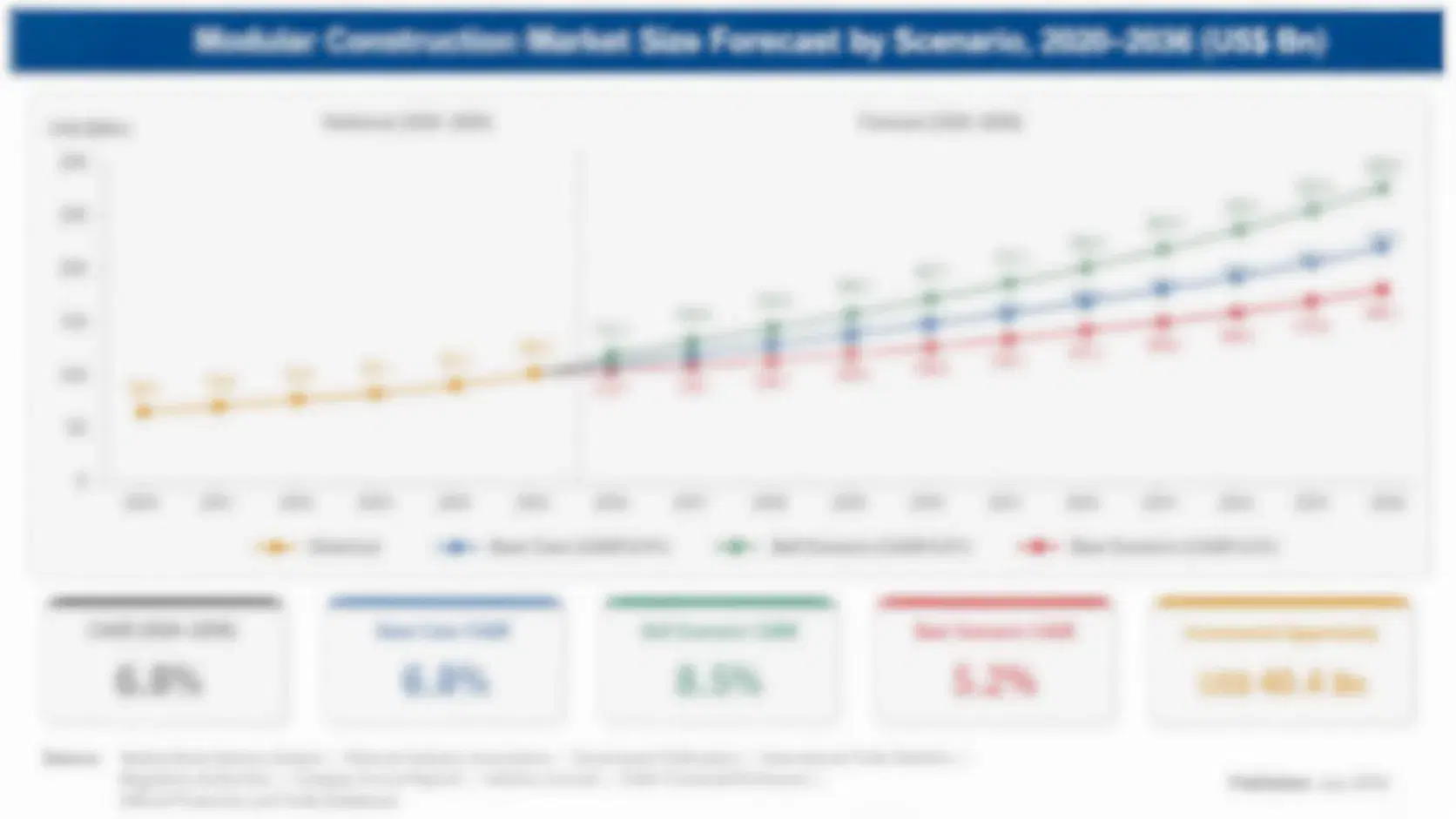
Between 2020 and 2025, tree nuts grew steadily as snacking and plant-based food demand widened, though inflation, freight disruption, and California drought years moved prices sharply. Growth averaged 4.2% a year, with pistachios and cashews outpacing almonds and walnuts, and shelled and processed formats gaining share as food manufacturers sought ready-to-use ingredients. Volumes rose as retailers expanded nut ranges.
The base case assumes 4.8% annual growth through 2036, built on three named mechanisms: continued expansion of snacking and premium nut mixes in Asia, Europe, and North America, rising use of almond and cashew ingredients in plant-based dairy, bakery, and confectionery, and new orchard acreage in Australia, Chile, Vietnam, and Africa that adds supply as California acreage plateaus under water rules. Health positioning keeps household penetration rising. Each mechanism reinforces the others.
The bull case, at 6.1%, needs stable weather and faster growth in Asian snacking. The bear case, at 3.5%, reflects prolonged drought, tariff barriers in key export markets, aflatoxin rejections, and substitution toward cheaper seeds and peanuts when nut prices spike. Either scenario leaves the underlying demand base intact, though pricing and mix would differ noticeably from the base path.

Orchard Scale and Water Access Decide Nut Supplier Positions

Tree nuts are grown in orchards that need three to seven years to bear commercial crops and then produce for 25 years or more. After harvest, nuts are hulled, dried, sorted, shelled, pasteurized, and packed. Crop size swings with weather and alternate bearing, so prices move sharply, and processors depend on grower relationships, storage, and financing to smooth supply. Timing decides quality.
MARKET CONCENTRATION21% CR5Leading five handlers hold a modest combined share
AVERAGE SELLING PRICE$6,800 per tonnePistachio and macadamia kernels sell far above almonds
TOP PRODUCING COUNTRY38% shareThe United States supplies over a third of world nuts
ORCHARD MATURITY PERIOD5 yearsNew orchards need years before commercial harvests begin
RAW NUT COST SHARE78% of COGSNut purchase price dominates processor cost and margin
EXPORT SHARE OF OUTPUT55%More than half of nut output crosses borders
Buyers use nuts in different ways. Snack brands buy roasted and flavored kernels, plant-based dairy makers buy almonds and cashews, bakers and confectioners buy pieces, pastes, and flour, and retailers sell in-shell and packaged nuts directly. Specifications cover kernel size, color, moisture, aflatoxin and pesticide levels, and pasteurization records, and buyers increasingly ask for traceability and sustainability documentation. Records matter as much as taste.
The industry is concentrated in handling and fragmented in farming. Grower cooperatives and large private groups handle most California volume, global traders and processors move cashews from Africa and Vietnam, and Turkish and Italian firms lead hazelnuts. Water, tariffs, and food safety rules shape investment, and consolidation is continuing as processors add pasteurization and shelling capacity to serve global food makers.
"Nuts are sold as a snack but they are really a water business. The handlers who lock in orchards with secure irrigation and long customer contracts will still be shipping in a decade when the weakest growers are pulling trees."
Practice Lead, Agricultural Products and Snack Ingredients Practice · MMA Agricultural Products and Snack Ingredients Practice · September 2026

Market Trends

Pistachio Spreads and Desserts Pull Kernel Demand Into New Categories

Pistachio demand has surged as consumers embrace pistachio spreads, desserts, gelato, and snack mixes, and social media has lifted interest in pistachio-flavored foods. Global retail pistachio sales have grown at double-digit rates in several markets, and processors expand shelling, roasting, and paste capacity. California and Iran hold the largest acreage, while Turkey, Australia, and Greece add supply, and food makers sign multi-year agreements to secure kernels. Roasted and salted pistachios remain the largest retail format, but paste and kernels for chefs and bakers grow fastest, and premium chocolate and gelato makers pay more for green kernels from Sicily and Iran.
Market Impact: 1.5 ounces daily supports heart health

Plant-Based Dairy and Bakery Deepen Almond and Cashew Ingredient Use

Almond and cashew ingredients are moving deeper into plant-based dairy, yogurt, cheese alternatives, and bakery, and food makers value their mild flavor and fat content. Cashew pieces and pastes suit vegan cheese, while almond flour serves gluten-free baking. Processors invest in blanching, milling, and paste lines, and volume commitments from beverage and dairy alternative brands give handlers steady demand outside the seasonal snack cycle. Beverage brands want blanched almonds with low bitterness and consistent fat content, and yogurt and cheese makers buy cashew paste, so handlers add blanching, milling, and paste lines that convert raw kernels into ingredients.
Market Impact: Indian nut consumption up 8% yearly

Market Opportunities and Growth Drivers

Heart Health Claims and Mediterranean Diet Evidence Support Nut Purchases

The United States Food and Drug Administration permits a qualified health claim that eating 1.5 ounces of most nuts daily may reduce heart disease risk, and Mediterranean diet research supports regular nut consumption. Dietitians recommend nuts for heart, brain, and metabolic health, and retailers merchandise them near health products. Health positioning supports repeat purchase and premium packs, and it helps nuts resist substitution during price spikes. Large cohort studies link regular nut intake to lower cardiovascular events, and consumer surveys show that heart health is a leading reason for purchase, so brands print health messages on packs.
Market Impact: water costs up 40% since 2019

Snack Premiumization and Festival Gifting Lift Nut Demand in Asia

Snacking is growing worldwide as meal patterns change, and India, China, and Southeast Asia are adding premium nut snacking through modern retail and e-commerce. Gift and festival demand is strong, including Diwali and Lunar New Year, and brands launch flavored and single-serve packs. Rising incomes and health awareness lift per capita consumption from low bases, and importers sign annual contracts for almonds, pistachios, and cashews. Indian consumers buy almonds and cashews for household use and gifting, and modern retail chains stock premium packs that sell at higher margins, while online platforms report growth in mixed nut boxes.
Market Impact: 4 ppb EU aflatoxin limit

Market Restraints and Challenges

Groundwater Rules and Drought Constrain California Orchard Expansion and Costs

California's Sustainable Groundwater Management Act limits pumping in overdrafted basins, and drought years cut surface water deliveries, so growers face higher water costs and some remove trees, according to state agency and USDA data. The root cause is groundwater depletion and dry winters. Acreage growth slows and costs rise. Mitigation includes drip irrigation, recharge programs, water trading, and expanding acreage in water-secure regions. Some growers have removed older almond trees, while water trading markets add price volatility, so handlers that rely on a single region face rising costs and uncertain supply.
Market Impact: pistachio retail sales up 12% annually

Aflatoxin Limits and Export Rejections Raise Compliance Cost and Risk

Aflatoxin contamination can occur in pistachios, almonds, and hazelnuts, and the European Union enforces strict limits, rejecting lots that exceed them, according to European Commission RASFF notifications. The root cause is mold growth on damaged or poorly dried nuts. Rejections cost exporters margin and access. Mitigation includes orchard sanitation, rapid drying, optical sorting, laboratory testing, and traceability systems that isolate risk to individual lots. Pistachios and hazelnuts have faced holds, and buyers respond with supplier audits and sampling of every container, so handlers that document orchard and drying practices clear customs faster.
Market Impact: plant-based dairy uses 9% of almonds
3 additional market trends, 4 additional growth drivers, and 3 additional restraints and challenges are covered in the full report. Contact sales@marketmindsadvisory.com to access the complete intelligence.

Segment CAGR and Growth Architecture

Tree nuts are segmented by nut type, because agronomy, price, processing method, and end use differ more sharply between pistachios, almonds, cashews, walnuts, hazelnuts, and other nuts than by any other dimension. Pistachios attract the most new investment as snack makers, dessert brands, and paste makers convert consumer interest into multi-year supply agreements. Kernel supply drives the pricing.
tree-nuts-market-market-share-analysis-1789759932610

Pistachios

Pistachios are the fastest-growing segment, produced mainly in California, Iran, Turkey, and Australia, and sold in-shell, as roasted kernels, and as paste and pieces for confectionery, ice cream, and bakery. Prices run well above almonds and walnuts, and demand is supported by snacking, dessert, and spread launches. Orchards need seven years to reach full yield, and alternate bearing adds volatility, so processors with grower contracts and shelling capacity hold strong positions. California and Iran each supply about a third of pistachios and Turkey much of the rest, while Australia and Greece expand acreage. Harvest timing, hulling within 24 hours, and drying to safe moisture are critical, and modern hullers and dryers protect quality, while smaller processors face higher aflatoxin risk.
CAGR 7.4%

Pecans, Macadamias, and Other Specialty Nuts

Pecans, macadamias, and other specialty nuts form the second-fastest segment, driven by premium snacking, baking, and gifting. Pecan demand is supported by holiday baking and Asian imports, while macadamia growth follows new plantings in Australia, South Africa, Kenya, and China. Prices are high, volumes are smaller, and suppliers differentiate through kernel grade, roasting, and origin stories, while orchard age and harvest labor limit rapid expansion. Pecans are grown in Georgia, Texas, New Mexico, and Mexico and sold shelled for baking and candy, while macadamias come from Australia, South Africa, Kenya, and China. Prices per kilogram are high, and quality grading by size and color decides value, so processors with sorting technology and roasting lines earn premium positions with confectioners.
CAGR 6.4%
Full segment breakdown across 6 segments available in the complete report.

Regional Architecture and Country Demand Map

Tree nut value follows orchard scale, processing capacity, and snack demand. North America leads through California crops and handlers, South Asia follows through cashew processing and rising Indian consumption, and East Asia and Western Europe are large import markets for kernels. India is the fastest-growing consumer.

North America

North America holds 30% share, the largest, because California grows most of the world's almonds, pistachios, and walnuts, Georgia and Texas lead pecans, and the United States hosts the biggest handlers, including Blue Diamond, Wonderful, and Diamond of California. Value follows orchard scale and export handling, and water rules shape planting decisions. Domestic demand for snacks and plant-based milks is large, and exports to Asia and Europe absorb more than half of crops. Handlers pasteurize almonds under federal rules, and exporters to Europe and India face import duties and phytosanitary checks that change with trade policy. Nut growers in Georgia and Texas supply pecans for holiday baking, and growers weigh water costs before planting.
Share: 30% | CAGR: 5.3% (2026 to 2036)

Western Europe

Western Europe holds 14% share, below its usual band, because the region grows only limited nuts, mainly Spanish almonds, Italian hazelnuts, and Portuguese and French walnuts, and imports most kernels for snacking, baking, and confectionery. Germany, the United Kingdom, France, and Italy are large buyers, and Ferrero and Intersnack drive purchasing. Strict aflatoxin and pesticide rules shape sourcing, and retailers demand traceability. Spain grows almonds and Italy hazelnuts, and Portuguese and French walnuts add regional volume, but most nuts arrive from California, Turkey, Vietnam, and Africa through Rotterdam, Hamburg, and Valencia. Ferrero and Intersnack buy hazelnuts and almonds for chocolate and snacks, and retailers require aflatoxin certificates, so importers with laboratory records keep long relationships.
Share: 14% | CAGR: 3.3% (2026 to 2036)
Regional intelligence for 5 additional markets available in the complete report: East Asia, South Asia and Pacific, Latin America, Middle East and Africa, Eastern Europe. Contact sales@marketmindsadvisory.com.
tree-nuts-market-country-cagr-analysis-1789759932901

Four Margin Levers for Nut Handlers and Processors

Margin in tree nuts comes from moving beyond commodity in-shell and raw kernel sales toward pasteurized, shelled, and value-added ingredients backed by secure orchard supply. Handlers that lock in grower contracts, cut water and energy cost, certify food safety, and build ingredient formats earn more per tonne than merchants competing only on purchase price.

Securing Orchard Supply Through Multi-Year Grower Contracts

Raw nuts are about 78% of processor cost, so multi-year contracts with growers protect volume and margin when crops swing. Handlers that offer price floors, advance payments, and agronomy support secure the best orchards and reduce reliance on spot purchases. Contracts across California, Australia, and Chile diversify weather risk, and protect margin of 3 to 5 points during short crop years. Advance payments of 20% to 30% at delivery help growers cover harvest costs, and handlers that offer floors linked to a market index share upside, which lowers grower switching and keeps orchard relationships stable through price cycles.
Market Impact: grower contracts protect 3 to 5 margin points

Expanding Shelling, Pasteurization, and Paste Capacity

Shelled, pasteurized, and paste products sell at 15% to 30% more per tonne than in-shell nuts, and food manufacturers prefer ready-to-use ingredients that meet safety rules. Shelling and paste lines cost $5 million to $20 million, but payback runs four to six years at good utilization. Handlers with such capacity capture processing margin and win long-term ingredient contracts with snack and dairy alternative brands. Food makers value pasteurized kernels that meet safety rules and consistent particle sizes, and paste customers accept annual price adjustments tied to raw nut costs, so processors can pass through the raw material swing.
Market Impact: value-added formats earn 15% to 30% more per tonne

Cutting Water and Energy Cost Through Precision Orchard Management

Water is the largest constraint in California, so drip irrigation, soil moisture sensors, and deficit irrigation strategies cut water use by 15% to 25% while holding yield. Handlers that fund such investments at partner orchards protect supply and reduce cost. Payback runs three to five years, and lower water use supports sustainability claims that global food makers increasingly request from suppliers. Sensors report soil moisture every hour, and growers who irrigate by data rather than calendar cut waste without harming nut size, while handlers that share water benchmarks across partner orchards help lagging farms improve.
Market Impact: precision irrigation cuts water use by 15% to 25%

Certifying Food Safety and Aflatoxin Control for Export Access

Optical sorters, rapid drying, laboratory testing, and lot traceability cut aflatoxin risk and protect access to Europe and Asia, where rejected containers cost margin and reputation. Handlers with certified systems earn premiums of 5% to 10% and win contracts from large buyers that audit suppliers. The investment is a small share of revenue but it reduces rejection risk and supports long-term customer relationships. Sampling plans that test hundreds of kernels per lot, combined with sorting that removes discolored nuts, cut contamination sharply, and buyers reward documented programs with priority allocation in short crop years.
Market Impact: food safety systems earn 5% to 10% premiums

Who Controls the Margin Pool

The tree nut industry is fragmented in farming and moderately concentrated in handling, with the top five handlers holding about 21% of global revenue, the basis used throughout this section. ofi, Blue Diamond Growers, The Wonderful Company, Select Harvests, and Borges Agricultural and Industrial Nuts lead through orchard access, processing scale, and buyer relationships, while thousands of family orchards and regional processors hold the rest. The gap between leaders and challengers is moderate.
Competition centers on three dimensions: access to orchard supply and water, shelling and pasteurization capacity, and buyer relationships supported by food safety certification and traceability. Leaders sign annual contracts with snack and dairy alternative brands, while challengers compete on price and flexible lot sizes. Sustainability programs for water, pollinators, and orchard carbon add another layer of differentiation, especially for large European and North American buyers.

Emerging pressure comes from Australian, Chilean, and African acreage growth, from Vietnamese and Indian processors selling cashew products directly, and from peanut and seed substitutes when nut prices spike. Rankings shift where handlers secure water-resilient orchards, win pistachio ingredient contracts, or absorb aflatoxin rejections. Acquisitions of regional processors and investment in shelling and paste capacity will reorder positions faster.
tree-nuts-market-company-positioning-matrix-1789759933177

Competitive Moat and Risk Dimensions

BLUE DIAMOND GROWERS

Moat: Grower-Owned Scale and Almond Brand

Blue Diamond Growers is a cooperative owned by California almond growers, with large handling and processing capacity and a recognized consumer brand. Its grower base provides steady supply and orchard relationships, its processing plants make blanched, sliced, paste, and flour ingredients for food manufacturers, and its brand and export network give it reach in retail and foodservice.
BLUE DIAMOND GROWERS

Risk: California Water and Almond Concentration

Blue Diamond depends on California almond supply, so drought, groundwater rules, and rising water cost affect grower economics and volume. Its focus on almonds limits diversification, and competitors with pistachio, cashew, and multi-origin portfolios may capture faster-growing categories, while tariff changes in export markets can cut demand quickly.
OFI

Moat: Global Origination and Processing Network

ofi sources and processes cashews, almonds, hazelnuts, and other nuts across Africa, Asia, the Americas, and Europe, with origination, processing, and export capacity that gives it multi-origin supply. Its scale supports financing, food safety systems, and long-term contracts with global food manufacturers, and its multi-crop position lets it offer bundled sourcing of nuts and other ingredients.
OFI

Risk: Commodity Exposure Limits Margins

ofi's broad portfolio includes large commodity nut volumes where margins are thin and price swings are large. Specialist processors and cooperatives with orchard ownership can capture more value in premium segments, and origin risks such as conflict, weather, and export policy can disrupt supply and hurt reliability commitments to customers.

Players Tracked

Prominent Players

ofi
Blue Diamond Growers
The Wonderful Company
Select Harvests
Borges Agricultural and Industrial Nuts

Other Key Players

Diamond of California
John B. Sanfilippo and Son
Hughson Nut
Costa Group
Ferrero Hazelnut Company
Balsu Group
Mariani Nut Company
Farmers Investment Co
Royal Nut Company
Intersnack Group
Mondelez International
Hormel Foods
Cargill
Archer Daniels Midland
Bunge

Recent Developments

MARCH 2026

The Wonderful Company Expands Pistachio Shelling and Roasting Capacity

The Wonderful Company completed an organic capacity expansion at a plant, adding shelling, roasting, and packing lines for pistachio kernels. The project is internal capital spending, not an acquisition. It increases supply of kernels for snack and dessert customers, improves food safety controls, and reduces reliance on outside processors.
Signal: Shows leading handlers investing in pistachio processing to serve snack, dessert, and paste demand growth worldwide.
OCTOBER 2025

Select Harvests Signs Multi-Year Almond Supply Agreements With Growers

Select Harvests signed multi-year almond supply agreements with growers, fixing price bands and volumes for products. The deals are supply contracts, not equity stakes. They give growers revenue certainty, secure raw material for Select Harvests' processing plants, and support investment in water-efficient irrigation and orchard management programs.
Signal: Confirms multi-year grower contracts are becoming standard for securing almond supply outside California and reduce weather concentration risk.
JANUARY 2026

ofi Acquires West African Cashew Processor to Secure Origin Supply

ofi completed the acquisition of a cashew processor in West Africa with shelling, peeling, and packing capacity and links to smallholder farmers. The purchase adds origin processing, farmer relationships, and food safety certification. Management said the plant will follow ofi quality systems and expand traceability programs.
Signal: Reflects global processors buying African cashew capacity to capture processing margin and secure origin supply in Africa.

What Drives Tree Nut Costs

Raw nut purchases account for roughly 78% of cost of goods for processors, sourced from growers in California, Australia, Chile, Vietnam, Iran, Turkey, and West Africa. Hulling, shelling, pasteurization, packaging, and freight make up most of the remainder, so crop size, purchase timing, and freight cost together determine gross margin for handlers and processors. Freight adds several percent.
California drought and groundwater restrictions raised orchard water costs and cut some acreage, according to USDA National Agricultural Statistics Service and California state water agency data, and freight disruption in 2021 and 2022 raised container costs on Pacific and Atlantic routes. Handlers reported volatile raw nut prices, added surcharges to contracts, and in some cases delayed shipments, while buyers shifted volume toward cashews and peanuts.

Exposure varies by player type and geography. Integrated handlers with owned orchards and multi-origin sourcing absorb shocks better than merchants buying spot from brokers. California producers face the highest water and labor cost, while Vietnamese and African processors benefit from lower labor but face quality and finance constraints, and shelled and paste products pass costs through more easily than in-shell commodity nuts. Contract terms also differ.
tree-nuts-market-cost-volatility-analysis-1789759933472

Signing Multi-Year Grower Contracts Across Several Origins

Handlers negotiate three to five year agreements with growers in California, Australia, Chile, and other regions, and fix price bands and quality standards. Contracts reduce spot exposure and improve planning, though they lock in prices when crops are large. Growers gain financing and agronomy support, which builds loyalty and protects handlers against poaching by rival buyers.

Investing in Water Efficiency and Orchard Technology

Drip irrigation, soil moisture sensors, and deficit irrigation cut water use by 15% to 25% while holding yield, and mechanical harvesting reduces labor cost. Capital cost is meaningful, but payback usually arrives within a few seasons when water prices remain high. Handlers that co-fund such projects protect supply and support sustainability claims requested by large customers.

Using Forward Sales, Hedging, and Inventory Management

Handlers use forward sales, currency hedges, and inventory management to reduce exposure to price and freight swings, and hold pasteurized kernels in cold storage to serve buyers throughout the year. Hedging costs money and cannot cover every risk, but it protects margin during shocks. Larger handlers benefit most because they can commit volumes that justify financing.

Portfolio Architecture for Margin Defence

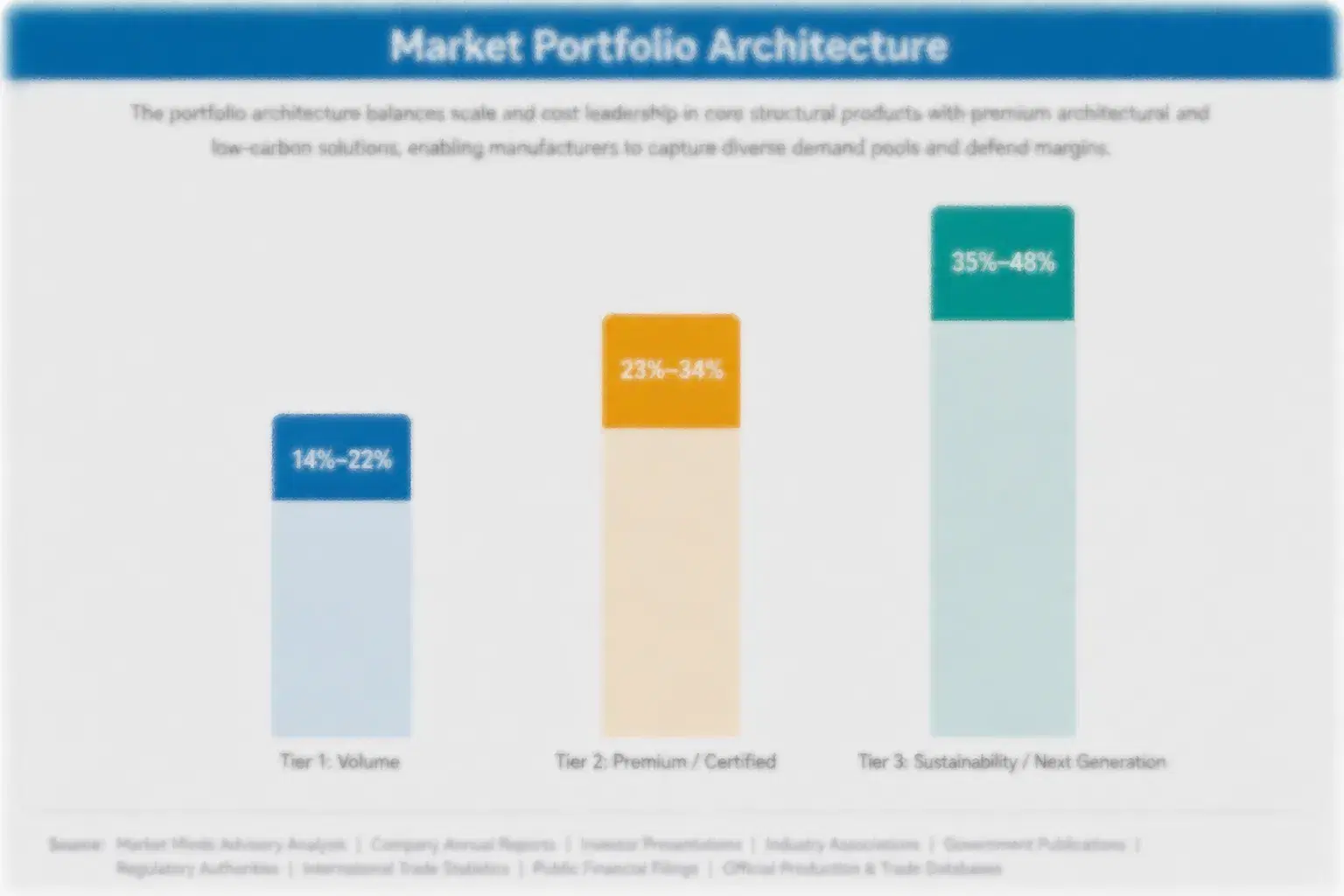
Margins run from thin returns on in-shell and raw kernel sales traded on price to strong profits on pasteurized, shelled, paste, and flavored ingredients sold under long contracts, with gross margin roughly doubling between the volume tier and the top tier. Processing depth, food safety, and reliable supply add pricing power over what starts as the same harvest, and buyers pay for consistency because a contaminated lot can halt production.
Volume and premium pull in different directions. In-shell and raw kernel nuts trade in large lots to processors and retailers at thin margins and face price swings from crop and freight shocks. Pasteurized, shelled, and value-added products sell in smaller lots at much higher margins but need equipment, certification, and application support, so handlers must choose how much capital to commit to premium positioning.

High-value pools concentrate in pistachio kernels and paste for dessert and snack makers, blanched and paste ingredients for plant-based dairy, and premium roasted mixes for retail. These segments benefit from recurring orders, documented specifications, and limited competition from small merchants. Handlers combining orchard security, processing capacity, and food safety systems hold advantages that are difficult to replicate quickly, especially as water and aflatoxin rules tighten.

Volume / Commodity-Adjacent Tier

In-shell and raw kernel nuts traded on price to processors and retailers, with thin margins, exposure to crop swings and freight, and competition from many handlers and regional traders across producing origins worldwide.
Gross Margin: 6%-12%

Premium / Certified Tier

Shelled, pasteurized, and sorted kernels with aflatoxin testing and traceable orchards, sold under annual contracts to snack, bakery, and dairy alternative makers that require documented safety, consistent grade, and reliable delivery throughout the year.
Gross Margin: 12%-20%

Sustainability / Regulatory / Next-Generation Tier

Pistachio paste, blanched almond and cashew ingredients, and flavored products with sustainability certification and application support, positioned for plant-based dairy, dessert, and premium snacking across developed and emerging markets, backed by water and traceability programs.
Gross Margin: 18%-30%
tree-nuts-market-portfolio-architecture-1789759933745

High-value Sub-segments and Strategic Watch-out

Pistachios

Pistachios combine the fastest growth with strong pricing, as snack, dessert, and spread makers pay for kernels and paste. Orchards need seven years to mature and alternate bearing adds volatility, which protects margins for handlers with secure supply, though they must manage water and aflatoxin risk to honor annual contracts.
Gross Margin: 18%-30%

Pecans, Macadamias, and Other Specialty Nuts

Specialty nuts offer solid growth and strong premiums, because premium snacking, baking, and gifting demand differentiated kernels. Volumes are smaller and orchards take years to mature, while harvest labor limits expansion, so suppliers need grade discipline, origin stories, and dependable delivery to keep buyers over time.
Gross Margin: 15%-26%

Almonds

Almonds remain the volume core, moving the largest tonnage to snack, plant-based dairy, and bakery buyers at moderate prices. Margins depend on crop size, water cost, and buyer negotiation, and California concentration creates risk, so returns rely on scale, grower contracts, and processing efficiency rather than differentiation.
Gross Margin: 8%-15%

Peanuts, Seeds, and Other Substitutes

Peanuts, sunflower seeds, and pumpkin seeds are the main strategic watch-out, since they serve snack and bakery uses at much lower cost and with stable supply. If nut prices spike again, food makers may switch permanently, slowing tree nut growth and pressuring handler pricing in some categories.
Gross Margin: n/a (substitution risk)

Why Food Makers Keep Nut Suppliers

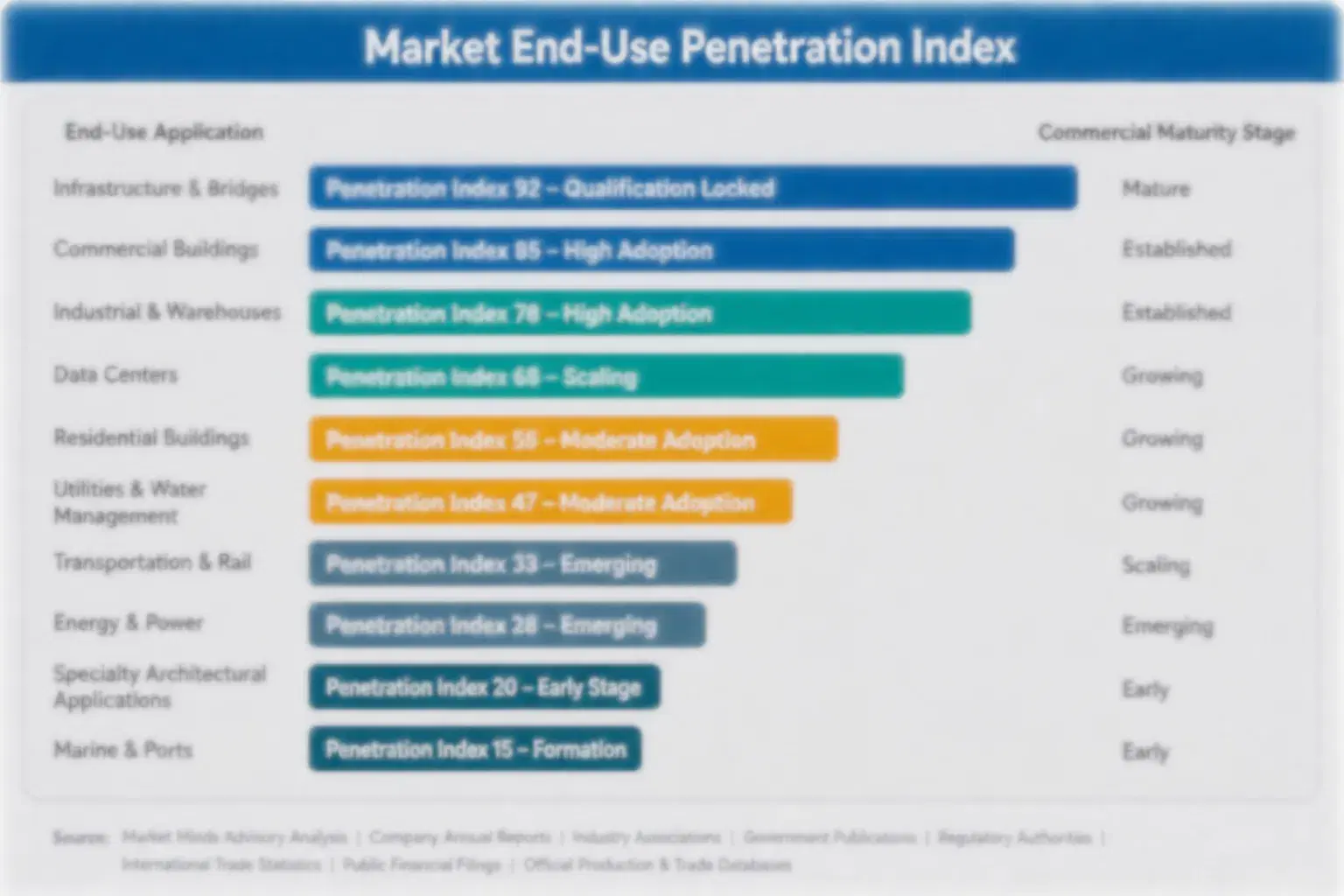
Tree nut demand behaves like an annuity once a food maker approves a supplier. Kernel size, color, flavor, moisture, and pasteurization records are tied to a specific origin and processing line, so switching means new trials, possible line adjustments, and risk of product complaints. Annual agreements reinforce repeat orders, and buyers often accept modest price increases to protect supply continuity and consistent quality. Quality drift is a bigger fear than price.
Stickiness varies by end-use vertical. Snack brands and plant-based dairy makers show the deepest loyalty because recipes and flavor profiles depend on a specific kernel supply. Bakers and confectioners switch more often on price, though paste and flour formats build loyalty. Retail bulk and spot buyers purchase mainly on price, making that group the most price sensitive and least attractive for planning.

Buyer profiles are changing. Younger brand owners and retail buyers emphasize plant-based positioning, sustainability, and traceable origin, and they favor suppliers that document water use and orchard practices. Older buyers anchor on price and familiar nut varieties. Suppliers must serve both groups, but growth concentrates among snack, dessert, and dairy alternative brands that meet health and sustainability commitments.
tree-nuts-market-end-use-penetration-index-1789759934017

MMA Verdict on Tree Nut Strategy

These are among the four positions where our research anticipates prominent divergence between winners and laggards over the coming forecast period. Each is grounded in the demand model, the regulatory perimeter, and the announced capacity pipeline.
01 / ORCHARD SUPPLY SECURITY

Lock In Orchard Supply Through Multi-Year Grower Contracts

Raw nuts are about 78% of processor cost, and drought years swing prices sharply. Multi-year contracts with price floors and advance payments protect 3 to 5 margin points and secure the best orchards. MMA recommends signing contracts across California, Australia, and Chile within the next two years, before rivals absorb the most water-secure orchards and grower loyalty becomes harder to shift, and growers that accept advance payments and price floors in early seasons tend to renew for a decade, which locks handlers into stable supply while competitors scramble for acreage.
02 / PISTACHIO PROCESSING EXPANSION

Expand Pistachio Shelling and Paste Capacity Ahead of Demand

Pistachios grow about 1.54 times faster than the market, and value-added formats earn 15% to 30% more per tonne than in-shell nuts. Shelling and paste lines cost $5 million to $20 million but pay back within four to six years. MMA advises committing capital now, since seven-year orchard maturity means later entrants cannot add supply quickly when demand outpaces kernel availability, and snack and dessert customers that qualify one paste supplier rarely add a second, so early capacity translates into long contracts that later entrants struggle to displace.
03 / WATER EFFICIENCY INVESTMENT

Fund Precision Irrigation to Protect Yield and Sustainability Claims

California water rules and drought raise costs, and precision irrigation cuts water use by 15% to 25% while holding yield. Handlers that co-fund partner orchards protect supply and support sustainability claims requested by global food makers. MMA regards water efficiency as the foundation of every credible long-term supply commitment, since even the best processing plant cannot make margin from nuts that growers cannot irrigate, and large food makers now ask for water use disclosures in supplier scorecards, which turns irrigation efficiency into a commercial requirement rather than a cost.
04 / FOOD SAFETY EXPORT ACCESS

Certify Aflatoxin Control and Traceability for Export Buyers

Aflatoxin rejections cost exporters margin and market access, and optical sorting, rapid drying, and lot testing reduce risk. Handlers with certified systems earn premiums of 5% to 10% and win contracts from large buyers that audit suppliers. MMA recommends prioritizing lot traceability and laboratory capability, because one rejected container can damage a relationship that took years to build with European customers, and importers that hold audit reports and lot records can also serve new customers faster, because qualification takes weeks rather than months for suppliers with complete files.

Engagement Snapshot From the Field

A live engagement with an industry participant carrying material or product regulatory and market exposure ahead of a defining policy shift, showing how our research translates into a defensible multi-year portfolio strategy.
MARKET MINDS ADVISORY · CLIENT ENGAGEMENT SUMMARY
Tree Nuts Producer Strategic Portfolio Review and Transition Roadmap 2026·Investment Scenario on Tree Nuts Exposure Evaluation 2025-26
CLIENT PROFILE
The client is a mid-sized Australian nut handler with two processing plants and roughly $210 million in annual revenue (client-reported, unverified by MMA), buying almonds, macadamias, and pistachios from contract growers and selling in-shell and raw kernels to importers and retailers. About 75% of volume was in-shell or raw kernel, gross margin sat near 9% (client-reported, unverified by MMA), and it lacked paste and pasteurization capacity.
STRATEGIC CHALLENGE
Price swings and freight costs had squeezed margins, and Asian and European food makers asked for pasteurized, shelled, and paste ingredients the client could not supply, while water restrictions raised grower costs. Leadership needed a plan that added processing capacity, secured grower supply, and moved volume toward premium products without overextending capital. The board wanted a decision within a year.
MMA APPROACH
MMA benchmarked 10 nut handlers on grower contracts and product mix, interviewed snack, dairy alternative, and confectionery buyers about specifications and price points, and modeled the economics of a pasteurization and paste line, precision irrigation support for growers, and food safety certification under bull, base, and bear crop and freight scenarios.
KEY FINDINGS
  1. A pasteurization and paste line costing about $9 million would lift value-added share and pay back within five years at current premiums.
  2. Three food makers indicated they would sign annual contracts if pasteurization records and traceability were provided for every lot delivered, according to interviews.
  3. Irrigation support for contract growers would cut water use by about 20% and protect roughly 4 margin points during a dry year.
  4. In-shell and raw kernel volume would remain necessary to fill plants, so the client should keep trade sales at about 50% of volume.
CLIENT PROFILE
The client is a mid-sized Australian nut handler with two processing plants and roughly $210 million in annual revenue (client-reported, unverified by MMA), buying almonds, macadamias, and pistachios from contract growers and selling in-shell and raw kernels to importers and retailers. About 75% of volume was in-shell or raw kernel, gross margin sat near 9% (client-reported, unverified by MMA), and it lacked paste and pasteurization capacity.
STRATEGIC CHALLENGE
Price swings and freight costs had squeezed margins, and Asian and European food makers asked for pasteurized, shelled, and paste ingredients the client could not supply, while water restrictions raised grower costs. Leadership needed a plan that added processing capacity, secured grower supply, and moved volume toward premium products without overextending capital. The board wanted a decision within a year.
MMA APPROACH
MMA benchmarked 10 nut handlers on grower contracts and product mix, interviewed snack, dairy alternative, and confectionery buyers about specifications and price points, and modeled the economics of a pasteurization and paste line, precision irrigation support for growers, and food safety certification under bull, base, and bear crop and freight scenarios.
KEY FINDINGS
  1. A pasteurization and paste line costing about $9 million would lift value-added share and pay back within five years at current premiums.
  2. Three food makers indicated they would sign annual contracts if pasteurization records and traceability were provided for every lot delivered, according to interviews.
  3. Irrigation support for contract growers would cut water use by about 20% and protect roughly 4 margin points during a dry year.
  4. In-shell and raw kernel volume would remain necessary to fill plants, so the client should keep trade sales at about 50% of volume.
RECOMMENDED STRATEGY
Phase 1: Phase 1 (Months 1-6): Sign multi-year contracts with the best growers and fund precision irrigation for partner orchards, with progress reviewed monthly. Phase 2: Phase 2 (Months 7-18): Commission a pasteurization and paste line and complete food safety certification at both plants, with audits scheduled first. Phase 3: Phase 3 (Months 19-36): Launch blanched and paste ingredients for dairy alternative and confectionery customers across Asia and Europe while tracking margin quarterly.
OUTCOME
Within 36 months, the client moved about 30% of volume into pasteurized, shelled, and paste products and raised gross margin from 9% to an estimated 15% (client-reported, unverified by MMA). Three annual contracts were signed, irrigation support held yields steady through a dry year, and revenue reached roughly $255 million (client-reported, unverified by MMA).

Frequently Asked Questions

Foundational context covering the market sizes, CAGR, scope, country, region and competition that inform every finding below. This section is provided to cover basics and most often pre-purchase conversations, answered from the MMA Primary Research Dataset.

What is the current size of the Tree Nuts Market?

The global tree nuts market was valued at $62.0 billion in 2025. This covers almonds, cashews, walnuts, pistachios, hazelnuts, pecans, macadamias, and related nuts sold to food makers, retailers, and foodservice.

How large will the Tree Nuts Market be by 2036?

MMA projects the market will reach approximately $103.8 billion by 2036. This represents cumulative growth of roughly $38.9 billion over the full ten-year forecast window.

What is the CAGR for the Tree Nuts Market 2026 to 2036?

The market is forecast to grow at a 4.8% compound annual rate between 2026 and 2036. The bull case reaches 6.1% while the bear case falls to 3.5%.

Which segment is growing fastest?

Pistachios is the fastest-growing segment at 7.4% CAGR, roughly 1.54 times the overall market rate. Pecans, Macadamias, and Other Specialty Nuts follows as the second-fastest segment at 6.4%.

Who are the major companies in the Tree Nuts Market?

Leading companies include ofi, Blue Diamond Growers, The Wonderful Company, Select Harvests, and Borges Agricultural and Industrial Nuts. These five handlers together hold an estimated 21% of total global market revenue today.

Which country is growing fastest?

India is the fastest-growing major market, expanding at approximately 7.6% CAGR each year. Rising snacking, festival gifting, and modern retail expansion are driving this above-market growth.

Report Segmentation Architecture

The full report scope spans multiple orthogonal segmentation dimensions, with cross-tabulated demand data provided for each dimension pair. Coverage extends further to regional breakdowns, trend trajectories, and the competitive detail needed to support segment-level decision-making.

By Primary Market Dimension

  • Pistachios
  • Pecans, Macadamias, and Other Specialty Nuts
  • Almonds
  • Cashews
  • Walnuts
  • Hazelnuts

By End-Use Industry

  • Snack Foods and Nut Mixes
  • Plant-Based Dairy and Beverages
  • Bakery and Confectionery
  • Retail Packaged and Bulk Nuts
  • Foodservice and Institutional Supply

By Commercial Dimension

  • Direct Food Manufacturer Contracts
  • Retail and Private Label Programs
  • Trader and Distributor Channels
  • Export Trade Channels

By Region

  • North America
  • Western Europe
  • East Asia
  • South Asia and Pacific
  • Latin America
  • Middle East and Africa
  • Eastern Europe

Scope, Methodology, and Coverage

Every figure in this report is reproducible from documented input assumptions. The scope below maps the historical period, the forecast horizon, the segmentation dimensions, and the countries covered, alongside the underlying primary and qualitative methodology.
Historical Period
2020 to 2025
Forecast Period
2026 to 2036
Base Year
2025 (USD billions; MMA Primary Research Dataset, September 2026)
Market Definition
Tree nuts comprise almonds, cashews, walnuts, pistachios, hazelnuts, pecans, macadamias, Brazil nuts, and related nuts, sold in-shell, shelled, or processed as kernels, pieces, and pastes to food manufacturers, retailers, and foodservice. The scope excludes peanuts, coconut, nut oils, nut butters and finished snacks, plant-based milks, and nut-derived chemicals or shells sold as fuel.
Quantitative Units
USD billions (current prices); metric tons for volume references
Segmentation Dimensions
By Nut Type; By End-Use Industry; By Commercial Dimension; By Region
Regions Covered
North America, Western Europe, East Asia, South Asia and Pacific, Latin America, Middle East and Africa, Eastern Europe
Countries Covered
USA, Canada, Mexico, Brazil, Chile, Peru, Spain, Italy, Germany, France, UK, Portugal, Greece, Turkey, Iran, Georgia, Ukraine, Poland, Egypt, South Africa, Tanzania, Ivory Coast, Nigeria, Kenya, China, Japan, South Korea, India, Vietnam, Australia, and additional markets relevant to this sector
Key Companies Profiled
ofi, Blue Diamond Growers, The Wonderful Company, Select Harvests, Borges Agricultural and Industrial Nuts, Diamond of California, John B. Sanfilippo and Son, Hughson Nut, Costa Group, Ferrero Hazelnut Company, Balsu Group, Mariani Nut Company, Farmers Investment Co, Royal Nut Company, Intersnack Group, Mondelez International, Hormel Foods, Cargill, Archer Daniels Midland, Bunge
Quantitative Methodology
Primary survey, n=3,800 respondents, Q4 2025, six countries; demand-side model with trade association cross-validation
Qualitative Methodology
47 expert interviews, Q4 2025; applied to validate demand model assumptions, identify emerging dynamics, and assess competitive positioning
Report Format
PDF and XLSX data workbook (Word format preview document)
Publisher
Market Minds Advisory
Report Code
MMA-2026-AGR-266
Published
September 2026
Contact
sales@marketmindsadvisory.com | www.marketmindsadvisory.com

Purchase the full Tree Nuts Market Report (2026 to 2036).

The full report delivers a detailed assessment of global tree nut production, processing mix, and competitive positioning through 2036. It includes segment forecasts by nut type, country-level data for all seven world regions, and profiles of the twenty companies most relevant to handling and processing. Analysts also receive input cost modeling and portfolio margin benchmarking built from MMA's primary research dataset. A scenario planning module lets subscribers stress-test bull and bear assumptions against water and export outcomes. Quarterly updates keep the whole dataset current throughout.
Ten-year segment and regional demand forecasts
Orchard acreage and processing capacity tracking
Competitive benchmarking of top twenty handlers
Water and crop cost sensitivity modeling tools
Regional demand mechanism comparative analysis included
Quarterly primary survey data update access

Built For The People Who Decide

From boardroom strategy to bench-side execution, this report is read cover-to-cover by leaders shaping the next decade of their industry, turning demand scenarios, market dynamics and valuation benchmarks into decisions.
CXOs/ Presidents/ VPs/ Managers
M&A and Corporate Development
Strategy Teams and R&D Heads
Procurement and Product Directors
Regulatory and Compliance Leaders
Investor Relations and Equity Analysts