Market Minds Advisory
Transplant Diagnostics Market

Transplant Diagnostics Market: Capped By Organs, Not By Disease

Testing volume here is limited by how many organs are transplanted rather than by how many people need one, which makes anything that increases usable organs a market expansion instead of a share contest.

Lead Analyst

Published

September 2026

Make Smarter Decisions with Customized Research Insights

Request a free sample report and evaluate market opportunities, growth trends, and competitive dynamics relevant to your business needs.

2025 MARKET VALUE$1.4BMarket Size 2025
2036 FORECAST VALUE$3.8BBase Case , 2026 to 2036
CAGR 2026 TO 20369.6 %Bull 10.8% / Bear 8.4%
INCREMENTAL OPPORTUNITY$2.3BNet 10- year value creation
EXPANSION MULTIPLE2.51x2036 value over 2026 base
Strategic Levers
M&A Pipeline
Regional Outlook
Country Rankings
Competitive Intelligence
Segmental Deep-dive
Call-Us : 91 93563 13602

Executive Snapshot and Market Trajectory

Every test in this market attaches to a transplanted organ, so volume is set by donation rather than by how many patients are waiting. That makes any technology increasing usable organs a market expansion rather than a competitive win, which is an unusual position for diagnostics. Donation sets the ceiling.
North America takes 33% of value on transplant volume and because it was the only market where post-transplant molecular surveillance was ever reimbursed at scale. Donor-derived cell-free DNA monitoring grows at 14.4%, half again the market rate of 9.6%, having already survived a coverage restriction that cut utilisation sharply once payers reviewed how fast it had grown. Coverage granted for analytical performance proved far easier to withdraw than to obtain.
Concentration is 61% and the reference standard everybody validates against is itself unreliable. Rejection is diagnosed by biopsy read by a pathologist, with inter-observer variability that is well documented and rarely discussed in marketing materials. Molecular tests are therefore measured against an imperfect comparator, which makes demonstrating superiority genuinely difficult rather than merely expensive. Payers reviewing coverage understand that considerably better than most commercial teams assume.
Market Definition
The market covers laboratory testing used to match, monitor and manage solid organ and stem cell transplant recipients, including HLA typing, antibody detection and characterisation, crossmatching and compatibility testing, donor-derived cell-free DNA monitoring, molecular and transcriptomic rejection assessment, and donor and recipient infectious screening. Immunosuppressive drugs, organ preservation and perfusion equipment, surgical devices, and general infectious disease testing unrelated to transplantation are excluded. Organ procurement services fall outside scope.
Base Year Value
$1.4B in 2025 (MMA Primary Research Dataset, August 2026)
Forecast Period
2026 to 2036, eleven discrete annual values
CAGR
9.6% base case. Bull 10.8%. Bear 8.4%.
Fastest Growth Segment
Donor-Derived Cell-Free DNA Monitoring: 14.4% CAGR
Fastest Growth Country
India: 12.0% CAGR
Fastest Growth Region
South Asia and Pacific: 11.8% CAGR
Largest Region
North America: 33% of 2025 global value
Market Leaders
Thermo Fisher Scientific, Werfen, CareDx, Illumina, Qiagen. Source: MMA Analysis based on disclosed transplant diagnostics and immunogenetics revenue, company annual reports 2025.
Primary Survey
n=3,800 procurement and R&D decision-makers, Q4 2025, six countries
Methodology
Demand-side build-up, cross-validated against public data, 47 expert interviews

Transplant Diagnostics Market Forecast Scenarios

transplant-diagnostics-market-size-forecast-scenario-1787693092903
Growth from 2020 to 2025 ran at 8.6% and post-transplant surveillance drove most of it before a sharp correction. Donor-derived cell-free DNA testing expanded rapidly on generous American coverage, then utilisation grew faster than the supporting evidence and payers restricted it in 2023, which removed volume abruptly. High-resolution sequencing displaced older typing methods steadily across the period without changing the number of organs available.
The 9.6% base case rests on three mechanisms. Virtual crossmatching is replacing physical crossmatch where antibody and typing data are precise enough, which removes hours from a process where cold ischaemia damages the organ. Molecular rejection assessment continues expanding despite the coverage correction, since detecting injury before creatinine rises has genuine clinical value. And Asian transplant volumes keep growing as programmes expand and donation frameworks develop. Each mechanism works independently of the other two.
The bull case at 10.8% turns on molecular surveillance demonstrating outcome benefit rather than earlier detection, which would restore the coverage that was withdrawn and extend it further. The bear case at 8.4% is payers applying the same scrutiny to other molecular transplant tests that donor-derived cell-free DNA already received, which would compress the fastest growing part of this market considerably.

Testing Attached To Scarce Organs

Around 168,000 solid organ transplants happen worldwide each year, and every diagnostic test in this market attaches to one of them. Waiting list size does not generate testing volume; transplanted organs do. That makes this a diagnostics market whose ceiling is set by donation rates and organ utilisation rather than by disease prevalence. Converting a marginal organ into a usable one expands the whole market.
FIVE-FIRM CONCENTRATION61%Share of transplant diagnostics revenue held by leading suppliers
SURVEILLANCE TEST PRICE$2,840Typical charge for one donor derived cell free monitoring test
TOP CONSUMING COUNTRYUSA 30%American share of global transplant diagnostics value consumed
ANNUAL TRANSPLANTS PERFORMED168,000Solid organ transplants performed across the world each year
BIOPSY READING DISAGREEMENT28%Rejection biopsies where expert pathologists reach differing conclusions
COLD ISCHAEMIA TIME SAVED6 hoursTime removed from allocation by replacing physical crossmatch
Virtual crossmatching is the clearest recent example of diagnostics changing the logistics of transplantation itself. Knowing a recipient's antibody profile and a donor's high-resolution type precisely enough allows compatibility to be predicted without a physical crossmatch, which removes roughly six hours from allocation. Those hours translate into better graft function and organs travelling further. Diagnostic quality has to be right for that.
The reference standard underneath rejection diagnosis is less solid than the field's marketing suggests. Rejection is confirmed by biopsy read by a pathologist, and expert readers disagree on roughly 28% of cases using established criteria. Molecular tests are validated against that comparator, which makes demonstrating superiority genuinely difficult since a discordant result may reflect a wrong biopsy read rather than a wrong test.
"You cannot prove a molecular test beats the biopsy when the pathologists disagree with each other a quarter of the time. That is the whole reimbursement problem in one sentence."
Director, Transplant Diagnostics and Immunogenetics Practice · MMA Medical Devices Practice · August 2026

Market Trends

Virtual Crossmatching Removes Hours From Allocation

Predicting compatibility from a recipient's antibody profile and a donor's high-resolution type removes roughly six hours from the allocation process by replacing a physical crossmatch that has to be performed after an organ becomes available. Cold ischaemia damages organs continuously, so those hours translate into better graft function and into organs travelling further before becoming unusable. The approach only works where typing and antibody characterisation are precise, which pulls laboratories toward higher resolution methods for reasons that are logistical rather than immunological. Logistics rather than immunology is driving that shift.
Market Impact: Attaches to 168,000 annual transplants
Coverage Restriction Reset Molecular Surveillance Expectations

Donor-derived cell-free DNA testing expanded rapidly on generous American coverage until utilisation outpaced the evidence supporting it, and payers restricted reimbursement in 2023 with immediate effect on volume. Growth at 14.4% resumed from a lower base as clinical use was defined more tightly. The episode is the sharpest recent lesson in this field: a molecular surveillance test scaled on coverage rather than on demonstrated outcome benefit, and coverage proved considerably easier to withdraw than to obtain in the first place. Every molecular test should now assume the same review. Nobody assumes otherwise now.
Market Impact: Serves 24% of global value

Market Opportunities and Growth Drivers

Organ Utilisation Gains Expand The Whole Market

Roughly 168,000 solid organ transplants occur worldwide each year and every diagnostic test attaches to one of them, so anything increasing usable organs increases testing volume directly. Better matching, more confident assessment of marginal donors and reduced cold ischaemia all convert organs that would have been declined into transplants performed. That makes diagnostics an input to supply rather than a service consuming it, which is a rare position and one that aligns commercial interest with the central problem in transplantation. Commercial interest aligns with the central problem. Supply and demand align here.
Market Impact: Disagrees on 28% of biopsies

Asian Transplant Programmes Expand Rapidly Across Provinces

Chinese transplant volumes have grown substantially as donation frameworks developed and programme capacity expanded across provincial centres, and Indian living donor transplantation continues rising through private hospital networks. Korean and Japanese immunogenetics laboratories are technically sophisticated and adopt high resolution methods readily. Regional growth follows programme expansion rather than any change in testing intensity per transplant, which makes it unusually predictable to forecast from transplant registry data rather than from diagnostic market surveys. Registry data forecasts this better than any diagnostic market survey does, since testing attaches to organs transplanted rather than to patients waiting for one.
Market Impact: Reversed coverage within 1 decision

Market Restraints and Challenges

The Reference Standard Disagrees With Itself

Rejection is confirmed by biopsy read by a pathologist, and expert readers reach differing conclusions on roughly 28% of cases even using established grading criteria. Root cause is that histological rejection criteria require subjective assessment of features that overlap with other injury. The commercial impact is that molecular tests validated against that comparator cannot cleanly demonstrate superiority, since discordance may reflect a wrong biopsy read. Mitigation runs through outcome endpoints rather than concordance studies, which take years and cost far more. Outcome endpoints cost years and considerable money. Concordance work cannot answer it.
Market Impact: Removes 6 hours from allocation

Coverage Proved Easier To Lose Than To Win

Donor-derived cell-free DNA reimbursement expanded generously and was restricted in 2023 once utilisation growth attracted payer review, which removed volume immediately across affected programmes. Root cause is that coverage was granted on analytical performance and clinical plausibility rather than on demonstrated outcome improvement. The commercial impact reaches every molecular transplant test, since payers now examine utilisation trajectories rather than waiting for evidence to mature. Mitigation means generating outcome data before scaling volume, which reverses how this field has operated. That reverses how this field has always operated. Utilisation trajectories now trigger review.
Market Impact: Followed a 2023 coverage restriction
3 additional market trends, 4 additional growth drivers, and 2 additional restraints and challenges are covered in the full report. Contact sales@marketmindsadvisory.com to access the complete intelligence.

Segment CAGR and Growth Architecture

Segmentation follows testing function: what question each assay answers across matching, monitoring and screening, rather than which organ is transplanted or which laboratory performs it. Six functions cover the market without overlap, from HLA typing through to infectious screening. Organ type and payment route are treated separately here. Both cut across all six testing functions here.
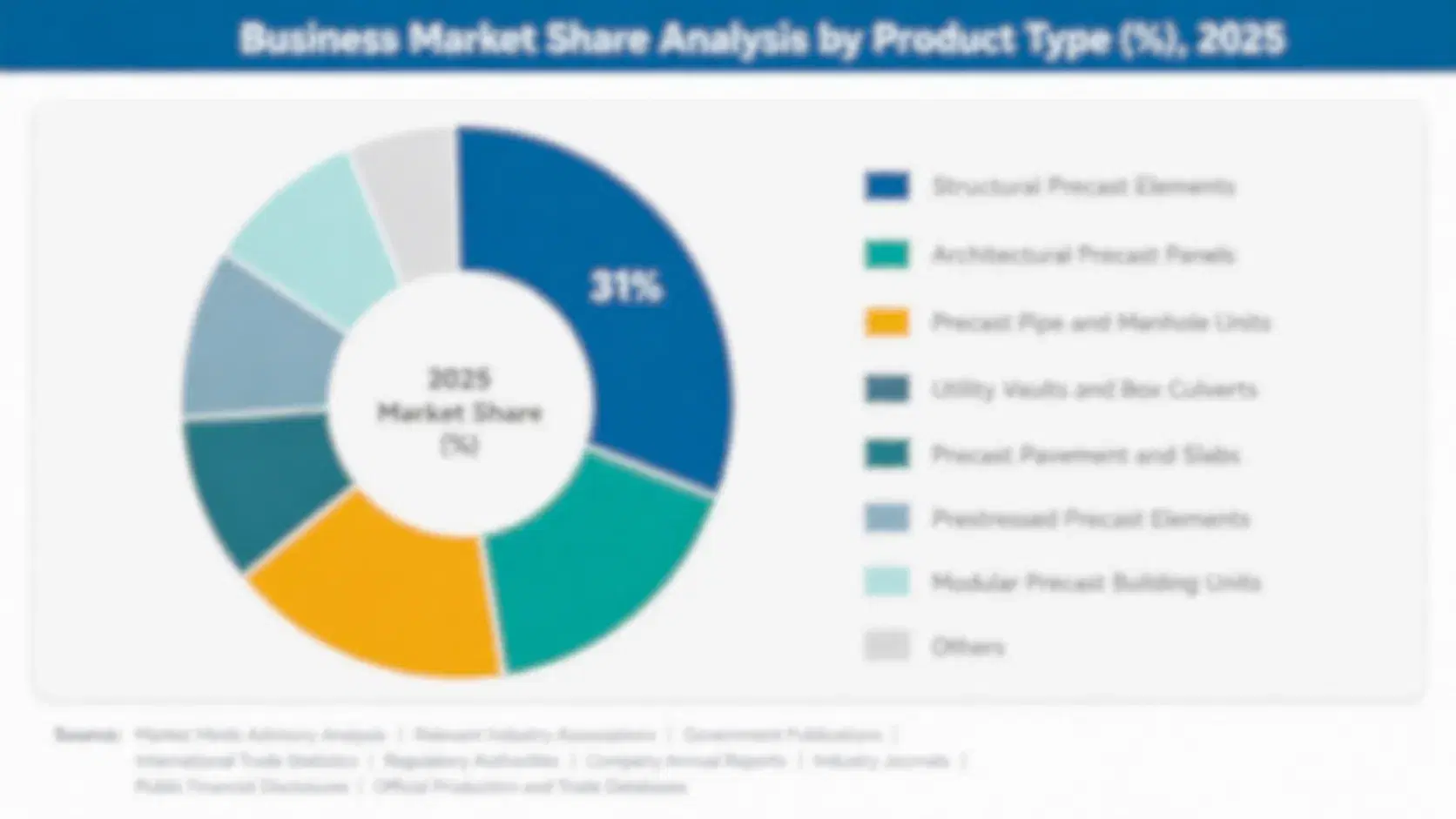
transplant-diagnostics-market-market-share-analysis-1787693093078

Donor-Derived Cell-Free DNA Monitoring

Measuring donor DNA circulating in a recipient's blood detects graft injury before creatinine rises, which gives clinicians warning that conventional monitoring does not provide. Growth at 14.4%, half again the market rate of 9.6%, resumed from a lower base after American payers restricted coverage in 2023 when utilisation outpaced the evidence behind it. The clinical value is genuine and the commercial lesson is sharper: coverage granted on analytical performance and plausibility can be withdrawn far more quickly than outcome evidence can be generated to defend it, which every molecular test in this field should now assume. Nobody in this field should now assume otherwise. Coverage moves faster than evidence generation ever will.
CAGR 14.4%

Molecular and Transcriptomic Rejection Assessment

Gene expression profiling and transcriptomic assessment of biopsy tissue characterise rejection mechanisms that histology grades only approximately, which matters because expert pathologists disagree on roughly 28% of rejection biopsies. Growth at 11.6% follows centres seeking objectivity in a diagnosis that determines whether a patient receives intensified immunosuppression. The awkward position is that these assays are validated against the same histology they are meant to improve upon, so demonstrating superiority requires outcome endpoints rather than concordance, and very few programmes have funded that work properly. Demonstrating superiority therefore requires outcome endpoints rather than concordance work, and very few programmes have funded that properly anywhere. Objectivity is what centres are buying. Nobody has funded it.
CAGR 11.6%
Full segment breakdown across 6 segments available in the complete report.

Regional Architecture and Country Demand Map

Geography follows transplant volume and reimbursement rather than population, since testing attaches to organs rather than to patients waiting. North America leads on both, East Asia grows fastest on programme expansion, and South Asia expands quickest from a smaller base. Registry volume predicts this market better than prevalence does.

North America

North America takes 33%, above the 22 to 32% default band, because American transplant volume is the largest anywhere and it was the only market where post-transplant molecular surveillance achieved reimbursement at scale before the 2023 restriction. Both facts explain the position together. Immunogenetics laboratories are well resourced and adopted high resolution sequencing and virtual crossmatching early. The coverage correction reshaped commercial expectations across the whole field. Canadian programmes are centralised with tighter test funding. Mexican transplantation is growing through private centres with limited molecular monitoring available. The coverage correction reshaped commercial expectations across the entire field, not merely for the companies directly affected by it. Expectations reset broadly. Volume is the largest anywhere.
Share: 33% | CAGR: 8.8% (2026 to 2036)

Western Europe

European transplant programmes are organised through national and cross-border allocation organisations, which makes virtual crossmatching operationally valuable given the distances organs travel within shared allocation networks. German, Dutch and Spanish programmes are among the most active anywhere, with Spanish donation rates the highest in the world by a considerable margin. Health technology assessment scrutinises molecular surveillance pricing closely and funds it narrowly. European immunogenetics laboratories are technically strong and accredited to demanding standards, which supports high resolution adoption independent of any reimbursement argument. Spanish donation rates are the highest in the world by a considerable margin, which makes the region unusually productive per head of population. Allocation networks span borders.
Share: 23% | CAGR: 8.0% (2026 to 2036)
Regional intelligence for 5 additional markets available in the complete report: East Asia, South Asia and Pacific, Latin America, Middle East and Africa, Eastern Europe. Contact sales@marketmindsadvisory.com.
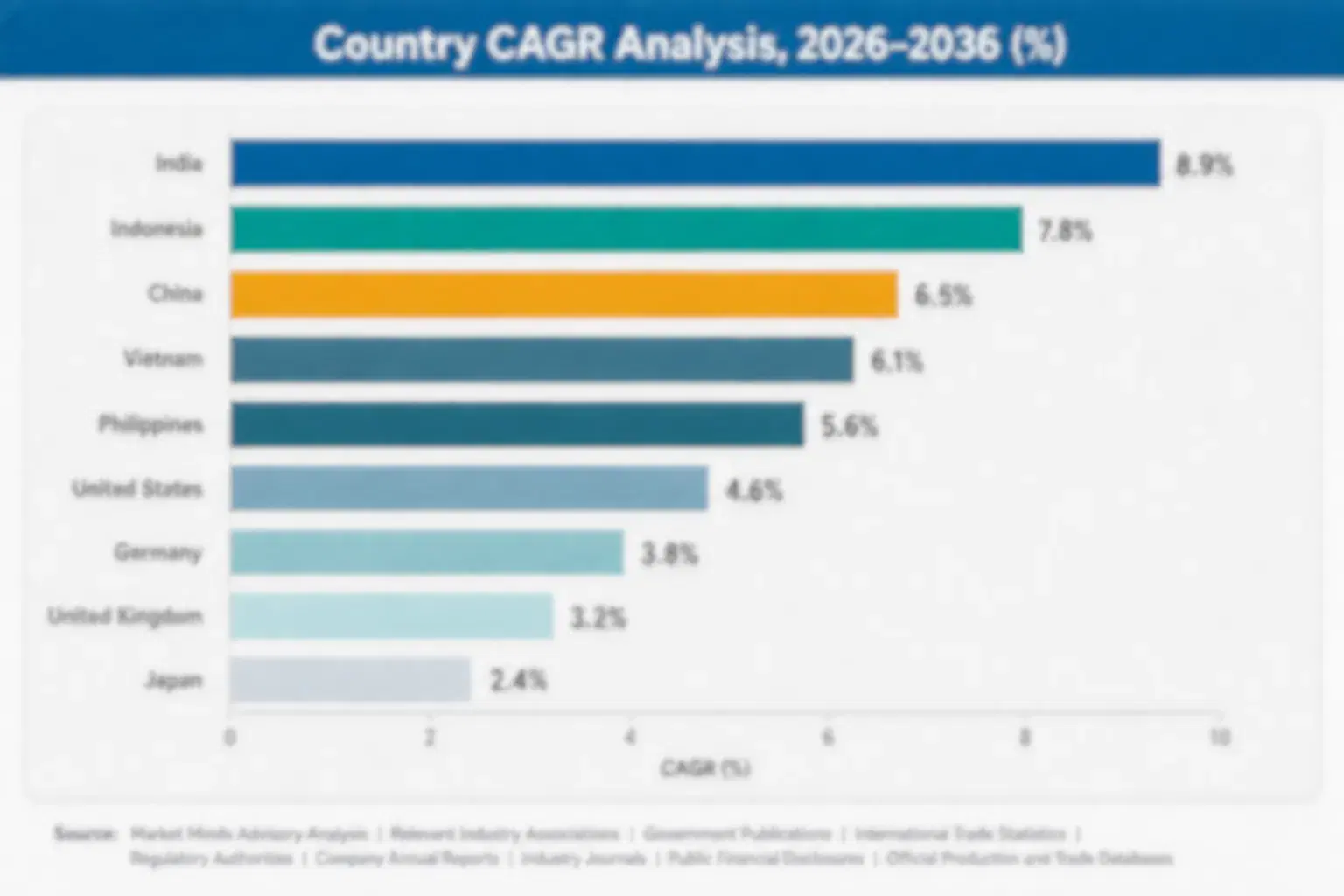
transplant-diagnostics-market-country-cagr-analysis-1787693093258

Expanding The Organ Supply Itself

Testing attaches to roughly 168,000 transplants annually, expert pathologists disagree on 28% of rejection biopsies, and coverage proved easier to lose than to win. Four levers work on organ utilisation, evidence design and allocation logistics rather than on assay performance, which laboratories already accept. Assay performance is already accepted everywhere. Nobody disputes the assays.

Position Diagnostics As Organ Supply Expansion

Testing volume attaches to the roughly 168,000 transplants performed annually rather than to the far larger waiting list, so anything increasing usable organs increases testing directly. Better matching, confident marginal donor assessment and reduced cold ischaemia each convert declined organs into transplants performed. Suppliers framing diagnostics as an input to organ supply reach transplant programme directors and procurement organisations rather than only laboratory managers, and those are the people whose central problem the argument actually addresses. That argument reaches the people whose problem it actually solves. Programme directors respond immediately.
Market Impact: Expands beyond the 168,000 transplants performed each year

Build Outcome Evidence Before Scaling Volume

Donor-derived cell-free DNA scaled on coverage granted for analytical performance and plausibility, and payers withdrew it in 2023 once utilisation growth attracted review. Every molecular transplant test should now assume the same scrutiny applies. Generating outcome rather than concordance evidence before volume expands reverses how this field has operated and produces coverage that survives review. It costs years and considerable money, and the alternative is building revenue that a single payer decision removes. The alternative builds revenue one determination removes. Coverage review now follows utilisation growth automatically, which every supplier in this field should be planning around.
Market Impact: Prevents a repeat of the 2023 coverage withdrawal

Support Virtual Crossmatch Programme Implementation Directly

Replacing physical crossmatch with prediction from antibody and typing data removes roughly six hours from allocation, and cold ischaemia damages organs throughout that period. Implementation requires laboratory validation, allocation protocol change and confidence across a whole programme rather than a single test purchase. Suppliers who support that implementation become embedded in how a programme operates rather than supplying a reagent into it, and the resulting position is considerably harder for any competitor to displace afterward. Around 6 hours of cold ischaemia disappear, and no competitor displaces a supplier embedded that deeply in how a programme runs.
Market Impact: Saves around 6 hours of cold ischaemia time

Design Studies Around Disputed Biopsy Reads

Expert pathologists disagree on roughly 28% of rejection biopsies, which makes concordance studies against histology inherently unable to demonstrate superiority for any molecular test. Designing studies around the discordant cases specifically, with outcome follow-up, shows where a molecular result was right and the biopsy was not. That is the evidence payers actually want and almost nobody generates it. The study is smaller and cheaper than a general outcome trial and considerably more persuasive to a coverage committee. Coverage committees find it considerably more persuasive. Almost nobody has designed a study that way.
Market Impact: Targets the 28% of genuinely discordant biopsy reads

Who Controls the Margin Pool

Measured on disclosed transplant diagnostics and immunogenetics revenue, the five leading suppliers hold a CR5 of 61%, which reflects a specialised field where accreditation, quality schemes and laboratory relationships limit entry meaningfully. Thermo Fisher and Werfen dominate typing and antibody testing through long-established platforms, while CareDx built the molecular surveillance segment and absorbed the coverage restriction most directly. Very few suppliers compete credibly across both halves of this market.
Three contests define activity. Typing and antibody testing compete on platform installed base and on accreditation scheme performance, where laboratories change suppliers rarely. Molecular surveillance competes on reimbursement and increasingly on outcome evidence. Infectious screening competes within general laboratory purchasing, where transplant volume is a small part of much larger contracts. A supplier strong in one of those three contests reaches an entirely different buyer from the others.

Pressure comes from domestic Chinese and Indian suppliers entering typing and antibody testing at prices established platforms cannot approach in those markets. Rankings shift on coverage decisions rather than on competitive wins, since a payer determination moves surveillance volume more than any commercial activity could. Coverage decisions move volume, not competition.
transplant-diagnostics-market-company-positioning-matrix-1787693093437

Competitive Moat and Risk Dimensions

THERMO FISHER SCIENTIFIC

Moat: Immunogenetics Platform Installed Base

Thermo Fisher supplies typing and antibody platforms installed across immunogenetics laboratories worldwide, and those laboratories validate methods, train staff and participate in proficiency schemes around a specific platform. Changing supplier means revalidating a regulated laboratory process. A competitor with better chemistry still faces accreditation work that laboratories will not undertake without compelling reason.
THERMO FISHER SCIENTIFIC

Risk: Molecular Surveillance Absence

The fastest growing part of this market is post-transplant molecular monitoring, which sits outside conventional immunogenetics laboratories and reaches clinicians rather than laboratory directors. Platform strength in typing provides no natural entry there. Growth is concentrating in a segment where the company's principal asset, laboratory installed base, does not apply at all.
CAREDX

Moat: Surveillance Clinical Evidence Base

CareDx built the donor-derived cell-free DNA segment and holds the deepest clinical publication base and transplant centre relationships in post-transplant molecular surveillance. Those relationships sit with transplant nephrologists and cardiologists rather than with laboratories, which is a different commercial footprint from anything the typing suppliers hold. A new entrant faces both evidence and clinician familiarity built over years.
CAREDX

Risk: Single Payer Dependency

Revenue concentrated in a test reimbursed principally by one national payer proved highly vulnerable when coverage was restricted in 2023, and the volume effect was immediate rather than gradual. Evidence generation to restore and defend coverage takes years. A commercial position resting on a coverage determination is exposed to a decision the company cannot influence directly.

Players Tracked

Prominent Players

Thermo Fisher Scientific
Werfen
CareDx
Illumina
Qiagen

Other Key Players

Natera
Bio-Rad Laboratories
GenDx
Omixon
Takara Bio
Hologic
Grifols
Eurofins Scientific
Laboratory Corporation of America
Quest Diagnostics
Oxford Nanopore Technologies
Agilent Technologies
bioMerieux
Roche
Becton Dickinson

Recent Developments

MARCH 2025

Transplant programme network adopts virtual crossmatching across allocation

A transplant programme network adopted virtual crossmatching across its allocation process, a clinical and operational decision rather than any commercial transaction. Removing physical crossmatch from the pathway shortened cold ischaemia substantially and allowed organs to travel further before becoming unusable for the intended recipient. Volume expands accordingly.
Signal: Diagnostics changing allocation logistics expands usable organ supply, which grows the whole market rather than shifting share.
JULY 2025

Payer maintains restricted coverage for molecular surveillance testing

A national payer maintained restrictions on donor-derived cell-free DNA surveillance coverage introduced previously, citing continued absence of outcome evidence rather than any concern about analytical performance. This was a coverage determination rather than any corporate event, and volume in affected programmes remains well below earlier levels.
Signal: Analytical performance no longer secures coverage, and outcome evidence is what payers now require before funding surveillance.
NOVEMBER 2025

Study design published targeting discordant rejection biopsy cases

A study protocol was published designing molecular assessment evaluation specifically around biopsy cases where expert pathologists disagree, with outcome follow-up rather than concordance as the endpoint. This was academic publication rather than any commercial activity, and it addresses the underlying problem in validating against an unreliable reference standard.
Signal: Studying the disputed cases directly is the evidence route payers want, and almost nobody has taken it yet.

What Transplant Testing Costs

Reagent and sequencing consumable costs dominate laboratory testing economics. Antibody beads, typing reagents, sequencing consumables and instrument depreciation together run 38 to 45% of test price across matching and typing work, with proprietary bead chemistry the least substitutable element. Molecular surveillance carries sequencing and bioinformatics cost against a far higher test price, and its economics depend entirely on reimbursement rather than on cost structure.
The volatility that matters is proprietary reagent pricing and sequencing consumables. Antibody bead chemistry is supplied by a small number of manufacturers and laboratories validated on one platform cannot switch without revalidating accredited methods. Thermo Fisher and Werfen disclosures describe reagent and platform commentary across recent periods. Laboratories with dual platform validation held negotiating position; single platform laboratories accepted whatever pricing followed. Revalidation under accreditation is a months-long undertaking nobody starts casually.

Exposure divides by test type and payment basis. Typing and antibody laboratories carry reagent cost against test pricing that health systems negotiate periodically. Molecular surveillance providers carry sequencing cost against a price entirely determined by coverage policy, which changed abruptly in 2023. Infectious screening carries ordinary laboratory economics inside much larger contracts. Transplant volume barely influences pricing in those larger contracts.
transplant-diagnostics-market-cost-volatility-analysis-1787693093623

Validate antibody testing across two platforms

Antibody bead chemistry comes from a small number of suppliers and accredited laboratories validated on one platform cannot switch without months of revalidation, which removes any negotiating position on the least substitutable reagent in the workflow. Dual validation costs accreditation work and buys leverage. Laboratories that did it before pricing discussions found the conversation ran differently from the start.

Build surveillance economics around defensible coverage

Molecular surveillance pricing is set entirely by coverage policy rather than by cost structure, and the 2023 restriction demonstrated how quickly that can change. Building volume against coverage granted on analytical performance creates revenue a single determination removes. Modelling the business against restricted coverage rather than current coverage produces plans that survive review. Restricted coverage is the safer planning assumption.

Forecast from transplant registries not market surveys

Testing volume attaches to transplants performed rather than to patients waiting, and registry data reports the former precisely while diagnostic market surveys estimate demand from prevalence. Forecasting from registries produces materially better accuracy at no cost. Suppliers modelling from waiting lists have consistently overestimated volume in every region examined. Waiting list size predicts nothing useful about testing volume at all.

Portfolio Architecture for Margin Defence

Margin follows switching cost rather than technical sophistication. Typing and antibody testing earn solidly because accredited laboratories cannot change platform without revalidation, which is the strongest lock-in available in laboratory diagnostics. Molecular surveillance earns far more per test where coverage exists and nothing where it does not. Infectious screening earns ordinary laboratory margins inside larger contracts that transplant volume barely influences.
The tension is that the highest margin business depends on a coverage decision and the most defensible business is growing slowly. Surveillance pricing is set by payers and was cut abruptly in 2023, while typing revenue is stable, protected by accreditation and expanding only as transplant volumes do. Suppliers holding one and not the other face opposite problems, and very few hold both credibly since they reach entirely different customers.

High-value pools sit in three places. Molecular surveillance supported by outcome rather than concordance evidence, which is what coverage now requires. Virtual crossmatch implementation support, which embeds a supplier in how a programme operates. And high-resolution typing platforms, protected by accreditation lock-in that no competitor overcomes through product improvement alone. Each of the three reaches a different buyer.

Volume / Commodity-Adjacent

Donor and recipient infectious screening and routine compatibility testing performed within larger laboratory contracts. The 7-point range separates laboratories with automated high throughput workflows from those running transplant testing as a low volume specialty alongside general service work.
Gross Margin: 34-41%

Premium / Certified

HLA typing and antibody detection platforms protected by accreditation validation and proficiency scheme participation. The 7-point spread separates suppliers with deep installed platform bases from those requiring laboratories to revalidate accredited methods before adoption becomes possible at all.
Gross Margin: 52-59%

Sustainability / Regulatory / Next-Generation

Donor-derived cell-free DNA monitoring and molecular rejection assessment. The 31-point range is extreme because a covered surveillance test earns exceptional margins while an uncovered one earns almost nothing, and coverage changed abruptly in 2023.
Gross Margin: 48-79%
transplant-diagnostics-market-portfolio-architecture-1787693093814

High-value Sub-segments and Strategic Watch-out

Covered Molecular Surveillance

Highest value in the market where coverage exists, detecting graft injury before conventional monitoring does and priced accordingly by payers who granted it. The risk is coverage itself, which was restricted in 2023 with immediate volume effect and remains contingent on outcome evidence nobody has produced.
Gross Margin: 76-79%

Virtual Crossmatch Implementation

Strong value from embedding a supplier in how a transplant programme allocates organs rather than in what reagent it buys. Removing six hours of cold ischaemia has genuine clinical value. The risk is that implementation requires programme-wide confidence rather than a single purchasing decision. Confidence takes time.
Gross Margin: 57-60%

HLA Typing Platforms

The stable core, protected by accreditation validation that makes platform change a months-long undertaking no laboratory attempts casually. Growth tracks transplant volume rather than testing intensity. Suppliers hold the position because lock-in is durable even though it produces no acceleration in demand. Demand tracks transplants only.
Gross Margin: 53-56%

Coverage Dependent Revenue

The strategic watch-out. Revenue set by payer policy rather than by cost or competition can fall abruptly, as the 2023 surveillance restriction demonstrated across affected programmes immediately. The risk is a commercial model built on coverage granted for analytical performance rather than demonstrated outcome benefit.
Gross Margin: 49-52%

Tests Tied To Transplanted Organs

Demand splits between a single matching event and lifelong monitoring. Typing, antibody characterisation and crossmatching happen around one transplant, while surveillance continues for as long as the graft functions, which can be decades. That gives the monitoring half an annuity shape attached to a growing prevalent population of transplant recipients, and the matching half a volume shape tied directly to the roughly 168,000 transplants performed each year.
Stickiness differs completely between the two. An accredited laboratory validated on a typing platform effectively cannot change without revalidating regulated methods, which is the strongest lock-in in laboratory diagnostics and lasts for years. Molecular surveillance has no equivalent protection, since a clinician ordering a test can order a different one tomorrow and coverage rather than validation determines what gets used at all.

The two halves reach entirely different buyers inside the same hospital. Typing and antibody platforms are chosen by immunogenetics laboratory directors weighing accreditation and proficiency performance. Surveillance is ordered by transplant nephrologists and cardiologists responding to coverage and to clinical guidance. Suppliers built for one consistently misjudge the other, and the commercial organisations required have almost nothing in common with each other.
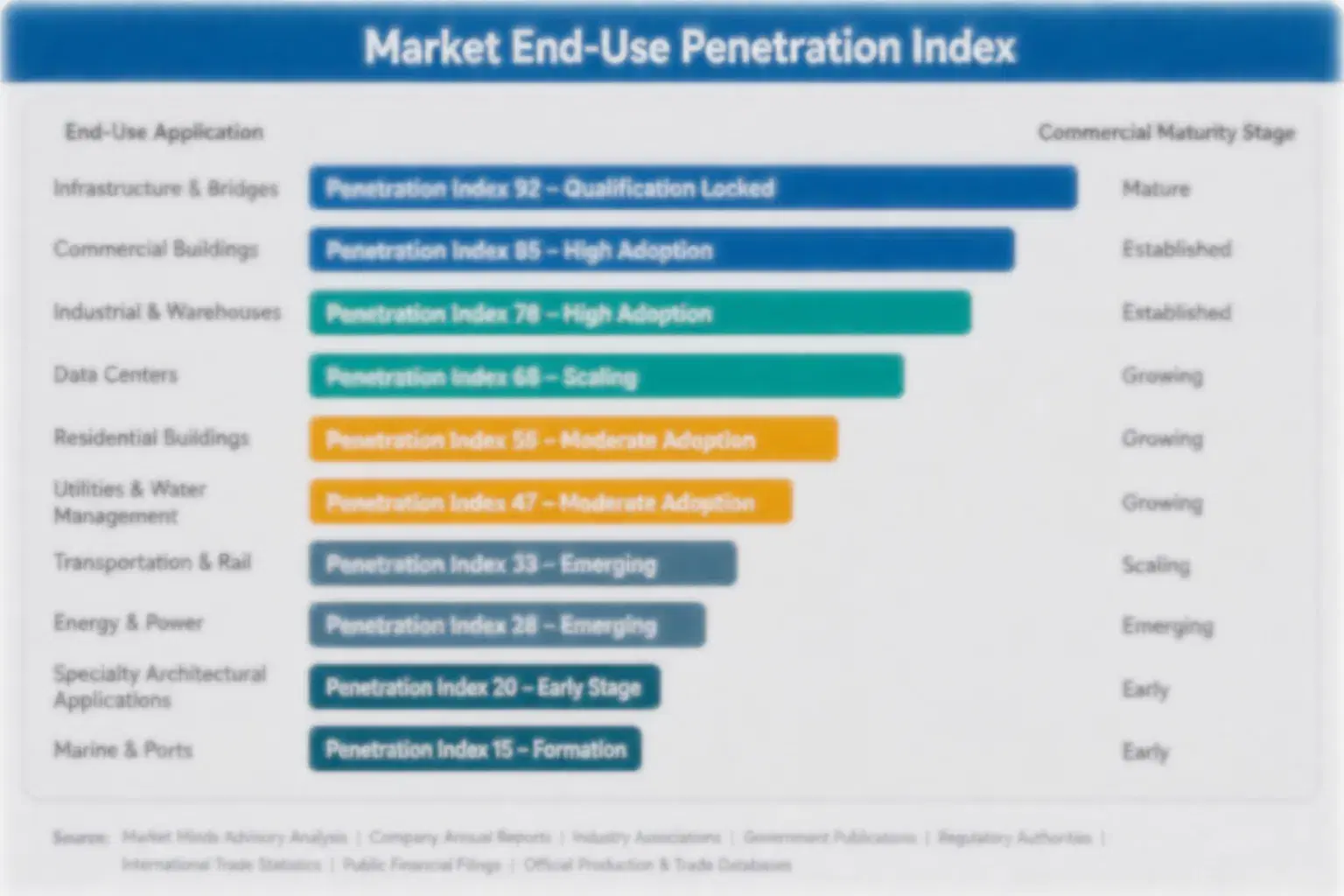
transplant-diagnostics-market-end-use-penetration-index-1787693093998

Organs Set The Ceiling

These are among the four positions where our research anticipates prominent divergence between winners and laggards over the coming forecast period. Each is grounded in the demand model, the regulatory perimeter, and the announced capacity pipeline.
01 / ORGAN SUPPLY POSITIONING

Diagnostics that create organs create demand

Testing volume attaches to roughly 168,000 transplants performed annually rather than to the far larger waiting list, so anything increasing usable organs increases testing volume directly and immediately. Better matching, more confident marginal donor assessment and reduced cold ischaemia each convert organs that would have been declined into transplants actually performed. Suppliers who frame diagnostics as an input to organ supply reach transplant programme directors and procurement organisations rather than only laboratory managers, which addresses the central problem in transplantation directly.
02 / OUTCOME EVIDENCE SEQUENCING

Coverage granted on plausibility gets withdrawn

Donor-derived cell-free DNA testing scaled rapidly on coverage granted for analytical performance and clinical plausibility alone, and payers restricted that reimbursement in 2023 once utilisation growth attracted their review. Every molecular transplant test should now simply assume that the same scrutiny will eventually be applied to it as well. Generating outcome rather than concordance evidence before volume expands reverses how this whole field has operated for years, and the alternative is building revenue that a single payer determination can remove entirely.
03 / ALLOCATION LOGISTICS EMBEDDING

Six hours of ischaemia is worth having

Replacing a physical crossmatch with prediction from antibody and typing data removes roughly six hours from the allocation process, and cold ischaemia continues damaging the organ throughout that entire six hour period. Implementation requires laboratory validation, allocation protocol change and confidence across a whole programme rather than any single test purchase decision. Suppliers who support that whole implementation become embedded in how a programme actually operates rather than supplying a reagent into it, which competitors find extremely difficult to displace afterward.
04 / DISCORDANT CASE STUDY DESIGN

Study where the pathologists disagree

Expert pathologists reach differing conclusions on roughly 28% of rejection biopsies, which makes concordance studies against histology inherently incapable of demonstrating superiority for any molecular test whatsoever. Designing studies around those discordant cases specifically, with outcome follow-up as the primary endpoint, shows exactly where a molecular result was correct and the biopsy read was not. That is precisely the evidence that payers say they want, it costs considerably less than a general outcome trial, and almost nobody currently generates it.

Engagement Snapshot From the Field

A live engagement with an industry participant carrying material or product regulatory and market exposure ahead of a defining policy shift, showing how our research translates into a defensible multi-year portfolio strategy.
MARKET MINDS ADVISORY · CLIENT ENGAGEMENT SUMMARY
Transplant Diagnostics Producer Strategic Portfolio Review and Transition Roadmap 2026·Investment Scenario on Transplant Diagnostics Exposure Evaluation 2025-26
CLIENT PROFILE
A transplant diagnostics company supplying molecular surveillance testing across nine markets, with reported revenue of 176 million dollars (client-reported, unverified by MMA). Roughly 84% came from a single test reimbursed principally by one national payer, and the evidence base consisted of analytical validation and concordance studies against biopsy. Commercial coverage reached transplant clinicians and had no engagement with immunogenetics laboratories anywhere.
STRATEGIC CHALLENGE
Coverage restrictions had cut volume sharply and management was pursuing appeals alongside further concordance studies. A second molecular test was in development on the same evidence model. Nobody had examined what evidence the payer had actually asked for, or whether concordance against biopsy could ever satisfy it. Both assumptions went unexamined.
MMA APPROACH
MMA reviewed the payer's stated evidence requirements against the studies the company had completed and planned, which had never been compared directly. Thirteen expert interviews with coverage reviewers, transplant nephrologists and renal pathologists established what evidence would change a determination. The analysis examined whether the reference standard could support the claims being made at all.
KEY FINDINGS
  1. The payer had asked for outcome evidence and the company had produced concordance studies, which could not answer the question being posed regardless of how many were completed.
  2. Pathologist disagreement on roughly a quarter of rejection biopsies meant concordance against that standard was inherently unable to demonstrate superiority for any test.
  3. The second test in development was built on the identical evidence model and would face the same coverage outcome once utilisation attracted review.
  4. A study designed around discordant biopsy cases with outcome follow-up modelled far better coverage prospects at lower cost (client-reported, unverified by MMA).
CLIENT PROFILE
A transplant diagnostics company supplying molecular surveillance testing across nine markets, with reported revenue of 176 million dollars (client-reported, unverified by MMA). Roughly 84% came from a single test reimbursed principally by one national payer, and the evidence base consisted of analytical validation and concordance studies against biopsy. Commercial coverage reached transplant clinicians and had no engagement with immunogenetics laboratories anywhere.
STRATEGIC CHALLENGE
Coverage restrictions had cut volume sharply and management was pursuing appeals alongside further concordance studies. A second molecular test was in development on the same evidence model. Nobody had examined what evidence the payer had actually asked for, or whether concordance against biopsy could ever satisfy it. Both assumptions went unexamined.
MMA APPROACH
MMA reviewed the payer's stated evidence requirements against the studies the company had completed and planned, which had never been compared directly. Thirteen expert interviews with coverage reviewers, transplant nephrologists and renal pathologists established what evidence would change a determination. The analysis examined whether the reference standard could support the claims being made at all.
KEY FINDINGS
  1. The payer had asked for outcome evidence and the company had produced concordance studies, which could not answer the question being posed regardless of how many were completed.
  2. Pathologist disagreement on roughly a quarter of rejection biopsies meant concordance against that standard was inherently unable to demonstrate superiority for any test.
  3. The second test in development was built on the identical evidence model and would face the same coverage outcome once utilisation attracted review.
  4. A study designed around discordant biopsy cases with outcome follow-up modelled far better coverage prospects at lower cost (client-reported, unverified by MMA).
RECOMMENDED STRATEGY
Phase 1: Phase one: halt further concordance studies and appeals, since neither addresses the outcome evidence the payer has explicitly requested. Neither answers the question. Phase 2: Phase two: design an outcome study around discordant biopsy cases, which is smaller, cheaper and directly answers the coverage question. Phase 3: Phase three: rebuild the second test's evidence plan before launch rather than repeating the sequence that lost coverage on the first.
OUTCOME
Concordance work was stopped and a discordant case outcome study was designed with coverage reviewer input on endpoints. The second test's evidence plan was rebuilt before any commercial launch (client-reported, unverified by MMA). Appeal spending was redirected into evidence generation, which management now treats as the primary commercial activity rather than a regulatory obligation.

Frequently Asked Questions

Foundational context covering the market sizes, CAGR, scope, country, region and competition that inform every finding below. This section is provided to cover basics and most often pre-purchase conversations, answered from the MMA Primary Research Dataset.

What is the current size of the Transplant Diagnostics Market?

The market was worth 1.4 billion dollars in 2025, covering HLA typing, antibody detection, crossmatching, cell-free DNA monitoring, molecular rejection assessment and infectious screening. It reaches 1.53 billion dollars in 2026.

How large will the Transplant Diagnostics Market be by 2036?

MMA forecasts 3.84 billion dollars by 2036, an increase of 2.31 billion dollars over the 2026 base. That represents an expansion multiple of 2.51 times across the forecast period.

What is the CAGR for the Transplant Diagnostics Market 2026 to 2036?

The base case compounds at 9.6% annually. MMA's bull case reaches 10.8% if molecular surveillance demonstrates outcome benefit, while the bear case sits at 8.4% on payers scrutinising further molecular tests.

Which segment is growing fastest?

Donor-derived cell-free DNA monitoring, at 14.4%, half again the market rate of 9.6%. It detects graft injury before conventional monitoring does, having resumed growth after a coverage restriction.

Who are the major companies in the Transplant Diagnostics Market?

Thermo Fisher Scientific, Werfen, CareDx, Illumina and Qiagen lead on disclosed transplant diagnostics and immunogenetics revenue. Natera, GenDx, Omixon and Bio-Rad compete across specific testing functions.

Which country is growing fastest?

India at 12.0%, driven by living donor transplantation expanding through private hospital networks and deceased donation programmes developing in several states. China follows on programme expansion.

Report Segmentation Architecture

The full report scope spans multiple orthogonal segmentation dimensions, with cross-tabulated demand data provided for each dimension pair. Coverage extends further to regional breakdowns, trend trajectories, and the competitive detail needed to support segment-level decision-making.

By Testing Function

  • HLA Typing
  • Antibody Detection and Characterisation
  • Crossmatching and Compatibility Testing
  • Donor-Derived Cell-Free DNA Monitoring
  • Molecular and Transcriptomic Rejection Assessment
  • Donor and Recipient Infectious Screening

By End-Use Industry

  • Immunogenetics Laboratories
  • Transplant Centre Programmes
  • Organ Procurement Organisations
  • Reference and Commercial Laboratories
  • Stem Cell Transplant Services
  • Clinical Research and Registry Sites

By Commercial Dimension

  • Reimbursed Test Supply
  • Laboratory Platform Contract
  • Reference Laboratory Referral
  • Public Health Service Provision
  • Programme Implementation Agreement
  • Clinical Trial Supply

By Region

  • North America
  • Western Europe
  • East Asia
  • South Asia and Pacific
  • Latin America
  • Middle East and Africa
  • Eastern Europe

Scope, Methodology, and Coverage

Every figure in this report is reproducible from documented input assumptions. The scope below maps the historical period, the forecast horizon, the segmentation dimensions, and the countries covered, alongside the underlying primary and qualitative methodology.
Historical Period
2020 to 2025
Forecast Period
2026 to 2036
Base Year
2025 (USD billions; MMA Primary Research Dataset, August 2026)
Market Definition
Scope covers laboratory testing used to match, monitor and manage solid organ and haematopoietic stem cell transplant recipients, spanning HLA typing by serological, molecular and sequencing methods, antibody detection and characterisation including single antigen bead assays, crossmatching and compatibility testing including virtual crossmatch, donor-derived cell-free DNA monitoring, molecular and transcriptomic rejection assessment of biopsy tissue, and donor and recipient infectious disease screening performed for transplantation. Immunosuppressive drugs and their therapeutic monitoring, organ preservation and machine perfusion equipment, surgical instruments and devices, and general infectious disease testing unrelated to transplantation are excluded. Organ procurement and allocation services fall outside the boundary.
Quantitative Units
USD billions (current prices); tests performed; transplants supported; surveillance tests per recipient annually; cold ischaemia hours
Segmentation Dimensions
By Testing Function; By End-Use Industry; By Commercial Dimension; By Region
Regions Covered
North America, Western Europe, East Asia, South Asia and Pacific, Latin America, Middle East and Africa, Eastern Europe
Countries Covered
USA, China, Germany, Spain, India, Japan, France, South Korea, UK, Brazil, Turkey, Netherlands, Canada, Australia, Poland
Key Companies Profiled
Thermo Fisher Scientific, Werfen, CareDx, Illumina, Qiagen, Natera, Bio-Rad Laboratories, GenDx, Omixon, Takara Bio, Hologic, Grifols, Eurofins Scientific, Laboratory Corporation of America, Quest Diagnostics, Oxford Nanopore Technologies, Agilent Technologies, bioMerieux, Roche, Becton Dickinson
Quantitative Methodology
Primary survey, n=3,800 respondents, Q4 2025, six countries; demand-side model with trade association cross-validation
Qualitative Methodology
47 expert interviews, Q4 2025; applied to validate demand model assumptions, identify emerging dynamics, and assess competitive positioning
Report Format
PDF and XLSX data workbook (Word format preview document)
Publisher
Market Minds Advisory
Report Code
MMA-2026-MED-161
Published
August 2026
Contact
sales@marketmindsadvisory.com | www.marketmindsadvisory.com

Purchase the full Transplant Diagnostics Market Report (2026 to 2036).

The full report runs to 170 pages and covers all six testing function segments, seven regions and 20 profiled companies in detail. It includes the complete segment CAGR set, regional transplant volume and testing intensity data, and coverage policy analysis across major reimbursement systems. Company profiles carry evaluation on disclosed transplant diagnostics and immunogenetics revenue, with moat and risk assessment for the top five suppliers. The competitive section extends to 14 tracked corporate, clinical and coverage developments across 2024 and 2025, each with commercial interpretation. Primary research inputs include a quantitative survey of 3,800 respondents and 47 expert interviews conducted in Q4 2025.
Six testing function segments with individual CAGR forecasts
Seven regional markets with transplant volume and intensity data
Twenty company profiles on consistent revenue evaluation basis
Fourteen tracked corporate, clinical and coverage developments with interpretation
Coverage policy analysis across major national reimbursement systems
Testing intensity per transplant modelled by region and organ type

Built For The People Who Decide

From boardroom strategy to bench-side execution, this report is read cover-to-cover by leaders shaping the next decade of their industry, turning demand scenarios, market dynamics and valuation benchmarks into decisions.
CXOs/ Presidents/ VPs/ Managers
M&A and Corporate Development
Strategy Teams and R&D Heads
Procurement and Product Directors
Regulatory and Compliance Leaders
Investor Relations and Equity Analysts