Market Minds Advisory
Transparent Barrier Laminators Market

Transparent Barrier Laminators Market Demand Analysis 2026-2036

Expanding recyclable mono-material packaging mandates, tightening food shelf-life requirements, and growing demand for see-through premium packaging are pushing converters toward transparent high-barrier lamination equipment across major food and consumer markets worldwide this year.

Lead Analyst

Bilal Shaikh

Published

November 2026

Make Smarter Decisions with Customized Research Insights

Request a free sample report and evaluate market opportunities, growth trends, and competitive dynamics relevant to your business needs.

2025 MARKET VALUE$0.9BMarket Size 2025
2036 FORECAST VALUE$2.1BBase Case , 2026 to 2036
CAGR 2026 TO 20367.8 %Bull 9.1% / Bear 6.5%
INCREMENTAL OPPORTUNITY$1.1BNet 10- year value creation
EXPANSION MULTIPLE2.12x2036 value over 2026 base
Strategic Levers
M&A Pipeline
Regional Outlook
Country Rankings
Competitive Intelligence
Segmental Deep-dive
Call-Us : 91 93563 13602

Transparent Barrier Laminators Market Overview

Transparent barrier laminators, the production-line equipment that applies clear oxygen and moisture barrier coatings onto flexible film, are moving from specialty food-packaging niches into mainstream mono-material converting this year as recyclability mandates accelerate nationwide, reshaping capital-equipment procurement across major converting facilities already now.
Food packaging converters and flexible-film manufacturers are the dominant commercial force behind adoption, driven by recyclable mono-material mandates and shelf-life requirements that opaque foil barriers cannot satisfy without sacrificing recyclability. High Barrier Metallized Oxide Laminators lead segment growth at a 10.6% CAGR, well above category average, as converters replace foil-laminate lines with transparent oxide-coating equipment. East Asian manufacturers, led by Chinese equipment producers, are capturing a growing share of global component supply nationwide.
Competitive intensity is rising, with established lamination equipment manufacturers extending standard adhesive platforms into transparent barrier-coating formats rather than ceding share to vacuum-deposition specialists. Recyclable packaging mandates across multiple jurisdictions are accelerating qualification cycles for compliant transparent barrier equipment, while vacuum-chamber cost and coating-uniformity complexity continue to squeeze margins for smaller manufacturers lacking scale, a gap now widening as coating-uniformity requirements grow more technically demanding each cycle too indeed.
Market Definition
The Transparent Barrier Laminators Market covers production-line equipment that applies clear oxygen and moisture barrier coatings or metallized-oxide layers onto flexible film while preserving visual transparency, including vacuum-deposition and solvent-based coating laminators. It excludes opaque foil and aluminum-metallized barrier equipment, finished barrier film products themselves, and general-purpose adhesive lamination equipment without dedicated barrier-coating capability.
Base Year Value
$0.9B in 2025 (MMA Primary Research Dataset, October 2026)
Forecast Period
2026 to 2036, eleven discrete annual values
CAGR
7.8% base case. Bull 9.1%. Bear 6.5%.
Fastest Growth Segment
High Barrier Metallized Oxide Laminators: 10.6% CAGR
Fastest Growth Country
China: 9.3% CAGR
Fastest Growth Region
South Asia and Pacific: 9.9% CAGR
Largest Region
East Asia: 28% of 2025 global value
Market Leaders
Bobst Group SA, Nordmeccanica Group, Davis-Standard LLC, Kampf Schneid, Comexi Group. Source: MMA Analysis, based on company disclosures and primary survey data, Q4 2025.
Primary Survey
n=3,800 procurement and R&D decision-makers, Q4 2025, six countries
Methodology
Demand-side build-up, cross-validated against public data, 47 expert interviews

Transparent Barrier Laminators Revenue Scenarios

transparent-barrier-laminators-market-size-forecast-scenario-1791530582153
Between 2020 and 2025, transparent barrier laminator demand stayed concentrated among specialty food packaging converters with established premium product lines, with limited penetration into mainstream commodity converting. Vacuum-chamber cost and coating-uniformity complexity kept broader conversion slow during the period. The historical growth rate of 7.1% reflects this specialty-concentrated adoption base rather than broad commodity-tier conversion during the historical period.
The base case assumes a 7.8% compound annual growth rate through 2036, anchored by three commercial mechanisms: recyclable mono-material packaging mandates expanding across additional jurisdictions, converters replacing foil-laminate lines with transparent oxide-coating equipment to meet recyclability requirements, and vacuum-deposition equipment costs falling enough to support mid-tier converter investment beyond large national producers alone Food brand owners in several markets are also piloting transparent high-barrier formats for premium shelf-stable products where visual presentation matters to brand positioning.
The bull case centers on accelerated recyclability mandates pulling transparent barrier adoption deeper into commodity-tier packaging faster than expected. The bear case centers on persistent coating-uniformity cost premiums deterring price-sensitive categories from converting, leaving adoption concentrated in specialty food packaging niches only Equipment manufacturer capacity investment announced through 2025 suggests the base case remains the more probable path forward overall.

Clarity Becomes A Barrier Design Requirement

Transparent barrier laminators occupy a specialized corner within broader flexible-packaging converting equipment, distinguished by their requirement to preserve visual clarity while still delivering measurable oxygen and moisture barrier performance. Converters increasingly budget transparent barrier equipment as a recyclability-compliance investment with measurable qualification payback rather than a general capital expenditure line item nationwide too now indeed. MMA expects the related barrier packaging market to be worth USD 84.0 billion by 2036.
MARKET CONCENTRATIONCR5 32%Top five manufacturers hold a moderately concentrated share
AVERAGE SELLING PRICEUSD 410,000/systemVacuum-deposition systems command meaningfully higher per-unit pricing today
TOP PRODUCING COUNTRY SHAREGermany 24%Precision coating equipment manufacturing concentrates heavily within this country
CAPACITY UTILIZATION76%Manufacturers retain meaningful headroom for recyclability-driven demand growth
INPUT COST SHARE47%Vacuum chambers and precision coating heads dominate production cost
REPLACEMENT CYCLE9 to 11 yearsSystems stay installed for roughly a decade typically
Manufacturers compete on coating-uniformity precision, vacuum-deposition speed, and barrier-performance consistency, since the ability to maintain transparency at commercial line speeds increasingly separates premium systems from equipment that sacrifices clarity for throughput. Supply reliability for precision coating components has become a growing concern as demand accelerates, since a meaningful share of global component production concentrates among a small number of German and Japanese manufacturers serving multiple converting industries simultaneously today indeed too.
Converters increasingly treat barrier performance documentation as a measurable qualification requirement rather than an incidental equipment specification, pushing manufacturers toward documented transmission-rate data that can withstand rigorous food-safety review. This shift is raising entry barriers for smaller manufacturers lacking transmission-rate testing infrastructure, pushing consolidation toward firms able to bundle equipment installation with ongoing barrier-performance reporting already now too indeed.
"Clear packaging used to mean giving up barrier performance. Transparent laminators removed that trade-off, and recyclability mandates are what finally made buyers pay for it."
Senior Analyst, Flexible Packaging Equipment Practice · MMA Transparent Barrier Film Lamination Equipment Practice · October 2026

What Is Changing in Transparent Barrier Laminators

Mono Material Recyclability Mandates Keep Expanding

Additional jurisdictions are implementing packaging-recyclability requirements that effectively penalize multi-material foil-laminate structures, forcing converters to qualify transparent mono-material barrier alternatives on compliance timelines that leave limited room for gradual equipment transition. This regulatory momentum is pulling transparent laminator adoption out of specialty food-packaging niches and into mainstream commodity converting lines faster than manufacturers anticipated two years ago. Suppliers able to demonstrate reliable barrier performance at commercial line speeds are winning disproportionate new contract volume across multiple packaging categories simultaneously this cycle, a pattern now visible across most major converting markets tracked in this report. For a connected opportunity, MMA values the paper laminators market at USD 1.1 billion in 2025.
Market Impact: Avoids up to 19% compliance fees

Premium Shelf Presentation Demand Keeps Growing

Food and beverage brand owners are increasingly specifying transparent packaging formats to showcase product quality at the shelf, driven by consumer preference for visible contents over opaque packaging in premium and natural-food categories. This presentation emphasis is lifting demand for transparent barrier equipment across brand categories previously relying on printed opaque packaging, since visible product quality increasingly drives purchase decisions at the point of sale. Converters serving premium food accounts are investing in transparent-coating capability to capture this expanding, brand-driven demand pool, a gap most smaller converters lacking comparable capability are still working to close. MMA tracks this demand in the transparent paper market, which it projects to grow at 6.6% a year through 2036.
Market Impact: Extends shelf life by 24%

Transparent Barrier Laminators Market Opportunities

Recyclability Compliance Costs Keep Steadily Rising

Multi-material foil-laminate packaging increasingly faces recycling-stream exclusion and extended-producer-responsibility fees that transparent mono-material alternatives avoid, creating a direct financial penalty for brand owners that continue using opaque barrier structures in jurisdictions with strict recyclability rules. Transparent laminators give converters a path to equivalent barrier performance without the recyclability penalty, materially reducing exposure to extended-producer-responsibility costs that are expanding across additional jurisdictions each year. This driver is proving durable rather than cyclical, since recyclability regulation rarely reverses once enacted, a dynamic reinforced by growing retailer scrutiny of supplier recyclability documentation now. MMA expects the transparent plastic packaging market to grow at a 5.7% CAGR over the 2026-2036 forecast period.
Market Impact: Adds 15 months to payback period

Food Shelf Life Extension Pressure Builds

Retailers and food manufacturers face mounting pressure to extend shelf life and reduce food waste across perishable categories, requiring barrier performance that basic transparent films cannot deliver without additional coating layers applied through dedicated lamination equipment. Transparent barrier laminators let converters deliver pharmaceutical-grade moisture and oxygen protection while preserving the visual transparency that premium food brands increasingly require at retail. This driver is particularly acute for fresh and natural food categories where package transparency and extended freshness both drive purchase decisions simultaneously, a pattern growing more pronounced as food-waste-reduction targets expand across major retail chains.
Market Impact: Raises reject rates by 8%

Transparent Barrier Laminators Market Restraints

Vacuum Chamber Cost Delays Small Converter Adoption

Vacuum-deposition laminators carry substantially higher upfront capital cost than standard adhesive lamination equipment, putting adoption out of reach for smaller converters even when long-term recyclability economics favor transparent formats over continued foil-laminate production. The root cause lies in the specialized vacuum chambers, precision coating heads, and transmission-rate verification equipment required for high-clarity barrier deposition, components that have not yet reached the cost maturity seen in standard adhesive lamination equipment. Manufacturers are exploring equipment-leasing models and modular deployment phasing as mitigation pathways, though neither has fully closed the adoption gap for the smallest regional converters.
Market Impact: Covers 19% of new barrier installs

Coating Uniformity Variability Keeps Limiting Consistency

Achieving consistent coating thickness across wide web widths at commercial line speeds remains technically demanding, since even minor thickness variation can create visible barrier-performance gaps that compromise shelf-life claims on finished packaging. The root cause is the inherent difficulty of maintaining uniform vacuum-deposition rates across increasingly wide production lines, which amplifies minor process variation into visible defects. Manufacturers are investing in real-time thickness-monitoring sensors as a mitigation pathway, though full consistency across all line widths remains incomplete, leaving quality consistency as a genuine competitive variable between manufacturers serving the same demanding accounts.
Market Impact: Adds 16% to premium packaging orders
3 additional market trends, 4 additional growth drivers, and 3 additional restraints and challenges are covered in the full report. Contact sales@marketmindsadvisory.com to access the complete intelligence.

Transparent Barrier Laminators Segment Performance

Transparent barrier laminators segment primarily by coating technology, since this determines barrier performance, capital cost, and the converter category each format realistically serves across food and premium consumer applications, from oxide-coating systems carrying the fastest growth to acrylic-coating systems carrying the lowest capital cost, with three additional formats tracked in reserve today now too.
transparent-barrier-laminators-market-market-share-analysis-1791530582490

High Barrier Metallized Oxide Laminators

High-barrier metallized oxide laminators, using vacuum-deposited aluminum oxide or silicon oxide layers to achieve strong barrier performance while preserving transparency, are capturing a growing share of new equipment spending as converters prioritize recyclability alongside barrier performance. Food packaging converters replacing foil-laminate lines are the primary adoption driver, since oxide coatings deliver comparable barrier performance to foil without sacrificing mono-material recyclability. This segment leads category growth by a wide margin as deposition costs continue falling, extending adoption down into mid-tier converters that could not previously justify the investment. Manufacturers serving this segment increasingly treat deposition-rate consistency as a core differentiator, since barrier reliability matters more to food-safety buyers than raw unit-cost savings alone.
CAGR 10.6%

Solvent Based Acrylic Coating Laminators

Solvent-based acrylic coating laminators serve applications requiring moderate barrier improvement at lower capital cost than vacuum-deposition systems, making them the preferred format for converters serving less demanding shelf-life requirements. Smaller specialty converters with lower capital budgets are a significant adoption segment, since acrylic coating equipment carries substantially lower upfront cost than oxide-deposition alternatives. This segment grows more slowly than oxide formats but retains a stable replacement cycle tied to equipment lifespan, giving established manufacturers a steady, predictable revenue base relative to faster-moving oxide competitors. Supply for this segment stays simpler than oxide formats, since solvent-coating infrastructure already exists across most converters, giving smaller suppliers meaningful entry opportunity already today now.
CAGR 5.4%
Full segment breakdown across 7 segments available in the complete report.

Transparent Barrier Laminators Regional Outlook

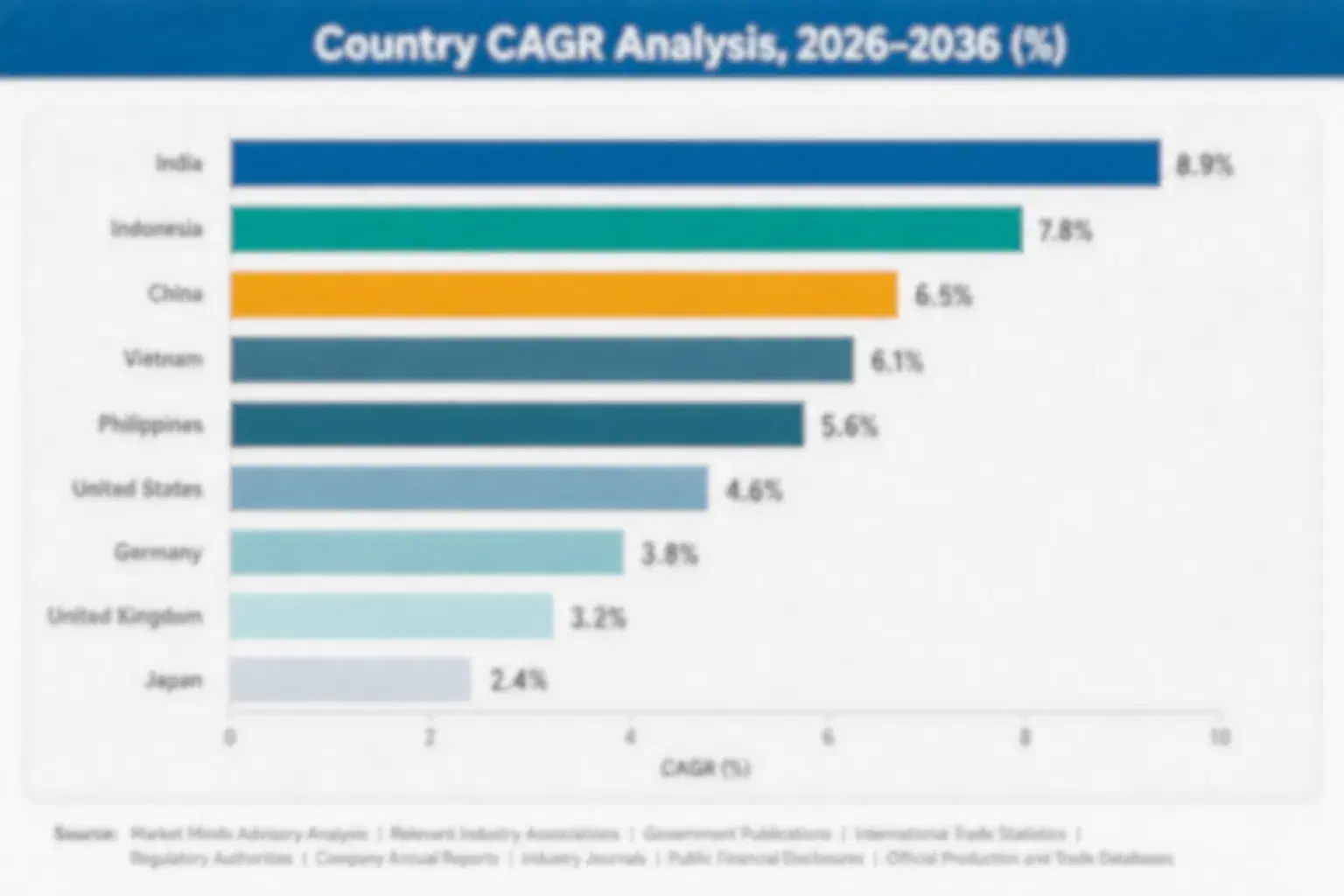
East Asia leads on coating equipment manufacturing scale and food-packaging export volume, while North America and Western Europe drive demand through recyclability mandates and premium food-brand specification, a divide that is expected to persist through most of the forecast period across most major converting corridors worldwide today.

North America

United States food packaging converters are converting to transparent barrier equipment fastest among developed markets, driven by state-level recyclability mandates and extended-producer-responsibility fees that penalize multi-material foil-laminate structures. Premium and natural-food brand owners across the region are expanding transparent-packaging specification beyond compliance necessity into shelf-presentation strategy. Manufacturers here compete heavily on coating-uniformity documentation and qualification speed rather than unit cost alone, since large converter accounts increasingly require validated transmission-rate performance data. Canadian converters are following similar patterns with a modest lag, reinforcing the region's overall lead in conversion intensity relative to most other markets tracked in this report. This leadership position is expected to hold through most of the decade given the region's regulatory maturity and brand-owner specification intensity.
Share: 24% | CAGR: 7.4% (2026 to 2036)

Western Europe

Germany hosts the region's most advanced precision-coating equipment manufacturing base, supplying both domestic converters and export markets with vacuum-deposition systems built on decades of German engineering heritage. France and the United Kingdom are extending transparent-barrier adoption into mainstream food categories faster than most other developed markets, driven by some of the world's strictest packaging-recyclability regulations. Manufacturers serving this region maintain deep regulatory-compliance expertise around material-composition disclosure, since several European jurisdictions already require detailed packaging-recyclability reporting. Nordic markets are moving even faster than peers elsewhere in the region, reflecting generally stronger sustainability-mandate enforcement and deeper premium food-brand presence than most Southern European markets already This leadership position is expected to hold through most of the decade ahead.
Share: 23% | CAGR: 6.4% (2026 to 2036)
Regional intelligence for 5 additional markets available in the complete report: East Asia, South Asia and Pacific, Latin America, Middle East and Africa, Eastern Europe. Contact sales@marketmindsadvisory.com.
transparent-barrier-laminators-market-country-cagr-analysis-1791530582844

Selling Documented Barrier, Not Just Clarity

Manufacturers are finding that barrier-performance documentation itself can become a billable service layered on top of the physical equipment sale, extending margin capture well past the point of installation and deepening converter dependence on proven suppliers over time, and the manufacturers moving fastest to build these recurring revenue streams are positioning for margin profiles closer to testing labs than traditional.

Barrier Performance Certification Service Contract Programs

Manufacturers with established measurement infrastructure are beginning to offer converters independent barrier-performance certification as a paid service, separate from the equipment sale itself, giving food-safety teams documentation they can use internally to justify packaging specification changes. Early programs suggest this certification layer can add 6 to 9 percent incremental revenue per account annually, particularly for food-brand buyers managing strict shelf-life validation requirements across multiple supplier contracts simultaneously. This service model converts a one-time equipment transaction into an ongoing consulting relationship that few traditional laminator manufacturers have historically offered now too.
Market Impact: Adds 6 to 9% incremental annual manufacturer revenue

Rapid Coating Formulation Subscription Service Programs

Manufacturers are bundling rapid coating-formulation subscriptions alongside new installations, letting food brands iterate on barrier specifications quickly as product requirements change without renegotiating a full equipment contract each time. This approach has already produced 4 to 7 percent margin uplift on accounts carrying active subscription agreements, since faster formulation turnaround matters more to food brands facing short product cycles than routine equipment cost savings alone. Food brands increasingly view these subscriptions as insurance against costly reformulation delays, making the service layer an easier sell than it might otherwise be given the product-cycle pressure most accounts face.
Market Impact: Generates 4 to 7% subscription margin uplift annually

Transparent Barrier Laminators Margin Pool

The top five manufacturers hold roughly 32% of global transparent barrier laminator revenue, a moderately concentrated level reflecting the category's specialized precision-engineering requirements and limited field of qualified vacuum-deposition suppliers. Bobst leads on breadth across oxide-coating and adhesive-lamination platforms, with a gap over the next-ranked challenger reflecting genuine precision-engineering scale advantage built over decades of converting-equipment development. Smaller manufacturers struggle to close this technology gap.
Competitive activity currently centers on coating-uniformity precision and barrier-performance documentation, since large converters increasingly require both proven deposition consistency and validated transmission-rate data from a single vendor relationship. Several mid-tier manufacturers are pursuing regional service-network expansion to compete for multi-facility converter contracts beyond their traditional local-market base Smaller local manufacturers still dominate single-region contracts where multi-site consistency carries less weight.

Emerging pressure comes from vacuum-technology specialists attempting to enter adjacent to established lamination manufacturers rather than challenging them head-on, a dynamic that could reshape rankings if a major specialist secures a flagship food-converter partnership. Rankings are most likely to shift among mid-tier manufacturers still building barrier-certification track records A major specialist demonstrating comparable barrier performance at lower combined cost would accelerate this shift.
transparent-barrier-laminators-market-company-positioning-matrix-1791530583196

How Transparent Barrier Laminators Suppliers Compete

BOBST GROUP SA

Moat: Precision engineering scale depth

Bobst's decades of converting-equipment engineering experience across adhesive and vacuum-deposition platforms give it a technology depth that newer entrants cannot replicate quickly, particularly for large converters requiring proven coating consistency at scale across multiple formats, a lead that continues widening as more converters standardize around proven suppliers.
BOBST GROUP SA

Risk: Higher relative system pricing

Bobst's premium engineering positioning can price it out of contracts where smaller converters prioritize lower upfront equipment cost over maximum coating precision, a gap smaller competitors are exploiting among price-sensitive mid-tier accounts directly now, particularly as mid-sized converters push back hard on pricing terms already.
NORDMECCANICA GROUP

Moat: Lamination platform specialization

Nordmeccanica's specialized focus on lamination technology alone, rather than broader converting equipment, gives it depth advantages in coating formulation flexibility that diversified competitors struggle to match across comparable application ranges, a position smaller diversified competitors struggle to match at comparable depth, a lead few newer entrants can replicate without years of prior formulation investment.
NORDMECCANICA GROUP

Risk: Limited vacuum deposition breadth

Nordmeccanica's comparatively limited presence in vacuum-deposition oxide coating leaves it exposed as high-barrier metallized formats, the fastest-growing segment, become increasingly central to overall category growth and buyer attention today, a gap competitors are watching closely for further opportunity to exploit already too now indeed too.

Players Tracked

Prominent Players

Bobst Group SA
Nordmeccanica Group
Davis-Standard LLC
Kampf Schneid
Comexi Group

Other Key Players

Windmoeller und Hoelscher
F.lli Cerutti SpA
Uteco Converting SpA
Bielloni Castello SpA
SOMA s.r.o
KOCH Pac-Systeme
General Vacuum Equipment
Applied Materials Inc
Buhler Leybold Optics
Toppan Printing Co
Dai Nippon Printing Co
Mitsubishi Heavy Industries
Reicofil GmbH
Hosokawa Alpine AG
Jindal Films Americas

Recent Developments

NOVEMBER 2025

Bobst announced a manufacturing capacity expansion dedicated to high-barrier oxide-coating laminators, responding to rising demand from mid-sized food packaging converters replacing foil-laminate lines, with new production capacity expected to come online within the following year, according to company disclosures made public nationwide too already now.
Signal: Signals established manufacturers are scaling to meet mid-market transparent-barrier conversion demand faster than new entrants can respond.
JULY 2025

Nordmeccanica completed a supply agreement with a regional European food packaging converter to deploy transparent laminators across several production lines, extending its presence in the food-converter segment ahead of competitors still focused primarily on industrial film applications, according to company disclosures made public today now.
Signal: Signals food-converter accounts are becoming a key battleground as industrial film growth moderates somewhat now indeed.

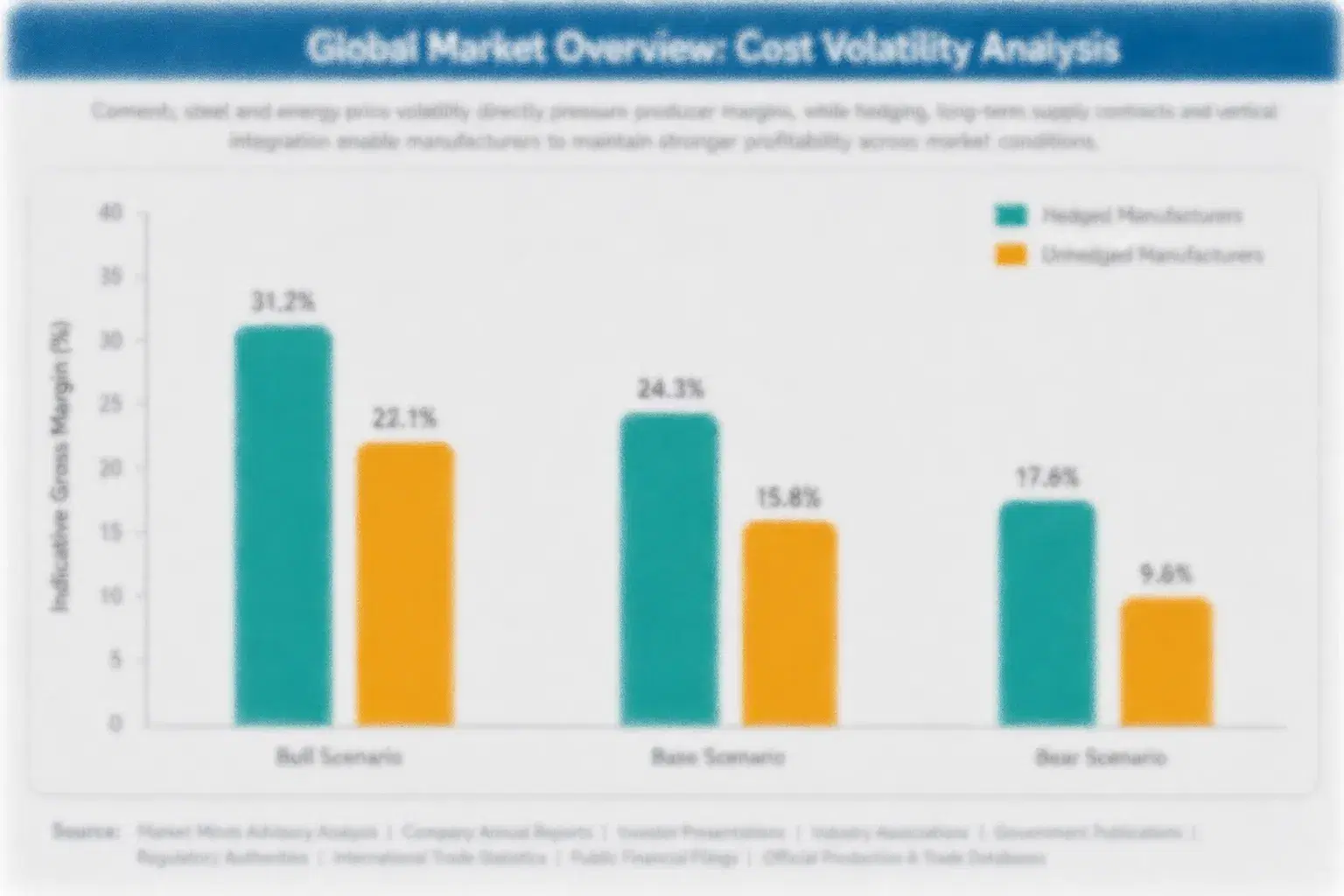
Vacuum Chamber Supply Concentration Risk

Vacuum chambers and precision coating heads together account for roughly 47% of unit production cost in transparent barrier laminators, with the bulk of this supply originating from a small number of German and Japanese precision-equipment producers concentrated primarily in established industrial manufacturing hubs, a concentration that gives those producers meaningful pricing power over manufacturers operating in competitive bid environments worldwide.
A 2025 precision-component price spike, driven by a temporary supply disruption at a major German vacuum-equipment producer, pushed manufacturer input costs up meaningfully for several months before alternative sourcing stabilized the market, according to EIA commodity tracking and company annual report disclosures from affected manufacturers during the period, illustrating how exposed the category remains to global precision-manufacturing supply conditions affecting component availability broadly today now.

Manufacturers without direct German or Japanese component sourcing relationships face a lasting cost disadvantage against integrated competitors, since spot-market purchasing carries a persistent premium over long-term supply contracts that only established players can secure. This exposure varies most by manufacturer scale, with smaller regional players bearing the largest relative cost burden, a dynamic that favors Bobst, Nordmeccanica, and other scale players with established multi-supplier relationships over regional shops.
transparent-barrier-laminators-market-cost-volatility-analysis-1791530583453

Dual Sourcing Across Component Suppliers

Manufacturers are qualifying a second precision-component supplier alongside their primary source to reduce exposure to single-producer disruption, accepting modest cost premiums in exchange for supply continuity assurance across their largest accounts. Several mid-tier manufacturers have adopted this approach over the past year specifically, and early results suggest the added cost is more than offset by avoided disruption risk.

Long-Term Supply Contracts With Price Collars

Larger manufacturers are negotiating multi-year supply contracts with built-in price collars that cap input-cost volatility in exchange for committed purchase volumes, a structure smaller manufacturers typically cannot access given their limited negotiating scale. This structure is becoming increasingly common among the industry's largest manufacturers specifically, giving them a cost-stability advantage that smaller competitors cannot easily replicate.

Portfolio Architecture for Margin Defence

Transparent barrier laminators split into three distinct margin tiers, separated primarily by coating technology and service-contract attachment rather than converter size alone, with oxide-deposition systems carrying certification contracts commanding the richest margins across the category. Manufacturers operating across all three tiers hold an advantage over specialists confined to a single coating type Account relationships often span multiple coating types within the same converter customer, reinforcing the value of broad portfolio coverage.
Volume commodity-adjacent acrylic-coating systems carry the thinnest margins but the largest absolute installation base, while premium oxide-deposition formats bundled with barrier-certification and formulation service command substantially richer margins justified by software integration and ongoing support obligations. The gap between these two tiers has widened as oxide adoption accelerates each cycle This pricing dynamic favors scale manufacturers with established certification infrastructure over regional specialists lacking comparable support capability.

High-value pools concentrate most heavily around oxide-deposition systems carrying active certification and formulation contracts, which command pricing power that ordinary acrylic-coating installations cannot match. Manufacturers positioning early in bundled service offerings are capturing disproportionate attention from large food-brand converter accounts These manufacturers are also best positioned to capture the emerging bio-based coating wave as it continues to mature further.

Acrylic-coating laminators sold on an installation-only basis, competing primarily on fabrication cost and footprint efficiency rather than flexibility or software sophistication, typically carrying the industry's lowest per-unit margin now too.
Gross Margin

Oxide-deposition formats bundled with barrier-certification and formulation-subscription service, commanding richer margins justified by software integration and support obligations, typically carrying the industry's highest per-unit margin by a wide margin too.
Gross Margin

Fully recyclable mono-material formats and emerging bio-based barrier coating technologies addressing plastic-reduction mandates and expanding regulatory disclosure requirements, representing a smaller but fast-growing margin pool currently, still with limited deployment history to date.
Gross Margin
transparent-barrier-laminators-market-portfolio-architecture-1791530583782

High-value Sub-segments and Strategic Watch-out

Barrier Certification Service Contract Programs

Highest-value, highest-growth category, bundling oxide-deposition installation with recurring certification and formulation revenue. Manufacturers with established measurement infrastructure are best positioned to capture this expanding, relatively price-insensitive demand pool over the next several years as certification adoption practices spread into traditional hardware-focused manufacturer businesses already too.

Mid Tier Converter Conversion Programs

High-value, moderate-growth category where falling deposition costs are extending adoption beyond large national converters. Still early in broad rollout, but offering meaningful pricing power for manufacturers able to demonstrate reliable barrier performance across diverse converter types as more mid-sized converters follow the lead of early-moving national chains nationwide.

Standard Acrylic Coating System Programs

Volume core category carrying the largest absolute installation count but thinnest margins. Growth here tracks general flexible-packaging demand closely, and competitive intensity is rising as oxide alternatives pressure acrylic-coating pricing across every major market at a pace faster than most other watch categories tracked in this report.

Vacuum Technology Specialist Entry Programs

Strategic watch-out category where vacuum-technology specialists could reshape competitive dynamics across every other segment if any secures a flagship food-converter partnership. Manufacturers without comparable specialist capability risk losing share in the fastest-growing segment well before mainstream commercial validation is complete industry-wide, a risk manufacturers are now actively monitoring.

From Fixed Asset To Documented Performance

Transparent barrier laminators are shifting from a fixed capital asset toward a documented-performance platform that manufacturers service continuously rather than install and forget. Converters increasingly renew manufacturer relationships based on validated barrier reliability and formulation responsiveness rather than renegotiating hardware pricing from scratch each cycle, giving incumbent vendors with proven certification records durable account depth that newer entrants struggle to displace.
Adoption depth varies sharply by end-use vertical. Large food-brand converters adopt oxide-deposition systems with near-total conviction once satisfied with reliability, since centralized barrier-performance documentation across large order volumes justifies the investment, while independent and regional converters adopt more cautiously, often retaining acrylic-coating systems until replacement becomes unavoidable. This divergence means manufacturers serving both segments need fundamentally different account-management approaches This shift is raising switching costs across the category.

A generational shift is underway among converter buyers themselves, as food-safety and sustainability specialists increasingly drive specification decisions that procurement teams once controlled exclusively. These newer buyer profiles weigh documented barrier performance and recyclability more heavily than fixed hardware durability alone, a shift that favors manufacturers able to articulate value in quality terms rather than purely mechanical terms This trend is expected to continue through the decade.
transparent-barrier-laminators-market-end-use-penetration-index-1791530584086

Where Transparent Barrier Value Concentrates

These are among the four positions where our research anticipates prominent divergence between winners and laggards over the coming forecast period. Each is grounded in the demand model, the regulatory perimeter, and the announced capacity pipeline.
01 / MID TIER CONVERTER CONVERSION

Mid Tier Converter Upgrades Reward Fast Capacity Scaling

Mid-tier converter upgrade conversion is the category's fastest-growing entry point, and converters are moving quickly from pilot lines to full-facility rollout once satisfied with reliability. Manufacturers that can demonstrate consistent barrier performance at accessible price points are winning disproportionate new contract volume right now. Those still treating oxide-deposition systems as a national-converter-only investment risk losing share to faster-moving competitors across entire regional markets, a gap that is widening each quarter as more converters commit to facility-wide upgrades already too now.
02 / BARRIER CERTIFICATION DEPTH

Certification Depth Decides Converter Account Retention

Barrier-performance certification depth is becoming a genuine competitive differentiator as converters increasingly require both documented reliability and fast qualification turnaround from a single vendor. Manufacturers with established testing infrastructure complete qualifications faster than competitors lacking comparable certification depth, a gap that compounds at the largest food-brand accounts. Manufacturers without existing certification capability should prioritize partnership with testing labs before pursuing the largest and most complex food-brand contracts directly, a sequencing that builds credibility before tackling harder accounts before expanding into higher-stakes accounts.
03 / COMPONENT SUPPLY ACCESS

Precision Component Sourcing Determines Cost Competitiveness

Manufacturers without direct precision-component sourcing relationships face a lasting cost disadvantage that spot-market purchasing cannot fully offset. Dual sourcing and long-term supply contracts with price collars are becoming standard practice among the industry's largest players specifically, protecting them from single-producer disruption. Smaller manufacturers lacking negotiating scale should pursue consortium-based purchasing arrangements to access similar terms within their regional markets, pooling volume to secure terms none could negotiate independently on their own across their regional markets indeed now too already now.
04 / SERVICE REVENUE EXPANSION

Certification Services Extend Manufacturer Margin Capture

Barrier-certification services and formulation subscriptions are opening recurring revenue paths beyond the physical equipment sale itself, a meaningful shift for a category historically priced on one-time installation cost alone. Manufacturers building these service capabilities now are positioning for margin profiles closer to testing labs than traditional equipment suppliers. This shift favors scale players with existing converter data relationships already in place, an advantage that will compound as more converters standardize barrier-reporting platform requirements, a pattern already visible across major markets tracked in this report.

Engagement Snapshot From the Field

A live engagement with an industry participant carrying material or product regulatory and market exposure ahead of a defining policy shift, showing how our research translates into a defensible multi-year portfolio strategy.
MARKET MINDS ADVISORY · CLIENT ENGAGEMENT SUMMARY
Transparent Barrier Laminators Producer Strategic Portfolio Review and Transition Roadmap 2026·Investment Scenario on Transparent Barrier Laminators Exposure Evaluation 2025-26
CLIENT PROFILE
The client operates a regional food packaging converting operation with several production lines across the southeastern United States, generating annual film volume in the hundreds of millions of square meters (client-reported, unverified by MMA). Facing a state-level recyclability mandate and rising extended-producer-responsibility fees, the client sought to evaluate transparent oxide-laminator conversion ahead of a broader equipment-modernization initiative.
STRATEGIC CHALLENGE
Leadership needed to determine whether transparent oxide-coating equipment could deliver sufficient barrier performance and recyclability compliance to justify the higher upfront capital cost relative to continued foil-laminate operation, while also confirming integration timelines across multiple production lines without disrupting ongoing food-packaging delivery commitments, given that leadership had already committed meaningful capital budget toward the broader modernization decision ahead of the pilot.
MMA APPROACH
MMA's team structured a five-month pilot assessment across two production lines, combining barrier-performance testing data with structured recyclability-compliance analysis across the client's highest-volume film formats. The engagement drew on MMA's primary survey dataset for comparable category benchmarks and incorporated direct interviews with the client's quality-assurance team overseeing the conversion rollout.
KEY FINDINGS
  1. Pilot lines recorded a measurable reduction in extended-producer-responsibility fee exposure versus matched control lines over the assessment period (client-reported, unverified by MMA).
  2. Barrier-performance testing showed transmission rates comparable to foil-laminate structures across all tested film formats, exceeding the client's prior expectations going into the pilot.
  3. Per-unit conversion cost rose notably, though within the range the client's finance team had budgeted for ahead of the pilot launch, confirming the finance team's cost assumptions held reasonably well.
  4. Quality-assurance staff reported straightforward coating-equipment integration, requiring minimal retraining across the pilot line workforce, easing internal concerns about operational feasibility at scale.
CLIENT PROFILE
The client operates a regional food packaging converting operation with several production lines across the southeastern United States, generating annual film volume in the hundreds of millions of square meters (client-reported, unverified by MMA). Facing a state-level recyclability mandate and rising extended-producer-responsibility fees, the client sought to evaluate transparent oxide-laminator conversion ahead of a broader equipment-modernization initiative.
STRATEGIC CHALLENGE
Leadership needed to determine whether transparent oxide-coating equipment could deliver sufficient barrier performance and recyclability compliance to justify the higher upfront capital cost relative to continued foil-laminate operation, while also confirming integration timelines across multiple production lines without disrupting ongoing food-packaging delivery commitments, given that leadership had already committed meaningful capital budget toward the broader modernization decision ahead of the pilot.
MMA APPROACH
MMA's team structured a five-month pilot assessment across two production lines, combining barrier-performance testing data with structured recyclability-compliance analysis across the client's highest-volume film formats. The engagement drew on MMA's primary survey dataset for comparable category benchmarks and incorporated direct interviews with the client's quality-assurance team overseeing the conversion rollout.
KEY FINDINGS
  1. Pilot lines recorded a measurable reduction in extended-producer-responsibility fee exposure versus matched control lines over the assessment period (client-reported, unverified by MMA).
  2. Barrier-performance testing showed transmission rates comparable to foil-laminate structures across all tested film formats, exceeding the client's prior expectations going into the pilot.
  3. Per-unit conversion cost rose notably, though within the range the client's finance team had budgeted for ahead of the pilot launch, confirming the finance team's cost assumptions held reasonably well.
  4. Quality-assurance staff reported straightforward coating-equipment integration, requiring minimal retraining across the pilot line workforce, easing internal concerns about operational feasibility at scale.
RECOMMENDED STRATEGY
Phase 1: Sequence the facility-wide rollout by production-line volume, starting with the highest-volume lines first, validating performance across a broader format mix and shift schedule before expanding further. Phase 2: Negotiate a multi-year precision-component supply agreement with price protection ahead of broader rollout to secure favorable economics, protecting margin as conversion volume scales across the full facility. Phase 3: Layer in barrier-certification reporting as a value-added service for quality leadership once conversion volume justifies the investment, creating a recurring revenue stream the client had not previously considered.
OUTCOME
The client approved a phased facility-wide conversion sequenced by production-line volume and began supplier negotiations for a multi-year precision-component supply agreement (client-reported, unverified by MMA). Quality-assurance leadership reported improved confidence in forecasting conversion timelines, supporting a broader business case for accelerated rollout within the following fiscal year.

Frequently Asked Questions

Foundational context covering the market sizes, CAGR, scope, country, region and competition that inform every finding below. This section is provided to cover basics and most often pre-purchase conversations, answered from the MMA Primary Research Dataset.

What is the current size of the Transparent Barrier Laminators Market?

The market reached an estimated USD 0.97 billion in 2026, covering production-line equipment that applies clear oxygen and moisture barrier coatings onto flexible film. Growth is concentrated in East Asian manufacturing scale.

How large will the Transparent Barrier Laminators Market be by 2036?

MMA projects the market will reach approximately USD 2.06 billion by 2036, roughly 2.12 times its 2026 value, driven by recyclability mandates expanding across additional jurisdictions.

What is the CAGR for the Transparent Barrier Laminators Market 2026 to 2036?

The market is forecast to grow at a 7.8% compound annual rate through 2036, with bull and bear scenarios ranging from 6.5% to 9.1% depending on vacuum-equipment cost trends.

Which segment is growing fastest?

High Barrier Metallized Oxide Laminators are growing fastest at a 10.6% CAGR, roughly 1.36 times the overall market rate, led by recyclable mono-material packaging mandates.

Who are the major companies in the Transparent Barrier Laminators Market?

Leading suppliers include Bobst Group SA, Nordmeccanica Group, Davis-Standard LLC, Kampf Schneid, and Comexi Group, together holding roughly 32% of global revenue, evaluated on a global revenue basis.

Which country is growing fastest?

China is growing fastest at a 9.3% CAGR, driven by its dominant coating-equipment manufacturing scale and rapid food-packaging export volume across major manufacturing zones, ahead of every other national market tracked in this report.

Transparent Barrier Laminators Market Breakdown

The full report scope spans multiple orthogonal segmentation dimensions, with cross-tabulated demand data provided for each dimension pair. Coverage extends further to regional breakdowns, trend trajectories, and the competitive detail needed to support segment-level decision-making.
  • High Barrier Metallized Oxide Laminators
  • Solvent Based Acrylic Coating Laminators
  • Vacuum Deposition Silicon Oxide Laminators
  • Water Based Barrier Coating Laminators
  • Hybrid Multi Layer Combination Laminators
  • Food and Beverage Packaging
  • Pharmaceutical Packaging
  • Personal Care and Cosmetics
  • Industrial Flexible Packaging
  • Consumer Electronics Packaging
  • New Equipment Installation Programs
  • Retrofit and Upgrade Programs
  • Barrier Certification Service Contracts
  • Manufacturer Maintenance Agreements

By Region

  • North America
  • Western Europe
  • East Asia
  • South Asia and Pacific
  • Latin America
  • Middle East and Africa
  • Eastern Europe

Scope, Methodology, and Coverage

Every figure in this report is reproducible from documented input assumptions. The scope below maps the historical period, the forecast horizon, the segmentation dimensions, and the countries covered, alongside the underlying primary and qualitative methodology.
Historical Period
2020 to 2025
Forecast Period
2026 to 2036
Base Year
2025 (USD billions; MMA Primary Research Dataset, October 2026)
Market Definition
The Transparent Barrier Laminators Market covers production-line equipment that applies clear oxygen and moisture barrier coatings or metallized-oxide layers onto flexible film while preserving visual transparency, including vacuum-deposition and solvent-based coating laminators. It excludes opaque foil and aluminum-metallized barrier equipment, finished barrier film products themselves, and general-purpose adhesive lamination equipment without dedicated barrier-coating capability.
Quantitative Units
USD billions
Segmentation Dimensions
Regions Covered
North America, Western Europe, East Asia, South Asia and Pacific, Latin America, Middle East and Africa, Eastern Europe
Countries Covered
Key Companies Profiled
Bobst Group SA, Nordmeccanica Group, Davis-Standard LLC, Kampf Schneid, Comexi Group, Windmoeller und Hoelscher, F.lli Cerutti SpA, Uteco Converting SpA, Bielloni Castello SpA, SOMA s.r.o, KOCH Pac-Systeme, General Vacuum Equipment, Applied Materials Inc, Buhler Leybold Optics, Toppan Printing Co, Dai Nippon Printing Co, Mitsubishi Heavy Industries, Reicofil GmbH, Hosokawa Alpine AG, Jindal Films Americas
Quantitative Methodology
Primary survey, n=3,800 respondents, Q4 2025, six countries; demand-side model with trade association cross-validation
Qualitative Methodology
47 expert interviews, Q4 2025; applied to validate demand model assumptions, identify emerging dynamics, and assess competitive positioning
Report Format
PDF and XLSX data workbook (Word format preview document)
Publisher
Market Minds Advisory
Report Code
MMA-2026-PAC-708
Published
October 2026
Contact
sales@marketmindsadvisory.com | www.marketmindsadvisory.com

Purchase the full Transparent Barrier Laminators Market Report (2026 to 2036).

This report provides a comprehensive assessment of the Transparent Barrier Laminators Market through 2036. It covers oxide-deposition, acrylic-coating, and water-based lamination systems across food, pharmaceutical, and industrial packaging categories. The analysis details regional demand patterns, competitive positioning among established precision-equipment manufacturers, and input-cost exposure tied to vacuum-chamber and coating-head supply concentration. It draws on primary survey data, expert interviews, and company disclosures to quantify segment-level growth and margin architecture across the forecast period. Forecasts reflect both base-case and scenario-adjusted bull and bear trajectories through 2036.
Ten-year revenue and unit volume forecasts
Seven-region demand share and CAGR breakdown
Twenty-company competitive benchmarking and positioning profile
Segment-level CAGR and margin tier analysis
Input-cost exposure mapping and mitigation pathways
Anonymized client case study with full strategy roadmap

Built For The People Who Decide

From boardroom strategy to bench-side execution, this report is read cover-to-cover by leaders shaping the next decade of their industry, turning demand scenarios, market dynamics and valuation benchmarks into decisions.
CXOs/ Presidents/ VPs/ Managers
M&A and Corporate Development
Strategy Teams and R&D Heads
Procurement and Product Directors
Regulatory and Compliance Leaders
Investor Relations and Equity Analysts