Market Minds Advisory
Transcatheter Mitral Valve Market

Transcatheter Mitral Valve Market: Transcatheter Mitral Valve Market: Everything That Worked In The Aorta Fails Here

Aortic valve replacement anchors into a stiff calcified ring, while the mitral annulus is a soft moving saddle sitting beside the outflow tract, and every anchoring strategy borrowed from one has failed in the other.

Lead Analyst

Published

September 2026

Make Smarter Decisions with Customized Research Insights

Request a free sample report and evaluate market opportunities, growth trends, and competitive dynamics relevant to your business needs.

2025 MARKET VALUE$1.7BMarket Size 2025
2036 FORECAST VALUE$5.0BBase Case , 2026 to 2036
CAGR 2026 TO 203610.4 %Bull 11.6% / Bear 9.2%
INCREMENTAL OPPORTUNITY$3.2BNet 10- year value creation
EXPANSION MULTIPLE2.69x2036 value over 2026 base
Strategic Levers
M&A Pipeline
Regional Outlook
Country Rankings
Competitive Intelligence
Segmental Deep-dive
Call-Us : 91 93563 13602

Executive Snapshot and Market Trajectory.

Transcatheter aortic replacement succeeded because the annulus is a stiff calcified ring that a device can anchor into. The mitral annulus is soft, D-shaped, moves throughout the cycle and sits beside the outflow tract, which is why replacement here arrived fifteen years later than anybody forecast. Nobody forecast that delay.
North America takes 35% of value because edge-to-edge repair originated there, reimbursement is most developed and procedure volumes are the largest by a wide margin. Transcatheter mitral valve replacement grows at 15.6%, half again the market rate of 10.4%, from a base small enough that the percentage overstates the commercial position considerably. Chinese developers built comparable devices in parallel rather than behind. Fifteen years of failed anchoring designs preceded it.
Concentration is extreme at 82% and the binding constraint is anatomical rather than technical. A bulky valve in the mitral position pushes the anterior leaflet toward the outflow tract and can obstruct it fatally, so screening excludes a substantial share of patients who are otherwise eligible. The addressable population is therefore much smaller than the disease population, which nobody advertises. Forecasts built from disease prevalence rather than from screening data have consistently disappointed everybody.
Market Definition
The market covers transcatheter devices and delivery platforms used to treat mitral valve disease, including transcatheter edge-to-edge repair devices, transcatheter mitral valve replacement systems, transcatheter annuloplasty devices, transcatheter chordal repair systems, valve-in-valve and valve-in-ring devices, and transseptal access and delivery platforms. Surgical mitral valves and annuloplasty rings implanted through open or minimally invasive surgery, aortic and tricuspid transcatheter devices, left atrial appendage occluders and diagnostic imaging are excluded. Cardiac surgical services fall outside scope.
Base Year Value
$1.7B in 2025 (MMA Primary Research Dataset, August 2026)
Forecast Period
2026 to 2036, eleven discrete annual values
CAGR
10.4% base case. Bull 11.6%. Bear 9.2%.
Fastest Growth Segment
Transcatheter Mitral Valve Replacement Systems: 15.6% CAGR
Fastest Growth Country
China: 11.8% CAGR
Fastest Growth Region
South Asia and Pacific: 12.6% CAGR
Largest Region
North America: 35% of 2025 global value
Market Leaders
Abbott, Edwards Lifesciences, Medtronic, Boston Scientific, Peijia Medical. Source: MMA Analysis based on disclosed transcatheter valve and cardiac intervention device revenue, company annual reports 2025.
Primary Survey
n=3,800 procurement and R&D decision-makers, Q4 2025, six countries
Methodology
Demand-side build-up, cross-validated against public data, 47 expert interviews

Transcatheter Mitral Valve Market Forecast Scenarios

transcatheter-mitral-valve-market-size-forecast-scenario-1787693089454
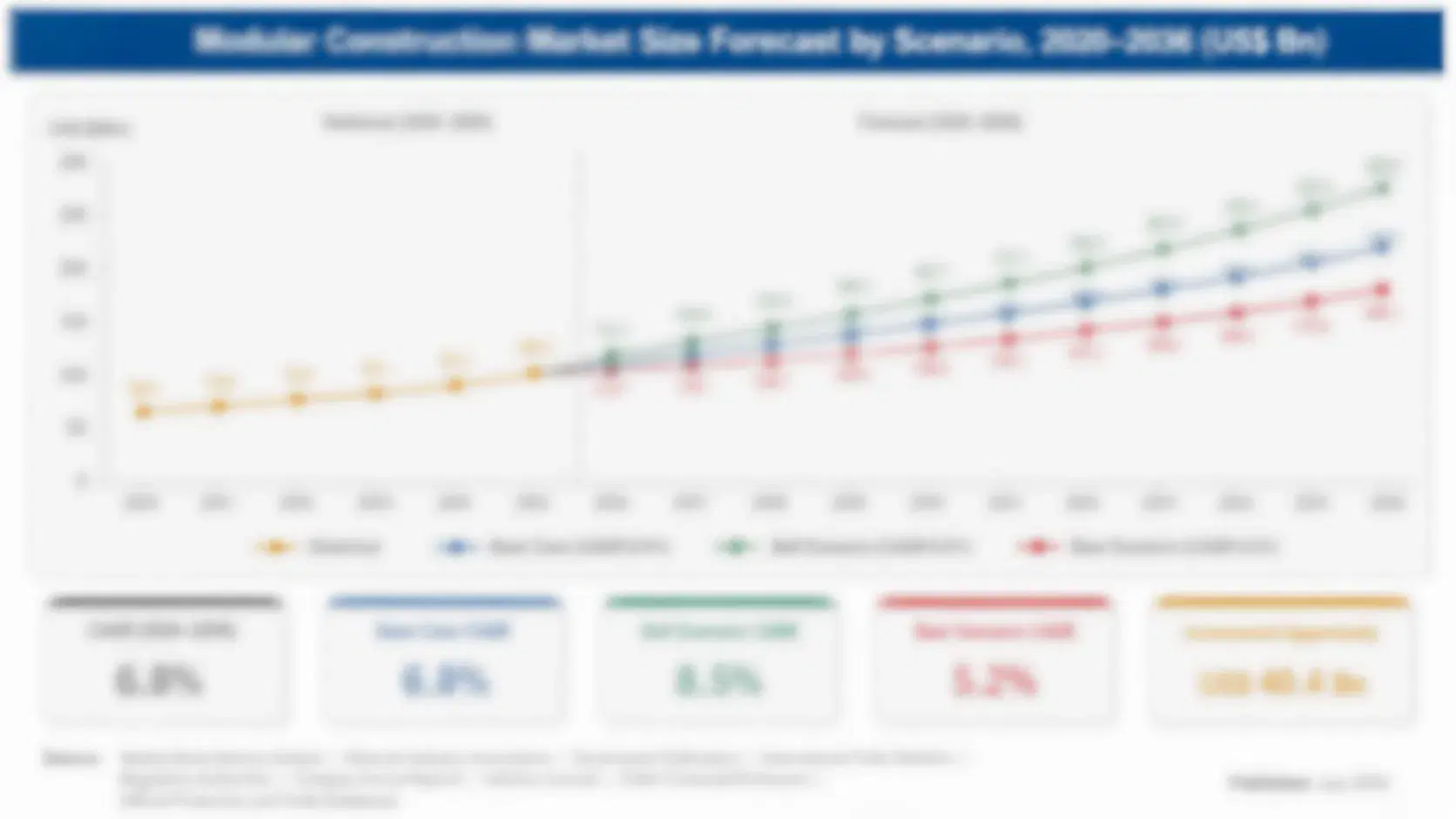
Growth from 2020 to 2025 ran at 9.4% and edge-to-edge repair supplied nearly all of it. Two major randomised trials in functional regurgitation reached opposite conclusions early in the period, and reconciling them produced the distinction between proportionate and disproportionate regurgitation that now governs selection. Elective procedures were deferred through 2020 and recovered within roughly eighteen months. Replacement systems remained investigational for most of the period.
The 10.4% base case rests on three mechanisms. Replacement systems are reaching commercial availability after years of anchoring and outflow obstruction difficulties, which serves patients that edge-to-edge repair suits poorly. Annuloplasty and chordal devices are extending transcatheter treatment into anatomy where a clip cannot achieve durable reduction. And Asian procedure volumes are rising quickly with domestic devices developed alongside Western programmes rather than following them. Each mechanism operates independently of the other two entirely.
The bull case at 11.6% turns on outflow tract screening becoming manageable through device design rather than patient exclusion, which would enlarge the addressable population substantially. The bear case at 9.2% is selection criteria for edge-to-edge repair tightening further as registry outcomes accumulate, which would restrict the largest segment rather than the one everybody is watching.

Anatomy That Refuses The Obvious Answer

The aortic annulus is a stiff, frequently calcified ring, which is precisely what a self-expanding or balloon-expandable valve needs to anchor into. The mitral annulus is none of those things. It is soft, saddle-shaped, moves through every cycle and sits beside the outflow tract. Every anchoring approach borrowed from aortic work has failed here, which explains a development timeline running roughly fifteen years beyond what the field confidently forecast.
FIVE-FIRM CONCENTRATION82%Share of transcatheter valve device revenue held by leaders
DEVICE SYSTEM PRICE$26,800Typical cost of one transcatheter mitral device system implanted
TOP CONSUMING COUNTRYUSA 32%American share of global transcatheter mitral procedures performed
SCREENING EXCLUSION RATE58%Anatomically assessed patients excluded from replacement on outflow risk
DEVELOPMENT TIMELINE OVERRUN15 yearsDelay between forecast and actual arrival of replacement systems
TRANSSEPTAL PROCEDURES ANNUALLY94,000Interventions requiring controlled puncture through the atrial septum
Outflow tract obstruction is the specific problem that shrinks this market. Placing a bulky prosthesis in the mitral position displaces the anterior leaflet toward the outflow tract, and obstruction there is not a complication to manage but a lethal one. Computed tomography screening for that risk currently excludes roughly 58% of anatomically assessed candidates. The addressable population is therefore far smaller than regurgitation prevalence implies.
Edge-to-edge repair works and the evidence took years to make sense. Two major randomised trials in functional regurgitation reached opposite conclusions, and the reconciliation produced the concept of regurgitation that is proportionate or disproportionate to ventricular dilatation. Patient selection rather than device performance therefore determines whether the therapy helps, and those criteria are still being refined. That is uncomfortable for a technology already implanted very widely.
"Everyone modelled this market off mitral regurgitation prevalence. The number that matters is how many patients survive computed tomography screening, and it is not much more than four in ten."
Director, Transcatheter Valve and Cardiac Intervention Practice · MMA Medical Devices Practice · August 2026

Market Trends

Replacement Systems Reach Commercial Availability At Last

Transcatheter mitral replacement has been imminent for well over a decade while anchoring in a soft moving annulus and avoiding outflow obstruction defeated successive designs. Systems now reaching commercial availability serve patients whom edge-to-edge repair suits poorly, particularly those with excess leaflet tissue or severe annular dilatation. Growth at 15.6% comes from a genuinely small base. What remains unproven is durability against surgical repair, which matters enormously in patients whose alternative would have been an operation lasting decades. Durability against surgical repair is the unanswered question. Fifteen years of failed designs preceded these systems reaching approval.
Market Impact: Performs 32% of global procedures
Annuloplasty And Chordal Devices Extend Transcatheter Reach

A clip approximates leaflets and does nothing about an annulus that has dilated, which limits durability in ventricles that continue remodelling after treatment. Transcatheter annuloplasty reduces annular dimension directly and chordal systems restore leaflet coaptation geometry, addressing mechanisms a clip cannot reach. Growth at 12.6% follows operators seeking durable reduction rather than acceptable acute result. These procedures take considerably longer and demand imaging skill that fewer centres possess, which limits adoption to high volume programmes for now. Imaging skill rather than device supply limits how quickly these procedures spread beyond high volume programmes.
Market Impact: Serves 22% of regional value

Market Opportunities and Growth Drivers

American Reimbursement And Volume Anchor The Category

Edge-to-edge repair originated in the United States, carries the most developed reimbursement anywhere and accounts for roughly 32% of global procedures, which makes American practice the reference point every other market watches. Heart team requirements and registry participation are mandated conditions of payment, producing outcome data no other region generates at comparable scale. That data then shapes selection criteria worldwide. Suppliers treating American approval as one market among several consistently underestimate how far it determines practice everywhere else. American criteria shape practice everywhere else, whether or not other systems intend that.
Market Impact: Excludes 58% of assessed candidates

Chinese Developers Build Devices In Parallel Not Behind

Chinese companies developed transcatheter mitral replacement and repair devices alongside Western programmes rather than copying approved products afterward, which is unusual in cardiovascular devices and reflects deliberate national investment in the field. Domestic clinical programmes ran concurrently with international ones. The consequence is regional pricing that will reset before those devices reach Western regulatory review, and a domestic market that imported products will struggle to hold. Western suppliers have generally read this as procurement policy rather than as genuine parallel development. Imported products will struggle to hold that market. Parallel development is unusual here.
Market Impact: Reconciles 2 contradictory trials

Market Restraints and Challenges

Outflow Obstruction Screening Removes Most Candidates

A prosthesis in the mitral position displaces the anterior leaflet toward the left ventricular outflow tract, and obstruction there is lethal rather than merely inconvenient. Root cause is anatomical proximity that no device positioning fully avoids in many patients. Computed tomography screening currently excludes roughly 58% of assessed candidates, which means the addressable population is far smaller than mitral regurgitation prevalence suggests. Mitigation runs through lower profile designs and leaflet modification techniques, both of which help and neither of which resolves the geometry. Geometry rather than engineering is the constraint.
Market Impact: Follows a 15 year delay

Selection Criteria Rather Than Devices Decide Outcomes

Two major randomised trials of edge-to-edge repair in functional regurgitation reached opposite conclusions, and reconciling them required distinguishing regurgitation proportionate to ventricular dilatation from regurgitation that is not. Root cause is that the therapy addresses the valve while the underlying disease frequently sits in the ventricle. The commercial impact is that outcomes depend on selection rather than on device performance, and criteria continue tightening as registries accumulate. Mitigation means investing in imaging and selection support rather than in device iteration. Criteria continue narrowing as registries accumulate. Imaging investment beats device iteration.
Market Impact: Addresses 3 distinct failure mechanisms
3 additional market trends, 4 additional growth drivers, and 2 additional restraints and challenges are covered in the full report. Contact sales@marketmindsadvisory.com to access the complete intelligence.

Segment CAGR and Growth Architecture

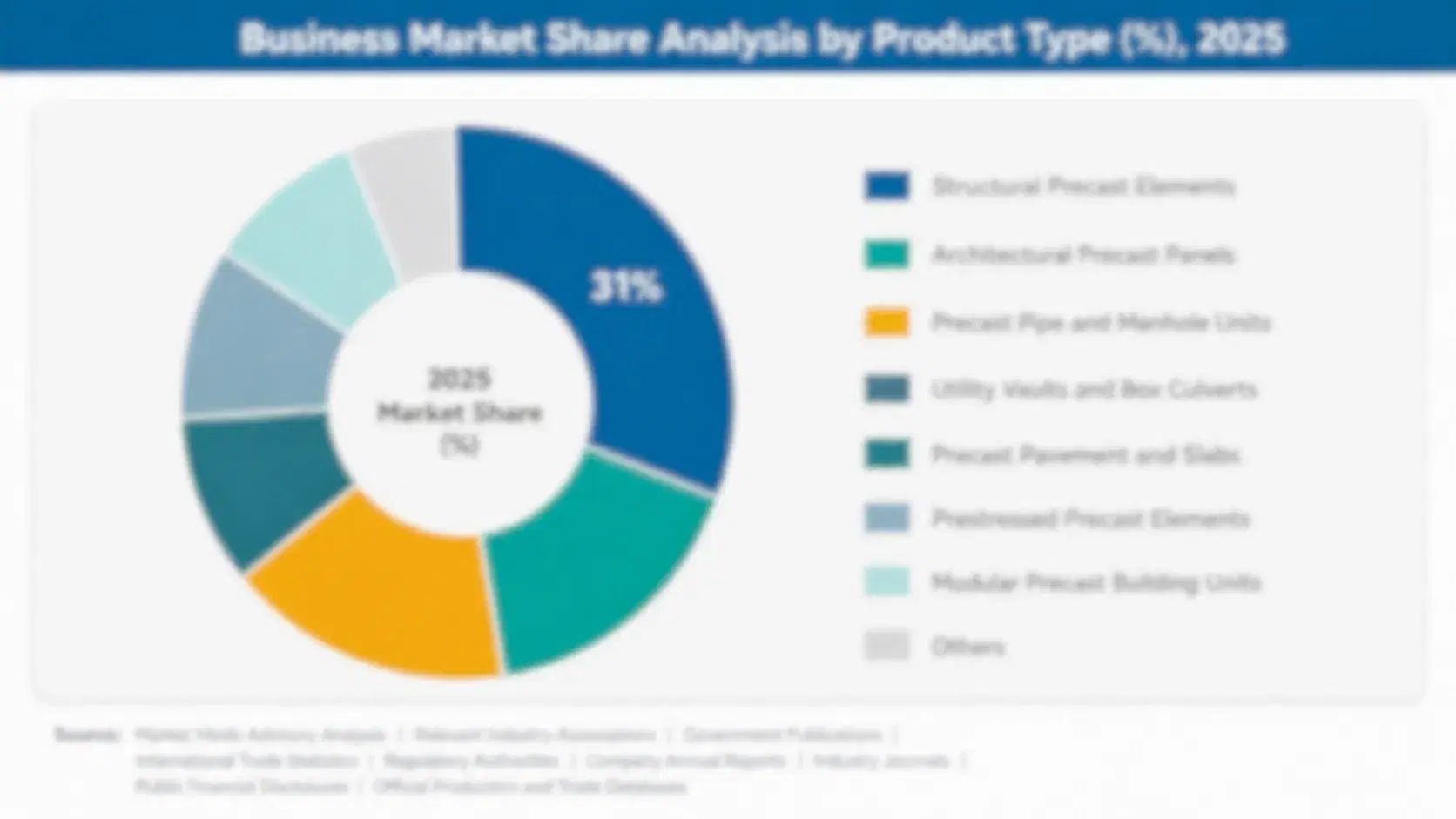
Segmentation follows device approach: what mechanism each system uses to reduce regurgitation or replace the valve, rather than which patient receives it or where the procedure happens. Six approaches cover the market without overlap, from edge-to-edge repair through to access platforms. Clinical indication and purchasing route are treated separately here. Both cut across all six approaches.
transcatheter-mitral-valve-market-market-share-analysis-1787693089771

Transcatheter Mitral Valve Replacement Systems

Replacing rather than repairing the mitral valve through a catheter has been imminent for well over a decade, defeated repeatedly by a soft moving annulus and by the outflow tract sitting immediately alongside it. Systems now reaching commercial availability serve patients whom edge-to-edge repair suits poorly, and growth at 15.6%, half again the market rate of 10.4%, comes from a genuinely small base. Screening currently excludes roughly 58% of assessed candidates on outflow obstruction risk, which caps the segment far below what regurgitation prevalence would suggest and which device design has not yet solved. Durability against surgical repair remains unproven and matters most in exactly those patients. Anatomy caps this segment firmly.
CAGR 15.6%

Transcatheter Annuloplasty Devices

A clip approximates two leaflets and leaves a dilated annulus exactly as it was, which limits durability in ventricles that continue remodelling after the procedure. Annuloplasty devices reduce annular dimension directly, addressing a mechanism that edge-to-edge repair simply cannot reach. Growth at 12.6% follows operators pursuing durable reduction rather than an acceptable acute result on the table. These procedures take considerably longer and demand echocardiographic guidance skill that fewer centres possess, which confines adoption to high volume programmes and makes imaging training the practical constraint on growth rather than device supply. Ventricles that continue remodelling defeat a clip regardless of how good the acute result looked. Training is the practical limit.
CAGR 12.6%
Full segment breakdown across 6 segments available in the complete report.

Regional Architecture and Country Demand Map

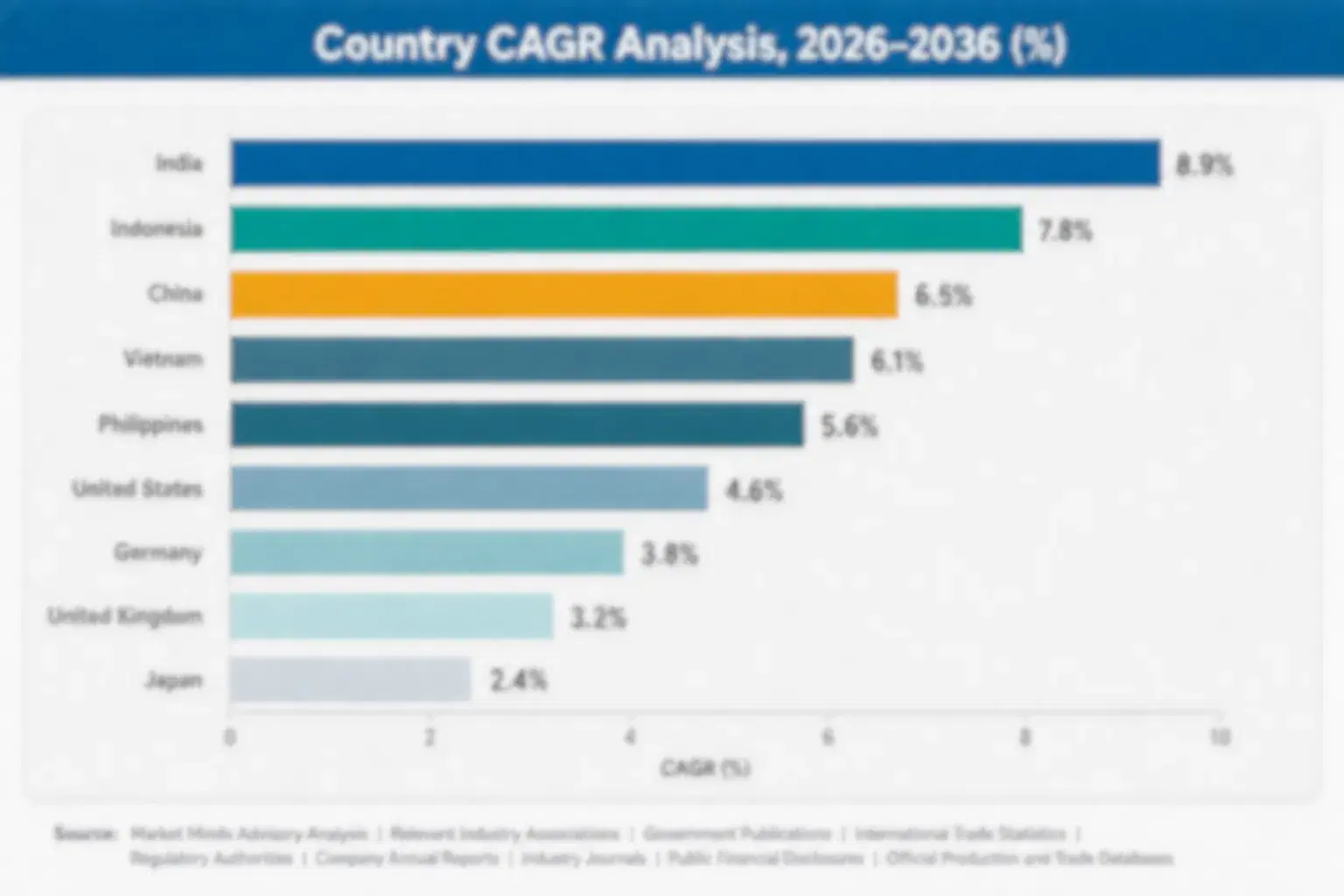
Geography follows reimbursement depth and procedure volume rather than disease prevalence, which is broadly comparable across populations. North America leads because edge-to-edge repair originated and is funded there, while East Asia grows fastest on parallel domestic development. Screening capability shapes access as much as funding does.

North America

North America takes 35%, above the 22 to 32% default band, because edge-to-edge repair originated here, carries the deepest reimbursement anywhere and accounts for roughly 32% of global procedures performed. Heart team review and registry participation are conditions of payment, which generates outcome data at a scale no other region approaches and which then shapes selection criteria worldwide. Replacement systems are entering commercial use at high volume centres. Canadian provision is centralised with tighter device budgets and slower adoption. Mexican activity is limited to private cardiovascular centres serving self-funding patients. Registry participation as a condition of payment generates outcome data at a scale no other region approaches, which then shapes selection criteria worldwide.
Share: 35% | CAGR: 9.6% (2026 to 2036)

Western Europe

European centres contributed substantially to the evidence base underpinning transcatheter mitral therapy and continue running registries the field depends on. German procedure volumes are the highest in the region by a wide margin, with structured heart team pathways and strong outcome reporting. Italian and French centres perform complex annuloplasty and chordal work at specialist units. Health technology assessment constrains device pricing and slows adoption of newer approaches relative to American practice. Nordic systems apply selection criteria strictly, which produces good outcomes and lower procedure volumes than population would suggest. Selection criteria are applied strictly across the Nordic systems, which produces good outcomes alongside procedure volumes well below what population alone would suggest.
Share: 23% | CAGR: 8.8% (2026 to 2036)
Regional intelligence for 5 additional markets available in the complete report: East Asia, South Asia and Pacific, Latin America, Middle East and Africa, Eastern Europe. Contact sales@marketmindsadvisory.com.
transcatheter-mitral-valve-market-country-cagr-analysis-1787693090084

Selling Into A Screened Population

Screening excludes roughly 58% of replacement candidates, selection rather than device performance decides edge-to-edge outcomes, and Chinese devices were developed in parallel rather than behind. Four levers work on imaging, anatomy, access platforms and regional development rather than on device iteration alone. Device iteration alone reaches none of those problems. Anatomy sets the ceiling.

Invest In Screening And Selection Imaging Support

Computed tomography screening excludes roughly 58% of assessed replacement candidates on outflow obstruction risk, and echocardiographic selection determines whether edge-to-edge repair helps at all. Suppliers funding imaging protocols, core laboratory support and selection training reach the decision that governs their own market size rather than competing on device specification afterward. This costs clinical and imaging expertise rather than engineering. It also positions a supplier inside the assessment that decides whether any device is used, which is a considerably stronger place to stand. Nobody else is funding that work. Selection is the market.
Market Impact: Addresses the whole 58% screening exclusion problem now

Design For Outflow Tract Geometry Explicitly

A bulky prosthesis displaces the anterior leaflet toward the outflow tract and obstruction there is lethal, which is why screening removes most candidates rather than a minority. Lower profile designs and leaflet modification techniques help without resolving the geometry. A device engineered specifically around outflow clearance rather than around anchoring alone would enlarge the addressable population substantially, which matters more than any incremental durability gain. That is a difficult development target and the only one that changes this market's size. Roughly 58% of assessed candidates are lost to that geometry, and no incremental durability gain recovers any of them.
Market Impact: Recovers part of the 58% anatomical exclusion rate

Own The Transseptal Access Delivery Platform

Every transcatheter mitral procedure requires controlled transseptal puncture and steerable delivery, and around 94,000 interventions annually use that access across mitral, tricuspid and left atrial appendage work. Whoever supplies the access platform is present in the room regardless of which therapeutic device is chosen. That position is underappreciated because access is treated as an accessory rather than as a platform. Investing in it reaches every structural procedure rather than competing for one segment against entrenched incumbents. Around 94,000 procedures annually depend on it, and almost nobody prices it as a platform. That is an unusual gap.
Market Impact: Reaches all 94,000 of the annual transseptal procedures

Treat Chinese Development As Parallel Not Derivative

Chinese companies built transcatheter mitral devices alongside Western programmes rather than copying approved products, and East Asia represents 22% of value with the fastest large-market growth. Western suppliers reading this as procurement preference respond with pricing and lose anyway. Competing there requires local clinical programmes, local regulatory strategy and acceptance that domestic devices may reach approval first. Treating the region as a follower market has already cost Western suppliers share they will not recover through commercial effort alone. Commercial effort will not recover that share. Local programmes are the requirement now.
Market Impact: Contests the whole 22% of regional market value

Who Controls the Margin Pool

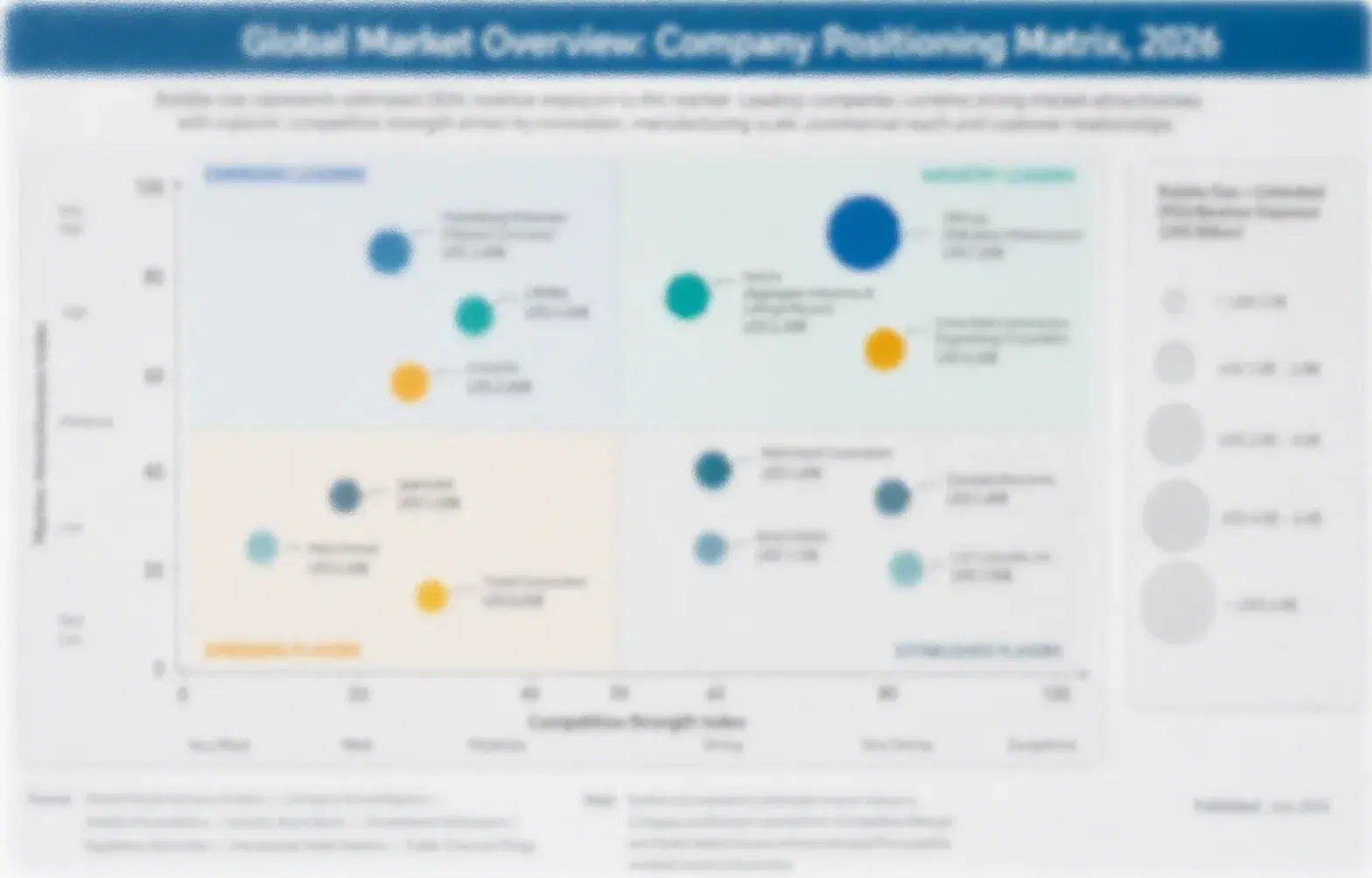
Measured on disclosed transcatheter valve and cardiac intervention device revenue, the five leading manufacturers hold a CR5 of 82%, which is very high and reflects the clinical, regulatory and engineering barriers this anatomy imposes. Abbott dominates edge-to-edge repair by a wide margin, Edwards and Medtronic lead replacement and annuloplasty development, and Peijia represents a Chinese cohort developing in parallel rather than behind. Barriers here are anatomical as much as regulatory.
Three contests define activity. Edge-to-edge repair competes on operator familiarity and on selection support, since the technology is established and outcomes turn on which patients receive it. Replacement competes on outflow clearance and durability evidence. Access platforms compete on steerability and on presence across every structural procedure rather than within one segment. A supplier strong in one of those three contests frequently has nothing transferable to the others.

Pressure comes from Chinese developers whose devices reached domestic clinical programmes concurrently with Western ones, which resets regional pricing before any Western review concludes. Rankings shift as replacement systems reach routine use, since that segment is contested by companies with limited edge-to-edge position and everything to gain. Replacement is contested by different companies entirely.
transcatheter-mitral-valve-market-company-positioning-matrix-1787693090403

Competitive Moat and Risk Dimensions

ABBOTT

Moat: Edge-To-Edge Procedural Evidence

Abbott holds the deepest procedural evidence and the largest trained operator base in transcatheter edge-to-edge repair, accumulated across more than a decade of routine clinical use and registry participation. Interventionalists trained on that system continue using it, and switching means relearning a technique on a patient. Competitors with comparable devices face an operator population whose familiarity predates their existence entirely.
ABBOTT

Risk: Selection Criteria Tightening Exposure

Outcomes in functional regurgitation depend on whether the regurgitation is proportionate to ventricular dilatation, and criteria continue narrowing as registry data accumulates across large treated populations. A position built on the largest installed procedure volume is directly exposed to criteria that reduce eligible patients. Device improvement does not address a limitation that lives in patient selection rather than in performance.
EDWARDS LIFESCIENCES

Moat: Structural Heart Development Depth

Edwards has funded transcatheter mitral replacement and annuloplasty development across the fifteen years the field spent failing to solve anchoring and outflow obstruction, which produced anatomical understanding and clinical relationships competitors entering now cannot assemble quickly. That accumulated learning is the asset. An entrant faces the same anatomy without the failures that taught the incumbent.
EDWARDS LIFESCIENCES

Risk: Addressable Population Ceiling

Screening excludes roughly 58% of assessed replacement candidates on outflow obstruction risk, which caps the segment far below what mitral regurgitation prevalence implies for any supplier. Development investment across many years faces a market whose size is set by anatomy rather than by adoption. Enlarging it requires solving the geometry rather than improving the device around it.

Players Tracked

Prominent Players

Abbott
Edwards Lifesciences
Medtronic
Boston Scientific
Peijia Medical

Other Key Players

Venus Medtech
Hangzhou Valgen Medtech
Anteris Technologies
NeoChord
Corcym
Artivion
JenaValve
Terumo
Braile Biomedica
Lifetech Scientific
MicroPort Scientific
Getinge
Cordis
Merit Medical Systems
Biotronik

Recent Developments

FEBRUARY 2025

Transcatheter mitral replacement system receives commercial approval

A transcatheter mitral valve replacement system received commercial regulatory approval covering defined patient anatomy, a regulatory decision rather than any corporate transaction. Approval followed clinical evaluation in patients unsuitable for surgery and poorly served by edge-to-edge repair, with computed tomography screening criteria specified within the labelling itself.
Signal: Screening criteria written into device labelling formalises the anatomical ceiling this segment has always quietly faced.
JUNE 2025

Registry analysis refines selection criteria for functional regurgitation

A multicentre registry analysis refined patient selection criteria for edge-to-edge repair in functional mitral regurgitation, distinguishing regurgitation proportionate to ventricular dilatation from disproportionate cases. This was academic publication rather than any commercial event, and it narrows the population expected to benefit from the procedure. Eligible numbers keep falling.
Signal: Selection rather than device performance keeps deciding outcomes, and the eligible population keeps getting smaller each year.
OCTOBER 2025

Chinese developer completes pivotal trial for domestic mitral device

A Chinese medical device developer completed a pivotal trial of a domestically developed transcatheter mitral device, an internal programme rather than any licensed technology. Domestic clinical development ran concurrently with international programmes rather than following approved products, which compressed the timeline considerably. Timelines compressed considerably.
Signal: Parallel rather than derivative development means regional pricing resets well before any Western regulatory review concludes.

What These Systems Cost

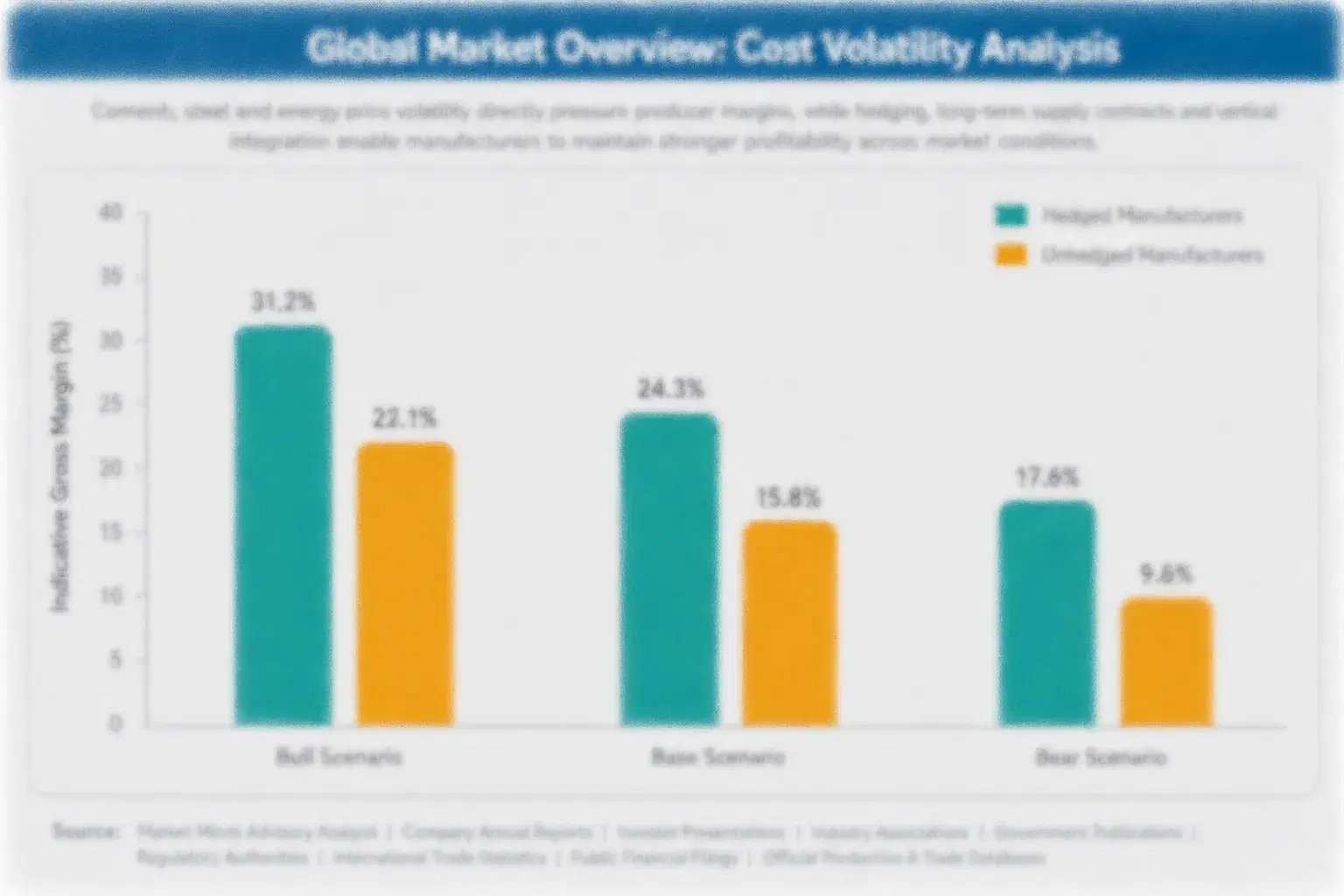
Delivery systems cost more to build than the implants they carry. Nitinol frames, bioprosthetic leaflet tissue, sutures and the steerable delivery catheter together run 24 to 30% of device selling price, with catheter assembly the largest single manufacturing element by a considerable margin. Clinical evidence generation and proctored implantation support consume far more than production across a product's life, particularly given the imaging expertise these procedures demand.
The volatility that matters is bioprosthetic tissue supply and skilled assembly labour rather than raw material. Bovine and porcine pericardial tissue supply depends on sourcing and processing capacity that cannot scale quickly, and skilled hand assembly for valve construction is a persistent constraint across the whole transcatheter valve field. Edwards and Abbott disclosures describe manufacturing capacity investment across recent periods. Owned tissue processing maintained output; others competed for external capacity.

Exposure divides by device type and support model. Replacement system manufacturers carry tissue sourcing, hand assembly and proctored implantation support simultaneously. Edge-to-edge manufacturers carry lower tissue exposure and heavy clinical support cost per procedure. Access platform suppliers carry conventional catheter manufacturing and considerably lighter clinical burden, which is one reason that segment is commercially attractive relative to the attention it receives.
transcatheter-mitral-valve-market-cost-volatility-analysis-1787693090769

Secure bioprosthetic tissue processing capacity internally

Pericardial tissue sourcing and processing cannot scale quickly and constrains output across the whole transcatheter valve field during demand increases. Owned processing capacity carries fixed cost through quiet periods and guarantees supply when programmes expand. Suppliers competing for external tissue capacity have delayed launches for reasons entirely unrelated to their own device development or regulatory progress.

Model proctoring cost against realistic adoption curves

Complex mitral procedures require proctored support for early cases and imaging guidance expertise that few centres hold, which makes clinical support a cost scaling with adoption rather than falling. Modelling it on aortic adoption curves understates it badly. Suppliers who budgeted realistically funded support properly; those who did not withdrew it early and watched adoption stall at partially trained centres.

Treat access platforms as products not accessories

Transseptal access and steerable delivery are supplied as accessories in most portfolios despite being required for around 94,000 procedures annually across several structural therapies. Costing and pricing them as a platform rather than as a bundled component reveals margin that accessory treatment conceals entirely. It also justifies development investment that accessory status never would.

Portfolio Architecture for Margin Defence

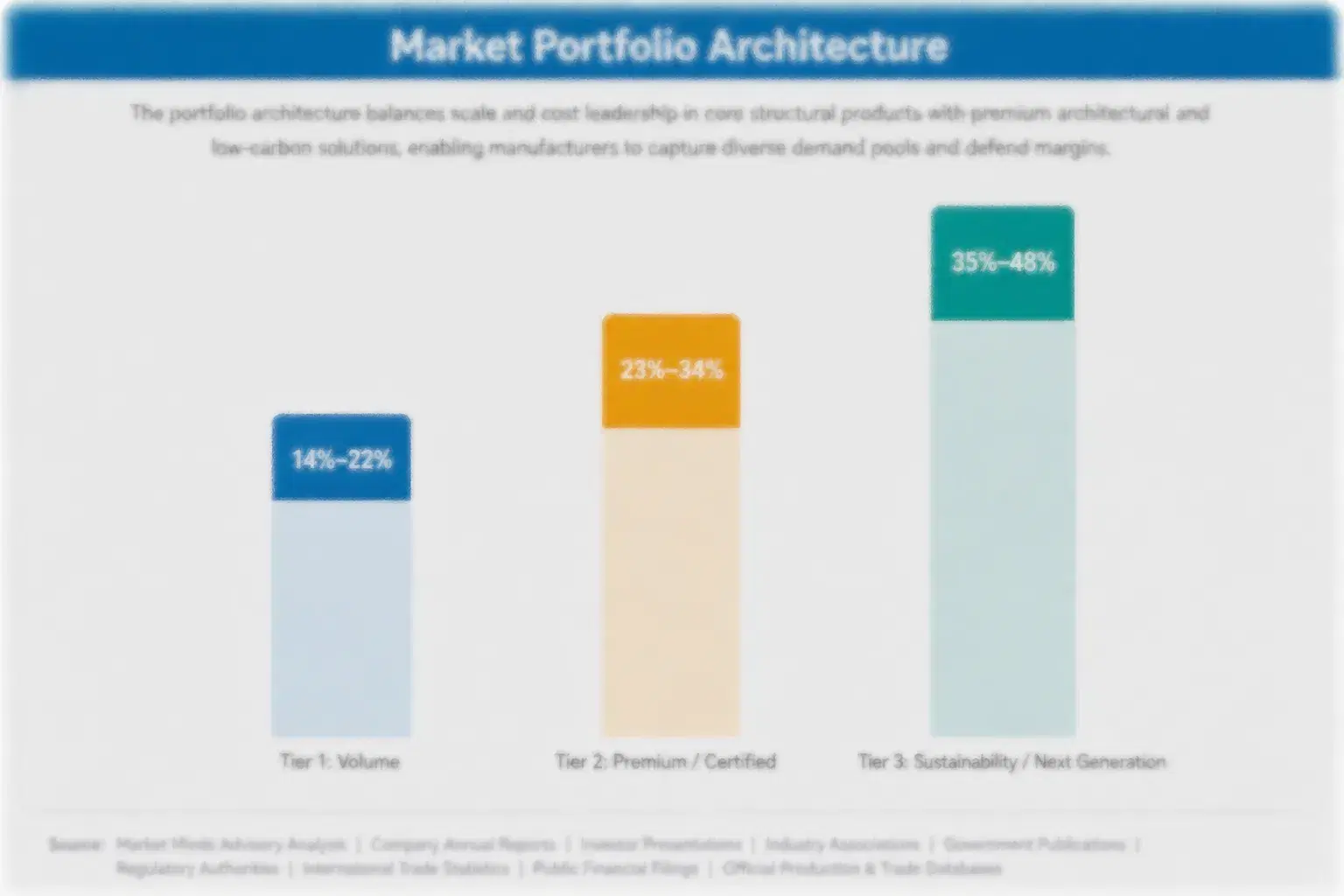
Margin follows how contested the approach is rather than how complex the device. Edge-to-edge repair earns strongly on an established position with deep operator familiarity and limited credible competition. Replacement systems earn well and carry heavy proctoring and tissue costs. Annuloplasty and chordal devices earn premium pricing at low volume. Access platforms earn solidly with far lighter clinical support burden than anything therapeutic.
The tension is that the segment everybody is chasing has an anatomical ceiling and the segment nobody discusses is present in every procedure. Replacement is capped by screening that excludes most candidates, while transseptal access is required across mitral, tricuspid and appendage work regardless of which therapeutic device wins. Suppliers allocating development by segment growth rate rather than by procedural presence are optimising toward the constrained opportunity.

High-value pools sit in three places. Access and delivery platforms, present in every structural procedure and treated as accessories by almost everybody. Selection imaging support, which positions a supplier inside the decision that determines whether any device is used. And devices designed explicitly around outflow clearance, which would enlarge a market that anatomy currently caps.

Volume / Commodity-Adjacent

Transseptal access sheaths, steerable delivery platforms and valve-in-valve devices used across multiple structural procedures. The 7-point range separates suppliers with proprietary steerable technology from those supplying conventional access components against established procedural specifications and nothing further.
Gross Margin: 58-65%

Premium / Certified

Transcatheter edge-to-edge repair devices with established procedural evidence and deep trained operator populations. The 7-point spread separates suppliers holding a decade of registry data and operator familiarity from those offering comparable technology to a considerably smaller trained base.
Gross Margin: 70-77%

Sustainability / Regulatory / Next-Generation

Transcatheter mitral replacement systems, annuloplasty and chordal repair devices. The 20-point range is wide because replacement carries tissue sourcing and heavy proctoring costs while annuloplasty commands premium pricing at low volume with limited competition.
Gross Margin: 64-84%
transcatheter-mitral-valve-market-portfolio-architecture-1787693091053

High-value Sub-segments and Strategic Watch-out

Transcatheter Annuloplasty Devices

Highest value here, addressing a dilated annulus that edge-to-edge repair leaves entirely untouched and commanding premium pricing at genuinely low volume. The risk is imaging skill, since these procedures demand echocardiographic guidance expertise that confines adoption to a small number of high volume programmes. Training is the limit.
Gross Margin: 81-84%

Transseptal Access Platforms

Solid value and unusually broad presence, required across roughly 94,000 procedures annually spanning mitral, tricuspid and appendage work regardless of therapeutic device choice. The risk is that most portfolios treat access as a bundled accessory, which conceals the margin and prevents development investment entirely. Accessory status hides it.
Gross Margin: 62-65%

Edge-To-Edge Repair Devices

The volume core, carrying a decade of registry evidence and the largest trained operator base in structural mitral intervention anywhere. The risk is selection criteria, since registry data keeps narrowing which patients benefit and device improvement cannot address a limitation living in patient selection. Selection keeps narrowing.
Gross Margin: 74-77%

Replacement Development Investment

The strategic watch-out. Screening excludes roughly 58% of assessed candidates on outflow obstruction risk, capping the segment far below what regurgitation prevalence implies for anybody. The risk is development spending against a market whose size anatomy determines rather than adoption. Anatomy caps the return. Adoption cannot fix that.
Gross Margin: 65-68%

Procedures Decided In Imaging

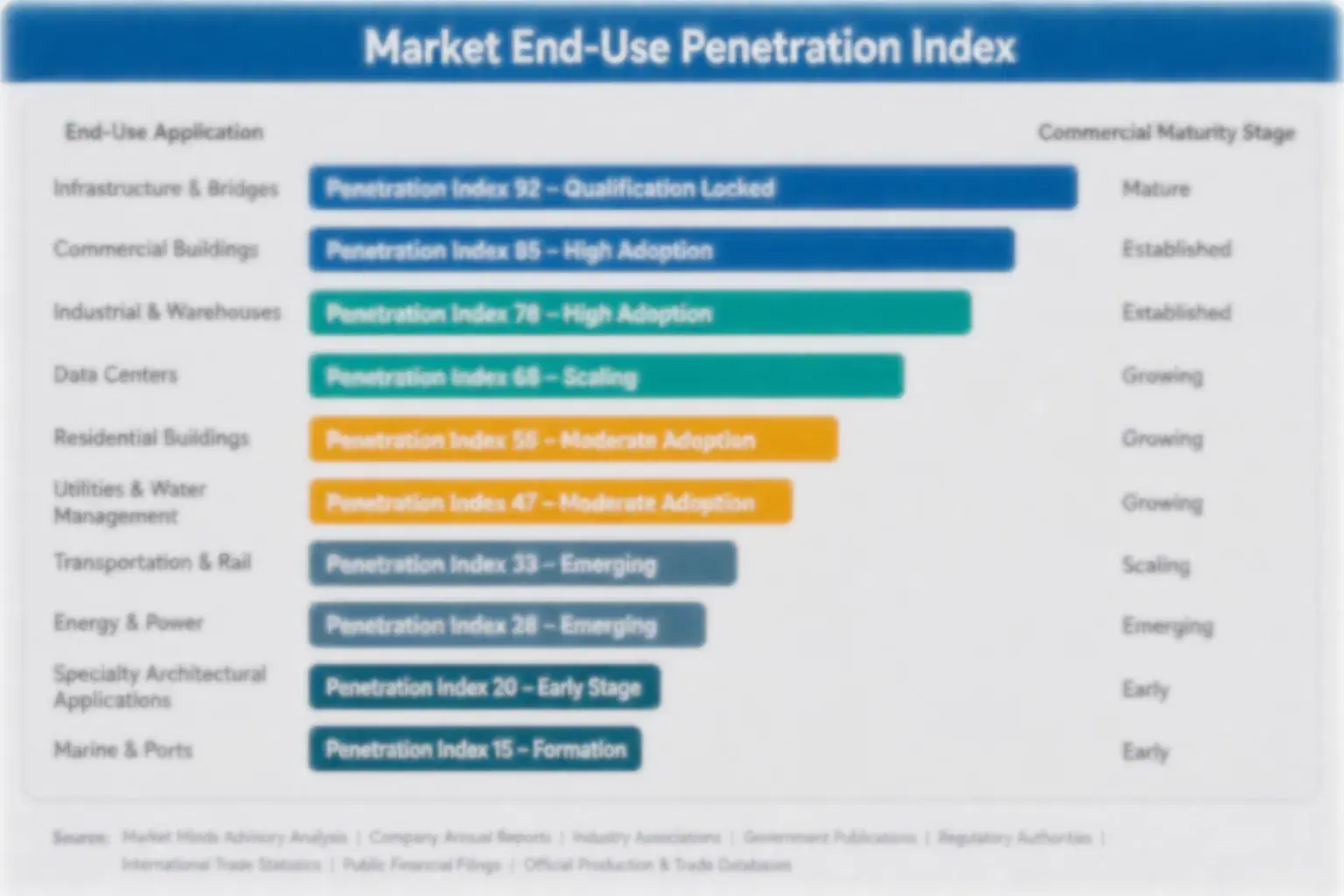
Device revenue here is a single event per patient and the decision preceding it takes weeks. Heart team assessment, computed tomography screening and echocardiographic evaluation determine whether a patient receives anything at all, and roughly 58% of replacement candidates are excluded during that process. Revenue therefore depends on how many patients survive assessment rather than on how many have the disease.
Stickiness rests on operator familiarity and on proctored training rather than on any contract. An interventionalist who learned a device's deployment sequence uses it, because structural complications are catastrophic and nobody experiments during a case. Access platforms are stickier still, since a steerable system a centre has standardised on gets used across mitral, tricuspid and appendage procedures without anybody revisiting the choice. That breadth is the strongest position available here.

The imaging specialist has become a decision maker that device organisations barely address. Screening protocols, computed tomography interpretation and intraprocedural echocardiographic guidance determine patient eligibility and procedural success together. Suppliers whose commercial coverage reaches interventional cardiologists alone are missing the people who decide who is eligible in the first place, which is a larger determinant of volume than any operator preference.
transcatheter-mitral-valve-market-end-use-penetration-index-1787693091341

Anatomy Sets This Market

These are among the four positions where our research anticipates prominent divergence between winners and laggards over the coming forecast period. Each is grounded in the demand model, the regulatory perimeter, and the announced capacity pipeline.
01 / SELECTION IMAGING INVESTMENT

The scan decides before the device does

Computed tomography screening excludes roughly 58% of assessed replacement candidates on outflow obstruction risk, and echocardiographic selection determines whether edge-to-edge repair helps a patient at all. Suppliers who fund imaging protocols, core laboratory support and selection training reach the decision that actually governs their own market size rather than competing on device specification afterward. That work costs clinical and imaging expertise rather than engineering investment, and it positions a supplier inside the assessment which determines whether any device gets used at all.
02 / OUTFLOW GEOMETRY ENGINEERING

Solve the obstruction or accept the ceiling

A bulky prosthesis displaces the anterior mitral leaflet toward the left ventricular outflow tract, and obstruction there is lethal rather than any complication somebody manages afterward. That is precisely why screening removes the majority of assessed candidates rather than a small minority of anatomically difficult ones. A device engineered explicitly around outflow clearance rather than around anchoring alone would enlarge the addressable population very substantially, which would matter considerably more than any incremental durability improvement the field is presently pursuing.
03 / ACCESS PLATFORM OWNERSHIP

Everyone needs the septum crossed first

Every transcatheter mitral procedure requires a controlled transseptal puncture and steerable delivery, and roughly 94,000 interventions annually use that same access across mitral, tricuspid and appendage work combined. Whoever supplies that access platform is present in the room regardless of which therapeutic device the operator eventually chooses to implant afterward. That position stays underappreciated because access gets treated as an accessory rather than as a platform, which conceals its true margin entirely and prevents the development investment it plainly deserves.
04 / PARALLEL DEVELOPMENT RECOGNITION

Chinese devices were not built from copies

Chinese companies developed transcatheter mitral replacement and repair devices alongside Western programmes rather than copying approved products afterward, while running their domestic clinical programmes concurrently with the international ones. East Asia represents 22% of global value with the fastest growth among large regions, and Western suppliers reading this as procurement preference responded with pricing and lost share regardless. Competing there genuinely requires local clinical programmes, local regulatory strategy and acceptance that domestic devices may well reach approval first of all.

Engagement Snapshot From the Field

A live engagement with an industry participant carrying material or product regulatory and market exposure ahead of a defining policy shift, showing how our research translates into a defensible multi-year portfolio strategy.
MARKET MINDS ADVISORY · CLIENT ENGAGEMENT SUMMARY
Transcatheter Mitral Valve Producer Strategic Portfolio Review and Transition Roadmap 2026·Investment Scenario on Transcatheter Mitral Valve Exposure Evaluation 2025-26
CLIENT PROFILE
A structural heart device manufacturer developing a transcatheter mitral replacement system alongside an established transseptal access range, with reported revenue of 214 million dollars (client-reported, unverified by MMA). Access products were sold as bundled accessories at minimal margin to support device placement. Development spending was weighted almost entirely toward the replacement programme, which management regarded as the strategic priority.
STRATEGIC CHALLENGE
Replacement development had absorbed several years of investment and the enrolled trial population was proving far smaller than modelling had assumed. Management planned further development spending to broaden anatomical suitability. Nobody had modelled the addressable population from screening data, or examined what the access range would earn if priced independently.
MMA APPROACH
MMA rebuilt the addressable population estimate from computed tomography screening exclusion data rather than from regurgitation prevalence, which the company had used throughout. Fourteen expert interviews with structural interventionalists, imaging specialists and heart team coordinators established how eligibility is actually determined. Access product economics were modelled independently, which the company had never done.
KEY FINDINGS
  1. Screening excluded well over half of anatomically assessed candidates, meaning the addressable population was a fraction of what prevalence-based modelling had assumed throughout.
  2. Imaging specialists determined eligibility and the commercial organisation had no engagement with them at any of the client's target centres. That gap was never addressed.
  3. The access range was used across mitral, tricuspid and appendage procedures and generated more procedural presence than the replacement programme ever would.
  4. Priced independently, access products modelled materially better returns than continued replacement development spending (client-reported, unverified by MMA). Bundling had concealed the economics entirely.
CLIENT PROFILE
A structural heart device manufacturer developing a transcatheter mitral replacement system alongside an established transseptal access range, with reported revenue of 214 million dollars (client-reported, unverified by MMA). Access products were sold as bundled accessories at minimal margin to support device placement. Development spending was weighted almost entirely toward the replacement programme, which management regarded as the strategic priority.
STRATEGIC CHALLENGE
Replacement development had absorbed several years of investment and the enrolled trial population was proving far smaller than modelling had assumed. Management planned further development spending to broaden anatomical suitability. Nobody had modelled the addressable population from screening data, or examined what the access range would earn if priced independently.
MMA APPROACH
MMA rebuilt the addressable population estimate from computed tomography screening exclusion data rather than from regurgitation prevalence, which the company had used throughout. Fourteen expert interviews with structural interventionalists, imaging specialists and heart team coordinators established how eligibility is actually determined. Access product economics were modelled independently, which the company had never done.
KEY FINDINGS
  1. Screening excluded well over half of anatomically assessed candidates, meaning the addressable population was a fraction of what prevalence-based modelling had assumed throughout.
  2. Imaging specialists determined eligibility and the commercial organisation had no engagement with them at any of the client's target centres. That gap was never addressed.
  3. The access range was used across mitral, tricuspid and appendage procedures and generated more procedural presence than the replacement programme ever would.
  4. Priced independently, access products modelled materially better returns than continued replacement development spending (client-reported, unverified by MMA). Bundling had concealed the economics entirely.
RECOMMENDED STRATEGY
Phase 1: Phase one: rebuild addressable population modelling from screening exclusion data and reset replacement development investment against that realistic figure. Prevalence was never the right basis. Phase 2: Phase two: price and develop the access range as a platform rather than as a bundled accessory supporting somebody else's device placement. Phase 3: Phase three: build commercial engagement with imaging specialists, who determine eligibility long before any operator selects a device. Operators are consulted afterward.
OUTCOME
Replacement development was rescoped against realistic population modelling rather than cancelled. Access products were repriced independently and margin rose materially without volume loss (client-reported, unverified by MMA). Imaging engagement began at eight centres and produced referral into the replacement trial that conventional operator coverage had not generated.

Frequently Asked Questions

Foundational context covering the market sizes, CAGR, scope, country, region and competition that inform every finding below. This section is provided to cover basics and most often pre-purchase conversations, answered from the MMA Primary Research Dataset.

What is the current size of the Transcatheter Mitral Valve Market?

The market was worth 1.7 billion dollars in 2025, covering edge-to-edge repair, replacement systems, annuloplasty, chordal repair, valve-in-valve devices and access platforms. It reaches 1.88 billion dollars in 2026.

How large will the Transcatheter Mitral Valve Market be by 2036?

MMA forecasts 5.05 billion dollars by 2036, an increase of 3.17 billion dollars over the 2026 base. That represents an expansion multiple of 2.69 times across the forecast period.

What is the CAGR for the Transcatheter Mitral Valve Market 2026 to 2036?

The base case compounds at 10.4% annually. MMA's bull case reaches 11.6% if outflow obstruction becomes manageable through design, while the bear case sits at 9.2% on tightening selection criteria.

Which segment is growing fastest?

Transcatheter mitral valve replacement systems, at 15.6%, half again the market rate of 10.4%. The base is small and screening still excludes most anatomically assessed candidates.

Who are the major companies in the Transcatheter Mitral Valve Market?

Abbott, Edwards Lifesciences, Medtronic, Boston Scientific and Peijia Medical lead on disclosed transcatheter valve and cardiac intervention device revenue. Venus Medtech, Anteris, NeoChord and Corcym compete in specific approaches.

Which country is growing fastest?

China at 11.8%, driven by domestic devices developed alongside Western programmes rather than behind them and by expanding structural intervention capacity. India follows on private hospital growth.

Report Segmentation Architecture

The full report scope spans multiple orthogonal segmentation dimensions, with cross-tabulated demand data provided for each dimension pair. Coverage extends further to regional breakdowns, trend trajectories, and the competitive detail needed to support segment-level decision-making.

By Device Approach

  • Transcatheter Edge-to-Edge Repair Devices
  • Transcatheter Mitral Valve Replacement Systems
  • Transcatheter Annuloplasty Devices
  • Transcatheter Chordal Repair Systems
  • Valve-in-Valve and Valve-in-Ring Devices
  • Transseptal Access and Delivery Platforms

By End-Use Industry

  • Structural Heart Programmes
  • Academic Cardiovascular Centres
  • Hybrid Operating Theatres
  • Cardiac Imaging Services
  • Heart Failure Services
  • Clinical Research and Trial Sites

By Commercial Dimension

  • Reimbursed Procedure Supply
  • Hospital Capital Contract
  • Group Purchasing Agreement
  • Proctored Launch Placement
  • Clinical Trial Supply
  • Self-Funded Patient Access

By Region

  • North America
  • Western Europe
  • East Asia
  • South Asia and Pacific
  • Latin America
  • Middle East and Africa
  • Eastern Europe

Scope, Methodology, and Coverage

Every figure in this report is reproducible from documented input assumptions. The scope below maps the historical period, the forecast horizon, the segmentation dimensions, and the countries covered, alongside the underlying primary and qualitative methodology.
Historical Period
2020 to 2025
Forecast Period
2026 to 2036
Base Year
2025 (USD billions; MMA Primary Research Dataset, August 2026)
Market Definition
Scope covers transcatheter devices and delivery platforms used to treat mitral valve disease, spanning transcatheter edge-to-edge repair devices, transcatheter mitral valve replacement systems delivered transseptally or transapically, transcatheter annuloplasty devices reducing annular dimension, transcatheter chordal repair systems restoring leaflet coaptation, valve-in-valve and valve-in-ring devices treating failed surgical prostheses, and transseptal access and steerable delivery platforms. Surgical mitral valve prostheses and annuloplasty rings implanted through open or minimally invasive surgery, transcatheter aortic and tricuspid devices, left atrial appendage occluders, and cardiac imaging equipment are excluded. Cardiac surgical services and procedure fees fall outside the boundary.
Quantitative Units
USD billions (current prices); procedures performed; devices implanted; screening exclusion rate; transseptal accesses performed
Segmentation Dimensions
By Device Approach; By End-Use Industry; By Commercial Dimension; By Region
Regions Covered
North America, Western Europe, East Asia, South Asia and Pacific, Latin America, Middle East and Africa, Eastern Europe
Countries Covered
USA, Germany, China, Japan, France, Italy, UK, South Korea, India, Spain, Brazil, Canada, Australia, Poland, Saudi Arabia
Key Companies Profiled
Abbott, Edwards Lifesciences, Medtronic, Boston Scientific, Peijia Medical, Venus Medtech, Hangzhou Valgen Medtech, Anteris Technologies, NeoChord, Corcym, Artivion, JenaValve, Terumo, Braile Biomedica, Lifetech Scientific, MicroPort Scientific, Getinge, Cordis, Merit Medical Systems, Biotronik
Quantitative Methodology
Primary survey, n=3,800 respondents, Q4 2025, six countries; demand-side model with trade association cross-validation
Qualitative Methodology
47 expert interviews, Q4 2025; applied to validate demand model assumptions, identify emerging dynamics, and assess competitive positioning
Report Format
PDF and XLSX data workbook (Word format preview document)
Publisher
Market Minds Advisory
Report Code
MMA-2026-MED-160
Published
August 2026
Contact
sales@marketmindsadvisory.com | www.marketmindsadvisory.com

Purchase the full Transcatheter Mitral Valve Market Report (2026 to 2036).

The full report runs to 185 pages and covers all six device approach segments, seven regions and 20 profiled companies in detail. It includes the complete segment CAGR set, regional procedure volume and reimbursement data, and addressable population modelling built from screening exclusion rather than disease prevalence. Company profiles carry evaluation on disclosed transcatheter valve and cardiac intervention device revenue, with moat and risk assessment for the top five manufacturers. The competitive section extends to 16 tracked corporate and clinical developments across 2024 and 2025, each with commercial interpretation. Primary research inputs include a quantitative survey of 3,800 respondents and 47 expert interviews conducted in Q4 2025.
Six device approach segments with individual CAGR forecasts
Seven regional markets with procedure volume and reimbursement data
Twenty company profiles on consistent revenue evaluation basis
Sixteen tracked corporate and clinical developments with interpretation notes
Addressable population modelling built from screening exclusion data
Transseptal access platform presence mapped across structural procedures

Built For The People Who Decide

From boardroom strategy to bench-side execution, this report is read cover-to-cover by leaders shaping the next decade of their industry, turning demand scenarios, market dynamics and valuation benchmarks into decisions.
CXOs/ Presidents/ VPs/ Managers
M&A and Corporate Development
Strategy Teams and R&D Heads
Procurement and Product Directors
Regulatory and Compliance Leaders
Investor Relations and Equity Analysts