Market Minds Advisory
Transcatheter Aortic Valve Replacement Market

Transcatheter Aortic Valve Replacement Market: The First Valve Decides The Second

A younger patient will need a second valve, and whether that is even possible depends on the geometry of the first one, which makes this a platform decision dressed up as a device purchase.

Lead Analyst

Published

September 2026

Make Smarter Decisions with Customized Research Insights

Request a free sample report and evaluate market opportunities, growth trends, and competitive dynamics relevant to your business needs.

2025 MARKET VALUE$6.8BMarket Size 2025
2036 FORECAST VALUE$17.6BBase Case , 2026 to 2036
CAGR 2026 TO 20369.0 %Bull 10.2% / Bear 7.8%
INCREMENTAL OPPORTUNITY$10.1BNet 10- year value creation
EXPANSION MULTIPLE2.37x2036 value over 2026 base
Strategic Levers
M&A Pipeline
Regional Outlook
Country Rankings
Competitive Intelligence
Segmental Deep-dive
Call-Us : 91 93563 13602

Executive Snapshot and Market Trajectory

Roughly 46% of younger recipients will need a further valve procedure, and whether that is feasible depends on the leaflet geometry and coronary access left behind by the first implant. The first choice constrains the second one a decade later. Nothing about that is reversible.
North America takes 32% of value on procedure rate and device pricing together, with American procedures at roughly 41% of the global total, which is a reimbursement and programme density effect rather than any difference in disease. Valve-in-valve and redo procedures grow at 13.5%, half again the market rate of 9.0%, as the population implanted a decade ago reaches the limit of its first valve. Programme capacity limits volume more than indication now does.
Concentration reaches 88%, among the highest in medical devices. The growth frontier is younger low-risk patients, which is precisely where surgical replacement remains genuinely competitive because comparative durability evidence thins beyond 10 years and a pacemaker matters far more at sixty-five than at eighty-five. Conduction disturbance features heavily in heart team discussion of younger cases. A pacemaker at sixty-five is a lifelong device carrying its own replacement cycle and complications.
Market Definition
The market covers transcatheter aortic valve replacement systems and directly associated devices, including balloon-expandable valve systems, self-expanding valve systems, valve-in-valve and redo procedures, cerebral embolic protection devices, delivery systems and access accessories, and next-generation and repositionable valves. Surgical aortic valve prostheses, mitral and tricuspid interventions, coronary stents, imaging systems, and cardiac surgical instruments are excluded from scope.
Base Year Value
$6.8B in 2025 (MMA Primary Research Dataset, August 2026)
Forecast Period
2026 to 2036, eleven discrete annual values
CAGR
9.0% base case. Bull 10.2%. Bear 7.8%.
Fastest Growth Segment
Valve-in-Valve and Redo Procedures: 13.5% CAGR
Fastest Growth Country
India: 11.1% CAGR
Fastest Growth Region
South Asia and Pacific: 11.2% CAGR
Largest Region
North America: 32% of 2025 global value
Market Leaders
Edwards Lifesciences, Medtronic, Abbott, Boston Scientific, JenaValve Technology. Source: MMA Analysis based on disclosed cardiac valve and interventional cardiology revenue, company annual reports 2025.
Primary Survey
n=3,800 procurement and R&D decision-makers, Q4 2025, six countries
Methodology
Demand-side build-up, cross-validated against public data, 47 expert interviews

Transcatheter Aortic Valve Replacement Market Forecast Scenarios

transcatheter-aortic-valve-replacement-market-size-forecast-scenario-1787705466078
Growth from 2020 to 2025 ran at 7.8% and indication expansion carried almost all of it. The procedure moved from inoperable patients through high and intermediate risk into low risk populations across the period, which is a very unusual expansion sequence for any device. Programme capacity rather than indication became the practical constraint by the end of the period.
The 9.0% base case rests on three mechanisms. Valve-in-valve procedures keep growing as patients implanted a decade ago reach the limit of their first prosthesis, which adds a second procedure to an existing patient rather than requiring a new one. Programme capacity keeps expanding where waiting lists carry genuine mortality. And Asian penetration keeps rising from a very low base against substantial untreated disease. None of the three depends on any further indication expansion.
The bull case at 10.2% assumes durability evidence beyond ten years supports transcatheter use in younger patients convincingly, which would settle the argument against surgery in the segment where it currently remains open. The bear case at 7.8% is that same evidence disappointing, which would push younger patients back toward surgical replacement and remove the growth frontier the whole category is currently building toward.

Planning For The Second Valve

Choosing a valve for a sixty-five year old is choosing what will be possible when that person is seventy-eight. Roughly 46% of younger recipients will need a further procedure, and whether a second valve can be placed inside the first depends on leaflet geometry, frame height and whether coronary access remains available afterwards. Heart teams plan the sequence rather than the operation.
FIVE-FIRM CONCENTRATION88%Share of category revenue held by the leading device manufacturers
VALVE SYSTEM PRICE$28,500Typical hospital price for a transcatheter valve system
TOP PROCEDURE COUNTRYUS 41%American share of global transcatheter aortic valve procedures
PACEMAKER RATE12%Recipients needing permanent pacing following their valve implantation
EXPECTED REDO REQUIREMENT46%Younger recipients likely to need a further valve procedure
DURABILITY DATA HORIZON10 yearsPeriod beyond which comparative durability evidence becomes thin
The growth frontier sits exactly where the clinical argument is weakest. Indication expansion has reached low-risk younger patients, and in that group surgical replacement remains genuinely competitive because comparative durability evidence thins beyond ten years and a surgical valve in a young patient has decades of track record behind it. The category is therefore selling hardest into the population where its own evidence is least settled, which is unusual and worth stating plainly.
Conduction disturbance remains the complication nobody has designed away. Around 12% of recipients require permanent pacing afterwards, and the rate varies meaningfully by valve design and implant depth. A pacemaker matters far more at sixty-five than at eighty-five, which features heavily in heart team discussion. Design and implant depth both affect the rate meaningfully, and neither has resolved it. Around 12% still require pacing.
"You are not implanting a valve. You are deciding what the interventionalist in 2038 will be able to do, and most of the field still sells this as a single procedure choice."
Director, Interventional Cardiology Practice · MMA Medical Devices Practice · August 2026

Market Trends

Lifetime Planning Turns Valve Choice Into Platform Choice

Roughly 46% of younger recipients will require a further valve procedure, and feasibility depends on the leaflet geometry, frame height and coronary access left by the first implant. Heart teams increasingly plan the whole sequence rather than the immediate operation. Growth at 13.5% in valve-in-valve procedures follows the population implanted a decade ago reaching its limit. Manufacturers selling a single procedure rather than a lifetime pathway are answering a question clinicians stopped asking several years ago. Compatibility with what was implanted a decade ago is decided by design choices already made and cannot be revisited.
Market Impact: Requires 3 capacity elements together

Expansion Reaches Where Surgery Competes Most Strongly

Indication expansion has moved through inoperable, high and intermediate risk into low-risk younger patients, and in that final group surgical replacement remains genuinely competitive. Comparative durability evidence thins beyond 10 years while surgical valves carry decades of track record. Growth therefore depends on convincing heart teams in exactly the population where the transcatheter case is least settled, which makes long-term evidence generation the single most commercially consequential activity in the category. Manufacturers are therefore selling hardest into the population where their own evidence is least settled, which is worth stating plainly.
Market Impact: Grows fastest at 11.1% annually

Market Opportunities and Growth Drivers

Programme Capacity Rather Than Indication Now Constrains Volume

Severe aortic stenosis carries real mortality on a waiting list, and in several health systems the limiting factor is imaging capacity, hybrid theatre availability and trained operator numbers rather than any question of who qualifies for treatment. Programmes expand slowly because each element takes time to build. Manufacturers who support programme development, training and imaging pathway design reach volume that indication expansion alone cannot deliver, and very few treat that as a commercial activity. Each element takes years to establish and they must arrive together. Few treat it commercially. Nobody owns the constraint.
Market Impact: Lacks data beyond 10 years

Asian Penetration Rises From A Very Low Base

Transcatheter valve penetration across China, India and much of Southeast Asia sits far below Western levels against a disease burden that is comparable or larger, which makes the gap a capacity and financing question rather than a clinical one. India grows fastest of any country at 11.1% as private cardiac programmes expand. Domestic manufacturers including Meril, Venus Medtech and Peijia compete on price in ways that international suppliers find difficult to answer directly. Financing rather than clinical acceptance is the binding constraint for most patients across the region. Penetration is very low.
Market Impact: Paces 12% after implantation

Market Restraints and Challenges

Durability Evidence Thins Where Growth Now Depends

Comparative durability data becomes sparse beyond ten years while surgical valves carry decades of accumulated track record, and the growth frontier is low-risk patients in their sixties who will live well past that horizon. Root cause is simply that the procedure is younger than the follow-up period required. The commercial impact is that expansion depends on evidence that does not yet exist. Mitigation is registry follow-up and long-term trial reporting, which takes years and cannot be accelerated. Time is the only thing that generates it. Registry follow-up is the route.
Market Impact: Affects 46% of younger recipients

Conduction Disturbance Matters More In Younger Patients

Around 12% of recipients require permanent pacing after implantation and the rate varies by valve design and implant depth. Root cause is anatomical proximity between the implant site and the conduction system, which no design has fully resolved. The commercial impact concentrates in younger low-risk patients where a lifelong pacemaker carries its own replacement cycle and complications. Mitigation runs through implant technique, depth control and design refinement rather than any single innovation. Design refinement addresses it only partially. Implant depth and technique carry much of the remaining variation between operators and centres.
Market Impact: Thins beyond 10 year evidence
3 additional market trends, 4 additional growth drivers, and 2 additional restraints and challenges are covered in the full report. Contact sales@marketmindsadvisory.com to access the complete intelligence.

Segment CAGR and Growth Architecture

Segmentation follows device type and procedure category: what is implanted or deployed and for what purpose, rather than which patient risk group receives it or how the procedure is funded. Six categories cover the market without overlap. Patient risk profile and reimbursement route are treated as separate commercial dimensions here. Risk category cuts across every device type here.
transcatheter-aortic-valve-replacement-market-market-share-analysis-1787705466252

Valve-in-Valve and Redo Procedures

Growth at 13.5%, half again the market rate of 9.0%, follows the population implanted a decade ago reaching the durability limit of its first prosthesis, which adds a second procedure to an existing patient rather than requiring a new one. Feasibility depends entirely on the geometry of the first valve, since leaflet position, frame height and preserved coronary access determine whether a second device can be placed at all. Manufacturers whose first valve forecloses that option are creating a problem they will be blamed for. Heart teams plan the sequence rather than the operation, which turns valve selection into a commitment nobody can reverse afterwards. Blame arrives a decade later.
CAGR 13.5%

Cerebral Embolic Protection Devices

Filter and deflection devices aim to capture debris released during valve deployment before it reaches cerebral circulation, and adoption varies considerably between centres and countries despite broadly comparable clinical evidence. Growth at 10.8% follows heart team preference and reimbursement availability rather than any settled consensus. In younger low-risk patients the tolerance for neurological complication is considerably lower, which is where adoption arguments are strongest and where the category's growth is genuinely concentrated. Adoption varies considerably between centres and countries despite broadly comparable clinical evidence, which reflects reimbursement availability and heart team preference rather than any settled consensus on benefit. Tolerance for neurological complication is lower in younger patients. Growth concentrates there.
CAGR 10.8%
Full segment breakdown across 6 segments available in the complete report.

Regional Architecture and Country Demand Map

Geography follows procedure rate and device pricing rather than disease prevalence, which is broadly similar across ageing populations. North America leads on both, Western Europe follows on programme maturity, and India grows fastest. Programme capacity rather than indication constrains volume across most of the world outside the largest Western centres.

North America

American procedures account for roughly 41% of the global total and device pricing is the highest anywhere, which together give the region 32% of value at the top of the standard band. Indication expansion into low-risk patients reached approval here first, which puts the durability question in front of heart teams earlier than elsewhere. Programme capacity has expanded considerably though imaging and operator availability still constrain volume in parts of the country. Cerebral embolic protection adoption is higher here than in most other markets. Lifetime management planning has become standard practice in the larger academic centres and is spreading steadily into community programmes across the country. Cerebral embolic protection adoption exceeds most other markets.
Share: 32% | CAGR: 8.2% (2026 to 2036)

Western Europe

Programmes are mature and procedure rates are high, though health technology assessment applies cost effectiveness reasoning that has slowed low-risk expansion relative to North America. German, French and British centres perform substantial volumes with strong heart team governance. Surgical replacement retains a larger share in younger patients than in America, reflecting both assessment reasoning and surgical opinion within multidisciplinary decision making. Lifetime management planning is well established in the larger academic centres and is spreading steadily. Domestic manufacturing is limited and the market is served almost entirely by American suppliers competing on trial evidence and operator familiarity. Surgical replacement retains a larger share in younger patients than in America, reflecting assessment reasoning and surgical opinion within decision making.
Share: 25% | CAGR: 7.4% (2026 to 2036)
Regional intelligence for 5 additional markets available in the complete report: East Asia, South Asia and Pacific, Latin America, Middle East and Africa, Eastern Europe. Contact sales@marketmindsadvisory.com.
transcatheter-aortic-valve-replacement-market-country-cagr-analysis-1787705466431

Selling The Whole Treatment Sequence

Roughly 46% of younger recipients need a second valve, durability evidence thins beyond ten years, about 12% require pacing afterwards, and programme capacity rather than indication limits volume. Four levers work on lifetime planning, evidence generation, capacity building and heart team access rather than on device specification. Specification decides very little now. Sequence decides it.

Sell The Lifetime Pathway Not The Procedure

Around 46% of younger recipients will need a further valve, and whether one can be placed inside the first depends on leaflet geometry, frame height and preserved coronary access. Heart teams already plan sequences rather than operations, and manufacturers presenting a single implant decision are answering a question that stopped being asked several years ago. Demonstrating what a valve leaves possible in 10 years is the argument that actually decides these cases now. Sequences rather than operations are what heart teams now discuss, and the manufacturer with that argument prepared holds a considerable advantage.
Market Impact: Plans across the 46% who need a redo

Fund Long-Term Registry Follow-Up Well Beyond Requirements

Growth depends on low-risk younger patients and comparative durability evidence becomes thin beyond 10 years, which means the category is expanding into the population where its own evidence is least settled. Registry follow-up and long-term trial reporting are the only route to resolving that, and both take years that cannot be compressed. Manufacturers funding follow-up now hold evidence competitors will not have when heart teams finally ask for it directly. No amount of capital compresses the time involved, which makes starting early the only genuine advantage available to anybody here.
Market Impact: Extends the evidence base well past 10 years

Build Programme Capacity Where Waiting Lists Kill

Severe aortic stenosis carries genuine mortality on a waiting list, and capacity depends on imaging, hybrid theatre availability and trained operators rather than on indication or device supply. Programmes expand slowly because all 3 elements must arrive together. Manufacturers supporting training, imaging pathway design and programme establishment reach volume that indication expansion alone never delivers, and remarkably few treat capacity building as a commercial activity at all. Waiting lists carry real mortality where capacity is short. Manufacturers who support programme establishment reach volume that indication expansion alone will never deliver anywhere.
Market Impact: Assembles all 3 of the capacity elements together

Reach The Surgeon Not Only The Interventionalist

Heart team governance means a surgeon sits in every decision, and in younger low-risk patients that surgeon has a genuinely competitive alternative supported by decades of durability data. A manufacturer calling only on interventional cardiology reaches half the room and loses cases it never hears about. Engaging surgical opinion on lifetime management, where transcatheter and surgical options interact rather than compete, changes the conversation from displacement to sequencing. Roughly 2 clinical specialties decide every case jointly, and a manufacturer present for only one of them loses cases it never hears discussed at all.
Market Impact: Addresses 2 decision makers in every single case

Who Controls the Margin Pool

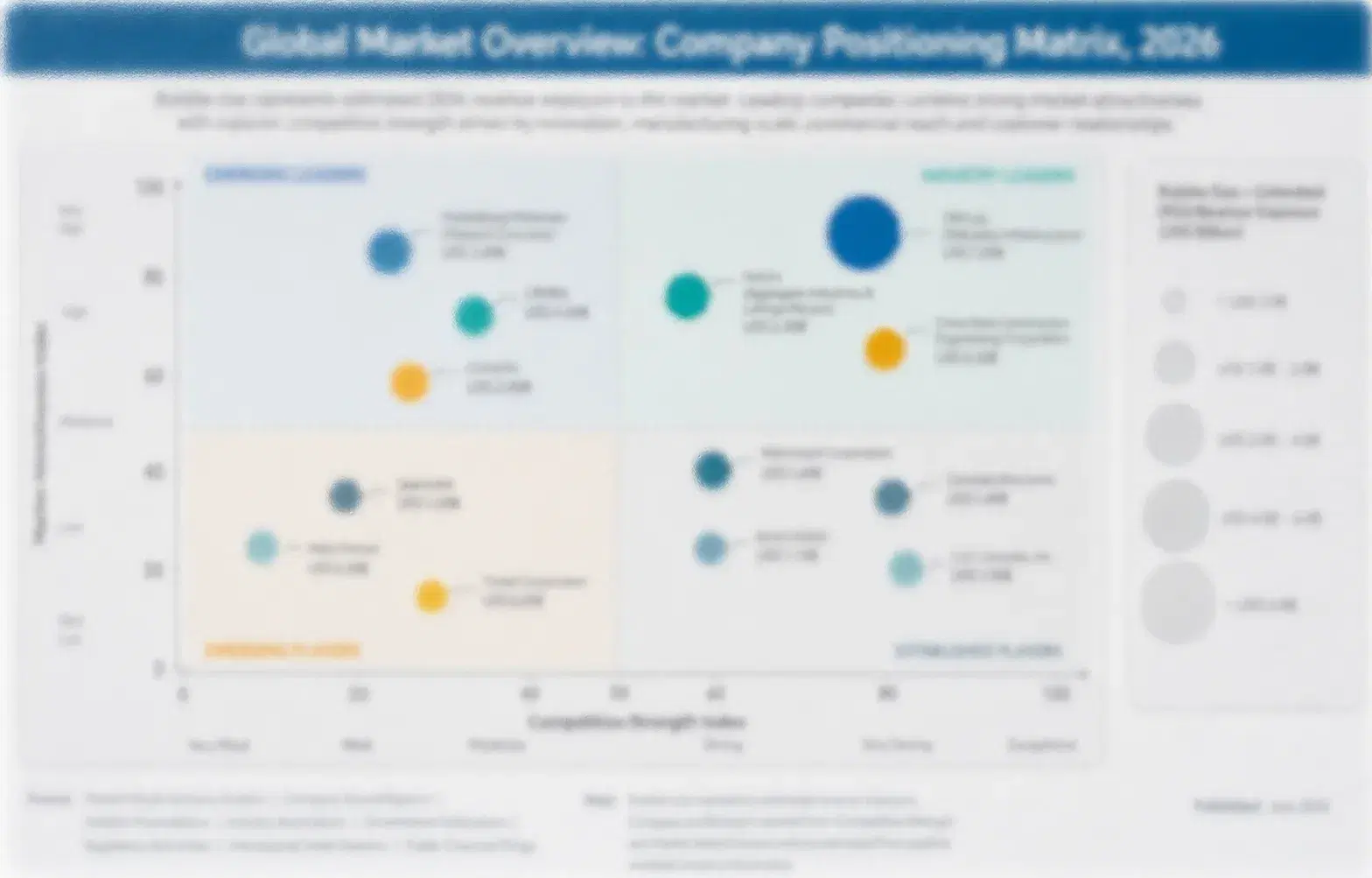
Measured on disclosed cardiac valve and interventional cardiology revenue, the five largest manufacturers hold a CR5 of 88%, among the highest concentrations anywhere in medical devices, reflecting development cost, clinical trial requirements and regulatory barriers that have excluded almost everybody. Edwards Lifesciences and Medtronic hold the dominant balloon-expandable and self-expanding positions respectively, with Abbott, Boston Scientific and JenaValve holding smaller established portfolios. Barriers here are evidential rather than manufacturing.
Three contests define activity. Primary implant competes on deliverability, pacemaker rate and increasingly on what the valve leaves possible afterwards. Valve-in-valve competes on compatibility with what was implanted a decade ago, which is decided by design choices already made. And cerebral embolic protection competes on evidence and reimbursement in a category where consensus has genuinely not formed. A manufacturer organised for one contest is rarely equipped for the others.

Pressure builds as Chinese and Indian manufacturers reach clinical credibility at prices international suppliers cannot match, and as lifetime management reasoning shifts weight toward valve compatibility. Rankings shift toward whoever holds durability evidence when heart teams finally demand it. Surgical opinion matters more than device companies generally behave as though it does. Surgeons decide more than most assume.
transcatheter-aortic-valve-replacement-market-company-positioning-matrix-1787705466611

Competitive Moat and Risk Dimensions

EDWARDS LIFESCIENCES

Moat: Trial Evidence And Implant Base

Edwards holds the deepest randomised trial evidence base across risk categories together with a very large implanted population, which matters enormously as valve-in-valve procedures grow and compatibility with the original implant becomes decisive. That evidence took two decades and considerable capital to assemble. A competitor with a comparable device still faces heart teams asking for data nobody else has generated.
EDWARDS LIFESCIENCES

Risk: Durability Horizon Exposure

Growth depends on low-risk younger patients and comparative durability evidence thins beyond ten years, which is exactly the horizon those patients will pass through. A leading position built on trial evidence within that window offers no protection if longer follow-up disappoints. The same evidence depth that created the position would then define the problem precisely.
MEDTRONIC

Moat: Self-Expanding Design Position

Medtronic holds the leading self-expanding valve position with design characteristics that suit particular anatomies and that many operators strongly prefer for specific patient profiles. Supra-annular leaflet position also carries implications for future valve-in-valve feasibility that increasingly feature in lifetime planning discussion. Operator familiarity with a delivery system takes years to build and transfers poorly between platforms.
MEDTRONIC

Risk: Conduction Disturbance Rate Sensitivity

Self-expanding designs have historically carried higher permanent pacing rates than balloon-expandable alternatives, and around 12% of recipients overall require pacing afterwards. That difference matters far more in younger low-risk patients where a lifelong pacemaker carries its own consequences. Design refinement and implant depth technique address it partially rather than removing the concern from heart team discussion.

Players Tracked

Prominent Players

Edwards Lifesciences
Medtronic
Abbott
Boston Scientific
JenaValve Technology

Other Key Players

Meril Life Sciences
Venus Medtech
Peijia Medical
MicroPort
Braile BiomƩdica
Anteris Technologies
Foldax
Colibri Heart Valve
Biotronik
Terumo
New Valve Technology
Keystone Heart
Protembis
CroĆ­Valve
Xeltis

Recent Developments

MARCH 2025

Heart team guidance formalises lifetime management planning for younger patients

Clinical guidance formalised lifetime management planning for younger aortic stenosis patients, addressing how a first valve choice constrains later options, a clinical development rather than any corporate transaction. Feasibility of a second procedure depends on leaflet geometry, frame height and preserved coronary access after the initial implant.
Signal: Valve selection becomes a platform commitment rather than a procedure decision once sequences are planned. Nothing reverses it.
JULY 2025

Long-term follow-up reporting extends durability evidence horizon modestly

Extended follow-up from an established trial cohort reported durability outcomes beyond the previously available window, a clinical research development rather than any commercial event. Evidence remains considerably thinner past ten years than for surgical valves, which is the horizon low-risk younger patients will inevitably pass through.
Signal: Durability evidence is the category's binding constraint and it cannot be generated any faster than time passes.
NOVEMBER 2025

Provincial procurement round compresses valve pricing in Asian market

A volume-based procurement round for transcatheter valves produced substantial price reductions alongside expanded procedure funding, a public procurement outcome rather than any corporate event. Domestic manufacturers priced aggressively and gained share while international suppliers weighed volume against margin. Procedure funding expanded alongside the price reduction, which raised total volume considerably.
Signal: Domestic manufacturers reaching clinical credibility at lower prices changes competitive conditions permanently. Price positions are shifting permanently across the region.

What A Valve System Costs

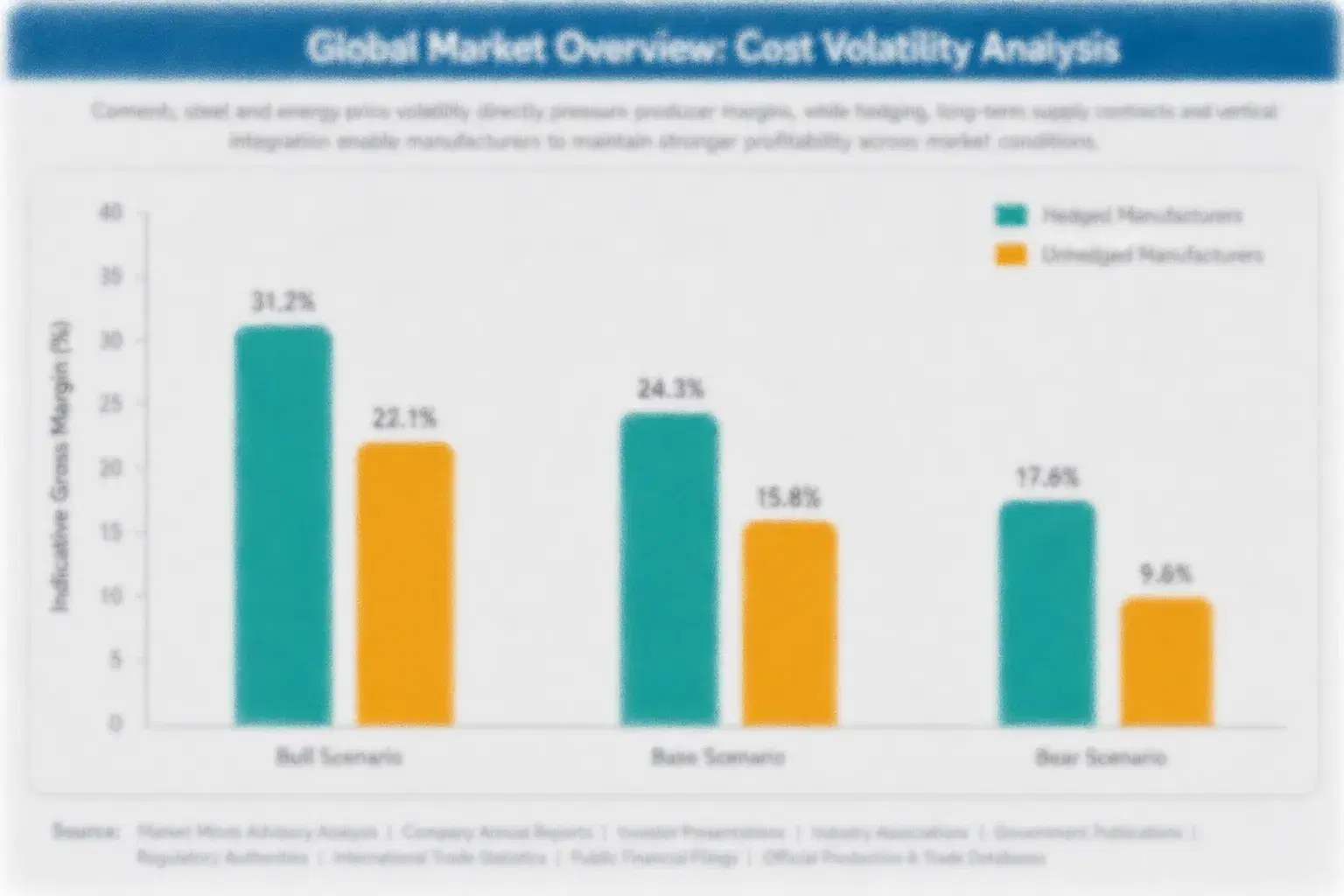
Manufacturing is precision biological and mechanical assembly at modest volume, which produces unusual cost economics. Bovine or porcine pericardial tissue processing, frame manufacture, leaflet assembly and delivery system production account for 22 to 29% of system cost, with sterilisation, packaging and quality release adding further. Clinical evidence generation is the larger figure over a product's life, since randomised trials across risk categories cost far more than manufacturing ever does.
The volatility that mattered was clinical trial cost and duration rather than any manufacturing input. Trial requirements expanded as indication moved into lower risk populations where event rates are lower and follow-up must run longer, which raised the cost of every expansion considerably. Component and energy costs also rose through 2022, which IEA industrial energy price data records. Evidence generation sits well above manufacturing in this category's cost structure.

Exposure divides by evidence position rather than by manufacturing scale. Manufacturers holding deep randomised evidence carry sunk cost that competitors must now replicate to compete credibly with heart teams. Those without it face trial requirements that have grown more demanding with each indication expansion. Chinese and Indian manufacturers carry far lower cost and generate evidence in domestic populations.
transcatheter-aortic-valve-replacement-market-cost-volatility-analysis-1787705466797

Fund follow-up before heart teams demand it

Comparative durability evidence thins beyond ten years and growth depends on patients who will pass well through that horizon, which makes registry follow-up the binding constraint on expansion. Funding it now costs money against no immediate return. It also produces evidence competitors will not hold when the question is finally asked. Time is the only real constraint.

Design for valve-in-valve feasibility deliberately

Roughly half of younger recipients will need a second valve, and leaflet geometry, frame height and coronary access after implant determine whether one can be placed at all. Designing for that explicitly costs engineering compromise on the first implant. It also avoids creating a problem the manufacturer gets blamed for a decade later. The option gets discovered foreclosed.

Support programme building as commercial activity

Capacity depends on imaging, hybrid theatre availability and trained operators arriving together, and waiting lists for severe aortic stenosis carry genuine mortality where they exist. Supporting programme establishment costs field resource rather than capital. It reaches volume that indication expansion alone never delivers, and very few manufacturers treat capacity building as a commercial function at all.

Portfolio Architecture for Margin Defence

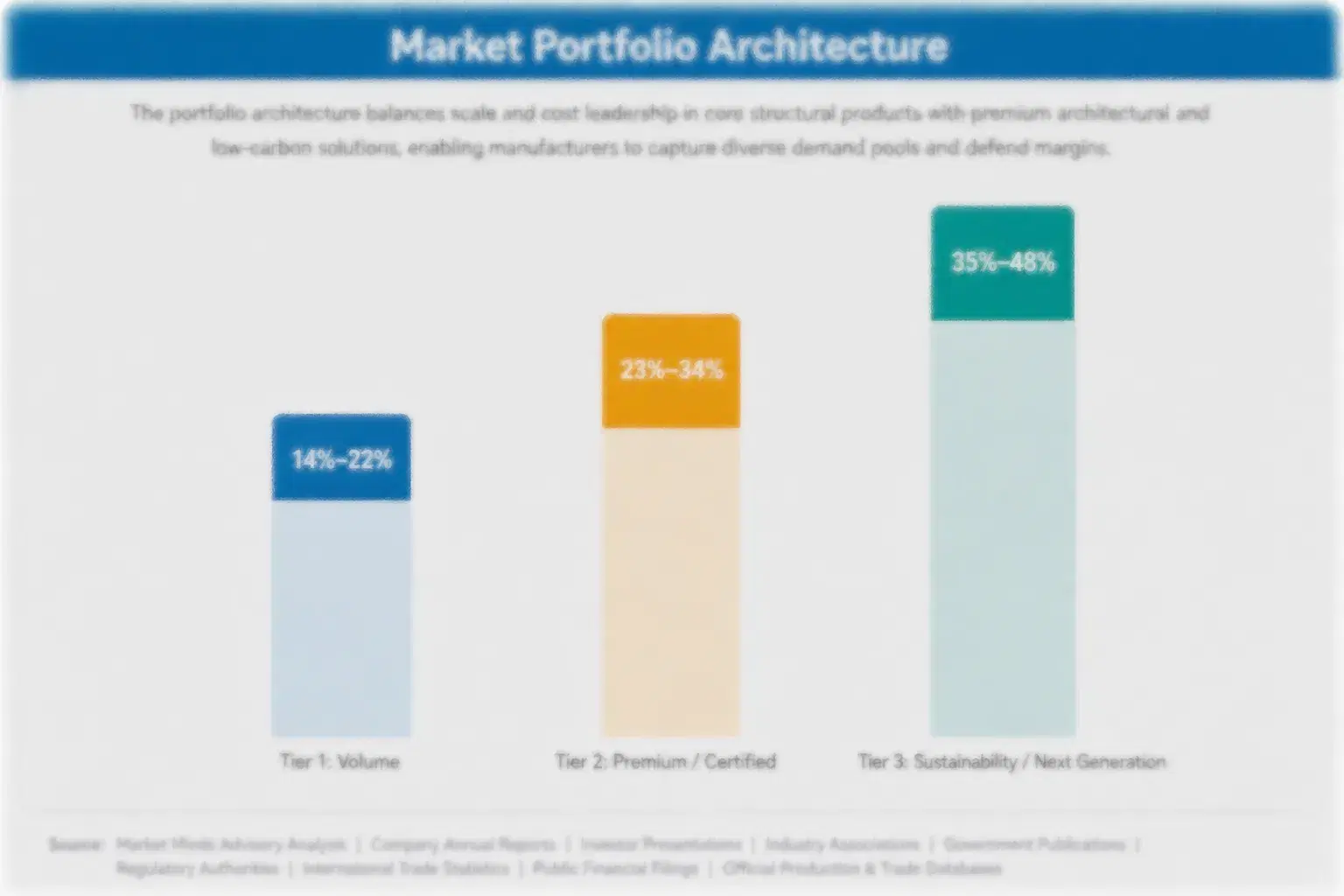
Margin follows evidence position and design differentiation together rather than manufacturing efficiency. Delivery systems and access accessories earn modestly on lower complexity. Cerebral embolic protection earns well where reimbursed, less well where consensus has not formed. Primary valve systems earn strongly on pricing near 28,500 dollars supported by trial evidence. Valve-in-valve procedures earn best, because compatibility with an existing implant limits which manufacturers can even participate in the case.
The tension is that the strongest current position depends on evidence within a window that growth is passing through. Deep randomised data across risk categories built the leading positions in this market, and comparative durability beyond ten years remains thin for everybody. The manufacturers most exposed to that horizon are precisely those whose position rests on evidence depth, which is an uncomfortable position that the category discusses less than it should.

High-value pools sit in three places. Valve-in-valve procedures, where first implant design determines who can participate a decade later. Long-term durability evidence, which nobody yet holds and which growth increasingly depends upon. And programme capacity support, which converts unmet clinical need into procedure volume in systems where waiting lists carry real mortality.

Volume / Commodity-Adjacent

Delivery systems, access accessories and ancillary devices supporting the implant procedure itself. The 9-point range is wide because manufacturer-specific delivery systems and general access products carry entirely different competitive positions despite similar manufacturing complexity.
Gross Margin: 38-47%

Premium / Certified

Primary balloon-expandable and self-expanding valve systems supported by randomised trial evidence across risk categories. The 10-point spread separates platforms with deep comparative evidence from those competing on device characteristics and price alone.
Gross Margin: 62-72%

Sustainability / Regulatory / Next-Generation

Valve-in-valve and redo systems, cerebral embolic protection, and next-generation repositionable designs. The 16-point range is wide because redo compatibility is genuinely protected while embolic protection faces unsettled clinical consensus. Repositionable designs sit between the two.
Gross Margin: 68-84%
transcatheter-aortic-valve-replacement-market-portfolio-architecture-1787705466986

High-value Sub-segments and Strategic Watch-out

Valve-In-Valve And Redo Systems

Highest value and fastest growth at 13.5%, because first implant geometry determines which manufacturers can participate in a second procedure a decade later. The risk is that designing the first valve for redo feasibility requires engineering compromise that competitors may decline to make. Compromise is required.
Gross Margin: 76-84%

Primary Low-Risk Implants

The growth frontier, priced near 28,500 dollars and supported by randomised evidence within a ten year window. The risk is that surgical replacement remains genuinely competitive in this exact population, and longer follow-up could settle the argument either way entirely. Nobody knows yet. Follow-up decides it.
Gross Margin: 66-72%

Established Higher-Risk Implants

The mature core where transcatheter treatment is settled practice and surgical alternatives are rarely appropriate. Manufacturers hold it because it carries operator familiarity and programme relationships, and because those relationships extend directly into low-risk case discussion. Relationships extend outward from here into everything else. Familiarity carries it forward.
Gross Margin: 62-68%

The Durability Evidence Gap

The strategic watch-out. Comparative evidence thins beyond ten years exactly where growth now depends, and nobody can generate it faster than time passes. The risk is that disappointing long-term data pushes younger patients back toward surgery and removes the growth frontier entirely. Time cannot be bought.
Gross Margin: 40-46%

One Patient Two Procedures

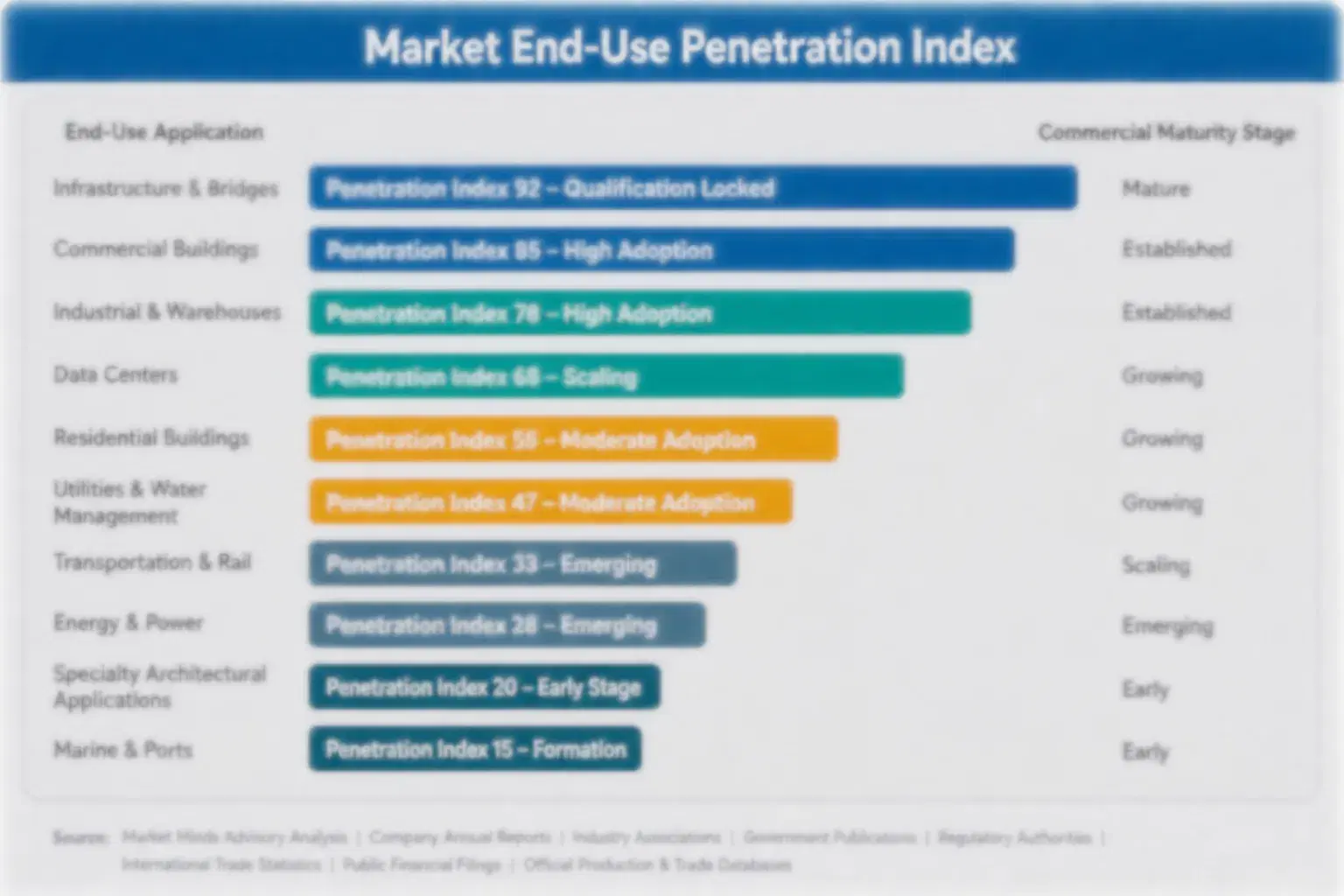
A patient treated at sixty-five is increasingly two procedures rather than one, which changes the demand structure fundamentally. Roughly 46% of younger recipients will need a further valve, and the second procedure arrives a decade after the first at a similar device value. That produces an unusual pattern where today's implant creates a defined future demand event, provided the first valve left the option available at all.
Stickiness therefore operates across a decade rather than a case. A second valve must be compatible with the first, which means the original manufacturer holds a genuine advantage in the redo procedure if its design preserved the option. Operator familiarity with a delivery system adds further durability, since transferring between platforms takes cases to relearn. Neither advantage survives a first valve that forecloses future access.

The decision is made by a heart team rather than by any individual, which is unusual among device categories. Interventional cardiology, cardiac surgery, imaging and increasingly geriatric medicine all participate, and in younger low-risk patients the surgeon holds a genuinely competitive alternative. Manufacturers calling only on interventional cardiology reach one voice in a room that decides collectively, and they lose cases they never hear discussed.
transcatheter-aortic-valve-replacement-market-end-use-penetration-index-1787705467169

Deciding A Decade Ahead

These are among the four positions where our research anticipates prominent divergence between winners and laggards over the coming forecast period. Each is grounded in the demand model, the regulatory perimeter, and the announced capacity pipeline.
01 / LIFETIME PATHWAY SELLING

The first valve decides the second one

Roughly 46% of all younger recipients will require a further valve procedure at some stage, and whether a second device can be placed inside the first depends entirely on the leaflet geometry, frame height and whether coronary access remains available afterwards. Heart teams already plan the whole sequence rather than the immediate operation in front of them. Manufacturers still presenting a single implant decision are answering a question that clinicians in the larger centres stopped asking several years ago now.
02 / DURABILITY EVIDENCE FUNDING

Growth depends on data nobody yet holds

Comparative durability evidence becomes genuinely thin beyond about ten years, while the growth frontier is low-risk patients in their sixties who will live well past that horizon and know it. Registry follow-up and long-term trial reporting together are the only available route to resolving that question, and neither can be compressed by spending more money on them. Manufacturers who fund that follow-up now will hold evidence which competitors simply cannot produce at the point when heart teams finally demand it.
03 / CAPACITY BUILDING INVESTMENT

Waiting lists carry mortality not inconvenience

Severe aortic stenosis kills people who are waiting for treatment, and in several health systems the binding constraint is imaging capacity, hybrid theatre availability and trained operator numbers rather than any question of clinical indication at all. Programmes expand slowly because all three of those elements have to arrive together, and each of them takes years. Manufacturers who actively support training and programme establishment therefore reach procedure volume that indication expansion by itself will never deliver to them at all.
04 / SURGICAL OPINION ENGAGEMENT

Half the room has a working alternative

Heart team governance means that a cardiac surgeon participates directly in every single decision, and in younger low-risk patients that surgeon holds a genuinely competitive alternative backed by several decades of accumulated durability data. A manufacturer calling only on interventional cardiology therefore reaches just one voice in a room that decides collectively, and it loses cases that it never even hears being discussed. Engaging surgical opinion on sequencing rather than on displacement changes the whole shape of that conversation entirely.

Engagement Snapshot From the Field

A live engagement with an industry participant carrying material or product regulatory and market exposure ahead of a defining policy shift, showing how our research translates into a defensible multi-year portfolio strategy.
MARKET MINDS ADVISORY · CLIENT ENGAGEMENT SUMMARY
Transcatheter Aortic Valve Replacement Producer Strategic Portfolio Review and Transition Roadmap 2026Ā·Investment Scenario on Transcatheter Aortic Valve Replacement Exposure Evaluation 2025-26
CLIENT PROFILE
A cardiac device manufacturer supplying transcatheter aortic valve systems across European and selected Asian markets, with reported valve revenue of 410 million dollars (client-reported, unverified by MMA). Commercial coverage was directed entirely at interventional cardiology. No lifetime management materials existed and long-term registry follow-up had been funded only to the regulatory minimum required. Surgical engagement was absent entirely.
STRATEGIC CHALLENGE
Share in low-risk younger patients had failed to grow despite competitive procedural outcomes, and two large centres had begun asking for durability data the company could not supply. Management was preparing a delivery system refresh and increased procedural training investment. Neither addressed why low-risk cases were being lost or what heart teams were actually weighing.
MMA APPROACH
MMA reviewed heart team decision records at eleven centres against the company's own case tracking, which had recorded losses as competitive rather than examining the reasoning. Twenty expert interviews with interventional cardiologists, cardiac surgeons and imaging specialists established how low-risk cases are actually decided. The analysis treated lifetime management and surgical opinion, rather than procedural performance, as the causes.
KEY FINDINGS
  1. Low-risk cases lost were decided in heart team discussion where the surgeon raised durability and lifetime management, and the company had never engaged surgical opinion at any centre.
  2. No lifetime management materials existed showing what the valve left possible for a later procedure, and every competitor had produced some version of that argument.
  3. Registry follow-up had been funded to the regulatory minimum, which left the company unable to answer the exact question two large centres had asked directly.
  4. Programme capacity rather than indication limited volume at four accounts, and the company had never treated capacity support as a commercial activity anywhere.
CLIENT PROFILE
A cardiac device manufacturer supplying transcatheter aortic valve systems across European and selected Asian markets, with reported valve revenue of 410 million dollars (client-reported, unverified by MMA). Commercial coverage was directed entirely at interventional cardiology. No lifetime management materials existed and long-term registry follow-up had been funded only to the regulatory minimum required. Surgical engagement was absent entirely.
STRATEGIC CHALLENGE
Share in low-risk younger patients had failed to grow despite competitive procedural outcomes, and two large centres had begun asking for durability data the company could not supply. Management was preparing a delivery system refresh and increased procedural training investment. Neither addressed why low-risk cases were being lost or what heart teams were actually weighing.
MMA APPROACH
MMA reviewed heart team decision records at eleven centres against the company's own case tracking, which had recorded losses as competitive rather than examining the reasoning. Twenty expert interviews with interventional cardiologists, cardiac surgeons and imaging specialists established how low-risk cases are actually decided. The analysis treated lifetime management and surgical opinion, rather than procedural performance, as the causes.
KEY FINDINGS
  1. Low-risk cases lost were decided in heart team discussion where the surgeon raised durability and lifetime management, and the company had never engaged surgical opinion at any centre.
  2. No lifetime management materials existed showing what the valve left possible for a later procedure, and every competitor had produced some version of that argument.
  3. Registry follow-up had been funded to the regulatory minimum, which left the company unable to answer the exact question two large centres had asked directly.
  4. Programme capacity rather than indication limited volume at four accounts, and the company had never treated capacity support as a commercial activity anywhere.
RECOMMENDED STRATEGY
Phase 1: Phase one: build lifetime management materials showing valve-in-valve feasibility and coronary access preservation, which is the argument heart teams now weigh. Phase 2: Phase two: fund registry follow-up well beyond the regulatory minimum, since durability evidence is the constraint growth actually depends upon. Phase 3: Phase three: engage cardiac surgical opinion directly on sequencing rather than displacement, reaching the voice currently deciding lost cases. Surgeons decide these cases.
OUTCOME
Lifetime management materials were produced and heart team engagement changed measurably at the eleven reviewed centres (client-reported, unverified by MMA). Extended registry follow-up was funded across two cohorts, addressing the question both large centres had raised. Surgical engagement began at the eight highest volume accounts, reaching decision makers the company had never previously contacted.

Frequently Asked Questions

Foundational context covering the market sizes, CAGR, scope, country, region and competition that inform every finding below. This section is provided to cover basics and most often pre-purchase conversations, answered from the MMA Primary Research Dataset.

What is the current size of the Transcatheter Aortic Valve Replacement Market?

The market was worth 6.8 billion dollars in 2025, covering balloon-expandable, self-expanding, valve-in-valve, embolic protection, delivery and next-generation systems. It reaches 7.41 billion dollars in 2026.

How large will the Transcatheter Aortic Valve Replacement Market be by 2036?

MMA forecasts 17.55 billion dollars by 2036, an increase of 10.14 billion dollars over the 2026 base. That represents an expansion multiple of 2.37 times across the forecast period.

What is the CAGR for the Transcatheter Aortic Valve Replacement Market 2026 to 2036?

The base case compounds at 9.0% annually. The bull case reaches 10.2% if long-term durability evidence supports younger patients, while the bear case sits at 7.8% if that evidence disappoints.

Which segment is growing fastest?

Valve-in-valve and redo procedures, at 13.5%, half again the market rate of 9.0%. Roughly 46% of younger recipients will need a further valve within their lifetime.

Who are the major companies in the Transcatheter Aortic Valve Replacement Market?

Edwards Lifesciences, Medtronic, Abbott, Boston Scientific and JenaValve lead on disclosed cardiac valve revenue. Meril, Venus Medtech and Peijia Medical hold strong domestic positions in Asian markets.

Which country is growing fastest?

India at 11.1%, as private cardiac programmes expand and domestic manufacturers supply valves at affordable prices. The United States performs roughly 41% of all global procedures.

Report Segmentation Architecture

The full report scope spans multiple orthogonal segmentation dimensions, with cross-tabulated demand data provided for each dimension pair. Coverage extends further to regional breakdowns, trend trajectories, and the competitive detail needed to support segment-level decision-making.

By Device Category

  • Balloon-Expandable Valve Systems
  • Self-Expanding Valve Systems
  • Valve-in-Valve and Redo Procedures
  • Cerebral Embolic Protection Devices
  • Delivery Systems and Access Accessories
  • Next-Generation and Repositionable Valves

By End-Use Setting

  • Academic Cardiac Centres
  • Hybrid Cardiac Theatres
  • Community Hospital Programmes
  • Private Cardiac Hospitals
  • Cardiac Catheterisation Laboratories
  • Heart Team Multidisciplinary Services

By Commercial Dimension

  • Hospital Direct Purchase
  • Group Purchasing Tender Supply
  • Volume-Based Procurement Supply
  • Programme Establishment Partnership
  • Private Insurance Funded Procedure
  • Public Reimbursement Funded Procedure

By Region

  • North America
  • Western Europe
  • East Asia
  • South Asia and Pacific
  • Latin America
  • Middle East and Africa
  • Eastern Europe

Scope, Methodology, and Coverage

Every figure in this report is reproducible from documented input assumptions. The scope below maps the historical period, the forecast horizon, the segmentation dimensions, and the countries covered, alongside the underlying primary and qualitative methodology.
Historical Period
2020 to 2025
Forecast Period
2026 to 2036
Base Year
2025 (USD billions; MMA Primary Research Dataset, August 2026)
Market Definition
Scope covers transcatheter aortic valve replacement systems and directly associated procedural devices, spanning balloon-expandable valve systems, self-expanding valve systems, valve-in-valve and redo procedure systems, cerebral embolic protection devices, delivery systems and access accessories, and next-generation and repositionable valve designs. Surgical aortic valve prostheses and surgical instrumentation, transcatheter mitral and tricuspid interventions, coronary stents and angioplasty devices, cardiac imaging systems, pacemakers and electrophysiology devices, and cardiac surgical support equipment are excluded from the market size and all derived figures. Forecast period follows the standard MMA horizon rather than any range stated in the market title.
Quantitative Units
USD billions (current prices); procedures performed; valve systems implanted; permanent pacing rate; redo procedure incidence
Segmentation Dimensions
By Device Category; By End-Use Setting; By Commercial Dimension; By Region
Regions Covered
North America, Western Europe, East Asia, South Asia and Pacific, Latin America, Middle East and Africa, Eastern Europe
Countries Covered
USA, Germany, Japan, France, China, UK, Italy, India, Spain, Canada, South Korea, Brazil, Australia, Poland, Turkey
Key Companies Profiled
Edwards Lifesciences, Medtronic, Abbott, Boston Scientific, JenaValve Technology, Meril Life Sciences, Venus Medtech, Peijia Medical, MicroPort, Braile BiomƩdica, Anteris Technologies, Foldax, Colibri Heart Valve, Biotronik, Terumo, New Valve Technology, Keystone Heart, Protembis, CroƭValve, Xeltis
Quantitative Methodology
Primary survey, n=3,800 respondents, Q4 2025, six countries; demand-side model with trade association cross-validation
Qualitative Methodology
47 expert interviews, Q4 2025; applied to validate demand model assumptions, identify emerging dynamics, and assess competitive positioning
Report Format
PDF and XLSX data workbook (Word format preview document)
Publisher
Market Minds Advisory
Report Code
MMA-2026-MED-127
Published
August 2026
Contact
sales@marketmindsadvisory.com | www.marketmindsadvisory.com

Purchase the full Transcatheter Aortic Valve Replacement Market Report (2026 to 2036).

The full report runs to 182 pages and covers all six device category segments, seven regions and 20 profiled manufacturers in detail. It includes the complete segment CAGR set, regional procedure rate and programme capacity comparison, and lifetime management analysis across valve platforms and redo feasibility. Company profiles carry evaluation on disclosed cardiac valve and interventional cardiology revenue, with moat and risk assessment for the top five manufacturers. The competitive section extends to 16 tracked clinical, regulatory and procurement developments across 2024 and 2025. Primary research inputs include a quantitative survey of 3,800 respondents and 47 expert interviews conducted in Q4 2025.
Six device category segments with individual CAGR forecasts
Seven regional markets with procedure rate and capacity comparison
Twenty manufacturer profiles on consistent revenue evaluation basis
Sixteen tracked clinical and procurement developments with commercial interpretation
Lifetime management analysis across valve platforms and redo feasibility
Durability evidence position mapped by manufacturer and risk category

Built For The People Who Decide

From boardroom strategy to bench-side execution, this report is read cover-to-cover by leaders shaping the next decade of their industry, turning demand scenarios, market dynamics and valuation benchmarks into decisions.
CXOs/ Presidents/ VPs/ Managers
M&A and Corporate Development
Strategy Teams and R&D Heads
Procurement and Product Directors
Regulatory and Compliance Leaders
Investor Relations and Equity Analysts