Market Minds Advisory
Tocotrienol Market

Tocotrienol Market: Tocotrienol Market. Isomer Purity, Palm Sourcing Scrutiny and Thin Human Evidence

Tocotrienols promise more antioxidant and lipid activity than ordinary vitamin E, but small human trials, palm sourcing scrutiny and tocopherol interference keep the market niche while annatto-derived grades and healthy ageing positioning attract investment.

Lead Analyst

Published

September 2026

Make Smarter Decisions with Customized Research Insights

Request a free sample report and evaluate market opportunities, growth trends, and competitive dynamics relevant to your business needs.

2025 MARKET VALUE$0.4BMarket Size 2025
2036 FORECAST VALUE$1.0BBase Case , 2026 to 2036
CAGR 2026 TO 20368.5 %Bull 9.8% / Bear 7.2%
INCREMENTAL OPPORTUNITY$0.5BNet 10- year value creation
EXPANSION MULTIPLE2.26x2036 value over 2026 base
Strategic Levers
M&A Pipeline
Regional Outlook
Country Rankings
Competitive Intelligence
Segmental Deep-dive
Call-Us : 91 93563 13602

Executive Snapshot and Market Trajectory.

Tocotrienols sit in a narrow gap between ordinary vitamin E and specialty longevity ingredients. Annatto-derived grades free of tocopherols are attracting buyers who want cleaner science, while clinical evidence remains modest and premium prices depend on trust in a few suppliers and their testing records.
Annatto-Derived Tocotrienols grow fastest because delta and gamma isomers appeal to cardiovascular and bone health formulators, while palm-derived complexes still carry the largest volume. North America holds the largest share because American supplement brands and annatto processors sell most finished products, with East Asia close behind on Japanese and Chinese healthy ageing demand. Malaysian producers control most palm-derived supply, and formulators pay for isomer profiles they can verify.
Competition is concentrated among Malaysian palm extractors, one American annatto specialist and a few vitamin producers with global reach. Sustainability rules on palm oil, food supplement regulation in Europe and Japan, and the absence of authorised health claims shape entry, and buyers audit isomer content, tocopherol levels and certification before they sign annual supply agreements. Supplier switching costs are high because clinical dossiers and stability files are tied to a specific extract.
Market Definition
The market covers global sales of tocotrienol ingredients and finished tocotrienol supplements, including palm, annatto, rice bran, cereal-derived and novel-source isolates and complexes, used in dietary supplements, functional foods, cosmetics and clinical nutrition. It excludes ordinary tocopherol vitamin E products, palm oil sold as edible oil, and tocotrienol research compounds sold only for laboratory use.
Base Year Value
$0.4B in 2025 (MMA Primary Research Dataset, September 2026)
Forecast Period
2026 to 2036, eleven discrete annual values
CAGR
8.5% base case. Bull 9.8%. Bear 7.2%.
Fastest Growth Segment
Annatto-Derived Tocotrienols: 11.9% CAGR
Fastest Growth Country
India: 11.5% CAGR
Fastest Growth Region
South Asia and Pacific: 10.5% CAGR
Largest Region
North America: 34% of 2025 global value
Market Leaders
Davos Life Science, ExcelVite, American River Nutrition, Carotech, BASF. Source: MMA Analysis, company annual reports.
Primary Survey
n=3,800 procurement and R&D decision-makers, Q4 2025, six countries
Methodology
Demand-side build-up, cross-validated against public data, 47 expert interviews

Tocotrienol Market Forecast Scenarios

tocotrienol-market-size-forecast-scenario-1789961738441
Between 2020 and 2025 the market grew at about 7.5% a year, helped by post-pandemic interest in immune and healthy ageing supplements and by wider availability of annatto grades. Palm oil price swings and Indonesian export restrictions in 2022 raised raw material cost, while retail growth in Japan, China and the United States kept volumes moving. Annatto grades gained share.
The base case rests on three commercial mechanisms. First, supplement brands add tocotrienols to healthy ageing, bone and cardiovascular formulas as evidence from human trials grows. Second, annatto-derived and high-purity grades free of tocopherols win formulators who worry about absorption interference. Third, palm sourcing certification and traceability programmes reduce sustainability risk for global brands. Producers plan capacity, dose studies and audits around these drivers, and buyers reward isomer transparency and steady supply.
The bull case reaches 9.8% if large randomised trials confirm cognitive or bone benefits and regulators in Japan or the European Union accept a claim. The bear case falls to 7.2% if trials disappoint, palm sustainability criticism raises retailer resistance and low-cost vitamin E blends remain the default choice for mass brands. Both cases assume stable trade.

Isomer Purity, Palm Sourcing and Clinical Evidence Set Tocotrienol Returns

Tocotrienols are the lesser-known half of the vitamin E family, and their appeal rests on the unsaturated side chain that lets the molecule move through cell membranes differently from tocopherols. Suppliers extract them from palm, annatto and rice bran, and formulators choose by isomer profile, because gamma and delta forms carry most of the research interest. Ordinary vitamin E can interfere with absorption, which shapes formula design.
MARKET CONCENTRATION48% CR5Top five suppliers control nearly half of ingredient sales
TYPICAL DAILY DOSE50-300 mgCommon tocotrienol dose range used in supplement capsules
PALM ORIGIN SHARE72%Portion of tocotrienol supply extracted from palm oil streams
DELTA ISOMER PURITY90%Delta isomer share in typical annatto tocotrienol grades
RAW MATERIAL COST SHARE38% of COGSPalm fractions or annatto seed within total production cost
CONTRACT LENGTH1-2 yearsTypical supply agreement term for tocotrienol ingredient customers
Value pools sit in three places. Cardiovascular and metabolic health formulas use gamma and delta grades on the basis of cholesterol and lipid studies. Healthy ageing and cognitive positioning draw the newest capital, though trial evidence is early. Skin care and cosmetic actives use tocotrienols as antioxidants at low dose but high price per kilogram. Contract makers sell finished capsules to private-label brands, and clinics recommend branded grades.
Supply is concentrated. Malaysia and Indonesia supply most palm-derived material, and only a handful of extractors run the molecular distillation and chromatography needed for high-purity isomers. Annatto comes from Peru, Brazil and Kenya, where seed availability and drying quality set yield. Buyers hold two to three months of stock because regulatory files tie each product to a named source.
"Tocotrienols have been the next big vitamin E story for twenty years, and the trials have never quite matched the enthusiasm. The suppliers that make money are the ones selling an isomer profile they can prove, not a promise. Annatto growers will matter more than palm plantations by the end of the decade."
Senior Analyst, Vitamin and Lipid Nutrition Ingredients Practice · MMA Tocotrienol Practice · September 2026

Market Trends

Annatto-Derived Tocopherol-Free Tocotrienols Gain Share Among Formulators

Annatto seed contains tocotrienols almost entirely in delta and gamma form with negligible tocopherol, and formulators who worry that alpha-tocopherol blocks tocotrienol uptake choose these grades for supplements aimed at cardiovascular and bone health. Annatto-Derived Tocotrienols grow about 11.9% a year, and gross margins run 45% to 62%. The trend needs seed supply from Peru, Brazil and Kenya, clean solvent processing and safety data for long-term use, and it rewards suppliers that hold patents, published human studies and stable pesticide residue records across several harvest cycles. Brand owners qualify one source per product.
Market Impact: trial doses run 100-300 mg daily

Healthy Ageing and Cognitive Positioning Draw New Formulators to Tocotrienols

Researchers in Malaysia, Japan and the United States have studied tocotrienols for neuroprotection, bone density and skin ageing, and brands now sell them beside NMN, CoQ10 and omega-3 in longevity stacks. Palm-Derived Tocotrienol Complexes grow about 10.2% a year, and gross margins run 32% to 46%. The trend needs larger placebo-controlled trials, consistent isomer ratios and dose clarity, and it favours suppliers that fund academic partnerships and give brand owners clinical summaries they can quote without overstating benefits to consumers. Online channels now carry about 40% of consumer sales in several countries.
Market Impact: over-65 group adds 4 million yearly

Market Opportunities and Growth Drivers

Cardiovascular and Lipid Research Sustains Clinician and Consumer Interest

Small trials of gamma and delta tocotrienol have reported reductions in LDL cholesterol of several percent in adults with elevated lipids, and mechanistic work links tocotrienols to HMG-CoA reductase regulation. Effects are modest and results vary by isomer and dose, but they keep clinicians curious. The driver rewards suppliers that publish dose-response data, run trials of 100 to 300 participants and give doctors clear guidance, since cardiovascular buyers are older, loyal and willing to pay for brands that stay evidence-led. Trial doses run 100 to 300 milligrams daily, which sets the cost per serving.
Market Impact: larger trials cost $2-6 million each

Ageing Populations in Japan, China and America Expand Premium Demand

Japan's over-65 share exceeds 29% of the population, China's over-60 population passes 300 million, and the United States adds about four million people to the 65-plus group each year. Older buyers use supplements daily and look for products that address bone, vascular and cognitive concerns. The driver sustains a large, loyal buyer base and rewards brands with clear dosing, third-party testing and physician endorsement that reassure buyers about unproven benefits, while pharmacies and online platforms give access to premium tocotrienol grades. Older buyers reorder monthly through subscription plans and rarely switch brands.
Market Impact: palm-linked cost swings reach 20-40%

Market Restraints and Challenges

Thin Human Evidence and Absent Health Claims Limit Premium Pricing

Human trials of tocotrienols are mostly small, short and inconsistent, and the European Food Safety Authority has not authorised health claims for them. The root cause is limited funding for large trials and variation in isomer content between products. Brands use cautious wording, which limits premium pricing, and each larger trial can cost $2 million to $6 million. Suppliers respond by pooling trials across brands, standardising isomer ratios and registering studies publicly, though small brands cannot join these programmes easily. Trials take two to three years, so evidence builds slowly. Japan's regulators ask for full dossiers.
Market Impact: annatto grades grow 11.9% yearly

Palm Sustainability Criticism and Volatile Raw Material Prices Raise Risk

Most tocotrienols come from palm oil streams, and palm faces deforestation criticism, EU deforestation rules and retailer scrutiny, while palm fractions and palm oil prices swing with weather, biodiesel policy and export controls. The root cause is dependence on a few plantation regions. Cost swings of 20% to 40% squeeze margins on fixed-price contracts, and some brands avoid palm names on labels. Suppliers respond with RSPO certification, annatto and rice bran alternatives and traceability records, though switching sources requires new safety and stability files. Some retailers now request deforestation-free declarations with each order.
Market Impact: palm-derived complexes grow 10.2% yearly
3 additional market trends, 2 additional growth drivers, and 4 additional restraints and challenges are covered in the full report. Contact sales@marketmindsadvisory.com to access the complete intelligence.

Segment CAGR and Growth Architecture

The global tocotrienol market is segmented by raw material source, which shows where isomer profile, purity and sustainability status create pricing power in a concentrated market. Five segments cover annatto-derived, palm-derived, rice bran-derived, cereal-derived and novel-source tocotrienols. Annatto and palm grow fastest, while rice bran and cereal sources serve price-sensitive and food applications. Novel sources remain small.
tocotrienol-market-market-share-analysis-1789961738614

Annatto-Derived Tocotrienols

Annatto-Derived Tocotrienols is the fastest-growing segment at 11.9% a year, about 1.40 times the overall market rate, from a small base. Formulators want delta and gamma isomers free of tocopherol interference, so gross margins of 45% to 62% support seed sourcing programmes and solvent-free processing. Peru, Brazil and Kenya supply annatto seed, and yield swings with drying quality and harvest timing. Producers with published safety data, patents and consistent residue records hold the strongest positions, and brand owners qualify single sources for each product. Cardiovascular, bone and cognitive formulas take most volume, while cosmetics adopt the grade for its clean label. Competitors are few, and new entrants face patent and know-how barriers.
CAGR 11.9%

Palm-Derived Tocotrienol Complexes

Palm-Derived Tocotrienol Complexes grows at 10.2% a year, about 1.20 times the overall market rate, because supplement brands accept gross margins of 32% to 46% for tocotrienol-rich fractions that also contain alpha-tocopherol. Malaysia and Indonesia supply most raw material as by-streams of palm oil refining, so volume is large and costs track palm markets. Brands ask for RSPO certification and full traceability as retailers tighten sustainability rules. Suppliers with molecular distillation, isomer fractionation and long field histories hold customers, and high-purity gamma-delta fractions earn a premium over whole complexes. Price competition from Chinese and Indian extractors is rising in lower-purity grades. Contract makers in Malaysia and the United States pack most finished capsules for brands.
CAGR 10.2%
Full segment breakdown across 5 segments available in the complete report.

Regional Architecture and Country Demand Map

North America leads at 34% because American supplement brands and annatto processors sell most finished products, with East Asia at 26% on Japanese and Chinese healthy ageing demand. South Asia and Pacific grows fastest and carries Malaysian production. Western Europe trails its band on strict claims rules.

North America

North America holds 34% share, above its band, which justifies the out-of-band share: the United States hosts the largest tocotrienol supplement market, American River Nutrition sells annatto grades to brands nationwide, and online retail and practitioner channels sell premium products. Growth runs at the global rate of 8.5%. The FDA structure and function framework lets brands describe support for cardiovascular and bone health with cautious wording, and GRAS notifications for annatto tocotrienols reassure retailers. Older buyers reorder through subscriptions, and clinics recommend branded grades. Competition from ordinary vitamin E, litigation risk over claims and price sensitivity in mass retail restrain returns. Canada adds pharmacy sales. Distribution runs through Amazon, drugstores and specialist stores.
Share: 34% | CAGR: 8.5% (2026 to 2036)

Western Europe

Western Europe accounts for 16% share, below its band, which is justified because novel food and health claims rules keep tocotrienol products from mainstream marketing and most palm and annatto extraction sits outside the region. Germany, France, Italy and the United Kingdom buy through pharmacies, health stores and online sellers, and Belgium and the Netherlands host importers and blenders. Growth trails the global rate at 7.0%. EFSA has authorised no health claims, national rules differ on maximum doses, and retailers press for palm-free labels. Cosmetic use grows faster than supplements. Suppliers that offer certified sustainable palm or annatto with clean toxicology files gain shelf space with larger chains. Novel food status is unclear for some isomer blends.
Share: 16% | CAGR: 7.0% (2026 to 2036)
Regional intelligence for 5 additional markets available in the complete report: East Asia, South Asia and Pacific, Latin America, Middle East and Africa, Eastern Europe. Contact sales@marketmindsadvisory.com.
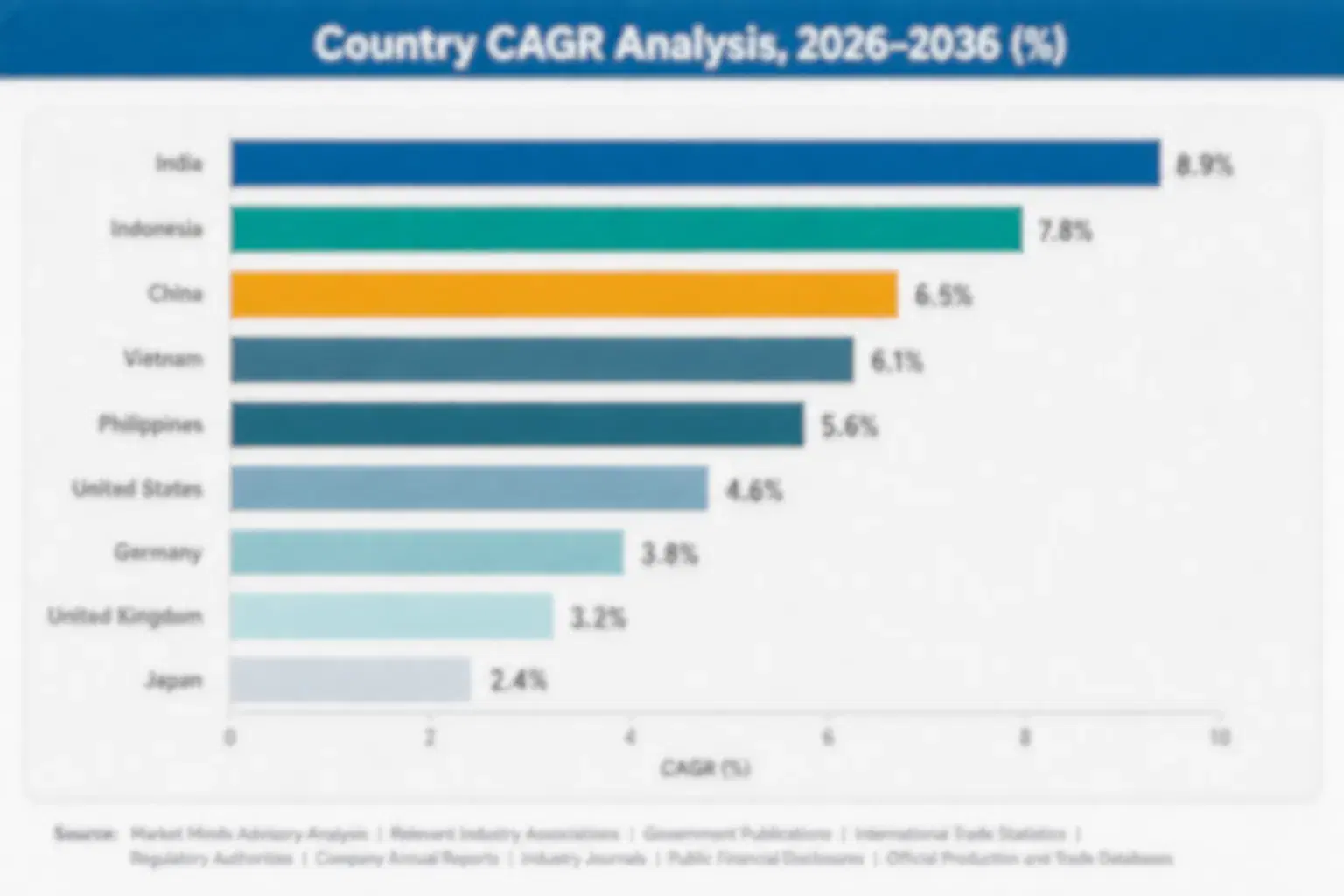
tocotrienol-market-country-cagr-analysis-1789961738793

Four Margin Routes for Tocotrienol Producers and Brands

Margin in tocotrienols comes from high-purity isomer grades, published human evidence, palm-independent supply and clinician-led combination formulas rather than commodity complexes. The routes below apply to producers, ingredient brands and contract makers, and each can start inside one planning cycle, with clear measures in gross margin points, price premium and customer retention. Payback runs two to three years.

Upgrading Palm Complexes Into High-Purity Gamma and Delta Isomer Fractions

High-purity gamma and delta fractions earn gross margins of 45% to 60% against 32% to 46% for whole palm complexes, so producers that invest in molecular distillation and chromatography and move 15% of volume into fractions lift blended margin by three to five points. Programmes cost $4 million to $12 million. Producers should convert flagship grades first, where customer contracts are largest, agree isomer specifications with two anchor brands and publish analytical certificates that let formulators confirm purity independently. Payback arrives within 36 months as cardiovascular and healthy ageing brands accept higher prices.
Market Impact: high-purity fractions lift blended gross margin by 3-5 points

Funding Large Placebo-Controlled Trials That Support Clinician Recommendation and Pricing

Human evidence is thin, so producers and brands that fund placebo-controlled trials of 100 to 300 participants on lipid, bone or cognitive outcomes and publish results support price premiums of 15% to 25% and win clinic accounts worth 8% to 12% of sales. Trials cost $2 million to $6 million each. Producers should share trial costs across brand partners, test the standard dose first, register studies publicly and hand clinicians short summaries that avoid overstating benefits. Results also give sales teams a document to share, and pharmacists ask for references.
Market Impact: funded trials support clinician-led price premiums of 15-25%

Developing Palm-Independent Annatto and Rice Bran Supply for Sustainability-Sensitive Brands

Global brands and European retailers increasingly avoid palm names on labels, so producers that source annatto seed and rice bran under long-term agreements and certify traceability win listings worth 10% to 18% of retail volume and price 10% to 20% above uncertified palm complexes. Programmes cost $3 million to $9 million. Producers should begin with annatto contracts in Peru and Brazil, invest in seed drying and processing to raise yield, and supply full chain-of-custody records with each lot so that brand sustainability teams can approve the source quickly. Growers gain stable income and stay loyal.
Market Impact: palm-independent sourcing wins listings worth 10-18% of retail volume

Building Combination Formulas With Clinics and Longevity Protocol Partners

Clinics and longevity buyers prefer stacks, so brands that combine tocotrienols with CoQ10, omega-3, vitamin K2 and polyphenols, publish dose data and partner with clinics lift average order value by 20% to 35% and retention by eight to 14 points. Programmes cost $1 million to $4 million. Brands should test formulas with clinic panels first, keep tocopherol content low to avoid absorption interference, and label ingredients simply so that buyers understand what each active contributes. Contract makers can produce blends in existing lines, so launch takes about four to six months.
Market Impact: combination formulas lift average order value by 20-35%

Who Controls the Margin Pool

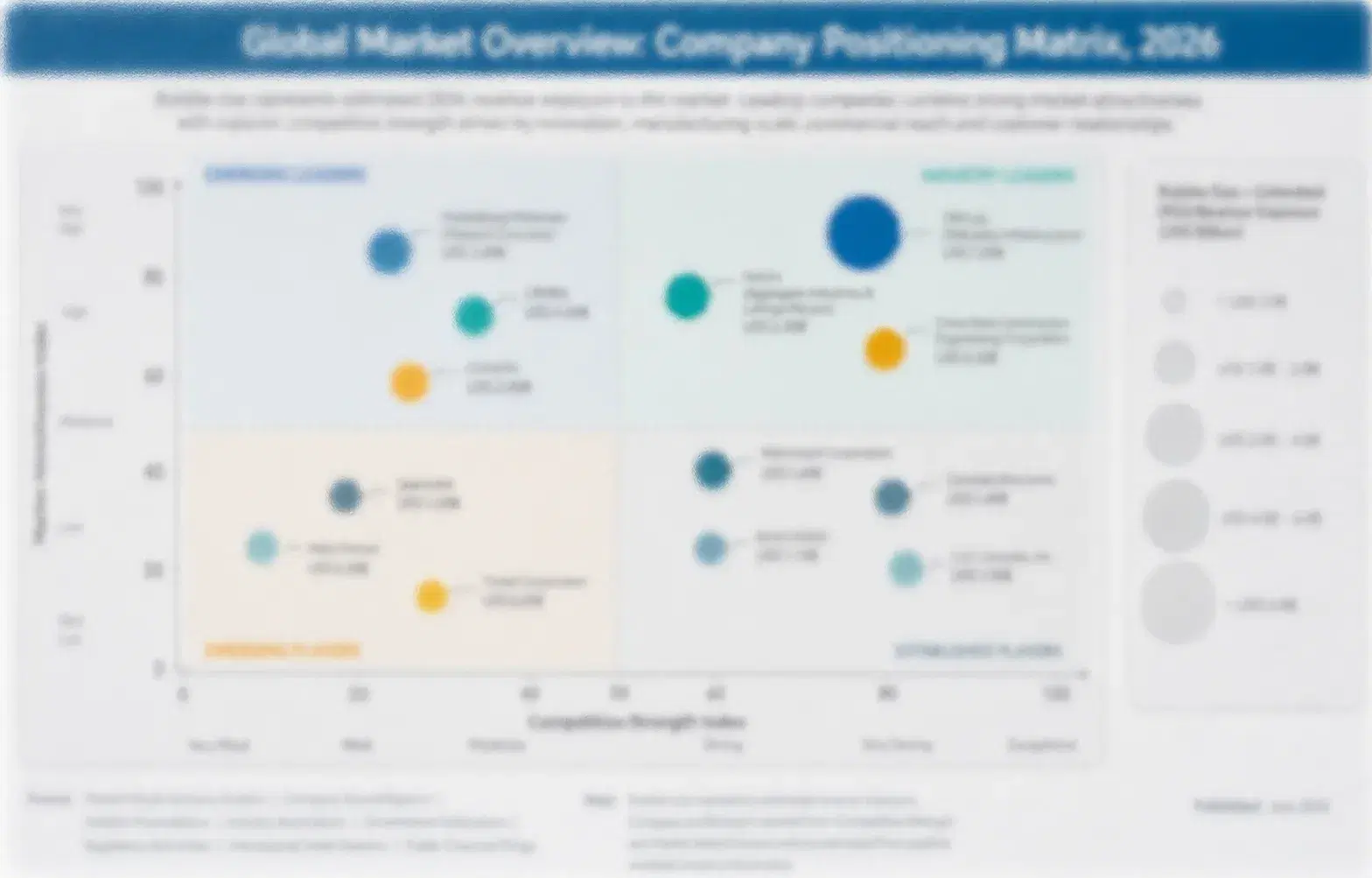
The global tocotrienol market is concentrated, with a CR5 of 48%, because high-purity extraction, annatto sourcing and clinical dossiers are hard to copy. This assessment measures participants on estimated tocotrienol ingredient and finished product sales value, held constant across all players. Davos Life Science and ExcelVite lead through palm-derived scale, while American River Nutrition, Carotech and BASF follow, and the gap between the leader and the fifth player is moderate.
Competition runs on four dimensions today: isomer purity and consistency, sustainable sourcing certification, clinical evidence and patent position. Palm extractors win on scale and cost, annatto specialists win on tocopherol-free science, and vitamin producers win on distribution and regulatory teams. Buyers compare cost per gram of gamma and delta isomers rather than cost per kilogram, and single-source qualification keeps most customers loyal until supply or safety problems appear.

Emerging pressure comes from Chinese and Indian extractors entering high-purity grades, fermentation-based tocotrienol routes in development, and larger vitamin groups adding annatto lines. Rankings shift where a producer wins a clinical claim, secures annatto seed supply or completes a sustainability certification, and any positive large trial would favour firms with published dossiers.
tocotrienol-market-company-positioning-matrix-1789961738971

Competitive Moat and Risk Dimensions

DAVOS LIFE SCIENCE

Moat: Isomer Purity and Scale

Davos Life Science, a Singapore-based ingredient supplier, extracts and distils tocotrienols from palm sources and sells complexes and high-purity fractions to supplement and cosmetic brands worldwide. Its process control, customer base and regulatory files give it an advantage in consistency, and its scale supports competitive pricing and steady supply to global brands that qualify a single source for each product.
DAVOS LIFE SCIENCE

Risk: Palm Dependence and Scrutiny

Davos Life Science depends on palm-derived streams, so sustainability criticism, deforestation rules and palm price swings affect its cost and customer perception. Annatto suppliers can offer tocopherol-free products that appeal to formulators, and Chinese extractors are entering high-purity grades. Weak trial results could also slow demand across the category.
EXCELVITE

Moat: Palm Extraction Heritage and Research

ExcelVite, a Malaysian palm nutrient supplier, has produced tocotrienols and other palm-derived nutrients for many years and works with academic groups on trial programmes. Its plantation access, extraction know-how and research partnerships give it an advantage in supply security, and its position supports long-term contracts with supplement brands and contract makers across Asia and North America.
EXCELVITE

Risk: Limited Annatto Access

ExcelVite has little exposure to annatto, so it may lose formulators who want tocopherol-free products. Palm price swings and sustainability rules add cost and reputational risk, and larger vitamin groups can outspend it on marketing. Long approval timelines in Japan and Europe also slow returns from new grades.

Players Tracked

Prominent Players

Davos Life Science
ExcelVite
American River Nutrition
Carotech
BASF

Other Key Players

dsm-firmenich
Wilmar International
Sime Darby Plantation
IOI Corporation
Kuala Lumpur Kepong
Cargill
Archer-Daniels-Midland
Kemin Industries
Nature's Way
Life Extension
NOW Foods
Swanson Health Products
Doctor's Best
Jarrow Formulas
Sabinsa

Recent Developments

JANUARY 2026

American River Nutrition Publishes Safety Study on Annatto Delta Tocotrienol Long-Term Use

American River Nutrition published a safety study on long-term use of annatto-derived delta tocotrienol, according to company communications. It is a research publication, not an acquisition, and it tests whether safety data can support wider retail use. The study followed adults over several months. Commercial terms were not disclosed.
Signal: Confirms annatto suppliers are investing in safety and human data because brands and regulators want proof before scaling.
FEBRUARY 2026

Davos Life Science Extends Sustainable Palm Certification Across Tocotrienol Ingredient Range

Davos Life Science extended sustainable palm certification across its tocotrienol ingredient range, according to company communications. It is a certification programme, not an acquisition, and it tests whether traceable palm can hold retailer support. The programme covers supply chain audits and segregated lots. Investment terms were not disclosed.
Signal: Shows palm-based suppliers are defending market position with traceability because retailers increasingly question palm-derived ingredient labels.
MARCH 2026

ExcelVite Expands Tocotrienol Fractionation Capacity in Malaysia for High-Purity Isomer Grades

ExcelVite expanded tocotrienol fractionation capacity in Malaysia for high-purity isomer grades, according to company communications. It is an organic capacity expansion, not an acquisition, and it tests demand for gamma and delta fractions. The added line focuses on distillation and chromatography stages. Investment terms were not disclosed.
Signal: Indicates leaders are moving volume into purer fractions because brands want isomer ratios they can verify independently.

What Drives Tocotrienol Costs

Palm fractions and annatto seed account for roughly 38% of production cost, extraction, distillation and chromatography about 26%, testing and certification about 8%, packaging and freight about 5%, and overheads and marketing about 23%. Palm streams come mainly from Malaysia and Indonesia and annatto seed from Peru, Brazil and Kenya, while purification capacity sits in Malaysia, Singapore and the United States.
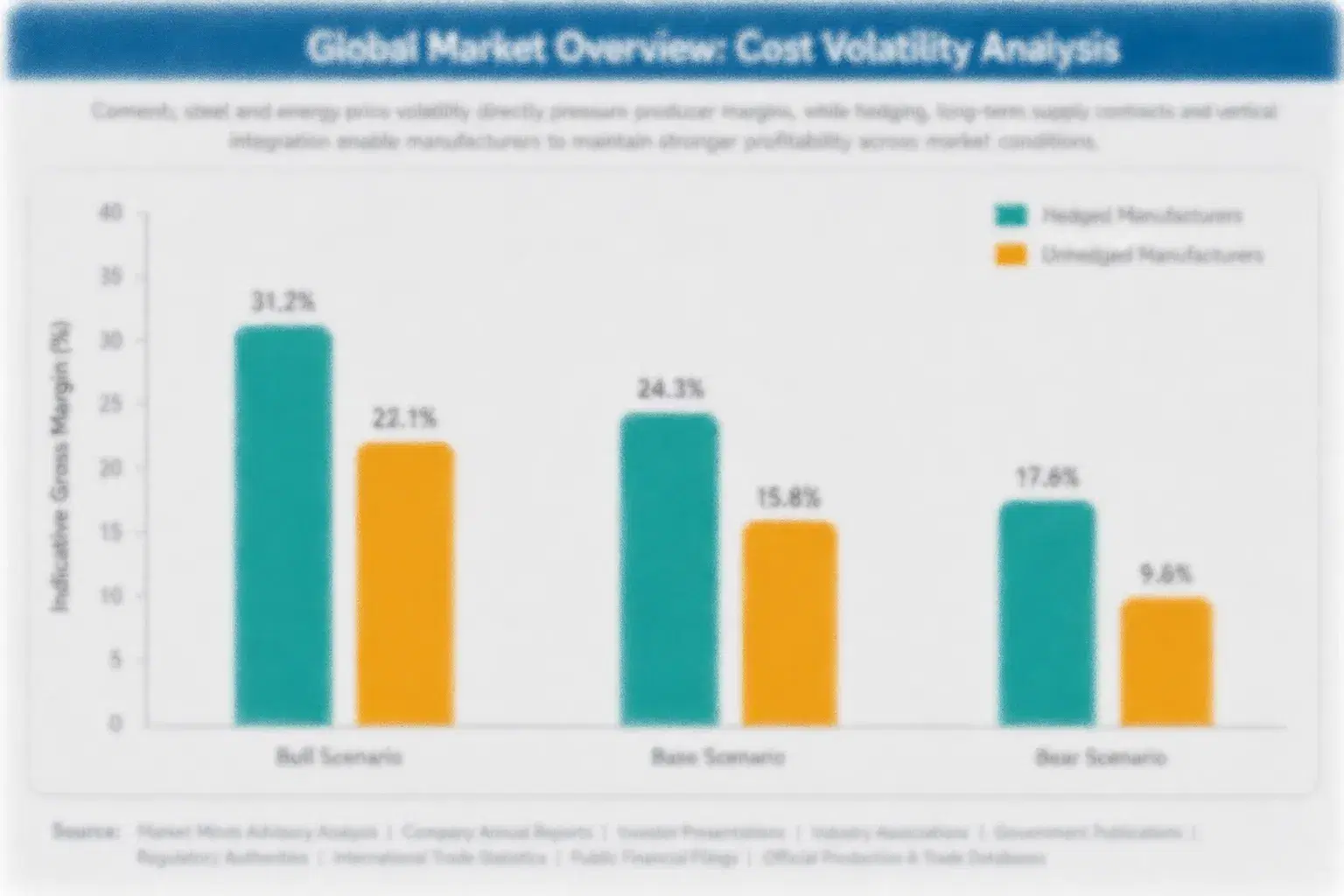
The clearest recent shock came in 2022. Indonesia banned palm oil exports between April and May, and Malaysian Palm Oil Board data show crude palm oil prices swinging sharply through the year, while USDA Foreign Agricultural Service reports recorded tight vegetable oil supply. MMA Estimate from expert interviews indicates that palm-derived tocotrienol cost rose 20% to 35% for producers without forward contracts, and several buyers accepted mid-year price adjustments.

The disadvantage falls on producers without integrated plantation supply or forward contracts, because they buy palm streams at spot prices while selling to brands on annual fixed prices. Annatto specialists face seed yield risk instead, and Chinese extractors use lower labour cost but face origin and quality scrutiny. Exposure also varies by geography: Malaysian producers hold cost advantage in palm, while American producers hold annatto access.
tocotrienol-market-cost-volatility-analysis-1789961739157

Integrated Plantation Supply and Forward Contracts

Producers secure palm streams through plantation ties and forward contracts of six to 12 months that fix price bands. These arrangements cut exposure to price swings of 20% to 40%. The main challenge is volume commitment, so larger producers with plantation ownership lead, while smaller producers buy from spot markets and accept margin volatility. Shared forecasts help growers plan.

Annatto and Rice Bran Supply Diversification

Producers add annatto seed contracts in Peru, Brazil and Kenya and rice bran streams in India to lower dependence on palm. Diversification cuts sustainability risk and adds tocopherol-free grades. The main challenge is seed yield and drying quality, so producers invest in grower training and drying equipment while brands accept limited volumes during early years.

Process Yield Improvement in Distillation and Chromatography

Producers invest in better molecular distillation, chromatography and solvent recovery to raise isomer recovery and cut waste. Programmes lower cost per gram of high-purity isomer by 15% to 25%. The main challenge is capital cost and validation time, so larger producers lead, while smaller producers rely on toll processing partners and shared analytical capacity. Payback comes within 30 months.

Portfolio Architecture for Margin Defence

Margins run from moderate returns on whole palm tocotrienol complexes and cereal-derived extracts sold in volume to strong returns on annatto-derived and high-purity isomer grades sold with clinical and safety files. Three tiers separate volume products, premium certified lines and next-generation solutions, and each tier draws on different sourcing, purification skills and regulatory dossiers in a concentrated market with limited price transparency for finished capsules.
The tension between volume and premium is sharp. Whole palm complexes and cereal extracts fill private-label and mass retail orders at lower doses and prices but face intense competition from ordinary vitamin E, while high-purity isomers earn higher margins on smaller volumes and depend on trials, patents and clinician trust. Producers that run only volume struggle when palm prices spike, while premium-only producers lose scale. Mix management decides which risk dominates each year.

High-value pools concentrate in annatto-derived delta and gamma grades sold to cardiovascular and healthy ageing brands and in high-purity palm fractions sold under clinical dossiers. They gather where buyers pay for isomer proof, safety data and sustainable sourcing, not for the tocotrienol name itself. Cosmetic actives add a smaller pool, and strong producers hold both.

Volume / Commodity-Adjacent

Whole palm tocotrienol complexes and cereal-derived extracts sold in volume to private-label brands and contract makers. Buyers focus on price per gram, contracts renew each year, and technical service is limited.
Gross Margin: 28%-38%

Premium / Certified

Palm-derived high-purity gamma and delta fractions and rice bran grades with certified isomer content, third-party testing and sustainability certification, sold to supplement brands and cosmetic houses. Buyers value consistency, safety files and audit records, and contracts run for one to two years.
Gross Margin: 36%-50%

Sustainability / Regulatory / Next-Generation

Annatto-derived tocopherol-free grades, patented fractions and clinically tested combination formulas with published trial data, sold to clinics, practitioners and global brands. Contracts run for several years and depend on evidence, safety files and supply security.
Gross Margin: 45%-62%
tocotrienol-market-portfolio-architecture-1789961739348

High-value Sub-segments and Strategic Watch-out

Annatto-Derived Tocotrienols

Annatto-derived tocotrienols combine the fastest growth with strong pricing, since formulators want tocopherol-free delta and gamma isomers and pay gross margins of 45% to 62% for them. Seed supply from Peru, Brazil and Kenya, patents and safety data limit competition, and suppliers with published studies win brand contracts.
Gross Margin: 45%-62%

Palm-Derived Tocotrienol Complexes

Palm-derived tocotrienol complexes deliver firm growth and pricing, since supplement brands buy fractions with verified isomer ratios and accept gross margins of 32% to 46% for certified material. Molecular distillation skill, palm certification and long field histories form the entry barrier, and price competition is rising in lower-purity grades.
Gross Margin: 32%-46%

Rice Bran-Derived Tocotrienols

Rice bran-derived tocotrienols are the volume core for food fortification, cosmetics and price-sensitive supplements. Value grows about 8.0% a year, and bran supply, extraction yield and delivery reliability decide profit. Producers in India and Thailand anchor sales on long relationships with regional brands, and customers usually renew contracts every year.
Gross Margin: 26%-36%

Cereal-Derived Tocotrienols

Cereal-derived tocotrienols from barley, oat and wheat germ are the strategic watch-out, since growth of about 6.5% a year trails the leaders, tocotrienol content is low and extraction is costly. Producers should manage these lines selectively and steer capacity toward annatto and high-purity palm grades.
Gross Margin: 20%-30%

Why Brands Rarely Switch Tocotrienol Suppliers

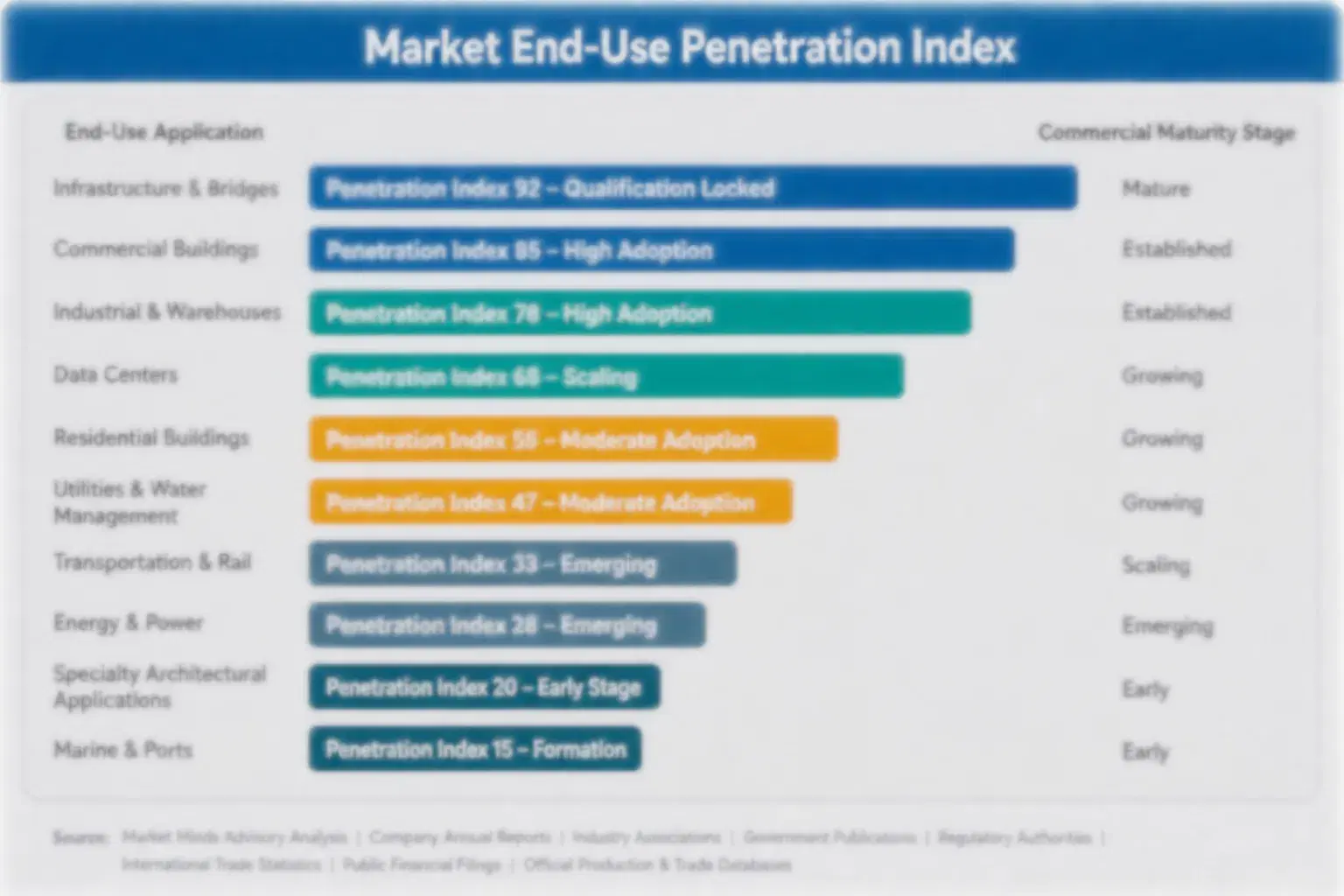
Tocotrienol demand behaves like an annuity attached to product dossiers, safety files and clinician recommendations. Once a brand qualifies a source for a cardiovascular or healthy ageing formula, reorders follow every quarter, and switching means new stability studies, label changes and lost credibility with clinics. Buyers set annual volume plans around palm and annatto supply reports, so suppliers with reliable lots earn steady volume and priority allocation. Trust, once earned, is slow to lose.
Adoption stickiness differs by end-use vertical. Clinic-led cardiovascular and healthy ageing programmes are the deepest, since products are written into patient protocols and change only when advice changes. Pharmacy and online supplement buyers are moderately sticky, driven by brand trust and subscriptions. Cosmetic brands are more fluid, changing actives when a new story or price appears, though certified grades hold contracts for one to two years.

Buyer profiles are shifting between generations. Older buyers chose tocotrienols on doctor advice and vitamin E familiarity, while younger buyers ask for isomer data, sustainability proof and combination convenience. Retailers and regulators add a third group that sets claims and sourcing expectations. Suppliers that publish purity data and traceable sourcing win newer buyers.
tocotrienol-market-end-use-penetration-index-1789961739538

MMA Verdict on Tocotrienol Strategy

These are among the four positions where our research anticipates prominent divergence between winners and laggards over the coming forecast period. Each is grounded in the demand model, the regulatory perimeter, and the announced capacity pipeline.
01 / ISOMER PURITY STRATEGY

Shift Palm Volume Into High-Purity Isomer Fractions Before Commodity Complexes Lose Margin

High-purity fractions earn gross margins of 45% to 60% against 32% to 46% for whole palm complexes, and Palm-Derived Tocotrienol Complexes grows at 10.2% a year, about 1.20 times the overall market rate. Producers should invest $4 million to $12 million in molecular distillation and chromatography and move 15% of volume into fractions to lift blended margin by three to five points. Those that stay in commodity complexes will lose pricing over the next two years, while early movers hold isomer specifications, customer trust and premium prices.
02 / ANNATTO SOURCING STRATEGY

Secure Annatto Seed Supply Before Tocopherol-Free Demand Outruns Available Processing Capacity

Annatto-Derived Tocotrienols grows at 11.9% a year, about 1.40 times the overall market rate, and formulators pay gross margins of 45% to 62% for tocopherol-free delta and gamma isomers. Producers should invest $3 million to $9 million in annatto contracts in Peru, Brazil and Kenya, seed drying and chain-of-custody records, and supply full records with each lot. Those that delay will lose brand listings worth 10% to 18% of retail volume over the next two years, while prepared producers hold seed access, pricing and customer confidence.
03 / CLINICAL EVIDENCE STRATEGY

Fund Placebo-Controlled Trials Before Clinicians Discount Unproven Tocotrienol Benefit Claims

Human evidence is thin, no European health claims exist, and brands without larger trials lose clinic accounts worth 8% to 12% of sales to better documented ingredients. Producers should invest $2 million to $6 million per trial of 100 to 300 participants, share costs across brand partners, test the standard dose first and support price premiums of 15% to 25%. Those that delay will lose credibility and pricing over the next two years, while prepared producers hold clinician support, evidence files and customer trust across every buying cycle.
04 / PALM RISK STRATEGY

Diversify Sourcing Before Palm Scrutiny and Price Swings Erode Retailer Listings

Palm-linked cost swings reach 20% to 40%, and retailers increasingly ask for deforestation-free declarations that palm-only suppliers struggle to give. Producers should invest $3 million to $9 million in certified palm, annatto and rice bran supply, sign forward contracts of six to 12 months and publish traceability records with each shipment. Those that delay will lose listings and margin over the next two years, while prepared producers hold cost, volume, certification records and retailer confidence through every scrutiny cycle and price swing.

Engagement Snapshot From the Field

A live engagement with an industry participant carrying material or product regulatory and market exposure ahead of a defining policy shift, showing how our research translates into a defensible multi-year portfolio strategy.
MARKET MINDS ADVISORY · CLIENT ENGAGEMENT SUMMARY
Tocotrienol Producer Strategic Portfolio Review and Transition Roadmap 2026·Investment Scenario on Tocotrienol Exposure Evaluation 2025-26
CLIENT PROFILE
The client is a mid-sized Malaysian palm nutrient producer with annual sales near $45 million (client-reported, unverified by MMA), selling whole tocotrienol complexes to supplement brands and contract makers in North America, Japan and Europe. About 80% of volume was standard complex, palm price swings set its cost, and two European customers had asked for palm-independent options. Management wanted a plan to raise margin and defend accounts.
STRATEGIC CHALLENGE
Gross margin on standard complexes sat near 30% (client-reported, unverified by MMA), palm price swings of 25% had squeezed contracts, and competitors offered annatto grades to the same customers. Management had to decide whether to add high-purity fractions, source annatto or fund a human trial, with limited capital and one main distillation line. Key customers wanted answers within 12 months.
MMA APPROACH
MMA analysed sales, cost and customer data across 30 product grades, interviewed 12 formulators, clinicians and sustainability managers, and ran a buyer survey on isomer purity, sourcing and price across three regions. It modelled margin by grade and scenario, compared fractionation, annatto sourcing and trial options by payback and execution risk, and tested each against palm price scenarios.
KEY FINDINGS
  1. A fractionation upgrade would cost about $6 million and lift gross margin on converted lines from about 30% to about 48% (client-reported, unverified by MMA).
  2. An annatto sourcing programme with Peruvian growers would cost about $3.5 million and open palm-independent listings worth about 12% of sales (client-reported, unverified by MMA).
  3. A placebo-controlled trial of 150 participants would cost about $3 million and support price premiums near 18% and clinic accounts worth about 8% of sales (client-reported, unverified by MMA).
  4. Forward contracts of 12 months with two plantations would cost little but cut palm price exposure by about one third (client-reported, unverified by MMA).
CLIENT PROFILE
The client is a mid-sized Malaysian palm nutrient producer with annual sales near $45 million (client-reported, unverified by MMA), selling whole tocotrienol complexes to supplement brands and contract makers in North America, Japan and Europe. About 80% of volume was standard complex, palm price swings set its cost, and two European customers had asked for palm-independent options. Management wanted a plan to raise margin and defend accounts.
STRATEGIC CHALLENGE
Gross margin on standard complexes sat near 30% (client-reported, unverified by MMA), palm price swings of 25% had squeezed contracts, and competitors offered annatto grades to the same customers. Management had to decide whether to add high-purity fractions, source annatto or fund a human trial, with limited capital and one main distillation line. Key customers wanted answers within 12 months.
MMA APPROACH
MMA analysed sales, cost and customer data across 30 product grades, interviewed 12 formulators, clinicians and sustainability managers, and ran a buyer survey on isomer purity, sourcing and price across three regions. It modelled margin by grade and scenario, compared fractionation, annatto sourcing and trial options by payback and execution risk, and tested each against palm price scenarios.
KEY FINDINGS
  1. A fractionation upgrade would cost about $6 million and lift gross margin on converted lines from about 30% to about 48% (client-reported, unverified by MMA).
  2. An annatto sourcing programme with Peruvian growers would cost about $3.5 million and open palm-independent listings worth about 12% of sales (client-reported, unverified by MMA).
  3. A placebo-controlled trial of 150 participants would cost about $3 million and support price premiums near 18% and clinic accounts worth about 8% of sales (client-reported, unverified by MMA).
  4. Forward contracts of 12 months with two plantations would cost little but cut palm price exposure by about one third (client-reported, unverified by MMA).
RECOMMENDED STRATEGY
Phase 1: Phase 1 (Months 1-9): Fund the fractionation upgrade, sign forward palm contracts and open annatto supplier talks with growers in Peru and Brazil. Phase 2: Phase 2 (Months 10-24): Launch high-purity fractions to anchor customers, start the human trial and qualify annatto grades for European palm-independent listings. Phase 3: Phase 3 (Months 25-42): Scale annatto volumes, publish trial results and review sourcing across palm, annatto and rice bran as price and scrutiny data develop.
OUTCOME
Within 42 months, high-purity fractions reached 38% of sales, blended gross margin rose from about 30% to about 41%, and annatto grades covered about 12% of revenue (client-reported, unverified by MMA). Trial results supported a modest evidence claim, palm price exposure fell by about one third, and two European brands signed multi-year supply agreements.

Frequently Asked Questions

Foundational context covering the market sizes, CAGR, scope, country, region and competition that inform every finding below. This section is provided to cover basics and most often pre-purchase conversations, answered from the MMA Primary Research Dataset.

What is the current size of the Tocotrienol Market?

The global tocotrienol market was valued at $0.40 billion in 2025 on an ingredient and finished-product sales basis. Growth reflects healthy ageing demand and annatto grades, offset by thin human evidence and palm sourcing scrutiny.

How large will the Tocotrienol Market be by 2036?

The market is projected to reach $0.98 billion by 2036, up from $0.43 billion in 2026. The increase of $0.55 billion reflects annatto grades, high-purity fractions and Asian growth.

What is the CAGR for the Tocotrienol Market 2026 to 2036?

The market is forecast to grow at an 8.5% CAGR from 2026 to 2036. The bull case reaches 9.8% and the bear case 7.2%, depending on human trial results, claim approvals and palm sourcing costs.

Which segment is growing fastest?

Annatto-Derived Tocotrienols is the fastest-growing segment at 11.9% CAGR, roughly 1.40 times the overall market rate. Palm-Derived Tocotrienol Complexes follows at 10.2% CAGR each year.

Who are the major companies in the Tocotrienol Market?

Major companies include Davos Life Science, ExcelVite, American River Nutrition, Carotech and BASF. dsm-firmenich, Wilmar International, Sime Darby Plantation, IOI Corporation and Kuala Lumpur Kepong also hold positions in palm nutrients.

Which country is growing fastest?

India is growing fastest at about 11.5% CAGR, because a large supplement market, e-commerce growth and rising older-adult health spending support new volumes. Malaysia and China follow as production and consumption expand.

Report Segmentation Architecture

The full report scope spans multiple orthogonal segmentation dimensions, with cross-tabulated demand data provided for each dimension pair. Coverage extends further to regional breakdowns, trend trajectories, and the competitive detail needed to support segment-level decision-making.

By Primary Market Dimension

  • Annatto-Derived Tocotrienols
  • Palm-Derived Tocotrienol Complexes
  • Rice Bran-Derived Tocotrienols
  • Cereal-Derived Tocotrienols
  • Novel-Source Tocotrienols

By End-Use Industry

  • Dietary Supplements
  • Functional Foods and Beverages
  • Cosmetics and Personal Care
  • Clinical Nutrition

By Commercial Dimension

  • Ingredient Sales to Brand Owners
  • Contract Manufacturing and Private Label
  • Direct-to-Consumer Online
  • Pharmacy and Health Retail
  • Clinic and Practitioner Channels

By Region

  • North America
  • Western Europe
  • East Asia
  • South Asia and Pacific
  • Latin America
  • Middle East and Africa
  • Eastern Europe

Scope, Methodology, and Coverage

Every figure in this report is reproducible from documented input assumptions. The scope below maps the historical period, the forecast horizon, the segmentation dimensions, and the countries covered, alongside the underlying primary and qualitative methodology.
Historical Period
2020 to 2025
Forecast Period
2026 to 2036
Base Year
2025 (USD billions; MMA Primary Research Dataset, September 2026)
Market Definition
The market covers global sales of tocotrienol ingredients and finished tocotrienol supplements, including palm, annatto, rice bran, cereal-derived and novel-source isolates and complexes, used in dietary supplements, functional foods, cosmetics and clinical nutrition. It excludes ordinary tocopherol vitamin E products, palm oil sold as edible oil, and tocotrienol research compounds sold only for laboratory use.
Quantitative Units
USD billions (ingredient and finished-product revenue); kilograms of tocotrienol for volume references
Segmentation Dimensions
By Raw Material Source; By End-Use Industry; By Commercial Dimension; By Region
Regions Covered
North America, Western Europe, East Asia, South Asia and Pacific, Latin America, Middle East and Africa, Eastern Europe
Countries Covered
United States, Canada, Germany, United Kingdom, France, Italy, Japan, China, South Korea, Malaysia, Indonesia, India, Australia, Brazil, Peru, Mexico, United Arab Emirates, Saudi Arabia, Poland, and additional markets relevant to this sector
Key Companies Profiled
Davos Life Science, ExcelVite, American River Nutrition, Carotech, BASF, dsm-firmenich, Wilmar International, Sime Darby Plantation, IOI Corporation, Kuala Lumpur Kepong, Cargill, Archer-Daniels-Midland, Kemin Industries, Nature's Way, Life Extension, NOW Foods, Swanson Health Products, Doctor's Best, Jarrow Formulas, Sabinsa
Quantitative Methodology
Primary survey, n=3,800 respondents, Q4 2025, six countries; demand-side model with trade association cross-validation
Qualitative Methodology
47 expert interviews, Q4 2025; applied to validate demand model assumptions, identify emerging dynamics, and assess competitive positioning
Report Format
PDF and XLSX data workbook (Word format preview document)
Publisher
Market Minds Advisory
Report Code
MMA-2026-HLT-170
Published
September 2026
Contact
sales@marketmindsadvisory.com | www.marketmindsadvisory.com

Purchase the full Tocotrienol Market Report (2026 to 2036).

The full report delivers a detailed assessment of the tocotrienol market through 2036, covering raw material source, end-use and regional forecasts, competitive benchmarking of leading producers and brands, and input cost analysis. It combines MMA primary research, including a six-country survey of 3,800 respondents and 47 expert interviews, with public statistical and company data. Analysts also model trial outcome scenarios, palm price paths and sustainability rule timelines. Clients receive grade margin ranges, sourcing maps and a case study on product strategy. Supplier programme and contract frameworks are also included for planning.
Ten-year raw material source demand forecasts by region
Palm, annatto, and rice bran cost tracking
Competitive benchmarking of leading tocotrienol producers
Claims and novel food rule tracker
Regional market comparative analysis and forecasts included
Quarterly primary survey data update access

Built For The People Who Decide

From boardroom strategy to bench-side execution, this report is read cover-to-cover by leaders shaping the next decade of their industry, turning demand scenarios, market dynamics and valuation benchmarks into decisions.
CXOs/ Presidents/ VPs/ Managers
M&A and Corporate Development
Strategy Teams and R&D Heads
Procurement and Product Directors
Regulatory and Compliance Leaders
Investor Relations and Equity Analysts