Market Minds Advisory
Tissue Engineered Skin Substitute Market

Tissue Engineered Skin Substitute Market: Living Cells Cannot Sit On A Shelf

A product containing viable cells expires in days and cannot be stocked, which turns wound care, a specialty where nothing is scheduled, into a manufacturing logistics exercise nobody designed it for.

Lead Analyst

Published

September 2026

Make Smarter Decisions with Customized Research Insights

Request a free sample report and evaluate market opportunities, growth trends, and competitive dynamics relevant to your business needs.

2025 MARKET VALUE$1.2BMarket Size 2025
2036 FORECAST VALUE$2.9BBase Case , 2026 to 2036
CAGR 2026 TO 20368.4 %Bull 9.6% / Bear 7.2%
INCREMENTAL OPPORTUNITY$1.6BNet 10- year value creation
EXPANSION MULTIPLE2.24x2036 value over 2026 base
Strategic Levers
M&A Pipeline
Regional Outlook
Country Rankings
Competitive Intelligence
Segmental Deep-dive
Call-Us : 91 93563 13602

Executive Snapshot and Market Trajectory

Living cells expire. A tissue engineered construct containing viable cells lasts days rather than years, needs cold chain handling and cannot be held in a hospital store, which means it must be scheduled to a specific patient before it is even made. Wound care is not a scheduled specialty.
North America takes 31% of value because reimbursement for cellular products is more developed there than anywhere and its burn centre network is the largest, and this is a case where the obvious answer is genuinely the right one. Cryopreserved living constructs grow at 12.6%, half again the market rate of 8.4%, because freezing solves the logistics problem that has defeated this category commercially for three decades.
Concentration is 57% and the uncomfortable history is that products with better biology have repeatedly lost to products with none. Acellular matrices reach market through pathways requiring almost no evidence and sit on a shelf indefinitely. Living constructs carry biologic regulatory burden and a delivery window measured in days, and they compete against each other in the same wound clinic. That asymmetry is a policy artefact rather than any market judgement about the science.
Market Definition
The market covers skin substitutes containing viable cells or engineered living tissue, including cultured epidermal autografts, allogeneic bilayered living constructs, cryopreserved living cellular constructs, fibroblast-seeded dermal substitutes, autologous cell suspension systems, and bioprinted and next-generation constructs. Acellular dermal matrices, decellularised xenografts, amniotic membrane products supplied without viable cells, conventional dressings and negative pressure wound therapy are excluded. Wound care nursing and surgical services fall outside scope.
Base Year Value
$1.2B in 2025 (MMA Primary Research Dataset, August 2026)
Forecast Period
2026 to 2036, eleven discrete annual values
CAGR
8.4% base case. Bull 9.6%. Bear 7.2%.
Fastest Growth Segment
Cryopreserved Living Cellular Constructs: 12.6% CAGR
Fastest Growth Country
India: 10.6% CAGR
Fastest Growth Region
South Asia and Pacific: 10.4% CAGR
Largest Region
North America: 31% of 2025 global value
Market Leaders
Organogenesis, Avita Medical, Vericel, Mallinckrodt, Smith and Nephew. Source: MMA Analysis based on disclosed regenerative tissue and advanced wound care revenue, company annual reports 2025.
Primary Survey
n=3,800 procurement and R&D decision-makers, Q4 2025, six countries
Methodology
Demand-side build-up, cross-validated against public data, 47 expert interviews

Tissue Engineered Skin Substitute Market Forecast Scenarios

tissue-engineered-skin-substitute-market-size-forecast-scenario-1787693082575
Growth from 2020 to 2025 ran at 7.4% and logistics rather than science shaped it. Elective procedures and wound clinic attendance were disrupted through 2020, which is unusually damaging for products manufactured to order with a shelf life measured in days. Cryopreservation technology matured across the period and began removing the scheduling constraint that had limited every living construct since these products first reached market.
The 8.4% base case rests on three mechanisms. Cryopreservation is converting products that had to be scheduled into products that can be stocked, which changes what a wound clinic can realistically offer. Autologous cell suspension is expanding in burn care because a small biopsy covers a large area and reduces the donor site that used to be the second injury. And diabetic foot ulcer volumes keep rising with diabetes prevalence.
The bull case at 9.6% turns on cryopreserved constructs reaching shelf availability comparable to acellular products, which would remove the logistics disadvantage that has defeated better biology repeatedly. The bear case at 7.2% is payers tightening coverage for cellular products on cost grounds, since they cost several times an acellular alternative and comparative evidence between the two remains thinner than either side admits.

Better Biology, Worse Logistics

Everything difficult about this market follows from cell viability. A fresh living construct lasts around five days, requires cold chain handling and must be manufactured against a named patient with a booked appointment. Wound care is not a scheduled specialty, so roughly 18% of ordered constructs go unused when the appointment moves, and somebody absorbs that cost. Excellent biology has failed commercially on exactly this problem for three decades.
FIVE-FIRM CONCENTRATION57%Share of regenerative tissue revenue held by leading suppliers
LIVING CONSTRUCT PRICE$2,850Typical cost of a single living cellular skin construct application
TOP CONSUMING COUNTRYUSA 29%American share of global living skin substitute value consumed
FRESH PRODUCT SHELF LIFE5 daysUsable window for a construct containing viable uncryopreserved cells
AUTOGRAFT CULTURE TIME3 weeksTime to expand a patient biopsy into transplantable cultured sheets
SCHEDULING CANCELLATION RATE18%Ordered constructs unused because the patient appointment changed
The regulatory asymmetry compounds it. A living cellular construct is a biologic requiring full licensure with clinical trials behind it, while an acellular matrix frequently reaches the same wound clinic through a tissue pathway demanding no efficacy evidence at all. The product carrying the heaviest development burden therefore competes on price against products that carried almost none.
Autologous and allogeneic products solve different problems and are frequently discussed as though they were alternatives. A cultured epidermal autograft takes around three weeks to grow from a biopsy, which suits a major burn patient who will be hospitalised for months and nothing else. Allogeneic constructs are available sooner and are replaced by host tissue over time, acting as a biologically active dressing rather than a permanent graft. Few suppliers describe that plainly.
"The science won and the shelf life lost. Anybody who fixes the logistics without breaking the biology takes this category, and cryopreservation is the first serious attempt at it."
Director, Regenerative Tissue and Wound Care Practice · MMA Medical Devices Practice · August 2026

Market Trends

Cryopreservation Removes The Scheduling Constraint Entirely

A fresh living construct lasts around five days and must be manufactured against a booked appointment, which is why roughly 18% of orders go unused when wound clinic schedules move. Cryopreserved constructs can be held at the hospital and thawed when the patient actually attends, which converts a scheduled product into a stocked one. Growth at 12.6% follows that operational change rather than any improvement in the underlying biology. It addresses the specific failure that has defeated better products commercially for three decades running. Freezer capacity is the remaining obstacle.
Market Impact: Funds 29% of global consumption

Autologous Suspension Replaces Sheet Grafting In Burns

Expanding a biopsy into cultured epidermal sheets takes around three weeks, which suits a major burn patient staying months and excludes everybody else entirely. Point-of-care autologous cell suspension prepares cells during the same operation and sprays them across a prepared bed, covering far more area than the donor site would have allowed. Growth at 10.4% follows burn unit adoption rather than chronic wound demand. The donor site was always the second injury, and reducing it changes recovery rather than merely improving a product specification. Operative planning changes rather than product choice.
Market Impact: Affects 25% of diabetic patients

Market Opportunities and Growth Drivers

American Reimbursement Sustains Cellular Product Economics

Living constructs cost several times an acellular alternative and only survive commercially where a payer funds that difference, which happens most consistently in the United States and accounts for roughly 29% of global consumption. European health technology assessment scrutinises the price gap more closely and funds these products more narrowly. That single reimbursement asymmetry explains most of the regional distribution in this market. Suppliers planning globally on American assumptions have repeatedly discovered that the same product cannot be sold the same way elsewhere. The same product cannot be sold the same way elsewhere.
Market Impact: Requires trials 0 competitors run

Diabetic Foot Ulcer Volumes Rise With Diabetes Prevalence

Diabetes prevalence keeps climbing across every health system and foot ulceration follows it with a lag measured in years, producing a chronic wound population that grows without any change in treatment practice. Roughly a quarter of people with diabetes develop an ulcer at some point, and those wounds are slow, expensive and frequently precede amputation. Living constructs are used in the refractory cases where standard care has failed, which is a subset that expands proportionally as the underlying population does. Refractory cases expand proportionally with the population. Nothing about practice needs to change.
Market Impact: Wastes 18% of ordered constructs

Market Restraints and Challenges

Regulatory Burden Falls On The Better Product

A living cellular construct requires full biologic licensure with clinical trials behind it, while an acellular matrix frequently reaches the same wound clinic through a tissue pathway demanding no efficacy evidence whatsoever. Root cause is a regulatory framework that classifies by cellular content rather than by claim. The commercial impact is that products carrying the heaviest development cost compete on price against products that carried almost none, which has shaped survival in this category far more than clinical performance did. Mitigation does not exist without regulatory reform. Regulatory reform is the only route.
Market Impact: Removes 18% scheduling wastage

Shelf Life Forces Scheduling Wound Care Cannot Deliver

A fresh living construct lasts around five days and must be manufactured against a named patient with a confirmed appointment, and roughly 18% of orders go unused when that appointment moves. Root cause is cell viability rather than any manufacturing shortcoming. The commercial impact is wastage that somebody absorbs and a purchasing process wound clinics find genuinely difficult to operate alongside unscheduled attendance. Mitigation runs through cryopreservation, which works and requires hospital freezer capacity and thawing protocols many clinics do not have. Freezer capacity and protocols are the remaining barrier.
Market Impact: Prepares cells within 30 minutes
3 additional market trends, 4 additional growth drivers, and 2 additional restraints and challenges are covered in the full report. Contact sales@marketmindsadvisory.com to access the complete intelligence.

Segment CAGR and Growth Architecture

Segmentation follows product construction: what cellular material the product contains and how it is prepared and preserved, rather than which wound receives it or who funds the application. Six constructions cover the market without overlap, from cultured autografts through to bioprinted constructs. Clinical indication and payment route are treated separately here. Both cut across all six constructions.
tissue-engineered-skin-substitute-market-market-share-analysis-1787693082833

Cryopreserved Living Cellular Constructs

Freezing a living construct lets a hospital hold it and thaw it when the patient actually attends, which converts a product manufactured against a booked appointment into one that sits in a freezer like anything else. Growth at 12.6%, half again the market rate of 8.4%, follows that operational change rather than any biological improvement. It addresses the specific commercial failure that has defeated better products for three decades, since roughly 18% of fresh construct orders currently go unused when schedules move. What limits adoption is hospital freezer capacity and thawing protocol discipline rather than anything about the product itself. Wound clinics rarely have either in place today. Freezer space is the barrier.
CAGR 12.6%

Autologous Cell Suspension Systems

Preparing a patient's own cells during the same operation and spraying them across a prepared wound bed covers far more area than the donor skin would have provided, which matters most in burns where donor sites are scarce and painful. Growth at 10.4% comes from burn units rather than from chronic wound clinics, and the base remains small in absolute terms. The deeper significance is that the donor site was always the second injury, so reducing it changes what recovery looks like rather than improving any product specification. Burn units adopting it revise operative planning, which is a considerably stronger commitment than a purchasing preference. Reverting means accepting larger donor sites again.
CAGR 10.4%
Full segment breakdown across 6 segments available in the complete report.

Regional Architecture and Country Demand Map

Geography follows reimbursement for cellular products rather than wound prevalence, which is broadly proportional to diabetes rates. North America leads because payers fund the price gap against acellular alternatives, and East Asia grows on burn volume and cell manufacturing capability. Funding rather than clinical capability sets the distribution.

North America

North America takes 31% because American payers fund the cost gap between living constructs and acellular alternatives more consistently than any other system, and this is one market where the obvious answer happens to be correct. The burn centre network is the largest anywhere and adopts autologous cell technology readily. Wound clinic scheduling remains the operational obstacle, with fresh product wastage absorbed variously by suppliers, clinics and payers depending on contract terms. Canadian provision funds these products narrowly through provincial systems. Mexican access is limited to private burn and reconstructive centres serving self-funding patients. Fresh product wastage is absorbed variously by suppliers, clinics and payers depending entirely on how individual contracts happen to be written.
Share: 31% | CAGR: 7.6% (2026 to 2036)

Western Europe

European health technology assessment scrutinises the price gap between cellular and acellular products closely, and funds living constructs far more narrowly than American payers do, which suppresses value relative to clinical capability. German and Dutch burn centres use autologous cell technology where the clinical case is strongest. British provision is concentrated in specialist burn services with structured commissioning. Nordic systems apply cost per healed wound assessment rigorously. European regulatory classification of these products as advanced therapies adds requirements that several suppliers have found genuinely difficult to satisfy commercially. Advanced therapy classification adds regulatory requirements that several suppliers have found genuinely difficult to satisfy commercially at all. Access stays narrow here.
Share: 23% | CAGR: 6.8% (2026 to 2036)
Regional intelligence for 5 additional markets available in the complete report: East Asia, South Asia and Pacific, Latin America, Middle East and Africa, Eastern Europe. Contact sales@marketmindsadvisory.com.
tissue-engineered-skin-substitute-market-country-cagr-analysis-1787693083104

Fixing Logistics Without Breaking Biology

Fresh constructs last about five days, roughly 18% of orders are wasted on schedule changes, and the regulatory burden falls on the better product. Four levers work on preservation, honest positioning, burn economics and reimbursement rather than on biology, which is already the category's strongest asset. Biology is already this category's strongest asset. Delivery is the weakness.

Convert Fresh Products To Cryopreserved Formats

A fresh living construct lasts around five days and must be made against a booked appointment, which wastes roughly 18% of orders when wound clinic schedules move as they routinely do. Cryopreservation lets the hospital hold and thaw it, converting a scheduled product into a stocked one. Growth at 12.6% follows that change alone. The development work is preservation science rather than biology, and it addresses the exact commercial failure that has defeated better products in this category for three consecutive decades. Utilisation lifts immediately. Three decades of failure trace to this.
Market Impact: Eliminates the whole 18% order scheduling wastage rate

Describe Allogeneic Constructs Honestly To Clinicians

Allogeneic living constructs are replaced by host tissue over time and act as biologically active dressings delivering growth factors rather than as permanent grafts, which is a genuine and useful mechanism that very few suppliers state plainly. Clinicians who expected engraftment and observed replacement conclude the product failed. Describing the mechanism accurately produces appropriate expectations, appropriate use and repeat application where the biology actually calls for it, and it costs a change in clinical materials rather than any development spending at all. A 5 day window and a replaced graft are separate facts clinicians routinely confuse.
Market Impact: Corrects clinical expectations across the 5 day window

Build Burn Unit Economics Around Donor Site Reduction

Autologous cell suspension covers far more area than the donor skin would have provided, and the donor site was always the second injury a burn patient carried. Growth at 10.4% comes from burn units revising operative planning rather than from any purchasing preference. Selling on donor site reduction, hospital stay and recovery reaches the surgeon and the service manager together, whereas selling on cost per square centimetre reaches procurement and loses. Very few suppliers frame the proposition that way despite the evidence supporting it. Procurement is the wrong audience. Framing decides the audience.
Market Impact: Reduces donor sites across the whole 10.4% growth

Build European Evidence For The Price Gap

Living constructs cost several times an acellular alternative and American payers fund that difference while European assessment bodies scrutinise it closely, which limits the market to roughly 29% of the world in practice. Comparative evidence between cellular and acellular products is thinner than either side admits publicly. A supplier generating that comparison directly opens funded access in systems that currently decline, and the study is considerably cheaper than the licensure trials these products already completed. Roughly 29% of global consumption sits in the one market that funds the price gap without asking for that comparison. Everywhere else asks.
Market Impact: Extends beyond the 29% share of funded consumption

Who Controls the Margin Pool

Measured on disclosed regenerative tissue and advanced wound care revenue, the five leading suppliers hold a CR5 of 57%, which reflects a field where biologic licensure and cell manufacturing capability limit participation genuinely. Organogenesis holds the largest chronic wound position, Avita and Vericel lead autologous burn technology, and several large wound care companies participate through acellular products while largely avoiding cellular manufacturing. Cell manufacturing capability limits participation genuinely.
Three contests define activity. Chronic wound cellular products compete against acellular alternatives on reimbursement and on comparative evidence that barely exists. Burn autologous technology competes on donor site reduction and operative planning, reaching surgeons directly. Cryopreserved formats compete on hospital logistics, which is an operational sale that clinical teams and pharmacy both have to accept. A supplier strong in one of those three contests holds no transferable position in the others.

Pressure comes from acellular products reaching the same clinics through pathways demanding no efficacy evidence, which is a regulatory asymmetry no commercial response addresses. Rankings shift as cryopreservation removes the scheduling disadvantage, since that has decided commercial outcomes in this category more than biology ever has. Logistics has decided outcomes more than biology ever did.
tissue-engineered-skin-substitute-market-company-positioning-matrix-1787693083414

Competitive Moat and Risk Dimensions

ORGANOGENESIS

Moat: Chronic Wound Reimbursement Position

Organogenesis holds established reimbursement coverage and wound clinic relationships for living cellular products, which took years and considerable clinical evidence to build in a field where payers scrutinise cellular pricing closely. That coverage is the asset rather than any manufacturing capability. A competitor with comparable biology still faces payers who fund a specific product rather than a category.
ORGANOGENESIS

Risk: Acellular Substitution Pressure

Acellular matrices reach the same wound clinics through pathways demanding no efficacy evidence and cost a fraction as much, which makes them a constant substitution threat regardless of comparative biology. Payers reviewing cellular product cost look at those alternatives first. Defending the position requires comparative evidence that would benefit competitors equally and that nobody has funded.
AVITA MEDICAL

Moat: Point Of Care Cell Preparation

Avita prepares autologous cells during the operation itself rather than culturing them over weeks, which removes the three week delay that confined earlier cellular autografts to hospitalised burn patients. That changes which patients can be treated at all rather than improving on an existing option. A competitor culturing cells conventionally cannot serve a single-stage operation regardless of cell quality.
AVITA MEDICAL

Risk: Burn Volume Concentration

Major burn injury is uncommon and concentrated in a small number of specialist units, which caps the addressable population sharply regardless of adoption depth within it. Extending into chronic wounds means competing where acellular alternatives are entrenched and cheaper. A technology that suits burns exceptionally well faces a genuinely limited market beyond them.

Players Tracked

Prominent Players

Organogenesis
Avita Medical
Vericel
Mallinckrodt
Smith and Nephew

Other Key Players

Integra LifeSciences
MiMedx
Tissue Regenix
Aroa Biosurgery
Kerecis
PolyMedics Innovations
Amnio Technology
Japan Tissue Engineering
Regenity Biosciences
Convatec
Coloplast
Molnlycke Health Care
Solventum
Celularity
Corestem

Recent Developments

MARCH 2025

Cryopreserved cellular construct receives expanded regulatory clearance

A cryopreserved living cellular construct received expanded regulatory clearance permitting hospital storage and thawing at point of use, a regulatory decision rather than any corporate transaction. It addresses the scheduling constraint that has limited fresh living products since the category first reached clinical practice decades ago.
Signal: Preservation rather than biology is where this whole category finally solves its long-standing commercial delivery problem.
JULY 2025

Burn centre network adopts point of care cell suspension as standard

A network of burn centres adopted point of care autologous cell suspension as standard practice for large surface area injuries, a clinical protocol decision rather than any commercial agreement. Donor site reduction and shorter hospital stay were the stated rationale rather than any saving on product cost itself.
Signal: Protocol adoption is far harder for competitors to reverse than any purchasing preference could ever be.
NOVEMBER 2025

Assessment body declines funding for cellular construct on cost grounds

A national health technology assessment body declined routine funding for a living cellular construct, citing cost relative to acellular alternatives and insufficient comparative evidence between them. This was a funding decision rather than any regulatory action, and it reflects the scrutiny European systems apply that American payers largely do not.
Signal: Comparative evidence against acellular products is the missing piece limiting cellular access outside America almost entirely.

What Living Products Cost

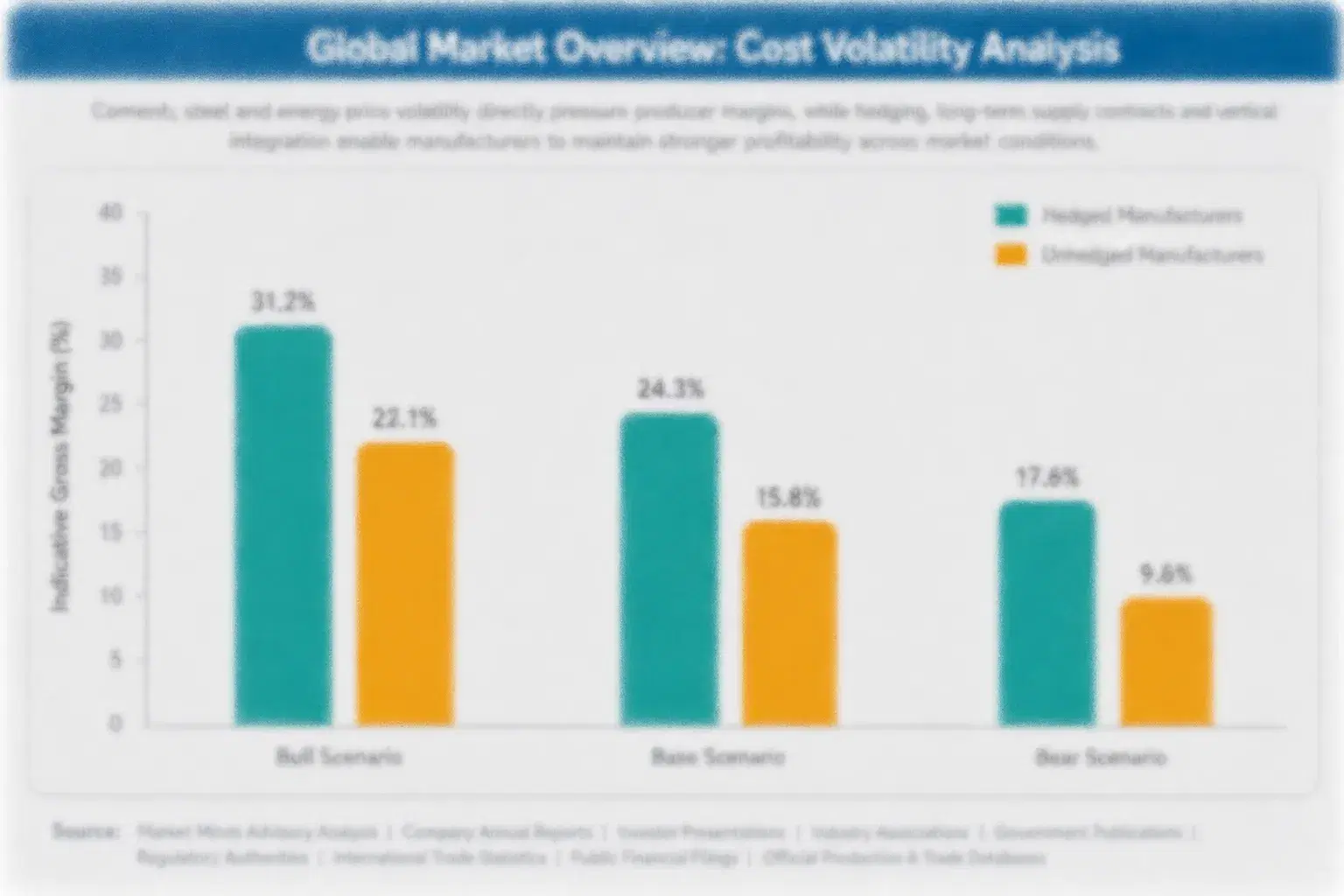
Cell culture dominates and everything scales badly. Media, growth factors, serum, cleanroom operation and quality release testing together run 41 to 48% of selling price for an allogeneic living construct, with cleanroom time the largest and least reducible element. Autologous products carry the same costs against a single patient's worth of output. Cold chain distribution adds meaningfully and is the cost most suppliers understate when modelling a new market.
The volatility that matters is biological media and cleanroom capacity. Culture media and growth factor pricing moved sharply through the periods when cell therapy manufacturing expanded and competed for the same inputs, and cleanroom capacity tightened alongside it. Organogenesis and Vericel disclosures describe manufacturing cost pressure across recent periods. Suppliers holding contracted media supply and owned cleanroom capacity maintained output. Contract manufacturing meant competing for slots against far larger programmes.

Exposure divides by product type and preservation format. Allogeneic manufacturers achieve some batch scale and carry inventory risk on a five day shelf life. Autologous producers carry full cost against one patient with no scale available anywhere. Cryopreserved formats carry freezing and thaw validation cost and remove the wastage that fresh distribution generates. Stocked availability lifts uptake further still.
tissue-engineered-skin-substitute-market-cost-volatility-analysis-1787693083735

Contract culture media supply ahead of cell therapy competition

Culture media and growth factors are bought by cell therapy programmes with far greater purchasing power and urgency, and pricing moved sharply when that demand expanded. Contracted supply costs commitment through quieter periods and prevents an interruption in a product with no shelf inventory to fall back on. A missed batch means a patient without a graft.

Own cleanroom capacity rather than contracting slots

Contract manufacturing slots are allocated against far larger cell therapy programmes, and a skin construct competes poorly for that capacity when scheduling pressure arrives. Owned cleanroom capacity carries fixed cost through quiet periods and guarantees output when it matters. Suppliers who relied entirely on contracted capacity have missed patient scheduled deliveries for reasons entirely outside their control.

Validate cryopreservation before scaling fresh distribution

Fresh distribution generates roughly 18% wastage on schedule changes and requires cold chain reliability that many regions cannot provide consistently. Validating cryopreservation before expanding fresh supply avoids building a distribution network around a format the market is moving away from. The validation work is substantial and considerably cheaper than a distribution investment that becomes obsolete.

Portfolio Architecture for Margin Defence

Margin follows preservation format and reimbursement position rather than cellular sophistication. Fresh allogeneic constructs earn well on price and lose a meaningful share of it to wastage nobody fully accounts for. Cryopreserved formats earn better because the wastage disappears and stocked availability lifts utilisation. Autologous burn products earn strongly where donor site reduction justifies the price. Bioprinted constructs earn nothing yet, being genuinely pre-commercial.
The tension is that the category's biological advantage does not convert into commercial advantage without solving delivery. Living products have better science and worse logistics than the acellular alternatives they compete against, and the acellular products face no efficacy evidence requirement at all. Suppliers who addressed preservation have grown. Those who continued arguing biological superiority into wound clinics that could not schedule reliably have not.

High-value pools sit in three places. Cryopreserved constructs with hospital stocking, which removes the failure that defeated this category repeatedly. Autologous burn technology sold on donor site reduction rather than on cost per area. And comparative evidence against acellular alternatives, which nobody has generated and which would open European funded access. Each of the three addresses delivery or evidence rather than biology.

Volume / Commodity-Adjacent

Fresh allogeneic living constructs distributed against booked appointments with a shelf life measured in days. The 7-point range separates suppliers with owned cleanroom capacity and contracted media supply from those competing for contract manufacturing slots against larger cell therapy programmes.
Gross Margin: 38-45%

Premium / Certified

Cultured epidermal autografts and fibroblast-seeded dermal substitutes with established reimbursement and clinical evidence behind them. The 7-point spread separates suppliers holding payer coverage and burn centre relationships from those with comparable biology and no funded access anywhere.
Gross Margin: 52-59%

Sustainability / Regulatory / Next-Generation

Cryopreserved living constructs and autologous point of care cell suspension systems. The 24-point range is very wide because cryopreserved formats remove wastage entirely while autologous systems carry full manufacturing cost against a single patient with no batch scale available.
Gross Margin: 50-74%
tissue-engineered-skin-substitute-market-portfolio-architecture-1787693084028

High-value Sub-segments and Strategic Watch-out

Cryopreserved Stocked Constructs

Highest value and fastest growth at 12.6%, removing the wastage and scheduling problem that has defeated better biology across three decades of this category. The risk is hospital freezer capacity and thawing protocol discipline, which many wound clinics simply do not have available. Protocols take time.
Gross Margin: 71-74%

Autologous Burn Cell Systems

Strong value where donor site reduction and shorter hospital stay justify pricing that cost per square centimetre never would. The risk is population size, since major burn injury is uncommon and concentrated in a small number of specialist units worldwide. The population is small. Depth cannot fix breadth.
Gross Margin: 62-65%

Fresh Allogeneic Constructs

The volume core historically, distributed against booked appointments with roughly 18% wastage when schedules move as wound clinics routinely do. Suppliers hold the position because it carries the reimbursement coverage and clinic relationships that cryopreserved formats will eventually inherit. Coverage transfers eventually. Relationships carry forward.
Gross Margin: 39-42%

Regulatory Asymmetry Exposure

The strategic watch-out. Living products carry biologic licensure cost while acellular competitors reach the same clinics through pathways demanding no efficacy evidence at all. The risk is a permanent cost disadvantage that no commercial response addresses and that only regulatory reform would remove. Nothing commercial fixes it.
Gross Margin: 45-48%

Products Made For One Patient

Manufacturing here is triggered by a named patient rather than by a forecast, which inverts ordinary product economics completely. An allogeneic batch is scheduled against booked applications and an autologous product does not exist until a biopsy arrives. That makes revenue a direct function of clinical scheduling, and roughly 18% of it evaporates when appointments move.
Stickiness rests on reimbursement coverage and on protocol rather than on preference. A product with payer coverage in a wound clinic is used because it is funded, and one without coverage is not used at any level of clinical enthusiasm. Burn units that revised operative planning around autologous suspension are far harder to move, since reverting means accepting larger donor sites. Cryopreserved formats become sticky through freezer occupancy and validated thawing protocols.

The buyer differs sharply between the two halves. A wound clinic manager selects on reimbursement and on whether the product can realistically be scheduled. A burn surgeon selects on donor site consequences and operative planning, with cost secondary to what happens to the patient. One organisation covering both serves whichever half its heritage came from. The other half is consistently underserved as a direct result.
tissue-engineered-skin-substitute-market-end-use-penetration-index-1787693084379

Solving The Delivery Problem

These are among the four positions where our research anticipates prominent divergence between winners and laggards over the coming forecast period. Each is grounded in the demand model, the regulatory perimeter, and the announced capacity pipeline.
01 / PRESERVATION FORMAT CONVERSION

Freeze it or keep losing scheduled orders

A fresh living construct lasts around five days and must be manufactured against a booked appointment, which wastes roughly 18% of orders whenever wound clinic schedules move as they routinely do. Cryopreservation lets a hospital hold and thaw the product when the patient actually attends, converting a scheduled item into a stocked one and lifting utilisation directly. The development work is preservation science rather than biology, and it addresses precisely the failure that has defeated better products across three consecutive decades.
02 / MECHANISM HONESTY POSITIONING

Say that allogeneic constructs get replaced

Allogeneic living constructs are replaced by host tissue over time and function as biologically active dressings delivering growth factors rather than as permanent grafts that engraft indefinitely. That is a genuine and clinically useful mechanism, and remarkably few suppliers state it plainly to the clinicians actually using their products. Clinicians who expected engraftment and then observed replacement conclude the product simply failed, whereas appropriate expectations would have produced appropriate use and repeat application wherever the biology genuinely calls for it.
03 / BURN ECONOMICS FRAMING

Sell the donor site, not the coverage area

Autologous cell suspension covers considerably more area than the donor skin would ever have provided, and that donor site was always the second injury a burn patient had to carry through recovery. Growth at 10.4% comes from burn units revising their operative planning rather than from any straightforward purchasing preference being expressed. Selling on donor site reduction and shorter hospital stay reaches the surgeon and the service manager together, whereas selling on cost per square centimetre reaches procurement and loses.
04 / COMPARATIVE EVIDENCE INVESTMENT

Nobody has tested cellular against acellular properly

Living constructs cost several times an acellular alternative, American payers fund that difference and European assessment bodies scrutinise it closely, which confines the market to roughly 29% of global consumption. Comparative evidence between cellular and acellular products is considerably thinner than either side admits in public discussion of the question. A supplier that generated that comparison directly would open funded access in the systems currently declining it, at a cost well below the licensure trials these products have already completed.

Engagement Snapshot From the Field

A live engagement with an industry participant carrying material or product regulatory and market exposure ahead of a defining policy shift, showing how our research translates into a defensible multi-year portfolio strategy.
MARKET MINDS ADVISORY · CLIENT ENGAGEMENT SUMMARY
Tissue Engineered Skin Substitute Producer Strategic Portfolio Review and Transition Roadmap 2026·Investment Scenario on Tissue Engineered Skin Substitute Exposure Evaluation 2025-26
CLIENT PROFILE
A cellular skin substitute manufacturer supplying fresh allogeneic living constructs across eleven markets, with reported revenue of 94 million dollars (client-reported, unverified by MMA). All product was manufactured against booked patient appointments and distributed under cold chain with a five day usable window. The company was planning a substantial cold chain distribution expansion to support entry into three further European markets.
STRATEGIC CHALLENGE
Wastage from cancelled appointments had risen for two consecutive years and European reimbursement submissions were being declined on cost grounds. Management attributed wastage to clinic administration and planned to address it through ordering process changes. Nobody had compared the economics of fresh distribution against cryopreserved format development. Neither assumption held up.
MMA APPROACH
MMA quantified wastage against clinic scheduling data across the client's accounts, which the company recorded but had never analysed together. Fourteen expert interviews with wound clinic managers, burn surgeons and assessment body reviewers established what drives both scheduling failure and funding refusal. The analysis compared fresh distribution investment against cryopreservation development directly, which management had never modelled.
KEY FINDINGS
  1. Wastage traced to unavoidable clinic scheduling variability rather than to administrative failure, meaning ordering process changes could not materially reduce it. Process changes could not help.
  2. European funding refusals cited absent comparative evidence against acellular alternatives rather than any doubt about the product's own clinical performance. Performance was never questioned.
  3. Cryopreservation development modelled lower total cost than the planned cold chain expansion while removing wastage entirely across every market. Wastage disappears on conversion.
  4. Clinicians in three markets described the product as failing because host replacement was mistaken for graft failure (client-reported, unverified by MMA). Nobody had explained the mechanism.
CLIENT PROFILE
A cellular skin substitute manufacturer supplying fresh allogeneic living constructs across eleven markets, with reported revenue of 94 million dollars (client-reported, unverified by MMA). All product was manufactured against booked patient appointments and distributed under cold chain with a five day usable window. The company was planning a substantial cold chain distribution expansion to support entry into three further European markets.
STRATEGIC CHALLENGE
Wastage from cancelled appointments had risen for two consecutive years and European reimbursement submissions were being declined on cost grounds. Management attributed wastage to clinic administration and planned to address it through ordering process changes. Nobody had compared the economics of fresh distribution against cryopreserved format development. Neither assumption held up.
MMA APPROACH
MMA quantified wastage against clinic scheduling data across the client's accounts, which the company recorded but had never analysed together. Fourteen expert interviews with wound clinic managers, burn surgeons and assessment body reviewers established what drives both scheduling failure and funding refusal. The analysis compared fresh distribution investment against cryopreservation development directly, which management had never modelled.
KEY FINDINGS
  1. Wastage traced to unavoidable clinic scheduling variability rather than to administrative failure, meaning ordering process changes could not materially reduce it. Process changes could not help.
  2. European funding refusals cited absent comparative evidence against acellular alternatives rather than any doubt about the product's own clinical performance. Performance was never questioned.
  3. Cryopreservation development modelled lower total cost than the planned cold chain expansion while removing wastage entirely across every market. Wastage disappears on conversion.
  4. Clinicians in three markets described the product as failing because host replacement was mistaken for graft failure (client-reported, unverified by MMA). Nobody had explained the mechanism.
RECOMMENDED STRATEGY
Phase 1: Phase one: halt the cold chain distribution expansion and redirect that investment into cryopreservation development and validation work instead. The format is changing. Phase 2: Phase two: fund a direct comparative study against acellular alternatives, which is what European assessment bodies have explicitly asked for. Phase 3: Phase three: rebuild clinical materials to describe host replacement accurately, since clinicians are currently interpreting the mechanism as failure. They read it as failure.
OUTCOME
The distribution expansion was cancelled and cryopreservation validation began, with wastage projected to fall to near zero on conversion. A comparative study was designed with assessment body input rather than in isolation (client-reported, unverified by MMA). Revised clinical materials were issued and reported product dissatisfaction fell markedly in the three affected markets.

Frequently Asked Questions

Foundational context covering the market sizes, CAGR, scope, country, region and competition that inform every finding below. This section is provided to cover basics and most often pre-purchase conversations, answered from the MMA Primary Research Dataset.

What is the current size of the Tissue Engineered Skin Substitute Market?

The market was worth 1.2 billion dollars in 2025, covering cultured autografts, allogeneic constructs, cryopreserved formats, seeded dermal substitutes, cell suspension systems and bioprinted constructs. It reaches 1.30 billion dollars in 2026.

How large will the Tissue Engineered Skin Substitute Market be by 2036?

MMA forecasts 2.91 billion dollars by 2036, an increase of 1.61 billion dollars over the 2026 base. That represents an expansion multiple of 2.24 times across the forecast period.

What is the CAGR for the Tissue Engineered Skin Substitute Market 2026 to 2036?

The base case compounds at 8.4% annually. MMA's bull case reaches 9.6% if cryopreserved products match acellular shelf availability, while the bear case sits at 7.2% on payers tightening cellular coverage.

Which segment is growing fastest?

Cryopreserved living cellular constructs, at 12.6%, half again the market rate of 8.4%. Freezing converts a product made against an appointment into one a hospital can simply stock.

Who are the major companies in the Tissue Engineered Skin Substitute Market?

Organogenesis, Avita Medical, Vericel, Mallinckrodt and Smith and Nephew lead on disclosed regenerative tissue and advanced wound care revenue. Japan Tissue Engineering, Celularity and Integra compete in specific constructions.

Which country is growing fastest?

India at 10.6%, driven by expanding burn care capacity and rising diabetic foot ulcer volumes from a substantial base. China follows on burn volume and cell manufacturing capability.

Report Segmentation Architecture

The full report scope spans multiple orthogonal segmentation dimensions, with cross-tabulated demand data provided for each dimension pair. Coverage extends further to regional breakdowns, trend trajectories, and the competitive detail needed to support segment-level decision-making.

By Product Construction

  • Cultured Epidermal Autografts
  • Allogeneic Bilayered Living Constructs
  • Cryopreserved Living Cellular Constructs
  • Fibroblast-Seeded Dermal Substitutes
  • Autologous Cell Suspension Systems
  • Bioprinted and Next-Generation Constructs

By End-Use Industry

  • Hospital Burn Centres
  • Outpatient Wound Care Clinics
  • Plastic and Reconstructive Surgery
  • Vascular and Podiatric Services
  • Academic Medical Centres
  • Clinical Research and Trial Sites

By Commercial Dimension

  • Reimbursed Application
  • Hospital Formulary Purchase
  • Health Technology Assessment Listing
  • Named Patient Manufacture
  • Self-Funded Patient Access
  • Clinical Trial Supply

By Region

  • North America
  • Western Europe
  • East Asia
  • South Asia and Pacific
  • Latin America
  • Middle East and Africa
  • Eastern Europe

Scope, Methodology, and Coverage

Every figure in this report is reproducible from documented input assumptions. The scope below maps the historical period, the forecast horizon, the segmentation dimensions, and the countries covered, alongside the underlying primary and qualitative methodology.
Historical Period
2020 to 2025
Forecast Period
2026 to 2036
Base Year
2025 (USD billions; MMA Primary Research Dataset, August 2026)
Market Definition
Scope covers skin substitutes containing viable cells or engineered living tissue, spanning cultured epidermal autografts grown from patient biopsy, allogeneic bilayered living constructs containing keratinocytes and fibroblasts, cryopreserved living cellular constructs held and thawed at point of use, fibroblast-seeded dermal substitutes, autologous cell suspension systems prepared at point of care, and bioprinted and next-generation engineered constructs. Acellular dermal matrices of human or animal origin, decellularised xenografts, amniotic and placental membrane products supplied without viable cells, conventional dressings, negative pressure wound therapy and topical growth factor products are excluded. Wound care nursing, surgical services and skin grafting performed without a manufactured product fall outside the boundary.
Quantitative Units
USD billions (current prices); constructs applied; patients treated; square centimetres supplied; scheduling wastage rate
Segmentation Dimensions
By Product Construction; By End-Use Industry; By Commercial Dimension; By Region
Regions Covered
North America, Western Europe, East Asia, South Asia and Pacific, Latin America, Middle East and Africa, Eastern Europe
Countries Covered
USA, China, Japan, Germany, UK, India, South Korea, France, Australia, Brazil, Canada, Italy, Spain, Poland, Saudi Arabia
Key Companies Profiled
Organogenesis, Avita Medical, Vericel, Mallinckrodt, Smith and Nephew, Integra LifeSciences, MiMedx, Tissue Regenix, Aroa Biosurgery, Kerecis, PolyMedics Innovations, Amnio Technology, Japan Tissue Engineering, Regenity Biosciences, Convatec, Coloplast, Molnlycke Health Care, Solventum, Celularity, Corestem
Quantitative Methodology
Primary survey, n=3,800 respondents, Q4 2025, six countries; demand-side model with trade association cross-validation
Qualitative Methodology
47 expert interviews, Q4 2025; applied to validate demand model assumptions, identify emerging dynamics, and assess competitive positioning
Report Format
PDF and XLSX data workbook (Word format preview document)
Publisher
Market Minds Advisory
Report Code
MMA-2026-MED-159
Published
August 2026
Contact
sales@marketmindsadvisory.com | www.marketmindsadvisory.com

Purchase the full Tissue Engineered Skin Substitute Market Report (2026 to 2036).

The full report runs to 165 pages and covers all six product construction segments, seven regions and 20 profiled companies in detail. It includes the complete segment CAGR set, regional reimbursement and burn capacity data, and scheduling wastage analysis across fresh distribution networks. Company profiles carry evaluation on disclosed regenerative tissue and advanced wound care revenue, with moat and risk assessment for the top five suppliers. The competitive section extends to 14 tracked corporate, clinical and funding developments across 2024 and 2025, each with commercial interpretation. Primary research inputs include a quantitative survey of 3,800 respondents and 47 expert interviews conducted in Q4 2025.
Six product construction segments with individual CAGR forecasts
Seven regional markets with reimbursement and burn capacity data
Twenty company profiles on consistent revenue evaluation basis
Fourteen tracked corporate, clinical and funding developments with interpretation
Scheduling wastage analysis across fresh product distribution networks
Regulatory pathway comparison between cellular and acellular product routes

Built For The People Who Decide

From boardroom strategy to bench-side execution, this report is read cover-to-cover by leaders shaping the next decade of their industry, turning demand scenarios, market dynamics and valuation benchmarks into decisions.
CXOs/ Presidents/ VPs/ Managers
M&A and Corporate Development
Strategy Teams and R&D Heads
Procurement and Product Directors
Regulatory and Compliance Leaders
Investor Relations and Equity Analysts