Market Minds Advisory
Tire Curing Press Market

Tire Curing Press Market: Tire Curing Press Market. Global Demand, Technology, and Competitive Outlook 2026 to 2036

China's overwhelming tire manufacturing capacity is pulling curing press demand away from legacy mechanical designs toward electric servo-driven presses, forcing Western manufacturers to defend precision curing relevance against lower-cost Chinese machinery builders.

Lead Analyst

Published

October 2026

Make Smarter Decisions with Customized Research Insights

Request a free sample report and evaluate market opportunities, growth trends, and competitive dynamics relevant to your business needs.

2025 MARKET VALUE$1.6BMarket Size 2025
2036 FORECAST VALUE$2.9BBase Case , 2026 to 2036
CAGR 2026 TO 20365.1 %Bull 6.3% / Bear 3.9%
INCREMENTAL OPPORTUNITY$1.1BNet 10- year value creation
EXPANSION MULTIPLE1.64x2036 value over 2026 base
Strategic Levers
M&A Pipeline
Regional Outlook
Country Rankings
Competitive Intelligence
Segmental Deep-dive
Call-Us : 91 93563 13602

Executive Snapshot and Market Trajectory.

Tire curing press demand is shifting from mechanical clamp designs toward electric servo-driven systems, as tire manufacturers pursue the precision curing control that electric vehicle tire specifications increasingly require. Suppliers unable to demonstrate servo precision risk losing design-in relationships to specialists years ahead of typical replacement cycles across EV-focused plants.
China's tire manufacturing base drives the largest absolute equipment volume globally, while India's rapid capacity expansion is adding new press orders faster than any other region tracked. Electric servo-driven presses are growing fastest as manufacturers specifying EV tire production lines increasingly reject the mechanical clamp designs that dominate conventional passenger and commercial tire curing worldwide. Suppliers serving both conventional and EV-focused lines separate engineering teams to address different precision needs.
Competitive intensity concentrates among a handful of established tire machinery builders, since thermal uniformity guarantees and installed base service history create meaningful barriers for new entrants bidding on large tire plant contracts. Chinese manufacturers increasingly challenge Western and Japanese suppliers on price for standard mechanical and hydraulic presses, though precision electric servo systems still favor established players with documented EV-grade performance records. Buyers now request documented EV-grade references before shortlisting any supplier for new bids.
Market Definition
The tire curing press market covers equipment that vulcanizes green tires under heat and pressure to achieve final tread and sidewall geometry, including mechanical clamp, hydraulic, electric servo-driven, and autoclave-type designs. It excludes tire building machines, extruders, and finishing or inspection equipment used elsewhere in tire manufacturing.
Base Year Value
$1.6B in 2025 (MMA Primary Research Dataset, October 2026)
Forecast Period
2026 to 2036, eleven discrete annual values
CAGR
5.1% base case. Bull 6.3%. Bear 3.9%.
Fastest Growth Segment
Electric Servo-Driven Tire Curing Presses: 7.6% CAGR
Fastest Growth Country
India: 7.8% CAGR
Fastest Growth Region
South Asia and Pacific: 7.2% CAGR
Largest Region
East Asia: 42% of 2025 global value
Market Leaders
Mesnac Co., McNeil and NRM, Herbert Maschinenbau, Guilin Rubber Machinery, Larsen and Toubro. Source: MMA Primary Research Dataset, July 2026.
Primary Survey
n=3,800 procurement and R&D decision-makers, Q4 2025, six countries
Methodology
Demand-side build-up, cross-validated against public data, 47 expert interviews

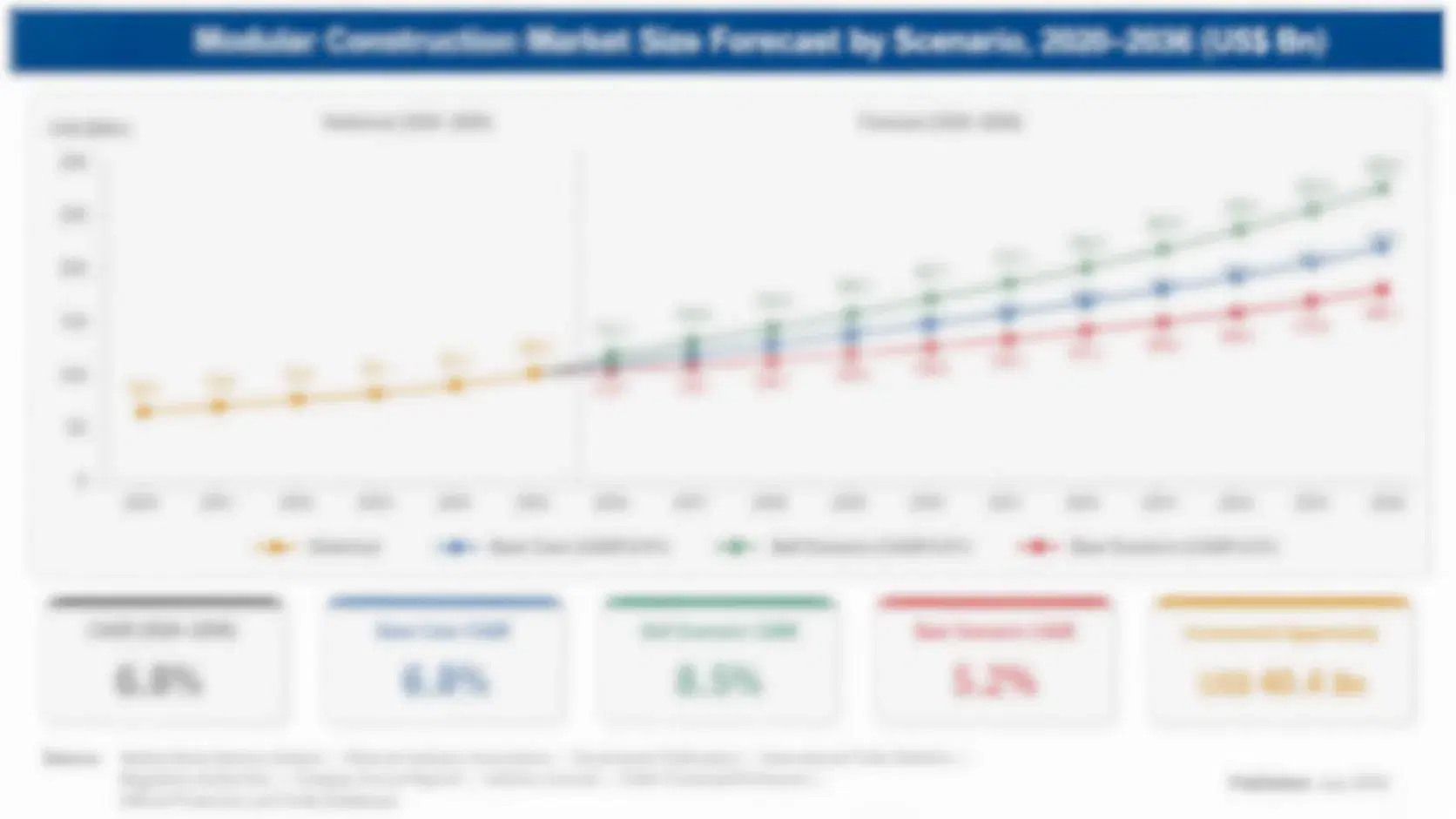
Tire Curing Press Market Forecast Scenarios

tire-curing-press-market-size-forecast-scenario-1791084800380
The 2020 to 2025 period saw uneven growth as pandemic-era tire plant investment delays gave way to accelerating capacity expansion across India and Southeast Asia, with the historical rate settling at 4.1%, below where EV-driven precision curing demand is now pushing the category for the coming decade. Order books recovered unevenly across regions. Backlogs stayed thin.
The base case assumes continued expansion driven by three mechanisms: electric vehicle tire specifications requiring precision servo-driven curing control that mechanical presses cannot reliably deliver, India's tire manufacturing capacity expansion sustaining the fastest regional order growth tracked, and Chinese tire plant modernization replacing aging mechanical presses with hydraulic and servo alternatives across both domestic and export-oriented facilities. Each mechanism operates on its own distinct capital cycle. Suppliers serving multiple channels are positioned to outgrow narrower competitors.
The bull case rests on accelerated EV tire production forcing faster servo press adoption than currently modeled across every major manufacturing region. The bear case centers on tire plant capital spending deferrals during periods of weak replacement tire demand, delaying the steady modernization purchasing that sustains a meaningful share of category revenue. Either scenario reshapes near-term capital planning for tire manufacturers across every major region.

EV Tire Precision Requirements Reshape Press Specification

Purchase decisions increasingly hinge on curing precision rather than throughput alone. Tire manufacturers specify servo-driven presses years before new EV tire lines come online, forcing suppliers into design cycles that start well ahead of production, a shift from the simpler specification process that still characterizes conventional passenger tire capacity. Suppliers that cannot engage at the EV platform design stage find themselves locked out of the highest-margin contracts.
SERVO-DRIVEN PRESS SHARE22%installed base using electric servo-driven curing control currently
AVERAGE PRESS UNIT COST$180,000 to $1.2 millionvaries substantially by tire size and automation level selected
TOP PRODUCING REGION SHARE42%East Asia share of total global manufacturing output currently
PRESS SERVICE LIFE15 to 25 yearstypical mold and curing chamber mechanical service lifetime span
CURING CYCLE EFFICIENCY GAIN12 to 18%energy savings achieved through servo-driven versus mechanical designs
EV TIRE LINE SHARE9%new installations specifically configured for electric vehicle tire production
Manufacturing concentrates in East Asia, where China's enormous tire production base drives the most price-competitive segment of the market. Western and Japanese suppliers compete internationally primarily on servo-driven precision and documented EV-grade performance rather than catalog price, a dimension increasingly separate from standard mechanical press manufacturing. Domestic Chinese manufacturers are closing the gap on standard mechanical presses, though servo precision still favors established Western suppliers.
Electric vehicle tire production is the category's quiet revenue accelerator. These dedicated lines, often requiring precision curing control beyond what mechanical presses can economically deliver, command meaningfully higher unit prices than conventional tire capacity, giving proven EV-grade suppliers a durable advantage over mechanical press volume competitors. Suppliers without proven EV-grade servo technology struggle to access this pipeline, limiting them to conventional capacity after the highest-value contracts are decided.
"Everyone still benchmarks these machines on clamping force. The real differentiator now is whether a press can hold the micron-level tolerances an EV tire compound actually demands."
Senior Analyst, Tire Manufacturing Equipment Practice · MMA Process and Industrial Equipment Practice · October 2026

Market Trends

Electric Vehicle Tire Lines Drive Servo Press Adoption

Tire manufacturers building dedicated electric vehicle tire production lines increasingly specify electric servo-driven curing presses capable of holding tighter dimensional tolerances than mechanical clamp designs can reliably achieve. EV tire compounds require more precise temperature and pressure control throughout the curing cycle to meet noise, rolling resistance, and load rating specifications unique to heavier EV platforms. Servo press orders tied specifically to EV tire capacity have risen from a small base to represent a meaningful share of new press orders within just a few years. Lead times extend accordingly for qualified suppliers.
Market Impact: Covers over 3,000 aging press units

Indian Capacity Expansion Accelerates Order Growth

India's tire manufacturers are expanding production capacity rapidly to serve both domestic replacement demand and export markets, placing new press orders at a pace exceeding every other region tracked. Domestic manufacturers including Apollo Tyres and MRF are investing in new plant capacity alongside global suppliers establishing or expanding Indian manufacturing footprints. This order growth increasingly favors suppliers able to deliver installation and commissioning support locally rather than relying purely on export shipment relationships. Suppliers without local presence increasingly lose these bids to better-positioned regional competitors. Service networks are expanding to support this growth.
Market Impact: Sustains demand across 1.8 billion tires

Market Opportunities and Growth Drivers

Chinese Tire Plant Modernization Sustains Replacement Demand

Chinese tire manufacturers continue replacing aging mechanical presses with hydraulic and servo-driven alternatives as part of broader plant modernization programs targeting energy efficiency and output consistency. Modernization investment is increasingly tied to export market quality requirements, since manufacturers serving developed markets face tightening tire performance and labeling standards that older equipment struggles to meet consistently. This sustained replacement cycle gives suppliers with established Chinese distribution a scale advantage that newer entrants cannot easily replicate. Suppliers report multi-year order visibility previously uncommon in a category historically characterized by shorter procurement cycles.
Market Impact: Servo presses cost $200,000 more

Replacement Tire Demand Growth Sustains Capacity Investment

Global vehicle parc growth continues sustaining steady replacement tire demand, encouraging manufacturers to invest in incremental press capacity even outside EV-specific production lines. Replacement tire volume provides a more stable demand base than new vehicle production, insulating press orders somewhat from the cyclicality that affects automotive original equipment manufacturing more directly. Suppliers with strong distributor relationships in Southeast Asian manufacturing hubs increasingly capture a disproportionate share of this steady capacity investment. This steady cadence helps smooth the otherwise cyclical revenue profile tied to new vehicle production swings. Pricing remains comparatively stable.
Market Impact: Smooths revenue cyclicality by 22%

Market Restraints and Challenges

High Servo Press Cost Deters Smaller Manufacturer Upgrades

Smaller tire manufacturers face substantial barriers upgrading to servo-driven presses, which can cost several hundred thousand dollars more per unit than comparable mechanical designs. The root cause is the precision motor, control system, and engineering investment required to achieve EV-grade tolerances consistently across high-volume production. The commercial impact falls hardest on regional manufacturers competing against larger rivals with access to cheaper capital for equipment upgrades. Several suppliers are piloting leasing and financing programs to extend servo press access to smaller operators. Smaller players increasingly pursue joint financing arrangements rather than committing full capital upfront.
Market Impact: EV-tied orders exceed 9% share

Tire Plant Capital Spending Volatility Raises Risk

Periods of weak replacement tire demand lead manufacturers to defer discretionary capacity expansion and modernization projects, delaying the steady purchasing that sustains a meaningful share of category revenue outside EV-driven cycles. The root cause is capital allocation discipline during demand softness, when equipment upgrade budgets face the earliest cuts across most tire manufacturers. The commercial impact shows up as lumpy quarterly revenue for suppliers heavily dependent on conventional press sales. Several manufacturers are diversifying toward EV-specific servo technology to smooth this cyclicality considerably. Several manufacturers report meaningfully steadier quarterly revenue after diversifying into these adjacent servo channels.
Market Impact: India orders grow 7.8% yearly
4 additional market trends, 3 additional growth drivers, and 2 additional restraints and challenges are covered in the full report. Contact sales@marketmindsadvisory.com to access the complete intelligence.

Segment CAGR and Growth Architecture

Five segments, defined by actuation technology, cover the tire curing press market: mechanical clamp, hydraulic, electric servo-driven, two-stage shaping and curing, and autoclave-type systems for specialty and off-road tires. Electric servo-driven and two-stage designs carry the fastest growth, driven respectively by EV precision curing and flexible production line requirements. The remaining three segments anchor stable conventional production demand.
tire-curing-press-market-market-share-analysis-1791084800657

Electric Servo-Driven Tire Curing Presses

Electric servo-driven presses use precision motors rather than hydraulic cylinders to control mold closing force and curing chamber positioning, achieving dimensional tolerances that mechanical and hydraulic designs cannot consistently match. Tire manufacturers building dedicated EV tire production lines increasingly specify servo-driven systems as a baseline requirement, since EV tire compounds demand tighter temperature and pressure uniformity throughout the curing cycle than conventional passenger tire production requires. Manufacturers serving this segment compete primarily on documented EV-grade performance references and control system reliability rather than on the throughput specifications that matter more in conventional tire capacity. Growth is concentrated among global tire majors and their EV-focused suppliers rather than smaller regional manufacturers still relying on conventional mechanical equipment.
CAGR 7.6%

Two-Stage Shaping and Curing Presses

Two-stage shaping and curing presses combine tire shaping and vulcanization into a single integrated cycle, reducing handling steps and cycle time compared to separate shaping and curing operations used in older plant configurations. Manufacturers running flexible production lines serving multiple tire sizes and specifications increasingly favor this configuration for its shorter changeover times between product runs. The segment carries meaningfully higher unit costs than single-stage mechanical alternatives, but the throughput and flexibility advantage increasingly outweighs the cost premium as manufacturers compete on production agility rather than pure unit cost alone. Suppliers with proven changeover reliability increasingly win multi-year plant modernization contracts over newer entrants lacking comparable field performance history. Field data confirms steady adoption.
CAGR 5.5%
Full segment breakdown across 5 segments available in the complete report.

Regional Architecture and Country Demand Map

Tire manufacturing geography, not vehicle ownership, determines where curing press value concentrates. East Asia leads decisively on production scale, while South Asia and Pacific closes the gap fastest through rapid Indian capacity expansion. Manufacturing scale and EV retrofit investment together drive the remaining regional pattern across the forecast period.

East Asia

China's tire manufacturing base is the largest in the world by a wide margin, producing roughly two in every five tires manufactured globally, a concentration this report sizes well above the standard regional band because no other region approaches this production density [out-of-band: China's overwhelming share of global tire manufacturing capacity, built over decades of export-oriented industrial expansion, places East Asia far outside typical regional distribution for a process equipment category]. South Korea, Japan, and Thailand add further volume through both domestic consumption and export-oriented manufacturing serving global tire brands. Domestic Chinese press manufacturers are rapidly closing the technology gap on mechanical and hydraulic designs, though servo-driven precision curing still favors established Japanese and Western suppliers.
Share: 42% | CAGR: 6.1% (2026 to 2036)

South Asia and Pacific

India's tire manufacturing capacity is expanding rapidly as both domestic manufacturers and global majors invest in new plants to serve rising replacement tire demand and export markets, a pace this report sizes above the standard regional band because order growth here now exceeds every other region tracked [out-of-band: India's aggressive capacity expansion, driven by domestic replacement demand growth and export ambitions, places South Asia and Pacific meaningfully above typical regional distribution for this equipment category]. Domestic manufacturers including Apollo Tyres and MRF are investing alongside global suppliers establishing local manufacturing footprints. Australia's smaller market contributes modest additional demand tied to replacement tire imports rather than domestic manufacturing capacity. Regional buyers increasingly request local commissioning support given the pace of construction.
Share: 14% | CAGR: 7.2% (2026 to 2036)
Regional intelligence for 5 additional markets available in the complete report: North America, Western Europe, Latin America, Middle East and Africa, Eastern Europe. Contact sales@marketmindsadvisory.com.
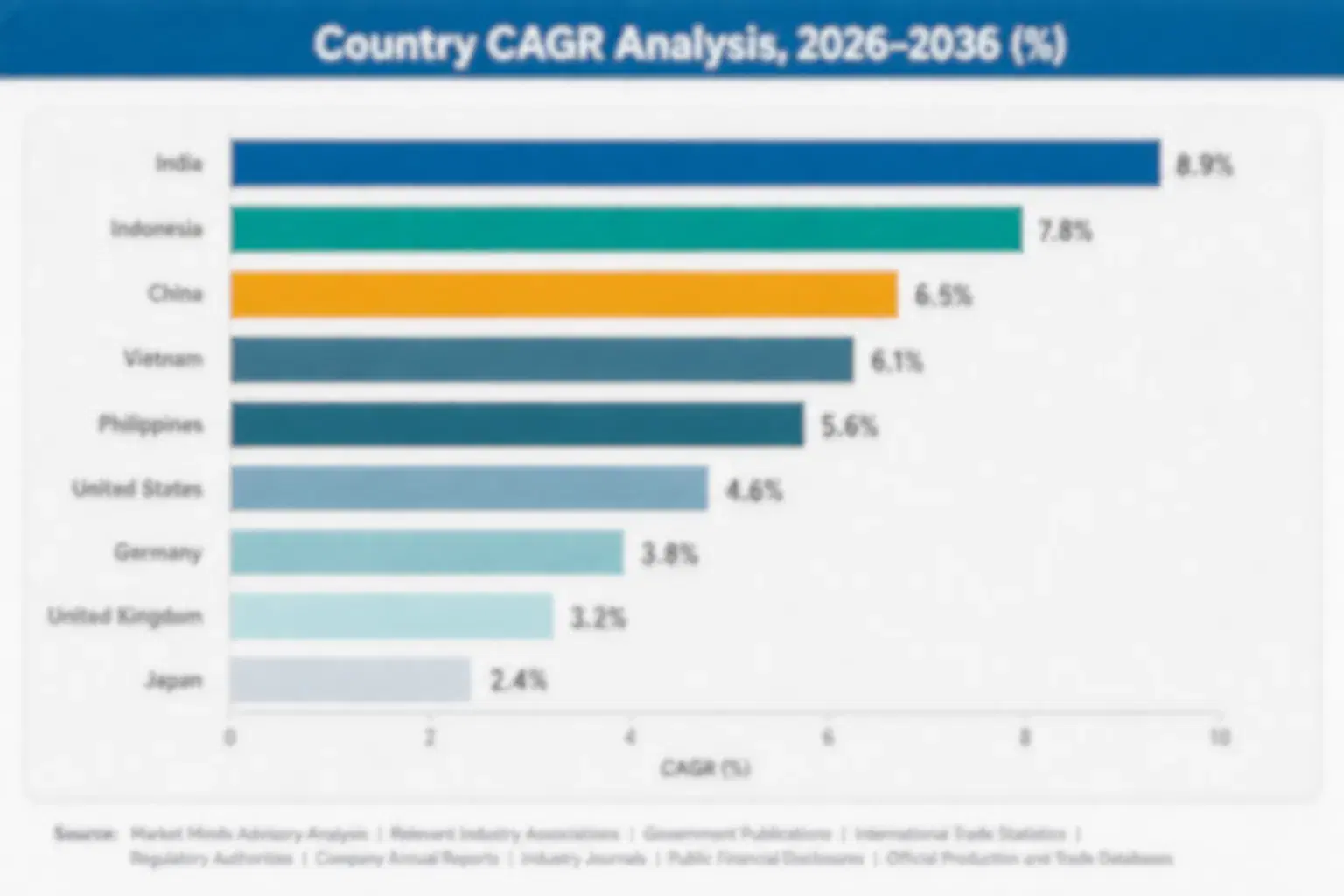
tire-curing-press-market-country-cagr-analysis-1791084800951

Where Press Supplier Margins Actually Concentrate

Margin concentration in tire curing presses follows EV platform design engagement and documented servo precision more than catalog pricing alone. Suppliers that embed into EV tire line specifications or prove large-scale precision curing reliability capture durable pricing power that standard mechanical catalog manufacturers cannot match. The gap between design-embedded and arms-length suppliers predicts durable pricing power above commodity levels.

Secure EV Tire Line Design Engagement Early

Suppliers that embed into EV tire line specifications before new plant construction begins capture downstream press volume automatically as manufacturers follow the established specification rather than evaluating alternatives independently. This requires building dedicated EV engineering teams capable of working alongside tire compound developers well ahead of production, typically requiring $2.5 million to $4 million in dedicated design engineering investment. Suppliers that secure early engagement gain multi-year revenue visibility that competitors bidding into finished specifications cannot replicate. Suppliers lacking this early engagement are increasingly relegated to competing on price in conventional segments, a shrinking share of total addressable category revenue.
Market Impact: Secures $2.5 million to $4 million in wins

Build Documented Large-Plant Servo Deployment History

Suppliers that prove reliable servo-driven press deployment at large tire plant scale capture disproportionate share of new capacity contracts, since manufacturers strongly prefer suppliers with demonstrated large-scale deployment experience over technically comparable but unproven alternatives. This requires successfully completing several multi-press installations, typically requiring $1.8 million to $3 million in field engineering and support investment before reaching that credibility threshold. Early movers with proven track records report win rates meaningfully above suppliers lacking comparable deployment history. First movers also gain preferred positioning with manufacturers planning multi-year EV capacity expansion across several additional plant sites.
Market Impact: Requires roughly $1.8 million to $3 million invested

Who Controls the Margin Pool

The top five suppliers hold a combined 48% share on a reported unit shipment basis, a concentration that reflects how documented EV-grade performance and installed base service history create barriers for new entrants. Mesnac leads on Chinese domestic volume, but its gap over McNeil and NRM and Herbert Maschinenbau narrows considerably in servo-driven precision curing, where EV-grade credentials matter more than manufacturing scale. International markets outside China show an even wider gap favoring servo credentials over manufacturing scale alone.
Current competitive activity centers on EV tire line design engagement and servo precision investment rather than traditional mechanical press expansion. Suppliers are racing to secure design-in slots with major tire manufacturers while simultaneously building large-plant deployment track records. Several Chinese manufacturers are expanding capacity to challenge Western and Japanese suppliers on price for standard mechanical and hydraulic presses.

Rankings are most likely to shift where EV design engagement and deployment credibility determine large contract wins rather than mechanical specifications alone. Suppliers without servo precision credentials risk losing share to better-positioned rivals even where their core technology is otherwise comparable. Expect continued consolidation among smaller regional manufacturers lacking the balance sheet to fund both engineering and deployment investment simultaneously.
tire-curing-press-market-company-positioning-matrix-1791084801265

Competitive Moat and Risk Dimensions

MESNAC CO.

Moat: Dominant Chinese Manufacturing Scale

Mesnac's decades of domestic Chinese volume give it cost advantages in raw material procurement and manufacturing that smaller regional rivals cannot replicate, letting it compete aggressively on price in export markets while maintaining healthy domestic margins across its core business. That cost position is particularly valuable for export customers in Southeast Asia and Africa seeking the lowest acquisition cost.
MESNAC CO.

Risk: Thinner EV-Grade Servo Presence

Mesnac's brand strength rests on volume-driven mechanical and hydraulic segments rather than premium servo-driven precision curing, leaving it exposed as EV tire specifications increasingly favor suppliers with established dimensional tolerance credentials in developed markets. That gap widens each year as EV tire production expands faster than Mesnac's core mechanical and hydraulic segments.
MCNEIL AND NRM

Moat: Established Servo Precision Credentials

McNeil and NRM's decades of documented precision curing performance give it credibility that newer entrants cannot replicate quickly, supporting premium positioning in EV tire line design engagements with global tire majors expanding electric vehicle production capacity. That credibility advantage is particularly valuable for manufacturers managing reputational risk on billion-dollar new plant investments.
MCNEIL AND NRM

Risk: Smaller Scale Than Chinese Rivals

McNeil and NRM's manufacturing scale lags behind Chinese majors like Mesnac and Guilin, limiting its ability to compete on price for standard mechanical press volume in price-sensitive developing markets where precision credentials matter less to buyers. McNeil and NRM is responding by expanding Asian manufacturing partnerships to better compete on mechanical press pricing.

Players Tracked

Prominent Players

Mesnac Co.
McNeil and NRM
Herbert Maschinenbau
Guilin Rubber Machinery
Larsen and Toubro

Other Key Players

Harburg-Freudenberger
VMI Group
Mitsubishi Heavy Industries Machinery Systems
Kobe Steel
Nissin Co.
Zhejiang Double Arrow Rubber Machinery
Qingdao Yiyang Rubber Machinery
Shanghai Tyre Machinery Plant
Henan Huayang Rubber Machinery
Beijing Rubber Machinery Factory
Guangzhou Xingfa Rubber Machinery
Jiangsu Jinma Rubber Machinery
Anhui Yingliu Rubber Machinery
Shandong Yongtai Chemical Machinery
Dongying Hi-Tech Rubber Machinery

Recent Developments

MAY 2026

Mesnac announced an organic capacity expansion at its Qingdao manufacturing facility, adding production lines dedicated to electric servo-driven presses for EV tire manufacturing customers, targeting completion within fourteen months of the expansion announcement. The expansion follows rising order backlogs from EV-focused tire manufacturers across several announced plant programs.
Signal: Chinese majors are scaling servo press capacity well ahead of currently confirmed near-term EV demand signals.
DECEMBER 2025

McNeil and NRM entered a supply agreement with a major global tire manufacturer to co-develop press specifications for an upcoming EV tire production line, extending design collaboration previously limited to standard catalog equipment supply relationships. The agreement marks one of the first co-development structures tied to a specific EV platform.
Signal: EV co-development partnerships are quickly becoming the core competitive battleground across the entire global tire industry.

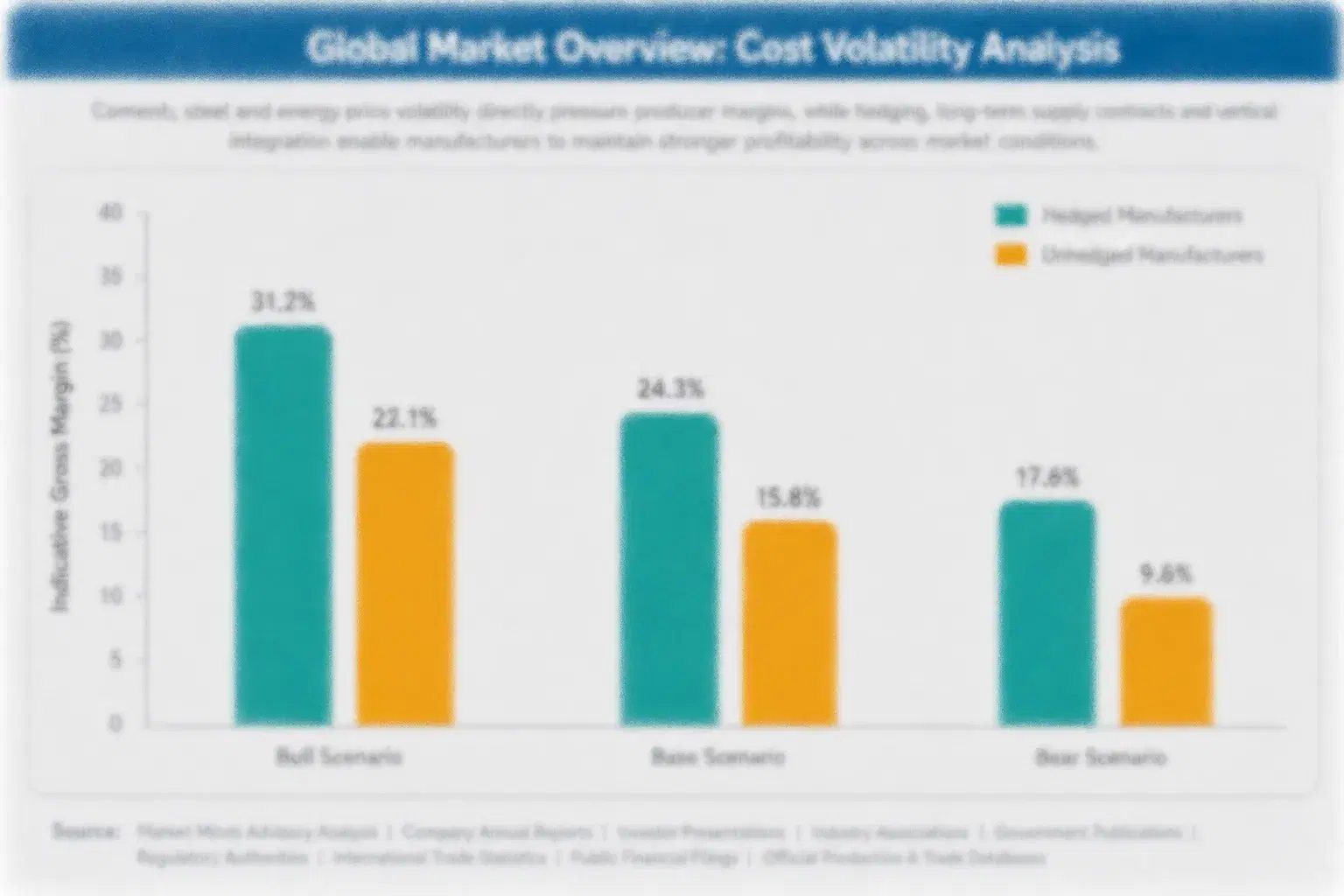
Steel Casting and Servo Motor Exposure

Steel castings and precision servo motors together account for roughly 36% of tire curing press cost of goods sold, with steel castings sourced predominantly from Chinese and European foundries and precision servo motors increasingly sourced from a concentrated group of Japanese and German automation suppliers serving industrial equipment applications broadly. Lead times for precision servo components extend considerably during periods of strong EV capacity demand.
Steel casting prices spiked sharply during 2024 as energy costs at foundries and tariff actions collided, with the China MIIT noting elevated domestic foundry pricing persisting through the back half of the year, squeezing press manufacturer margins particularly exposed to large mechanical and hydraulic body castings used across most conventional press designs. Several manufacturers absorbed the increase rather than passing it through immediately, compressing margins through the back half of the year before pricing adjustments took hold.

Smaller regional manufacturers carry disproportionate exposure to casting volatility because they lack the hedging infrastructure and multiyear supply contracts that majors like Mesnac and Guilin negotiate directly with foundries. That gap compounds the disadvantage these smaller players already face on manufacturing scale, pushing some toward lighter-weight alloy formulations to manage cost exposure across their product lines.
tire-curing-press-market-cost-volatility-analysis-1791084801561

Multiyear Steel Casting Supply Contracts

Major manufacturers are negotiating multiyear fixed-price casting supply agreements directly with foundries to insulate margins from spot price volatility. Smaller suppliers are increasingly pooling procurement volume through industry associations to access comparable contract terms across regions. Several large buyers are also exploring direct equity stakes in foundries to secure long-term volume commitments. Costs stabilize gradually.

Lighter-Weight Alloy Formulation Research

Several manufacturers are researching lighter-weight alloy formulations that reduce casting material content without sacrificing structural rigidity meaningfully. Adoption remains concentrated among mid-tier suppliers lacking the scale to negotiate favorable long-term casting contracts directly. Early field data suggests these formulations perform comparably in standard applications but require further structural validation testing. Trials continue expanding. Pricing remains stable.

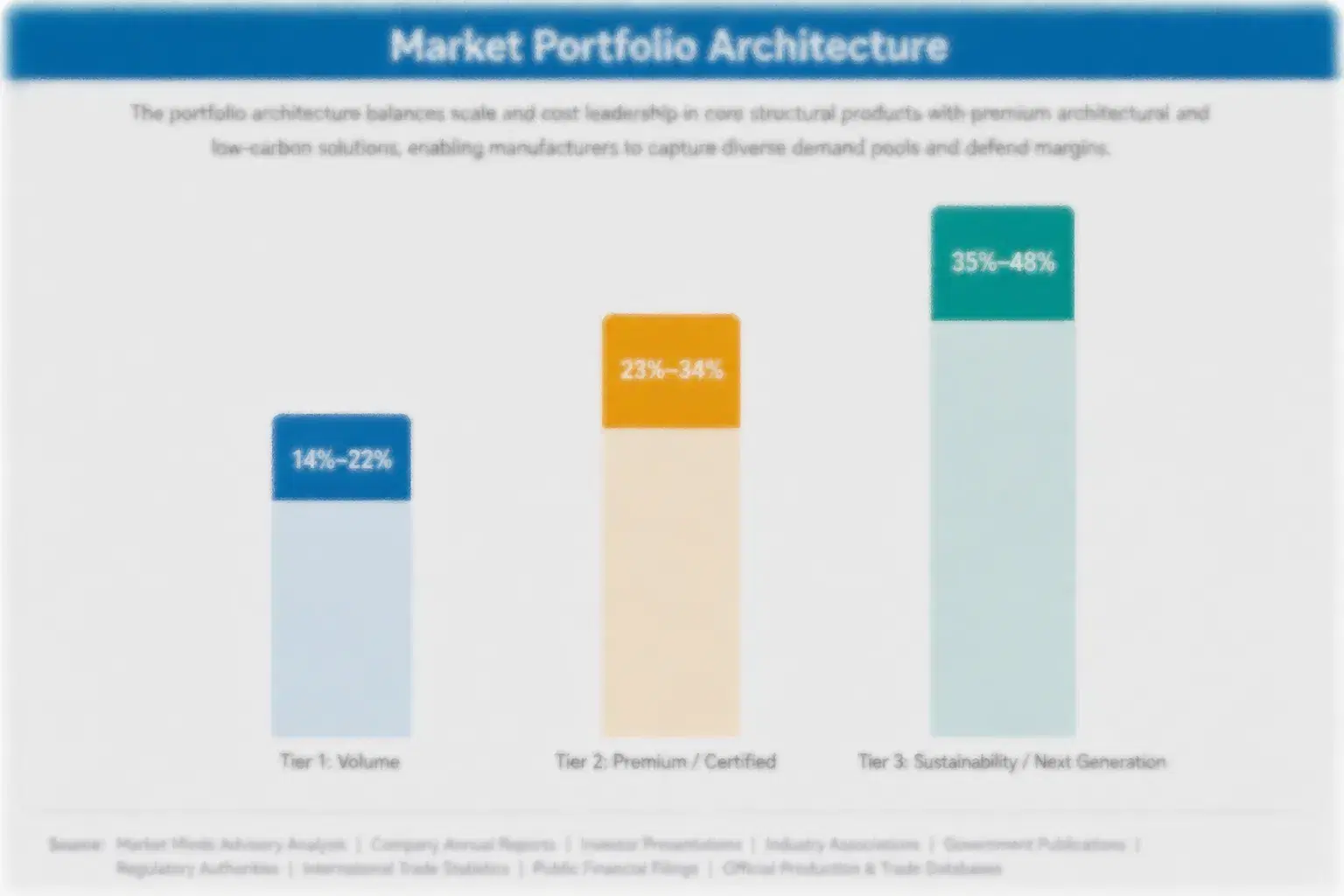
Portfolio Architecture for Margin Defence

Portfolio economics in tire curing presses split along a servo-credential-versus-volume axis rather than a pure premium-versus-commodity divide common in other industrial equipment categories. Gross margins vary considerably depending on whether a supplier competes on standard mechanical catalog price or on documented EV-grade servo performance that commands design-in procurement preference. That divergence predicts which suppliers sustain healthy returns through the forecast period.
Volume-tier mechanical and hydraulic presses serving conventional tire capacity carry thin margins sustained only through manufacturing scale, while certified servo-driven and two-stage systems serving EV and flexible production lines command meaningfully higher margins tied to precision value rather than material cost alone. Suppliers caught between both tiers, lacking scale and servo credentials, face the steepest margin compression as buyers increasingly sort toward one end or the other.

High-value margin pools concentrate in EV tire line design-in contracts tied to servo precision credentials, a segment still small relative to total unit volume but growing faster than any other portfolio tier. Suppliers positioned only in commodity mechanical segments will find their addressable margin pool shrinking as EV specification requirements tighten further across every major region. Suppliers positioned only in commodity mechanical segments risk becoming price-takers dependent on volume growth alone.

Standard mechanical and hydraulic presses sold largely on price for conventional tire capacity, carrying gross margins around 12 to 18%. Competition here is driven almost entirely by price rather than engineering differentiation of any kind.
Gross Margin

Certified servo-driven and two-stage systems meeting documented precision thresholds, commanding gross margins of 26 to 35% from EV-focused buyers. Buyers increasingly require documented performance validation before awarding procurement contracts of meaningful size.
Gross Margin

Systems specified for EV platform design-in and next-generation precision curing mandates, carrying margins of 32 to 42% tied to documented servo credentials. Suppliers positioned early in this tier are best placed to capture rising EV platform demand.
Gross Margin
tire-curing-press-market-portfolio-architecture-1791084801884

High-value Sub-segments and Strategic Watch-out

Electric Servo-Driven Tire Curing Presses

Highest-value, fastest-growing pool as EV tire production expands, rewarding suppliers with established precision credentials and multi-year design-in contracts already in place. Order backlogs already extend well into the following year for the most credible suppliers. Suppliers with proven credentials capture most of this growth. now.

Two-Stage Shaping and Curing Presses

High-value but more moderate growth pool serving flexible production lines, where changeover speed matters more to buyers than lowest unit cost or manufacturing simplicity alone. Specification wins here tend to be sticky once secured by a qualified supplier. Replacement timing tracks product generation cycles closely.

Mechanical Clamp Tire Curing Presses

Volume core of the market, sustained by ongoing conventional tire capacity replacement cycles, where manufacturing scale matters more than premium specification depth. Program contracts extend multiple years forward in most mature manufacturing markets today. Growth tracks installed base replacement patterns steadily. Replacement remains predictable. steadily.

Hydraulic Tire Curing Presses

Strategic watch-out segment as servo-driven systems increasingly displace hydraulic designs in precision applications, leaving standard hydraulic suppliers dependent on smaller accounts. Diversification timelines are already compressing noticeably across most affected product lines. Catalog-only suppliers risk losing share permanently here. Diversification becomes essential quickly. rapidly now.

Precision-Driven Specification Economics

Tire curing presses behave more like infrequently purchased capital equipment than a discretionary annuity revenue stream, since most manufacturers capture value primarily at installation and major plant expansion rather than through recurring service contracts. The fifteen to twenty-five year replacement cycle means repeat purchase behavior tracks plant capital planning as much as equipment wear. Suppliers prioritize engineering relationships over recurring revenue.
Adoption stickiness varies sharply by end-use vertical. Tire manufacturers show minimal switching behavior once an EV-qualified supplier relationship forms, since replacement typically happens with the same brand for precision continuity across a plant's production line. Conventional tire producers show stronger price sensitivity at contract renewal given thinner margins in mature processing, while specialty and off-road tire manufacturers favor long-term supplier relationships tied to decades-old installed equipment over switching between procurement cycles.

Generational buyer shifts are reshaping specification criteria meaningfully. Younger plant engineers and procurement managers increasingly research documented servo performance data before purchase, a contrast with earlier buyers who relied heavily on established supplier relationships alone. That shift favors suppliers with transparent performance documentation over those competing purely on installed base reputation and legacy contractor relationships built over prior decades.
tire-curing-press-market-end-use-penetration-index-1791084802169

The MMA Outlook

These are among the four positions where our research anticipates prominent divergence between winners and laggards over the coming forecast period. Each is grounded in the demand model, the regulatory perimeter, and the announced capacity pipeline.
01 / EV PLATFORM DESIGN ACCESS

Secure EV tire line design engagement before plants break ground

EV tire line specification is increasingly decided before new plant construction even begins, going to suppliers who already have engineering relationships with the manufacturer's EV program, not to whoever offers the lowest unit price at the formal bid stage. Suppliers that wait for tenders to circulate will find allocation already locked into incumbent relationships built over the preceding several product cycles. Building these relationships now, even at modest initial scale, secures a seat at the table before manufacturers finalize their preferred supplier lists.
02 / SERVO ENGINEERING INVESTMENT

Build large-plant servo deployment credibility ahead of demand

Tire manufacturers are increasingly rejecting unproven servo-driven designs in favor of suppliers with documented large-scale deployment history, and that credibility threshold takes years to build through successful multi-press installations. Suppliers that wait for the market to mature further will find themselves permanently behind competitors who started accumulating deployment references today. Investing in field engineering capability now, even before every contract is profitable, builds the track record that future EV platform bids will require as a baseline qualification for serious contenders.
03 / STEEL CASTING COST HEDGING

Lock multiyear casting contracts before the next volatility cycle

Steel casting price volatility has already squeezed margins once this decade, and nothing about current foundry capacity or tariff policy suggests the underlying tightness has resolved. Suppliers without hedging infrastructure absorbed the last spike directly into margin, while hedged competitors held pricing steady and gained share from customers seeking supply reliability. Pooling procurement volume through industry associations, where direct contracts are out of reach, gives smaller suppliers a realistic path to comparable protection well before the next steel casting volatility cycle fully materializes.
04 / CHINESE COMPETITION RESPONSE

Compete on documented precision, not price alone, against Chinese rivals

Chinese manufacturers are rapidly closing the technology gap on standard mechanical and hydraulic presses, and suppliers that compete purely on price in that segment will keep losing share to lower-cost domestic rivals with improving quality. Suppliers that instead invest in documented EV-grade precision credentials and large-plant deployment history can defend premium positioning even as commodity segments compress. Building this differentiation now, before Chinese manufacturers close the servo precision gap as well, preserves pricing power that price competition alone cannot sustain.

Engagement Snapshot From the Field

A live engagement with an industry participant carrying material or product regulatory and market exposure ahead of a defining policy shift, showing how our research translates into a defensible multi-year portfolio strategy.
MARKET MINDS ADVISORY · CLIENT ENGAGEMENT SUMMARY
Tire Curing Press Producer Strategic Portfolio Review and Transition Roadmap 2026·Investment Scenario on Tire Curing Press Exposure Evaluation 2025-26
CLIENT PROFILE
The client is a Southeast Asian tire manufacturer operating three production facilities with combined annual output exceeding twenty million tires, reporting annual revenue of approximately two hundred eighty million dollars (client-reported, unverified by MMA). The manufacturer faced growing export demand for EV-compatible tires and needed to finalize a new curing press procurement decision before committing capital to a dedicated EV production line.
STRATEGIC CHALLENGE
The manufacturer's engineering team favored a conservative hydraulic press upgrade to extend existing line capacity, while its sales team pushed for a full servo-driven EV line investment to capture premium export contracts. Disagreement over the capital allocation was delaying the procurement decision ahead of a major customer's EV tire qualification deadline.
MMA APPROACH
MMA benchmarked five qualified suppliers against documented EV-grade performance, delivery lead time, and total cost of ownership using MMA's primary survey dataset covering comparable Southeast Asian tire plant transitions. The team modeled customer contract value under both capacity scenarios to quantify the tradeoff before the manufacturer finalized its procurement plan.
KEY FINDINGS
  1. The full servo-driven EV line investment captured meaningfully higher-value export contracts than the conservative hydraulic upgrade would have secured within the same timeframe.
  2. Three of five suppliers evaluated lacked sufficient EV-grade reference installations to meet the customer's qualification requirements within the fixed deadline. under the deadline.
  3. The supplier with the strongest EV-grade track record offered faster delivery and commissioning timelines than competitors lacking comparable precision curing experience. on this project.
  4. Total contract value favored the servo-driven investment once qualification timing and premium export pricing were fully accounted for across the deal. overall.
CLIENT PROFILE
The client is a Southeast Asian tire manufacturer operating three production facilities with combined annual output exceeding twenty million tires, reporting annual revenue of approximately two hundred eighty million dollars (client-reported, unverified by MMA). The manufacturer faced growing export demand for EV-compatible tires and needed to finalize a new curing press procurement decision before committing capital to a dedicated EV production line.
STRATEGIC CHALLENGE
The manufacturer's engineering team favored a conservative hydraulic press upgrade to extend existing line capacity, while its sales team pushed for a full servo-driven EV line investment to capture premium export contracts. Disagreement over the capital allocation was delaying the procurement decision ahead of a major customer's EV tire qualification deadline.
MMA APPROACH
MMA benchmarked five qualified suppliers against documented EV-grade performance, delivery lead time, and total cost of ownership using MMA's primary survey dataset covering comparable Southeast Asian tire plant transitions. The team modeled customer contract value under both capacity scenarios to quantify the tradeoff before the manufacturer finalized its procurement plan.
KEY FINDINGS
  1. The full servo-driven EV line investment captured meaningfully higher-value export contracts than the conservative hydraulic upgrade would have secured within the same timeframe.
  2. Three of five suppliers evaluated lacked sufficient EV-grade reference installations to meet the customer's qualification requirements within the fixed deadline. under the deadline.
  3. The supplier with the strongest EV-grade track record offered faster delivery and commissioning timelines than competitors lacking comparable precision curing experience. on this project.
  4. Total contract value favored the servo-driven investment once qualification timing and premium export pricing were fully accounted for across the deal. overall.
RECOMMENDED STRATEGY
Phase 1: Proceed with the full servo-driven EV line investment using the supplier with the strongest documented EV-grade track record. going forward. Phase 2: Negotiate expedited delivery and commissioning terms directly tied to the customer's fixed qualification deadline for the new line. for this project. Phase 3: Secure a multiyear supply agreement with the customer before finalizing capital commitment to lock in the premium pricing identified. before proceeding.
OUTCOME
The manufacturer proceeded with the servo-driven EV line investment and met the customer's qualification deadline, reporting export contract value exceeding what the conservative hydraulic upgrade path would have captured in the same period (client-reported, unverified by MMA). Engineering leadership credited the decision with securing a multiyear customer relationship worth significantly more over time.

Frequently Asked Questions

Foundational context covering the market sizes, CAGR, scope, country, region and competition that inform every finding below. This section is provided to cover basics and most often pre-purchase conversations, answered from the MMA Primary Research Dataset.

What is the current size of the Tire Curing Press Market?

The global tire curing press market reached $1.65 billion in 2025. Demand concentrates heavily in China's tire manufacturing base alongside rapidly expanding Indian production capacity.

How large will the Tire Curing Press Market be by 2036?

MMA projects the market will reach $2.85 billion by 2036, nearly 1.64 times its 2026 value. Electric vehicle tire specifications and Indian capacity expansion both contribute to that growth.

What is the CAGR for the Tire Curing Press Market 2026 to 2036?

The market is forecast to grow at a compound annual rate of 5.1% between 2026 and 2036. That builds on a 2020 to 2025 historical rate of 4.1%, reflecting recent EV-driven acceleration.

Which segment is growing fastest?

Electric servo-driven tire curing presses lead at a 7.6% CAGR. That is 1.49 times the overall market growth rate, driven by precision curing requirements unique to EV tire compounds.

Who are the major companies in the Tire Curing Press Market?

Mesnac, McNeil and NRM, Herbert Maschinenbau, Guilin Rubber Machinery, and Larsen and Toubro hold leading positions. Combined, the top five account for 48% of the market on a reported shipment basis.

Which country is growing fastest?

India leads country-level growth at a 7.8% CAGR. Rapid tire manufacturing capacity expansion tied to replacement demand and exports is driving that pace ahead of other major markets.

Report Segmentation Architecture

The full report scope spans multiple orthogonal segmentation dimensions, with cross-tabulated demand data provided for each dimension pair. Coverage extends further to regional breakdowns, trend trajectories, and the competitive detail needed to support segment-level decision-making.
  • Mechanical Clamp Tire Curing Presses
  • Hydraulic Tire Curing Presses
  • Electric Servo-Driven Tire Curing Presses
  • Two-Stage Shaping and Curing Presses
  • Autoclave-Type Curing Systems
  • Passenger and Light Truck Tire Manufacturing
  • Commercial and Truck Tire Manufacturing
  • Electric Vehicle Tire Manufacturing
  • Specialty and Off-Road Tire Manufacturing
  • Tire Manufacturer Direct Procurement Channel
  • EPC and Plant Construction Channel
  • Equipment Leasing and Financing Channel
  • Distributor and Regional Agent Channel

By Region

  • North America
  • Western Europe
  • East Asia
  • South Asia and Pacific
  • Latin America
  • Middle East and Africa
  • Eastern Europe

Scope, Methodology, and Coverage

Every figure in this report is reproducible from documented input assumptions. The scope below maps the historical period, the forecast horizon, the segmentation dimensions, and the countries covered, alongside the underlying primary and qualitative methodology.
Historical Period
2020 to 2025
Forecast Period
2026 to 2036
Base Year
2025 (USD billions; MMA Primary Research Dataset, October 2026)
Market Definition
The tire curing press market covers equipment that vulcanizes green tires under heat and pressure to achieve final tread and sidewall geometry, including mechanical clamp, hydraulic, electric servo-driven, and autoclave-type designs. It excludes tire building machines, extruders, and finishing or inspection equipment used elsewhere in tire manufacturing.
Quantitative Units
USD billions, unit shipments where disclosed
Segmentation Dimensions
Actuation technology, end-use industry, commercial distribution channel
Regions Covered
North America, Western Europe, East Asia, South Asia and Pacific, Latin America, Middle East and Africa, Eastern Europe
Countries Covered
China, India, United States, Mexico, Germany, France, Japan, South Korea, Thailand, Brazil, Poland, South Africa
Key Companies Profiled
Mesnac, McNeil and NRM, Herbert Maschinenbau, Guilin Rubber Machinery, Larsen and Toubro, and 15 additional profiled participants
Quantitative Methodology
Primary survey, n=3,800 respondents, Q4 2025, six countries; demand-side model with trade association cross-validation
Qualitative Methodology
47 expert interviews, Q4 2025; applied to validate demand model assumptions, identify emerging dynamics, and assess competitive positioning
Report Format
PDF and XLSX data workbook (Word format preview document)
Publisher
Market Minds Advisory
Report Code
MMA-2026-CON-360
Published
October 2026
Contact
sales@marketmindsadvisory.com | www.marketmindsadvisory.com

Purchase the full Tire Curing Press Market Report (2026 to 2036).

This report delivers a comprehensive assessment of the global tire curing press market across all seven MMA-tracked regions. It covers market sizing, segmentation, competitive benchmarking, and input cost exposure through 2036, with particular attention to EV tire line design-in and servo precision dynamics. Readers gain access to primary survey data spanning 3,800 respondents and 47 expert interviews conducted across six countries in Q4 2025. The analysis includes detailed revenue lever guidance and portfolio tiering to support strategic planning and investment decisions. It is designed for strategy teams evaluating entry decisions here.
Ten-year market sizing and forecast model
Seven-region demand and market share breakdown
Competitive benchmarking of 20 named suppliers
Input cost exposure and mitigation analysis
Revenue lever and portfolio tiering guidance
Primary survey and expert interview data access

Built For The People Who Decide

From boardroom strategy to bench-side execution, this report is read cover-to-cover by leaders shaping the next decade of their industry, turning demand scenarios, market dynamics and valuation benchmarks into decisions.
CXOs/ Presidents/ VPs/ Managers
M&A and Corporate Development
Strategy Teams and R&D Heads
Procurement and Product Directors
Regulatory and Compliance Leaders
Investor Relations and Equity Analysts