Market Minds Advisory
Tinnitus Management Market

Tinnitus Management Market: Nothing Removes The Sound, And Everything Sold Implies Otherwise

Every intervention that genuinely works reduces the distress rather than the noise, and patients arrive wanting silence, which makes managing that expectation the largest single determinant of whether treatment succeeds.

Lead Analyst

Published

September 2026

Make Smarter Decisions with Customized Research Insights

Request a free sample report and evaluate market opportunities, growth trends, and competitive dynamics relevant to your business needs.

2025 MARKET VALUE$3.0BMarket Size 2025
2036 FORECAST VALUE$7.6BBase Case , 2026 to 2036
CAGR 2026 TO 20368.8 %Bull 10.0% / Bear 7.6%
INCREMENTAL OPPORTUNITY$4.3BNet 10- year value creation
EXPANSION MULTIPLE2.33x2036 value over 2026 base
Strategic Levers
M&A Pipeline
Regional Outlook
Country Rankings
Competitive Intelligence
Segmental Deep-dive
Call-Us : 91 93563 13602

Executive Snapshot and Market Trajectory

There is no cure and the therapeutic goal is habituation rather than silence. Every intervention with genuine evidence behind it reduces distress and attention rather than removing the sound. Patients arrive expecting the opposite, and closing that gap decides whether anything works. Honest expectation setting improves outcomes.
Western Europe holds 26% of value, narrowly ahead of North America, because European hearing aid adoption rates are the highest anywhere and Germany operates the only framework in the world that reimburses a digital tinnitus therapeutic as a prescribed treatment. Digital cognitive behavioural therapy applications grow at 13.2%, half again the market rate of 8.8%, delivering the best-evidenced intervention without the psychologists nobody can staff.
Concentration is moderate at 41% and the honest problem is competition from products with no evidence at all. Because nothing cures the condition, the space fills with supplements, sound applications and devices making claims that clinical work does not support, and they compete for the same patients. That erodes trust in the interventions that genuinely help. Patient scepticism reaches evidenced interventions along with everything else. Everything sold here implies a cure that does not exist.
Market Definition
The market covers devices, therapies and applications used to manage tinnitus, including hearing aids with tinnitus masking features, standalone sound generators and maskers, digital cognitive behavioural therapy applications, clinician-delivered sound and retraining therapy, bimodal neuromodulation devices, and off-label pharmacological management. Cochlear and auditory brainstem implants placed for hearing loss, general hearing aids without tinnitus functionality, audiological diagnostic equipment, and unregulated supplements are excluded. Hearing screening services fall outside scope.
Base Year Value
$3.0B in 2025 (MMA Primary Research Dataset, August 2026)
Forecast Period
2026 to 2036, eleven discrete annual values
CAGR
8.8% base case. Bull 10.0%. Bear 7.6%.
Fastest Growth Segment
Digital Cognitive Behavioural Therapy Applications: 13.2% CAGR
Fastest Growth Country
India: 11.2% CAGR
Fastest Growth Region
South Asia and Pacific: 10.8% CAGR
Largest Region
Western Europe: 26% of 2025 global value
Market Leaders
Sonova, Demant, WS Audiology, GN Store Nord, Starkey Hearing Technologies. Source: MMA Analysis based on disclosed hearing care and audiological device revenue, company annual reports 2025.
Primary Survey
n=3,800 procurement and R&D decision-makers, Q4 2025, six countries
Methodology
Demand-side build-up, cross-validated against public data, 47 expert interviews

Tinnitus Management Market Forecast Scenarios

tinnitus-management-market-growth-size-forecast-scenario-1787693079103
Growth from 2020 to 2025 ran at 7.8% and digital delivery reshaped the field more than any device did. Cognitive behavioural therapy has the strongest evidence in tinnitus and requires psychologists who are scarce everywhere, so applications delivering it at scale addressed a genuine capacity problem. German reimbursement of digital therapeutics from 2020 created the first market where such a product was prescribed and paid for rather than bought privately.
The 8.8% base case rests on three mechanisms. Digital cognitive behavioural therapy keeps expanding because it delivers the best-evidenced intervention without the workforce that clinician delivery requires. Hearing aid fitting for tinnitus patients with hearing loss is being recognised more widely, which is the largest under-deployed lever in the field. And bimodal neuromodulation is accumulating clinical evidence and moving from specialist centres toward wider audiological practice at a measured pace.
The bull case at 10.0% turns on digital therapeutic reimbursement frameworks spreading beyond Germany, which would convert a private purchase into a prescribed treatment across several major markets simultaneously. The bear case at 7.6% is continued dilution by unevidenced products, which sustains patient scepticism and keeps treatment-seeking below what the underlying prevalence would otherwise support.

Managing Distress, Not Noise

Roughly 14% of adults experience persistent tinnitus and around 2% are significantly impaired by it, which is the population that actually seeks treatment. Nothing available removes the sound. Every intervention with real evidence behind it works by reducing distress, redirecting attention and supporting habituation, and patients arrive expecting a cure. That gap decides whether treatment succeeds.
FIVE-FIRM CONCENTRATION41%Share of hearing care device revenue held by leading manufacturers
BIMODAL DEVICE PRICE$3,900Typical cost of a bimodal neuromodulation treatment course
TOP CONSUMING COUNTRYUSA 23%American share of global tinnitus management value consumed
ADULTS REPORTING SYMPTOMS14%Share of the adult population experiencing persistent tinnitus
SEVERELY DISTRESSED PROPORTION2%Adults whose symptoms cause significant functional impairment daily
COEXISTING HEARING LOSS80%Tinnitus patients with measurable hearing loss on audiometry
The best-evidenced intervention is a talking therapy that almost nobody can staff. Cognitive behavioural therapy has the strongest trial support in this field by a considerable margin, and delivering it requires trained psychologists who are scarce, expensive and generally allocated to conditions considered more serious. Digital applications address that capacity problem directly, which is why they grow fastest. Germany reimburses them as prescribed treatment and no other country does.
The largest under-deployed lever is a hearing aid. Around 80% of tinnitus patients have measurable hearing loss, and amplifying ambient sound reduces the contrast that makes internal noise salient. Fitting hearing aids helps a substantial proportion of patients considerably. Yet most tinnitus patients present first to ear, nose and throat services rather than to audiology, and are frequently told that nothing can be done.
"Half of what these patients need is a hearing aid and an honest conversation. They mostly get neither, and then somebody sells them a supplement."
Director, Hearing Care and Audiological Devices Practice · MMA Medical Devices Practice · August 2026

Market Trends

Digital Delivery Solves A Psychology Workforce Problem

Cognitive behavioural therapy carries the strongest evidence in tinnitus and requires trained psychologists who are scarce everywhere and generally allocated elsewhere, which left the best intervention available to very few patients. Applications delivering structured programmes address that capacity constraint rather than improving on the therapy itself. Growth at 13.2% follows accordingly. German reimbursement through its digital health framework created the first market where such a product is prescribed and funded rather than purchased privately, and other systems are watching that experiment closely. Other systems are watching that experiment carefully. Capacity is the whole issue.
Market Impact: Applies to 80% with hearing loss
Bimodal Neuromodulation Enters Wider Audiological Practice

Combining sound with mild tongue stimulation to drive neural plasticity is the first genuinely novel device approach in decades and it arrived with randomised evidence rather than testimonial claims, which distinguishes it sharply from most of what this field has seen. Growth at 11.4% comes from specialist centres extending into wider audiological practice. Cost around 3,900 dollars per course and absent reimbursement in most markets limit adoption considerably. Clinic time for fitting and follow-up is a further constraint that audiology practices weigh carefully against alternative appointment use. Durability data is what audiologists ask about first.
Market Impact: Holds 26% of global value

Market Opportunities and Growth Drivers

Hearing Aid Fitting Recognised As Primary Intervention

Around 80% of tinnitus patients have measurable hearing loss, and amplification reduces the contrast that makes internal sound noticeable, which helps a substantial proportion of them considerably. Audiological practice has understood this for years while referral pathways have not caught up, since most patients present to ear, nose and throat services first and hear that nothing can be done. Growing recognition converts those patients into hearing aid fittings, which is the largest single commercial opportunity in this field and requires no new technology whatsoever. No new technology is needed here.
Market Impact: Competes for 14% of adults

European Hearing Aid Adoption Sets The Global Benchmark

Adoption rates across Denmark, Norway, the United Kingdom and Switzerland are the highest recorded anywhere, driven by public funding and by a hearing care culture that treats amplification as routine rather than as an admission of decline. That base makes tinnitus management through hearing aids far more available in Europe than elsewhere. The major manufacturers are also European, which concentrates both clinical practice and commercial capability. Western Europe holds 26% of global value largely for these reasons rather than through any difference in prevalence. Manufacturers are European too, which concentrates capability.
Market Impact: Reaches 3 in 10 referred patients

Market Restraints and Challenges

Unevidenced Products Compete For The Same Patients

Because nothing cures tinnitus, the space fills with supplements, sound applications and devices making claims that clinical evidence does not support, all competing for patients who are distressed and willing to try anything. Root cause is that a condition without a cure attracts sellers of hope, and regulation of wellness products is far lighter than for medical devices. The commercial impact is patient scepticism that reaches evidenced interventions too. Mitigation runs through clinician-led referral and reimbursement pathways, which distinguish products by evidence rather than by marketing. Distressed people will try anything.
Market Impact: Reaches the 2% severely affected

The Best Evidenced Therapy Cannot Be Staffed

Cognitive behavioural therapy has the strongest trial support in tinnitus and requires trained psychologists who are scarce everywhere and generally allocated to conditions considered more urgent. Root cause is a workforce constraint entirely outside audiology's control rather than any question about the therapy itself. The commercial impact is that the intervention most likely to help reaches very few patients through conventional delivery. Mitigation is digital delivery, which addresses capacity genuinely and delivers a somewhat less complete version of what a clinician provides. Digital delivery is the only realistic answer available.
Market Impact: Costs 3,900 dollars per course
3 additional market trends, 4 additional growth drivers, and 2 additional restraints and challenges are covered in the full report. Contact sales@marketmindsadvisory.com to access the complete intelligence.

Segment CAGR and Growth Architecture

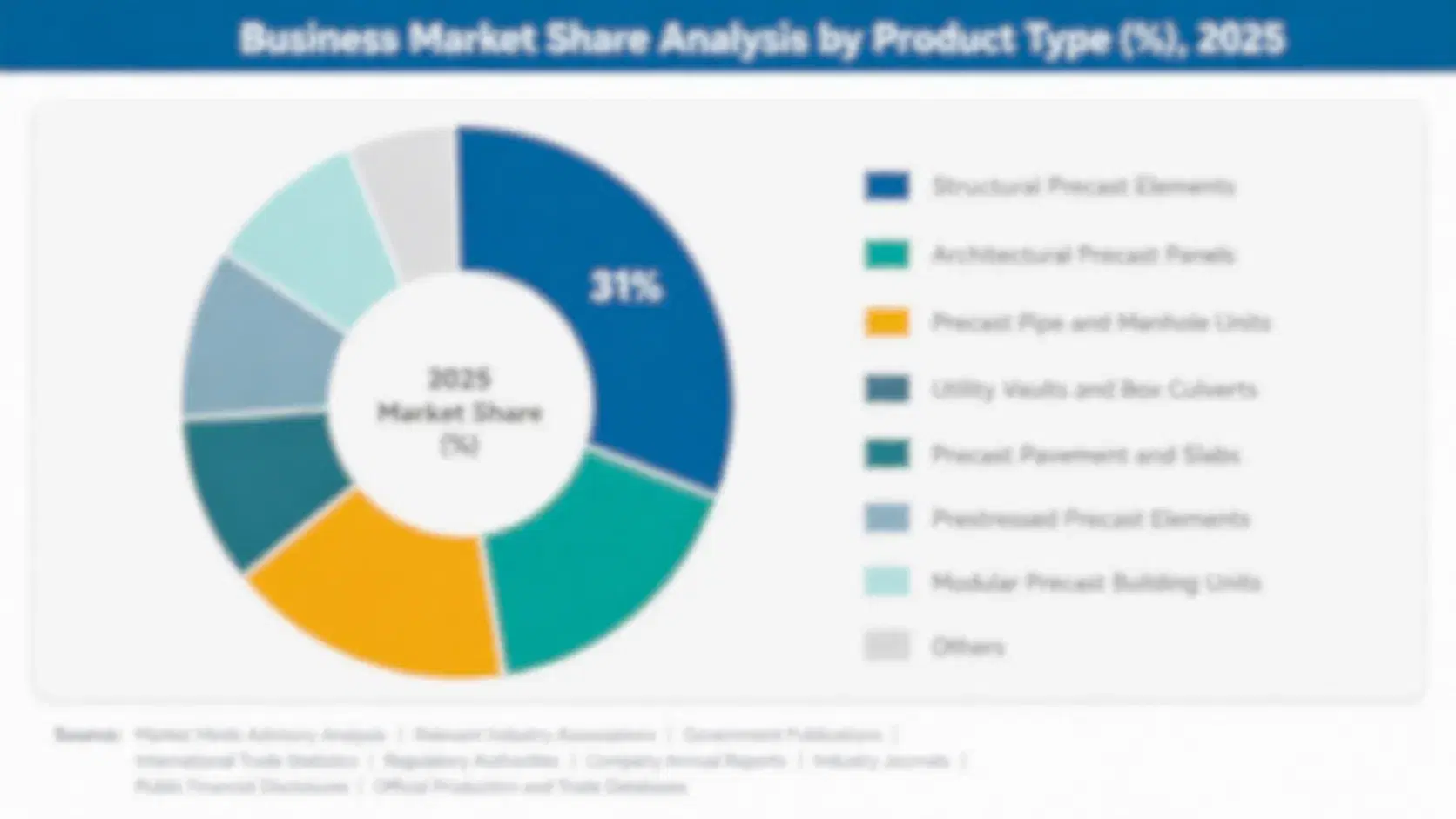
Segmentation follows management modality: how each intervention acts on the perception or the distress it causes, rather than which patient receives it or where it is delivered. Six modalities cover the market without overlap, from hearing aids through to off-label pharmacological management. Care setting and payment route are treated separately here. Both cut across all six modalities.
tinnitus-management-market-growth-market-share-analysis-1787693079447

Digital Cognitive Behavioural Therapy Applications

Cognitive behavioural therapy carries the strongest evidence in tinnitus and requires psychologists who are scarce everywhere, which left the best available intervention reaching very few patients through conventional delivery. Applications provide structured programmes at scale, addressing capacity rather than improving on the therapy itself, and growth at 13.2%, half again the market rate of 8.8%, follows that directly. Germany reimburses these as prescribed treatments through its digital health framework and no other country yet does, which makes German experience the reference point every other health system is examining before committing to anything comparable. Commissioners fund what reduces demand their own workforce cannot meet. German experience is the reference point every other system now examines.
CAGR 13.2%

Bimodal Neuromodulation Devices

Pairing sound with mild tongue stimulation to drive neural plasticity is the first genuinely new device approach in decades, and unusually for this field it arrived with randomised evidence rather than testimonial marketing. Growth at 11.4% comes from specialist centres extending into general audiological practice as clinicians gain confidence in the data. Cost around 3,900 dollars per course with no reimbursement in most markets restricts it to patients who fund treatment themselves. Fitting and follow-up also consume clinic time that audiology practices weigh against appointments generating more reliable revenue. Sharing that clinic economics openly gets devices into practices that would otherwise simply decline to offer the treatment. Practices weigh those appointments carefully.
CAGR 11.4%
Full segment breakdown across 6 segments available in the complete report.

Regional Architecture and Country Demand Map

Geography follows hearing care infrastructure and reimbursement policy rather than prevalence, which is broadly similar across populations. Western Europe leads on hearing aid adoption and digital therapeutic funding, North America follows closely, and South Asia grows fastest from a low base. Policy rather than biology explains the distribution.

North America

American tinnitus management runs largely through private audiology and hearing aid retail, with veterans services representing a substantial and distinct segment given noise exposure histories and the condition's status as a leading service-connected disability. Hearing aid adoption is lower than European rates despite higher spending capacity, partly because amplification carries more stigma. Over-the-counter hearing aid availability has changed access considerably. Digital therapeutic reimbursement does not exist, so applications are purchased privately. Canadian provision follows provincial funding with varied coverage, and Mexican access is concentrated in private urban audiology practice. Veterans services represent a substantial and distinct segment, given noise exposure histories and the condition's standing as a leading service-connected disability claim.
Share: 25% | CAGR: 8.2% (2026 to 2036)

Western Europe

Western Europe leads at 26% because hearing aid adoption rates across Denmark, Norway, the United Kingdom and Switzerland are the highest recorded anywhere and Germany operates the only framework worldwide that reimburses digital tinnitus therapeutics as prescribed treatment. Both facts reflect policy rather than prevalence. The major hearing aid manufacturers are European, which concentrates clinical practice and commercial capability together. British provision runs through national audiology services with structured tinnitus pathways. Nordic systems fund amplification generously, which makes the largest intervention in this field genuinely accessible. Nordic systems fund amplification generously, which makes the largest intervention in this whole field genuinely accessible rather than merely available in principle. Policy explains the position.
Share: 26% | CAGR: 7.2% (2026 to 2036)
Regional intelligence for 5 additional markets available in the complete report: East Asia, South Asia and Pacific, Latin America, Middle East and Africa, Eastern Europe. Contact sales@marketmindsadvisory.com.
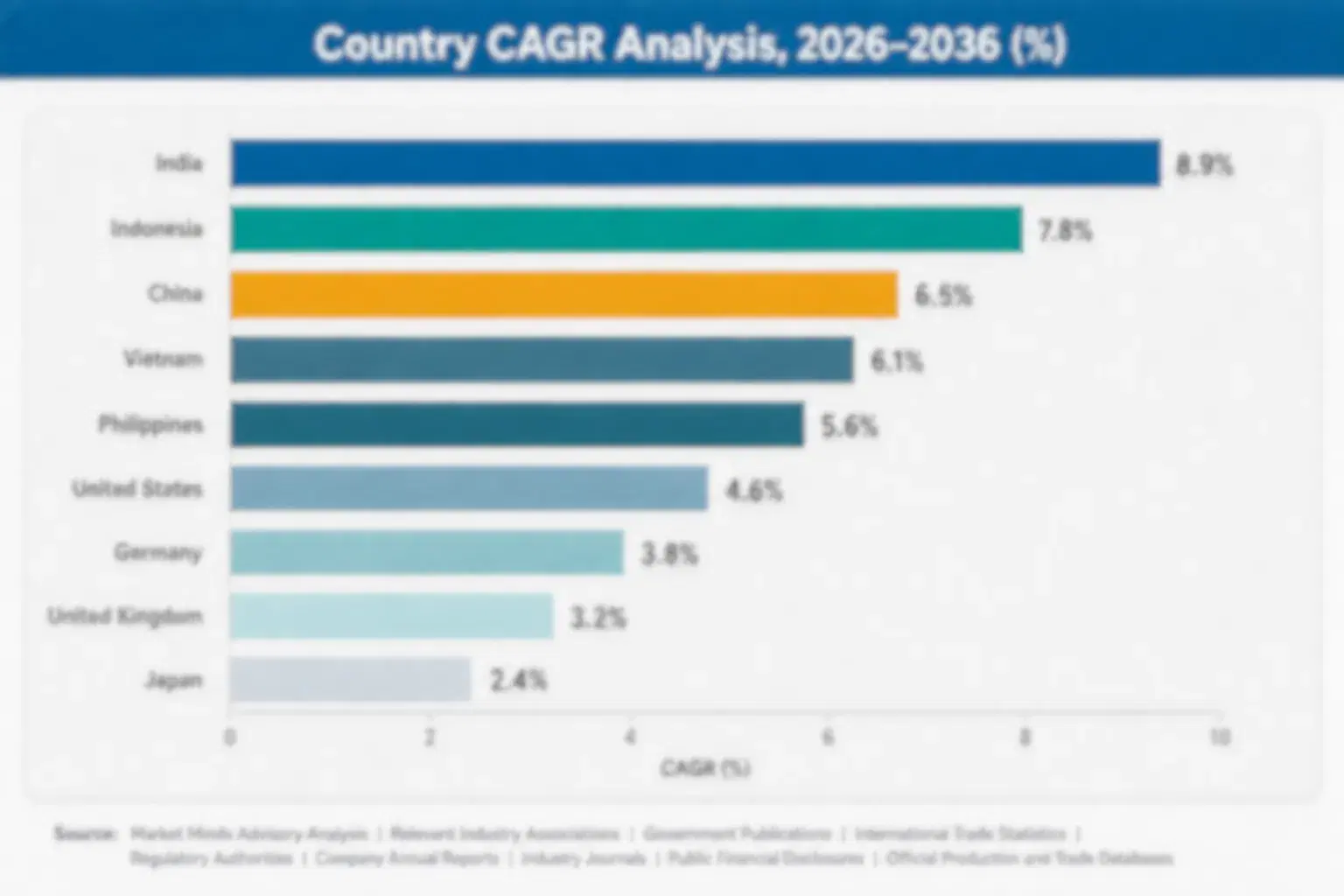
tinnitus-management-market-growth-country-cagr-analysis-1787693079740

Selling Honest Habituation Instead Of Cures

Around 80% of these patients have hearing loss, the best-evidenced therapy cannot be staffed, and unevidenced products compete for the same distressed population. Four levers work on referral pathways, delivery capacity, expectation setting and reimbursement rather than on any claim that a product removes the sound. No product removes the sound, and claiming otherwise damages everybody.

Redirect Referral From Ear Surgery To Audiology

Roughly 80% of tinnitus patients have measurable hearing loss and amplification helps a substantial share of them, yet most present first to ear, nose and throat services and are told nothing can be done. Redirecting that pathway toward audiology converts patients currently receiving no management into hearing aid fittings, which is the largest commercial opportunity in this field and requires no new technology at all. The work is referral pathway engagement rather than product development, and remarkably few manufacturers pursue it seriously. The largest opportunity here needs no new technology at all.
Market Impact: Reaches the 80% who have treatable hearing loss

Deliver Cognitive Therapy Without The Psychologists

Cognitive behavioural therapy carries the strongest evidence in tinnitus and requires trained psychologists allocated almost everywhere to conditions considered more urgent, which leaves the best intervention reaching very few people. Digital delivery at 13.2% growth addresses capacity directly rather than improving the therapy. Suppliers who position applications as capacity relief for stretched services reach commissioners rather than only consumers, and commissioners fund what reduces the demand their own workforce cannot meet. Around 13.2% growth follows that capacity argument rather than any therapeutic improvement, and commissioners respond to it far faster than consumers do.
Market Impact: Serves a 13.2% growing digital delivery channel properly

Build Reimbursement Pathways Well Beyond Germany

Germany operates the only framework worldwide reimbursing digital tinnitus therapeutics as prescribed treatment, and every other market requires patients to purchase privately, which limits reach to those who can pay and who trust the claims. Suppliers who invest in health technology assessment submissions elsewhere convert a consumer product into a funded treatment. That work is slow, expensive and produces a position competitors selling directly to consumers cannot match once reimbursement exists in any given market. Exactly 1 country funds these applications today, and every other market leaves distressed patients paying privately among competing unevidenced claims.
Market Impact: Extends well beyond the single 1 reimbursing country

Compete On Evidence Against Unregulated Claims

A condition without a cure attracts sellers of hope, and supplements, applications and devices making unsupported claims compete for the same 14% of adults experiencing symptoms. That erodes trust in interventions that genuinely help. Suppliers holding randomised evidence should say so explicitly and support clinician-led referral pathways that distinguish products by evidence rather than by advertising. This is uncomfortable marketing territory and it protects the credibility on which the whole evidenced segment depends. Credibility is what the whole evidenced segment depends upon. Roughly 14% of adults are affected and sellers of hope reach all of them.
Market Impact: Contests claims across the whole 14% adult prevalence

Who Controls the Margin Pool

Measured on disclosed hearing care and audiological device revenue, the five leading manufacturers hold a CR5 of 41%, which reflects a concentrated hearing aid industry within which tinnitus features are one capability among many. Sonova, Demant, WS Audiology and GN dominate amplification globally, while Neuromod and a handful of digital therapeutic developers compete in segments the large manufacturers have largely left alone. The large manufacturers have largely left the newer modalities alone.
Three contests define activity. Hearing aid based management competes as a feature within general amplification, where tinnitus functionality rarely decides a fitting on its own. Digital therapy competes on evidence and on reimbursement access, which is a health technology assessment discipline. Bimodal neuromodulation competes on clinical data and on clinic time, since audiology practices weigh appointments carefully. A supplier strong in one of those three contests holds no transferable advantage in the others.

Pressure comes from unregulated products competing for the same distressed patients without any evidence requirement, and from Chinese manufacturers making amplification affordable in markets where it previously was not. Rankings shift where reimbursement frameworks emerge, since a funded treatment reaches patients that private purchase never will. Funded treatment reaches patients private purchase never will.
tinnitus-management-market-growth-company-positioning-matrix-1787693080038

Competitive Moat and Risk Dimensions

SONOVA

Moat: Amplification Fitting Network Reach

Sonova reaches patients through audiology retail and dispensing networks that took decades and considerable acquisition to assemble, and tinnitus management through hearing aids depends entirely on a patient reaching a fitter. That distribution is the barrier rather than any device feature. A digital developer with better evidence still has to reach a patient seeing nobody.
SONOVA

Risk: Tinnitus Feature Commoditisation

Tinnitus masking is now a standard feature across essentially every premium hearing aid platform, which means it differentiates nothing and captures no separate value. The genuine growth in this field sits in digital therapy and neuromodulation, where amplification manufacturers hold no natural position. Feature parity across competitors leaves the segment growing without the incumbents capturing much of it.
DEMANT

Moat: Clinical Audiology Depth

Demant combines hearing aids with diagnostic equipment and clinical audiology relationships built through professional education over many years, which places it inside the tinnitus pathway wherever audiology rather than ear surgery manages these patients. That clinical positioning matters more here than product specification does. A consumer-facing competitor reaches patients who have already given up on clinical routes entirely.
DEMANT

Risk: Referral Pathway Dependency

Most tinnitus patients present to ear, nose and throat services first and are frequently told nothing can be done, which means they never reach audiology at all. A position built on clinical audiology depends on a referral pathway the company does not control and has invested comparatively little in changing. The largest opportunity sits behind a door somebody else opens.

Players Tracked

Prominent Players

Sonova
Demant
WS Audiology
GN Store Nord
Starkey Hearing Technologies

Other Key Players

Neuromod Devices
Neosensory
Cochlear
MED-EL
Eargo
Mimi Hearing Technologies
Sonormed
Rion
IntriCon
Amplifon
Specsavers
Bose
Puretone
Inventis
Maico Diagnostics

Recent Developments

FEBRUARY 2025

Digital tinnitus therapeutic secures reimbursement listing renewal

A digital tinnitus therapeutic secured renewal of its reimbursement listing under a national digital health framework, a regulatory and funding decision rather than any commercial transaction. It remains one of very few markets worldwide where such an application is prescribed and funded rather than bought directly by patients themselves.
Signal: Reimbursement rather than evidence quality is what limits digital therapy reach across every other market today.
JUNE 2025

Audiology society guidance emphasises amplification in tinnitus management

An audiology society updated guidance emphasising hearing aid fitting as a primary intervention for tinnitus patients with measurable hearing loss, which describes roughly four in five of them. This was clinical guidance rather than any commercial event, and it addresses referral patterns that send most patients elsewhere first.
Signal: The largest intervention in this field needs a referral change rather than any new product being developed.
OCTOBER 2025

Bimodal neuromodulation device publishes extended follow-up outcomes

A bimodal neuromodulation device published extended follow-up outcome data from its clinical programme, an academic publication rather than any corporate transaction. Durability of benefit beyond the treatment course has been the central question limiting wider audiological adoption of a device costing several thousand dollars per patient.
Signal: Durability data rather than initial response is what audiologists want before committing their scarce clinic appointments.

What Management Costs

Cost structures differ so completely between modalities that comparison is close to meaningless. Hearing aid manufacture runs 22 to 28% of wholesale price, dominated by digital signal processing chips, receivers and miniaturised assembly. Digital applications carry almost no marginal cost and substantial development and regulatory investment instead. Bimodal neuromodulation devices carry conventional device manufacturing alongside clinician fitting time that the practice rather than the manufacturer absorbs.
The volatility that matters is semiconductor supply for amplification and clinical evidence cost for everything newer. Hearing aid chip availability tightened through 2021 and 2022 alongside broader semiconductor constraints, and manufacturers without allocation faced delivery delays into dispensing networks. Sonova and Demant disclosures describe component availability across that period. Suppliers holding allocation continued shipping. Those without lost fittings to competitors whose devices were physically available in the dispenser's cabinet.

Exposure divides by modality and by who carries the delivery cost. Amplification manufacturers carry component and assembly economics against wholesale pricing that dispensing networks negotiate. Digital therapeutic developers carry regulatory and evidence generation costs that dwarf their marginal delivery cost entirely. Neuromodulation suppliers carry device manufacturing while the clinic carries fitting time, which is a cost the audiology practice weighs against other appointment uses.
tinnitus-management-market-growth-cost-volatility-analysis-1787693080353

Secure hearing aid component allocation ahead of demand

Digital signal processing chip availability tightened through 2021 and 2022 and manufacturers without allocation lost fittings to competitors whose devices were physically in the dispenser's cabinet. Allocation agreements cost working capital and prevent the specific failure that transfers a patient permanently. A dispenser fits what is available on the day rather than waiting for a preferred platform.

Treat evidence generation as the principal product cost

Digital therapeutics carry almost no marginal delivery cost and substantial regulatory and clinical evidence investment, which inverts conventional product economics entirely. Budgeting evidence as a marketing expense rather than as the principal cost of goods produces plans that fail at reimbursement submission. The evidence is the product in every market that funds these applications.

Cost clinic time into neuromodulation pricing models

Bimodal devices require fitting and follow-up appointments that audiology practices weigh against alternative uses of the same time, and that cost sits with the practice rather than the manufacturer. Pricing models ignoring it push the burden onto a partner who then declines to offer the treatment. Sharing that economics openly gets devices into practices that would otherwise refuse them.

Portfolio Architecture for Margin Defence

Margin follows delivery economics rather than clinical effectiveness, which is an uncomfortable feature of this field. Standalone sound generators are simple, comparable and priced accordingly. Hearing aids with tinnitus features earn premium device margins where tinnitus functionality is bundled rather than separately valued. Digital applications earn software economics wherever reimbursement exists and very little where it does not. Neuromodulation earns well and consumes clinic time somebody else pays for.
The tension is that the most effective interventions are the hardest to monetise. Hearing aids help most patients and capture no separate value for the tinnitus benefit. Cognitive therapy works best and cannot be staffed. Digital delivery solves that and only earns properly in one country. Meanwhile products with no evidence at all monetise freely because nobody requires them to demonstrate anything before selling to distressed people.

High-value pools sit in three places. Digital therapeutics in markets that reimburse them, which is currently one. Bimodal neuromodulation where durability evidence supports the price and clinic economics are shared honestly. And hearing aid fittings generated by redirecting referral from ear surgery to audiology, which requires no product development whatsoever.

Volume / Commodity-Adjacent

Standalone sound generators, maskers and basic masking accessories sold through audiology and retail channels against comparable competitor products. The 7-point range separates manufacturers with component allocation and scale assembly from smaller suppliers exposed to spot component pricing entirely.
Gross Margin: 31-38%

Premium / Certified

Hearing aids with integrated tinnitus masking and clinician-delivered sound and retraining therapy programmes. The 7-point spread separates manufacturers with dispensing network reach and clinical education programmes from those competing on device specification without that distribution behind them.
Gross Margin: 52-59%

Sustainability / Regulatory / Next-Generation

Digital cognitive behavioural therapy applications and bimodal neuromodulation devices. The 33-point range is extreme because a reimbursed digital application earns software economics while an unreimbursed one earns almost nothing, and neuromodulation carries conventional device manufacturing costs.
Gross Margin: 44-77%
tinnitus-management-market-growth-portfolio-architecture-1787693080661

High-value Sub-segments and Strategic Watch-out

Reimbursed Digital Therapeutics

Highest value and fastest growth at 13.2%, delivering the best-evidenced intervention with almost no marginal cost wherever a health system funds it as prescribed treatment. The risk is that only one country currently does, so the entire economics depend on reimbursement spreading to further markets.
Gross Margin: 74-77%

Bimodal Neuromodulation

Strong value supported by randomised evidence that distinguishes it from almost everything else sold into this field. The risk is clinic time, since audiology practices weigh fitting and follow-up appointments against alternative uses and frequently decline to offer the treatment at all. Practice economics decide it.
Gross Margin: 56-59%

Tinnitus Enabled Hearing Aids

The volume core and the largest genuine intervention, though tinnitus functionality is now standard across premium platforms and captures no separate value. Manufacturers hold the position because amplification volume carries the dispensing relationships through which everything else eventually reaches patients. Feature parity captures nothing. Dispensing carries everything.
Gross Margin: 53-56%

Unreimbursed Digital Applications

The strategic watch-out. Outside the single market that funds them, these applications must be sold directly to patients who are distressed, sceptical and surrounded by unevidenced alternatives making louder claims. The risk is acquisition cost exceeding what a private purchase can sustain. Trust is already damaged.
Gross Margin: 45-48%

A Condition Nobody Leaves

Tinnitus persists indefinitely for most people who develop it, which makes this a lifelong management relationship rather than a treatment episode. Around 14% of adults experience symptoms and roughly 2% are significantly impaired, and that impaired group seeks help repeatedly across years. Hearing aids are replaced on four to five year cycles, applications renew by subscription, and neuromodulation courses are occasionally repeated.
Stickiness depends on whether the patient reached a clinician at all. Somebody fitted with hearing aids through audiology returns for adjustment, replacement and further support for decades, which is the strongest relationship available here. Somebody who purchased an application privately after being told nothing could be done has no clinical anchor and churns quickly. That difference is not about product quality; it is about which door the patient walked through first.

The referral pathway rather than any purchasing decision governs this market. Most patients present to ear, nose and throat services and are told the condition cannot be treated, at which point roughly 80% who could benefit from amplification never reach an audiologist. Calling on audiology alone addresses those who got through and ignores the larger number who did not.
tinnitus-management-market-growth-end-use-penetration-index-1787693080933

Where Patients Actually Go

These are among the four positions where our research anticipates prominent divergence between winners and laggards over the coming forecast period. Each is grounded in the demand model, the regulatory perimeter, and the announced capacity pipeline.
01 / REFERRAL PATHWAY REDIRECTION

The biggest intervention needs a different door

Roughly 80% of tinnitus patients have measurable hearing loss and amplification helps a substantial proportion of them considerably, yet most present first to ear, nose and throat services and are simply told that nothing can be done. Redirecting that pathway toward audiology converts patients currently receiving no management at all into hearing aid fittings, which is the single largest commercial opportunity in this field. The work is referral pathway engagement rather than product development, and remarkably few manufacturers pursue it seriously.
02 / CAPACITY RELIEF POSITIONING

Sell psychologist time nobody has to spare

Cognitive behavioural therapy carries the strongest evidence available in tinnitus and requires trained psychologists who are allocated almost everywhere to conditions considered more urgent than this one. Digital delivery growing at 13.2% annually addresses that workforce constraint directly rather than improving on the therapy itself in any way at all. Suppliers who position their applications as capacity relief for stretched services reach health system commissioners rather than only consumers, and commissioners fund whatever reduces demand their own workforce genuinely cannot meet.
03 / REIMBURSEMENT EXPANSION WORK

One country funds it, everywhere else pays privately

Germany currently operates the only framework anywhere that reimburses digital tinnitus therapeutics as a prescribed treatment, and every other market requires distressed patients to purchase privately from among competing unevidenced alternatives. Suppliers who invest in health technology assessment submissions elsewhere convert a consumer product into a funded treatment that reaches patients private purchase never will. That submission work is slow and expensive, and it produces a commercial position that direct-to-consumer competitors simply cannot match once reimbursement exists in a market.
04 / EVIDENCE CREDIBILITY DEFENCE

Unregulated claims damage the whole field

A condition without any cure inevitably attracts sellers of hope, and supplements, applications and devices making unsupported claims compete for the same 14% of adults experiencing symptoms. That competition steadily erodes patient trust in the interventions which genuinely do help, and it reaches evidenced products just as much as the rest. Suppliers holding randomised evidence should say so explicitly and back clinician-led referral pathways distinguishing products by evidence rather than by advertising volume, uncomfortable as that particular territory undoubtedly is for them.

Engagement Snapshot From the Field

A live engagement with an industry participant carrying material or product regulatory and market exposure ahead of a defining policy shift, showing how our research translates into a defensible multi-year portfolio strategy.
MARKET MINDS ADVISORY · CLIENT ENGAGEMENT SUMMARY
Tinnitus Management Producer Strategic Portfolio Review and Transition Roadmap 2026·Investment Scenario on Tinnitus Management Exposure Evaluation 2025-26
CLIENT PROFILE
A hearing device manufacturer supplying amplification with integrated tinnitus masking across 32 markets, with reported revenue of 620 million euros (client-reported, unverified by MMA). Tinnitus functionality was included across premium platforms at no separate price and promoted as a differentiating feature. Its commercial organisation called on audiology dispensers exclusively and had no engagement with ear, nose and throat services anywhere.
STRATEGIC CHALLENGE
Tinnitus feature promotion had produced no measurable fitting uplift across three years, and management was planning further feature investment. Competitors offered equivalent masking on every premium platform. Nobody had examined whether tinnitus patients were reaching audiology at all, or what happened to those who presented somewhere else first. Both assumptions went untested.
MMA APPROACH
MMA traced tinnitus patient pathways at fourteen sites, following patients from first presentation through to whatever management they eventually received. Fifteen expert interviews with ear, nose and throat physicians, audiologists and general practitioners established where patients go and what they are told. The analysis examined the referral pathway rather than the product, which the company had never investigated.
KEY FINDINGS
  1. Most tinnitus patients presented to ear, nose and throat services first and were told nothing could be done, so they never reached an audiologist at any point afterward.
  2. Tinnitus masking was available on every competitor premium platform, meaning the feature investment had differentiated nothing and captured no separate value at all.
  3. Around four in five of the patients traced had measurable hearing loss that amplification would have helped, and most received no hearing assessment whatsoever.
  4. Ear, nose and throat education modelled far greater fitting volume than any further feature development would produce (client-reported, unverified by MMA). Feature parity had made it pointless.
CLIENT PROFILE
A hearing device manufacturer supplying amplification with integrated tinnitus masking across 32 markets, with reported revenue of 620 million euros (client-reported, unverified by MMA). Tinnitus functionality was included across premium platforms at no separate price and promoted as a differentiating feature. Its commercial organisation called on audiology dispensers exclusively and had no engagement with ear, nose and throat services anywhere.
STRATEGIC CHALLENGE
Tinnitus feature promotion had produced no measurable fitting uplift across three years, and management was planning further feature investment. Competitors offered equivalent masking on every premium platform. Nobody had examined whether tinnitus patients were reaching audiology at all, or what happened to those who presented somewhere else first. Both assumptions went untested.
MMA APPROACH
MMA traced tinnitus patient pathways at fourteen sites, following patients from first presentation through to whatever management they eventually received. Fifteen expert interviews with ear, nose and throat physicians, audiologists and general practitioners established where patients go and what they are told. The analysis examined the referral pathway rather than the product, which the company had never investigated.
KEY FINDINGS
  1. Most tinnitus patients presented to ear, nose and throat services first and were told nothing could be done, so they never reached an audiologist at any point afterward.
  2. Tinnitus masking was available on every competitor premium platform, meaning the feature investment had differentiated nothing and captured no separate value at all.
  3. Around four in five of the patients traced had measurable hearing loss that amplification would have helped, and most received no hearing assessment whatsoever.
  4. Ear, nose and throat education modelled far greater fitting volume than any further feature development would produce (client-reported, unverified by MMA). Feature parity had made it pointless.
RECOMMENDED STRATEGY
Phase 1: Phase one: halt further tinnitus feature investment, since every competitor platform offers equivalent masking and the capability differentiates nothing. It captures no separate value. Phase 2: Phase two: build clinical education and referral engagement with ear, nose and throat services, where most of these patients first present and stop. Phase 3: Phase three: support audiology practices in offering structured tinnitus pathways, giving referring physicians somewhere credible to send patients. Referrers need somewhere to send people.
OUTCOME
Feature investment was redirected and referral engagement began in four markets. Fitting volume from tinnitus presenting patients rose materially within eighteen months without any product change at all (client-reported, unverified by MMA). Structured audiology pathways were established at partner practices and referring physicians began using them consistently.

Frequently Asked Questions

Foundational context covering the market sizes, CAGR, scope, country, region and competition that inform every finding below. This section is provided to cover basics and most often pre-purchase conversations, answered from the MMA Primary Research Dataset.

What is the current size of the Tinnitus Management Market?

The market was worth 3.0 billion dollars in 2025, covering masking hearing aids, sound generators, digital therapy applications, retraining therapy, neuromodulation and pharmacological management. It reaches 3.26 billion dollars in 2026.

How large will the Tinnitus Management Market be by 2036?

MMA forecasts 7.59 billion dollars by 2036, an increase of 4.33 billion dollars over the 2026 base. That represents an expansion multiple of 2.33 times across the forecast period.

What is the CAGR for the Tinnitus Management Market 2026 to 2036?

The base case compounds at 8.8% annually. MMA's bull case reaches 10.0% if digital therapeutic reimbursement spreads beyond Germany, while the bear case sits at 7.6% on continued dilution by unevidenced products.

Which segment is growing fastest?

Digital cognitive behavioural therapy applications, at 13.2%, half again the market rate of 8.8%. They deliver the best-evidenced intervention without the psychologists no health system can staff.

Who are the major companies in the Tinnitus Management Market?

Sonova, Demant, WS Audiology, GN Store Nord and Starkey lead on disclosed hearing care and audiological device revenue. Neuromod Devices, Neosensory, Sonormed and Amplifon compete in specific modalities.

Which country is growing fastest?

India at 11.2%, driven by private audiology expansion and improving hearing aid affordability from a very low base. China follows on similar hearing care infrastructure development.

Report Segmentation Architecture

The full report scope spans multiple orthogonal segmentation dimensions, with cross-tabulated demand data provided for each dimension pair. Coverage extends further to regional breakdowns, trend trajectories, and the competitive detail needed to support segment-level decision-making.

By Management Modality

  • Hearing Aids With Tinnitus Masking
  • Standalone Sound Generators and Maskers
  • Digital Cognitive Behavioural Therapy Applications
  • Clinician-Delivered Sound and Retraining Therapy
  • Bimodal Neuromodulation Devices
  • Off-Label Pharmacological Management

By End-Use Industry

  • Private Audiology Practices
  • Hospital Audiology Services
  • Ear Nose and Throat Clinics
  • Hearing Aid Retail Networks
  • Veterans and Military Health Services
  • Digital Health and Consumer Channels

By Commercial Dimension

  • Private Patient Purchase
  • Public Health Service Provision
  • Insurance Reimbursed Supply
  • Digital Therapeutic Prescription
  • Retail Dispensing Channel
  • Clinician Delivered Programme

By Region

  • North America
  • Western Europe
  • East Asia
  • South Asia and Pacific
  • Latin America
  • Middle East and Africa
  • Eastern Europe

Scope, Methodology, and Coverage

Every figure in this report is reproducible from documented input assumptions. The scope below maps the historical period, the forecast horizon, the segmentation dimensions, and the countries covered, alongside the underlying primary and qualitative methodology.
Historical Period
2020 to 2025
Forecast Period
2026 to 2036
Base Year
2025 (USD billions; MMA Primary Research Dataset, August 2026)
Market Definition
Scope covers devices, therapies and applications used to manage tinnitus and the distress it causes, spanning hearing aids incorporating tinnitus masking or sound therapy features, standalone sound generators and maskers including wearable and bedside devices, digital cognitive behavioural therapy applications, clinician-delivered sound therapy and tinnitus retraining therapy programmes, bimodal neuromodulation devices, and pharmacological management prescribed off-label for tinnitus-related distress. Cochlear and auditory brainstem implants placed primarily for hearing loss, general hearing aids without tinnitus functionality, audiological diagnostic and testing equipment, unregulated supplements and wellness products, and hearing screening services are excluded. Otological surgery falls outside the boundary.
Quantitative Units
USD billions (current prices); devices fitted; application subscriptions active; treatment courses delivered; patients under structured management
Segmentation Dimensions
By Management Modality; By End-Use Industry; By Commercial Dimension; By Region
Regions Covered
North America, Western Europe, East Asia, South Asia and Pacific, Latin America, Middle East and Africa, Eastern Europe
Countries Covered
Germany, USA, UK, Denmark, China, Japan, India, France, South Korea, Switzerland, Brazil, Australia, Canada, Poland, Saudi Arabia
Key Companies Profiled
Sonova, Demant, WS Audiology, GN Store Nord, Starkey Hearing Technologies, Neuromod Devices, Neosensory, Cochlear, MED-EL, Eargo, Mimi Hearing Technologies, Sonormed, Rion, IntriCon, Amplifon, Specsavers, Bose, Puretone, Inventis, Maico Diagnostics
Quantitative Methodology
Primary survey, n=3,800 respondents, Q4 2025, six countries; demand-side model with trade association cross-validation
Qualitative Methodology
47 expert interviews, Q4 2025; applied to validate demand model assumptions, identify emerging dynamics, and assess competitive positioning
Report Format
PDF and XLSX data workbook (Word format preview document)
Publisher
Market Minds Advisory
Report Code
MMA-2026-MED-158
Published
August 2026
Contact
sales@marketmindsadvisory.com | www.marketmindsadvisory.com

Purchase the full Tinnitus Management Market Report (2026 to 2036).

The full report runs to 170 pages and covers all six management modality segments, seven regions and 20 profiled companies in detail. It includes the complete segment CAGR set, regional hearing aid adoption and reimbursement data, and referral pathway analysis across fourteen clinical sites. Company profiles carry evaluation on disclosed hearing care and audiological device revenue, with moat and risk assessment for the top five manufacturers. The competitive section extends to 14 tracked corporate, clinical and reimbursement developments across 2024 and 2025, each with commercial interpretation. Primary research inputs include a quantitative survey of 3,800 respondents and 47 expert interviews conducted in Q4 2025.
Six management modality segments with individual CAGR forecasts
Seven regional markets with adoption and reimbursement data
Twenty company profiles on consistent revenue evaluation basis
Fourteen tracked corporate, clinical and reimbursement developments with interpretation
Referral pathway analysis traced across fourteen clinical sites
Digital therapeutic reimbursement mapping by national health system

Built For The People Who Decide

From boardroom strategy to bench-side execution, this report is read cover-to-cover by leaders shaping the next decade of their industry, turning demand scenarios, market dynamics and valuation benchmarks into decisions.
CXOs/ Presidents/ VPs/ Managers
M&A and Corporate Development
Strategy Teams and R&D Heads
Procurement and Product Directors
Regulatory and Compliance Leaders
Investor Relations and Equity Analysts