Market Minds Advisory
Time Temperature Indicator Label Industry Analysis in Western Europe

Western Europe Time Temperature Indicator Label Market 2026-2036

The European Union's Good Distribution Practice directive, expanding biologics and vaccine cold-chain logistics, and tightening pharmacy-wholesaler verification requirements are reshaping time-temperature indicator label specifications across Western European supply chains each year worldwide.

Lead Analyst

Bilal Shaikh

Published

November 2026

Make Smarter Decisions with Customized Research Insights

Request a free sample report and evaluate market opportunities, growth trends, and competitive dynamics relevant to your business needs.

2025 MARKET VALUE$0.5BMarket Size 2025
2036 FORECAST VALUE$1.1BBase Case , 2026 to 2036
CAGR 2026 TO 20368.2 %Bull 9.5% / Bear 6.9%
INCREMENTAL OPPORTUNITY$0.6BNet 10- year value creation
EXPANSION MULTIPLE2.19x2036 value over 2026 base
Strategic Levers
M&A Pipeline
Regional Outlook
Country Rankings
Competitive Intelligence
Segmental Deep-dive
Call-Us : 91 93563 13602

Western Europe Time Temperature Indicator Label Market Overview

The European Union's Good Distribution Practice directive has pushed time-temperature indicator labels from an optional pharmaceutical quality tool into a near-mandatory distribution specification, as wholesalers and pharmacies increasingly require continuous temperature-excursion documentation on every biologics shipment, a shift reshaping label specifications across nearly every biologics distribution category region-wide.
Growth concentrates in full-history electronic TTI labels, the fastest-expanding format, as pharmaceutical distributors require continuous excursion logging rather than simple threshold-triggered color change. Western Europe, anchored by Germany's pharmaceutical manufacturing base and the European Union's Good Distribution Practice framework, leads global demand as the region's regulatory pace sets the standard other jurisdictions increasingly follow, a position reinforced by Germany's concentrated pharmaceutical contract-manufacturing base serving exporters across the continent.
Competition spans chemical-indicator specialists, electronic-logger manufacturers, and pharmaceutical packaging companies increasingly bundling digital-tracking software into physical label contracts. Wholesaler qualification standards and pharmaceutical cold-chain regulations are tightening requirements, favoring suppliers who can document excursion-detection accuracy alongside the physical label itself, a combination smaller converters increasingly struggle to match credibly, and the gap between excursion-detection specialists and general label printers attempting to enter this category opportunistically continues widening rather than closing as wholesaler standards tighten further.
Market Definition
The Time Temperature Indicator Label Market covers labels that visually or electronically record cumulative temperature-exposure history on pharmaceutical and food shipments, including chemical, enzymatic, and electronic logger formats. It excludes standalone cold-chain fleet-tracking software sold independently of physical labels, general refrigeration equipment, and simple non-recording temperature display stickers lacking cumulative-history capability.
Base Year Value
$0.5B in 2025 (MMA Primary Research Dataset, October 2026)
Forecast Period
2026 to 2036, eleven discrete annual values
CAGR
8.2% base case. Bull 9.5%. Bear 6.9%.
Fastest Growth Segment
Full History Electronic TTI Labels: 10.9% CAGR
Fastest Growth Country
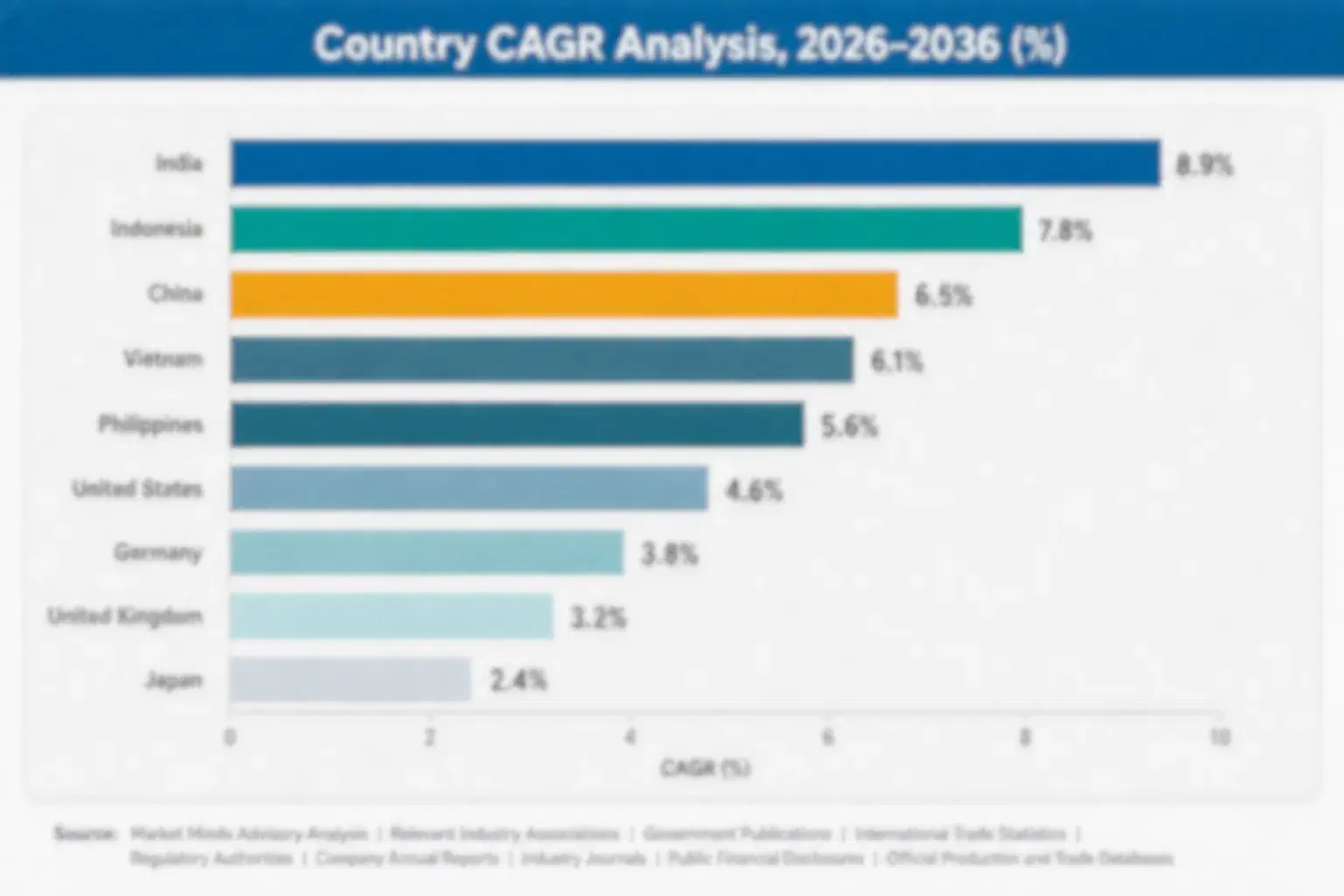
Germany: 10.1% CAGR
Fastest Growth Region
South Asia and Pacific: 10.2% CAGR
Largest Region
Western Europe: 26% of 2025 global value
Market Leaders
3M Company, Temptime Corporation, Avery Dennison Corporation, Cold Chain Technologies Inc, Varcode Ltd. Source: MMA Analysis, based on company disclosures and primary survey data, Q4 2025.
Primary Survey
n=3,800 procurement and R&D decision-makers, Q4 2025, six countries
Methodology
Demand-side build-up, cross-validated against public data, 47 expert interviews

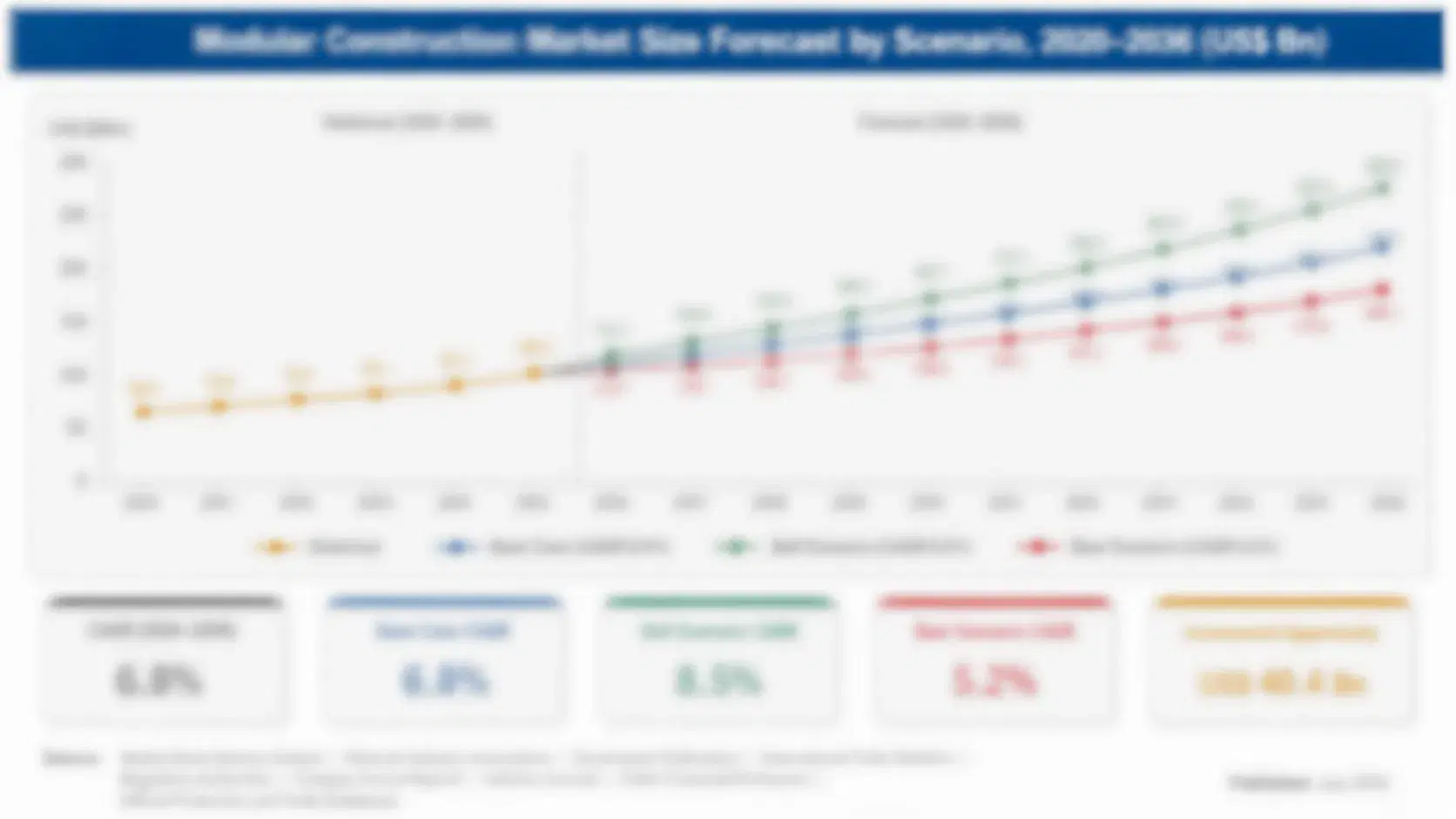
Western Europe Time Temperature Indicator Label Revenue Scenarios

time-temperature-indicator-label-industry-analysis-size-forecast-scenario-1791514628741
Between 2020 and 2025, time-temperature indicator label adoption in Western Europe grew steadily as Good Distribution Practice enforcement expanded alongside growing biologics and vaccine cold-chain distribution investment. The historical pace trailed the current forecast, reflecting a market still transitioning from simple chemical-indicator formats toward electronic logging before broader wholesaler standardization began accelerating adoption toward the end of that period.
The base case assumes continued expansion through three mechanisms: broadening Good Distribution Practice enforcement across additional pharmaceutical categories, growing biologics and vaccine cold-chain distribution volume requiring continuous excursion documentation, and expanding electronic-logger cost declines that make full-history tracking affordable for mid-size wholesalers. Together these mechanisms support solid high-single-digit annual growth as excursion-tracking becomes standard distribution practice across multiple pharmaceutical categories simultaneously, with German and French pharmaceutical distributors moving fastest given established quality-control culture and existing excursion-monitoring infrastructure already in place.
The bull case assumes accelerated adoption if additional European Union member states extend Good Distribution Practice enforcement ahead of current timelines. The bear case assumes slower uptake if cost-sensitive wholesalers continue favoring simpler threshold-triggered indicators, limiting premium electronic-logger penetration to only the most tightly regulated biologics categories for longer than currently expected, a scenario several industry observers consider plausible given current.

Good Distribution Practice Redraws Label Specification

The European Union's Good Distribution Practice directive is redrawing specification requirements across pharmaceutical cold-chain labeling, pushing wholesalers toward full-history electronic logging rather than simple threshold indicators that regulators increasingly consider insufficient for biologics categories. Compliance deadlines tied to Good Distribution Practice audits are compressing supplier qualification timelines meaningfully across the industry, a tightening that is pushing even mid-tier wholesalers to invest in electronic-logging infrastructure previously reserved for premium biologics shipments alone. MMA's view of the freshness indicator label market offers a useful comparison, at USD 0.6 billion in 2025 rising to USD 1.89 billion by 2036, a 10.6% CAGR.
MARKET CONCENTRATIONCR5 37%Top five specialist suppliers hold meaningful combined participation share
AVERAGE SELLING PRICEUSD 0.13/unitElectronic logger labels command substantial sustained price premiums
TOP PRODUCING COUNTRY SHAREGermany 19%Concentrated pharmaceutical-manufacturing scale drives significant regional production demand
CAPACITY UTILIZATION65%Specialist converters run steady lines matching biologics shipment schedules
MATERIAL COST SHARE36% of COGSElectronic chip and chemical-indicator substrate inputs dominate production expense
REPLACEMENT CYCLE LENGTHSingle useIndicator labels applied fresh to each new pharmaceutical shipment
Pharmaceutical wholesalers are increasingly specifying electronic TTI labels as a contractual requirement in distribution agreements, reflecting documented excursion-liability cost now appearing in operational loss reporting. This shift favors specialists with established electronic-logger platforms over general label printers entering the category opportunistically without equivalent chip-sourcing depth or regulatory qualification history, and several major wholesalers have begun publishing supplier scorecards that weigh excursion-detection accuracy alongside cost and delivery performance.
Specification intensity varies by application: biologics and vaccine shipments require the most rigorous full-history electronic tracking, while standard pharmaceutical products often accept simpler threshold-triggered chemical indicators sufficient to deter degradation without full electronic-logger infrastructure across every shipment, a tiering that lets suppliers serve both premium and volume pharmaceutical customers through differentiated hardware tiers rather than one uniform system.
"Time-temperature tracking has quietly become a Good Distribution Practice requirement in Western Europe, not a packaging add-on. Suppliers who built electronic-logger capability ahead of wholesaler mandates now hold a qualification advantage competitors cannot easily replicate."
Senior Analyst, Pharmaceutical Cold Chain Practice · MMA Pharmaceutical Cold Chain Compliance Labeling Practice · October 2026

Western Europe Time Temperature Indicator Label Technology Trends

Electronic Logger Formats Gain Wholesaler Preference

Major European pharmaceutical wholesalers are increasingly specifying electronic logger TTI labels over simple chemical threshold indicators, citing documented excursion-detection accuracy advantages referenced in Good Distribution Practice guidance across several major distribution networks. The shift favors electronic-logger specialists with chip-integration capability over legacy chemical-only providers still supplying older-generation threshold hardware. Several major wholesalers have already updated supplier qualification standards to require full-history electronic logging for new biologics contracts, a change expected to accelerate further as excursion-traceability results become more broadly referenced across competing distribution networks, a validation step most smaller regional converters still lack the chip-integration budget to complete quickly.
Market Impact: Adds 11% wholesaler mandate coverage
Biologics Distributors Adopt Continuous Monitoring Standards

Biologics and vaccine cold-chain distributors are increasingly adopting continuous-monitoring TTI standards that satisfy both Good Distribution Practice requirements and export-market cold-chain documentation needs simultaneously, citing documented compliance-cost savings now appearing in operational-efficiency reporting. This continuous-monitoring approach is expanding the addressable market well beyond basic threshold indicators alone, since distributors increasingly standardize monitoring across domestic and export shipments. Suppliers able to offer flexible, continuous-monitoring platforms are capturing this expanding biologics segment faster than those focused solely on basic chemical indicators, a gap that is widening as more distributors publish updated excursion-monitoring requirements for their distribution partners directly.
Market Impact: Adds 9% unit volume growth yearly

Western Europe Time Temperature Indicator Label Supplier Priorities

Good Distribution Practice Enforcement Expands Rapidly

Expanding Good Distribution Practice enforcement across the European Union's major pharmaceutical markets is driving urgent investment in excursion-monitoring infrastructure among wholesalers and label converters. Public regulatory inspection reporting increasingly names temperature-excursion incidents among the most heavily cited distribution failures, pushing wholesalers toward mandatory electronic verification rather than relying on simple threshold indicators alone. This enforcement visibility is accelerating adoption faster than internal corporate quality-control planning alone would have driven, since public inspection standards create external pressure difficult for distribution teams to defer further, particularly across major pharmaceutical hubs handling the highest biologics volume. Readers tracking this shift may also follow the blood temperature indicator market, which MMA sizes at USD 0.4 billion in 2025, growing at 7.8% a year.
Market Impact: Adds 12% unit hardware cost premium

Biologics Cold Chain Distribution Volume Expands

Expanding biologics and vaccine cold-chain distribution volume across Germany, France, and neighboring Western European markets is driving sustained demand for excursion-tracking labeling as more distributors handle temperature-sensitive therapeutics. Distributors increasingly specify electronic logger formats for new cold-chain programs targeting both compliance and shipment-integrity goals simultaneously. This growth is concentrated among large pharmaceutical wholesalers, where excursion incidents directly affect product-safety metrics tracked closely by regulators. Specification volume is accelerating as more distributors expand their cold-chain program scope, a pattern cold-chain technology suppliers are already observing in early procurement documents for next-generation biologics programs.
Market Impact: Adds 4 month cross-border delay

Western Europe Time Temperature Indicator Label Market Restraints

Electronic Logger Cost Limits Volume Category Adoption

Electronic logger hardware adds meaningful per-unit cost compared with simple chemical threshold indicators, a premium root traced to limited global chip-manufacturing capacity concentrated among a handful of qualified electronics suppliers. Smaller pharmaceutical wholesalers and independent distribution operators often cannot justify this investment outside biologics categories, which concentrates early adoption among larger, better-capitalized distributors. Several electronic-logger suppliers are now offering volume-tiered pricing programs aimed specifically at smaller wholesalers to broaden addressable adoption across the category over the coming several years, though progress remains gradual given the specialized chip-fabrication effort involved in each production run.
Market Impact: Adds 8% electronic logger conversion rate

Fragmented National Enforcement Standards Complicate Compliance

Inconsistent Good Distribution Practice enforcement intensity across national regulators within the European Union complicates supply chains for multinational distributors, since a verification approach accepted in one member state may face stricter scrutiny elsewhere. The root cause is that enforcement standards developed through national implementation choices rather than through fully harmonized European Union inspection protocols. Industry trade groups are now pursuing mutual-recognition discussions among national regulators to reduce duplicate validation requirements for suppliers serving multiple member-state markets simultaneously, though progress has been slow given differing national enforcement priorities and legacy inspection systems already embedded across member states.
Market Impact: Adds 6% continuous-monitoring adoption rate
3 additional market trends, 4 additional growth drivers, and 3 additional restraints and challenges are covered in the full report. Contact sales@marketmindsadvisory.com to access the complete intelligence.

Western Europe Time Temperature Indicator Label Growth by Segment

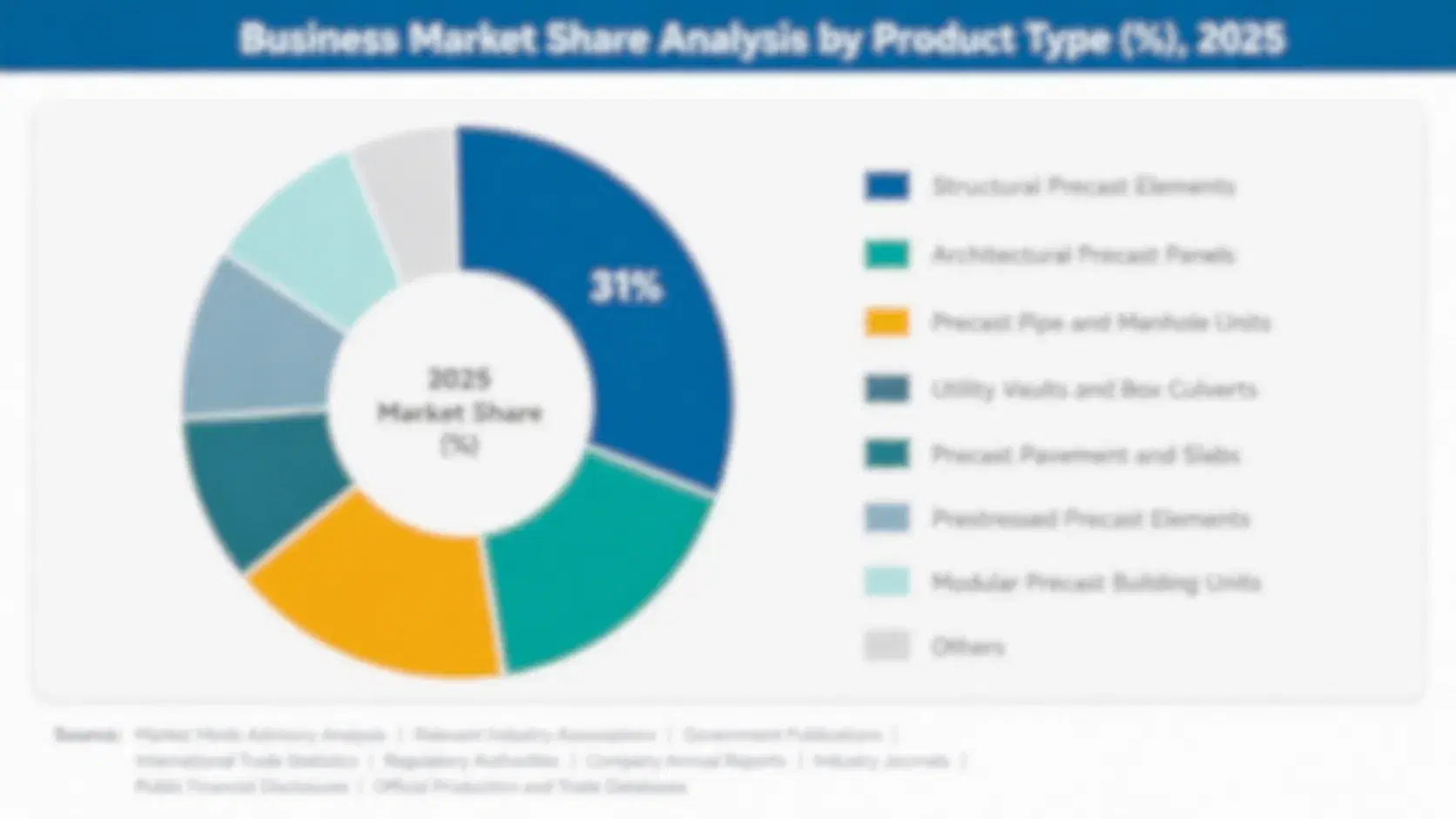
Time-temperature indicator labels span five technology-defined segments distinguished by recording mechanism rather than packaging format or end-use category. Full-history electronic TTI labels and threshold-triggered chemical formats are growing fastest as wholesalers and biologics distributors prioritize continuous excursion-tracking over simple color-change indicators that offer no historical record, with electronic-logger specialists increasingly capturing premium contracts ahead of legacy chemical-indicator providers.
time-temperature-indicator-label-industry-analysis-market-share-analysis-1791514629035

Full History Electronic TTI Labels

Full-history electronic TTI labels embed a miniature temperature-logging chip that records continuous excursion data across the entire shipment journey, letting wholesalers review the complete temperature profile rather than a single threshold breach indicator. This segment is growing fastest among the five tracked here as Good Distribution Practice enforcement mandates continuous logging for biologics categories. Suppliers with established chip-sourcing relationships and electronic-converting capability are capturing disproportionate new contract volume, since qualifying a new logger system requires extensive validation testing that smaller entrants struggle to complete quickly. Average selling prices carry a meaningful premium over standard chemical indicators across every major export market tracked here, reflecting the depth of chip-sourcing expertise required to compete credibly in this top tier.
CAGR 10.9%

Threshold Triggered Chemical Indicators

Threshold-triggered chemical indicators use a color-changing reaction that activates irreversibly once a shipment exceeds a predefined temperature limit, providing simple pass-fail verification without continuous data logging. Growth here trails electronic TTI labels slightly but still outpaces the category average, driven by cost-sensitive wholesalers seeking basic degradation deterrence without electronic-logger investment. Cost remains lower than electronic formats, though verification depth is modest by comparison across high-volume shipment operations. Wholesalers with existing chemical-indicator supply relationships are adopting this format fastest, since it requires minimal process change relative to current distribution-handling procedures already in place, a capability gap narrowing gradually as more wholesalers standardize around shared chemical-indicator chemistry and suppliers at comparable scale.
CAGR 8.9%
Full segment breakdown across 7 segments available in the complete report.

Western Europe Time Temperature Indicator Label Demand by Region

Regional demand concentrates where pharmaceutical distribution regulation is most mature. Western Europe leads on the Good Distribution Practice directive's excursion-monitoring mandate, ahead of East Asia and North America on comparable manufacturing and regulatory scale. South Asia and Pacific posts the fastest regional growth off a small base.

North America

North America trails Western Europe modestly, anchored by United States Drug Supply Chain Security Act requirements that mandate temperature-controlled logistics documentation for prescription pharmaceuticals. The United States accounts for most regional volume, driven by major pharmaceutical wholesalers and distributors implementing electronic-logging infrastructure ahead of full enforcement timelines. 3M Company and several other leading TTI label specialists maintain primary North American software-development operations, giving American buyers faster platform customization than importing systems from overseas vendors. Canada contributes meaningful incremental volume through cross-border pharmaceutical distribution, a trend expected to continue as enforcement deadlines fully phase in nationwide across federal and state programs, a pace few other regions can currently match today now.
Share: 23% | CAGR: 7.6% (2026 to 2036)

Western Europe

Western Europe leads every other region, driven primarily by the European Union's Good Distribution Practice directive, which mandates continuous temperature-excursion documentation for biologics and vaccine shipments moving across member states. Germany's concentrated pharmaceutical-manufacturing base, combined with France's and the Netherlands's wholesale-distribution networks, sustains unusually dense TTI-label demand within the region. Temptime Corporation maintains significant European software and production capacity, supporting regional supply without heavy import dependence. This regulatory-pioneer position gives the region a durable demand foundation that newer markets cannot replicate until their own Good Distribution Practice-equivalent mandates mature, a lead unlikely to narrow soon given the depth of existing compliance infrastructure already in place across member states nationwide now.
Share: 26% | CAGR: 6.9% (2026 to 2036)
Regional intelligence for 5 additional markets available in the complete report: East Asia, South Asia and Pacific, Latin America, Middle East and Africa, Eastern Europe. Contact sales@marketmindsadvisory.com.
time-temperature-indicator-label-industry-analysis-country-cagr-analysis-1791514629323

Capturing Value Beyond Core Label Sales

TTI label suppliers are extending revenue beyond one-time label sales toward recurring excursion-analytics and distribution-software arrangements. Pharmaceutical wholesalers increasingly pay for ongoing excursion-reporting platforms alongside physical labels, shifting supplier economics toward multi-year contracted service relationships rather than single-shipment label orders alone this cycle across major wholesaler and distributor contracts worldwide nationwide today now indeed.

Bundled Excursion Analytics Platform Access Programs

Suppliers are bundling cloud-based excursion-analytics platforms with physical label sales, letting wholesalers track temperature-breach rates by route, carrier, or shipment type rather than reviewing paper logs after the fact. This shifts a meaningful share of supplier revenue toward recurring platform fees, with early adopters reporting platform-attached contracts carrying margins roughly 9 to 12 percentage points above label-only sales. Wholesalers value the real-time visibility during peak biologics shipment seasons, and suppliers that built platform capability early are now renewing multi-year contracts ahead of label-only competitors, a pattern now shaping procurement evaluation criteria at several major pharmaceutical wholesalers.
Market Impact: Adds roughly 10 percentage points of margin uplift

Pharmaceutical Cold Chain Data Licensing Programs

Anonymized excursion and cold-chain-performance data collected through label scans is becoming a licensable asset, with suppliers packaging aggregated benchmarking insights for wholesaler procurement teams under separate data-licensing agreements. This creates a secondary revenue stream worth an estimated 9 to 13% of total contract value for suppliers with established analytics capability. Privacy and competitive-confidentiality investment is a prerequisite, limiting this lever mainly to larger suppliers with dedicated data-governance teams serving multiple distributor customers simultaneously, though smaller suppliers are gradually building equivalent capability through third-party analytics partnerships to stay competitive soon now.
Market Impact: Adds roughly 11 percentage points in secondary revenue

Western Europe Time Temperature Indicator Label Profit Pools

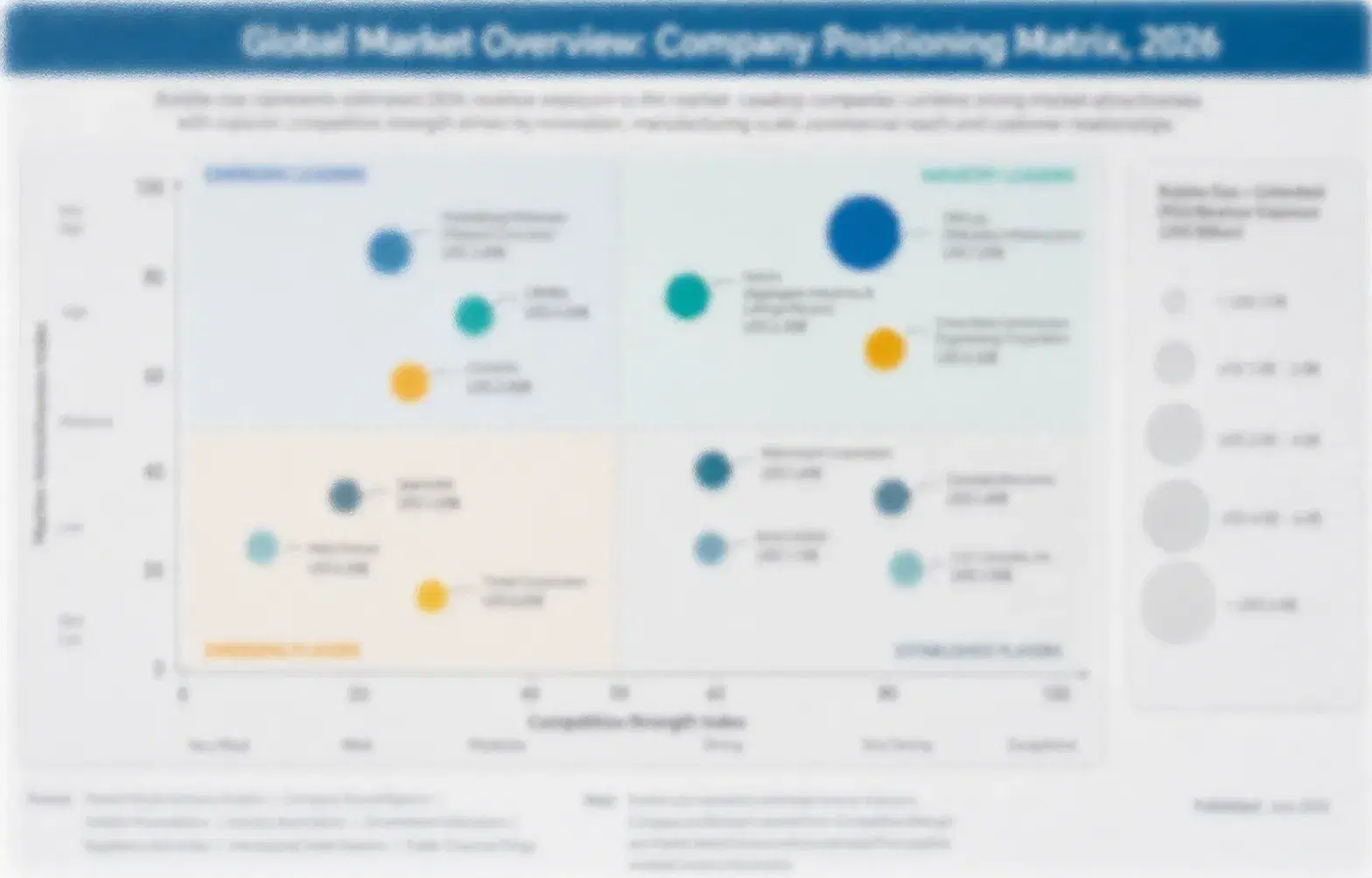
Time-temperature indicator labels remain moderately concentrated, with the top five suppliers holding roughly two-fifths of global revenue on a comparable-revenue basis. 3M Company leads on chemical-indicator manufacturing breadth, followed by Temptime Corporation and Avery Dennison Corporation, both competing closely on electronic-logger integration capability. The gap between the leader and the nearest challenger remains moderate, reflecting a category still consolidating around proven logger platforms.
Current competitive activity centers on electronic-logger cost reduction and continuous-monitoring software partnerships rather than price competition alone. Several suppliers have expanded manufacturing capacity in Western Europe and East Asia to serve rising biologics demand, while others are acquiring analytics start-ups to offer broader excursion-reporting portfolios. Cold Chain Technologies Inc has pursued supply agreements with major wholesalers to secure multi-year label volume ahead of broader category scaling.

Emerging pressure comes from lower-cost chemical-indicator start-ups entering through simplified threshold formats rather than full electronic-logging systems. Varcode Ltd is applying barcode-engineering expertise to hybrid indicator formats, a capability incumbent electronic-logger specialists are now racing to match. Rankings could shift meaningfully if simplified-indicator costs continue falling, since that would erode the electronic-logger advantage current leaders hold over smaller, more agile entrants.
time-temperature-indicator-label-industry-analysis-company-positioning-matrix-1791514629674

Western Europe Time Temperature Indicator Label Competitive Moats

3M COMPANY

Moat: Chemical Indicator Breadth

3M's broad chemical-indicator manufacturing footprint and established wholesaler relationships let it serve large multinational pharmaceutical programs across regions simultaneously, a capability smaller regional converters cannot replicate without years of qualification history, a position reinforced by long-standing procurement relationships across multiple multinational pharmaceutical accounts today already.
3M COMPANY

Risk: Electronic Logger Disruption

Falling electronic-logger costs threaten 3M's chemical-indicator pricing advantage over time, particularly among biologics customers weighing cost against the continuous-monitoring depth that larger distributors still value and continue to pay for, a dynamic management is monitoring closely through its own logger research investment across its major production sites.
TEMPTIME CORPORATION

Moat: Pharmaceutical Converting Depth

Temptime operates an extensive network of pharmaceutical-focused converting facilities close to major European wholesaler distribution hubs, shortening lead times for TTI labeling programs compared with suppliers lacking equivalent regional converting density across served markets, a density advantage built over decades of regional plant investment near major pharmaceutical customers.
TEMPTIME CORPORATION

Risk: Platform Software Gap

Temptime has invested less visibly in bundled excursion-analytics platforms than some competitors, risking share loss on contracts where wholesalers increasingly value software-and-hardware packages over component supply sold separately already today, a gap the company is now working to close through targeted software partnerships soon now.

Players Tracked

Prominent Players

3M Company
Temptime Corporation
Avery Dennison Corporation
Cold Chain Technologies Inc
Varcode Ltd

Other Key Players

Sensitech Inc
Berlinger & Co AG
Vaisala Oyj
Zebra Technologies Corporation
CCL Industries Inc
Freshpoint Quality Assurance Ltd
Timestrip UK Ltd
Fresh-Check Indicator Corp
LogTag Recorders Ltd
Elpro-Buchs AG
Rotronic AG
Testo SE & Co KGaA
Monnit Corporation
Signatrol Ltd
DeltaTrak Inc

Recent Developments

APRIL 2026

3M Company expanded chemical-indicator manufacturing capacity at a Western European facility to meet rising wholesaler demand for Good Distribution Practice compliance labeling, adding dedicated production lines serving multiple pharmaceutical customers under existing multi-year supply agreements, reinforcing the supplier's position with existing European customers across the category.
Signal: Signals sustained European demand for Good Distribution Practice compliance manufacturing capacity and steadily expanding nationwide today
DECEMBER 2025

Temptime Corporation entered a supply agreement with a major European pharmaceutical wholesaler to provide electronic TTI labels across its biologics distribution portfolio, securing contracted volume commitments ahead of broader category adoption across additional wholesale networks, reinforcing its position with that wholesaler's broader distribution network today.
Signal: Signals wholesalers increasingly locking in long-term electronic indicator label supply contracts across global commercial channels worldwide

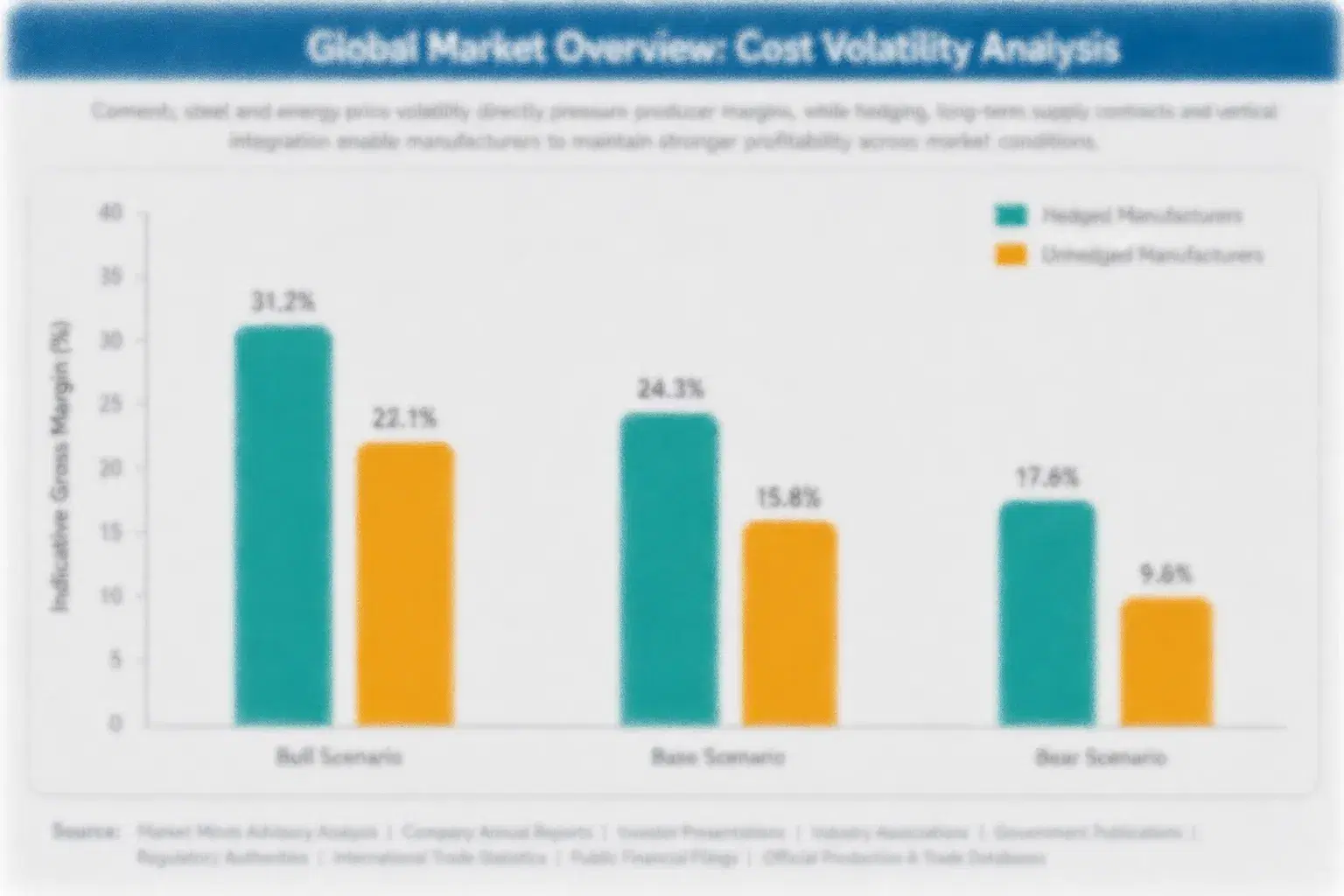
Electronic Chip Supply Concentration Risk

Electronic logging chips and chemical-indicator substrates together represent roughly 36% of total production cost for TTI labels, with the remainder split across label substrate, adhesives, and printing equipment. Chip supply traces heavily to a small number of semiconductor fabrication facilities concentrated in East Asia, leaving electronic-logger manufacturers dependent on a narrow supplier base for the category's most specialized input.
Semiconductor supply tightness during 2021 and 2022, documented extensively in company annual reports across the electronics supply chain, demonstrated how quickly chip allocation constraints can ripple into adjacent categories like pharmaceutical cold-chain labeling. Several logger manufacturers reported extended lead times and selective allocation during that period, forcing some to delay new electronic-TTI launches by multiple quarters while prioritizing existing committed biologics volume, a disruption still echoing through procurement planning today.

Smaller logger manufacturers without direct chip-supplier relationships face meaningfully higher input costs than the largest players, who negotiate volume-based pricing directly with semiconductor fabricators. This exposure varies by geography too: Latin American and Eastern European manufacturers generally pay a logistics premium absent for Western European competitors sourcing chips through established channels, compounding the cost disadvantage smaller regional players already face.
time-temperature-indicator-label-industry-analysis-cost-volatility-analysis-1791514629972

Dual Sourcing Across Multiple Chip Fabricators

Leading logger manufacturers are qualifying second and third chip suppliers across different fabrication regions to reduce single-source exposure, a strategy several have already formalized into standing procurement policy to limit allocation-shortage exposure across their core production networks, a strategy expected to expand further as more fabrication capacity comes online outside current supplier concentration over the next several years.

Chemical Indicator Substitution For Lower Tiers

Suppliers are substituting simple chemical threshold indicators for electronic logging chips in lower-cost product tiers, cutting dependence on constrained semiconductor supply while still delivering credible degradation deterrence for price-sensitive wholesaler customers today, a tradeoff most mid-market wholesalers accept given the meaningful cost savings relative to premium electronic formats, particularly for everyday pharmaceutical applications where premium monitoring depth adds little incremental.

Portfolio Architecture for Margin Defence

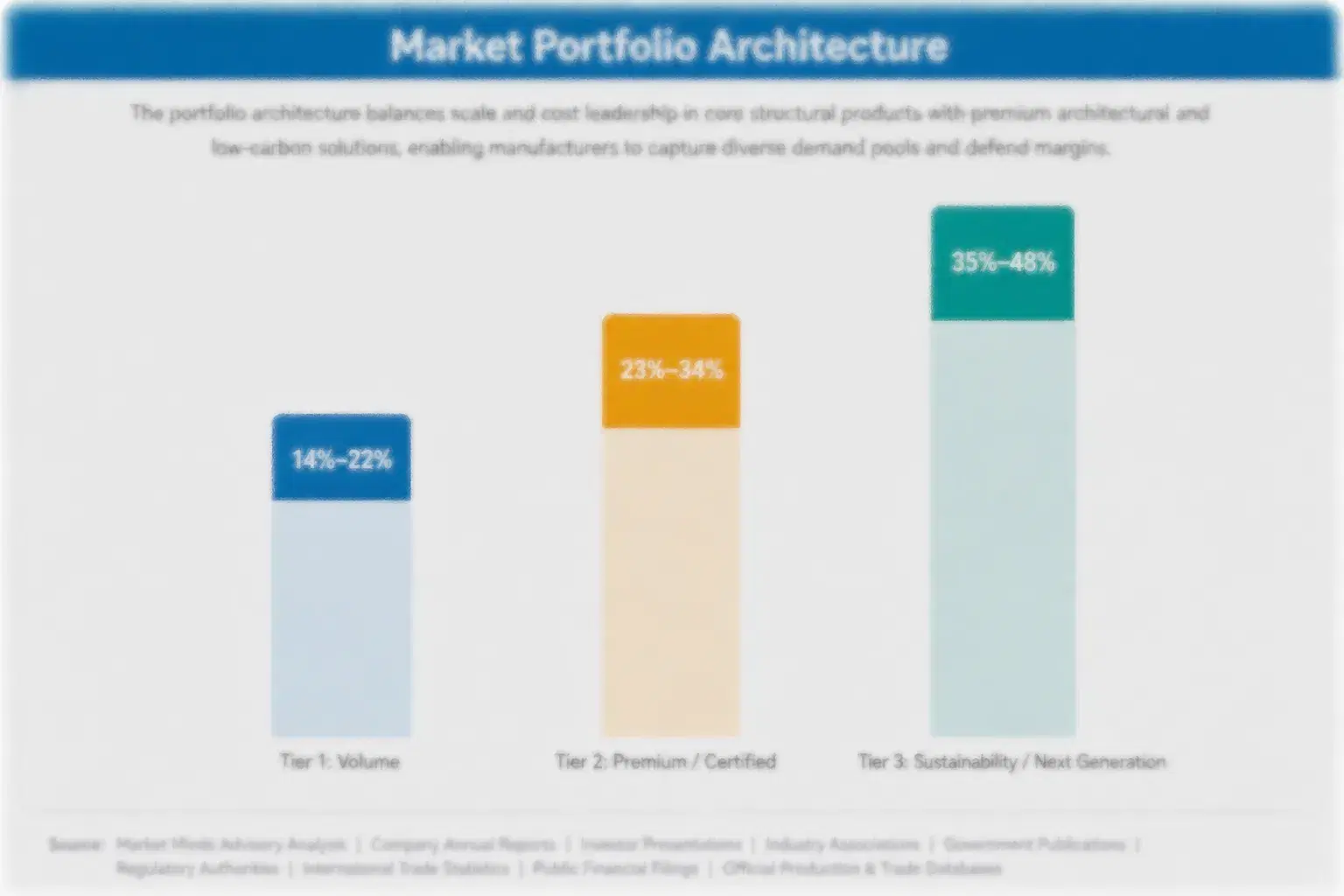
TTI label margin economics split sharply between volume-oriented chemical-indicator formats and premium electronic-logger tiers. Basic chemical threshold indicators compete largely on application efficiency and carry margins closer to standard label printing. Premium electronic logger and continuous-monitoring formats command meaningfully higher margins, reflecting chip-integration complexity and analytics-platform services that volume-tier suppliers rarely offer at comparable depth, a gap that is widening rather than narrowing as premium customers invest further in monitoring differentiation.
The volume-versus-premium tension is intensifying as electronic-chip costs fall, pressuring suppliers to differentiate through analytics-platform breadth rather than hardware alone. High-value margin pools concentrate among suppliers serving biologics and vaccine distributors, where buyers pay premiums for continuous excursion certainty rather than basic threshold deterrence alone, a dynamic favoring suppliers with established relationships across those higher-margin pharmaceutical accounts.

Regulatory-adjacent Good Distribution Practice enforcement in additional European markets represents the clearest next-generation margin pool, since standardization efforts create captive demand independent of single-market cycles. Suppliers positioning early for these emerging enforcement categories are securing multi-year contracts ahead of broader standardization rollout, locking in premium pricing before competitive entry intensifies further, a positioning advantage likely to compound as more markets finalize compliance standards over the coming several years.

Basic chemical threshold indicators competing on application efficiency and scale, serving mid-market wholesalers prioritizing cost over electronic-logger accuracy nationwide, representing the largest shipment volume across the category despite its comparatively thin per-unit margin structure.
Gross Margin

Electronic logger formats bundled with excursion-analytics platforms, serving biologics and vaccine distributors paying for continuous monitoring certainty today, representing the fastest-growing margin pool as more buyers shift budget toward electronic-logger capability.
Gross Margin

Multi-jurisdiction compliance formats driven by expanding Good Distribution Practice enforcement across Europe, commanding premium pricing through captive, non-discretionary demand each cycle, with margins expected to remain elevated as compliance mandates expand across several additional jurisdictions.
Gross Margin
time-temperature-indicator-label-industry-analysis-portfolio-architecture-1791514630264

High-value Sub-segments and Strategic Watch-out

Electronic Logger Biologics Distribution

Highest value and fastest growth, driven by biologics cold-chain mandates and continuous-monitoring investment that favor suppliers with proven electronic-logger platforms, where excursion exposure carries direct product-safety cost for regulators and distributors alike, a trend expected to continue as enforcement reporting remains publicly visible now already.

Premium Pharmaceutical Compliance Verification

High value with moderate growth, anchored by Good Distribution Practice enforcement that creates durable demand independent of single-season cycles, though implementation timelines vary by wholesaler partnership and pharmaceutical category across different segments, giving suppliers multi-year visibility rare elsewhere in the category across multiple regulated pharmaceutical jurisdictions worldwide.

Standard Chemical Threshold Labels

Volume core of the category, competing on application efficiency and basic degradation-deterrence functionality for mainstream wholesalers that prioritize cost over electronic-logger accuracy or premium continuous-monitoring integration in everyday shipments, a position unlikely to shift materially over the near term given cost sensitivity across every major distribution channel.

Emerging Non European Markets

Strategic watch-out segment where jurisdictions outside Western Europe are beginning to consider similar excursion-verification standards, though adoption remains slower than the European Union given longer regulatory-development cycles and more conservative wholesaler-qualification processes industry-wide, though adoption should accelerate once pilot results prove out at a handful of pilot programs.

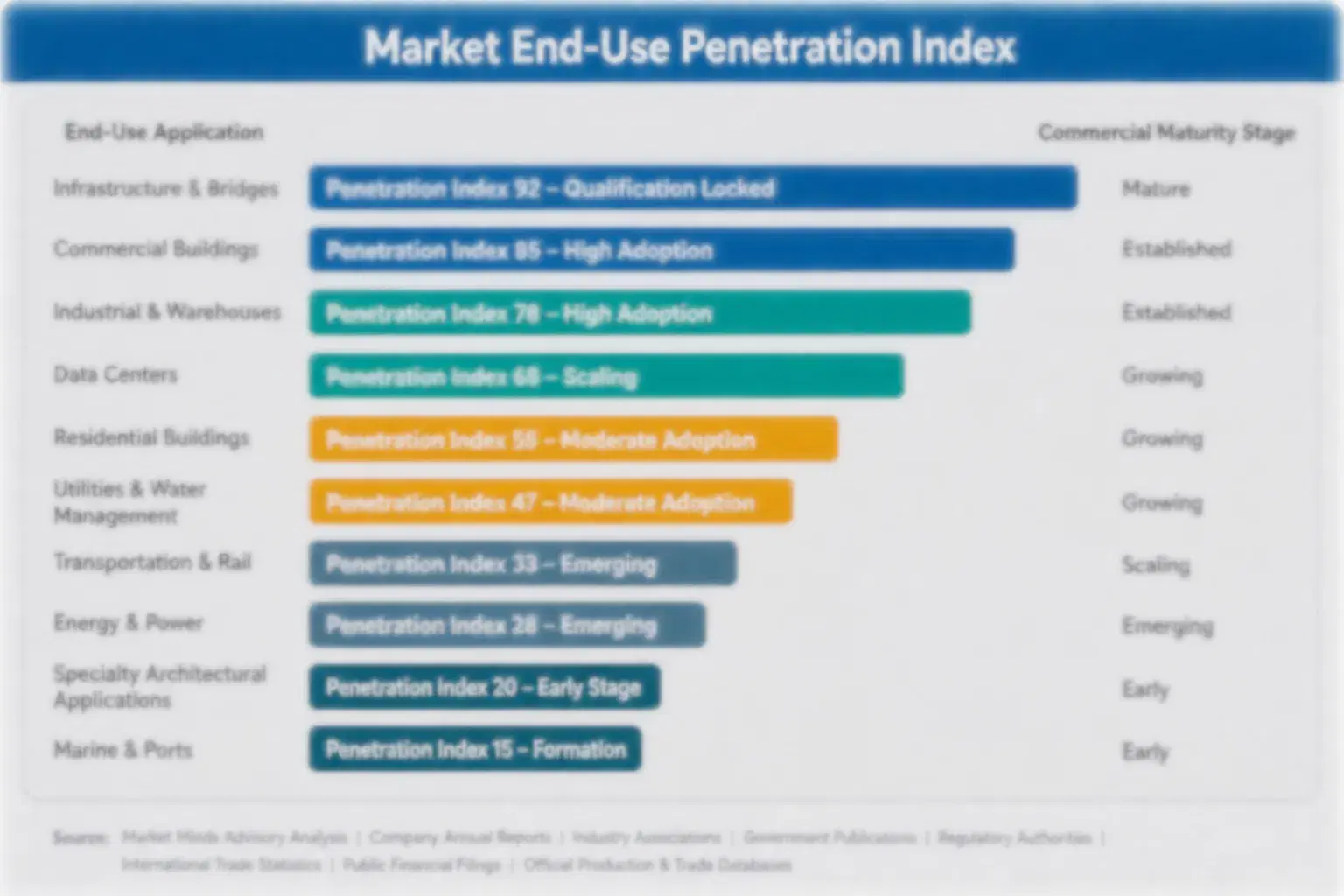
From Occasional Check To Standing Program

TTI labeling is shifting from occasional spot-check verification toward standing multi-year excursion-monitoring programs, where pharmaceutical wholesalers commit ongoing analytics-software contracts alongside physical label orders. This recurring-revenue structure gives suppliers more predictable cash flow than traditional labeling contracts, which historically renewed only when a specific degradation incident forced fresh procurement.
Adoption depth and stickiness vary sharply by end-use vertical. Biologics and vaccine distributors show the deepest commitment, embedding electronic logging into core shipment specifications rather than treating it as an occasional spot-check, since excursion exposure carries direct product-safety consequences. Standard pharmaceutical wholesalers engage more selectively, often limiting electronic monitoring to premium biologics categories first. Non-European markets are earlier in adoption but show potential for the deepest eventual stickiness once similar Good Distribution Practice-equivalent standards lock in requirements permanently.

A generational shift in buyer profiles is reinforcing this trajectory. Logistics and quality-assurance teams increasingly include dedicated cold-chain-monitoring roles that specify TTI labeling as standard practice rather than requesting it only after a degradation incident occurs, a change from procurement patterns dominant a decade ago. Younger quality-assurance officers, trained on verifiable excursion data rather than visual-inspection assumptions, are driving faster adoption timelines than their predecessors across multiple pharmaceutical categories.
time-temperature-indicator-label-industry-analysis-end-use-penetration-index-1791514630602

Where TTI Label Value Concentrates

These are among the four positions where our research anticipates prominent divergence between winners and laggards over the coming forecast period. Each is grounded in the demand model, the regulatory perimeter, and the announced capacity pipeline.
01 / ELECTRONIC LOGGER INVESTMENT

Back Electronic Logging Over Chemical Only Formats

Suppliers investing in electronic-chip integration and logger-manufacturing capability are capturing disproportionate share of the fastest-growing biologics segment, as distributors consolidate around proven logger partners rather than piloting multiple vendors simultaneously. This rewards suppliers with established chip-qualification histories over newer entrants lacking equivalent validation track records across major export markets. Legacy chemical-only providers face mounting share pressure as electronic logging becomes the pharmaceutical-industry standard, a trend already visible in recent procurement scorecards, a lead likely to compound as more distributors align qualification requirements.
02 / REGIONAL MANUFACTURING POSITIONING

Match Platform Footprint To Western Europe's Lead

The Good Distribution Practice directive gives Western Europe a durable adoption lead that newer regulatory regimes cannot replicate quickly, making regional platform and support-infrastructure investment the single highest-leverage positioning move available to suppliers today. Suppliers without established European regulatory relationships face a widening qualification gap against domestic competitors already serving member-state wholesalers. Early movers expanding European support capacity now will secure preferred-vendor status before competitive entry intensifies further across the continent's pharmaceutical base, a window unlikely to stay open much longer.
03 / SERVICE REVENUE DIVERSIFICATION

Bundle Analytics Platforms With Label Sales

Recurring platform-subscription and data-licensing revenue carries materially higher margins than label sales alone, and European wholesalers increasingly expect bundled software alongside physical labels rather than treating the two as separate purchases. Suppliers lacking platform capability risk losing contracts to competitors offering integrated monitoring solutions, even where their underlying hardware remains broadly comparable on technical merit. Building or acquiring platform capability now is cheaper than catching up later, once procurement fully standardizes around bundled expectations, a shift already visible in recent pharmaceutical procurement requests.
04 / EXPORT CATEGORY POSITIONING

Position Early For Non European Mandate Expansion

Excursion-verification standardization outside Western Europe represents the clearest non-discretionary demand pool beyond current mandates, independent of the single-market cycles that drive European adoption elsewhere. Suppliers establishing cross-border compliance credentials now will secure multi-year export contracts before broader international standardization rollout attracts additional competitive entry across these emerging regulated markets worldwide. Waiting until mandates finalize risks ceding early-mover positioning to competitors already building export relationships today, a lead historically hard to reverse once established across key export jurisdictions nationwide today now.

Engagement Snapshot From the Field

A live engagement with an industry participant carrying material or product regulatory and market exposure ahead of a defining policy shift, showing how our research translates into a defensible multi-year portfolio strategy.
MARKET MINDS ADVISORY · CLIENT ENGAGEMENT SUMMARY
Time Temperature Indicator Label Industry Analysis in Western Europe Producer Strategic Portfolio Review and Transition Roadmap 2026·Investment Scenario on Time Temperature Indicator Label Industry Analysis in Western Europe Exposure Evaluation 2025-26
CLIENT PROFILE
A mid-size German pharmaceutical wholesaler distributing biologics across multiple European Union member states approached MMA seeking guidance on which TTI label platform to standardize ahead of tightening Good Distribution Practice audit expectations. The client had faced rising audit findings over excursion documentation and wanted data-driven guidance before committing capital to an unfamiliar electronic-logger category, and the client's leadership wanted an independent view before the next audit cycle.
STRATEGIC CHALLENGE
The client faced a choice between electronic logger labels and simpler chemical threshold indicators, with internal quality-assurance and logistics teams divided on whether the added per-unit cost would translate into measurable audit-finding reduction sufficient to justify standardizing across its full biologics category within the planned twelve-month rollout window given limited internal precedent to draw on.
MMA APPROACH
MMA conducted competitive benchmarking across German wholesalers already running each label format, combined with primary interviews among logger suppliers and pharmaceutical quality-assurance consultants. The analysis quantified audit-finding and excursion-detection differentials between electronic and chemical formats across comparable wholesaler rollouts over the prior two years, supplemented by direct conversations with regulatory auditors overseeing Good Distribution Practice enforcement.
KEY FINDINGS
  1. Electronic-logger-tracked biologics showed measurably fewer audit findings than chemical-indicator comparables across the benchmarked wholesaler set over the eighteen-month observation period (client-reported, unverified by MMA).
  2. Excursion-detection accuracy on electronic labels exceeded chemical-indicator formats by a wide margin during peak summer shipment volume (client-reported, unverified by MMA) across multiple distribution sites.
  3. Per-unit cost premium for electronic logging narrowed meaningfully when the client negotiated volume pricing directly with a qualified chip supplier serving comparable wholesalers (client-reported, unverified by MMA).
  4. Phased rollout starting with highest-audit-risk biologics categories produced faster payback than a simultaneous full-category conversion would have given lower upfront capital commitment required (client-reported, unverified by MMA).
CLIENT PROFILE
A mid-size German pharmaceutical wholesaler distributing biologics across multiple European Union member states approached MMA seeking guidance on which TTI label platform to standardize ahead of tightening Good Distribution Practice audit expectations. The client had faced rising audit findings over excursion documentation and wanted data-driven guidance before committing capital to an unfamiliar electronic-logger category, and the client's leadership wanted an independent view before the next audit cycle.
STRATEGIC CHALLENGE
The client faced a choice between electronic logger labels and simpler chemical threshold indicators, with internal quality-assurance and logistics teams divided on whether the added per-unit cost would translate into measurable audit-finding reduction sufficient to justify standardizing across its full biologics category within the planned twelve-month rollout window given limited internal precedent to draw on.
MMA APPROACH
MMA conducted competitive benchmarking across German wholesalers already running each label format, combined with primary interviews among logger suppliers and pharmaceutical quality-assurance consultants. The analysis quantified audit-finding and excursion-detection differentials between electronic and chemical formats across comparable wholesaler rollouts over the prior two years, supplemented by direct conversations with regulatory auditors overseeing Good Distribution Practice enforcement.
KEY FINDINGS
  1. Electronic-logger-tracked biologics showed measurably fewer audit findings than chemical-indicator comparables across the benchmarked wholesaler set over the eighteen-month observation period (client-reported, unverified by MMA).
  2. Excursion-detection accuracy on electronic labels exceeded chemical-indicator formats by a wide margin during peak summer shipment volume (client-reported, unverified by MMA) across multiple distribution sites.
  3. Per-unit cost premium for electronic logging narrowed meaningfully when the client negotiated volume pricing directly with a qualified chip supplier serving comparable wholesalers (client-reported, unverified by MMA).
  4. Phased rollout starting with highest-audit-risk biologics categories produced faster payback than a simultaneous full-category conversion would have given lower upfront capital commitment required (client-reported, unverified by MMA).
RECOMMENDED STRATEGY
Phase 1: Phase one: convert the three highest-audit-risk biologics categories to electronic logging within six months, establishing supplier relationships and scanner infrastructure. Phase 2: Phase two: extend electronic logging across the remaining biologics categories over twelve months, while piloting chemical indicators for lower-risk shelf-stable items. Phase 3: Phase three: evaluate data-licensing opportunities from accumulated excursion data and renegotiate chip-supply terms at higher committed volume levels as rollout volume continues to scale across the network.
OUTCOME
The client adopted the phased approach, converting highest-risk categories first and reporting improved audit-finding metrics within the first two quarters of rollout (client-reported, unverified by MMA). The wholesaler has since expanded electronic logging across its full biologics category and is evaluating chemical indicators for lower-risk shelf-stable items.

Frequently Asked Questions

Foundational context covering the market sizes, CAGR, scope, country, region and competition that inform every finding below. This section is provided to cover basics and most often pre-purchase conversations, answered from the MMA Primary Research Dataset.

What is the current size of the Time Temperature Indicator Label Market in Western Europe?

The market reached an estimated USD 0.52 billion in 2026, covering chemical, enzymatic, and electronic logger label formats for pharmaceutical cold-chain monitoring across Western Europe. Growth is concentrated in Good Distribution Practice compliance categories.

How large will the Time Temperature Indicator Label Market in Western Europe be by 2036?

MMA projects the market will reach approximately USD 1.14 billion by 2036, roughly 2.19 times its 2026 value. This reflects sustained Good Distribution Practice enforcement and growing biologics cold-chain distribution volume.

What is the CAGR for the Time Temperature Indicator Label Market in Western Europe 2026 to 2036?

The market is forecast to grow at an 8.2% compound annual rate through 2036, with bull and bear scenarios ranging from 6.9% to 9.5% depending on enforcement-intensity and chip-cost developments.

Which segment is growing fastest?

Full History Electronic TTI Labels are growing fastest at a 10.9% CAGR, roughly 1.33 times the overall market rate, driven by Good Distribution Practice enforcement across member states.

Who are the major companies in the Time Temperature Indicator Label Market?

Leading suppliers include 3M Company, Temptime Corporation, Avery Dennison Corporation, Cold Chain Technologies Inc, and Varcode Ltd, together holding roughly two-fifths of global revenue worldwide today.

Which country is growing fastest?

Germany is growing fastest at a 10.1% CAGR, driven by its concentrated pharmaceutical-manufacturing base operating under the European Union's Good Distribution Practice directive today nationwide.

Western Europe Time Temperature Indicator Label Segments Covered

The full report scope spans multiple orthogonal segmentation dimensions, with cross-tabulated demand data provided for each dimension pair. Coverage extends further to regional breakdowns, trend trajectories, and the competitive detail needed to support segment-level decision-making.
  • Full History Electronic TTI Labels
  • Threshold Triggered Chemical Indicators
  • Enzymatic Reaction Indicators
  • Barcode Based Electronic Labels
  • Hybrid Chemical Electronic Labels
  • Biologics and Vaccines
  • Standard Pharmaceuticals
  • Clinical Trial Logistics
  • Diagnostics and Reagents
  • Veterinary Pharmaceuticals
  • Good Distribution Practice Compliance
  • Wholesaler Distribution Programs
  • Clinical Trial Supply Chains
  • Export Market Verification

By Region

  • North America
  • Western Europe
  • East Asia
  • South Asia and Pacific
  • Latin America
  • Middle East and Africa
  • Eastern Europe

Scope, Methodology, and Coverage

Every figure in this report is reproducible from documented input assumptions. The scope below maps the historical period, the forecast horizon, the segmentation dimensions, and the countries covered, alongside the underlying primary and qualitative methodology.
Historical Period
2020 to 2025
Forecast Period
2026 to 2036
Base Year
2025 (USD billions; MMA Primary Research Dataset, October 2026)
Market Definition
The Time Temperature Indicator Label Market covers labels that visually or electronically record cumulative temperature-exposure history on pharmaceutical and food shipments, including chemical, enzymatic, and electronic logger formats. It excludes standalone cold-chain fleet-tracking software sold independently of physical labels, general refrigeration equipment, and simple non-recording temperature display stickers lacking cumulative-history capability.
Quantitative Units
USD billions
Segmentation Dimensions
Regions Covered
North America, Western Europe, East Asia, South Asia and Pacific, Latin America, Middle East and Africa, Eastern Europe
Countries Covered
Key Companies Profiled
3M Company, Temptime Corporation, Avery Dennison Corporation, Cold Chain Technologies Inc, Varcode Ltd, Sensitech Inc, Berlinger & Co AG, Vaisala Oyj, Zebra Technologies Corporation, CCL Industries Inc, Freshpoint Quality Assurance Ltd, Timestrip UK Ltd, Fresh-Check Indicator Corp, LogTag Recorders Ltd, Elpro-Buchs AG, Rotronic AG, Testo SE & Co KGaA, Monnit Corporation, Signatrol Ltd, DeltaTrak Inc
Quantitative Methodology
Primary survey, n=3,800 respondents, Q4 2025, six countries; demand-side model with trade association cross-validation
Qualitative Methodology
47 expert interviews, Q4 2025; applied to validate demand model assumptions, identify emerging dynamics, and assess competitive positioning
Report Format
PDF and XLSX data workbook (Word format preview document)
Publisher
Market Minds Advisory
Report Code
MMA-2026-PAC-704
Published
October 2026
Contact
sales@marketmindsadvisory.com | www.marketmindsadvisory.com

Purchase the full Time Temperature Indicator Label Industry Analysis in Western Europe Report (2026 to 2036).

This report provides a comprehensive assessment of the Time Temperature Indicator Label Market through 2036, with particular emphasis on Western Europe's leading role under the Good Distribution Practice directive. It covers chemical, enzymatic, and electronic logger formats across biologics, standard pharmaceutical, and clinical-trial end-use categories. The analysis details regional demand patterns, competitive positioning among label-converting and electronics specialists, and input-cost exposure tied to chip-supply concentration. It draws on primary survey data, expert interviews, and company disclosures to quantify segment-level growth and margin architecture across the forecast period.
Ten-year revenue and unit volume forecasts
Seven-region demand share and CAGR breakdown
Twenty-company competitive benchmarking and positioning profile
Segment-level CAGR and margin tier analysis
Input-cost exposure mapping and mitigation pathways
Anonymized client case study with full strategy roadmap

Built For The People Who Decide

From boardroom strategy to bench-side execution, this report is read cover-to-cover by leaders shaping the next decade of their industry, turning demand scenarios, market dynamics and valuation benchmarks into decisions.
CXOs/ Presidents/ VPs/ Managers
M&A and Corporate Development
Strategy Teams and R&D Heads
Procurement and Product Directors
Regulatory and Compliance Leaders
Investor Relations and Equity Analysts