Market Minds Advisory
Through Hole Resistor Market

Through Hole Resistor Market: Through Hole Resistor Market. Power Electronics and Legacy Equipment Repair Sustain Demand

Power electronics and legacy equipment repair demand are sustaining through hole resistor volume even as surface mount technology dominates new consumer electronics, keeping wirewound designs essential for high-power and industrial applications.

Lead Analyst

Published

October 2026

Make Smarter Decisions with Customized Research Insights

Request a free sample report and evaluate market opportunities, growth trends, and competitive dynamics relevant to your business needs.

2025 MARKET VALUE$1.5BMarket Size 2025
2036 FORECAST VALUE$2.3BBase Case , 2026 to 2036
CAGR 2026 TO 20363.8 %Bull 5.0% / Bear 2.6%
INCREMENTAL OPPORTUNITY$0.7BNet 10- year value creation
EXPANSION MULTIPLE1.45x2036 value over 2026 base
Strategic Levers
M&A Pipeline
Regional Outlook
Country Rankings
Competitive Intelligence
Segmental Deep-dive
Call-Us : 91 93563 13602

Executive Snapshot and Market Trajectory.

Through hole resistors are holding steady as a specialized component category even as surface mount technology dominates new consumer electronics design, sustained by power electronics and legacy equipment repair demand that surface mount alternatives cannot serve. Designers favor through hole where heat dissipation matters.
Power electronics and industrial equipment applications are the dominant commercial use case, with manufacturers increasingly specifying high-power wirewound resistors for applications requiring heat dissipation that surface mount designs cannot match. China's expanding industrial electronics manufacturing base is the fastest-growing demand base, supported by growing power electronics production, well ahead of demand growth in mature North American and European markets. Consumer electronics repair applications are growing more slowly than industrial demand.
Competition sits among a fragmented group of established passive component manufacturers, none holding commanding global share given the commodity nature of basic resistor designs. Industrial equipment manufacturers in multiple regions are separately specifying higher-power wirewound designs for new power conversion equipment, reshaping which manufacturers win long-term component supply relationships over the next several product generations. Manufacturers with proven high-power wirewound reliability data are winning disproportionate share of these component supply relationships over smaller competitors.
Market Definition
This report covers resistors designed for insertion through printed circuit board holes and soldered on the opposite side, including carbon film, metal film, and wirewound designs across standard power ratings. It excludes surface mount resistors, resistor networks sold as integrated packages, and variable resistors or potentiometers sold as a distinct product category.
Base Year Value
$1.5B in 2025 (MMA Primary Research Dataset, October 2026)
Forecast Period
2026 to 2036, eleven discrete annual values
CAGR
3.8% base case. Bull 5.0%. Bear 2.6%.
Fastest Growth Segment
High-Power Wirewound Resistors: 5.3% CAGR
Fastest Growth Country
China: 4.9% CAGR
Fastest Growth Region
South Asia and Pacific: 5.5% CAGR
Largest Region
East Asia: 33% of 2025 global value
Market Leaders
Vishay Intertechnology, KOA Corporation, Yageo Corporation, Panasonic Industry, TE Connectivity. Source: MMA Analysis based on company annual reports.
Primary Survey
n=3,800 procurement and R&D decision-makers, Q4 2025, six countries
Methodology
Demand-side build-up, cross-validated against public data, 47 expert interviews

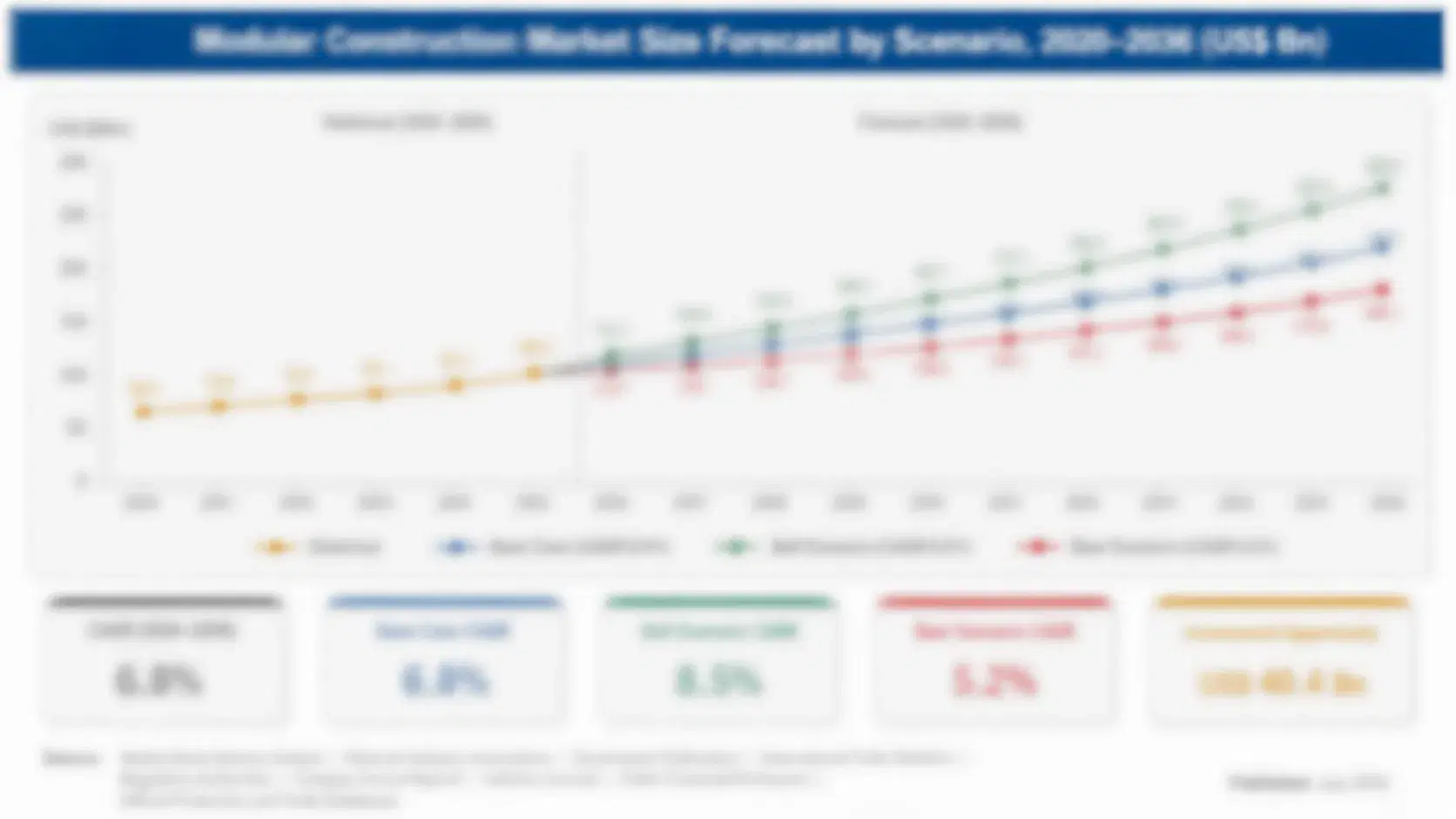
Through Hole Resistor Market Forecast Scenarios

through-hole-resistor-market-size-forecast-scenario-1791007905186
The 2020 to 2025 period saw through hole resistor demand stabilize as surface mount technology captured nearly all new consumer electronics design wins, growing at an estimated 2.9 percent annually as power electronics and industrial applications sustained baseline demand. Consumer electronics applications declined more sharply over the same window, as surface mount designs captured nearly all new product development across major device categories.
The base case assumes continued power electronics growth, sustained legacy equipment repair demand, and steady high-power wirewound adoption push the market to a 3.8 percent CAGR through 2036. These three mechanisms reinforce each other: power electronics growth sustains baseline demand, repair activity creates replacement component volume, and wirewound adoption justifies continued production of specialized high-power designs. Manufacturers securing early power electronics framework agreements are capturing disproportionate share of new procurement.
The bull case centers on accelerated power electronics manufacturing growth pushing component demand faster than currently expected. The bear case centers on further surface mount substitution in power applications delaying equipment replacement, which would directly compress the new-component volume manufacturers depend on for most of their revenue. Manufacturers with diversified end-market exposure are better positioned to absorb a slowdown in any single procurement channel.

Power Density Requirements Redraw Resistor Specification Standards

Through hole resistors sit at the intersection of power handling requirements and legacy equipment compatibility, and manufacturers increasingly compete on power rating depth rather than price alone. Industrial buyers weighing total heat dissipation performance over unit cost are reshaping which vendors win large component contracts. Large multinational power electronics manufacturers evaluating multiple vendors are reshaping which manufacturers win the largest multi-year procurement contracts.
MARKET CONCENTRATION44%top five manufacturers hold combined global revenue share
AVERAGE UNIT PRICE$0.08per resistor, varies by power rating and tolerance class
LEADING PRODUCER SHAREChina 36%of global resistor manufacturing output produced each year
WIREWOUND ADOPTION RATE33%of new industrial designs now specify wirewound resistor types
HEAT DISSIPATION ADVANTAGE40%typical power handling increase versus comparable surface mount designs
COMPONENT SERVICE LIFE20-25 yearstypical resistor service life before full unit replacement
Wirewound resistors are steadily gaining share in high-power applications, even where carbon film alternatives remain cheaper upfront. Carbon film resistors still dominate general-purpose and legacy repair applications where buyers favor the lowest initial purchase price over power handling capability. Hybrid product lines supporting both resistor types are becoming the default catalog offering for manufacturers serving both channels, since maintaining two fully separate product lines adds unnecessary engineering cost.
Heat dissipation advantage has become a closely watched performance signal as power electronics designers weigh total thermal management cost against conventional surface mount alternatives over a multi-decade equipment life. Manufacturers with documented thermal performance data are increasingly able to command premium pricing on large industrial contracts. That shift is pushing smaller manufacturers without documented thermal performance data to invest in testing infrastructure or risk losing contracts to better-documented competitors.
"Everyone assumed surface mount would eventually finish this category off. Power electronics made sure that never happened."
Director, Passive Components and Power Electronics Practice · MMA Technology Practice · October 2026

Market Trends

Power Electronics Manufacturers Adopt High-Power Wirewound Designs

Power electronics manufacturers are increasingly specifying high-power wirewound resistors for new power conversion equipment, converting wirewound selection from a specialty application into a standard specification for high-current circuits. Several major power electronics manufacturers confirmed wirewound resistor specifications covering roughly 33 percent of new industrial designs in 2025, up considerably from a smaller share just three years earlier. Manufacturers without competitive wirewound product lines are increasingly excluded from large industrial design contracts entirely. That exclusion is pushing smaller manufacturers to license wirewound manufacturing processes rather than develop them independently, limiting their addressable procurement opportunities.
Market Impact: Adds over 40 billion dollars
Legacy Equipment Repair Market Sustains Baseline Resistor Demand

Industrial equipment repair technicians are increasingly relying on through hole resistors to service legacy equipment that predates surface mount design standards, converting repair demand from a declining afterthought into a stable baseline revenue source. Several major industrial maintenance associations confirmed through hole component procurement covering a majority of legacy repair work in 2025, up meaningfully from prior years as equipment service life extended. Manufacturers without reliable legacy component inventory are losing specification share in these repair contracts specifically. Manufacturers investing early in legacy component inventory management are capturing most of the incremental repair-driven procurement volume across major industrial markets.
Market Impact: Adds over 250 million dollars

Market Opportunities and Growth Drivers

Power Electronics Manufacturing Growth Expands Component Demand

Power electronics manufacturing is expanding across major markets, directly generating through hole resistor demand as power conversion equipment requires components capable of handling higher current and heat dissipation than surface mount designs typically provide. Several major power electronics associations disclosed manufacturing capacity forecasts covering tens of billions of dollars over the next several years in recent market reports. Each new power conversion product requiring high-current components translates directly into resistor demand that surface mount alternatives cannot serve. Manufacturers with established distribution networks are capturing most of this volume ahead of new entrants.
Market Impact: Cuts addressable market 5 percent

Industrial Equipment Service Life Extension Sustains Repair Demand

Industrial operators are extending equipment service life to reduce capital expenditure, directly sustaining through hole resistor demand as aging equipment requiring repair predates surface mount design standards used in newer products. Several major industrial associations disclosed maintenance spending covering a meaningful share of capital budgets in recent industry reports. Each piece of legacy equipment requiring component repair represents demand that newer surface mount parts cannot serve. Manufacturers with established industrial distribution networks are capturing most of this repair-driven procurement ahead of competitors entering these markets for the first time. That trend accelerates as more manufacturers compete for the same accounts.
Market Impact: Cuts margins 2 to 4 percent

Market Restraints and Challenges

Surface Mount Substitution Continues Eroding Addressable Market

Surface mount resistors continue displacing through hole designs in applications where board space and automated assembly matter more than power handling capability, steadily narrowing the addressable market for through hole manufacturers over time. The root cause is that surface mount technology offers fundamental manufacturing cost and board density advantages that through hole designs cannot match in applications without specific power or legacy compatibility requirements. This has pushed through hole demand into an increasingly narrow set of specialized applications. Some manufacturers are mitigating this by focusing exclusively on high-power and legacy repair niches where through hole retains clear advantages.
Market Impact: Reaches 33 percent of designs

Declining Unit Pricing Pressures Manufacturer Margins

Through hole resistor unit pricing has declined considerably as the category matures and competition intensifies among manufacturers competing for a shrinking volume base, pressuring margins across the industry regardless of individual manufacturer efficiency. The root cause traces to commodity status that through hole resistors have reached after decades of production scale and process standardization, leaving little room for price differentiation. This has pushed some manufacturers to exit the category entirely rather than compete on thinning margins. Some manufacturers are mitigating this by shifting toward specialized high-power and precision product lines.
Market Impact: Covers 70 percent of repair work
3 additional market trends, 4 additional growth drivers, and 4 additional restraints and challenges are covered in the full report. Contact sales@marketmindsadvisory.com to access the complete intelligence.

Segment CAGR and Growth Architecture

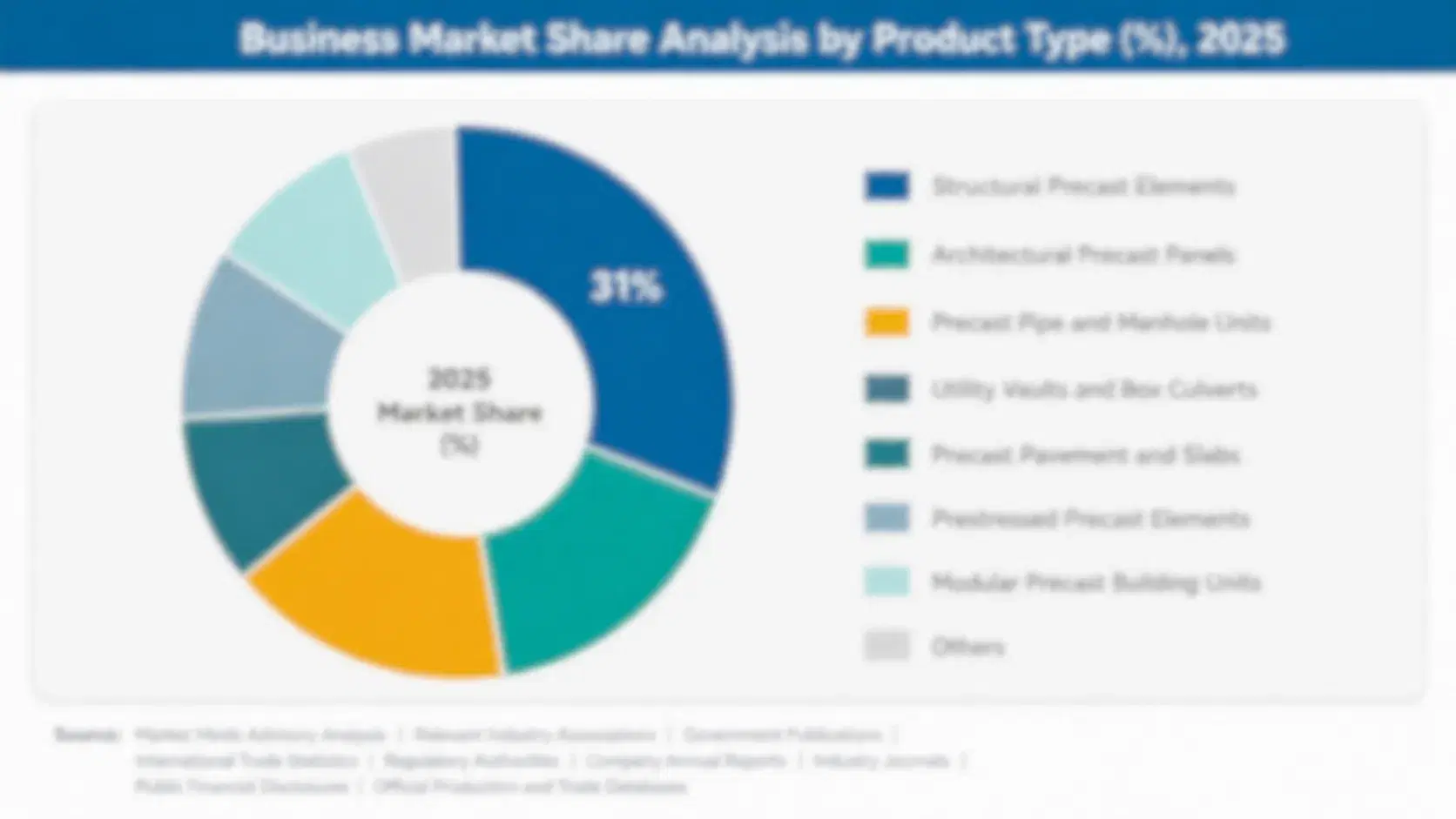
The through hole resistor market splits across six segments defined by resistive element material rather than by ownership structure or distribution channel. High-power wirewound resistors and power electronics applications are expanding fastest as heat dissipation requirements tighten across industrial applications. The remaining four segments grow more steadily alongside overall electronics and industrial capital spending activity.
through-hole-resistor-market-market-share-analysis-1791007905361

High-Power Wirewound Resistors

This segment covers resistors using wound resistive wire wrapped around a ceramic or fiberglass core for high power handling, distinct from carbon film resistors that use a thin resistive film offering lower power ratings. Power electronics and industrial motor control applications are the primary growth engine, since wirewound construction handles the sustained current and heat dissipation that power conversion circuits require beyond what film-based designs can safely manage. Manufacturing capacity is concentrating heavily among firms with proven winding precision and thermal engineering capability. Manufacturers with documented power handling data are capturing the large industrial contracts driving most of this segment's growth. That advantage is reinforcing itself as more OEMs publish comparative power handling data favoring wirewound designs over film alternatives.
CAGR 5.3%

Carbon Film Resistors

Carbon film resistors use a thin carbon resistive layer deposited on a ceramic substrate, a distinct manufacturing approach from metal film designs that offer tighter tolerance and lower temperature coefficient for precision applications. General-purpose industrial and legacy equipment repair applications are the dominant driver here, since carbon film designs offer adequate performance at lower cost than precision alternatives for most conventional circuits. Manufacturing scale varies considerably by producer, and firms with the lowest production costs are capturing disproportionate share of this growing segment specifically. Manufacturers piloting ultra-low-cost production strategies are specifying carbon film almost exclusively for commodity repair applications, leaving wirewound confined mostly to specialized high-power circuits requiring superior heat dissipation.
CAGR 4.6%
Full segment breakdown across 7 segments available in the complete report.

Regional Architecture and Country Demand Map

East Asia leads on manufacturing scale and domestic power electronics demand, while North America holds a strong second position tied to legacy equipment repair and defense procurement. East Asia's share sits above its standard band given China's manufacturing and power electronics dominance, detailed in that region's body.

North America

North America's through hole resistor market is anchored by legacy equipment repair demand, with industrial maintenance providers sourcing through hole components to service aging production equipment that predates surface mount design standards. Defense procurement adds a separate demand layer distinct from commercial industrial applications, requiring specialized high-reliability component certifications for military systems. Power electronics manufacturing is separately driving high-power wirewound demand across the region's growing renewable energy and electric vehicle supply chain. Manufacturers here compete heavily on legacy component availability and certification depth rather than unit price alone. Manufacturers with strong relationships inside defense and legacy equipment maintenance processes are capturing a growing share of volume. Growth continues steadily here.
Share: 22% | CAGR: 3.5% (2026 to 2036)

Western Europe

Western Europe's through hole resistor market reflects mature industrial electronics manufacturing, with growth concentrated in power electronics applications rather than new consumer product demand. Germany and France anchor the largest installed base, with industrial equipment manufacturers there increasingly favoring high-power wirewound designs over conventional carbon film alternatives as power density requirements tighten. European Union industrial electronics standards here were established earlier than in most other regions, meaning the compliance-driven demand surge visible elsewhere already played out over the past decade. Growth now tracks power electronics investment more closely than legacy repair demand specifically. Manufacturers with strong wirewound integration portfolios are best positioned to capture this replacement-driven demand going forward. Progress remains steady.
Share: 18% | CAGR: 2.8% (2026 to 2036)
Regional intelligence for 5 additional markets available in the complete report: East Asia, South Asia and Pacific, Latin America, Middle East and Africa, Eastern Europe. Contact sales@marketmindsadvisory.com.
through-hole-resistor-market-country-cagr-analysis-1791007905541

Capturing Margin Beyond the Raw Component

Unit margins on standard carbon film resistors are compressing as commodity designs proliferate across price-sensitive consumer electronics markets, pushing manufacturers toward legacy inventory services, power testing certification, and multi-year supply agreements to protect overall account profitability in a category where component prices alone no longer sustain healthy returns. The levers below concentrate where differentiated capability still commands premium pricing.

Legacy Component Inventory and Sourcing Services

Manufacturers offering bundled legacy component inventory management and sourcing services alongside standard products are capturing fee-based service revenue that pure hardware sellers cannot match, since repair technicians and defense sustainment programs need guaranteed availability of discontinued component variants years after original production ends. This service work commands margins roughly 17 to 23 percentage points above standard hardware margins, and demand is growing steadily as more installed industrial and defense equipment reaches end of standard production life. Manufacturers without dedicated inventory capability are increasingly subcontracting this work to specialists or losing the account relationship entirely to better-equipped competitors.
Market Impact: Adds 17 to 23 percentage points of margin

Multi-Year Power Testing and Certification Agreements

Long-term certification agreements that bundle power testing, documentation, and guaranteed replacement supply into a single multi-year contract generate recurring revenue that smooths the lumpiness of one-time component sales cycles common to this category. Power electronics manufacturers managing growing and increasingly complex product lines increasingly prefer this model over transactional purchasing, and component manufacturers report these contracts carry renewal rates above 74 percent once established with a qualified, creditworthy customer account. The recurring revenue also gives manufacturers forward production visibility that supports more efficient capacity planning and raw material procurement scheduling decisions across the broader supply chain.
Market Impact: Keeps contract renewal rates above 74 percent yearly

Who Controls the Margin Pool

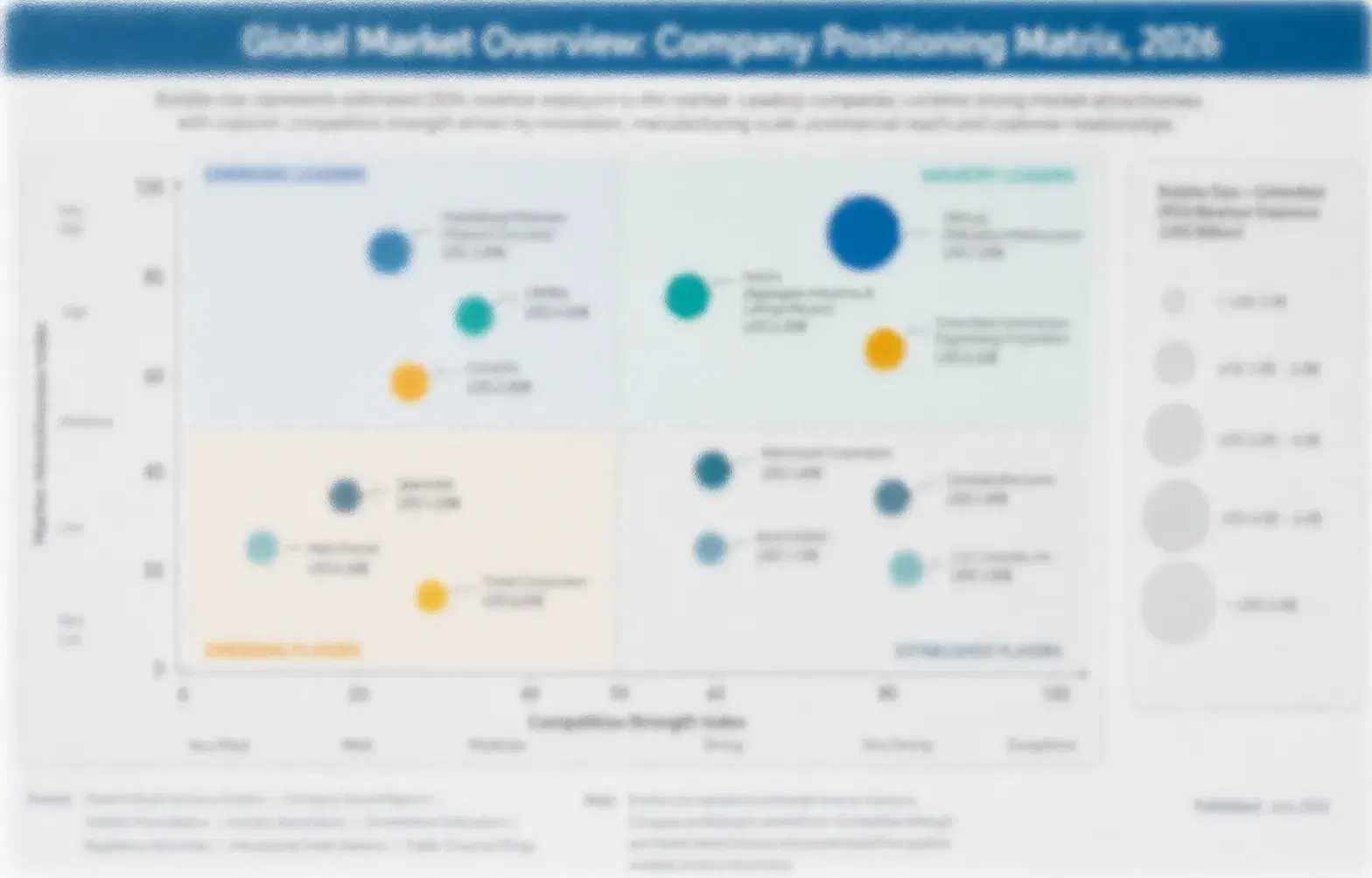
Concentration in through hole resistors sits at a moderate 44 percent across the top five suppliers, reflecting a category old enough that scale has consolidated around a handful of established names without squeezing out smaller specialists. Vishay Intertechnology leads on breadth and distribution reach, while KOA Corporation and Yageo Corporation trail at smaller scale. The gap between the top tier and the next cluster has narrowed rather than widened.
Current activity centers on qualification breadth rather than price alone: suppliers compete on power ratings, tolerance classes, and temperature coefficients held in stock for immediate shipment, since an engineer specifying a legacy board revision needs an exact match rather than a substitute. Distribution partnerships matter as much as manufacturing capacity, because availability at the point of need often decides the sale before price does.

Pressure is building from two directions. Chinese manufacturers are expanding capacity and qualification breadth simultaneously, narrowing the gap with established Japanese and American suppliers on cost and range. Consolidation among regional distributors is also concentrating purchasing power, giving large buyers leverage to demand longer warranties and tighter delivery commitments that smaller makers struggle to match, suggesting rankings among the second tier shift within the forecast window.
through-hole-resistor-market-company-positioning-matrix-1791007905720

Competitive Moat and Risk Dimensions

VISHAY INTERTECHNOLOGY

Moat: Distribution Breadth and Scale

Vishay's position rests on an unmatched distribution network spanning every major electronics distributor globally, combined with the broadest catalog of power ratings and package variants in the category. This breadth lets design engineers source nearly any legacy specification without qualifying a second supplier, a switching cost that has protected share across multiple product cycles.
VISHAY INTERTECHNOLOGY

Risk: Commodity Price Compression

Vishay's broad standard-product portfolio is most exposed to the carbon film segment where Chinese manufacturers compete aggressively on price. Maintaining full catalog breadth across low-margin legacy variants pressures blended margins even as premium wirewound lines perform well, creating a persistent mix problem that favors leaner competitors focused only on high-value niches.
KOA CORPORATION

Moat: Precision Manufacturing Reputation

KOA built its position on tight tolerance manufacturing and reliability data trusted by automotive and industrial customers who cannot tolerate field failures. That reputation, built over decades of consistent quality performance, commands a pricing premium that is difficult for newer entrants to replicate without their own multi-year track record.
KOA CORPORATION

Risk: Limited Low-Cost Capacity

KOA's manufacturing footprint is weighted toward precision production rather than high-volume commodity output, leaving it with a cost structure that cannot compete directly against Chinese high-volume carbon film producers. This concentrates KOA's growth in premium segments, limiting its addressable share of the broader market's unit volume.

Players Tracked

Prominent Players

Vishay Intertechnology
KOA Corporation
Yageo Corporation
Panasonic Industry
TE Connectivity

Other Key Players

Bourns Inc
Ohmite Manufacturing
Vitrohm
TT Electronics
Walsin Technology
Rohm Co
Susumu Co
Riedon Inc
Stackpole Electronics
Arcol Resistors
Caddock Electronics
IRC Electronics
Welwyn Components
Xicon
Ametherm

Recent Developments

MARCH 2025

Vishay Intertechnology completed an organic capacity expansion at its wirewound resistor manufacturing facility, adding dedicated production lines for high-power ratings used in electric vehicle charging infrastructure and industrial motor drive applications, responding to sustained order growth from power electronics customers across several key export regions.
Signal: Signals confidence that high-power wirewound demand will sustain through the forecast window rather than prove cyclical.
SEPTEMBER 2025

Yageo Corporation signed a multi-year supply agreement with a major European automotive tier-one supplier to guarantee through hole resistor availability for legacy vehicle electronic control unit production lines still running specifications carried over from earlier vehicle platforms that remain in active production today across multiple plants.
Signal: Shows automotive legacy support remains a durable revenue anchor worth multi-year contractual commitment and dedicated capacity planning.

Metal and Ceramic Input Volatility

Base metals, principally nickel-chromium alloys for wirewound elements and copper for terminal leads, represent roughly 28 to 34 percent of cost of goods sold across the category, with ceramic substrate material adding another 9 to 12 percent. Nickel supply originates heavily from Indonesia and the Philippines, while refined copper sourcing concentrates in Chile and Peru, leaving manufacturers exposed to two distinct and largely unrelated geographies.
Nickel prices spiked sharply in early 2022 following supply disruption concerns tied to Russian export flows, with the London Metal Exchange briefly suspending nickel trading entirely after a short squeeze drove prices to extreme levels. The IEA's 2023 critical minerals review noted that downstream component manufacturers absorbed several quarters of margin compression before passing costs through to customers, since most supply contracts fix pricing for 12 months at a time.

Smaller manufacturers without hedging programs or long-term supply contracts carry disproportionate exposure to these swings, since they typically purchase metal on shorter-dated contracts at spot-adjacent pricing. Larger players like Vishay and KOA negotiate annual volume contracts that smooth price exposure, giving them a durable cost advantage that compounds over successive volatility cycles and widens the gap with undercapitalized regional competitors.
through-hole-resistor-market-cost-volatility-analysis-1791007905906

Multi-Year Metal Supply Contracts

Locking in nickel and copper volumes through multi-year supply contracts with fixed or collared pricing shields manufacturers from spot price spikes and lets them quote stable customer pricing across multi-year certification agreements without repricing risk, a meaningful advantage when competing for long-cycle automotive and industrial accounts that value supply certainty over marginal unit cost savings on any single purchase order.

Alternative Alloy Qualification Programs

Several manufacturers are qualifying reduced-nickel alloy formulations for standard power ratings, cutting exposure to the single most volatile input while preserving the resistance stability and temperature coefficient specifications that end customers require for formal certification, a transition that typically takes several quarters of qualification testing and field validation work across multiple customer accounts before reaching full production scale.

Portfolio Architecture for Margin Defence

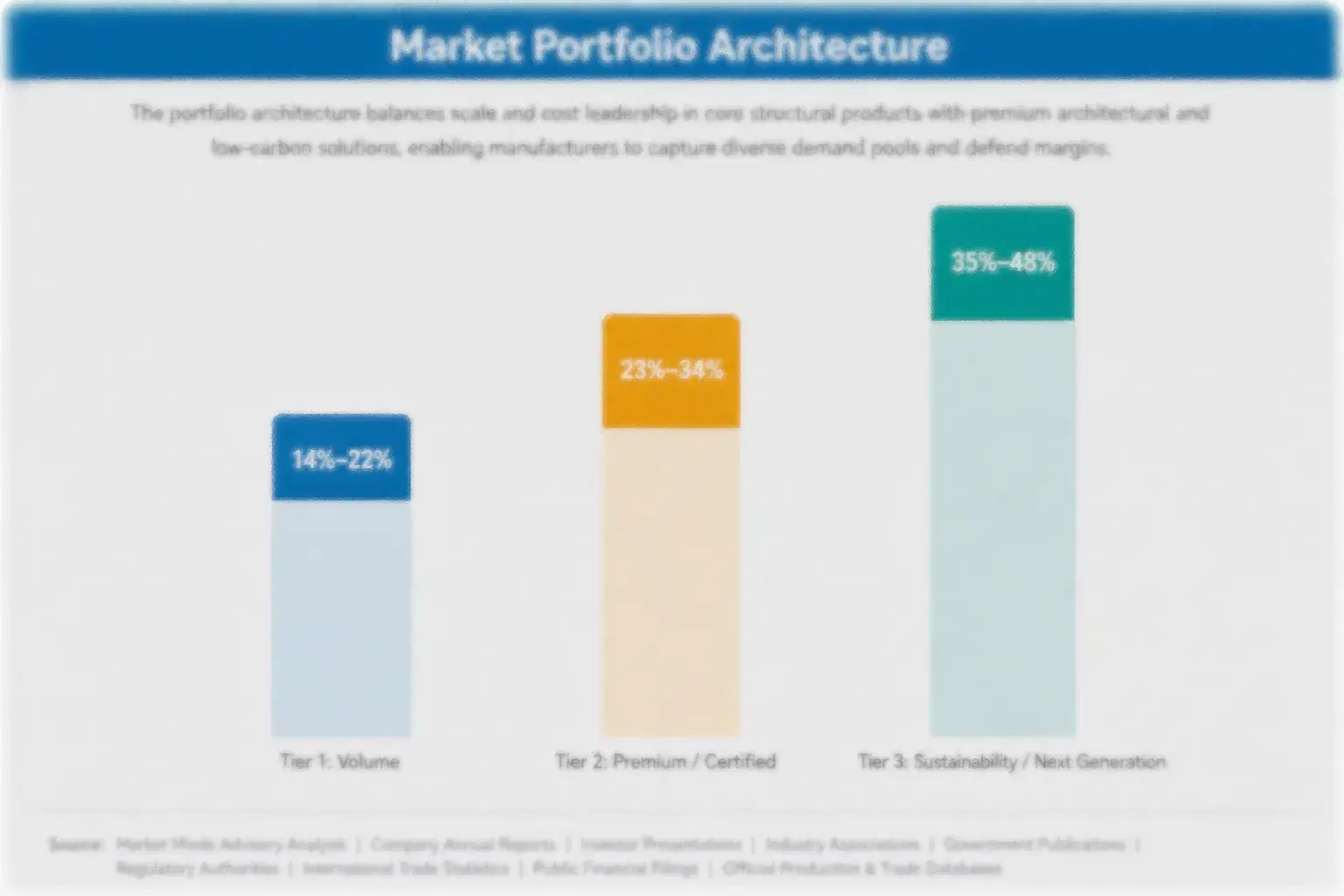
Portfolio economics in through hole resistors split cleanly along three tiers, with gross margins ranging from the low teens on commodity carbon film units to the high thirties on certified high-reliability wirewound designs sold into defense and aerospace programs. The spread between tiers has widened over the past several years as commodity pricing compresses while certified-tier pricing holds firm on qualification barriers that new entrants cannot clear quickly.
Volume sits overwhelmingly in the commodity tier by unit count, but value concentrates in the premium and sustainability tiers, creating a familiar tension where manufacturers must sustain commodity-tier scale to cover fixed costs while channeling investment toward the higher-margin tiers that drive actual profit growth. Few manufacturers successfully run both ends of this spectrum at full efficiency simultaneously.

High-value pools concentrate specifically around automotive electrification, defense sustainment, and power electronics applications where certification requirements and long qualification cycles protect incumbent margins from new entrant pressure. Manufacturers positioned in these pockets capture disproportionate profitability relative to their unit volume, while pure commodity producers compete almost entirely on price and absorb the thinnest margins anywhere in the category's full product range.

Standard carbon film resistors sold at high volume into consumer electronics and general-purpose applications, competing primarily on unit price with minimal differentiation between suppliers beyond delivery reliability and basic packaging format consistency.
Gross Margin

Metal film and precision wirewound designs carrying automotive or industrial certification, commanding premium pricing on documented reliability data and tight tolerance specifications that commodity producers cannot match without years of qualification investment.
Gross Margin

High-reliability wirewound and specialty designs qualified for defense, aerospace, and next-generation power electronics, where regulatory qualification cycles and reduced-hazardous-material formulations create durable pricing power that persists across multiple product generations.
Gross Margin
through-hole-resistor-market-portfolio-architecture-1791007906096

High-value Sub-segments and Strategic Watch-out

High-Power Wirewound for EV Charging

Wirewound resistors qualified for electric vehicle charging infrastructure combine premium certified-tier pricing with the category fastest unit growth, positioning it as the clearest profit pool expansion opportunity through 2036 for manufacturers that already hold power qualification credentials, established customer relationships, and proven high-volume production capacity.

Defense and Aerospace Sustainment

Legacy component supply for defense sustainment programs carries the category highest margins and steady, contractually protected demand, though volume growth stays modest since program counts expand slowly relative to commercial electronics replacement cycles and multi-year government budget appropriation timing constraints that rarely shift on short notice.

Standard Carbon Film Consumer Electronics

The largest unit volume pool by far, carrying the thinnest margins and facing continuous price pressure from Chinese commodity producers, this segment remains essential for absorbing fixed manufacturing overhead across the broader business even as its share of total profit contribution keeps shrinking year over year.

Surface Mount Substitution Risk

Continued surface mount cost reduction in mid-power applications threatens to erode the addressable base for through hole designs in categories previously considered safe, requiring manufacturers to monitor substitution economics closely across adjacent product lines and reposition manufacturing capacity toward defensible niches earlier in the cycle.

Repair Cycles and Design Longevity

Demand in through hole resistors behaves less like a typical component market and more like an annuity, since boards designed a decade ago continue drawing replacement parts for the full service life of the equipment they sit in. Industrial controllers, defense systems, and power electronics platforms often stay in production for fifteen to twenty-five years, generating recurring repair demand long after the original design win.
Adoption stickiness varies sharply by end-use vertical. Consumer electronics abandoned through hole designs almost completely a decade ago, but industrial automation, defense, and automotive electronic control units retain them deeply, since requalifying a board to surface mount risks disrupting reliability data built over years. Power electronics applications go further still, often specifying wirewound designs by preference, because the package handles heat dissipation that surface mount cannot match.

Buyer profiles are shifting generationally even where the underlying technology has not. Procurement teams once staffed by engineers who specified components individually are increasingly centralized, buying through approved vendor lists and multi-year contracts rather than one-off purchase orders. This favors manufacturers with broad catalog breadth and reliable long-term supply commitments over smaller specialists who once won business through direct engineering relationships and informal reorder arrangements.
through-hole-resistor-market-end-use-penetration-index-1791007906280

Where to Commit Capital Next

These are among the four positions where our research anticipates prominent divergence between winners and laggards over the coming forecast period. Each is grounded in the demand model, the regulatory perimeter, and the announced capacity pipeline.
01 / POWER ELECTRONICS CAPACITY

Expand wirewound capacity ahead of EV charging demand

High-power wirewound resistors are growing at 5.3 percent annually, well above the category average, driven by electric vehicle charging infrastructure and industrial motor drive applications that need heat dissipation surface mount designs cannot deliver at comparable cost. Manufacturers that expand qualified capacity now, before demand peaks, will capture durable share before Chinese competitors close the remaining technical gap on high-power ratings and certification depth. Waiting two or three years risks ceding the fastest-growing segment in the category to better-positioned incumbents with longer lead times to match.
02 / LEGACY INVENTORY SERVICES

Build dedicated legacy component sourcing capability

Defense sustainment and industrial repair channels reward manufacturers who guarantee long-tail component availability for discontinued board revisions, commanding margins well above standard hardware sales across the broader catalog of products offered. Building a dedicated legacy inventory and sourcing service turns a slowly declining product category into a durable, high-margin recurring revenue stream that smaller competitors struggle to replicate without comparable scale. Manufacturers without this capability today are already losing established accounts to specialists who built it first and locked in multi-year contracts.
03 / REGIONAL SUPPLY DIVERSIFICATION

Reduce exposure to East Asian manufacturing concentration

East Asia holds 33 percent of global share, well above its typical band, concentrating both manufacturing risk and geopolitical exposure for buyers that depend heavily on a single region for critical component supply. Diversifying sourcing toward South Asia and Pacific, where qualified capacity is expanding fastest among all seven regions, reduces single-region dependency without sacrificing cost competitiveness on standard power ratings. Buyers who delay this diversification face substantially greater disruption risk during any future trade restriction or logistics disruption event.
04 / MARGIN AND CERTIFICATION STRATEGY

Prioritize certification breadth over unit cost reduction

Margin data shows certified premium and defense-tier products carry margins two to three times higher than commodity carbon film units, and that gap has been widening rather than closing over the past several years of pricing data. Manufacturers chasing unit cost reduction in commodity tiers compete directly against persistently lower-cost Chinese producers on their single worst competitive terms available in the category. Investing instead in broader certification coverage protects margin and builds switching costs around qualified reliability data that commodity competitors cannot replicate quickly or cheaply.

Engagement Snapshot From the Field

A live engagement with an industry participant carrying material or product regulatory and market exposure ahead of a defining policy shift, showing how our research translates into a defensible multi-year portfolio strategy.
MARKET MINDS ADVISORY · CLIENT ENGAGEMENT SUMMARY
Through Hole Resistor Producer Strategic Portfolio Review and Transition Roadmap 2026·Investment Scenario on Through Hole Resistor Exposure Evaluation 2025-26
CLIENT PROFILE
A mid-sized industrial controls manufacturer with legacy product lines spanning two decades approached MMA to assess supply risk across its through hole resistor procurement, which spanned over 400 discontinued specifications still required for active service contracts. The client's engineering team had limited visibility into which suppliers could reliably sustain long-tail component availability as original manufacturers exited specific product lines over successive years.
STRATEGIC CHALLENGE
The client faced mounting pressure from a shrinking pool of suppliers willing to maintain small-batch production runs of discontinued resistor variants, risking service contract penalties if components became unavailable entirely. Internal procurement lacked a framework for evaluating which suppliers carried genuine long-term sourcing capability versus those simply depleting existing stock.
MMA APPROACH
MMA conducted a structured supplier capability assessment across the client's top twelve resistor suppliers, evaluating inventory depth, requalification willingness, and historical discontinuation patterns over the preceding five years. The engagement combined primary interviews with supplier sourcing managers and analysis of public filings to rank suppliers by long-tail sustainability risk and contract readiness.
KEY FINDINGS
  1. Three of twelve suppliers assessed carried formal legacy inventory programs; the remainder relied on ad hoc stock depletion with no restocking commitment.
  2. Average lead time for discontinued variants from non-program suppliers had grown to 34 weeks (client-reported, unverified by MMA), up sharply from prior years.
  3. Two suppliers had quietly discontinued specifications the client still actively used in production without formal end-of-life notification to the account team beforehand.
  4. Switching cost to a program-backed supplier averaged approximately 180,000 dollars (client-reported, unverified by MMA) per requalified product line, including all testing and validation time required.
CLIENT PROFILE
A mid-sized industrial controls manufacturer with legacy product lines spanning two decades approached MMA to assess supply risk across its through hole resistor procurement, which spanned over 400 discontinued specifications still required for active service contracts. The client's engineering team had limited visibility into which suppliers could reliably sustain long-tail component availability as original manufacturers exited specific product lines over successive years.
STRATEGIC CHALLENGE
The client faced mounting pressure from a shrinking pool of suppliers willing to maintain small-batch production runs of discontinued resistor variants, risking service contract penalties if components became unavailable entirely. Internal procurement lacked a framework for evaluating which suppliers carried genuine long-term sourcing capability versus those simply depleting existing stock.
MMA APPROACH
MMA conducted a structured supplier capability assessment across the client's top twelve resistor suppliers, evaluating inventory depth, requalification willingness, and historical discontinuation patterns over the preceding five years. The engagement combined primary interviews with supplier sourcing managers and analysis of public filings to rank suppliers by long-tail sustainability risk and contract readiness.
KEY FINDINGS
  1. Three of twelve suppliers assessed carried formal legacy inventory programs; the remainder relied on ad hoc stock depletion with no restocking commitment.
  2. Average lead time for discontinued variants from non-program suppliers had grown to 34 weeks (client-reported, unverified by MMA), up sharply from prior years.
  3. Two suppliers had quietly discontinued specifications the client still actively used in production without formal end-of-life notification to the account team beforehand.
  4. Switching cost to a program-backed supplier averaged approximately 180,000 dollars (client-reported, unverified by MMA) per requalified product line, including all testing and validation time required.
RECOMMENDED STRATEGY
Phase 1: Phase one: consolidate sourcing toward the three program-backed suppliers for the highest-risk discontinued specifications within the next two fiscal quarters. Phase 2: Phase two: negotiate multi-year supply agreements covering guaranteed availability windows for the remaining at-risk product lines still in active service. Phase 3: Phase three: establish internal early-warning monitoring for supplier discontinuation notices across the full legacy component catalog going forward each quarter.
OUTCOME
The client consolidated roughly 60 percent of at-risk sourcing volume to program-backed suppliers within three quarters, reporting a measurable reduction in unplanned lead-time escalations (client-reported, unverified by MMA). Internal procurement adopted the supplier risk framework as a standing quarterly review process across its broader component base beyond resistors alone.

Frequently Asked Questions

Foundational context covering the market sizes, CAGR, scope, country, region and competition that inform every finding below. This section is provided to cover basics and most often pre-purchase conversations, answered from the MMA Primary Research Dataset.

What is the current size of the Through Hole Resistor Market?

The global through hole resistor market is valued at 1.5 billion dollars in 2025. This reflects sustained demand from power electronics, industrial automation, and legacy equipment repair channels despite surface mount dominance in consumer electronics.

How large will the Through Hole Resistor Market be by 2036?

The market is projected to reach 2.261 billion dollars by 2036, up from 1.557 billion dollars in 2026. This represents a cumulative increase of 0.704 billion dollars across the forecast decade.

What is the CAGR for the Through Hole Resistor Market 2026 to 2036?

The market is forecast to grow at a 3.8 percent CAGR between 2026 and 2036. Bull and bear scenarios range between 2.6 and 5.0 percent depending on power electronics adoption pace.

Which segment is growing fastest?

High-power wirewound resistors lead at a 5.32 percent CAGR, roughly 1.4 times the overall market rate. Electric vehicle charging and industrial motor drive demand drive this outperformance.

Who are the major companies in the Through Hole Resistor Market?

Vishay Intertechnology, KOA Corporation, Yageo Corporation, Panasonic Industry, and TE Connectivity lead the category. Together they hold a 44 percent combined share on a global revenue basis.

Which country is growing fastest?

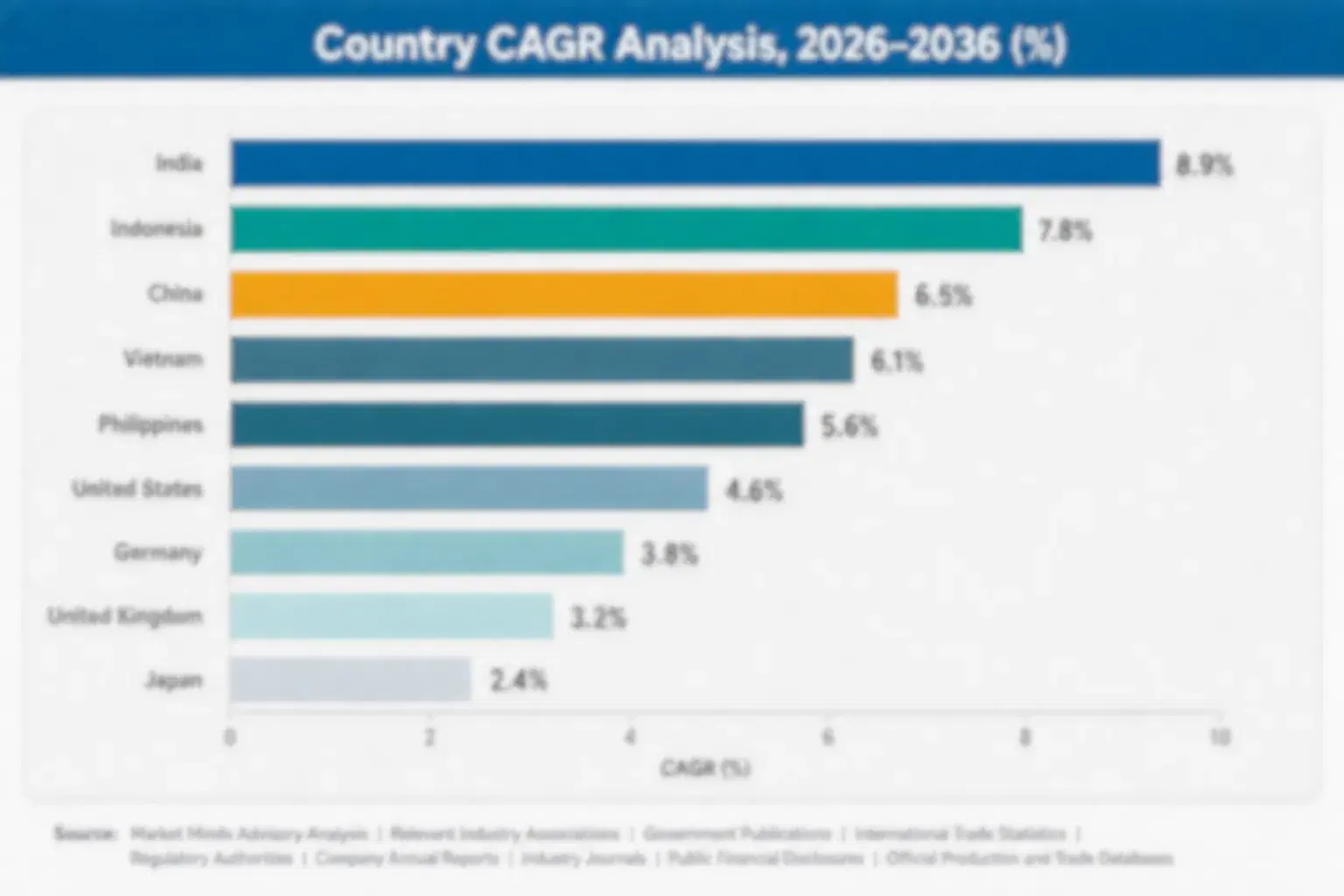
China leads country-level growth at a 4.9 percent CAGR, driven by domestic power electronics manufacturing and export-oriented component production scaling rapidly through the forecast period.

Report Segmentation Architecture

The full report scope spans multiple orthogonal segmentation dimensions, with cross-tabulated demand data provided for each dimension pair. Coverage extends further to regional breakdowns, trend trajectories, and the competitive detail needed to support segment-level decision-making.

By Product Type

    By End-Use Industry

      By Commercial Dimension

        By Region

        • North America
        • Western Europe
        • East Asia
        • South Asia and Pacific
        • Latin America
        • Middle East and Africa
        • Eastern Europe

        Scope, Methodology, and Coverage

        Every figure in this report is reproducible from documented input assumptions. The scope below maps the historical period, the forecast horizon, the segmentation dimensions, and the countries covered, alongside the underlying primary and qualitative methodology.
        Historical Period
        2020 to 2025
        Forecast Period
        2026 to 2036
        Base Year
        2025 (USD billions; MMA Primary Research Dataset, October 2026)
        Market Definition
        This report covers resistors designed for insertion through printed circuit board holes and soldered on the opposite side, including carbon film, metal film, and wirewound designs across standard power ratings. It excludes surface mount resistors, resistor networks sold as integrated packages, and variable resistors or potentiometers sold as a distinct product category.
        Quantitative Units
        USD billions
        Segmentation Dimensions
        Regions Covered
        North America, Western Europe, East Asia, South Asia and Pacific, Latin America, Middle East and Africa, Eastern Europe
        Countries Covered
        Key Companies Profiled
        Vishay Intertechnology, KOA Corporation, Yageo Corporation, Panasonic Industry, TE Connectivity, Bourns Inc, Ohmite Manufacturing, Vitrohm, TT Electronics, Walsin Technology, Rohm Co, Susumu Co, Riedon Inc, Stackpole Electronics, Arcol Resistors, Caddock Electronics, IRC Electronics, Welwyn Components, Xicon, Ametherm
        Quantitative Methodology
        Primary survey, n=3,800 respondents, Q4 2025, six countries; demand-side model with trade association cross-validation
        Qualitative Methodology
        47 expert interviews, Q4 2025; applied to validate demand model assumptions, identify emerging dynamics, and assess competitive positioning
        Report Format
        PDF and XLSX data workbook (Word format preview document)
        Publisher
        Market Minds Advisory
        Report Code
        MMA-2026-TEC-864
        Published
        October 2026
        Contact
        sales@marketmindsadvisory.com | www.marketmindsadvisory.com

        Purchase the full Through Hole Resistor Market Report (2026 to 2036).

        The full report expands every section summarized here into complete analytical depth. It includes the full segmentation model across all six segments, detailed profiles of all twenty tracked competitors, and the complete regional dataset across all seven markets covered in this research program. It also adds extended trend, driver, and restraint coverage well beyond the two visible items shown in each category here, along with full input cost and portfolio tier analysis. Buyers additionally receive the underlying primary survey dataset and full expert interview summary notes.
        Complete six-segment MECE breakdown with margins
        Full twenty-company competitive profile set included
        All seven regional markets with demand mechanisms
        Extended trend, driver, and restraint library
        Primary survey dataset access, n=3,800 respondents
        Expert interview summary notes, 47 interviews

        Built For The People Who Decide

        From boardroom strategy to bench-side execution, this report is read cover-to-cover by leaders shaping the next decade of their industry, turning demand scenarios, market dynamics and valuation benchmarks into decisions.
        CXOs/ Presidents/ VPs/ Managers
        M&A and Corporate Development
        Strategy Teams and R&D Heads
        Procurement and Product Directors
        Regulatory and Compliance Leaders
        Investor Relations and Equity Analysts