Market Minds Advisory
Test Tube Market

Test Tube Market Size, Growth Drivers and Forecast 2026-2036

Expanding academic research funding, rising biotechnology laboratory capacity, and growing preference for disposable plastic formats over reusable glass are reshaping general-purpose test tube specifications worldwide across most tracked operator accounts.

Lead Analyst

Bilal Shaikh

Published

November 2026

Make Smarter Decisions with Customized Research Insights

Request a free sample report and evaluate market opportunities, growth trends, and competitive dynamics relevant to your business needs.

2025 MARKET VALUE$1.3BMarket Size 2025
2036 FORECAST VALUE$2.1BBase Case , 2026 to 2036
CAGR 2026 TO 20364.6 %Bull 5.8% / Bear 3.4%
INCREMENTAL OPPORTUNITY$0.8BNet 10- year value creation
EXPANSION MULTIPLE1.57x2036 value over 2026 base
Strategic Levers
M&A Pipeline
Regional Outlook
Country Rankings
Competitive Intelligence
Segmental Deep-dive
Call-Us : 91 93563 13602

Test Tube Demand Outlook

Disposable polypropylene culture tubes are displacing reusable glass formats as laboratories pursue documented contamination-risk reduction across routine testing applications across most tracked operator accounts throughout the current forecast cycle across major laboratory markets worldwide among most tracked laboratory accounts today quite significantly broadly notably recently.
Demand concentrates in academic research, biotechnology development, and clinical microbiology applications, with China posting the fastest national growth as expanding domestic biotechnology laboratory capacity and rising research funding both lift test tube specification demand. North American demand remains steady on established academic and pharmaceutical research infrastructure, while European laboratories increasingly specify disposable formats meeting updated contamination-control protocols across most tracked operator accounts across most tracked operator accounts throughout the current forecast cycle.
Competition splits between large diversified laboratory supply companies competing on manufacturing scale and distribution reach and smaller specialists winning on custom dimension and material formulation combinations. Regulatory pressure around contamination-control documentation is pushing laboratories toward validated disposable formats, while cost pressure from budget-constrained academic institutions is becoming a genuine margin tension across commodity-tier formats across most tracked operator accounts throughout the current forecast cycle across most tracked operator.
Market Definition
The Test Tube Market covers general-purpose laboratory vessels used for liquid handling, mixing, culturing, and sample storage across academic, biotechnology, and clinical laboratory applications. It excludes blood collection tubes with gel separator or anticoagulant additives and specialized diagnostic sample tubes, which fall under separate market definitions.
Base Year Value
$1.3B in 2025 (MMA Primary Research Dataset, October 2026)
Forecast Period
2026 to 2036, eleven discrete annual values
CAGR
4.6% base case. Bull 5.8%. Bear 3.4%.
Fastest Growth Segment
Disposable Polypropylene Culture Tubes: 6.2% CAGR
Fastest Growth Country
China: 6.6% CAGR
Fastest Growth Region
South Asia and Pacific: 6.7% CAGR
Largest Region
North America: 28% of 2025 global value
Market Leaders
Corning Incorporated, Thermo Fisher Scientific Inc, Eppendorf SE, Greiner Bio-One International, Sarstedt AG and Co KG. Source: MMA Analysis, based on company disclosures and primary survey data, Q4 2025.
Primary Survey
n=3,800 procurement and R&D decision-makers, Q4 2025, six countries
Methodology
Demand-side build-up, cross-validated against public data, 47 expert interviews

Test Tube Growth Scenarios to 2036

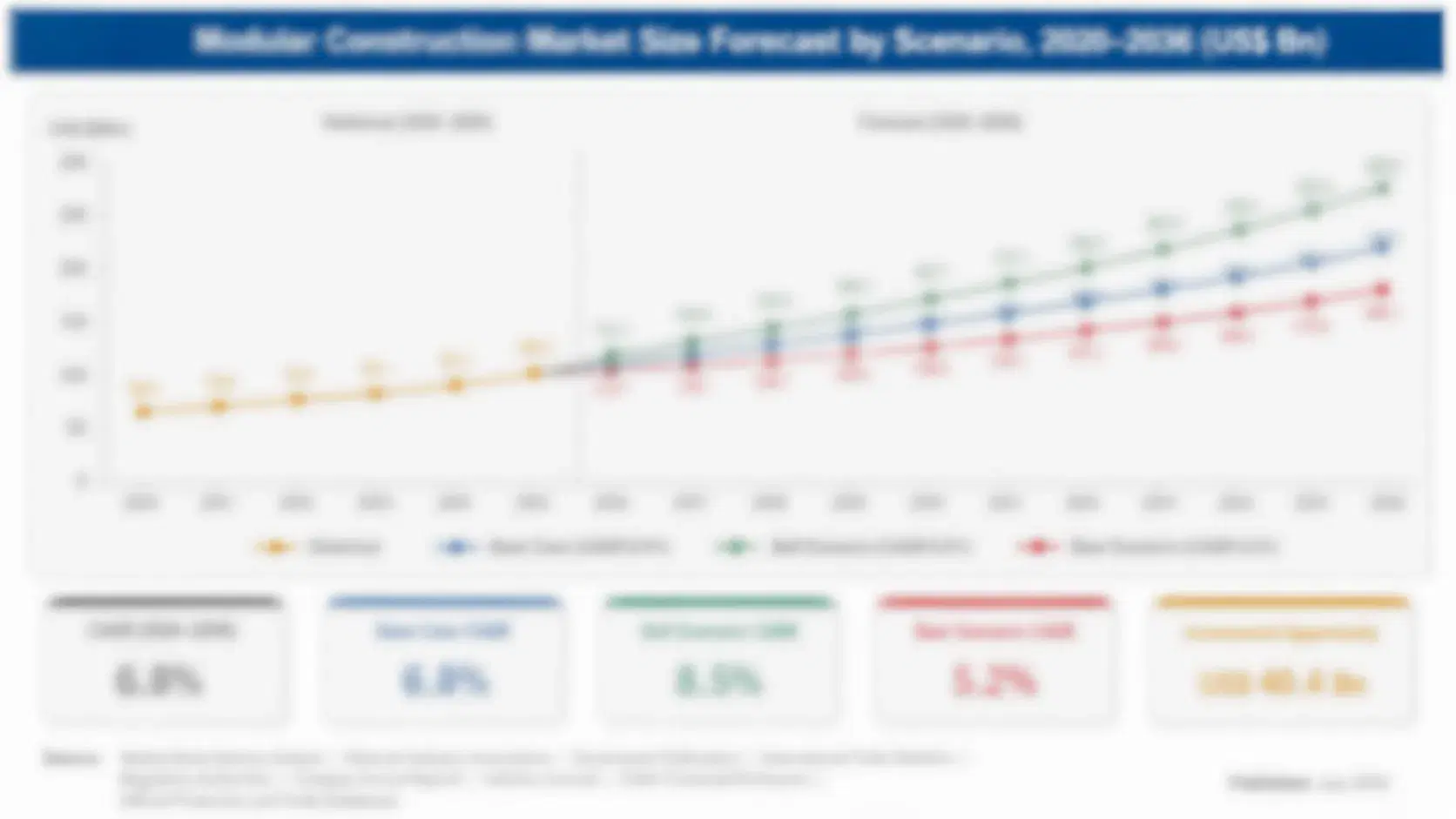
test-tube-market-size-forecast-scenario-1791486878144
Test tube demand grew steadily between 2020 and 2025 as academic research funding expanded and biotechnology laboratory capacity rose across developed and emerging research infrastructure markets across most tracked operator accounts throughout the current forecast cycle across major laboratory markets worldwide among most tracked laboratory accounts today across most tracked operator accounts throughout the current forecast cycle.
The base case assumes continued disposable polypropylene adoption among academic and biotechnology laboratories pursuing contamination-risk reduction, sustained clinical microbiology demand tied to expanding diagnostic testing infrastructure, and steady industrial quality-control laboratory tube specification growth across both developed and emerging research markets this decade across most tracked operator accounts throughout the current forecast cycle across major laboratory markets worldwide among most tracked laboratory accounts today across most tracked operator accounts throughout the current forecast cycle.
A bull scenario centers on accelerated biotechnology research funding pulling disposable tube conversion forward faster than modeled. A bear scenario centers on prolonged academic budget constraint, which would compress research laboratory procurement spending and slow premium formulation adoption among cost-sensitive institutions across most tracked operator accounts throughout the current forecast cycle across major laboratory markets worldwide. MMA expects the industrial tubes market to grow at a 4.1% CAGR over the 2026-2036 forecast period.

Contamination Control Redefines Tube Specification

Test tube specifications are shifting toward disposable polypropylene construction as laboratories pursue documented contamination-risk reduction without the sterilization burden typical of reusable glass alternatives. Standard borosilicate glass tubes remain common among specialized high-temperature applications where disposability carries less practical advantage across most tracked operator accounts throughout the current forecast cycle across major laboratory markets worldwide among most tracked laboratory accounts today across most tracked operator accounts. The twist tube market is a natural companion read, sized by MMA at USD 1.7 billion in 2025 with 5.2% annual growth ahead.
MARKET CONCENTRATIONCR5 33%Top five manufacturers hold roughly one-third total participation share
AVERAGE SELLING PRICEUSD 0.14/unitDisposable polypropylene formats command modest sustained price premiums
TOP PRODUCING COUNTRY SHAREUnited States 24%Domestic laboratory supply manufacturing scale drives concentrated global distribution capacity
CAPACITY UTILIZATION77%Manufacturers run steady lines matching consistent research demand patterns
MATERIAL COST SHARE39% of COGSPolypropylene resin and borosilicate glass inputs dominate total production expense
TRADE INTENSITY32% export shareManufacturers export roughly one-third of total production volume
Custom dimension and material formulation engineering is becoming a meaningful differentiator as biotechnology laboratories demand precise chemical-compatibility combinations matching specific reagent and culture-media requirements rather than generic formulations. This capability shift favors manufacturers with in-house polymer chemistry research over those relying on third-party formulation partners, concentrating premium specification wins among fewer scaled manufacturers across most tracked operator accounts throughout the current forecast cycle. Much of this also feeds into the silage tube market, which MMA expects to grow at 6.3% a year through 2036.
Contamination-control documentation requirements are tightening as regulatory bodies demand validated sterility testing for extended laboratory sample storage conditions. Disposable format adoption is becoming a baseline expectation across academic and clinical laboratory tube specifications worldwide this decade across most tracked operator accounts throughout the current forecast cycle across major laboratory markets worldwide among most tracked laboratory accounts today across most tracked operator accounts. The same pressures carry over to the serum separating tubes market, where MMA forecasts USD 4.0 billion by 2036 at a 6.5% CAGR.
"The test tube has stopped being a generic laboratory accessory and become a contamination-control instrument, not just a sample vessel. Manufacturers who master disposable-polymer chemistry will set pricing across the entire research laboratory consumables chain."
Senior Analyst, Laboratory Consumables Practice · MMA In Vitro Diagnostics Consumables Practice · October 2026

Test Tube Adoption Trends

Disposable Polypropylene Gains Share Over Glass

Disposable polypropylene test tubes are steadily gaining specification share as academic and biotechnology laboratories pursue documented contamination-risk reduction across routine culturing and sample-handling applications. The shift reflects genuine laboratory safety-protocol need documented in institutional biosafety guidance, not manufacturer marketing positioning alone. Manufacturers investing in high-volume polypropylene molding capacity are capturing share faster than those relying solely on reusable glass designs, since disposability requires specialized injection-molding manufacturing scale across most tracked operator accounts throughout the current forecast cycle across major laboratory markets worldwide among most tracked laboratory accounts today across most tracked operator accounts. Readers tracking this shift may also follow the acid citrate dextrose tube market, which MMA sizes at USD 0.9 billion in 2025, growing at 5.8% a year.
Market Impact: Adds 4% unit volume growth annually
Custom Chemical Formulation Expands Biotech Reach

Biotechnology laboratories are increasingly demanding custom chemical-compatibility formulations tailored to specific reagent and culture-media requirements rather than accepting generic polypropylene formulations across all applications. This demand shift favors manufacturers with advanced polymer chemistry research capability over those offering only standardized formulations. Compliance costs are non-trivial, requiring new formulation validation investment, but manufacturers that move early are securing preferred-supplier status on multi-year biotechnology framework agreements ahead of smaller competitors across most tracked operator accounts throughout the current forecast cycle across major laboratory markets worldwide among most tracked laboratory accounts today across most tracked operator accounts. This ties directly to the Central tube optical cable market, which MMA forecasts will reach USD 5.8 billion by 2036 at a 7.5% CAGR.
Market Impact: Adds 3% biotech tube demand yearly

Test Tube Growth Opportunities

Academic Research Funding Growth Lifts Tube Demand

Expanding academic research funding across developed and emerging markets is driving sustained demand for test tubes as university laboratory capacity and graduate research program enrollment both lift consumable sales. Research institutions increasingly specify disposable formats for new high-throughput experimental protocols targeting faster sample turnover requirements. This growth is concentrated in molecular biology and biochemistry research categories, where sample contamination risk directly affects experimental result validity. Specification volume is accelerating as more institutions expand research capacity following funding pattern shifts across most tracked operator accounts throughout the current forecast cycle across major laboratory markets worldwide. That demand is tracked in the heated sampling composite tube market, which MMA expects to expand at 7.2% a year to USD 900 million by 2036.
Market Impact: Adds 3 months margin recovery delay

Biotechnology Laboratory Expansion Sustains Steady Demand

Growing biotechnology laboratory capacity installation across developed and emerging markets is driving demand for test tubes compatible with high-throughput automated liquid-handling systems. Laboratories increasingly specify tubes validated against automation-specific dimensional and chemical-compatibility requirements. This certification intensification favors manufacturers with established automation-compatibility testing expertise over general-purpose tube makers entering the segment opportunistically. Laboratory equipment vendors overseeing automated systems are standardizing tube specifications further, creating a genuine volume growth channel across most tracked operator accounts throughout the current forecast cycle across major laboratory markets worldwide among most tracked laboratory accounts today across most tracked operator accounts.
Market Impact: Adds 5 months specification adoption delay

Test Tube Challenges and Constraints

Polypropylene Resin Price Volatility Pressures Margins

Polypropylene resin prices have swung sharply over the past several years on petrochemical feedstock volatility, squeezing margins for manufacturers unable to pass costs through quickly on fixed-price academic procurement contracts. The root cause traces to broader petrochemical supply chain disruption affecting polypropylene feedstock availability across major production regions serving this segment. Smaller manufacturers without long-term resin supply agreements absorb the steepest margin pressure, lacking the purchasing scale larger manufacturers use to negotiate favorable pricing. Several manufacturers are now exploring recycled-content blending specifically to reduce exposure across most tracked operator accounts.
Market Impact: Adds 5% disposable tube share yearly

Academic Budget Constraints Slow Specification Upgrades

Tight academic institution budgets slow the pace at which research laboratories adopt new premium formulation tube formats despite available contamination-risk reduction benefits. The root cause lies in competitive grant-funding allocation processes that prioritize experimental equipment spending over routine consumable upgrades. This delay disproportionately affects smaller research institutions lacking dedicated procurement budgets, forcing reliance on legacy standard-formulation tubes for longer replacement cycles. Leading manufacturers are investing in bulk-discount programs specifically to address budget-constrained institutional buyers across most tracked operator accounts throughout the current forecast cycle across major laboratory markets worldwide among most tracked laboratory accounts today.
Market Impact: Adds 4% custom formulation demand
3 additional market trends, 4 additional growth drivers, and 3 additional restraints and challenges are covered in the full report. Contact sales@marketmindsadvisory.com to access the complete intelligence.

Test Tube Segment Performance

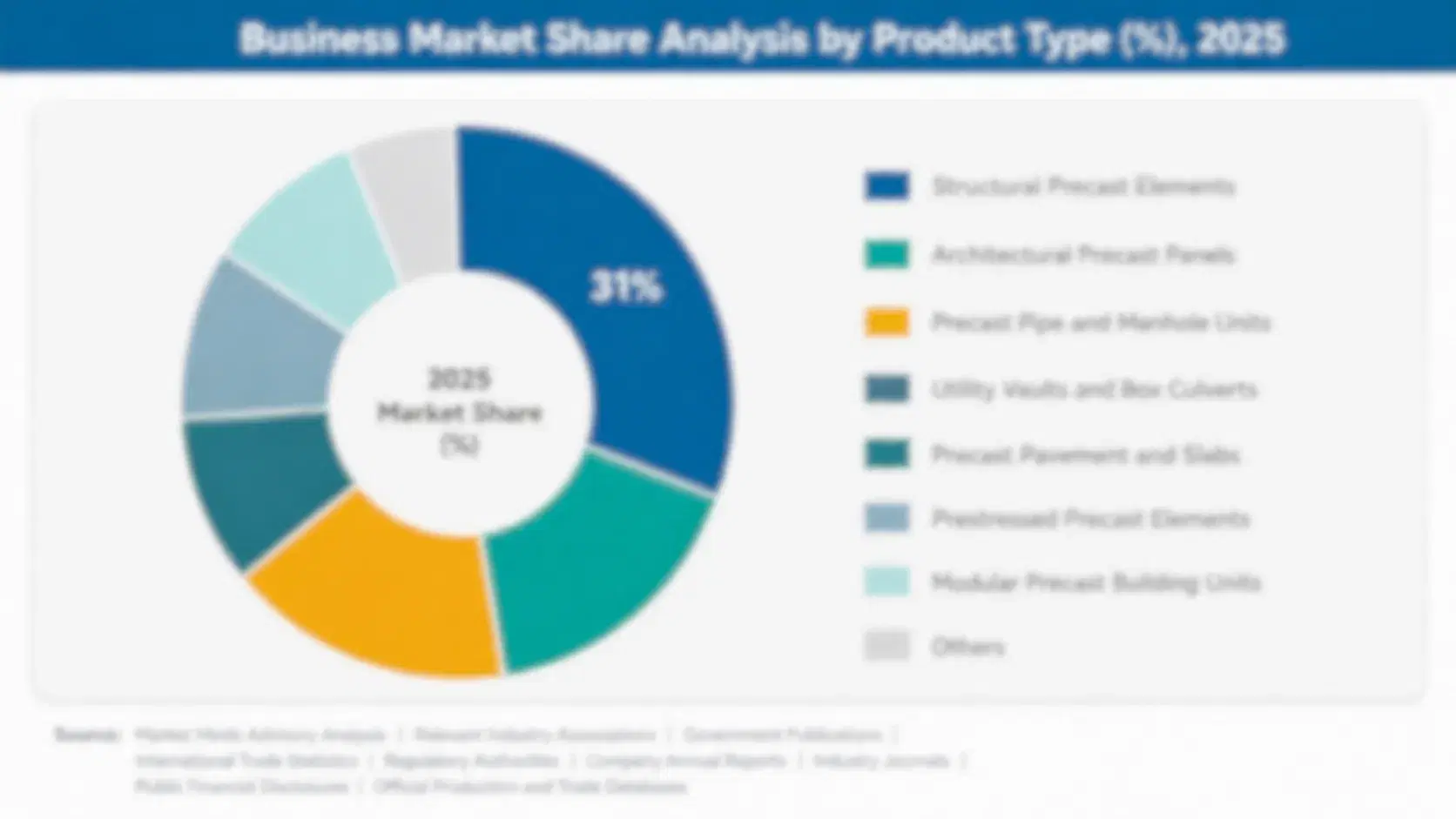
Test tubes segment by material construction and application, spanning disposable polypropylene, reusable borosilicate glass, and custom chemical-formulation formats serving academic, biotechnology, and clinical laboratory needs worldwide across most tracked operator accounts throughout the current forecast cycle across major laboratory markets worldwide among most tracked laboratory accounts today across most tracked operator accounts throughout the current forecast cycle.
test-tube-market-market-share-analysis-1791486878317

Disposable Polypropylene Culture Tubes

Disposable polypropylene culture tubes serve academic and biotechnology laboratories pursuing documented contamination-risk reduction across routine culturing and high-throughput sample-handling applications. Growth here outpaces the broader market as laboratories increasingly substitute disposable formats for reusable glass tubes to avoid sterilization burden and contamination risk. Manufacturers are investing heavily in high-volume injection-molding capacity to meet rising specification volume from expanding research laboratory accounts. This segment commands meaningfully higher unit volume than specialty formats, reflecting genuine routine-use adoption rather than premium branding alone across most tracked operator accounts throughout the current forecast cycle across major laboratory markets worldwide among most tracked laboratory accounts today across most tracked operator accounts throughout the current forecast cycle.
CAGR 6.2%

Custom Formulation Biotechnology Tubes

Custom formulation biotechnology tubes serve high-volume research facilities requiring documented chemical-compatibility combinations matched to specific reagent and culture-media requirements. Demand is accelerating as biotechnology laboratories expand specialized research protocols well beyond routine culturing applications alone. Formulation validation requirements around chemical-compatibility testing are becoming a genuine competitive barrier favoring established polymer-chemistry specialists. This segment's growth closely tracks broader biotechnology research-capacity expansion trends across both developed and emerging research markets across most tracked operator accounts throughout the current forecast cycle across major laboratory markets worldwide among most tracked laboratory accounts today across most tracked operator accounts throughout the current forecast cycle across major laboratory markets worldwide among most tracked laboratory accounts today.
CAGR 5.3%
Full segment breakdown across 7 segments available in the complete report.

Test Tube Market by Country

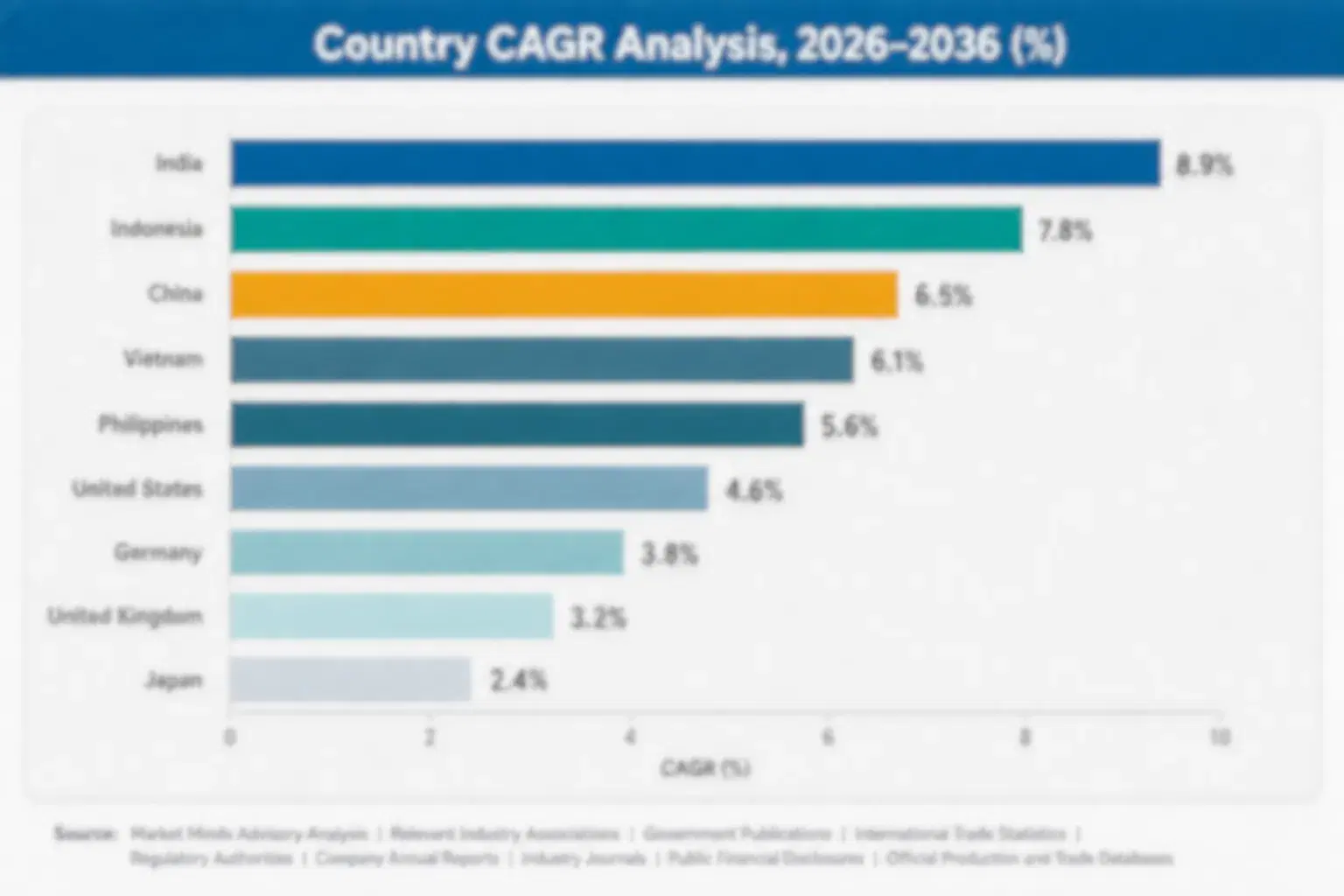
North America leads test tube demand on established academic and pharmaceutical research infrastructure, with China posting the fastest national growth on expanding biotechnology laboratory capacity across most tracked operator accounts throughout the current forecast cycle across major laboratory markets worldwide among most tracked laboratory accounts today.

North America

North American demand centers on established academic and pharmaceutical research infrastructure, with major universities and biotechnology companies maintaining deep research consumables procurement across both routine and specialized testing applications. United States research institutions continue scaling disposable adoption as contamination-control protocols tighten across major academic and biotechnology conglomerates. Canadian demand mirrors this pattern at smaller scale, sourcing from the same established manufacturer base serving American research accounts across most tracked operator accounts throughout the current forecast cycle across major laboratory markets worldwide among most tracked laboratory accounts today based on current survey evidence according to available disclosure patterns across most tracked operator accounts throughout the current forecast cycle across major laboratory markets worldwide.
Share: 28% | CAGR: 5.3% (2026 to 2036)

Western Europe

Western European demand reflects deep academic research heritage across Germany, France, and the United Kingdom, increasingly shaped by stringent contamination-control standards under European research funding guidance. German and British universities sustain strong demand for validated disposable formats meeting both performance and regulatory expectations. French research institutions contribute meaningful volume, while Dutch distribution hubs handle significant re-export volume into neighboring European markets across most tracked operator accounts throughout the current forecast cycle across major laboratory markets worldwide among most tracked laboratory accounts today based on current survey evidence according to available disclosure patterns across most tracked operator accounts throughout the current forecast cycle across major laboratory markets worldwide among most tracked laboratory accounts today.
Share: 23% | CAGR: 3.6% (2026 to 2036)
Regional intelligence for 5 additional markets available in the complete report: East Asia, South Asia and Pacific, Latin America, Middle East and Africa, Eastern Europe. Contact sales@marketmindsadvisory.com.
test-tube-market-country-cagr-analysis-1791486878496

Where Test Tube Margins Concentrate

Manufacturers are increasingly monetizing custom chemical-formulation consulting and bulk procurement programs alongside core tube sales, capturing margin pools once left entirely to third-party laboratory consultants across most tracked operator accounts throughout the current forecast cycle across major laboratory markets worldwide among most tracked laboratory accounts today across most tracked operator accounts throughout the current forecast cycle.

Custom Chemical Formulation Consulting Service Program

Manufacturers offering custom chemical-compatibility formulation consulting directly to biotechnology laboratories are capturing meaningfully higher per-unit margins than those selling only standardized formulations. This service layer lifts per-unit margin by roughly 15%, requiring dedicated polymer-chemistry research staff and testing capability. Biotechnology laboratories increasingly expect integrated formulation consulting as standard rather than a paid add-on service across most tracked operator accounts throughout the current forecast cycle across major laboratory markets worldwide among most tracked laboratory accounts today across most tracked operator accounts throughout the current forecast cycle across major laboratory markets worldwide.
Market Impact: Adds roughly 15% to average contract value overall

Automation Compatibility Validation Service Program Offering

Offering automation-compatibility validation directly to high-throughput laboratory buyers lets manufacturers capture revenue previously paid to independent testing laboratories entirely. This vertical integration shortens buyer qualification cycles by roughly 19%, while generating a recurring validation service revenue stream tied closely to new automation installation volume. Manufacturers with in-house validation capability are winning preferred-supplier status on multi-year laboratory contracts across most tracked operator accounts throughout the current forecast cycle across major laboratory markets worldwide among most tracked laboratory accounts today across most tracked operator accounts throughout the current forecast cycle across major laboratory markets worldwide.
Market Impact: Adds roughly 12% to average contract value overall

Bulk Institutional Procurement Partnership Program Offering

Bulk institutional procurement partnership programs for large university systems let manufacturers charge a premium for reliable high-volume supply meeting academic-budget-specific purchasing cycles directly. This offering reduces institutional sourcing research burden by an estimated 16% compared with piecemeal purchasing, creating a defensible specialty supply position. Early movers are securing multi-year framework agreements with major university systems across most tracked operator accounts throughout the current forecast cycle across major laboratory markets worldwide among most tracked laboratory accounts today across most tracked operator accounts throughout the current forecast cycle across major laboratory markets worldwide.
Market Impact: Adds roughly 13% to average contract value overall

Recycled Content Sustainability Subscription Program Offering

Recycled-content polypropylene sourcing and sustainability documentation subscription programs for large research institutions generate predictable recurring revenue beyond one-time tube sales transactions entirely. Manufacturers track recycled-content percentages and proactively update compliance documentation, cutting institutional sustainability reporting burden by roughly 14% while locking in multi-year customer relationships across distributed research networks across most tracked operator accounts throughout the current forecast cycle across major laboratory markets worldwide among most tracked laboratory accounts today across most tracked operator accounts throughout the current forecast cycle across major laboratory markets worldwide among most tracked laboratory accounts today.
Market Impact: Adds roughly 10% to average contract value overall

Test Tube Value Chain and Margins

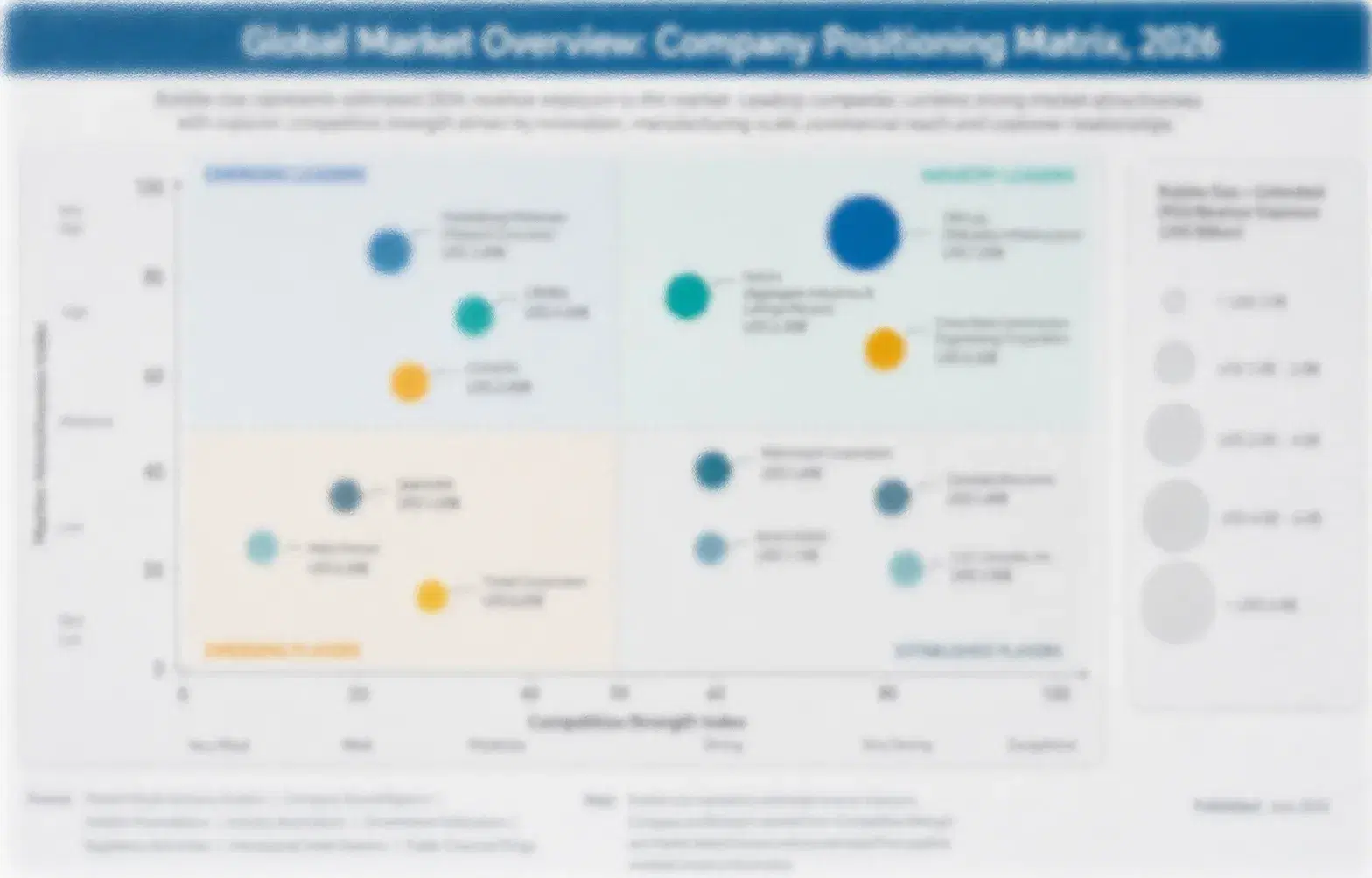
Concentration sits at thirty-three percent for the top five on shipped unit volume, reflecting a market anchored by established laboratory supply companies with deep distribution infrastructure. Corning leads clearly on academic brand recognition and manufacturing scale, with Thermo Fisher trailing as a strong diversified challenger. Eppendorf, Greiner Bio-One, and Sarstedt round out the leading tier, each defending distinct regional manufacturing strongholds.
Current competitive activity centers on custom chemical-formulation engineering and automation-compatibility validation, as biotechnology laboratories increasingly expect integrated compatibility documentation bundled with tube sales rather than purchased separately. Several manufacturers are investing directly in expanded polymer-chemistry research capacity to shorten buyer qualification cycles and win large institutional contracts. Recycled-content sourcing capability is becoming a genuine differentiator across most tracked operator accounts throughout the current forecast cycle.

Emerging pressure comes from Chinese domestic laboratory supply manufacturers scaling disposable tube production at aggressive price points, a genuine threat to established manufacturer margins in commodity-tier formats specifically. Rankings are most likely to shift in the custom-formulation biotechnology segment, where chemistry research capability rather than brand legacy increasingly determines large contract wins. Corning's academic brand recognition still protects its position in premium research accounts.
test-tube-market-company-positioning-matrix-1791486878684

Test Tube Competitive Moats

CORNING INCORPORATED

Moat: Academic Brand Relationship Depth

Corning's moat rests on deep decades-long relationships with academic institutions and research laboratories that give it unmatched brand credibility across the global research community. Its advanced glass and polymer manufacturing scale commands genuine price premiums even against technically comparable competitors. Deep established relationships with major university procurement systems create switching costs rivals struggle to overcome quickly.
CORNING INCORPORATED

Risk: Thin Disposable Focus Spread

Corning's broad diversified materials science portfolio spreads engineering investment thinner than focused laboratory-consumables specialists able to concentrate entirely on disposable-tube innovation. Its legacy glass-manufacturing heritage requires costly retrofit investment to match newer high-volume polypropylene molding capacity from challengers. Nimbler regional competitors could erode share specifically in cost-sensitive commodity segments where Corning's premium carries less weight.
THERMO FISHER SCIENTIFIC INC

Moat: Bundled Equipment Consumables Scale

Thermo Fisher's moat comes from broad diversified laboratory equipment and consumables scale that lets it bundle test tubes with complementary laboratory instrumentation sales across research accounts. Its established relationships across global academic and biotechnology procurement systems provide a stable specification order base. Strong reputation specifically among integrated laboratory-solutions buyers sustains volume positioning against smaller specialized rivals.
THERMO FISHER SCIENTIFIC INC

Risk: Capital Cycle Exposure Risk

Thermo Fisher's reliance on bundled equipment-and-consumables sales leaves it more exposed to capital-equipment budget cycles than pure-play consumables specialists with steadier recurring revenue patterns. Its manufacturing scale in test tubes specifically remains smaller than Corning's dedicated laboratory-glass heritage. Brand recognition specifically within routine disposable consumables circles remains comparatively weaker than Corning's academic presence.

Players Tracked

Prominent Players

Corning Incorporated
Thermo Fisher Scientific Inc
Eppendorf SE
Greiner Bio-One International
Sarstedt AG and Co KG

Other Key Players

Becton Dickinson and Company
VWR International LLC
Merck KGaA
Nalge Nunc International
Kimble Chase Life Science Products
Globe Scientific Inc
Bio-Rad Laboratories Inc
Agilent Technologies Inc
Narang Medical Limited
Zhejiang Kanglong Medical Devices
Jiangsu Changfeng Medical Devices
Improve Medical Instruments Co Ltd
Nipro Corporation
FL Medical Srl
Weigao Group Medical Polymer Company

Recent Developments

FEBRUARY 2026

Corning Acquires Polymer Chemistry Specialist

Corning acquired a polymer-chemistry formulation specialist to close a custom chemical-compatibility capability gap directly, folding the acquired firm's biotechnology-focused formulation expertise into its existing manufacturing and development process. The acquisition accelerates time to market for custom-formulated biotechnology tubes, strengthening Corning's position against smaller specialists that previously won these premium specification.
Signal: Signals Corning prioritizing chemical-formulation acquisition to defend premium biotechnology specification wins across most tracked operator accounts.
AUGUST 2025

Thermo Fisher Signs Chinese Biotech Agreement

Thermo Fisher entered a supply agreement with a major Chinese biotechnology laboratory network to co-develop disposable tubes tailored for expanding domestic Chinese research infrastructure requirements specific to rising laboratory capacity growth. The arrangement gives Thermo Fisher direct access to China's rapidly growing biotechnology demand pool while the partner gains formulation.
Signal: Signals Thermo Fisher pursuing Chinese biotechnology partnerships to access fast-growing demand directly across most tracked operator accounts.

Resin Price Risk Across Tube Manufacturing

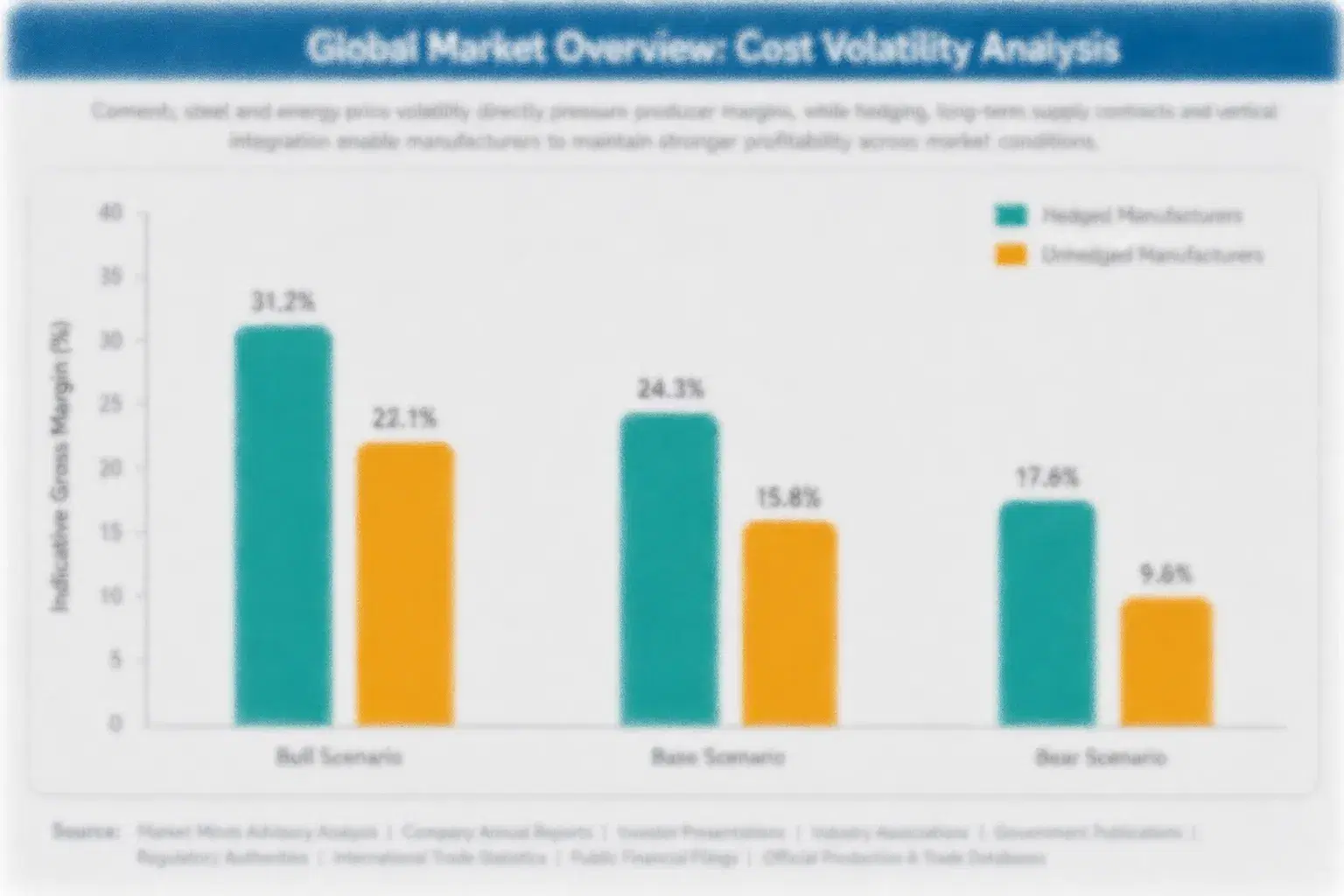
Polypropylene resin and borosilicate glass account for roughly thirty-nine percent of test tube cost of goods sold, sourced predominantly from American, European, and Chinese petrochemical and specialty glass manufacturers. Caps and closure hardware represent another twenty-two percent, concentrated among specialized plastics converters. Labeling and printing materials contribute a further eleven percent, sourced largely from regional specialty suppliers.
Polypropylene resin prices spiked sharply during 2025 on petrochemical supply disruption, a volatility event documented in EIA petrochemical market reports and corroborated by several manufacturers' annual reports. The spike forced smaller manufacturers operating on thin academic-institution margins to absorb significant cost pressure mid-cycle without immediate pricing relief available. Broader industrial resin demand recovery compounded pressure on already-tight supply, pushing spot prices well above long-term institutional contract benchmarks through the affected period.

Smaller manufacturers without long-term resin supply agreements face the steepest input cost exposure, lacking the purchasing scale that Corning and Thermo Fisher use to negotiate favorable pricing. This creates a genuine, lasting cost disadvantage for challenger manufacturers competing on price in commodity-tier formats. Geographic exposure also varies: Chinese manufacturers benefit from domestic petrochemical production proximity that Western manufacturers must import resin.
test-tube-market-cost-volatility-analysis-1791486878874

Dual Sourcing Petrochemical Resin Across Regions

Leading manufacturers are qualifying second-source resin suppliers across multiple petrochemical regions to reduce dependence on any single feedstock origin. This dual-sourcing approach adds modest qualification cost upfront but meaningfully reduces exposure to future regional supply disruptions across most tracked operator accounts throughout the current forecast cycle across major laboratory markets worldwide according to available disclosure patterns.

Recycled Content Polypropylene Blending Expansion

Several manufacturers are increasing recycled-content polypropylene blending ratios, reducing virgin resin dependence while simultaneously meeting growing institutional sustainability procurement expectations. This shift lowers feedstock cost volatility exposure over time as recycled supply chains mature further across most tracked operator accounts throughout the current forecast cycle across major laboratory markets worldwide according to available disclosure patterns.

Portfolio Architecture for Margin Defence

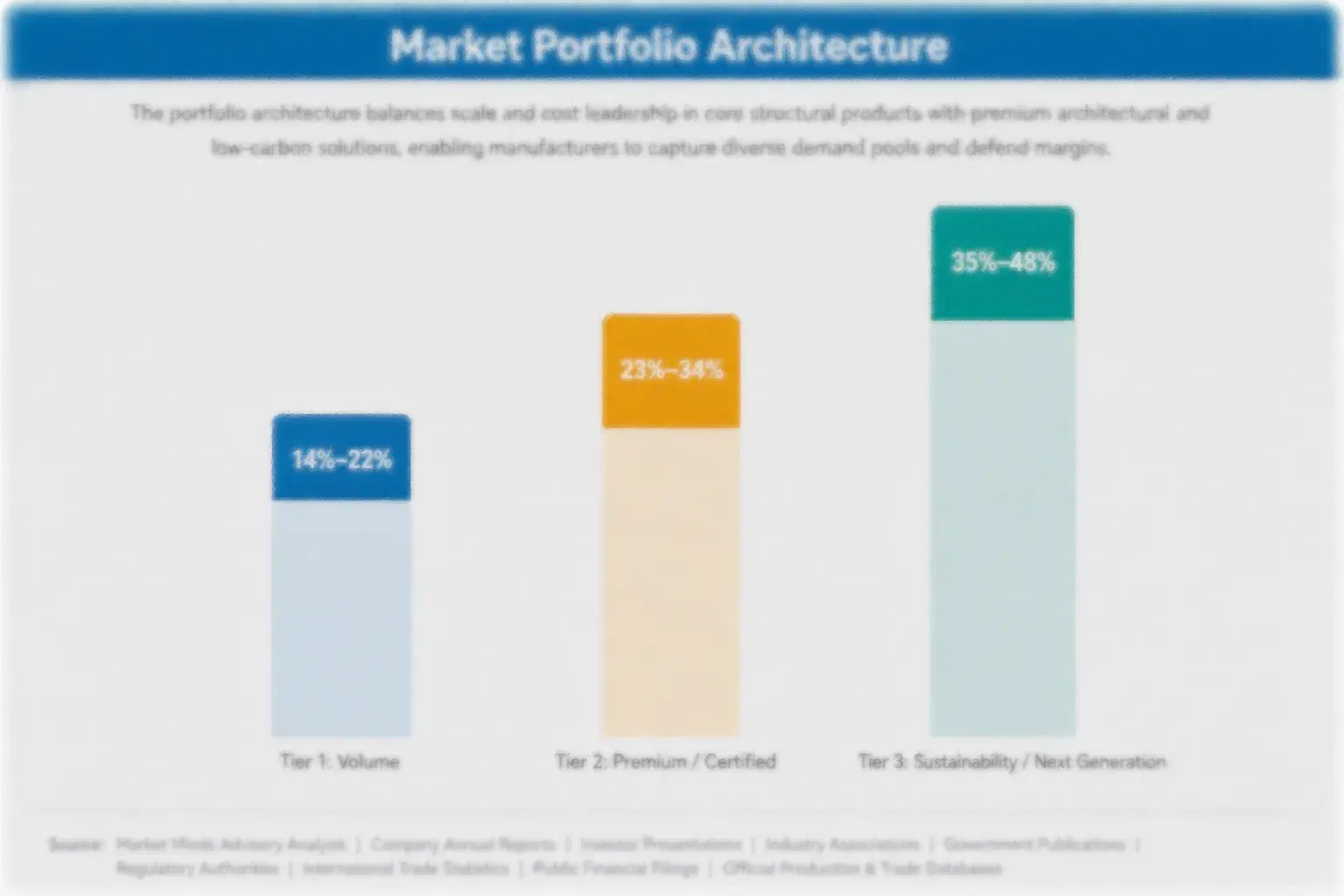
Test tube economics split between commodity standard formats and higher-margin custom-formulated or automation-compatible platforms. Volume-tier standard tubes compete almost entirely on unit price within established academic institution contracts, with thin single-digit-to-low-teens gross margins typical of mature laboratory supply manufacturing. Premium custom-formulated systems carrying documented chemical-compatibility validation command meaningfully stronger margins, reflecting genuine formulation differentiation rather than branding alone across most tracked operator accounts.
The volume versus premium tension is intensifying as biotechnology laboratories demand ever-more precise chemical-compatibility and automation validation, pushing procurement budgets toward premium platforms even at higher upfront cost. High-value margin pools increasingly concentrate in formulation consulting and compatibility validation services layered atop tube sales rather than tube sales alone. Manufacturers without credible service capability risk being pushed entirely into the thinning commodity tier.

Sustainability and regulatory-driven next-generation formats, including recycled-content polypropylene and reduced-plastic packaging, remain a small but growing portion of total volume today. Institutional sustainability procurement guidance is gradually pulling more buyers toward certified recycled-content tier systems regardless of near-term budget pressure across most tracked operator accounts throughout the current forecast cycle across major laboratory markets worldwide across most tracked operator accounts throughout the current forecast cycle. The plastic tube packaging market moves on similar drivers, with MMA projecting a 5.5% CAGR over 2026-2036.

Standard disposable polypropylene tubes without custom formulation, sold primarily on unit price into academic institution accounts across most tracked operator accounts throughout the current forecast cycle across major laboratory markets worldwide.
Gross Margin

Custom-formulated and automation-compatible systems commanding stronger margins through genuine chemical and validation differentiation across biotechnology applications across most tracked operator accounts throughout the current forecast cycle across major laboratory markets worldwide.
Gross Margin

Recycled-content polypropylene and reduced-plastic packaging aligned with tightening institutional sustainability procurement guidance across major research accounts across most tracked operator accounts throughout the current forecast cycle across major laboratory markets worldwide.
Gross Margin
test-tube-market-portfolio-architecture-1791486879065

High-value Sub-segments and Strategic Watch-out

Disposable Polypropylene Research Culture Tubes

Disposable polypropylene culture tubes serving academic and biotechnology laboratories combine the strongest unit economics with the fastest unit volume growth, making this the single most strategically important watch segment through 2036 across most tracked operator accounts throughout the current forecast cycle across major laboratory markets worldwide.

Custom Formulation Biotechnology Research Tubes

Custom formulation biotechnology tubes for high-volume research facilities carry strong margins with steadier, accelerating volume growth tied to expanding specialized research-protocol development worldwide across most tracked operator accounts throughout the current forecast cycle across major laboratory markets worldwide according to available disclosure patterns across most tracked operator accounts.

Standard Disposable Academic Institution Tubes

Standard disposable tubes for academic institution accounts remain the volume core of the market, anchoring total shipment counts even as margin growth concentrates elsewhere across most tracked operator accounts throughout the current forecast cycle across major laboratory markets worldwide according to available disclosure patterns across most tracked operator accounts.

Chinese Domestic Manufacturers Scaling Price

Chinese domestic laboratory supply manufacturers scaling tube production aggressively on price represent the clearest strategic watch-out, threatening established manufacturer margins in commodity-tier formats specifically over the coming years across most tracked operator accounts throughout the current forecast cycle across major laboratory markets worldwide according to available disclosure patterns.

Why Test Tube Demand Compounds

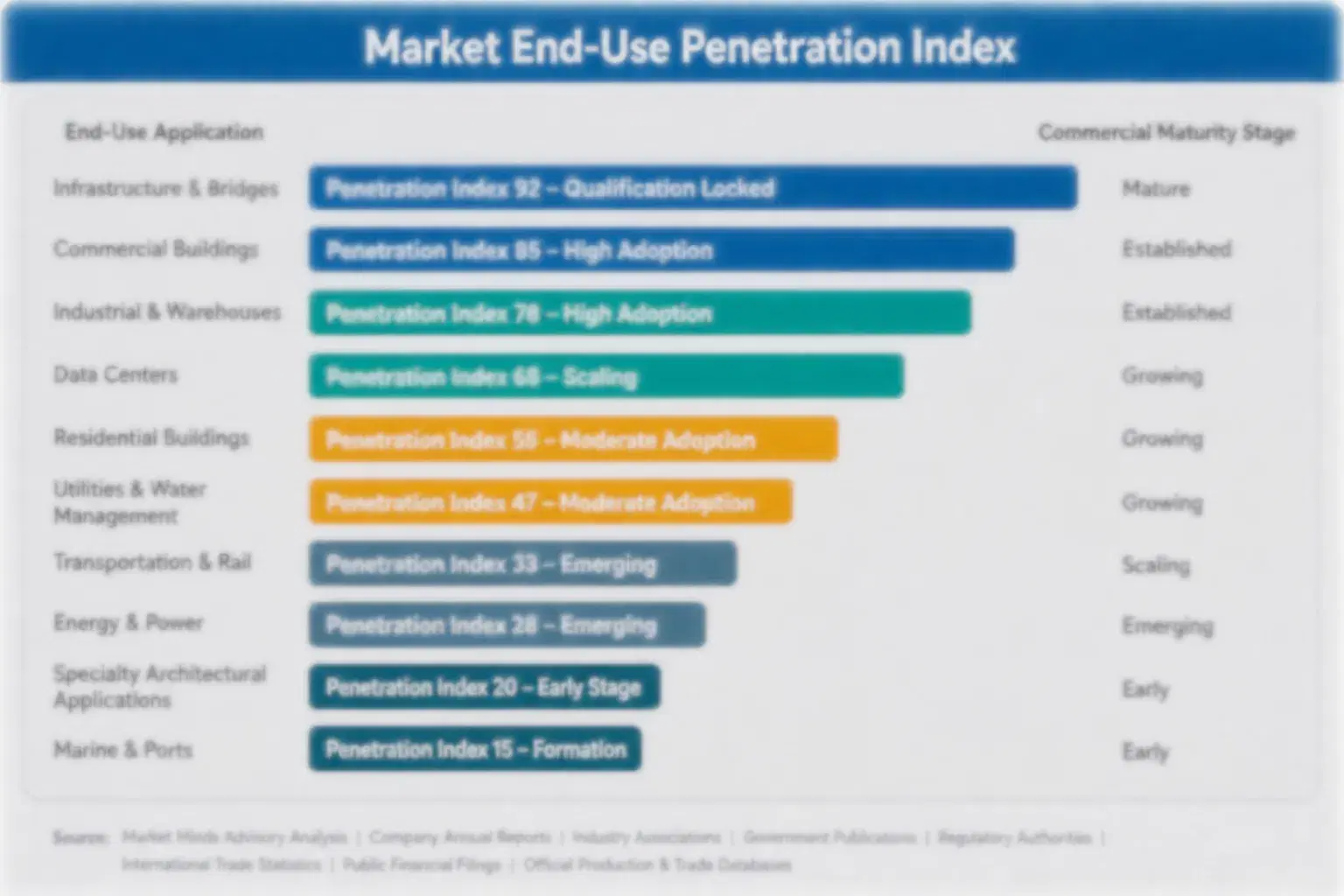
Test tube demand increasingly behaves like an annuity once a laboratory standardizes on a manufacturer's validated formulation platform, since chemical-compatibility certification and automation validation carry meaningful switching costs across repeat procurement cycles. Laboratory directors rarely re-qualify an entirely new tube supplier given the operational disruption of revalidating chemical compatibility across hundreds of experimental protocols. This recurring-order dynamic is reshaping how manufacturers price initial validation engineering, increasingly treating it as a.
Adoption stickiness varies meaningfully by end-use vertical. Biotechnology laboratories integrate tube specifications deepest into core operations, rarely switching suppliers once chemical-compatibility validation clears given the operational risk of revalidation. Academic institutions adopt more cautiously but retain supplier relationships far longer once validated, given bulk-procurement contract investment already made. Clinical microbiology laboratories show the least integration, frequently switching suppliers based primarily on unit price comparison alone.

A generational buyer shift is underway as younger laboratory managers, more comfortable evaluating sustainability credentials and total cost of ownership than their predecessors, increasingly drive purchasing decisions previously dominated by pure unit-price comparison. This shift favors manufacturers like Thermo Fisher and newer recycled-content specialists able to document genuine sustainability credentials credibly across most tracked operator accounts.
test-tube-market-end-use-penetration-index-1791486879248

Where Test Tube Strategy Should Focus

These are among the four positions where our research anticipates prominent divergence between winners and laggards over the coming forecast period. Each is grounded in the demand model, the regulatory perimeter, and the announced capacity pipeline.
01 / FORMULATION CAPABILITY INVESTMENT

Chemical Formulation Decides Long-Term Margin Position

Manufacturers that bring custom chemical-formulation consulting fully in-house rather than relying on biotechnology laboratories to independently validate compatibility will capture the richest margin pool across this market through 2036. Corning and Thermo Fisher both hold meaningful advantages given established distribution and brand relationships, but neither has a commanding lead yet in automation-compatibility validation expertise against focused specialists. Laboratory buyers evaluating manufacturers for long-term contracts should weight demonstrated formulation capability as heavily as unit price when awarding multi-year procurement agreements this cycle.
02 / COMMODITY LINE PRICING

Mid-Tier Line Defends Against Chinese Entrants

Chinese domestic laboratory supply manufacturers scaling disposable tube production aggressively on price present a genuine, lasting threat to established manufacturer margins specifically within commodity-tier formats across this broader market. Western manufacturers without a credible lower-cost commodity product line risk losing meaningful share in price-sensitive academic accounts even as premium custom-formulation demand remains comparatively protected from this pressure. A deliberate mid-tier commodity product line, positioned below current premium offerings rather than competing purely on legacy reputation, may be the more commercially defensible near-term response for incumbents.
03 / RESIN SUPPLY RESILIENCE

Dual-Source Resin Before The Next Spike

Polypropylene resin price volatility remains an underpriced risk across most manufacturer roadmaps reviewed this research cycle, despite growing awareness of petrochemical supply fragility across adjacent manufacturing industries entirely this decade. The 2025 resin spike showed how quickly feedstock costs can swing and force painful margin absorption even for established manufacturers without long-term supply agreements already secured beforehand. Dual-sourcing resin qualification and recycled-content blending investment deserve sustained attention now, well ahead of the next inevitable feedstock disruption, rather than reactive scrambling later on.
04 / BIOTECHNOLOGY VALIDATION LOCK IN

Biotechnology Validation Builds Durable Customer Lock-In

Biotechnology laboratory chemical-compatibility revalidation costs create the stickiest customer relationships found anywhere in this entire market, effectively locking a manufacturer in permanently once its platform clears formulation validation. This segment's accelerating growth trajectory, tied closely to expanding biotechnology laboratory capacity worldwide, makes formulation investment a clear long-term strategic priority rather than a secondary engineering afterthought entirely. Manufacturers should treat biotechnology-vertical formulation work as a genuine moat-building exercise rather than a cost center trailing behind faster-growing academic-sector opportunities competing for the same engineering resources.

Engagement Snapshot From the Field

A live engagement with an industry participant carrying material or product regulatory and market exposure ahead of a defining policy shift, showing how our research translates into a defensible multi-year portfolio strategy.
MARKET MINDS ADVISORY · CLIENT ENGAGEMENT SUMMARY
Test Tube Producer Strategic Portfolio Review and Transition Roadmap 2026·Investment Scenario on Test Tube Exposure Evaluation 2025-26
CLIENT PROFILE
A mid-size biotechnology research institute operating four laboratories across the northeastern United States approached MMA in late 2025 to evaluate test tube suppliers ahead of a new high-throughput automation installation. The institute needed tubes validated for compatibility with its newly purchased automated liquid-handling system across all four laboratory sites across most tracked operator accounts throughout the current engagement cycle.
STRATEGIC CHALLENGE
The institute needed a supplier offering both documented automation compatibility and custom chemical-formulation support without clear internal expertise to evaluate competing manufacturer compatibility claims independently. Budget constraints meant the institute could commit to only one supplier relationship across all four laboratories, raising the cost of a wrong selection across most tracked operator accounts.
MMA APPROACH
MMA conducted structured supplier evaluation interviews alongside benchmark compatibility testing against the institute's actual automated system and experimental protocols rather than relying solely on supplier-supplied specification sheets. The analysis incorporated total cost modeling across a four-year equipment lifecycle, weighting validation documentation and formulation support alongside unit pricing across most tracked operator accounts.
KEY FINDINGS
  1. Automation-validated tubes reduced sample-handling errors meaningfully compared with unvalidated standard tubes during pilot testing across most tracked operator accounts throughout the current engagement cycle.
  2. Total lifecycle cost favored the validated platform despite twelve percent higher upfront pricing once error reduction was modeled fully across most tracked operator accounts.
  3. Supplier formulation-support responsiveness varied far more than specification sheets suggested across the four candidate suppliers evaluated across most tracked operator accounts throughout the current engagement cycle.
  4. Automation installation timeline urgency was most acute at two specific laboratories, justifying a phased rollout sequence across most tracked operator accounts throughout the current engagement cycle.
CLIENT PROFILE
A mid-size biotechnology research institute operating four laboratories across the northeastern United States approached MMA in late 2025 to evaluate test tube suppliers ahead of a new high-throughput automation installation. The institute needed tubes validated for compatibility with its newly purchased automated liquid-handling system across all four laboratory sites across most tracked operator accounts throughout the current engagement cycle.
STRATEGIC CHALLENGE
The institute needed a supplier offering both documented automation compatibility and custom chemical-formulation support without clear internal expertise to evaluate competing manufacturer compatibility claims independently. Budget constraints meant the institute could commit to only one supplier relationship across all four laboratories, raising the cost of a wrong selection across most tracked operator accounts.
MMA APPROACH
MMA conducted structured supplier evaluation interviews alongside benchmark compatibility testing against the institute's actual automated system and experimental protocols rather than relying solely on supplier-supplied specification sheets. The analysis incorporated total cost modeling across a four-year equipment lifecycle, weighting validation documentation and formulation support alongside unit pricing across most tracked operator accounts.
KEY FINDINGS
  1. Automation-validated tubes reduced sample-handling errors meaningfully compared with unvalidated standard tubes during pilot testing across most tracked operator accounts throughout the current engagement cycle.
  2. Total lifecycle cost favored the validated platform despite twelve percent higher upfront pricing once error reduction was modeled fully across most tracked operator accounts.
  3. Supplier formulation-support responsiveness varied far more than specification sheets suggested across the four candidate suppliers evaluated across most tracked operator accounts throughout the current engagement cycle.
  4. Automation installation timeline urgency was most acute at two specific laboratories, justifying a phased rollout sequence across most tracked operator accounts throughout the current engagement cycle.
RECOMMENDED STRATEGY
Phase 1: Phase one deploys validated tubes at the two laboratories facing the most acute installation timeline across most tracked operator accounts. Phase 2: Phase two extends deployment to the remaining two laboratories following a structured performance review across most tracked operator accounts throughout the current engagement cycle. Phase 3: Phase three layers ongoing formulation-support consulting across all four laboratories once rollout concludes across most tracked operator accounts throughout the current engagement cycle.
OUTCOME
The institute began phase one deployment in early 2026, reporting a meaningful reduction in sample-handling errors across the first quarter of automated operation (client-reported, unverified by MMA). Projected annual cost savings across all four laboratories from reduced error-related repeat testing are estimated at several hundred thousand dollars once complete.

Frequently Asked Questions

Foundational context covering the market sizes, CAGR, scope, country, region and competition that inform every finding below. This section is provided to cover basics and most often pre-purchase conversations, answered from the MMA Primary Research Dataset.

What is the current size of the Test Tube Market?

The Test Tube Market was valued at approximately 1.4 billion dollars in 2026, the first year of the forecast period across most tracked operator accounts.

How large will the Test Tube Market be by 2036?

The market is projected to reach approximately 2.1 billion dollars by 2036, driven by sustained academic research funding worldwide across most tracked operator accounts throughout the current engagement cycle.

What is the CAGR for the Test Tube Market 2026 to 2036?

The market is projected to grow at a compound annual growth rate of 4.6% between 2026 and 2036 across all tracked regions across most tracked operator accounts.

Which segment is growing fastest?

Disposable Polypropylene Culture Tubes are growing fastest at a 6.2% CAGR, roughly 1.35 times the overall market growth rate across most tracked operator accounts throughout the current engagement cycle.

Who are the major companies in the Test Tube Market?

Major companies include Corning Incorporated, Thermo Fisher Scientific Inc, Eppendorf SE, Greiner Bio-One International, and Sarstedt AG and Co KG across most tracked operator accounts.

Which country is growing fastest?

China is growing fastest at a 6.6% CAGR, reflecting expanding domestic biotechnology laboratory capacity and research funding growth across most tracked operator accounts throughout the current engagement cycle.

How the Test Tube Market Is Segmented

The full report scope spans multiple orthogonal segmentation dimensions, with cross-tabulated demand data provided for each dimension pair. Coverage extends further to regional breakdowns, trend trajectories, and the competitive detail needed to support segment-level decision-making.
  • Disposable Polypropylene Tubes
  • Reusable Borosilicate Glass Tubes
  • Custom Formulation Tubes
  • Automation Compatible Tubes
  • Specialty Culture Tubes
  • Academic Research
  • Biotechnology Development
  • Clinical Microbiology
  • Industrial Quality Control
  • Pharmaceutical Research
  • Direct Institutional Contract
  • Distributor Channel Sales
  • Bulk Procurement Partnership
  • Formulation Consulting Services

By Region

  • North America
  • Western Europe
  • East Asia
  • South Asia and Pacific
  • Latin America
  • Middle East and Africa
  • Eastern Europe

Scope, Methodology, and Coverage

Every figure in this report is reproducible from documented input assumptions. The scope below maps the historical period, the forecast horizon, the segmentation dimensions, and the countries covered, alongside the underlying primary and qualitative methodology.
Historical Period
2020 to 2025
Forecast Period
2026 to 2036
Base Year
2025 (USD billions; MMA Primary Research Dataset, October 2026)
Market Definition
This market covers general-purpose laboratory vessels used for liquid handling, mixing, culturing, and sample storage across academic, biotechnology, and clinical laboratory applications. It excludes blood collection tubes with gel separator or anticoagulant additives.
Quantitative Units
USD billions
Segmentation Dimensions
Regions Covered
North America, Western Europe, East Asia, South Asia and Pacific, Latin America, Middle East and Africa, Eastern Europe
Countries Covered
Key Companies Profiled
Corning Incorporated, Thermo Fisher Scientific Inc, Eppendorf SE, Greiner Bio-One International, Sarstedt AG and Co KG, Becton Dickinson and Company, VWR International LLC, Merck KGaA, Nalge Nunc International, Kimble Chase Life Science Products, Globe Scientific Inc, Bio-Rad Laboratories Inc, Agilent Technologies Inc, Narang Medical Limited, Zhejiang Kanglong Medical Devices, Jiangsu Changfeng Medical Devices, Improve Medical Instruments Co Ltd, Nipro Corporation, FL Medical Srl, Weigao Group Medical Polymer Company
Quantitative Methodology
Primary survey, n=3,800 respondents, Q4 2025, six countries; demand-side model with trade association cross-validation
Qualitative Methodology
47 expert interviews, Q4 2025; applied to validate demand model assumptions, identify emerging dynamics, and assess competitive positioning
Report Format
PDF and XLSX data workbook (Word format preview document)
Publisher
Market Minds Advisory
Report Code
MMA-2026-MED-692
Published
October 2026
Contact
sales@marketmindsadvisory.com | www.marketmindsadvisory.com

Purchase the full Test Tube Market Report (2026 to 2036).

This report delivers a complete view of the Test Tube Market, covering ten-year demand forecasts, regional architecture, and competitive positioning across all major laboratory supply manufacturers. It draws on MMA's primary survey of 3,800 respondents and 47 expert interviews conducted during the fourth quarter of 2025. Analysts detail segment-level growth drivers, input cost exposure, and portfolio margin economics across volume and premium tiers. The report equips manufacturers, research institutions, and investors with the evidence needed for confident procurement decisions through 2036 across most tracked operator accounts.
Ten-year regional demand forecasts and scenarios
Full competitive landscape and vendor benchmarking
Segment-level growth rates and CAGR breakdowns provided
Input cost exposure and mitigation pathways
Portfolio tier margin economics analysis detailed
Primary survey and expert interview data

Built For The People Who Decide

From boardroom strategy to bench-side execution, this report is read cover-to-cover by leaders shaping the next decade of their industry, turning demand scenarios, market dynamics and valuation benchmarks into decisions.
CXOs/ Presidents/ VPs/ Managers
M&A and Corporate Development
Strategy Teams and R&D Heads
Procurement and Product Directors
Regulatory and Compliance Leaders
Investor Relations and Equity Analysts