Market Minds Advisory
Teleradiology Services Market

Teleradiology Services Market: A Staffing Business With Routing Software Attached

Image transfer has been a solved problem for two decades, so nothing here is really about technology, and the actual barrier is holding licences and hospital credentials for radiologists across thousands of separate institutions.

Lead Analyst

Published

September 2026

Make Smarter Decisions with Customized Research Insights

Request a free sample report and evaluate market opportunities, growth trends, and competitive dynamics relevant to your business needs.

2025 MARKET VALUE$4.4BMarket Size 2025
2036 FORECAST VALUE$10.7BBase Case , 2026 to 2036
CAGR 2026 TO 20368.4 %Bull 9.6% / Bear 7.2%
INCREMENTAL OPPORTUNITY$5.9BNet 10- year value creation
EXPANSION MULTIPLE2.24x2036 value over 2026 base
Strategic Levers
M&A Pipeline
Regional Outlook
Country Rankings
Competitive Intelligence
Segmental Deep-dive
Call-Us : 91 93563 13602

Executive Snapshot and Market Trajectory

Moving images between hospitals stopped being difficult around twenty years ago. What is scarce is radiologists, which makes every company in this market a staffing operation with a worklist router attached, whatever their marketing says about platforms and connectivity. Recruitment failure rather than cost brings hospitals here.
North America takes 35% of value because American imaging volumes, radiologist shortages and overnight coverage requirements created this industry and still sustain most of it. Subspecialty interpretation grows at 12.6%, half again the market rate of 8.4%, because a hospital cannot hire a neuroradiologist for the four difficult studies it sees each week and a network can supply one within the hour. No hospital could build that alone.
Concentration is low at 27% and the genuine barrier to entry is administrative rather than technical. A radiologist reading an American study needs a licence in that state and credentials at that specific hospital, and maintaining thousands of those relationships is enormous ongoing work. Software can be bought in a quarter, and a credentialing operation takes years to assemble properly. Software can be bought quickly and that operation cannot be assembled at any speed.
Market Definition
The market covers remote medical image interpretation services delivered by radiologists working away from the imaging site, including after-hours preliminary reads, final interpretation outsourcing, subspecialty interpretation services, managed radiology department services, cross-border offshore reading, and emergency and trauma rapid read services. Imaging equipment, picture archiving and communication software sold as a product, artificial intelligence detection tools sold standalone, and on-site radiology staffing are excluded. Radiology practice management consulting falls outside scope.
Base Year Value
$4.4B in 2025 (MMA Primary Research Dataset, August 2026)
Forecast Period
2026 to 2036, eleven discrete annual values
CAGR
8.4% base case. Bull 9.6%. Bear 7.2%.
Fastest Growth Segment
Subspecialty Interpretation Services: 12.6% CAGR
Fastest Growth Country
India: 10.6% CAGR
Fastest Growth Region
South Asia and Pacific: 10.2% CAGR
Largest Region
North America: 35% of 2025 global value
Market Leaders
Radiology Partners, RadNet, Everlight Radiology, Medica Group, Teleradiology Solutions. Source: MMA Analysis based on disclosed radiology services and imaging informatics revenue, company annual reports 2025.
Primary Survey
n=3,800 procurement and R&D decision-makers, Q4 2025, six countries
Methodology
Demand-side build-up, cross-validated against public data, 47 expert interviews

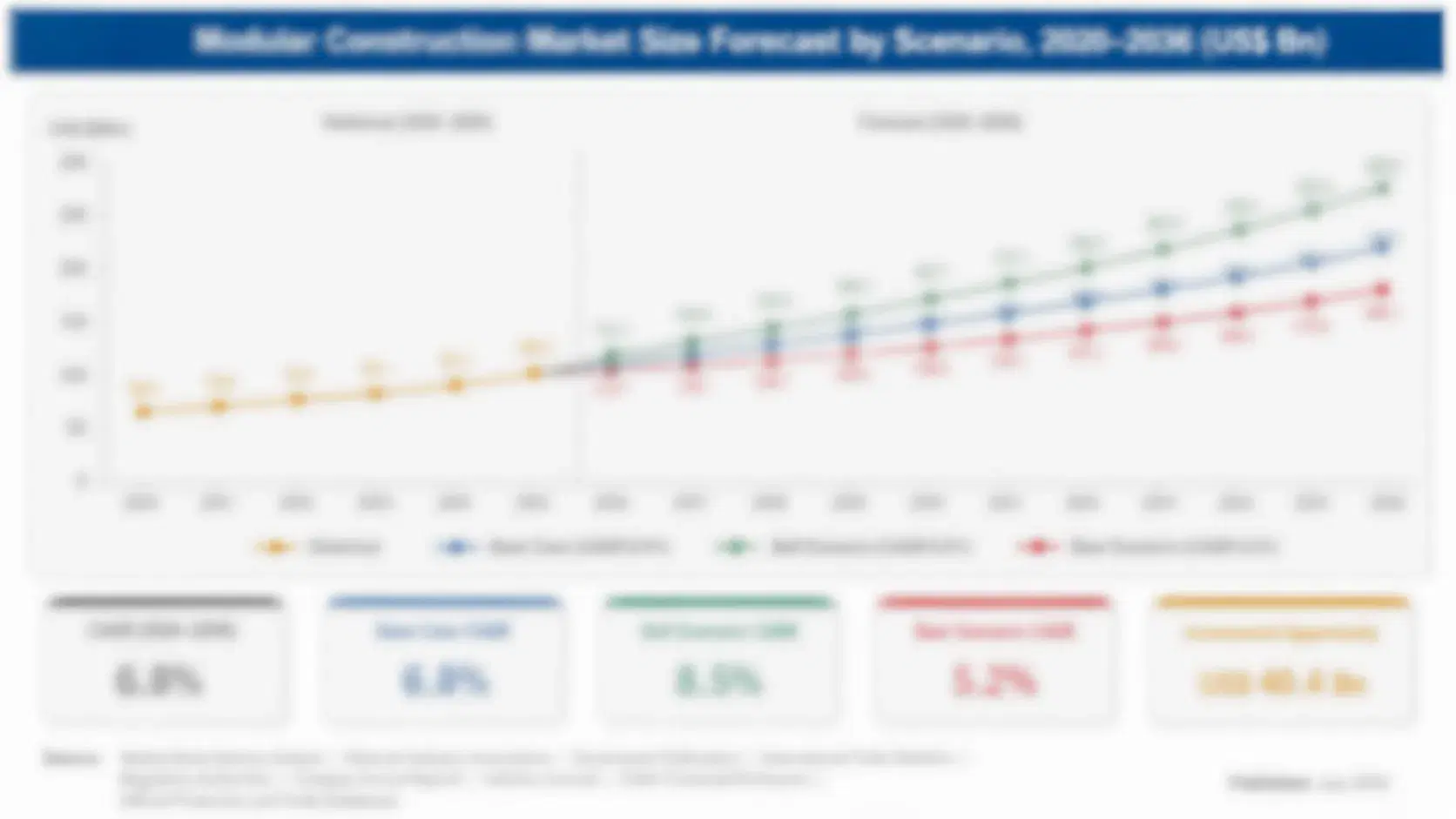
Teleradiology Services Market Forecast Scenarios

teleradiology-services-market-size-forecast-scenario-1787689990841
Growth from 2020 to 2025 ran at 7.4% and workforce pressure drove almost all of it. Imaging volumes recovered quickly after 2020 while radiologist numbers did not grow at anything like the same rate, and studies per radiologist rose to levels that generated genuine burnout concern across several national workforces. Hospitals turned to remote reading because hiring produced no candidates.
The 8.4% base case rests on three mechanisms. Subspecialty coverage keeps expanding because hospitals cannot justify hiring specialists for low-volume study types and networks can supply them on demand. Managed department arrangements are replacing piecemeal outsourcing as hospitals conclude that running radiology at all has become impractical. And imaging volumes keep rising faster than radiologist training pipelines can possibly respond in any developed health system. Each mechanism operates independently of the other two entirely.
The bull case at 9.6% turns on more hospitals outsourcing whole departments rather than overflow, which would convert episodic contracts into managed service revenue at considerably higher value per site. The bear case at 7.2% is artificial intelligence triage improving throughput enough that existing radiologist capacity absorbs volume growth, which would slow the outsourcing that workforce scarcity currently forces.

Scarcity Sold As Connectivity

Everything commercially interesting here follows from one fact: there are not enough radiologists. Imaging volume has risen steadily while training pipelines produce roughly the same number of specialists each year, and reported workloads have reached about 18,400 studies annually per radiologist in the busiest systems. Hospitals outsource because recruitment produces no candidates rather than because remote reading is cheaper. The technology carrying those images was solved two decades ago.
FIVE-FIRM CONCENTRATION27%Share of radiology services revenue held by leading providers
CROSS-SECTIONAL STUDY FEE$32Typical professional fee for one remotely interpreted advanced study
TOP CONSUMING COUNTRYUSA 31%American share of global remote interpretation value consumed
STUDIES PER RADIOLOGIST18,400Annual reported volume per practising radiologist in high demand systems
CREDENTIALING LEAD TIME94 daysTypical time to credential one radiologist at one hospital
CRITICAL RESULT TURNAROUND22 minutesContracted reporting time for urgent findings under service agreements
The barrier to entry is paperwork rather than engineering. A radiologist interpreting an American study requires a licence in the state where the patient is and credentials at the specific hospital, and each of those credentialing processes takes around 94 days. A thousand-hospital network maintains hundreds of thousands of active relationships continuously. Comparable software is a quarter's purchase; that operation takes years.
Subspecialty coverage is where the proposition stops being arbitrage and becomes a genuine capability. A hospital seeing four complex neurological studies a week cannot justify employing a neuroradiologist, and a general radiologist reading those studies produces a demonstrably weaker report. A network aggregating demand across hundreds of sites can staff subspecialists properly and deliver one within the hour. No hospital could construct that for itself at any price.
"Nobody buys teleradiology because the pictures move quickly. They buy it because they advertised a radiologist post for eleven months and nobody applied."
Director, Diagnostic Imaging Services Practice · MMA Technology Practice · August 2026

Market Trends

Managed Departments Replace Piecemeal Overflow Outsourcing

Hospitals began by sending overnight studies to remote networks and increasingly hand over the entire radiology function, because maintaining a department has become impractical where recruitment produces no candidates. Managed arrangements cover routine daytime reporting, subspecialty coverage, quality assurance and frequently the on-site presence that procedures require. Growth at 10.8% reflects that shift from episodic overflow to whole-service responsibility. Contract value per hospital rises several times over, and the provider assumes clinical governance obligations that overflow reading never carried at all. Entrants routinely underestimate that obligation. Governance transfers with the function.
Market Impact: Handles 18,400 studies yearly
Artificial Intelligence Improves Turnaround Rather Than Headcount

Detection and triage tools reorder a worklist and flag likely critical findings so the urgent study reaches a radiologist first, which improves the turnaround metrics that service agreements are actually written on. Contracted urgent reporting frequently sits around 22 minutes, and hitting that consistently is what renews contracts. What these tools have not done is reduce radiologist headcount, because a report still requires a specialist to produce and sign it. Vendors promising staffing reduction have consistently disappointed, while those promising service level performance have delivered. Service level performance is what renews contracts.
Market Impact: Covers 6 subspecialty disciplines

Market Opportunities and Growth Drivers

Radiologist Supply Cannot Match Imaging Volume Growth

Cross-sectional imaging volumes have risen steadily for two decades while radiology training numbers have moved very little, producing reported workloads near 18,400 studies annually per radiologist in the busiest health systems. Hospitals advertising posts frequently receive no applications at all, particularly outside major cities. Remote reading is therefore a response to a recruitment failure rather than a cost optimisation, which changes how it should be sold entirely. Providers positioning on price are answering a question hospitals stopped asking several years ago. Price arguments miss the point entirely. Recruitment failure drives it.
Market Impact: Delays coverage by 94 days

Subspecialty Expectations Rise Faster Than Hospitals Can Staff

Clinical expectations increasingly assume subspecialty interpretation for complex neurological, musculoskeletal and paediatric imaging, and a general radiologist reading those studies produces measurably weaker reports. A hospital seeing a handful of such studies weekly cannot justify employing the specialist. Networks aggregating demand across hundreds of sites staff subspecialists properly and deliver coverage within the hour. That capability grows at 12.6% and represents genuine service creation rather than the labour arbitrage that built the original nighthawk model. Capability rather than capacity is what those hospitals are actually buying, and it costs considerably more per reader to supply.
Market Impact: Commits to 22 minute reporting

Market Restraints and Challenges

Credentialing Administration Limits How Fast Anybody Scales

A radiologist reading for a hospital needs a licence in that jurisdiction and credentials at that specific institution, and each credentialing process takes around 94 days. Root cause is that hospital privileging is designed around employed medical staff rather than around distributed reading networks. The commercial impact is that winning a contract does not mean serving it, since coverage depends on how many credentialed readers exist for that site. Mitigation runs through centralised credentialing teams and reciprocity arrangements, neither of which removes the underlying delay. Winning is not the same as serving.
Market Impact: Raises contract value 4 times

Contracted Turnaround Creates Permanent Overnight Obligation

Service agreements specify urgent reporting around 22 minutes and routine turnaround in hours, which commits a provider to continuous staffed coverage regardless of volume on any given night. Root cause is that hospitals buy availability rather than throughput. The commercial impact is a fixed cost base that quiet periods do not reduce, and margin that depends entirely on volume density across the contracted network. Mitigation involves aggregating enough hospitals across time zones to keep readers occupied, which favours scale providers considerably. Scale providers hold a durable advantage. Density decides margin entirely.
Market Impact: Protects a 22 minute commitment
3 additional market trends, 4 additional growth drivers, and 2 additional restraints and challenges are covered in the full report. Contact sales@marketmindsadvisory.com to access the complete intelligence.

Segment CAGR and Growth Architecture

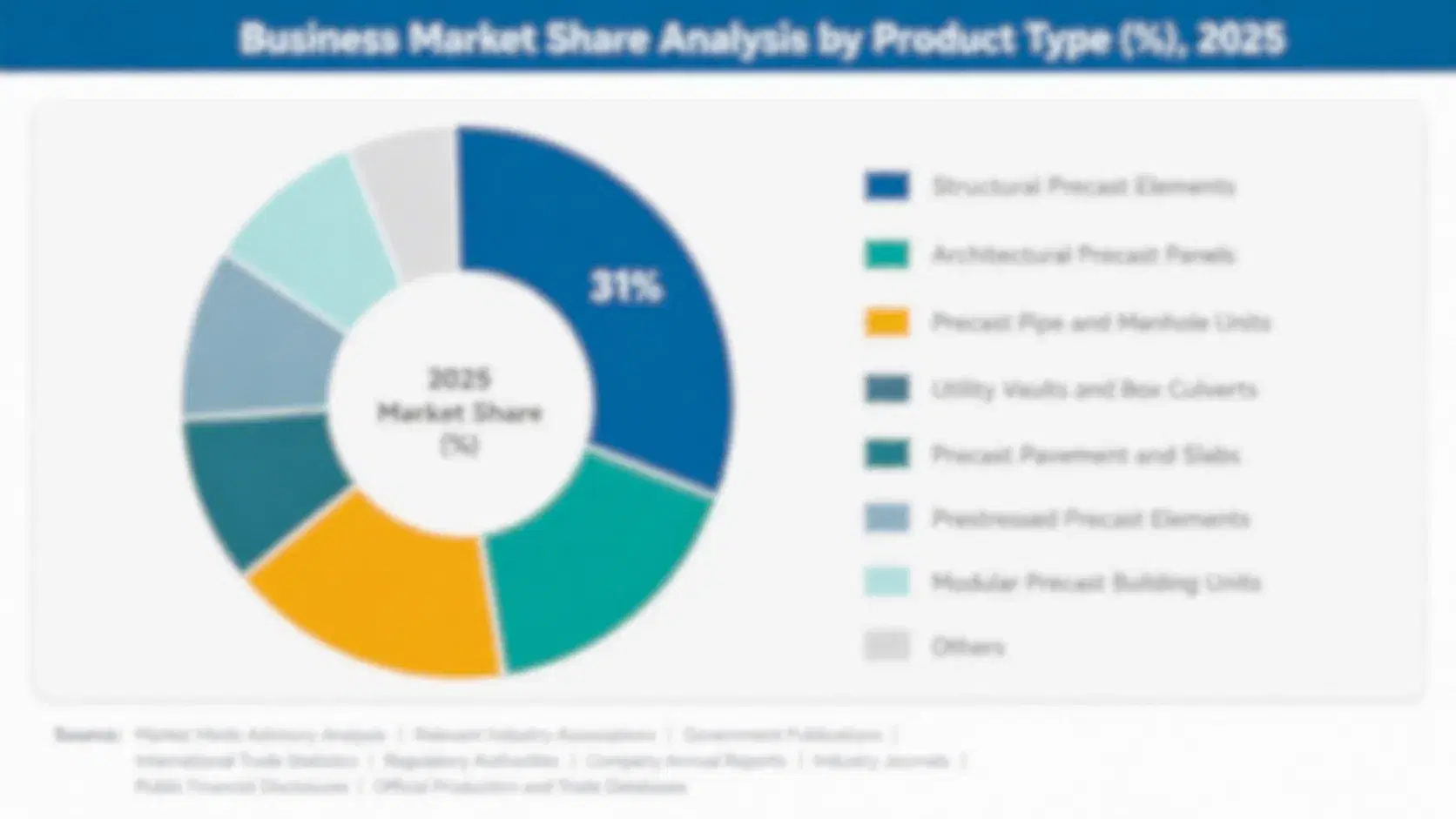
Segmentation follows service model: what a provider takes responsibility for and under what obligation, rather than which imaging modality is read or which hospital buys it. Six models cover the market without overlap, from after-hours preliminary reads through to emergency rapid read services. Modality and contracting route are treated separately here. Both cut across all six models listed.
teleradiology-services-market-market-share-analysis-1787689991117

Subspecialty Interpretation Services

A hospital seeing four complex neurological studies each week cannot justify employing a neuroradiologist, and a general radiologist reading them produces a demonstrably weaker report that referring clinicians increasingly notice. Networks aggregating that demand across hundreds of sites staff subspecialists properly and deliver coverage within the hour. Growth at 12.6%, half again the market rate of 8.4%, reflects genuine capability creation rather than the labour arbitrage that built the original overnight model. This is the one part of the market where a provider offers something a hospital could not construct for itself at any price at all. Recruitment rather than technology limits how quickly it grows. Scarcity constrains both sides.
CAGR 12.6%

Managed Radiology Department Services

Handing over an entire radiology function rather than overflow reading is increasingly the arrangement hospitals choose, because maintaining a department where recruitment yields no candidates has become impractical rather than merely difficult. Managed contracts cover routine daytime reporting, subspecialty access, quality assurance and often the on-site presence that interventional procedures require. Growth at 10.8% follows that shift, and contract value per hospital rises several times over. The provider also assumes clinical governance obligations that overflow reading never carried, which is a considerably heavier commitment than most entrants appreciate. A hospital that dismantled its own department has nothing to take back, which makes these relationships close to unbreakable in practice. Switching means transferring governance.
CAGR 10.8%
Full segment breakdown across 6 segments available in the complete report.

Regional Architecture and Country Demand Map

Geography follows radiologist scarcity and imaging volume rather than technology availability, which is universal. North America leads because it created this industry to solve overnight coverage, while South Asia supplies much of the reading capacity that serves everybody else. Supply and demand for reading capacity sit in different places entirely.

North America

North America takes 35%, above the 22 to 32% default band, because American imaging volumes, radiologist shortages and overnight coverage requirements created this industry and continue to sustain the majority of it. State licensure and hospital privileging make credentialing the dominant operational burden, with each process running around 94 days. Consolidation among radiology practice groups has produced networks of a scale nowhere else approaches. Managed department arrangements are furthest advanced here, particularly across rural and community hospitals unable to recruit. Canadian provincial systems contract more conservatively, and Mexican demand runs through private hospital groups. Radiology practice group consolidation has produced networks at a scale nowhere else approaches, which compounds both credentialing and time zone advantages considerably.
Share: 35% | CAGR: 7.6% (2026 to 2036)

Western Europe

European provision is shaped by national licensure and by health systems that have generally been slower to outsource clinical functions than American hospitals. British radiology faces acute workforce shortages and outsources substantial reporting volume, with independent providers reading for National Health Service trusts routinely. Nordic systems contract for subspecialty coverage rather than general overflow. German and Dutch hospitals outsource more selectively. Cross-border reading within Europe is legally workable and culturally resisted, since responsibility for a report crossing a national boundary raises governance questions that hospitals prefer to avoid entirely. Governance questions rather than legal barriers limit cross-border reading, and hospitals prefer to avoid those questions entirely wherever they reasonably can.
Share: 22% | CAGR: 6.8% (2026 to 2036)
Regional intelligence for 5 additional markets available in the complete report: East Asia, South Asia and Pacific, Latin America, Middle East and Africa, Eastern Europe. Contact sales@marketmindsadvisory.com.
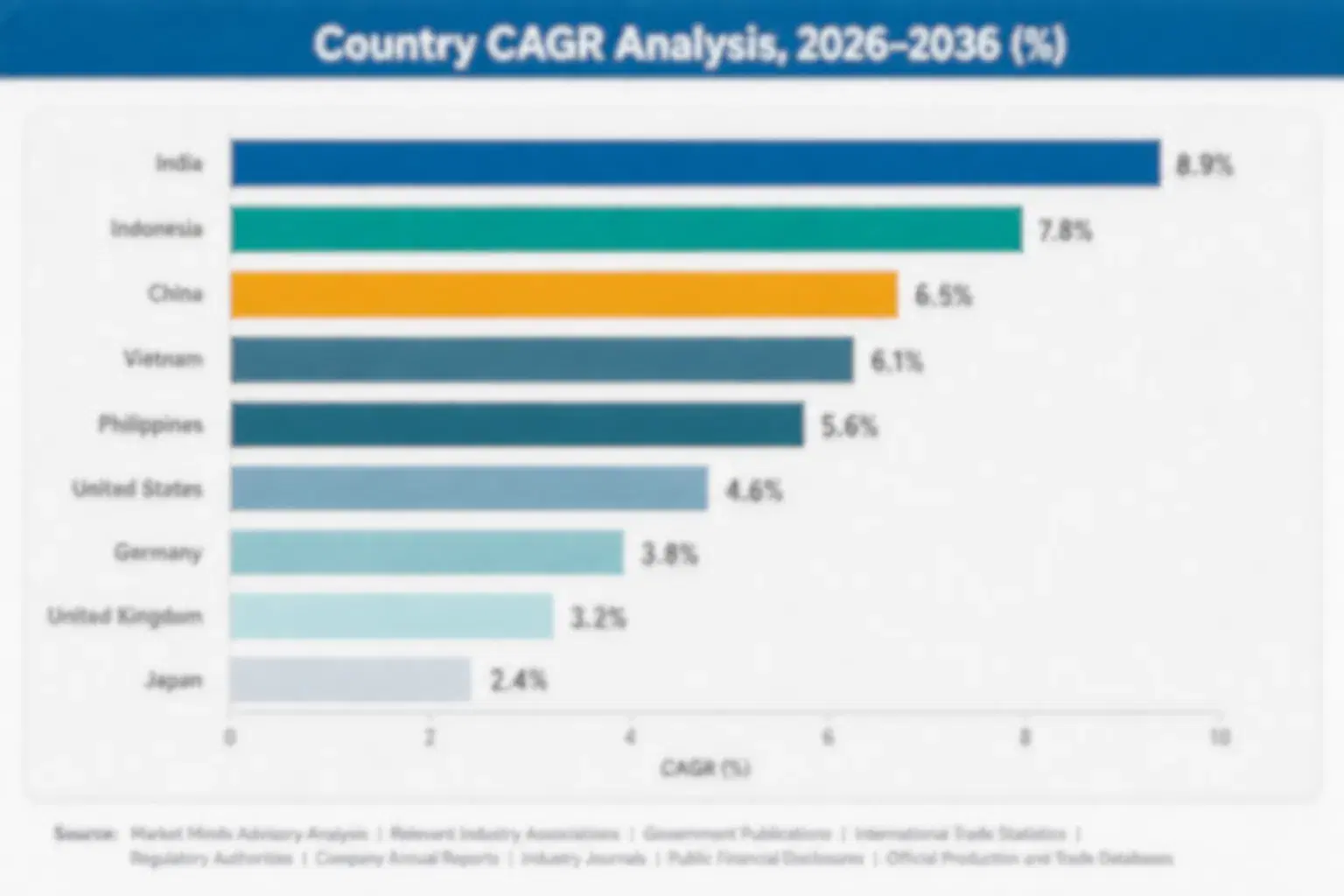
teleradiology-services-market-country-cagr-analysis-1787689991382

Building Capacity Nobody Can Hire

Credentialing takes around 94 days per hospital, contracted turnaround commits providers to permanent staffed coverage, and hospitals buy because recruitment failed rather than because remote reading is cheap. Four levers work on administration, capability and contract structure rather than on the technology, which nobody is choosing between. Nobody is choosing between platforms any more.

Industrialise Credentialing As A Core Capability

Each hospital credentialing process takes around 94 days, and a network covering a thousand sites with several hundred radiologists maintains hundreds of thousands of active relationships continuously. Winning a contract means nothing until credentialed readers exist for that site. Providers who built industrialised credentialing operations can serve a new hospital in weeks where competitors take months, which decides contracts outright. Software is purchasable within a quarter and this operational capability takes several years, which makes it the only durable barrier in the market. It decides contract awards directly. Nothing else lasts here.
Market Impact: Compresses the whole 94 day credentialing lead time

Sell Subspecialty Access Rather Than Overflow Capacity

A hospital seeing four complex neurological studies weekly cannot employ a neuroradiologist and a general reader produces weaker reports that referring clinicians increasingly notice. Subspecialty coverage grows at 12.6% because it creates capability rather than arbitraging cost. Providers positioning on price and turnaround are competing in the commoditised part of their own market while the differentiated part goes unsold. The requirement is recruiting and retaining genuine subspecialists, which costs considerably more per reader and commands pricing that overflow reading never will. Scarcity creates the pricing and constrains the growth. Retention matters as much as recruitment.
Market Impact: Captures a 12.6% growing subspecialty interpretation service line

Convert Overflow Contracts Into Managed Departments

A hospital sending overnight studies elsewhere is frequently a hospital that can no longer run radiology at all, and offering to take the whole function raises contract value roughly four times over. Managed arrangements cover daytime reporting, subspecialty access, quality assurance and on-site procedural presence. The provider also assumes clinical governance obligations that overflow reading never carried, which entrants routinely underestimate. Providers with the governance capability to carry that responsibility hold contracts that competitors offering reading capacity alone cannot displace at any price. Contract value rises roughly 4 times over when the whole function transfers.
Market Impact: Raises contract value by roughly 4 times over

Aggregate Time Zones To Fill Contracted Coverage

Service agreements commit a provider to continuous staffed coverage at around 22 minutes for urgent findings regardless of how quiet a night proves, which creates a fixed cost base that low volume does not reduce. Margin therefore depends on volume density across the contracted network rather than on pricing. Providers aggregating hospitals across enough time zones keep readers occupied through periods that would otherwise be paid idle time. That mathematics favours scale decisively and explains most of the consolidation this market has seen. Consolidation in this market follows that arithmetic.
Market Impact: Fills the whole 22 minute continuous coverage obligation

Who Controls the Margin Pool

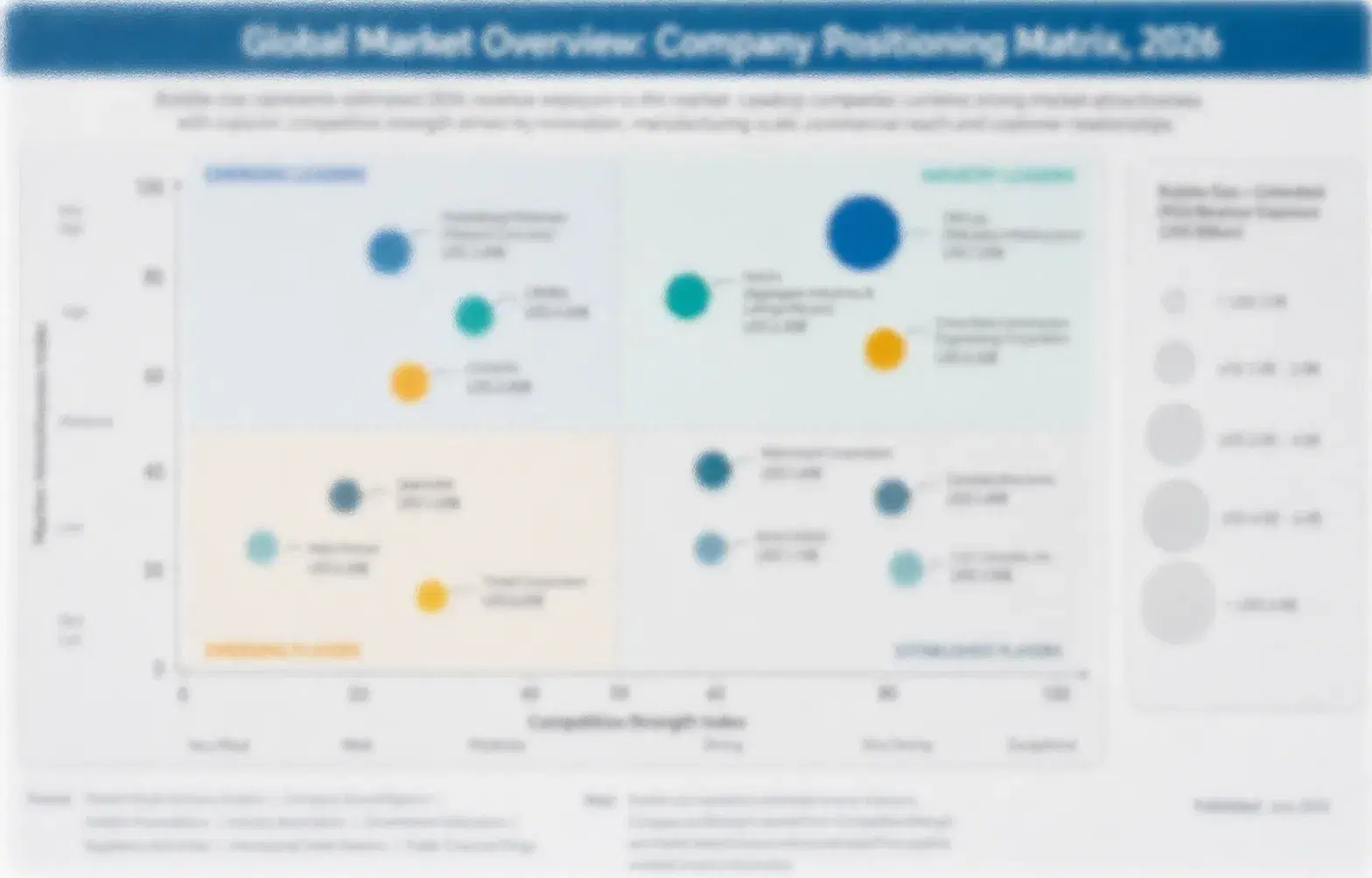
Measured on disclosed radiology services and imaging informatics revenue, the five leading providers hold a CR5 of 27%, which is low and reflects a market where regional providers hold genuine positions because licensure is national. Radiology Partners and RadNet lead in North America at a scale nowhere else approaches, while Everlight, Medica and Telemedicine Clinic hold strong positions across European and Australasian markets. Licensure is national, which protects regional providers considerably.
Three contests define activity. Overflow and after-hours reading competes on price and turnaround, where providers are broadly interchangeable once credentialed. Subspecialty coverage competes on which specialists a network has actually recruited and retained. Managed department contracts compete on clinical governance capability, which is a quite different organisational discipline from supplying reading capacity. A provider strong in one of those three contests frequently cannot compete in the others, since the capability required differs entirely rather than by degree.

Pressure comes from consolidation among American practice groups creating networks with credentialing and time zone advantages that smaller providers cannot match. Rankings shift as hospitals move from overflow arrangements to managed departments, since that transition eliminates providers who can supply readers and not governance. That transition eliminates capacity-only providers.
teleradiology-services-market-company-positioning-matrix-1787689991672

Competitive Moat and Risk Dimensions

RADIOLOGY PARTNERS

Moat: Credentialing And Network Scale

Radiology Partners operates credentialing and licensure administration across a hospital network no competitor approaches in size, which means it can serve a new site in weeks where others take months. That operational infrastructure took years of acquisition and integration to assemble. A well-funded entrant matches the software immediately and the credentialing operation not for years.
RADIOLOGY PARTNERS

Risk: Governance Obligation Exposure

Managed department contracts transfer clinical governance responsibility from the hospital to the provider, which is a materially heavier obligation than supplying reading capacity ever was. Scale multiplies that exposure across hundreds of sites simultaneously. A quality failure at one hospital under a managed arrangement carries consequences that an overflow reading relationship would never have produced for anybody.
EVERLIGHT RADIOLOGY

Moat: Multi-Jurisdiction Reading Coverage

Everlight operates reading capacity across jurisdictions and time zones with the licensure and credentialing to serve each properly, which lets it fill contracted overnight obligations using daytime readers elsewhere. That structure directly addresses the fixed cost problem continuous coverage creates. A single-jurisdiction competitor pays for idle overnight capacity that a multi-jurisdiction network simply does not carry.
EVERLIGHT RADIOLOGY

Risk: Cross-Border Governance Resistance

Hospitals and health systems remain uneasy about reports produced across national boundaries, since responsibility, indemnity and regulatory oversight all become harder to articulate. That resistance is cultural rather than legal in most European markets. It nonetheless limits how far a cross-border model can penetrate the managed department contracts where the value is now concentrating.

Players Tracked

Prominent Players

Radiology Partners
RadNet
Everlight Radiology
Medica Group
Teleradiology Solutions

Other Key Players

4ways Healthcare
Telemedicine Clinic
Unilabs
Sectra
Agfa HealthCare
Philips
GE HealthCare
Siemens Healthineers
Fujifilm
Aidoc
StatRad
Nines Radiology
Onrad
Aris Radiology
Synergy Radiology Associates

Recent Developments

FEBRUARY 2025

Hospital group transfers whole radiology function to remote provider

A hospital group transferred its entire radiology function to a remote provider under a managed department arrangement, a service contracting decision rather than any acquisition. Recruitment had failed to fill consultant posts across several sites, and the group concluded that maintaining departments it could not staff was no longer practical.
Signal: Hospitals are outsourcing the function rather than the overflow, which changes what capability a provider needs entirely.
JUNE 2025

Provider expands subspecialty reader recruitment across neurological imaging

A teleradiology provider expanded recruitment of subspecialty neuroradiologists, an internal capability investment rather than any partnership or acquisition. Client hospitals had increasingly requested subspecialty interpretation for complex studies that general radiologists were reading and referring clinicians were questioning on quality grounds. Recruitment rather than technology was the response.
Signal: Subspecialty capability is becoming the real differentiator, and it requires recruitment rather than any technology investment.
OCTOBER 2025

Artificial intelligence triage deployed to protect contracted turnaround times

A remote reading network deployed artificial intelligence triage across its worklist to prioritise likely critical findings, an internal operational investment rather than a commercial agreement. The stated objective was protecting contracted urgent reporting times rather than reducing radiologist headcount, which earlier deployments had promised and not delivered.
Signal: Artificial intelligence is being bought for service level performance now, after headcount reduction claims repeatedly disappointed.

What Remote Reading Costs

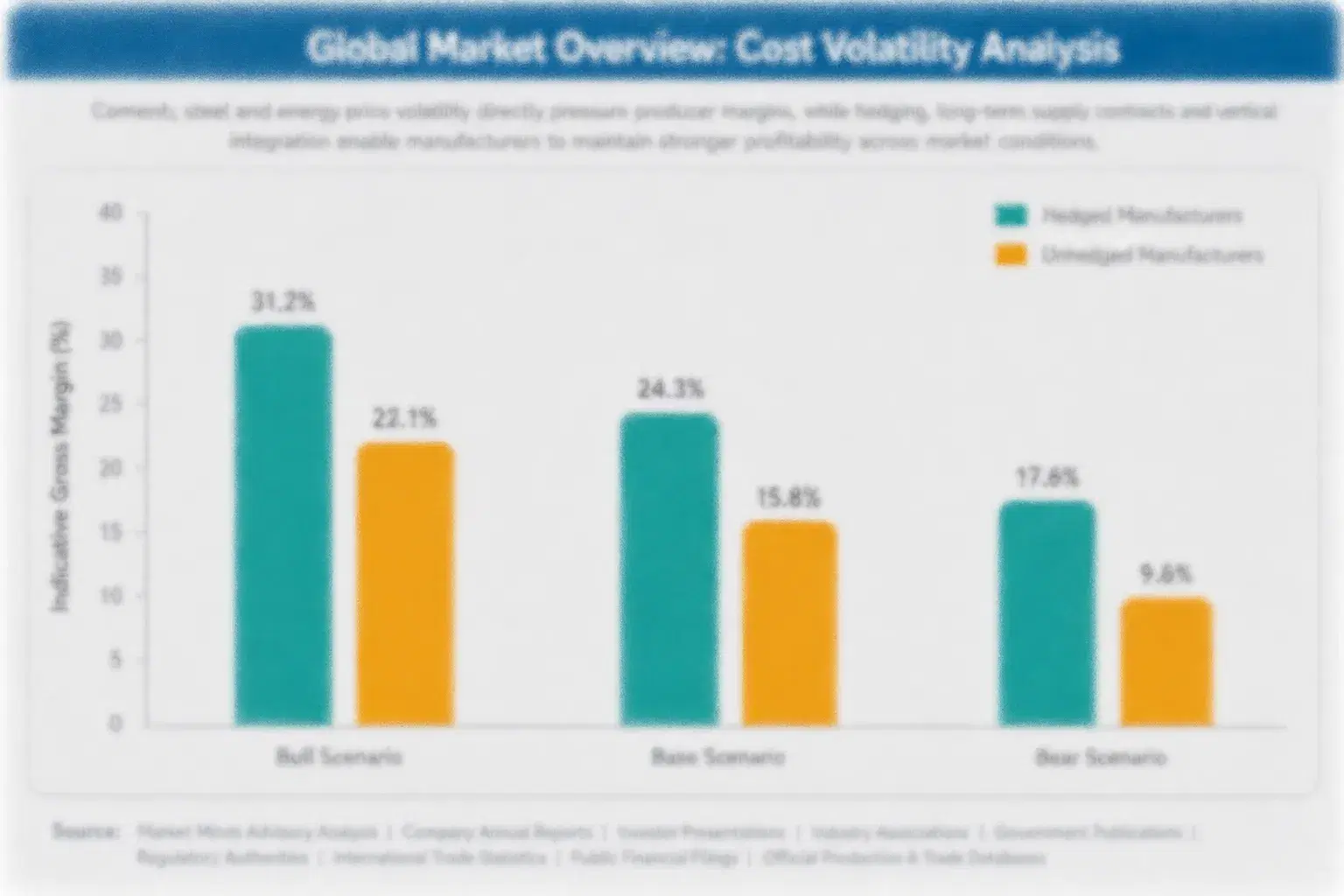
Radiologist compensation dominates everything and nothing else comes close. Reader pay, benefits and recruitment together run 62 to 70% of revenue for a typical remote reading operation, with subspecialists commanding considerably more than general readers. Credentialing and licensure administration is the second cost, and it is larger than most operators expect because it is continuous rather than one-off. Technology infrastructure is a modest and steadily falling proportion of the total.
The volatility that matters is labour rather than anything technical. Radiologist compensation has risen sharply as scarcity intensified, and providers holding fixed-price hospital contracts absorbed increases they could not pass through until renewal. RadNet and Radiology Partners disclosures describe physician compensation pressure across recent periods. Operators with contract terms allowing periodic rate review protected margin. Fixed multi-year pricing left the principal cost rising against static revenue.

Exposure divides by contract structure and reader mix. Providers weighted toward subspecialty reading carry higher compensation per reader and command pricing that supports it. Overflow operators carry general reader costs against fee-per-study pricing set competitively. Multi-jurisdiction networks carry credentialing administration across far more relationships and gain the ability to fill idle coverage with daytime readers elsewhere.
teleradiology-services-market-cost-volatility-analysis-1787689991966

Write rate review into multi-year hospital contracts

Radiologist compensation is the dominant cost and it has risen sharply with scarcity, while fixed multi-year hospital pricing leaves no route to recover it before renewal. Periodic rate review clauses meet resistance and get accepted where the alternative is explained honestly. Providers without them have watched their principal cost climb against revenue that could not move at all.

Centralise credentialing rather than handling it per contract

Credentialing at around 94 days per hospital is continuous rather than one-off work, and handling it inside each client relationship duplicates effort across every site. A centralised operation with standing processes serves new hospitals in weeks rather than months. That difference decides contract awards, which makes the investment a commercial asset rather than an administrative overhead.

Balance reader mix against contracted service obligations

Subspecialists cost considerably more per reader and are wasted on routine overnight volume, while general readers cannot deliver the subspecialty coverage that commands premium pricing. Matching reader mix to what each contract actually obligates protects margin on both sides. Operators staffing uniformly overpay for routine work and underdeliver on the complex studies clients care most about.

Portfolio Architecture for Margin Defence

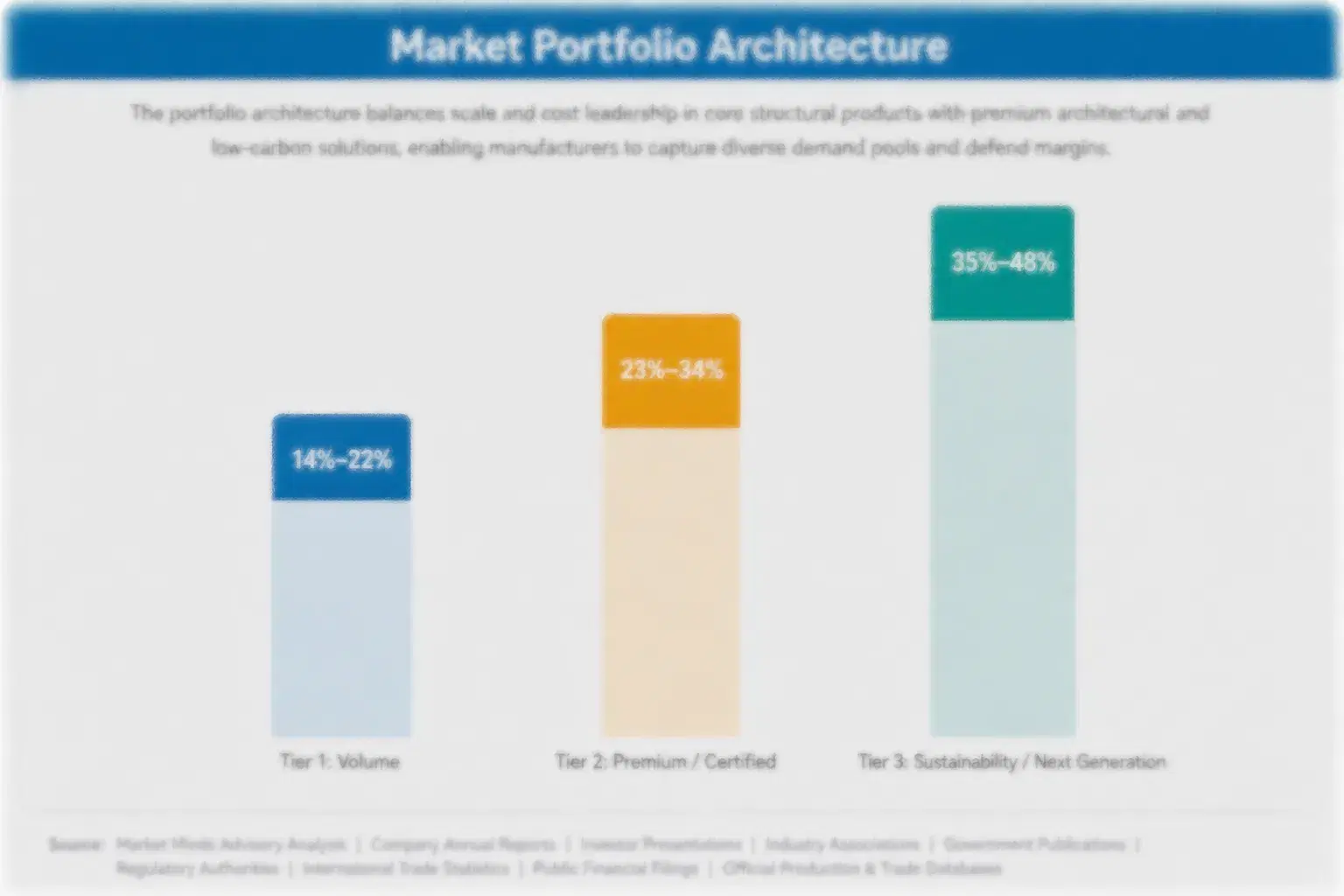
Margin follows scarcity of the reader rather than sophistication of the service. Overnight preliminary reads are the most commoditised work here, priced per study against providers who are broadly interchangeable once credentialed. Final interpretation outsourcing earns modestly better. Subspecialty coverage earns considerably more because the specialists genuinely are scarce. Managed department contracts earn well and carry governance obligations that materially change the risk profile of the business.
The tension is that the profitable work requires people who are hardest to recruit. Subspecialty pricing exists because subspecialists are scarce, which means the constraint on growth is the same constraint the customer has. Providers who invested in recruitment, retention and reader experience can sell what competitors cannot staff. Those competing on price for overnight volume are participating in the part of the market with the least defensible position.

High-value pools sit in three places. Subspecialty reading, where capability rather than capacity is being purchased. Managed department contracts with governance capability behind them. And industrialised credentialing, which is not sold to anybody directly and determines who can serve a contract at all. All three depend on people or process rather than on any technology investment.

Volume / Commodity-Adjacent

After-hours preliminary reads and emergency rapid read services priced per study against providers who are broadly interchangeable once credentialed. The 7-point range separates operators with multi-jurisdiction coverage filling idle hours from single-region providers paying for overnight capacity outright.
Gross Margin: 18-25%

Premium / Certified

Final interpretation outsourcing and cross-border offshore reading where consistent reader assignment and reporting quality genuinely differentiate. The 7-point spread separates providers with retained named readers from those allocating studies across a rotating pool the client never gets to know.
Gross Margin: 31-38%

Sustainability / Regulatory / Next-Generation

Subspecialty interpretation and managed radiology department contracts. The 22-point range is wide because subspecialty reading commands scarcity pricing while managed contracts carry governance obligations and on-site presence costs that compress the underlying margin considerably.
Gross Margin: 36-58%
teleradiology-services-market-portfolio-architecture-1787689992256

High-value Sub-segments and Strategic Watch-out

Subspecialty Reading Capability

Highest value and fastest growth at 12.6%, selling a capability that hospitals cannot construct for themselves at any price given their own study volumes. The risk is recruitment, since the scarcity that creates the pricing is the same scarcity constraining the provider's ability to grow.
Gross Margin: 55-58%

Managed Department Contracts

Strong value with contract sizes several times overflow arrangements and relationships that are extremely difficult to displace once established. The risk is clinical governance, since the provider assumes responsibility that a quality failure converts into consequences overflow reading never carried. Governance exposure is real. Scale multiplies it.
Gross Margin: 44-47%

After-Hours Preliminary Reads

The volume core, priced per study where credentialed providers are broadly interchangeable and turnaround is the only visible differentiator. Operators hold the line because these contracts establish the hospital relationships through which subspecialty and managed work is subsequently sold. Relationships are the value here. Access is the value.
Gross Margin: 19-22%

Fixed Price Multi-Year Contracts

The strategic watch-out. Radiologist compensation is the dominant cost and rising sharply, while fixed multi-year hospital pricing offers no recovery route before renewal. The risk is a contract that was profitable at signature becoming loss-making through no operational failure whatsoever. Renewal is the only remedy.
Gross Margin: 22-25%

Coverage That Cannot Lapse

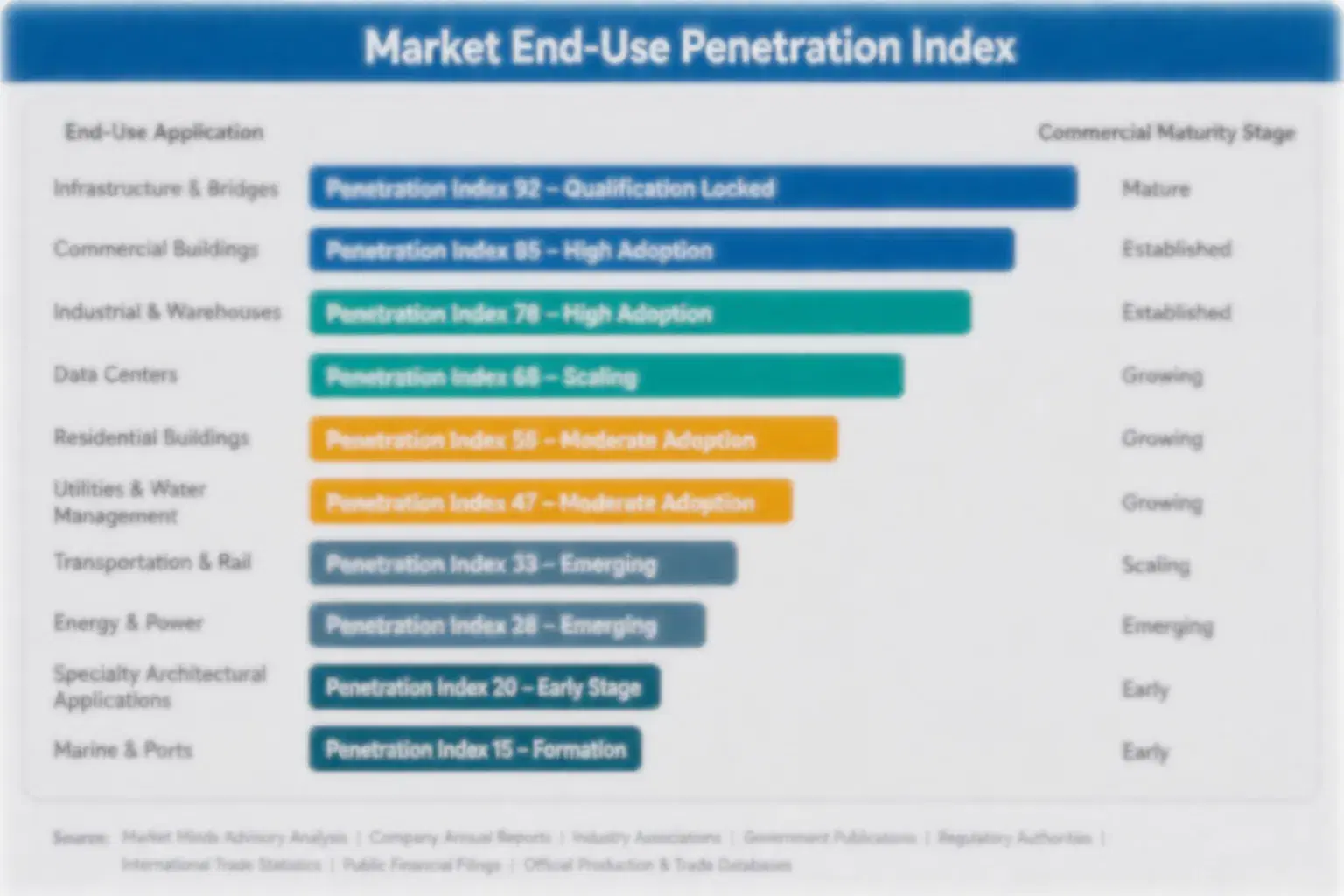
Demand here is continuous by contractual definition rather than by consumption pattern. A hospital contracting overnight coverage needs it every night whether ten studies arrive or two hundred, and the provider staffs accordingly. That makes revenue extremely predictable and the cost base equally fixed, so margin depends on volume density across a network rather than on any individual contract. Aggregating sites across time zones converts idle overnight capacity into daytime reading.
Stickiness depends on how deeply the provider is embedded. A managed department contract is close to unbreakable in practice, since a hospital that dismantled its own radiology function has no capability to take back and switching means transferring governance mid-service. Subspecialty arrangements hold on reader relationships that referring clinicians come to value personally. Overflow contracts move on price at every renewal.

The buyer has moved upward inside the hospital. Overflow reading was bought by a radiology department manager solving a rota problem. A managed department contract is signed by a chief executive accepting that the institution can no longer perform a clinical function itself, which is a decision with governance, reputational and board implications attached. Calling on radiology managers reaches the wrong level for the contracts that matter.
teleradiology-services-market-end-use-penetration-index-1787689992570

Scarcity Decides Everything

These are among the four positions where our research anticipates prominent divergence between winners and laggards over the coming forecast period. Each is grounded in the demand model, the regulatory perimeter, and the announced capacity pipeline.
01 / CREDENTIALING OPERATIONAL INDUSTRIALISATION

Paperwork is the only durable barrier here

Each hospital credentialing process takes around 94 days, and a network covering a thousand sites with several hundred radiologists maintains hundreds of thousands of active relationships on a continuous basis. Winning a contract means very little until credentialed readers actually exist for that particular site. Providers who industrialised credentialing serve a new hospital in weeks where competitors need months, and since comparable software can be purchased within a quarter, that operational capability is the only genuinely durable barrier anybody holds.
02 / SUBSPECIALTY CAPABILITY BUILDING

Sell what hospitals cannot hire at all

A hospital seeing four complex neurological studies each week cannot possibly justify employing a neuroradiologist, and a general reader will produce measurably weaker reports that referring clinicians increasingly question on quality grounds. Subspecialty coverage is growing at 12.6% precisely because it creates a genuine capability rather than arbitraging labour cost across geographies. Providers positioning themselves on price and turnaround are competing in the most commoditised part of their own market, while the genuinely differentiated part of it goes entirely unsold.
03 / WHOLE FUNCTION CONTRACTING

Take the department, not the overflow

A hospital sending overnight studies elsewhere is frequently an institution that can no longer run radiology at all, and offering to assume the entire function raises contract value by roughly four times over almost immediately. Managed arrangements cover routine daytime reporting, subspecialty access, quality assurance and often the on-site presence that procedures require. The provider also assumes clinical governance obligations that overflow reading never carried at all, which entrants routinely underestimate and which incumbents holding that capability use to defend contracts.
04 / TIME ZONE DENSITY ECONOMICS

Idle overnight capacity is the margin killer

Service agreements commit providers to continuous staffed coverage at around 22 minutes for urgent findings, regardless of how quiet any particular night turns out to be in practice. That creates a fixed cost base which low volume does not reduce at all, so margin depends entirely on volume density across the contracted network rather than on pricing. Providers that aggregate hospitals across enough separate time zones keep their readers occupied through hours competitors are simply paying for as idle time.

Engagement Snapshot From the Field

A live engagement with an industry participant carrying material or product regulatory and market exposure ahead of a defining policy shift, showing how our research translates into a defensible multi-year portfolio strategy.
MARKET MINDS ADVISORY · CLIENT ENGAGEMENT SUMMARY
Teleradiology Services Producer Strategic Portfolio Review and Transition Roadmap 2026·Investment Scenario on Teleradiology Services Exposure Evaluation 2025-26
CLIENT PROFILE
A teleradiology provider serving 140 hospitals across two national markets, with reported revenue of 118 million dollars (client-reported, unverified by MMA). Roughly 77% came from after-hours preliminary reading priced per study on multi-year fixed contracts. The company employed general radiologists almost exclusively and had built no subspecialty capability, with credentialing handled separately inside each client account team.
STRATEGIC CHALLENGE
Margins had compressed for three consecutive years as radiologist compensation rose against contracts that could not be repriced. Two large tenders had been lost on inability to start service quickly enough. Management was pursuing further per-study price competition, which had not previously improved either win rates or margin anywhere. Neither assumption was tested.
MMA APPROACH
MMA analysed contract terms against compensation movements to quantify how much margin fixed pricing had transmitted, which the company had never measured. Fourteen expert interviews with hospital chief executives, radiology managers and referring clinicians established how contracting decisions are actually taken. Credentialing lead times were benchmarked against competitors who had won the lost tenders.
KEY FINDINGS
  1. Fixed multi-year pricing covered 81% of revenue and had transmitted the entire compensation increase into margin with no recovery mechanism available. Nothing operational caused it.
  2. Both lost tenders were decided on how quickly the provider could credential readers, where competitors quoted weeks against the client's several months.
  3. Referring clinicians at multiple client sites had raised report quality concerns on complex studies, which no general radiologist staffing model could resolve.
  4. Building subspecialty capability modelled materially better returns than any per-study pricing strategy the company had considered (client-reported, unverified by MMA). Price competition had achieved nothing.
CLIENT PROFILE
A teleradiology provider serving 140 hospitals across two national markets, with reported revenue of 118 million dollars (client-reported, unverified by MMA). Roughly 77% came from after-hours preliminary reading priced per study on multi-year fixed contracts. The company employed general radiologists almost exclusively and had built no subspecialty capability, with credentialing handled separately inside each client account team.
STRATEGIC CHALLENGE
Margins had compressed for three consecutive years as radiologist compensation rose against contracts that could not be repriced. Two large tenders had been lost on inability to start service quickly enough. Management was pursuing further per-study price competition, which had not previously improved either win rates or margin anywhere. Neither assumption was tested.
MMA APPROACH
MMA analysed contract terms against compensation movements to quantify how much margin fixed pricing had transmitted, which the company had never measured. Fourteen expert interviews with hospital chief executives, radiology managers and referring clinicians established how contracting decisions are actually taken. Credentialing lead times were benchmarked against competitors who had won the lost tenders.
KEY FINDINGS
  1. Fixed multi-year pricing covered 81% of revenue and had transmitted the entire compensation increase into margin with no recovery mechanism available. Nothing operational caused it.
  2. Both lost tenders were decided on how quickly the provider could credential readers, where competitors quoted weeks against the client's several months.
  3. Referring clinicians at multiple client sites had raised report quality concerns on complex studies, which no general radiologist staffing model could resolve.
  4. Building subspecialty capability modelled materially better returns than any per-study pricing strategy the company had considered (client-reported, unverified by MMA). Price competition had achieved nothing.
RECOMMENDED STRATEGY
Phase 1: Phase one: centralise credentialing into a standing operation, since tender outcomes are being decided on start-up speed rather than on price. Phase 2: Phase two: recruit subspecialty readers for the disciplines where client clinicians have raised quality concerns, and price that capability separately. Phase 3: Phase three: renegotiate contracts onto periodic rate review at renewal, accepting some volume loss to stop transmitting compensation increases. Some contracts will be lost.
OUTCOME
Centralised credentialing cut service start times materially and the company won its next two competitive tenders. Subspecialty recruitment began in two disciplines and commanded pricing well above the general reading rate (client-reported, unverified by MMA). Rate review clauses were accepted at a majority of renewals, with two contracts lost as anticipated.

Frequently Asked Questions

Foundational context covering the market sizes, CAGR, scope, country, region and competition that inform every finding below. This section is provided to cover basics and most often pre-purchase conversations, answered from the MMA Primary Research Dataset.

What is the current size of the Teleradiology Services Market?

The market was worth 4.4 billion dollars in 2025, covering after-hours reads, final interpretation outsourcing, subspecialty services, managed departments, offshore reading and rapid read services. It reaches 4.77 billion dollars in 2026.

How large will the Teleradiology Services Market be by 2036?

MMA forecasts 10.68 billion dollars by 2036, an increase of 5.91 billion dollars over the 2026 base. That represents an expansion multiple of 2.24 times across the forecast period.

What is the CAGR for the Teleradiology Services Market 2026 to 2036?

The base case compounds at 8.4% annually. MMA's bull case reaches 9.6% if managed department contracting spreads widely, while the bear case sits at 7.2% on artificial intelligence absorbing volume growth.

Which segment is growing fastest?

Subspecialty interpretation services, at 12.6%, half again the market rate of 8.4%. Hospitals cannot hire a specialist for a handful of complex studies each week and networks can supply one.

Who are the major companies in the Teleradiology Services Market?

Radiology Partners, RadNet, Everlight Radiology, Medica Group and Teleradiology Solutions lead on disclosed radiology services revenue. Telemedicine Clinic, 4ways Healthcare, Unilabs and StatRad hold strong regional positions.

Which country is growing fastest?

India at 10.6%, driven by domestic private hospital imaging expansion and by its position as the largest source of reading capacity serving other regions. Australia follows closely.

Report Segmentation Architecture

The full report scope spans multiple orthogonal segmentation dimensions, with cross-tabulated demand data provided for each dimension pair. Coverage extends further to regional breakdowns, trend trajectories, and the competitive detail needed to support segment-level decision-making.

By Service Model

  • After-Hours Preliminary Reads
  • Final Interpretation Outsourcing
  • Subspecialty Interpretation Services
  • Managed Radiology Department Services
  • Cross-Border Offshore Reading
  • Emergency and Trauma Rapid Read Services

By End-Use Industry

  • Community and Rural Hospitals
  • Academic Medical Centres
  • Private Hospital Groups
  • Imaging Centre Networks
  • Emergency and Trauma Services
  • Public Health System Trusts

By Commercial Dimension

  • Per Study Fee Contract
  • Fixed Price Service Agreement
  • Managed Department Contract
  • Subspecialty Coverage Retainer
  • Public Tender Procurement
  • Overflow Capacity Arrangement

By Region

  • North America
  • Western Europe
  • East Asia
  • South Asia and Pacific
  • Latin America
  • Middle East and Africa
  • Eastern Europe

Scope, Methodology, and Coverage

Every figure in this report is reproducible from documented input assumptions. The scope below maps the historical period, the forecast horizon, the segmentation dimensions, and the countries covered, alongside the underlying primary and qualitative methodology.
Historical Period
2020 to 2025
Forecast Period
2026 to 2036
Base Year
2025 (USD billions; MMA Primary Research Dataset, August 2026)
Market Definition
Scope covers remote medical image interpretation services delivered by radiologists working away from the imaging site, spanning after-hours preliminary reads, final interpretation outsourcing, subspecialty interpretation services across neurological, musculoskeletal, paediatric and other disciplines, managed radiology department services including quality assurance and on-site procedural presence, cross-border offshore reading, and emergency and trauma rapid read services. Imaging equipment and modality hardware, picture archiving and communication systems sold as software products, artificial intelligence detection tools sold standalone to hospitals, and on-site radiology staffing or locum placement are excluded. Radiology practice management consulting and billing services fall outside the boundary.
Quantitative Units
USD billions (current prices); studies interpreted; hospitals contracted; credentialed reader relationships; contracted turnaround time
Segmentation Dimensions
By Service Model; By End-Use Industry; By Commercial Dimension; By Region
Regions Covered
North America, Western Europe, East Asia, South Asia and Pacific, Latin America, Middle East and Africa, Eastern Europe
Countries Covered
USA, UK, India, Australia, Germany, Japan, China, Canada, Netherlands, Sweden, Brazil, South Africa, Singapore, Poland, Saudi Arabia
Key Companies Profiled
Radiology Partners, RadNet, Everlight Radiology, Medica Group, Teleradiology Solutions, 4ways Healthcare, Telemedicine Clinic, Unilabs, Sectra, Agfa HealthCare, Philips, GE HealthCare, Siemens Healthineers, Fujifilm, Aidoc, StatRad, Nines Radiology, Onrad, Aris Radiology, Synergy Radiology Associates
Quantitative Methodology
Primary survey, n=3,800 respondents, Q4 2025, six countries; demand-side model with trade association cross-validation
Qualitative Methodology
47 expert interviews, Q4 2025; applied to validate demand model assumptions, identify emerging dynamics, and assess competitive positioning
Report Format
PDF and XLSX data workbook (Word format preview document)
Publisher
Market Minds Advisory
Report Code
MMA-2026-TEC-119
Published
August 2026
Contact
sales@marketmindsadvisory.com | www.marketmindsadvisory.com

Purchase the full Teleradiology Services Market Report (2026 to 2036).

The full report runs to 170 pages and covers all six service model segments, seven regions and 20 profiled companies in detail. It includes the complete segment CAGR set, regional radiologist supply and imaging volume data, and credentialing lead time benchmarking across major national markets. Company profiles carry evaluation on disclosed radiology services and imaging informatics revenue, with moat and risk assessment for the top five providers. The competitive section extends to 14 tracked corporate developments across 2024 and 2025, each with commercial interpretation. Primary research inputs include a quantitative survey of 3,800 respondents and 47 expert interviews conducted in Q4 2025.
Six service model segments with individual CAGR forecasts
Seven regional markets with radiologist supply and volume data
Twenty company profiles on consistent revenue evaluation basis
Fourteen tracked corporate developments with commercial interpretation notes
Credentialing lead time benchmarking across major national markets
Contract structure analysis by service model and pricing mechanism

Built For The People Who Decide

From boardroom strategy to bench-side execution, this report is read cover-to-cover by leaders shaping the next decade of their industry, turning demand scenarios, market dynamics and valuation benchmarks into decisions.
CXOs/ Presidents/ VPs/ Managers
M&A and Corporate Development
Strategy Teams and R&D Heads
Procurement and Product Directors
Regulatory and Compliance Leaders
Investor Relations and Equity Analysts