Market Minds Advisory
Teeth Whitening Market

Teeth Whitening Market: Most Of The Volume Does Not Whiten Anything

Whitening toothpaste scrubs surface stain away and leaves the underlying tooth colour exactly where it was, which is why the peroxide formats that genuinely bleach are taking share from it steadily.

Lead Analyst

Published

September 2026

Make Smarter Decisions with Customized Research Insights

Request a free sample report and evaluate market opportunities, growth trends, and competitive dynamics relevant to your business needs.

2025 MARKET VALUE$7.6BMarket Size 2025
2036 FORECAST VALUE$17.7BBase Case , 2026 to 2036
CAGR 2026 TO 20368.0 %Bull 9.2% / Bear 6.8%
INCREMENTAL OPPORTUNITY$9.5BNet 10- year value creation
EXPANSION MULTIPLE2.16x2036 value over 2026 base
Strategic Levers
M&A Pipeline
Regional Outlook
Country Rankings
Competitive Intelligence
Segmental Deep-dive
Call-Us : 91 93563 13602

Executive Snapshot and Market Trajectory

The largest segment by volume does not do what its name promises. Whitening toothpaste abrades surface stain and leaves intrinsic tooth colour unchanged, while peroxide bleaching actually alters it. Consumers conflate the two, and the formats that genuinely work keep taking share. Nobody has any incentive to correct that.
East Asia holds 30% of value because Korean and Japanese oral cosmetic innovation sets the category's direction globally and Chinese consumption has expanded enormously across a decade. Whitening pens, serums and powders grow at 12.0%, half again the market rate of 8.0%, since they deliver peroxide in formats that fit a routine rather than requiring twenty minutes with a tray in the bathroom.
Concentration sits at 42% and the deepest divide in this market is regulatory rather than competitive. European rules cap consumer peroxide at a level that cannot bleach anything, so effective whitening there legally runs through a dentist. American rules permit far higher concentrations over the counter. The same category is a consumer business in one market and a dental service in the other. Channel strategies built for one side simply fail on the other.
Market Definition
The market covers products and professional treatments intended to lighten tooth colour, including whitening toothpaste, whitening strips, at-home LED and tray kits, professional in-office bleaching systems, dentist-dispensed take-home kits, and whitening pens, serums and powders. General oral care products without a whitening claim, toothbrushes and interdental devices, dental restorative materials, veneers and cosmetic dentistry procedures other than bleaching, and orthodontic products are excluded. Dental practice services beyond bleaching fall outside scope.
Base Year Value
$7.6B in 2025 (MMA Primary Research Dataset, August 2026)
Forecast Period
2026 to 2036, eleven discrete annual values
CAGR
8.0% base case. Bull 9.2%. Bear 6.8%.
Fastest Growth Segment
Whitening Pens, Serums and Powders: 12.0% CAGR
Fastest Growth Country
India: 10.4% CAGR
Fastest Growth Region
South Asia and Pacific: 10.2% CAGR
Largest Region
East Asia: 30% of 2025 global value
Market Leaders
Procter and Gamble, Colgate-Palmolive, Unilever, Haleon, Dentsply Sirona. Source: MMA Analysis based on disclosed oral care and dental products revenue, company annual reports 2025.
Primary Survey
n=3,800 procurement and R&D decision-makers, Q4 2025, six countries
Methodology
Demand-side build-up, cross-validated against public data, 47 expert interviews

Teeth Whitening Market Forecast Scenarios

teeth-whitening-market-size-forecast-scenario-1787689987474
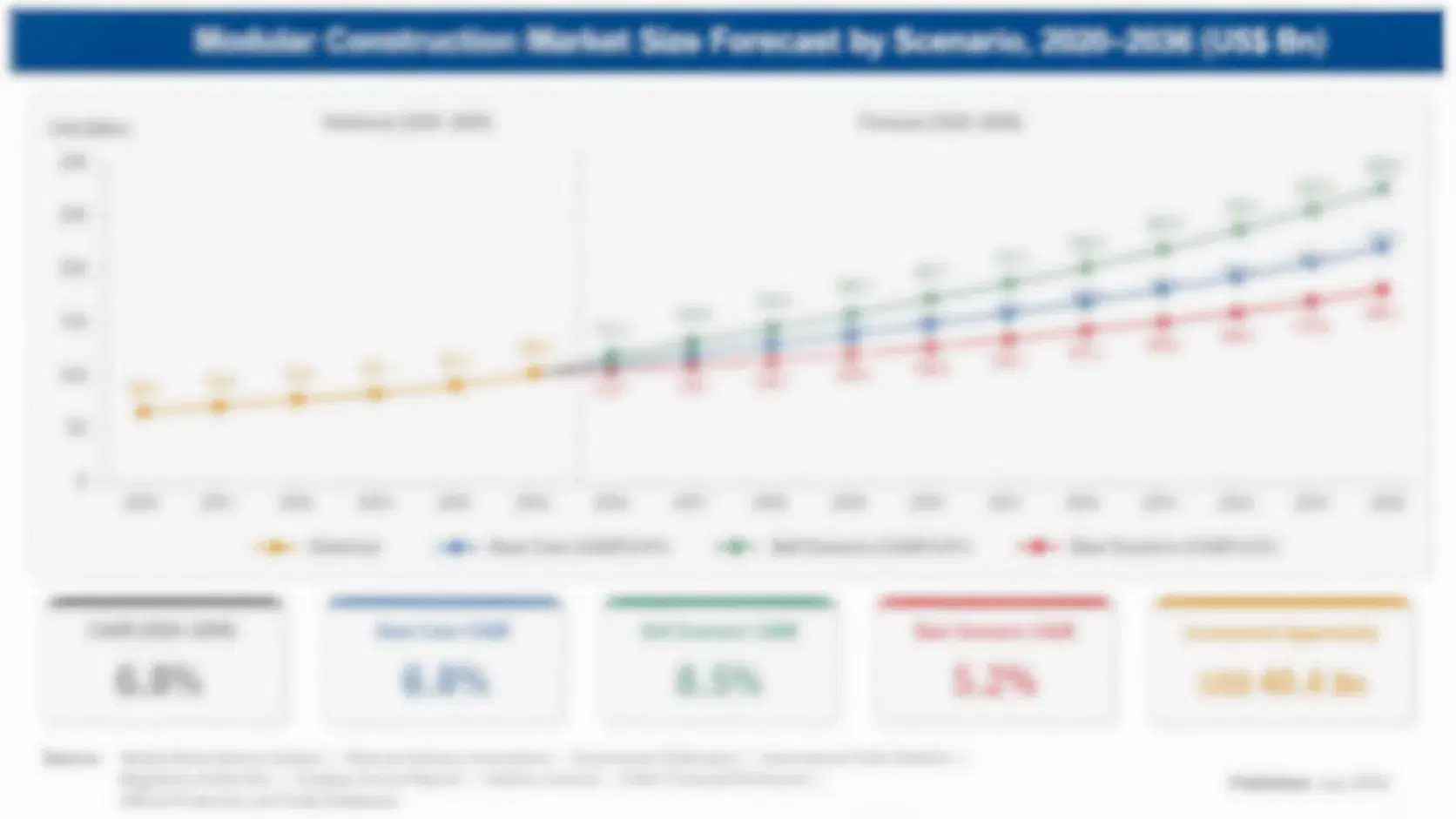
Growth from 2020 to 2025 ran at 7.0% and video calling changed the category more than any product did. People spent several years looking at their own faces on screens for hours daily, and whitening demand rose alongside every other visible grooming category. Asian consumption expanded through oral cosmetic routines that treat whitening as maintenance rather than as an occasional correction before an event.
The 8.0% base case rests on three mechanisms. Peroxide formats keep displacing abrasive toothpaste as consumers learn that stain removal and bleaching are different things. Convenience formats including pens and serums are converting occasional users into routine ones, since a product used nightly generates far more repeat purchase than a two-week strip course does. And Asian and Indian consumption keeps expanding as oral cosmetic spending follows disposable income upward. Each mechanism works independently.
The bull case at 9.2% turns on sensitivity-managed formulations reaching a standard where discontinuation drops materially, since sensitivity is the single largest reason users abandon whitening. The bear case at 6.8% is regulatory tightening on consumer peroxide concentrations outside Europe, which would push effective products behind dental gatekeeping in markets that currently sell them freely.

What The Category Actually Delivers

The category rests on a confusion nobody in it has any incentive to correct. Whitening toothpaste works by abrasion, removing surface stain from coffee, tea, tobacco and red wine, and it returns a tooth to its natural colour rather than lightening that colour at all. Peroxide bleaching penetrates enamel and changes the underlying shade. Consumers treat these as versions of the same thing. Toothpaste holds the volume while genuine bleaching takes the share.
FIVE-FIRM CONCENTRATION42%Share of oral care and dental revenue held by leaders
IN-OFFICE TREATMENT PRICE$460Typical charge for a single professional chairside bleaching session
TOP CONSUMING COUNTRYUSA 24%American share of global whitening product value consumed
EUROPEAN CONSUMER PEROXIDE CAP0.1%Maximum concentration permitted in products sold without dentists
SENSITIVITY DISCONTINUATION34%Users abandoning treatment because of transient dentine sensitivity
SHADE IMPROVEMENT THRESHOLD2 shadesChange most consumers can reliably perceive in a mirror
Regulation splits the market in a way global brand planning frequently misses. European rules cap hydrogen peroxide in consumer products at 0.1%, a concentration that cannot meaningfully bleach anything, and permit up to 6% only through a dental professional. American regulation allows considerably higher concentrations over the counter. The identical product portfolio is therefore a retail consumer business on one side of the Atlantic and a dentist-gated service on the other.
Sensitivity is the commercial problem underneath everything. Peroxide causes transient dentine hypersensitivity in a substantial share of users, and roughly 34% abandon treatment because of it. In a category that depends on repeat purchase, discontinuation is more damaging than any competitive loss. Potassium nitrate, lower concentrations worn longer and remineralising agents all retain users measurably better.
"Half this market sells a scrubbing agent as a bleach and nobody corrects the misunderstanding. The interesting brands are the ones solving sensitivity, because that is the only reason anybody stops buying."
Director, Oral Care and Consumer Health Practice · MMA Consumer Health Practice · August 2026

Market Trends

Convenience Formats Convert Occasional Users Into Routine Ones

A two-week strip course is an event a consumer decides to undertake, whereas a pen or serum applied nightly becomes part of a routine that repurchases itself indefinitely. Growth at 12.0% follows that behavioural difference rather than any improvement in bleaching chemistry. The commercial consequence is substantial, since a routine user generates several times the annual revenue of somebody who whitens before a wedding. Brands still structuring their proposition around courses and visible before-and-after results are competing for occasions rather than for habits. Habits are worth more than occasions here.
Market Impact: Drives 30% of global value

Sensitivity Management Becomes The Retention Battleground

Roughly 34% of users abandon whitening because of transient dentine hypersensitivity, which makes discontinuation a larger commercial problem than competitive switching in a repeat-purchase category. Potassium nitrate, reduced peroxide concentrations worn for longer and remineralising agents all reduce it measurably. Brands that solved sensitivity retain users through the months where the revenue actually accumulates. Those competing on shade improvement claims attract trial from consumers who then stop, which flatters acquisition metrics and does very little for the business underneath them. Acquisition metrics look healthy while the business underneath does not.
Market Impact: Perceives only 2 shade changes

Market Opportunities and Growth Drivers

Asian Oral Cosmetic Routines Treat Whitening As Maintenance

Korean and Japanese oral care culture positions whitening as routine maintenance rather than as occasional correction before an event, which produces steady consumption instead of episodic courses. That framing has spread across Chinese and Southeast Asian consumers through the same channels that carried skincare routines. Chinese oral care spending has expanded enormously across a decade and whitening has grown faster than the category around it. Western brands entering the region with event-driven propositions consistently underperform local competitors who understood the maintenance framing first. The framing travelled through social channels rather than retail.
Market Impact: Caps consumer peroxide at 0.1%

Video Calling Made Continuous Self-Comparison Normal

Several years of daily video calls placed people in front of their own faces for hours in a way no previous technology did, and every visible grooming category grew as a result. Whitening benefits particularly because teeth are compared against an idealised image on the same screen rather than against a shade guide in a bathroom. Most consumers can reliably perceive around two shades of change, and the target they measure themselves against is frequently well beyond what bleaching achieves, which sustains repeat purchase indefinitely. Satisfaction stays out of reach for many users.
Market Impact: Loses 34% of acquired users

Market Restraints and Challenges

European Regulation Removes The Consumer Product Entirely

European rules cap hydrogen peroxide in consumer products at 0.1%, which cannot meaningfully bleach a tooth, and permit up to 6% only through a dental professional. Root cause is a safety assessment that treated bleaching as a procedure requiring supervision rather than as a cosmetic. The commercial impact is that a retail proposition working across America simply cannot exist in Europe, and brands that planned globally discovered this after committing to launch. Mitigation means building a dental channel, which is an entirely different commercial organisation. Consumer marketing capability reaches none of it.
Market Impact: Multiplies purchase frequency by 4

Sensitivity Drives Abandonment Faster Than Competition Does

Roughly 34% of whitening users stop because peroxide causes transient dentine hypersensitivity, which is uncomfortable enough that no shade result compensates. Root cause is peroxide penetrating to dentinal tubules, an inherent property of the chemistry rather than a formulation defect. The commercial impact in a repeat-purchase category is severe, since acquisition spending buys users who leave within weeks. Mitigation runs through potassium nitrate, lower concentrations worn longer and remineralising agents, all of which help and none of which eliminates the effect. Acquisition spending buys users who leave within weeks. Nothing eliminates it.
Market Impact: Prevents 34% of user discontinuation
3 additional market trends, 4 additional growth drivers, and 2 additional restraints and challenges are covered in the full report. Contact sales@marketmindsadvisory.com to access the complete intelligence.

Segment CAGR and Growth Architecture

Segmentation follows product format and delivery route: how the active reaches the tooth and who supervises the application, rather than which consumer buys it or through which retailer. Six formats cover the market without overlap, from toothpaste through to pens and serums. Consumer demographic and channel are treated separately here. Both cut across all six formats listed.
teeth-whitening-market-market-share-analysis-1787689987728

Whitening Pens, Serums and Powders

Pens, serums and powders grow at 12.0%, half again the market rate of 8.0%, because they fit a nightly routine rather than demanding a scheduled twenty minute session with a tray. That behavioural difference matters far more commercially than any chemistry advantage, since a routine user repurchases several times a year while a course user may whiten once before an event and not return. Peroxide concentrations in these formats are generally lower and worn longer, which also reduces sensitivity. Brands built around dramatic before-and-after imagery are selling occasions to consumers who could have been sold habits instead. Repositioning toward maintenance costs marketing rework rather than product development. The promise changes rather than the formulation.
CAGR 12.0%

At-Home LED and Tray Kits

Tray and light kits grow at 9.6% and occupy an awkward position between consumer convenience and professional efficacy. The light contributes considerably less than the marketing implies, since peroxide decomposition is driven mainly by concentration and contact time rather than by illumination at consumer power levels. What the light does reliably provide is a sense of procedure, which supports premium pricing and improves compliance because a user with a device in their mouth waits for the timer. That is a genuine benefit achieved through behaviour rather than chemistry, and brands rarely describe it honestly. Describing the compliance benefit honestly would be defensible and considerably harder for a competitor to undermine publicly.
CAGR 9.6%
Full segment breakdown across 6 segments available in the complete report.

Regional Architecture and Country Demand Map

Geography follows consumer culture and peroxide regulation, and the two rarely align. East Asia leads on oral cosmetic routines treating whitening as maintenance, North America on permissive consumer regulation, and Western Europe is held down by rules that gate effective products behind dentists. Regulation rather than demand explains it.

North America

American regulation permits consumer peroxide concentrations far above European limits, which makes this a retail category sold through pharmacy, grocery and online channels rather than through dental practices. Strips built the market and convenience formats are now taking share from them. Direct to consumer brands have entered aggressively with subscription models that suit a routine product well. Professional bleaching remains a substantial premium segment, though many dentists prefer dispensing take-home kits because margin per chair hour is better. Canadian regulation is closer to American than European practice, and Mexican consumption is growing through modern retail expansion. Direct to consumer subscription brands have entered aggressively, and those economics suit routine formats far better than the course products that built this category.
Share: 28% | CAGR: 7.4% (2026 to 2036)

Western Europe

European rules cap consumer peroxide at 0.1%, a concentration that cannot bleach a tooth, and permit up to 6% only through dental professionals, which removes the retail proposition that drives the category everywhere else. Effective whitening is therefore a dental service here rather than a consumer purchase. British and German consumers buy abrasive whitening toothpaste in volume while genuine bleaching runs through practices. Cross-border online purchasing of higher concentration products persists despite the rules. Brands planning globally have repeatedly discovered this divergence after committing to launch plans built on American assumptions. Effective whitening is a clinical service here rather than a consumer purchase, which is a regulatory difference global brand planning repeatedly overlooks.
Share: 18% | CAGR: 6.4% (2026 to 2036)
Regional intelligence for 5 additional markets available in the complete report: East Asia, South Asia and Pacific, Latin America, Middle East and Africa, Eastern Europe. Contact sales@marketmindsadvisory.com.
teeth-whitening-market-country-cagr-analysis-1787689988007

Retention Rather Than Trial Spending

Roughly 34% of users abandon over sensitivity, European regulation gates effective products behind dentists, and the largest volume segment does not actually bleach. Four levers work on retention, channel structure and format behaviour rather than on shade claims that competitors match within a season. Shade claims reach none of those three problems at all.

Solve Sensitivity To Keep Acquired Users

Roughly 34% of whitening users stop because of transient dentine hypersensitivity, which means acquisition spending buys people who leave within weeks. Potassium nitrate, reduced concentrations worn longer and remineralising agents all measurably lower discontinuation. In a repeat-purchase category retention is worth considerably more than trial, and brands competing on shade improvement claims are optimising the metric that matters least. The formulation work is modest and well understood, and remarkably few propositions are built around it as the primary consumer promise. Retention decides lifetime value here. Few propositions lead with it.
Market Impact: Retains the 34% who currently abandon whitening treatment

Build Separate Dental And Retail Organisations

European rules cap consumer peroxide at 0.1% and permit 6% only through dentists, which makes the identical portfolio a retail business in America and a professional channel business in Europe. Companies running one commercial organisation across both consistently fail in whichever market does not match their heritage. Dental channel selling requires practice relationships, clinical education and dispensing economics that consumer marketing teams do not possess. Recognising that the divergence is regulatory rather than cultural changes how the investment gets structured entirely. The investment structure changes completely. Heritage decides which market fails.
Market Impact: Addresses the strict 0.1% consumer peroxide concentration ceiling

Convert Course Users Into Routine Purchasers

A strip course is an event a consumer schedules, while a pen or serum applied nightly becomes a habit that repurchases itself and generates roughly four times the annual revenue. Growth at 12.0% in convenience formats follows that behaviour rather than any chemistry advance. Brands structuring propositions around dramatic before-and-after imagery are selling occasions to consumers who would have accepted habits. Repositioning toward maintenance requires changing the promise rather than the product, which costs marketing rework rather than development. Occasions pay considerably less than habits. The promise changes, not the product.
Market Impact: Raises purchase frequency by around 4 times over

Describe The Light Honestly And Sell The Ritual

Consumer power LEDs contribute considerably less to peroxide decomposition than marketing implies, since concentration and contact time do most of the work. What the light reliably delivers is compliance, because a user with a device in their mouth waits for the timer rather than rinsing early. That is a genuine benefit and brands describe it dishonestly, which invites regulatory attention and consumer scepticism. Selling the ritual and the compliance it produces is defensible, durable and considerably harder for a competitor to undermine publicly. Compliance across a 20 minute wear is the genuine benefit.
Market Impact: Improves compliance across a 20 minute wear period

Who Controls the Margin Pool

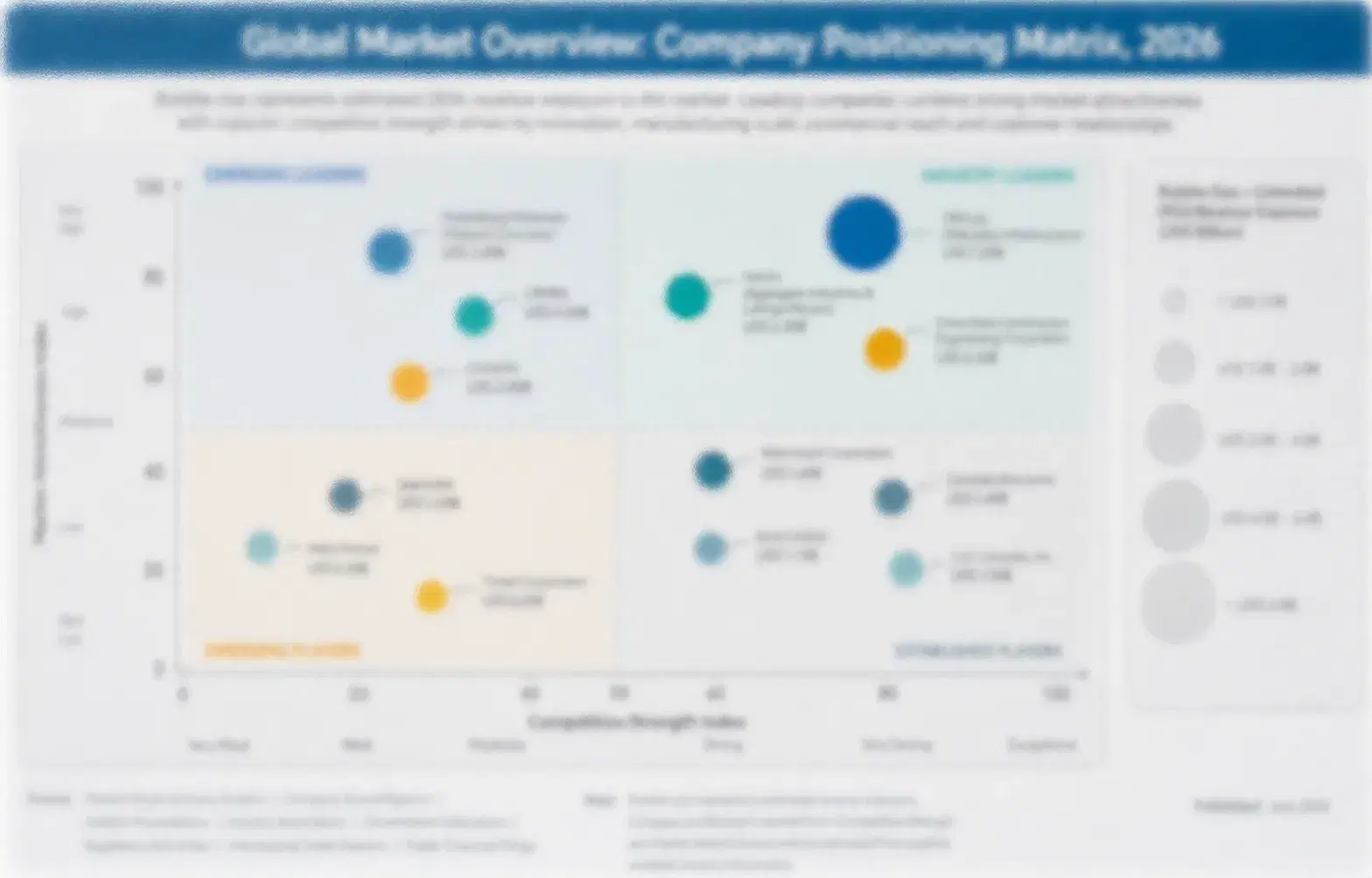
Measured on disclosed oral care and dental products revenue, the five leading companies hold a CR5 of 42%, which understates fragmentation in the fastest growing formats where direct to consumer brands have taken share rapidly. Procter and Gamble built the strip category and Colgate holds enormous toothpaste volume, while Dentsply and Ultradent lead professional bleaching through an entirely separate channel. The fastest growing formats are considerably more fragmented than the headline figure suggests.
Three contests define activity. Whitening toothpaste competes on shelf presence and price against every other toothpaste, where abrasive stain removal is broadly comparable. Consumer peroxide formats compete on convenience and sensitivity management, increasingly through direct to consumer channels. Professional bleaching competes on practice relationships and dispensing economics, which no consumer marketing capability reaches at all. A company built for one of those three contests has almost no transferable advantage in the others.

Pressure comes from Korean format innovators whose products reach Asian consumers faster than global brands can respond, and from direct to consumer subscription brands that suit routine formats naturally. Rankings shift wherever a format moves from occasional to habitual use, since subscription economics favour entrants over established retail distribution. Habit formats favour entrants inherently.
teeth-whitening-market-company-positioning-matrix-1787689988321

Competitive Moat and Risk Dimensions

PROCTER AND GAMBLE

Moat: Strip Category Brand Ownership

Procter and Gamble created the consumer whitening strip category and holds brand recognition that functions as the generic term for it in several markets. That position took decades of advertising to establish and continues generating trial without proportionate ongoing spend. A better strip must explain itself against a brand consumers treat as the definition.
PROCTER AND GAMBLE

Risk: Course Format Behavioural Limits

Strips are a course product a consumer schedules rather than a routine they repurchase, which caps annual revenue per user against convenience formats growing at 12.0%. Subscription and habit economics favour entrants structured around them. Defending a course proposition means competing for occasions while competitors compete for daily habits, which is a considerably weaker commercial position over time.
COLGATE-PALMOLIVE

Moat: Global Toothpaste Distribution Reach

Colgate reaches retail shelves in more markets than any competitor in this category, which matters enormously for whitening toothpaste where availability and price drive most purchase decisions. That distribution took a century to build and cannot be replicated by any entrant. A specialist whitening brand with better chemistry still cannot reach the consumer buying toothpaste on a supermarket shelf.
COLGATE-PALMOLIVE

Risk: Abrasive Format Value Erosion

Whitening toothpaste removes surface stain and does not bleach, and consumers are gradually learning the difference as peroxide formats grow faster than the category around them. Distribution strength protects volume rather than the proposition underneath it. A portfolio weighted toward abrasive whitening is exposed to a consumer understanding that improves steadily every year.

Players Tracked

Prominent Players

Procter and Gamble
Colgate-Palmolive
Unilever
Haleon
Dentsply Sirona

Other Key Players

Church and Dwight
Johnson and Johnson
Henkel
LG Household and Health Care
Amway
Ultradent Products
Philips
Den-Mat Holdings
SDI Limited
Ivoclar
Kao Corporation
Lion Corporation
Sunstar
Perrigo
Beyond International

Recent Developments

FEBRUARY 2025

Direct to consumer brand launches subscription whitening serum range

A direct to consumer oral care brand launched a nightly whitening serum on subscription, an internal product launch rather than any acquisition or partnership. The proposition was positioned as routine maintenance rather than as a course, which suits repeat purchase economics considerably better than the strip formats it competes against.
Signal: Subscription economics favour routine formats, which permanently disadvantages the course products that originally built this category.
JUNE 2025

Regulator reviews consumer peroxide concentration limits outside Europe

A national regulator opened a review of permitted hydrogen peroxide concentrations in consumer whitening products, a regulatory process rather than any commercial event. European rules already cap consumer concentrations at a level that cannot bleach, and alignment elsewhere would move effective products behind dental gatekeeping.
Signal: Regulatory divergence is now the biggest single risk to consumer whitening propositions across every permissive market.
OCTOBER 2025

Korean brand exports sensitivity managed whitening format regionally

A Korean oral care brand expanded regional distribution of a whitening format built around reduced peroxide concentration and extended wear, an organic commercial expansion rather than any transaction. The proposition addresses sensitivity directly, which is the dominant reason consumers abandon whitening entirely. Global brands responded slowly.
Signal: Sensitivity management is becoming the primary consumer promise, which global brands have been slow to adopt.

What Whitening Products Cost

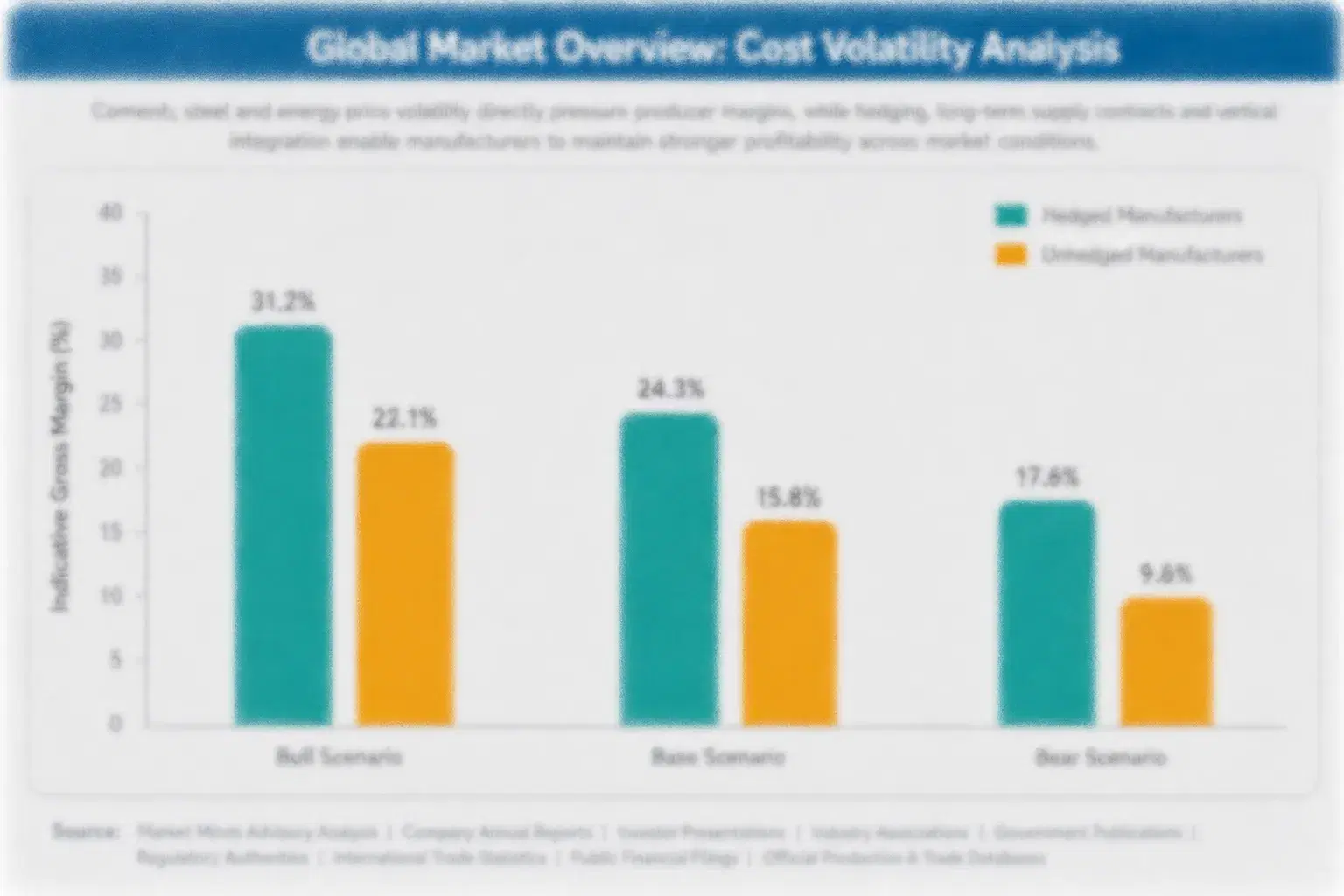
Formulation inputs are cheap and everything else is not. Hydrogen or carbamide peroxide, humectants, abrasives and flavour together run 14 to 19% of retail selling price for a consumer whitening product, which is low even by personal care standards. Packaging, particularly for pens, strips and single-use formats, frequently costs more than the formulation inside it. Marketing and retail margin consume the substantial majority of what a consumer actually pays.
The volatility that matters is packaging and distribution rather than chemistry. Speciality laminate and single-dose packaging costs moved sharply through 2021 and 2022 alongside polymer and energy pricing, and IEA industrial energy data documents the increases behind much of it. Procter and Gamble and Colgate disclosures describe that cost pressure directly. Brands with contracted packaging supply absorbed it. Entrants buying small volumes at spot faced increases their economics could not carry.

Exposure divides by format and channel. Toothpaste producers carry abrasive and packaging cost against thin retail margins set by grocery negotiation. Peroxide format brands carry higher packaging complexity and considerably better gross margins. Professional systems carry regulatory registration and clinical documentation cost that consumer products avoid. Professional pricing recovers those costs, since practices price on chair time.
teeth-whitening-market-cost-volatility-analysis-1787689988612

Contract packaging supply before scaling a format

Packaging frequently costs more than the formulation in pen, strip and single-dose whitening products, and small-volume spot buying carries pricing that unit economics cannot absorb. Contracting supply ahead of a scale-up costs commitment and protects margin at exactly the point volume growth would otherwise destroy it. Several direct to consumer entrants have failed at that transition rather than at launch.

Formulate for sensitivity from the outset

Adding potassium nitrate or remineralising agents at formulation stage costs very little and reduces the discontinuation that acquisition spending otherwise wastes. Retrofitting sensitivity management into an established product means reformulation, retesting and frequently repackaging. The cost difference between designing it in and adding it later is considerable, and the retention benefit is identical either way.

Separate professional registration from consumer costs

Professional bleaching systems carry regulatory registration and clinical documentation that consumer products avoid entirely, and blending those costs across a portfolio distorts both. Professional pricing recovers them because dental practices price on chair time rather than on product. Managing the two cost pools separately preserves margin visibility that a combined view steadily obscures. Combined views obscure it steadily.

Portfolio Architecture for Margin Defence

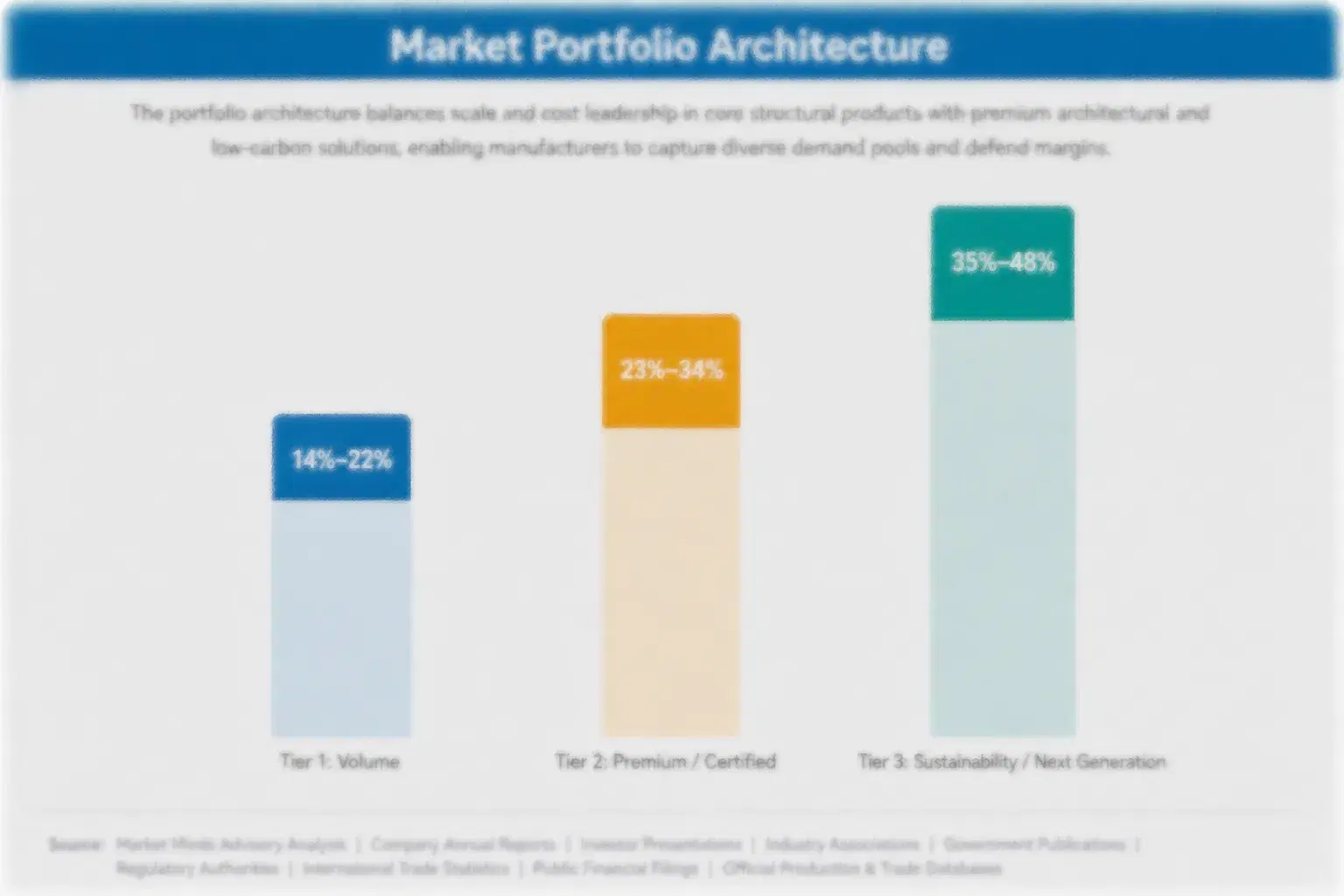
Margin follows format complexity and channel rather than active ingredient cost, which is negligible everywhere. Whitening toothpaste earns thin retail margins set by grocery negotiation against comparable competitor products. Strips earn considerably better on brand recognition. Convenience formats earn well and carry subscription economics that improve lifetime value substantially. Professional systems earn most, protected by registration requirements and by practice relationships that consumer marketing cannot reach.
The tension is that the volume sits in the format that does not actually whiten. Toothpaste carries the tonnage and the distribution relationships, and consumers are steadily learning that abrasion and bleaching differ. Defending that position means competing on shelf price while the proposition underneath erodes, and companies whose portfolios are weighted there face a slow erosion problem rather than a competitive one they can address.

High-value pools sit in three places. Sensitivity-managed formats that retain users through the months where revenue accumulates. Subscription convenience formats where habit rather than occasion drives purchase. And professional dispensing systems, which are the only route to effective whitening across Europe and carry margins that consumer competition does not touch. Each of the three requires capability that a toothpaste-led organisation does not naturally hold.

Volume / Commodity-Adjacent

Whitening toothpaste and basic abrasive stain removal products sold through grocery and pharmacy against directly comparable competitors. The 7-point range separates manufacturers with contracted packaging supply and scale distribution from smaller brands buying inputs at considerably worse terms.
Gross Margin: 38-45%

Premium / Certified

Whitening strips and at-home LED tray kits carrying brand recognition and premium retail positioning. The 7-point spread separates established brands whose names function as category definitions from entrants competing on specification and price without that recognition behind them.
Gross Margin: 56-63%

Sustainability / Regulatory / Next-Generation

Sensitivity-managed convenience formats on subscription and professional dispensing systems. The 18-point range is wide because subscription formats carry acquisition cost against lifetime value while professional systems recover registration costs through pricing practices readily accept.
Gross Margin: 61-79%
teeth-whitening-market-portfolio-architecture-1787689988948

High-value Sub-segments and Strategic Watch-out

Professional Dispensing Systems

Highest value here, protected by registration requirements and by dental practice relationships that no consumer marketing capability reaches. It is also the only route to effective whitening across Europe. The risk is that dental channel selling requires an organisation consumer companies simply do not have.
Gross Margin: 76-79%

Sensitivity Managed Subscriptions

Strong value and growth, retaining the roughly a third of users who otherwise abandon whitening over dentine sensitivity within weeks of starting. The risk is acquisition cost, since subscription economics only work if retention genuinely improves rather than merely being claimed in marketing. Claims are not retention.
Gross Margin: 64-67%

Whitening Toothpaste

The volume core, sold on shelf price through grocery negotiation where abrasive stain removal is broadly comparable across every competitor. Manufacturers hold the line because distribution relationships built on this volume carry the higher margin formats onto the same shelves alongside it. Shelf access is the value.
Gross Margin: 39-42%

Abrasive Positioned Portfolios

The strategic watch-out. Portfolios weighted toward toothpaste that removes stain rather than bleaching face consumers who understand the difference better each year. The risk is a slow erosion of proposition that distribution strength protects in volume terms but not in value. Volume holds, value does not.
Gross Margin: 40-43%

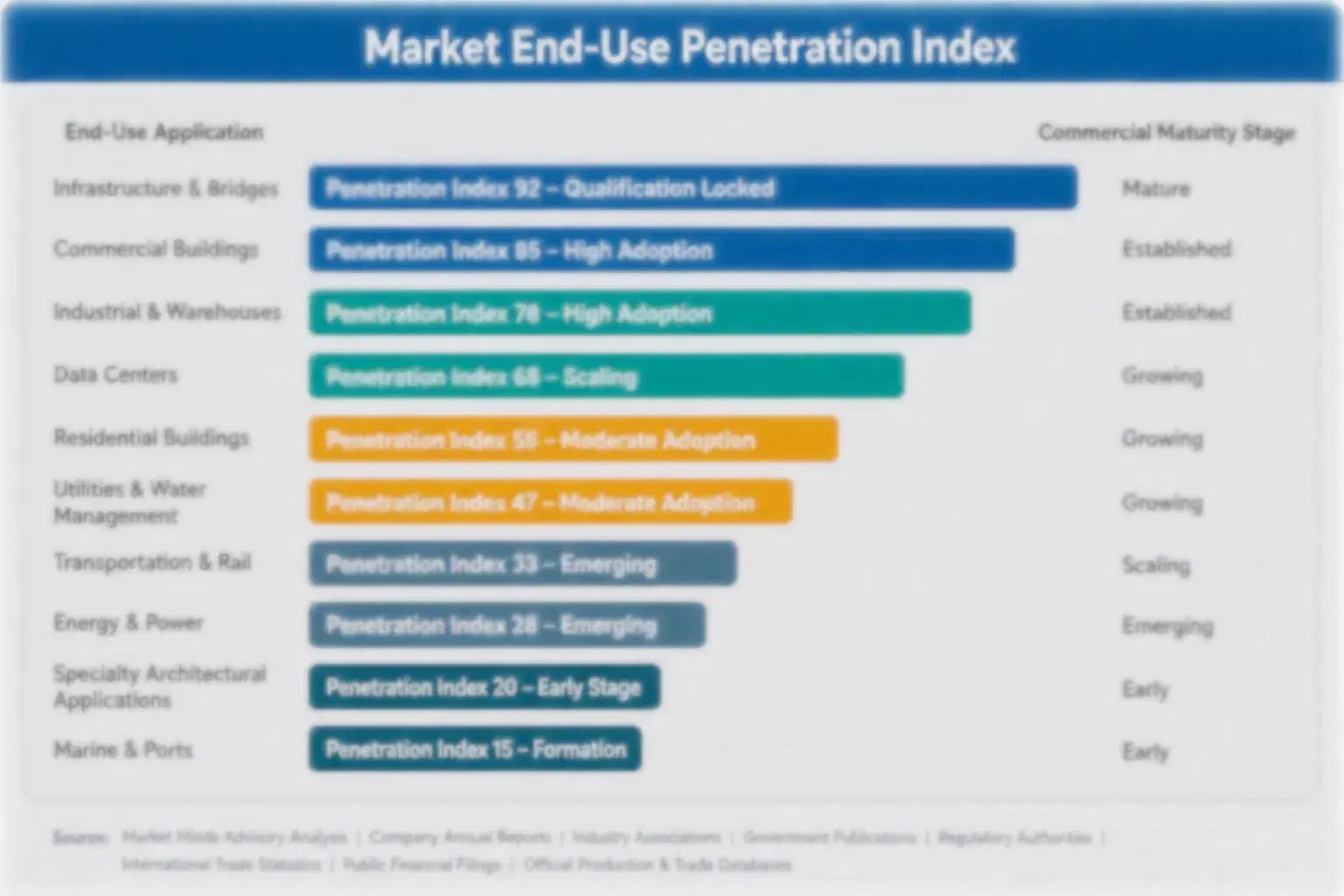
Habits Against Occasions

The commercial difference between formats is behavioural rather than chemical. A strip course is scheduled, completed and frequently not repeated for a year, while a pen or serum applied nightly generates roughly four times the annual revenue from the same consumer. Whitening toothpaste sits inside an existing daily habit and repurchases automatically without any decision at all.
Stickiness depends almost entirely on sensitivity rather than on preference. A user who experiences discomfort stops regardless of brand loyalty, shade result or price, and roughly 34% do exactly that. A user who does not experience it continues almost indefinitely, since the habit is low effort and the perceived need never fully resolves. That makes formulation rather than marketing the determinant of lifetime value, which is unusual in any consumer category.

The purchase decision has moved toward channels that suit routine products. Subscription and direct to consumer models fit nightly formats naturally and fit course products badly, which advantages entrants over established retail distribution. Meanwhile across Europe the effective products are dispensed by dentists, so the decision maker is a clinician rather than a consumer. Marketing that works in one setting is close to irrelevant in the other one.
teeth-whitening-market-end-use-penetration-index-1787689989246

Where The Value Actually Sits

These are among the four positions where our research anticipates prominent divergence between winners and laggards over the coming forecast period. Each is grounded in the demand model, the regulatory perimeter, and the announced capacity pipeline.
01 / SENSITIVITY RETENTION FOCUS

Discontinuation costs more than any competitor

Roughly 34% of whitening users abandon treatment because of transient dentine hypersensitivity, which means acquisition spending is buying consumers who leave within a matter of weeks. Potassium nitrate, reduced peroxide concentrations worn for longer periods and remineralising agents have all been shown to measurably lower that discontinuation rate. In a repeat-purchase category retention is worth considerably more than trial, and brands competing hard on shade improvement claims are optimising precisely the metric that matters least to their own long-term economics.
02 / REGULATORY CHANNEL SPLIT

Europe is a dental market, America is retail

European rules cap consumer hydrogen peroxide at 0.1%, a concentration that cannot meaningfully bleach a tooth, while permitting up to 6% only through a dental professional and American regulation allows far more over the counter. The identical portfolio is therefore a retail consumer business in one market and a professional dispensing business in the other. Companies running a single commercial organisation across both of those settings consistently fail in whichever of the two markets does not happen to match their own commercial heritage.
03 / HABIT FORMAT CONVERSION

Sell a routine rather than a two-week course

A strip course is an event that a consumer schedules and often does not repeat for a year, while a pen or serum applied nightly becomes a habit generating roughly four times the annual revenue from the same person. Growth running at 12.0% across convenience formats follows that behavioural difference rather than any advance in bleaching chemistry at all. Brands built entirely around dramatic before-and-after imagery are therefore selling occasions to consumers who would readily have accepted a habit instead.
04 / HONEST DEVICE POSITIONING

The light aids compliance, not decomposition

Consumer power LEDs contribute considerably less to peroxide decomposition than the marketing implies, since concentration and contact time between them do nearly all of the actual work involved. What the light does reliably deliver is improved compliance, because a user sitting with a device in their mouth waits for the timer instead of rinsing off early. Selling that ritual honestly is both defensible and durable, whereas overstating the chemistry invites regulatory attention and consumer scepticism that competitors will happily amplify.

Engagement Snapshot From the Field

A live engagement with an industry participant carrying material or product regulatory and market exposure ahead of a defining policy shift, showing how our research translates into a defensible multi-year portfolio strategy.
MARKET MINDS ADVISORY · CLIENT ENGAGEMENT SUMMARY
Teeth Whitening Producer Strategic Portfolio Review and Transition Roadmap 2026·Investment Scenario on Teeth Whitening Exposure Evaluation 2025-26
CLIENT PROFILE
A consumer oral care company selling whitening toothpaste and strips across 23 markets, with whitening revenue reported at 340 million dollars (client-reported, unverified by MMA). Roughly 71% came from abrasive whitening toothpaste sold through grocery and pharmacy. A European launch of its American strip range had been planned for the following year using the same retail channel strategy that worked domestically.
STRATEGIC CHALLENGE
Whitening revenue growth had slowed against peroxide format competitors and management attributed it to insufficient marketing weight. The European launch was proceeding on retail assumptions. Nobody had examined why users were leaving the category, or whether the planned European products could legally be sold through retail at all. Neither assumption held.
MMA APPROACH
MMA analysed consumer discontinuation across the client's own user base, which had never been examined separately from switching. Fifteen expert interviews with dentists, regulatory specialists and category buyers established both the sensitivity picture and the European regulatory position. The analysis tested the European launch assumptions directly rather than accepting the domestic channel model as transferable.
KEY FINDINGS
  1. Around a third of users who tried the client's peroxide products stopped within six weeks citing sensitivity, and none of the formulations addressed it at all.
  2. The planned European strip products exceeded consumer peroxide limits and could only be sold through dental professionals, which the launch plan had not contemplated.
  3. Toothpaste volume was stable while its share of category value declined steadily, as consumers moved toward formats that genuinely bleach rather than abrade.
  4. Reformulating for sensitivity modelled a larger revenue gain than the planned marketing increase would deliver (client-reported, unverified by MMA). Marketing weight was never the problem.
CLIENT PROFILE
A consumer oral care company selling whitening toothpaste and strips across 23 markets, with whitening revenue reported at 340 million dollars (client-reported, unverified by MMA). Roughly 71% came from abrasive whitening toothpaste sold through grocery and pharmacy. A European launch of its American strip range had been planned for the following year using the same retail channel strategy that worked domestically.
STRATEGIC CHALLENGE
Whitening revenue growth had slowed against peroxide format competitors and management attributed it to insufficient marketing weight. The European launch was proceeding on retail assumptions. Nobody had examined why users were leaving the category, or whether the planned European products could legally be sold through retail at all. Neither assumption held.
MMA APPROACH
MMA analysed consumer discontinuation across the client's own user base, which had never been examined separately from switching. Fifteen expert interviews with dentists, regulatory specialists and category buyers established both the sensitivity picture and the European regulatory position. The analysis tested the European launch assumptions directly rather than accepting the domestic channel model as transferable.
KEY FINDINGS
  1. Around a third of users who tried the client's peroxide products stopped within six weeks citing sensitivity, and none of the formulations addressed it at all.
  2. The planned European strip products exceeded consumer peroxide limits and could only be sold through dental professionals, which the launch plan had not contemplated.
  3. Toothpaste volume was stable while its share of category value declined steadily, as consumers moved toward formats that genuinely bleach rather than abrade.
  4. Reformulating for sensitivity modelled a larger revenue gain than the planned marketing increase would deliver (client-reported, unverified by MMA). Marketing weight was never the problem.
RECOMMENDED STRATEGY
Phase 1: Phase one: reformulate peroxide products with sensitivity management before spending anything further on acquisition marketing anywhere. Acquisition without retention is wasted. Phase 2: Phase two: rebuild the European plan around dental professional dispensing, since retail sale of effective concentrations is not permitted there. Phase 3: Phase three: develop a nightly convenience format positioned as maintenance, which repurchases far more often than any course product does.
OUTCOME
Reformulation was completed and six-week retention improved materially without any change in marketing spend. The European launch was restructured around dental dispensing before commitments were made (client-reported, unverified by MMA). A nightly serum format entered development and has since become the fastest growing line in the portfolio.

Frequently Asked Questions

Foundational context covering the market sizes, CAGR, scope, country, region and competition that inform every finding below. This section is provided to cover basics and most often pre-purchase conversations, answered from the MMA Primary Research Dataset.

What is the current size of the Teeth Whitening Market?

The market was worth 7.6 billion dollars in 2025, covering toothpaste, strips, at-home kits, professional systems, dentist-dispensed kits and pens or serums. It reaches 8.21 billion dollars in 2026.

How large will the Teeth Whitening Market be by 2036?

MMA forecasts 17.72 billion dollars by 2036, an increase of 9.51 billion dollars over the 2026 base. That represents an expansion multiple of 2.16 times across the forecast period.

What is the CAGR for the Teeth Whitening Market 2026 to 2036?

The base case compounds at 8.0% annually. MMA's bull case reaches 9.2% if sensitivity-managed formulations cut discontinuation, while the bear case sits at 6.8% on tighter consumer peroxide regulation.

Which segment is growing fastest?

Whitening pens, serums and powders, at 12.0%, half again the market rate of 8.0%. They fit a nightly routine rather than requiring a scheduled course, which multiplies repeat purchase.

Who are the major companies in the Teeth Whitening Market?

Procter and Gamble, Colgate-Palmolive, Unilever, Haleon and Dentsply Sirona lead on disclosed oral care and dental revenue. Church and Dwight, Ultradent, LG Household and Health Care and Kao compete strongly.

Which country is growing fastest?

India at 10.4%, driven by oral cosmetic spending rising with disposable income from a base where whitening was almost entirely a dental procedure. China remains the largest single market.

Report Segmentation Architecture

The full report scope spans multiple orthogonal segmentation dimensions, with cross-tabulated demand data provided for each dimension pair. Coverage extends further to regional breakdowns, trend trajectories, and the competitive detail needed to support segment-level decision-making.

By Product Format

  • Whitening Toothpaste
  • Whitening Strips
  • At-Home LED and Tray Kits
  • Professional In-Office Bleaching Systems
  • Dentist-Dispensed Take-Home Kits
  • Whitening Pens, Serums and Powders

By End-Use Industry

  • Grocery and Mass Retail
  • Pharmacy and Drug Retail
  • Dental Practices
  • Cosmetic Dentistry Clinics
  • Online and Direct to Consumer
  • Beauty and Speciality Retail

By Commercial Dimension

  • Retail Shelf Purchase
  • Subscription Supply
  • Dental Professional Dispensing
  • In-Practice Treatment
  • Cross-Border Online Purchase
  • Private Label Supply

By Region

  • North America
  • Western Europe
  • East Asia
  • South Asia and Pacific
  • Latin America
  • Middle East and Africa
  • Eastern Europe

Scope, Methodology, and Coverage

Every figure in this report is reproducible from documented input assumptions. The scope below maps the historical period, the forecast horizon, the segmentation dimensions, and the countries covered, alongside the underlying primary and qualitative methodology.
Historical Period
2020 to 2025
Forecast Period
2026 to 2036
Base Year
2025 (USD billions; MMA Primary Research Dataset, August 2026)
Market Definition
Scope covers products and professional treatments intended to lighten the colour of natural teeth, spanning whitening toothpaste working through abrasion and surface stain removal, whitening strips, at-home LED and tray kits, professional in-office bleaching systems applied chairside, dentist-dispensed take-home kits, and whitening pens, serums and powders. General oral care products carrying no whitening claim, toothbrushes and interdental cleaning devices, dental restorative materials, veneers, bonding and other cosmetic dentistry procedures beyond bleaching, and orthodontic products are excluded. Dental practice services other than bleaching and oral health diagnostics fall outside the boundary.
Quantitative Units
USD billions (current prices); units sold; treatments performed; subscription users; discontinuation rate at six weeks
Segmentation Dimensions
By Product Format; By End-Use Industry; By Commercial Dimension; By Region
Regions Covered
North America, Western Europe, East Asia, South Asia and Pacific, Latin America, Middle East and Africa, Eastern Europe
Countries Covered
China, USA, Japan, South Korea, India, Brazil, Germany, UK, France, Indonesia, Mexico, Italy, Saudi Arabia, Poland, Australia
Key Companies Profiled
Procter and Gamble, Colgate-Palmolive, Unilever, Haleon, Dentsply Sirona, Church and Dwight, Johnson and Johnson, Henkel, LG Household and Health Care, Amway, Ultradent Products, Philips, Den-Mat Holdings, SDI Limited, Ivoclar, Kao Corporation, Lion Corporation, Sunstar, Perrigo, Beyond International
Quantitative Methodology
Primary survey, n=3,800 respondents, Q4 2025, six countries; demand-side model with trade association cross-validation
Qualitative Methodology
47 expert interviews, Q4 2025; applied to validate demand model assumptions, identify emerging dynamics, and assess competitive positioning
Report Format
PDF and XLSX data workbook (Word format preview document)
Publisher
Market Minds Advisory
Report Code
MMA-2026-HLT-138
Published
August 2026
Contact
sales@marketmindsadvisory.com | www.marketmindsadvisory.com

Purchase the full Teeth Whitening Market Report (2026 to 2036).

The full report runs to 175 pages and covers all six product format segments, seven regions and 20 profiled companies in detail. It includes the complete segment CAGR set, regional consumption and channel data, and peroxide regulation mapping across fifteen national markets. Company profiles carry evaluation on disclosed oral care and dental products revenue, with moat and risk assessment for the top five companies. The competitive section extends to 16 tracked corporate and regulatory developments across 2024 and 2025, each with commercial interpretation. Primary research inputs include a quantitative survey of 3,800 respondents and 47 expert interviews conducted in Q4 2025.
Six product format segments with individual CAGR forecasts
Seven regional markets with consumption and channel data
Twenty company profiles on consistent revenue evaluation basis
Sixteen tracked corporate and regulatory developments with interpretation notes
Peroxide concentration regulation mapped across fifteen national markets
Discontinuation and retention analysis by format and formulation

Built For The People Who Decide

From boardroom strategy to bench-side execution, this report is read cover-to-cover by leaders shaping the next decade of their industry, turning demand scenarios, market dynamics and valuation benchmarks into decisions.
CXOs/ Presidents/ VPs/ Managers
M&A and Corporate Development
Strategy Teams and R&D Heads
Procurement and Product Directors
Regulatory and Compliance Leaders
Investor Relations and Equity Analysts